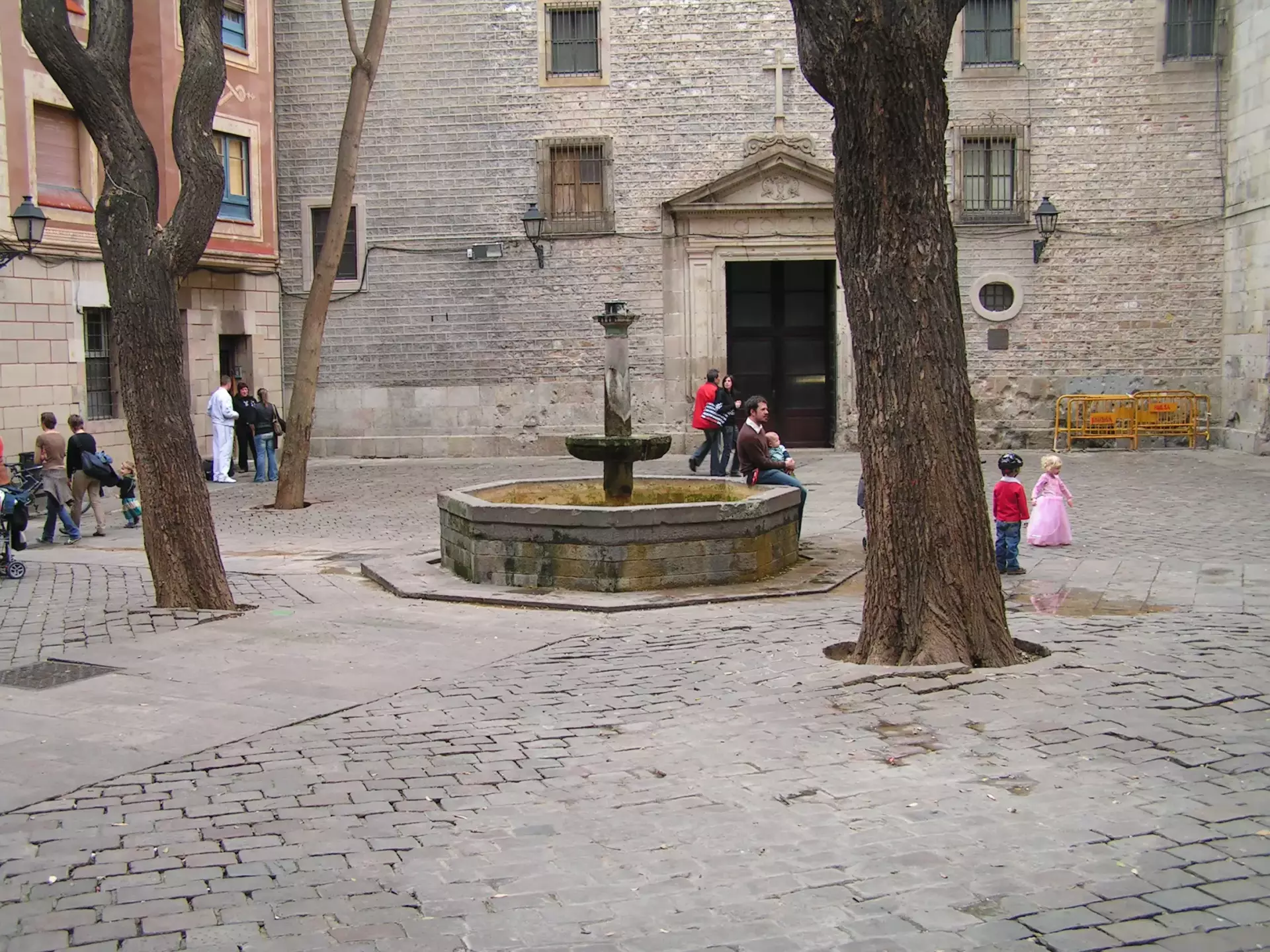
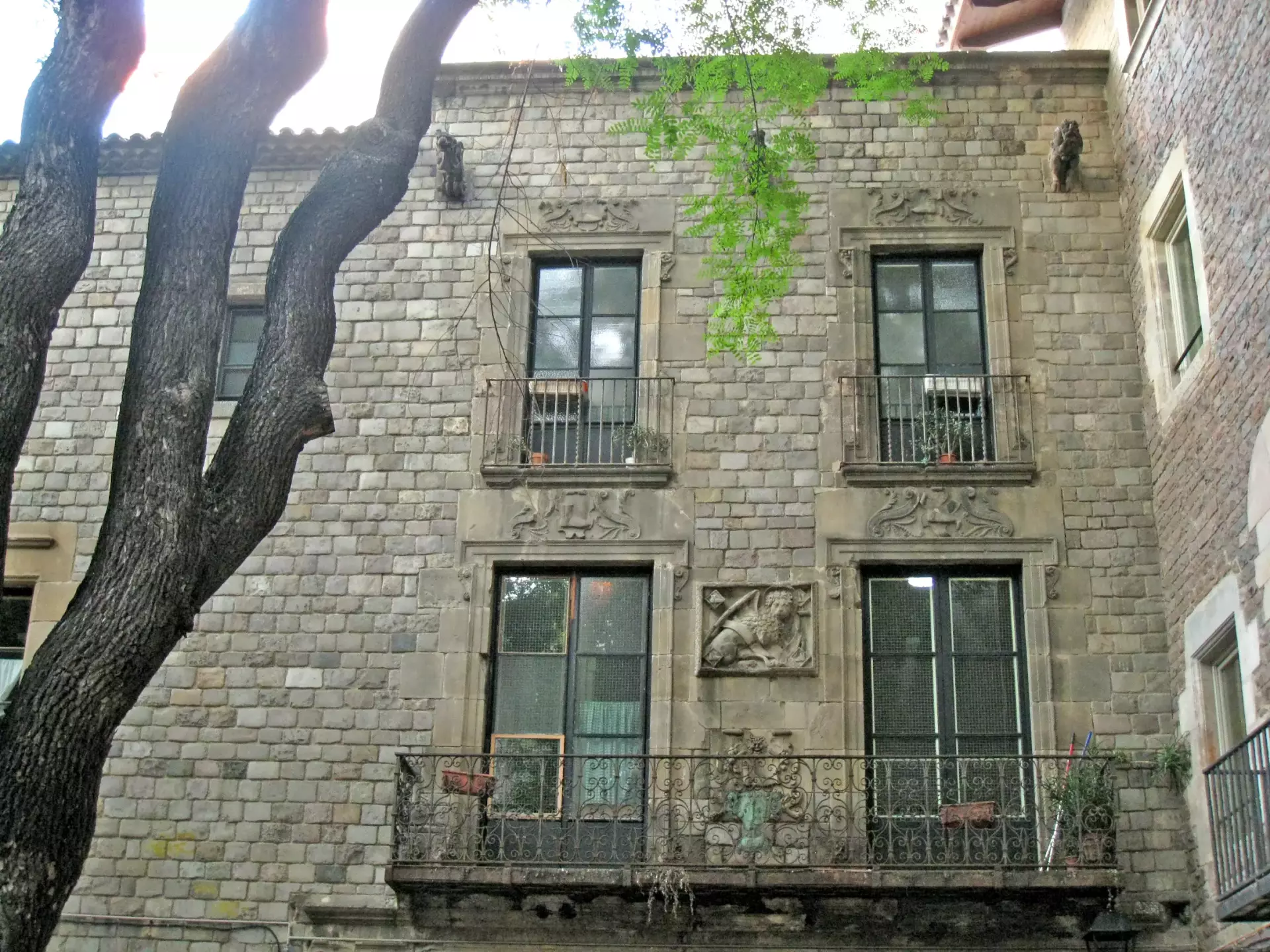
Barcelona is a city steeped in history, and one of its most enchanting spots is Plaça Sant Felip Neri. This quaint square is known for its romantic charm, with an atmosphere that seems to transport visitors back in time. Yet, this picturesque setting holds a somber secret—it rests upon what was once an old city cemetery.
A Place of Historical Layers
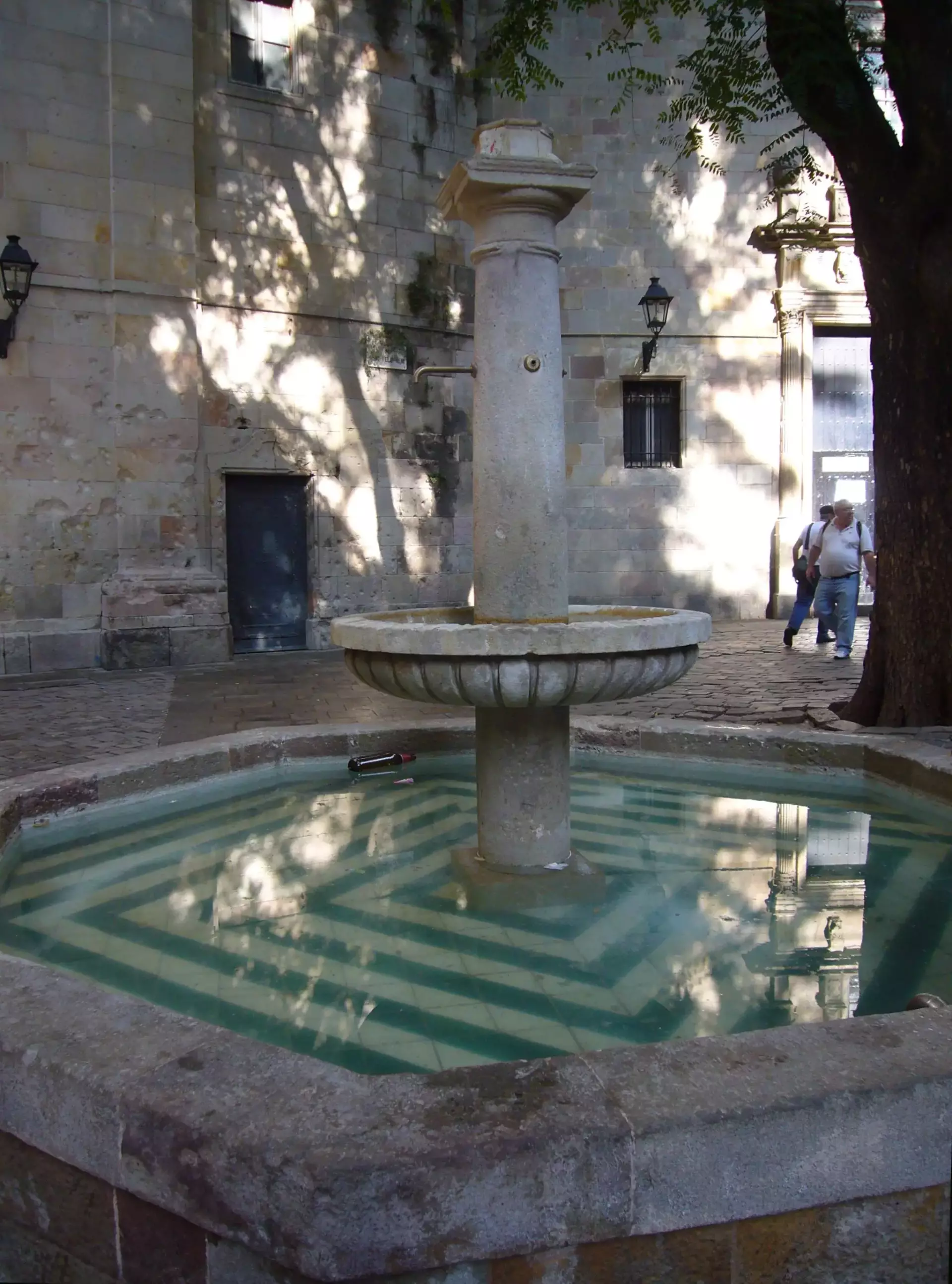
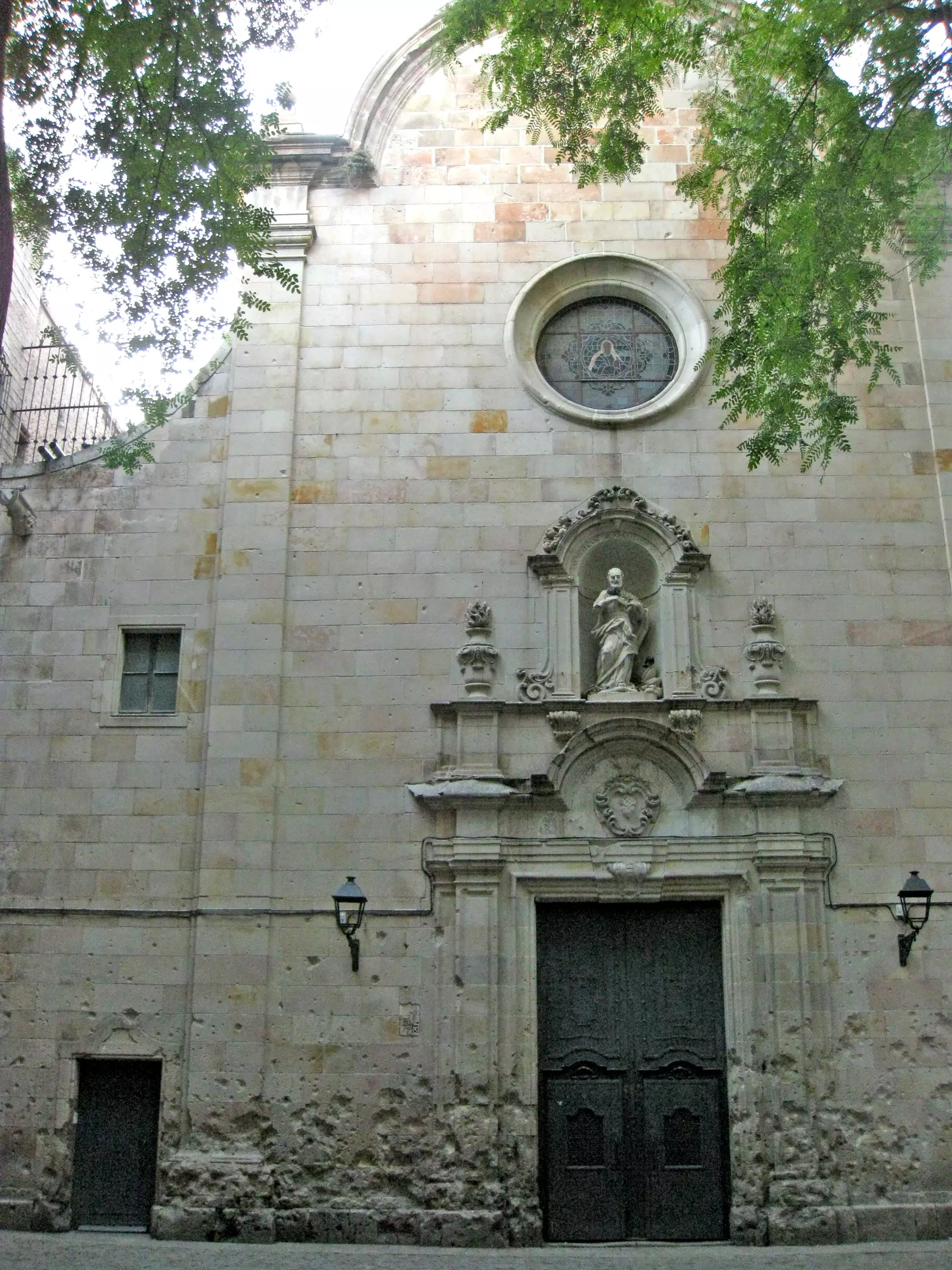
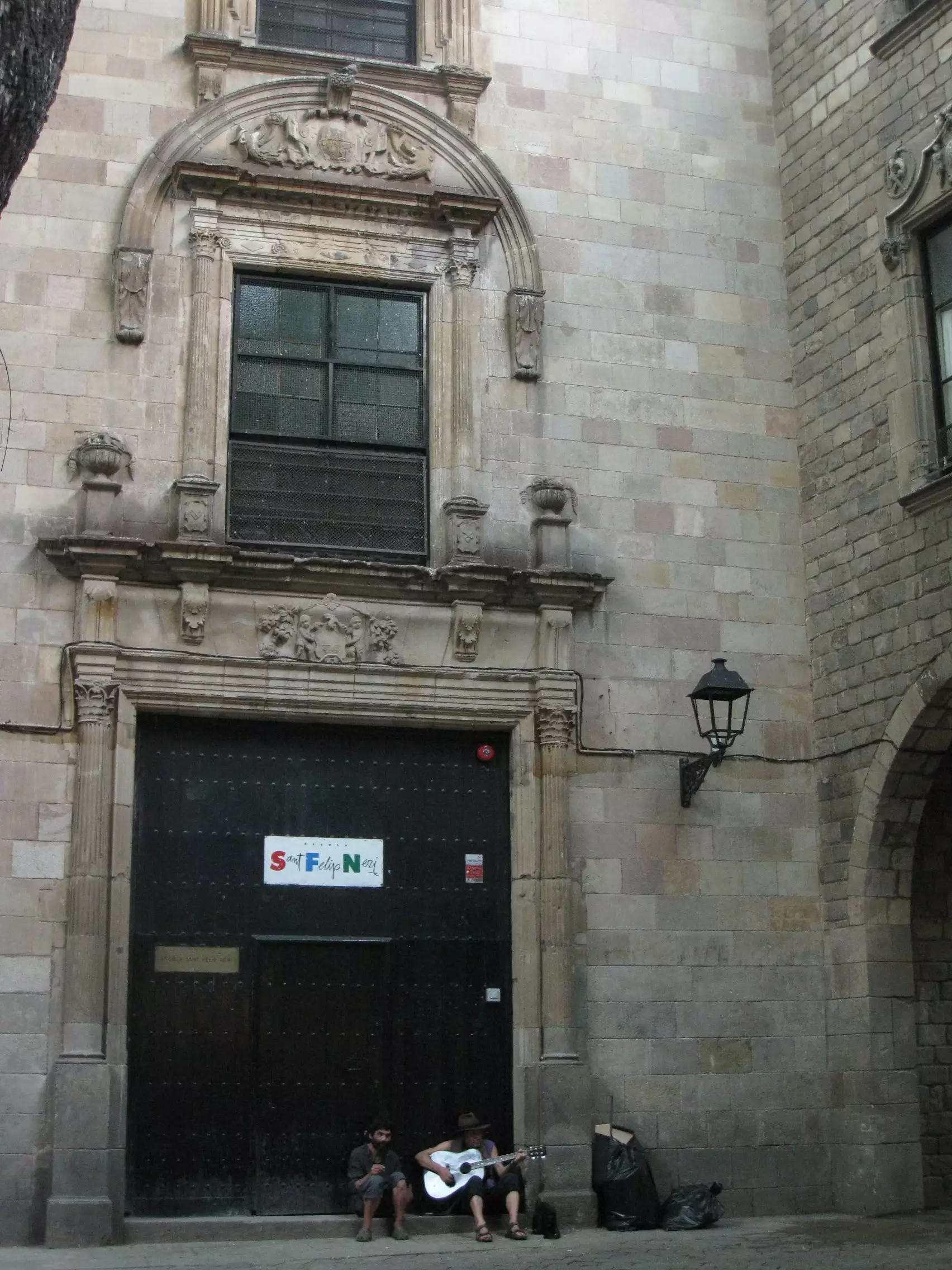
The square is home to the baroque church of Sant Felip Neri. It is accompanied by a 14th-century palace and a simple yet elegant fountain at its center. The church gained a tragic note in history when Antonio Gaudí, the renowned architect, was on his way to visit it. In a twist of fate, he was struck by a tram and passed away in 1928, adding another layer of meaning to this already historic site.
Visitors can reach the square by taking a narrow street next to the cathedral cloister. This path leads to a place where the past is palpable. The palace, part of this historic ensemble, was relocated from its original setting on Via Laietana during the 1920s, adding yet another chapter to its storied past.
Traces of the Civil War
A closer look at the church reveals marks left by history. The facade bears holes from a bomb dropped during the Spanish Civil War, serving as a poignant reminder of the city's turbulent past. These marks are not just physical scars but are symbols of resilience and the passage of time.
A Journey Beyond the Square
Exiting the square via another street leads visitors to Baixada de Santa Eulàlia. This street is linked to stories of Eulàlia, Barcelona's patron saint, who is said to have suffered torment here. Her story adds another layer of depth to the already rich historical tapestry of the area.
Plaça Sant Felip Neri is a place where beauty and history intertwine, offering a unique glimpse into the many stories that have shaped Barcelona over the centuries.
Source - https://en.wikipedia.org/wiki/Pla%C3%A7a_de_Sant_Felip_Neri