Discover the sights of Rome
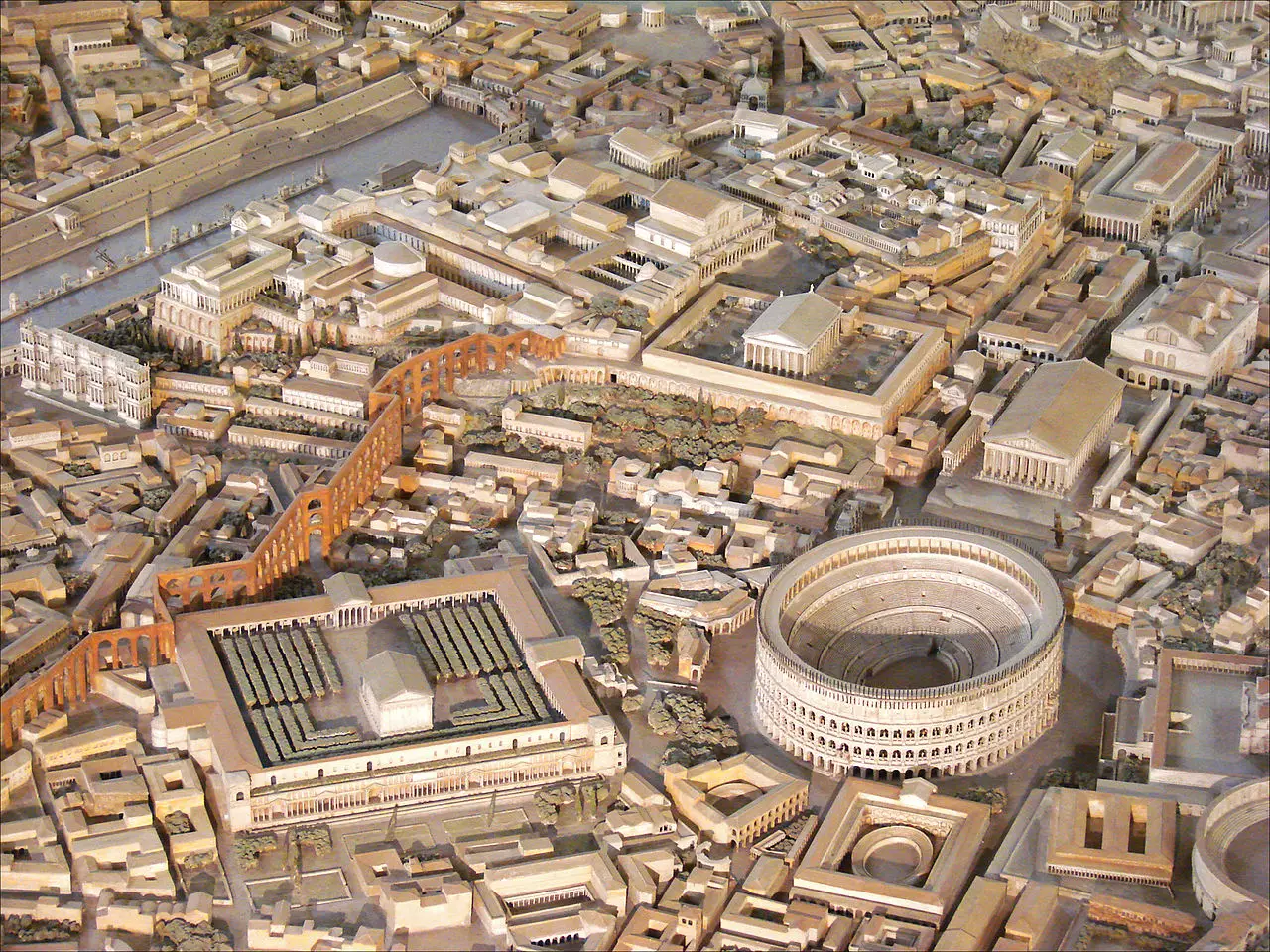
Colosseum
Rome, ItalyTrevi Fountain
Rome, ItalySpanish Steps
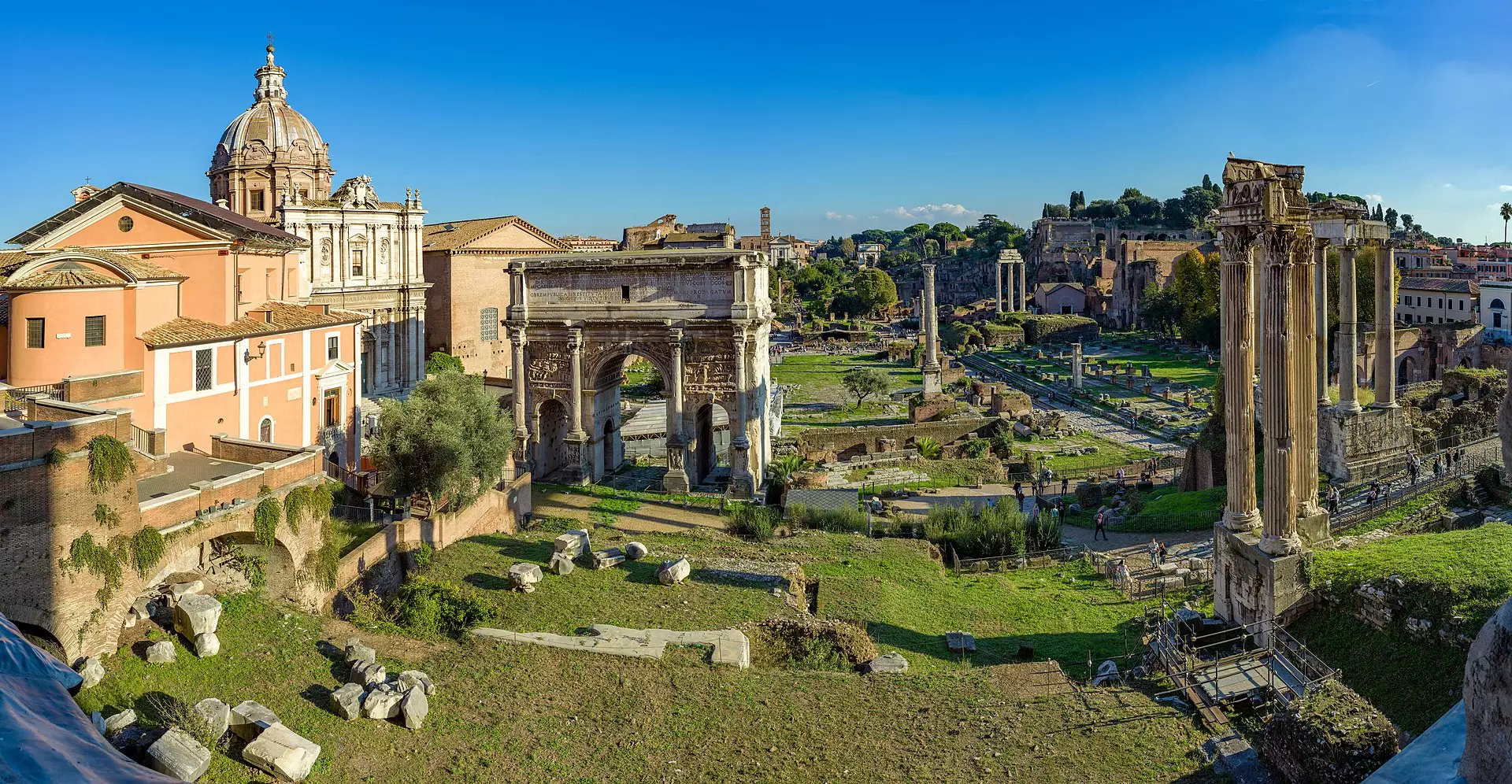
Rome, ItalyRoman Forum
Rome, ItalyCastel Sant'Angelo
Rome, ItalyCircus Maximus
Rome, ItalyPalatine Hill
Rome, ItalyStadio Olimpico
Rome, ItalyBasilica of Saint Paul Outside the Walls
Rome, ItalyArch of Titus
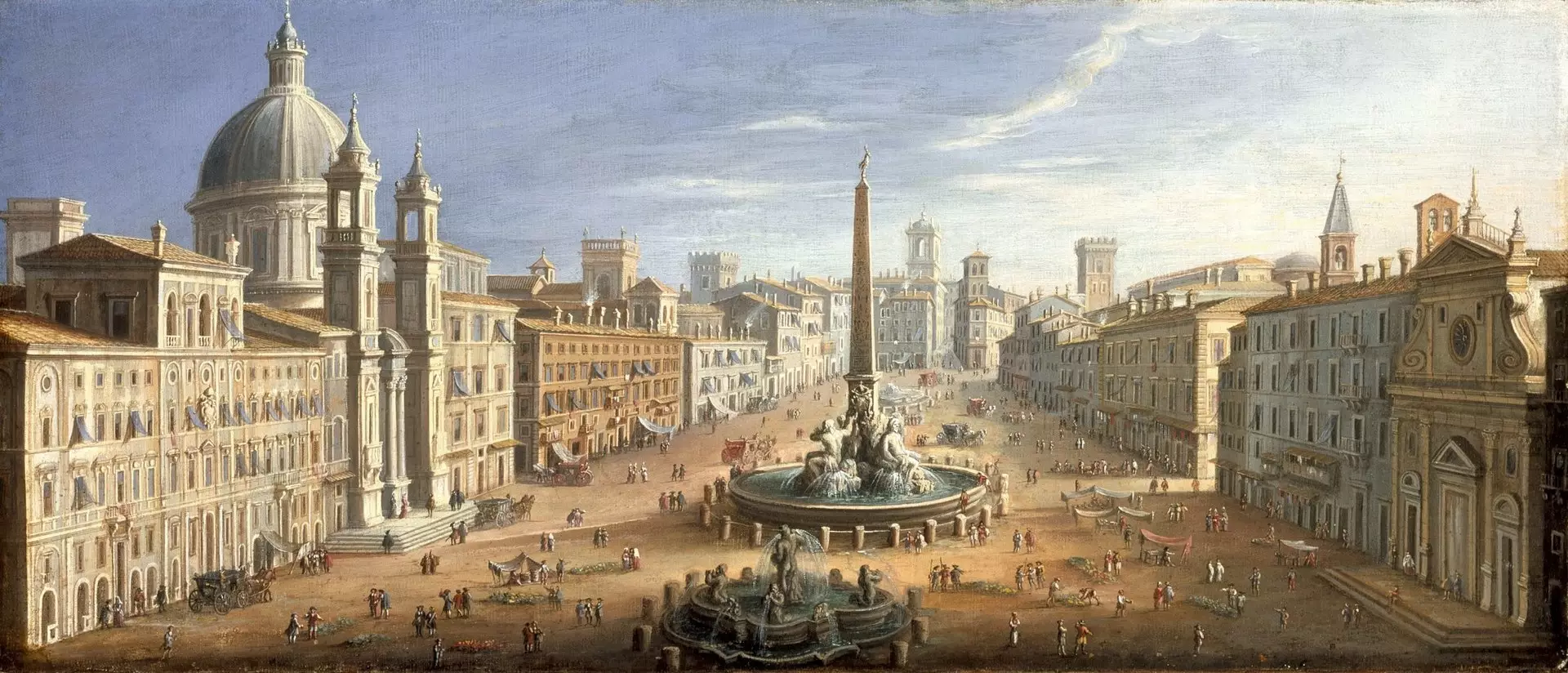
Rome, ItalyPiazza Navona
Rome, ItalyBaths of Caracalla
Rome, ItalyQuirinal Palace
Rome, ItalyArch of Constantine
Rome, ItalyScala Sancta
Rome, ItalyPalazzo della Civiltà Italiana
Rome, ItalyMausoleum of Augustus
Rome, ItalyCapitoline Museums
Rome, ItalyGalleria Borghese
Rome, ItalyPyramid of Cestius
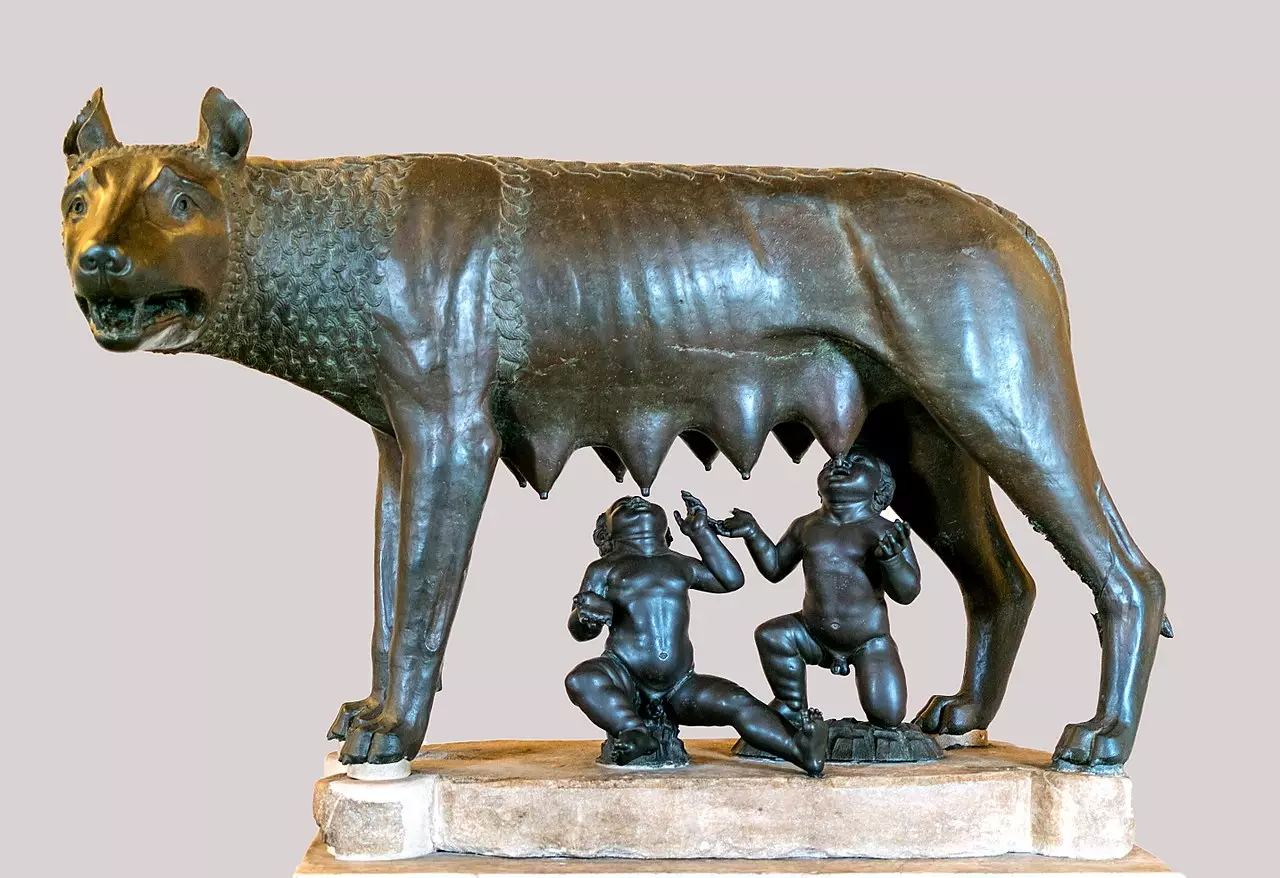
Rome, ItalyRome is the capital city of Italy. Rome's history spans 28 centuries. While Roman mythology dates the founding of Rome at around 753 BC, the site has been inhabited for much longer, making it a major human settlement for over three millennia and one of the oldest continuously occupied cities in Europe.
2,860,009
Italy
21 April 753 BC
 Rome, Italy
Rome, Italy
Rome, Italy
Rome, Italy
Rome, Italy
Rome, Italy
Rome, Italy
Rome, Italy
Rome, Italy
Rome, Italy
Rome, Italy
Rome, Italy
Rome, Italy
Rome, Italy
Rome, Italy
Rome, Italy
Rome, Italy
Rome, Italy
Rome, Italy
Find what you need
Filter

History of the Rome


The Earliest Days of Rome: From Hills to History
Long before Rome became an empire, the area was already rich with human activity. Archaeological finds suggest that people lived here as far back as 14,000 years ago. Though most traces of this early presence are buried under layers of later development, stone tools, pottery, and primitive weapons reveal a long-standing connection between humans and this land.
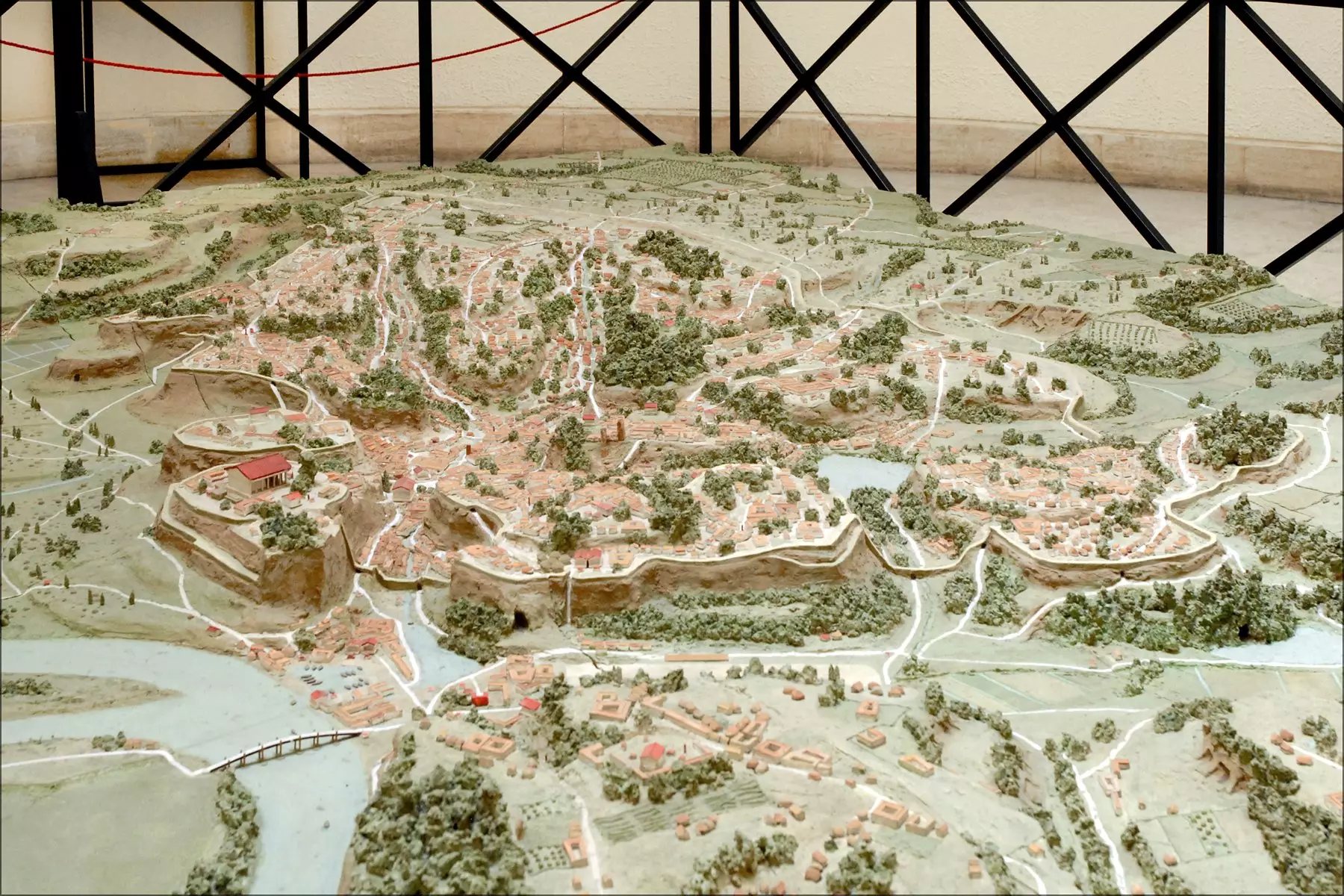
By the end of the Bronze Age and into the early Iron Age, the landscape began to change. Small villages emerged across the hills between the Tiber River and what we now call the Capitoline Hill. Each hill—including the Palatine and Capitoline—hosted its own separate community. The village on the Capitoline dates back to at least the 14th century BC. Still, these were simple settlements with no urban planning or shared infrastructure.
What transformed these scattered hilltop communities into a city was a gradual process. As farming techniques improved and food production surpassed subsistence levels, people began developing crafts and trade. This shift allowed economic and social structures to evolve. Over time, the villages started to merge in a process known as synoecism—the unification of separate communities into one. The Palatine Hill, home to the largest settlement, likely became the central hub of early Rome.
By the mid-8th century BC, Rome was beginning to resemble a true city. Trade with Greek colonies in southern Italy—especially Ischia and Cumae—brought new ideas, goods, and cultural influences.