



Circus Maximus
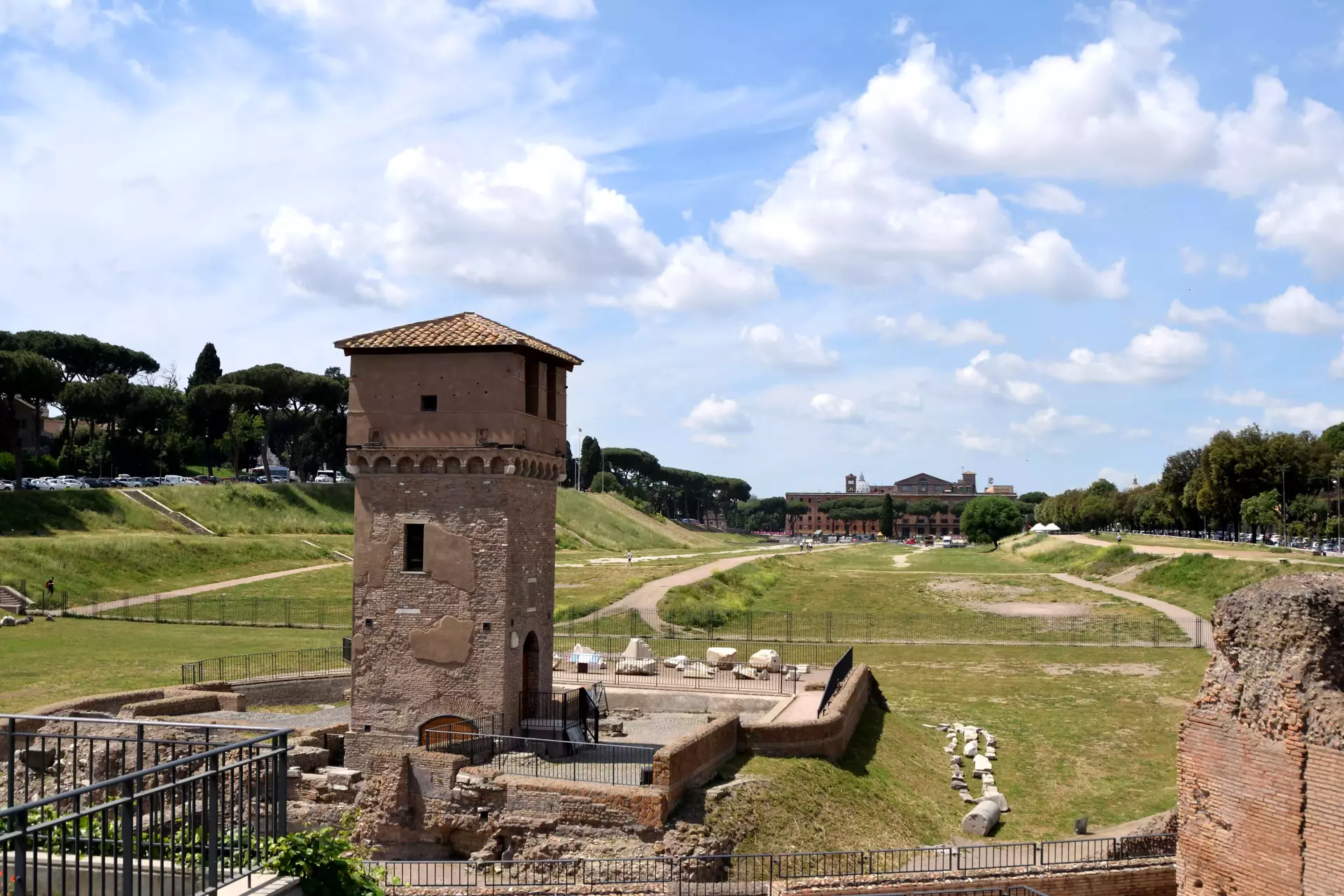
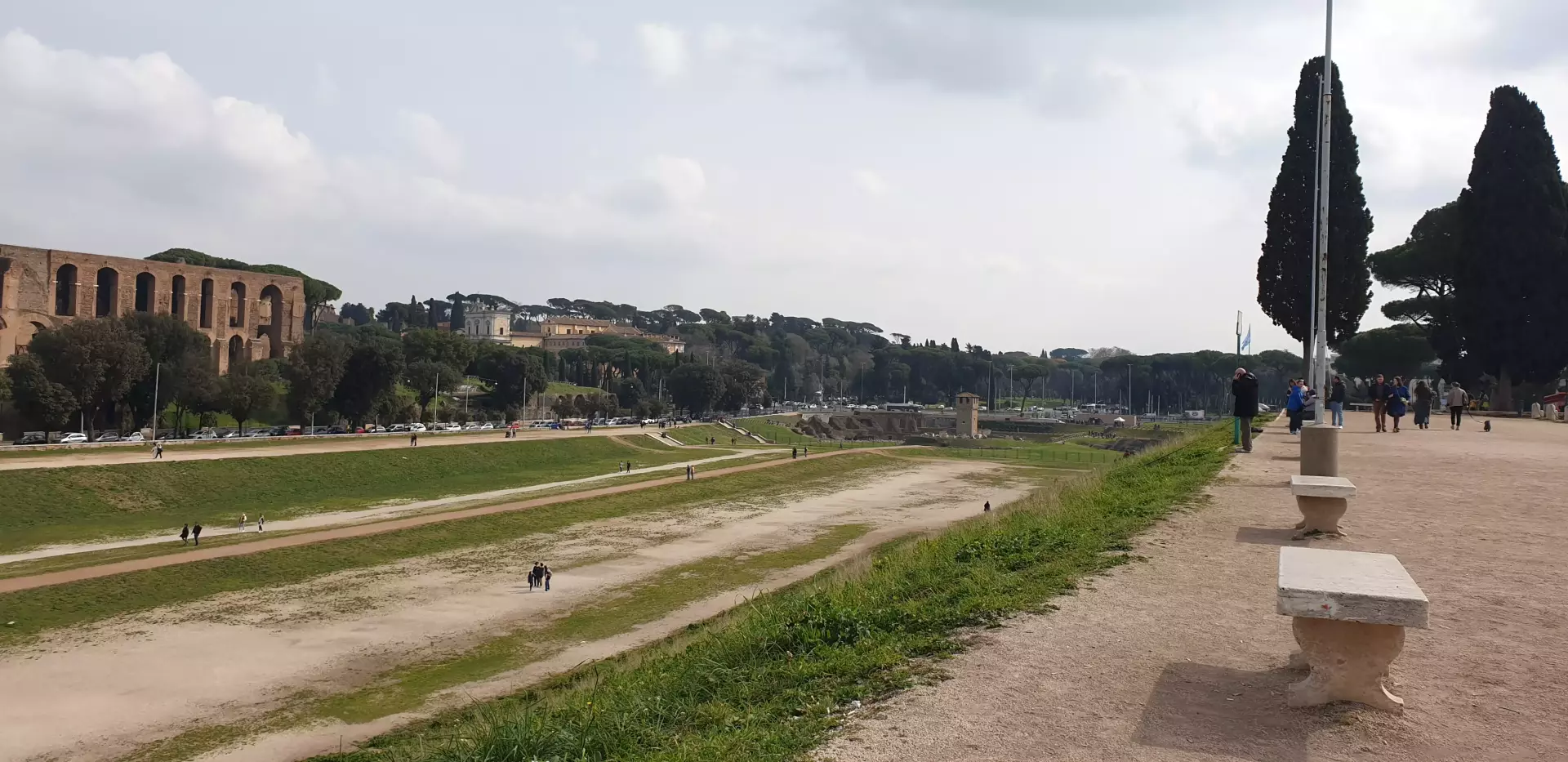
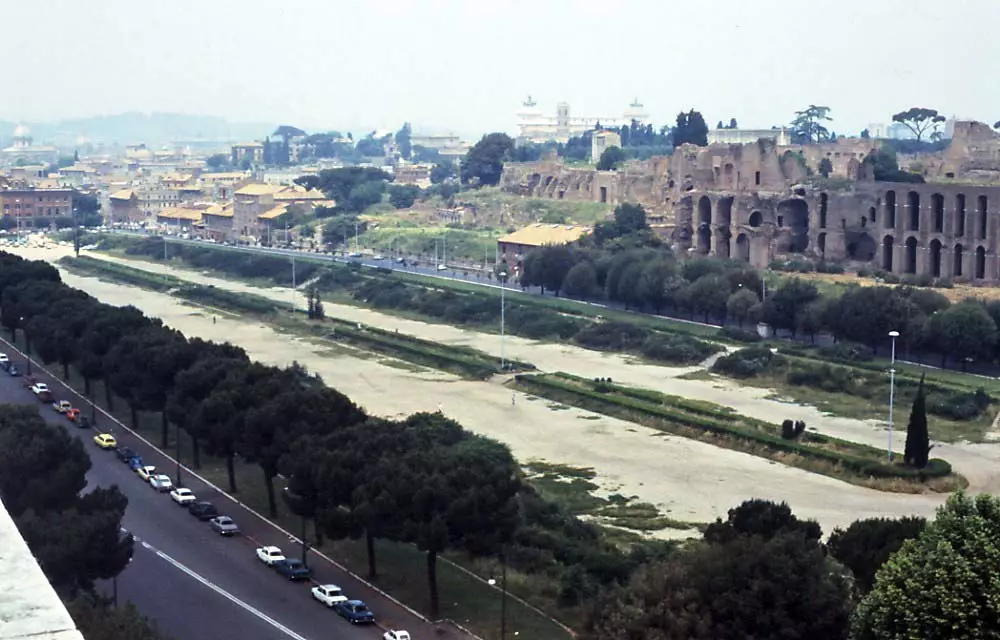
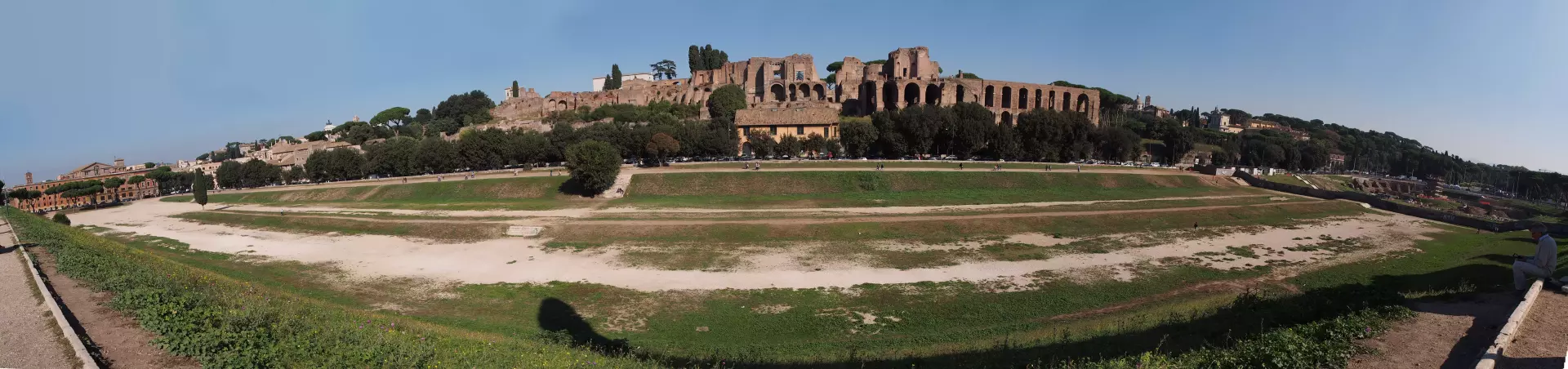
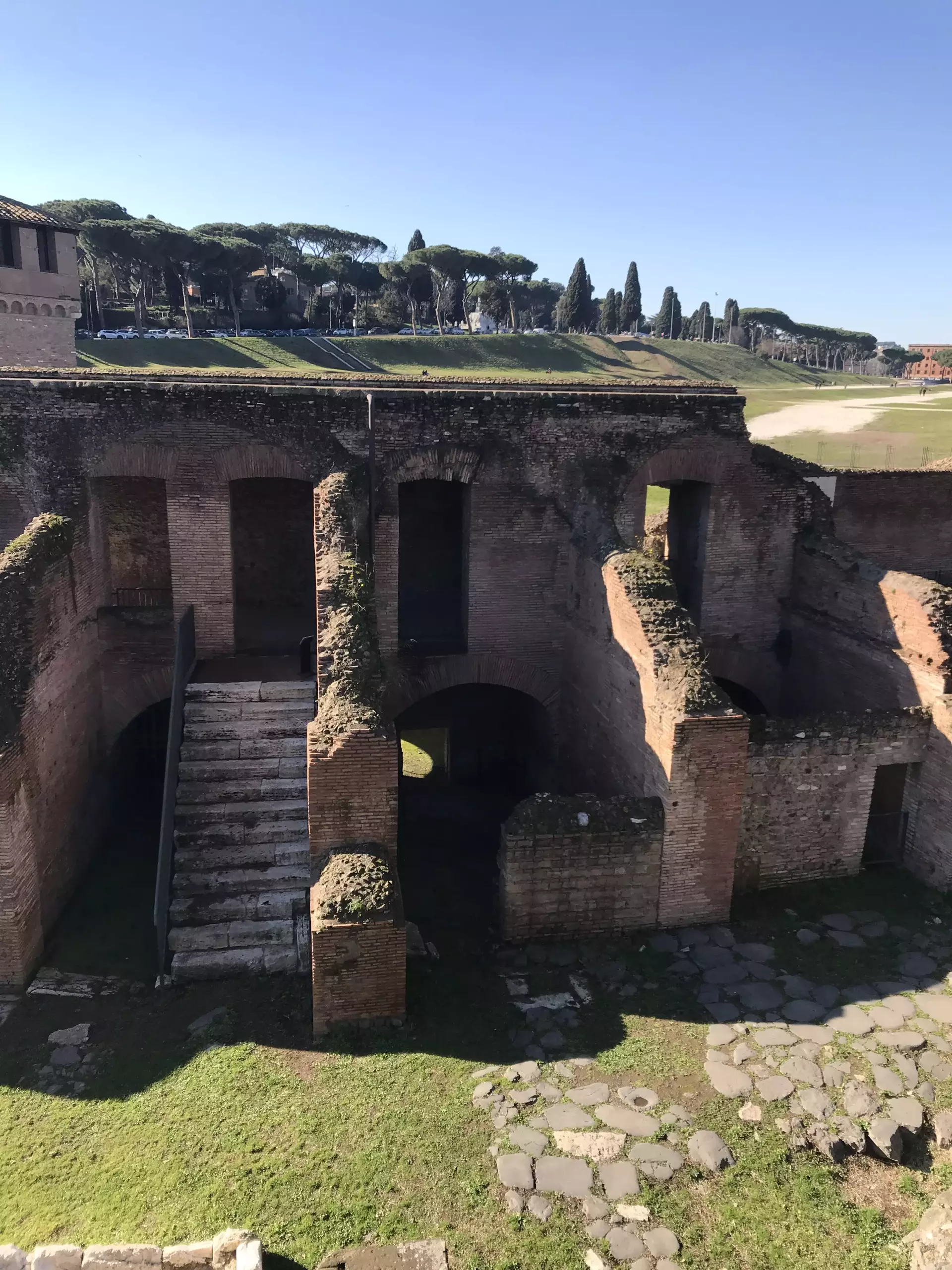
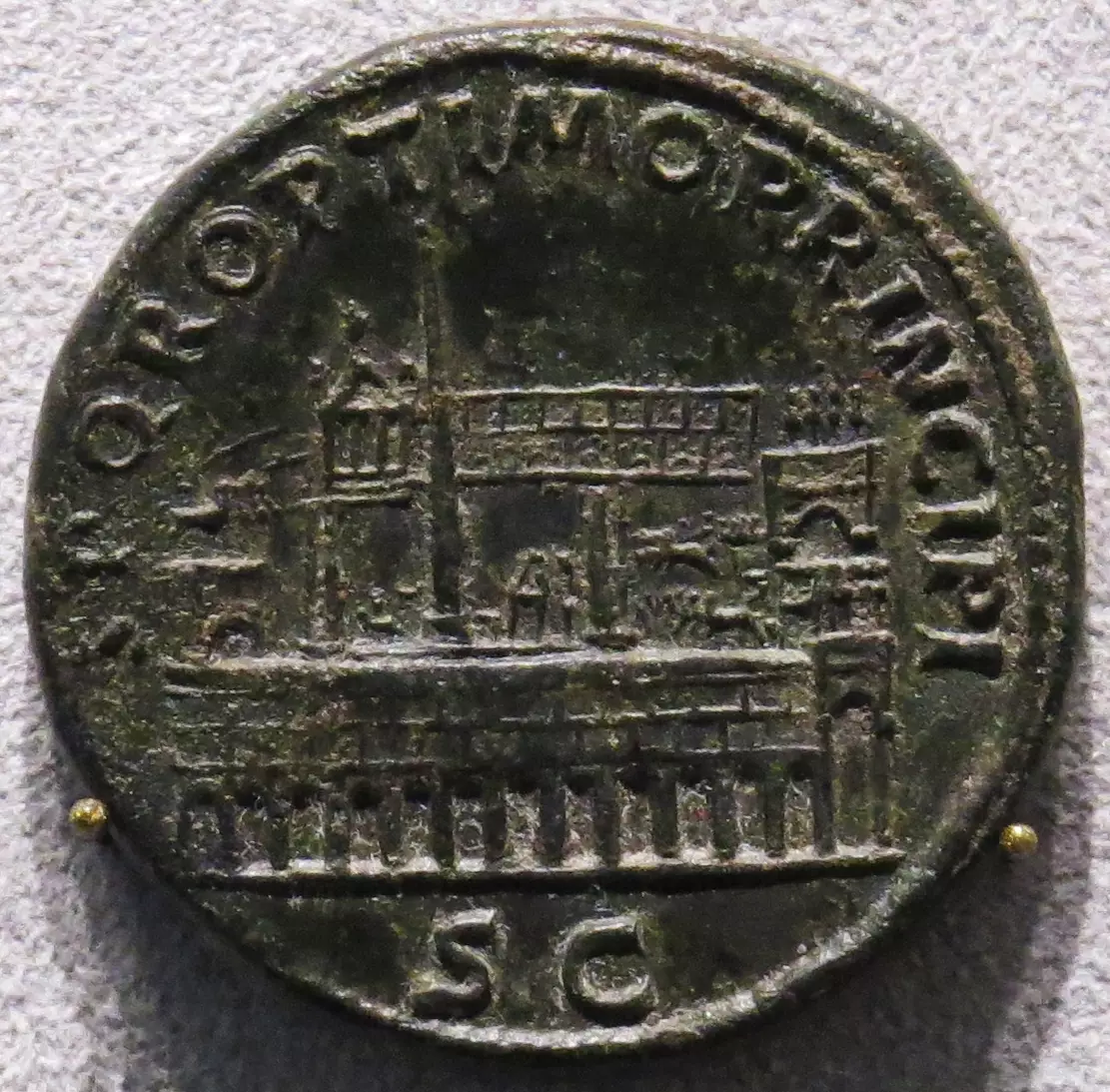
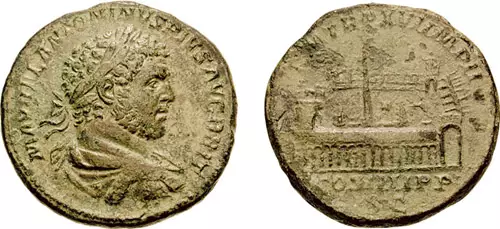
The remains of an ancient stadium can still be seen today in a wide park area beneath the Palatine Hill. This is the Circus Maximus, a place with a long and colorful history that stretches back to the 6th century B.C. For centuries, it was a center of excitement and entertainment in ancient Rome.
Chariot Races and Grand Spectacles
Circus Maximus was most famous for its thrilling chariot races. Spectators would fill the massive arena, which could hold up to 150,000 people at its peak. The roar of the crowd and the thunder of horses’ hooves once echoed between the stone walls, making it the largest stadium in ancient Rome. Races and public events continued there until about 550 AD.
Fire, Emperors, and Tragedy
When first built, the stadium was made mostly of wood. Unfortunately, this made it vulnerable to fire. On two occasions, the Circus Maximus burned down. The second fire was especially devastating and is connected to a famous moment in Roman history, when Emperor Nero was rumored to have played music while the city of Rome was in flames. The site also holds darker stories; it was in one of the stadium’s tunnels that Emperor Caligula met his end.
Modern Discoveries
Today, visitors walking through the park can still trace the outlines of the ancient stadium. Archaeological work continues, with new excavations at the east end of the Circus starting in 2009. These digs are expected to reveal more about the daily life and grand events that once took place here, with researchers planning to continue their work for years to come.
Source - https://en.wikipedia.org/wiki/Circus_Maximus