



Arch of Titus
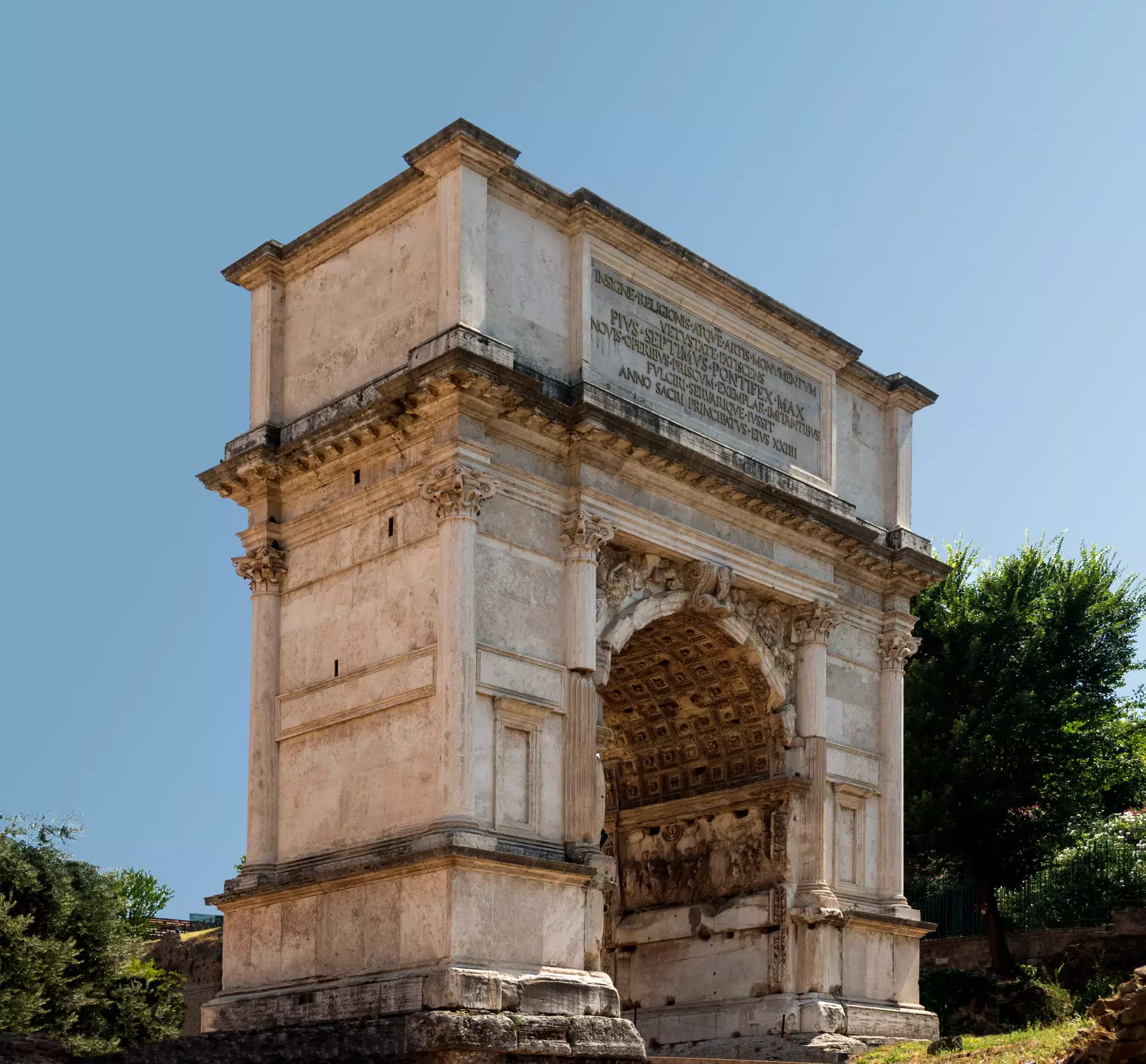
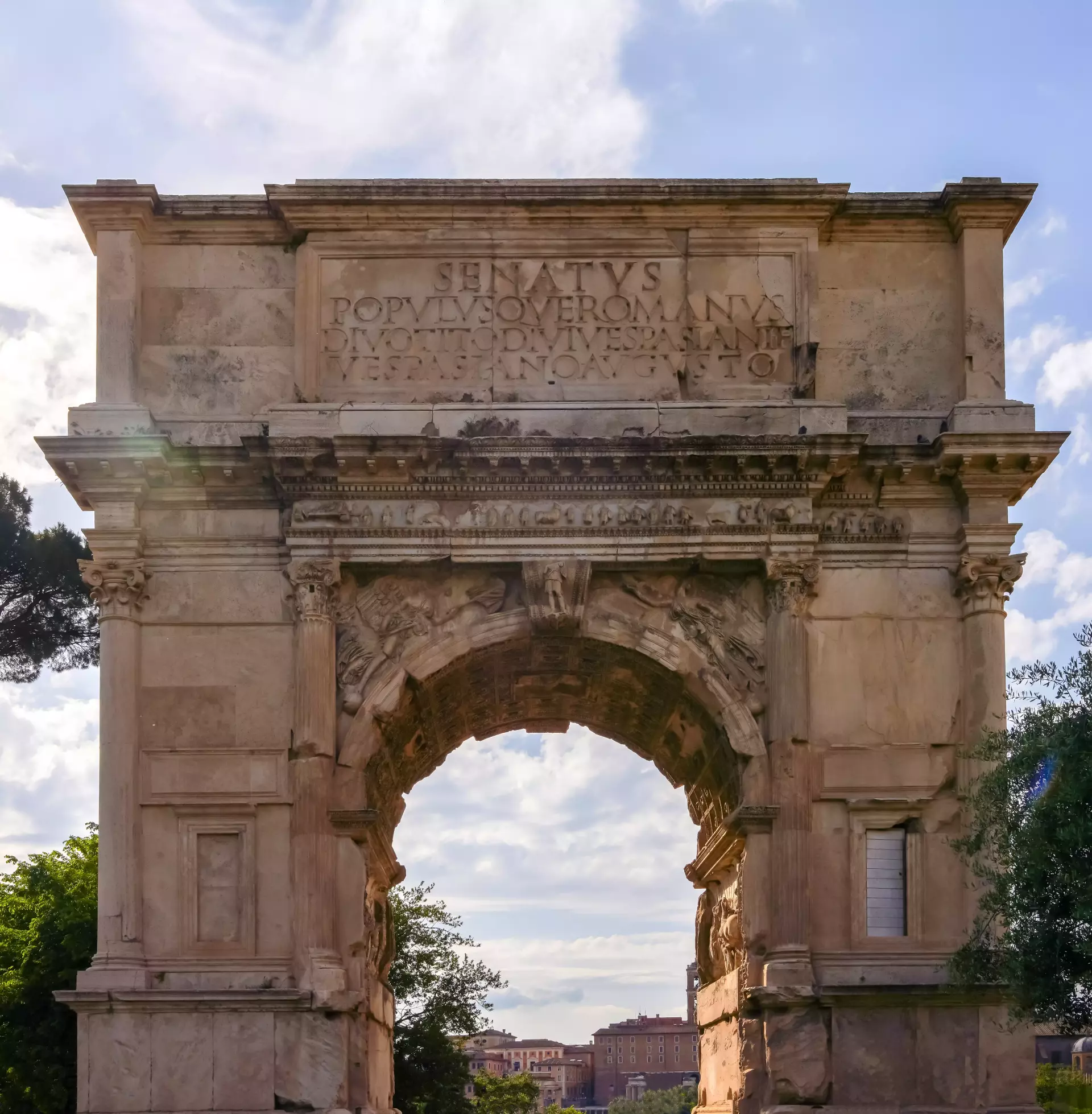
Rising elegantly at the highest point of Rome's Via Sacra, the Arch of Titus stands as a solemn tribute to a pivotal era in Roman history.
A Monument to a Brother and an Empire
The Arch of Titus was constructed in 81 AD by Emperor Domitianus, serving as a tribute to his older brother, Titus, who had passed away earlier that year. Titus’s reign, though brief from 79 to 81 AD, was marked by monumental events that shaped the course of Roman history. Among his major achievements was the grand opening of the Colosseum in the heart of Rome—an arena that still resonates with echoes of ancient spectacles. Yet, his rule was also overshadowed by calamity, most notably the catastrophic eruption of Mount Vesuvius in 79 AD, which buried the cities of Pompeii and Herculaneum under ash and pumice.
Symbolism and Legacy
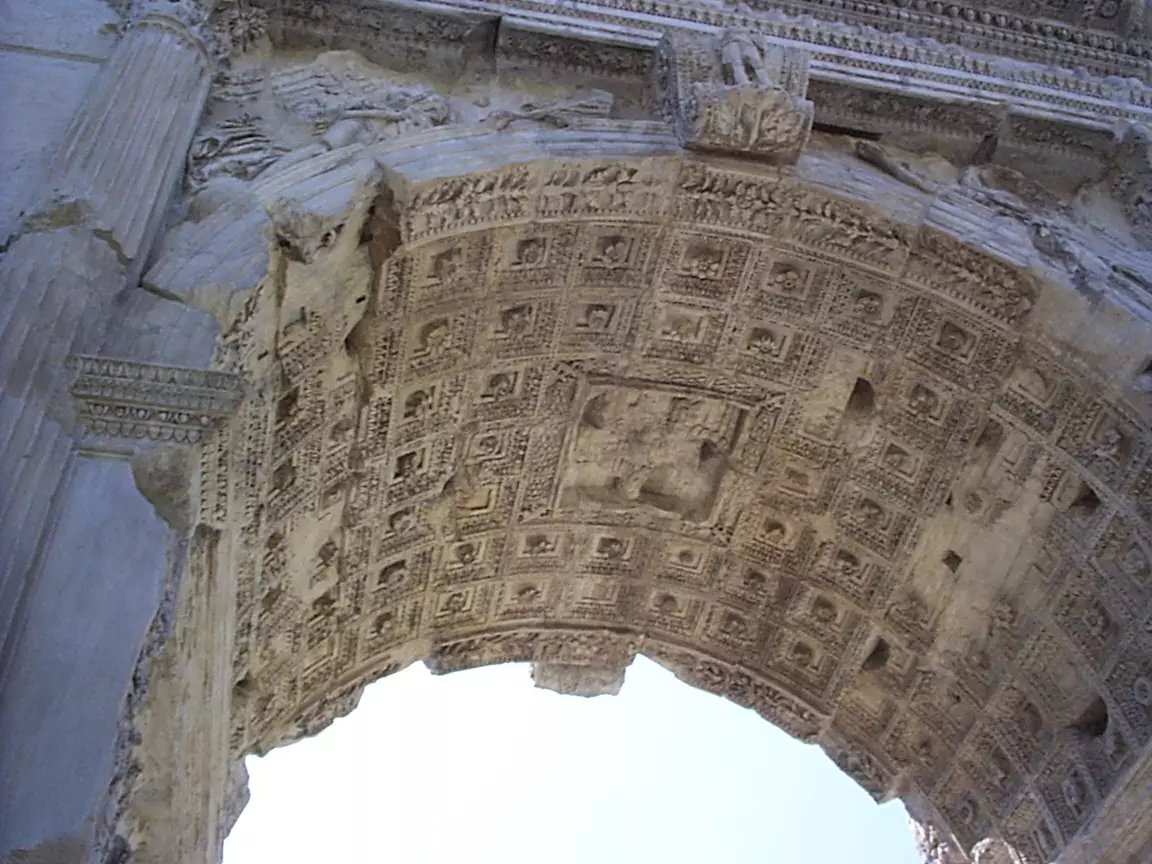
The arch itself is more than just a grand structure; it’s a carefully crafted symbol of triumph and remembrance. The reliefs carved into its marble recount the victory of Titus in the Siege of Jerusalem, capturing dramatic scenes of Roman soldiers carrying spoils from the Temple. These vivid details offer a glimpse into the pageantry and power that once defined the Roman Empire, while also providing a poignant reminder of the impermanence of glory and tragedy alike.
Standing in the Shadow of History
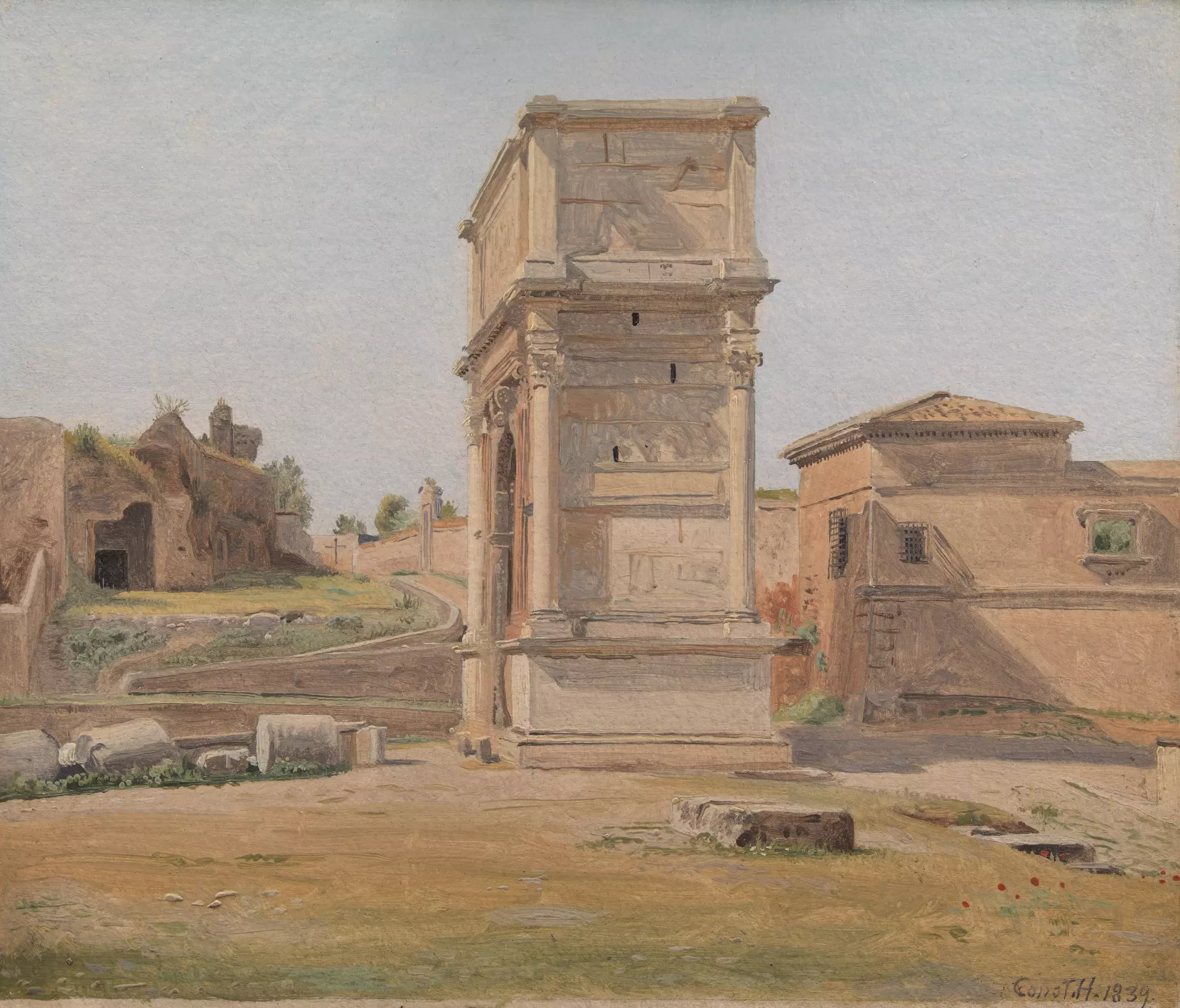
Today, the Arch of Titus stands as a gateway between Rome’s past and present, a must-see for anyone seeking to grasp the incredible depth of the city’s heritage. Whether you’re a history buff retracing ancient footsteps or a curious traveler swept up in Rome’s timeless allure, the arch invites you to pause, reflect, and marvel at a civilization whose echoes are still heard in the stones beneath your feet.
Source - https://en.wikipedia.org/wiki/Arch_of_TitusVideo