



Castel Sant'Angelo
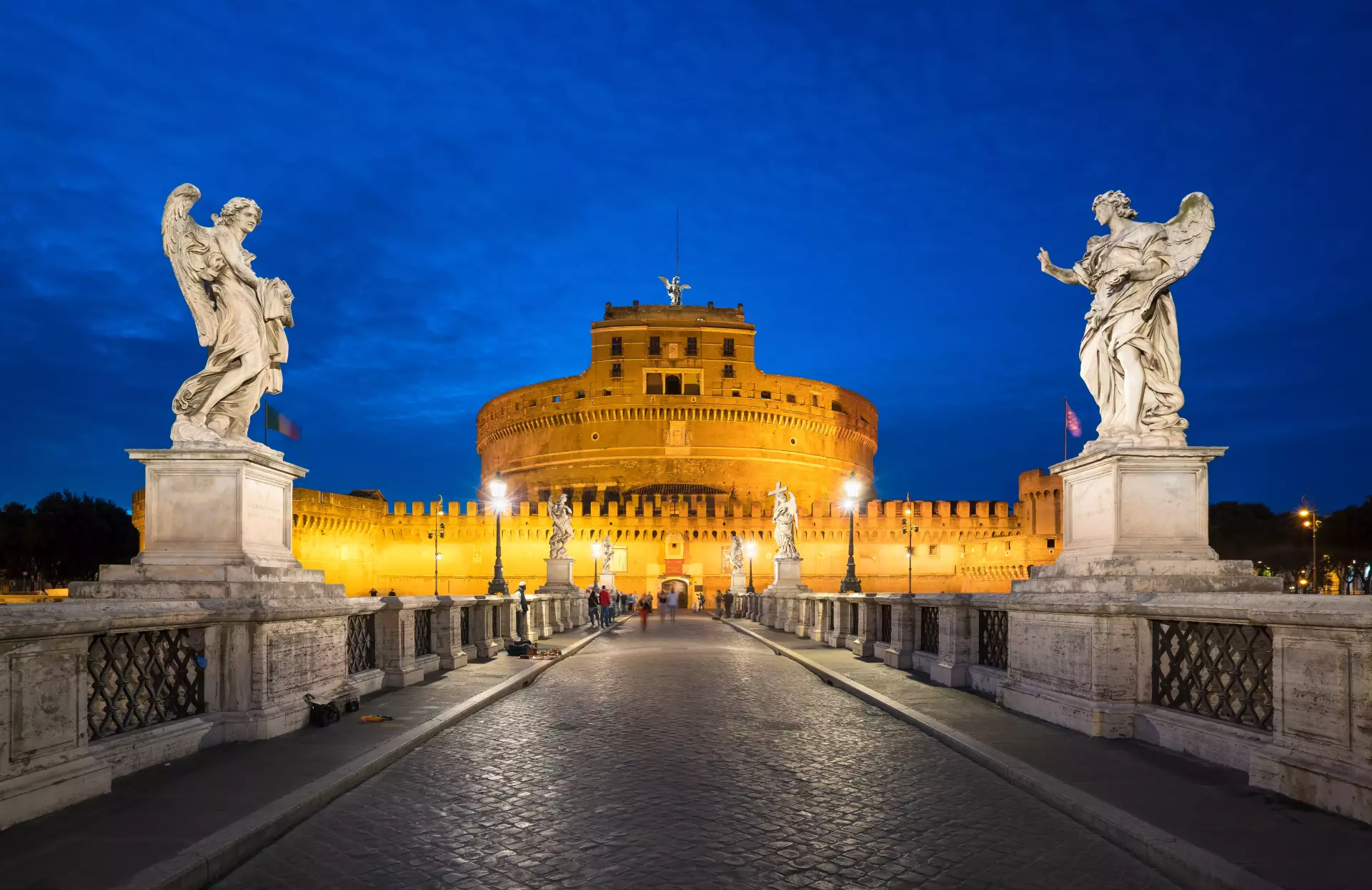
Castel Sant'Angelo stands as one of Rome’s most remarkable landmarks. Its story began nearly two thousand years ago, when Emperor Hadrian ordered a grand mausoleum to be built for himself and his family between 135 and 139 AD. Over the centuries, the building took on new roles as rulers and popes transformed it to suit the needs of their times.
A Fortress for Popes and Prisoners
During the medieval era, the original mausoleum became the foundation for a strong fortress. Successive popes expanded and fortified Castel Sant'Angelo, turning it into a residence and a vital military stronghold in the heart of Rome. Its thick walls and strategic location along the Tiber River made it an ideal refuge during times of conflict.
For many years, Castel Sant'Angelo also served as a prison. Powerful figures and political prisoners were held within its walls until 1870. The dark cells and secret passageways tell stories of intrigue and drama from Roman history.
Cultural Spotlight
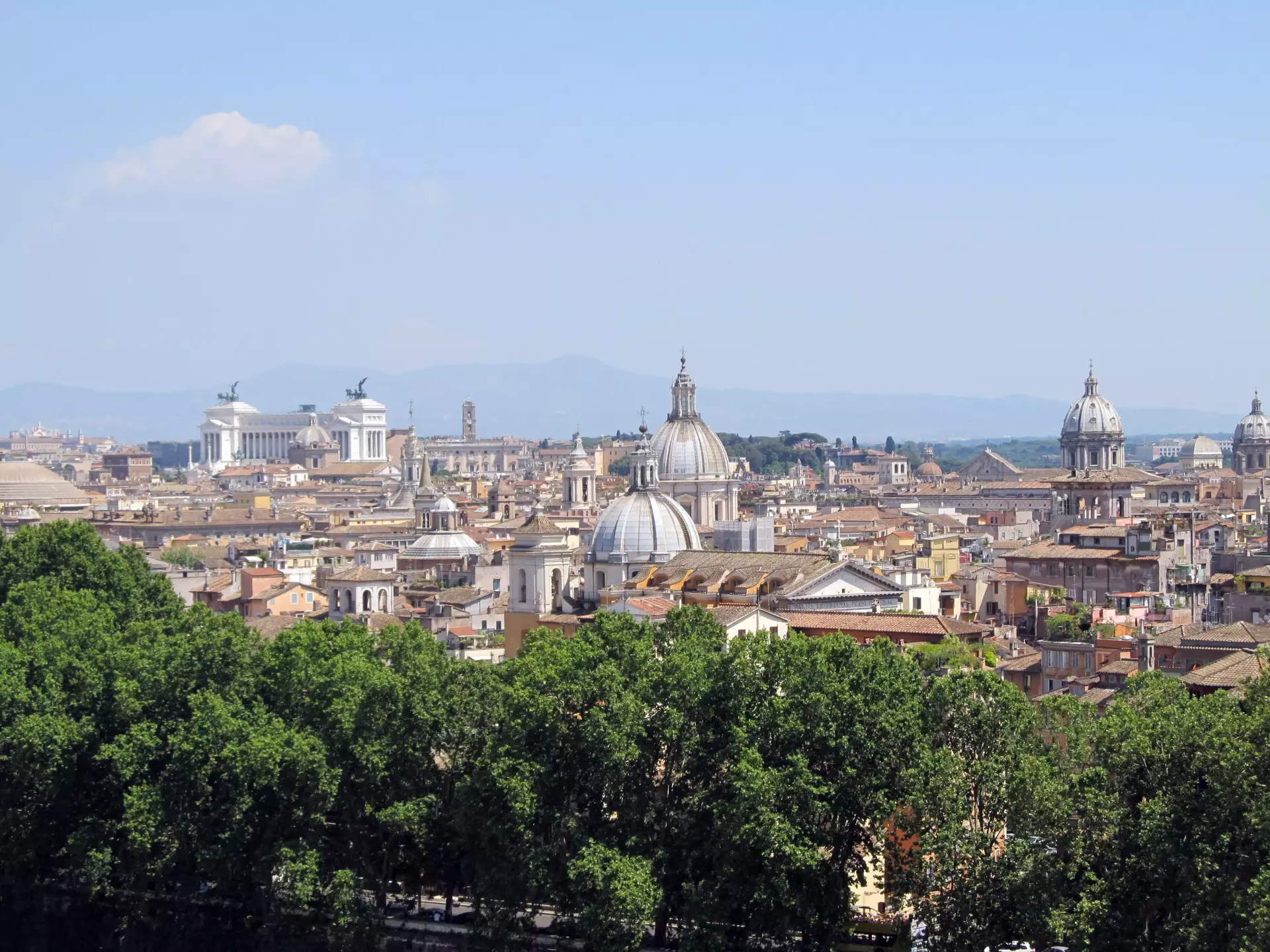
Today, the building is a museum filled with art, historical artifacts, and sweeping views of the city. Opera fans may find a special thrill in visiting the famous balcony where the character Tosca, from Puccini’s renowned opera, meets her tragic end. The castle has also appeared in popular films, including a memorable scene in "Angels and Demons," linking its ancient halls to modern entertainment.
Source - https://en.wikipedia.org/wiki/Castel_Sant%27Angelo