
Search ×
Home Rome
Capitoline Museums
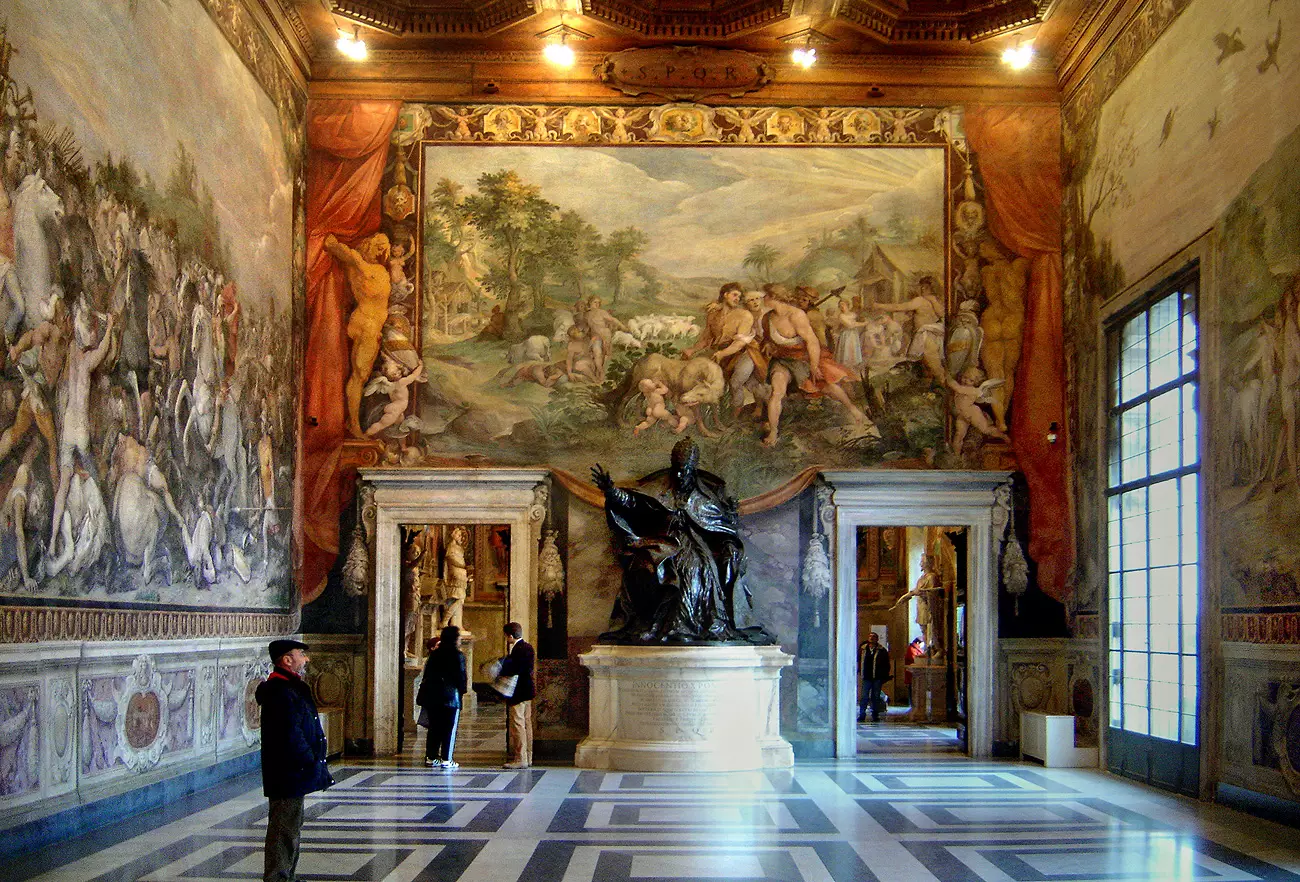
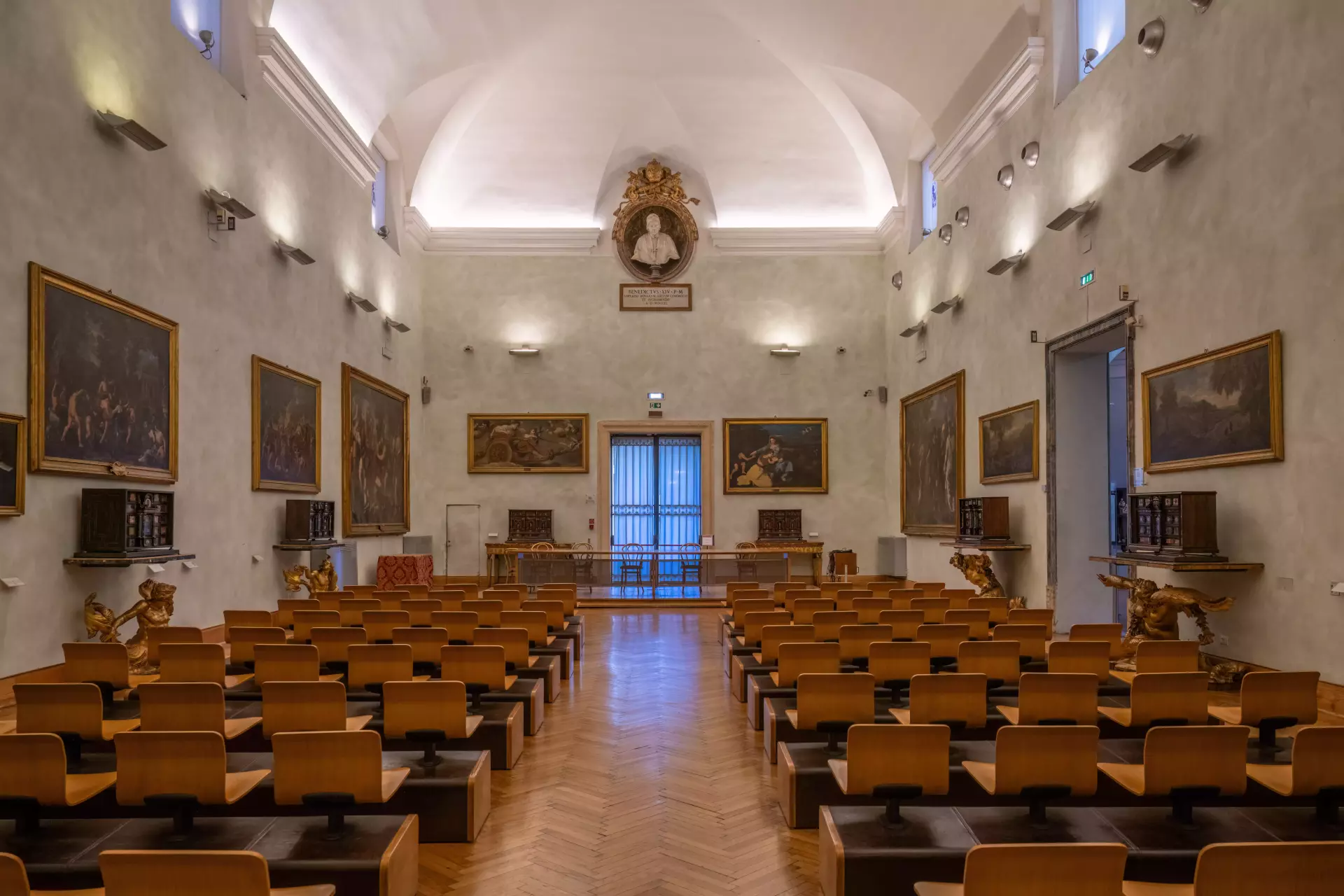
Português:  Interior dos Apartamentos dos Conservadores no Museu Capitolino, Roma.English:  Conservators' Rooms, Musei Capitolini, Rome
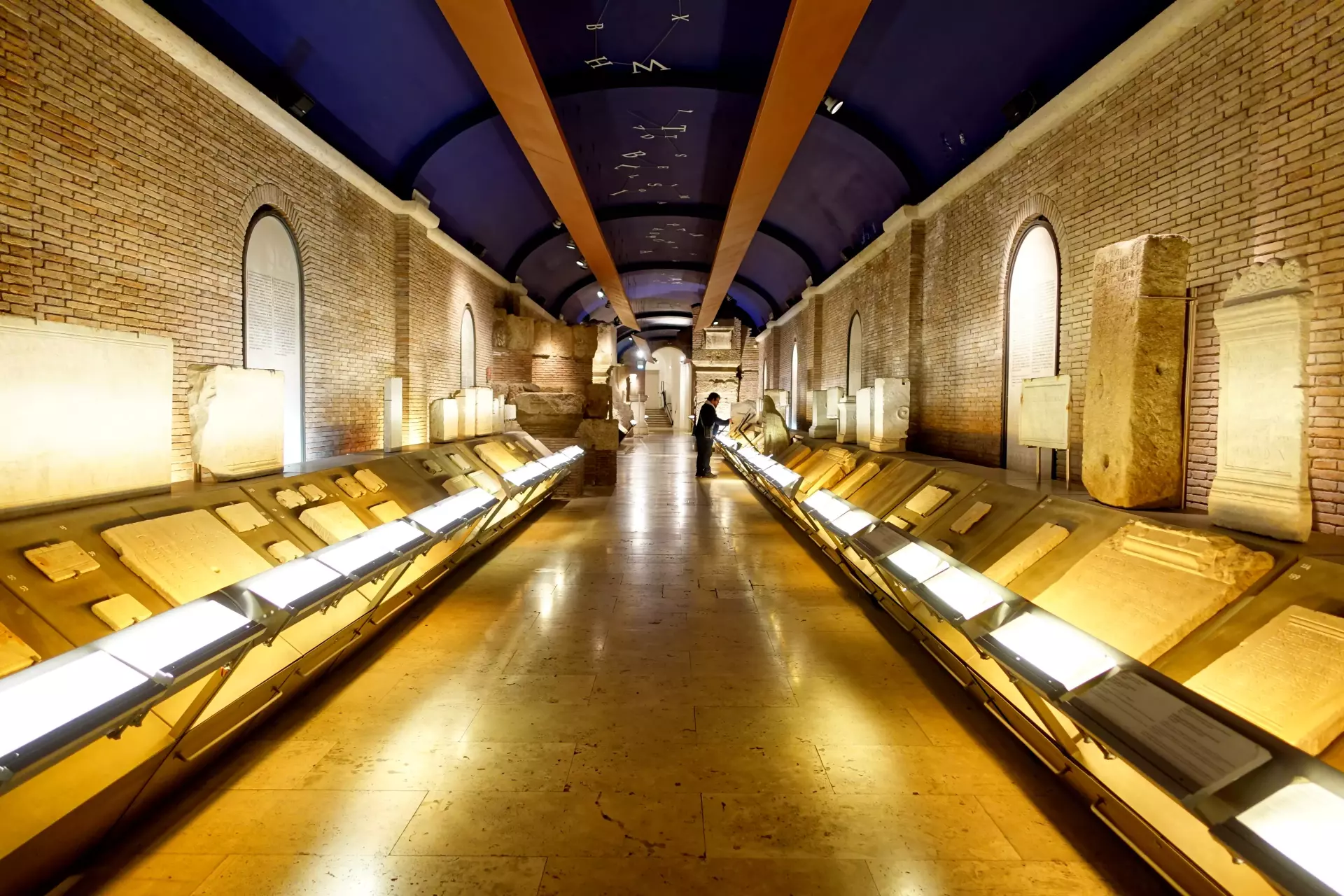
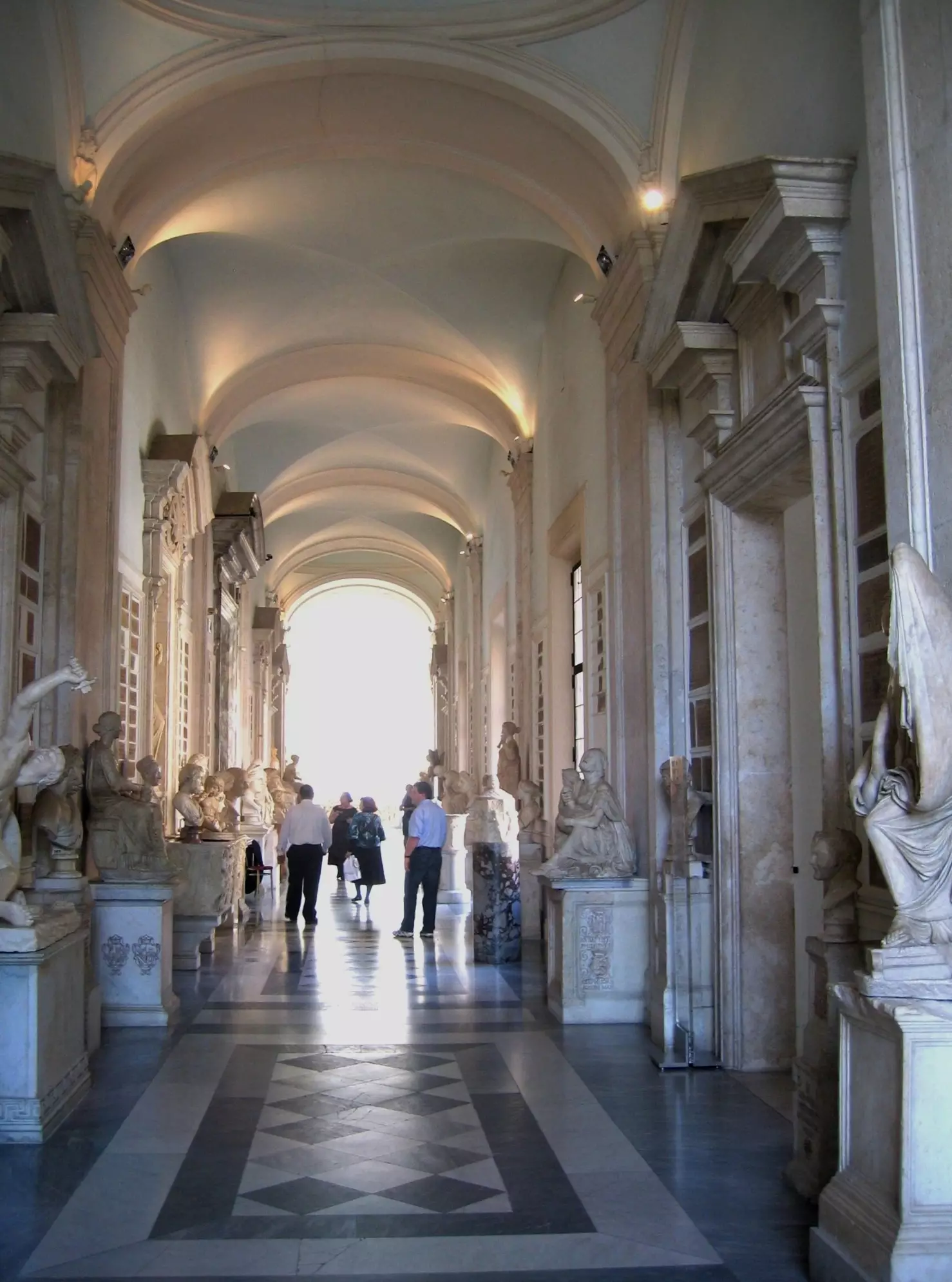
English:  Underground passage with inscriptions - Musei Capitolini - Rome, Italy.
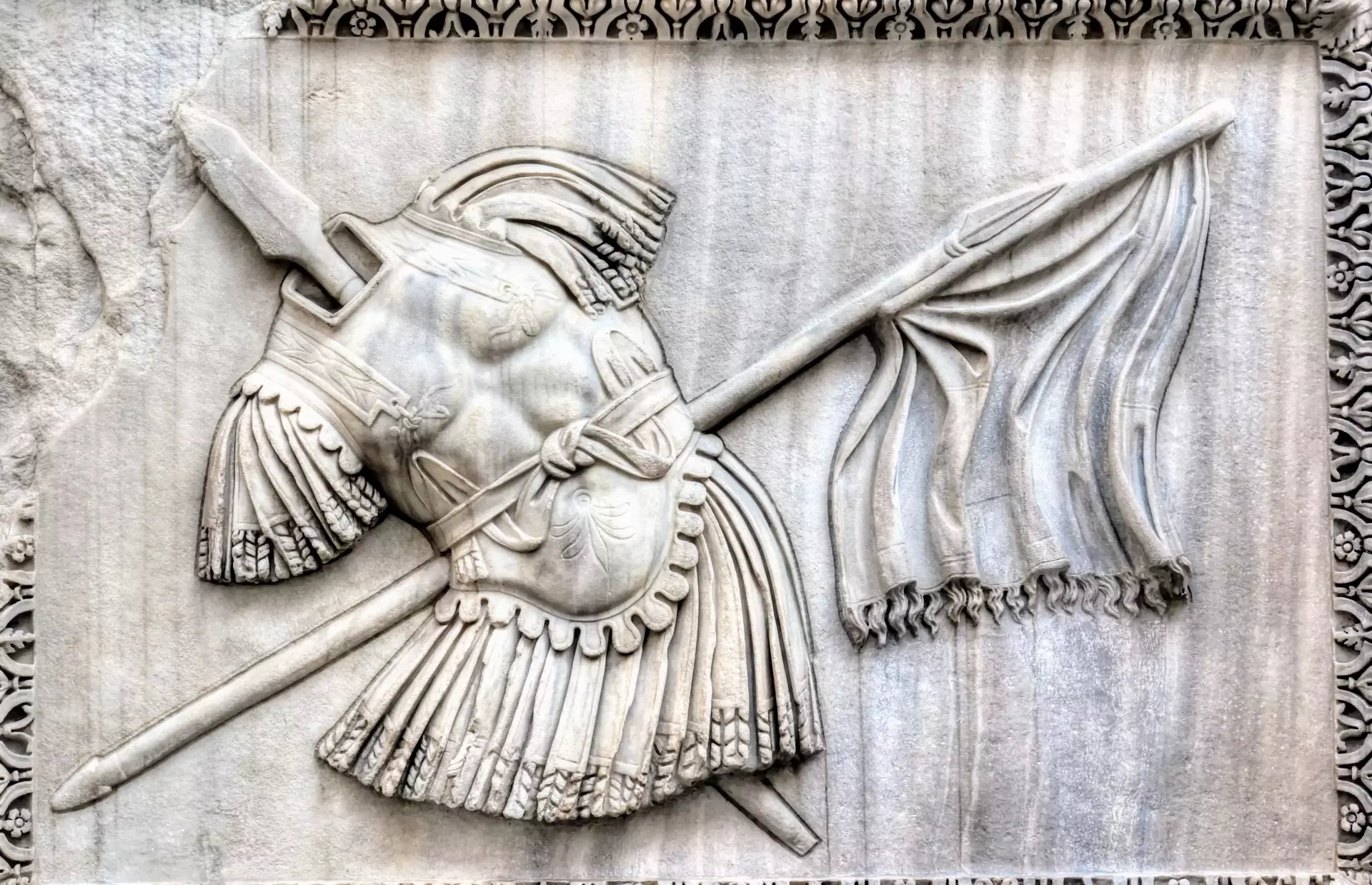
English:  Trophy; relief of the Temple of Hadrian on Campus Martius. Proconnessian marble. 138-145 EC - Musei Capitolini Interior Courtyard
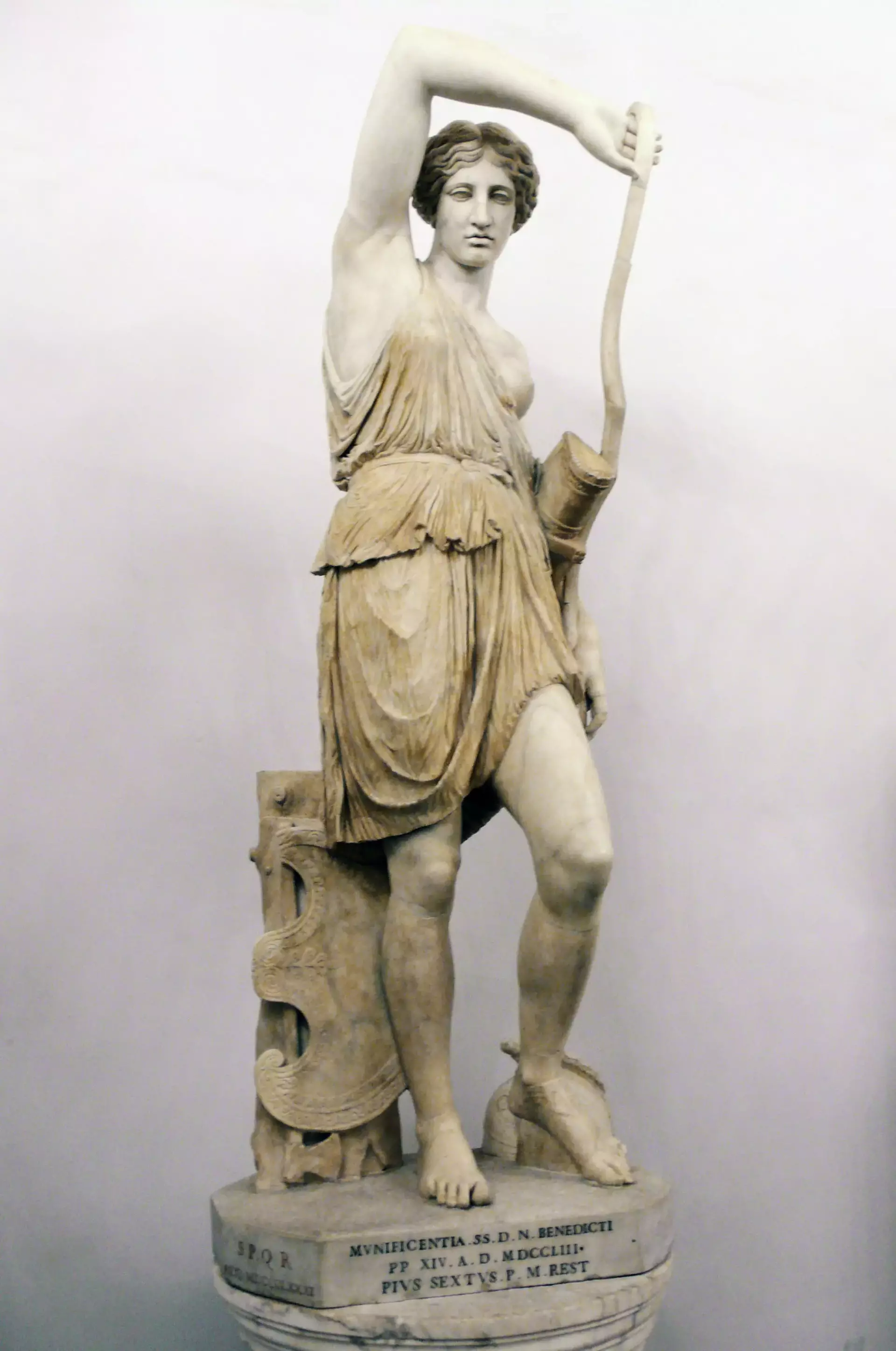
English:  From an original by Phidias. Head: replica of that of the Amazon by Polykleitos Marble, cm 197. Formerly at Villa d'Este  Capitoline Museum, Rome.
Deutsch:  Palazzo Nuovo auf dem Kapitol in Rom
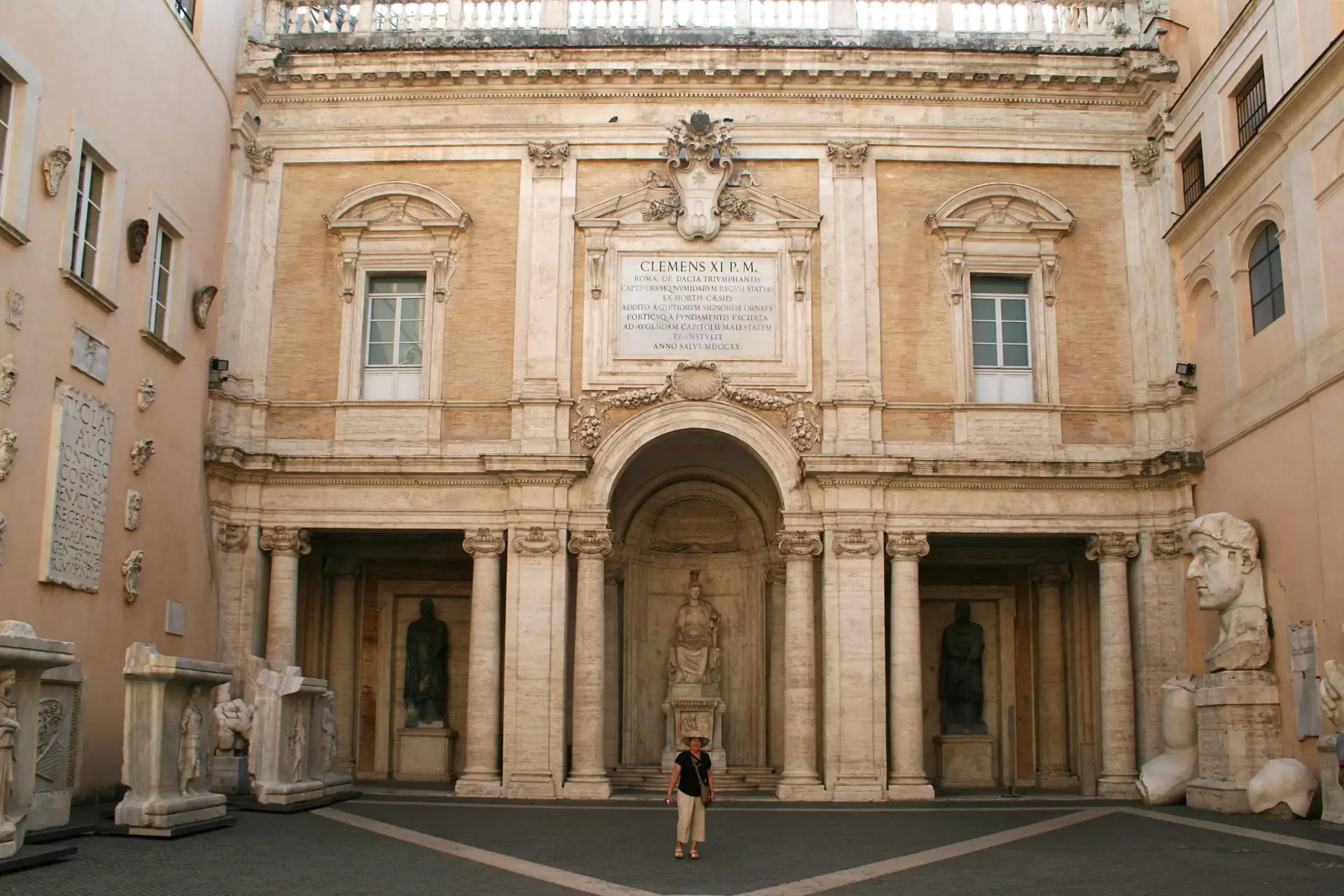
Français :  Cour du Palais des Conservateurs avec son portique intérieur dessiné par l'architecte Alessandro Specchi (1668-1729) et construit en 1720 pour accueillir un groupe de trois sculptures remarquables, ses éléments architectoniques monumentaux et ses fragments de sculptures antiques colossales. English:  Courtyard of the Palace of the Conservatives with his inner portico designed by architect Alessandro Specchi (1668-1729) and built in 1720 for a group of three remarkable sculptures, monumental architectural elements and fragments of ancient sculptures its colossal. Deutsch:  Innenhof des Palastes der Konservativen mit seiner inneren Portikus des Architekten Alessandro Specchi (1668-1729) entworfen und gebaut im Jahre 1720 für eine Gruppe von drei bemerkenswerten Skulpturen, monumentale architektonische Elemente und Fragmente antiker Skulpturen seiner kolossal. Italiano:  Cortile del Palazzo dei Conservatori, con il suo porticato interno progettato dall'architetto Alessandro Specchi (1668-1729) e costruito nel 1720 per un gruppo di tre sculture notevoli, elementi architettonici monumentali e frammenti di sculture antiche sua colossali.
Italie Rome Musee Capitole Palazzo Nuovo Galerie 20042008
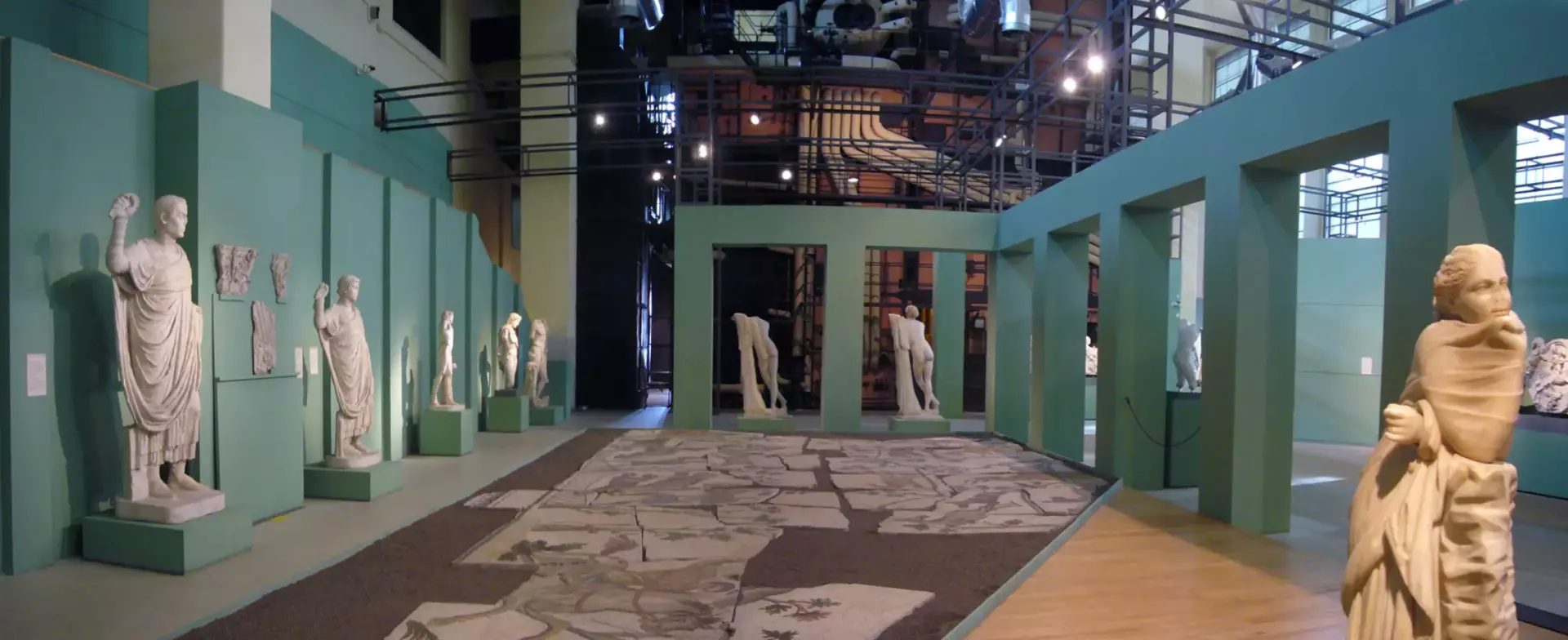
Centrale Montemartini a Roma: sala Caldaie e mosaico di santa Bibiana.     Centrale Montemartini         Native name Centrale Montemartini  Parent institution Museum system of Roma Capitale   Location Rome, Italy  Coordinates 41° 52′ 01.31″ N, 12° 28′ 44.37″ E     Established 2005  Website http://www.centralemontemartini.org/  Authority file  : Q1054090 VIAF: 268486794 LCCN: no2019127529 GND: 10105941-3 WorldCat    institution QS:P195,Q1054090
Nederlands:  Roma (Italia)
Português:  Palazzo Nuovo - Musei Capitolini - Rome
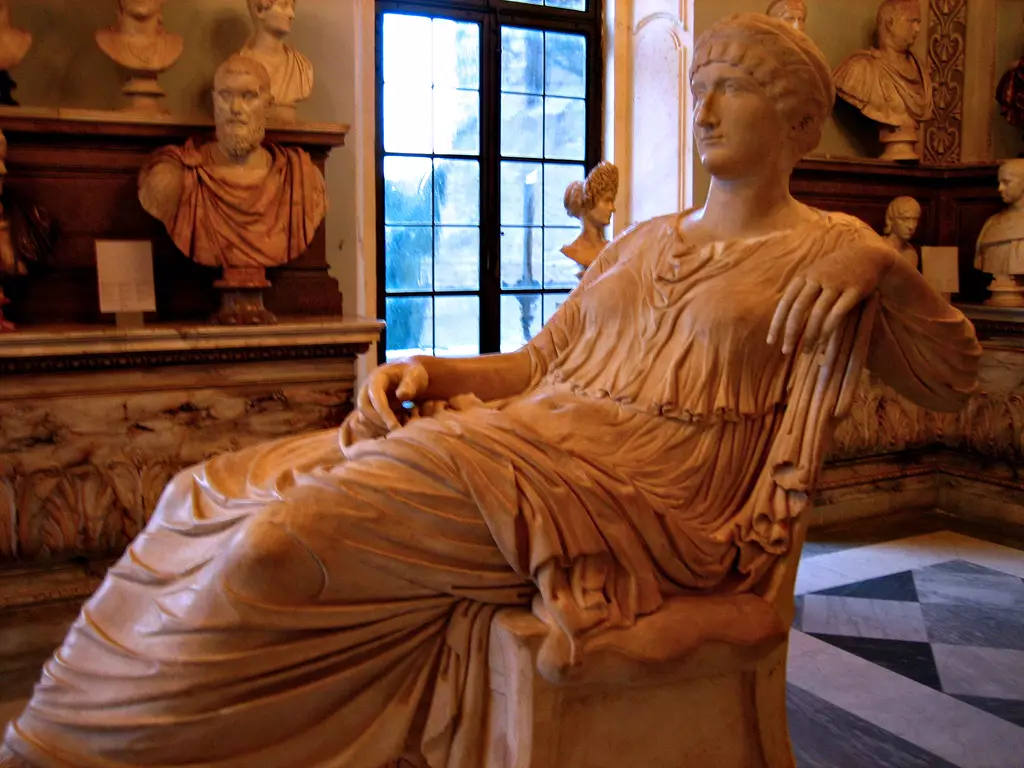
English:  Constantine's mother, the future saint Helena, here relaxes laughingly in a chair. One of ancient Rome's few surviving imperial portraits of this kind. Italiano:  Statua seduta di Sant'Elena (Flavia Iulia Helena), madre dell'imperatore Costantino I, conservata nei Musei capitolini, Roma. In passato la statua è stata identificata a torto come un ritratto di Agrippina Minor.  		 			 			1911. 		 		 			 			The statue today. 		 		 			 			Detail.
Português:  Palazzo Nuovo - Musei Capitolini - Rome
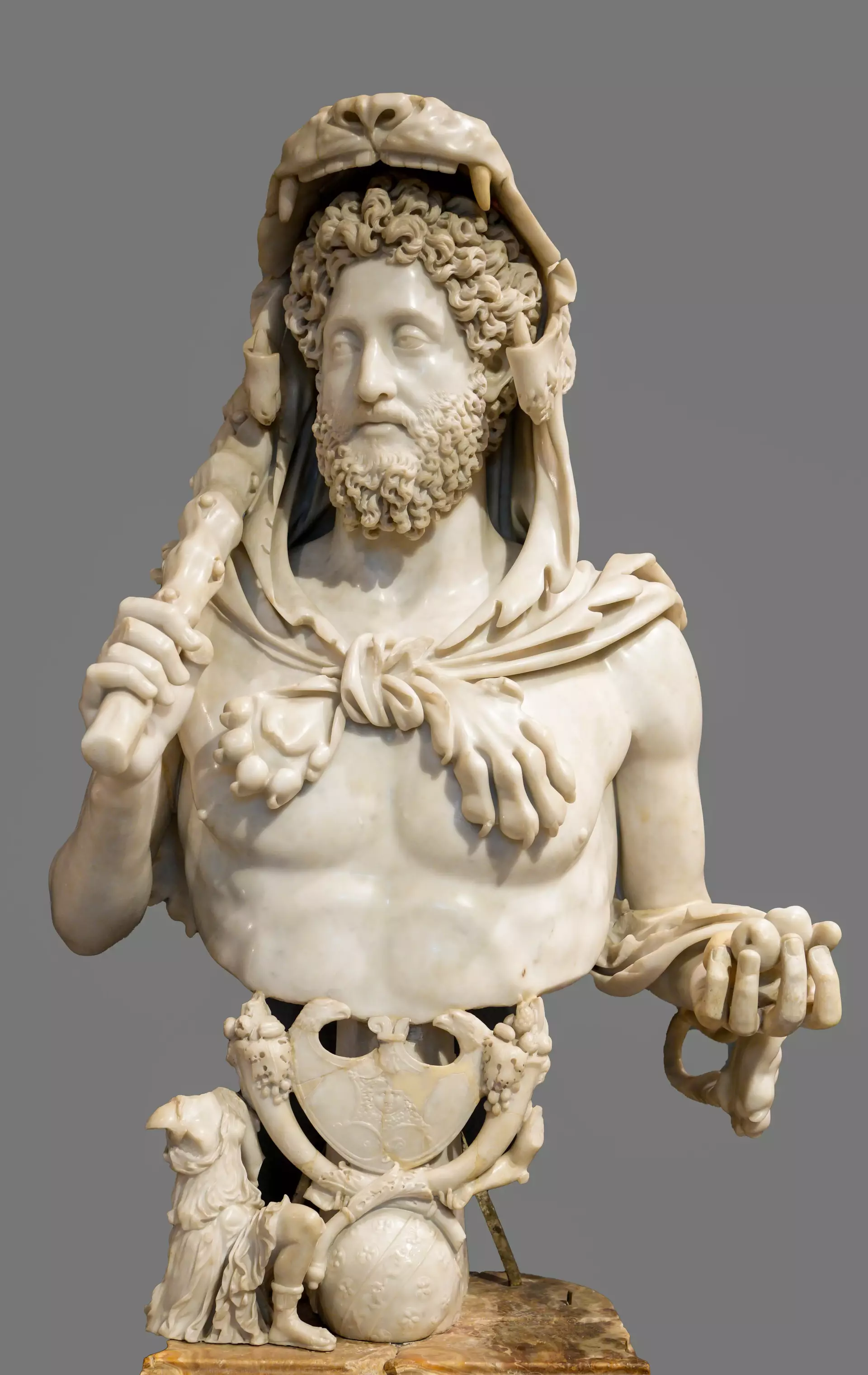
English: Commodo vestito da Ercole ai Musei Capitolini 
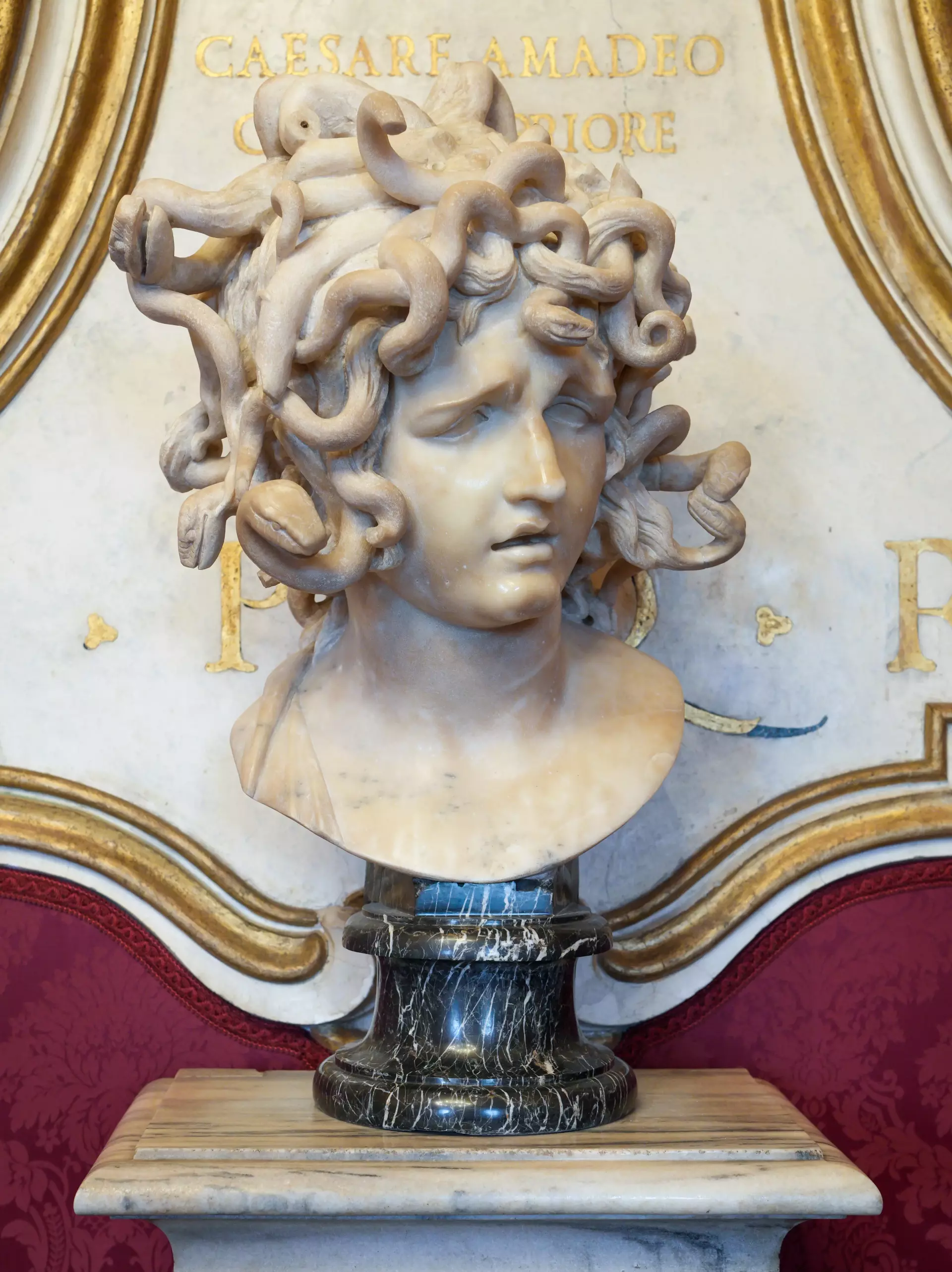
English:  Medusa head attributed to Gianlorenzo Bernini (Roma)
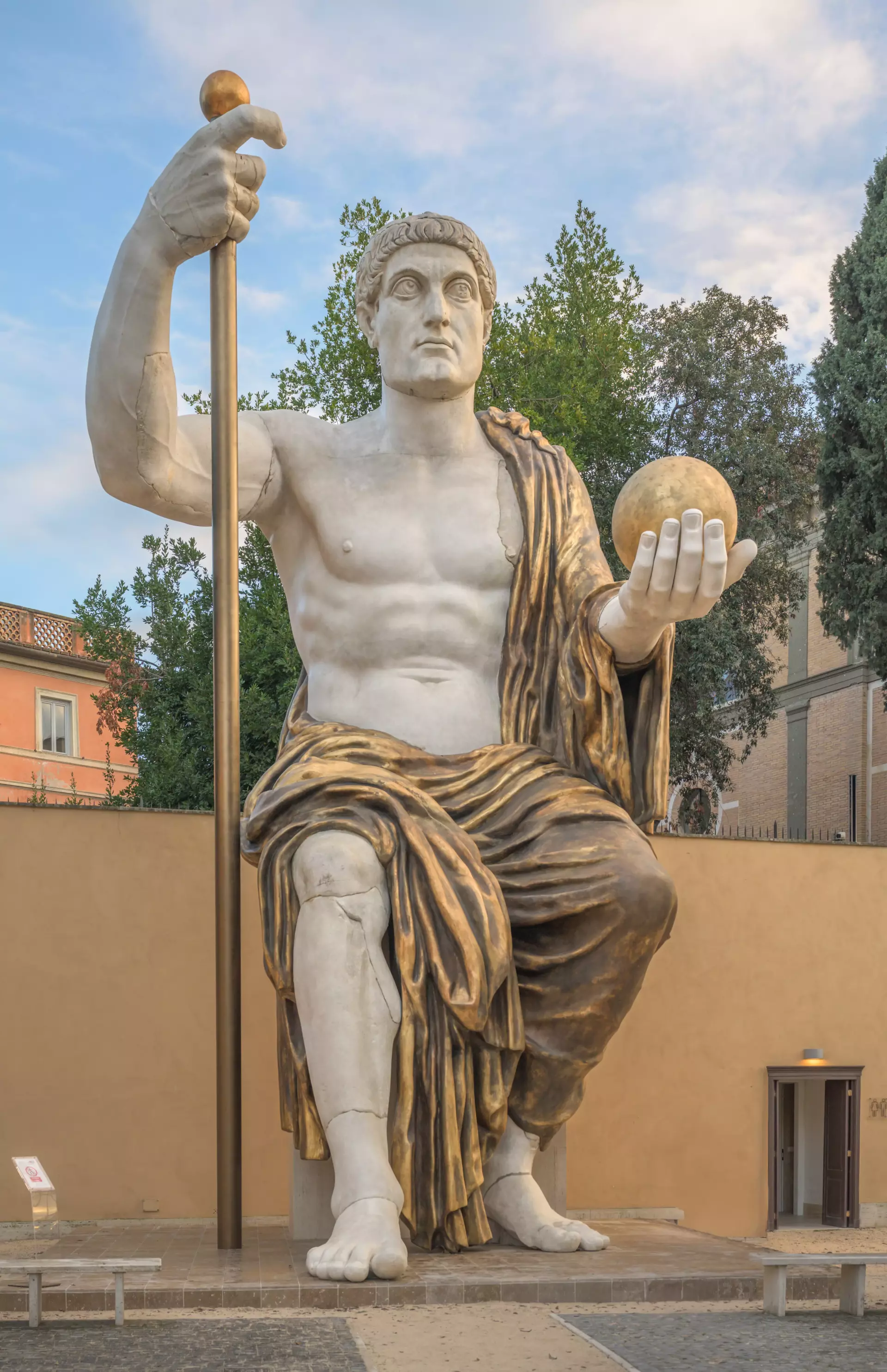
Čeština:  Kolosální socha císaře Konstantina Velikého ve dvoře Kapitolských muzeí v Římě, rekonstrukce z let 2022-2023 English:  Colossal statue of caesar Constantine I. the Great, reconstruction from 2022-2023 Capitoline museums, Rome
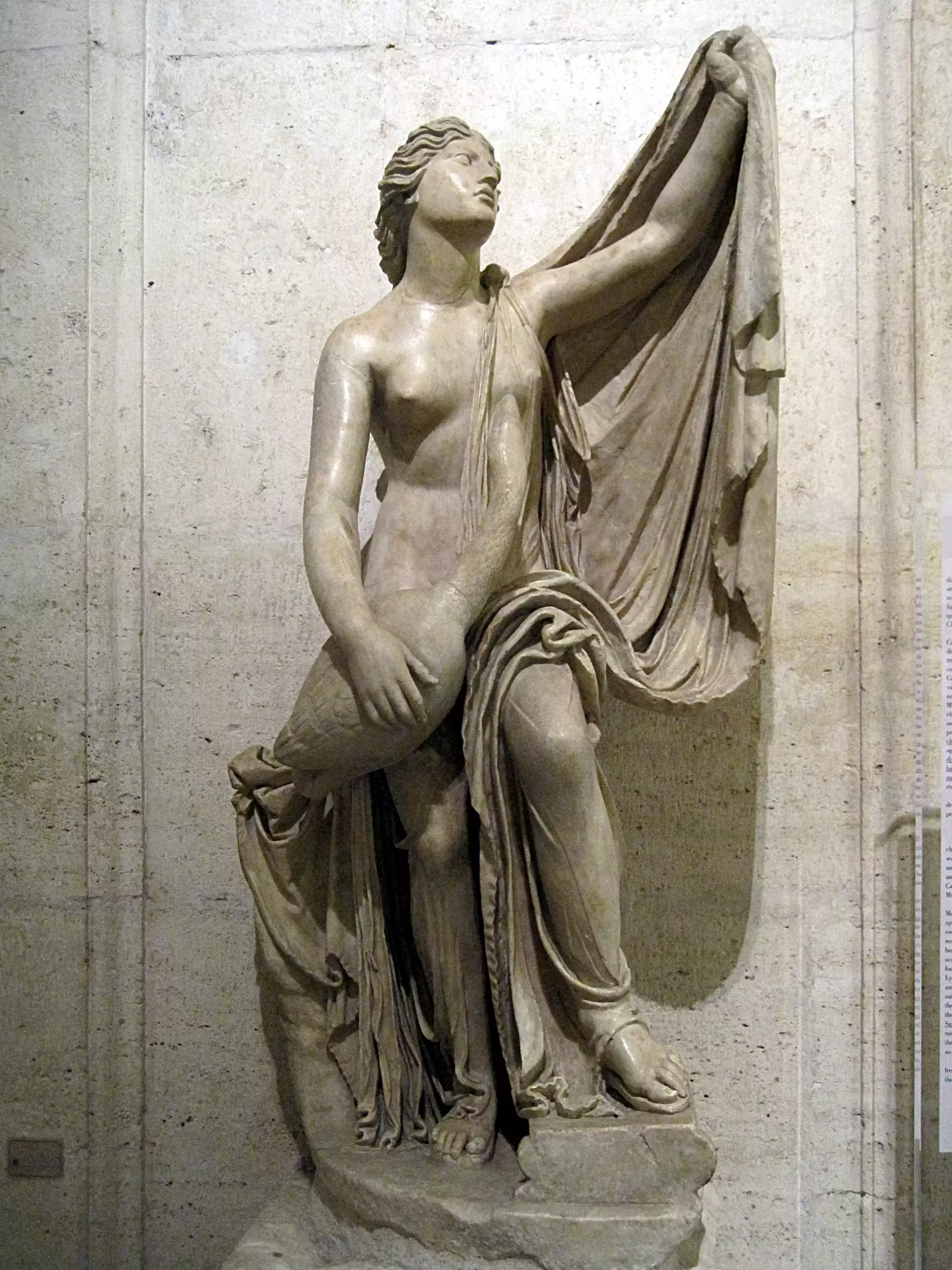
English: Leda and Zeus transformed into a swan. Palazzo Nuovo, Capitoline Museums, Rome 
three-quarter view
English:  Situated in the upper part of the Esquilino, in the area around what is today Piazza Vittorio Emanuele, the Horti Lamiani (Lamiani Garden) were founded by the consul Aelius Lamia, a friend of Tiberius, and very soon (already with Caligula) became part of Imperial property. Of the luxurious decorations of this vast complex of buildings, excavated in the 19th century and then covered over again, over and above the frescos and architectural elements in coloured marbles, a countless number of foils in gilded bronze with gems set in them, the remains of a sumptuous wall dressing, were found.  Capitoline Museum, Rome.
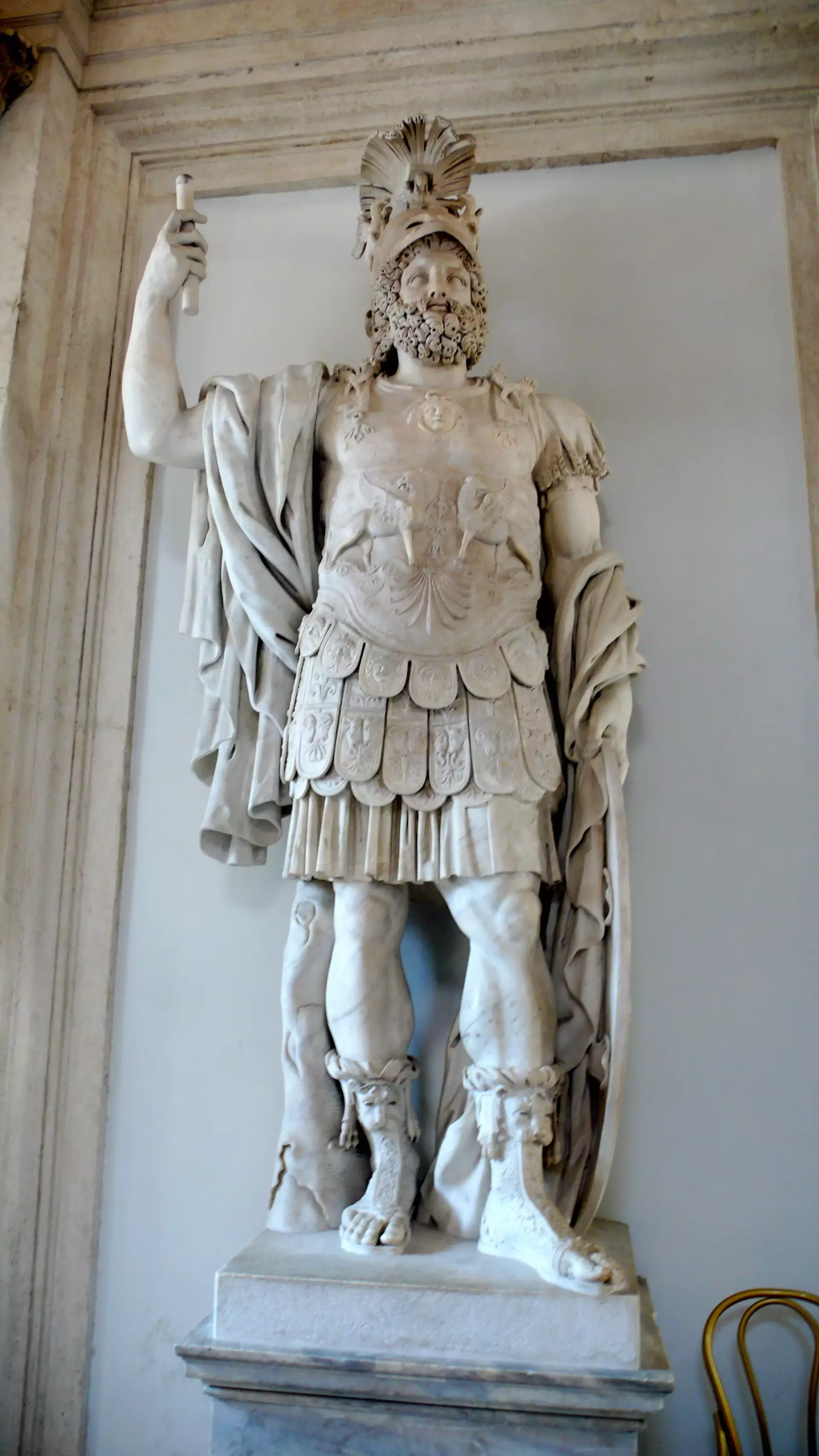
English:  Marble statue of Mars: "Pyrrhus", dated to the 1st century AD. Hight: cm 360. It was found in the Nerva's Forum, in Rome, and it's now placed in the atrium of Capitoline Museums in Rome.[1]This statue of Mars Ultor is most likely dated to the early 2nd century AD due to its style (either the end of Trajan's reign or beginning of Hadrian's). It is a copy of an Augustan-era original, which itself was based on a Hellenistic Greek model from the 4th century BC.[2] Italiano:  Statua colossale marmorea di Marte: "Pirro", risalente alla fine del I secolo d.C. Altezza: 360 cm. Ritrovata presso il Foro di Nerva, a Roma, ed attualmente collocata nell'atrio dei Musei Capitolini a Roma.[3] Note  ↑ Colossal statue of Mars: "Pyrrhus". Archived from the original on 2007-02-24. Retrieved on 04-03-2009.  ↑ Capitoline Museums. "Colossal statue of Mars Ultor also known as Pyrrhus - Inv. Scu 58." Capitolini.info. Accessed 8 October 2016.  ↑ Statua colossale di Marte: "Pirro". Retrieved on 3 aprile 2009.
Português:  Palazzo dei Conservatori - Musei Capitolini - Rome
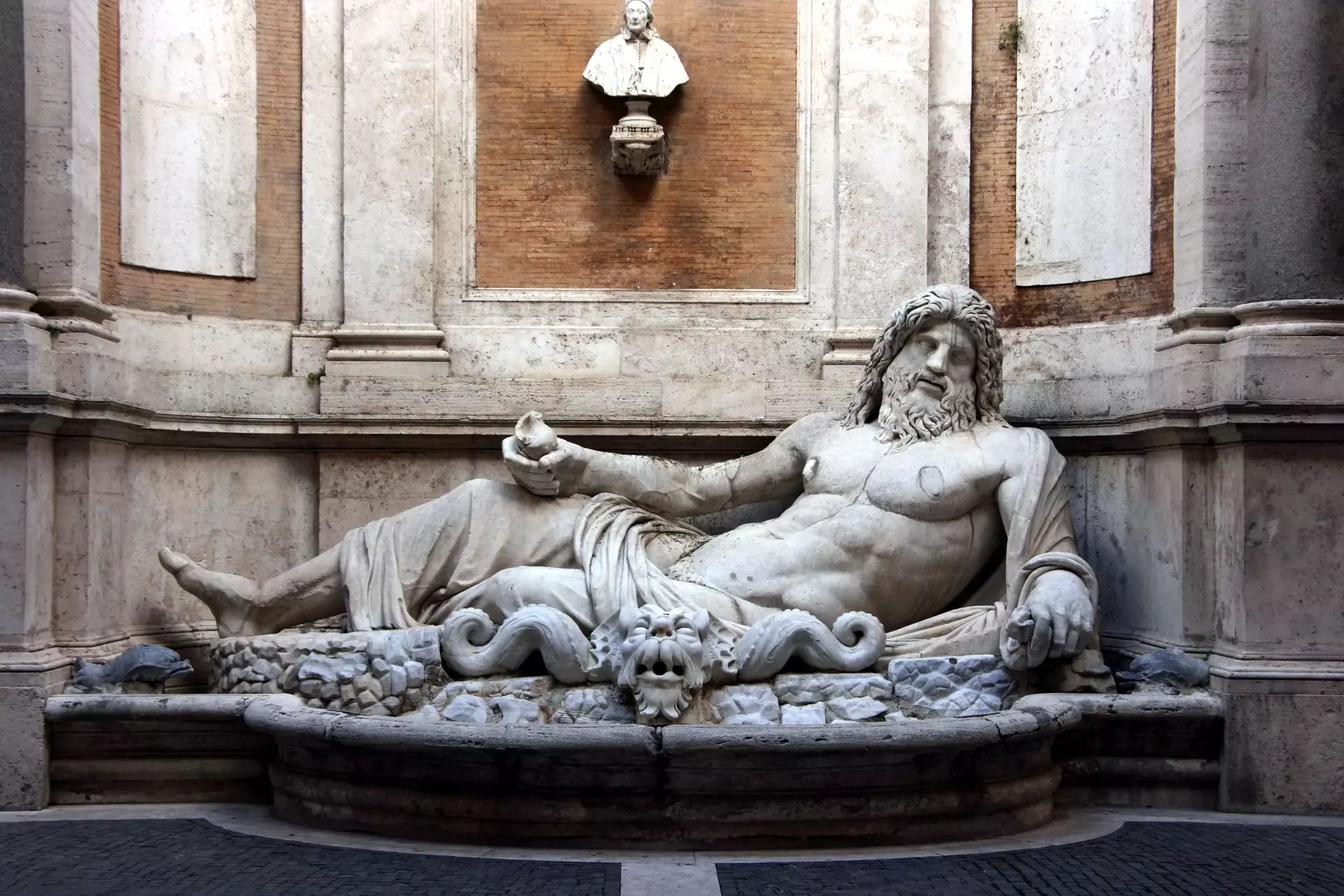
Català:  La representació dels rius a l'època romana deriva de la mitologia grega, on els Oceànides eren déus fluvials, personificacions dels rius als quals se suposava governats per ells.  Per aquesta influència grega, les escultures de divinitats fluvials d'època romana solien aparèixer com ancians barbats de poderoses musculatures recolzats sobre un braç i acompanyats de diferents atributs que els identificaven amb un riu en concret.
English:  Images from Roma ProjectItaliano:  Roma Campidoglio, Palazzo dei Conservatori, sala Pietro da Cortona

Capitoline Museums

Rome, Italy

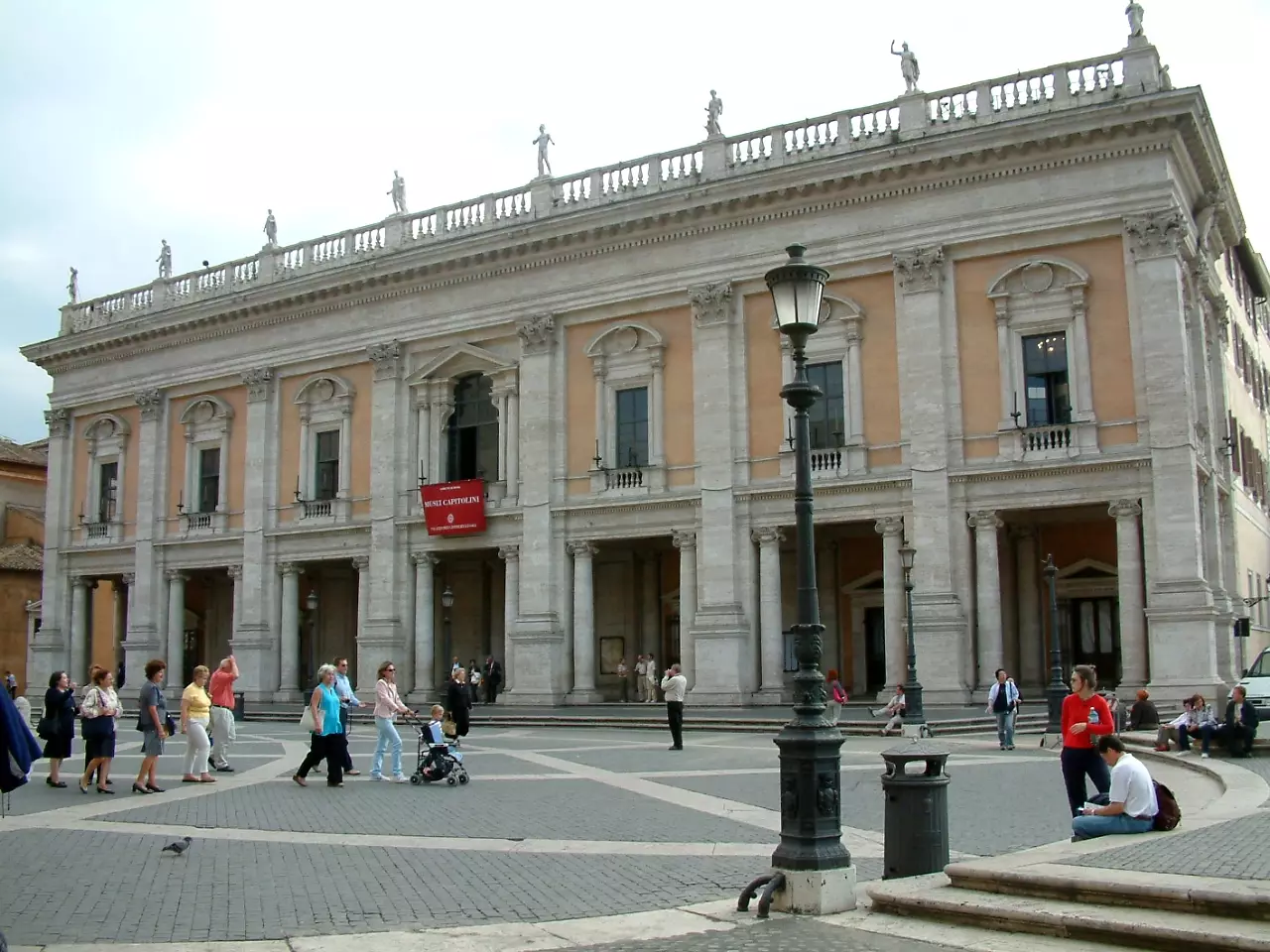
Nestled on opposite sides of Rome’s iconic Piazza del Campidoglio, the Capitoline Museums stand as a testament to the city’s enduring legacy and artistic grandeur. Established in the 17th century and crafted according to Michelangelo’s visionary architectural sketches, these museums offer a captivating journey through centuries of art, history, and culture. Advance online booking is highly recommended for visitors eager to explore these treasures without delay.

Architectural Majesty and Michelangelo’s Vision

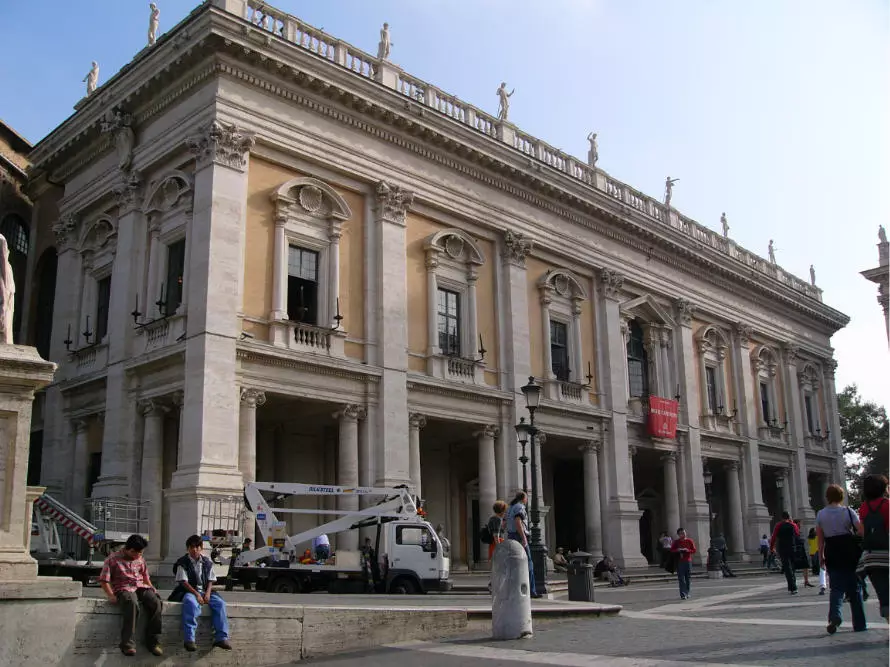
The Capitoline Museums owe much of their splendor to Michelangelo, whose designs shaped both the grand piazza and the palatial buildings that flank it. Each museum is a masterpiece in itself, harmoniously blending Renaissance elegance with echoes of Rome’s ancient past.

Legendary Sculptures and Ancient Masterpieces

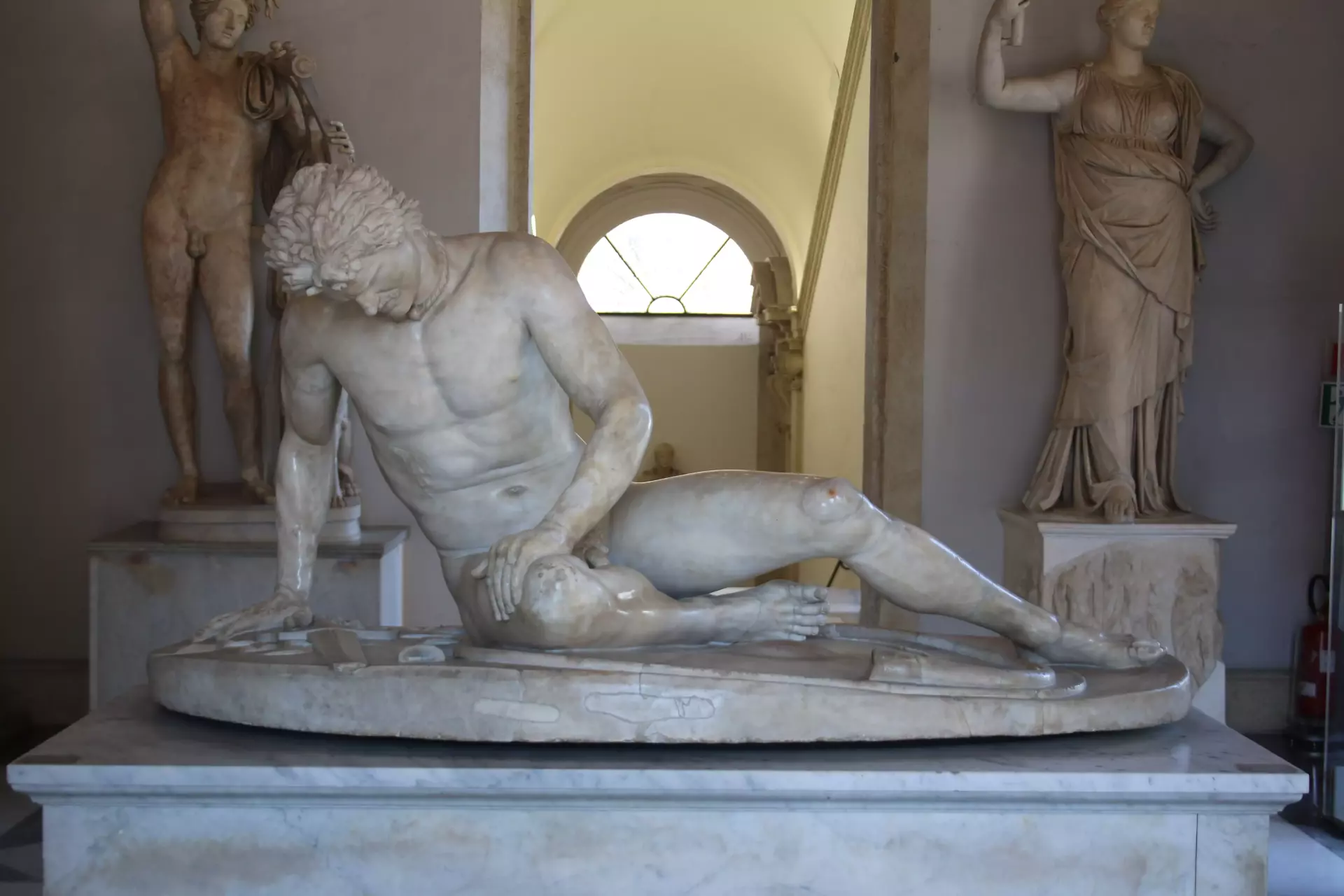
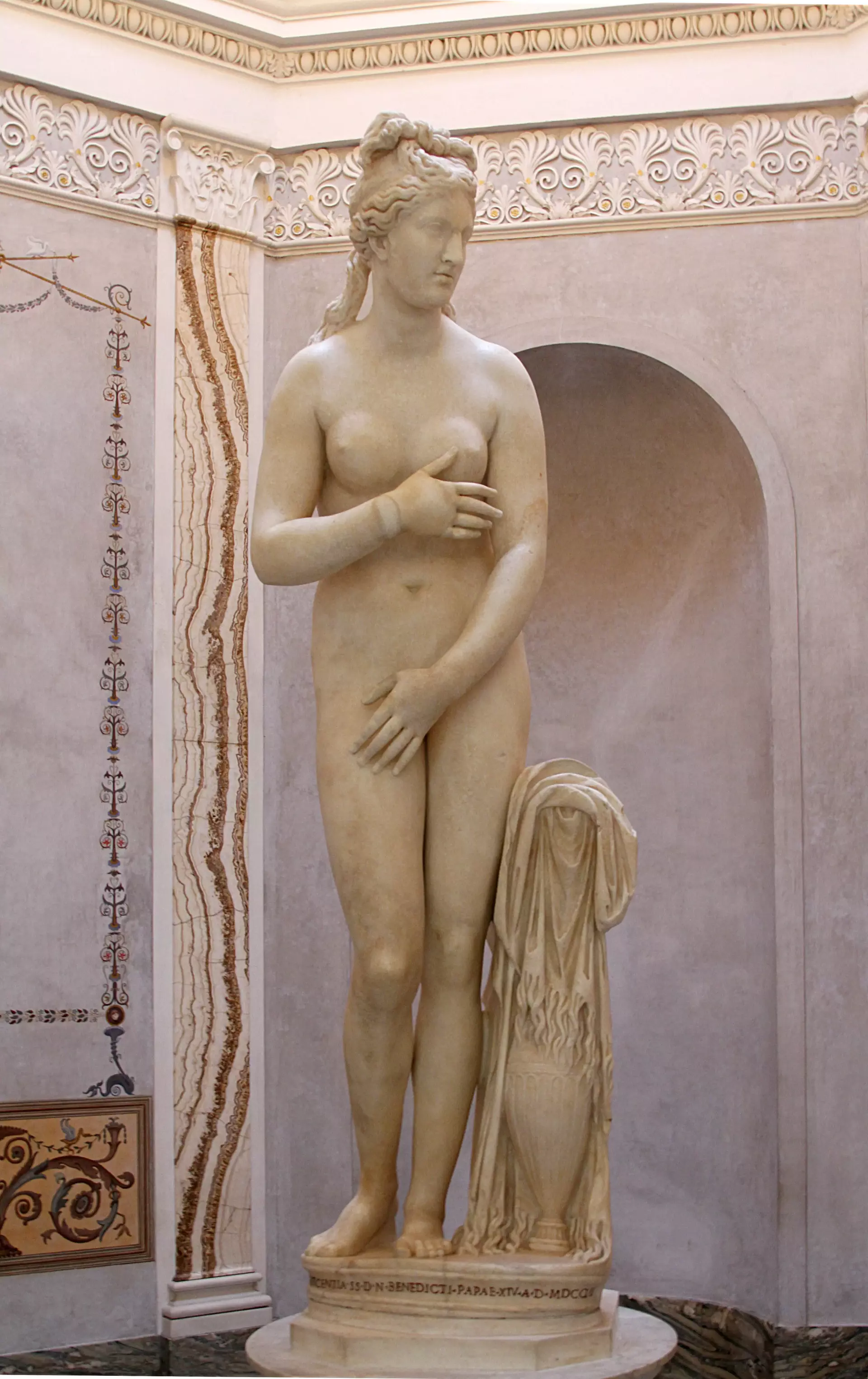
Among the museums’ dazzling highlights is the monumental Colossus of Constantine. While the Colosseum may have taken its name from the now-lost Colossus of Nero statue, it is Constantine’s surviving fragments—an enormous head, hands, foot, and kneecap—that capture visitors’ imaginations in the entrance courtyard. Other iconic pieces include The Dying Gaul, a stunning marble sculpture that replicates a 3rd-century BC Greek bronze, and the Capitoline Venus, celebrated for its timeless beauty.

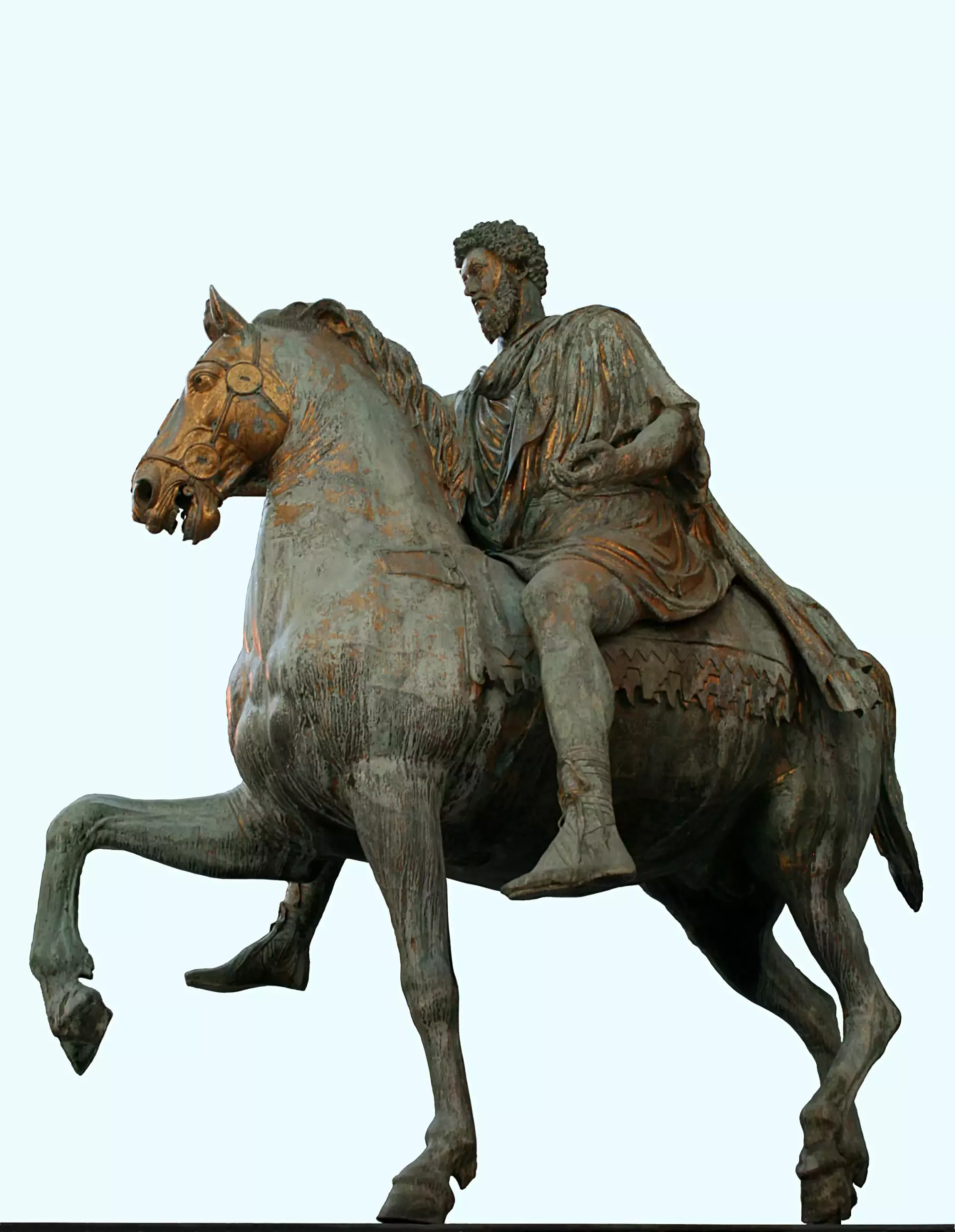
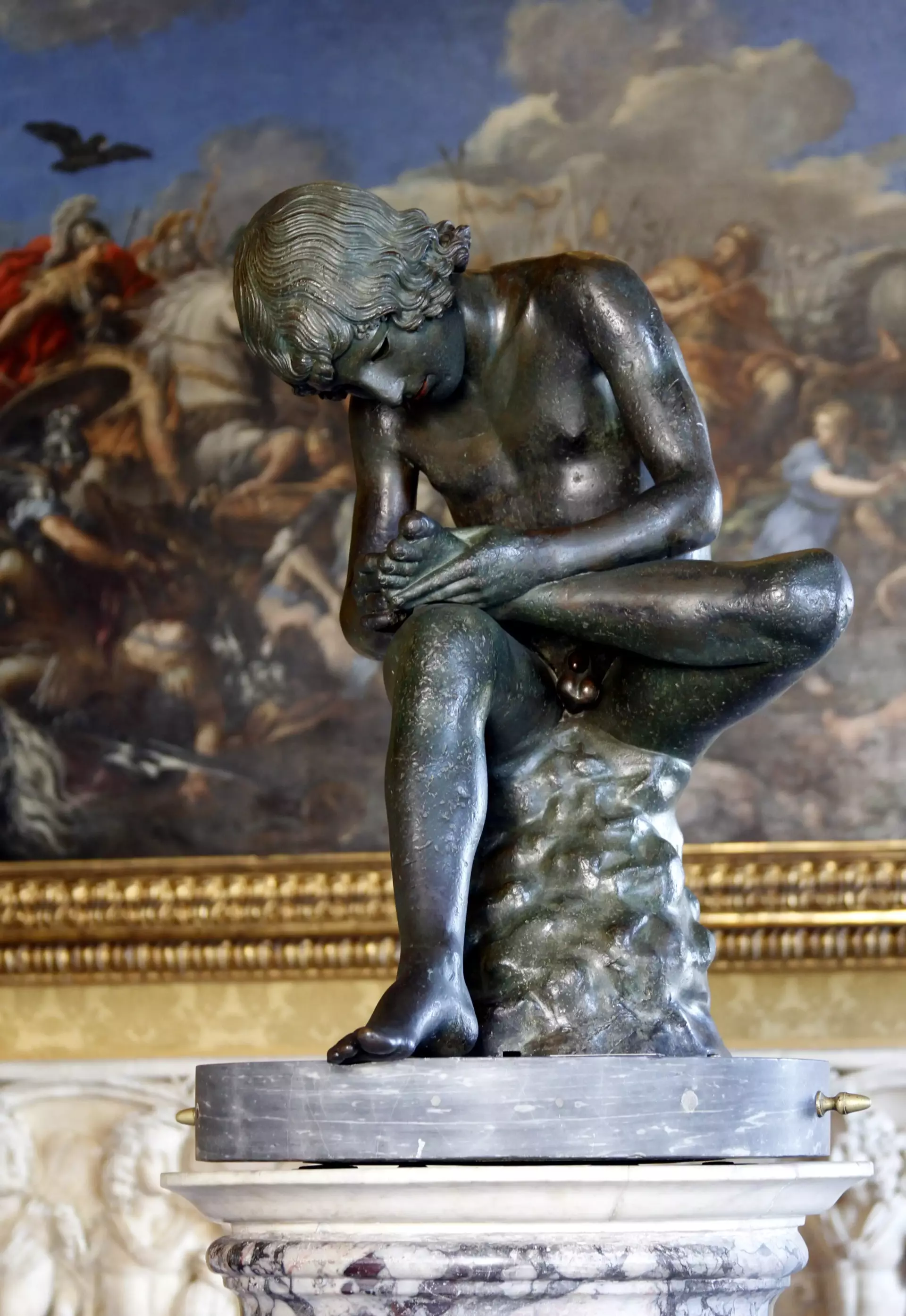
Classical sculpture enthusiasts will also admire the small but exquisite Lo Spinario, a 1st-century-BC bronze depicting a boy removing a thorn from his foot, and the Lupa Capitolina—the legendary Etruscan bronze statue of the she-wolf nursing Rome’s founders, Romulus and Remus, dating possibly from the 5th century BC. The museums are also home to the original gilt bronze equestrian statue of Emperor Marcus Aurelius, with the version displayed in the Piazza del Campidoglio being a replica.

Masterpieces of Painting in the Pinacoteca

The museums’ Pinacoteca, or Picture Gallery, boasts an impressive collection of works from the 16th and 17th centuries. Art lovers can admire masterpieces such as Caravaggio’s Fortune-Teller and his enigmatic John the Baptist, along with The Holy Family by Dosso Dossi, Romulus and Remus by Rubens, and Titian’s Baptism of Christ. Each painting reflects the genius and diversity of the artists who shaped the Renaissance and Baroque periods.

Visiting the Capitoline Museums

Whether captivated by classical sculptures or drawn to the rich colors of Renaissance canvases, visitors to the Capitoline Museums are treated to a world-class cultural experience. These museums not only celebrate Rome’s illustrious past but also offer a welcoming glimpse into the artistry that continues to define the Eternal City today.

Source - https://en.wikipedia.org/wiki/Capitoline_Museums

Developed by Reflex.com.ua
Contacts
  • info@reflex.com.ua
Social media