



DDR Museum
A museum devoted to everyday life in communist East Germany offers a close look at the routines, objects, and spaces that shaped the era. Exhibits focus on ordinary things—apartment interiors, clothing, school materials, and consumer goods—bringing the period into clear view through familiar details.
Hands-on displays that invite curiosity
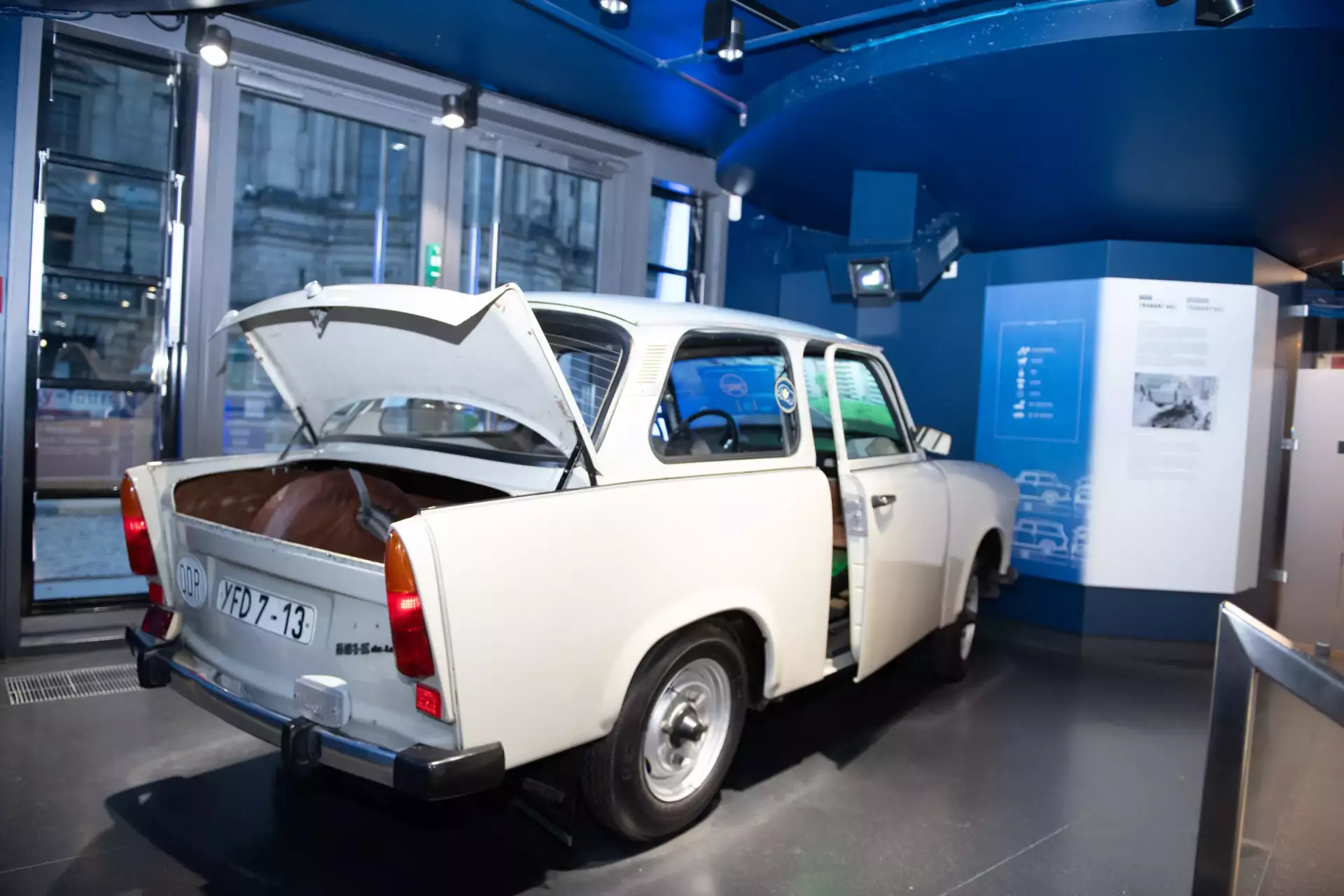
The museum’s rules are notably relaxed. Visitors are encouraged to touch, open, and examine many of the objects on display. Drawers slide out to reveal ration cards and manuals, cupboards hold tableware and packaged food, and desk drawers hide work tools and documents. This tactile approach turns static displays into scenes that feel lived-in.
Interactive stations recreate the atmosphere of the time: radios switch between broadcasts, rotary phones ring to recorded messages, and typewriters invite a try at official forms. By handling these items, the textures and sounds of daily life come through, making abstract history more concrete.
Rooms and routines from another era
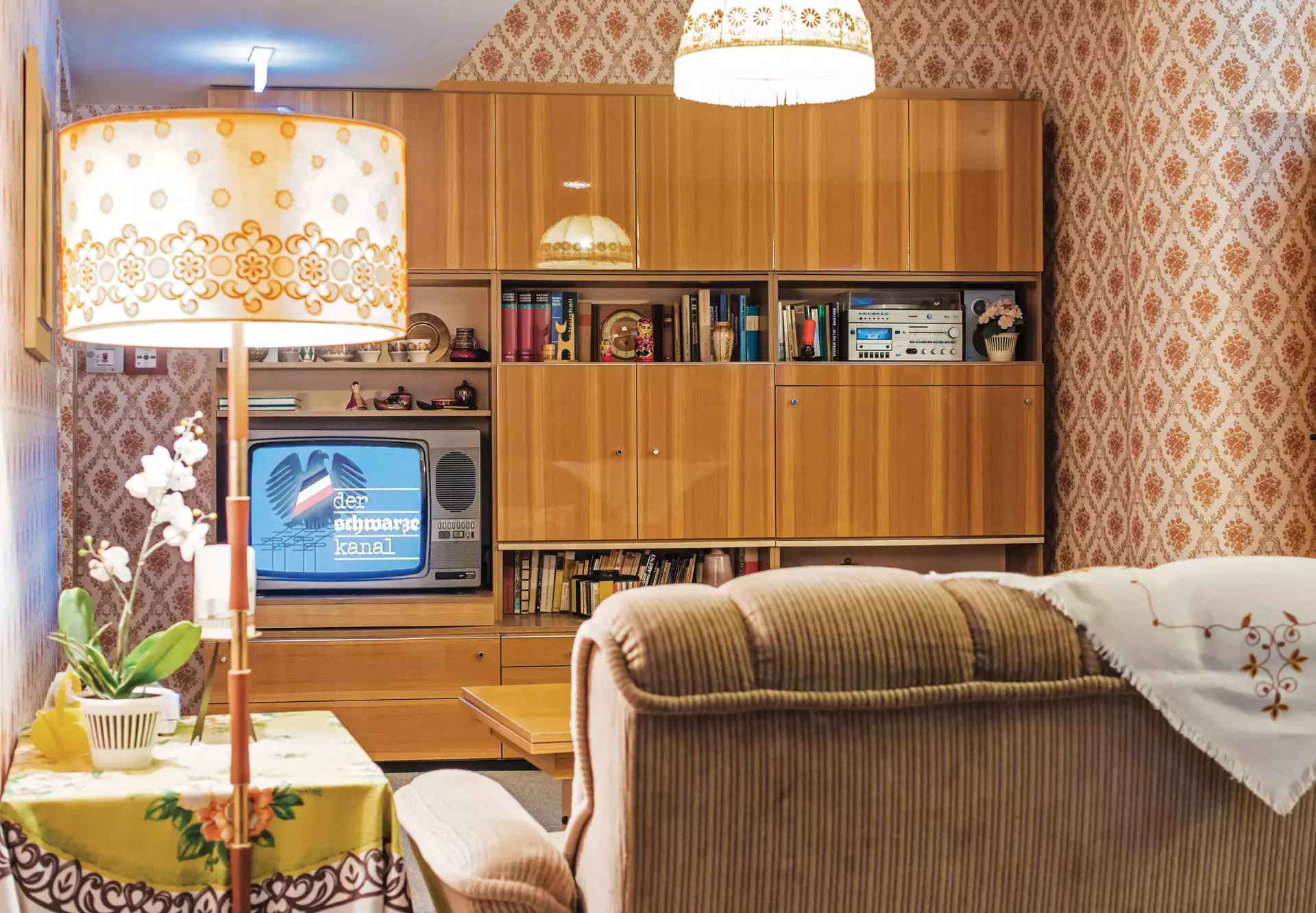
Reconstructed rooms show how a typical East German apartment was organized, from compact kitchens to modest living rooms with wall units and patterned textiles. School corners display notebooks, uniforms, and educational charts, while leisure sections present board games, travel souvenirs, and music players. The layout moves from work and home to leisure and public life, creating a layered picture of a society built on planning and rationing.
Consumer culture appears in small details—labels on jars, standardized packaging, and the design of household appliances. These objects highlight both the limits and the creativity of life under a centrally planned system, where repairs, substitutions, and improvisation were common.
Context through documents and media
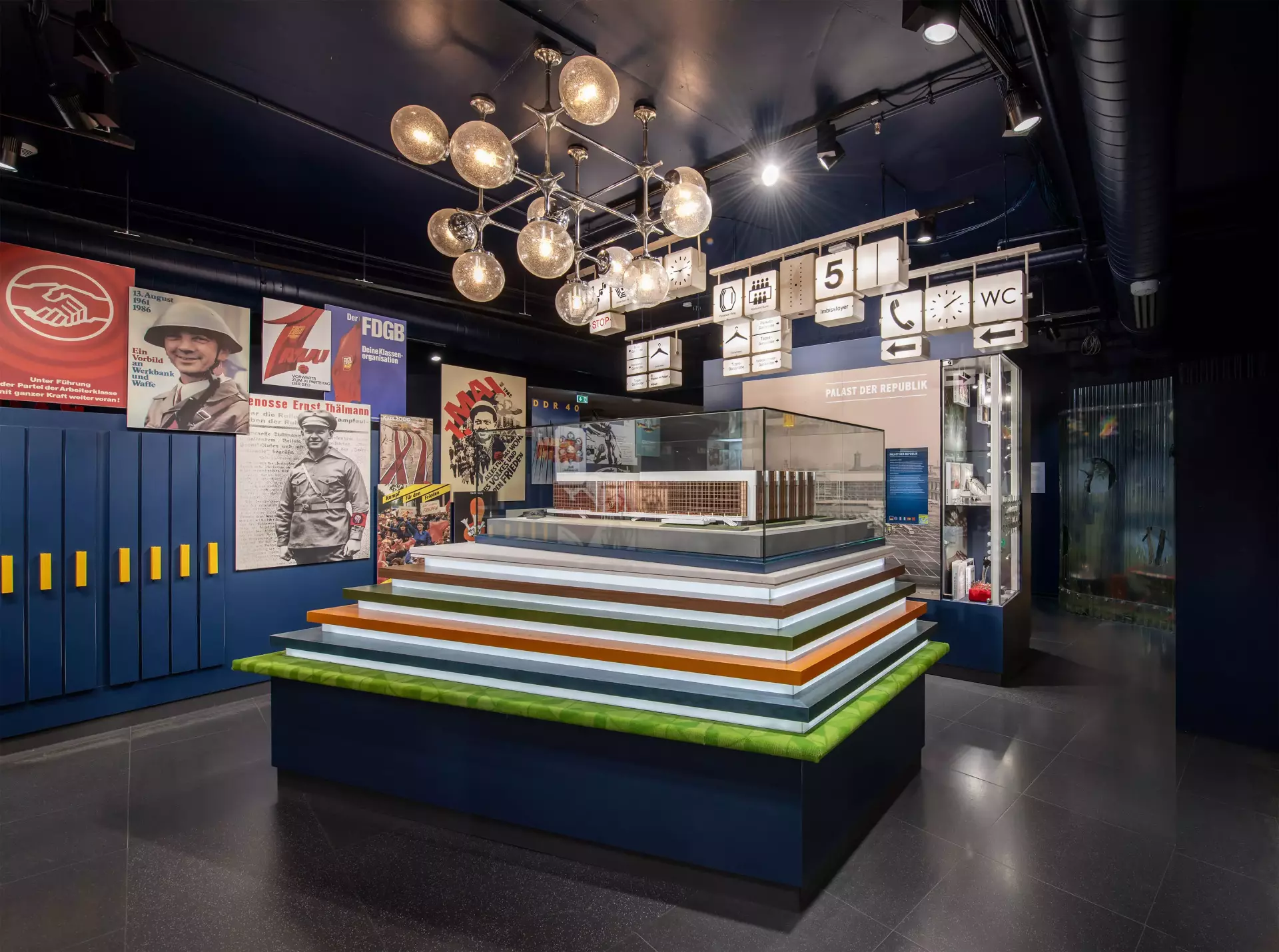
Posters, newspapers, and instructional films provide background on politics, propaganda, and daily messaging. Alongside them, personal photos and letters add intimate voices. The combination of official materials and private items helps explain how public ideals met personal realities.
Together, the hands-on access and carefully staged scenes create a vivid portrait of East German daily life, told through the things people used, saved, and passed down.
Source - https://en.wikipedia.org/wiki/DDR_Museum