



Fernsehturm
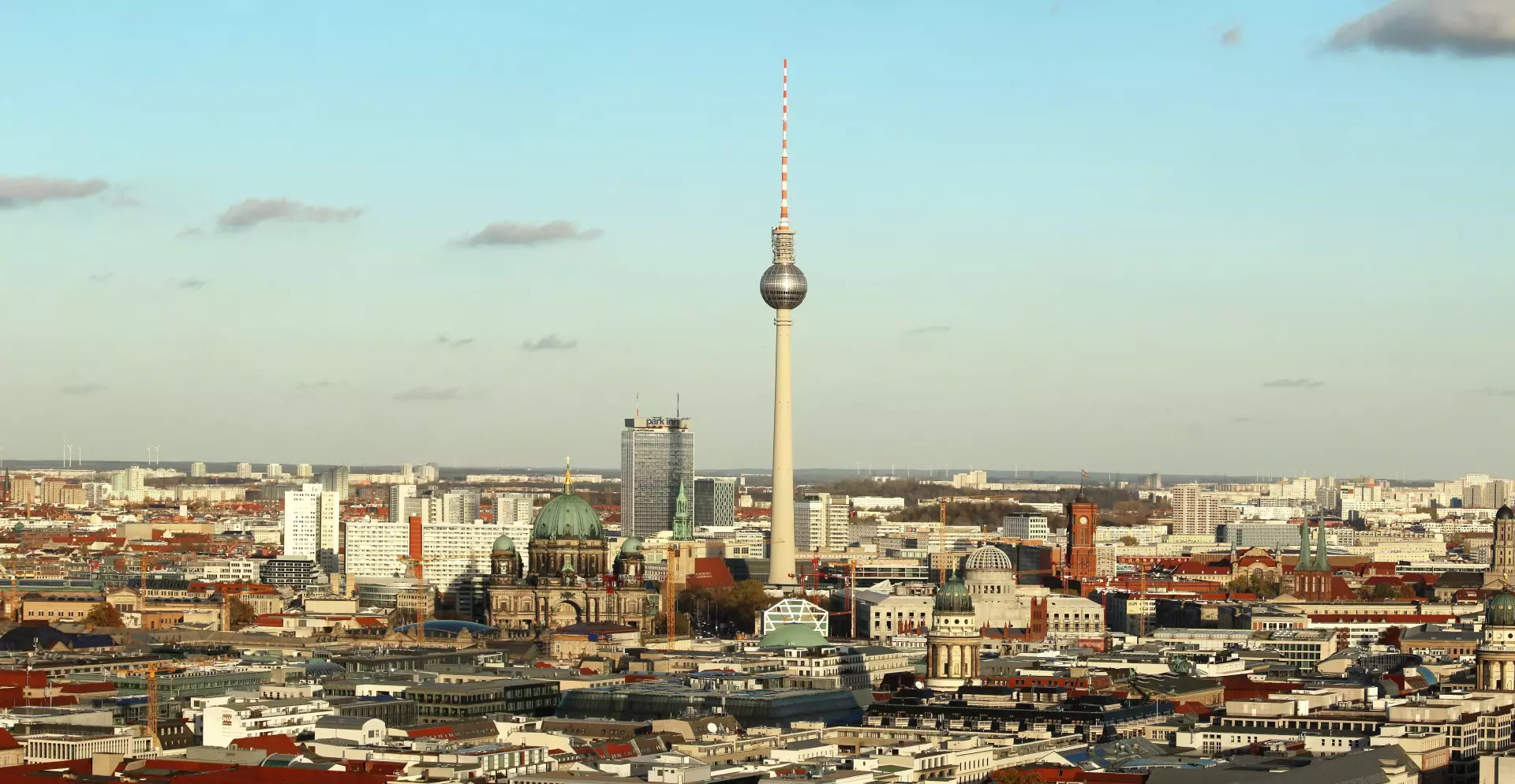
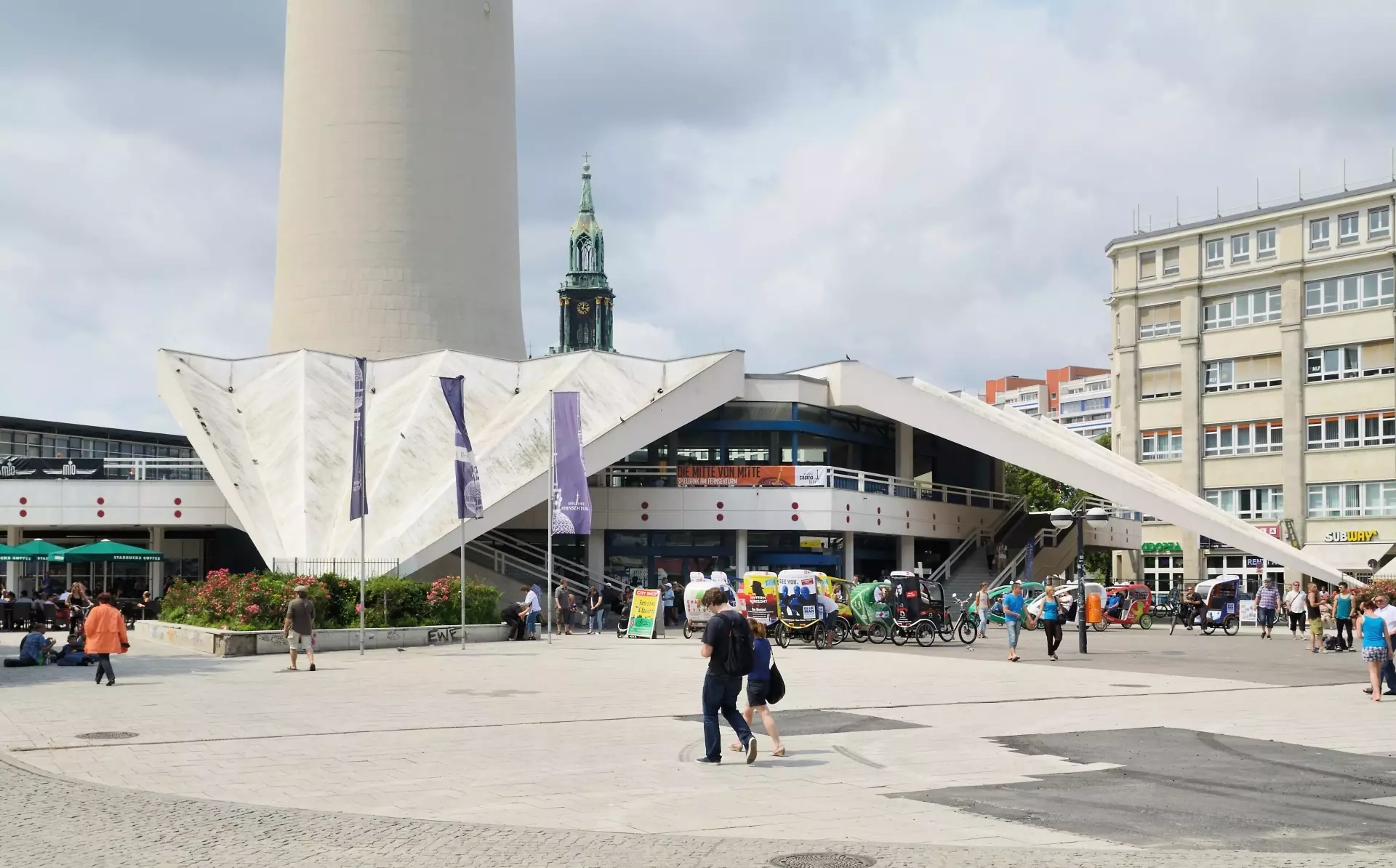
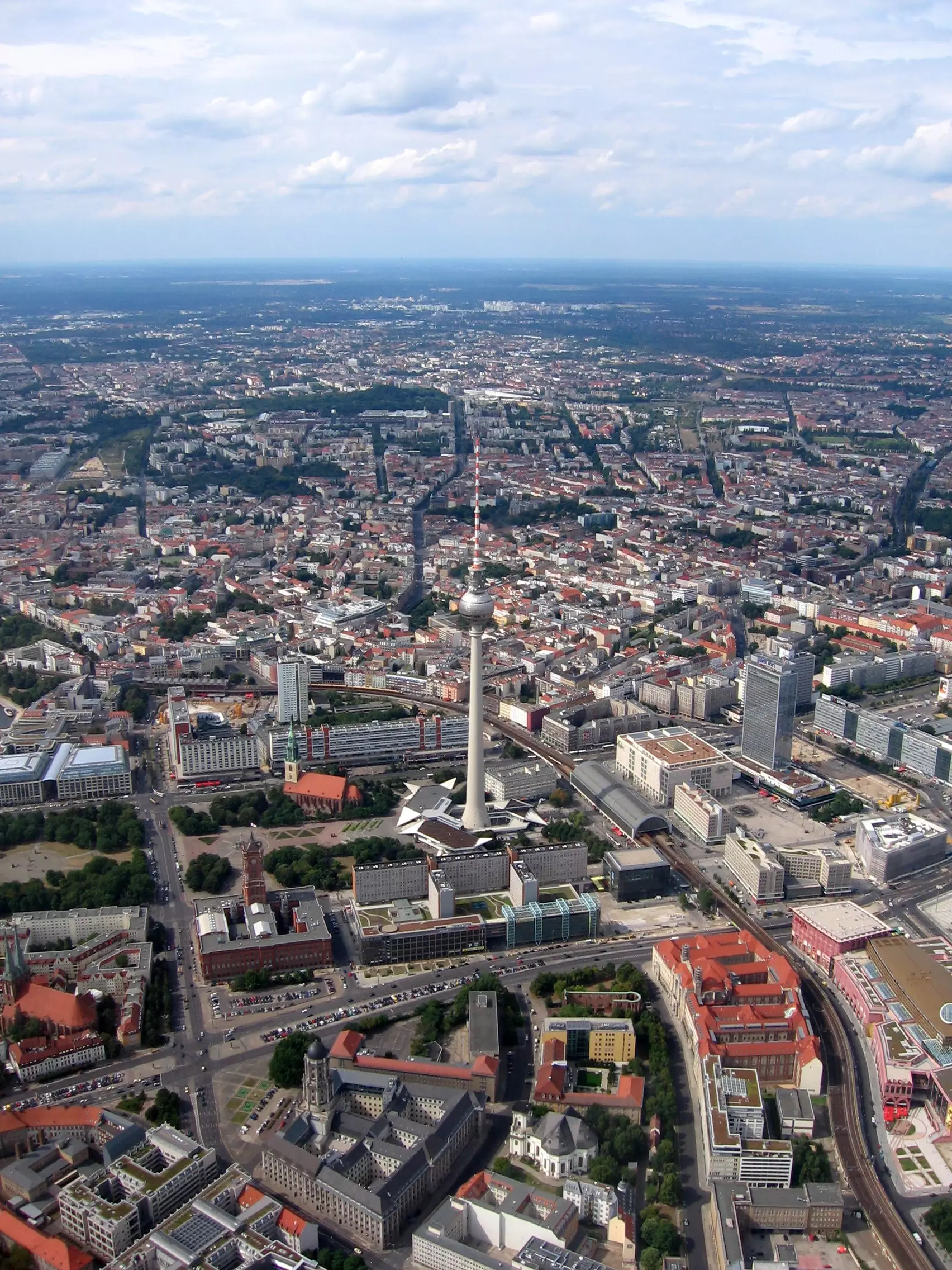
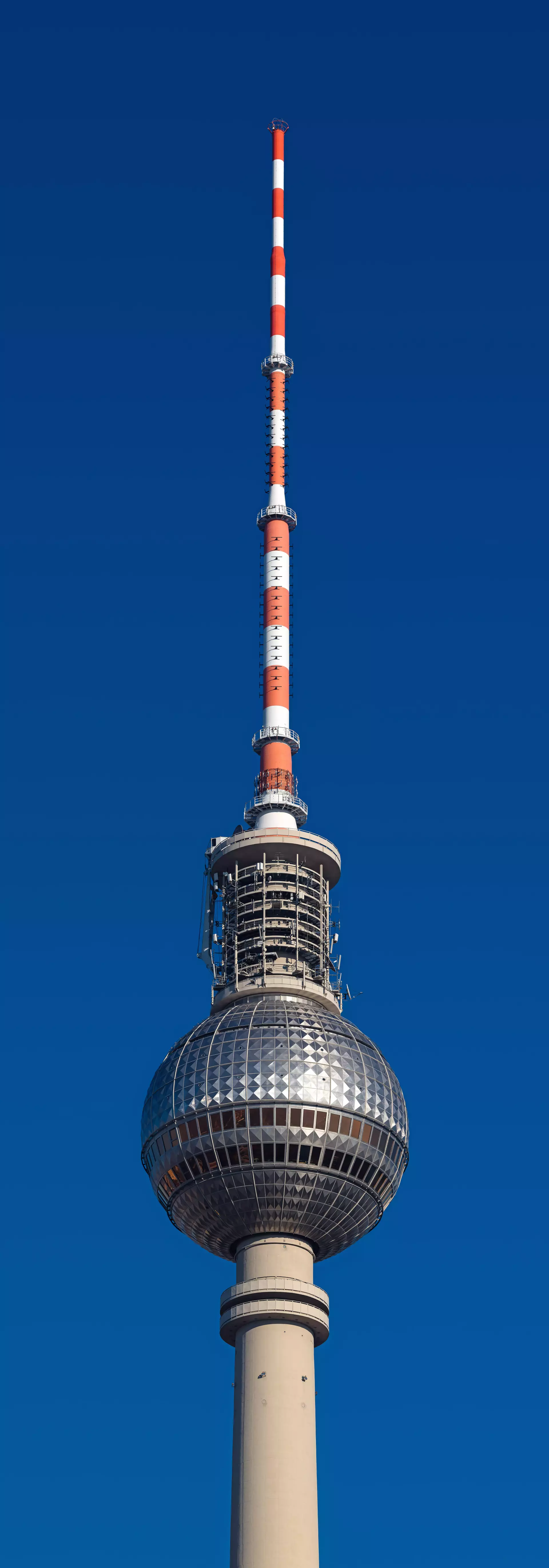
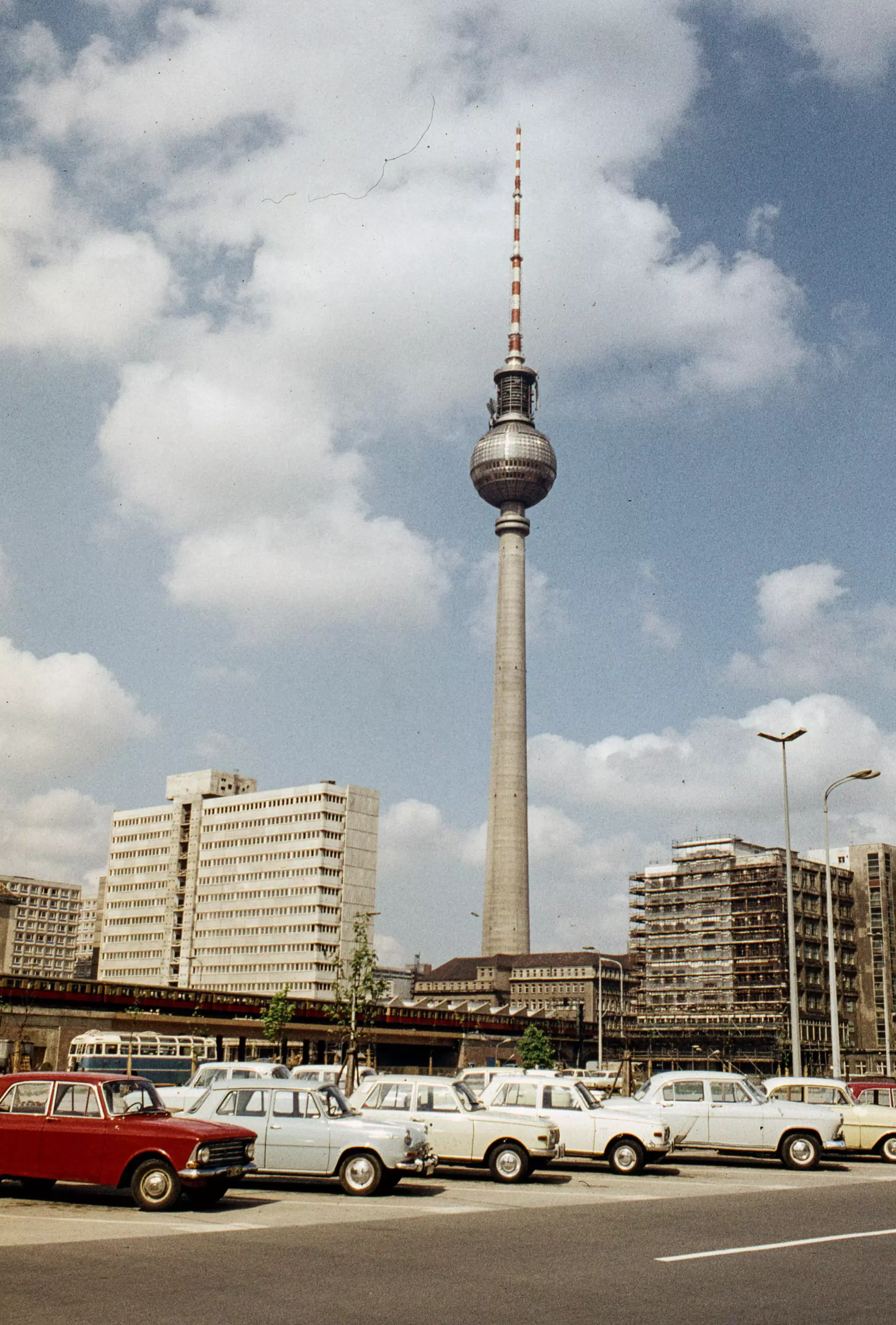
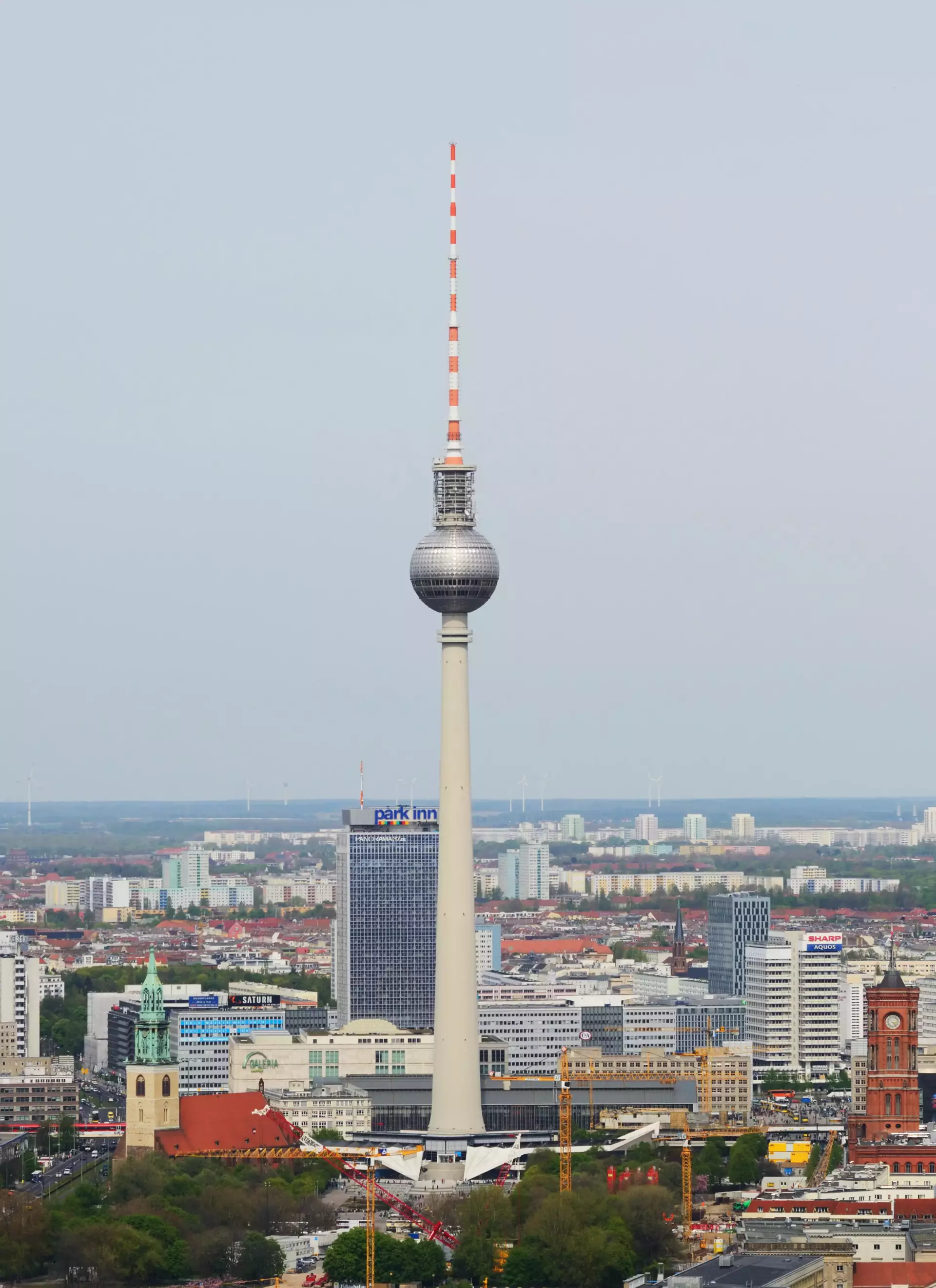
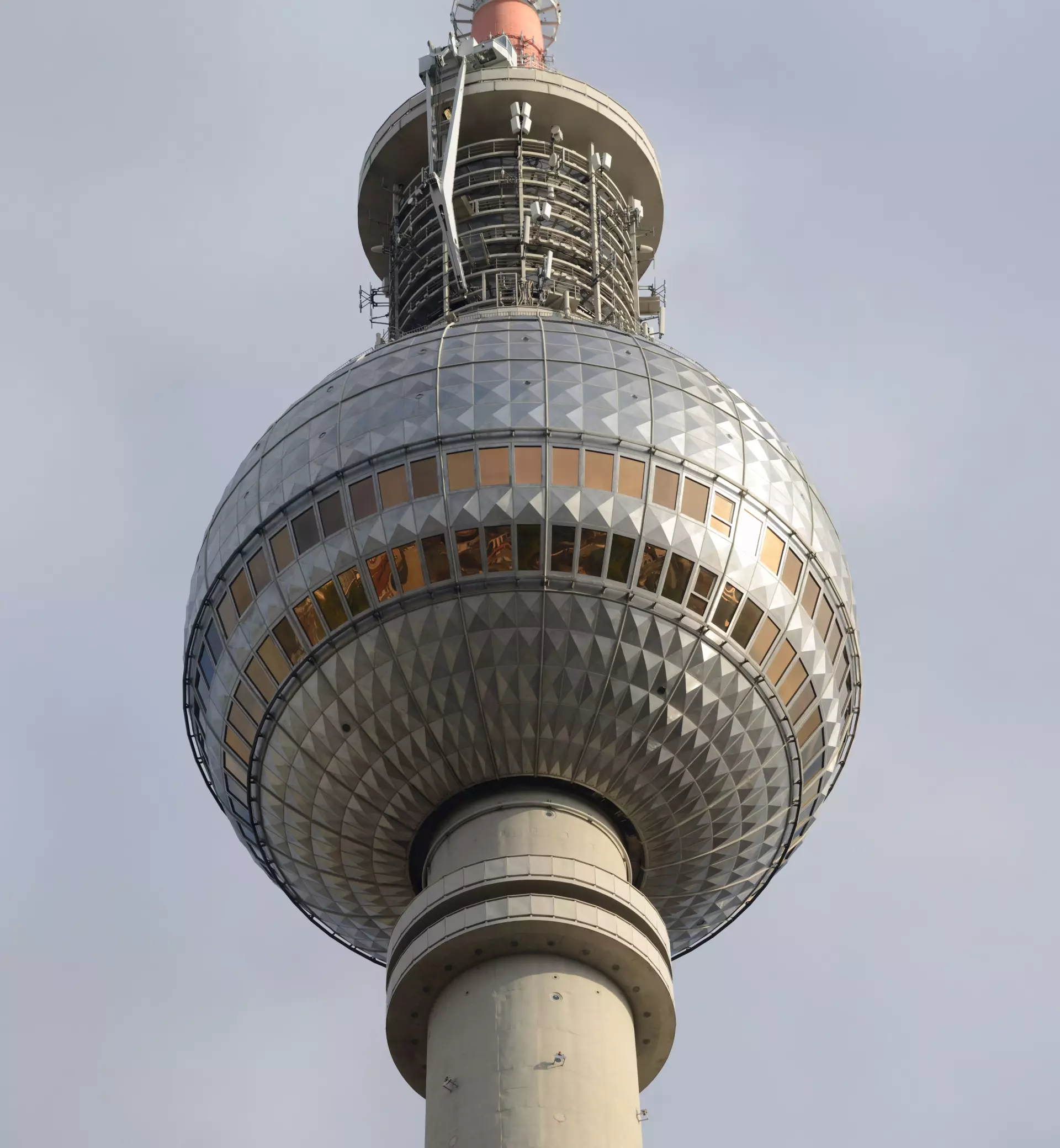
Rising to 368 metres, Berlin’s Fernsehturm dominates the skyline and ranks as the second-tallest building in the European Union. Built between 1965 and 1969, it was designed primarily for television broadcasting. Today, the gleaming sphere near the top also contains a viewing platform, a rotating restaurant, and a Berlin Tourist Information point.
Views from the Sphere
The viewing platform sits 203 metres above ground and includes a bar. On clear days, visibility can reach up to 42 kilometres. Berlin’s famously flat landscape stretches out in all directions, though the view is sometimes described as less dramatic than in hillier cities. The condition of the glass can also make photography difficult.
Dining Above the City
The Sphere restaurant is just a little higher at 207 metres. It rotates gently, completing a full turn every 30 minutes, so diners can watch the cityscape glide by while they eat.
Getting to the Top
Two lifts carry visitors from the base to the viewing areas in about 40 seconds. There is also a 986-step staircase. The tower is not accessible to wheelchair users.
Controversy, Nicknames, and Light Tricks
The tower’s place in Alexanderplatz, shaped by socialist-era planning, drew mixed reactions among Berliners. East German television tried to popularize the nickname “Telespargel” (television asparagus), but it never truly stuck.
At certain times of day, sunlight reflecting off the sphere created a striking, cross-shaped flare over the city. Locals wryly called it the Rache des Papstes—Pope’s revenge—an ironic halo for a symbol of a secular state. Rumors claimed the architect paid a professional price for the optical surprise.
After dark, lighting from the tower section can give the illusion of beams shooting outward, prompting comparisons to a Death Star straight out of Star Wars.
Source - https://en.wikipedia.org/wiki/Fernsehturm_Berlin