





Haus des Rundfunks
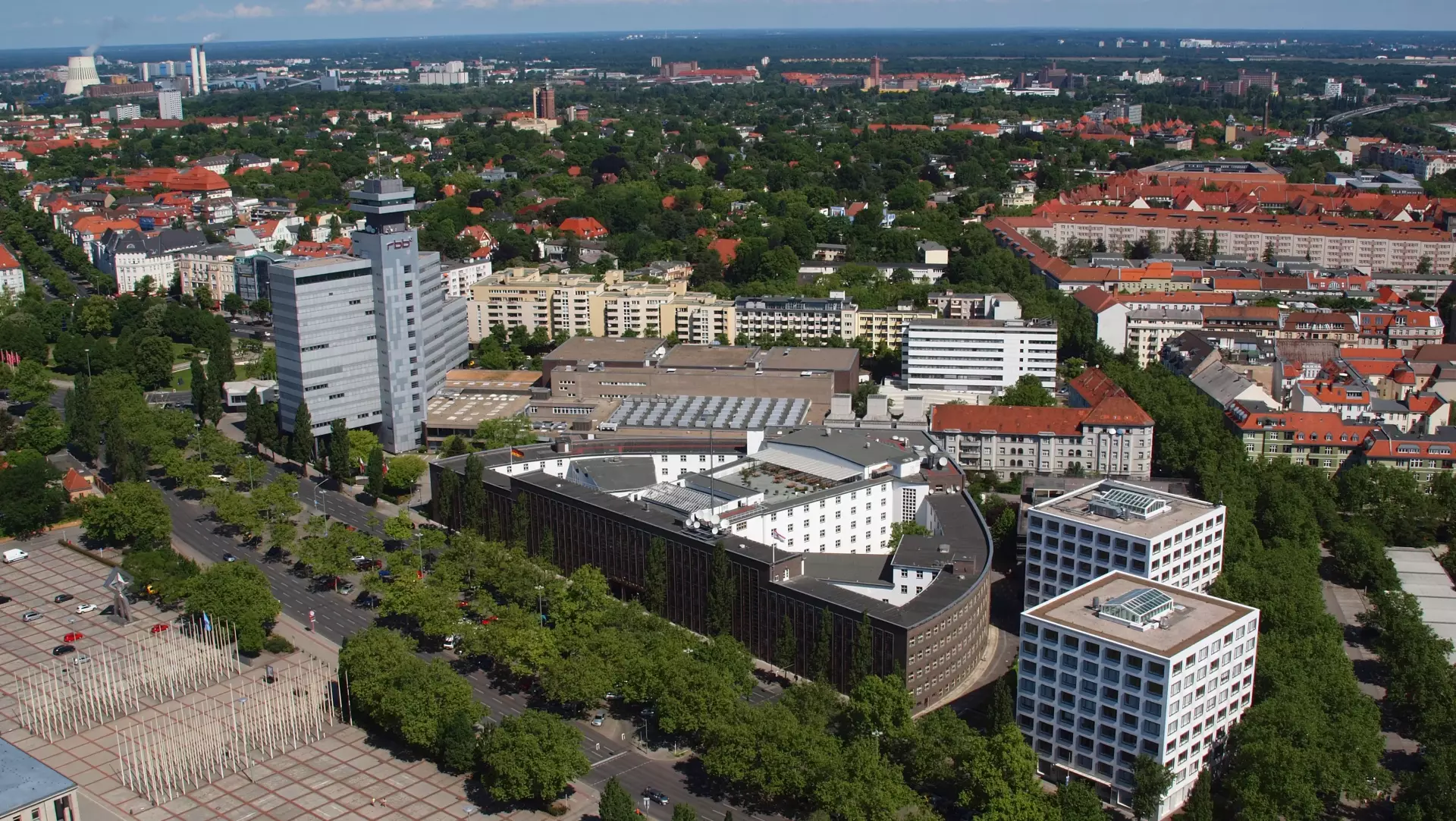
Haus des Rundfunks in Berlin stands as a landmark of early modern broadcasting. Designed by architect Hans Poelzig in 1929, it was the first self-contained broadcasting house in the world, bringing studios, offices, and technical rooms together under one roof. The building remains in active use today, demonstrating the durability and foresight of its original concept.
Architecture and Innovation
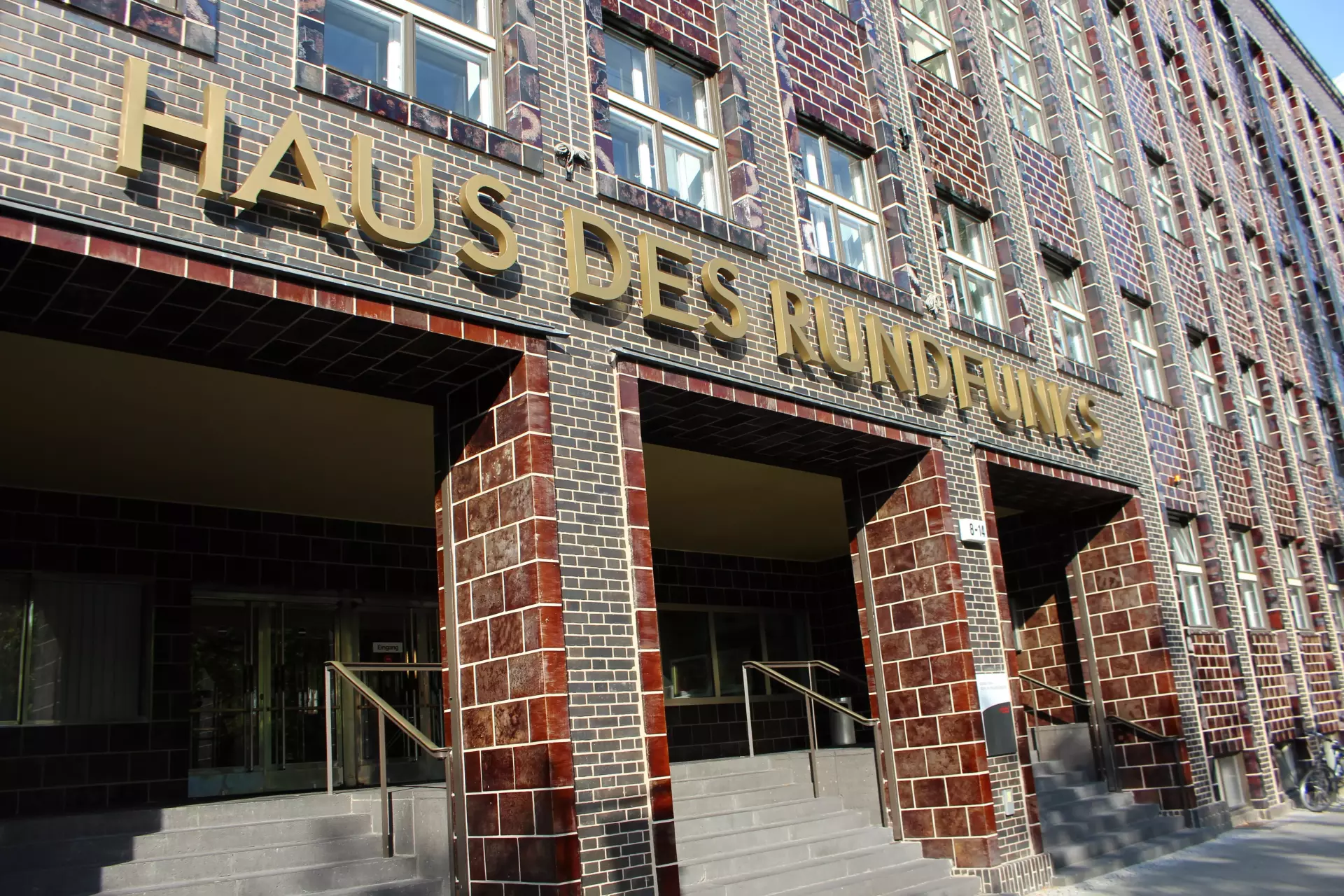
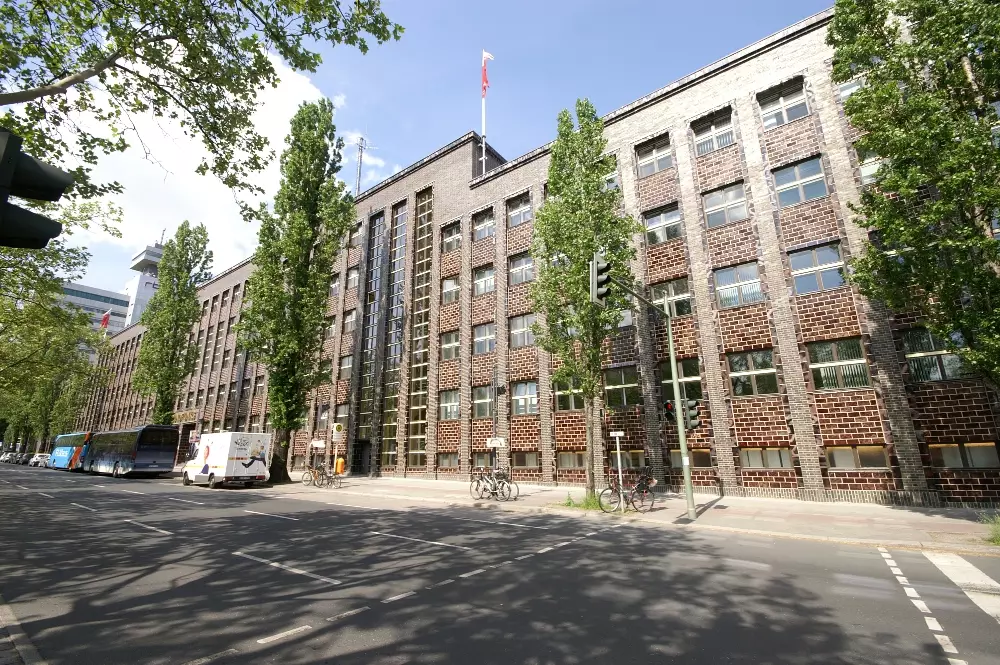
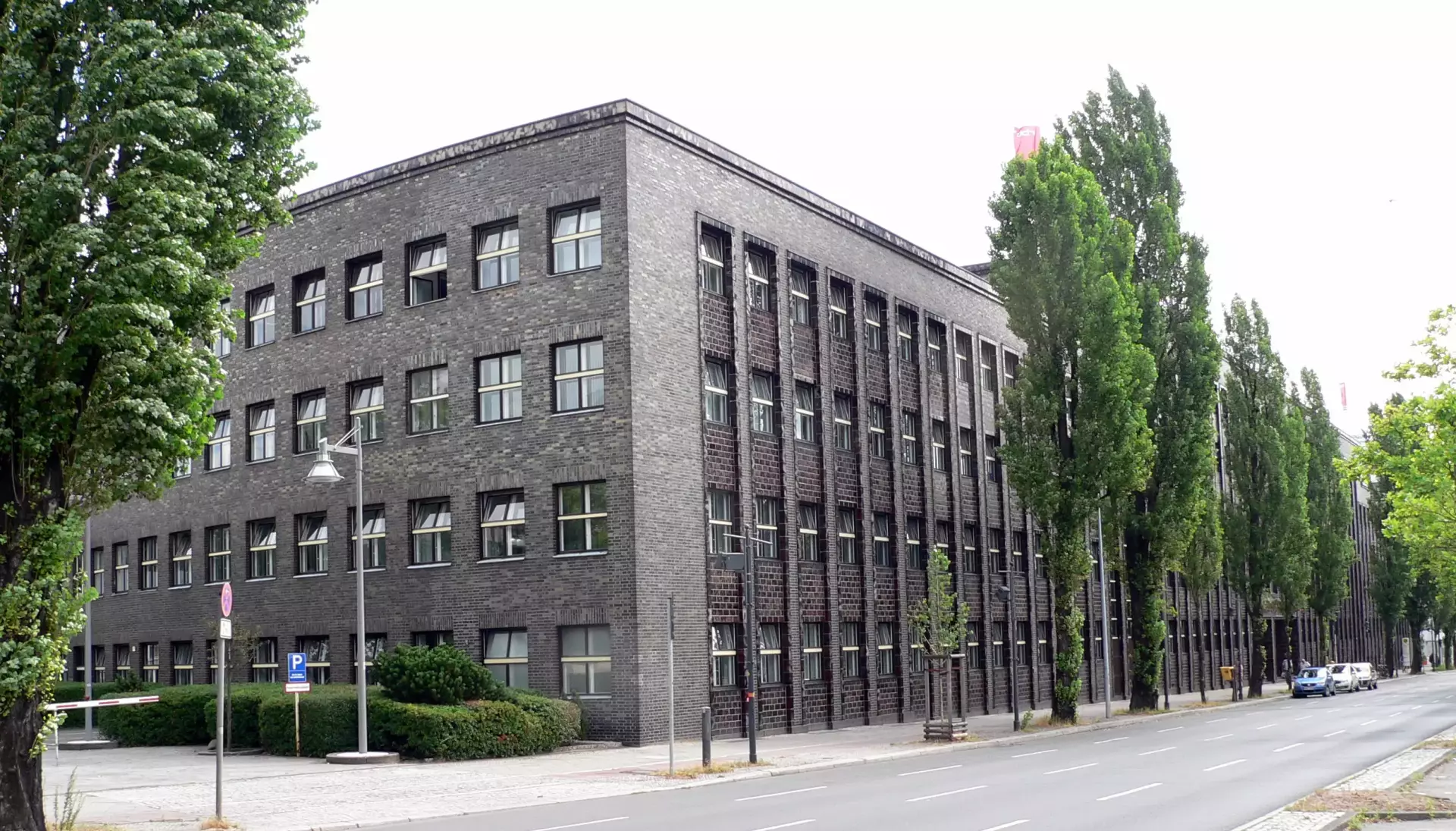
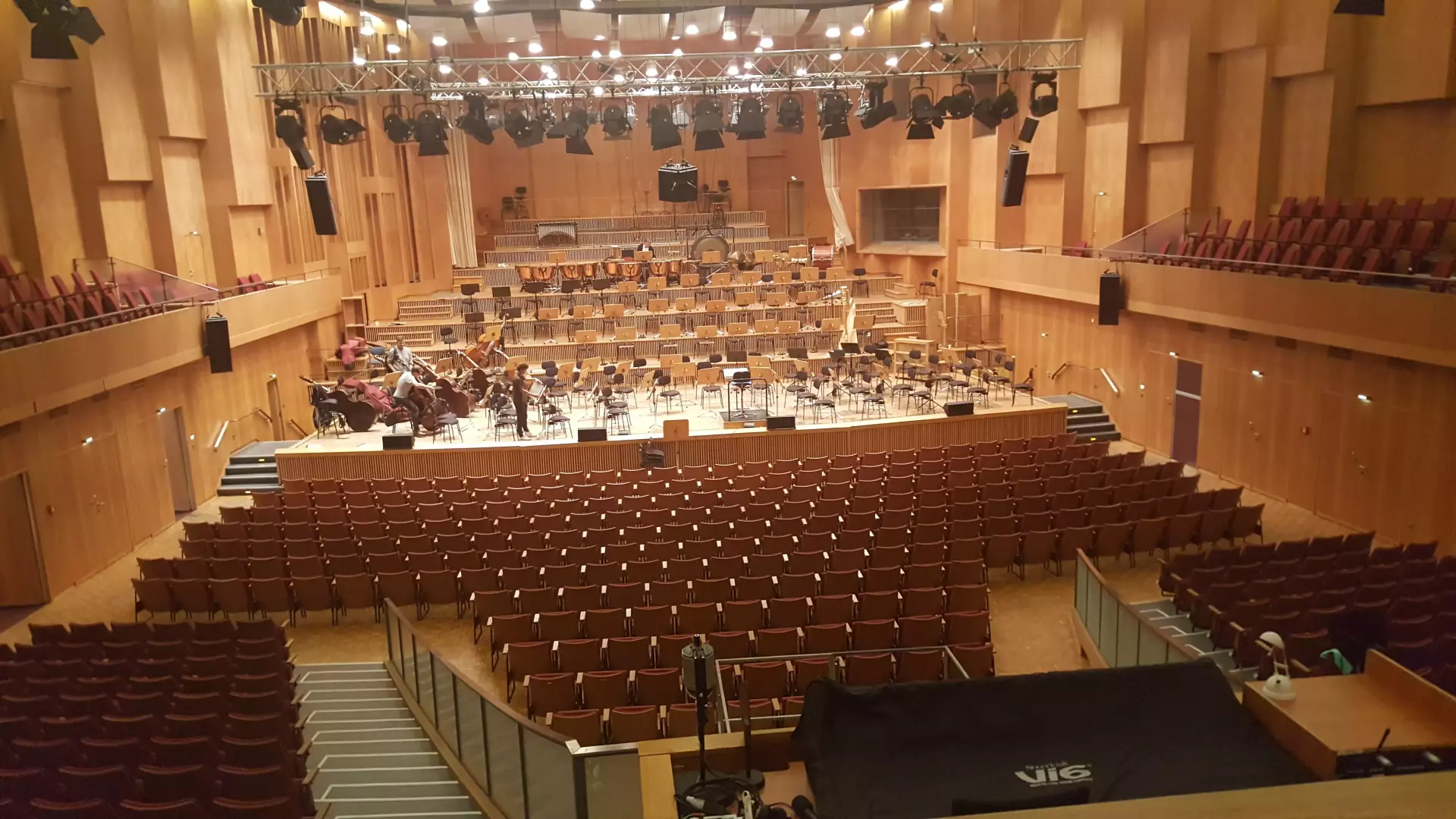
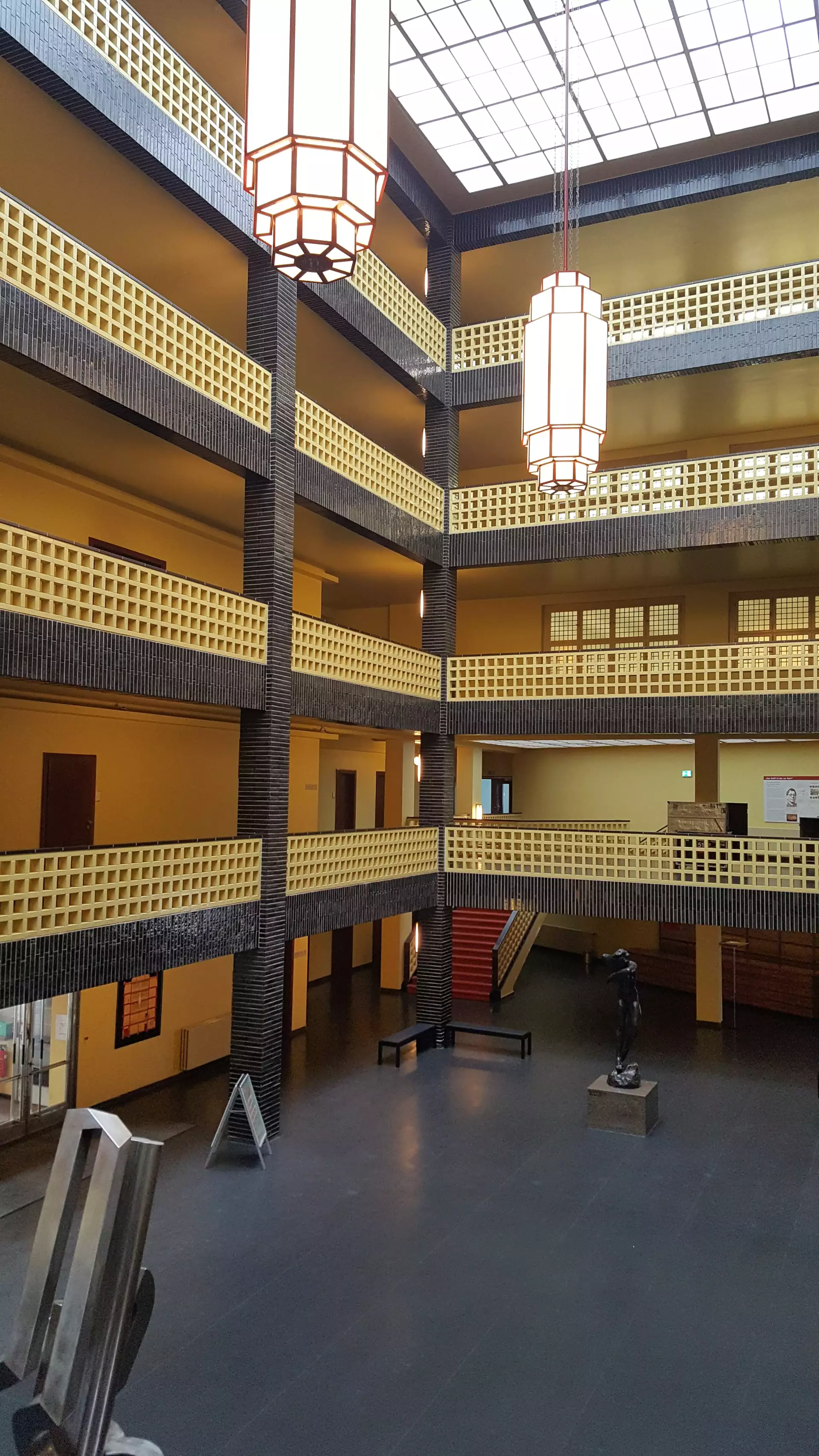
The exterior showcases clean lines and a brick facade that reflects the era’s modernist ideas. Inside, corridors and studios were planned for sound control and efficient movement, supporting live radio production at a time when broadcasting technology was rapidly evolving. The layout anticipated the needs of engineers and presenters alike, with acoustic considerations guiding the design of walls, doors, and studio volumes.
A Working Icon
Beyond its historic status, the building continues to operate as a media hub. Its long life in service highlights the strength of Poelzig’s functional approach, where form follows practical needs without losing a sense of style. The combination of heritage architecture and ongoing broadcast activity makes the Haus des Rundfunks a living piece of media history in Berlin.
Source - https://en.wikipedia.org/wiki/Haus_des_Rundfunks