

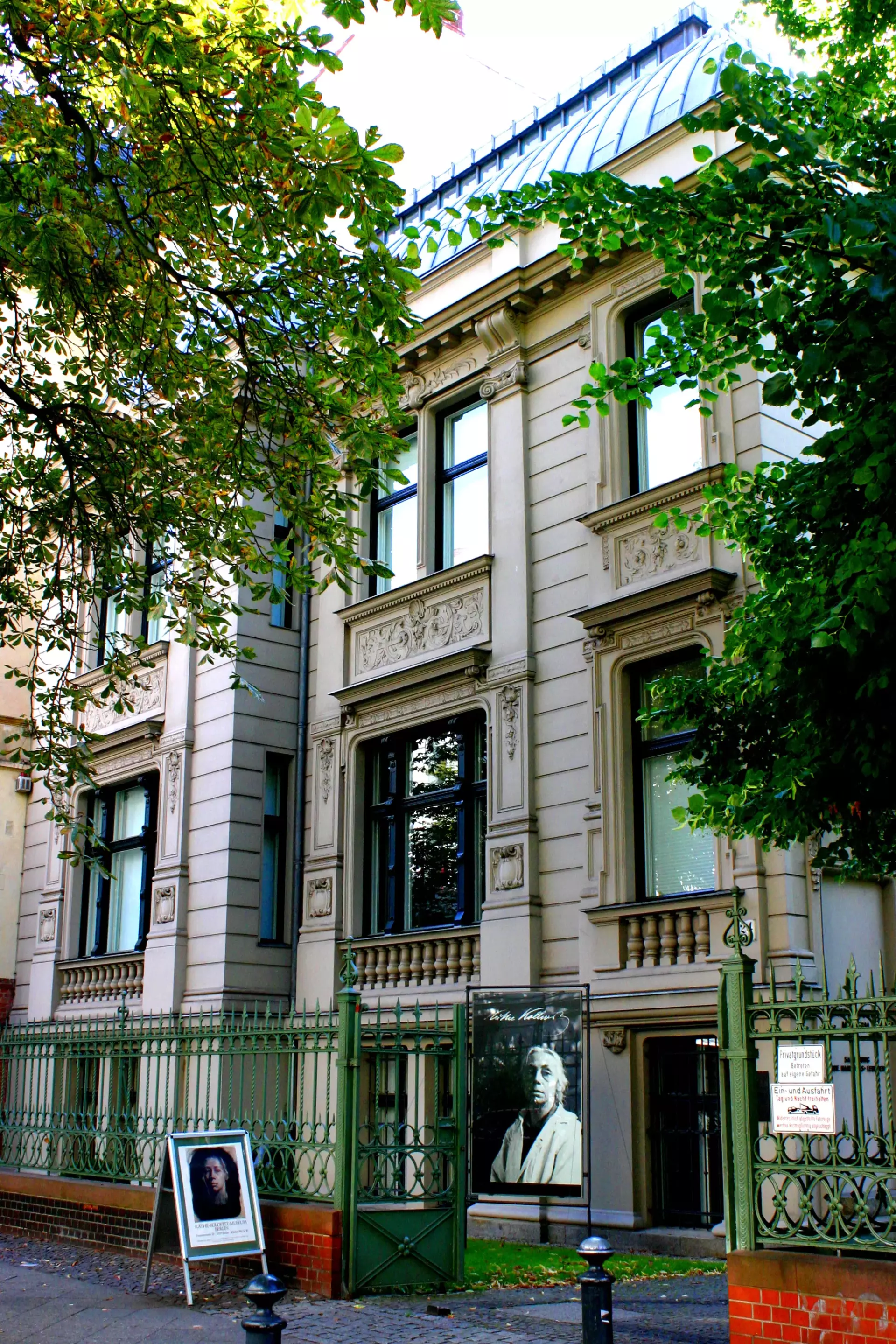


Käthe Kollwitz Museum
Käthe Kollwitz is remembered as an artist whose work spoke clearly about war and loss. Her reputation as a social activist and supporter of pacifism was shaped by tragedy. The death of her son in World War I marked a turning point, and the mood of her art grew darker. Years later, World War II brought another blow when her grandson was killed, deepening the somber tone in her work.
These personal losses mirrored the grief felt across Germany. Themes of death, violence, misery, guilt, and suffering became central to her art. Rather than avoiding the pain of her time, Kollwitz faced it with stark honesty and emotional depth, using visual language that is direct and human.
The museum’s collection
The Käthe Kollwitz Museum gathers this body of work in one place, showing how her ideas developed over decades. Drawings, prints, sculptures, original posters, and woodcuts trace her response to war and its aftermath. The galleries move from early pieces to later works that are heavier in tone, reflecting the toll of two world wars on both the artist and the nation.
Seen together, the works present a clear picture of an artist engaged with social reality. The lines are strong, the faces expressive, and the emotions unmistakable. Each medium—charcoal, etching, lithography, woodcut, bronze—adds a different weight and texture to the same urgent subjects. The result is a sustained, unflinching record of sorrow, resilience, and remembrance.
Source - https://en.wikipedia.org/wiki/K%C3%A4the_Kollwitz_Museum_(Berlin)