



Kongresshalle – Haus der Kulturen der Welt
Germany’s national center for contemporary non-European art, the Haus der Kulturen der Welt, is known for presenting bold, boundary-pushing projects across many disciplines. It serves as a platform where visual arts, performance, music, and discourse meet, encouraging new connections and experimental ideas.
An Architectural Statement with a Story
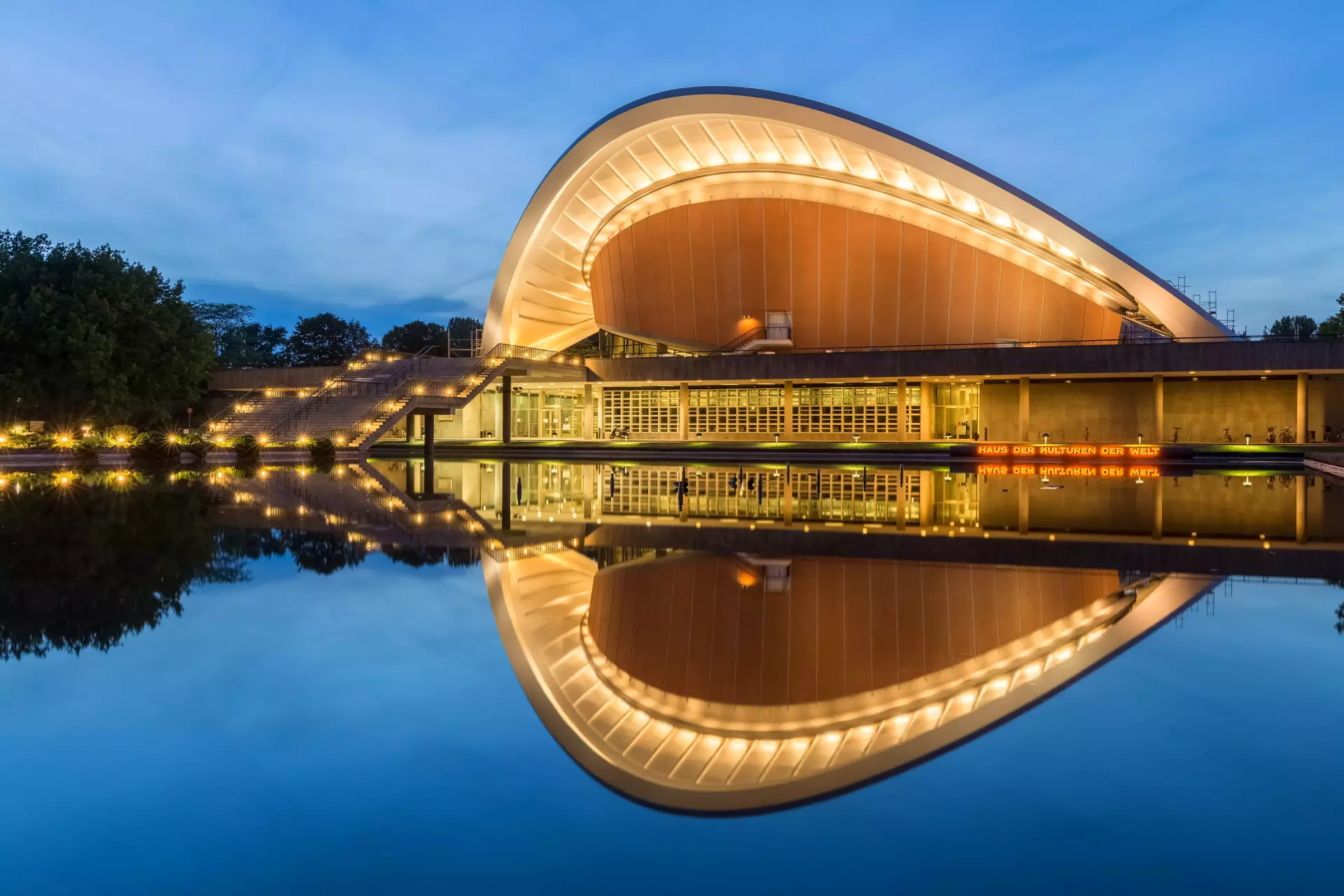
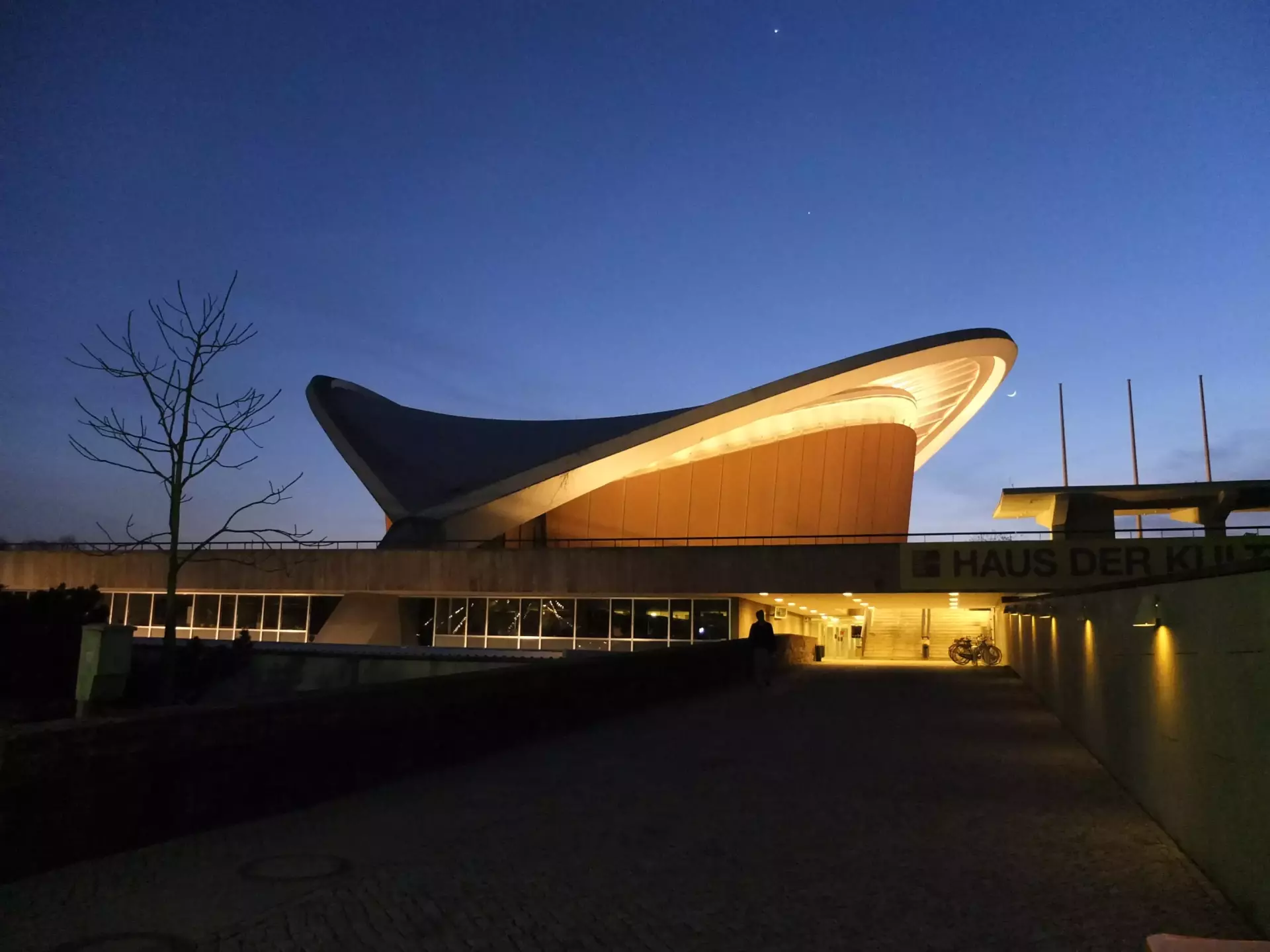
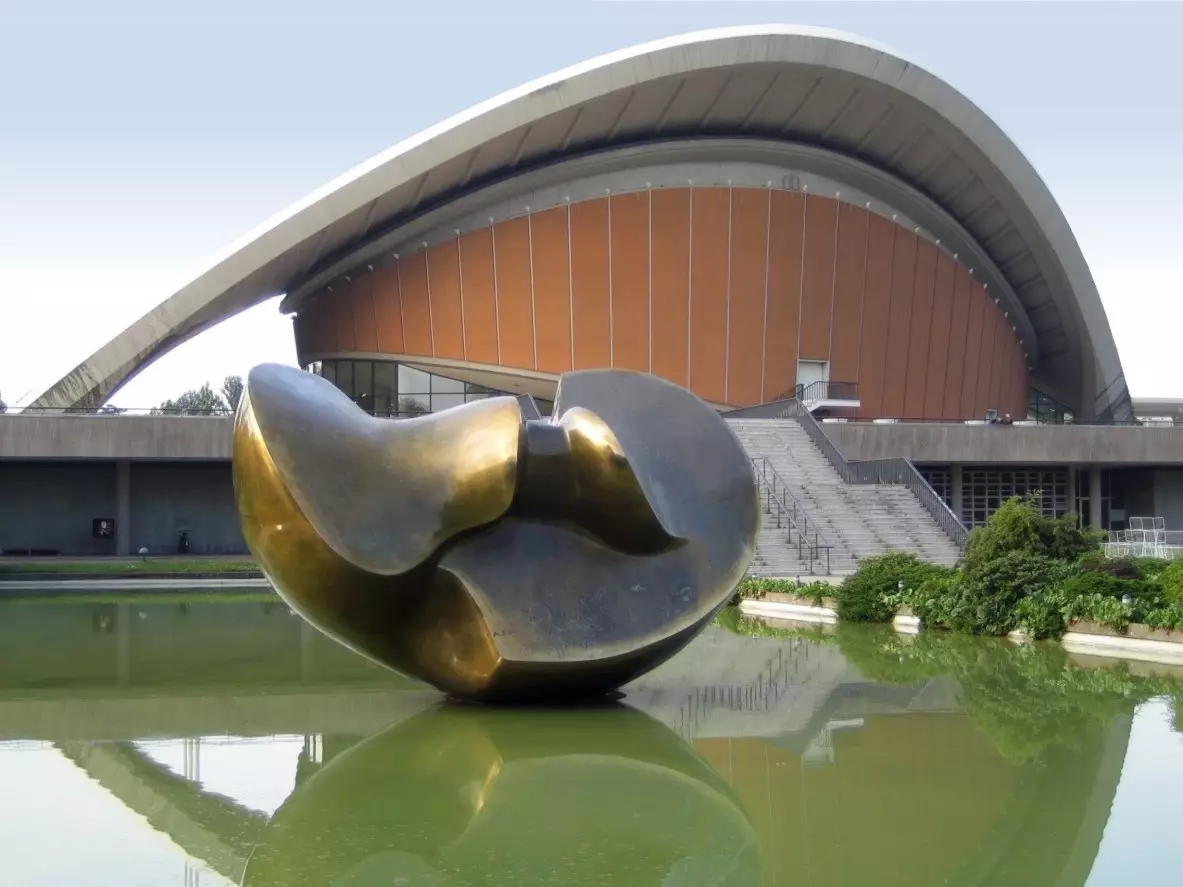
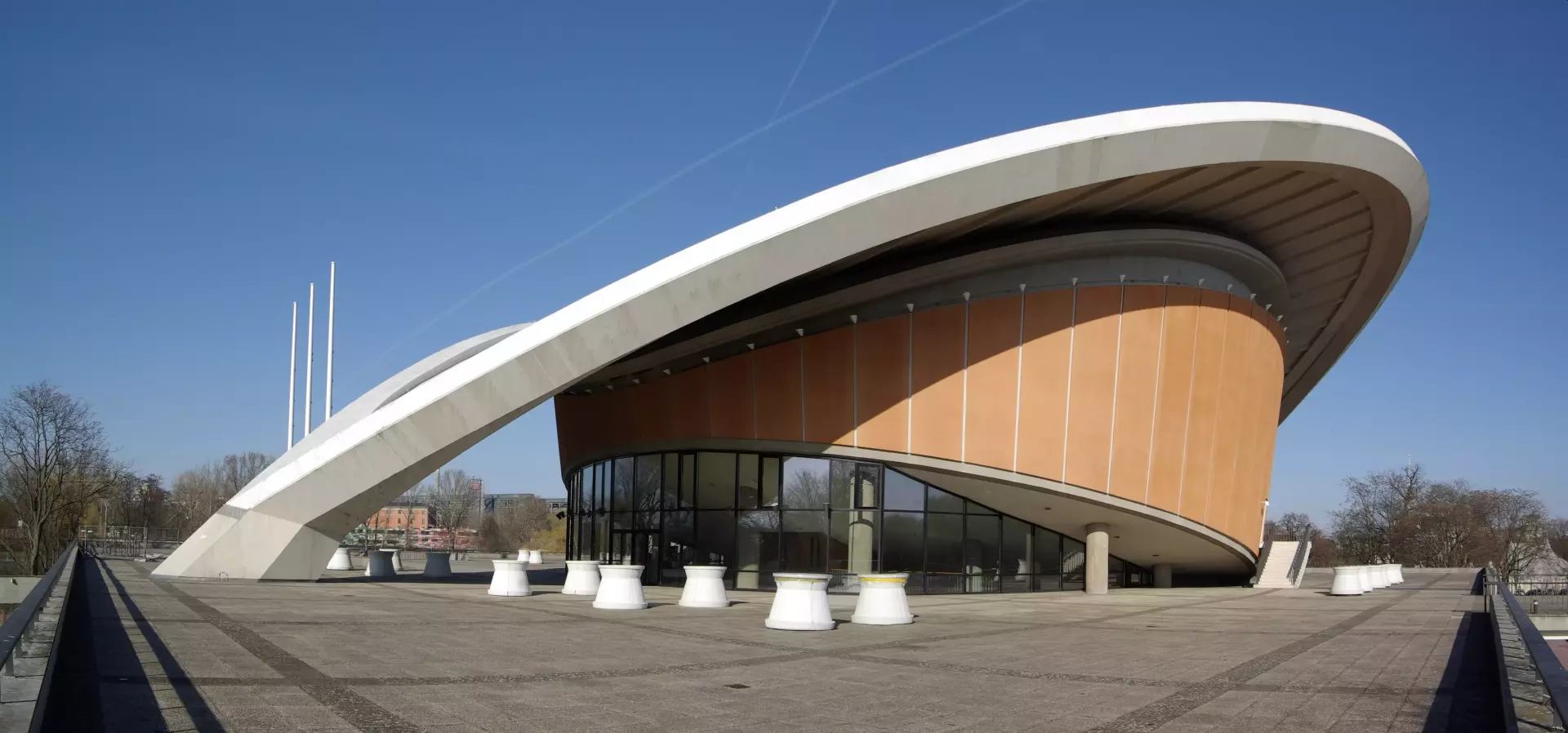
This striking building is an architectural landmark with a transatlantic backstory. Constructed as the American contribution to the Interbau 1957 international building exhibition, it was intended as a symbol of open dialogue and the free exchange of ideas during a pivotal moment in postwar history. Its dramatic sweeping roofline has made it instantly recognizable, and the building is affectionately nicknamed the “Schwangere Auster,” or “Pregnant Oyster,” by locals.
A Stage for Contemporary Perspectives
The house functions as a leading center for contemporary arts with a global outlook, focusing especially on non-European perspectives. Its programs often cross traditional categories, bringing together artists, thinkers, and audiences to explore themes that cut across cultures and disciplines. Exhibitions, performances, and research projects share space here, creating a lively environment where art meets critical conversation and new forms take shape.