



Museum für Naturkunde
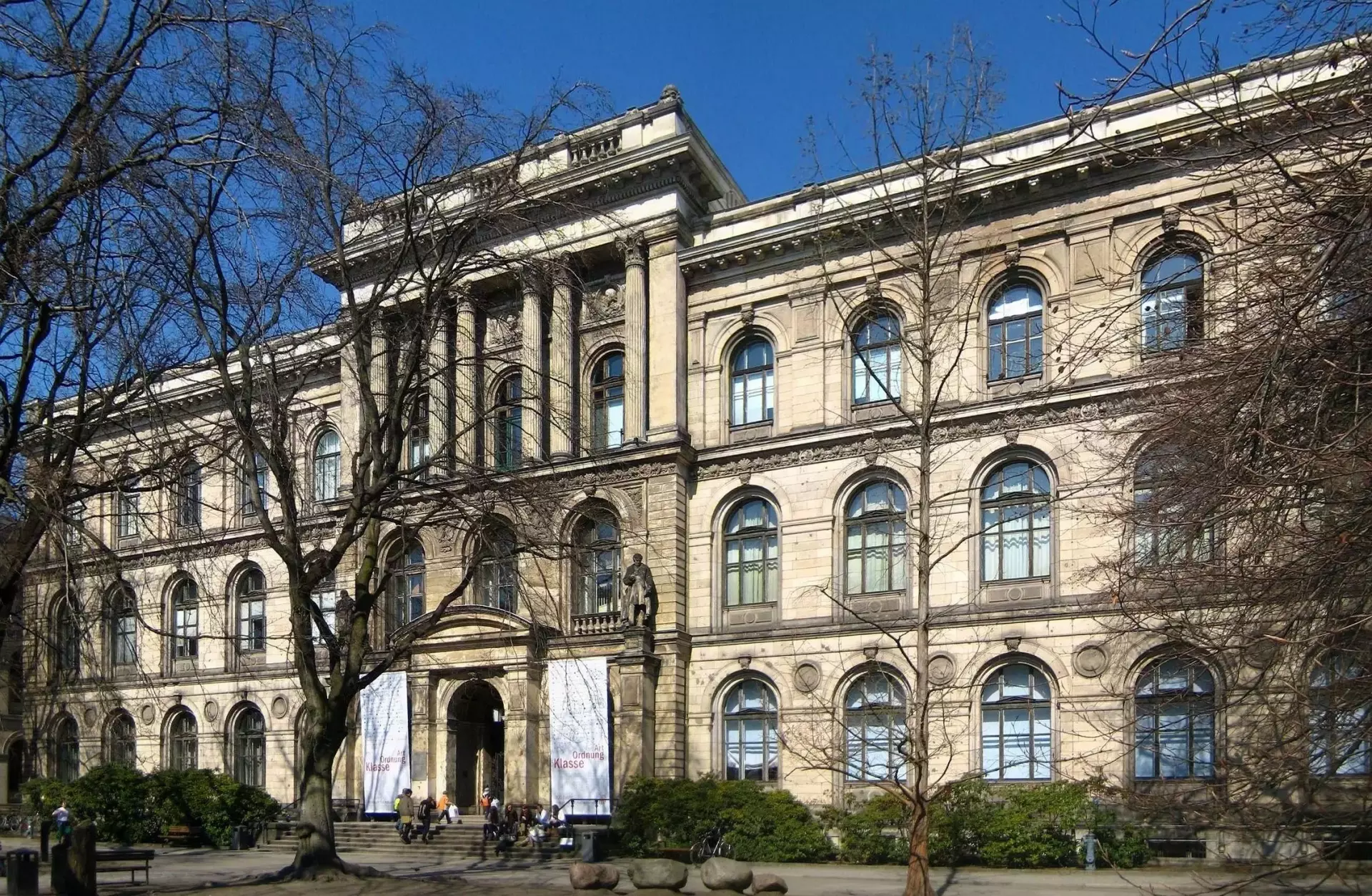
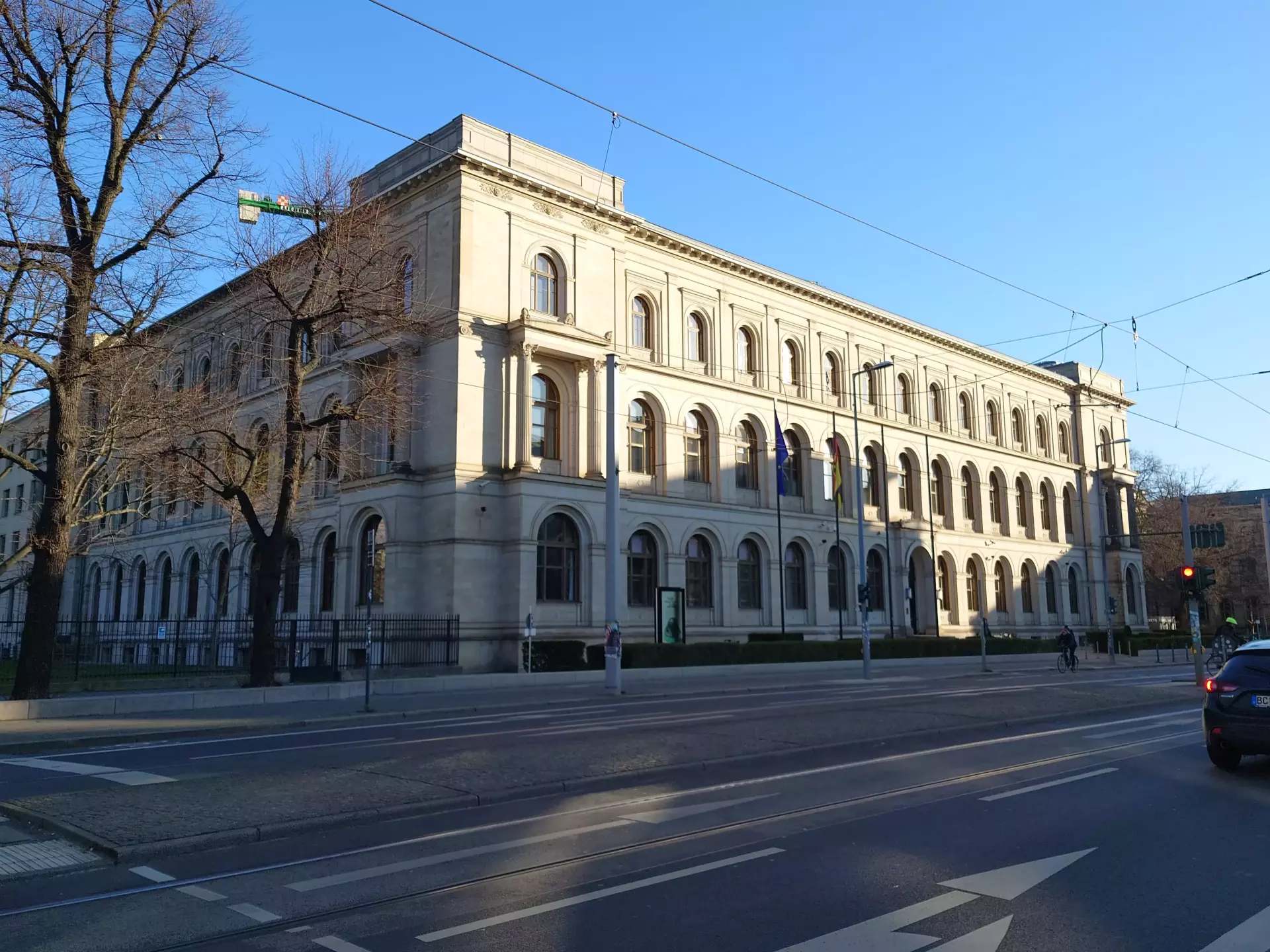
More than 30 million objects form the scientific collection at the Museum für Naturkunde in Berlin, one of the most significant natural history institutions in the world. Its galleries showcase the scope of life on Earth, from deep time to the present day, while behind the scenes researchers work with specimens that rarely meet the public eye. Some areas are currently under construction, adding a sense of transition to a place already shaped by discovery.
Collections on a monumental scale
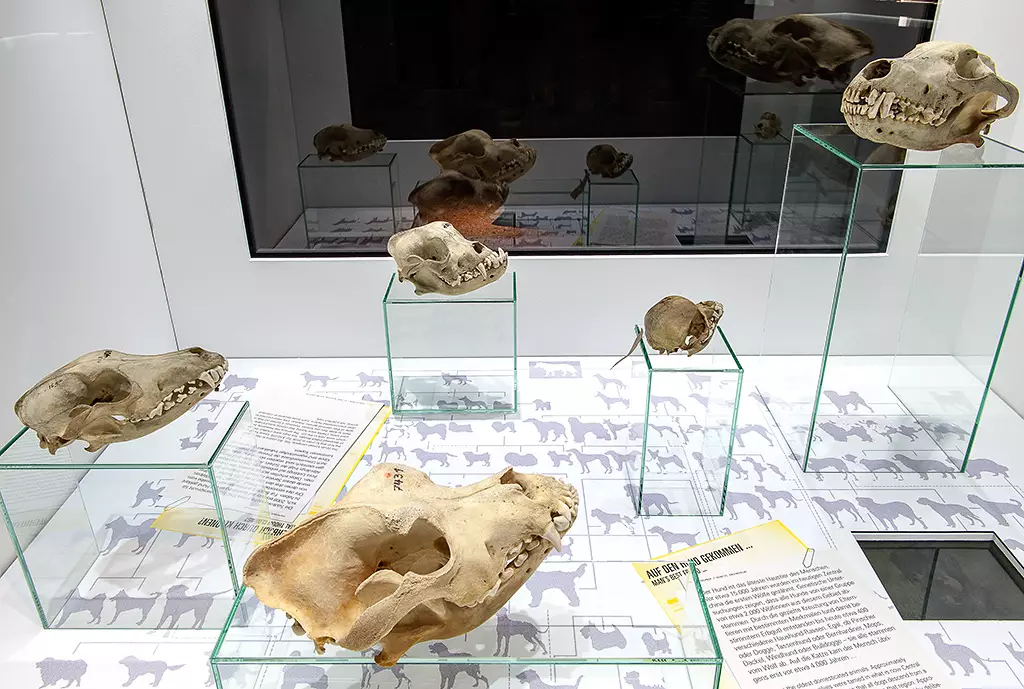
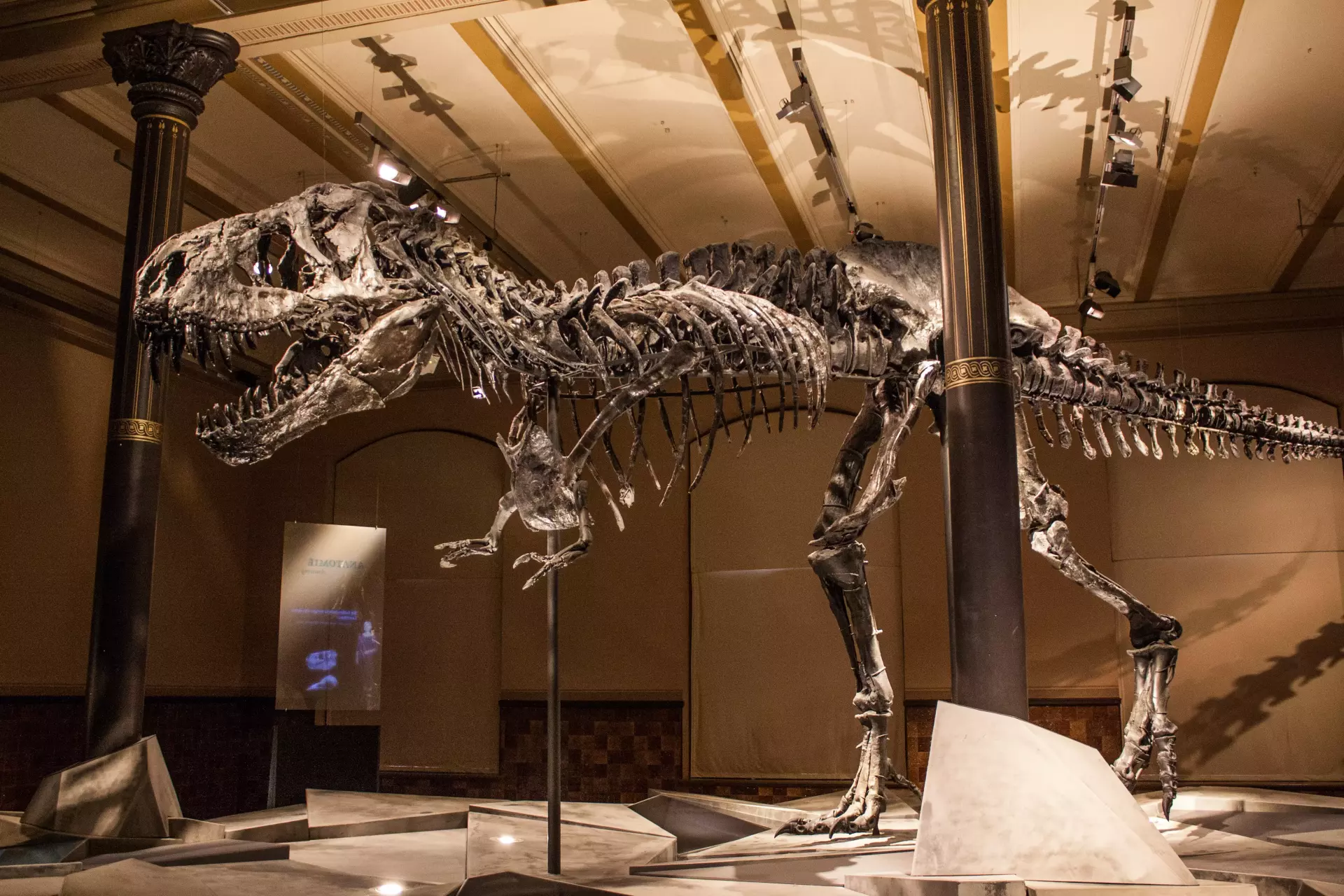
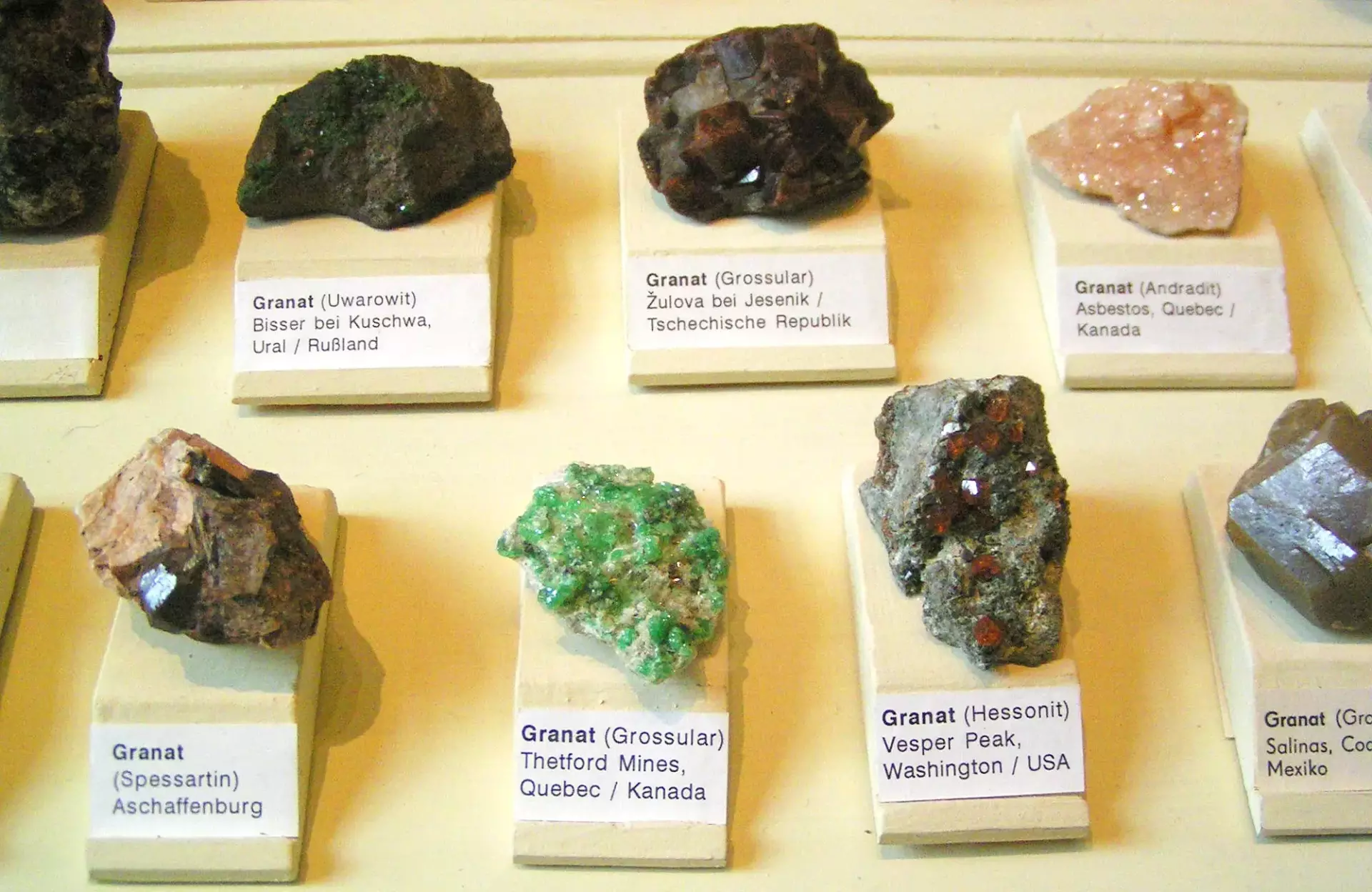
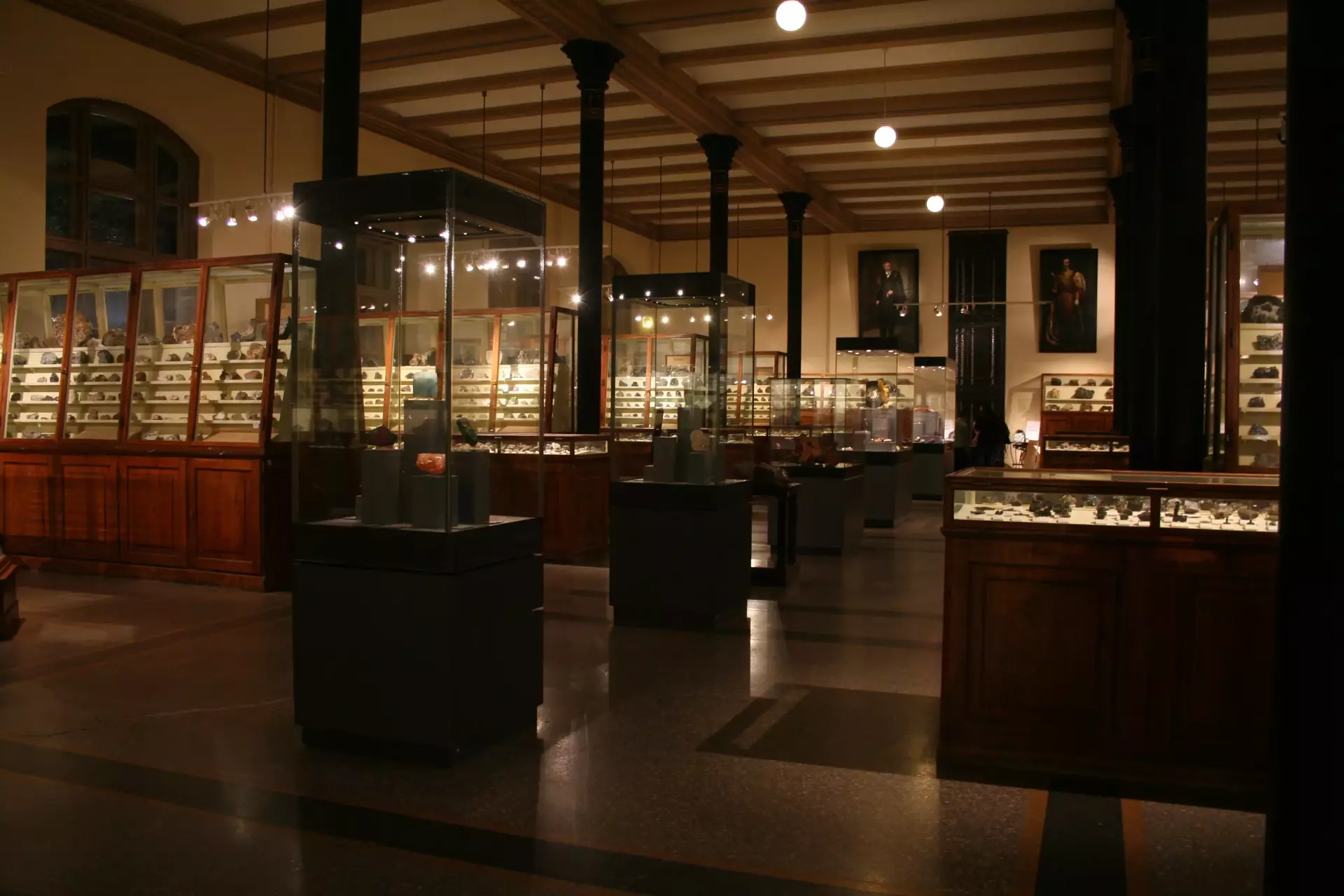
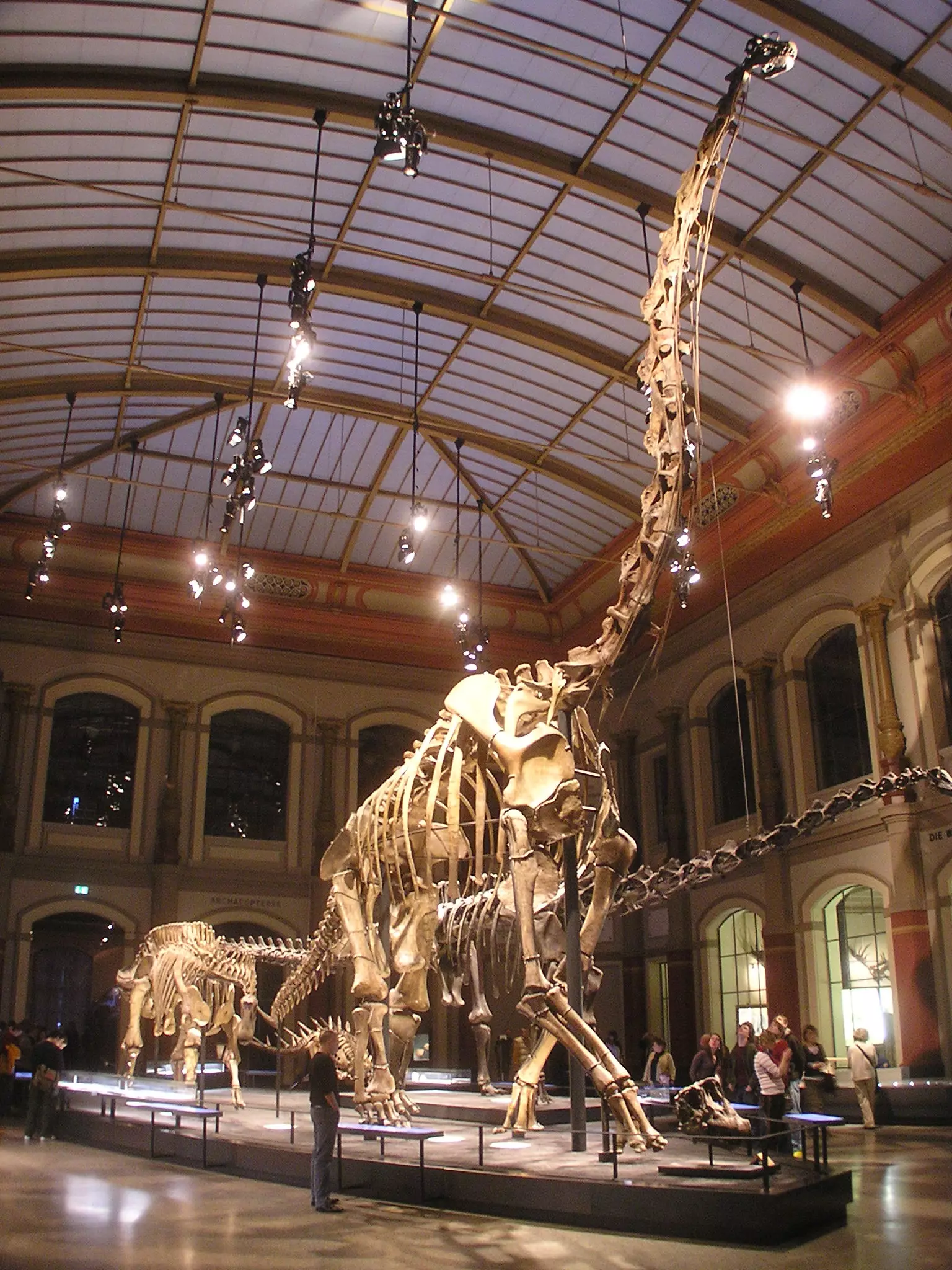
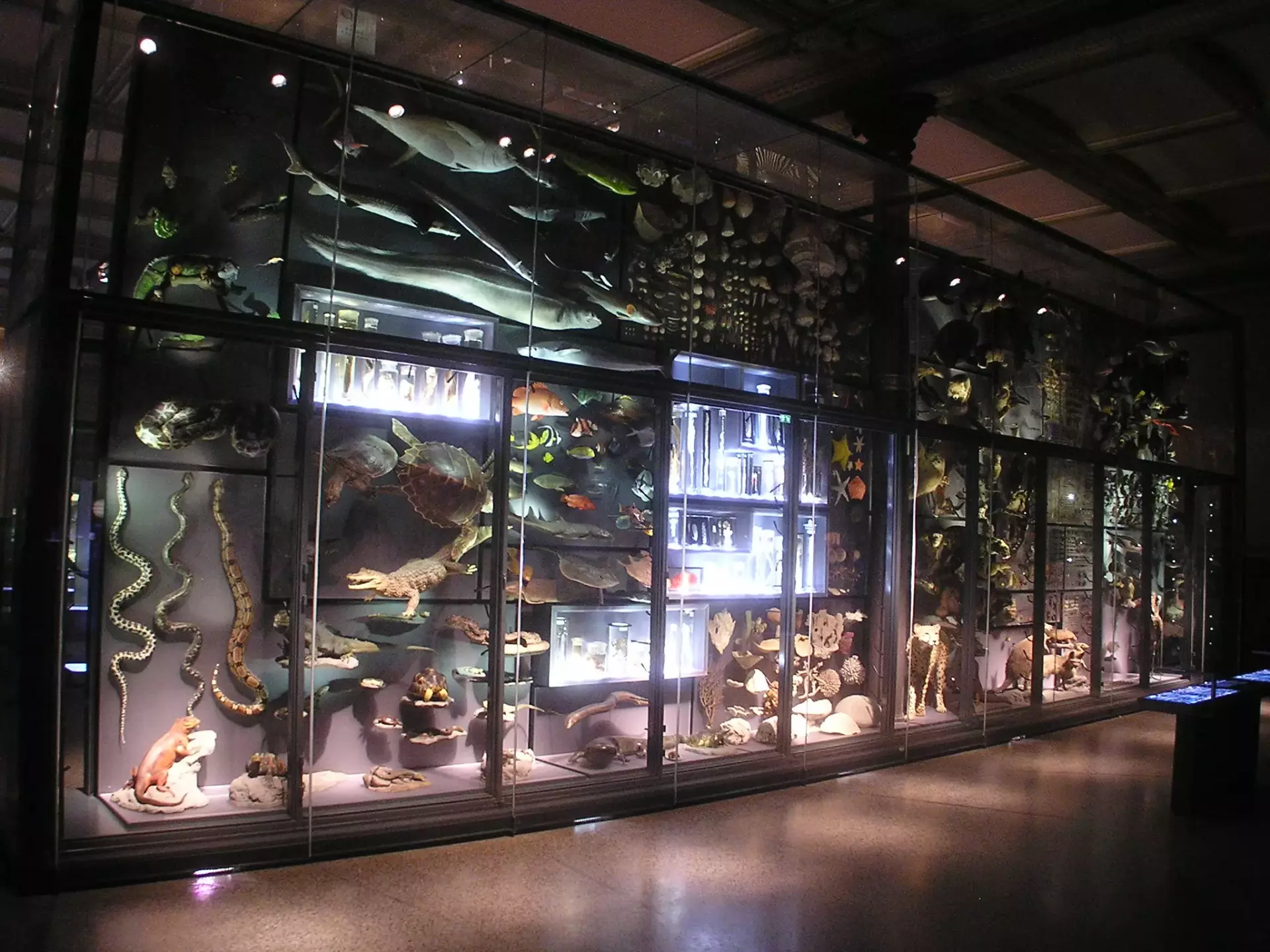
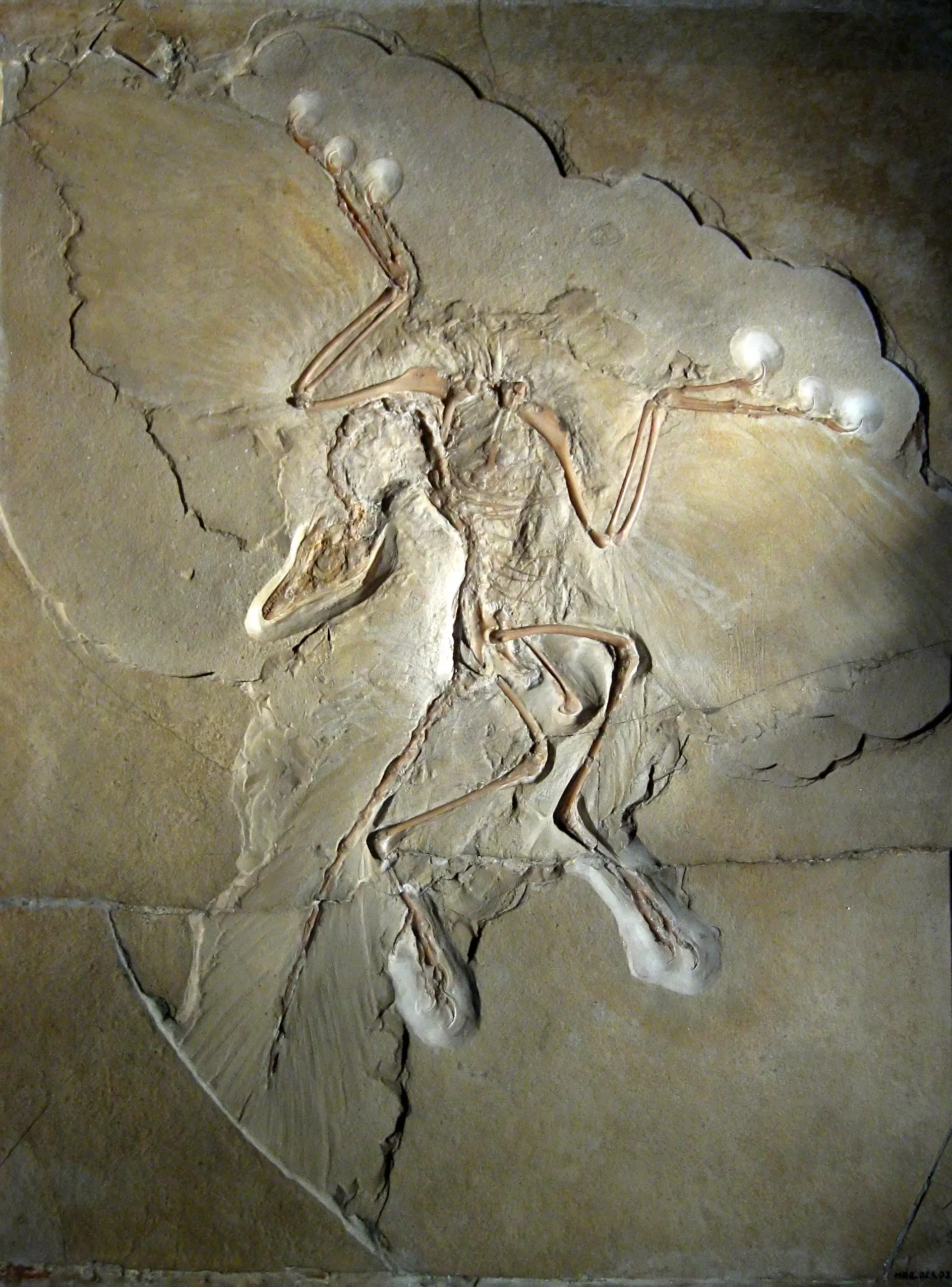
The museum’s holdings span fossils, minerals, meteorites, animals preserved in jars, birds, insects, and DNA samples. Together they trace evolution, climate shifts, and biodiversity across millions of years. Display highlights often include towering dinosaur skeletons and meticulously restored prehistoric creatures that tell the story of ancient ecosystems. Smaller specimens — beetles, shells, feathers — reveal the fine detail of nature’s design and the methods scientists use to classify it.
Research at the core
Beyond the exhibition halls, laboratories and storage rooms contain carefully cataloged specimens used for ongoing research. These collections support studies in taxonomy, conservation, and environmental change. The museum functions as both a public gallery and an academic hub, where data from historic expeditions meets modern techniques such as imaging and genetic analysis.
Exhibitions in progress
Parts of the building are being renewed, and some galleries may be temporarily closed or reconfigured. Construction brings updated displays, improved accessibility, and better preservation for sensitive materials. Visitors encounter a mix of completed spaces and areas in transition, reflecting the museum’s continuous effort to share its collection in new and engaging ways.
Source - https://en.wikipedia.org/wiki/Natural_History_Museum,_Berlin