

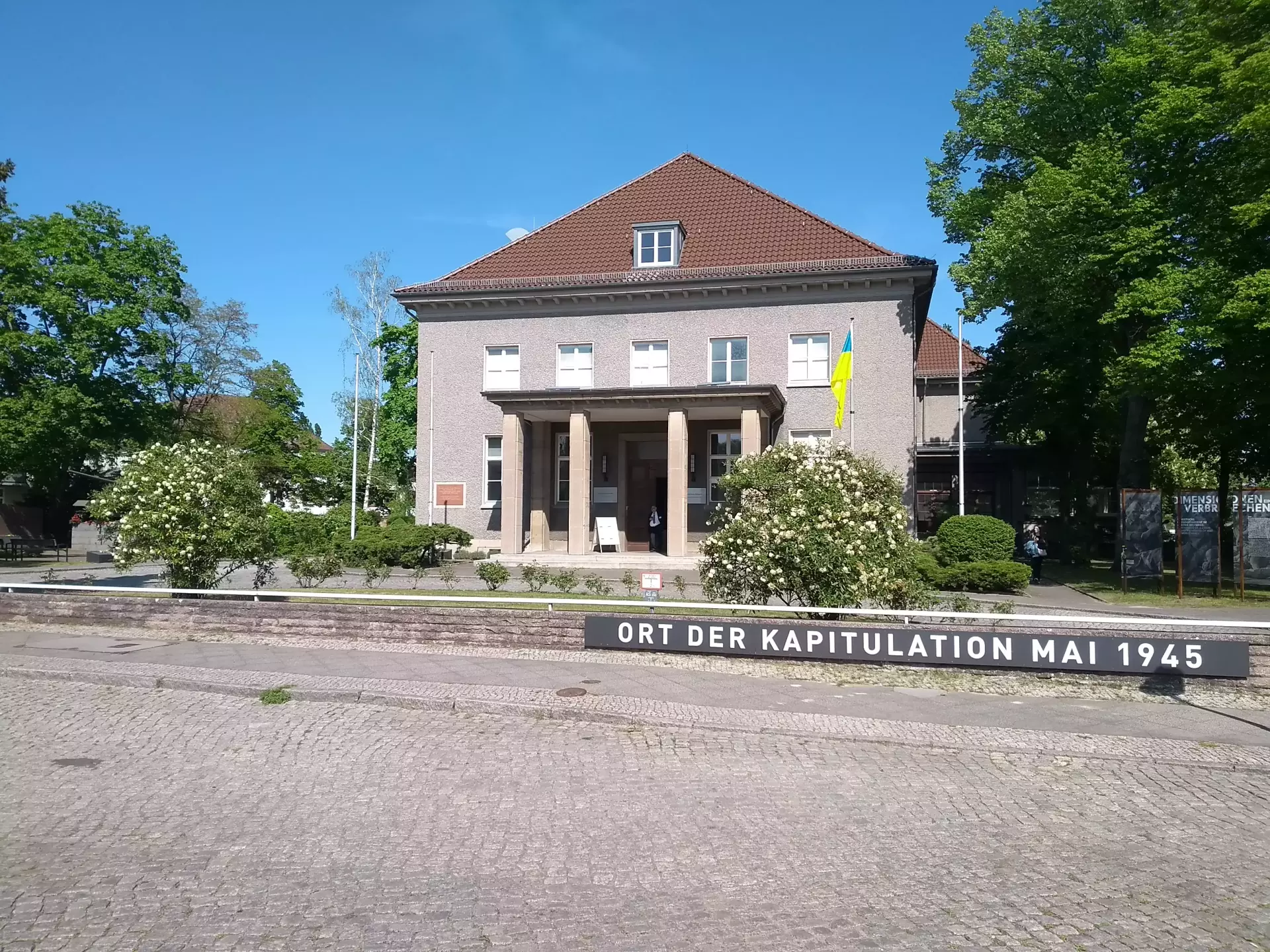


Museum Karlshorst
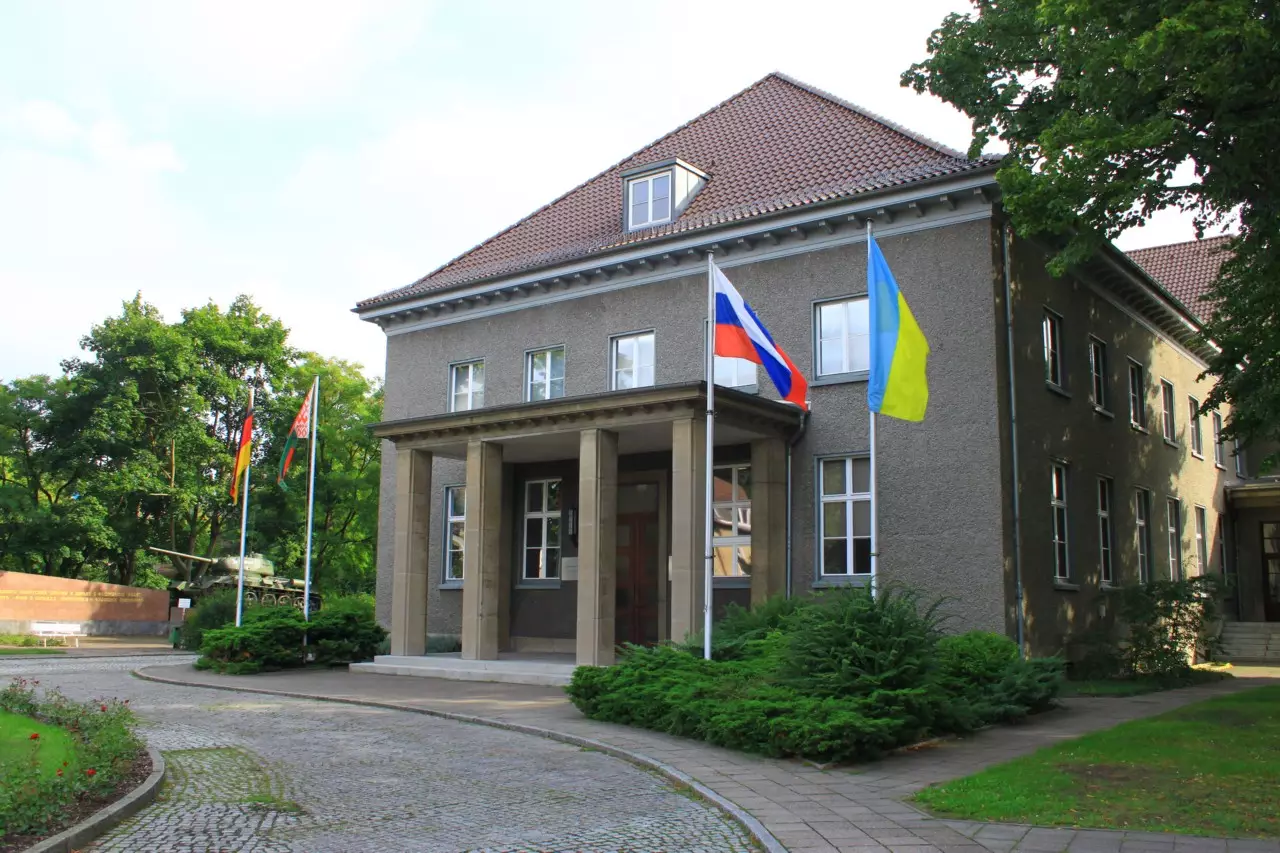
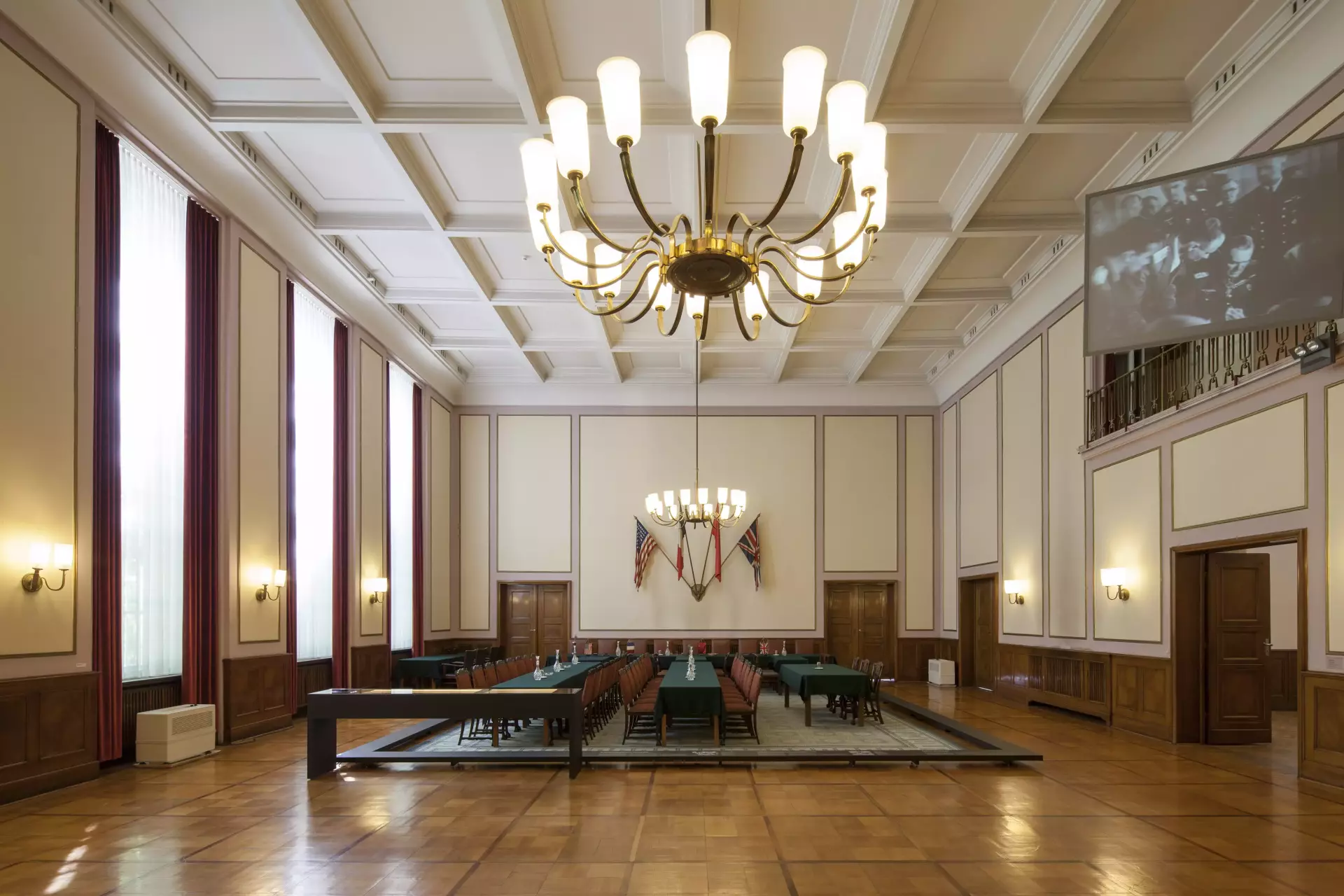
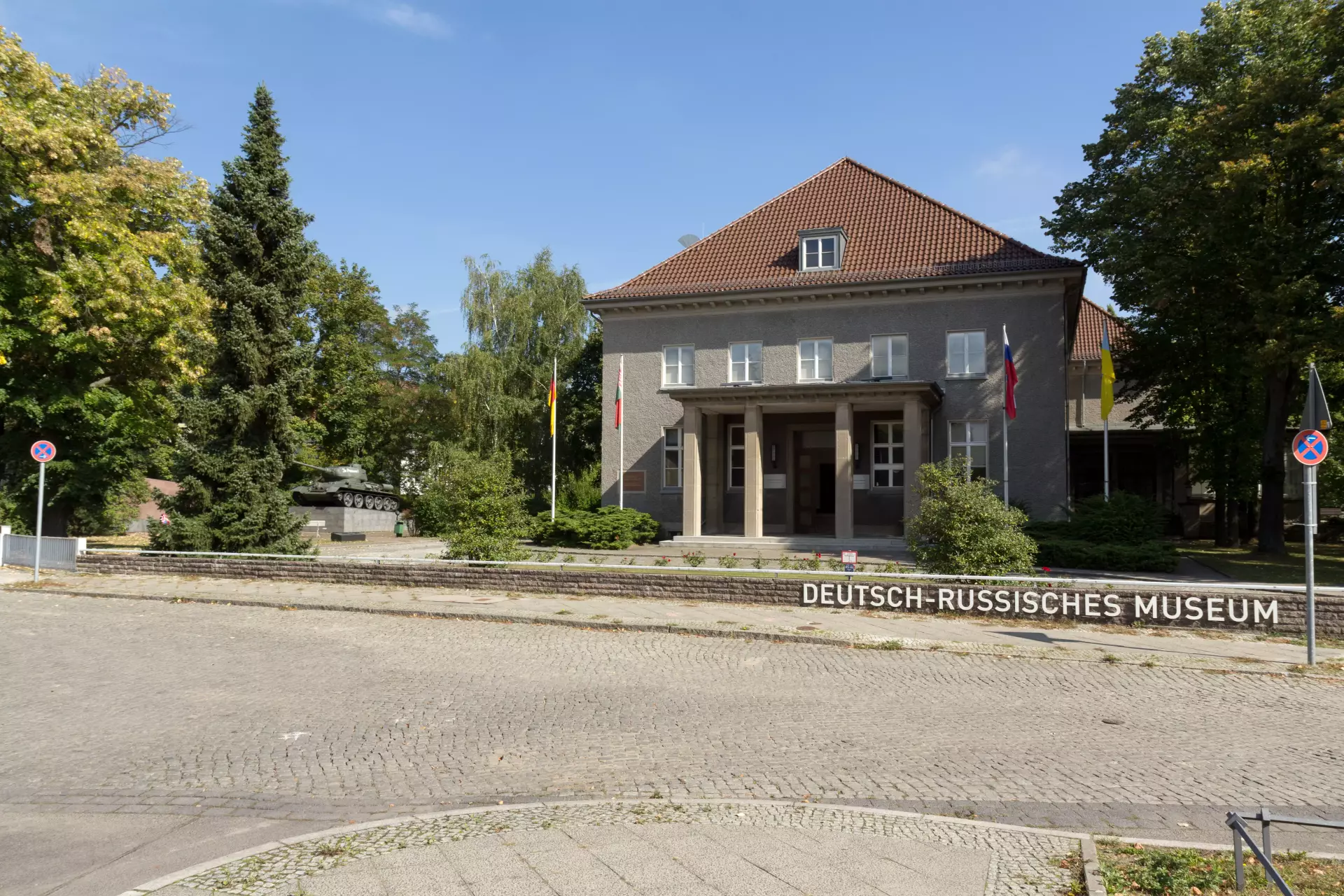
In this house, the act of Germany’s surrender was signed on May 9, 1945, bringing the war in Europe to an end. Today, the site serves as a museum that preserves this moment and explains the wider history attached to it.
The Eastern Front and a Changing Relationship
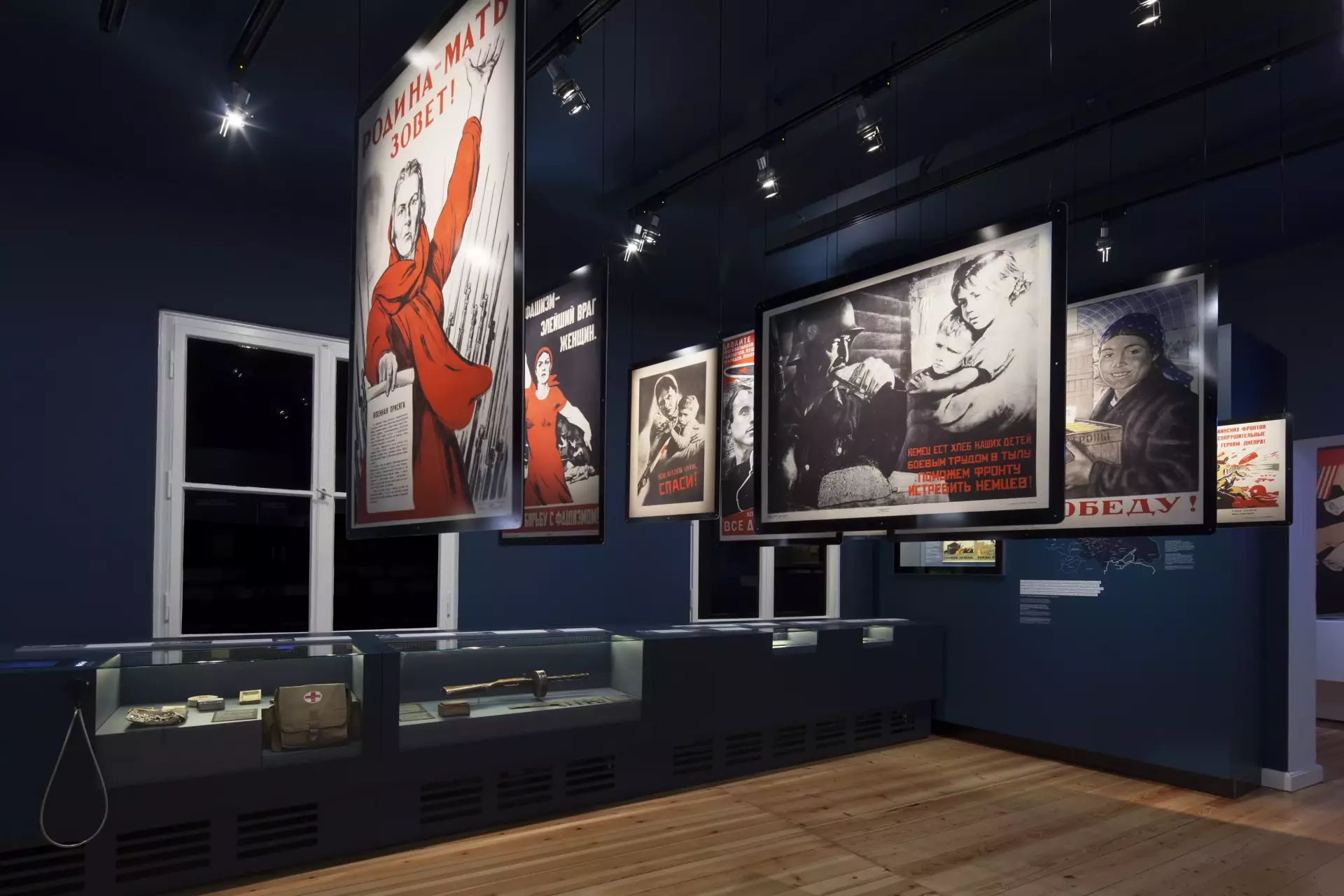
The museum focuses on the war between Germany and the Soviet Union from 1941 to 1945. Exhibits trace the scale of the conflict, the military campaigns, and the impact on soldiers and civilians. Maps, documents, and personal stories help explain how the Eastern Front shaped the outcome of the war.
Another key theme is the relationship between the GDR and the Soviet Union after 1945, and later between unified Germany and Russia. Displays follow diplomatic ties, cultural exchanges, and tensions over the decades, offering context for how political life shifted from occupation to partnership and, at times, disagreement.
Historic Rooms and Exhibitions
Several original rooms have been preserved, including spaces connected to the surrender ceremony. These interiors provide a direct sense of the moment when hostilities ceased in Europe.
The permanent exhibition presents the core narrative of 1941–1945 and its aftermath, while special exhibitions highlight specific topics, anniversaries, or newly researched stories. Together, they combine artifacts, photographs, film, and testimony to connect major events with everyday experiences.
Source - https://en.wikipedia.org/wiki/Museum_Berlin-Karlshorst