



Neue Staatsbibliothek - Haus Potsdamer Straße
The Neue Staatsbibliothek – Haus Potsdamer Straße stands as a striking example of post-war modernism in Berlin. Its bold lines, layered volumes, and careful use of light reflect a period when architecture aimed to rebuild both city and spirit.
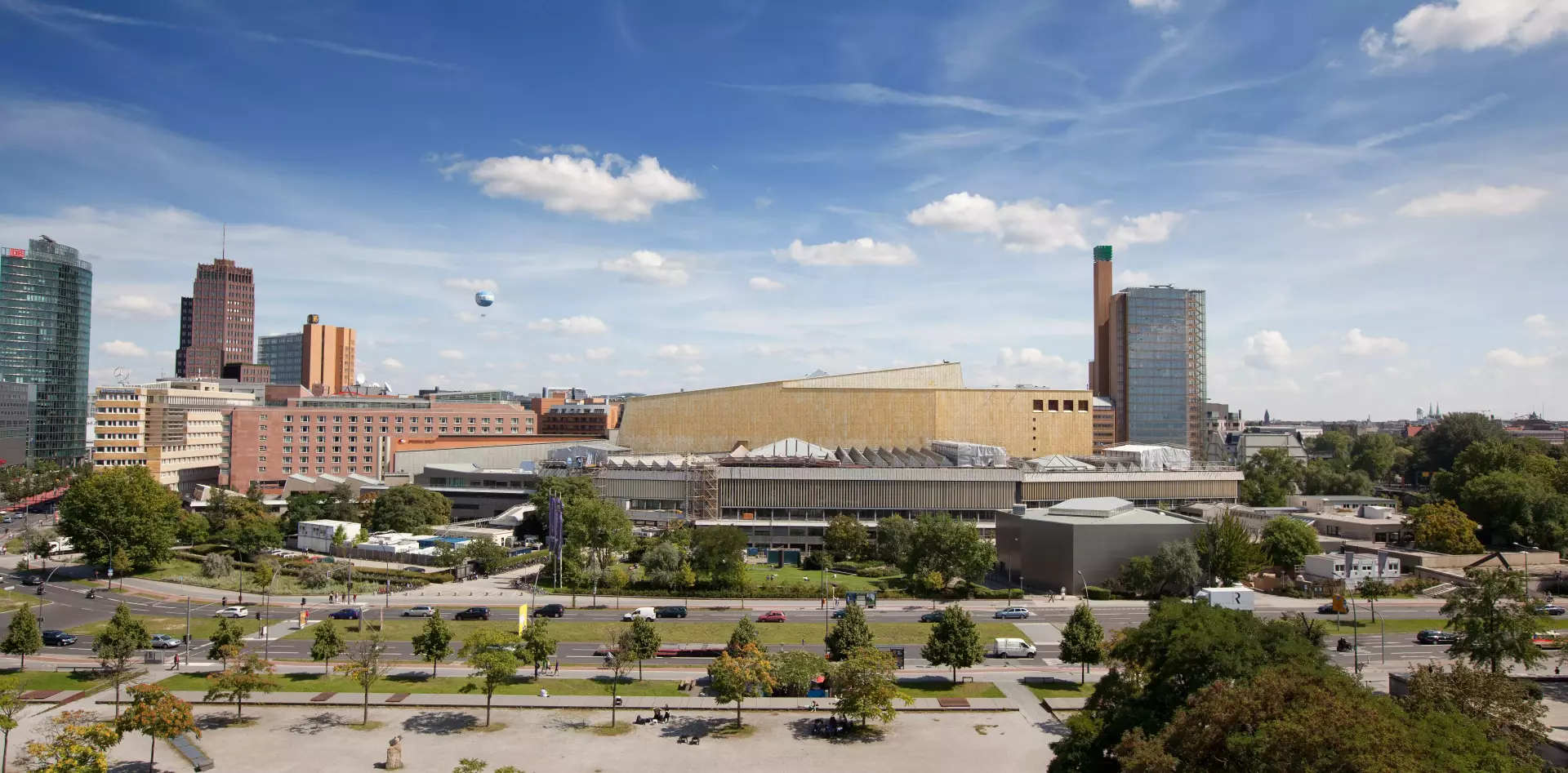
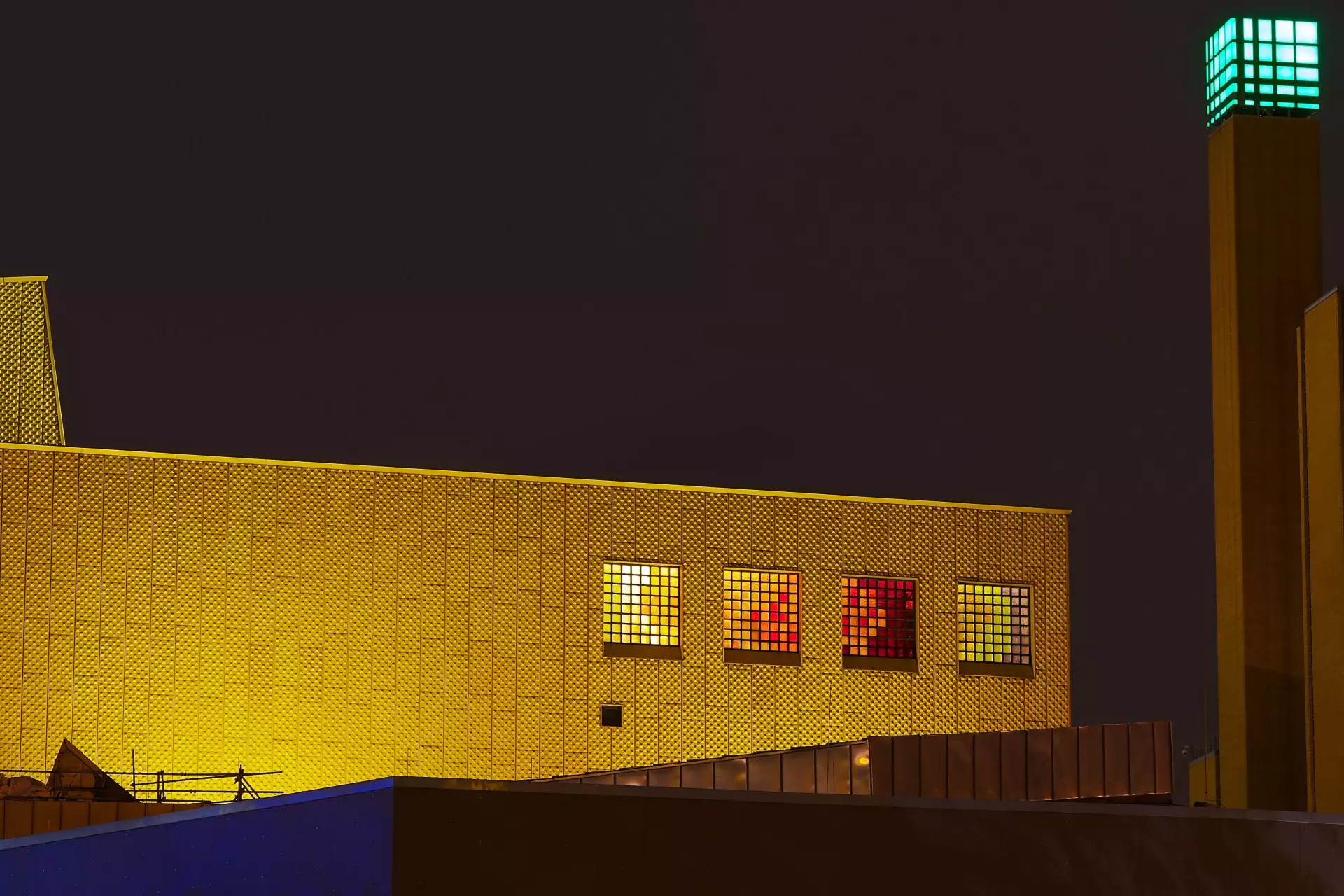
Designed by Hans Scharoun, the building favors human-centered spaces over strict symmetry. Reading rooms step upward like terraces, drawing the eye toward high windows and a warm, golden glow. Materials and geometry work together to create calm, with generous circulation areas that feel open yet thoughtfully contained.
Architecture with a social idea
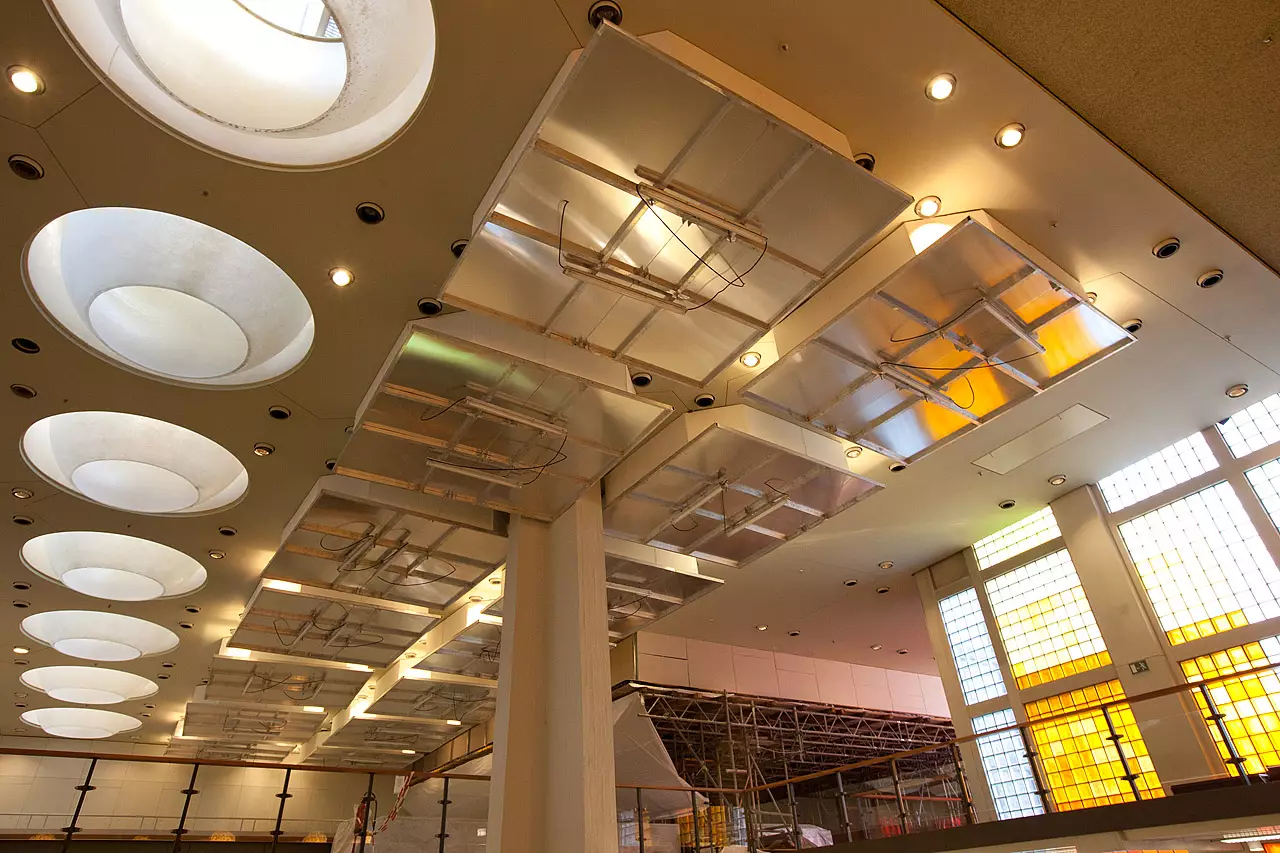
Scharoun’s approach was rooted in the idea that public buildings should support community life. Here, that vision takes the form of wide corridors, clear orientation, and a layout that encourages movement without confusion. The main hall becomes a social landscape, where study areas and walkways meet in a flowing sequence.
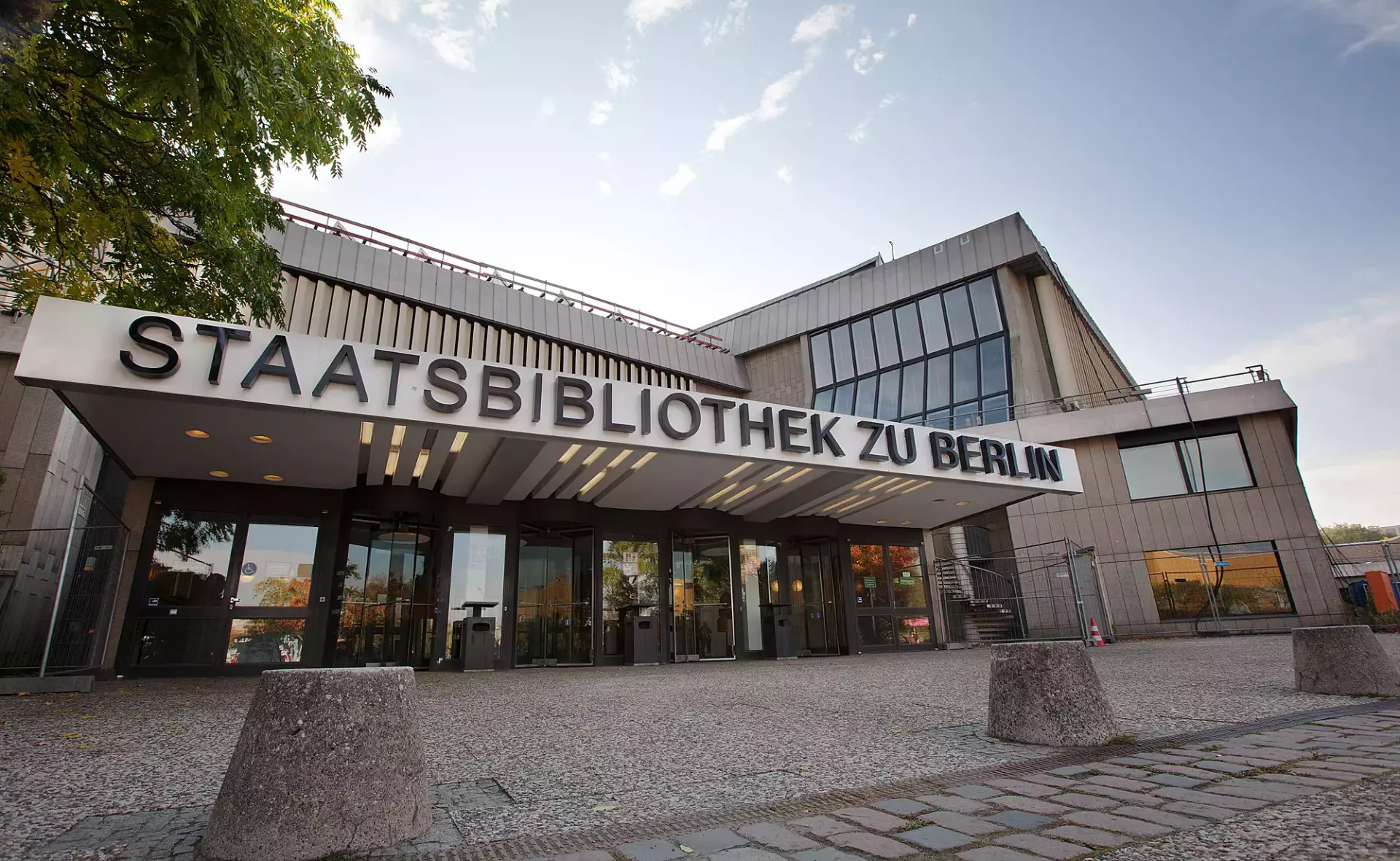
The exterior presents a confident profile along Potsdamer Straße—angular, sculptural, and set back to allow the building to breathe. Inside, soft daylight spreads across study desks, while carefully placed fixtures add a steady rhythm after sunset.
Context and legacy
Completed in the decades after World War II, the library took shape during a time of rebuilding in West Berlin. Its design formed part of a broader cultural district, aligning with concert halls and museums that redefined the city’s cultural core. The building’s influence extends beyond Berlin, as architects study its balance of formal invention and humane scale.
Today, the structure remains a working library and a reference point for those interested in democratic public space—where architecture serves knowledge, and the city finds a quiet place to think.