




Nikolaikirche
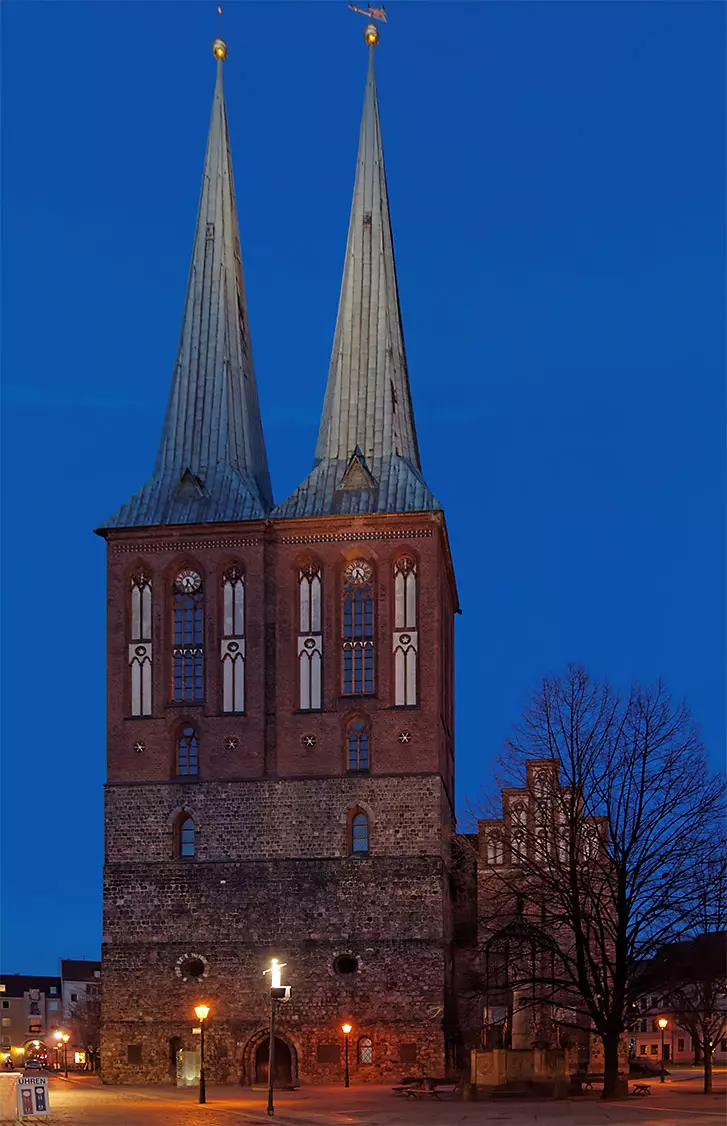
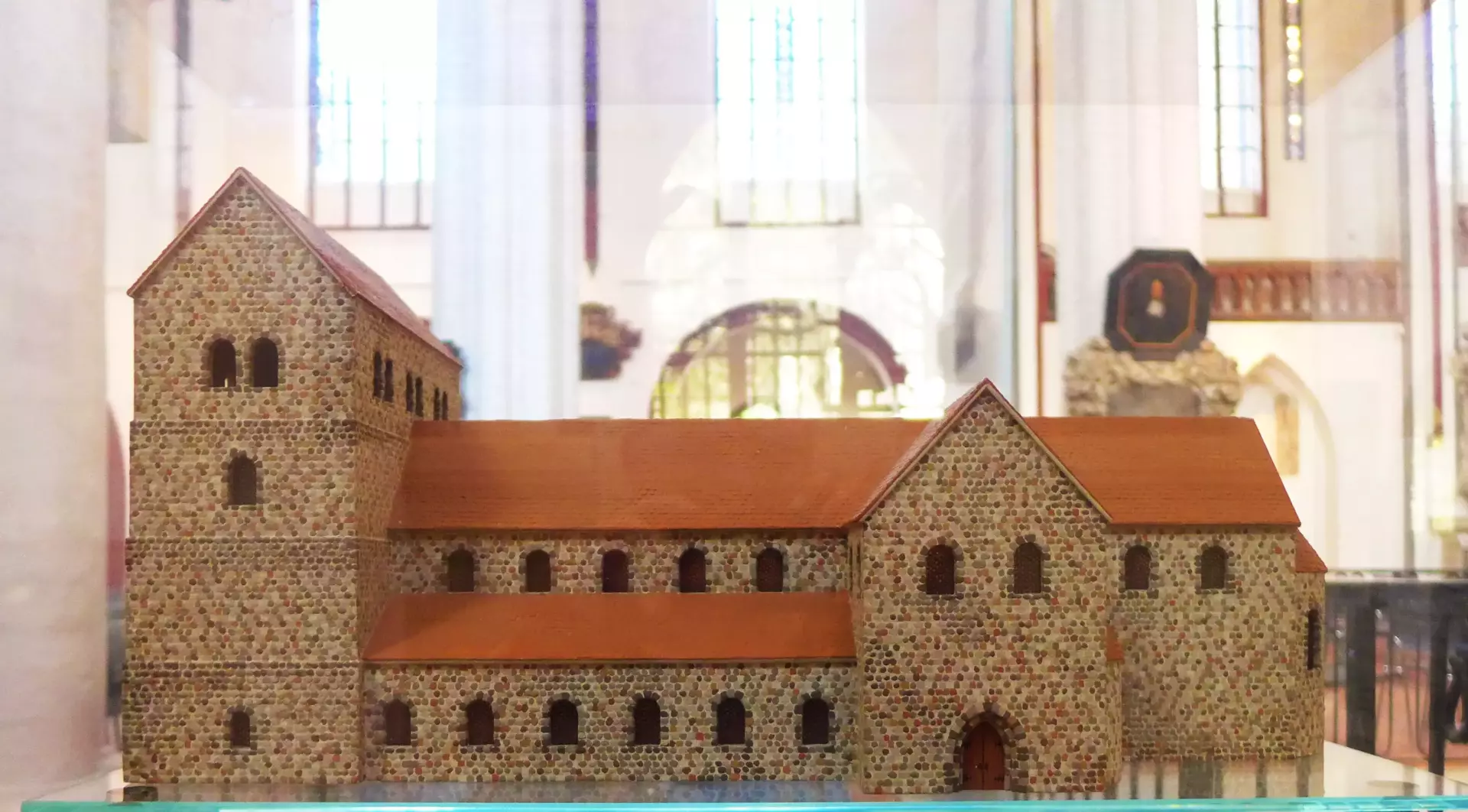
Berlin’s oldest church dates to 1230 and stands as a three-nave hall church. It rises at the heart of Nikolaiviertel, an area heavily damaged during the Second World War and later reshaped by East German planners. Rather than a faithful reconstruction of the medieval quarter, the district became a patchwork of relocated historic buildings and new structures. Apartment blocks completed in 1988 were designed to blend in with the past, with results that often feel awkward beside genuinely old facades.
Survival and Reinvention
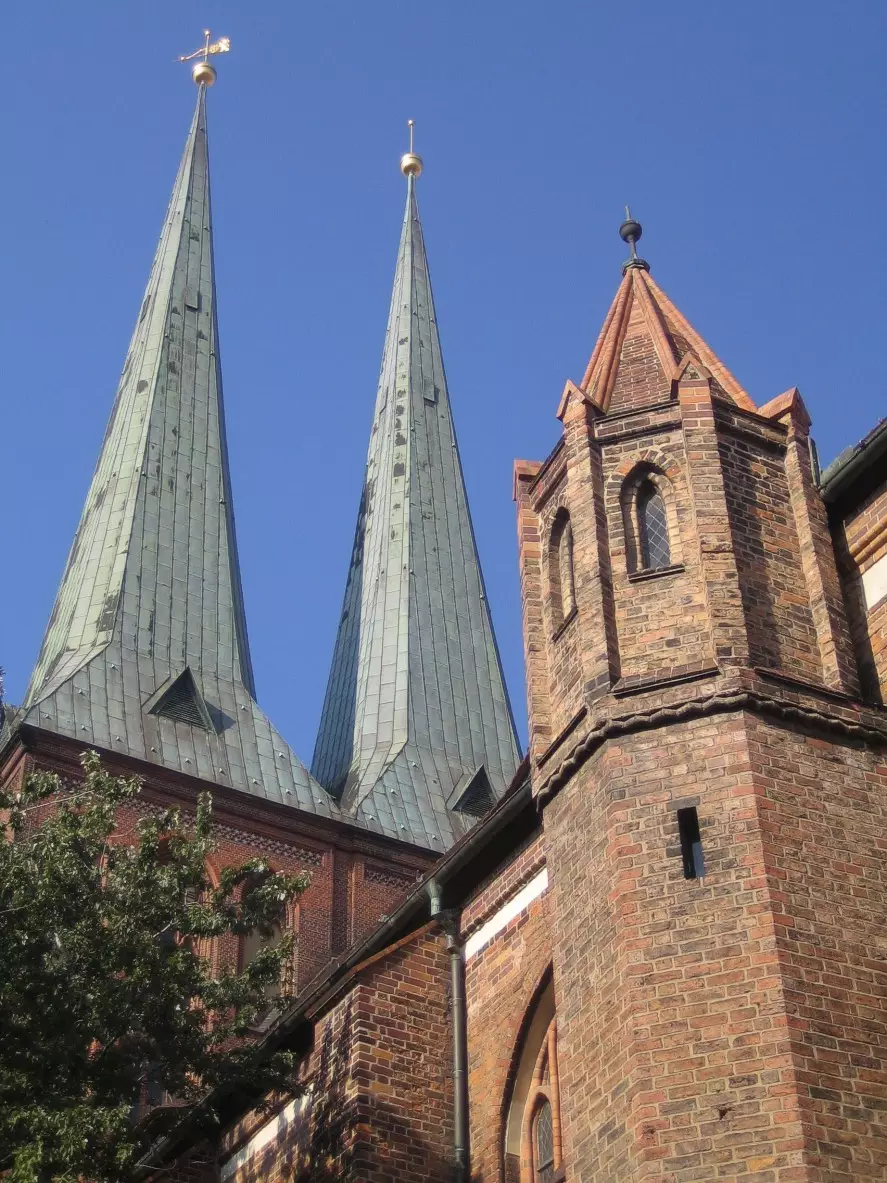
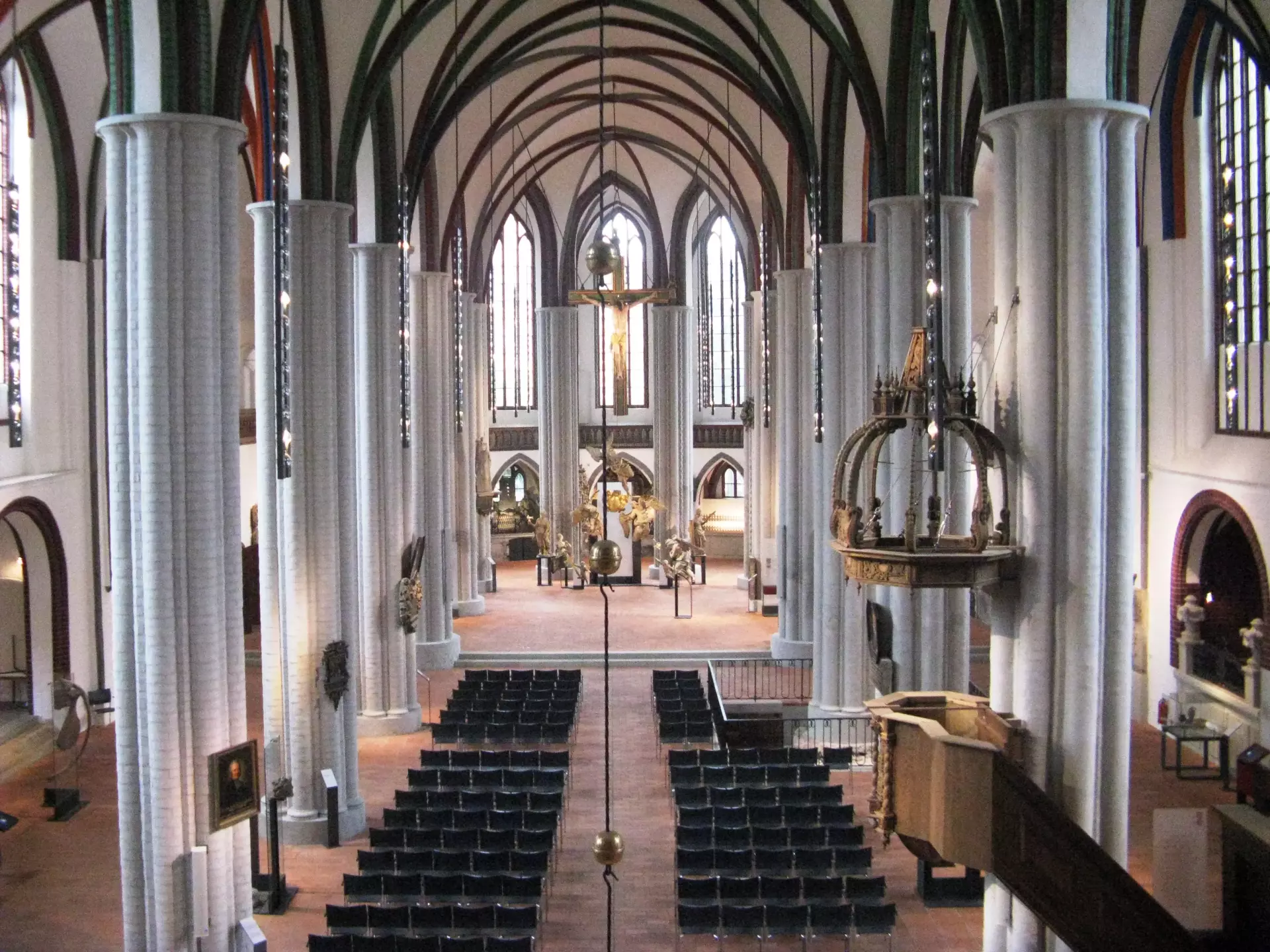
Unlike much of its surroundings, the Nikolaikirche was renovated rather than rebuilt from scratch. After destruction in 1938 and decades of neglect, it was reconstructed in the 1970s under the GDR, not as a place of worship but as a museum—a role it finally assumed in 1987. Today, the building’s restored brickwork and soaring interior tell a layered story of Berlin’s past: medieval origins, wartime loss, and socialist-era reinterpretation.
Art and Artifacts Inside
The church is known for the Spandauer Madonna, a sandstone sculpture dated around 1290, which draws attention for its graceful form and early Gothic character. The museum collection reaches beyond this single piece, displaying sacred textiles and religious sculptures spanning the fourteenth to the sixteenth centuries. Together, these works offer a close view of craftsmanship and devotion across late medieval northern Europe.
The Centerpiece of a Controversial Quarter
Within Nikolaiviertel, the church functions as the marquee landmark, anchoring a district whose origin story remains debated. Between relocated historical fragments and 1980s infill designed to “harmonize” with the old, the atmosphere reflects the period’s urban ambitions as much as the city’s deeper history. In this setting, the Nikolaikirche stands out as an authentic survivor amid a reconstructed stage.
Source - https://en.wikipedia.org/wiki/St._Nicholas_Church,_Berlin