




Olympiastadion
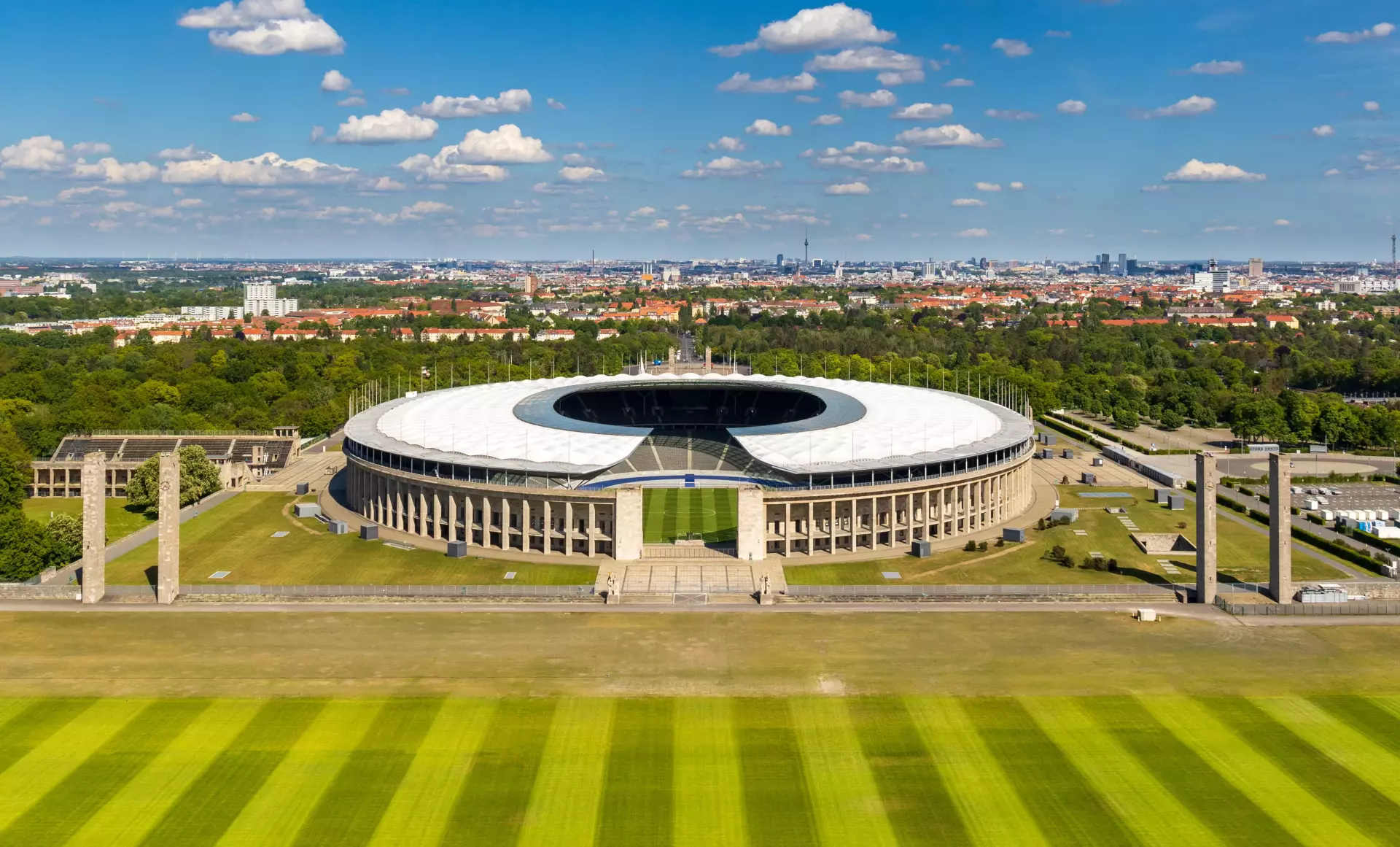
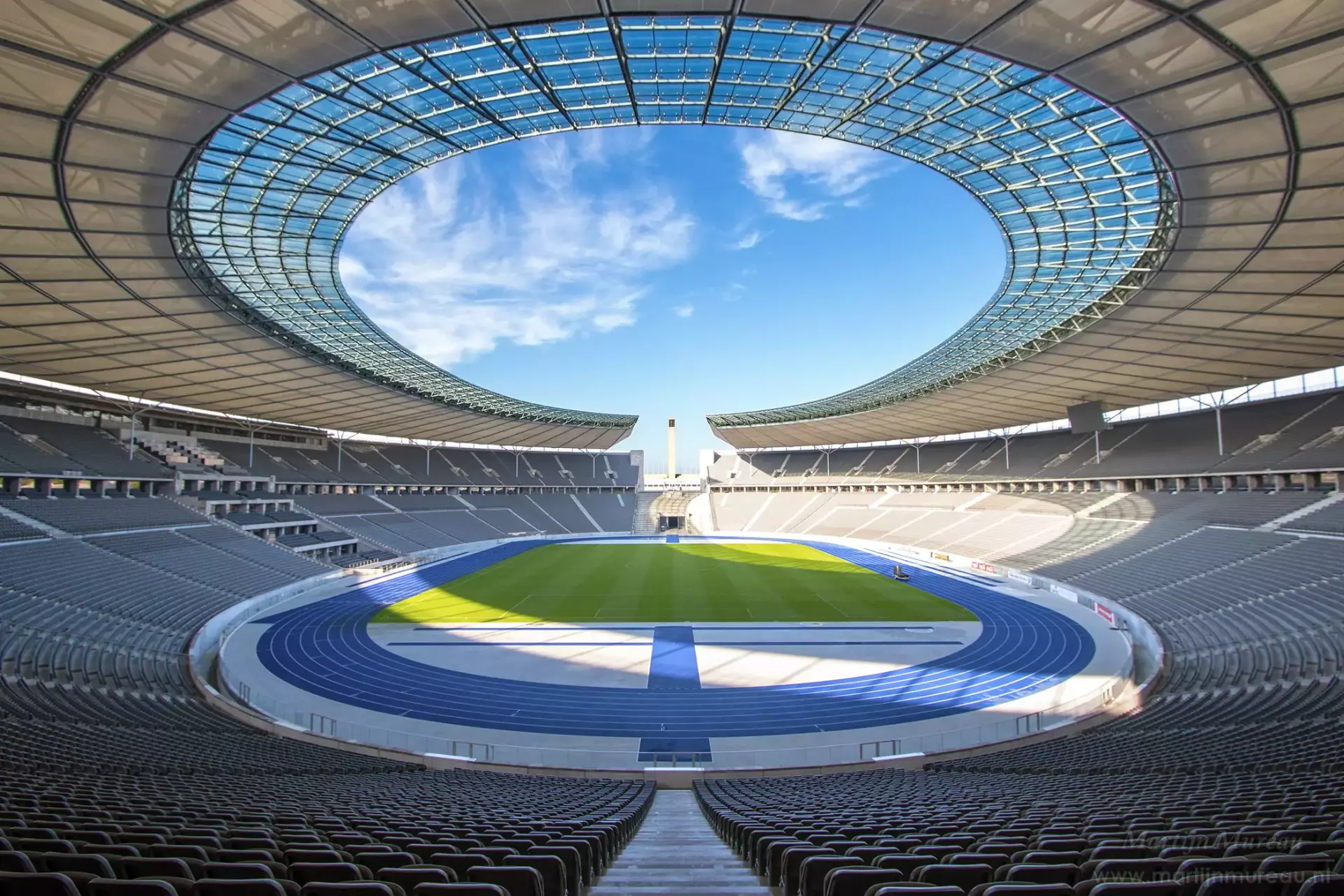
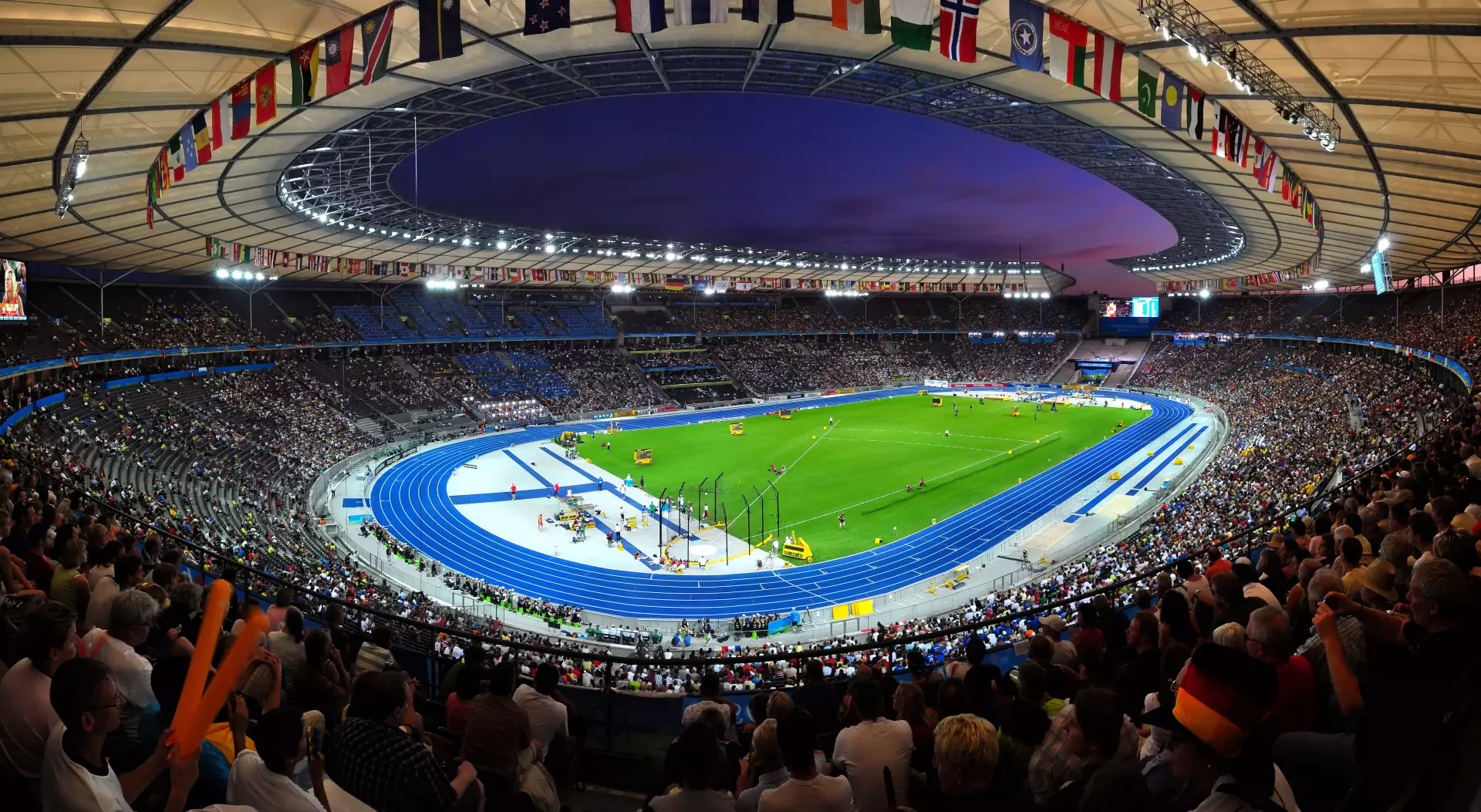
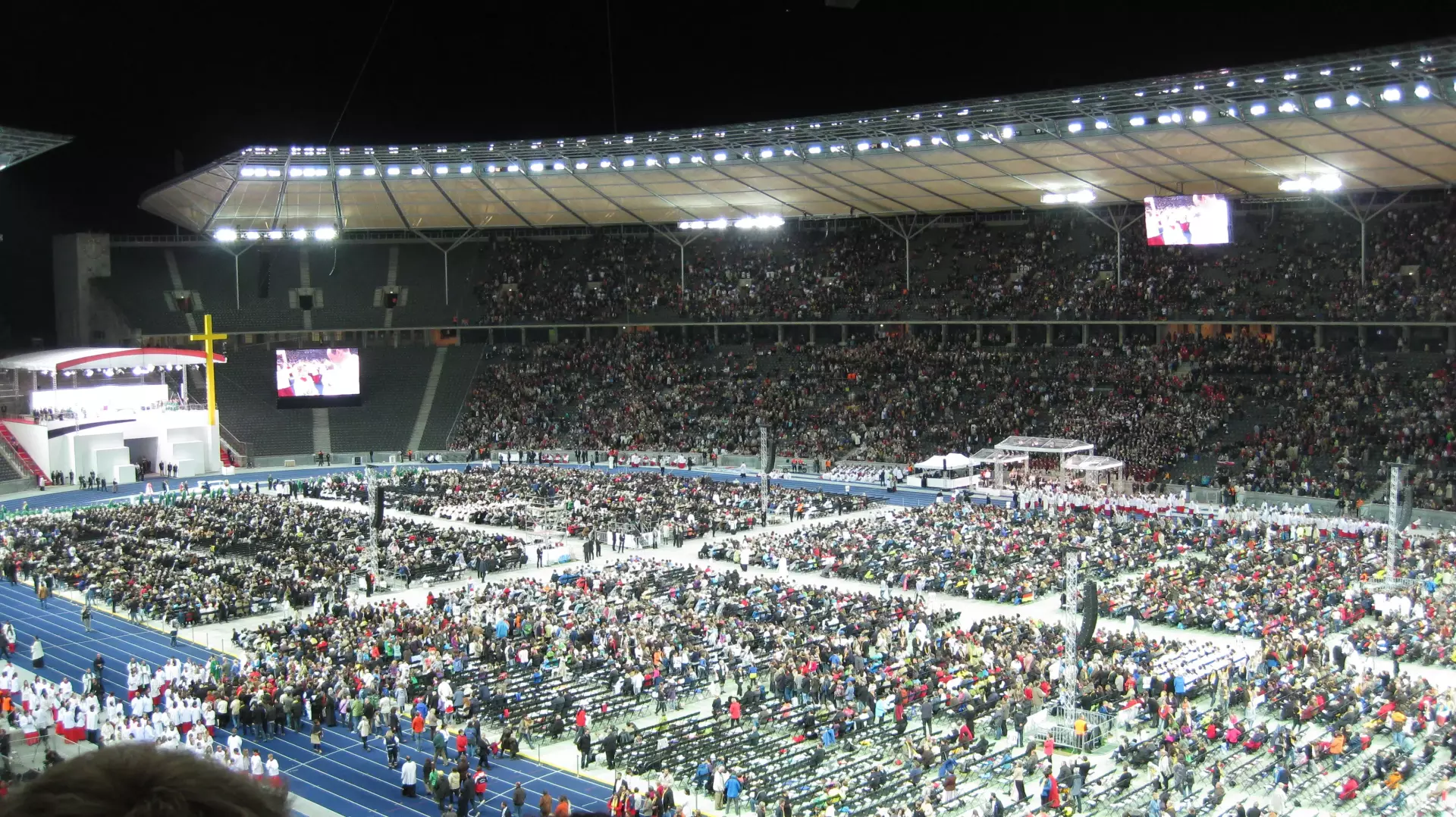
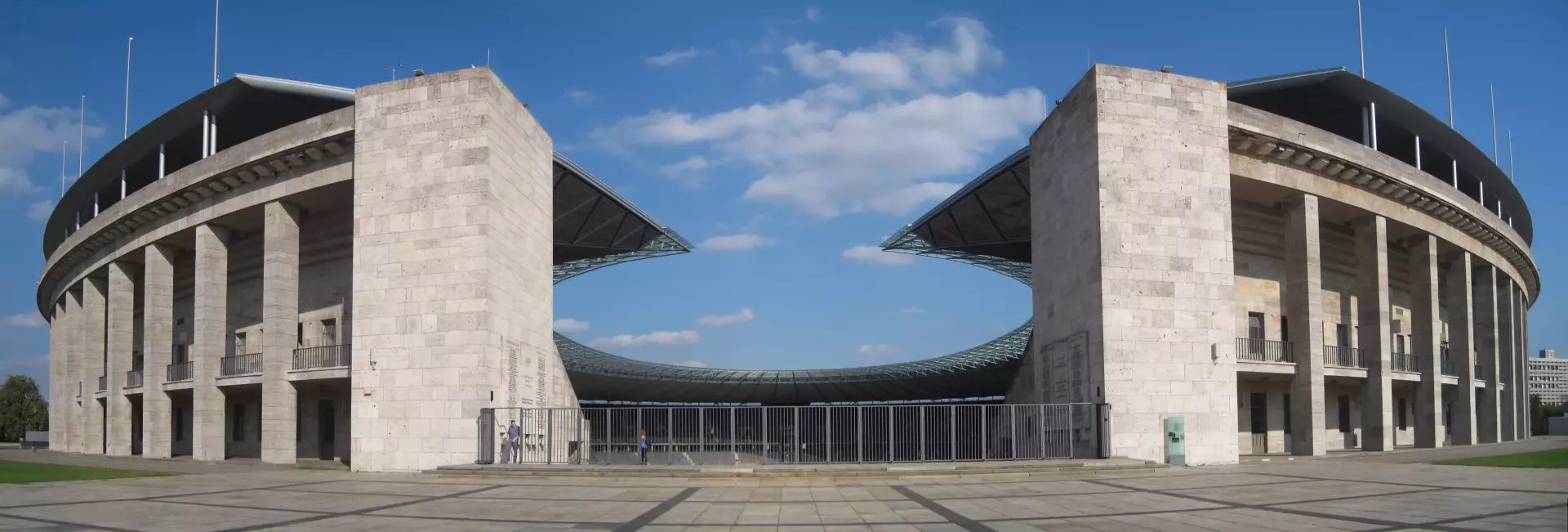
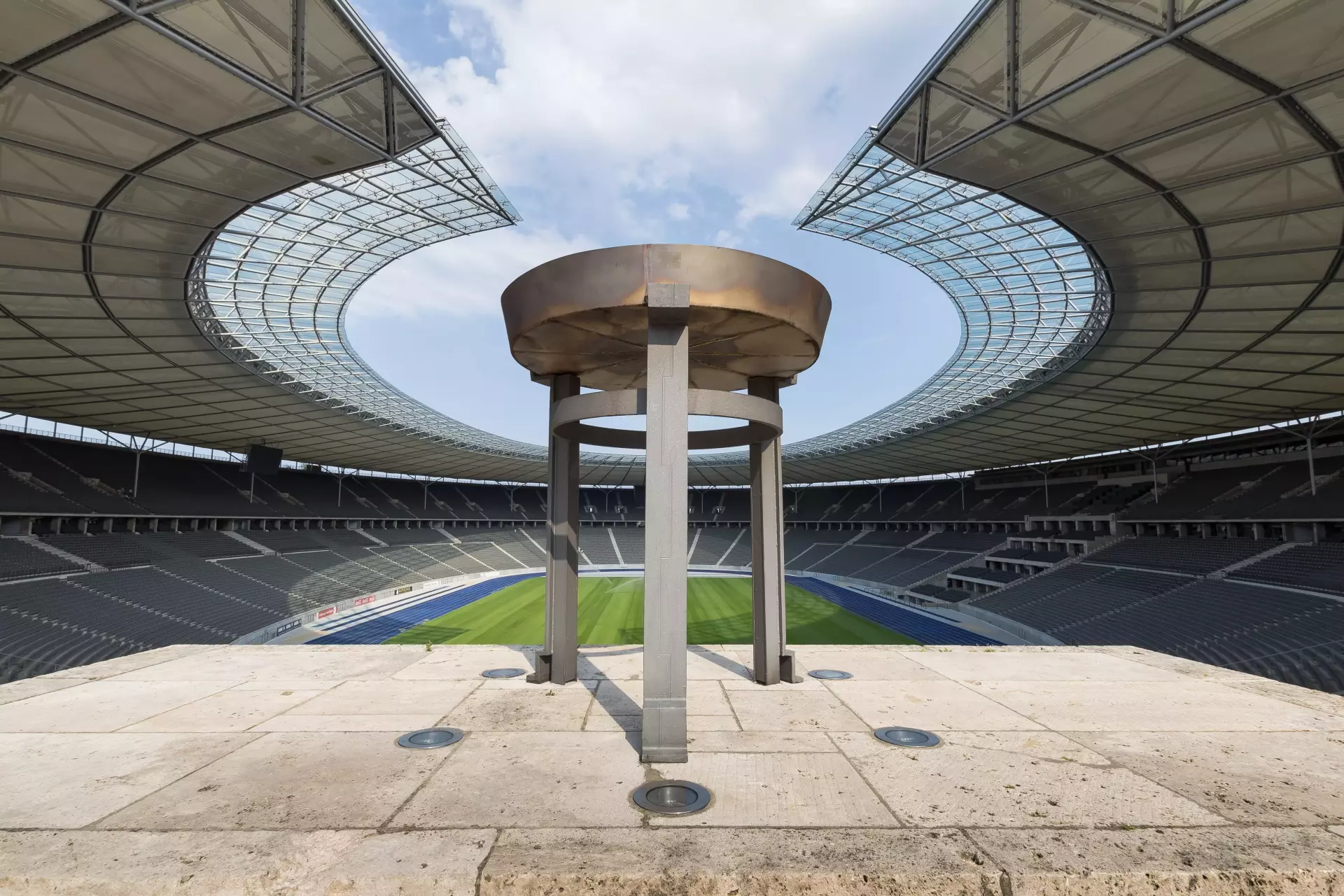
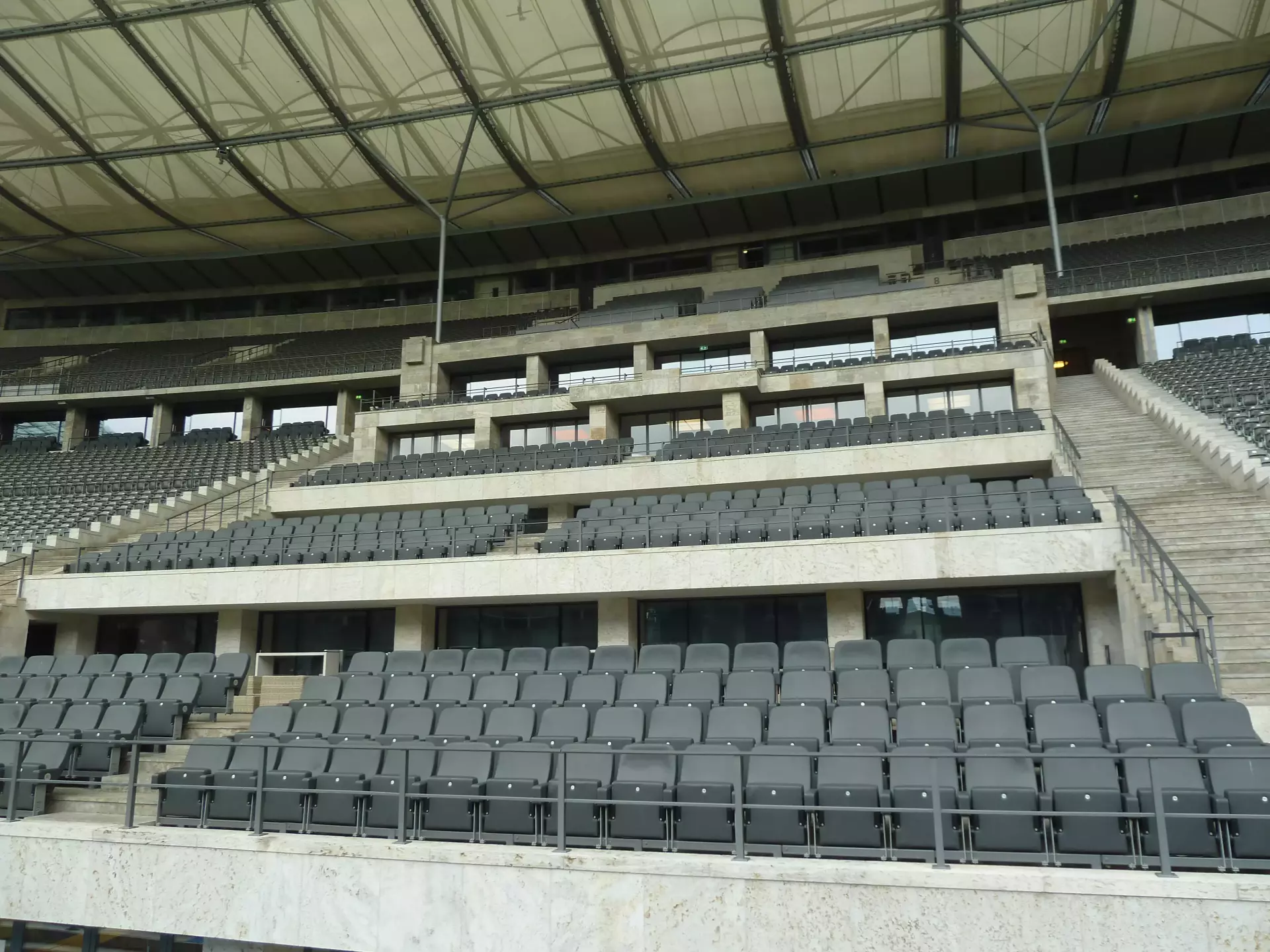
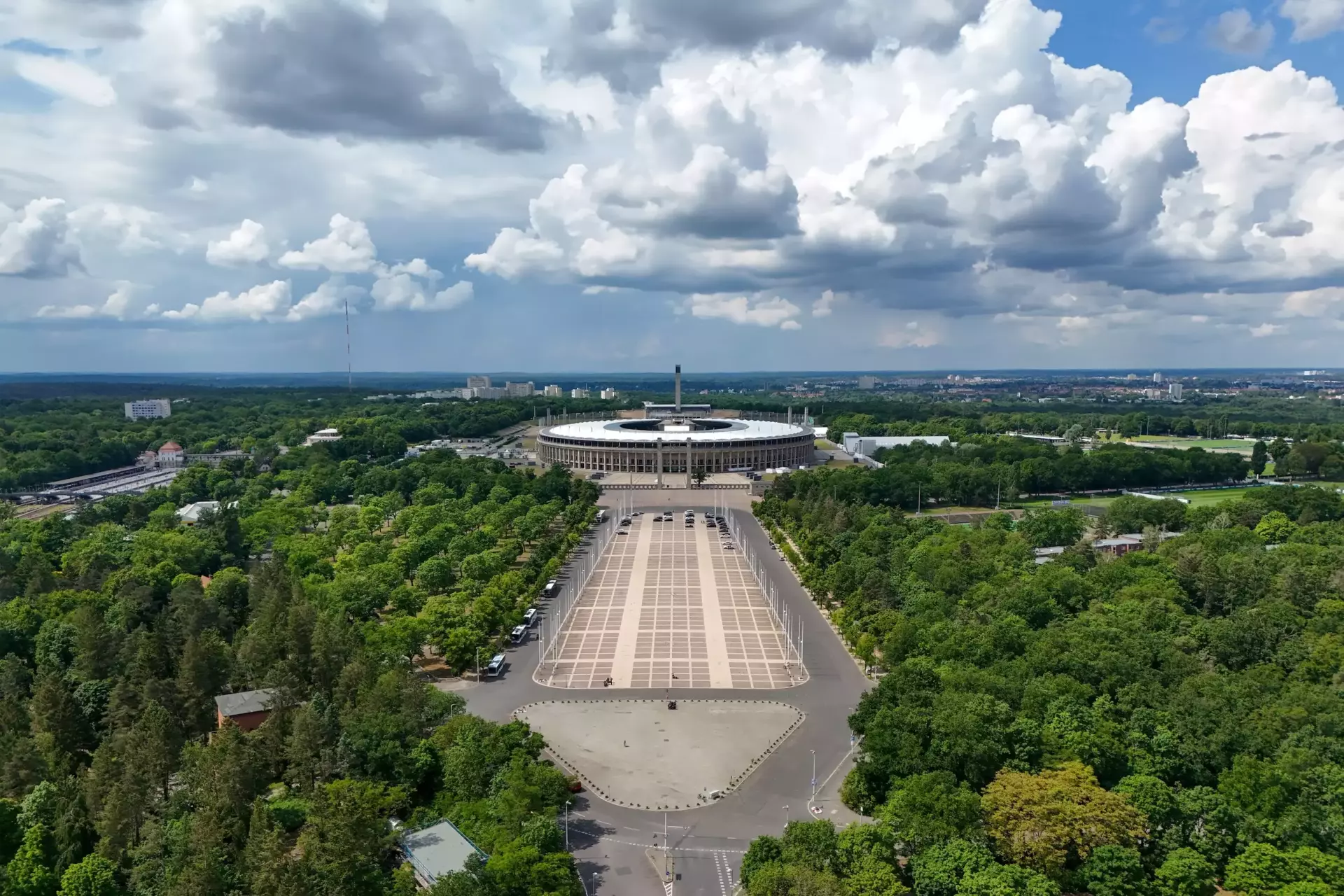
Olympiastadion in Berlin was built for the 1936 Olympic Games and stands as a prominent example of Nazi-era neoclassical design, inspired by ancient Rome. The structure continues to serve as a major venue for sports and large events, carrying layers of history within its stone stands and sweeping oval.
Sporting moments that shaped history
During the 1936 Olympics, American athlete Jesse Owens won four gold medals. His victories challenged the regime’s racist ideology on a global stage and became one of the most enduring stories connected to the stadium.
Home ground and modern competitions
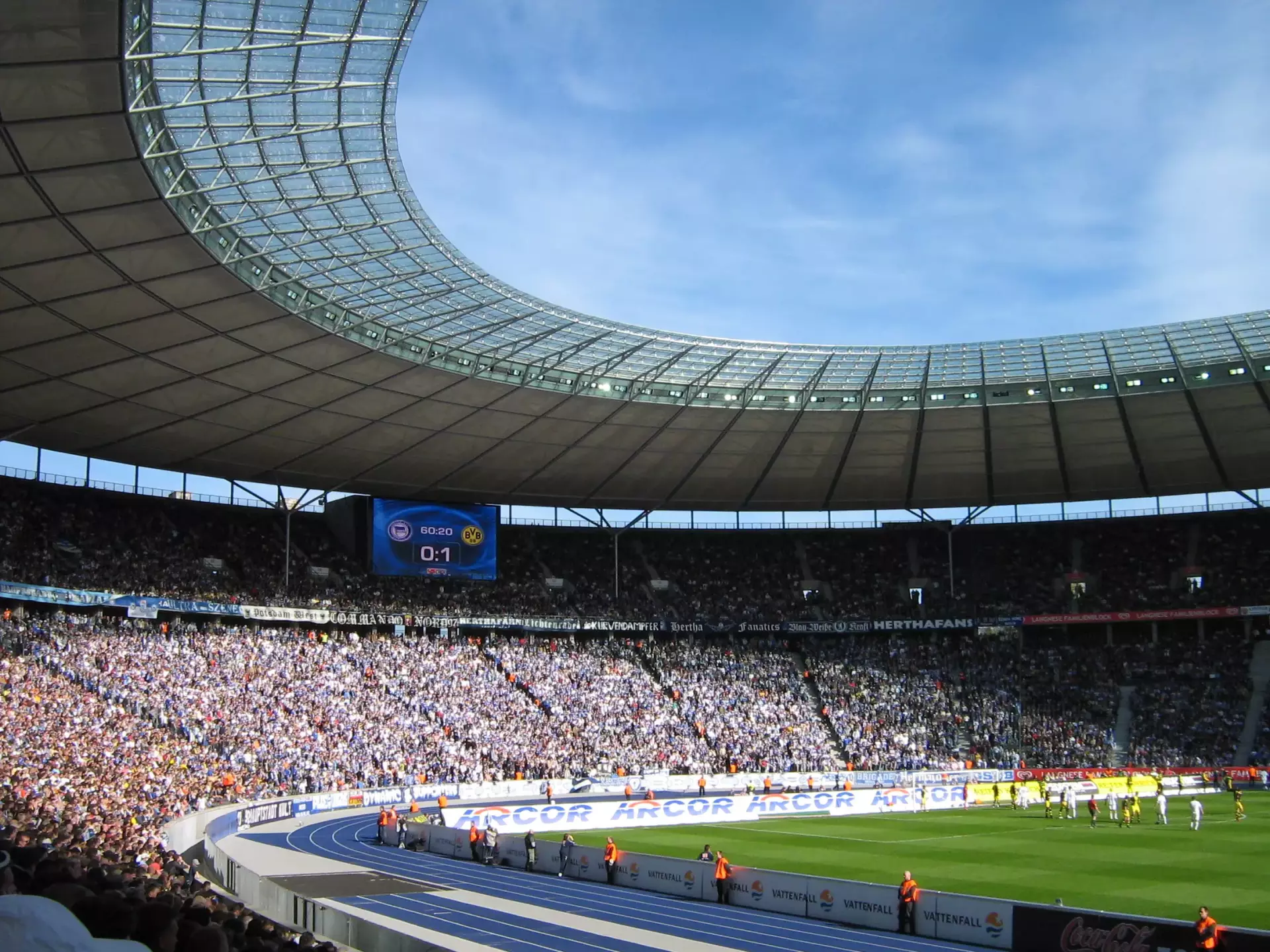
Today, Olympiastadion is the home stadium of Hertha BSC. The club was relegated in 2023 and now plays in the 2. Bundesliga, Germany’s second tier. In 2024, the arena returned to the international spotlight by hosting matches in the UEFA European Championship, including the tournament’s final.
A look at the original setting
For a sense of how the stadium appeared in its early days, archival footage can be found in Leni Riefenstahl’s film “Olympia.” Excerpts are regularly shown at the Deutsche Kinemathek and other film venues, offering a visual record of the site’s original layout and atmosphere.
Source - https://en.wikipedia.org/wiki/Olympiastadion_(Berlin)