



Plötzensee Memorial Center
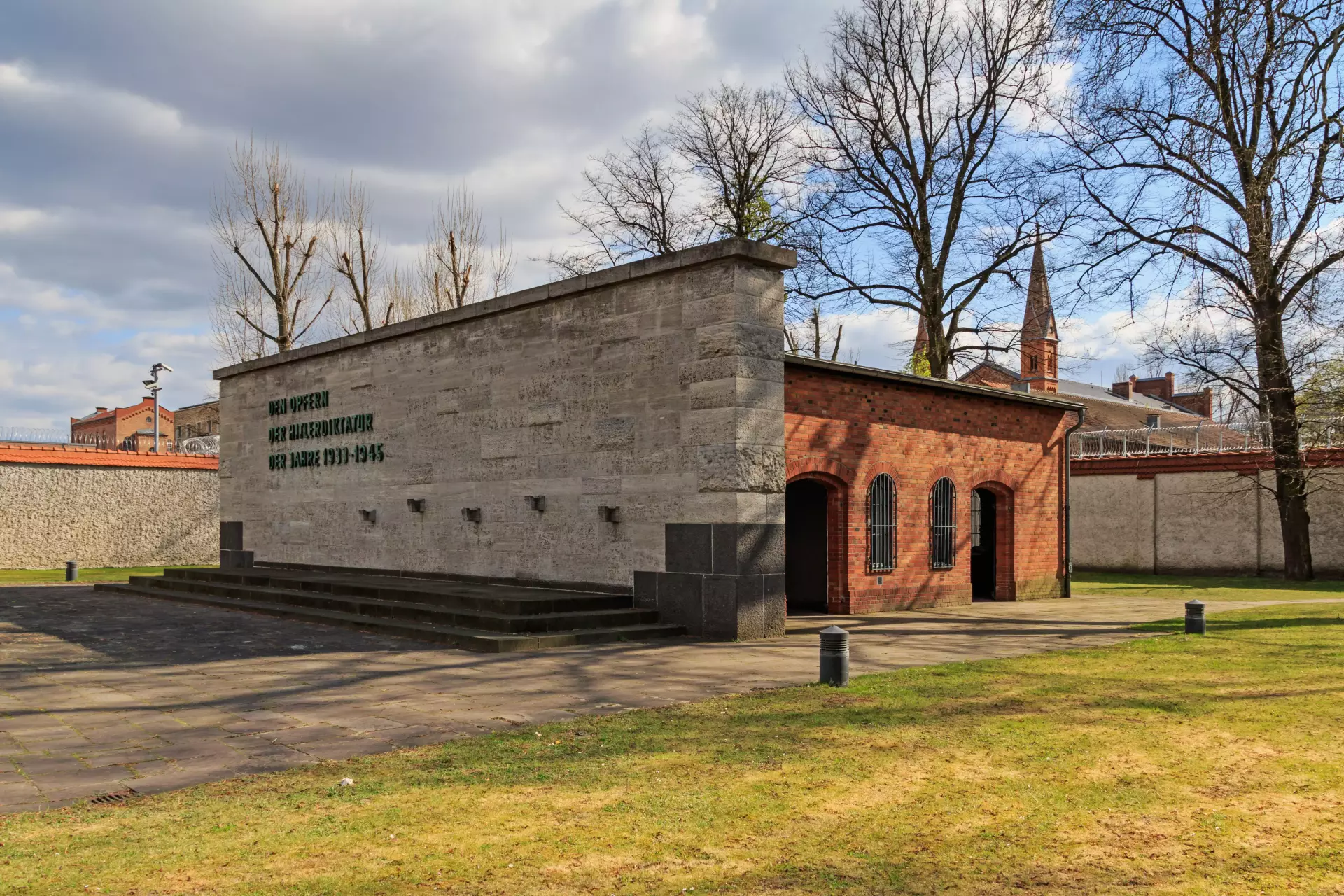
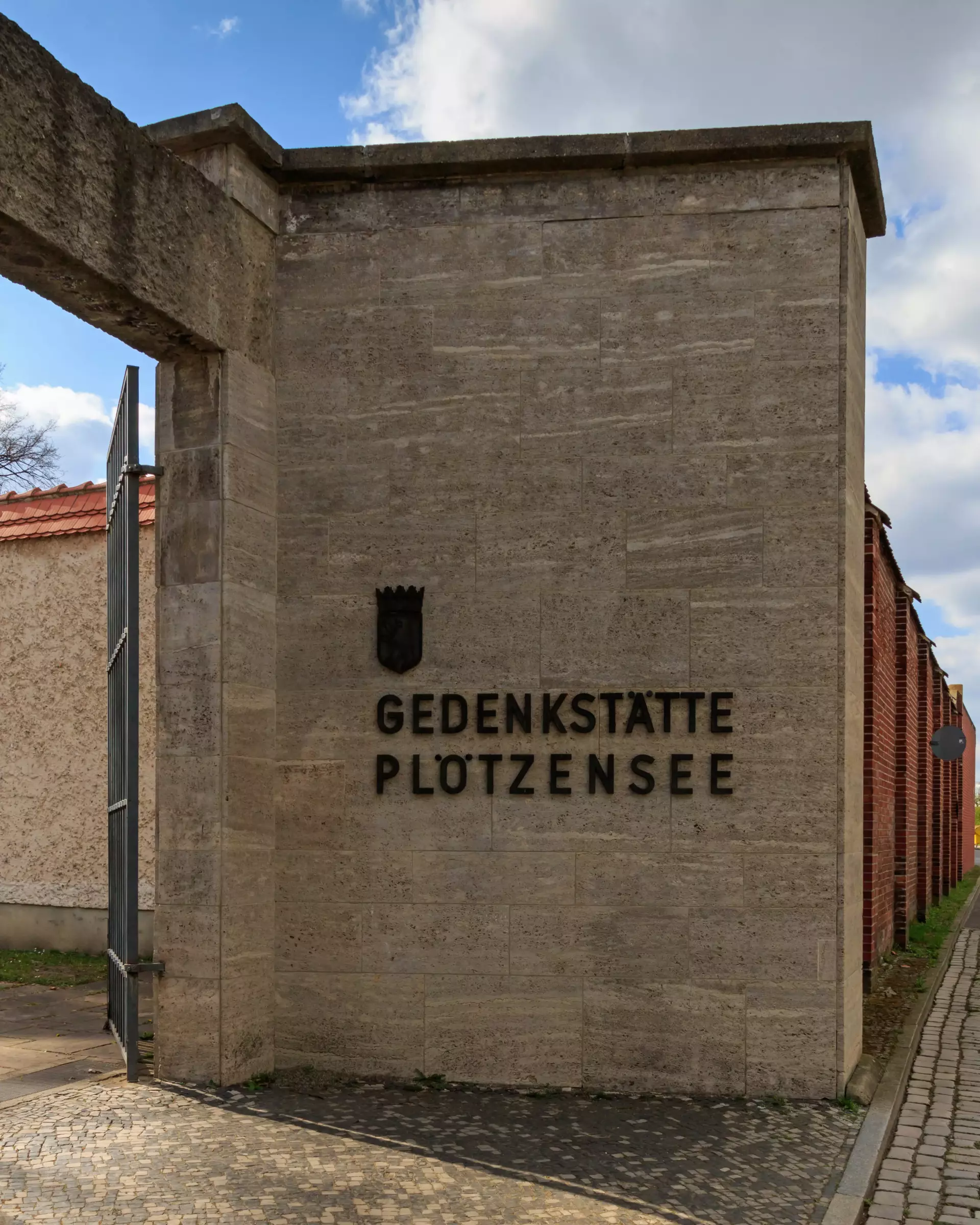
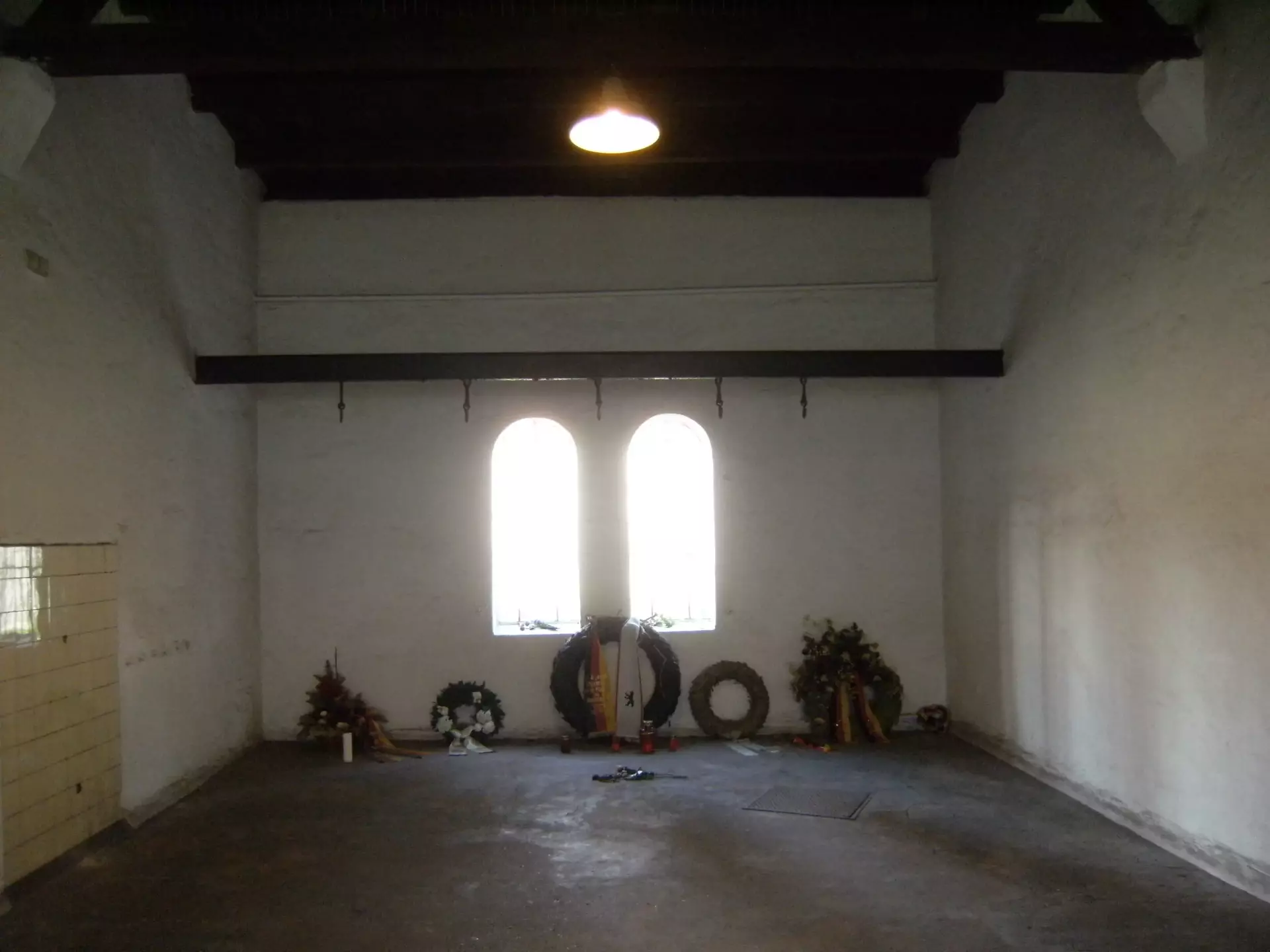
An eerie memorial stands on the site of a former execution room, honoring the victims of the Nazi regime. Between 1933 and 1945, nearly 2,900 people were put to death here. The space is stark and quiet, designed to confront the brutality that took place within its walls and to preserve a clear record of what happened.
The Place and Its History
The memorial is part of a prison complex once used by the Nazis to carry out state executions. Many of those killed were political prisoners, resistance members, and people accused of acts against the regime. The execution room, once hidden from public view, has been preserved in a restrained, respectful way. Details such as the hooks and the structure of the room reflect the grim procedures used at the time.
Historical panels and simple displays present names, dates, and the methods used, offering a stark account rather than a dramatic narrative. The focus remains on the lives that were cut short and the machinery of oppression that made it possible.
Layout and Atmosphere
The design is minimal. Concrete, brick, and bare surfaces create a sober atmosphere. The courtyard and passageways lead directly to the execution room, emphasizing how close and confined the sequence of events was for those brought here. The silence of the site is part of the experience, guiding attention to the facts and the weight of the place.
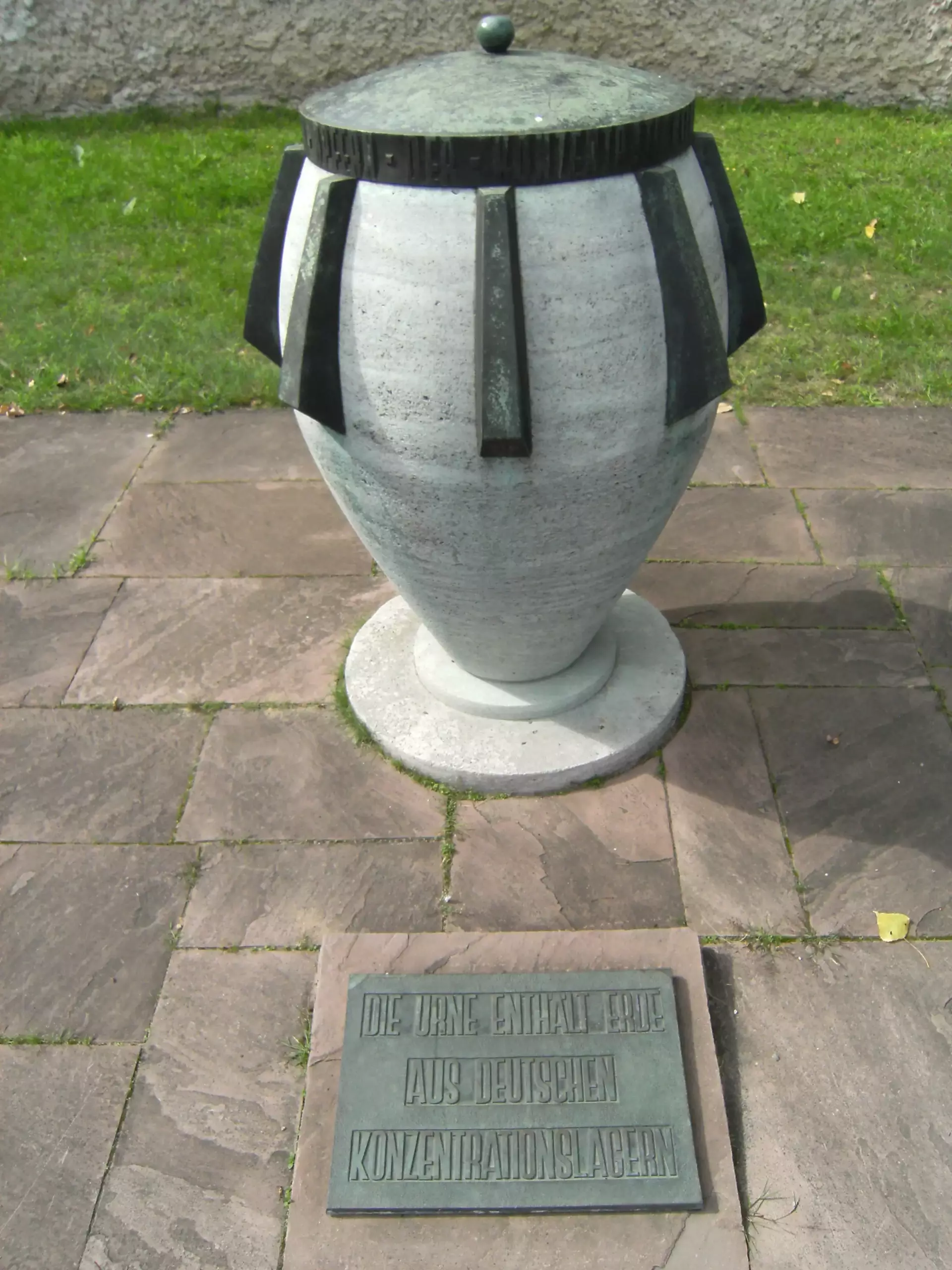
Commemorative plaques and lists of names provide a sense of scale, while individual stories highlight the human cost behind the numbers. The restrained presentation allows visitors to move at their own pace, with time to read, think, and understand.
Context and Commemoration
The memorial also connects to the wider network of remembrance sites in the city, reflecting on persecution, resistance, and the justice system under dictatorship. The information provided helps explain how laws, courts, and prisons were used to enforce power and silence dissent. The site’s ongoing role is to document, educate, and remember, ensuring that the crimes committed here are neither forgotten nor abstracted.