



Siegessäule
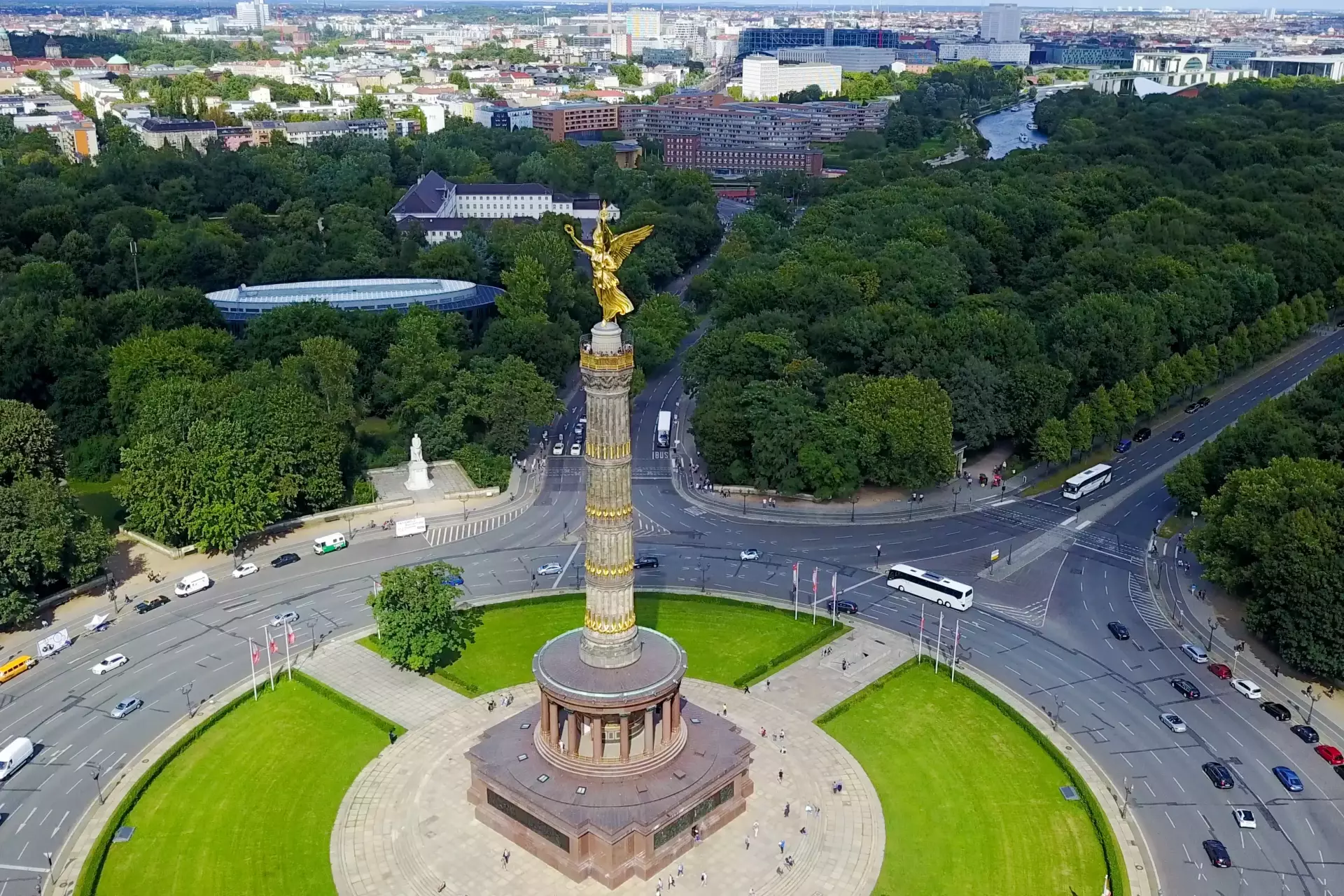
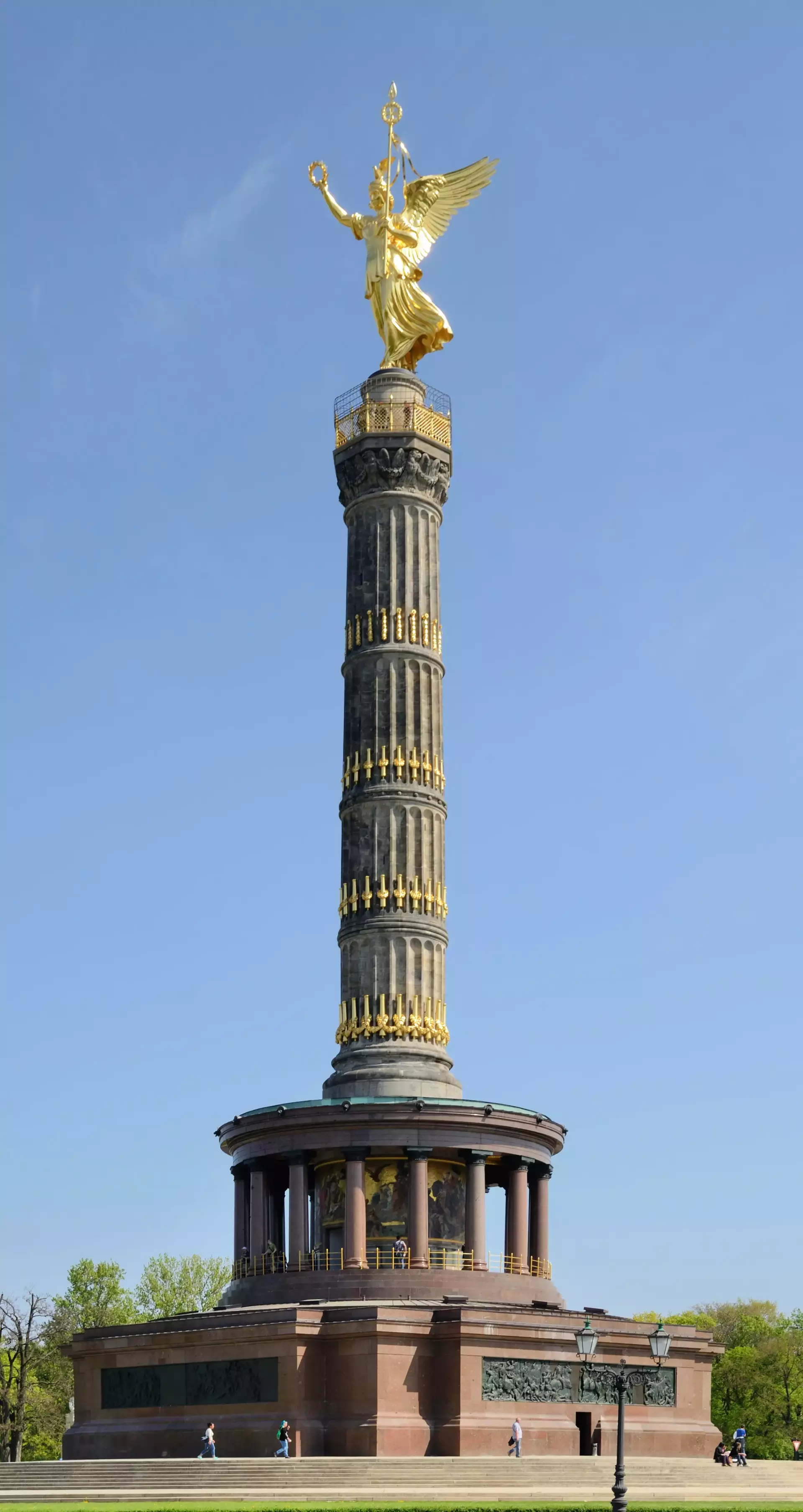
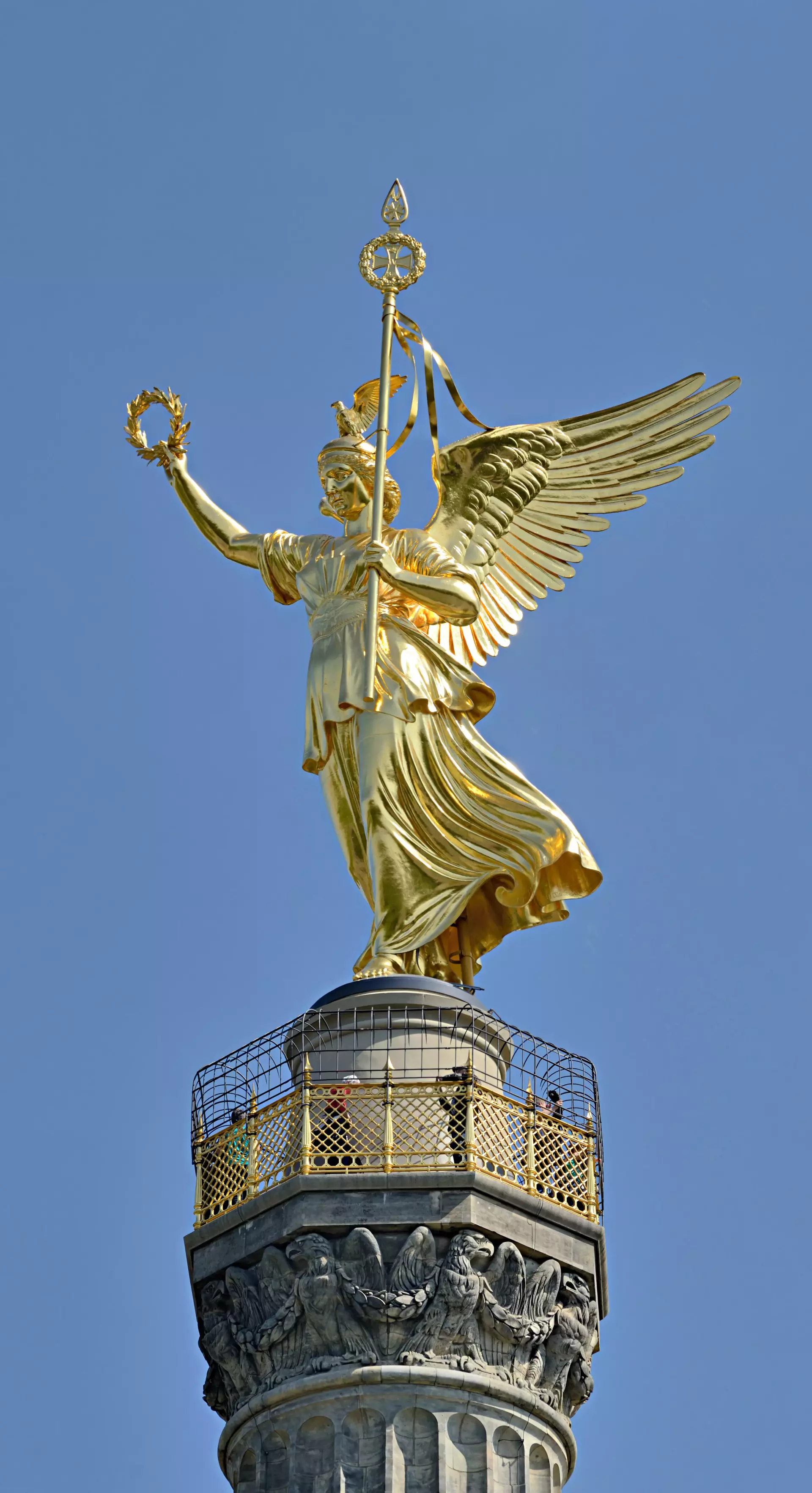
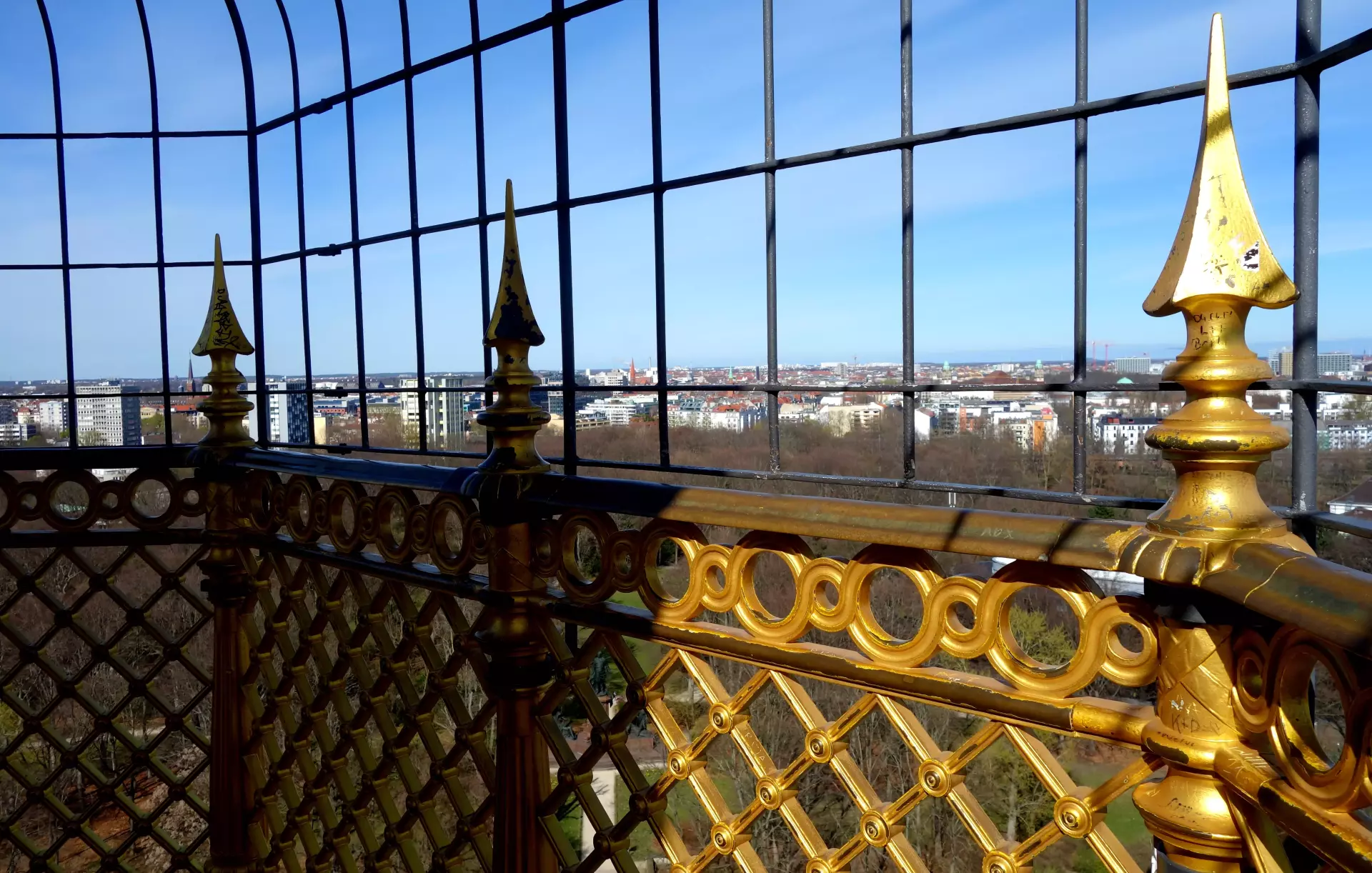
High above the trees of Berlin’s Tiergarten, a gilded figure catches the light. This is the Victory Column, crowned by “Goldelse” — the statue of Victory — a landmark that shines over a busy traffic circle called Großer Stern, where five roads meet. The column’s viewing platform sits 50.7 meters above the ground, reached by a narrow staircase of 285 steps. There is no elevator, so the climb is part of the experience. Film fans may recognize the scene: the monument features in Wim Wenders’ Wings of Desire, where angels survey the city from on high.
From Battlefields to Boulevards
The monument began as a tribute to Prussian military victories in three 19th-century wars: against Denmark in 1864, Austria in 1866, and France in 1870–71. Later, during the Nazi era, the column was moved to its present position at the center of Großer Stern. Today, Goldelse is visible from many corners of the Tiergarten district, standing as a striking point of orientation amid parkland and broad avenues.
Stories in Stone and Bronze
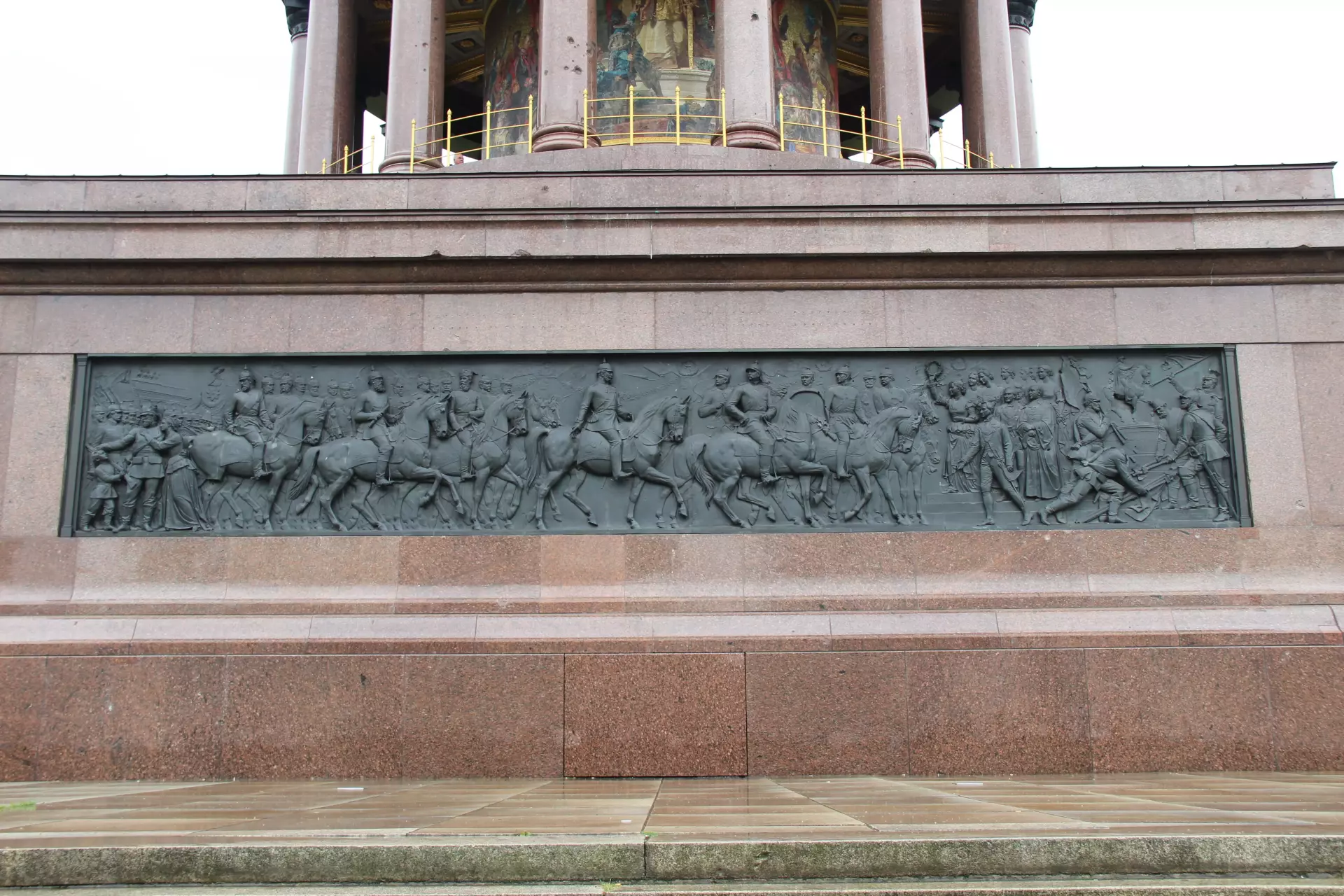
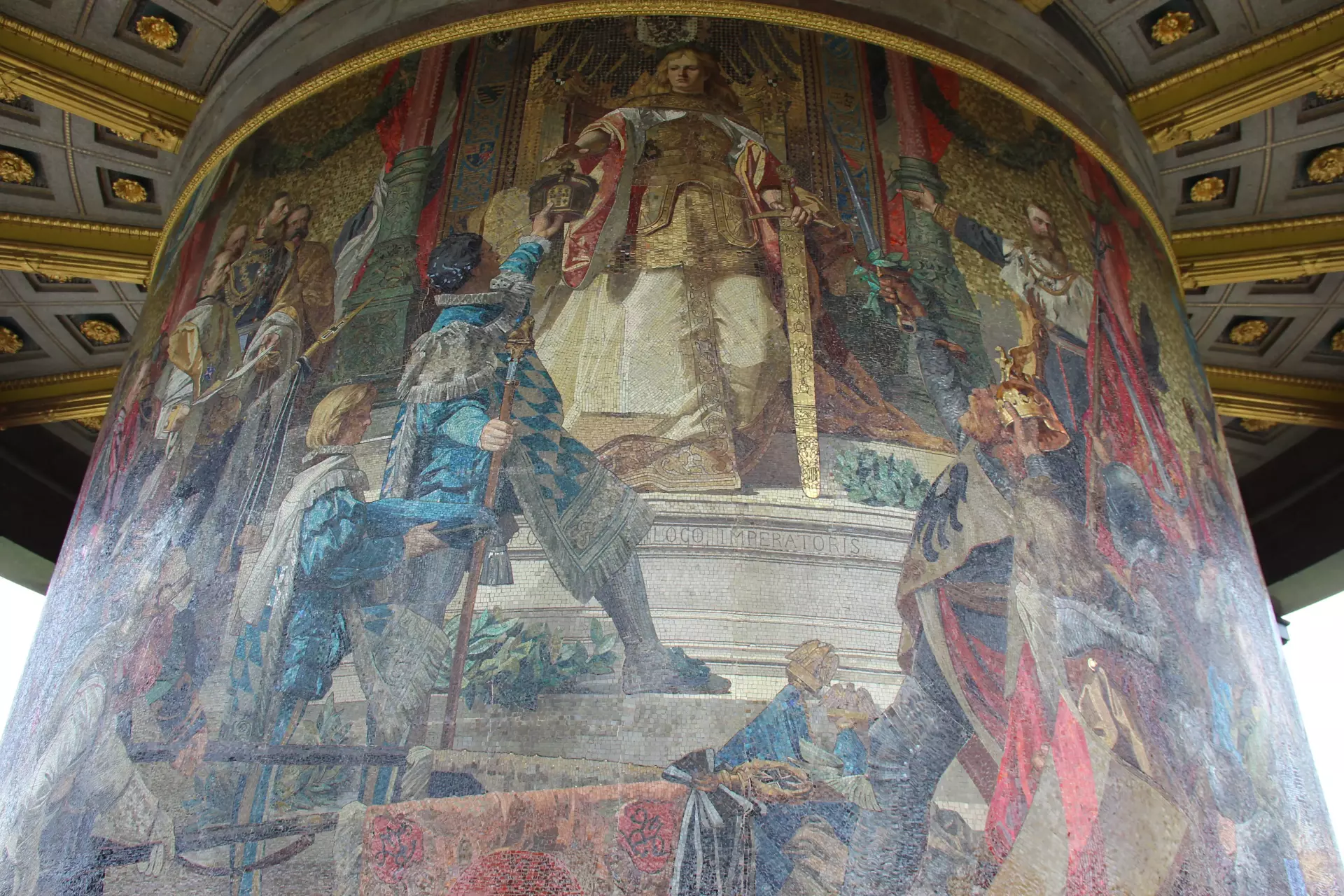
At the base, relief panels depict scenes from the conflicts the column commemorates. These artworks have their own complicated history. In 1945, the Allied powers ordered their removal. Decades later, the panels were remounted, returning in stages in 1984 and 1987. The monument thus carries layers of memory — artistic, political, and civic — in its stone and bronze surfaces.
A Modern Stage
The Victory Column also plays a role in contemporary public life. In 2008, it formed the backdrop for a major speech by then U.S. Senator Barack Obama, after a debate in Germany over whether he should appear at the Brandenburg Gate. The choice placed the column once again at the center of global attention, linking its 19th-century origins to modern political moments.
Source - https://en.wikipedia.org/wiki/Berlin_Victory_Column