



Spandau Citadel
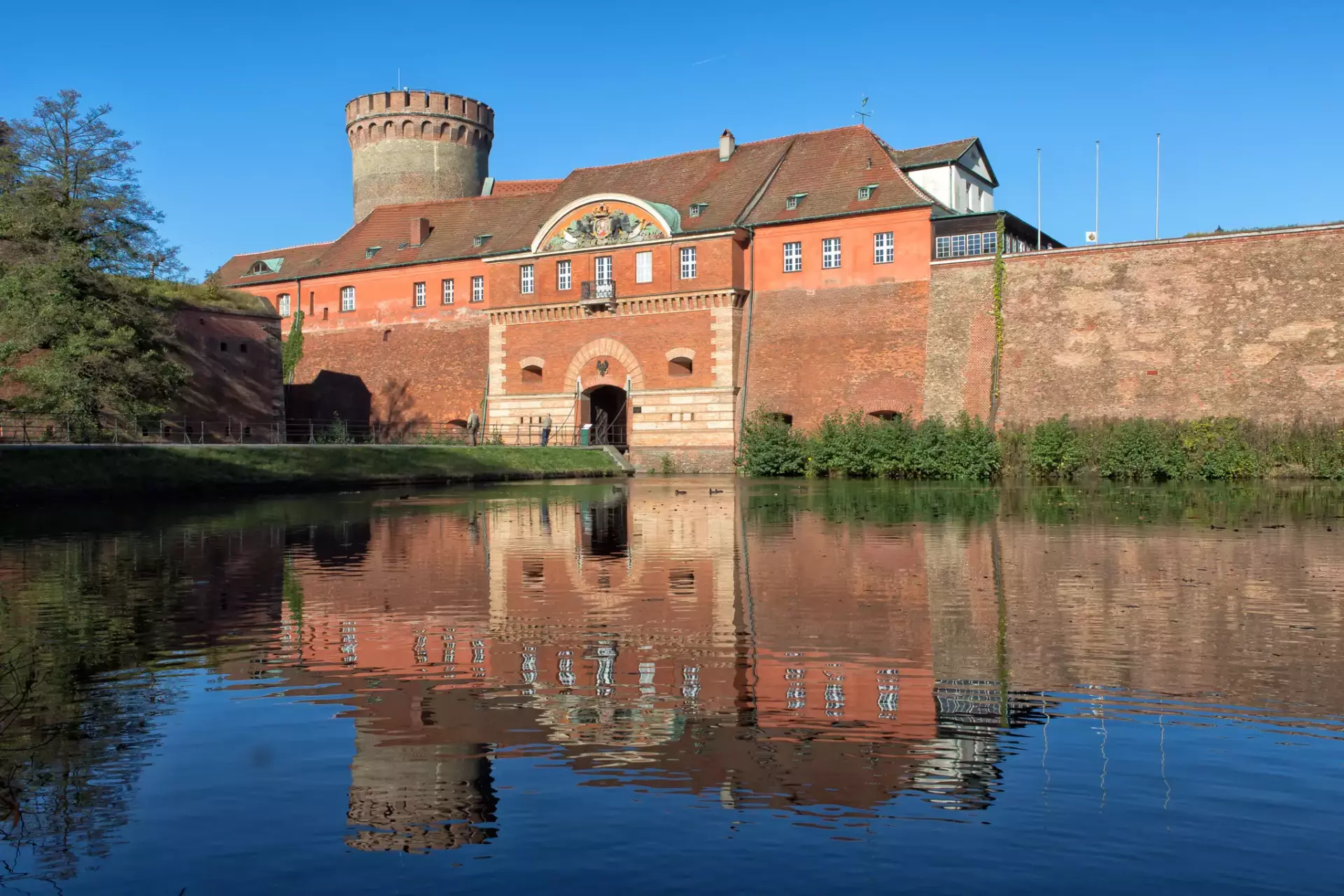
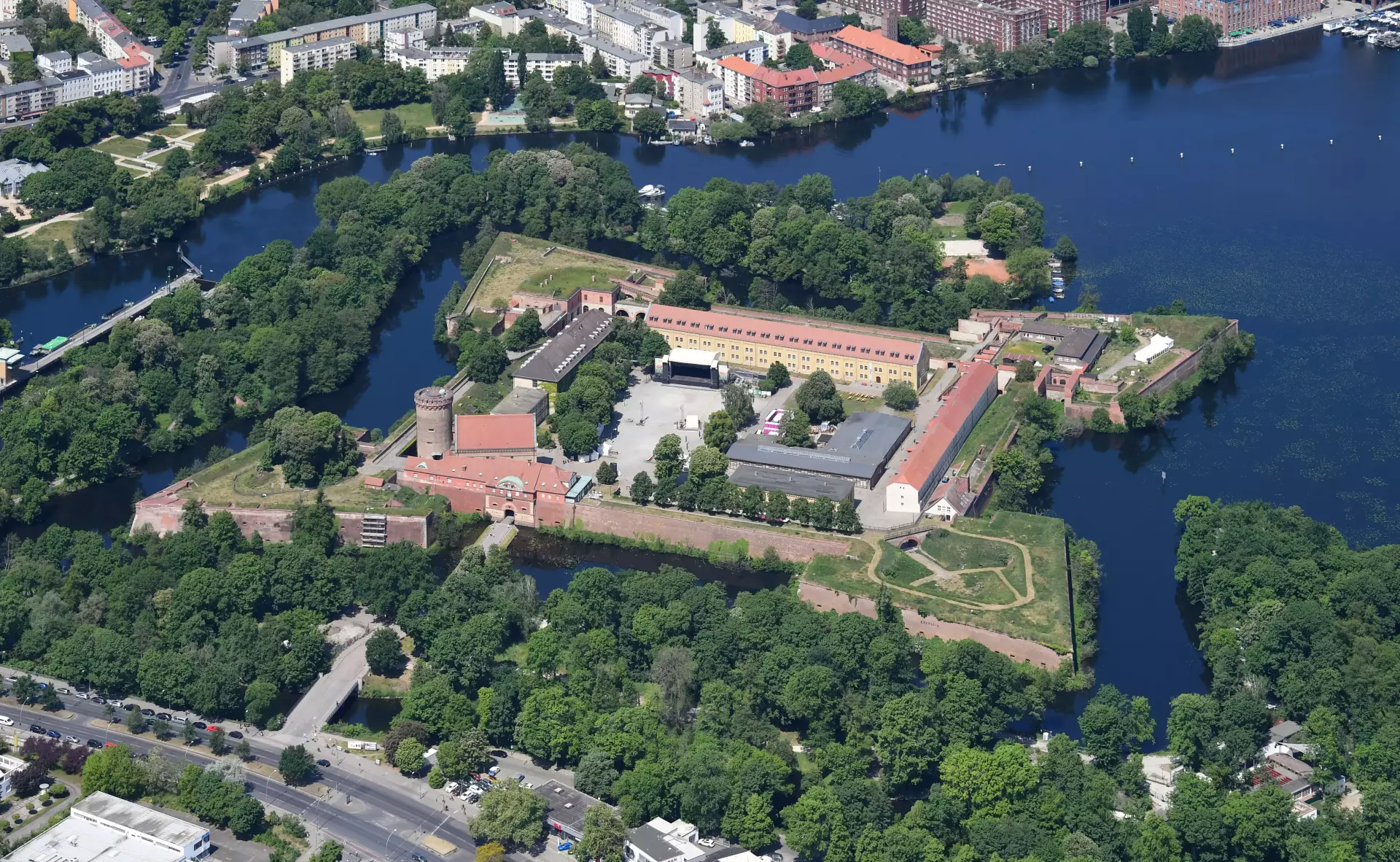
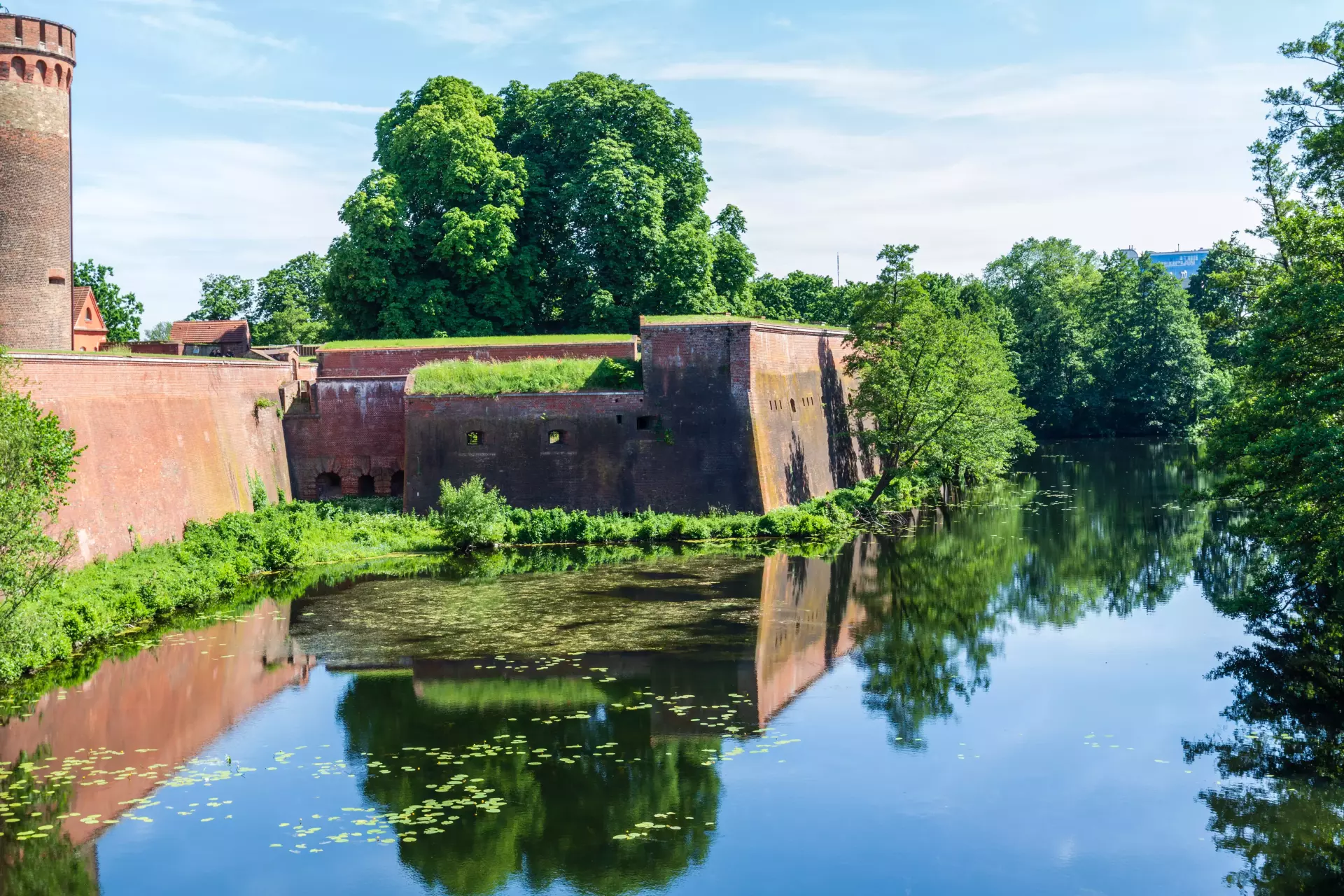
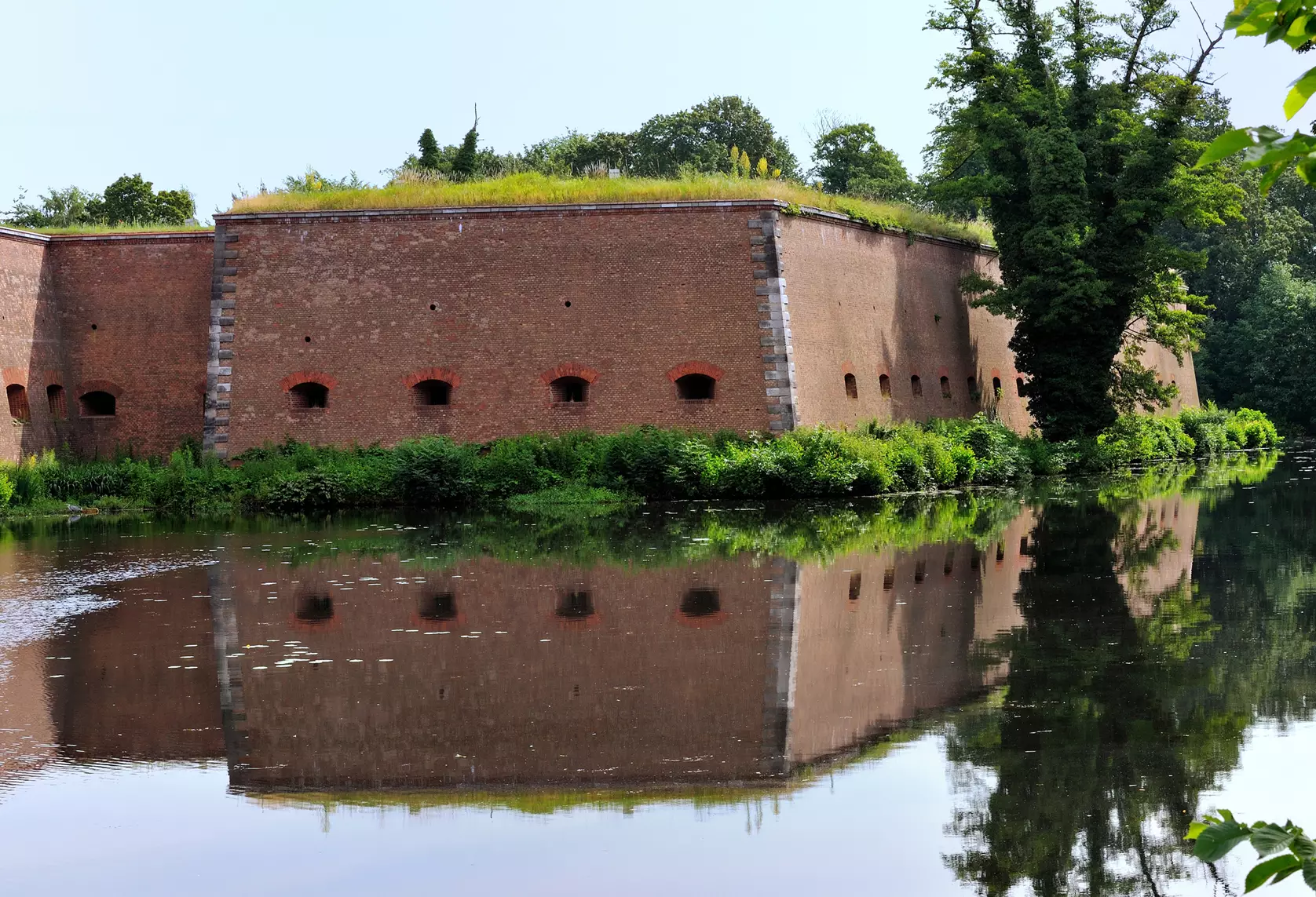
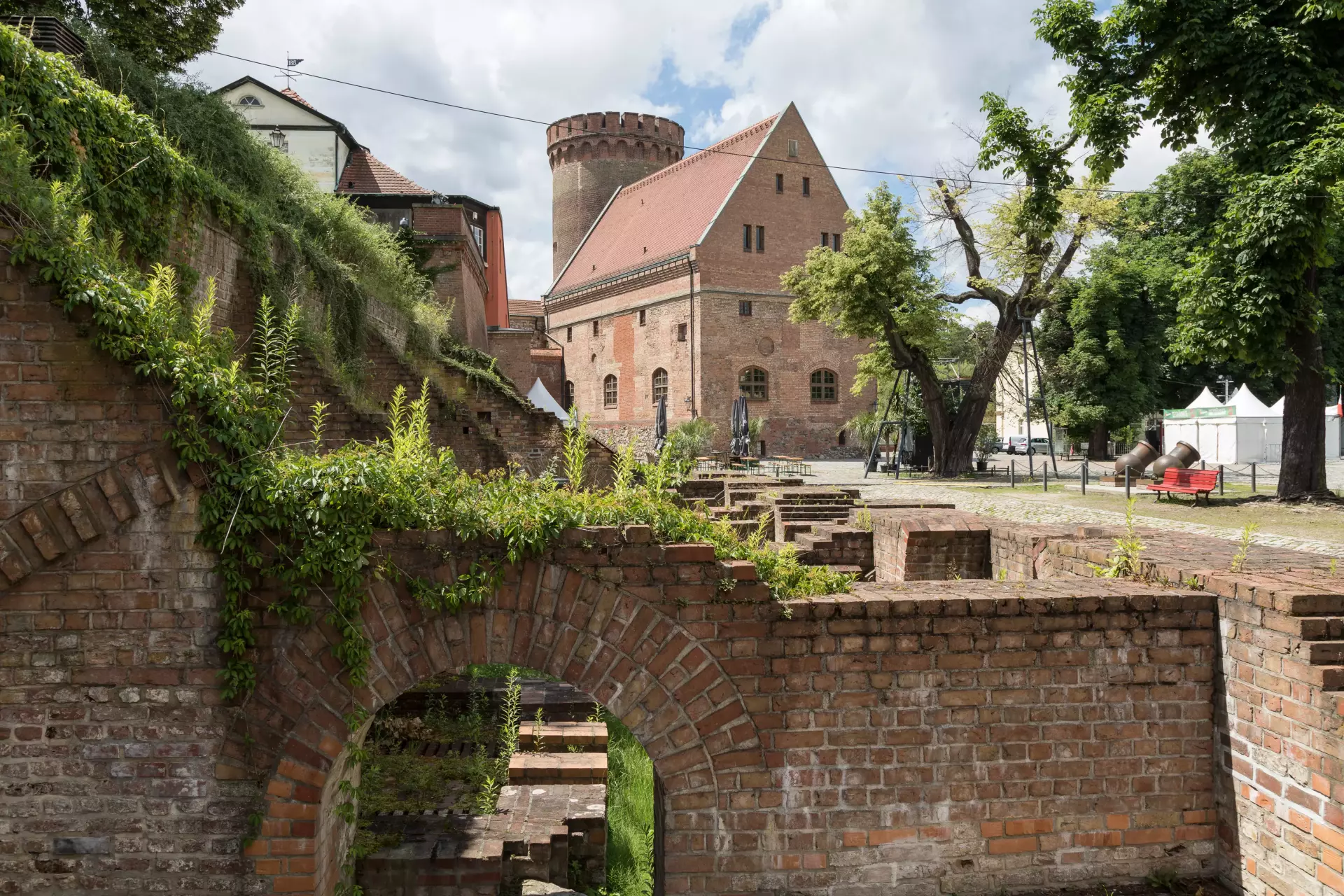
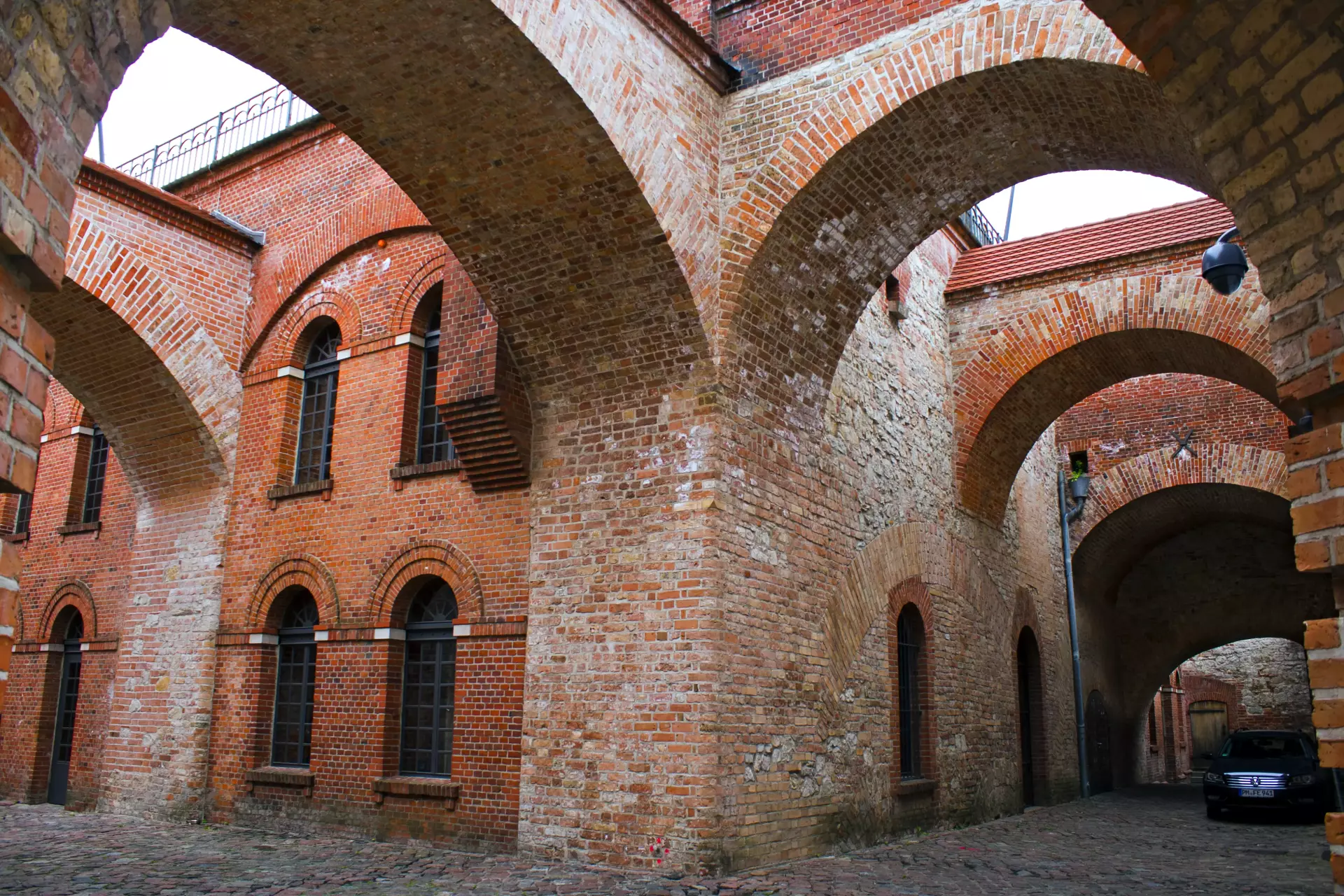
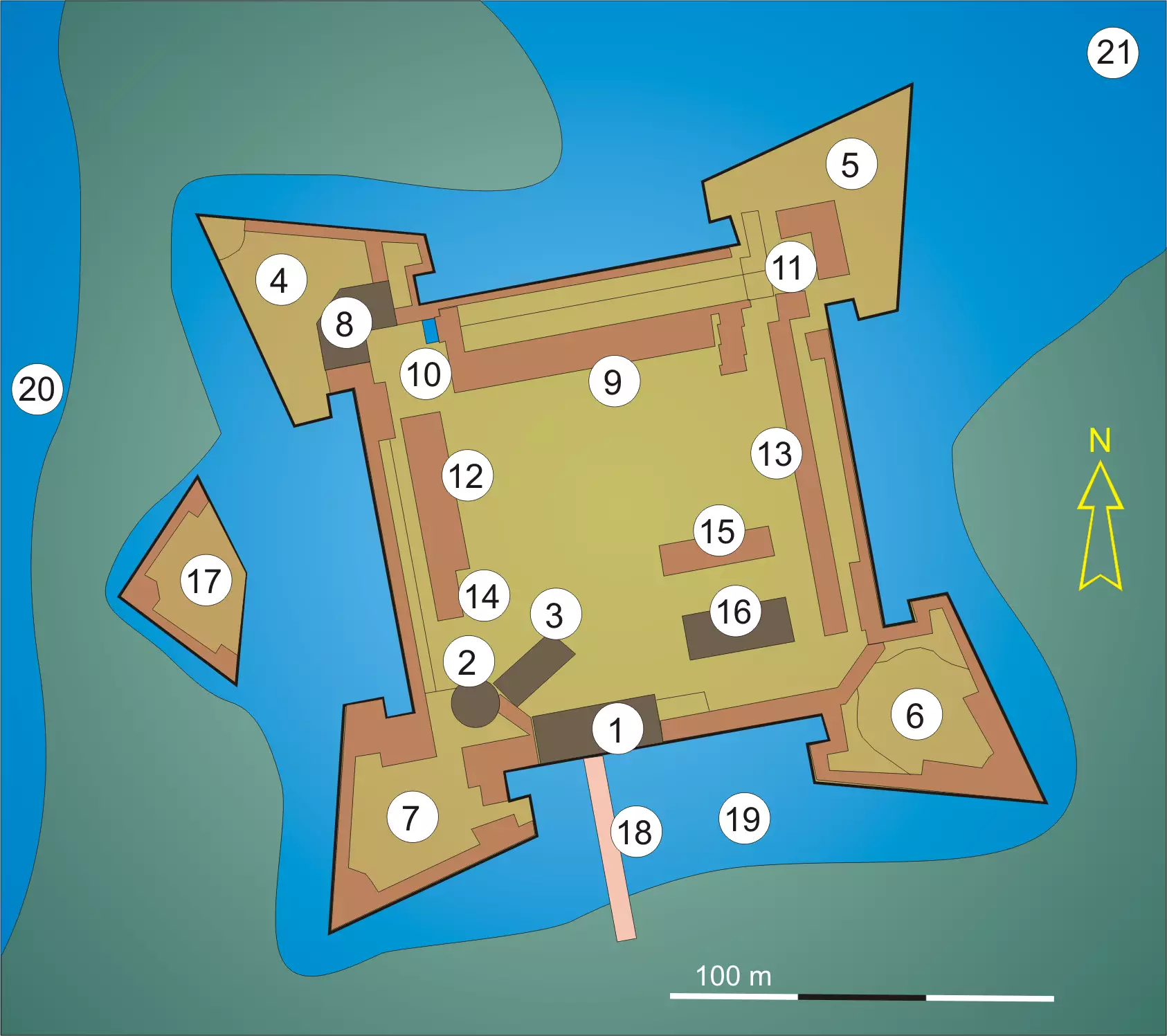
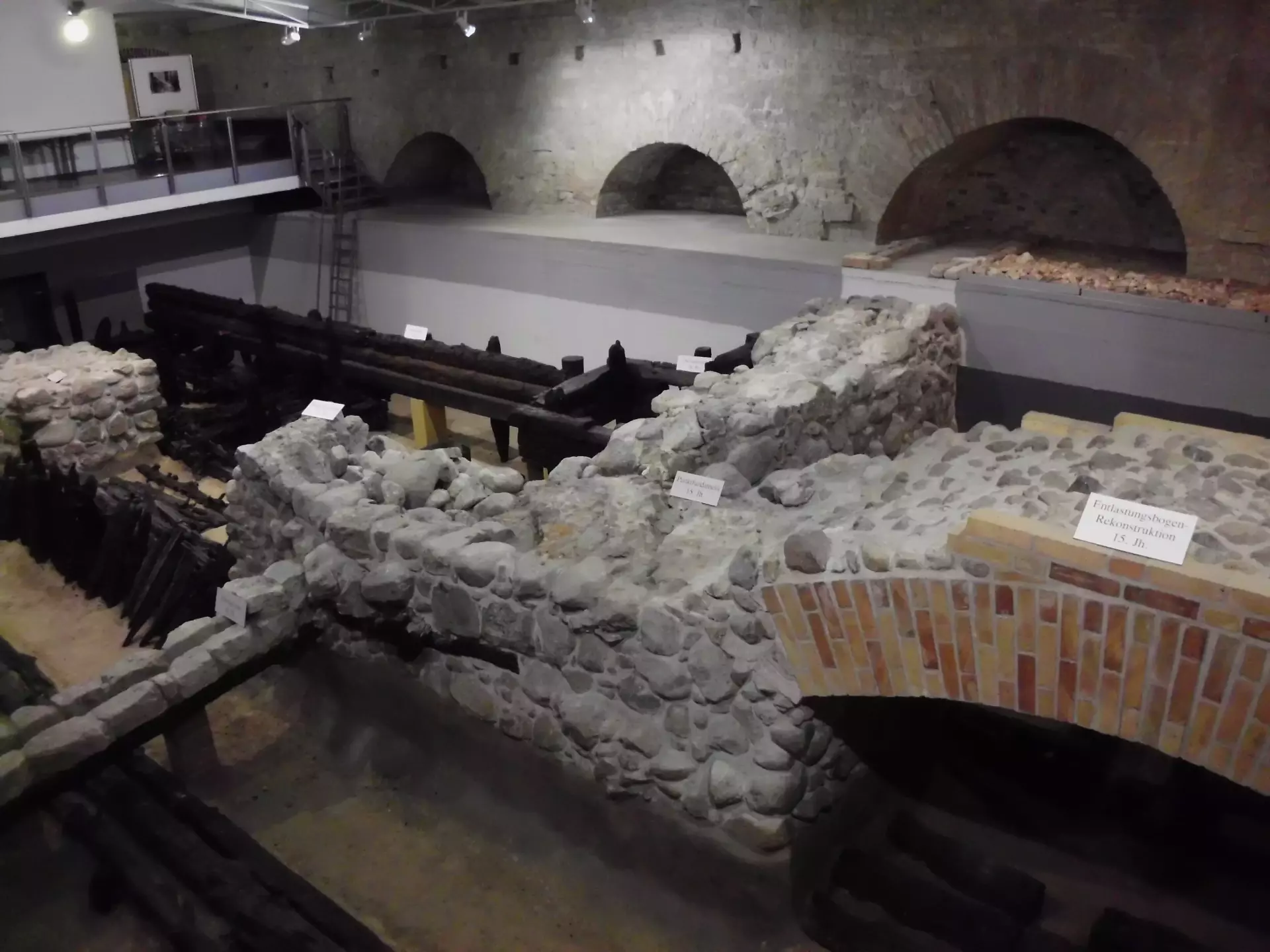
Spandau Citadel stands on the site of a 12th-century castle, transformed between 1560 and 1590 into a formidable fortress following Italian military design. Thick bastions, angular walls, and a strategic riverside position show how Renaissance engineers reshaped medieval defenses for the age of cannon.
Juliusturm and a fortune in coins
Within the citadel, the round Juliusturm gained fame far beyond its walls. After the Franco-Prussian War of 1870–71, part of the vast French indemnity was stored here in physical gold coins. The tower became a national symbol of financial security, so much so that “Juliusturm” entered German everyday language as a term for a large reserve fund. Most of the remaining gold was later sent back to France following Germany’s defeat in World War I, yet the nickname lived on well into the 1960s.
Museums inside the walls
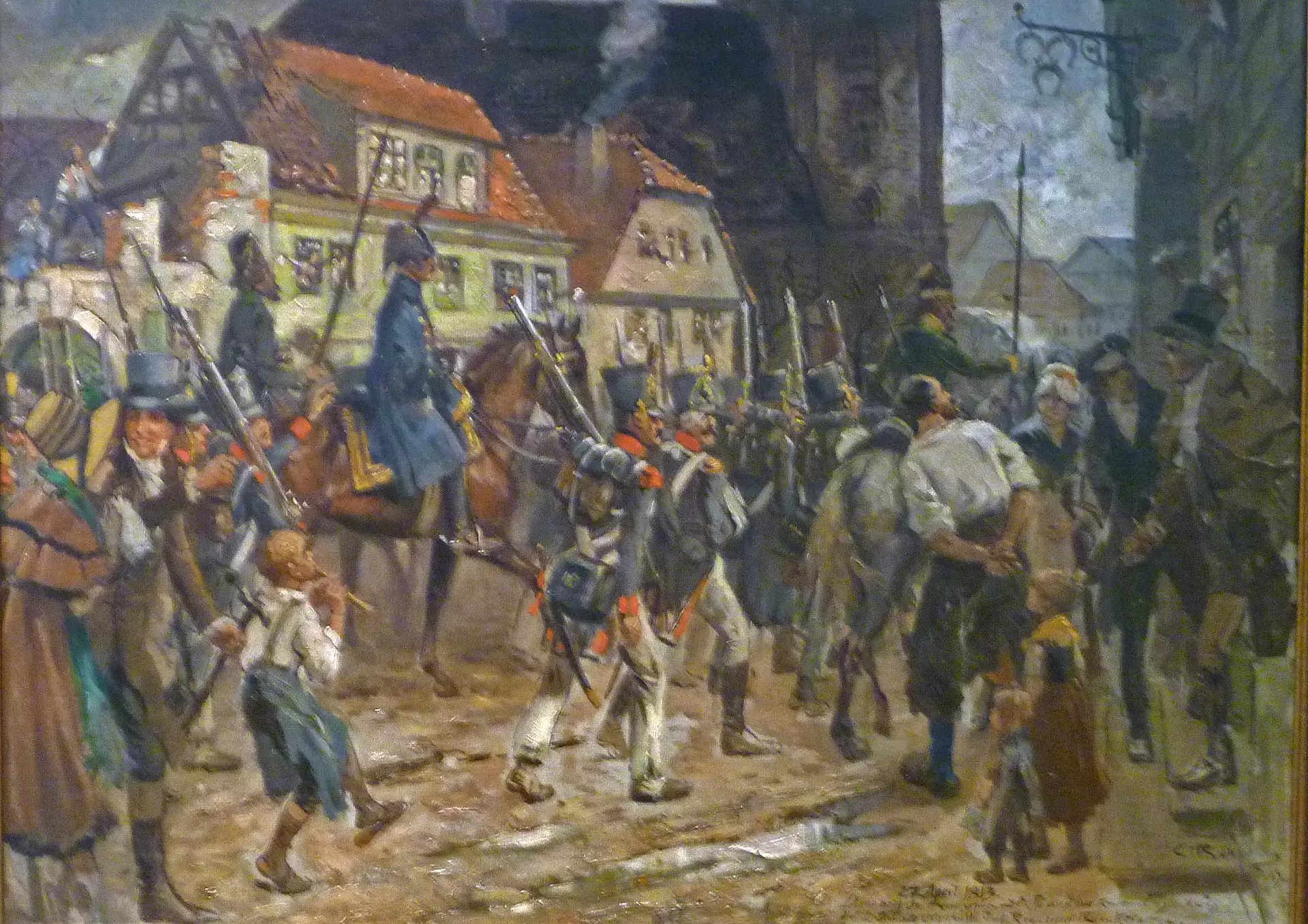
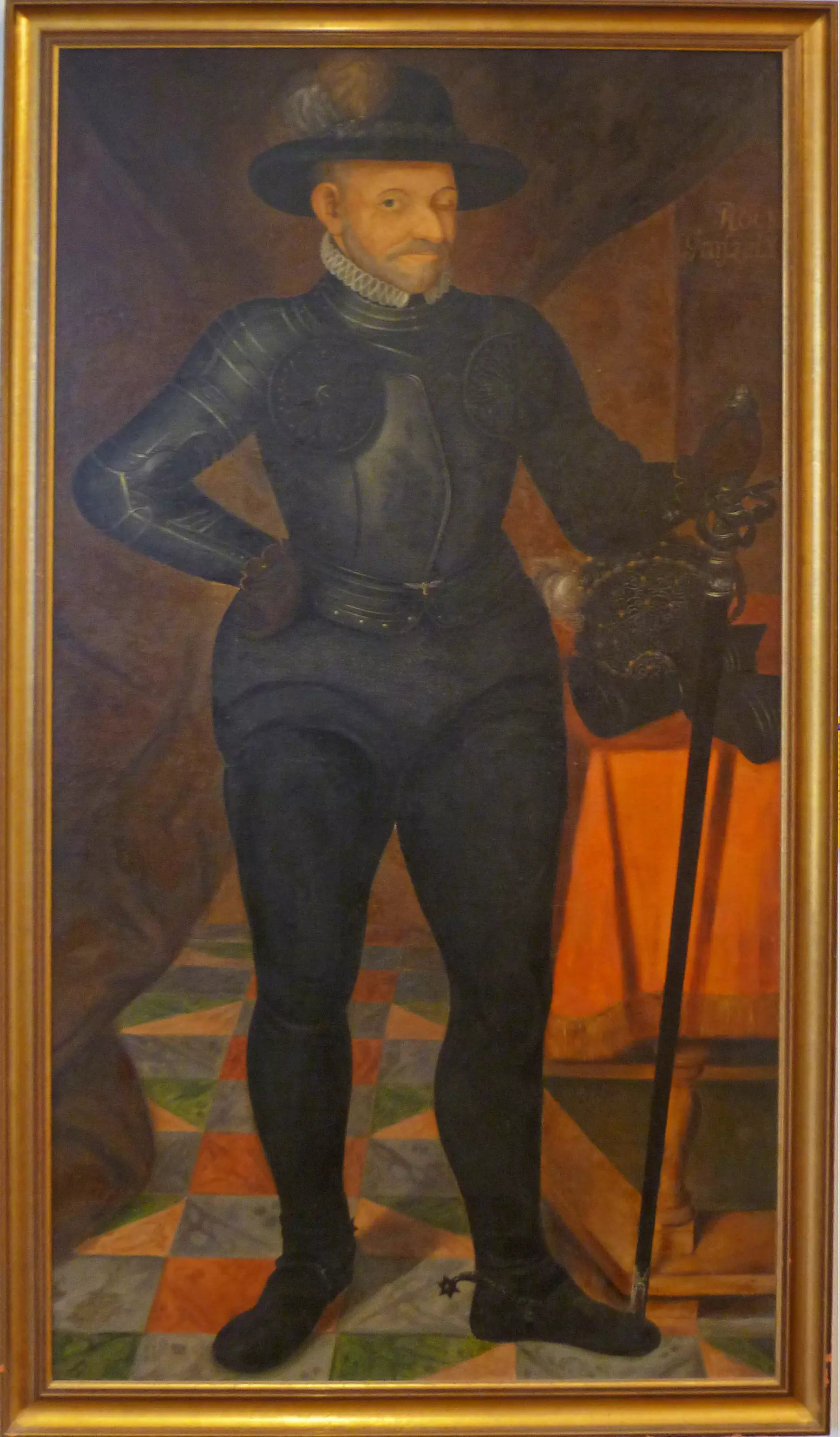
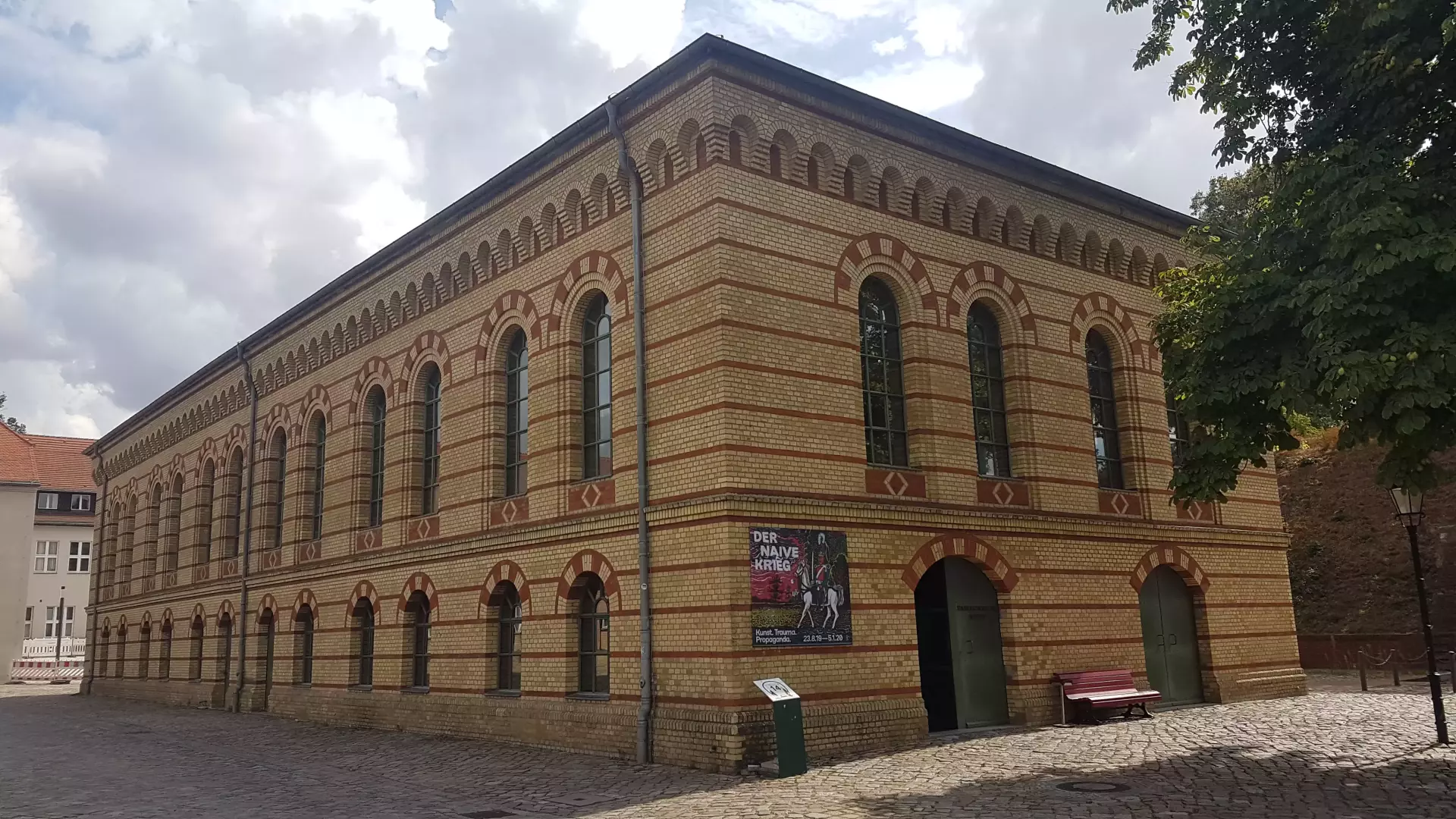
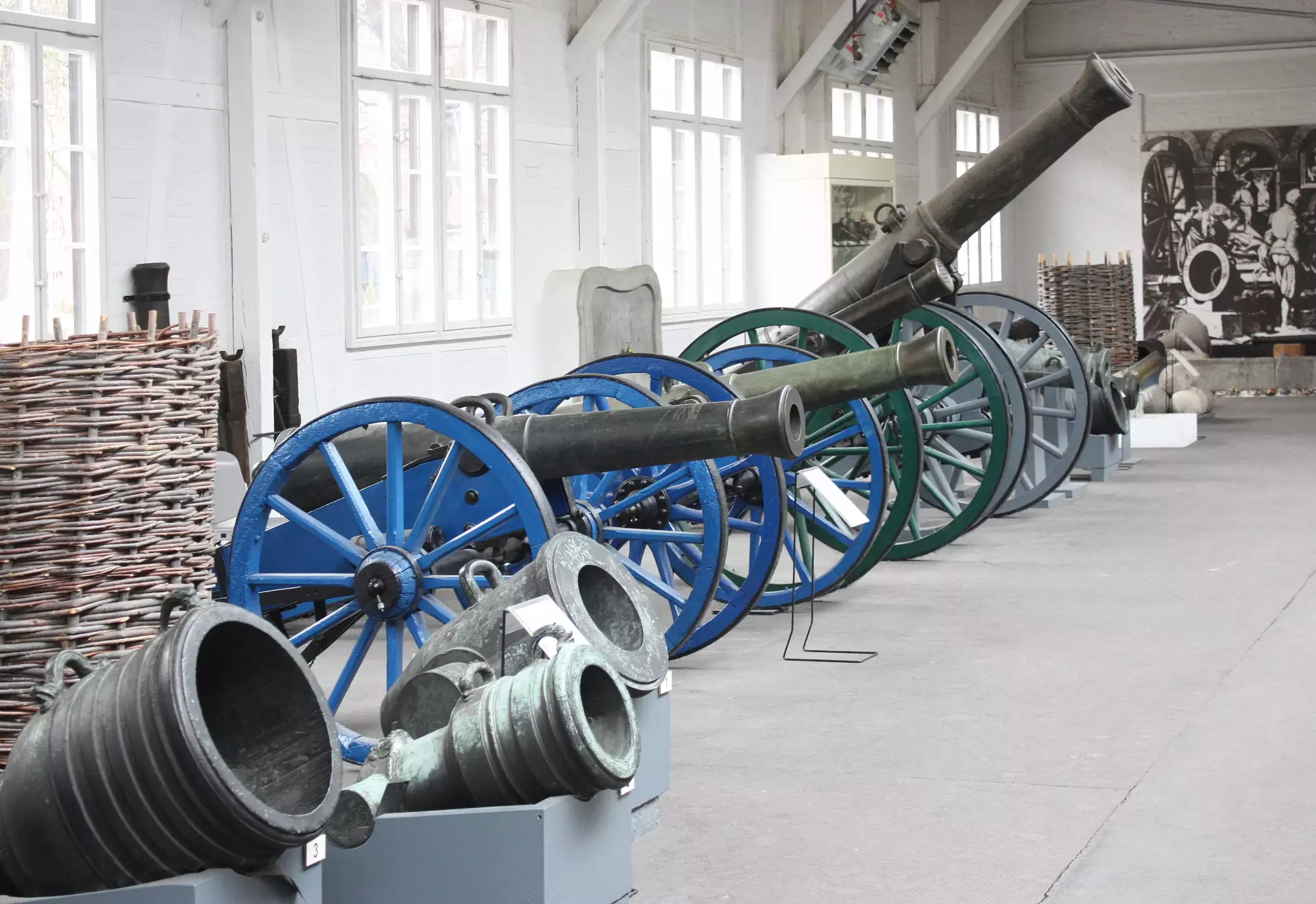
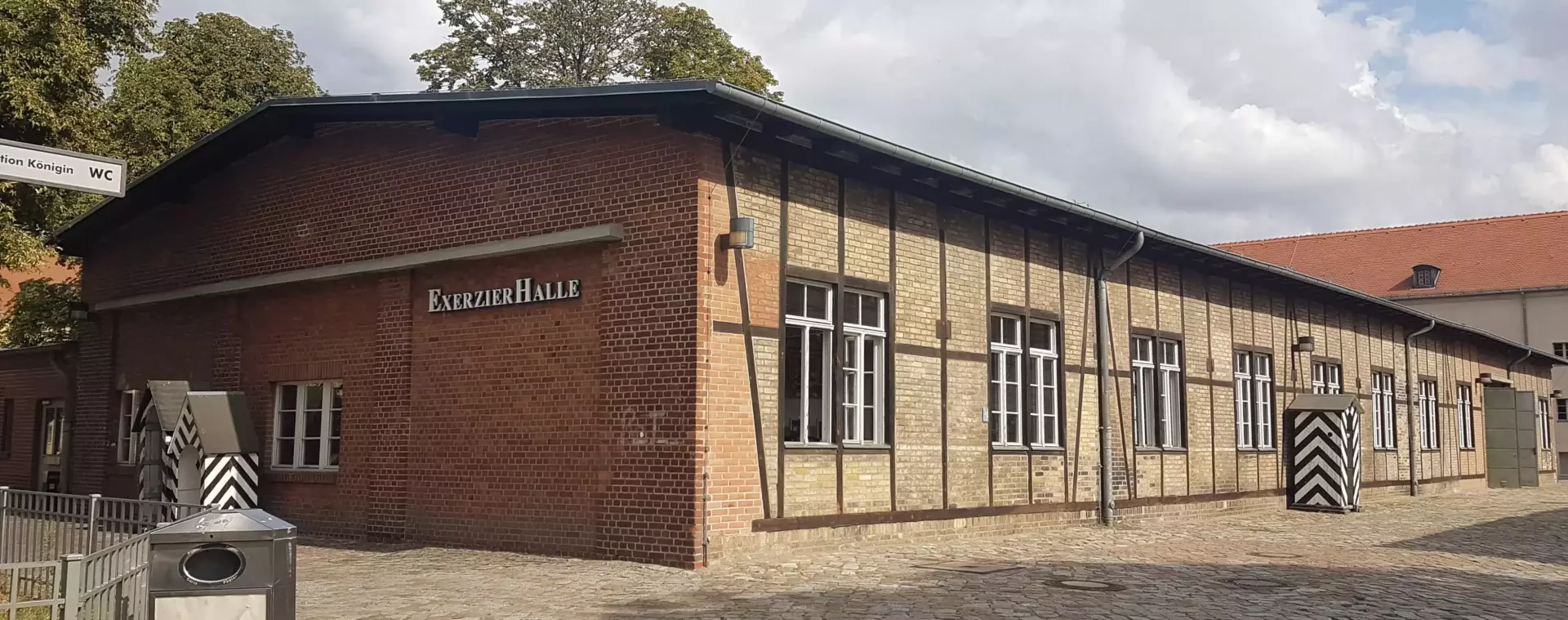
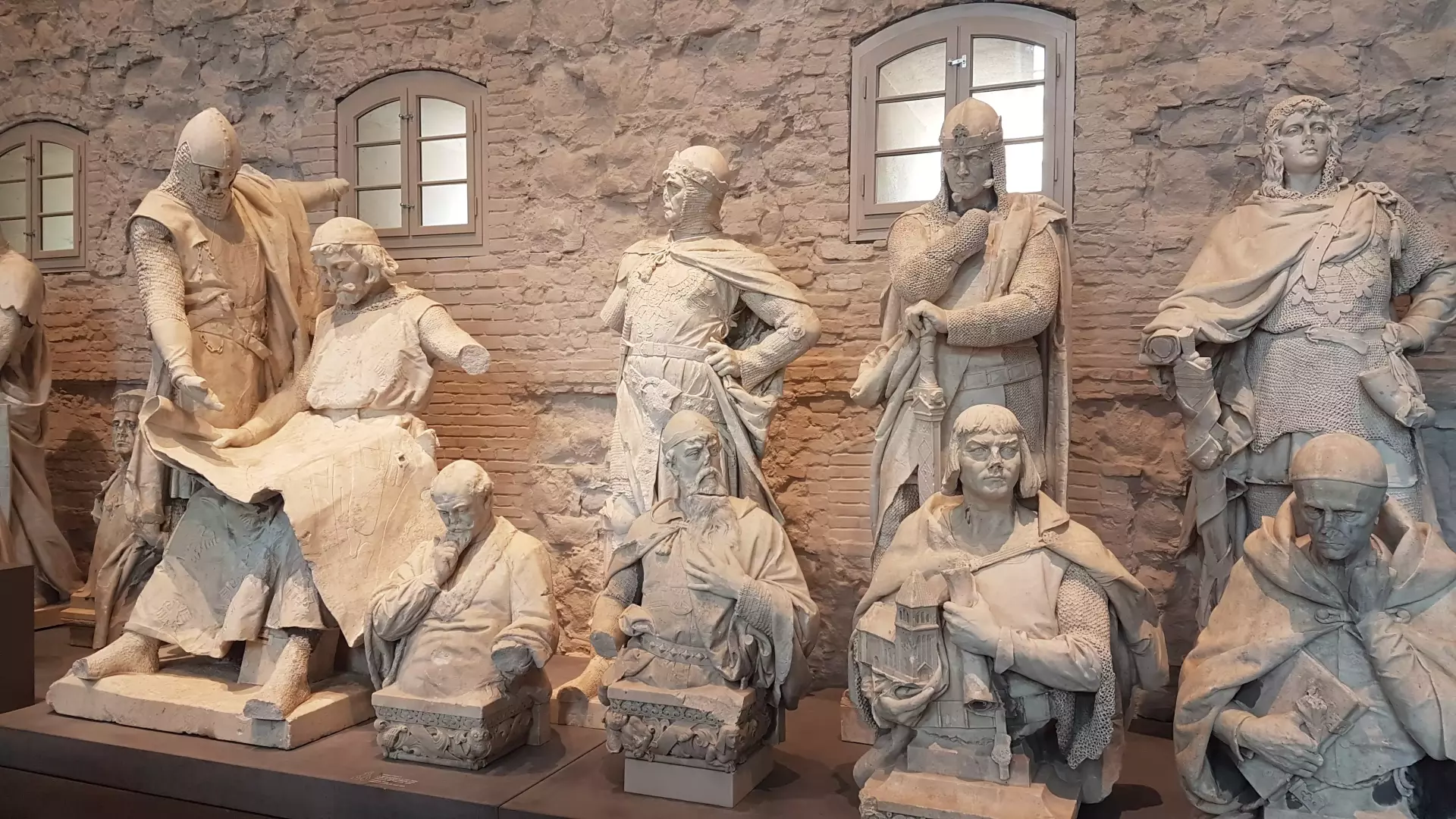
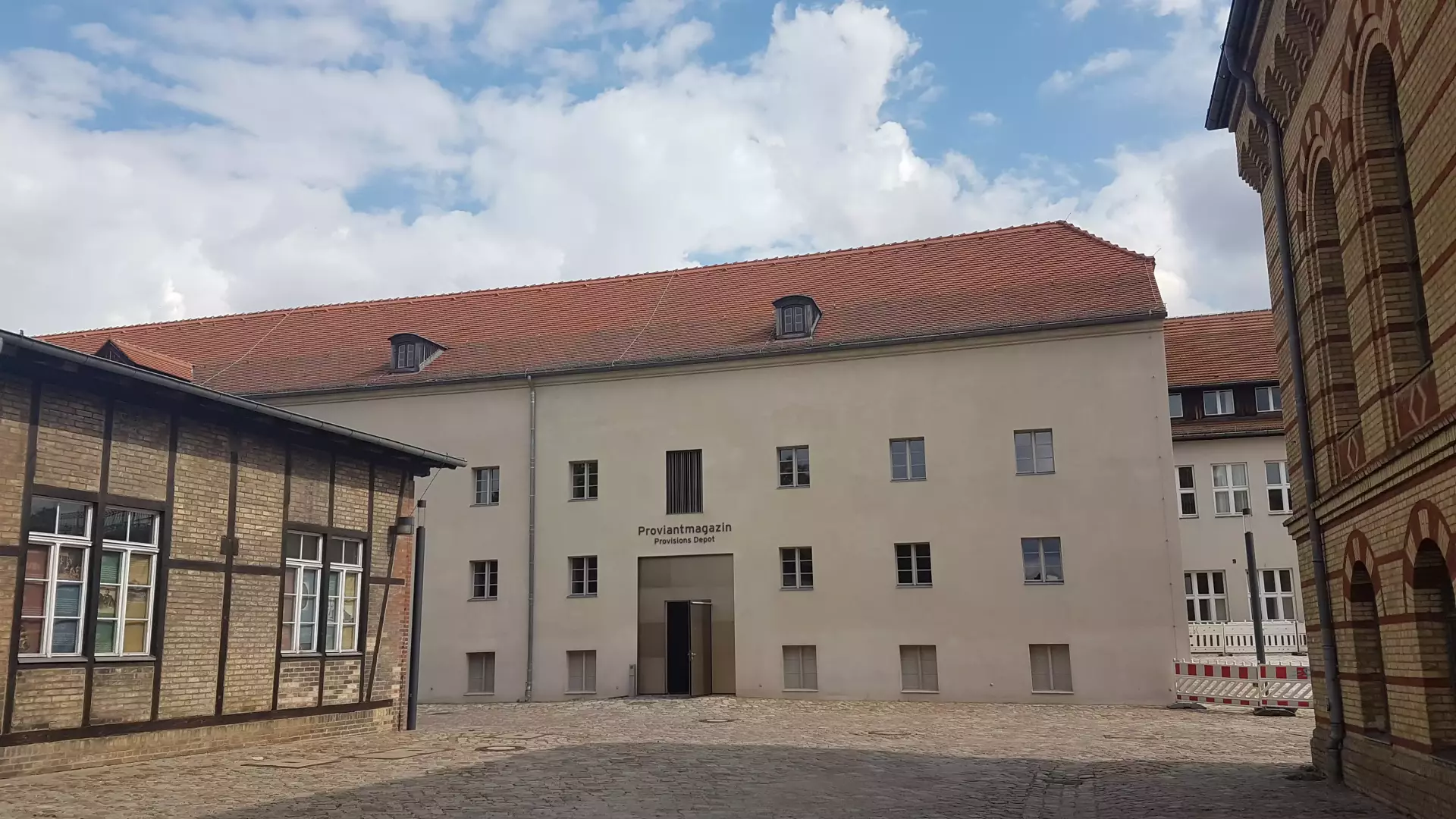
Today, the citadel hosts several museums that trace different strands of Berlin’s story. One explores the local history of the town of Spandau, from medieval origins to modern industry. Another focuses on monumental public art in Berlin, shedding light on sculptures, memorials, and the political eras that shaped them. A third looks at artillery, linking the citadel’s architecture to the evolving technology it was built to resist.
Source - https://en.wikipedia.org/wiki/Spandau_Citadel