



Stadtschloss – Humboldt Forum
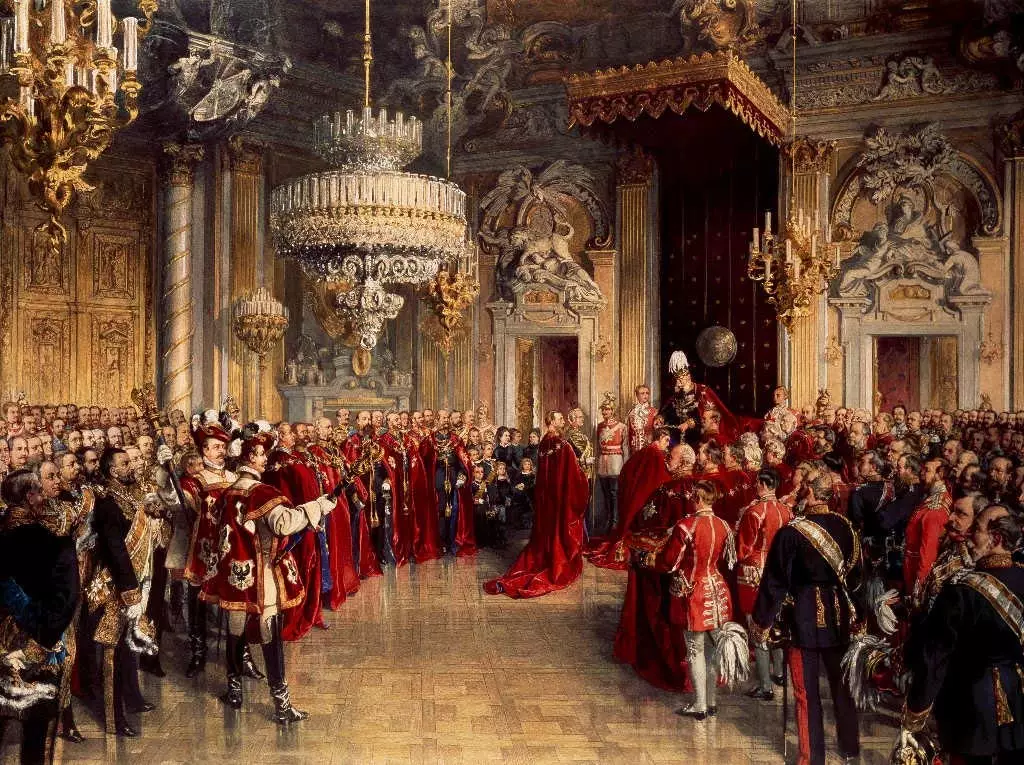
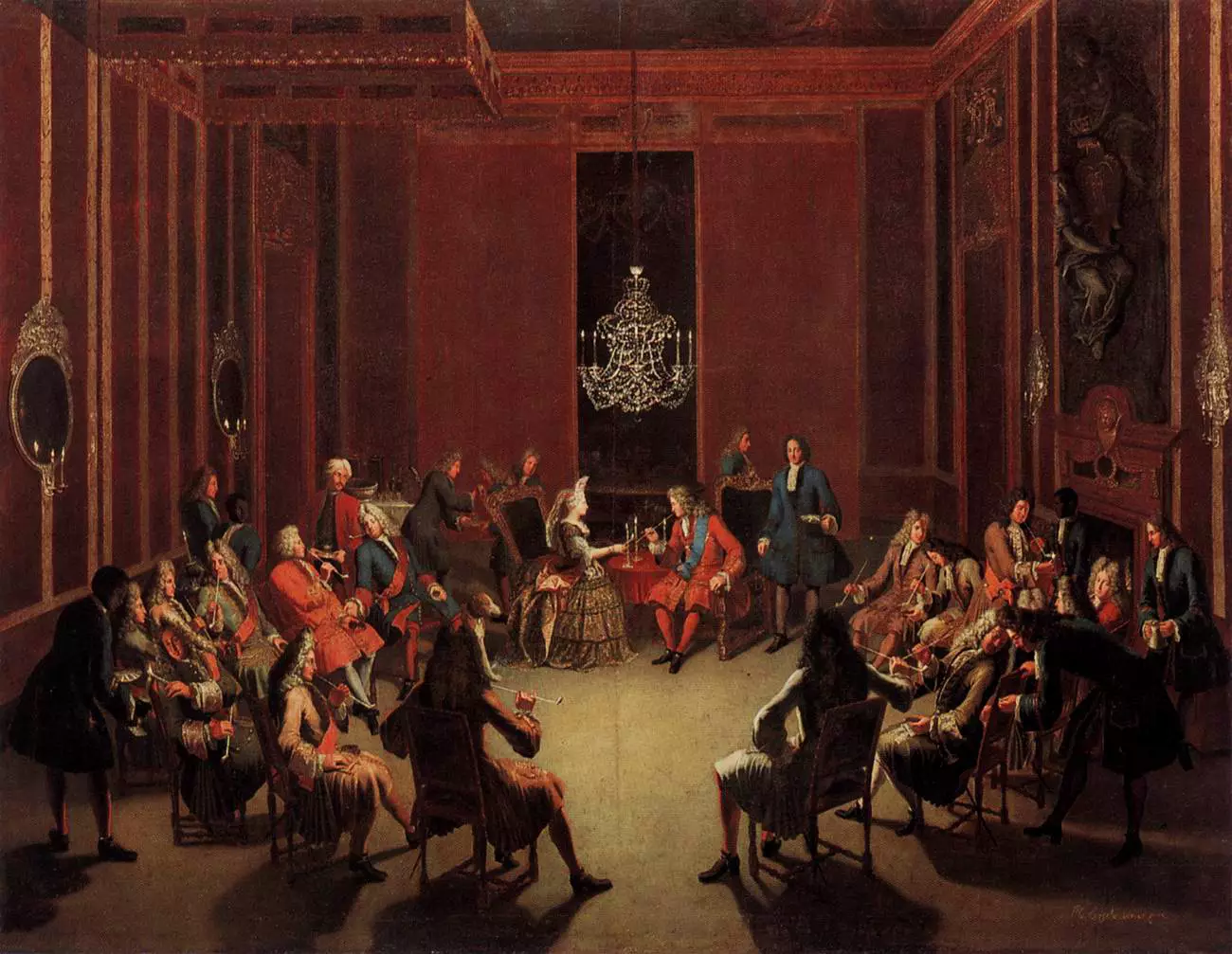
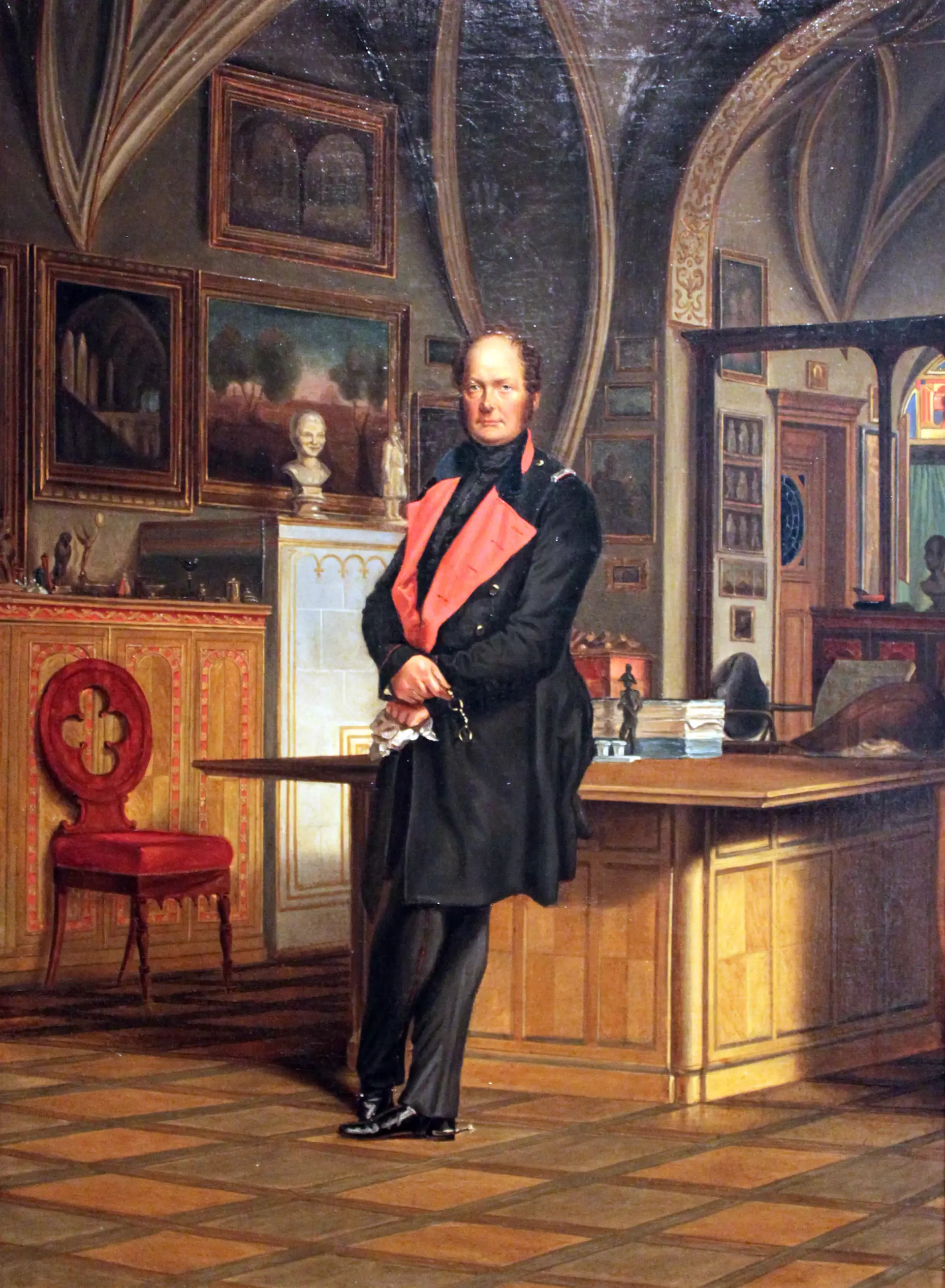
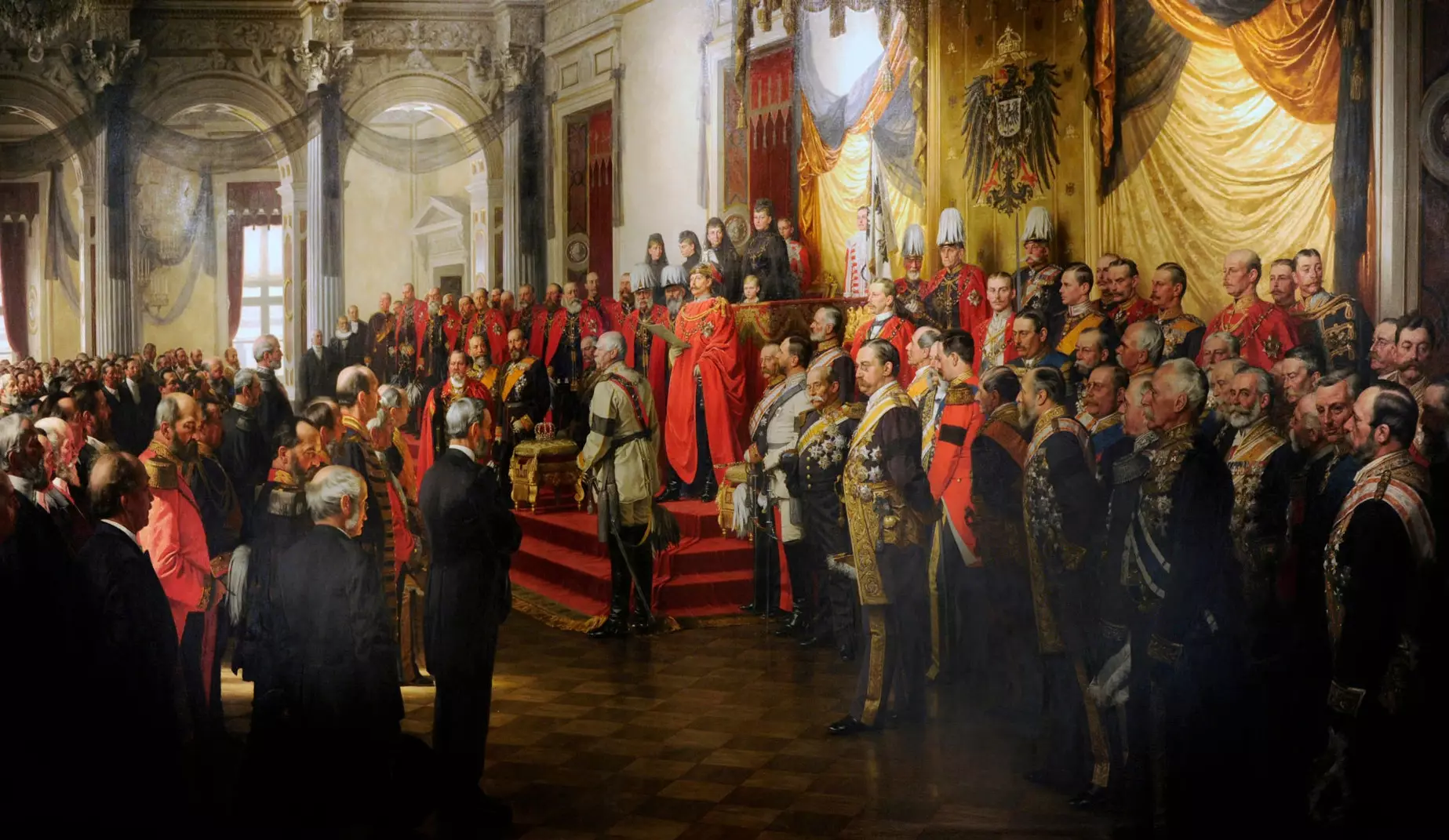
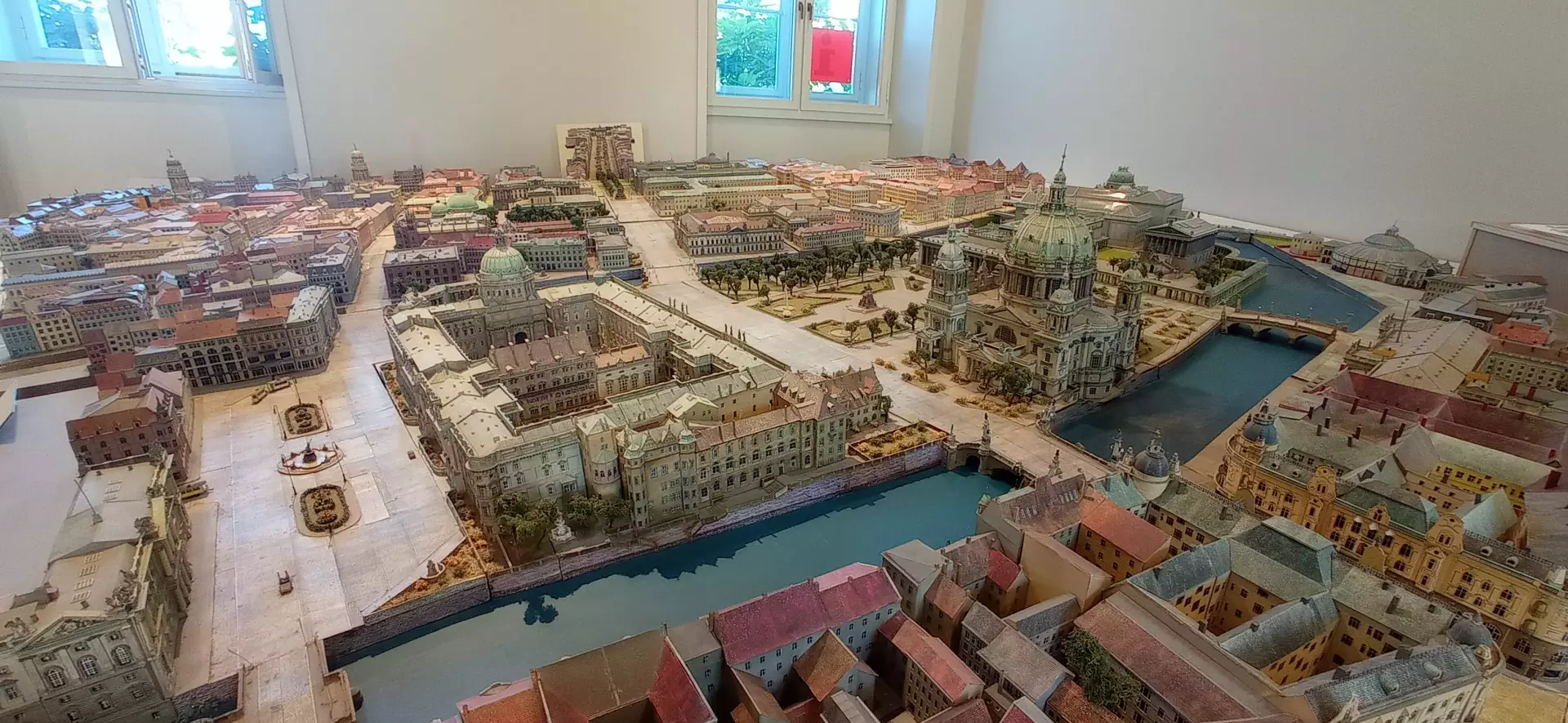
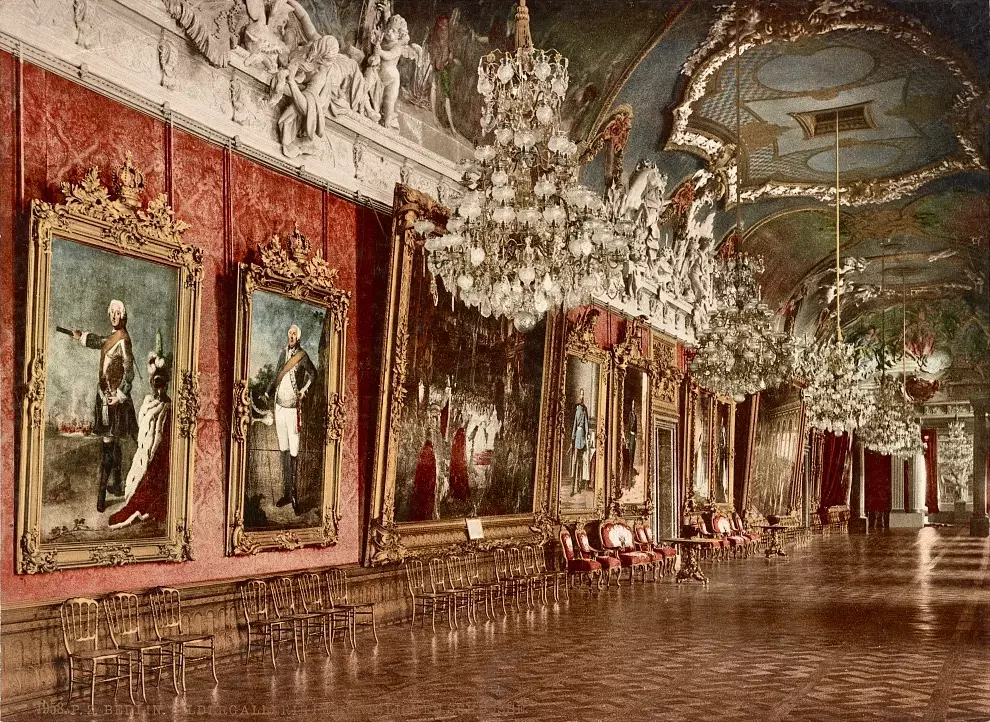
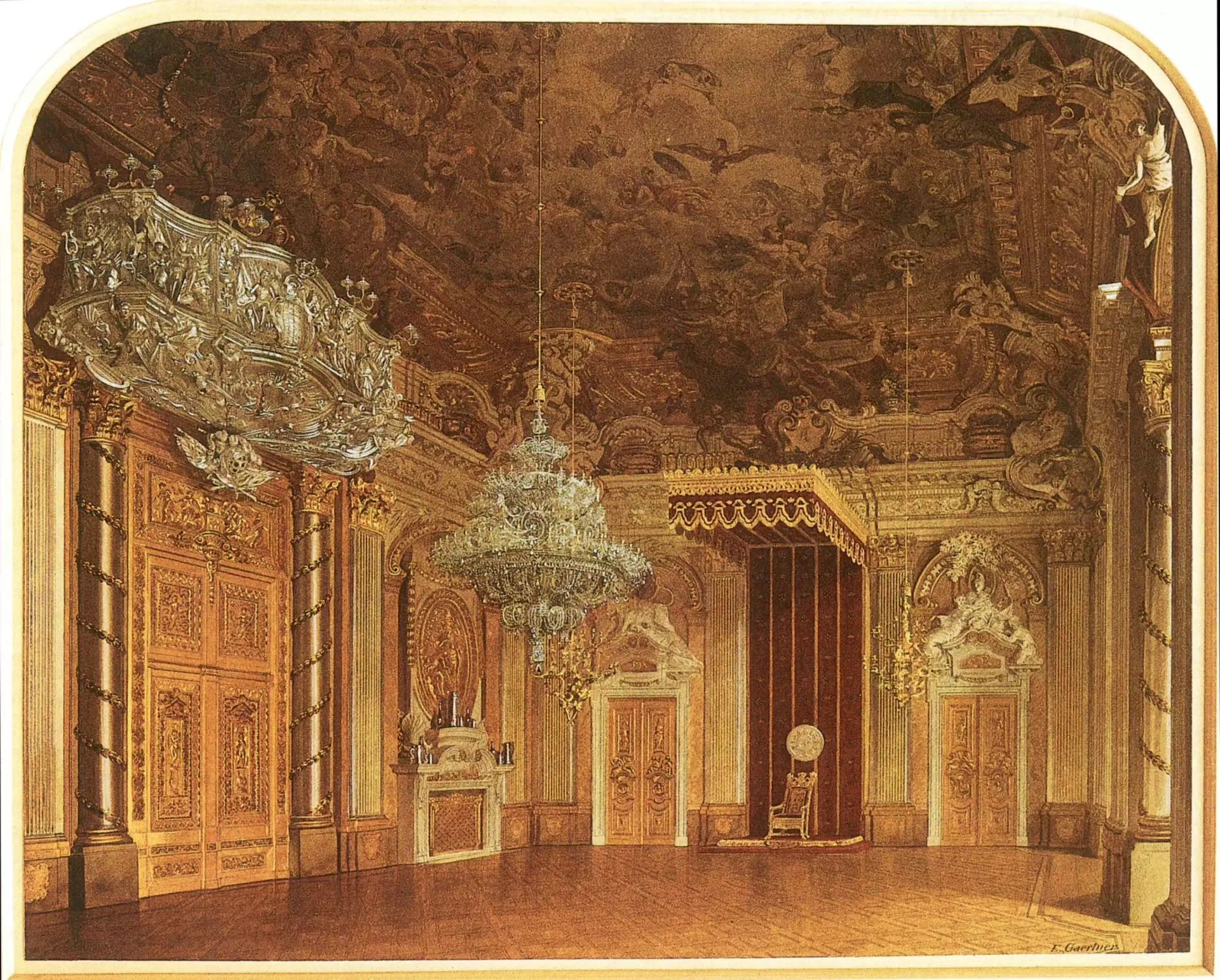
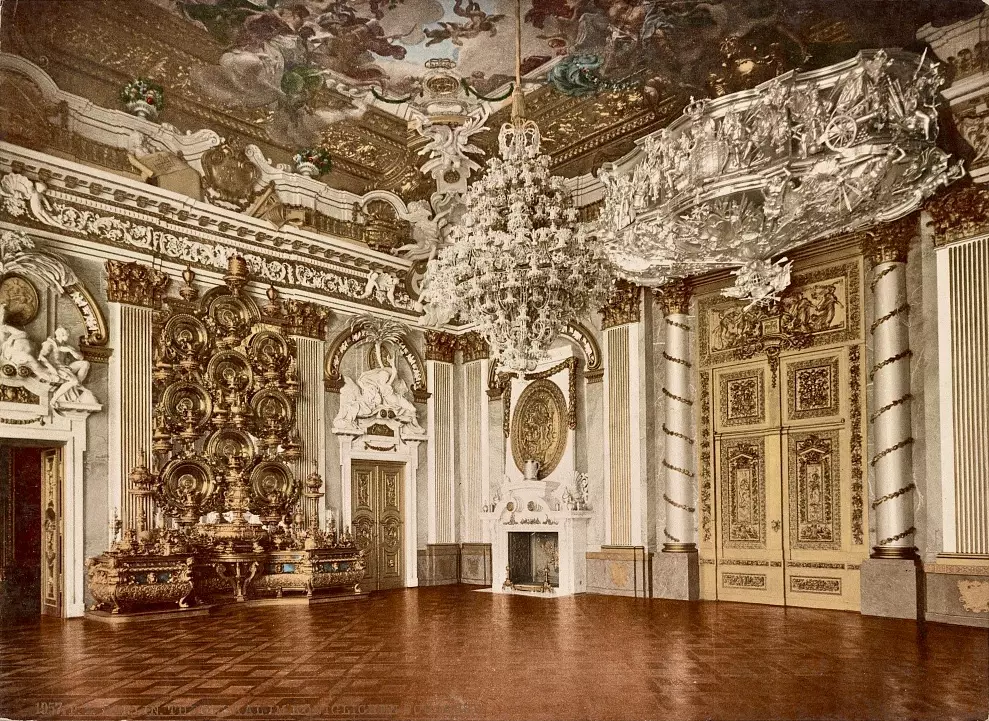
Berlin’s city palace has lived many lives. Begun in the 1400s and completed in the mid-1700s, the baroque Stadtschloss served as the residence of electors, kings, and emperors. After 1918, the royal seat became a museum. War left the building badly damaged, and in 1950 it was demolished. In its place, East Germany built the modernist Palast der Republik, a cultural venue that also housed the GDR parliament.
From demolition to reconstruction
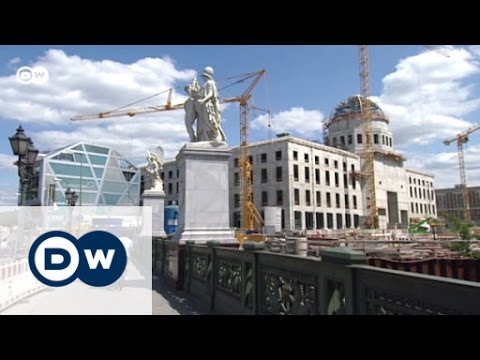
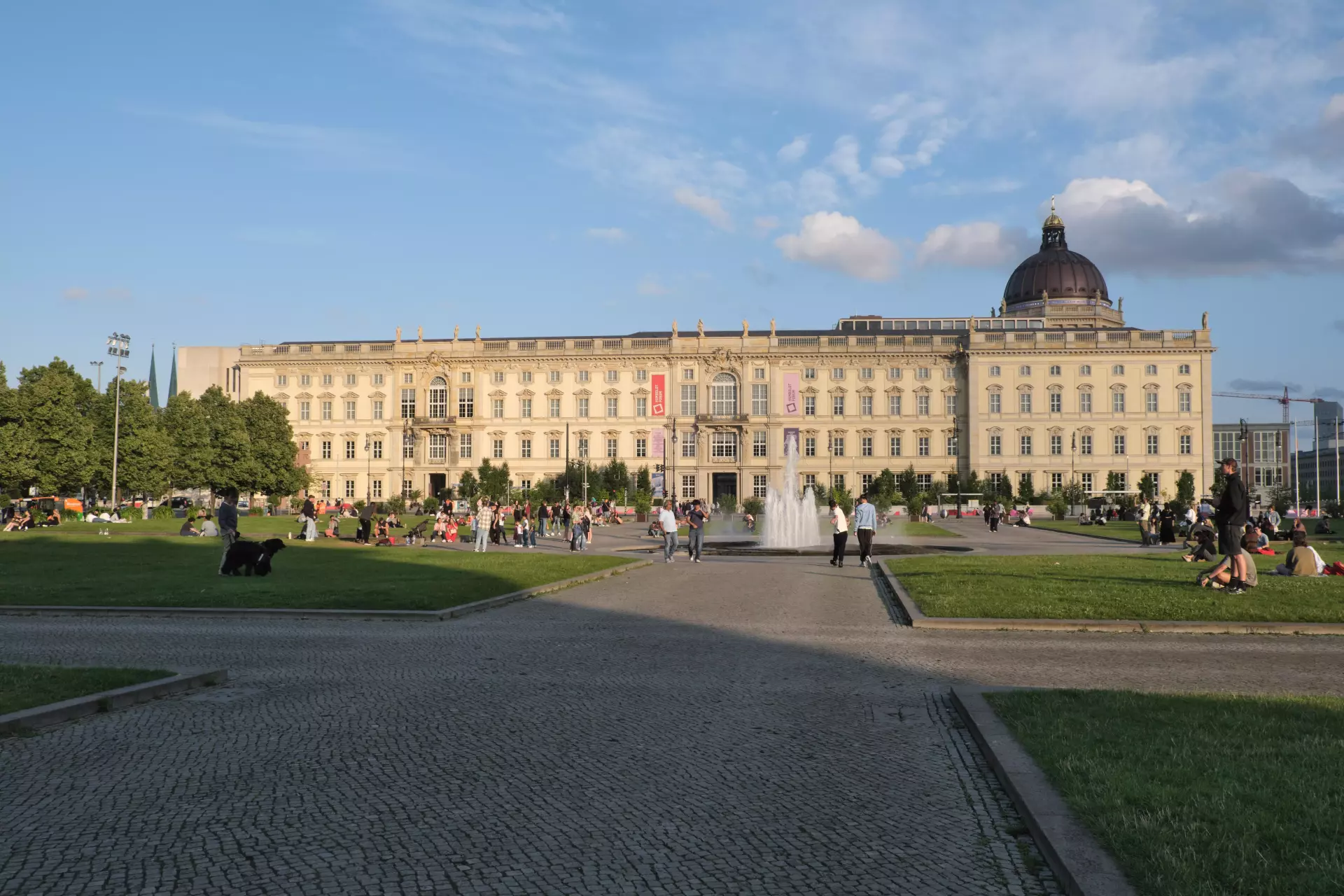
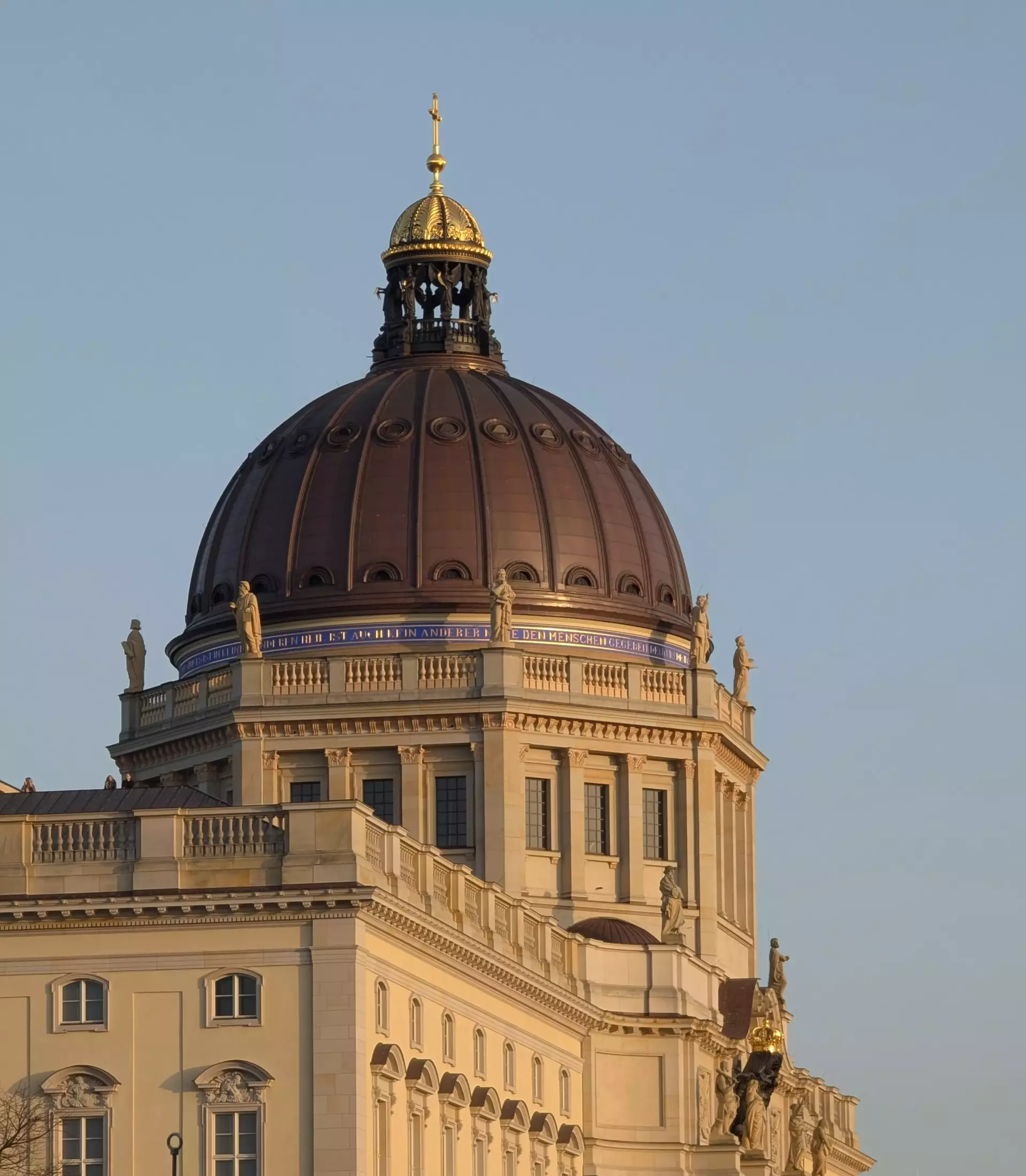
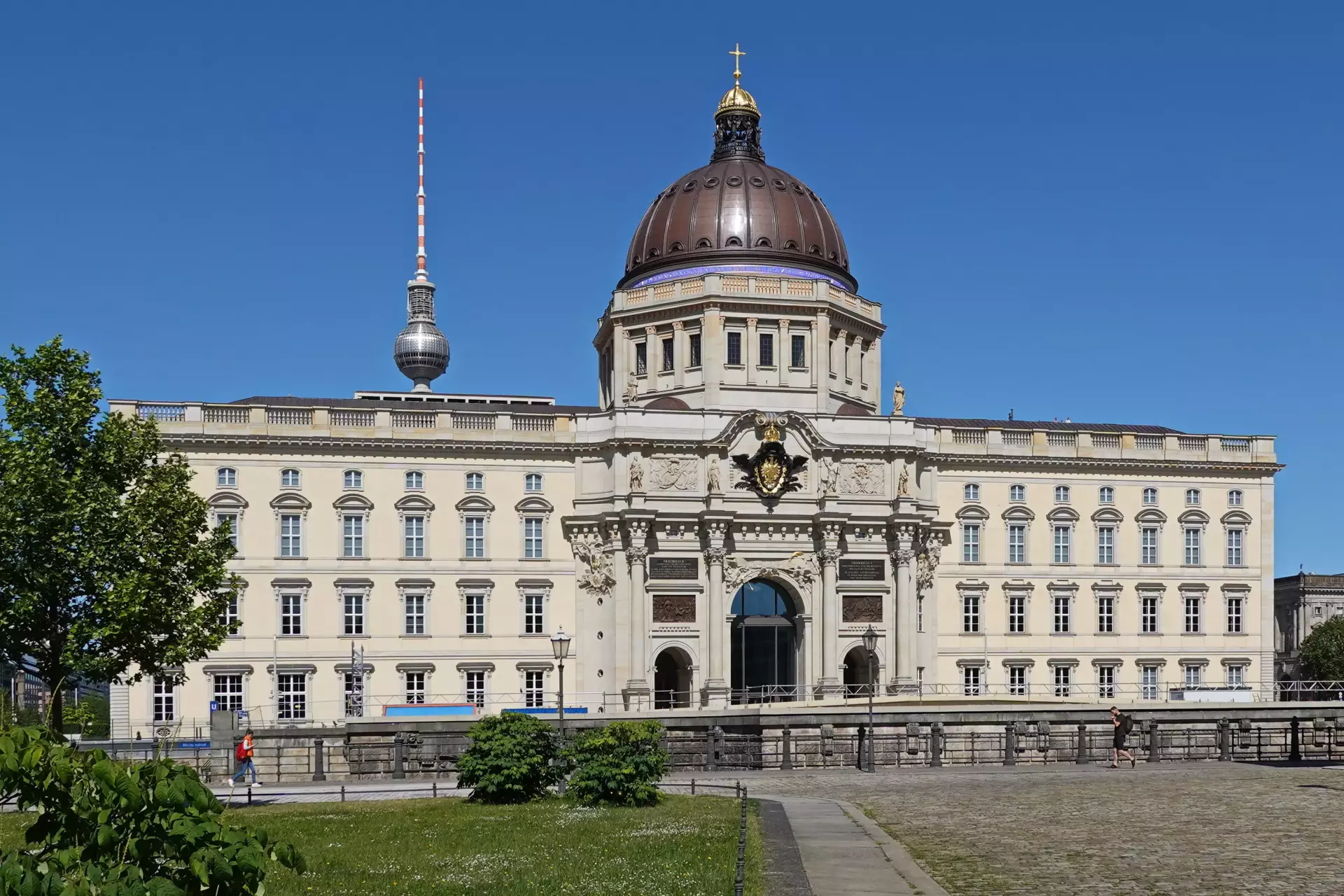
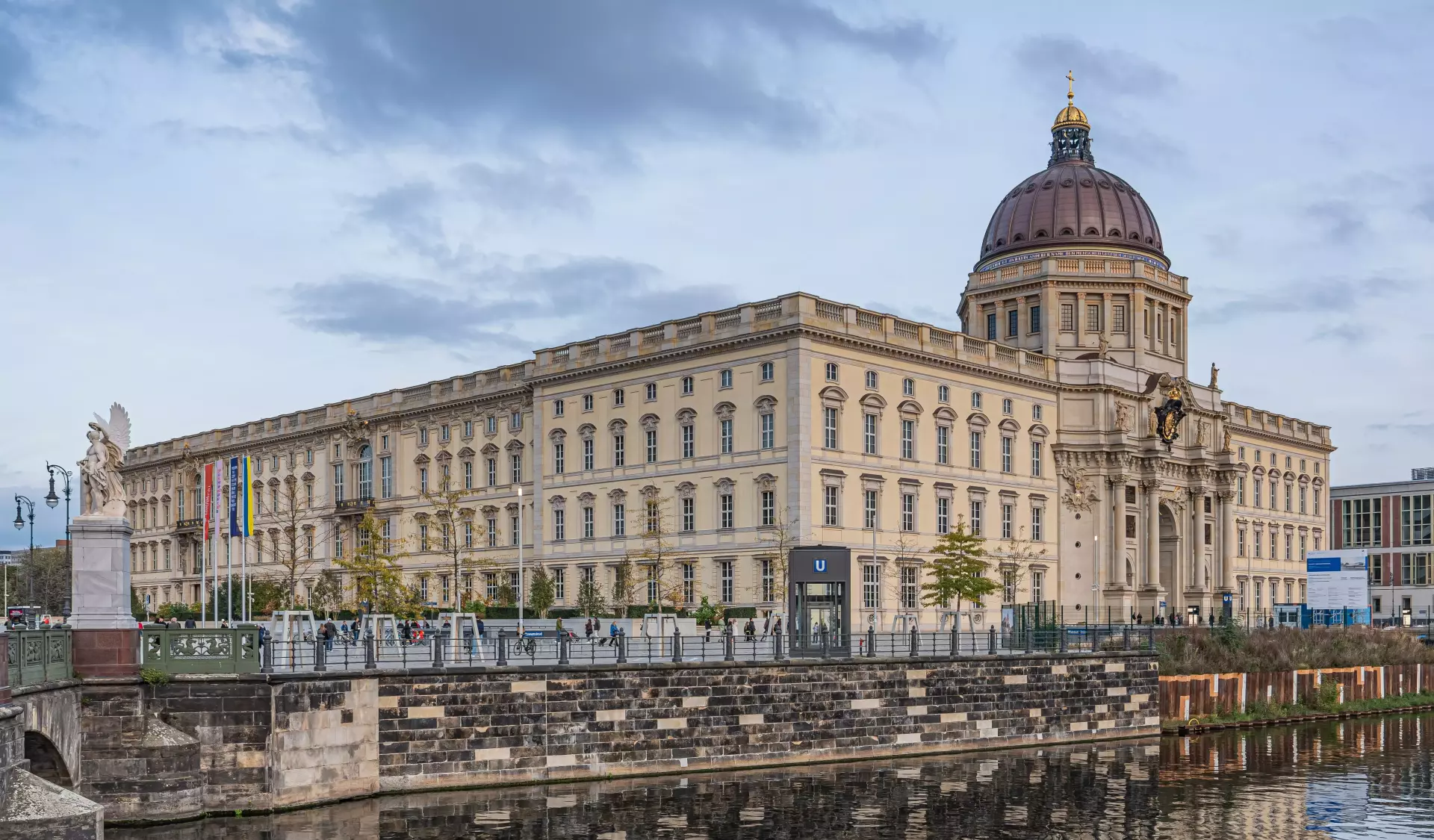
By the late 20th century, the Palast der Republik faced a different fate. Asbestos contamination and the end of its political role led to its gradual dismantling around the turn of the century. In June 2013, Berlin began building a new version of the historic Stadtschloss, recreating key baroque facades while combining them with modern architecture.
The Humboldt Forum today
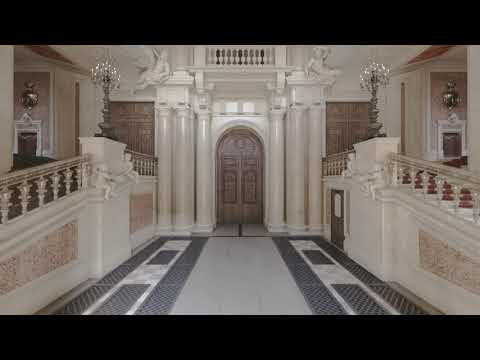
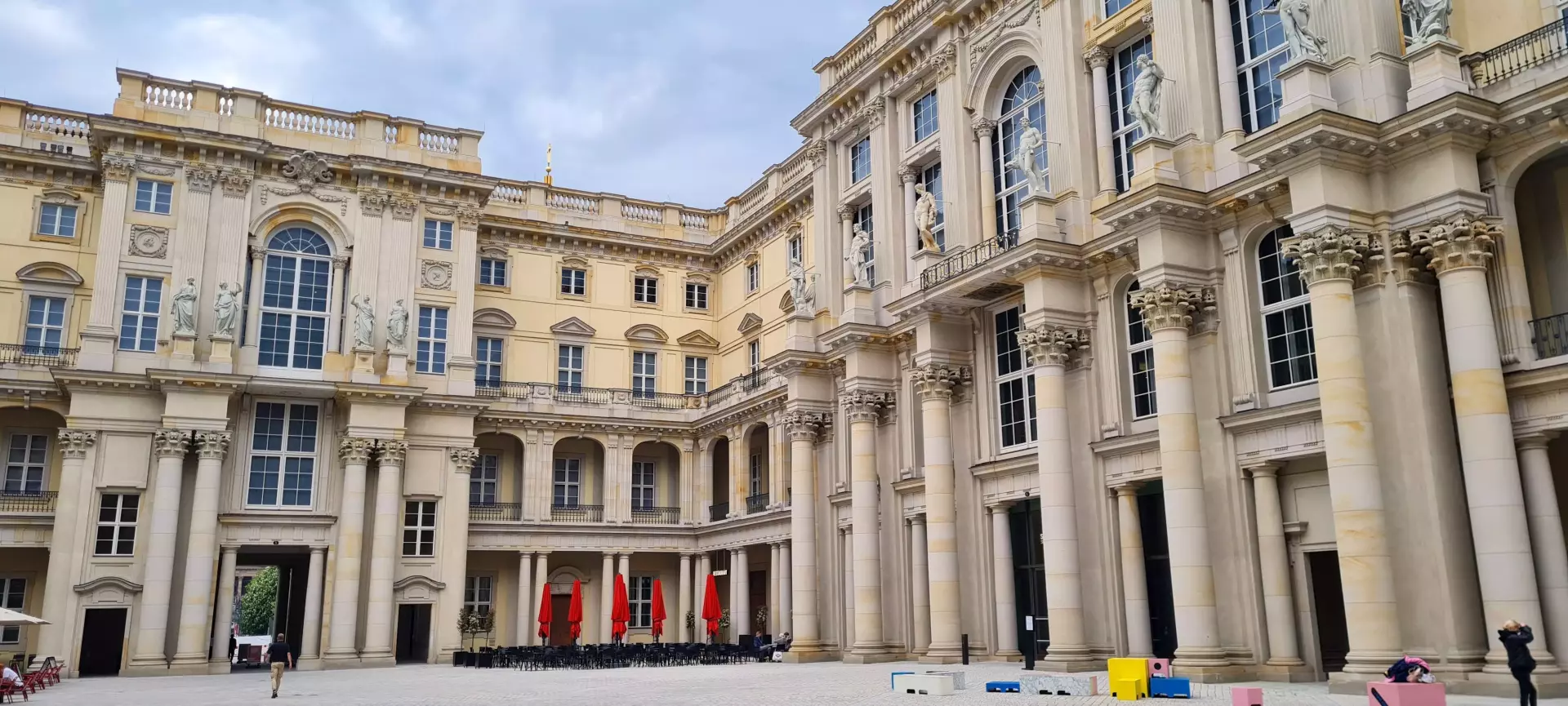
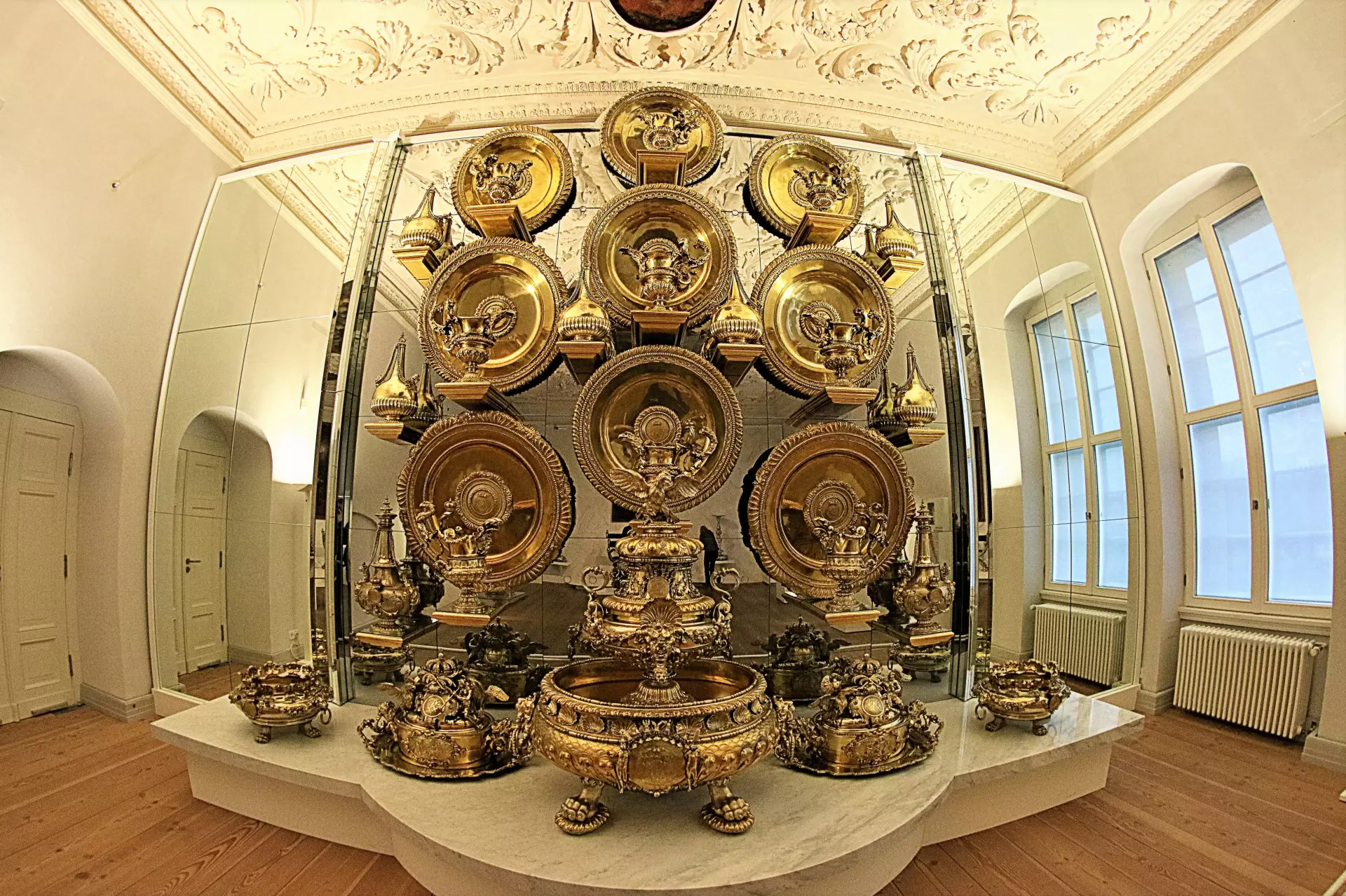
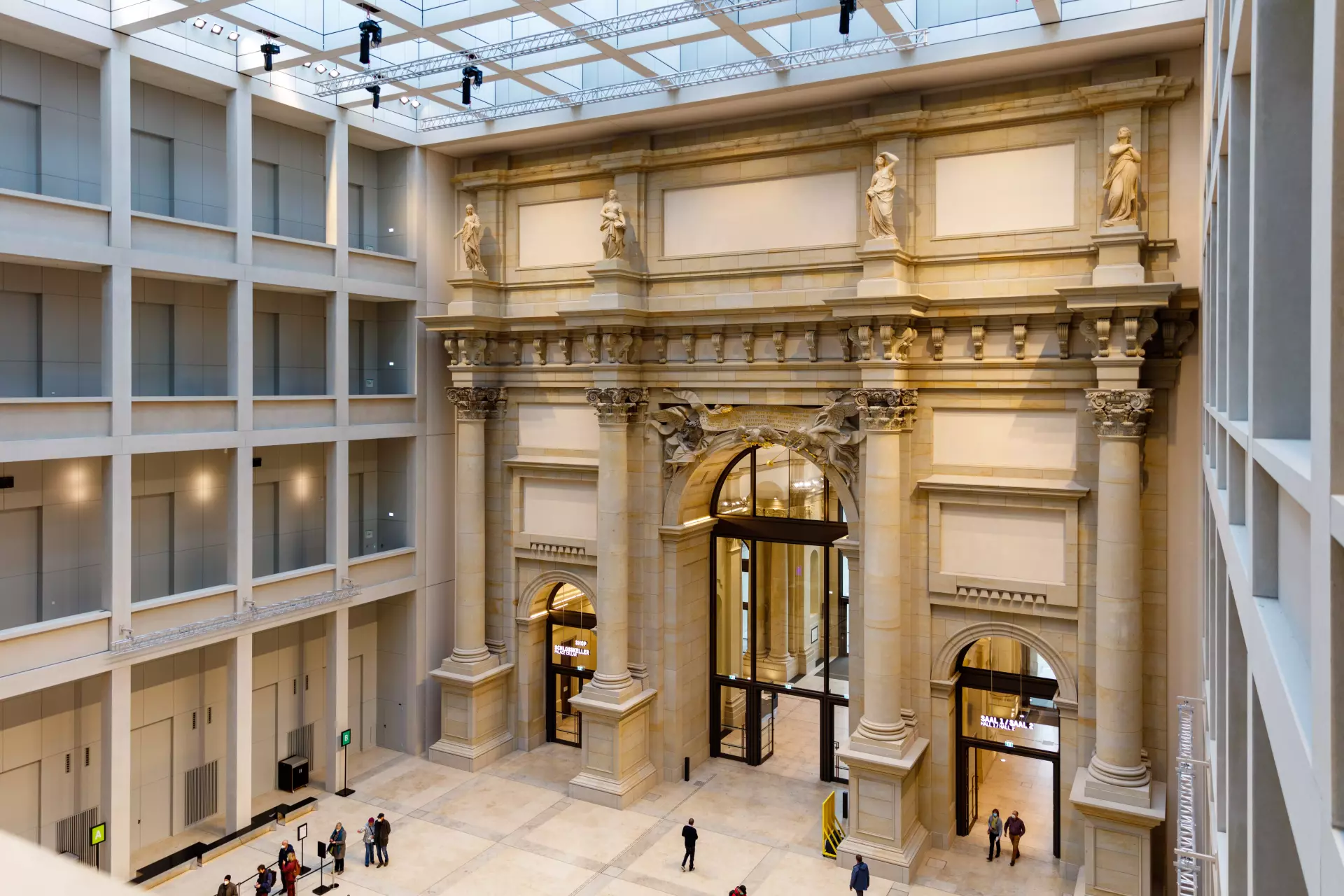
The project included the reconstruction of the Schlüterhof, an inner courtyard named after baroque architect Andreas Schlüter. After delays, the building opened in 2021 as the Humboldt Forum. Inside are museums, exhibitions, and cultural spaces. A roof terrace offers broad views over central Berlin.
Debate and difficult histories
The Humboldt Forum is one of Berlin’s most debated institutions. Rebuilding a royal palace has been read by some as a political gesture, and the provenance of many exhibits has drawn scrutiny. A number of objects were acquired during the colonial era under ethically problematic conditions, prompting calls for restitution and the return of items to their places of origin.
Source - https://en.wikipedia.org/wiki/Berlin_PalaceVideo