



Arab Istanbul Mosque
Long before it became a mosque, this remarkable building in Istanbul was a Roman Catholic church. The story begins in 1325, when the Dominican friars constructed a large church over the site of a much earlier chapel dedicated to Saint Paul, known in Italian as San Paolo, which had been established in 1233. The Dominican Friar Guillaume Bernard de Sévérac played a key role in this development. In 1299, he purchased a house near the chapel and started a monastery with twelve fellow friars. The need for a larger place of worship soon became apparent, leading to the construction of a new church, officially named San Domenico, on or near the original chapel site.
Transformation After the Fall of Constantinople
The fate of the church changed dramatically after the Fall of Constantinople in 1453. As part of the agreements known as the Capitulations between the Ottoman Empire and the Republic of Genoa, the church, called Mesa Domenico by the Turks, initially stayed in Genoese hands. However, between 1475 and 1478, Sultan Mehmed II ordered its conversion into a mosque. Only minor architectural changes were made, and the building became known as Galata Camii, or “Galata Mosque,” and sometimes as Cami-i Kebir, meaning “Great Mosque.”
A New Purpose and a New Name
At the end of the 15th century, Sultan Bayezid II gave the building to Muslim refugees from Spain, who had fled the Spanish Inquisition and found safety in Istanbul. This connection to the Andalusian Muslims led to its current name: Arap Camii, or “Arab Mosque.” Today, it is the largest mosque on the Galata side of the Golden Horn.
Architectural Legacy
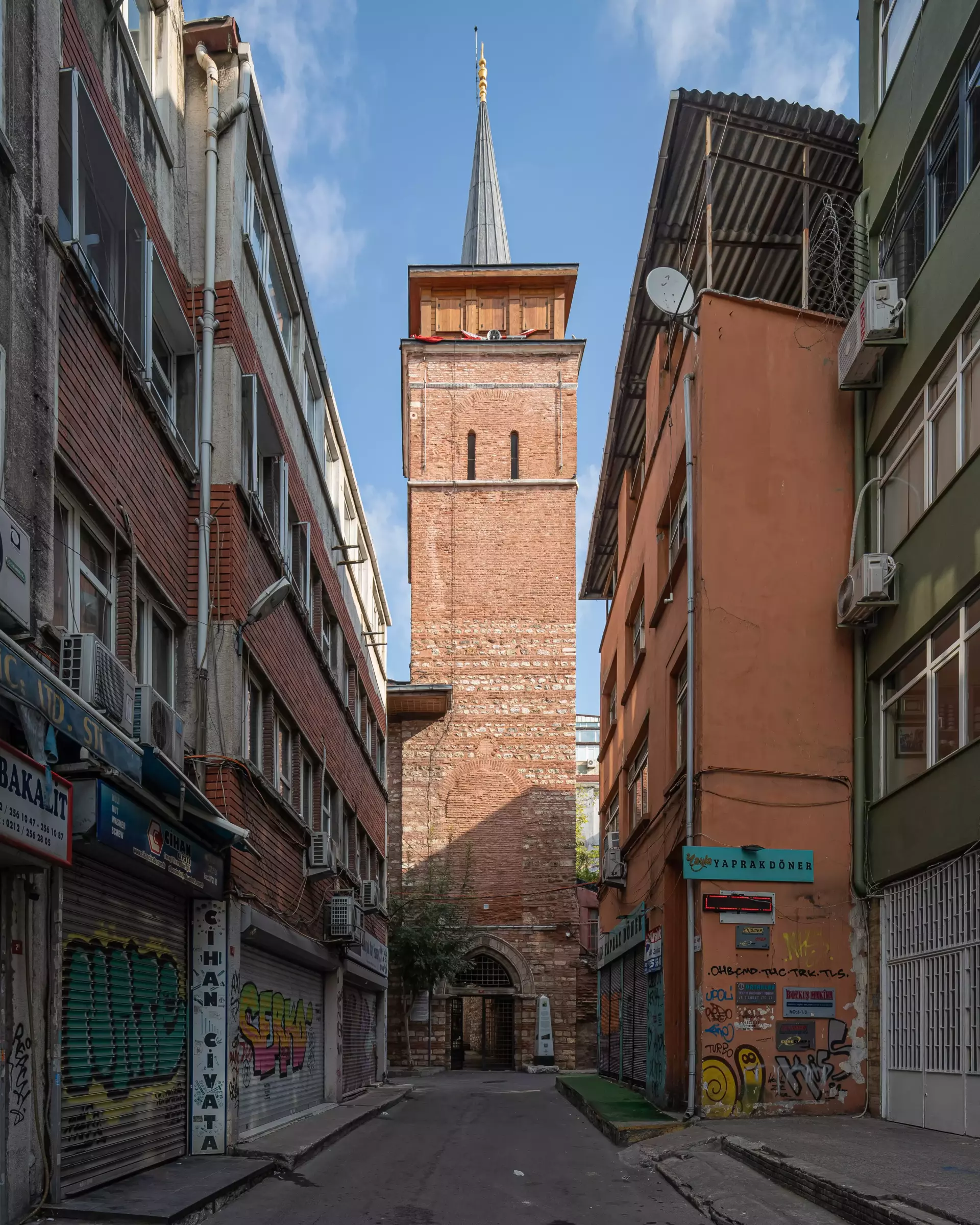
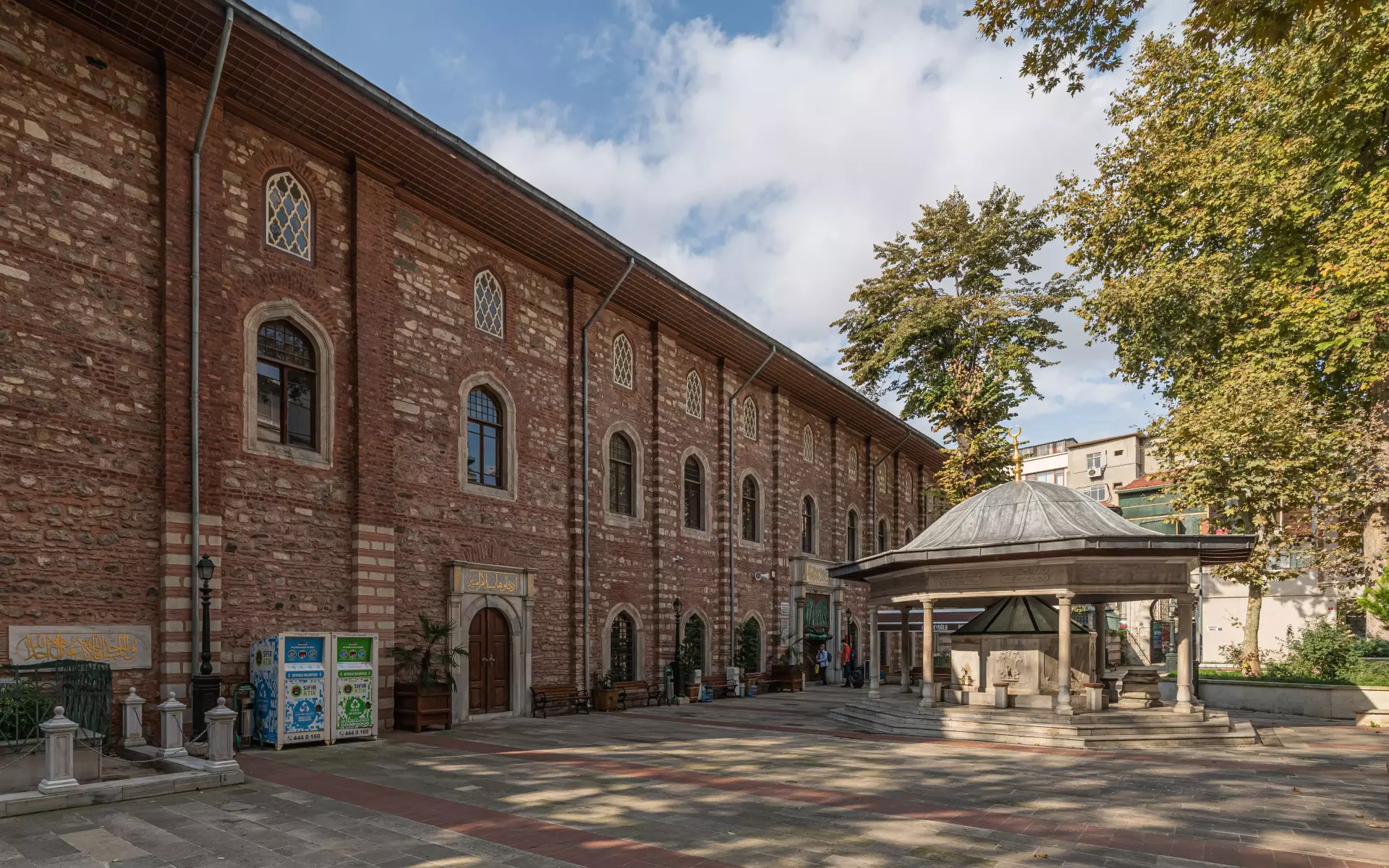
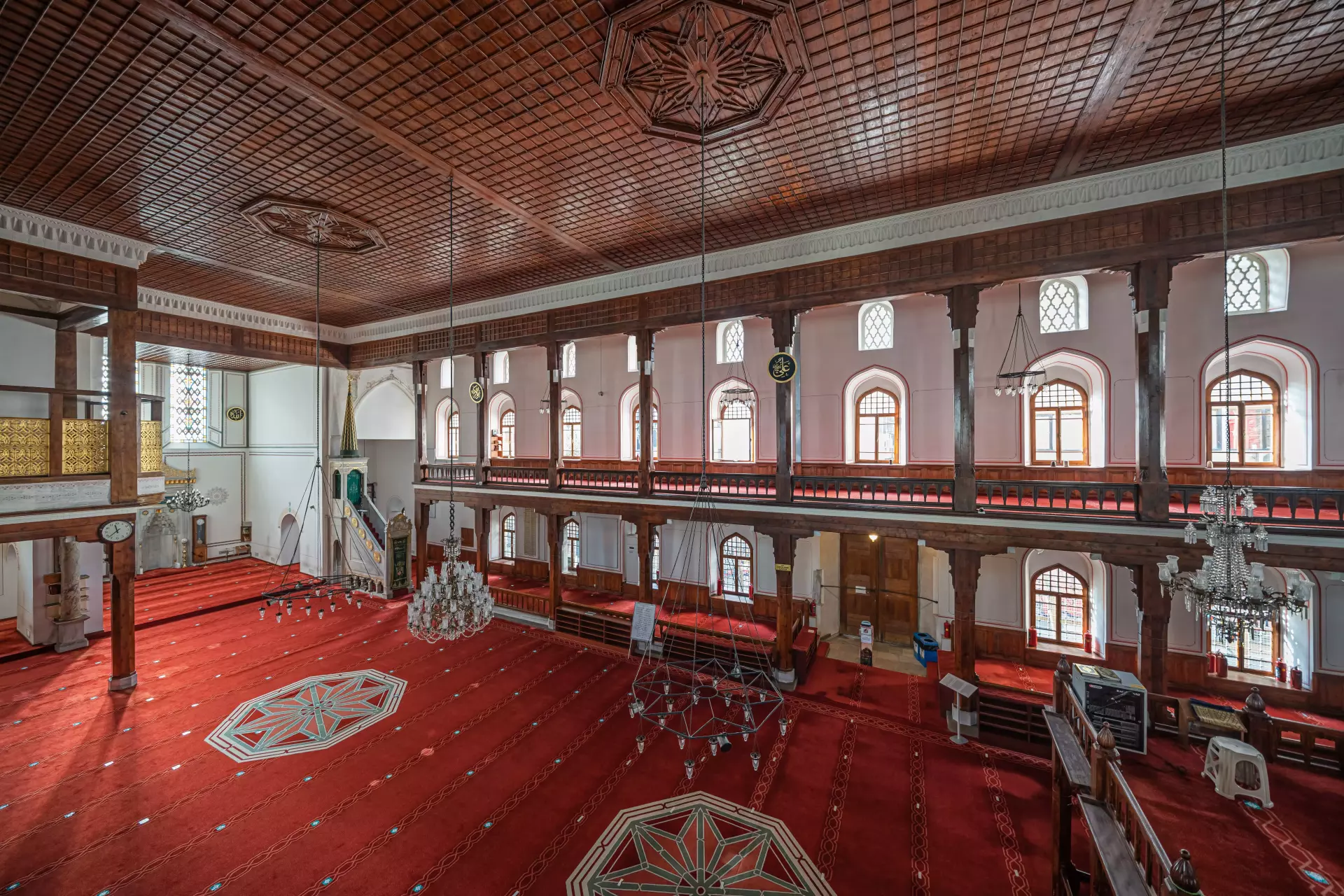
Arap Camii stands out in Istanbul’s cityscape, not only for its size but also for its unique blend of cultures and styles. The mosque’s early Italian Gothic architecture sets it apart from other Ottoman mosques, and its church belfry, converted into a minaret, remains almost unchanged. The building’s long history and distinctive design make it one of the city’s most fascinating religious landmarks.
Source - https://en.wikipedia.org/wiki/Arap_Mosque