



Aynalıkavak Palace
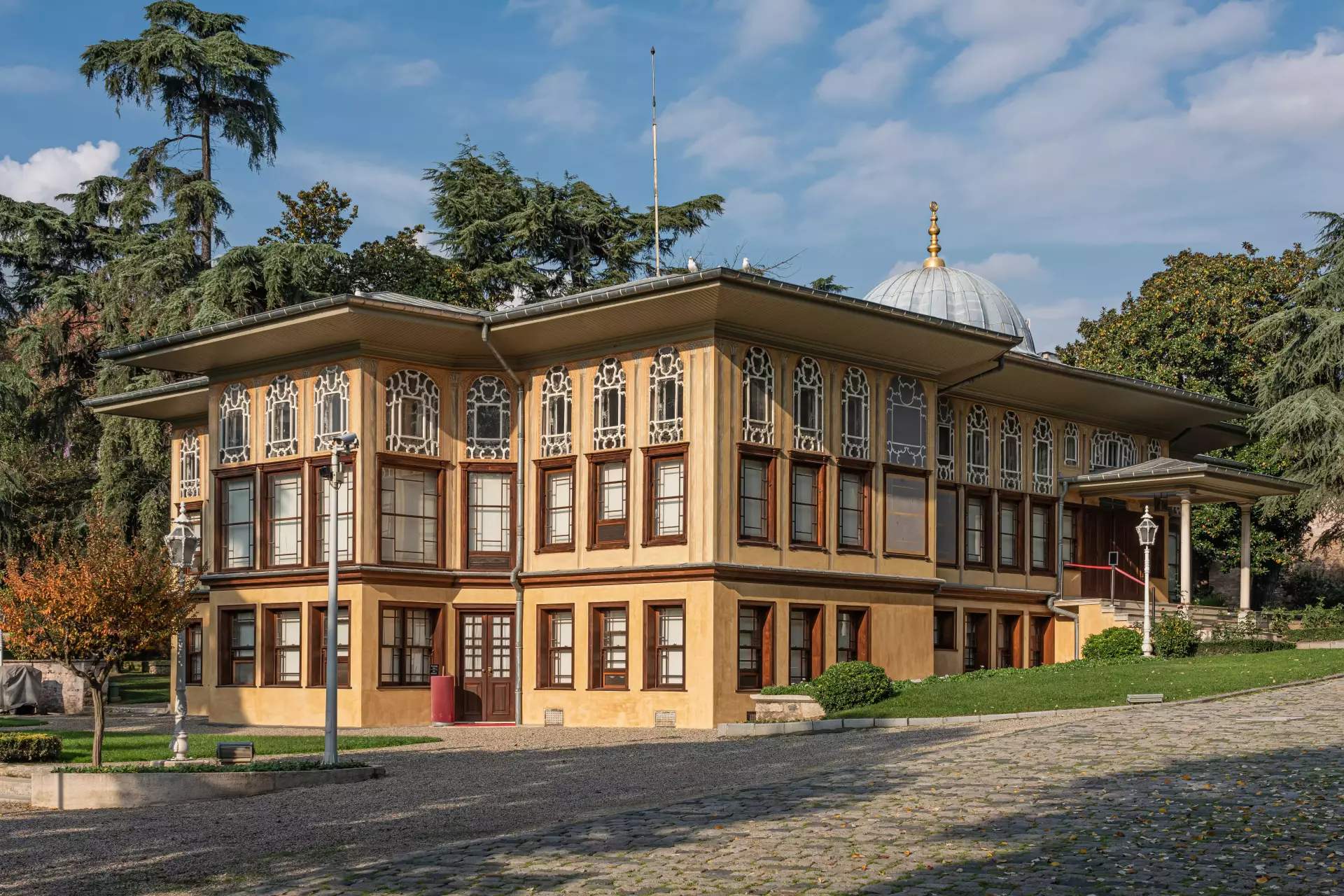
Aynalıkavak Palace stands as a remarkable piece of Istanbul’s royal history. Construction began in 1613 under Sultan Ahmet I, the same sultan who ordered the building of the famous Blue Mosque. Over the centuries, the palace saw significant changes, especially during the reign of Selim III, a ruler known for his love of art and architecture. The building visitors see today is the only structure that has survived from the era of Ahmet III, making it a rare example of Ottoman palace architecture from that time.
Once a Vast Palace Complex
In its heyday, Aynalıkavak was not just a single building but the fourth largest palace complex in Istanbul. It stretched all the way to the banks of the Golden Horn. Today, only this main palace building remains, set within a peaceful garden filled with pools, old cedar trees, and magnolias. The view toward the shore is partly blocked by old, unused buildings from a closed shipyard, which now occupy much of the original grounds.
The Origin of the Name
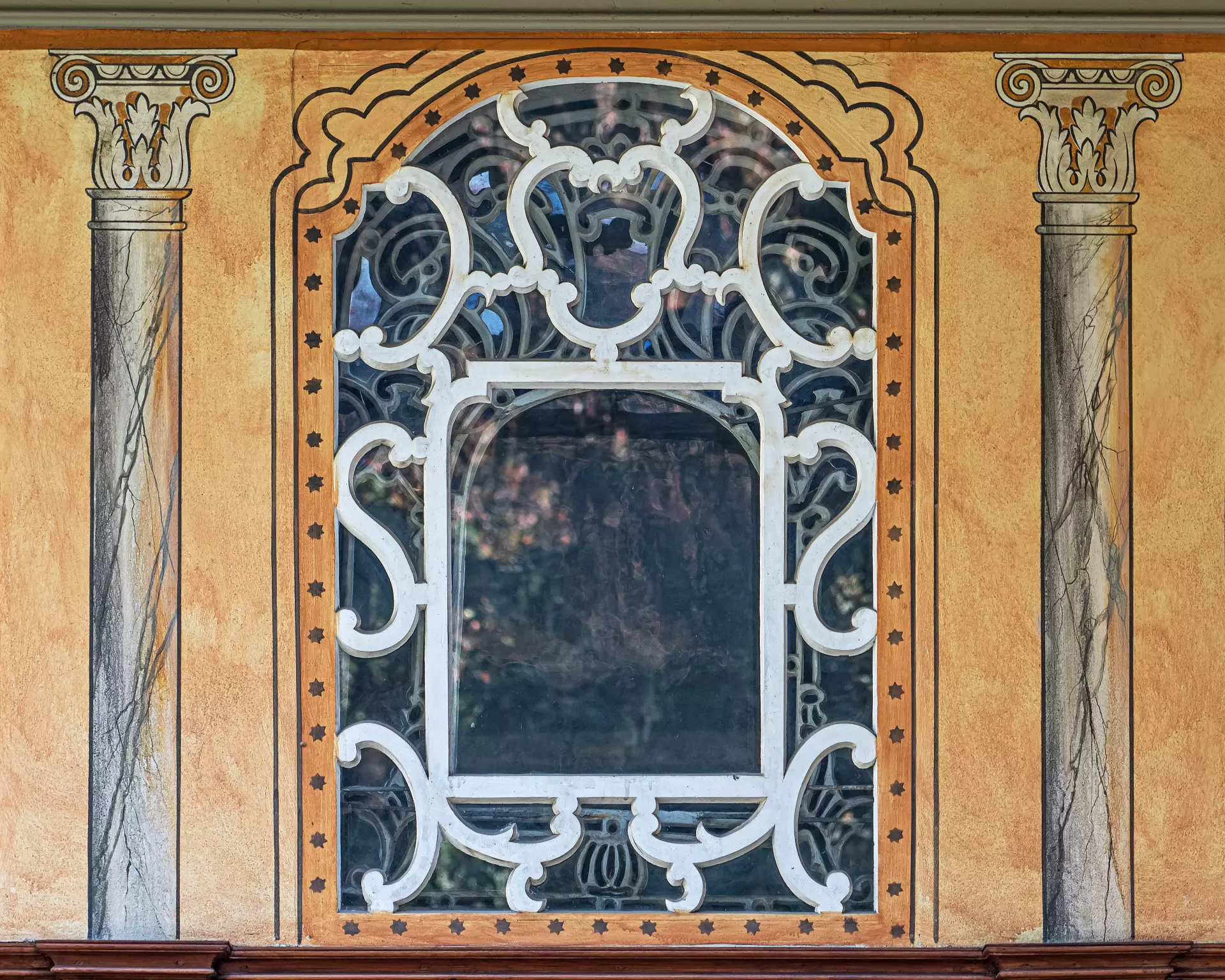
The name “Aynalıkavak” has an interesting backstory. In Turkish, it means “mirrored poplar.” According to local stories, the name comes from a set of tall mirrors once given to the palace by the Venetians. These mirrors, now lost, were said to be as tall as poplar trees, leading to the palace’s memorable name.
Inside the Palace
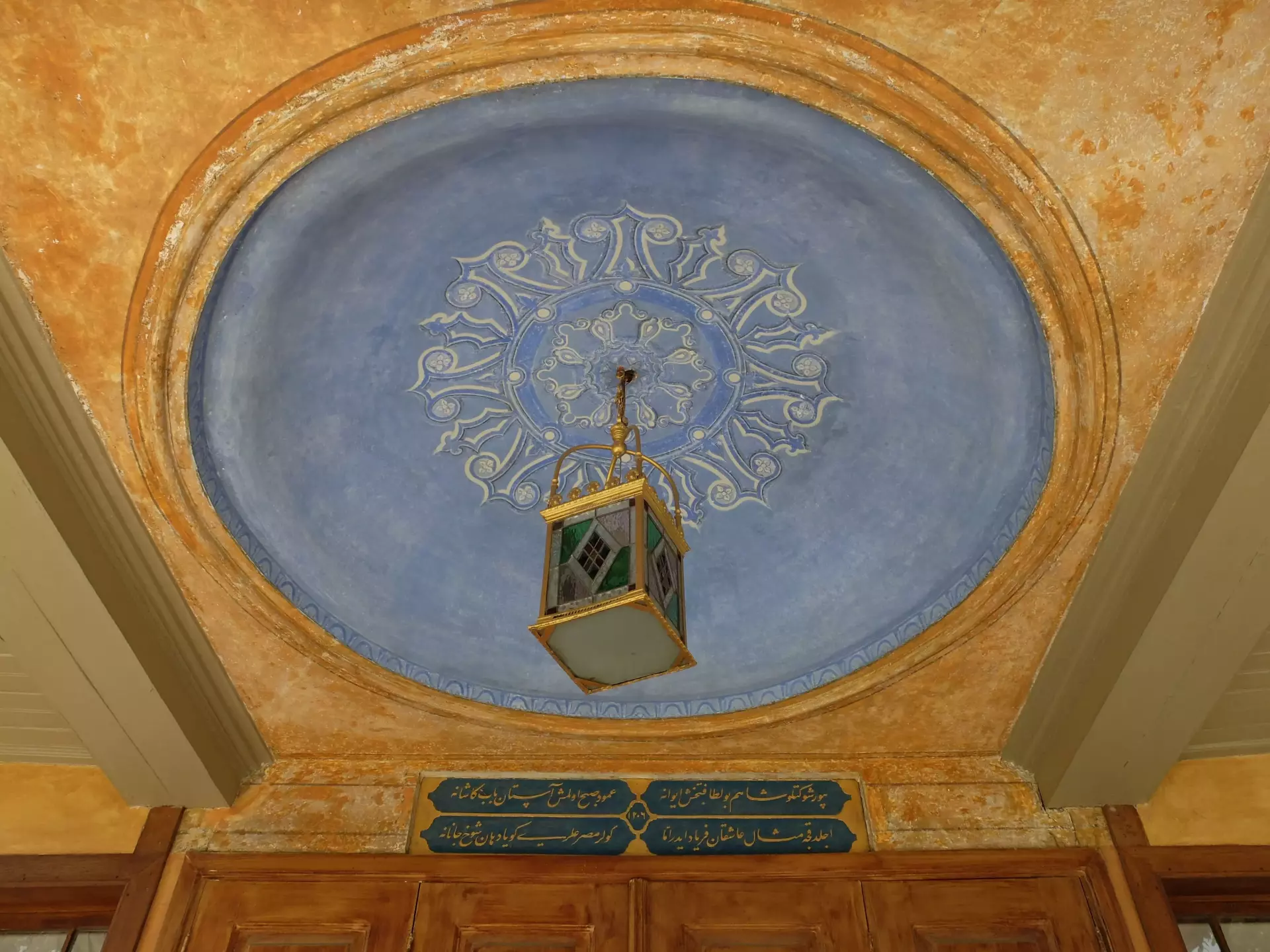
Stepping inside, visitors find a rich and colorful interior. Several rooms are decorated with original furniture suitable for a sultan. Some of these pieces are covered in shimmering nacre (mother-of-pearl). The walls are adorned with Ottoman poetry, much of it written in praise of the palace and Sultan Selim III himself. The intricate designs and bright colors give a sense of the luxury once enjoyed here.
A Glimpse into Ottoman Music
On the lower floor, a small museum offers a journey into the musical past. This museum displays instruments such as violins, ouds, and kamanchehs, along with gramophone records that once belonged to Fatma Gevheri Sultana, the granddaughter of Sultan Abdülaziz I. These personal items provide a unique view of royal interests beyond politics and power.
Exploring the Grounds
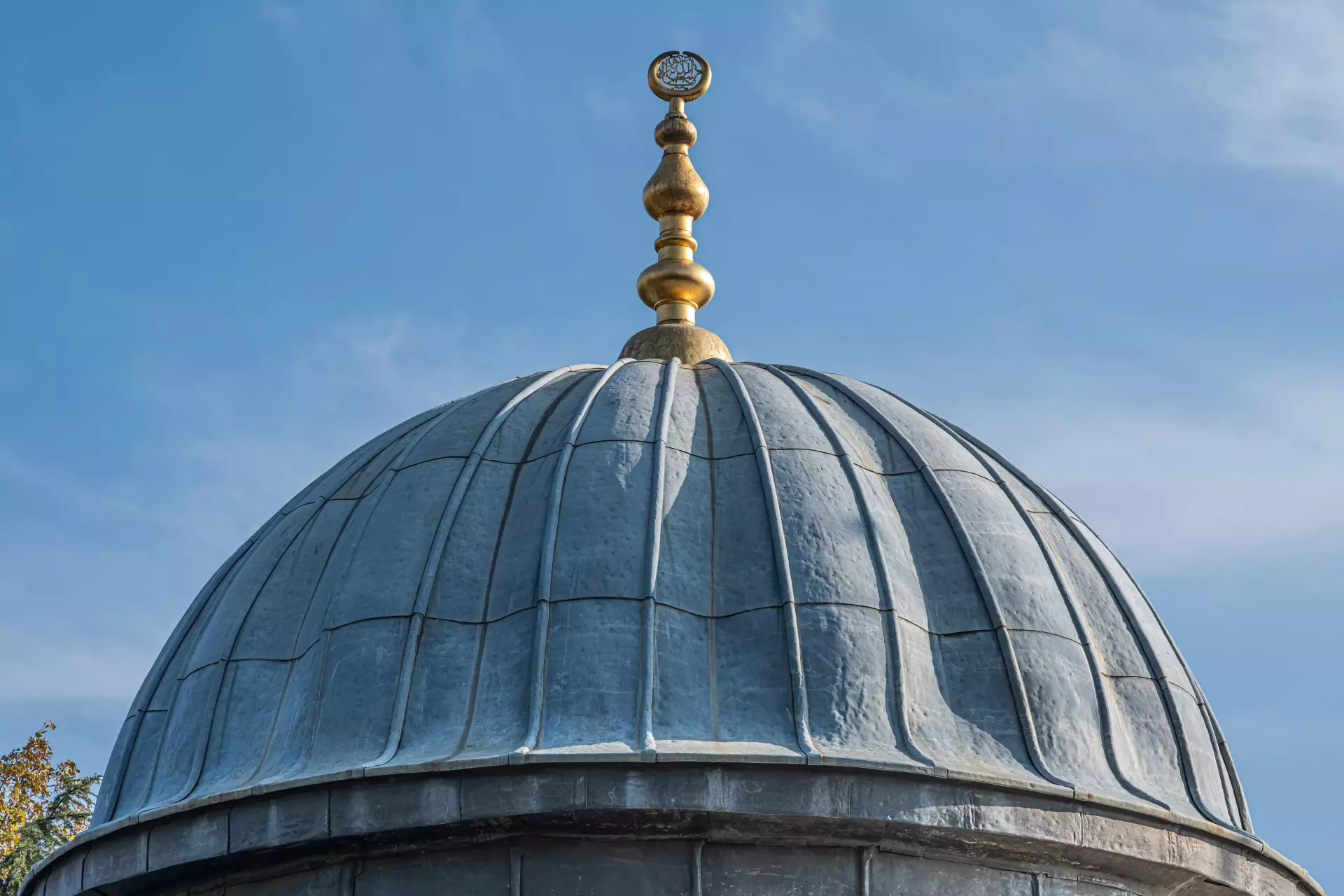
Outside, visitors may notice the old main entrance facing the Golden Horn, now closed but still topped by an impressive dome. This entrance once welcomed important guests and adds another layer to the palace's long and varied history.
Source - https://en.wikipedia.org/wiki/Aynal%C4%B1kavak_Pavilion