
Search ×
Home Istanbul
Basilica Cistern
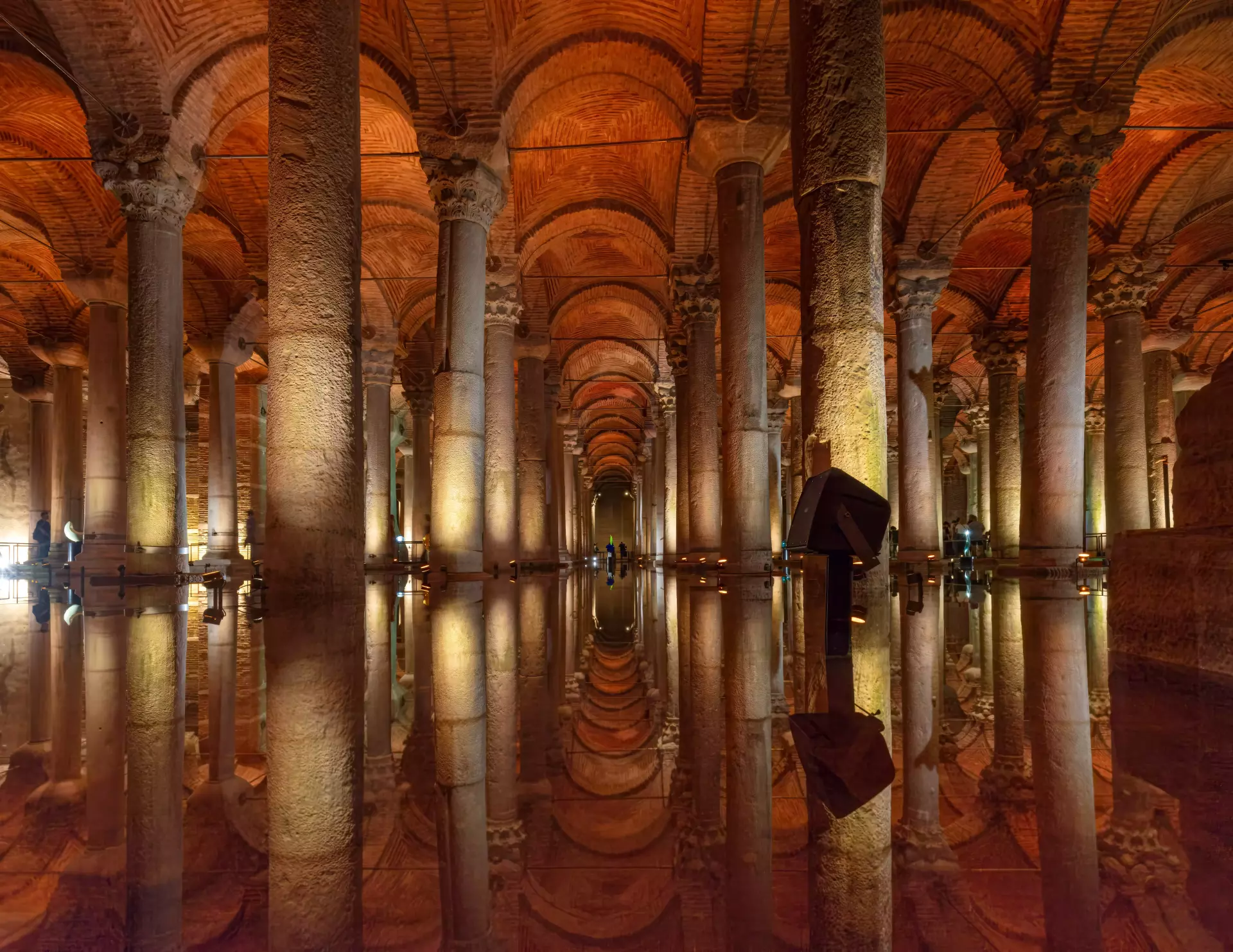
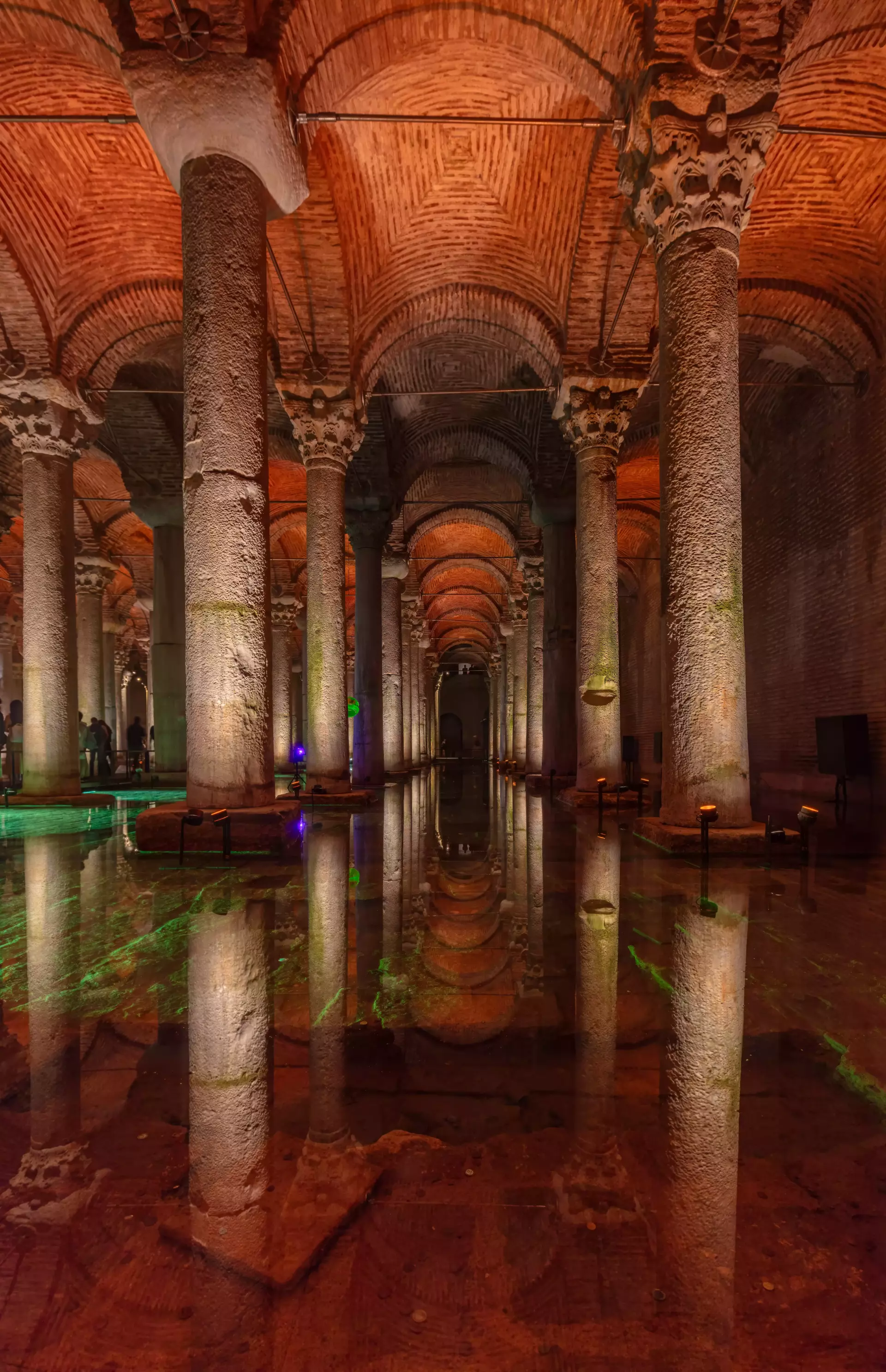
English:  Basilica Cistern, Istanbul, Turkey
English:  View of the Basilica Cistern, Istanbul, Turkey. The Basilica Cistern, or Cisterna Basilica is the largest of several hundred ancient cisterns that lie beneath the city. This subterranean cistern was called Basilica because it was located under a large public square, the Stoa Basilica, on the First Hill of Constantinople. The cistern, built in the 6th century during the reign of Byzantine emperor Justinian I, provided a water filtration system for the Great Palace of Constantinople and other buildings on the First Hill, and continued to provide water to the Topkapı Palace after the Ottoman conquest in 1453 and into modern times. Today it is kept with little water, for public access inside the space.العربية:  منظر ل Basilica Cistern، اسطنبول، تركيا. يعد Basilica Cistern أو Cisterna Basilica الأكبر من بين عدة مئات من الصهاريج القديمة التي تقع أسفل المدينة. سُميت هذه الصهريج الجوفية باسم بازيليكا لأنها كانت تقع تحت ساحة عامة كبيرة، تُسمى بازيليكا ستوا، على التلال السبعة لإسطنبول|التل الأول للقسطنطينية]]. تم بناء الصهريج في القرن السادس في عهد الإمبراطور جستنيان الأول، وقد وفر نظام تنقية المياه لقصر القسطنطينية الكبير والمباني الأخرى على التل الأول، واستمر في توفير المياه. المياه إلى قصر توبكابي بعد الفتح العثماني عام 1453 وحتى العصر الحديث. اليوم يتم الاحتفاظ به مع القليل من الماء، لوصول الجمهور داخل الفضاء.
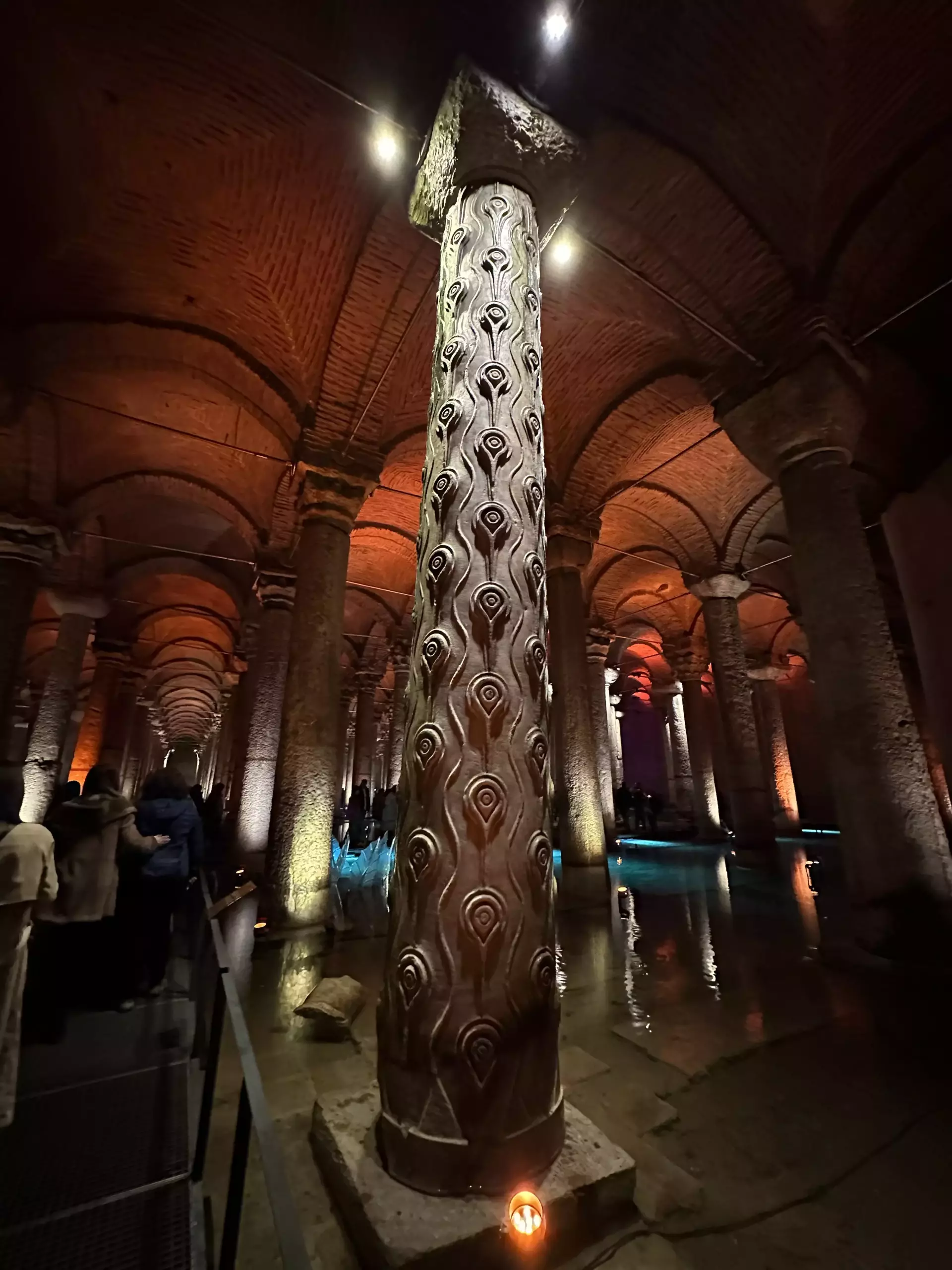
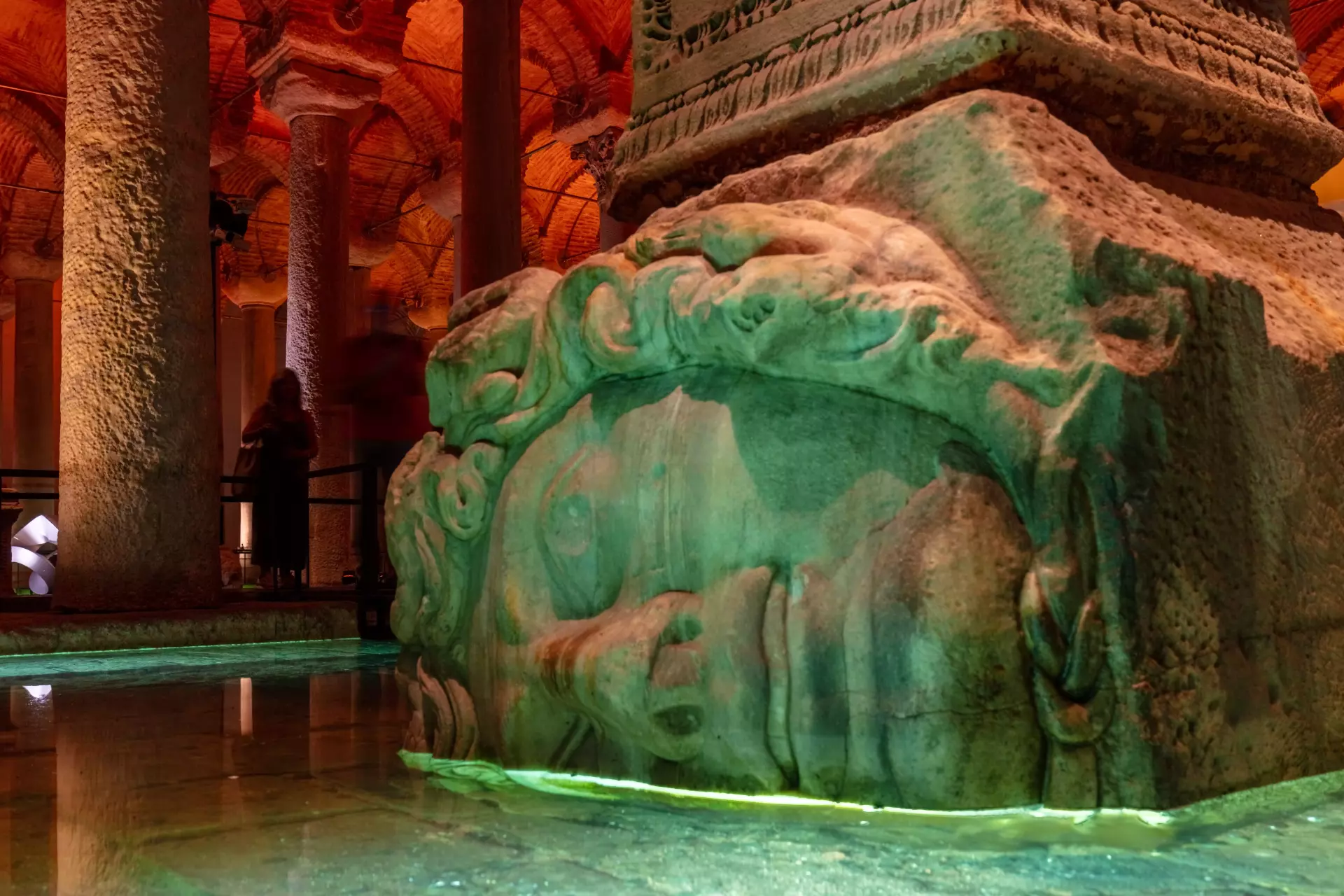
English:  Unique column at Basilica Cistern Istanbul
English:  Basilica Cistern Interior
English:  Basilica Cistern in Istanbul
English:  Basilica Cistern, Istanbul, Turkey
English:  Basilica Cistern

Basilica Cistern

Istanbul, Turkey

The Basilica Cistern is a remarkable underground structure, built in 532 by Emperor Justinian as a crucial water reservoir for the city. Among the many cisterns constructed during that era, this one stands out as the largest and most famous.

A Grand Underground Cathedral

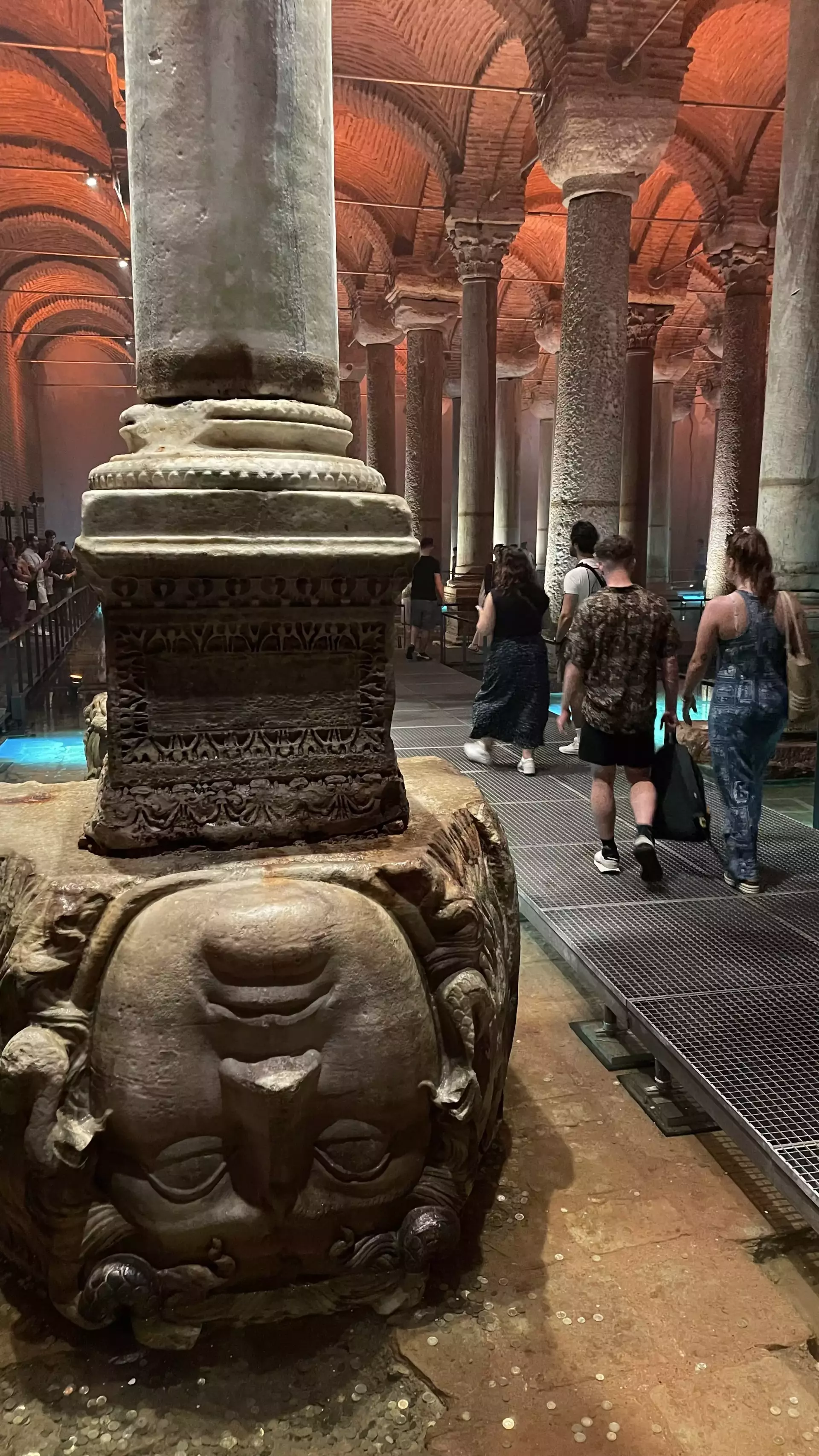
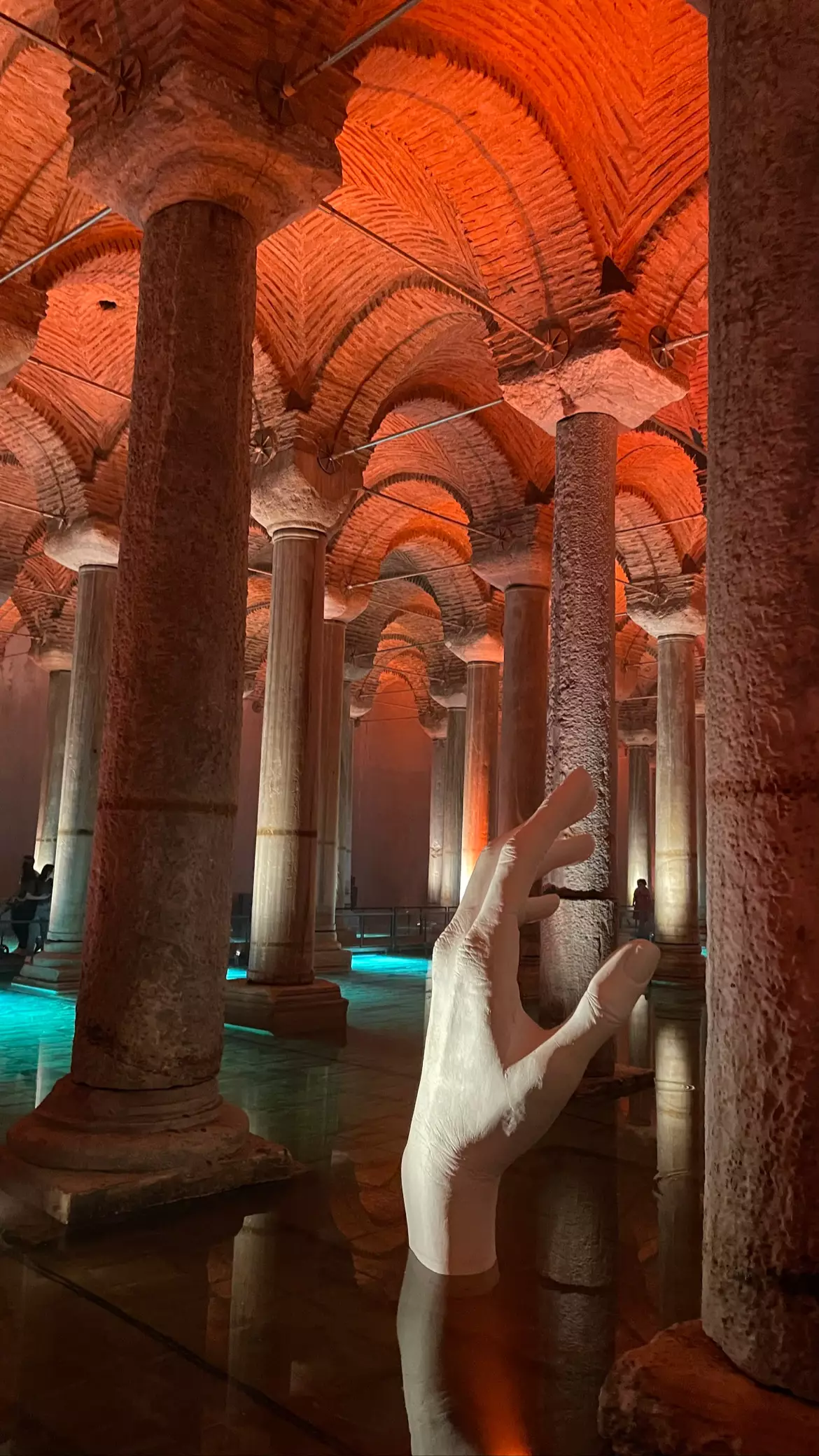
Stepping inside, visitors are met with a vast space that feels almost like a cathedral. The cistern boasts 336 columns, each richly decorated and rising from the water below. These columns create a forest of stone, and their design gives the place a mysterious and majestic atmosphere.

Modern-Day Experience

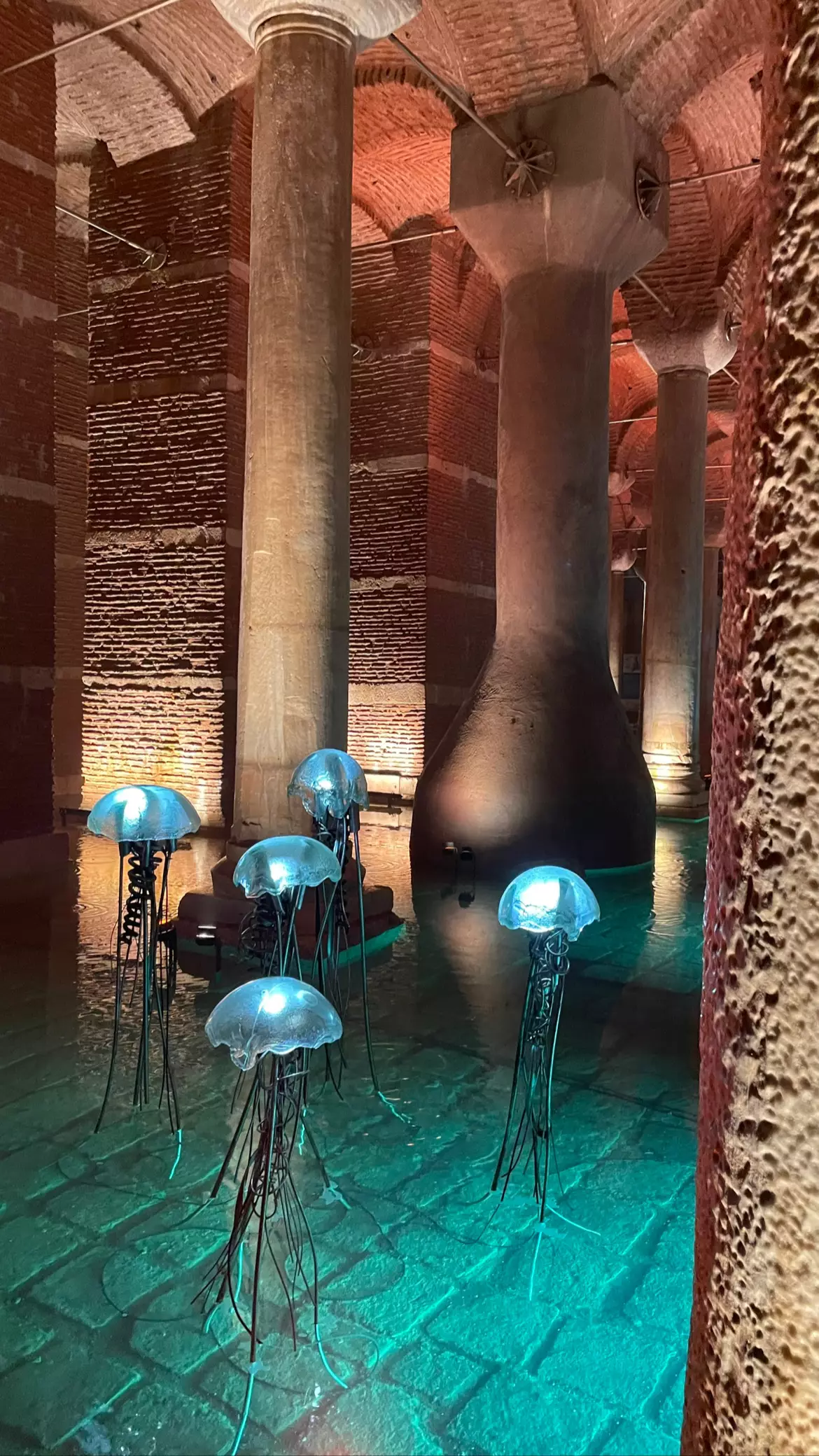
In the past, the cistern could be explored by gliding through the water in a small rowing boat. Today, rising visitor numbers and lower water levels have changed the experience. A boardwalk has been installed, allowing people to stroll through the cistern while enjoying dramatic lights, piped music, and even art installations. At times, the space transforms into a film location or hosts unique concerts, adding to its modern cultural role.

The Effects of Popularity

While the cistern remains an impressive sight, large crowds are now a common feature. This popularity can sometimes lessen the tranquil atmosphere that once prevailed. For those seeking a quieter exploration, lesser-known cisterns in the city might offer a more peaceful alternative.

Source - https://en.wikipedia.org/wiki/Basilica_Cistern

Developed by Reflex.com.ua
Contacts
  • info@reflex.com.ua
Social media