
Search ×
Home Istanbul
Bulgarian St. Stephen Church
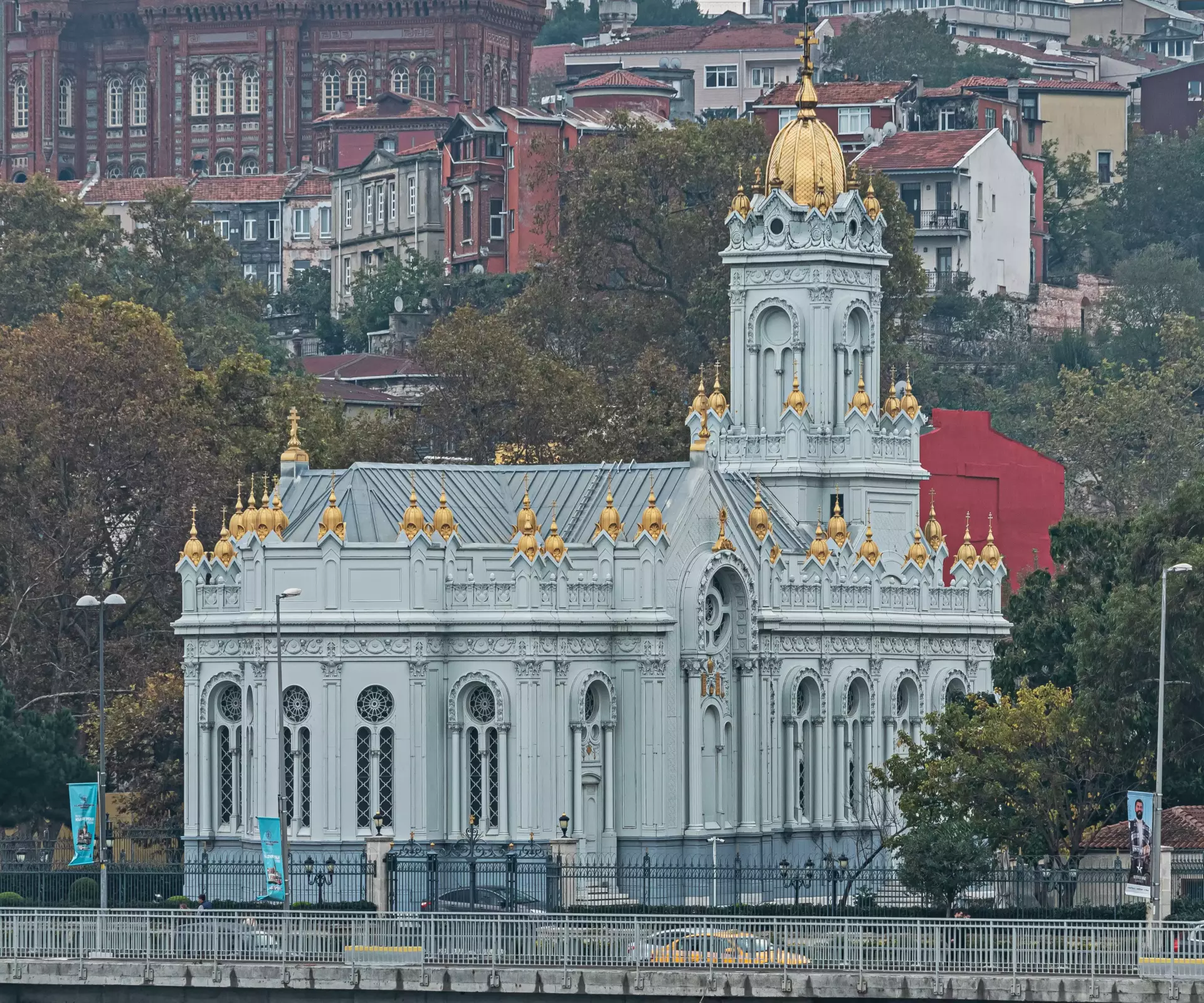
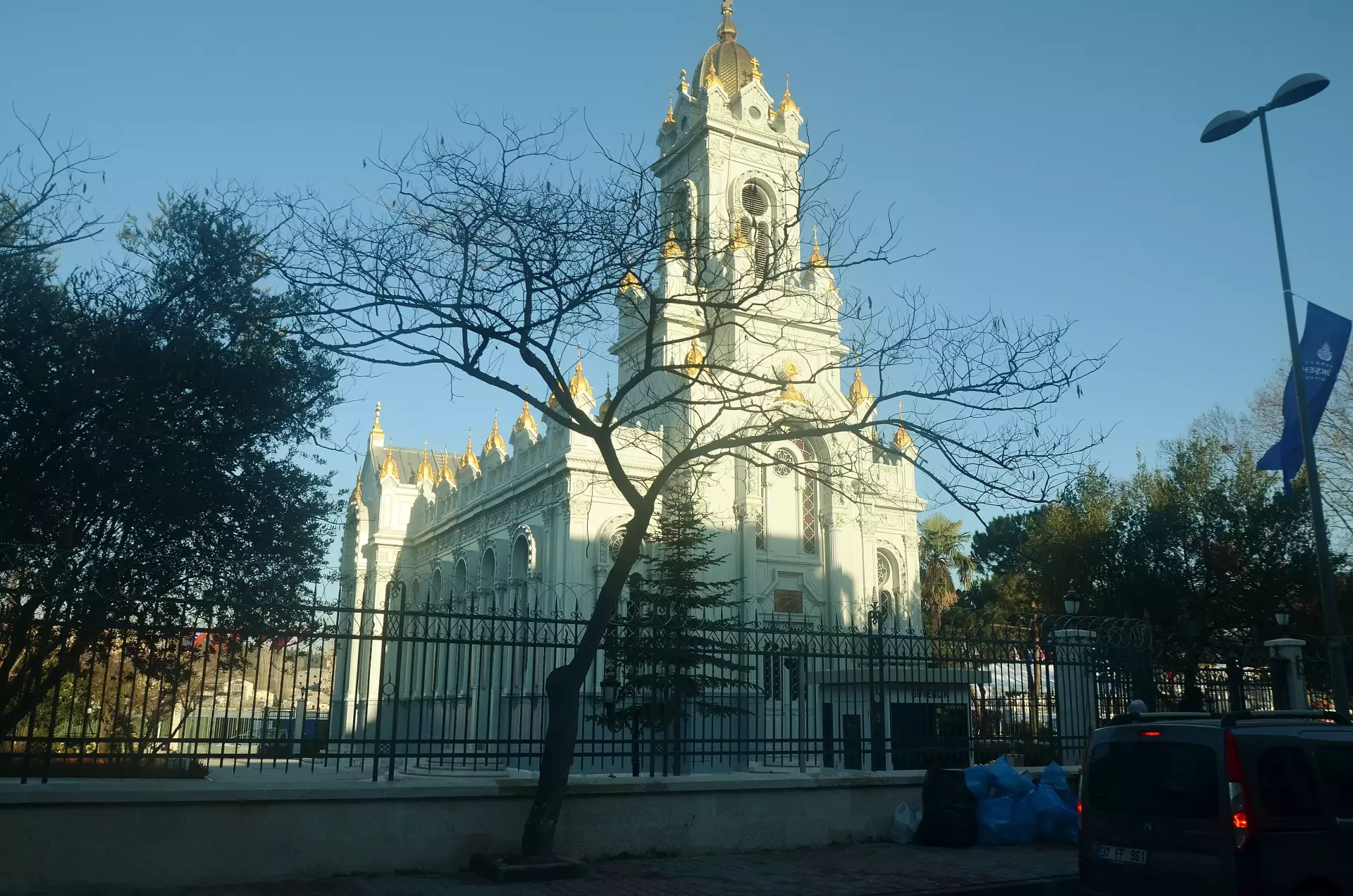
Bulgarian church of St. Stephen in Istanbul, Turkey
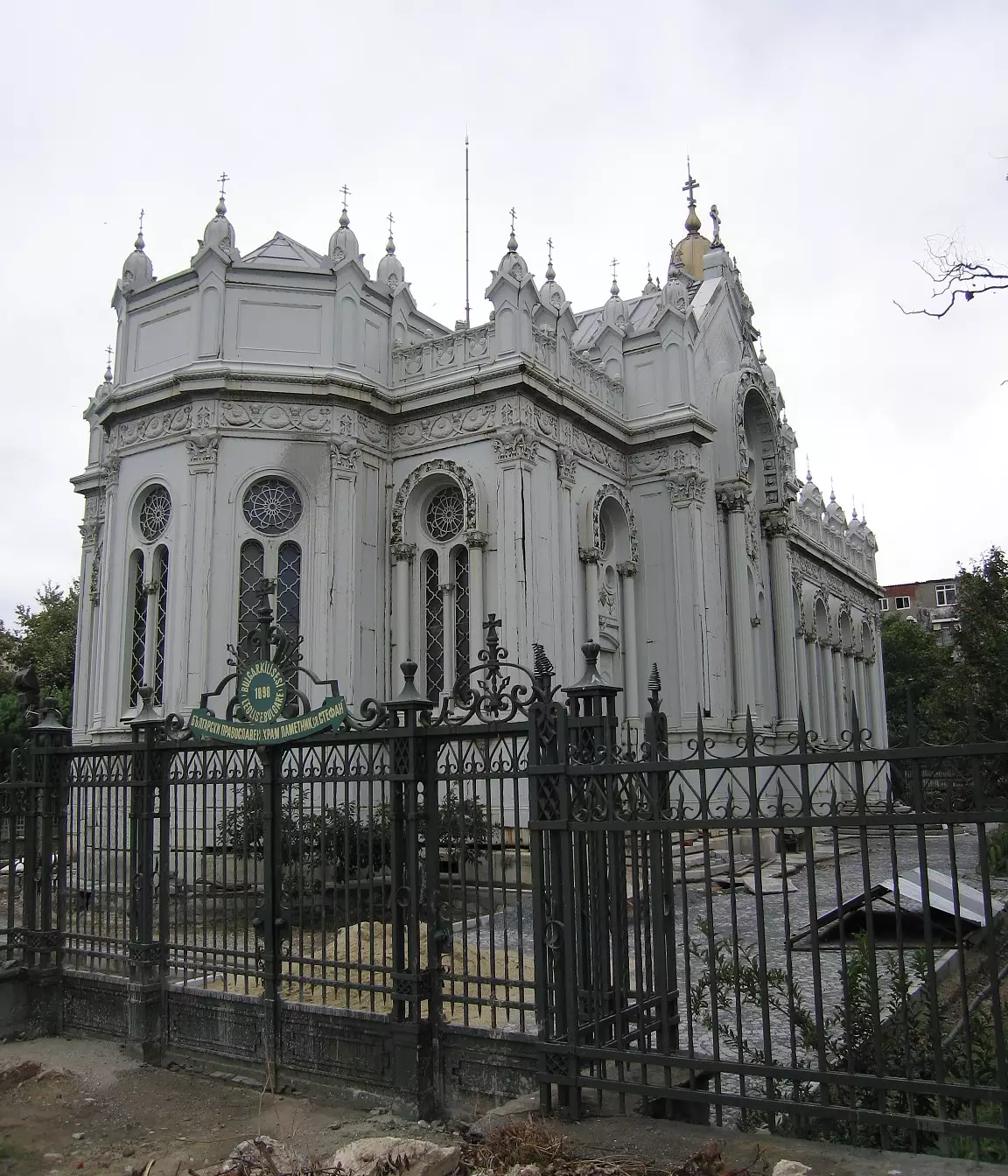
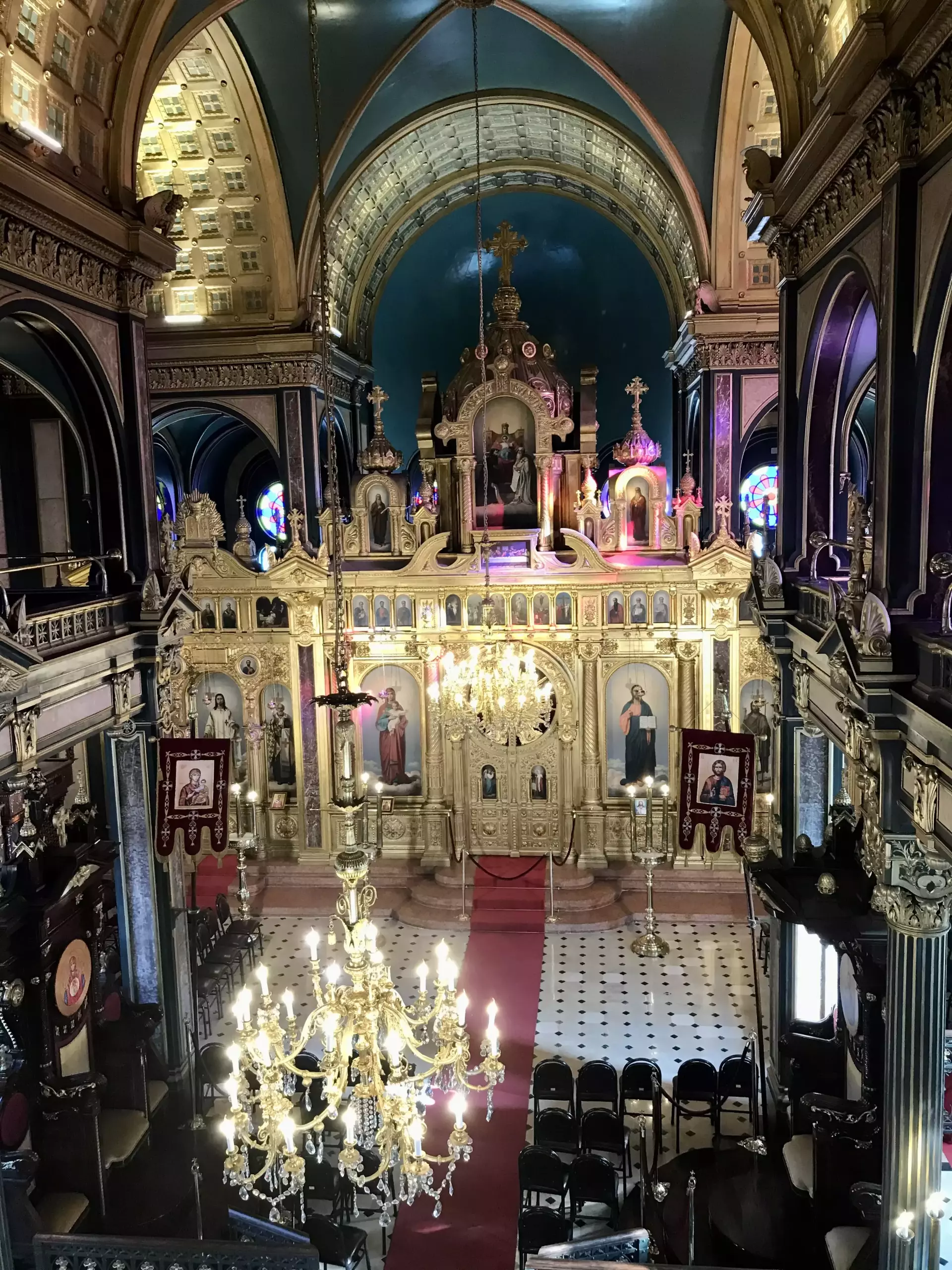
Sveti Stefan Church, also known as the Iron Church, in the Fener neighborhood of Fatih, Istanbul, Turkey, on the day of inauguration after seven years of restoration financed by the Metropolitan Municipality of Istanbul.
Stephen of the Bulgars seen from the southwest.
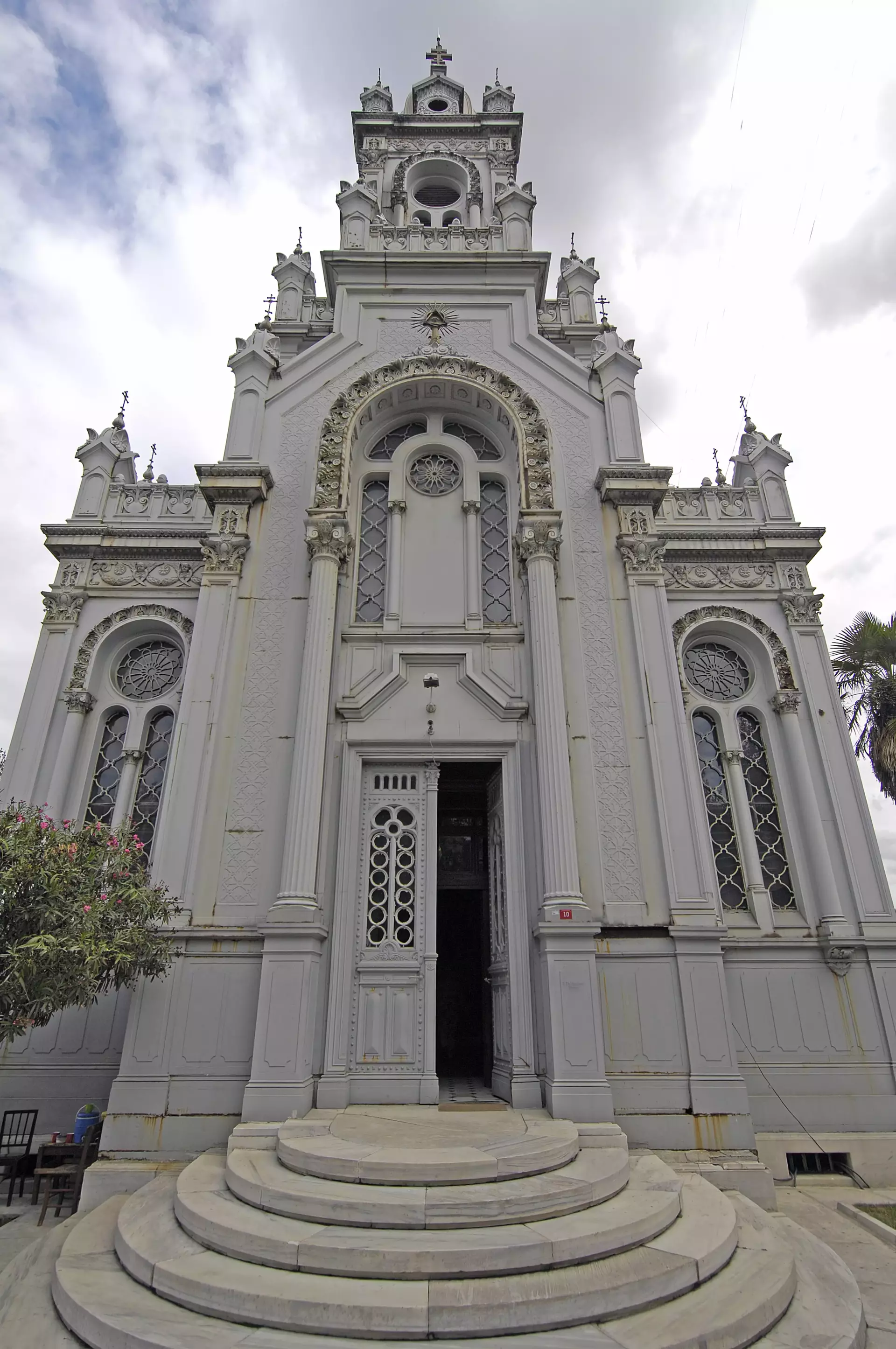
Istanbul Stephen of the Bulgars front.
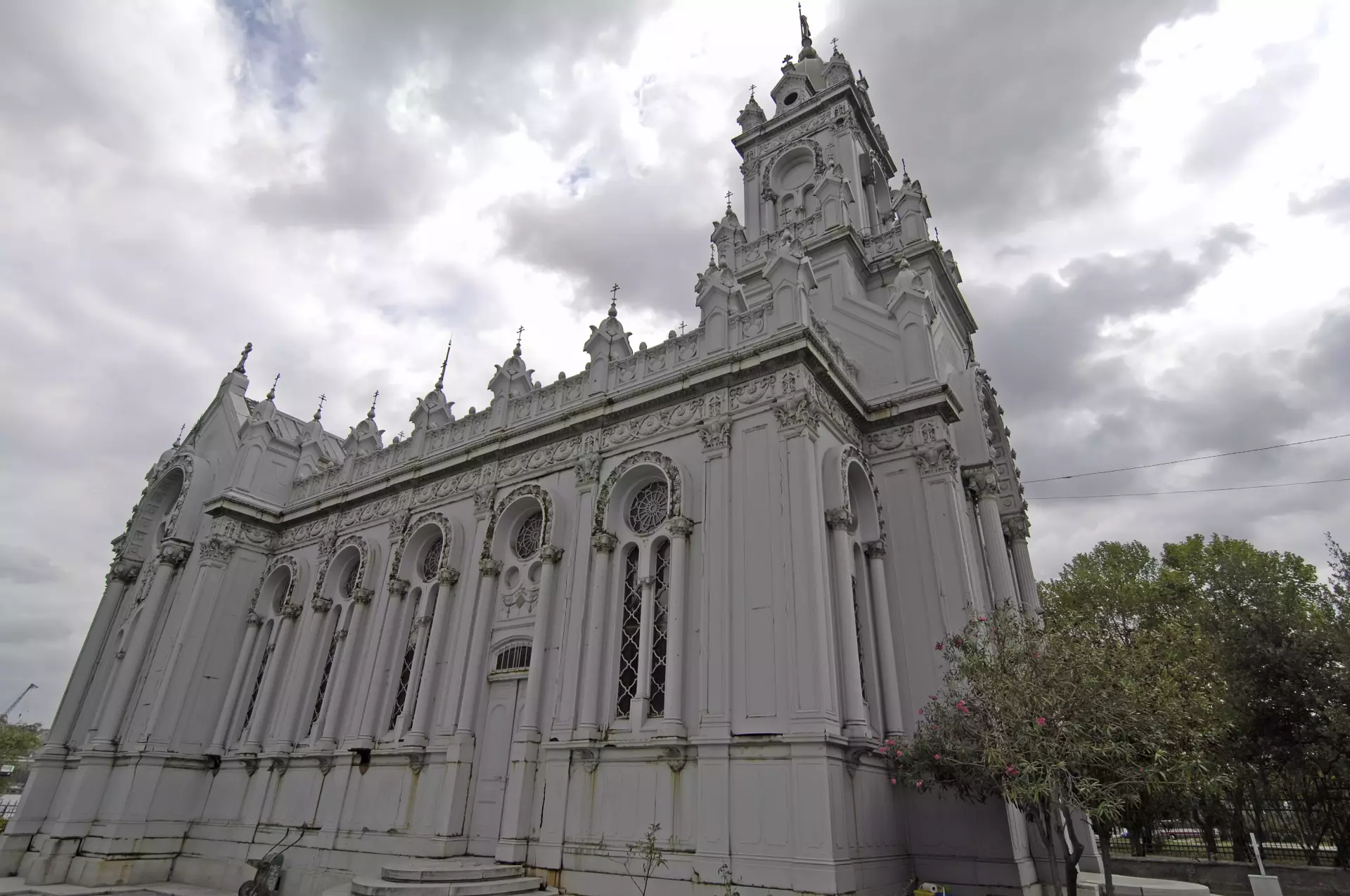
Backside view of the Bulgarian-Orthodox Church St. Stefan in Fener, Istanbul.
Interpretations are welcomed.
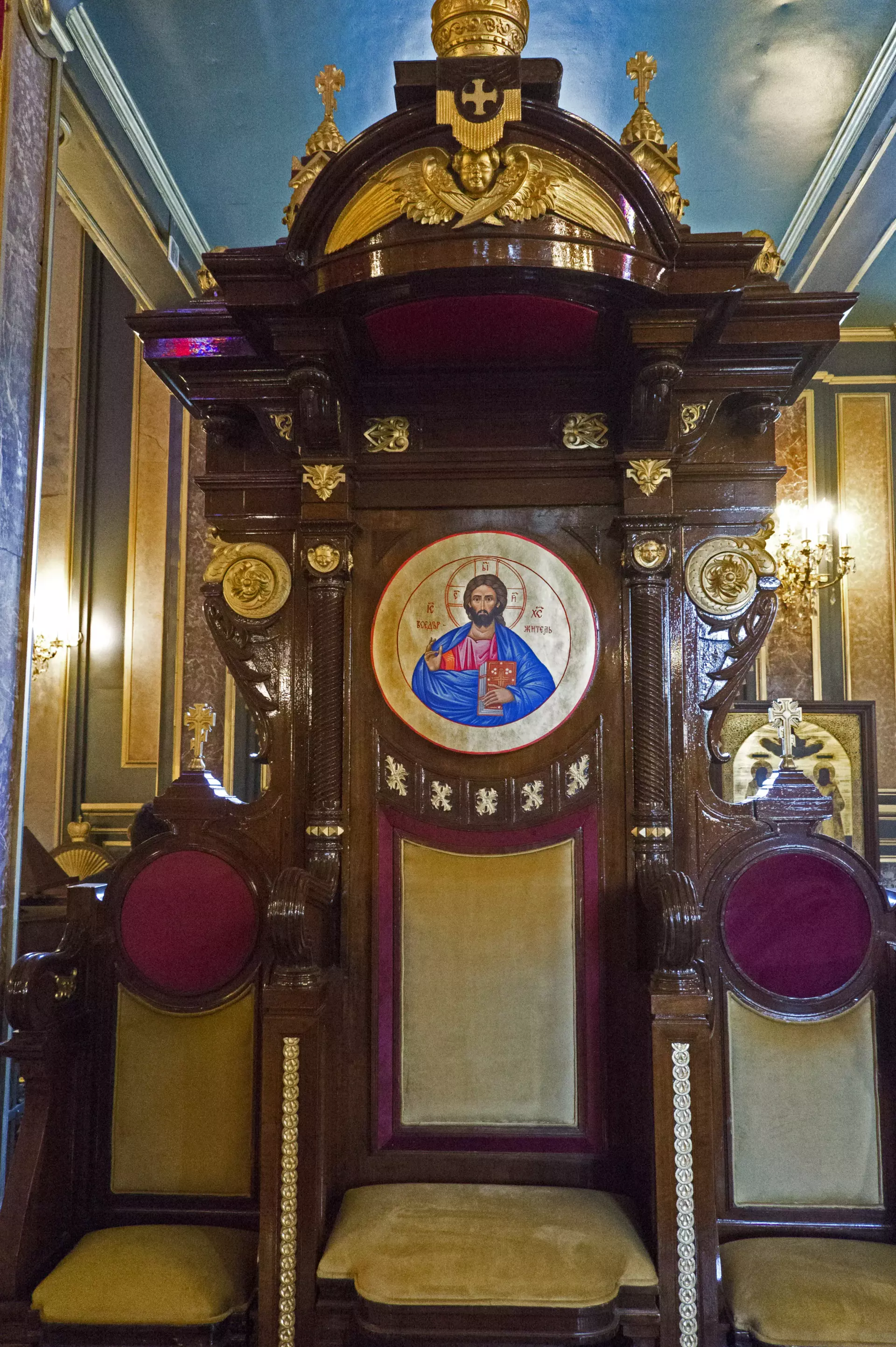
Because of its size and place in the church, I believe this is the thronos or bishop's seat.
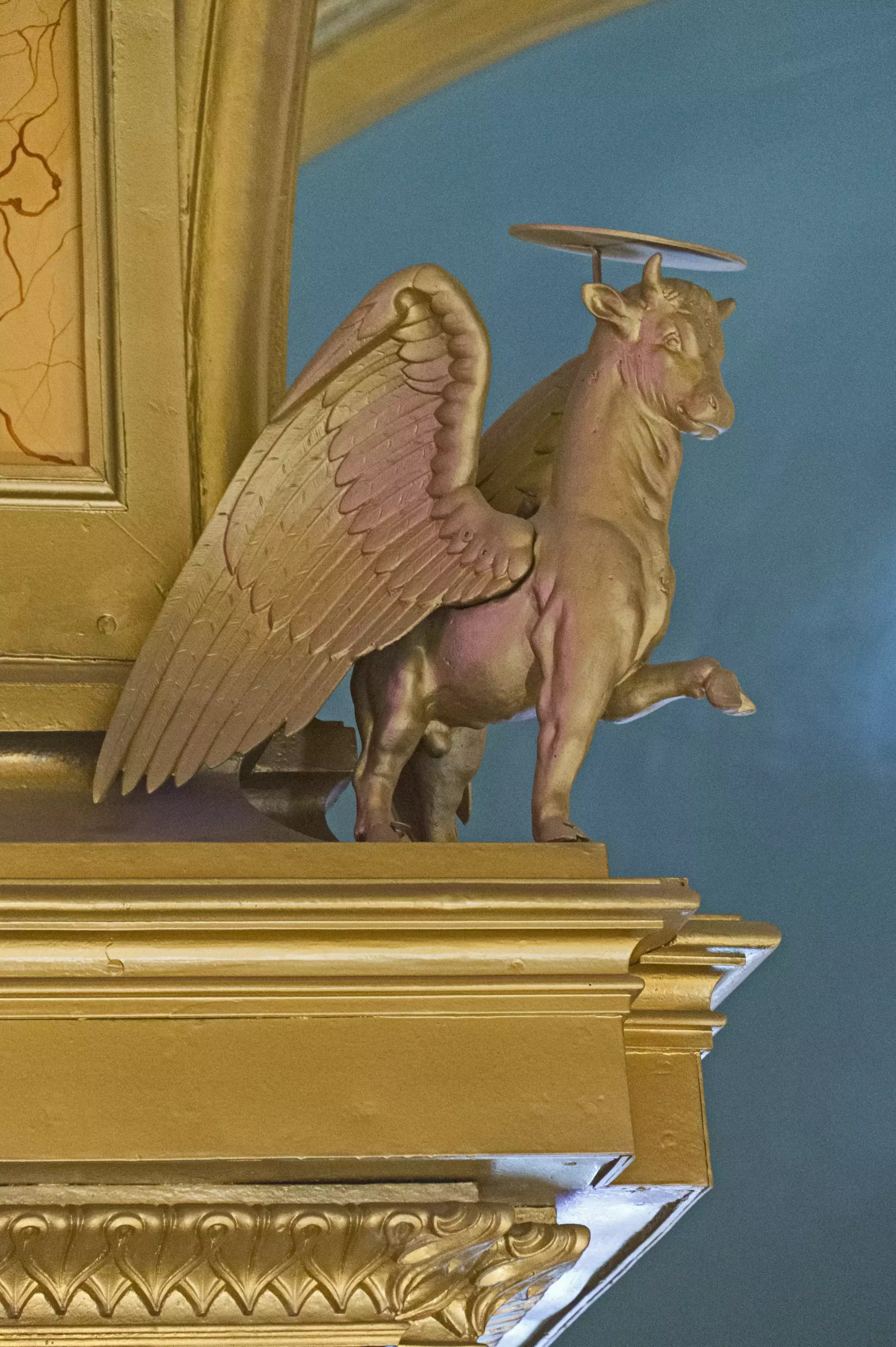
On four corners, there are the symbols of the evangelists, this being Luke.
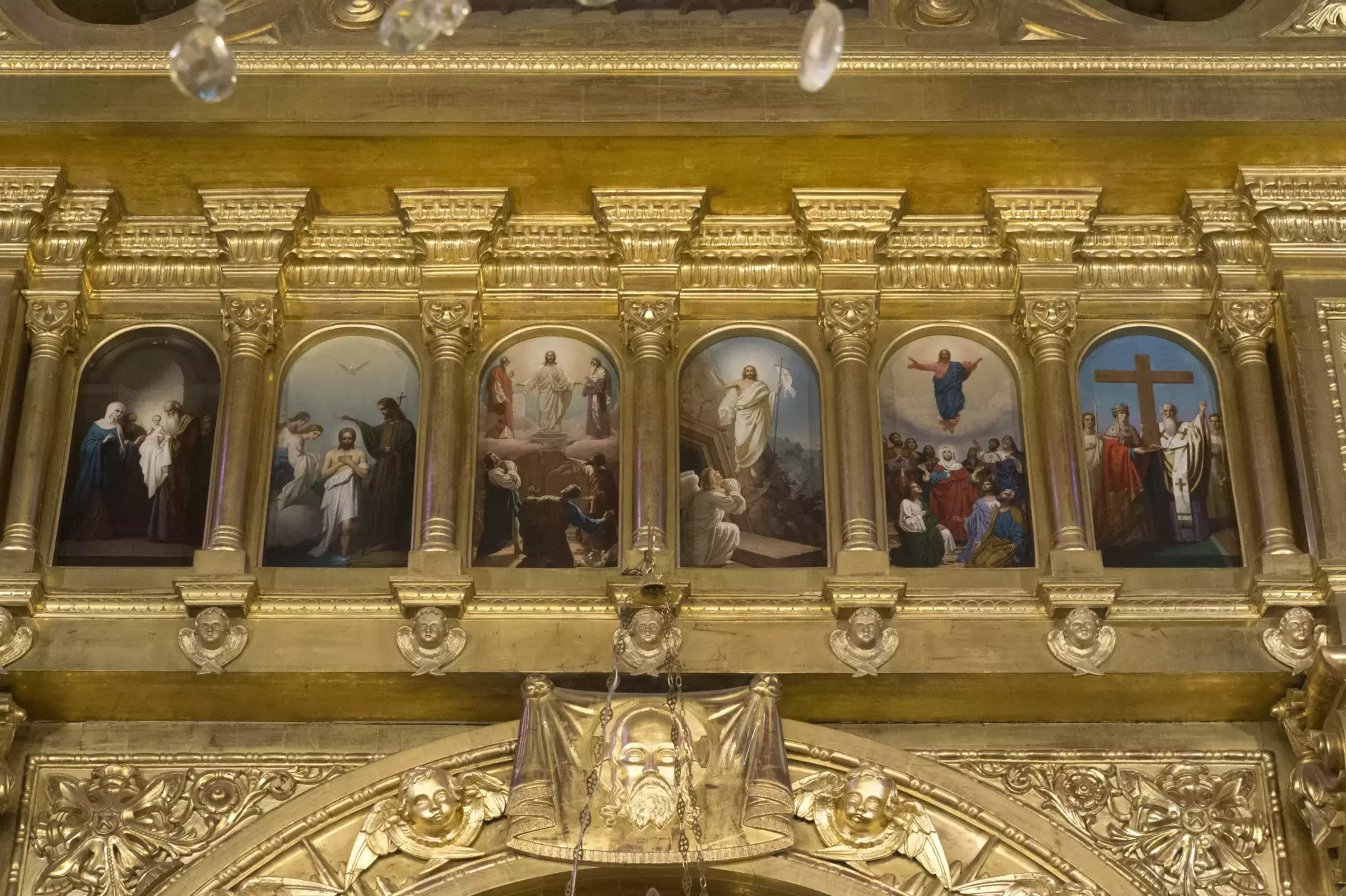
Paintings with scenes of the life of Jesus.
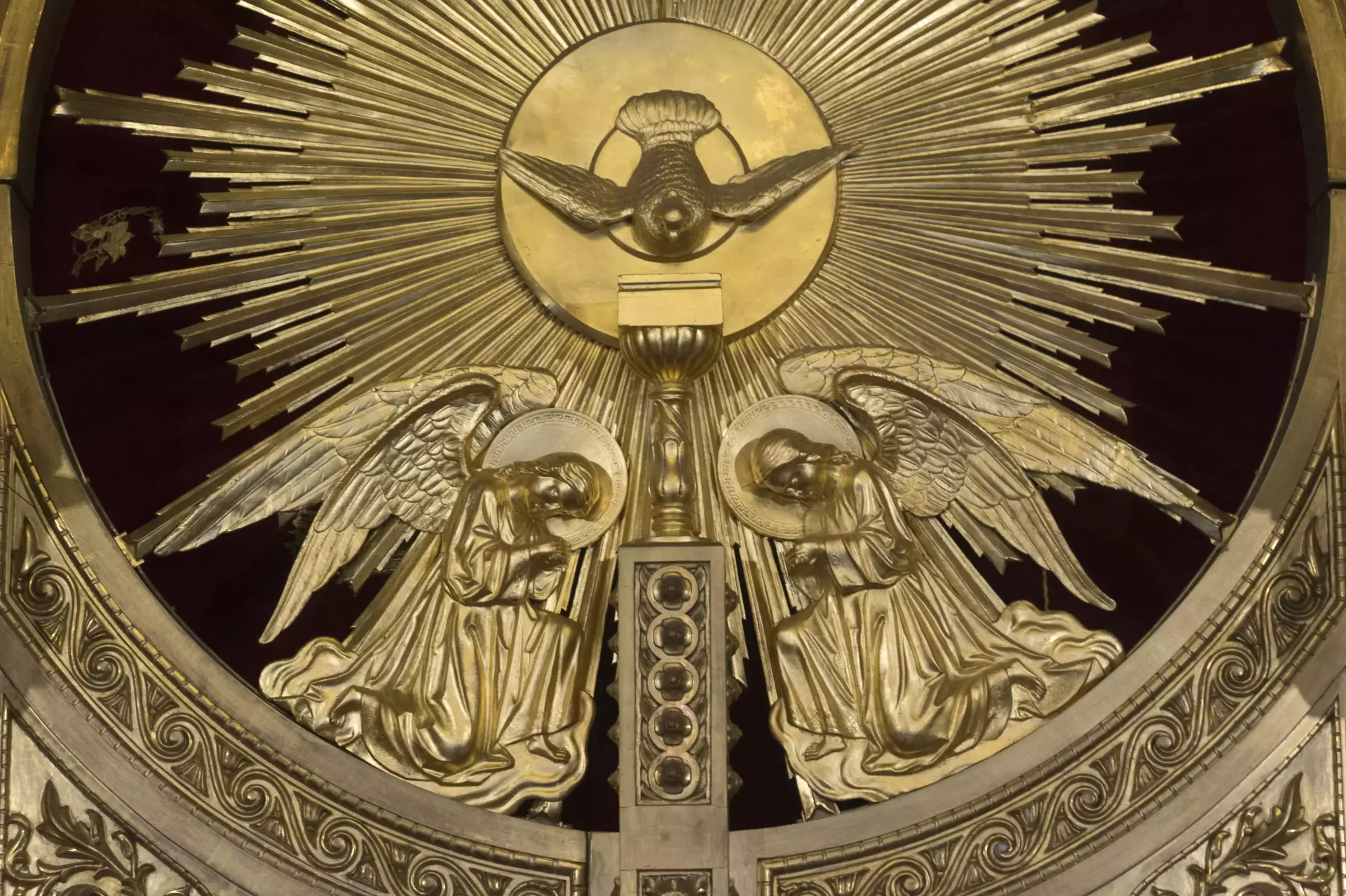
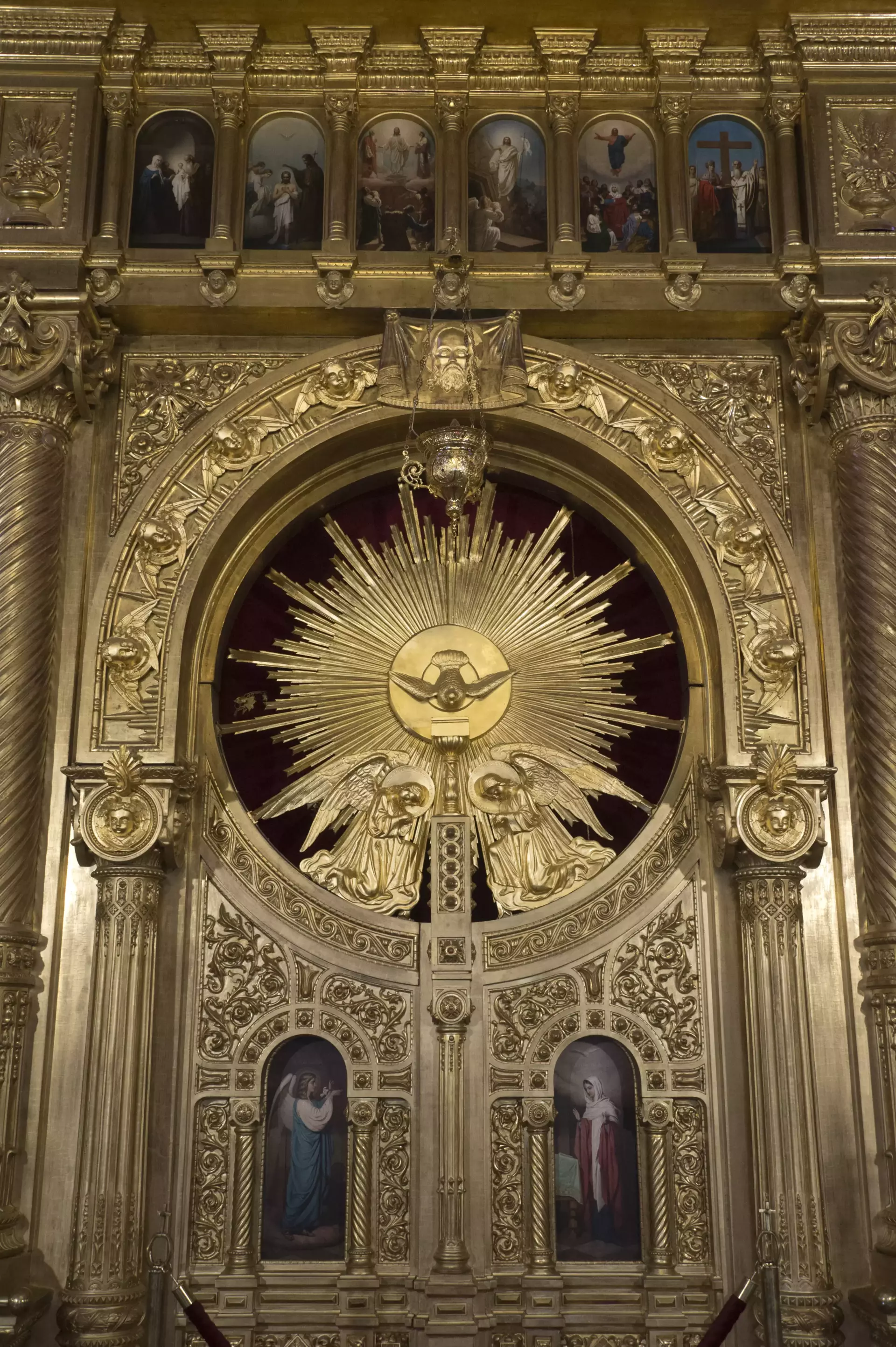
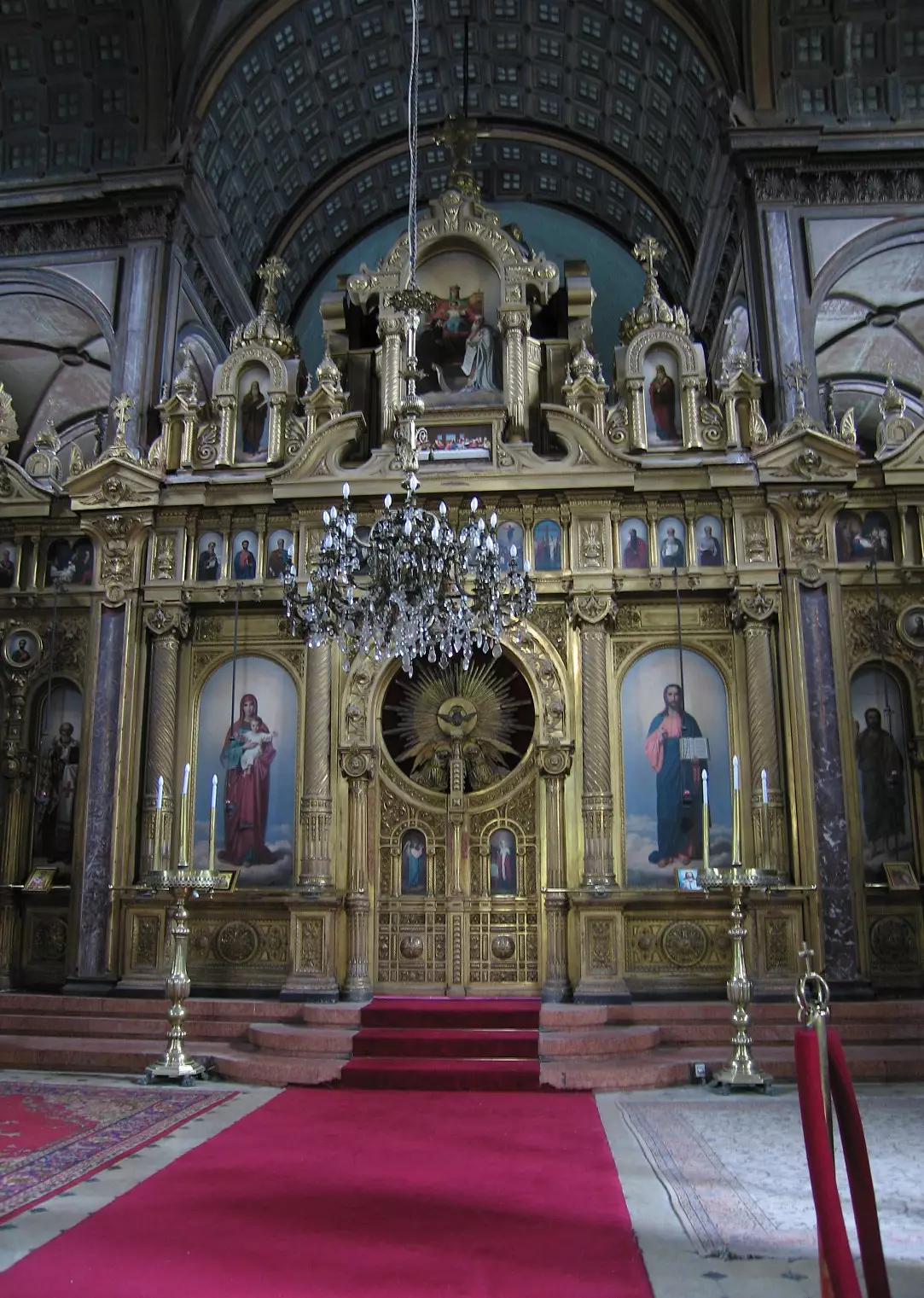
The Holy Spirit flanked by two angels.
The Holy Spirit flanked by two angels, with paintings above depicting scenes from the life of Jesus.
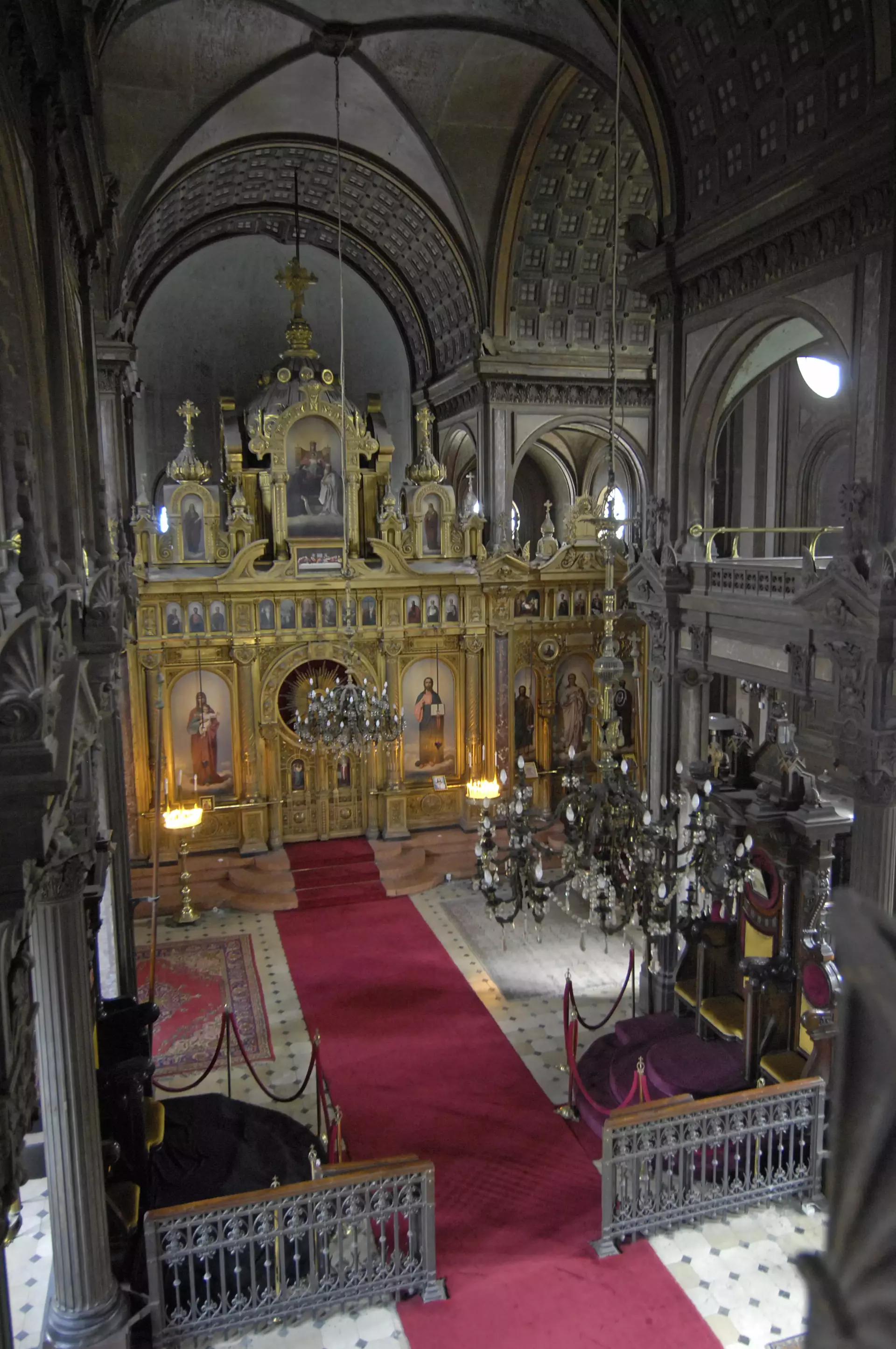
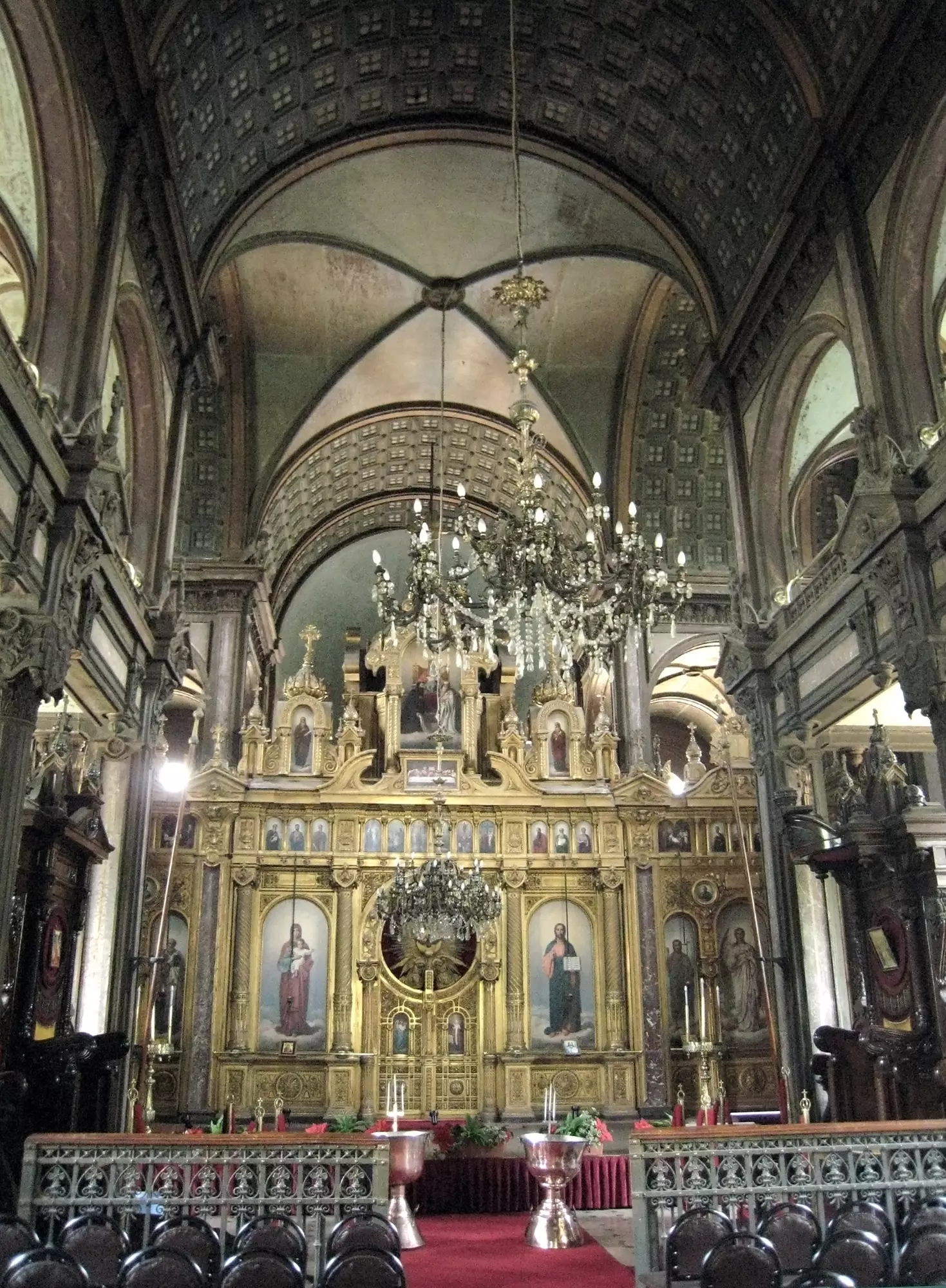
One can see the seat of the bishop with another throne across the aisle. Further along is the iconostasis.
Bulgarian St. Stephen Church.
Bulgarian church Saint Stefen in Istanbul interior.
Interior of the Bulgarian Orthodox church of St. Stefan in the Phanar, Istanbul.
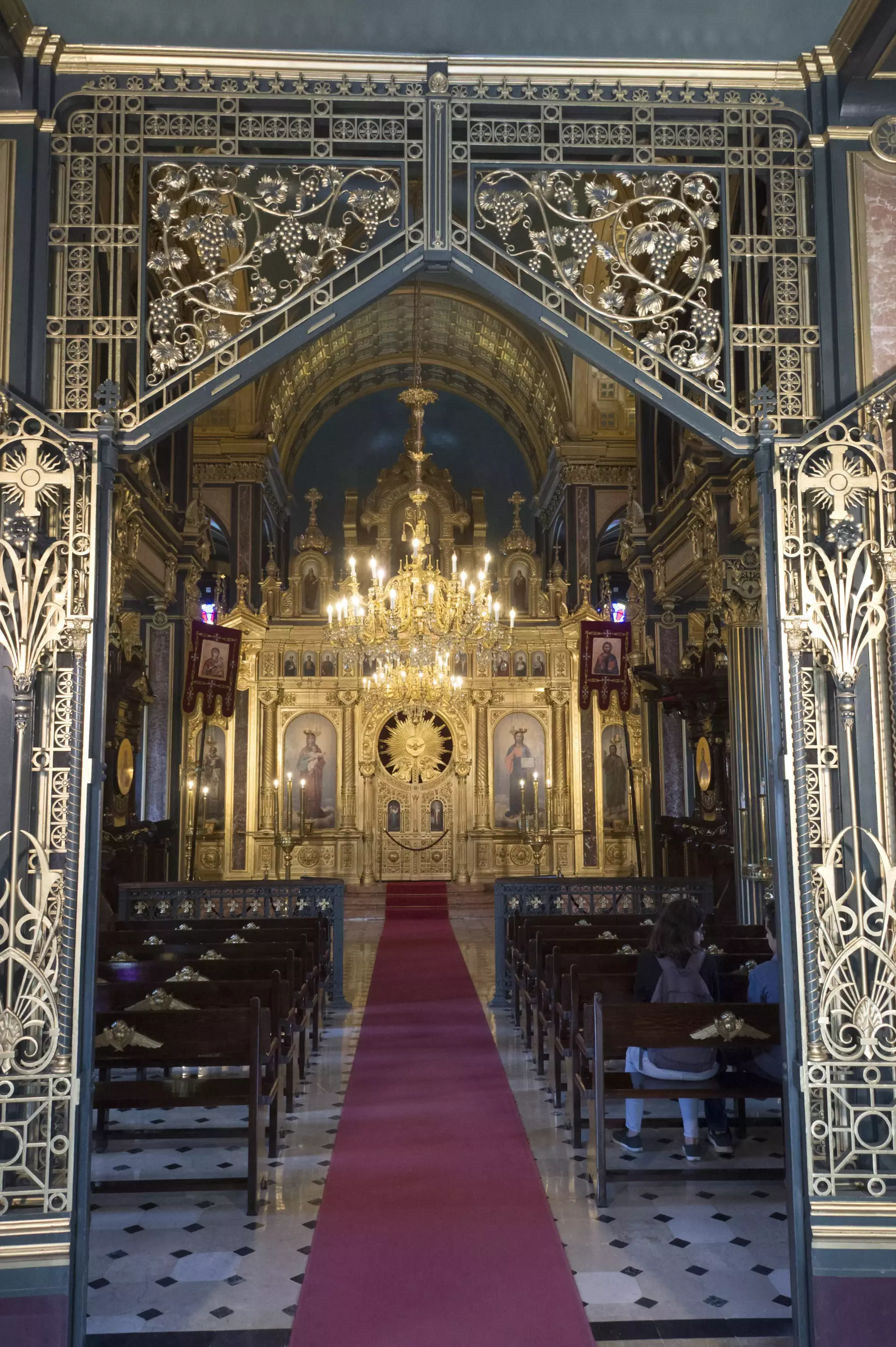
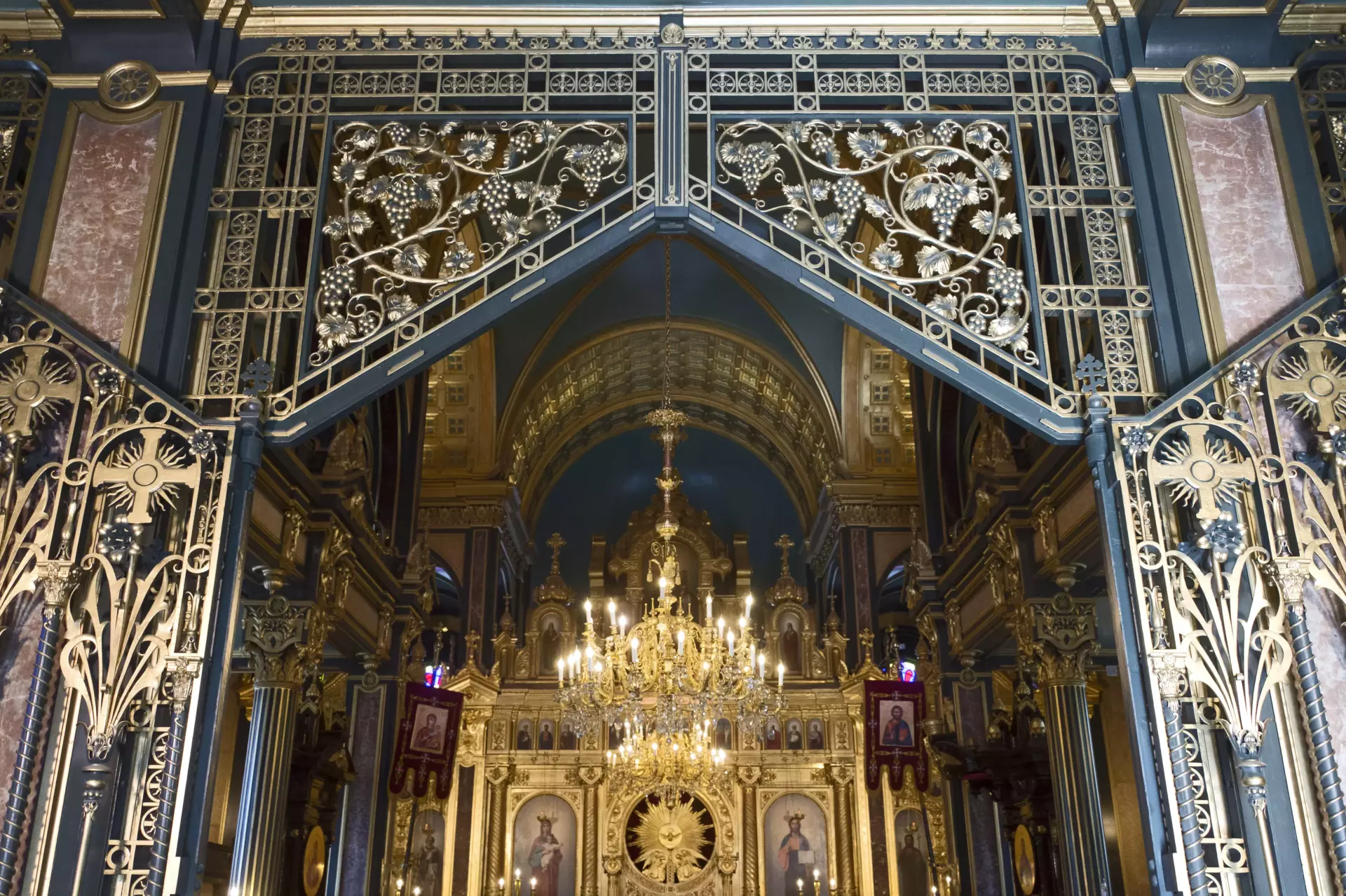
Before entering the church proper, there is a narthex with a fence in fine ironwork and doors. In an article about Royal doors on Wikipedia, it is stated that "Most correctly, the term royal doors indicates the large central doors that separate the narthex from the nave." However, the article also states that such doors are in the center of the iconostasis, so I refrain from calling them that.
Before entering the church proper, there is a narthex with a fence in fine ironwork and doors. In an article about Royal doors on Wikipedia, it is stated that "most correctly, the term royal doors indicates the large central doors that separate the narthex from the nave." However, the article opens by stating that such doors are the ones in the center of the iconostasis, so I refrain from calling them that.

Bulgarian St. Stephen Church

Istanbul, Turkey

Bulgarian St. Stephen Church stands out along the banks of the Golden Horn. Locals often call it Demir Kilise, or the "Iron Church," because it is built almost entirely from cast iron. This remarkable structure is one of the few surviving examples of a cast-iron church in the world.

A Unique Solution to a Difficult Problem

In the late 1800s, the Bulgarian community in Istanbul wanted a place of worship separate from the Greek Orthodox Church. After splitting from the Greeks, they first built a wooden church in 1870. Unfortunately, that original church was destroyed by fire. When it came time to build again, there was a challenge: the ground near the Golden Horn was too soft for heavy stone or concrete buildings.

Iron from Vienna, Assembled in Istanbul

Instead of stone, the Bulgarians chose cast iron. Prefabricated iron sections were produced in Vienna, then shipped down the Danube and across the Black Sea to Istanbul. These pieces were assembled on-site like a giant puzzle, and by 1898, the new iron church was complete and open for worshippers.

Restoration and Surroundings

After more than a century, the Bulgarian St. Stephen Church underwent a careful renovation, reopening in 2018 with its shining ironwork restored. Just across the street, however, the old archpatriarchate building tells a different story, its empty shell a reminder of the area’s layered history.

Source - https://en.wikipedia.org/wiki/Bulgarian_St._Stephen_Church

Developed by Reflex.com.ua
Contacts
  • info@reflex.com.ua
Social media