
Search ×
Home Istanbul
Chora Church
A medieval Greek Orthodox church building, mostly used as a mosque since the 16th century in Istanbul.
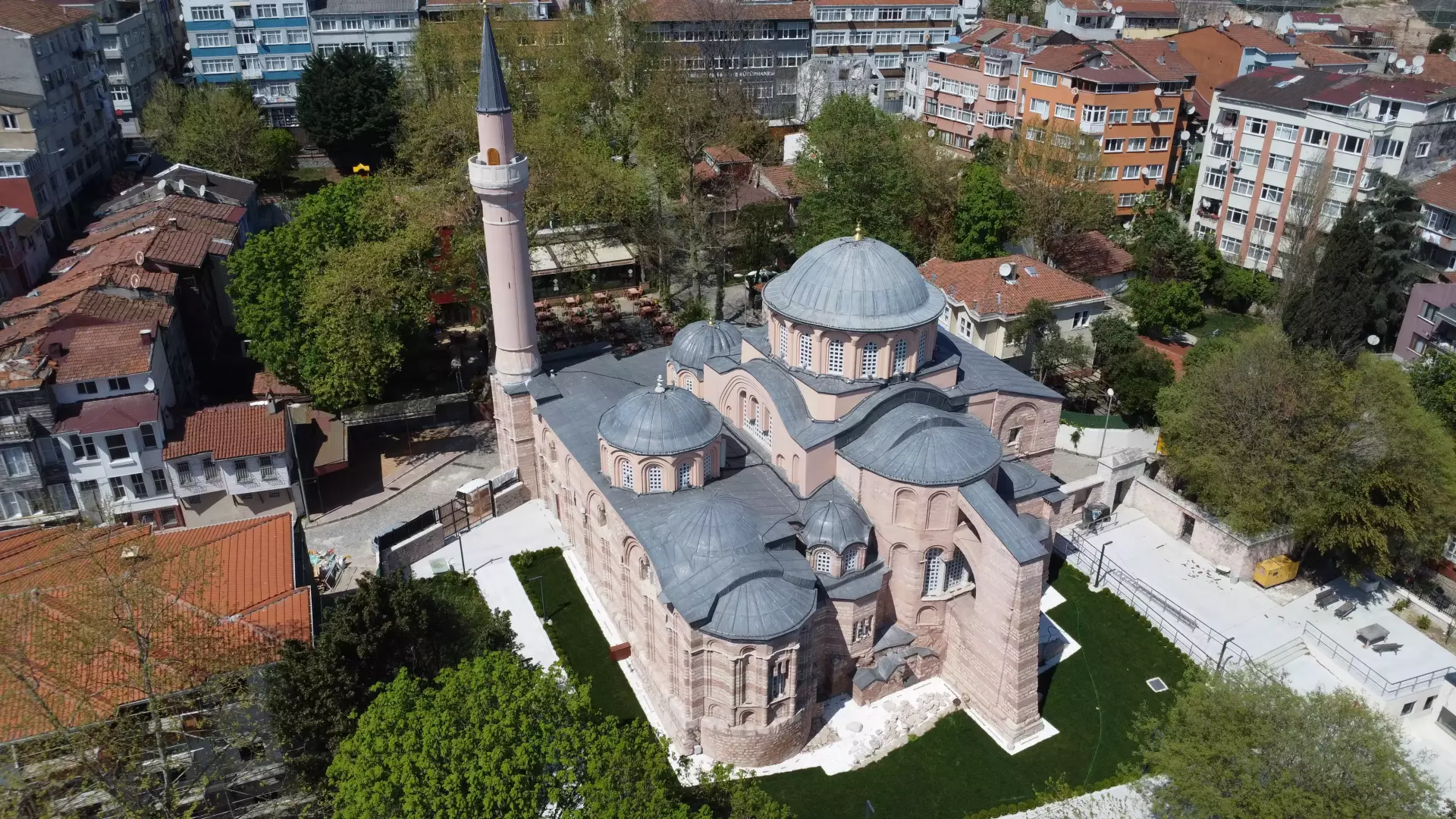
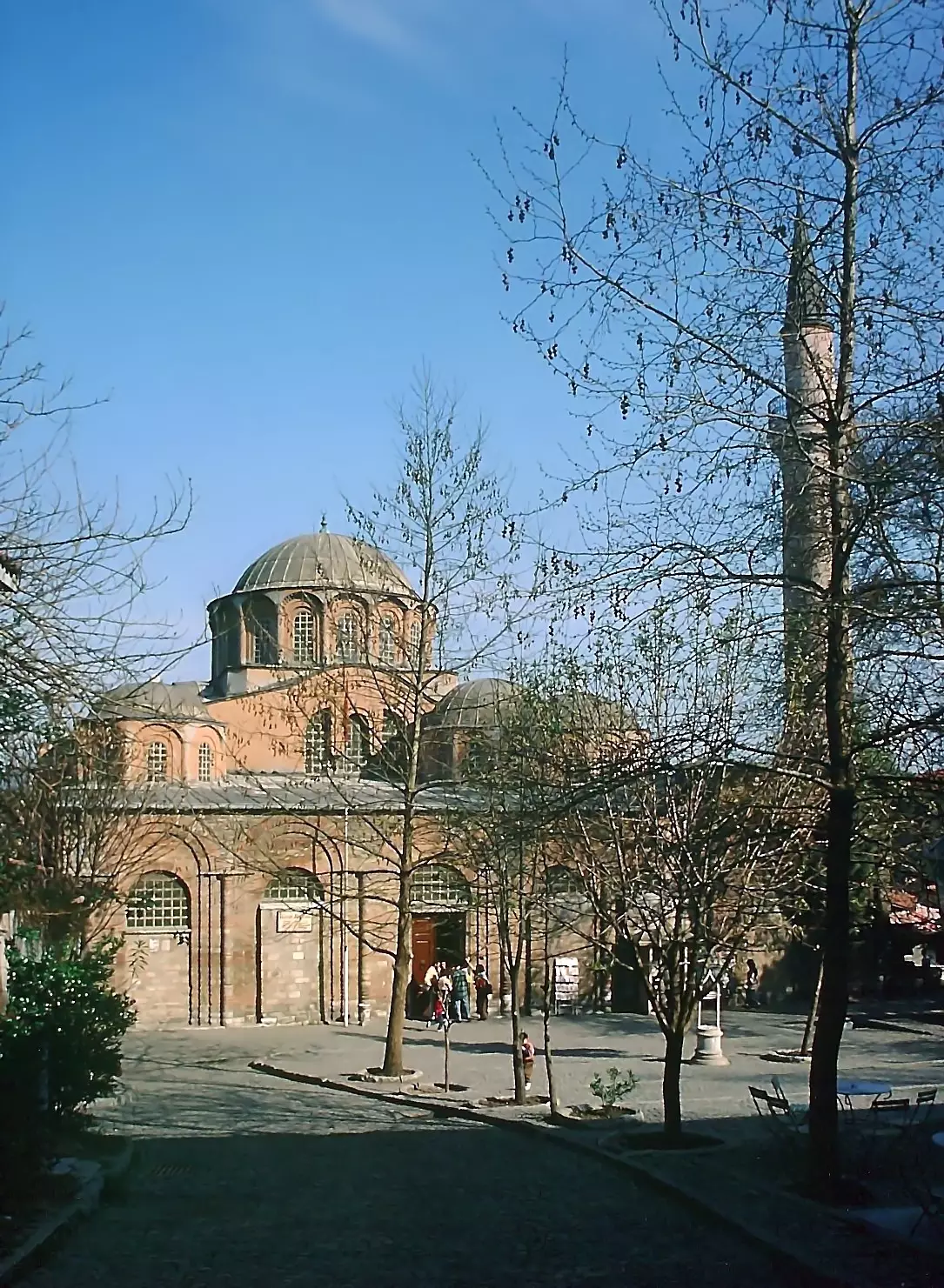
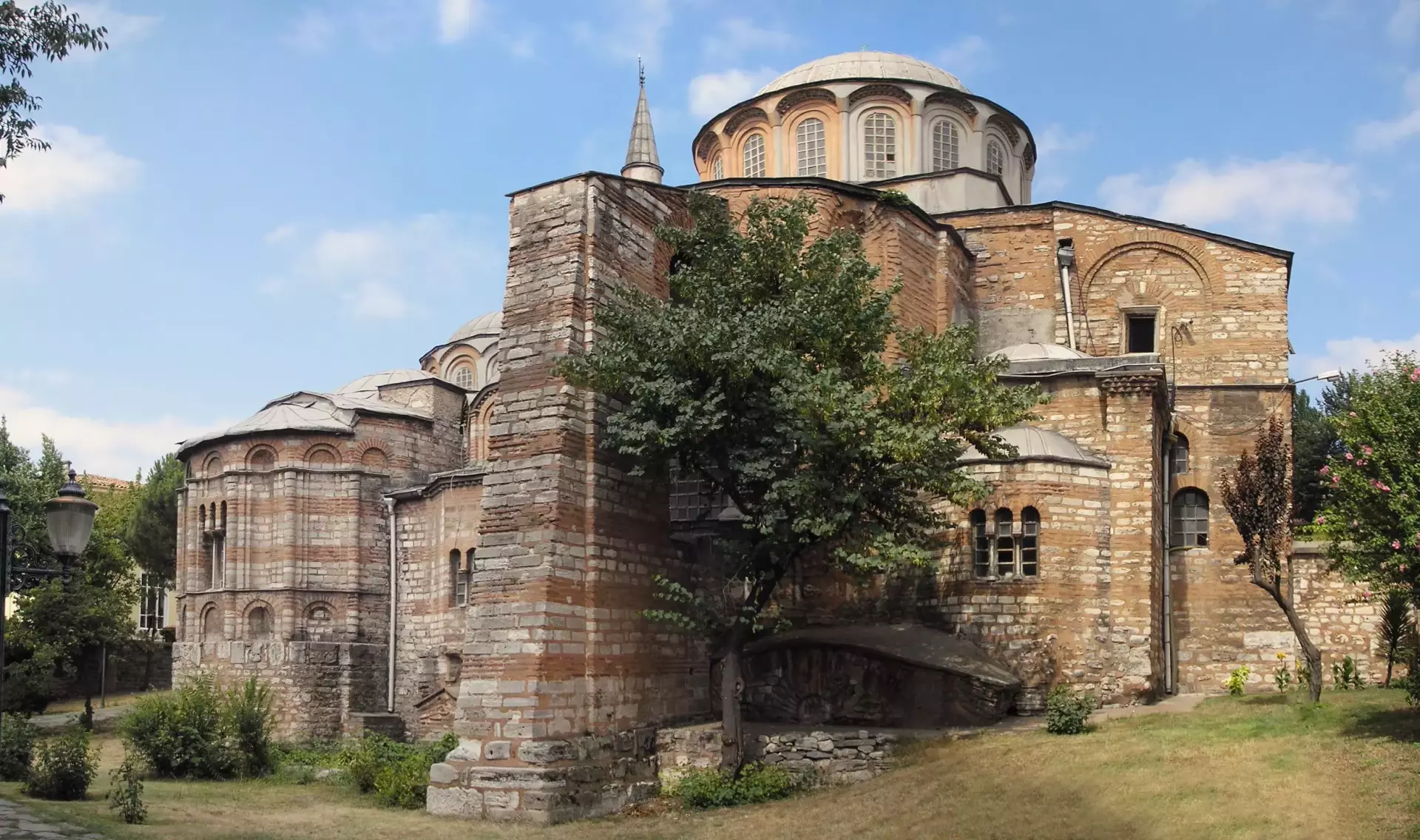
Exterior of the Chora Church in Istanbul, today a museum. It is famous for its Byzantine mosaics.
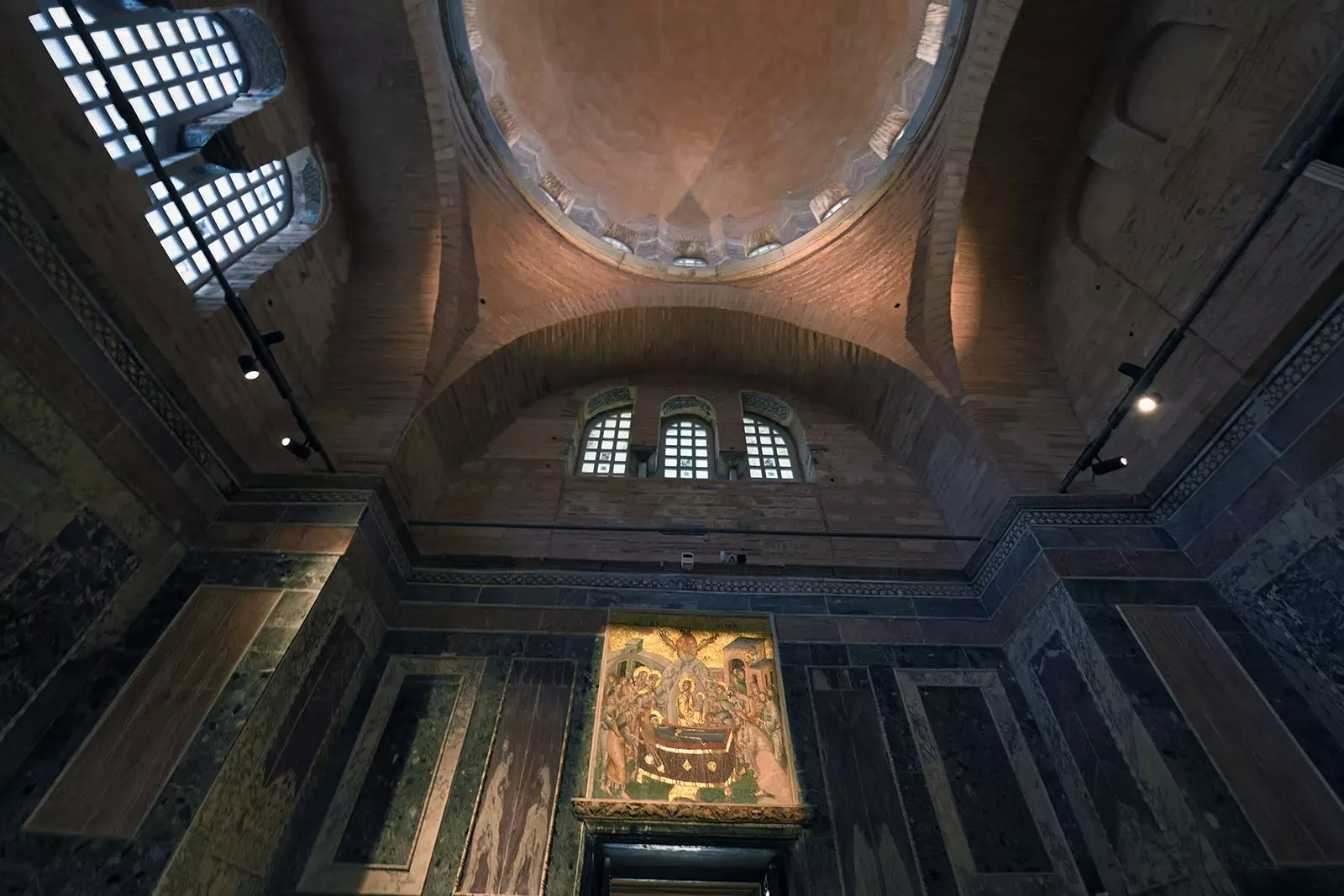
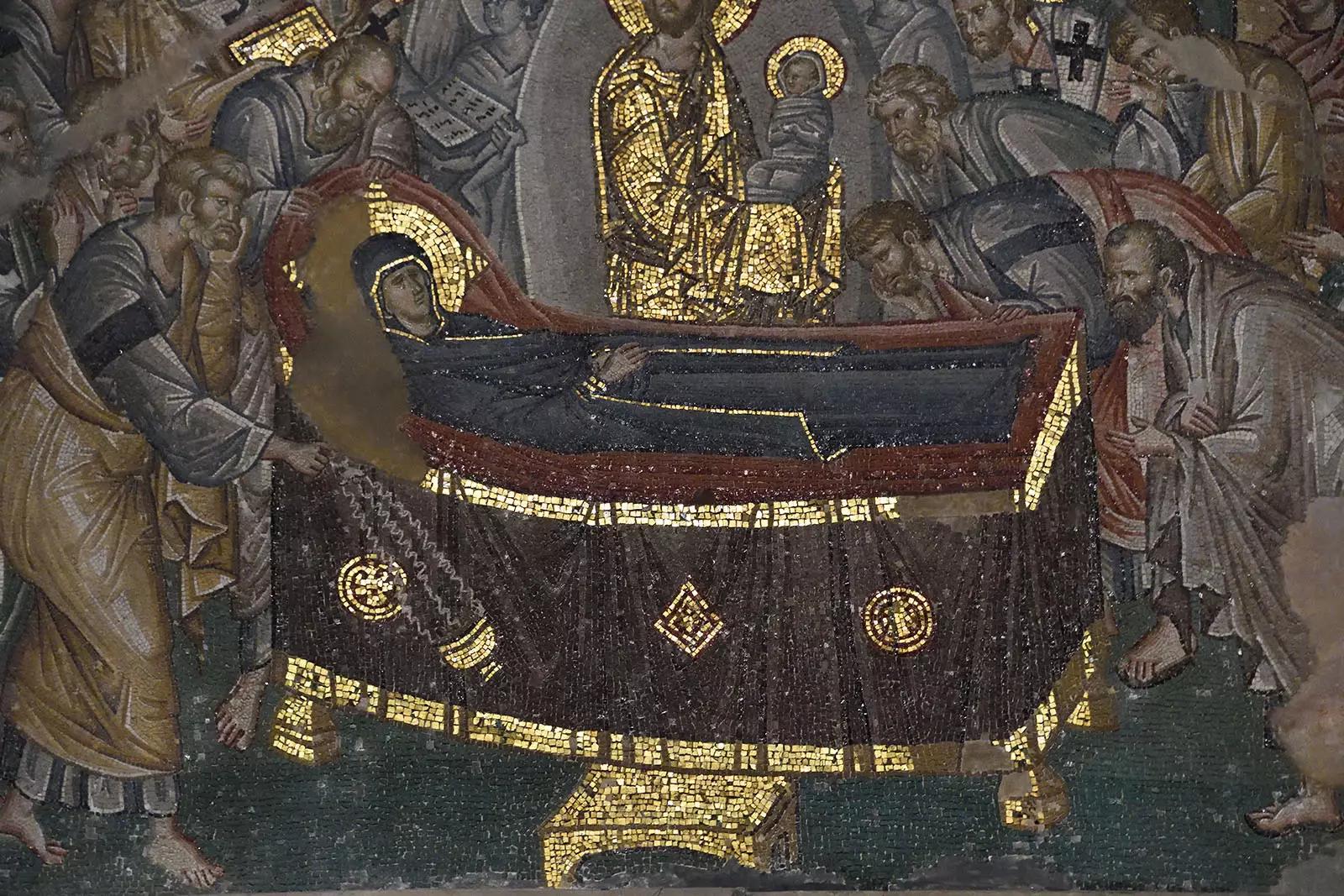
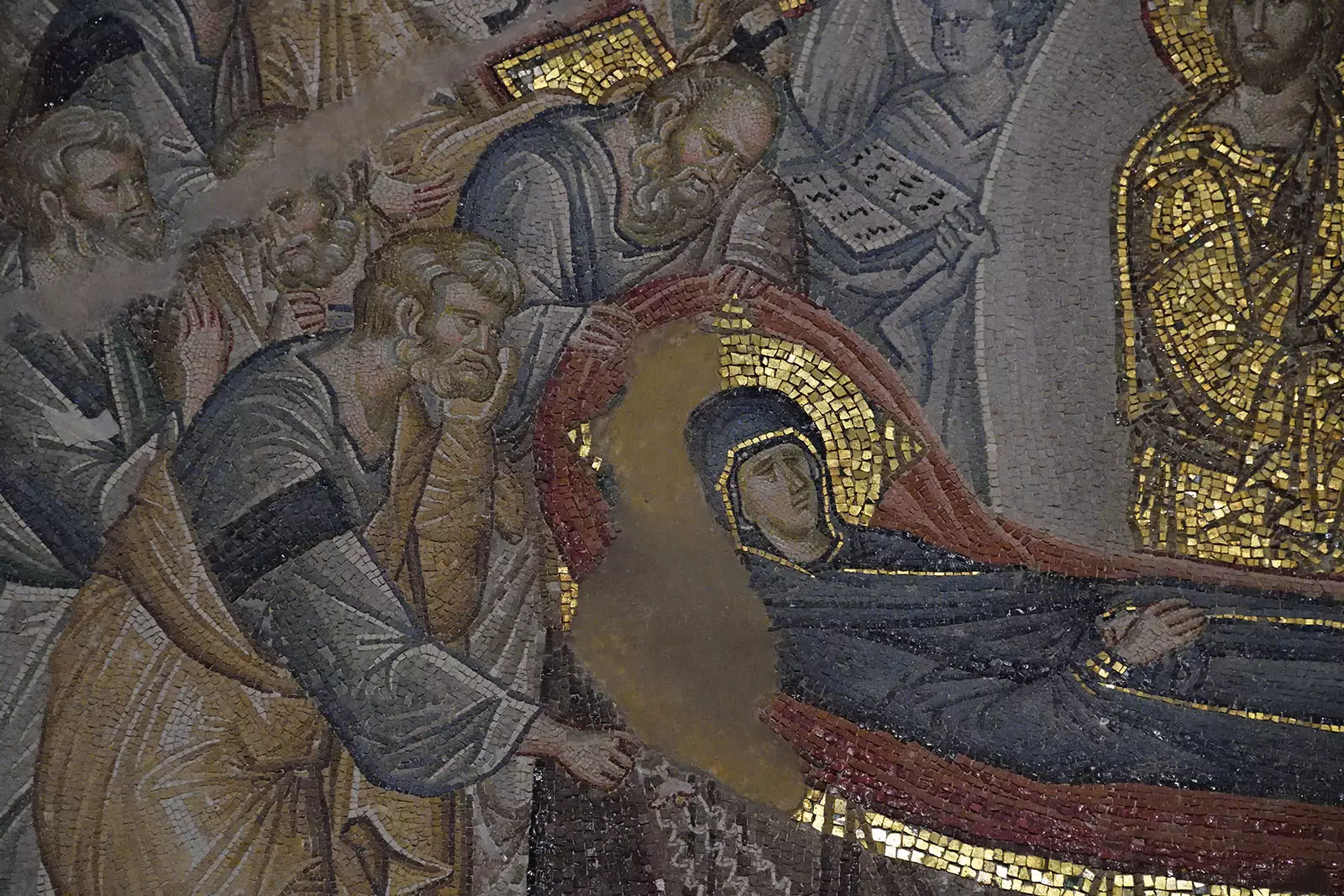
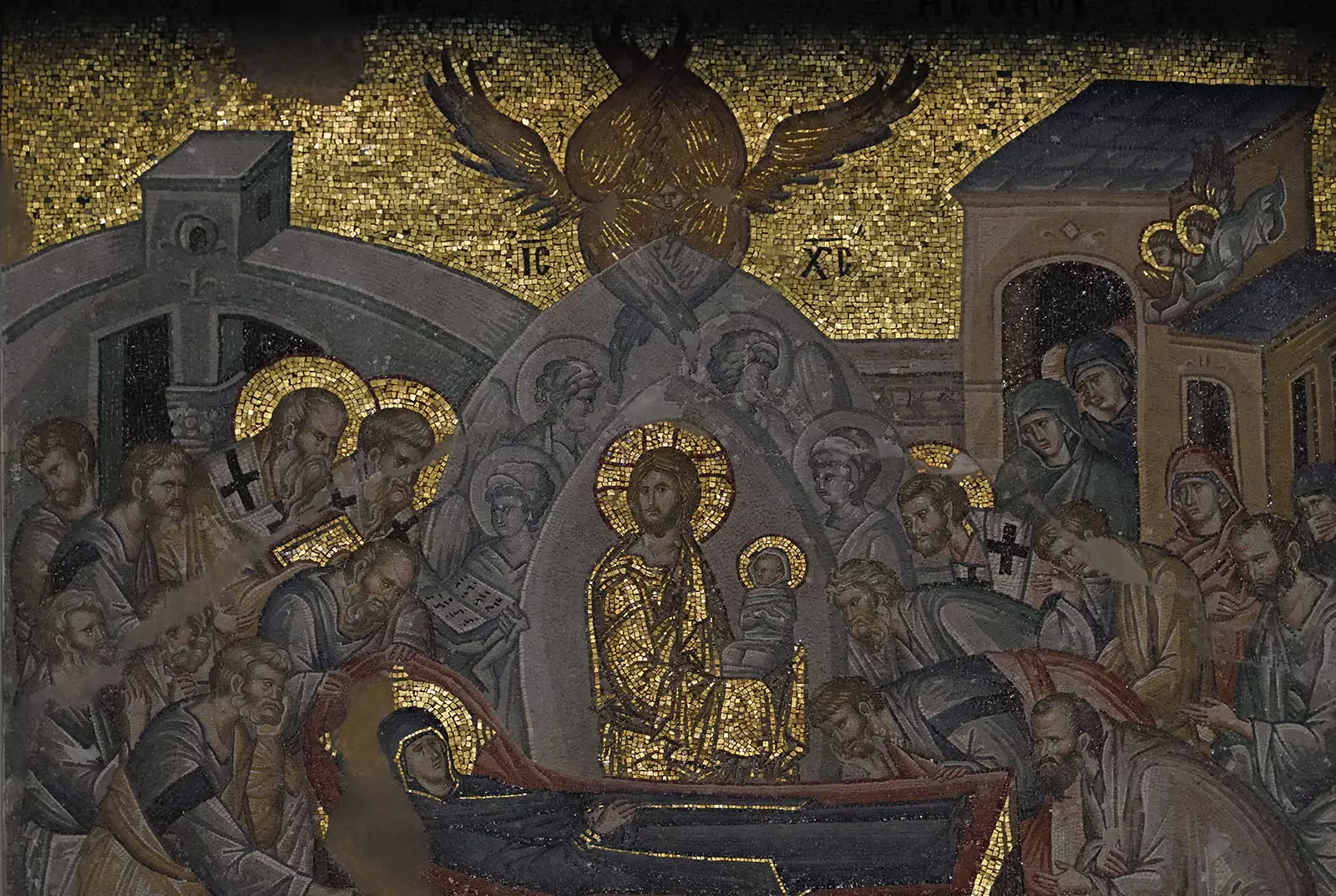
Looking back to the entrance from the esonarthex, above the door, one sees a depiction of the "Death of Mary." She is lying on a bed, as if asleep (hence "Dormition"), and her soul, swaddled like a baby, is held by her son, Christ. Apostles, evangelists, and early bishops stand around her. A six-winged seraph hovers over Christ.
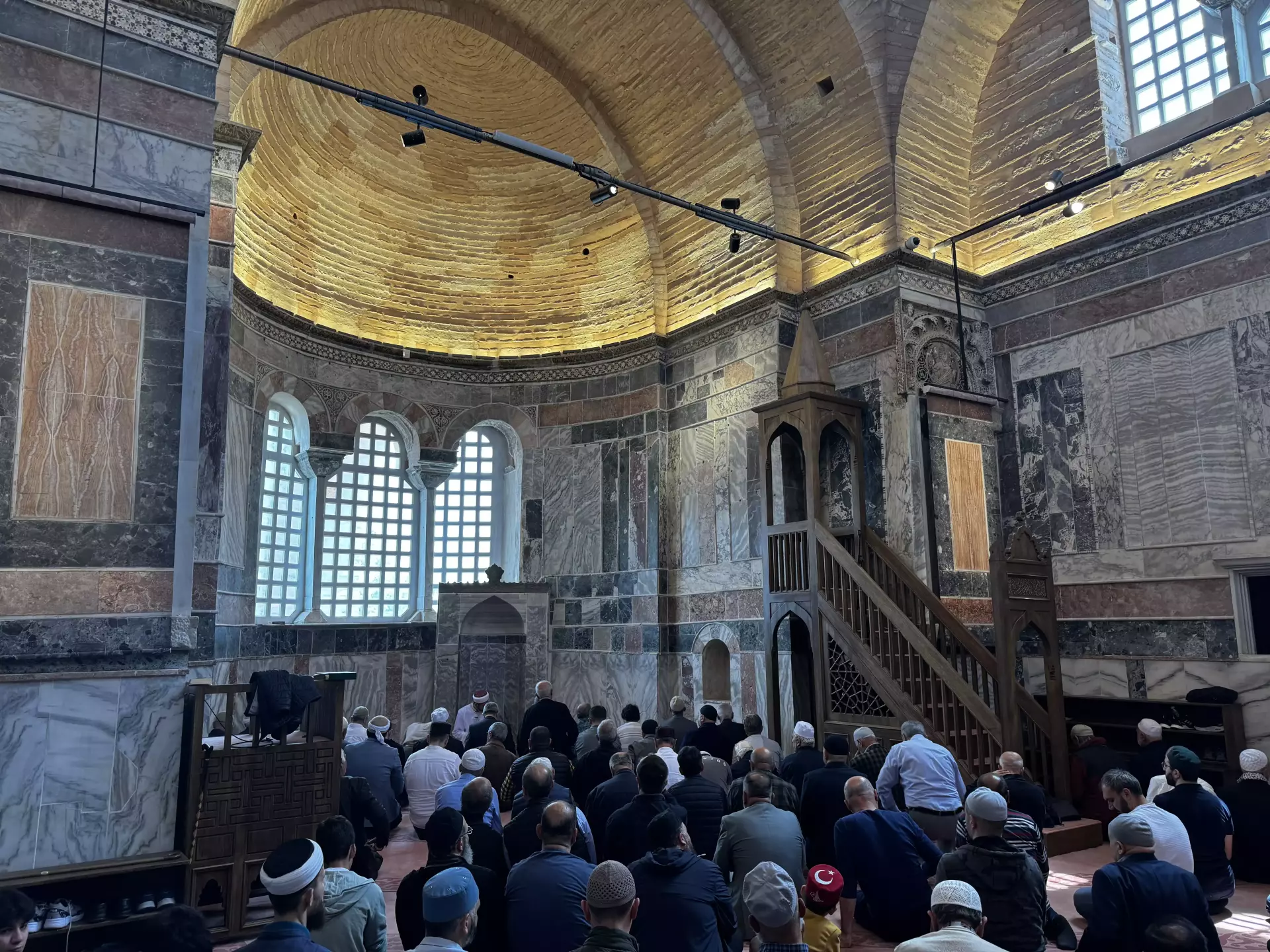
Chora's prayer area for Muslim prayer.
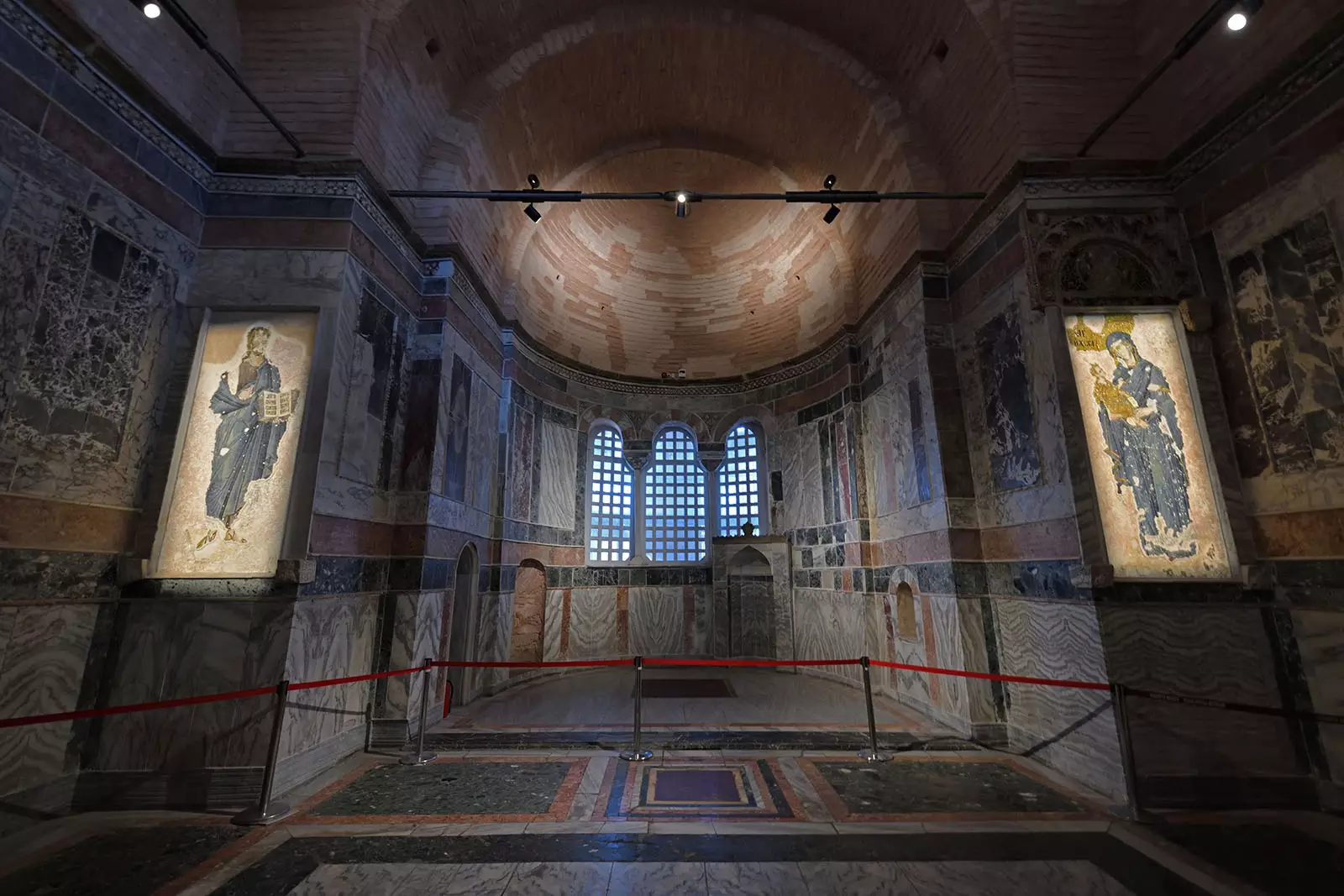
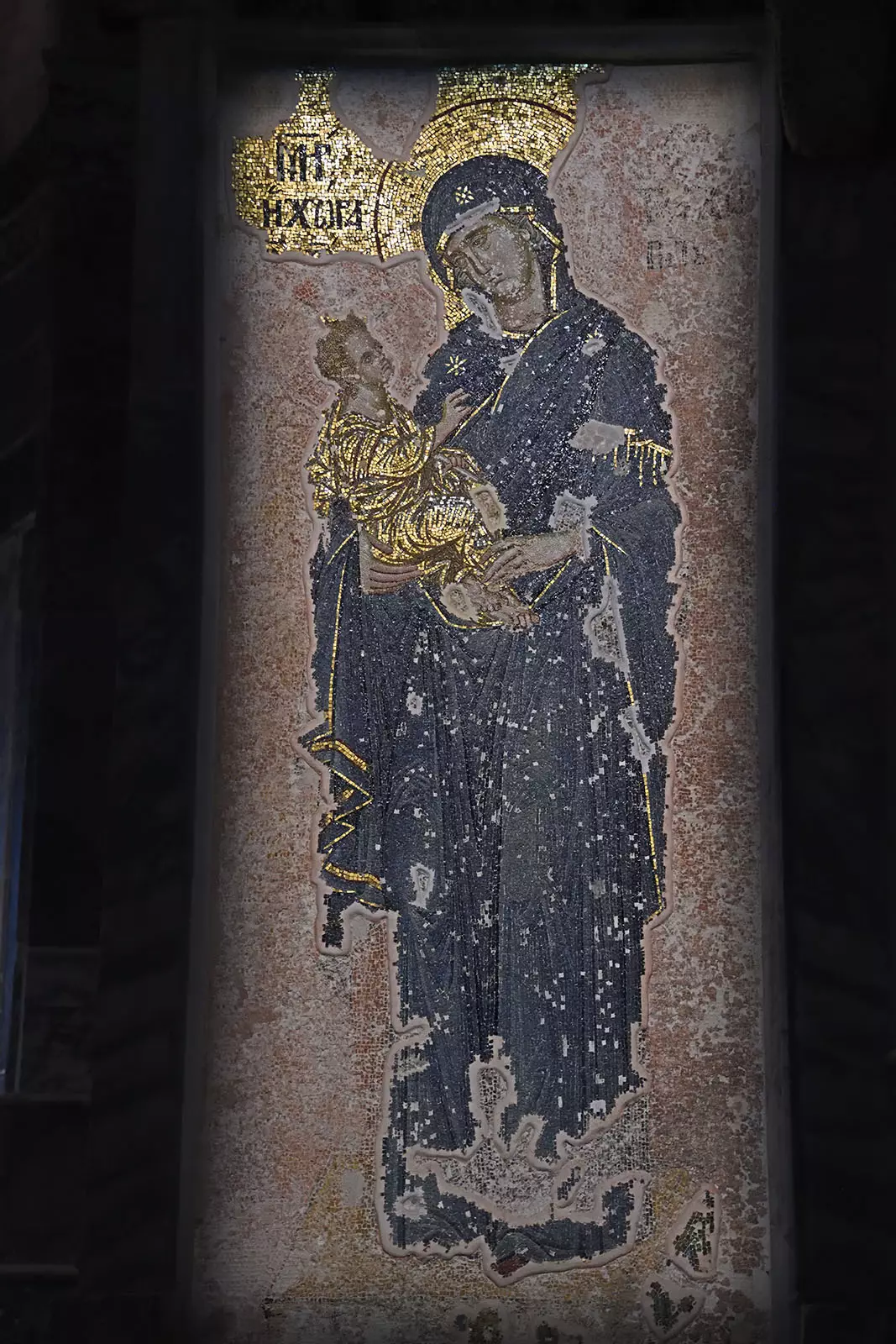
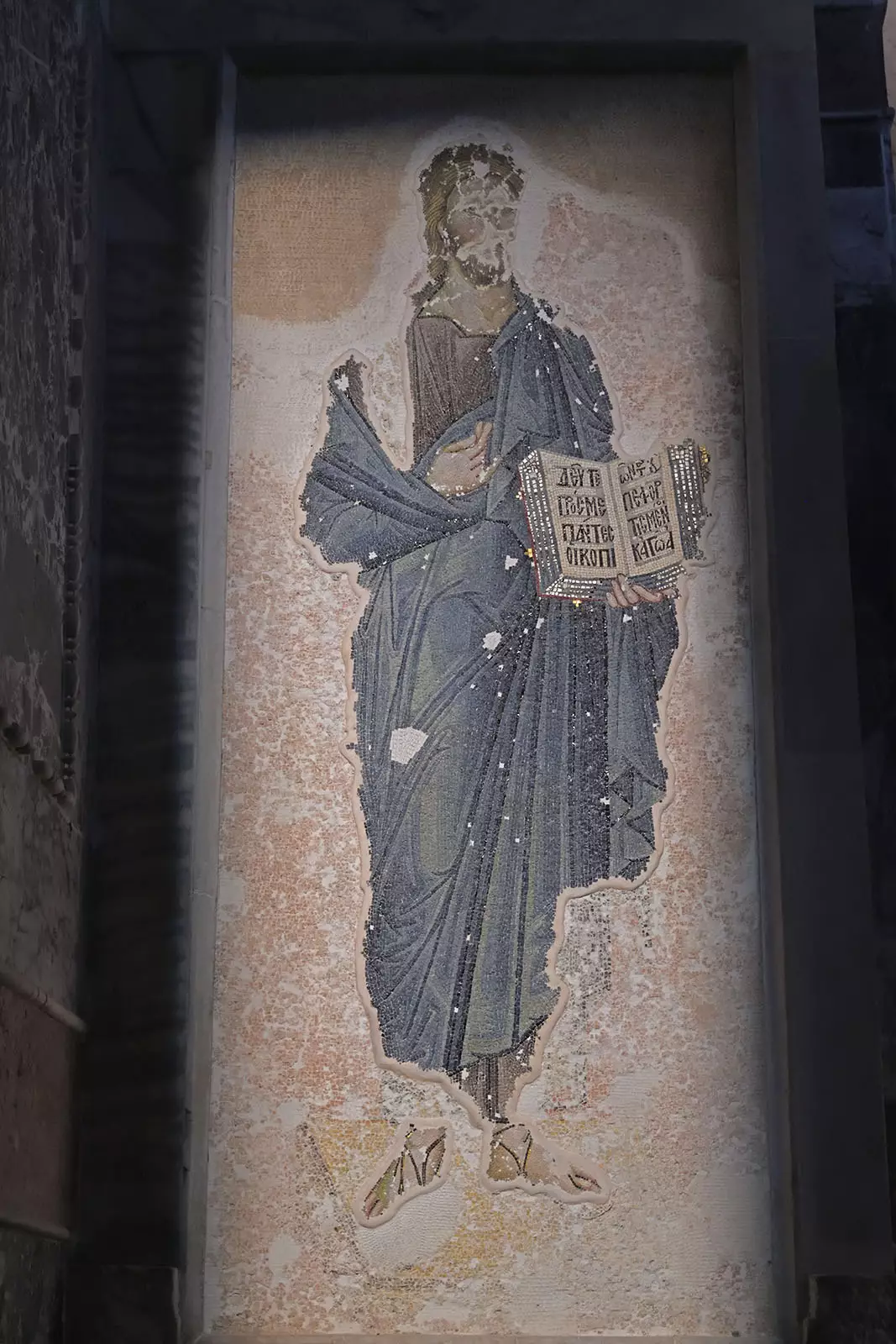
On either side of the apse, there is a mosaic with Christ on the left and Mary with child on the right.
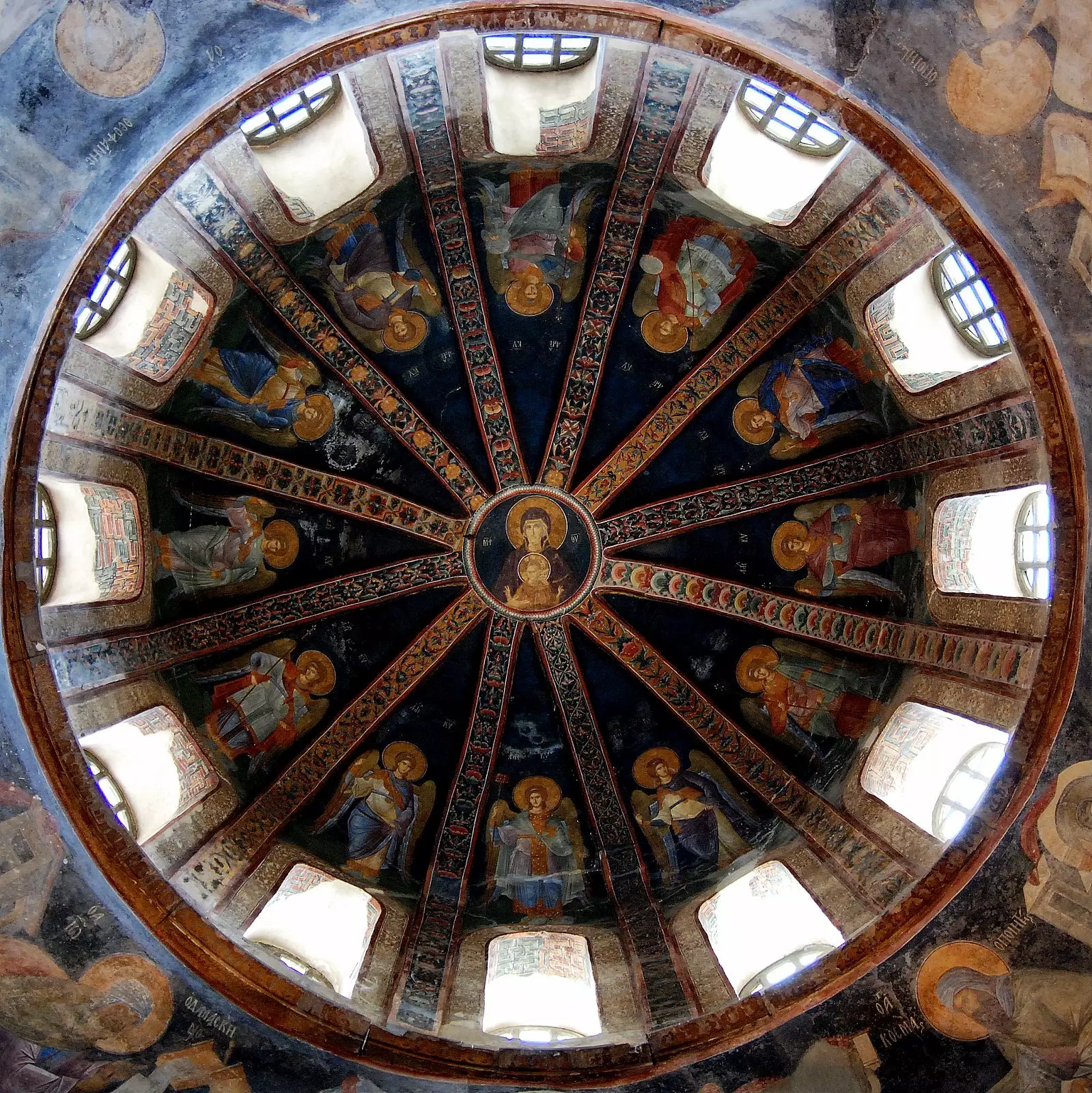
Dome of the parecclesion (Chora Church)
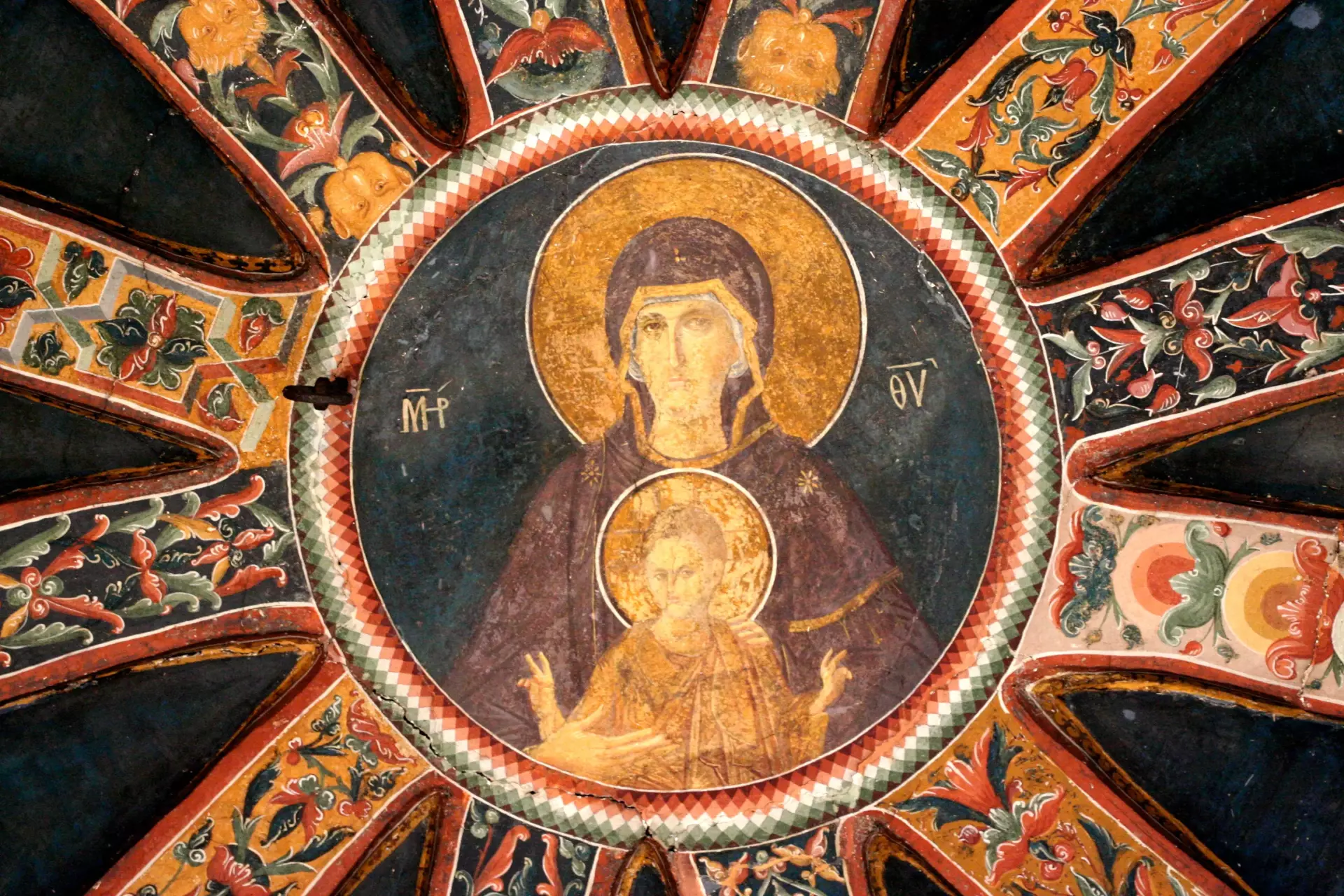
Ceiling fresco of the Virgin Mary and Child, Chora Church, Istanbul.
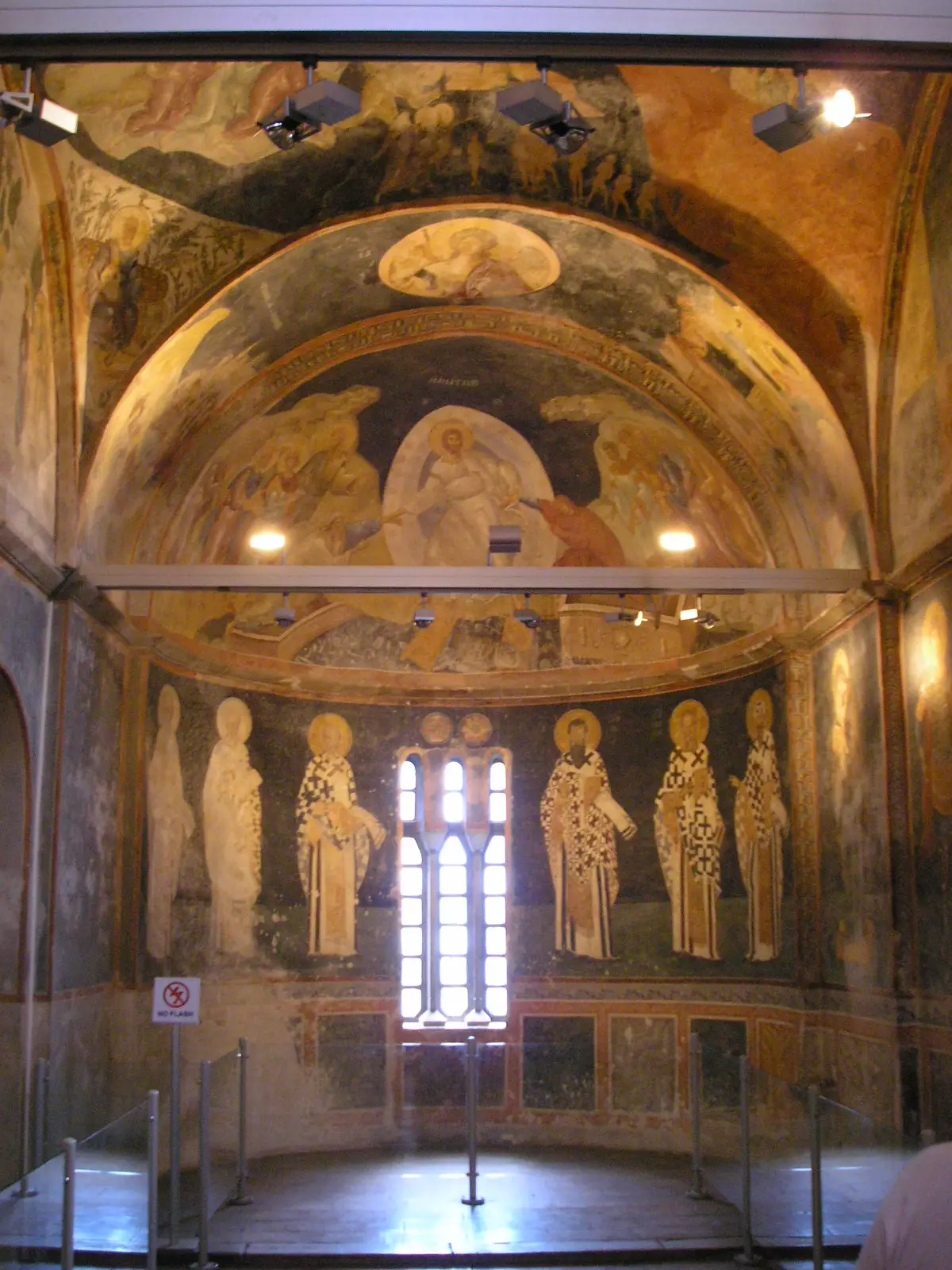
Interior of Chora Church in Istanbul.
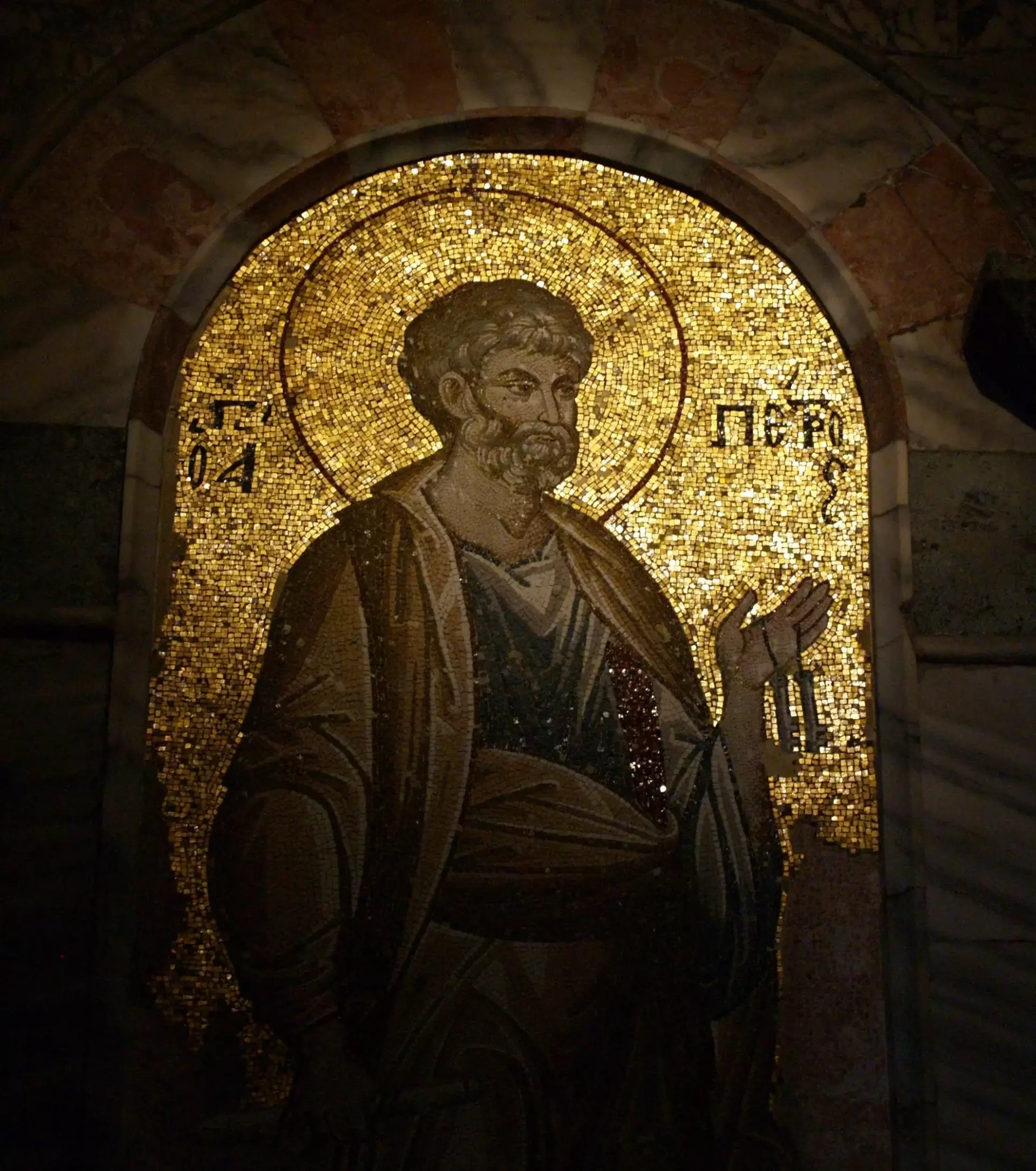
Saint Peter mosaic from Chora church in Istanbul.
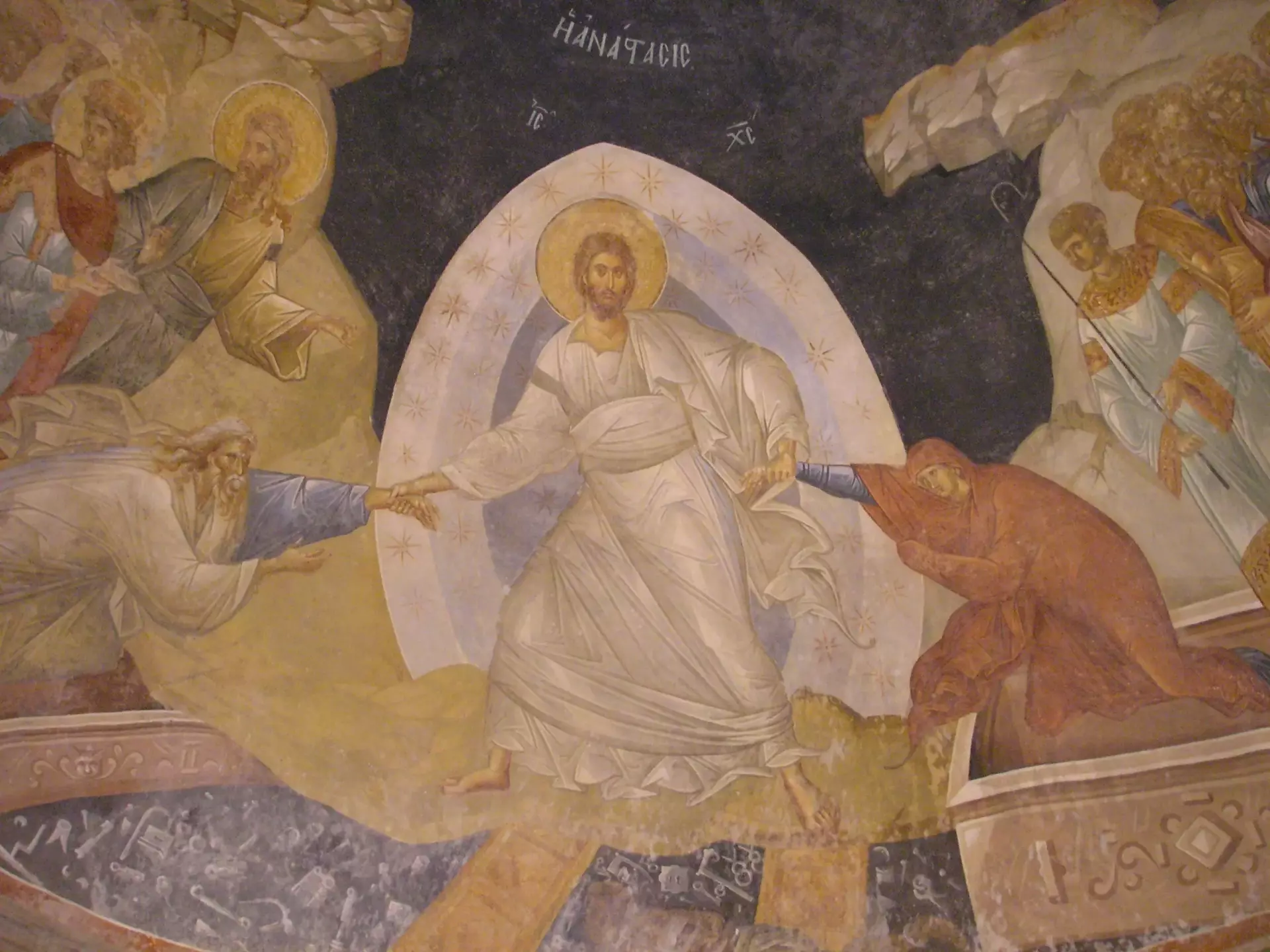
Byzantine paintings in the parecclesion of the Chora Church in Istanbul depict the Anastasis.
Looking back to the entrance from the esonarthex, above the door, one sees a "death of Mary." She is seen lying on a bed, as if asleep (hence "dormition"), her soul, swaddled like a baby, is held by her son, Christ. Around her stand apostles, evangelists, and early bishops. A six-winged seraph hovers over Christ.
Looking back to the entrance from the esonarthex, above the door, one sees a depiction of the "death of Mary". She is shown lying on a bed, as if asleep (hence "dormition"), and her soul, swaddled like a baby, is held by her son, Christ. Surrounding them are apostles, evangelists, and early bishops. A six-winged seraph hovers over Christ.
Looking back to the entrance from the esonarthex, above the door, one sees a "Death of Mary." She is lying on a bed, as if asleep (hence "dormition"), and her soul, swaddled like a baby, is held by her son, Christ. Apostles, evangelists, and early bishops stand around, while a six-winged seraph hovers over Christ.
Mary with Child (the theme is called Hodegetria) to the right of the apse.
A mosaic of Christ to the left of the apse.

Chora Church

Istanbul, Turkey

Chora Church, whose name means “countryside,” began as a monastery during the 4th century. At that time, it was located just outside the city walls built by Constantine. By the 5th century, as the city expanded, new walls—the Theodosian walls—were constructed, bringing the monastery within the boundaries of Constantinople.

Centuries of Change and Restoration

The building underwent significant changes over the centuries. In the 11th century, it was completely rebuilt. However, disaster struck when an earthquake damaged the structure. The Chora Church seen today, along with its remarkable mosaics, dates mostly from the 14th century, reflecting the rich artistry of that era.

From Church to Mosque and Museum

In 1500, the church was converted into a mosque. During this time, the famous mosaics were covered with plaster, hiding them from view. The building’s story changed again in 1958, when it became a museum and the mosaics were carefully restored for visitors to admire.

Current Status and Visiting Tips

In 2020, Chora Church was once more designated a mosque. However, unlike some other historical sites, the mosaics here have been preserved because of their cultural importance and the value they bring from tourism. Visitors are welcome, but it is important to plan around prayer times when the mosque is closed to tourists.

Source - https://en.wikipedia.org/wiki/The_Chora

Developed by Reflex.com.ua
Contacts
  • info@reflex.com.ua
Social media