

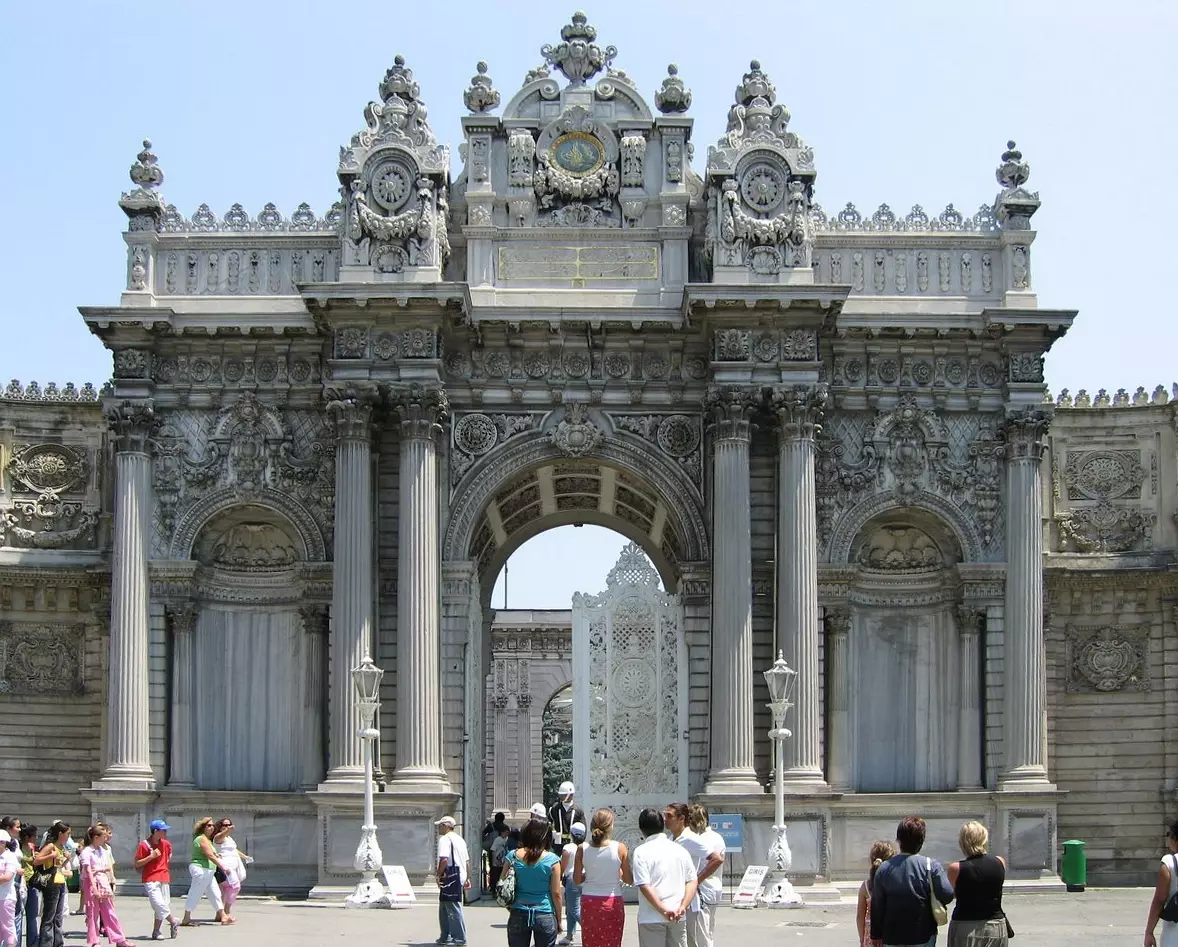
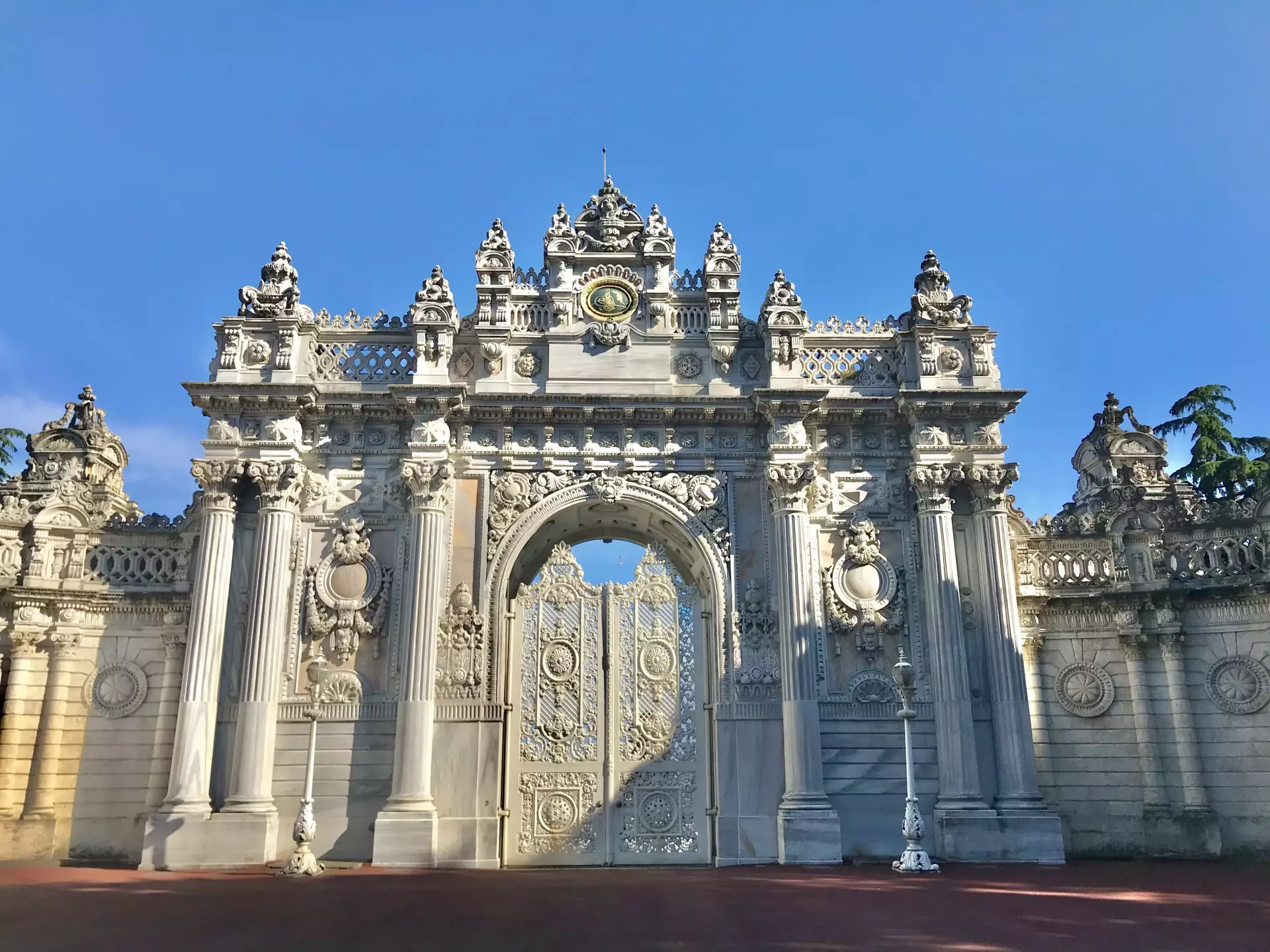
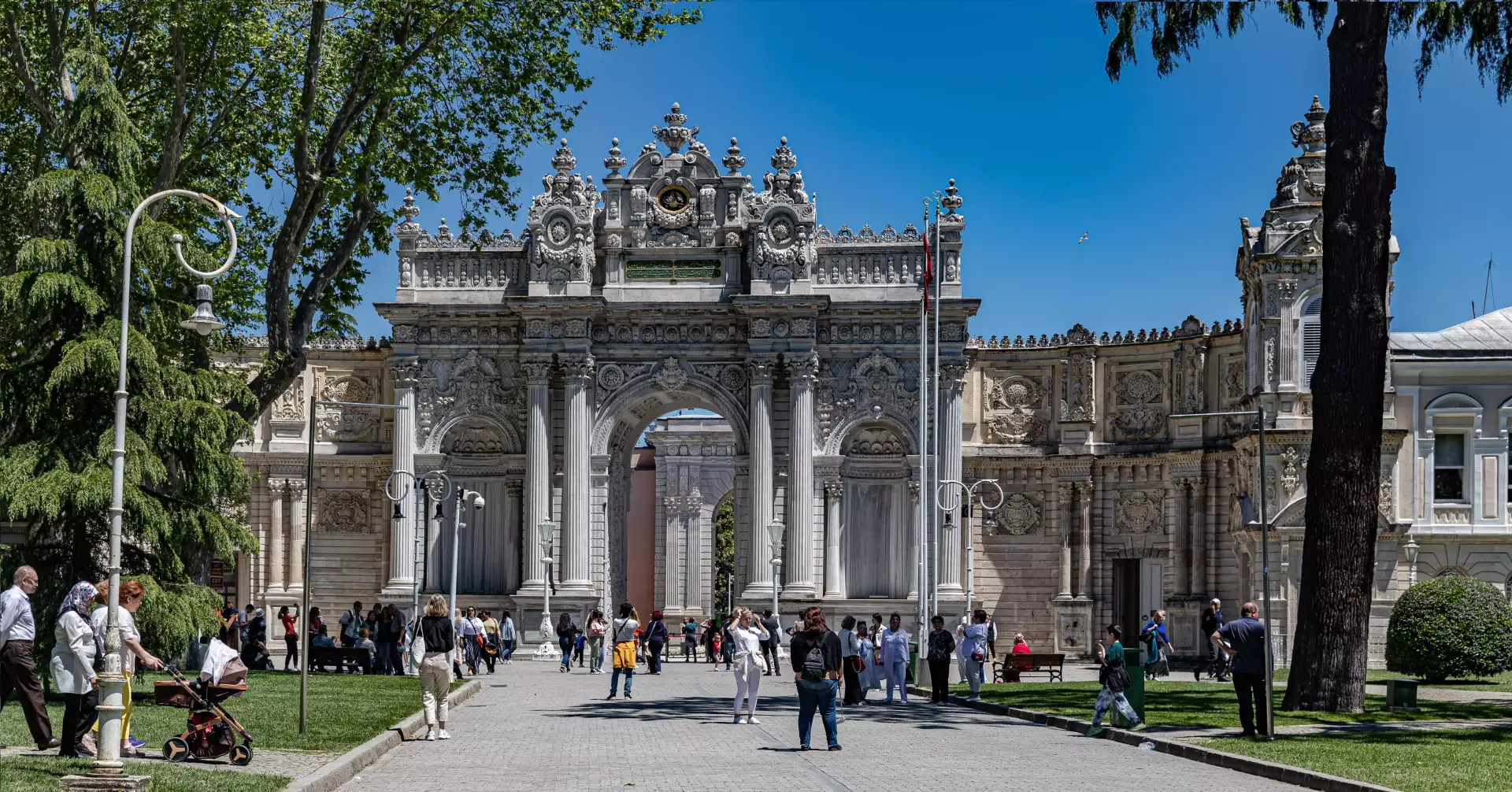
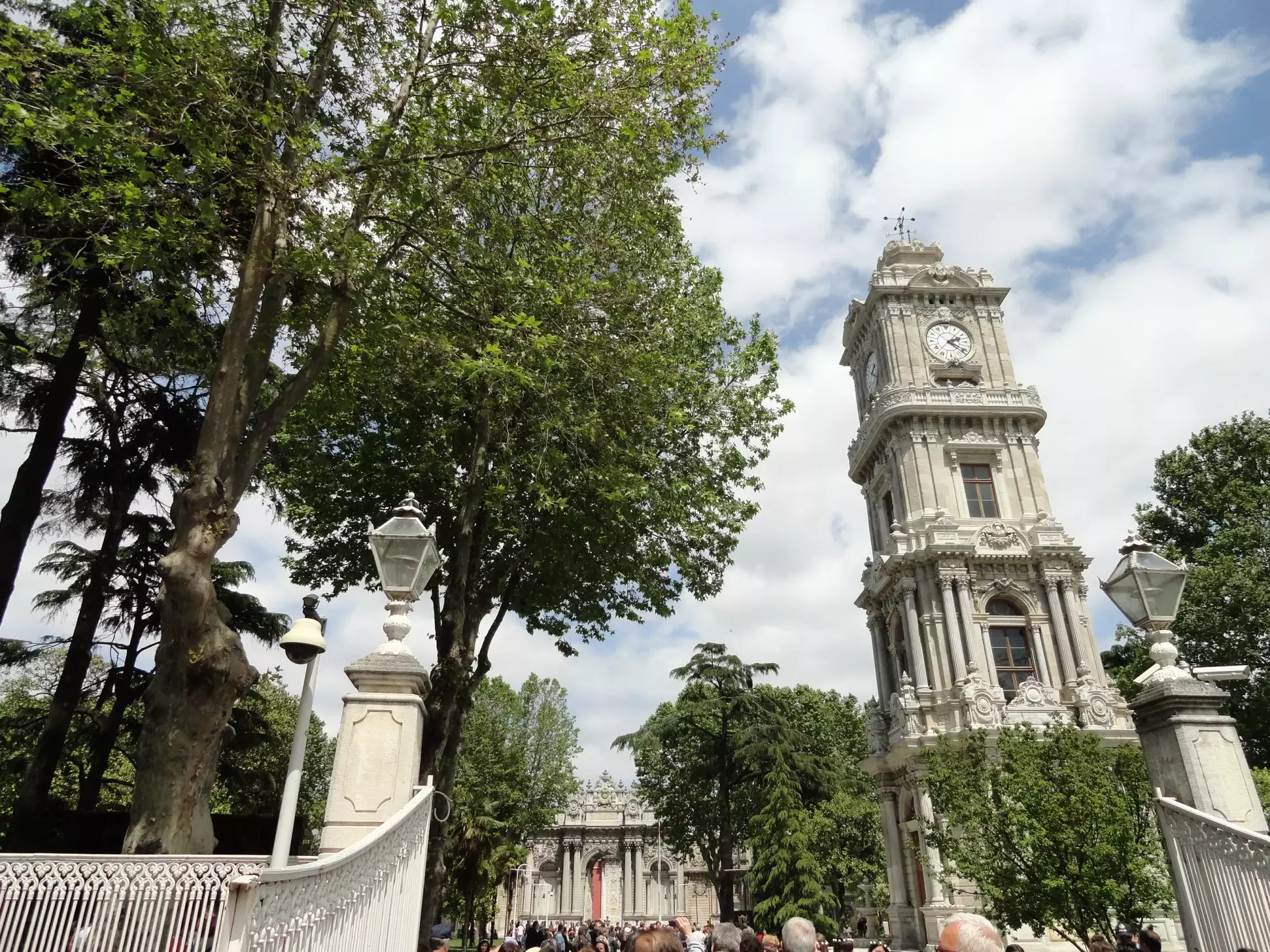


Dolmabahçe Palace
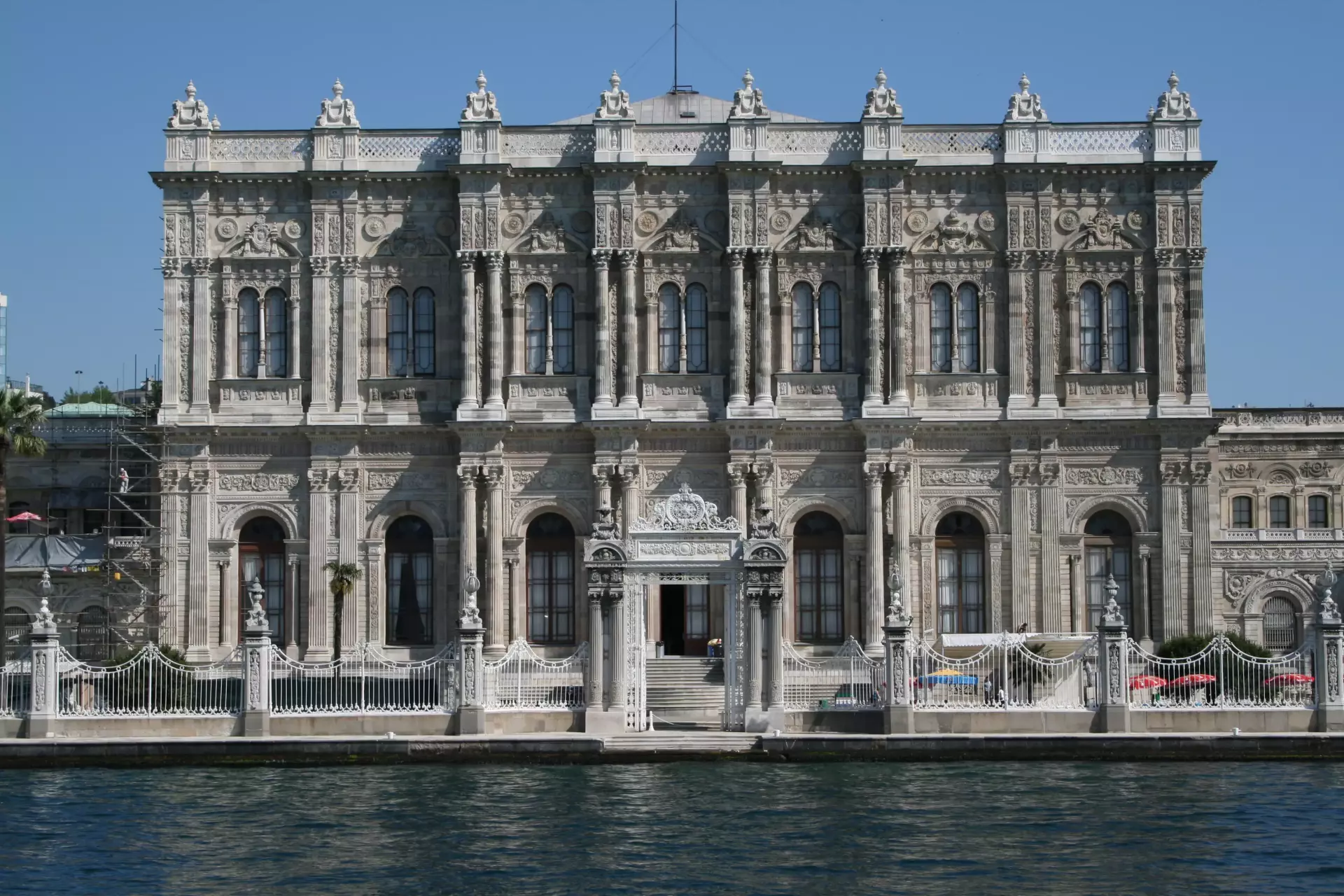
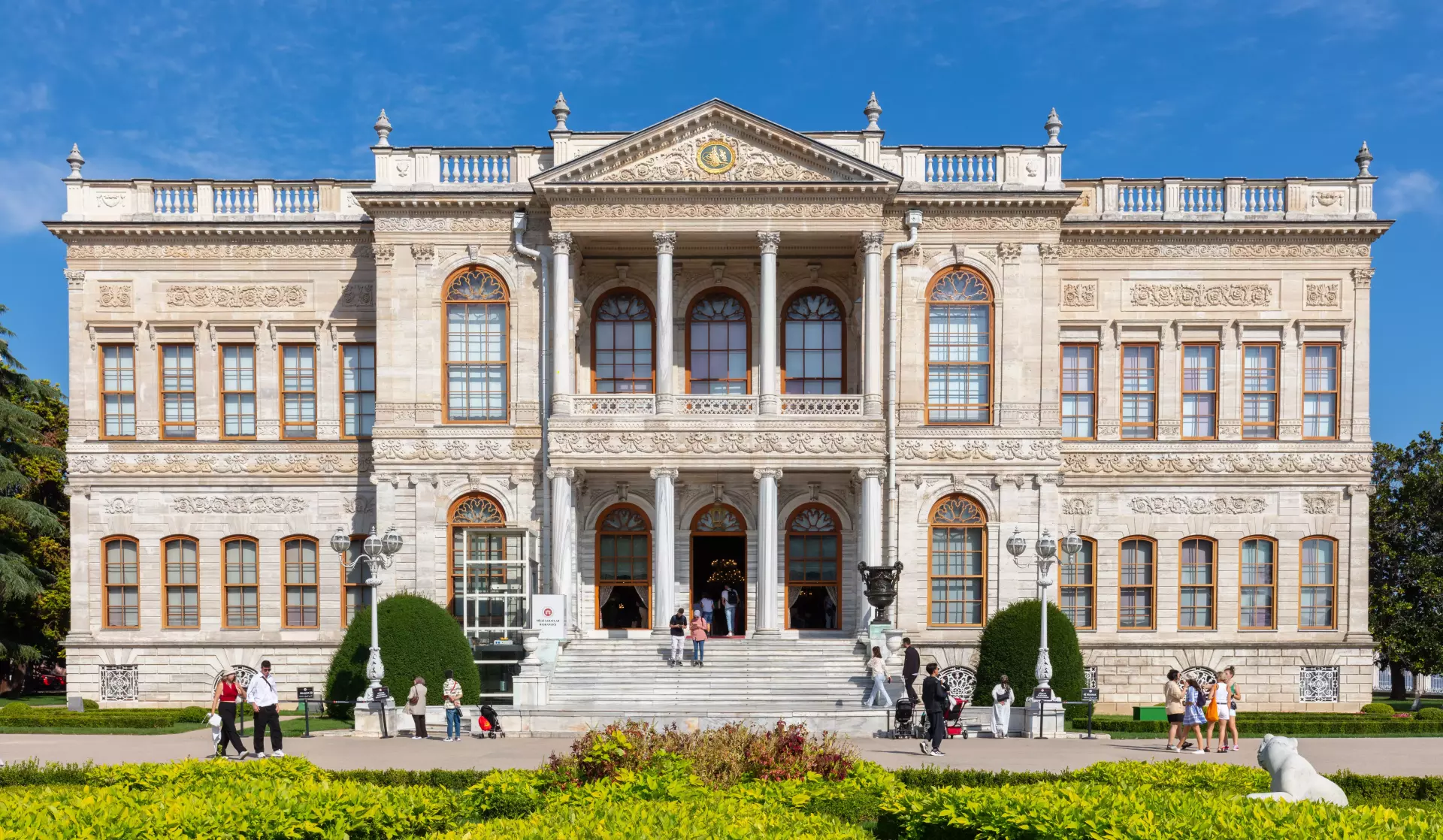
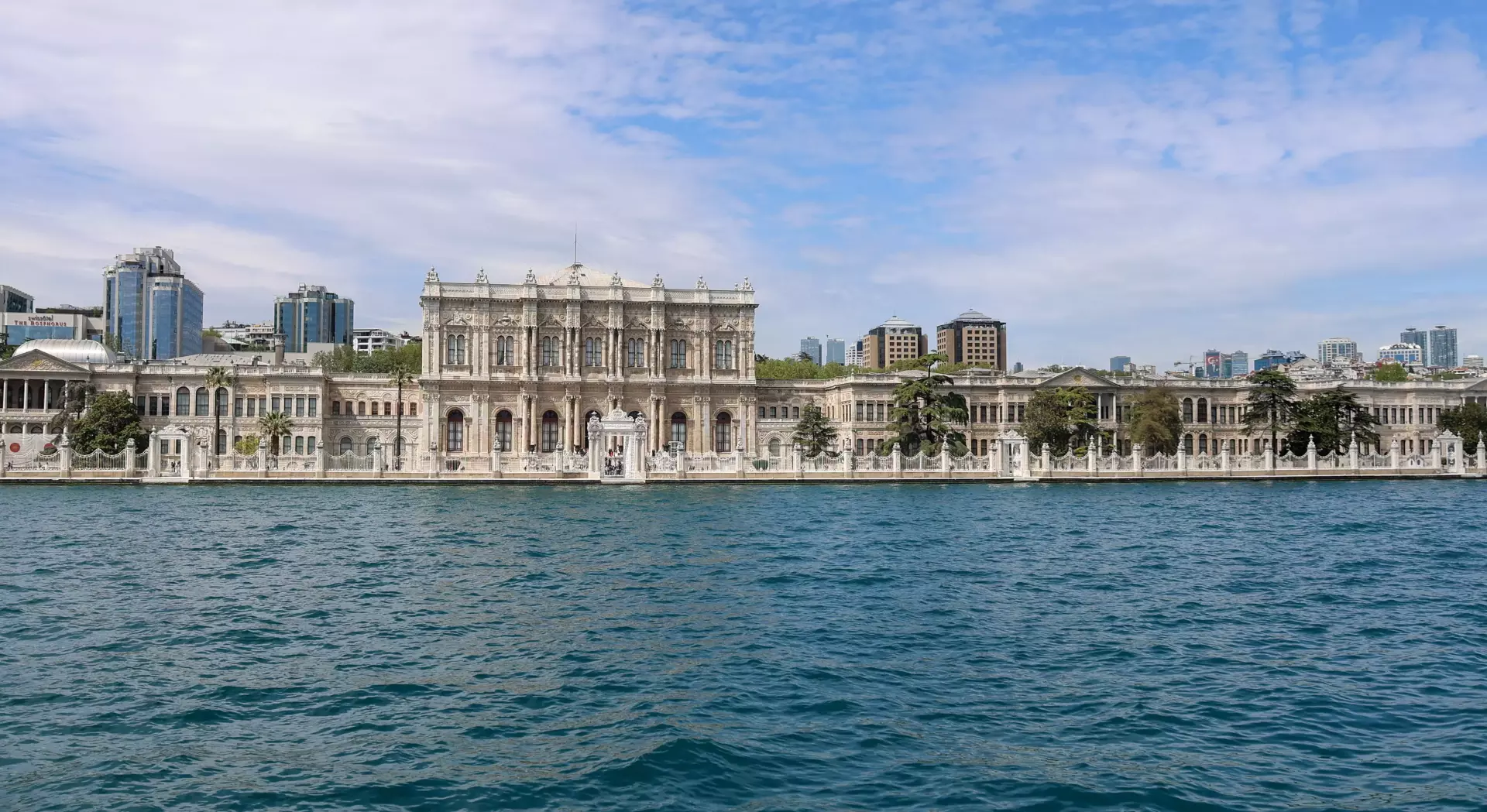
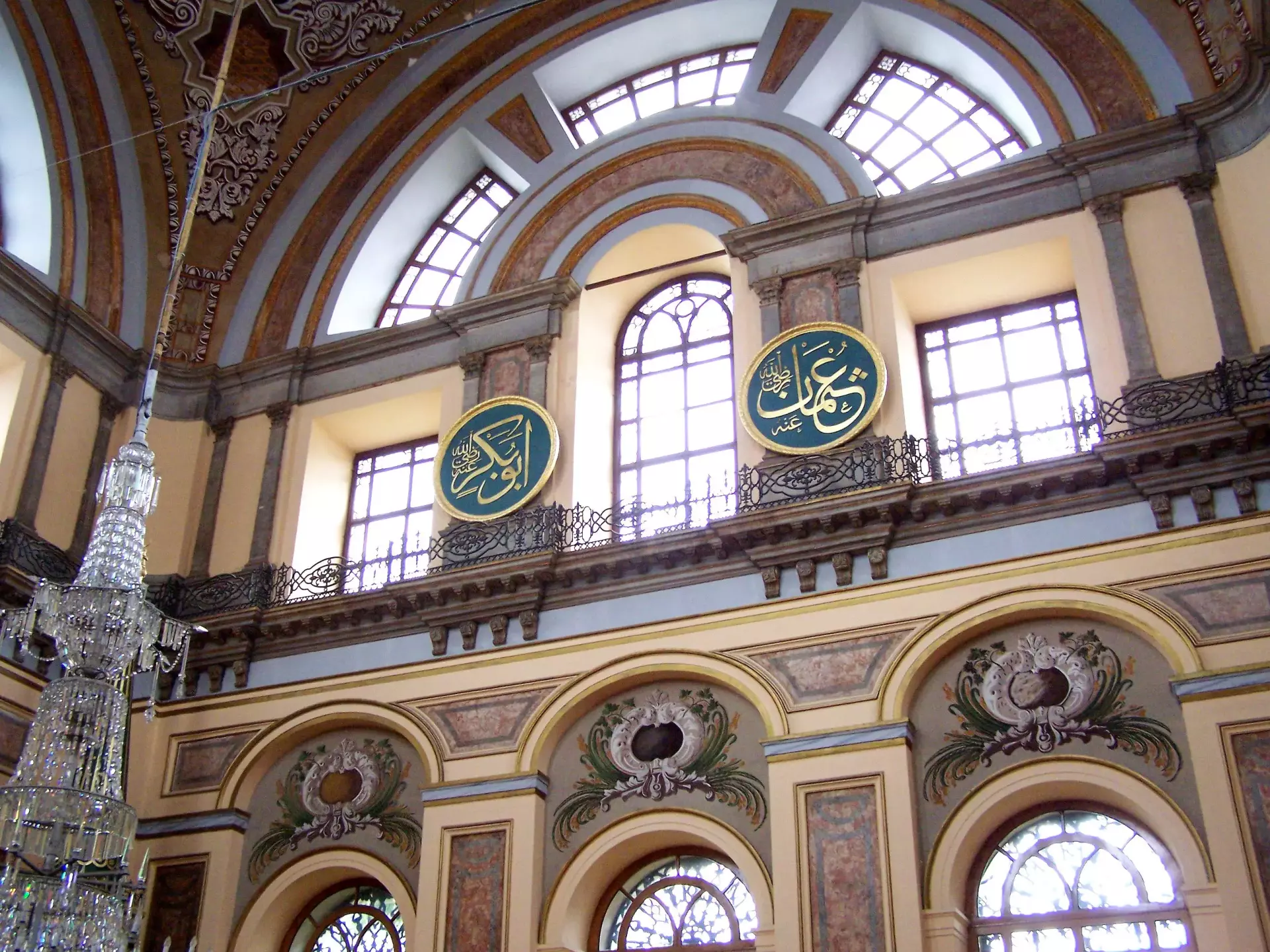
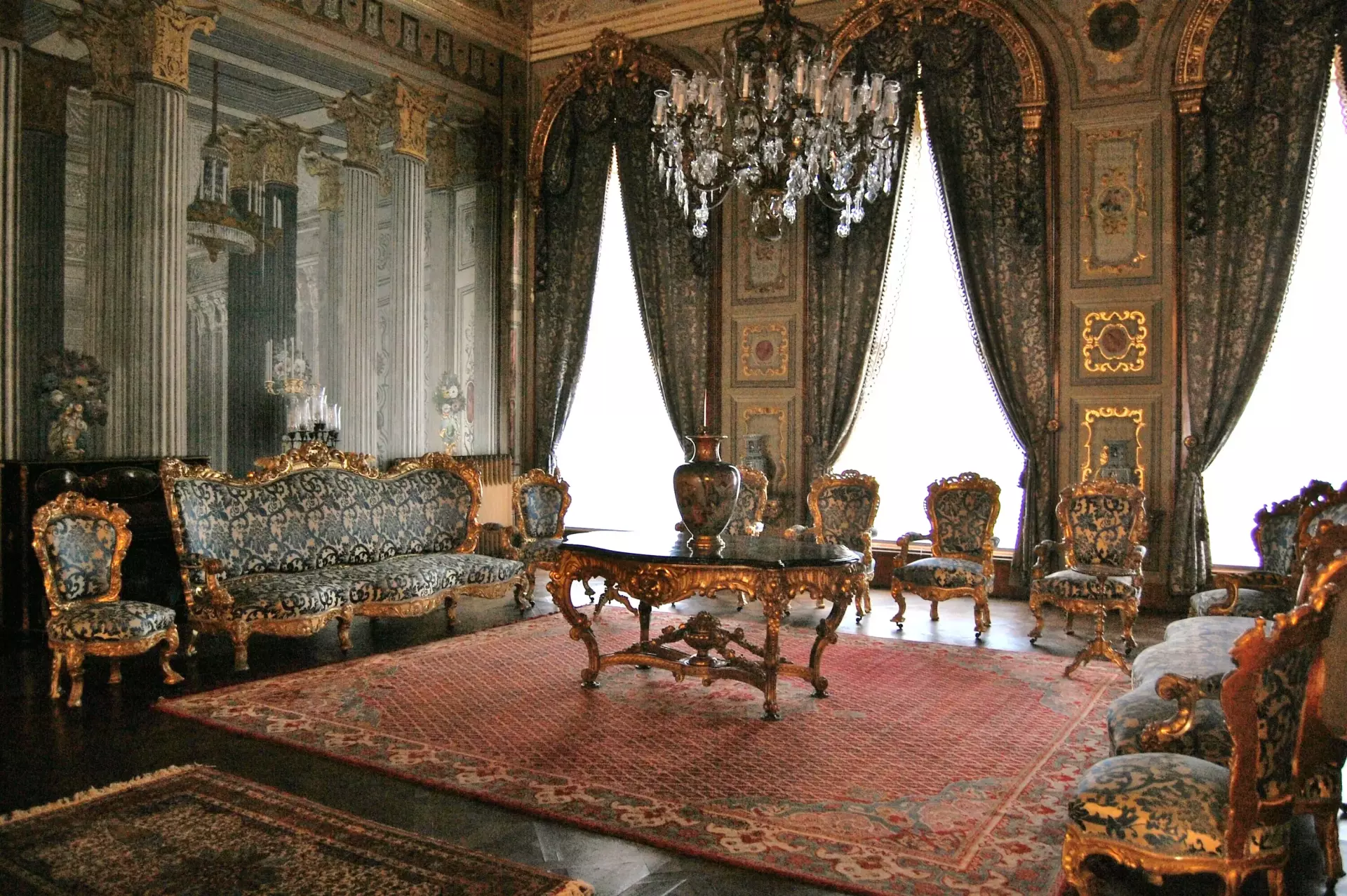
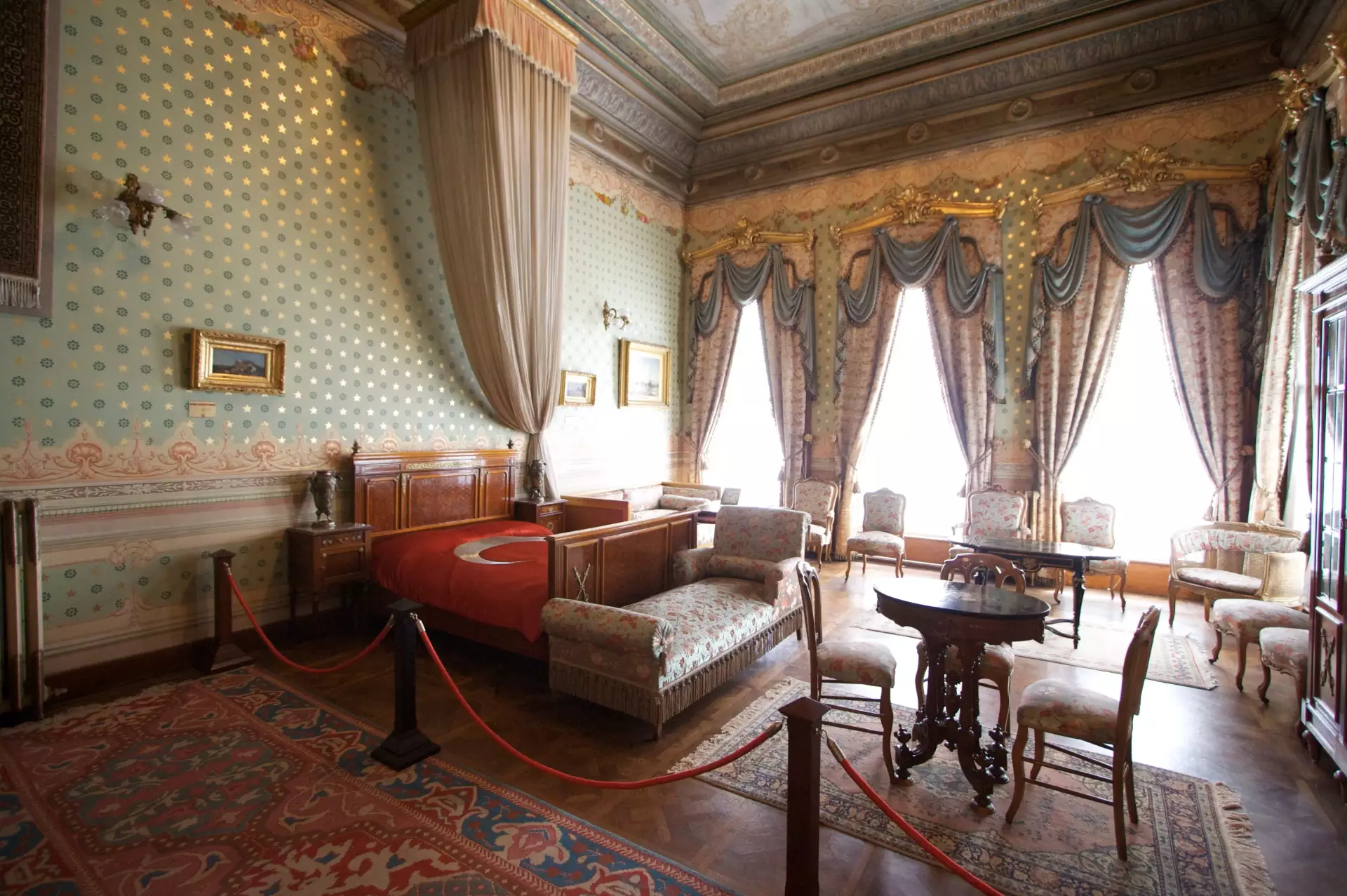
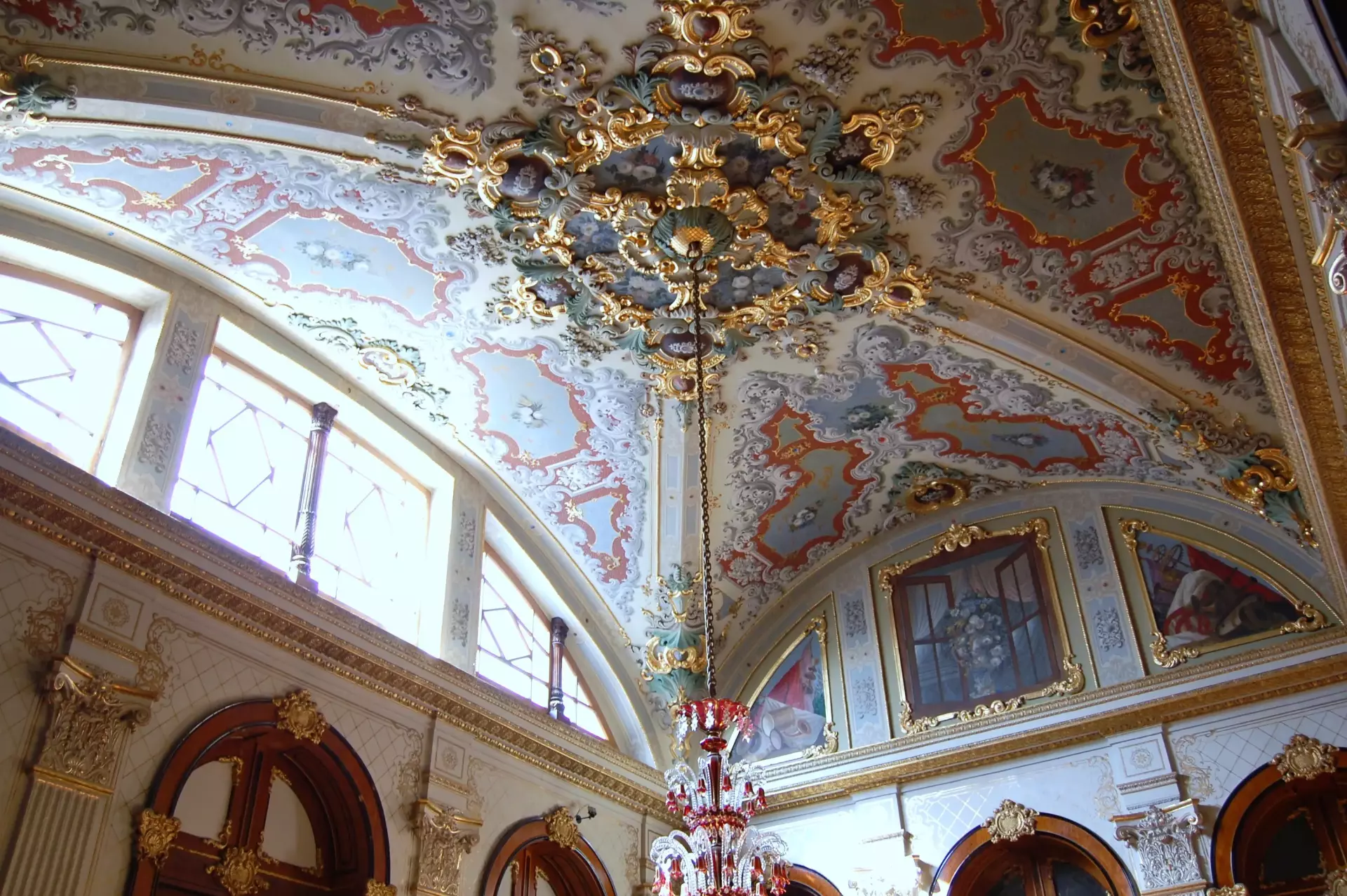
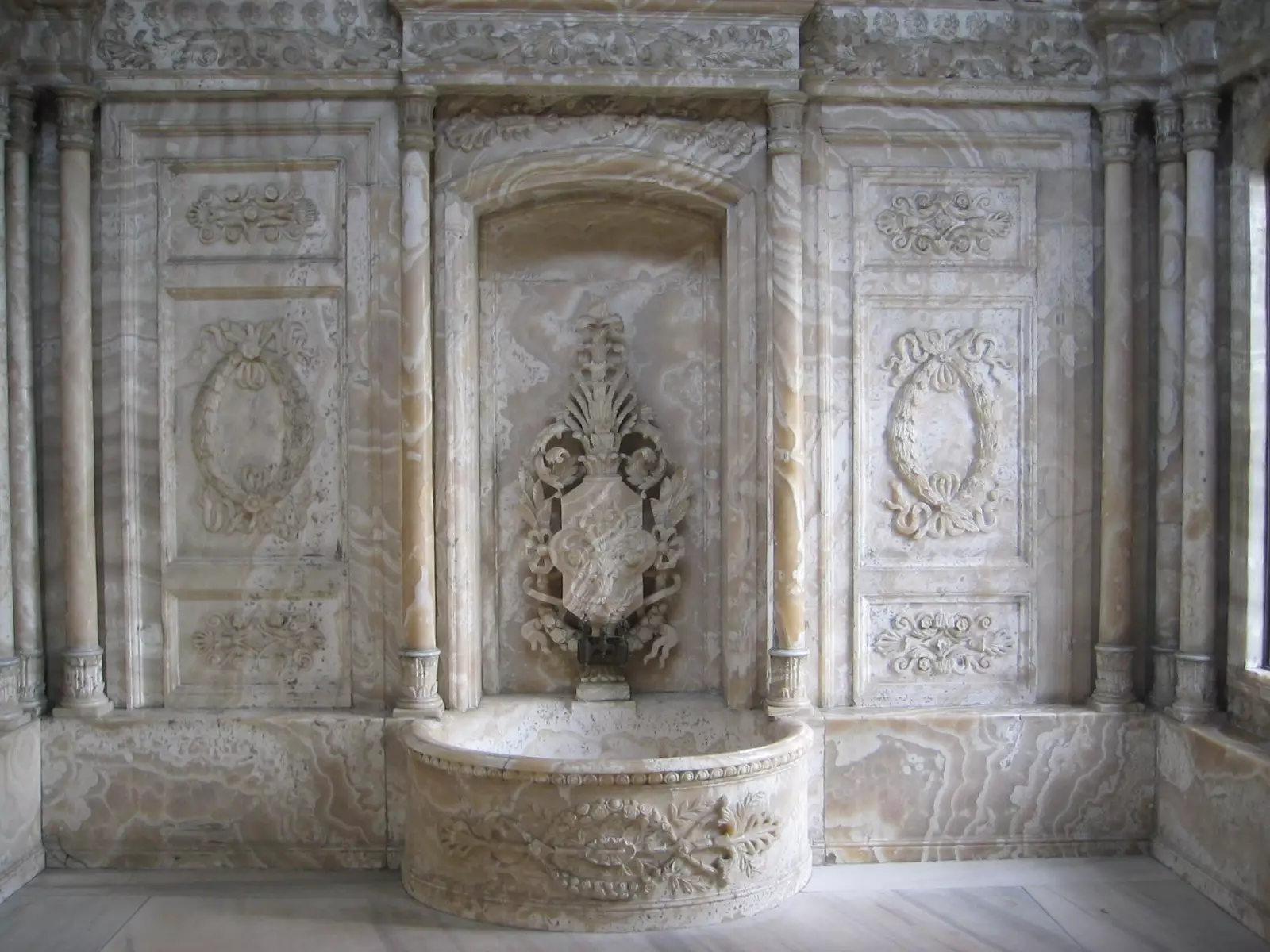
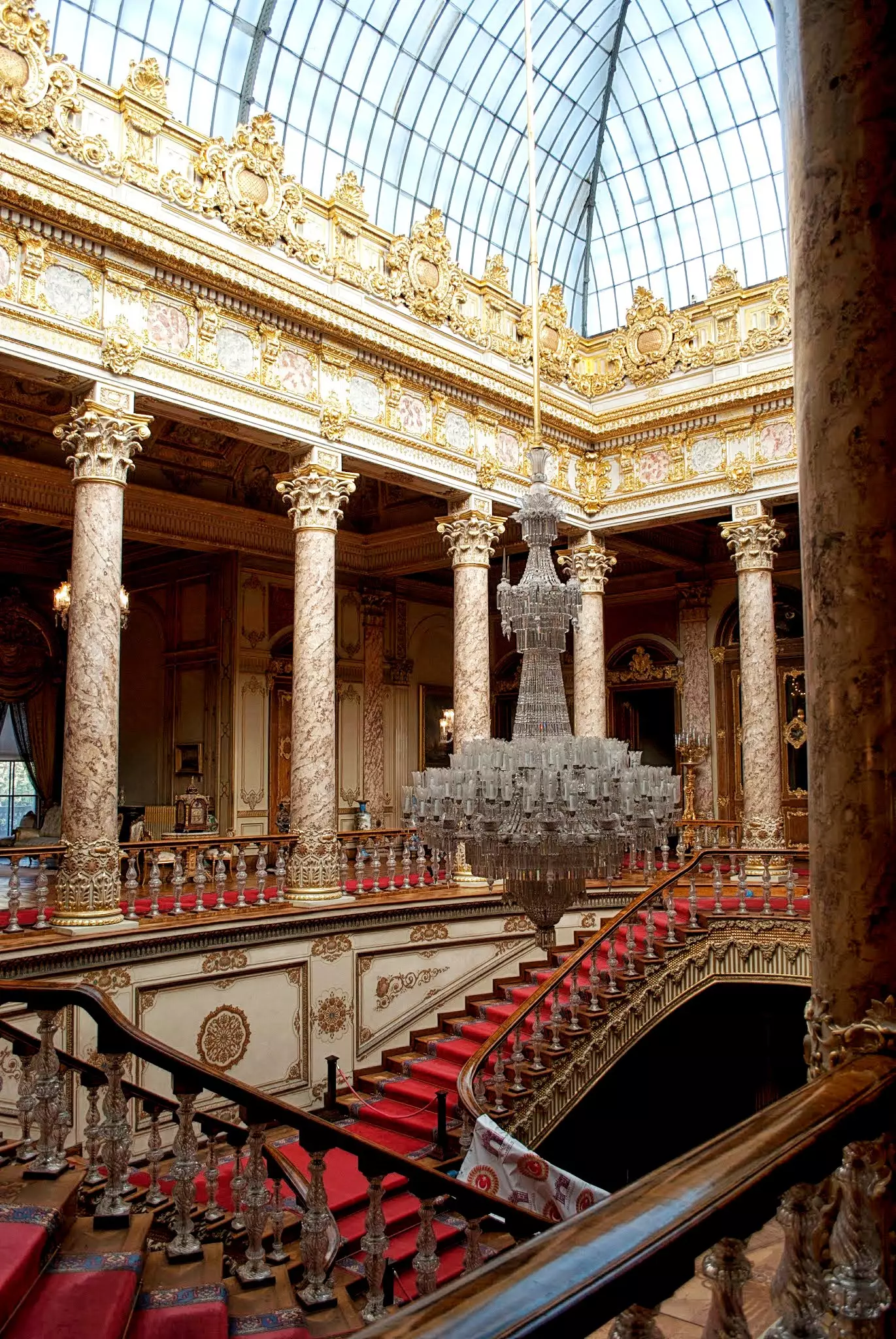
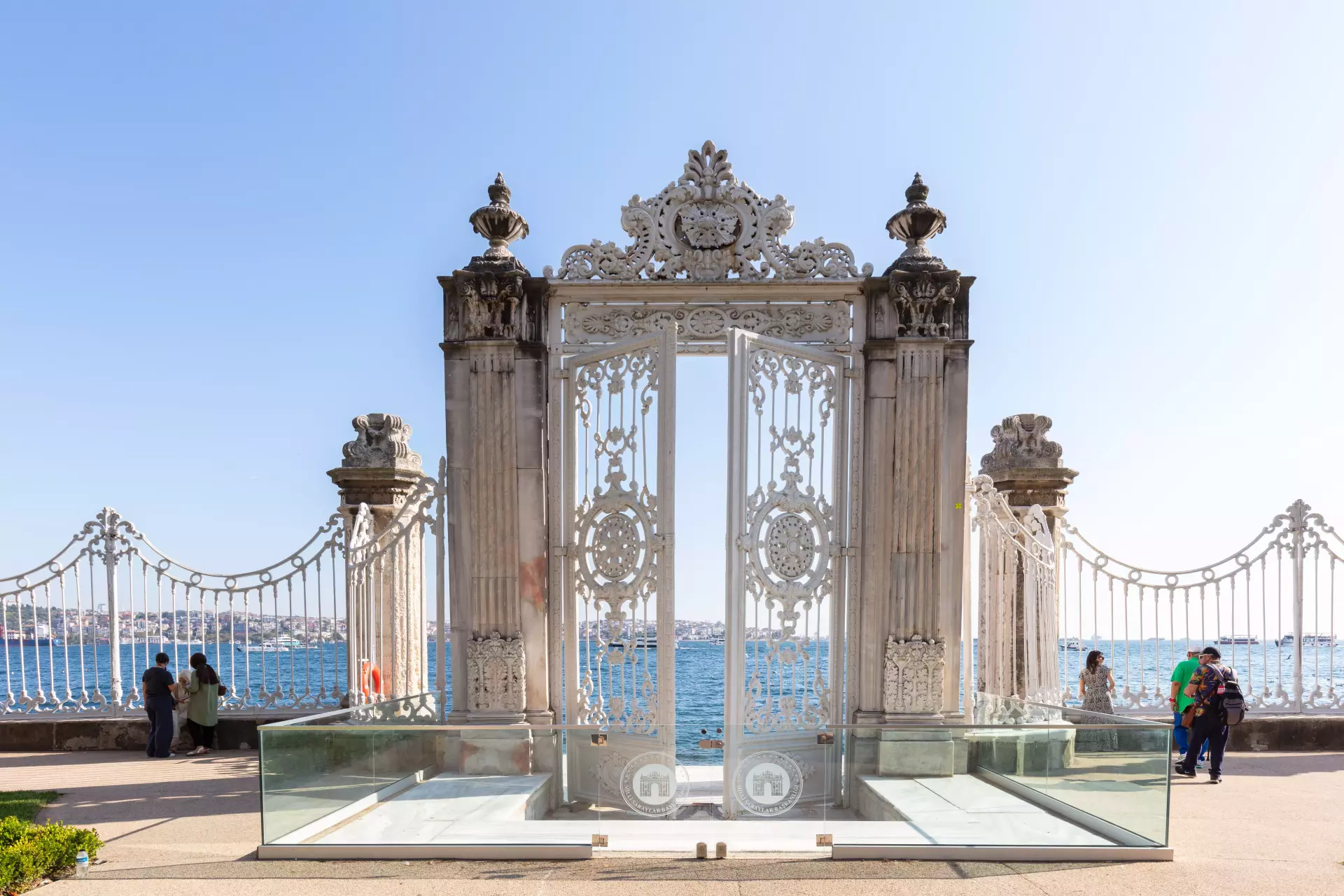
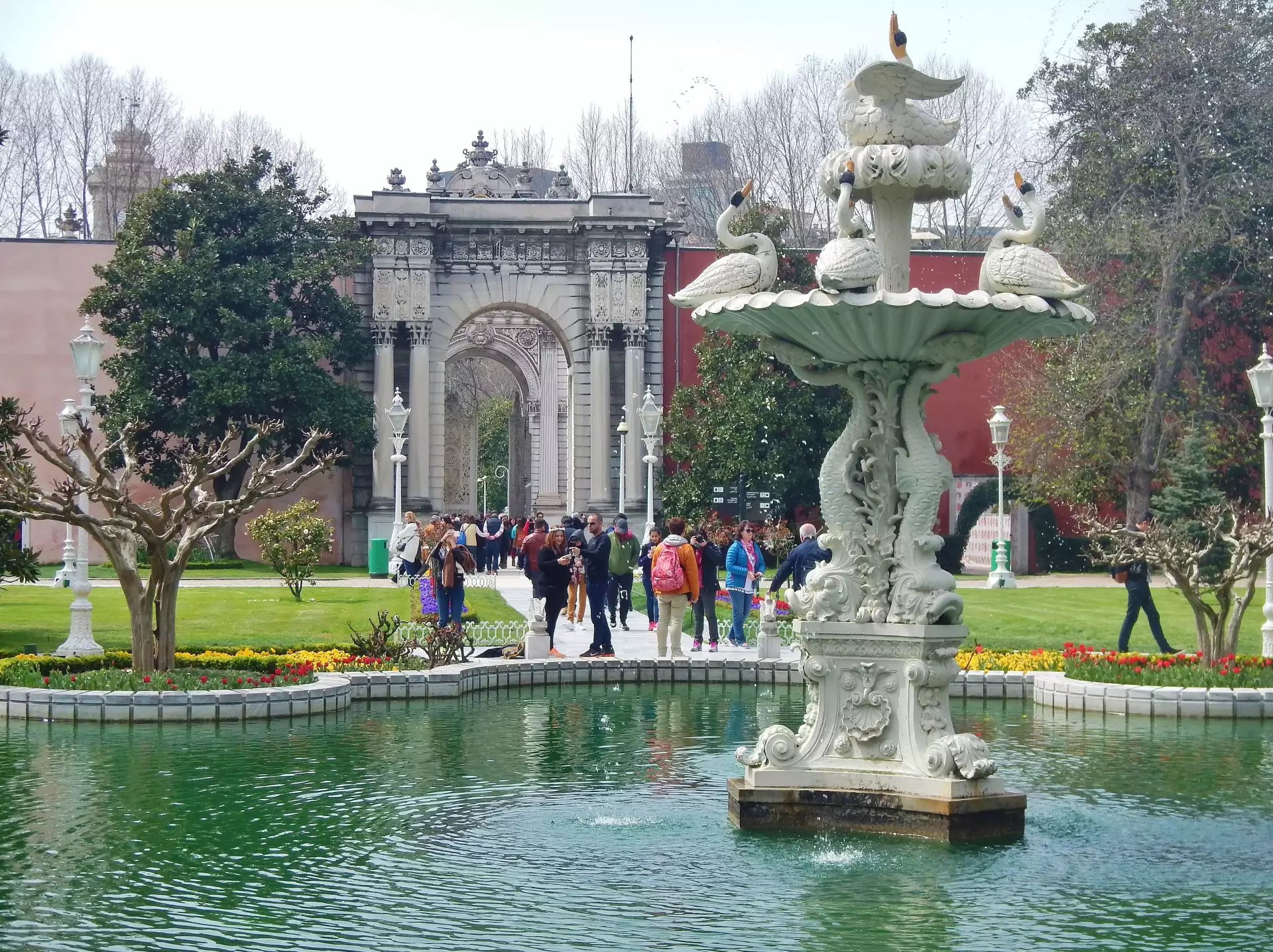
Dolmabahçe Palace stands as a remarkable reminder of the final chapter of the Ottoman Empire. With its 285 rooms and 43 grand halls, this palace once served as the administrative heart of the empire for its last 60 years.
Exploring the Palace Complex
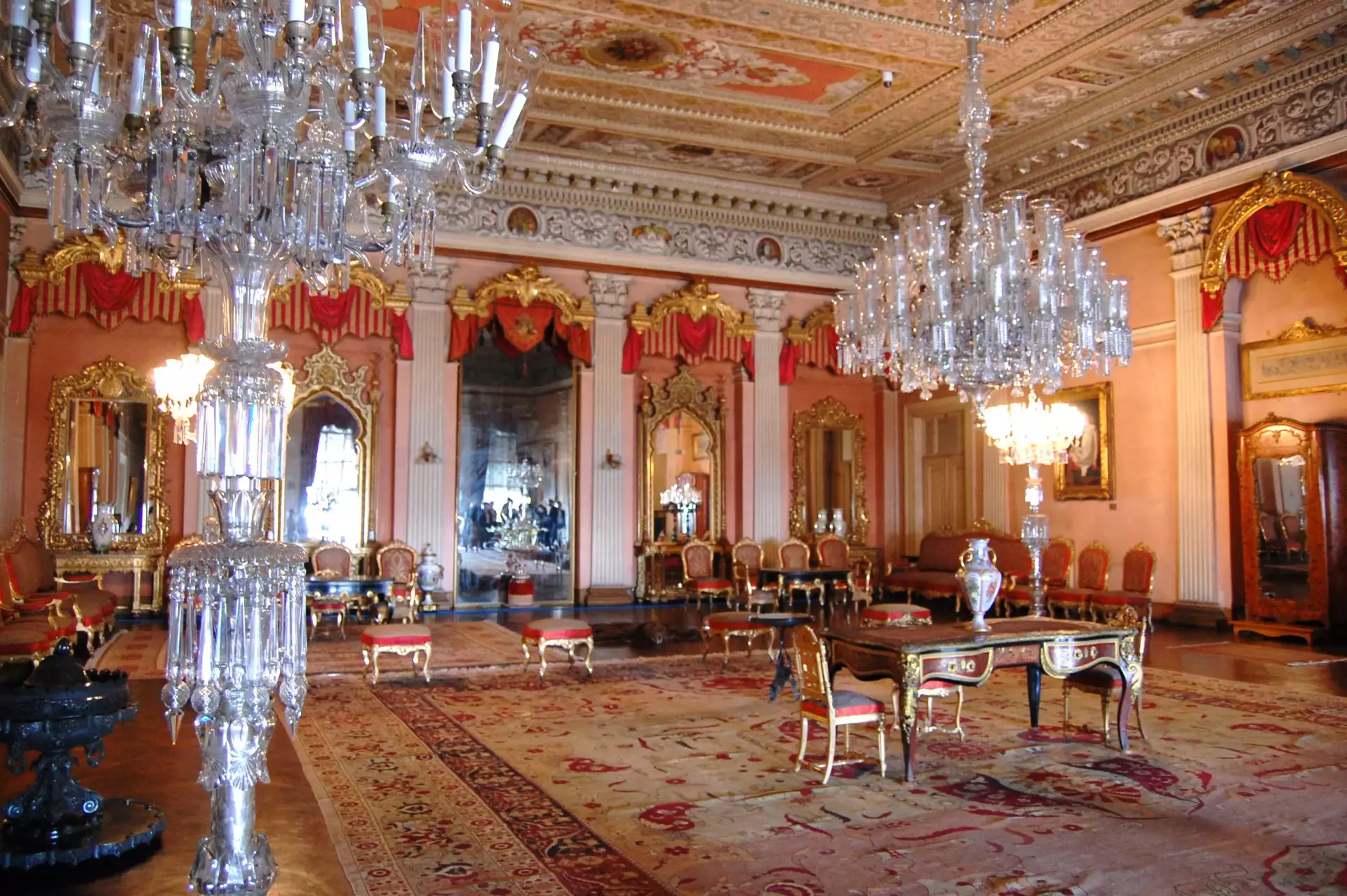
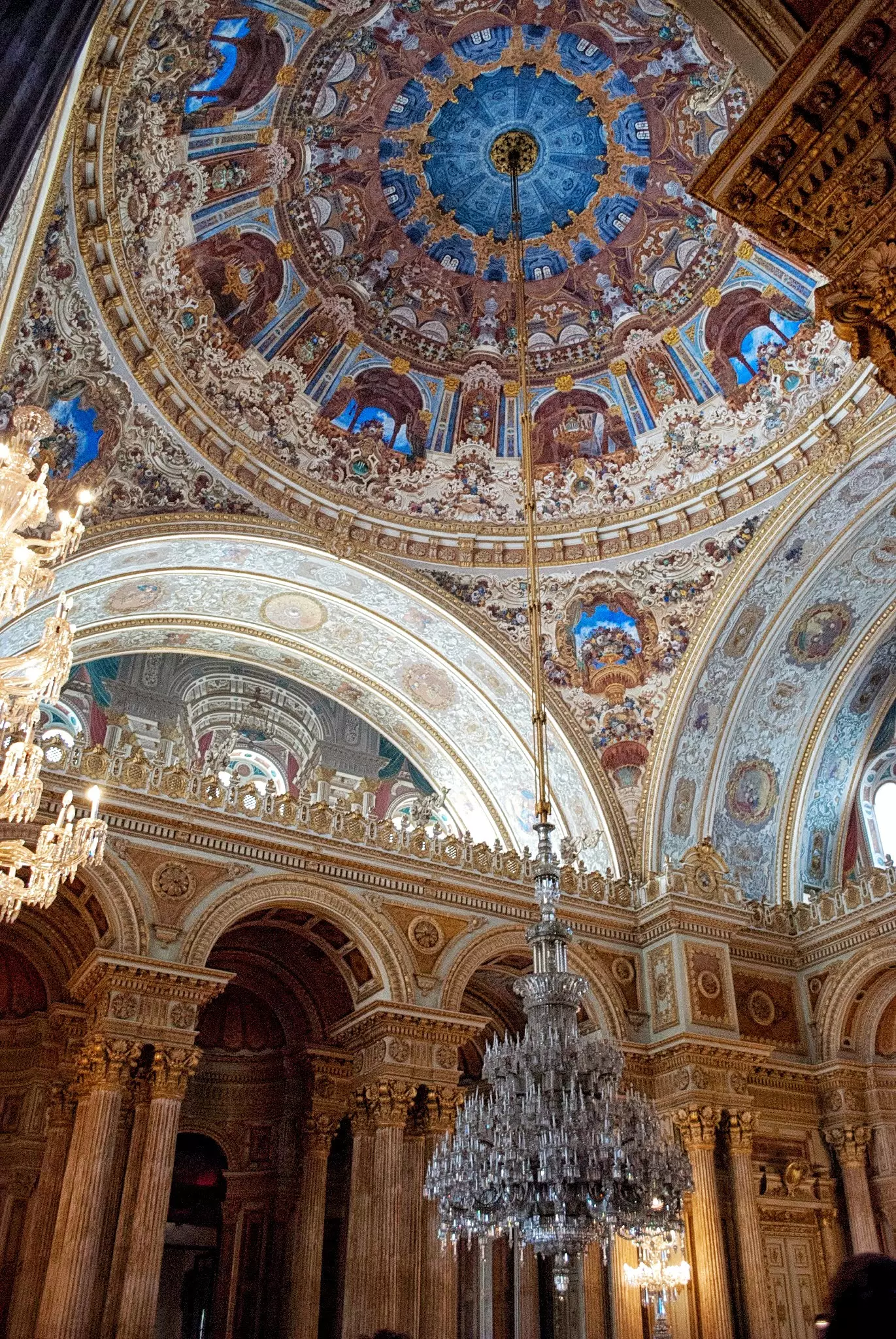
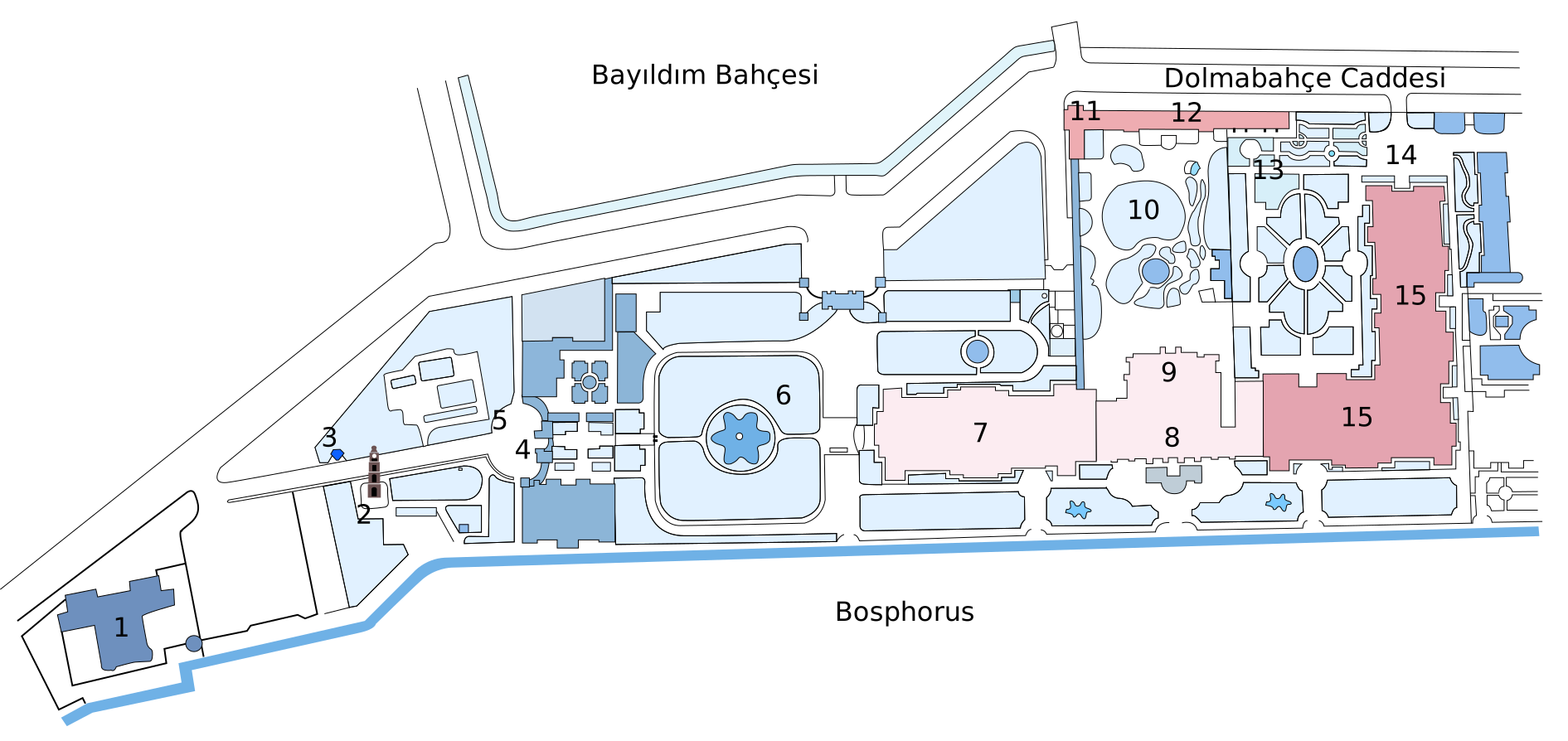
The palace is divided into several distinct areas. The government section, known as the Selamlık, contains the impressive Imperial Mabeyn, or State Apartments, where official business took place. The Muayede Hall, also called the Ceremonial Hall, was the site of dazzling imperial gatherings and celebrations.
Another important part of the palace is the Imperial Harem. This was the private area reserved for the sultan and his family, filled with intimate rooms and personal spaces.
Art, Music, and Treasured Collections
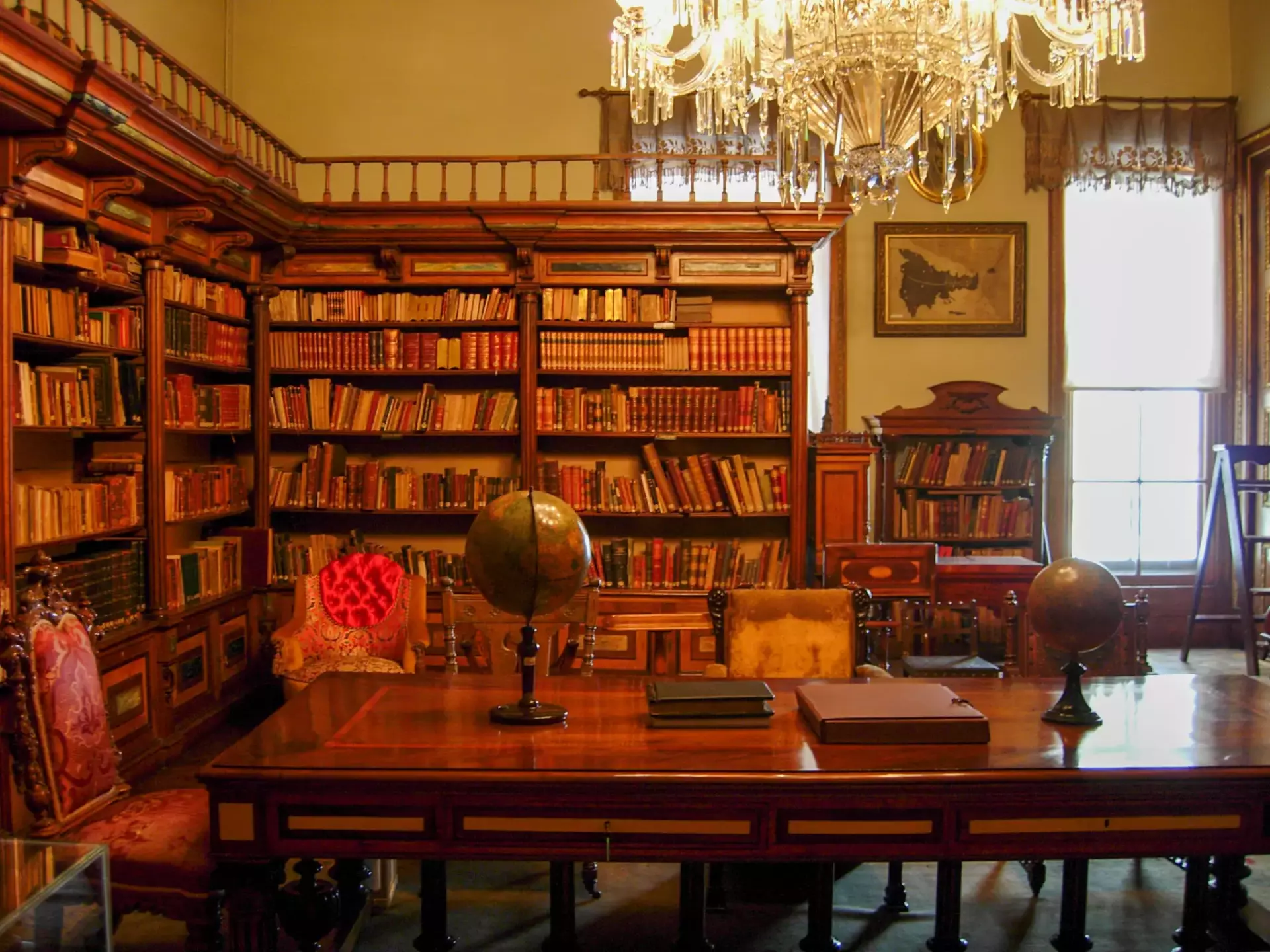
Visitors can also enjoy a range of museums within the palace grounds. The Painting Gallery showcases works collected by the sultans. The Music Museum highlights the role of music in the Ottoman court, and the Clock Museum features exquisite timepieces from the palace’s collection. The Museum of Palace Collections offers a closer look at precious objects once used in daily palace life.
Visitor Information
Audio guides are provided free of charge near the ticket office, with options in several different languages to help visitors understand the rich history of each area. Photography is not allowed inside the palace, preserving the delicate interiors. Backpacks are also not permitted, but a cloakroom is available for storage. Most people spend about three hours seeing everything the palace has to offer.
Source - https://en.wikipedia.org/wiki/Dolmabah%C3%A7e_Palace