

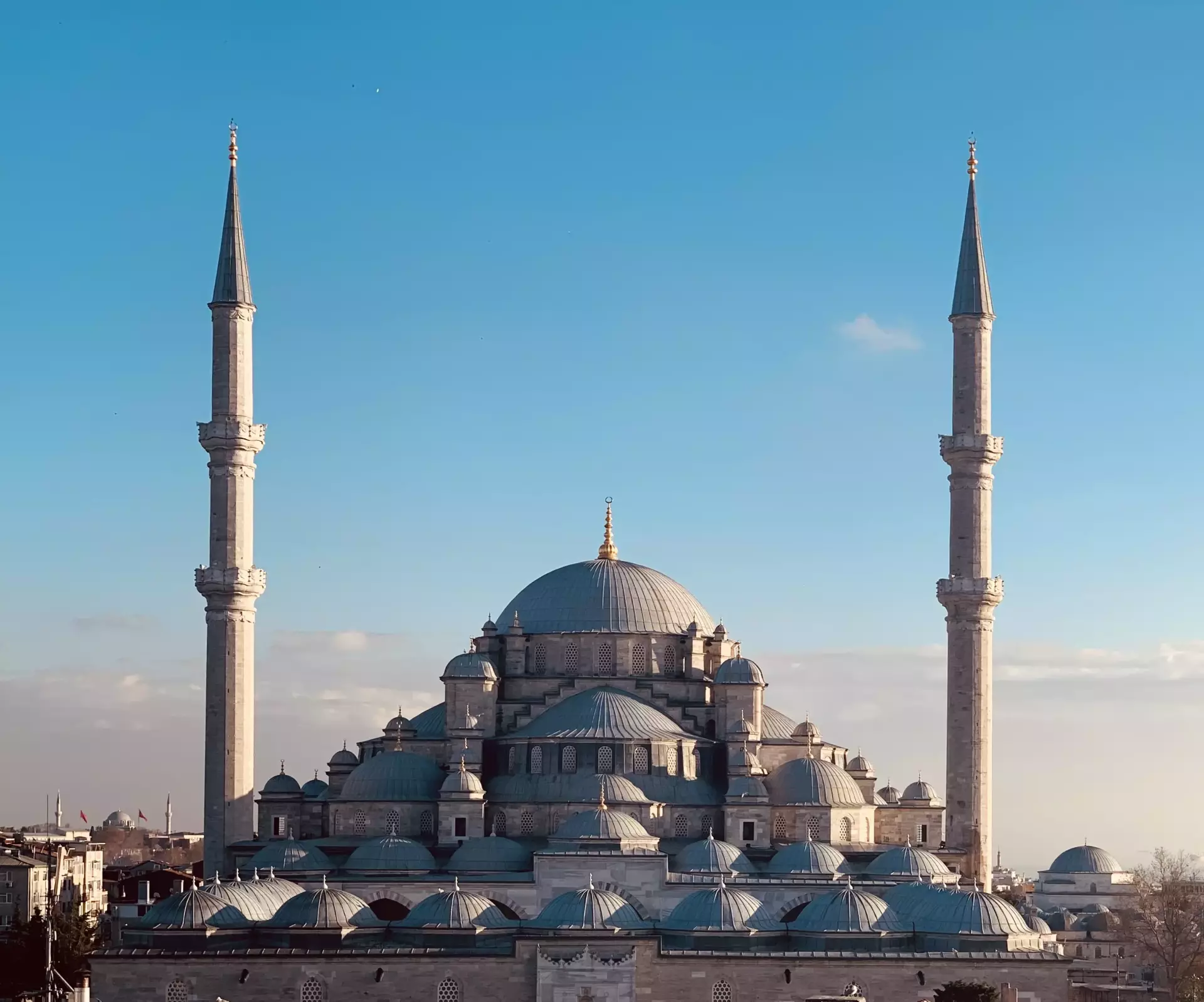
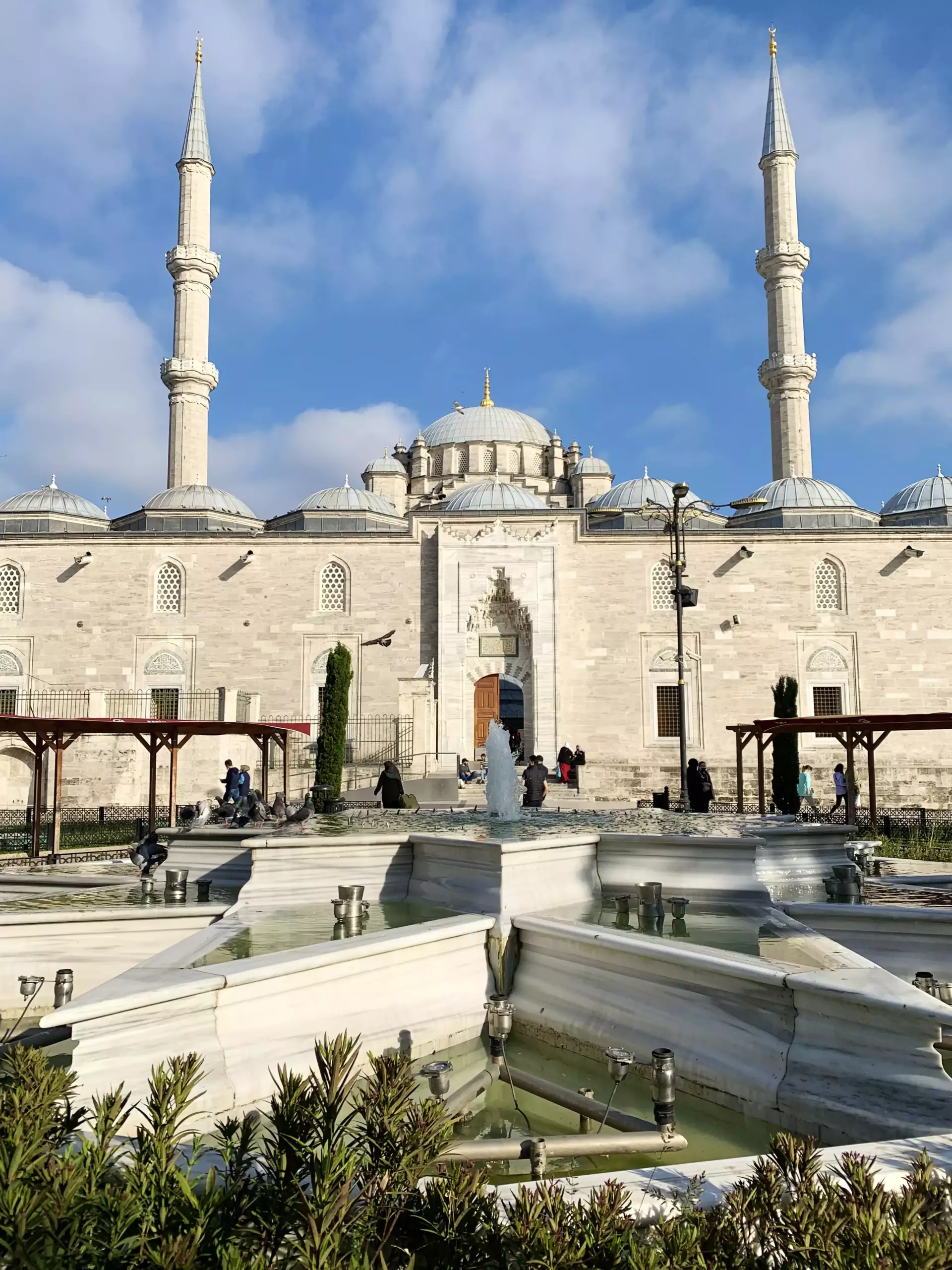
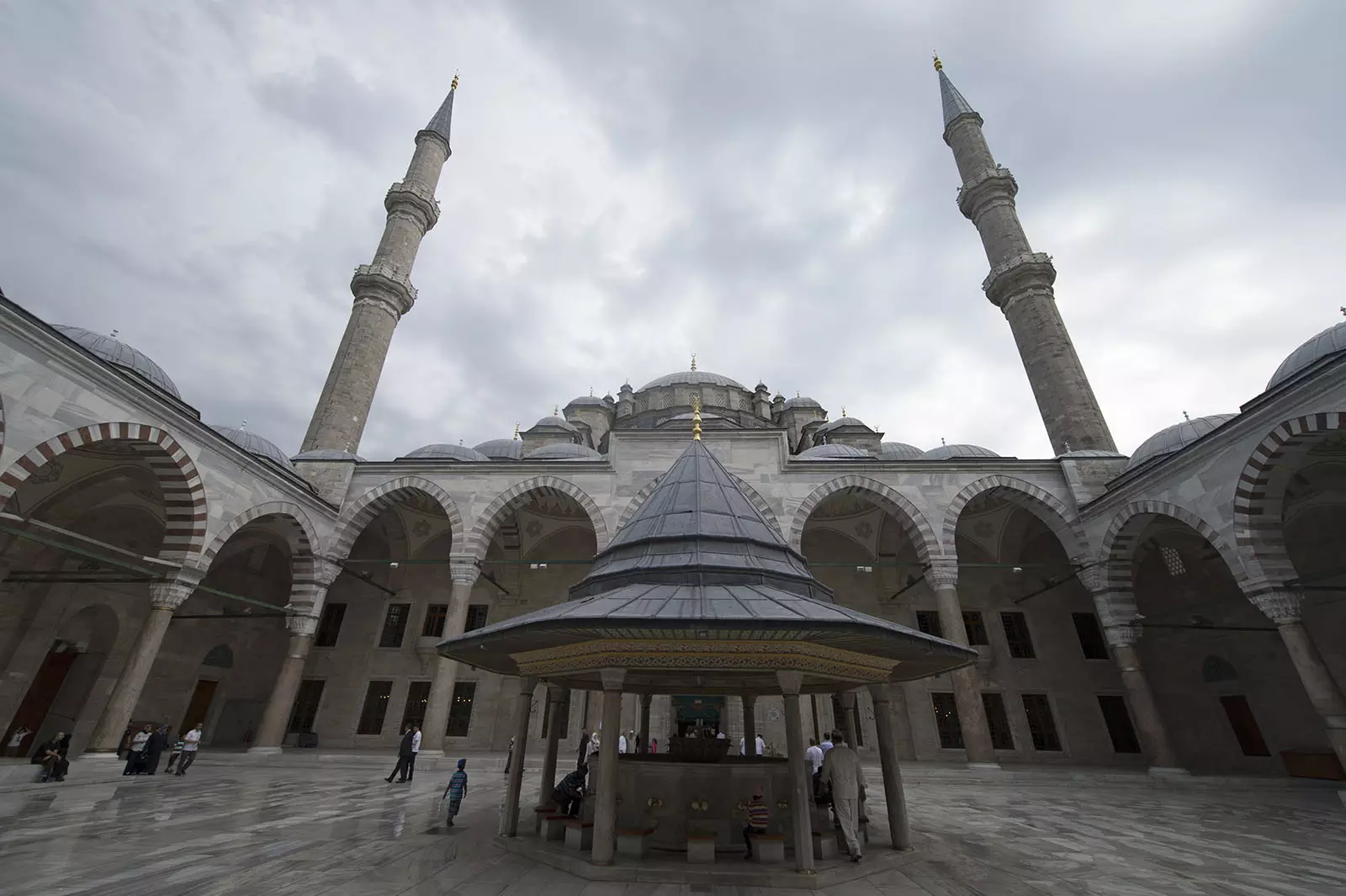
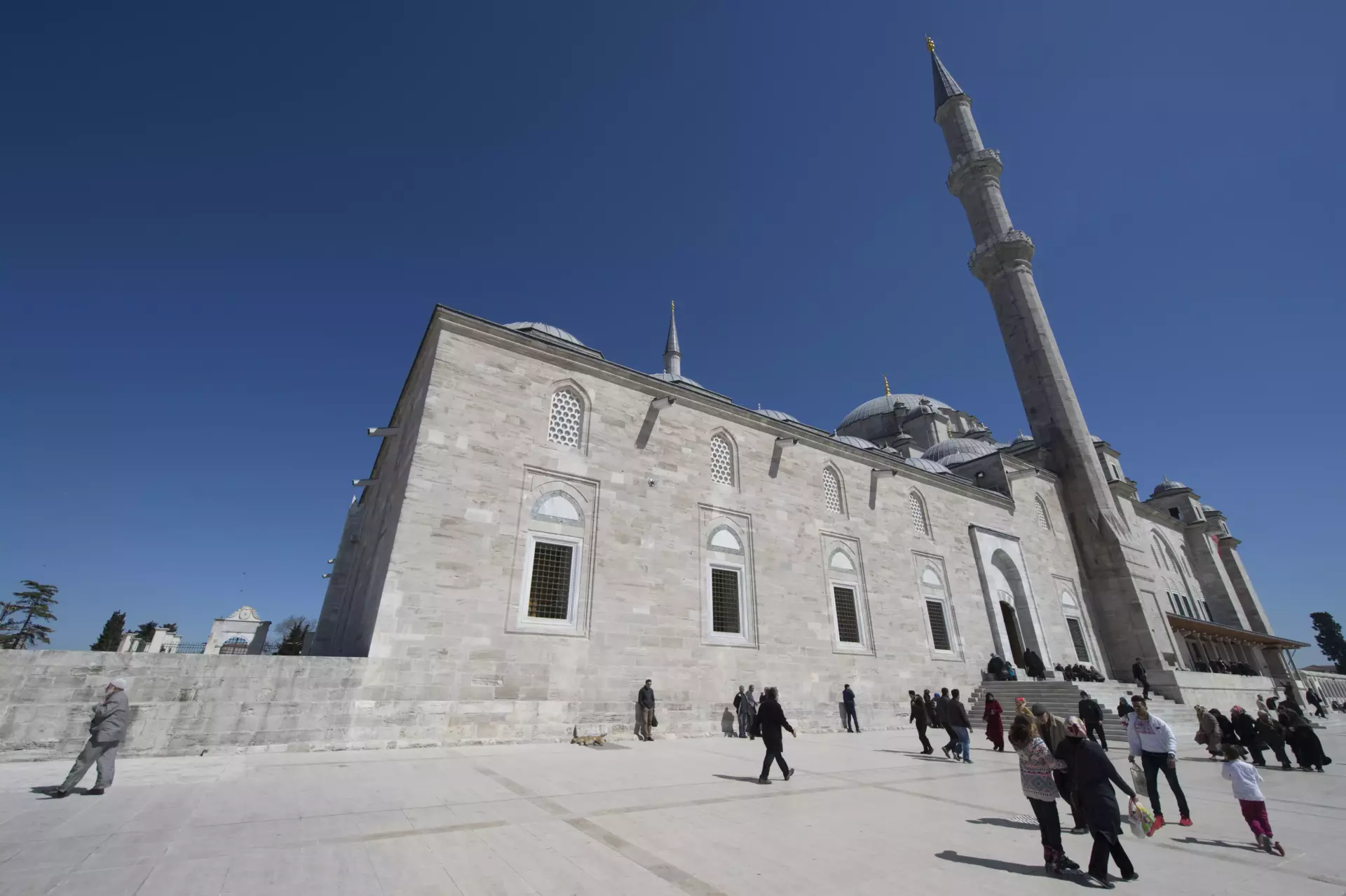
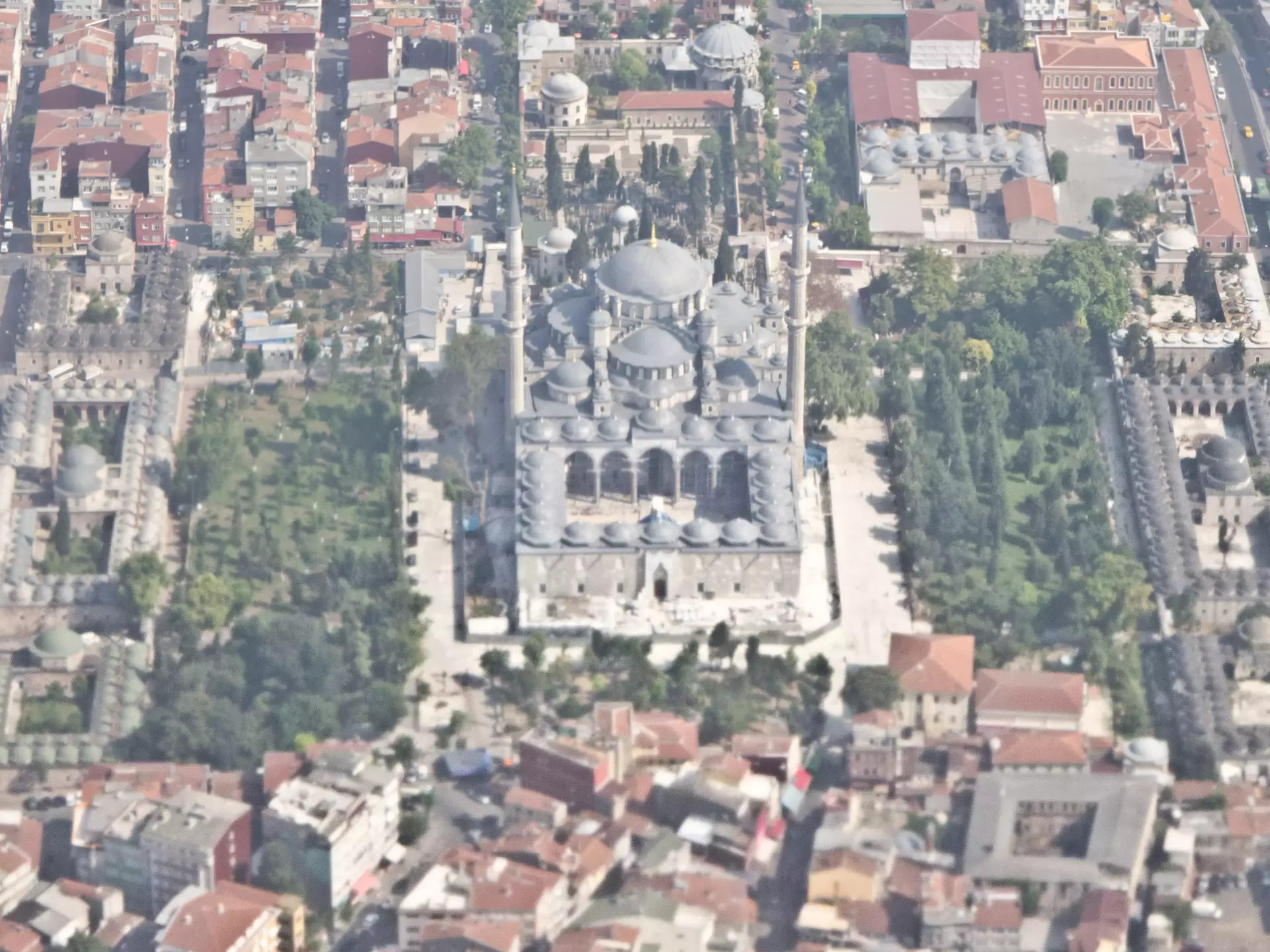


Fatih Istanbul Mosque
The Fatih Mosque in Istanbul stands on a site rich with history and transformation. Originally constructed between 1463 and 1470, it was built on the ruins of the Church of the Holy Apostles. This location had been a major burial place for Byzantine emperors for over a thousand years before the Ottomans.
An Ottoman Vision Takes Shape
Commissioned by Sultan Mehmet II, also known as Mehmet the Conqueror, the mosque was designed by the Greek architect Atik Sinan. The construction was part of a much larger complex, known as a külliye, which included eight Islamic schools (medreses), a library, a hospital, a hospice, a caravanserai, a market, a Turkish bath (hamam), a primary school, and a public soup kitchen. This ambitious project reflected the Sultan’s vision for a center of learning, charity, and worship.
Destruction and Renewal
Through the centuries, the Fatih Mosque and its surroundings suffered repeated damage from earthquakes. The original structure was eventually destroyed, leading to a complete rebuild in 1771, this time following a new architectural plan. The mosque seen today represents this later period, but the sense of grandeur and history remains very much alive.
Lavish Interiors and Royal Tombs
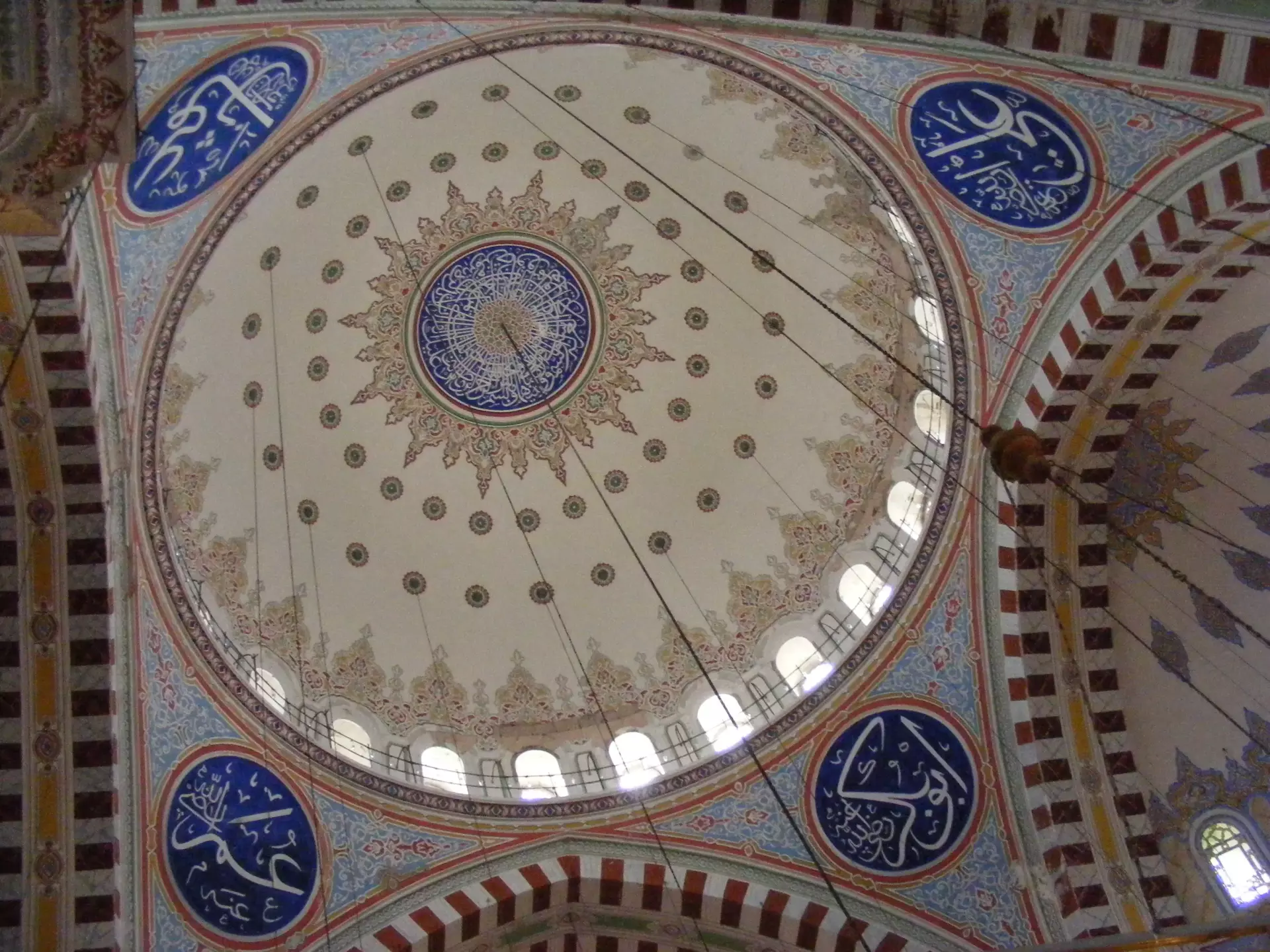
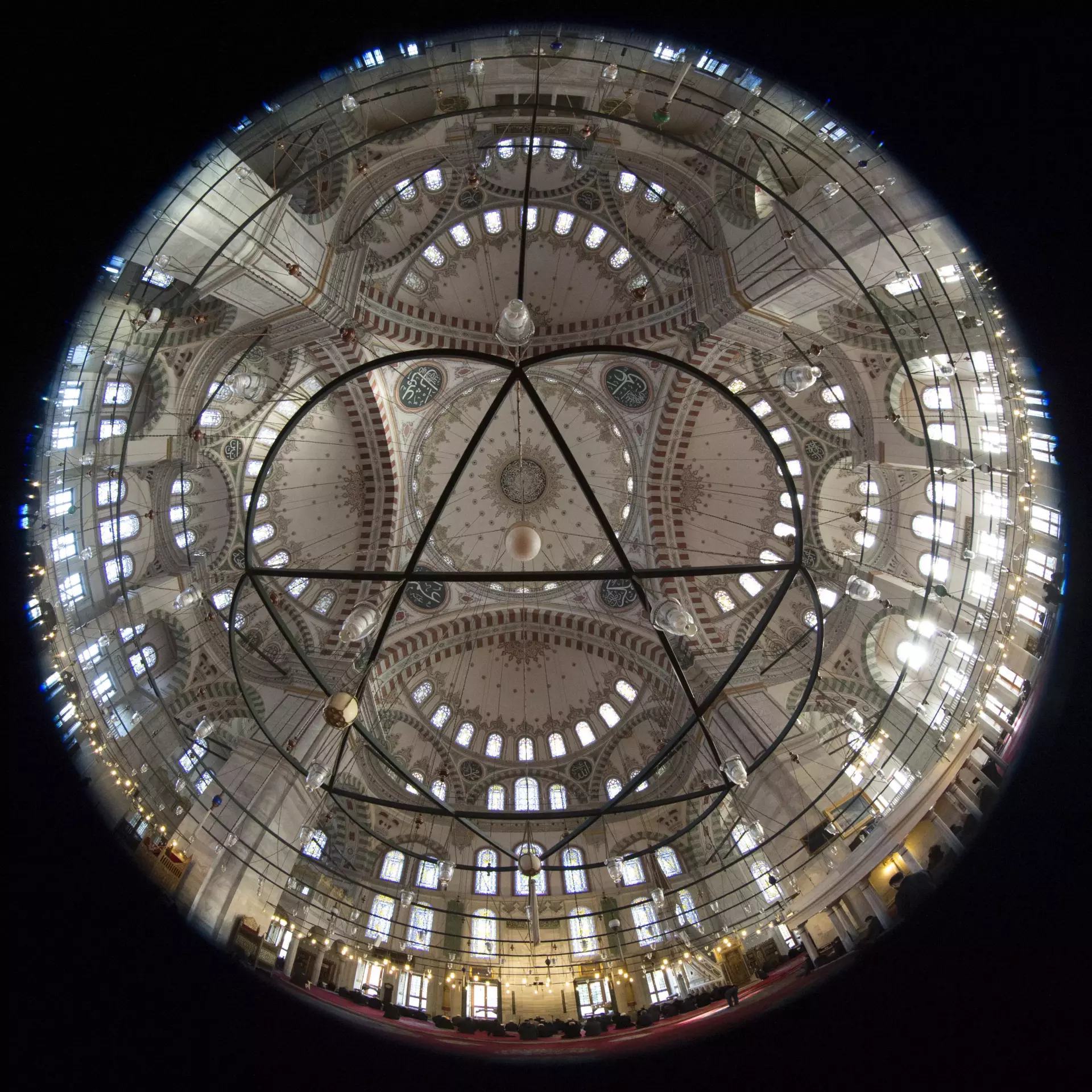
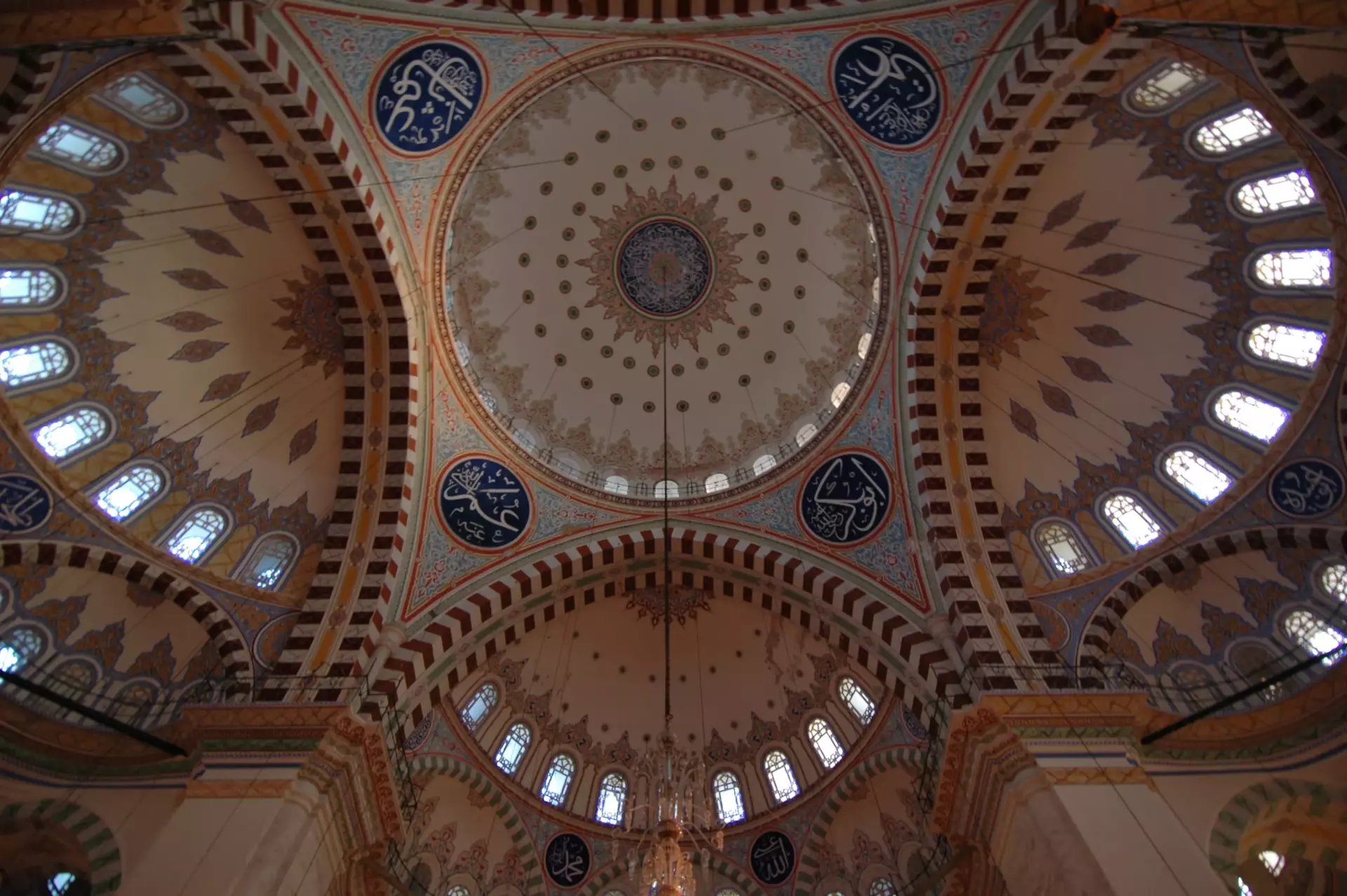
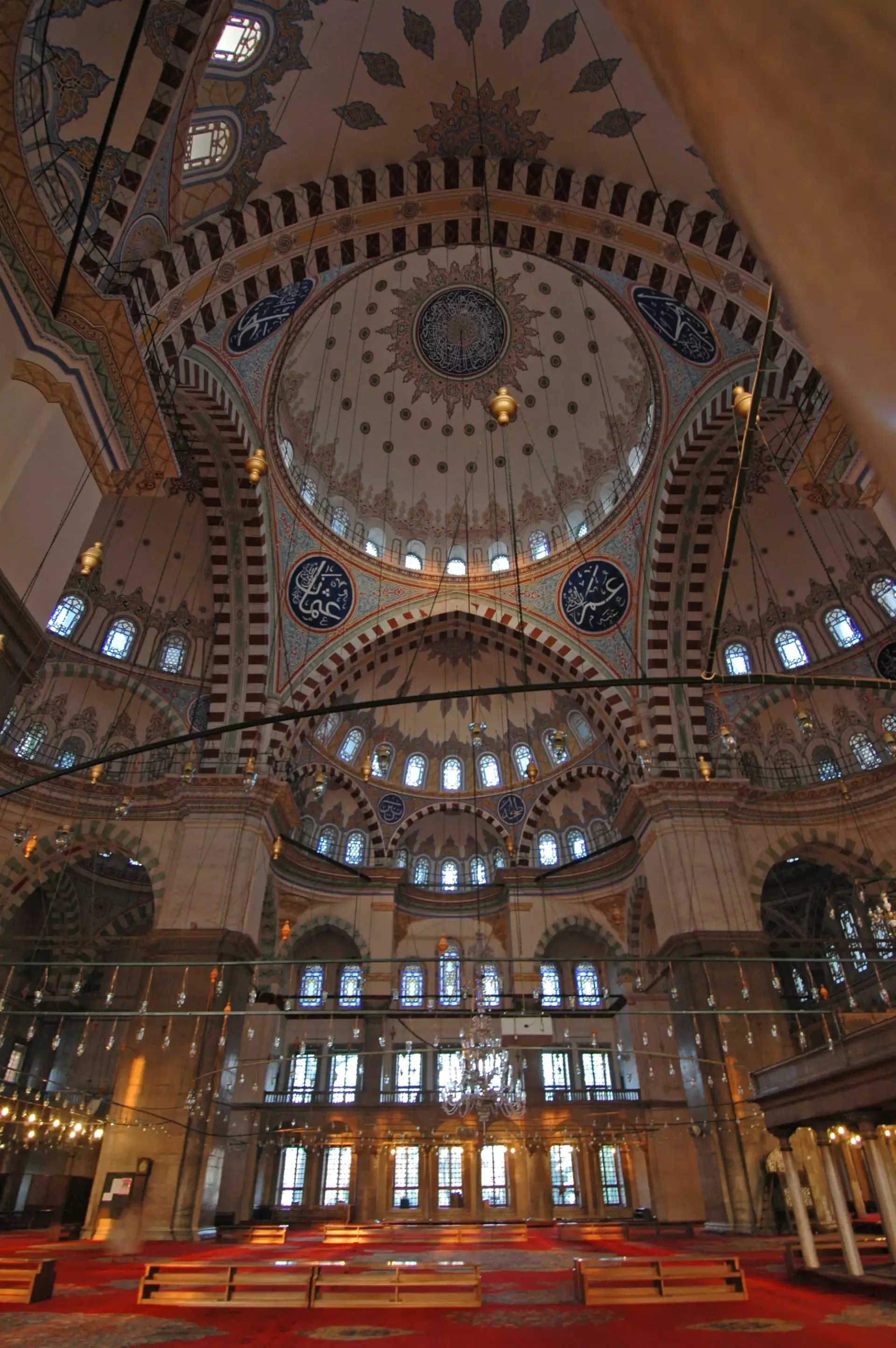
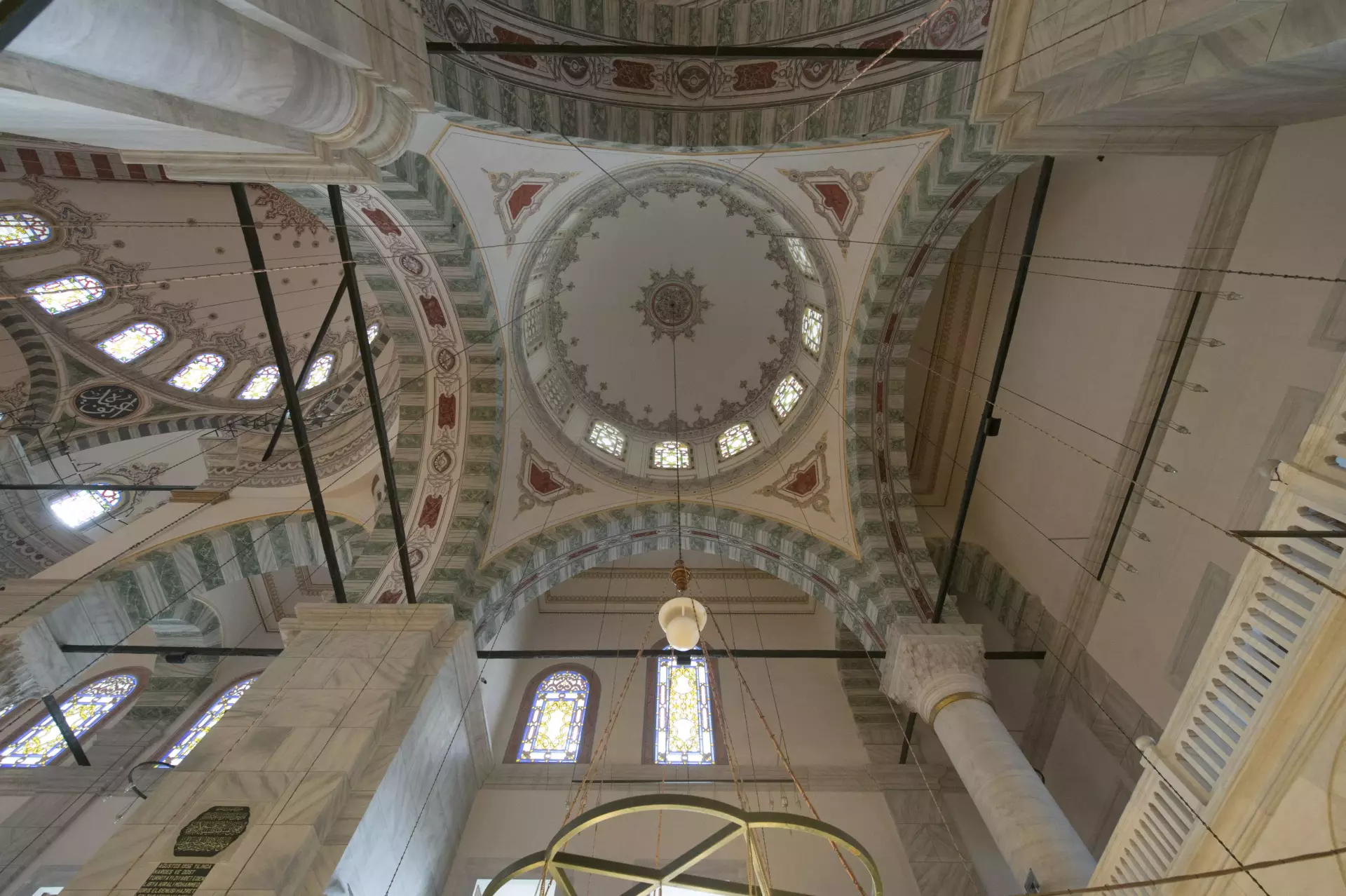
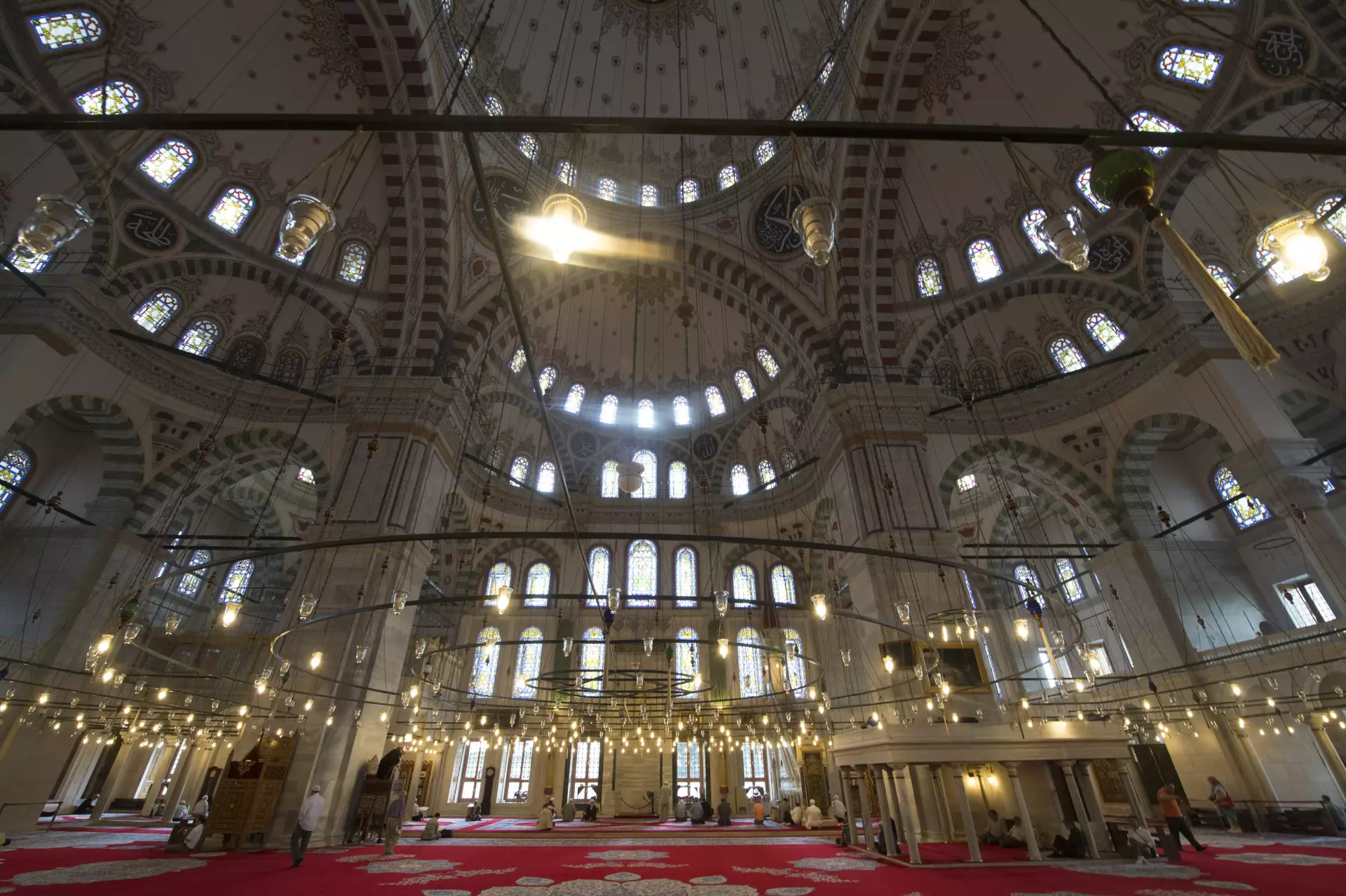
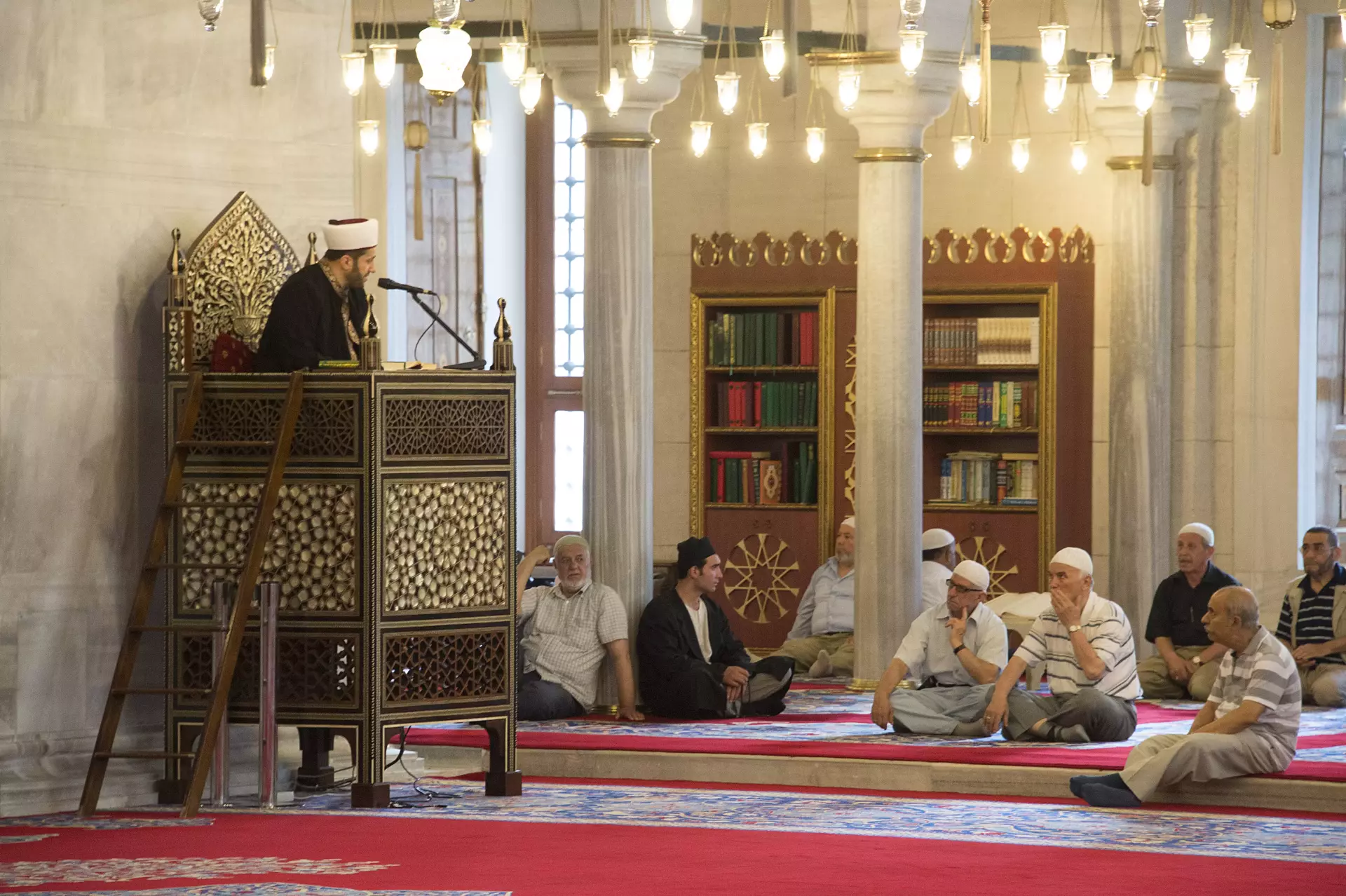
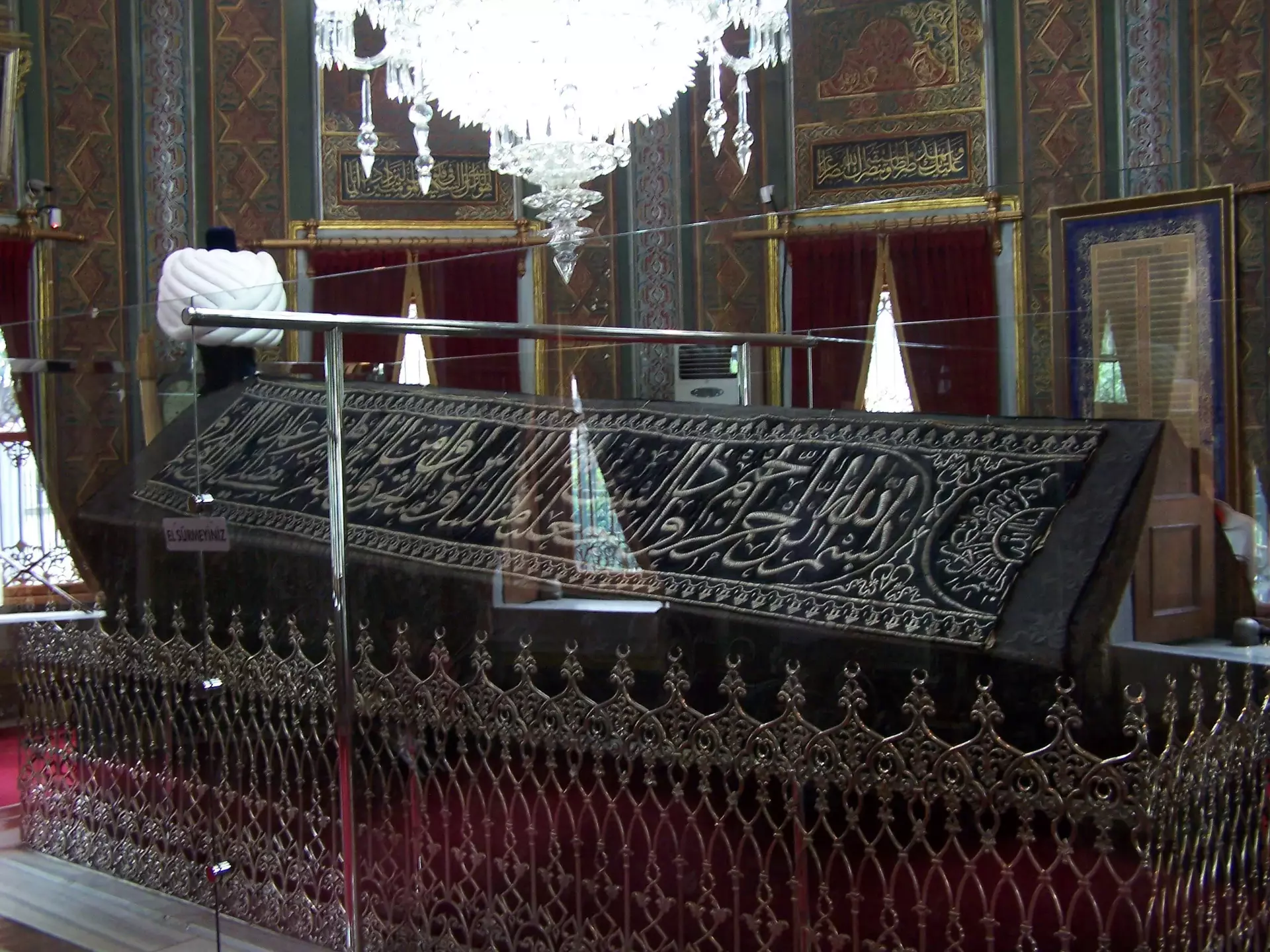
Inside, the mosque impresses with its lavish decoration and majestic atmosphere. Nearby, visitors find the ornate tombs of Sultan Mehmet II and his wife, Gülbahar Hatun. These monuments serve as reminders of the mosque’s royal connections and its central role in Istanbul’s history.
Source - https://en.wikipedia.org/wiki/Fatih_Mosque,_Istanbul