

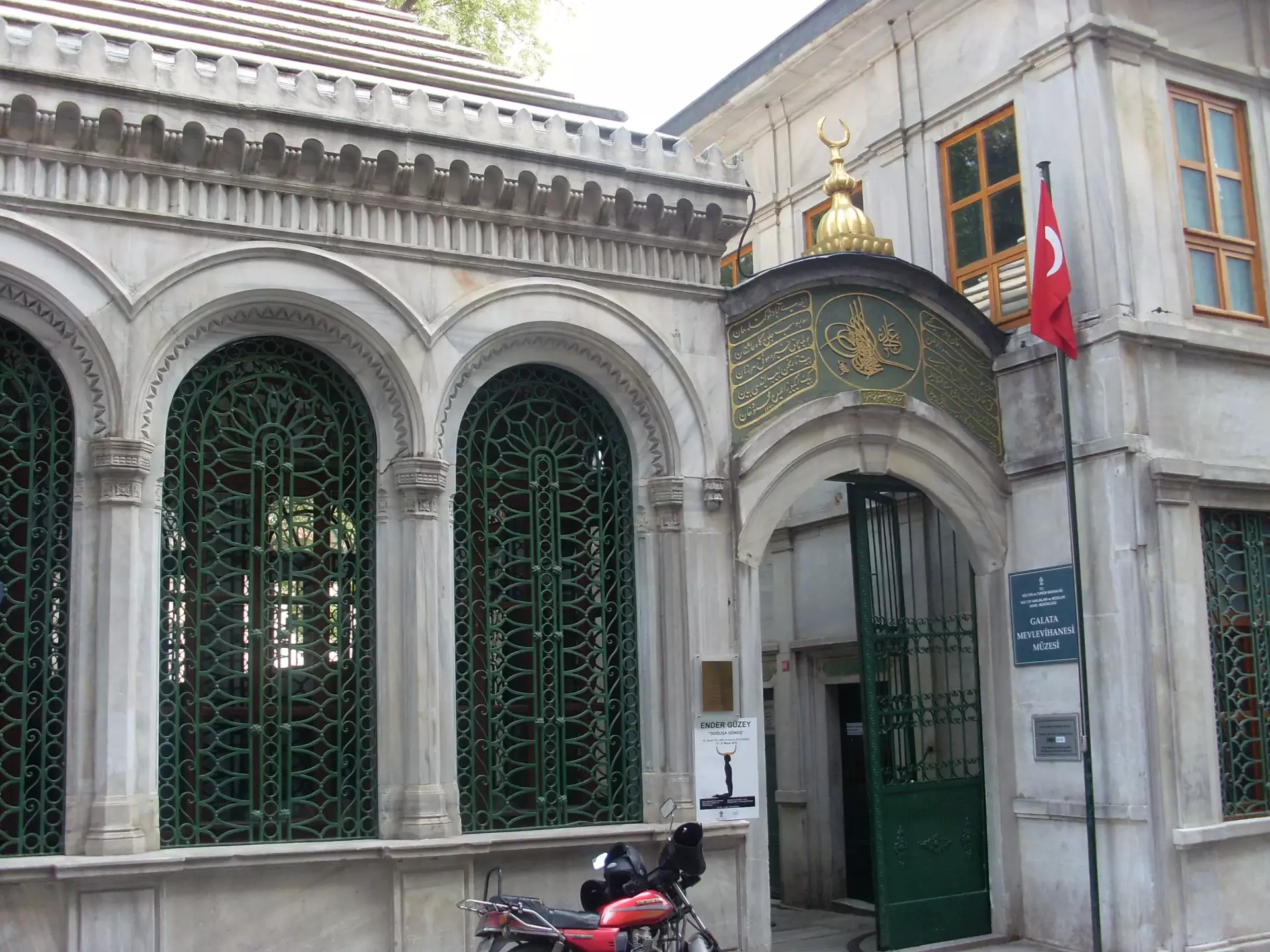
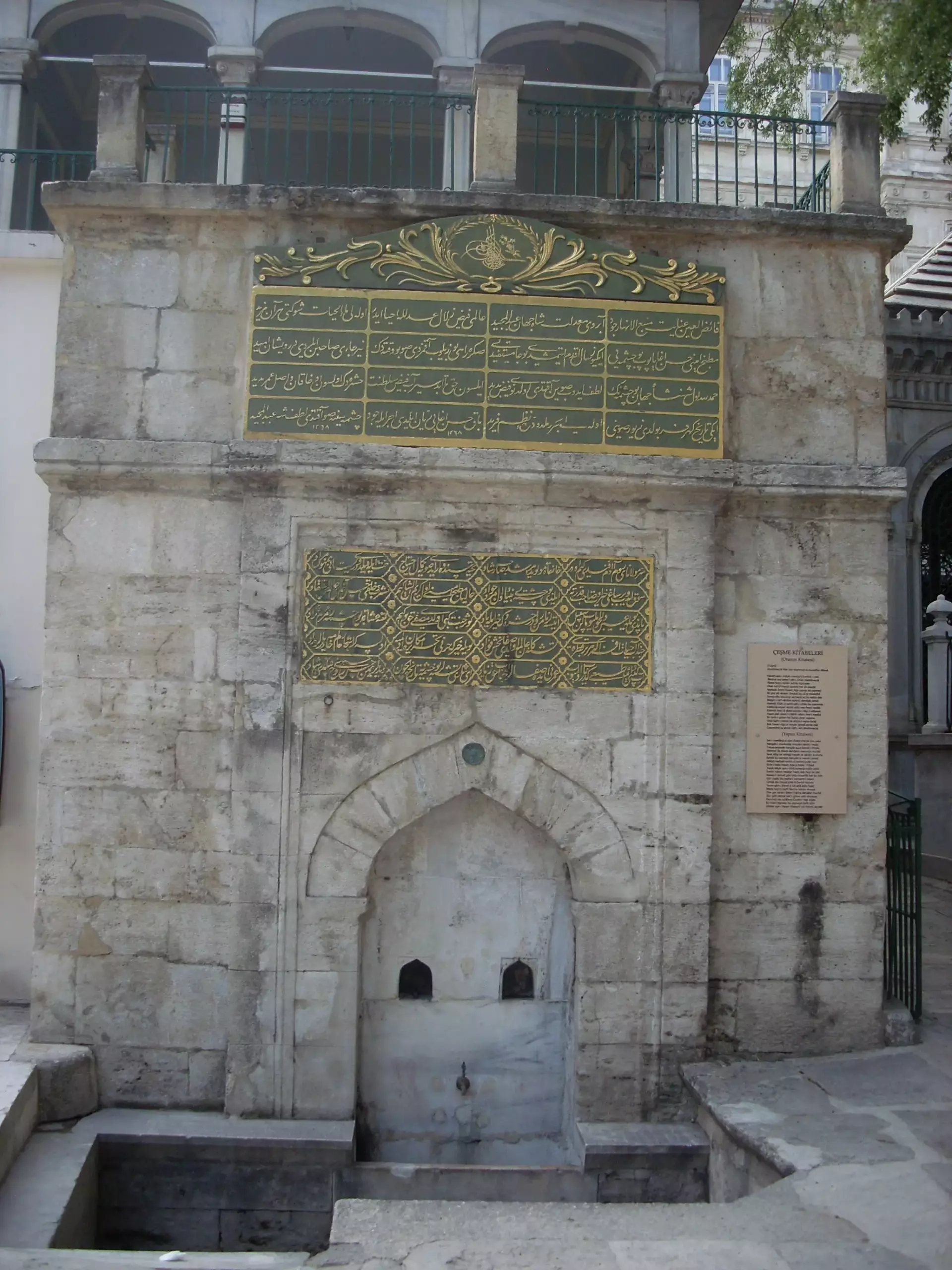
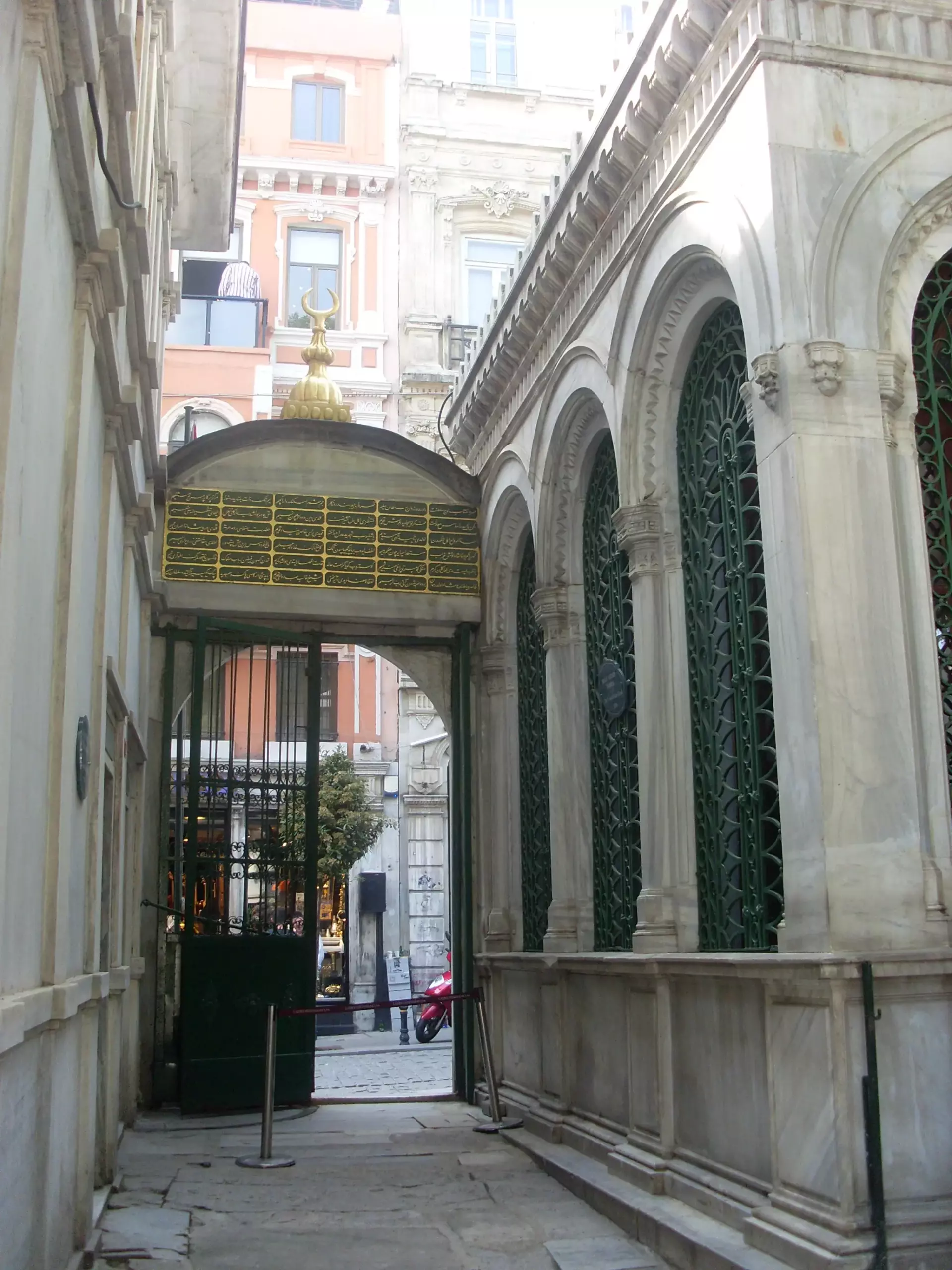


Galata Mevlevihanesi
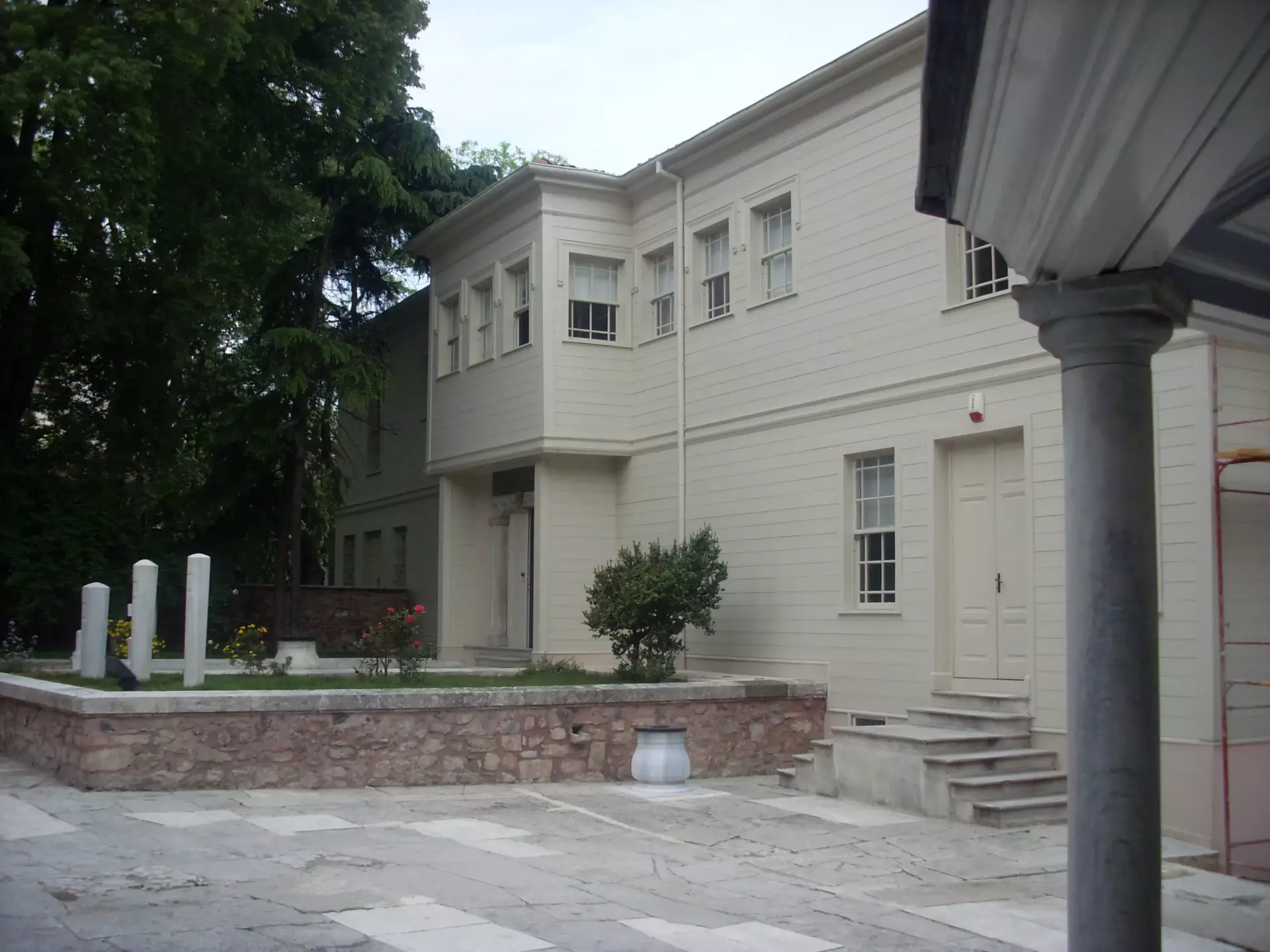
The Galata Mevlevihanesi is a historic ritual hall once used by the Mevlevi order, followers of the poet and mystic Mewlānā Rumi. With its tranquil garden, the site offers a peaceful break from the lively energy of Beyoğlu. This Mevlevi lodge is the oldest in Istanbul, originally founded in 1491, at a time when the nearby land was wild countryside outside the city walls of Galata. The current building, however, dates from 1855, as previous structures were lost to fires, repairs, and reconstructions over the centuries.
After the founding of the Turkish Republic, the lodge was closed in 1925 along with other religious organizations. Today, it serves as a museum dedicated to the Mevlevi order, welcoming visitors since 2010.
The Museum Experience
On the ground floor, visitors can explore a series of rooms that show what daily life was like for a dervish. Informational signs in both Turkish and English offer insights into the history of Islam and the Mevlevi order. The original wooden pillars supporting this level are another highlight for those interested in historical architecture.
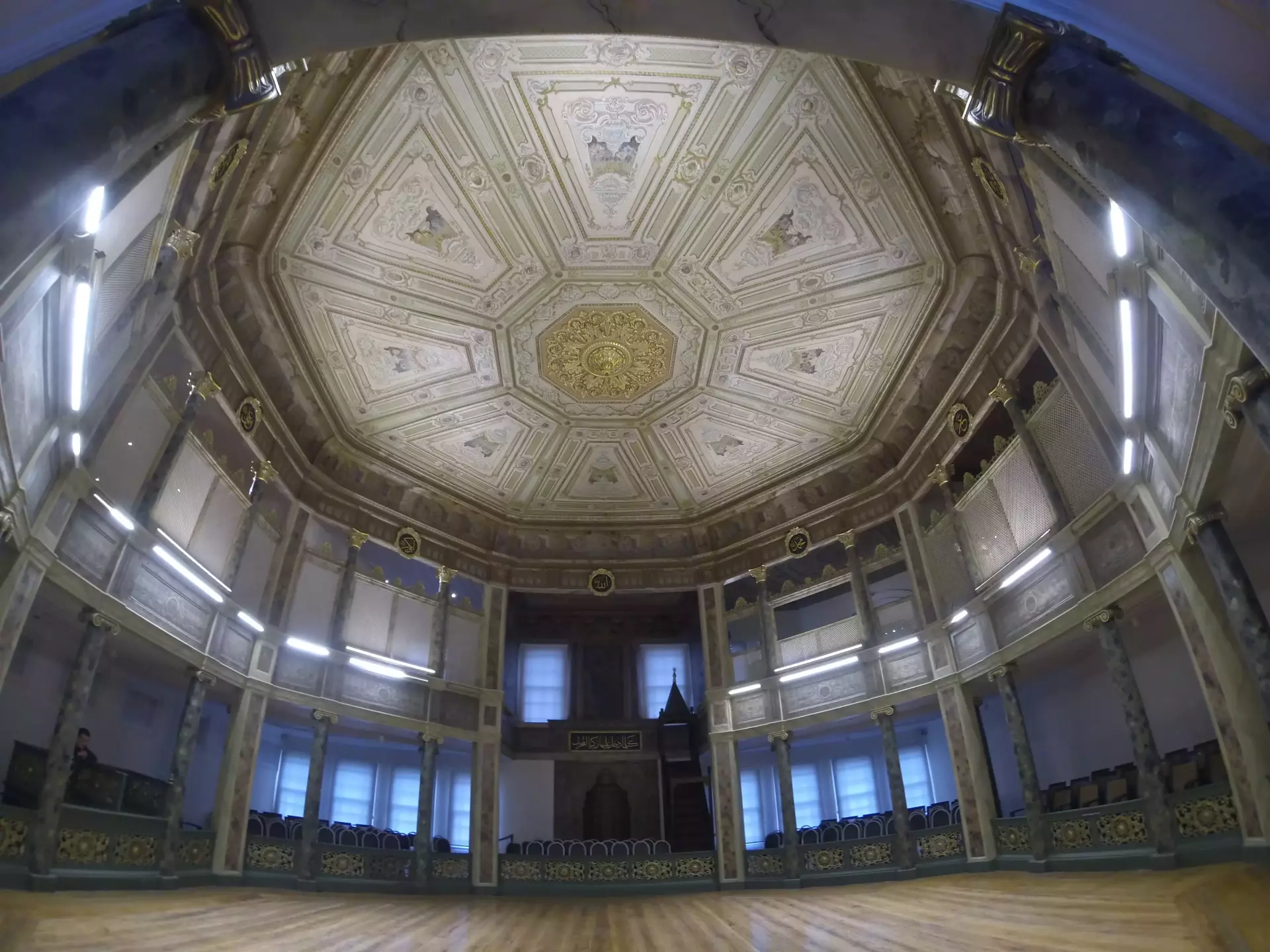
Climbing to the upper floor reveals a grand dancing hall, reflecting the style of 19th-century Ottoman Baroque. This is where the sema whirling ceremonies—famous for their mesmerizing spinning dances—used to take place on weekend evenings. Admission to these events required a separate ticket, and visitors may want to check if performances have resumed.
The third floor displays a collection of traditional Turkish and Islamic arts, such as paper marbling (ebru) and calligraphy. These exhibits give a deeper look into the creative culture connected with the Mevlevi order.
The Silent Garden and Graves
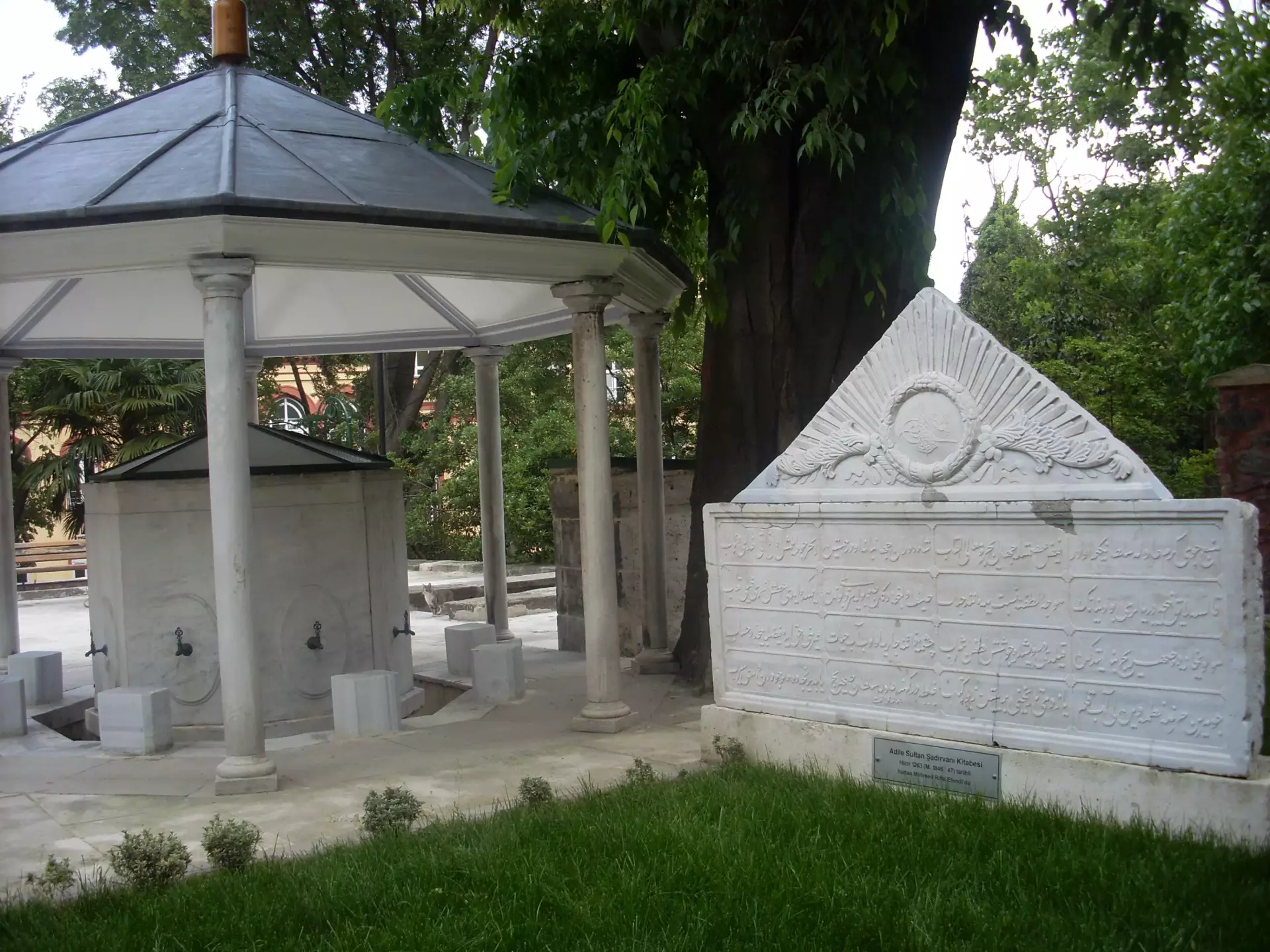
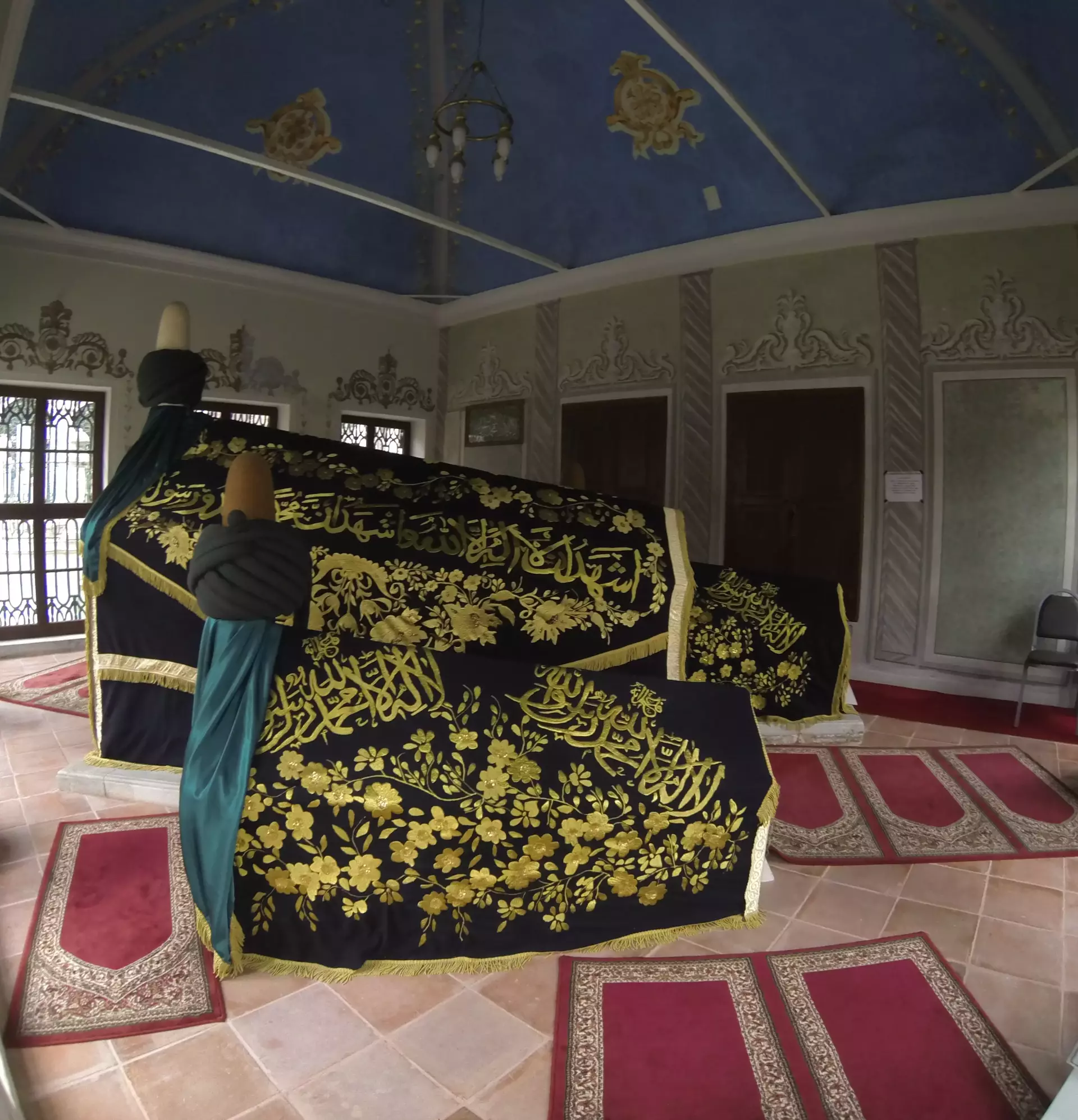
Outside the main building, a small graveyard—referred to as the "silent house"—rests under the shade of hackberry trees. These trees were often planted by the Ottomans near mosques and graves as a sign of holiness. The gravestones here are carefully carved, and symbols such as a fez or a basket of flowers indicate the rank of the dervish or the gender of the person buried.
One notable grave belongs to İbrahim Müteferrika, a Hungarian convert who introduced automated publishing in Ottoman Turkish during the 18th century. He also translated for Hungarian revolutionaries who took refuge in Turkey, including Kossuth and Ferenc Rakoczi, both of whom spent their last years in the country.