
Search ×
Home Istanbul
Istanbul Archaeology Museums
English:  Istanbul Archaeology Museums
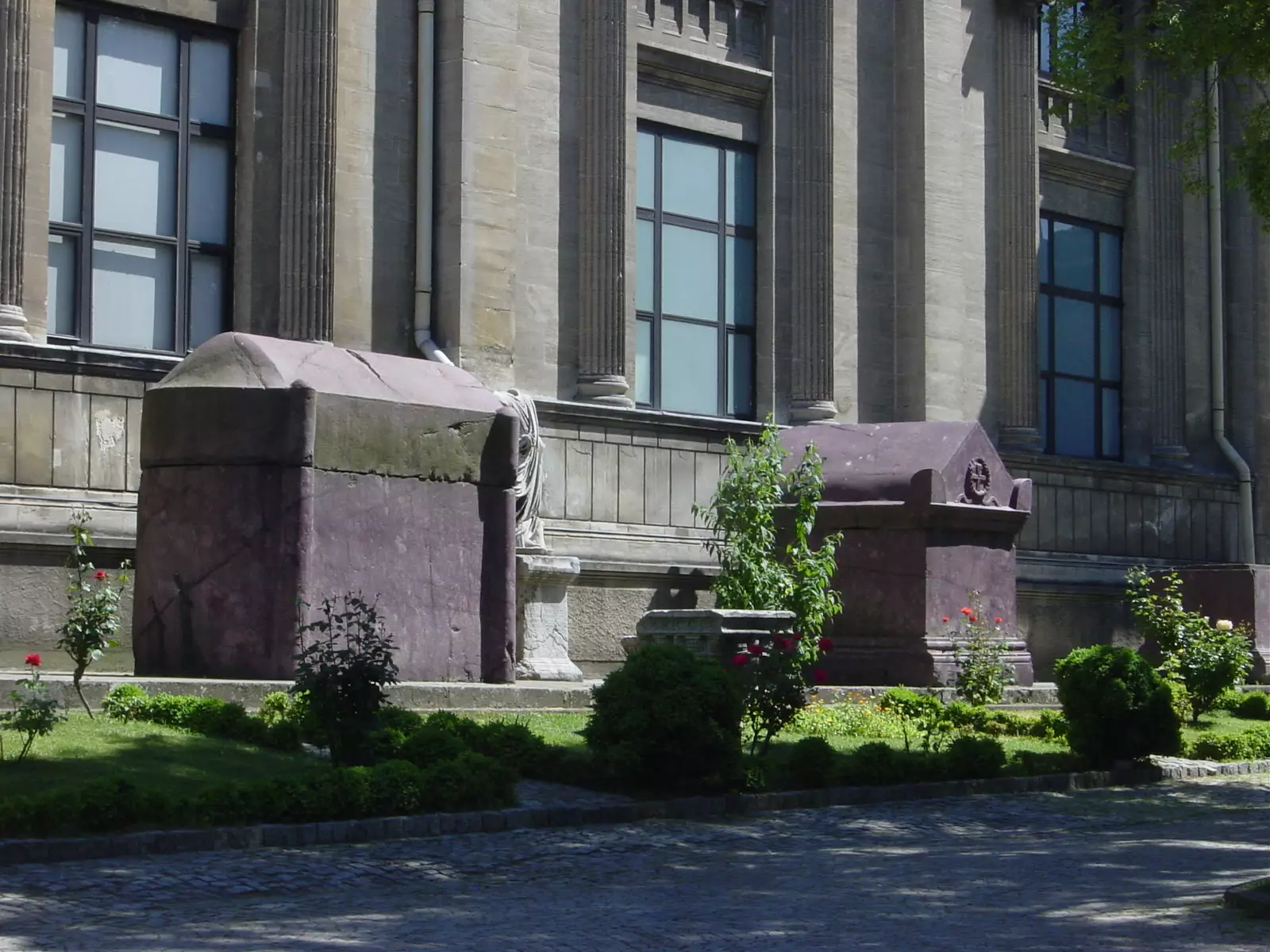
Italiano:  Museo archeologico di Istanbul - Sarcofago imperiale bizantino in porfido. Foto di: Giovanni Dall'Orto 28-5-2006. English:  Istanbul Archaeological Museum - Byzantine imperial porphyry sarcophagus. Picture by: Giovanni Dall'Orto May 28 2006.
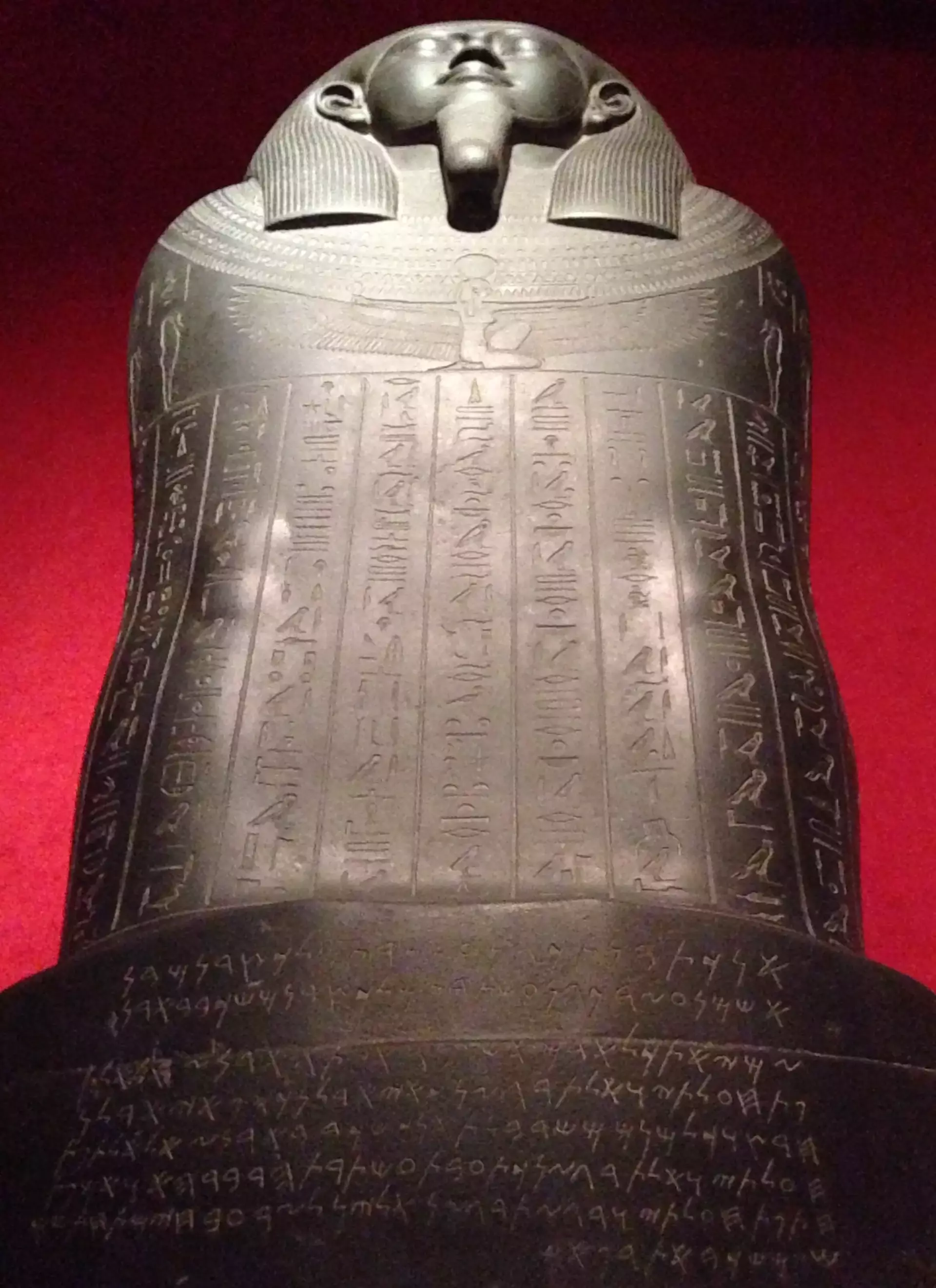
Tabnit sarcophagus
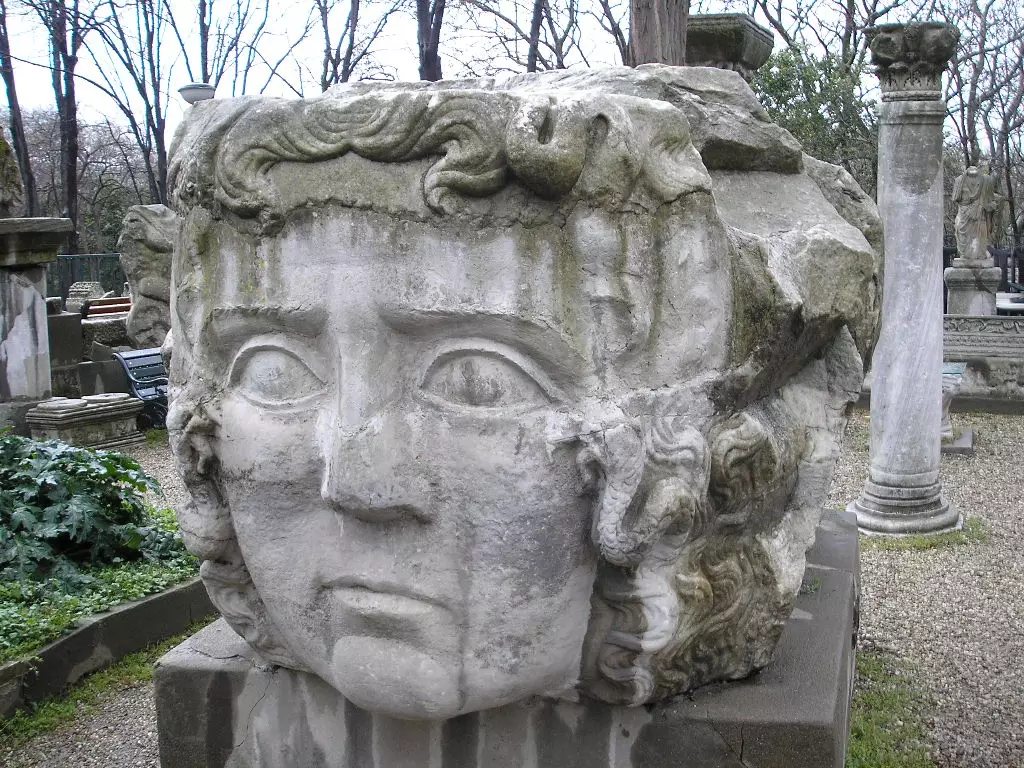
English:  This huge key stone which was found in Çemberlitaş may belong to a big arch at the Forum of Constantine. The forum was built by Constantine I in the quarter of today's Çemberlitaş. It was oriented north-south, the forum was oval in its ground plan. Historical sources report that located within the forum was: - a Senate House or basilica, a monumental fountain or nymphaeum, and silversmith and chandler shops.  The pavement was of marble. On the periphery it was ornamented by statuary and reliefs. An honourific column dedicated to Constantine I was erected in its centre. A place of worship devoted to the emperors, known as Hagios Constantinos, was constructed on the rectangular base of the monument. One of the official imperial ceremonies was held here. Basil I the Macedonian constructed the Church of St. Mary (Theotokos) on one of the porticoes.
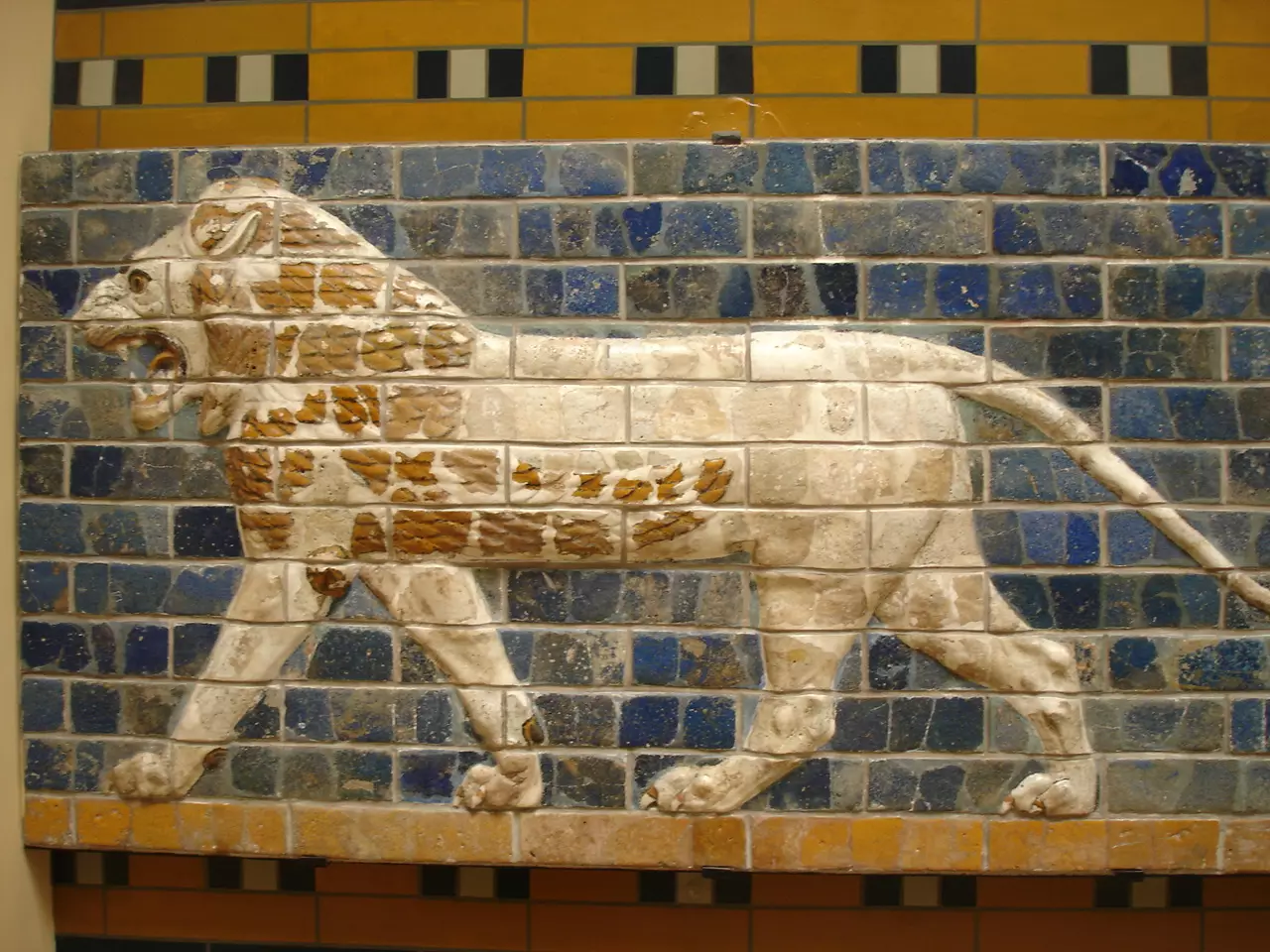
Italiano:  Museo archeologico di Istanbul - Padiglione orientale - Rilievo di leone; pannello in piastrelle di ceramica smaltata, dalla via processionale che a Babilonia (Iraq) andava dal tempio di Marduk fino alla Porta di Ishtar e al tempio di Akitu. Regno di Nebuchadrezzar II (604-562 a.C.). - Foto di: Giovanni Dall'Orto, 28 maggio 2006. English:  Istanbul Archaeological Museum - Oriental pavilion - Passing lion, glazed brick panel from the Procession Way which ran from the Marduk temple to the Ishtar Gate and the Akitu Temple. Glazed terracotta, reign of Nebuchadrezzar II (604 b.C.–562 b.C.), Babylon (Iraq). - Picture by: Giovanni Dall'Orto, May 28 2006.
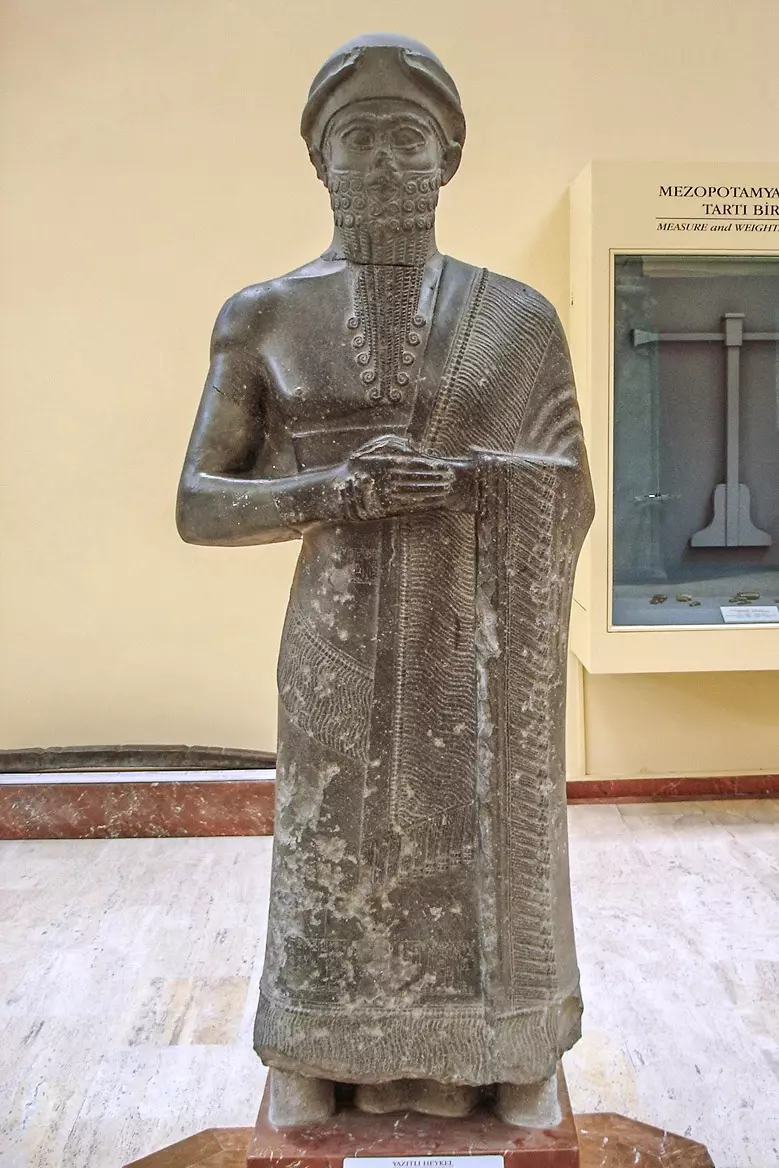
English:  Istanbul Archaeological Museum - Oriental pavilion. Statue of Puzur Ishtar, governor of Mari (neo-sumerian art, period Ur III, between 2100 and 2000 BC.). Italiano:  Museo archeologico di Istanbul - Padiglione orientale. Statua di Puzur Ishtar, governatore di Mari (arte neo-sumerica, periodo Ur III, tra 2100 e 2000 a.C.).
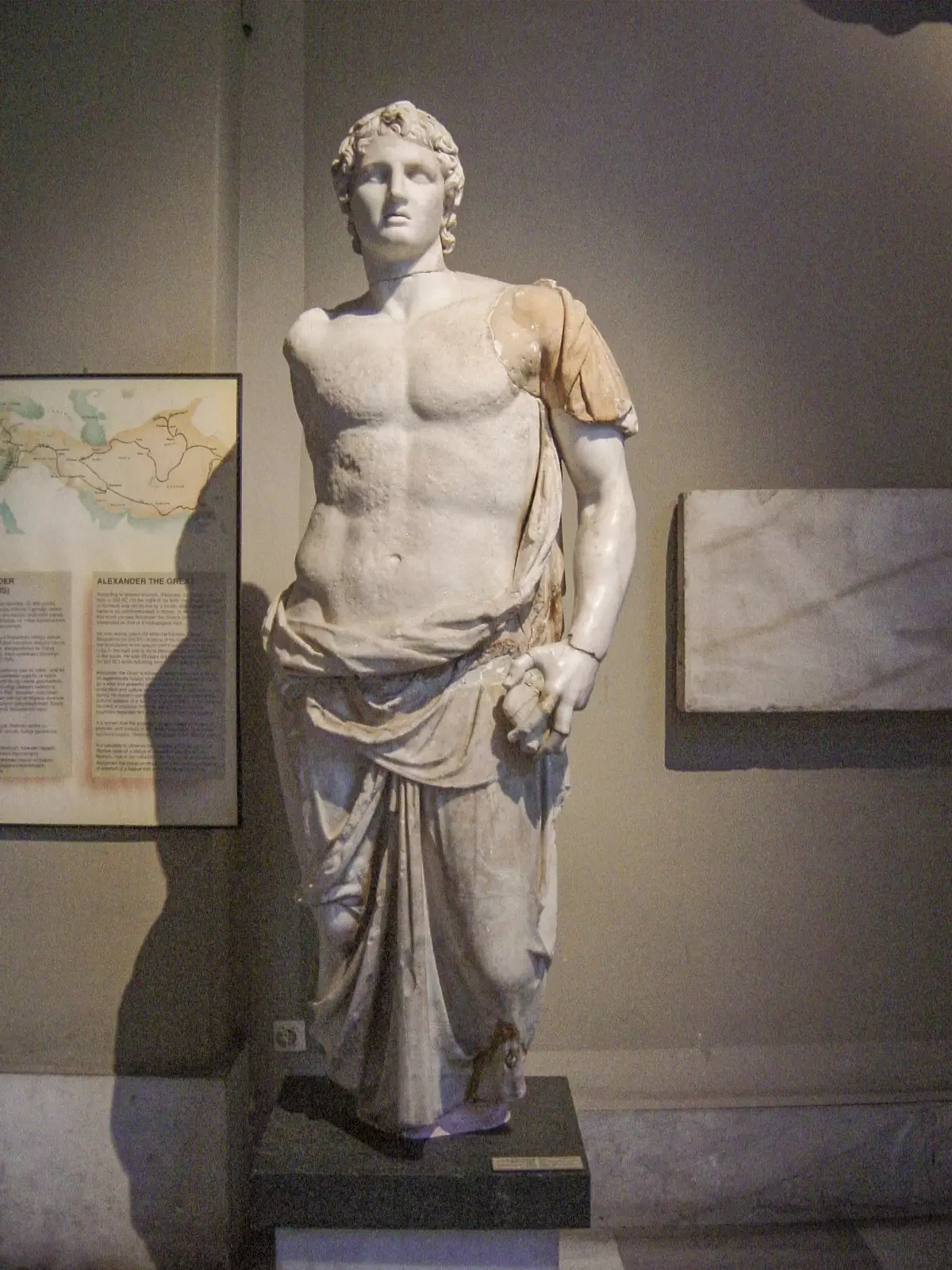
Italiano:  Museo archeologico di Istanbul - Alessandro Magno. Statua del sec. III a.C., firmata "Menas".  English:  Istanbul Archaeological Museum - Alexander the Great. 3rd century BC statue, signed "Menas".
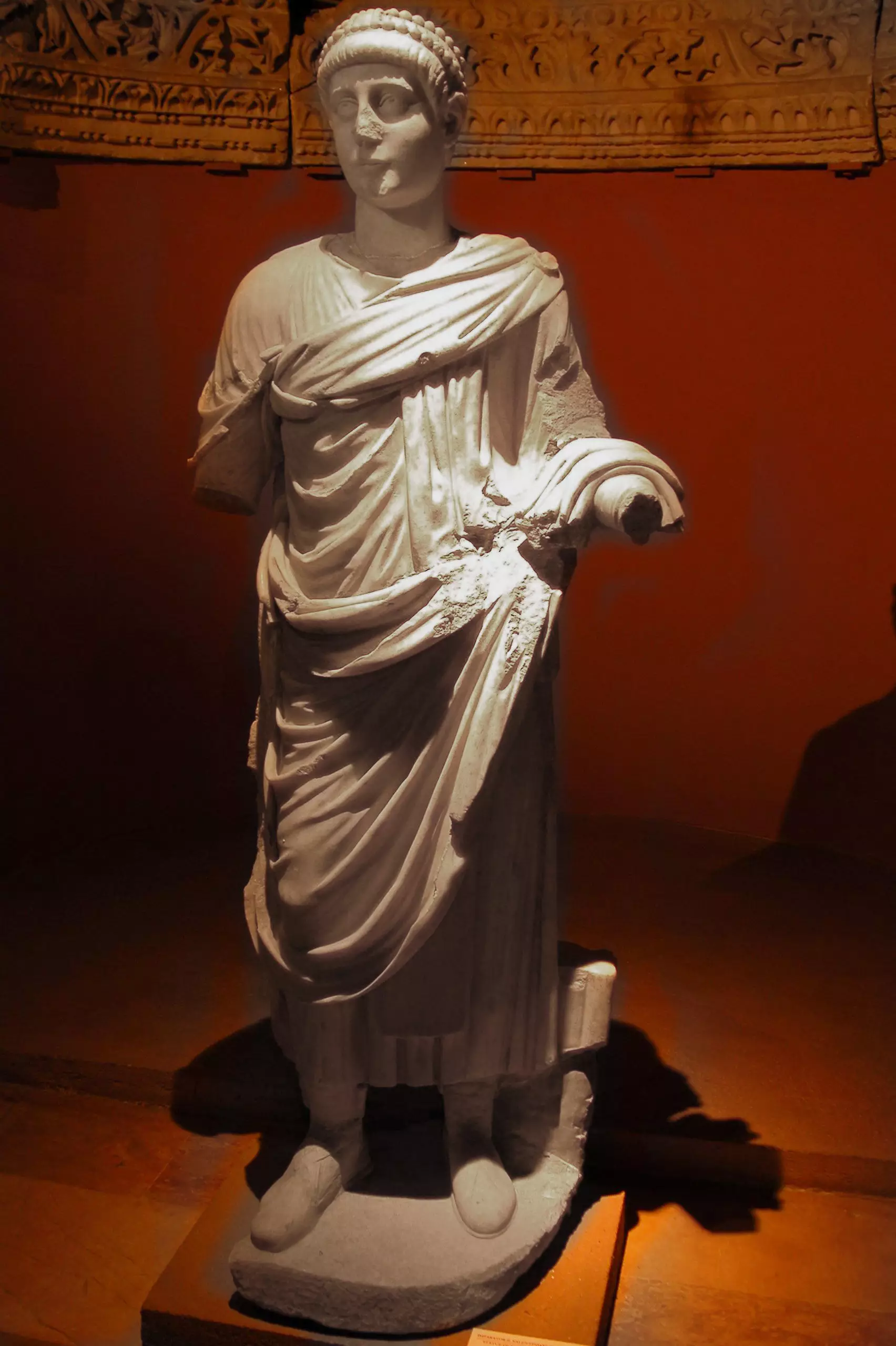
A Statue of emperor Valentinian II - Marble - Aphrodisias Geyre - Aydin - 387 – 390 Ad
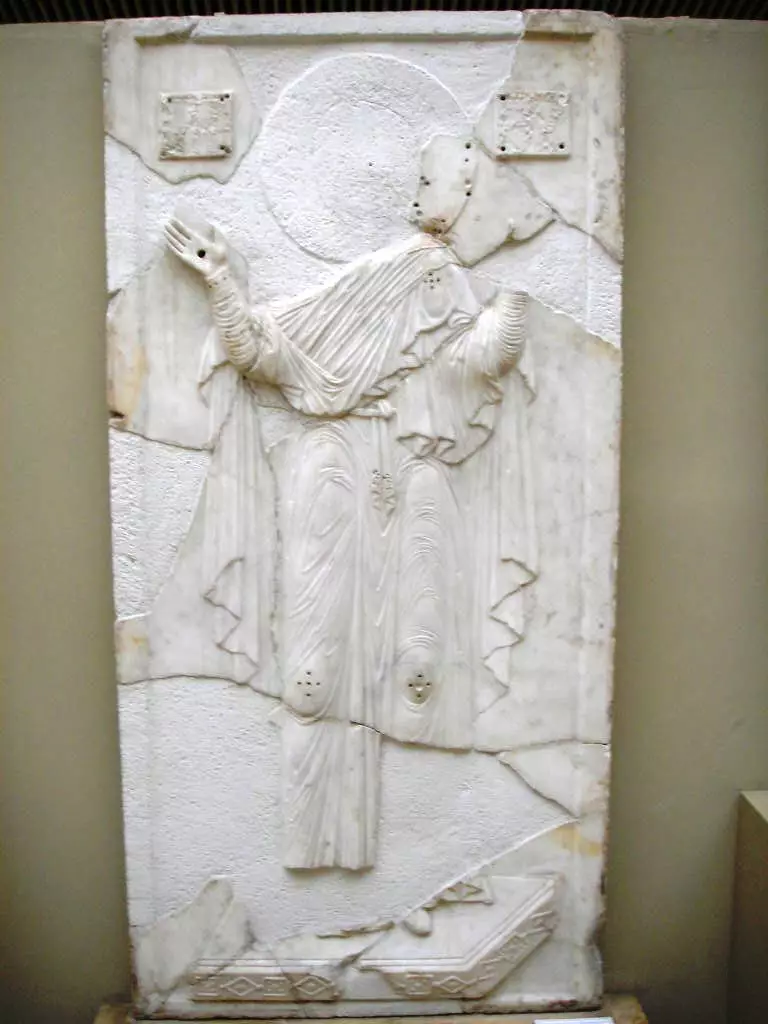
English:  Icon with relief Virgin Mary at prayer (Orans). Marble, Church of Hagios Georgios Monastery. Gülhane, excavations of French Occupation Forces. 1921-22. 11th century, Inv. 3914 T.
Image from Istanbul Archaeology Museum.
English:  Istanbul Archaeology Museums Türkçe:  İstanbul Arkeoloji Müzesi
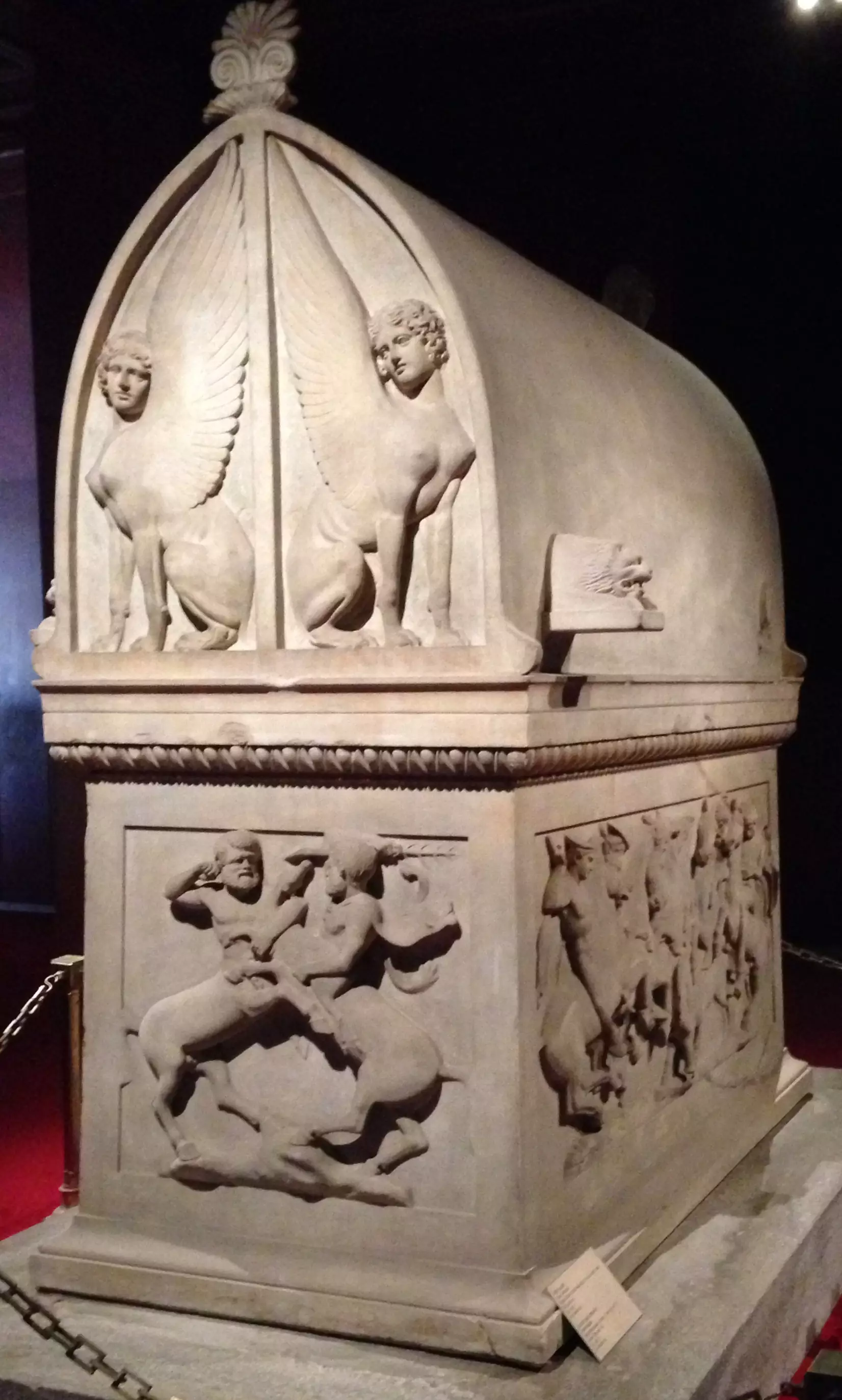
Lycian sarcophagus at the Istanbul Archaeological Museums
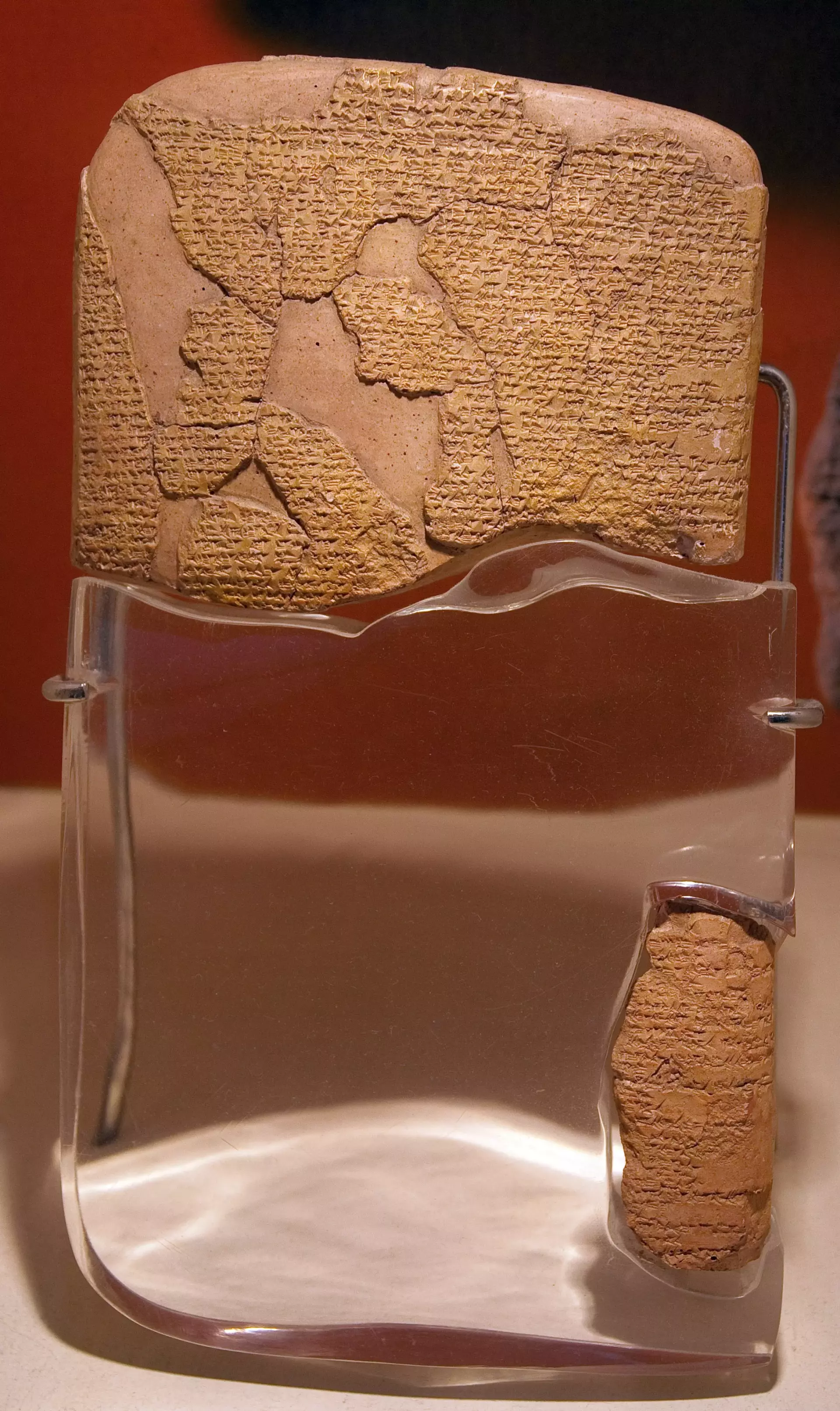
English:  Smaller tablet of Treaty of Kadesh, discovered at Boğazköy, Turkey. Museum of the Ancient Orient, one of the Istanbul Archaeology Museums. 日本語: カデシュの戦いの休戦条約を記した粘土板(大小2点のうち小さいもの) イスタンブール考古学博物館内オリエント博物館にて撮影
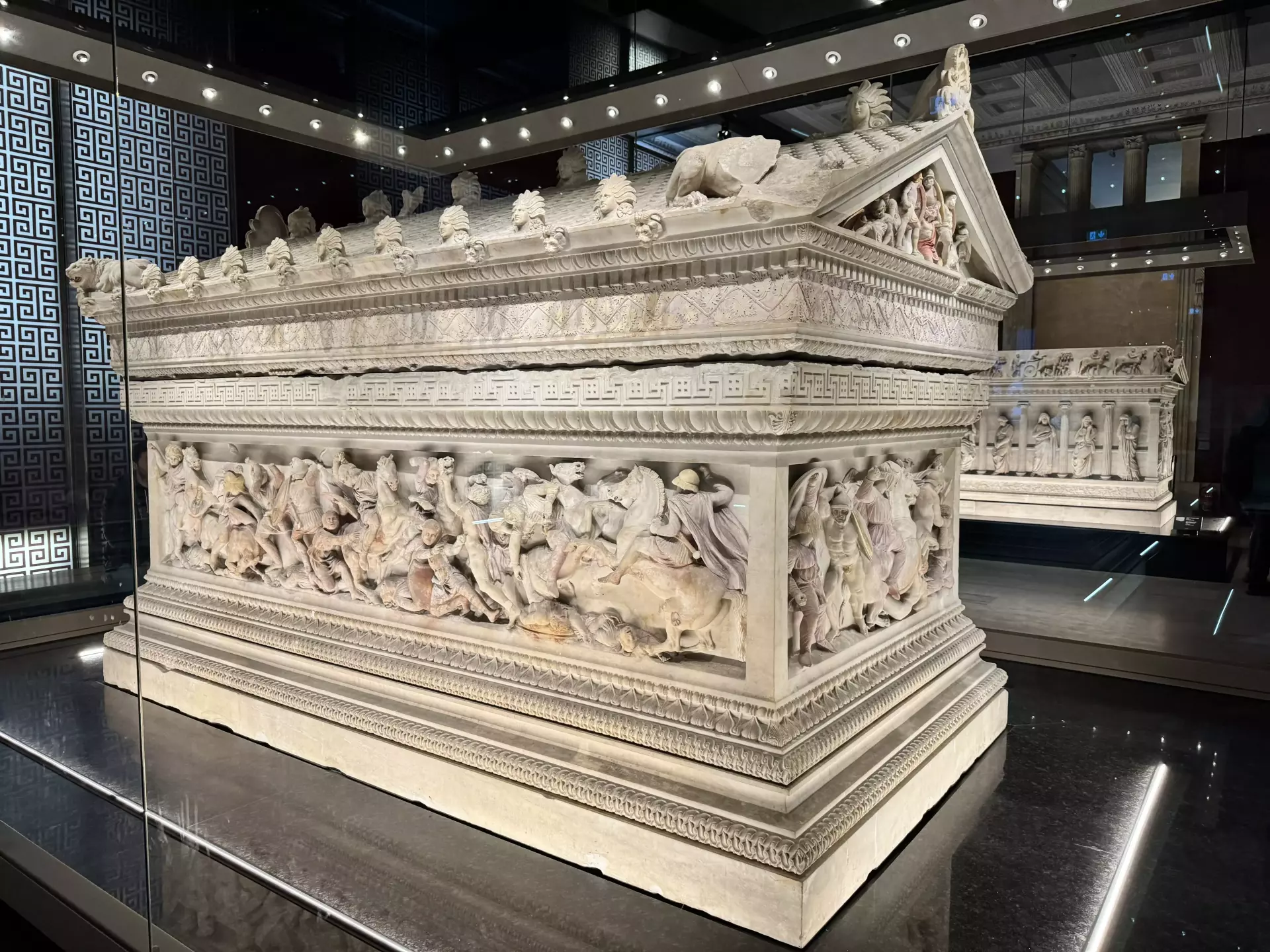
English:  Alexander Sarcophagus, Istanbul Archaeological Museums 2024
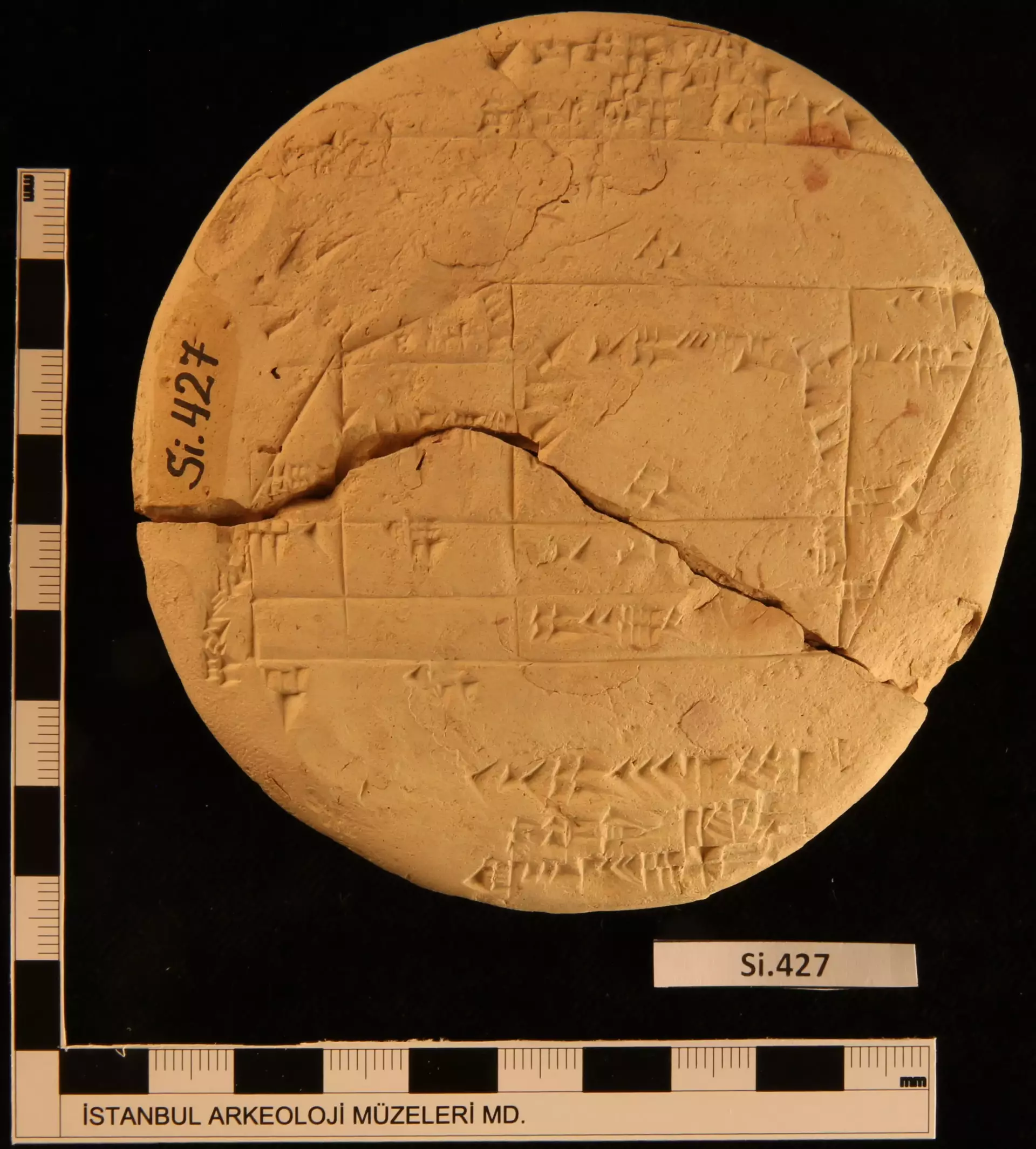
English:  Si.427 Obverse

Istanbul Archaeology Museums

Istanbul, Turkey

For many years, Turkey did not move quickly to safeguard its ancient treasures or to showcase them in museums. Change began in 1867, when Sultan Abdülaziz visited the great museums of Paris, London, and Vienna. Inspired by what he saw, the Sultan realized how important it was to collect and display the country’s valuable artifacts.

A Grand Home for History

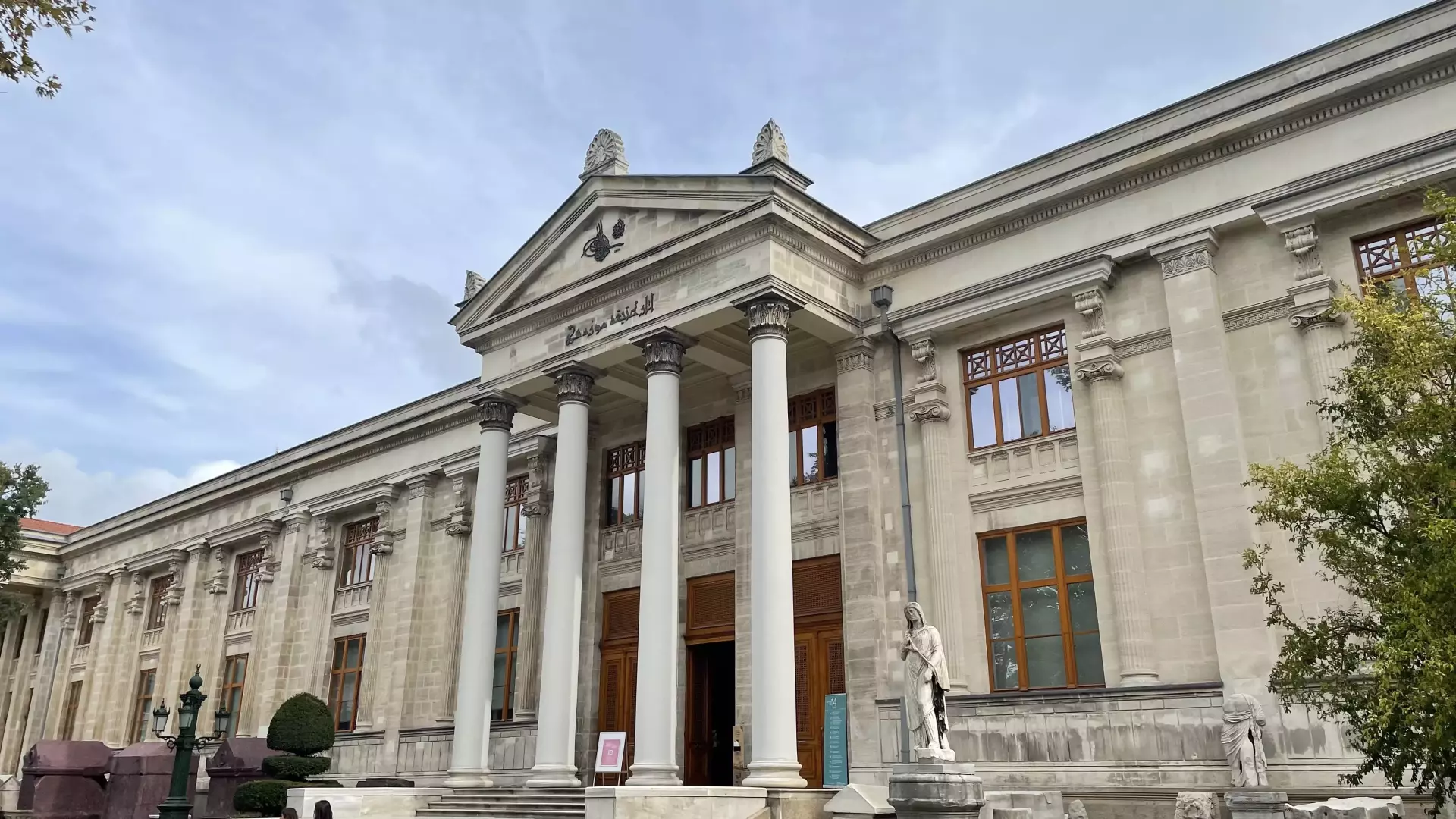
The main building of the Istanbul Archaeology Museums opened in 1891, built in an impressive neo-classical style. Two additional wings were later added: one for ancient art and another focusing on Islamic art. Together, these buildings form a cultural complex that tells the story of many civilizations that once called this land home.

Remarkable Artifacts on Display

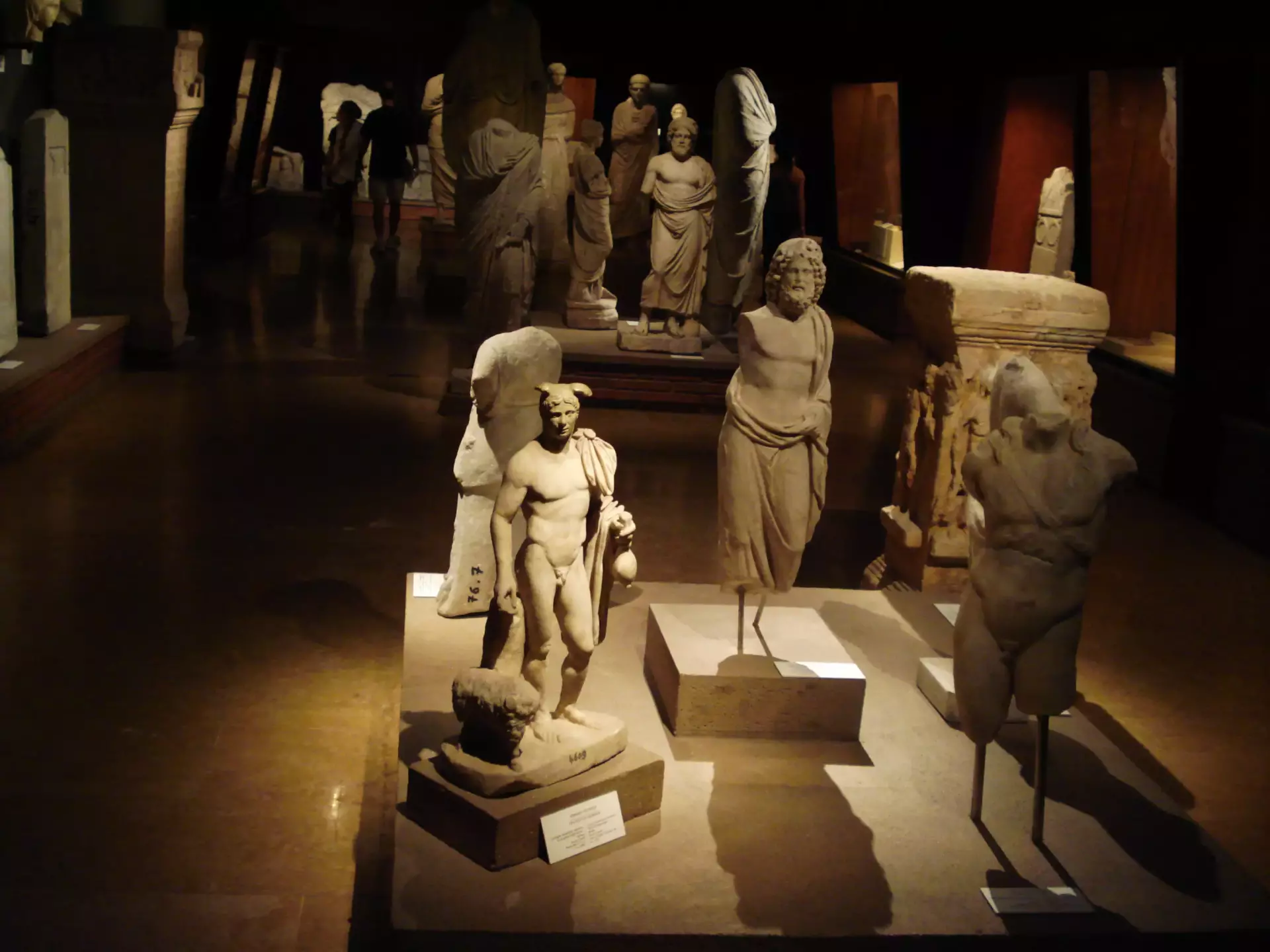
Visitors can explore a vast collection that spans thousands of years. Sumerian tablets give glimpses into some of the world’s earliest writings, while fragments from the ancient wall of Babylon recall legendary stories from Mesopotamia. Roman statues stand throughout the halls, displaying the artistry of the empire. One of the most famous pieces is the sarcophagus of Alexander the Great, though history shows that the conqueror was never actually buried inside it.

Source - https://en.wikipedia.org/wiki/Istanbul_Archaeology_Museums

Developed by Reflex.com.ua
Contacts
  • info@reflex.com.ua
Social media