
Search ×
Home Istanbul
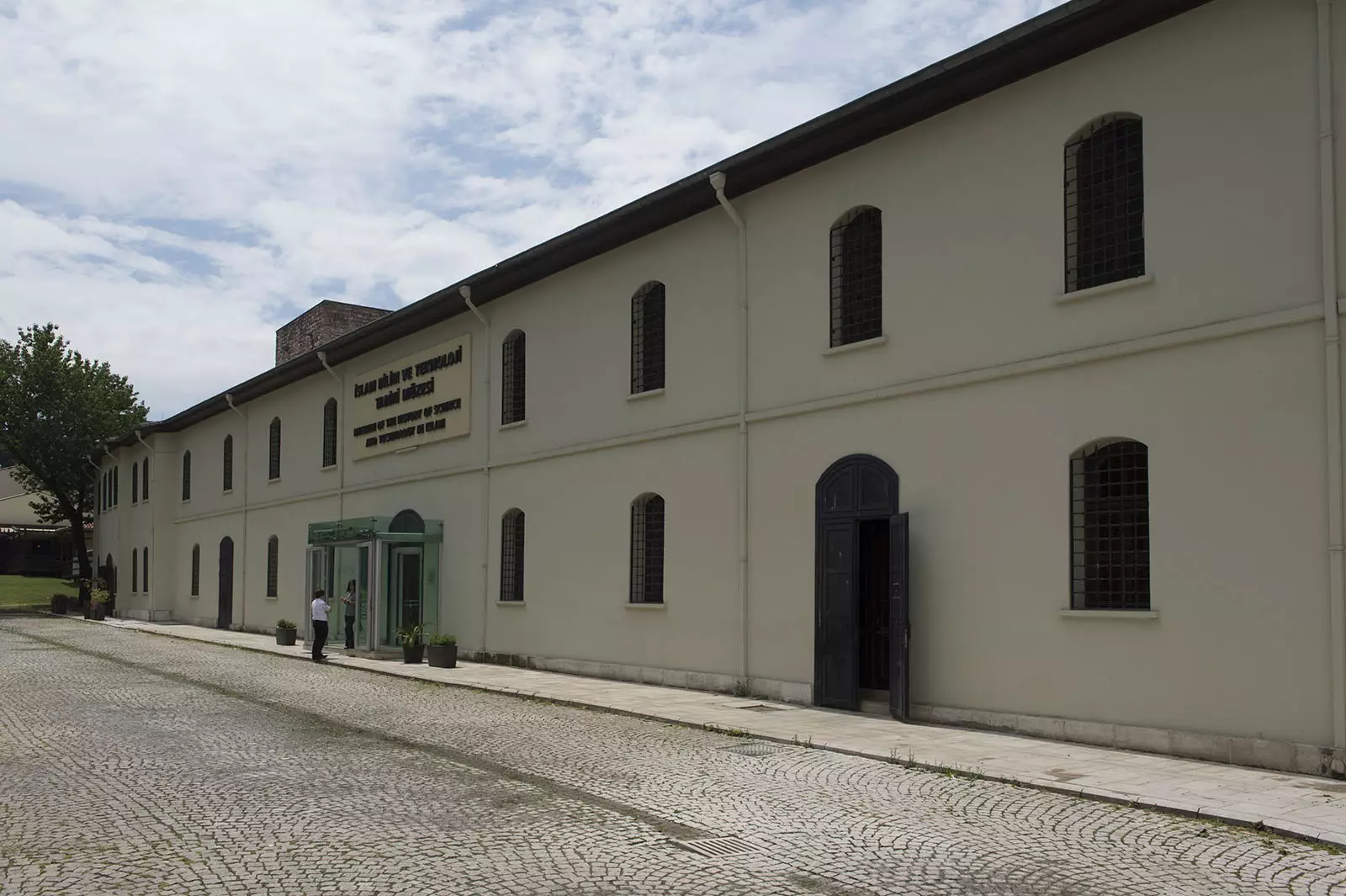
Istanbul Museum of the History of Science and Technology in Islam
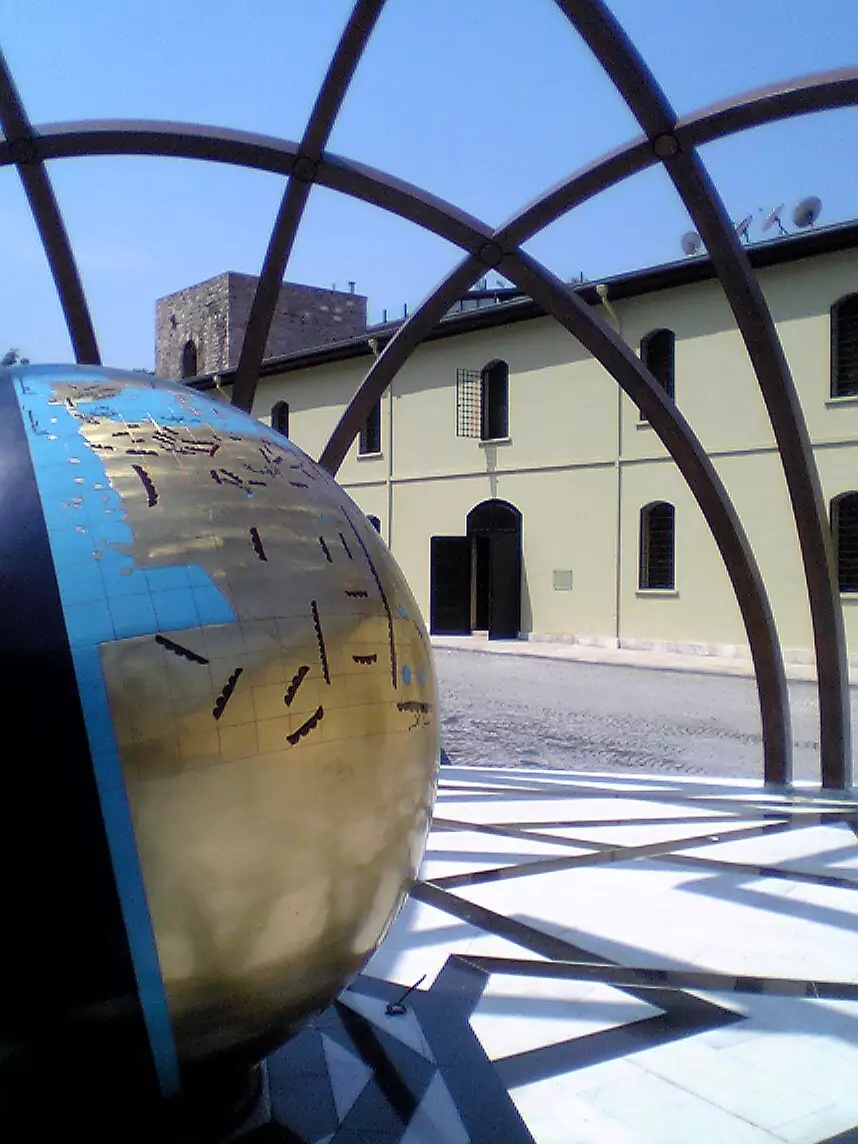
In front of the museum there is a fine park.
Sphere representing the ancient world outside the front door of the Istanbul Museum of the History of Science and Technology in Islam (Istanbul Islam Bilim ve Teknoloji Tarihi Müzesi), located in Gülhane Park, Istanbul, opposite the Topkapı Palace.
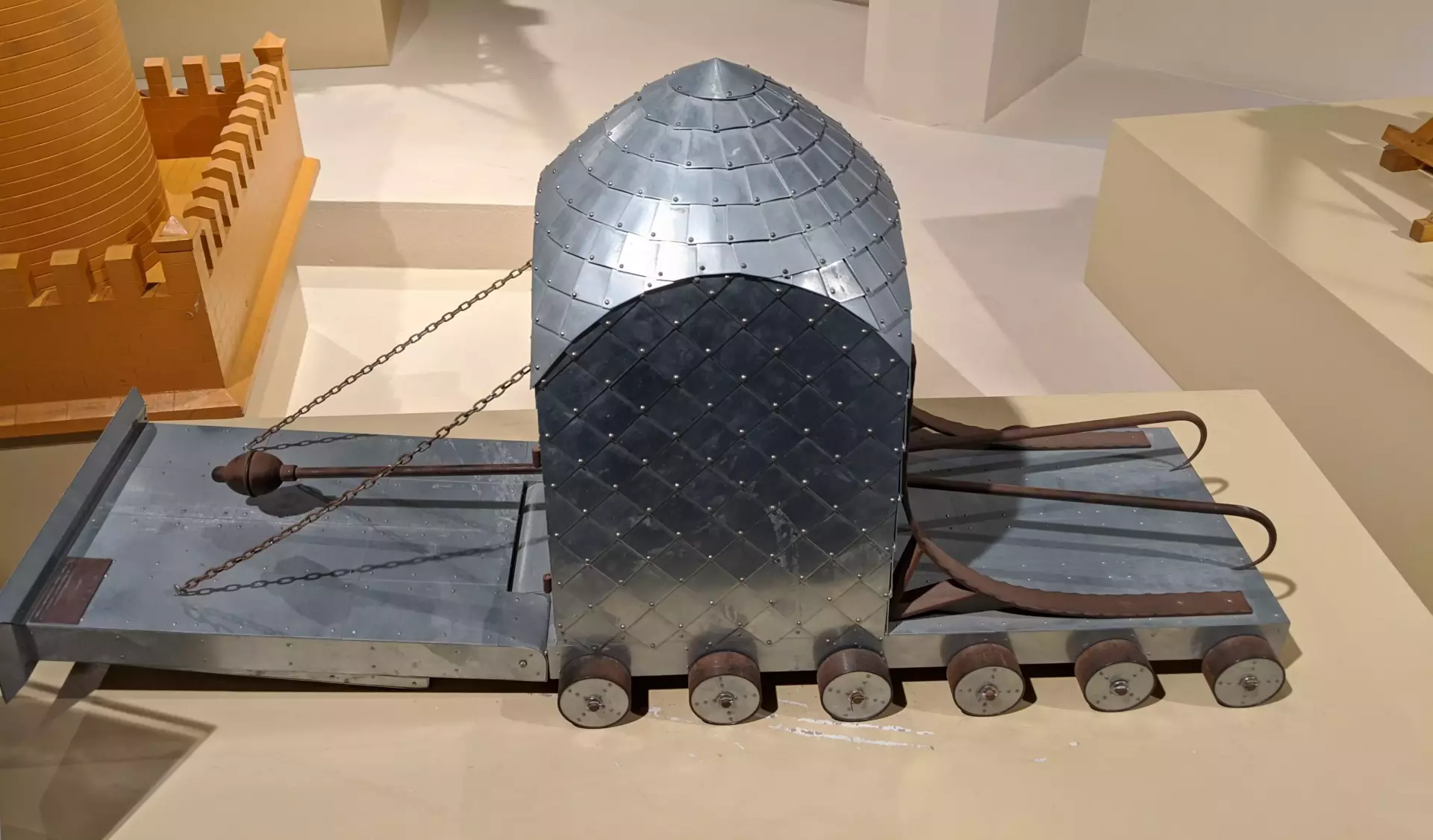
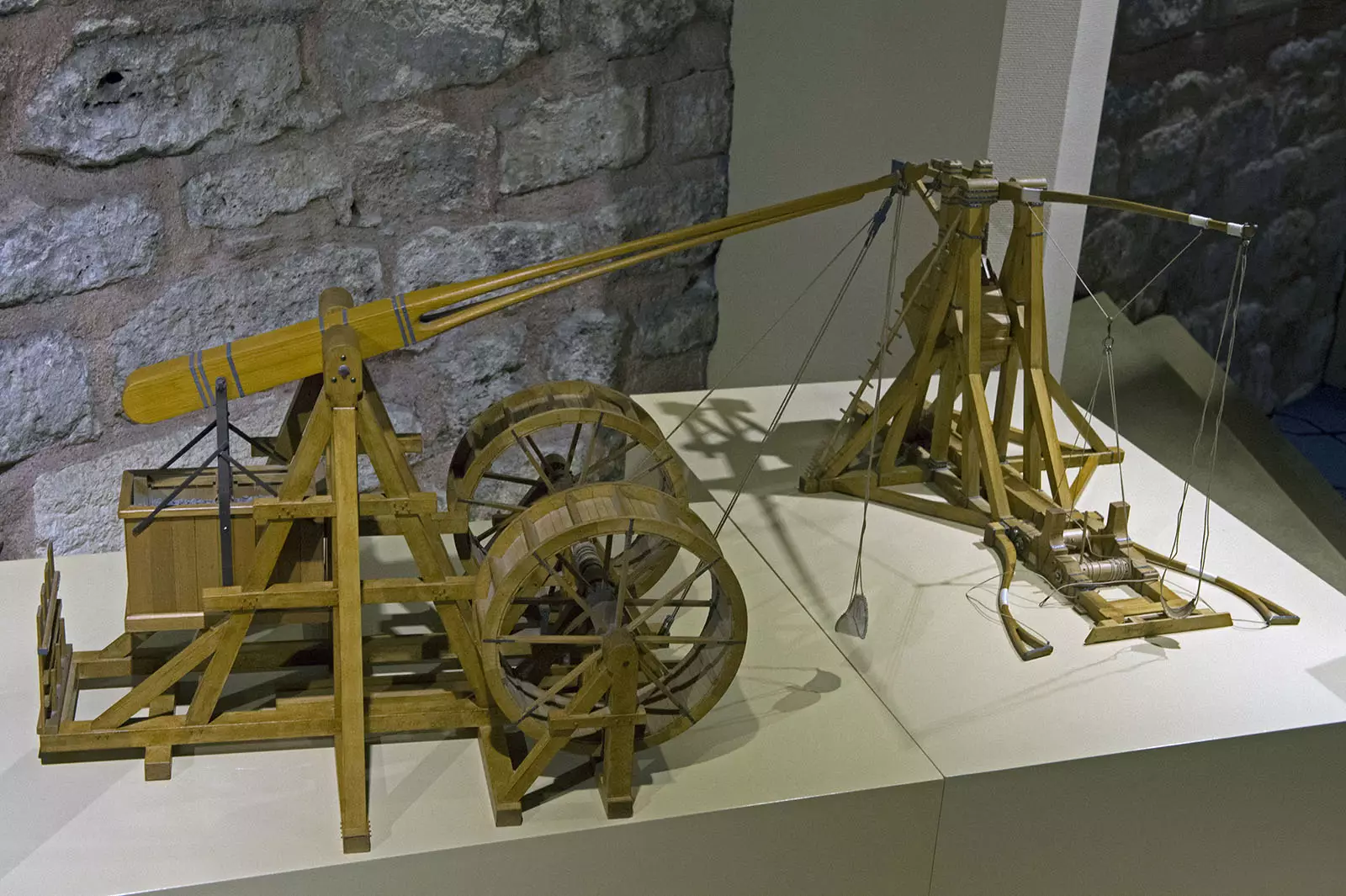
Arab armored 14th-century battering ram, reconstructed model in the Istanbul Museum of the History of Science and Technology in Islam.
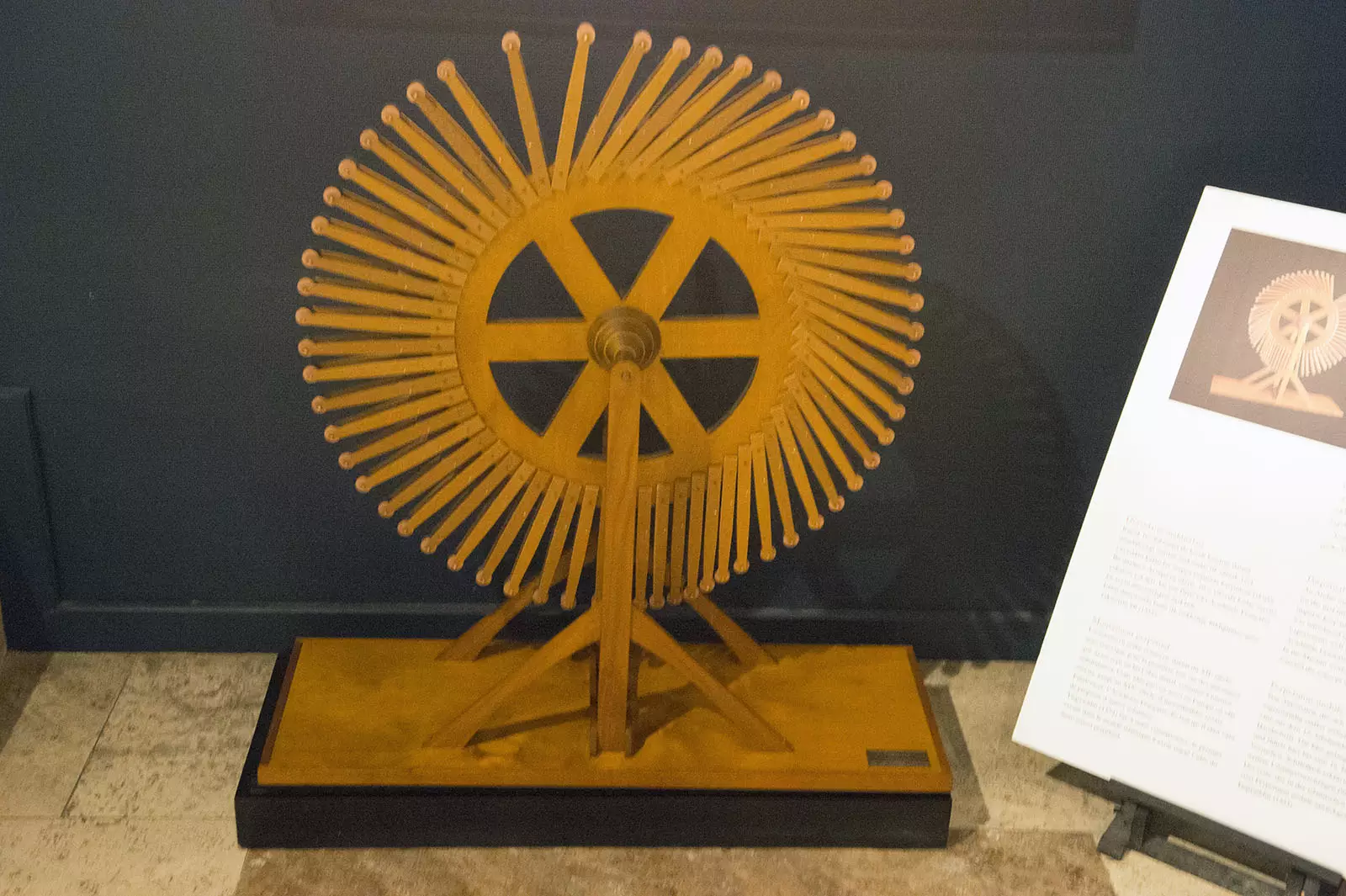
Perpetuum mobile (if you feel like building one, this type is known not to do the job).
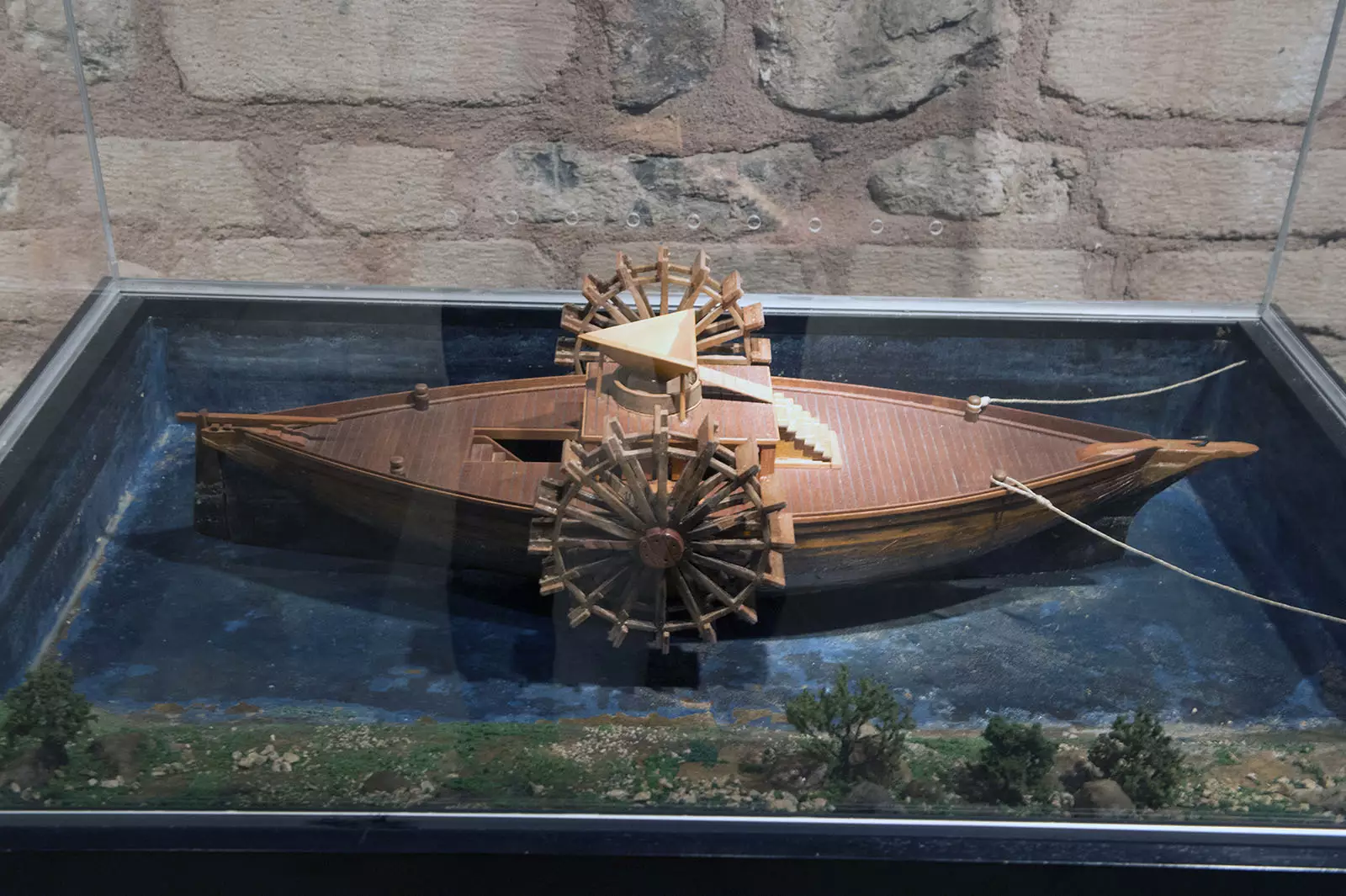
Floating water mill.
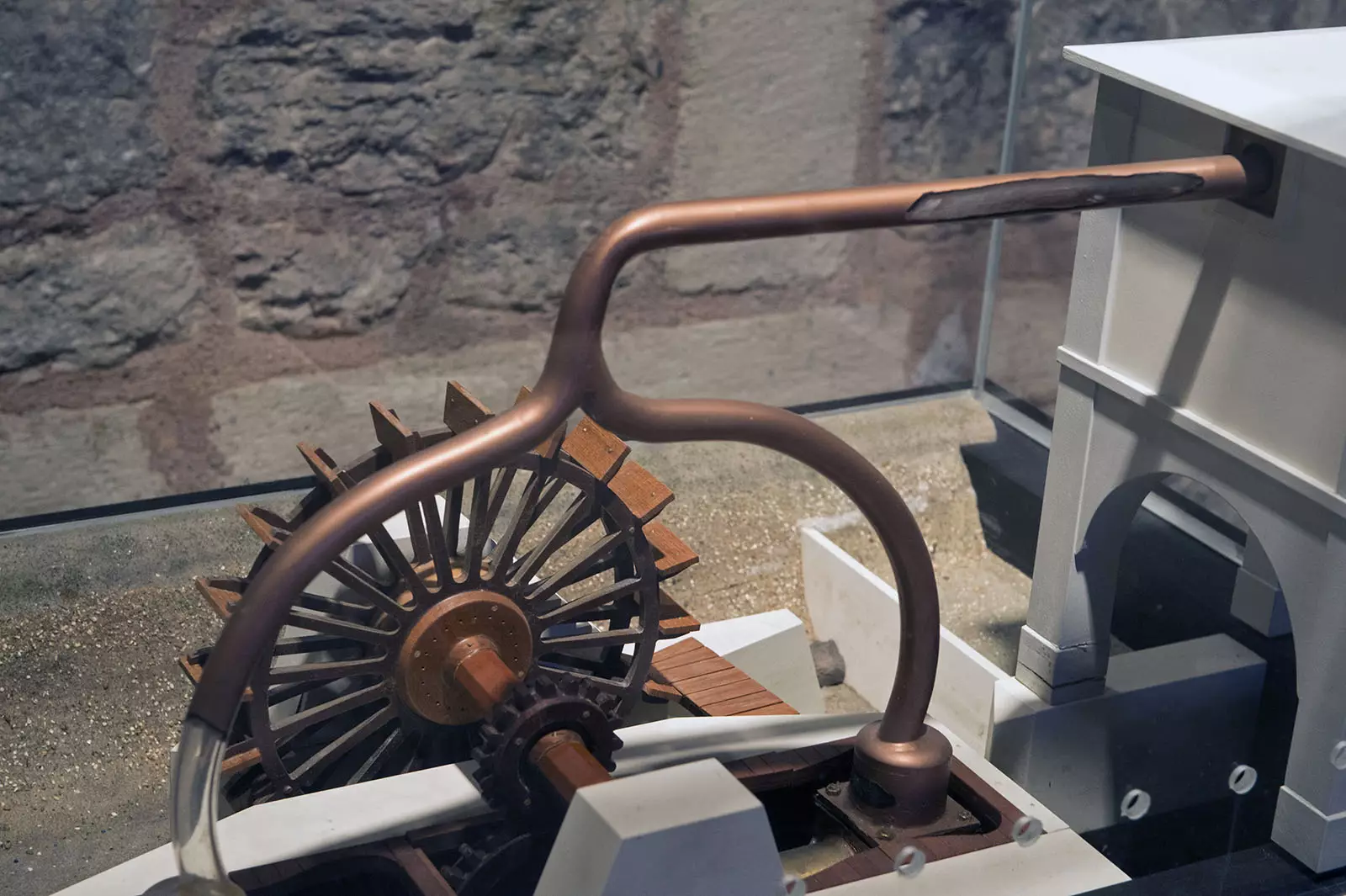
Water power is used to pump water upward.
The museum has a large display of military inventions.
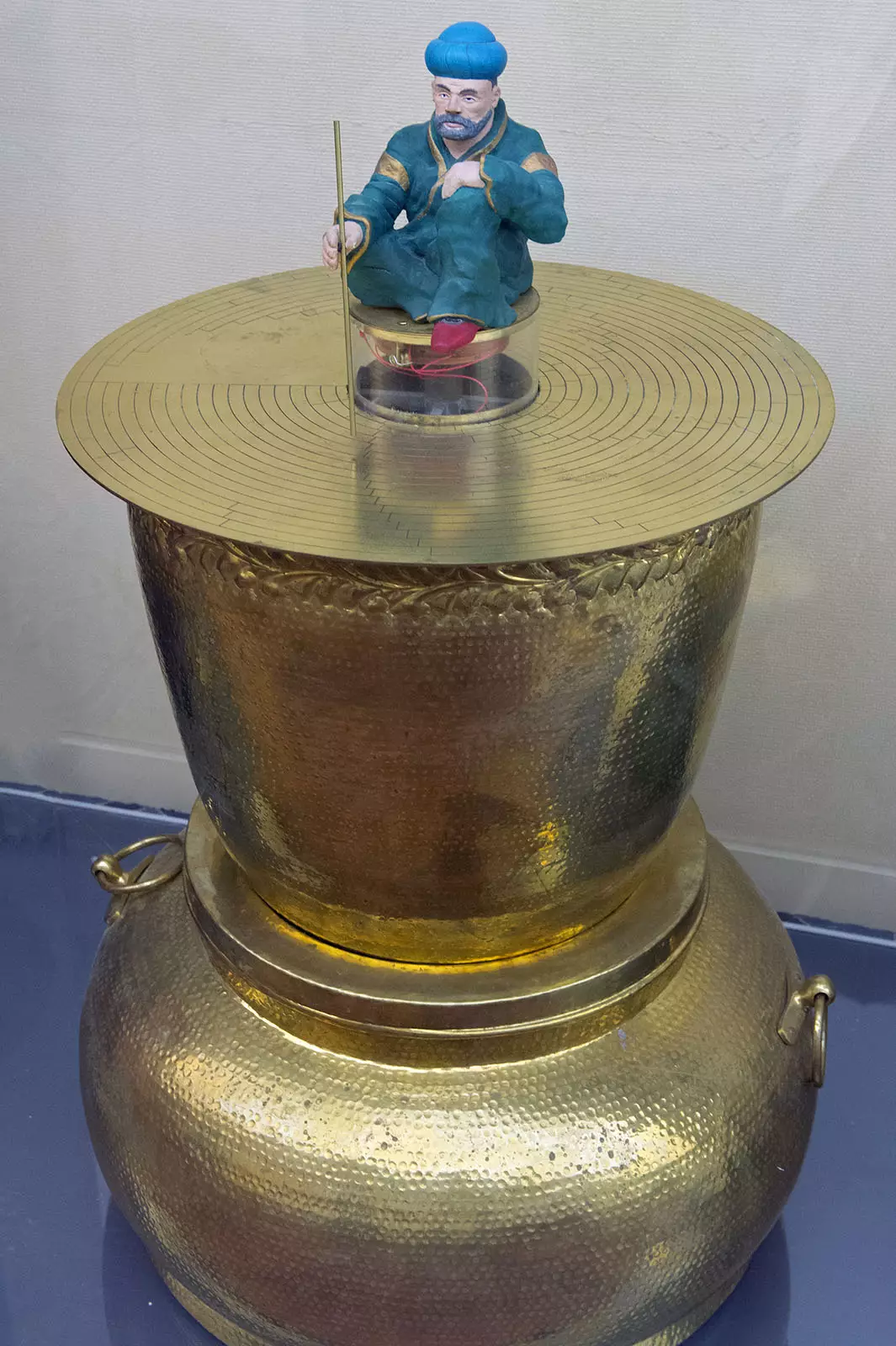
This is a model of al-Jazari’s goblet clepsydra (c.a. 1200). The sophisticated water-powered mechanism is hidden inside. A water clock or clepsydra is any timepiece in which time is measured by the regulated flow of liquid into (inflow type) or out from (outflow type) a vessel where the amount is then measured. Water clocks, along with sundials, are likely to be the oldest time-measuring instruments, with the only exceptions being the vertical gnomon and the day-counting tally stick.
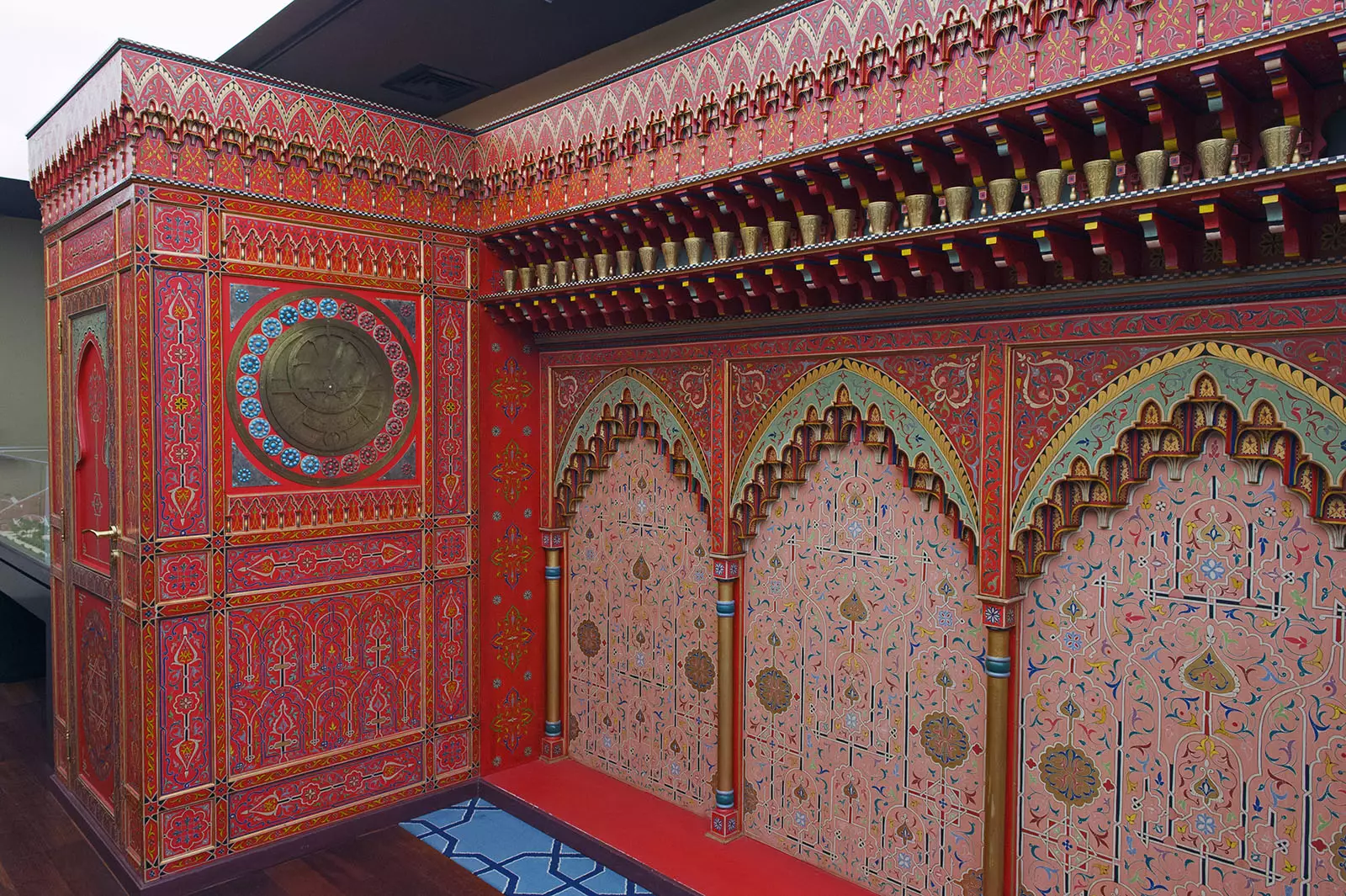
Detail of a model of a water clock in Fez (Morocco), from 1362.
Model of a water clock in Fez (Morocco), from 1362.
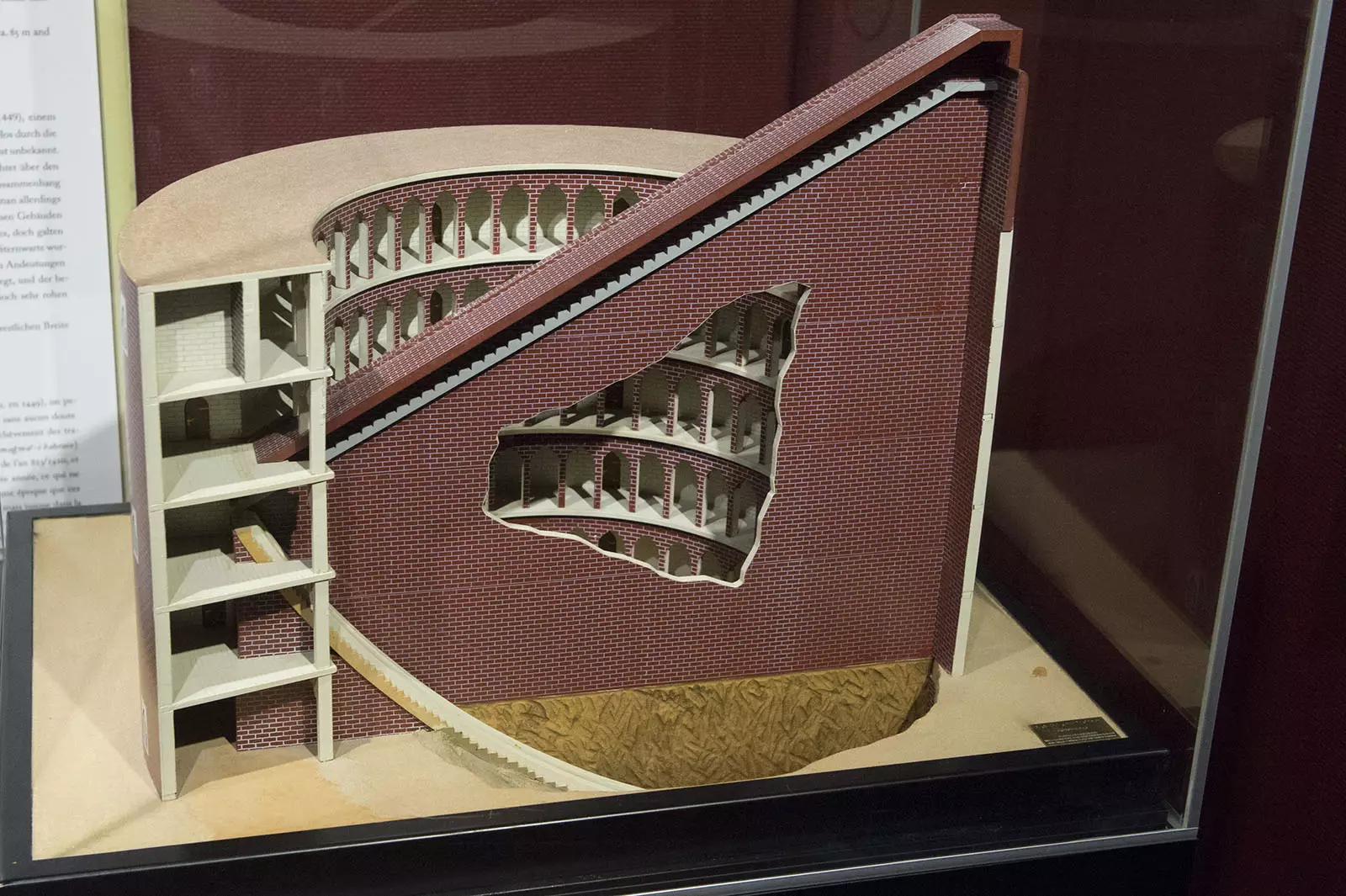
Model of the observatory of Samarkand, dating from around 1420, which was rediscovered in the early 20th century.
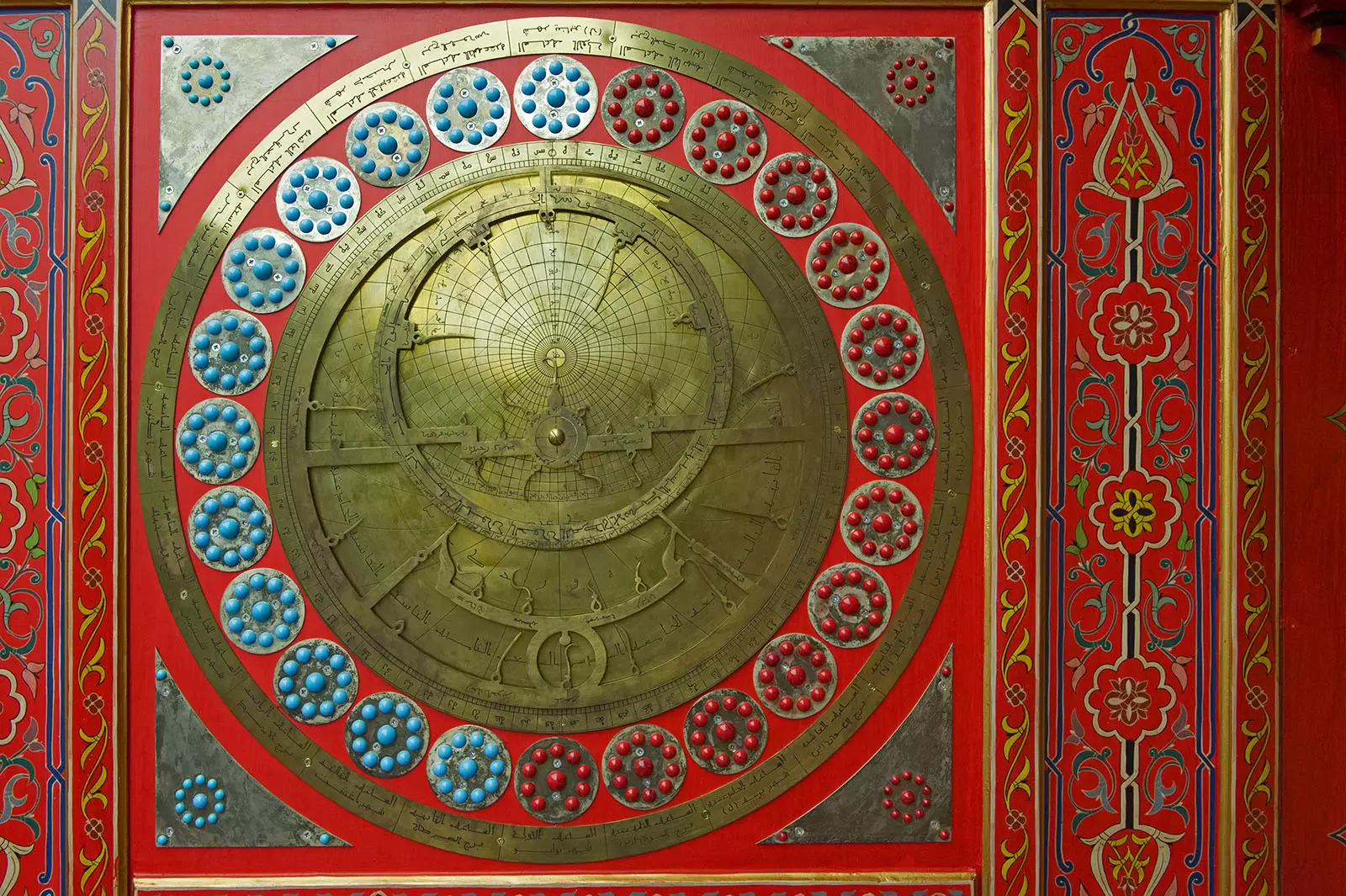
There is a collection of copies of astrolabes and other instruments for finding your position on the earth, with the earliest dating from the 10th century.

Istanbul Museum of the History of Science and Technology in Islam

Istanbul, Turkey

The Istanbul Museum of the History of Science and Technology in Islam is located in a carefully restored building that once served as the stables for the famous Topkapı Palace. This unique setting gives visitors a glimpse into the city’s rich past while exploring the achievements of Islamic scientists and inventors.

Exhibits and Collections

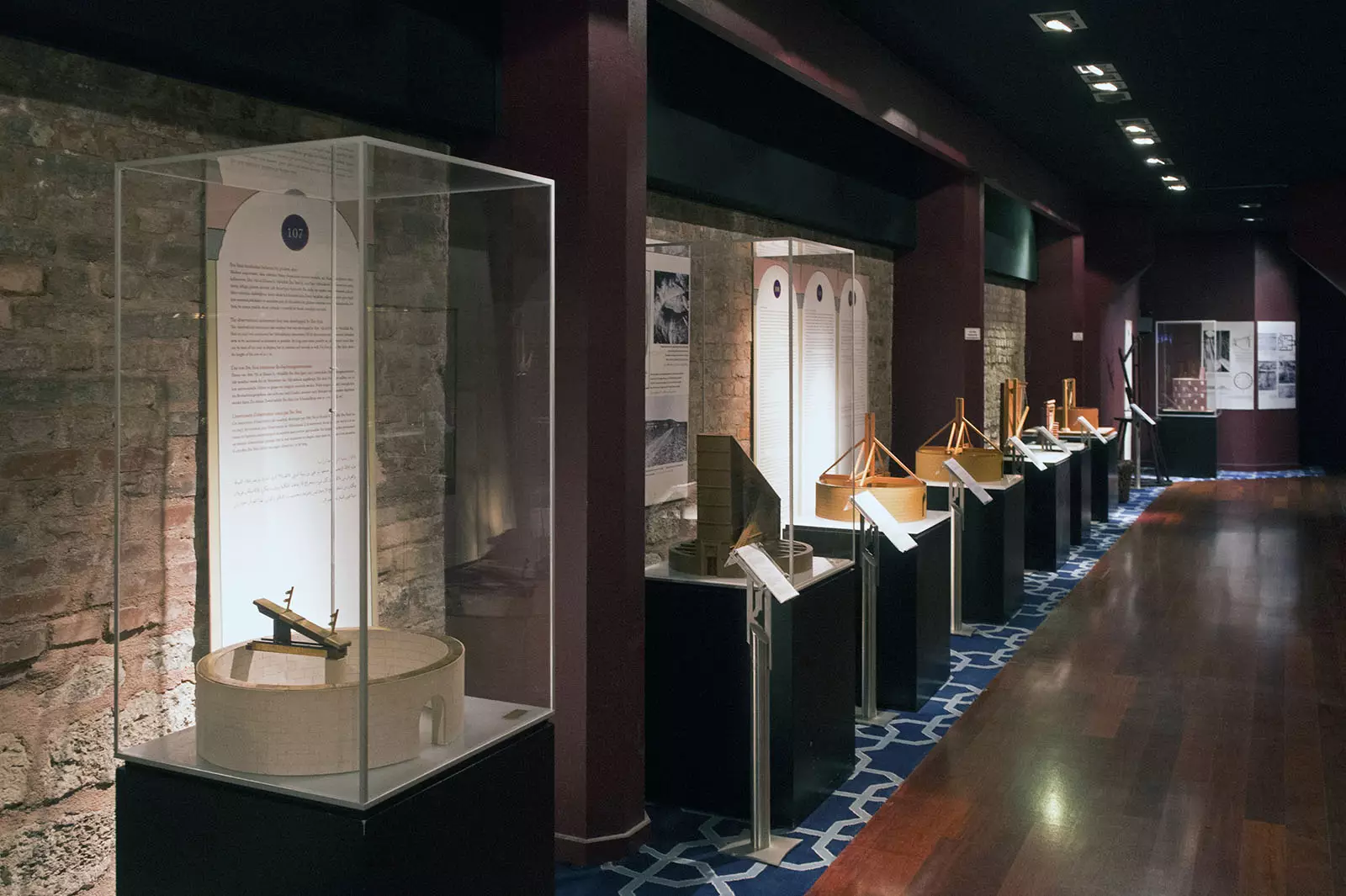
Inside the museum, a variety of instruments and devices are on display. Visitors can see replicas of tools used for astronomy, clocks, pumps, weaponry, and more—each one representing important inventions and discoveries from across the Islamic world over many centuries. While these pieces are not the original artifacts, the modern reproductions allow guests to appreciate the design and ingenuity of past engineers and scholars.

Interpretation and Themes

Many of the items highlight the fact that Islamic science and technology often developed ahead of similar achievements in Europe. The museum emphasizes this point, but sometimes the explanations for how these innovations fit into the larger history of science are brief. The displays present the period of Islamic scientific achievement as a high point, sometimes without discussing how these advances also paved the way for later discoveries in other cultures.

Source - https://en.wikipedia.org/wiki/Istanbul_Museum_of_the_History_of_Science_and_Technology_in_Islam

Developed by Reflex.com.ua
Contacts
  • info@reflex.com.ua
Social media