
Search ×
Home Istanbul
Kalenderhane Mosque
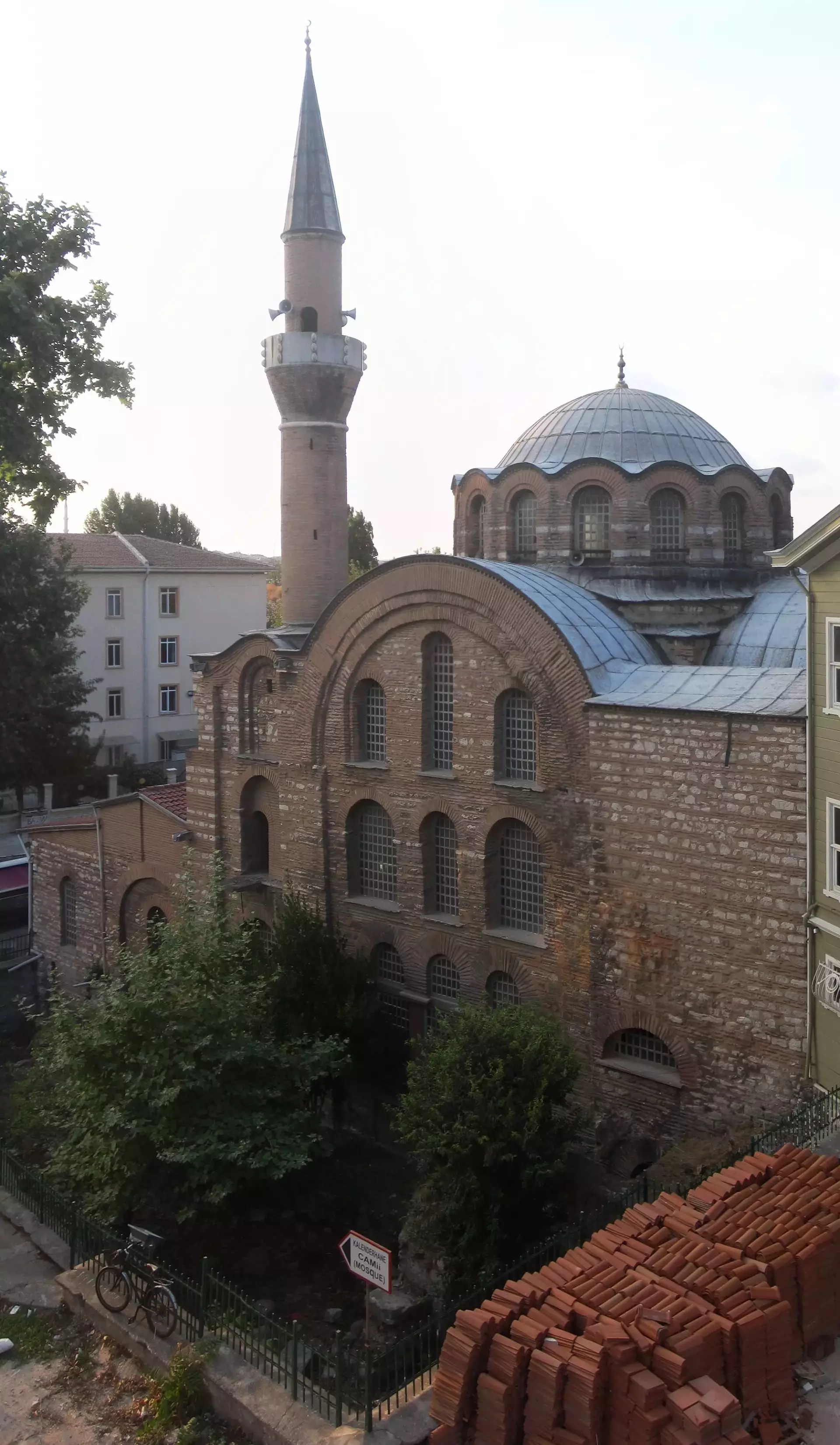
The Kalenderhane Mosque, formerly the Church of Theotokos Kyriotissa, viewed from the southeast. Fatih, Istanbul, Turkey.
South side of a mosque in a former church that has been identified as first St. Mary Diaconissa, then as St. Saviour Kataleptos, and most recently as St. Mary Kyrotissa. It is cruciform, has deep barrel vaults, and a dome with sixteen ribs. It originally had side aisles communicating with the nave and galleries over the two narthexes. Dating from the late 12th century, it retains some of the old marble revetment. "Strolling through Istanbul" mentions it as the “most attractive Byzantine building in the city.” It also contained the frescoes of St. Francis of Assisi, now in the Archaeological Museum, which are the earliest cycle of frescoes of the saint’s life in the world.
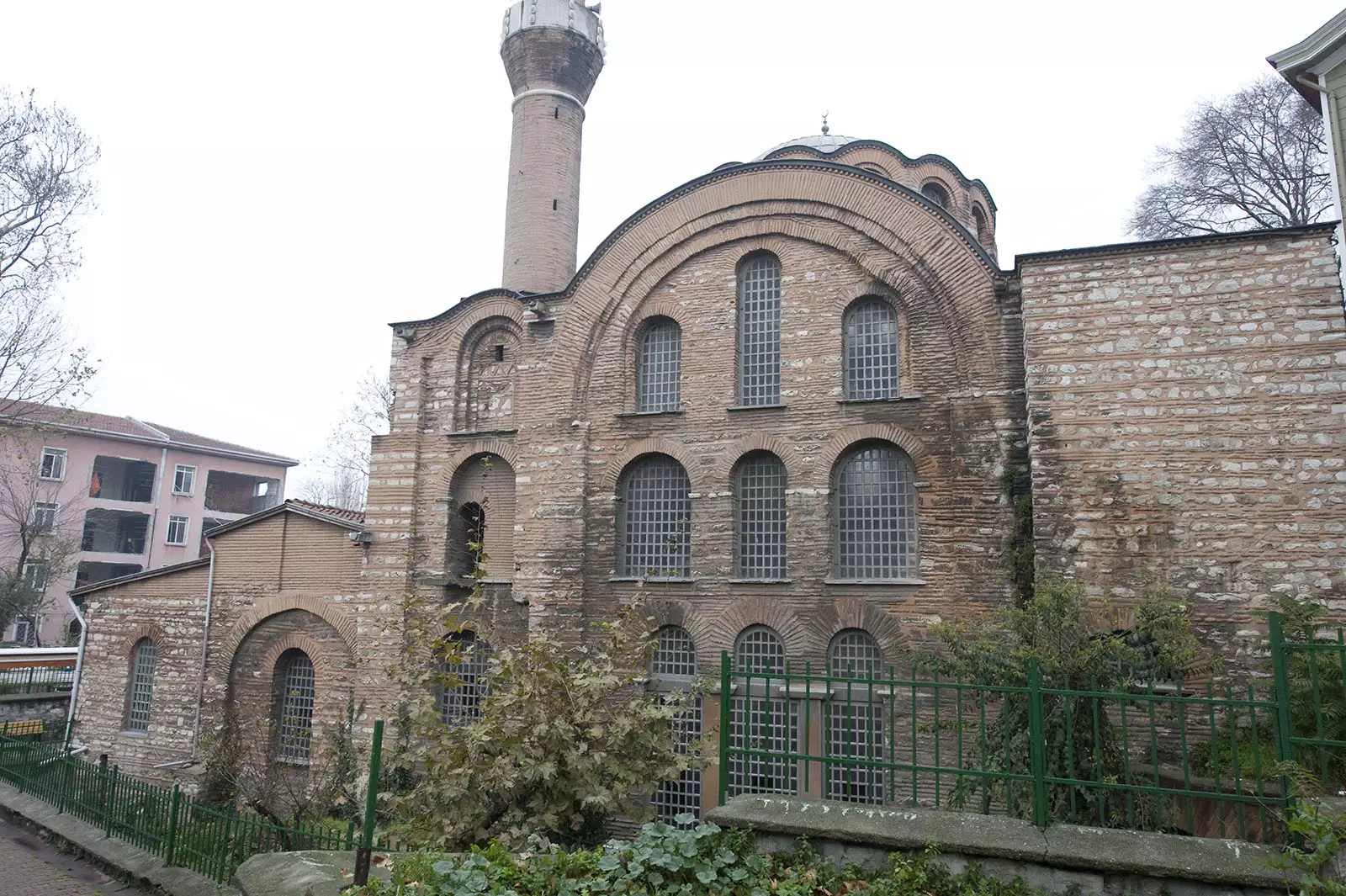
North side view of a mosque in a former church that has been identified as first St. Mary Diaconissa, then as St. Saviour Kataleptos, and most recently as St. Mary Kyrotissa. It is cruciform, has deep barrel vaults, and a dome with sixteen ribs. It originally had side aisles communicating with the nave, and galleries over the two narthexes. Dating from the late 12th century, it retains some of the old marble revetment. Strolling through Istanbul mentions it as the “most attractive Byzantine building in the city.” It also contained the frescoes of St. Francis of Assisi, now in the Archaeological Museum, which represent the earliest cycle of frescoes of the saint’s life in the world.
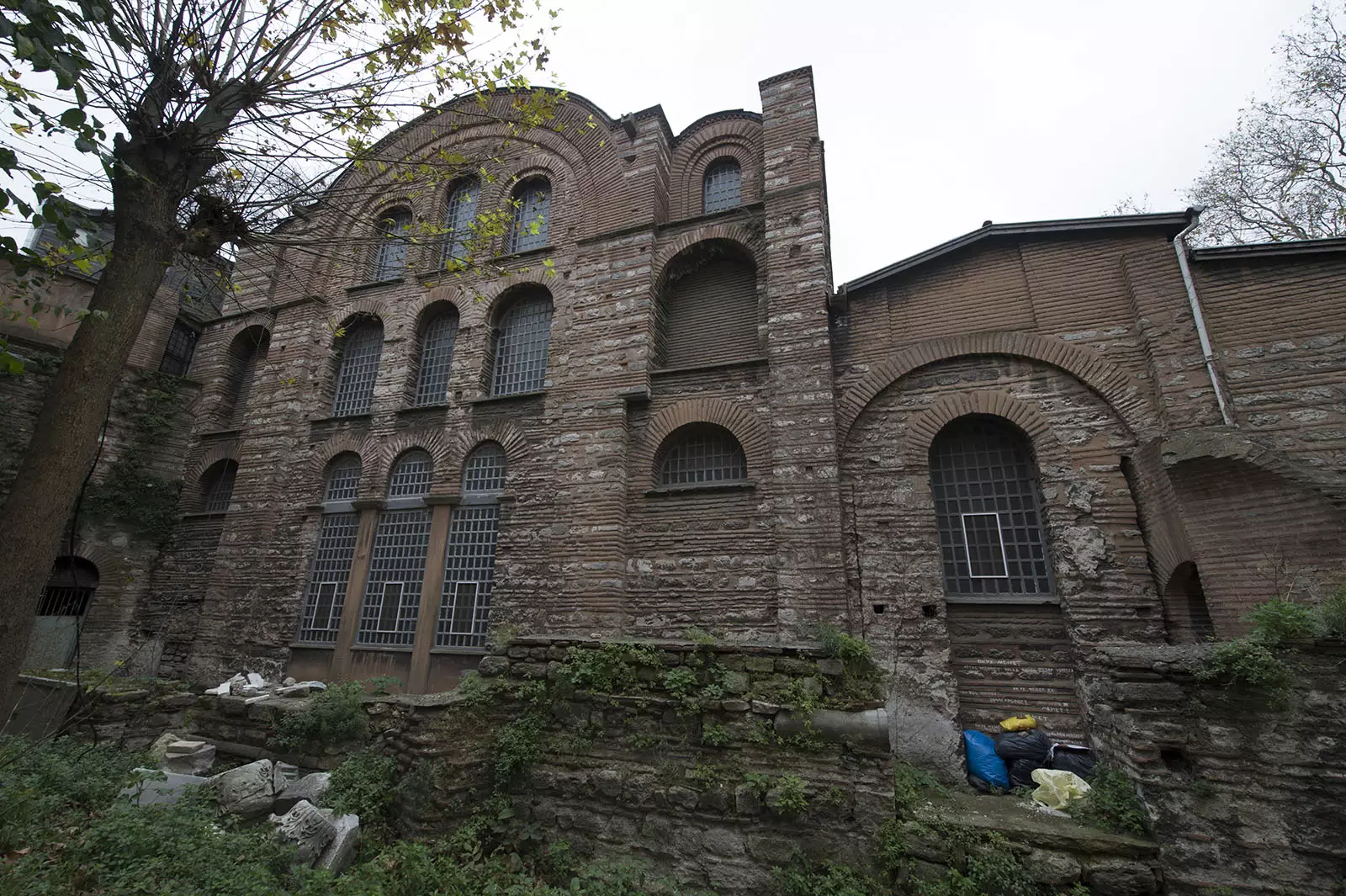
A mosque in a former church that has been identified as first St. Mary Diaconissa, then as St. Saviour Kataleptos, and most recently as St. Mary Kyrotissa. It is cruciform, has deep barrel vaults, and a dome with sixteen ribs. It originally had side aisles communicating with the nave and galleries over the two narthexes. Dating from the late 12th century, it has some of the old marble revetment. Strolling through Istanbul mentions it as the “most attractive Byzantine building in the city.” It also contained the frescoes of St. Francis of Assisi, now in the Archaeological Museum, which are the earliest cycle of frescoes of the saint’s life in the world.
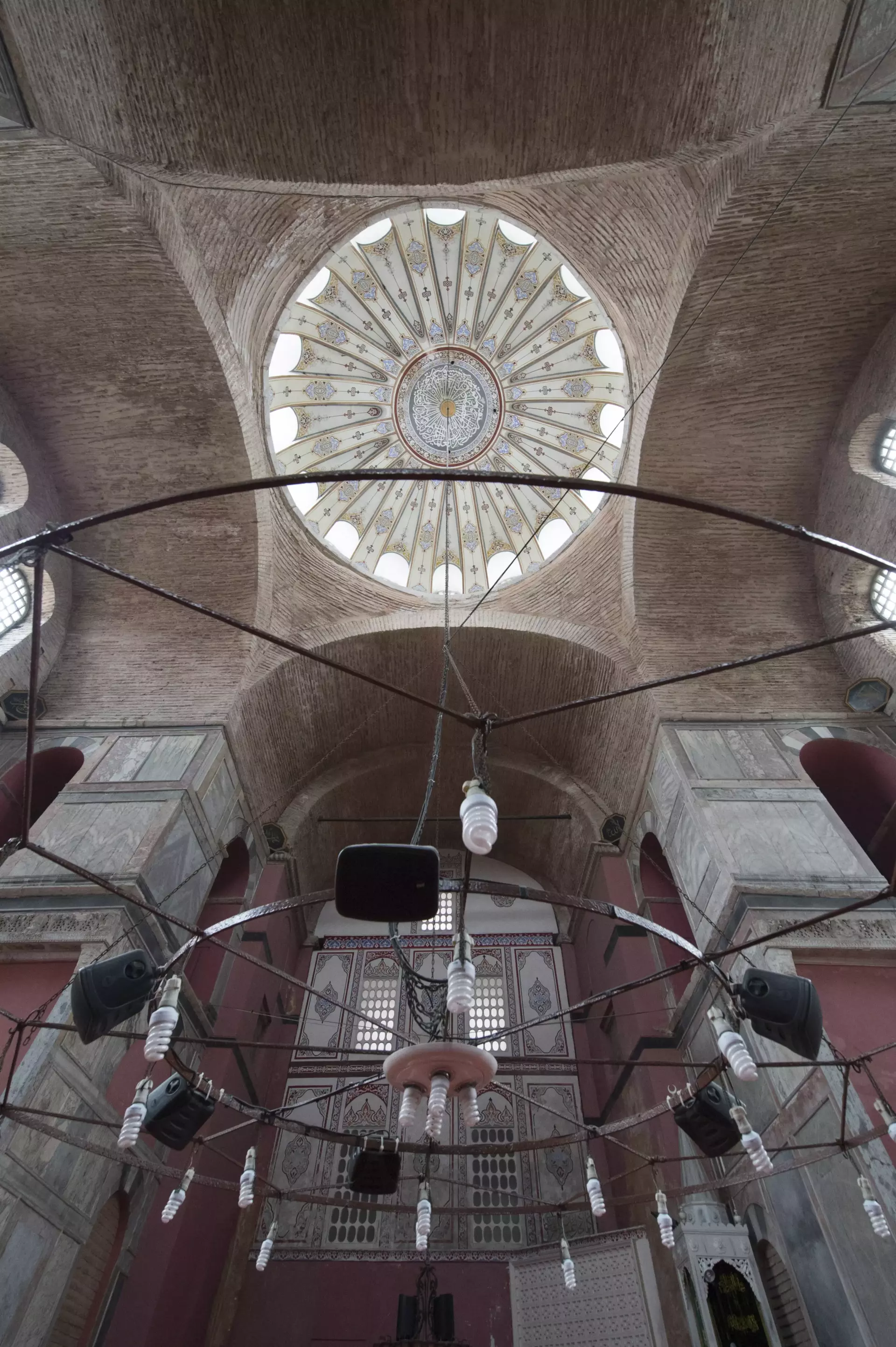
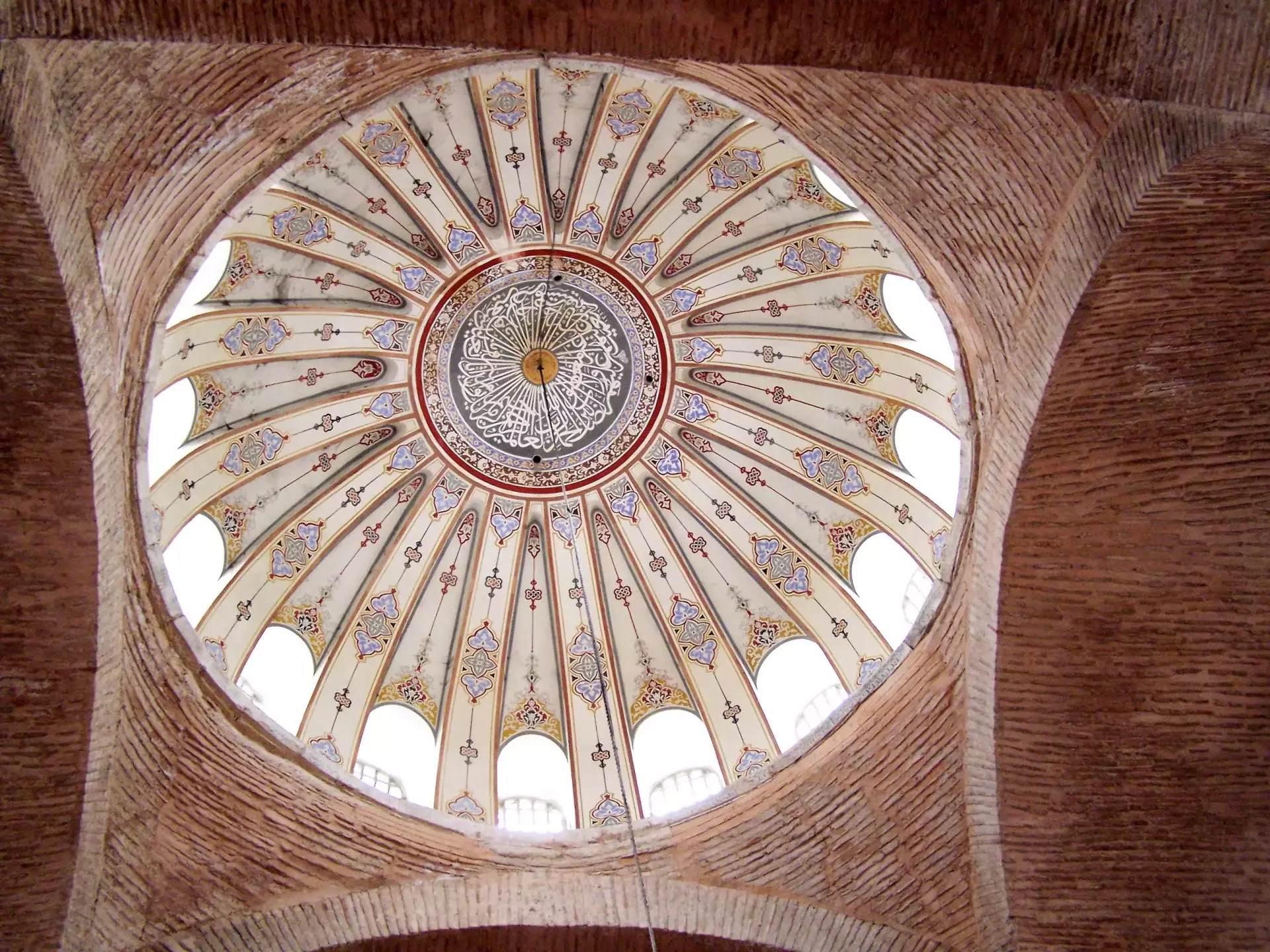
Central dome of Kalenderhane Camii in Fatih, İstanbul, Turkey.
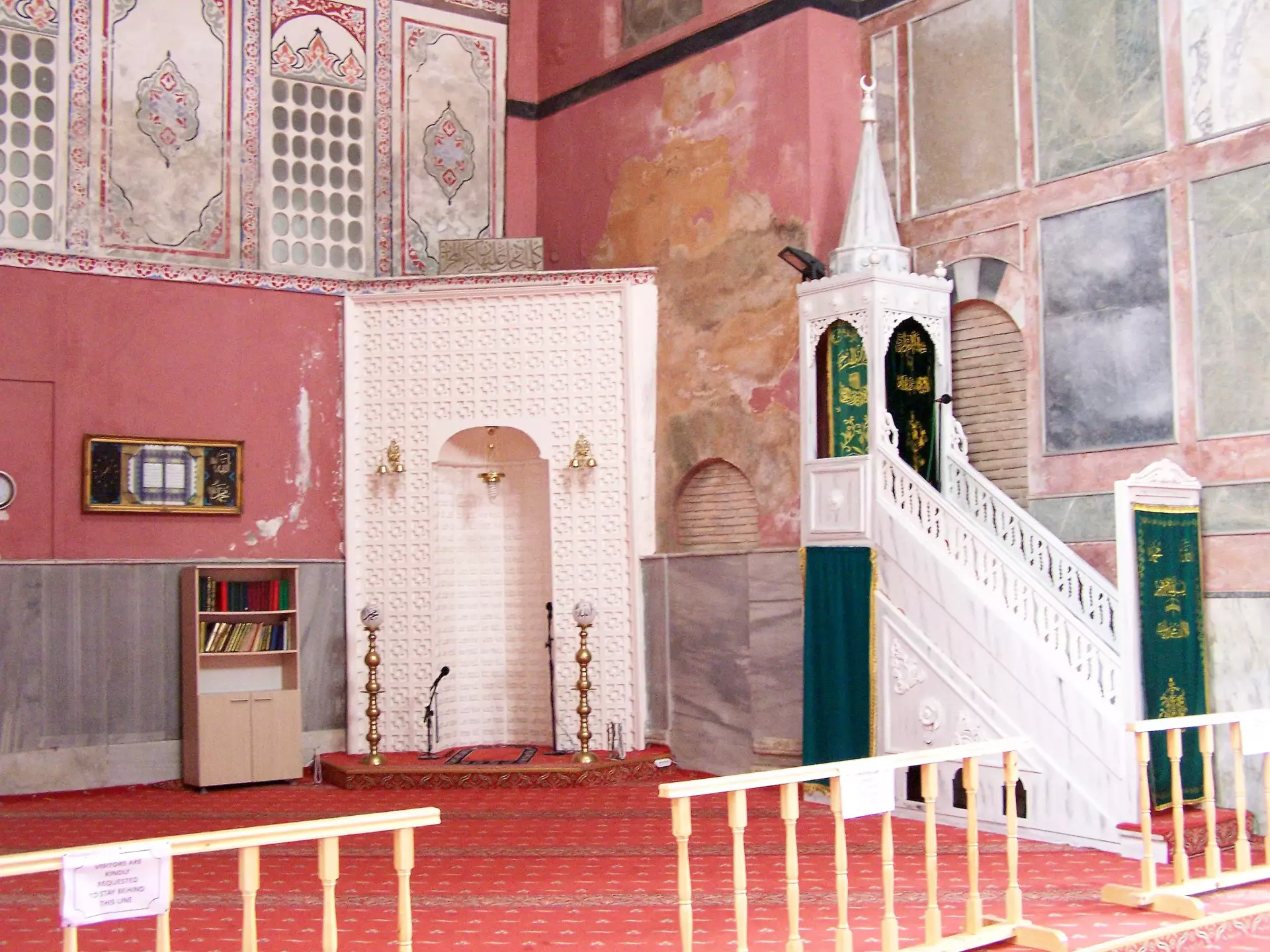
Mihrab and minbar of Kalenderhane Camii in Fatih, İstanbul, Turkey.
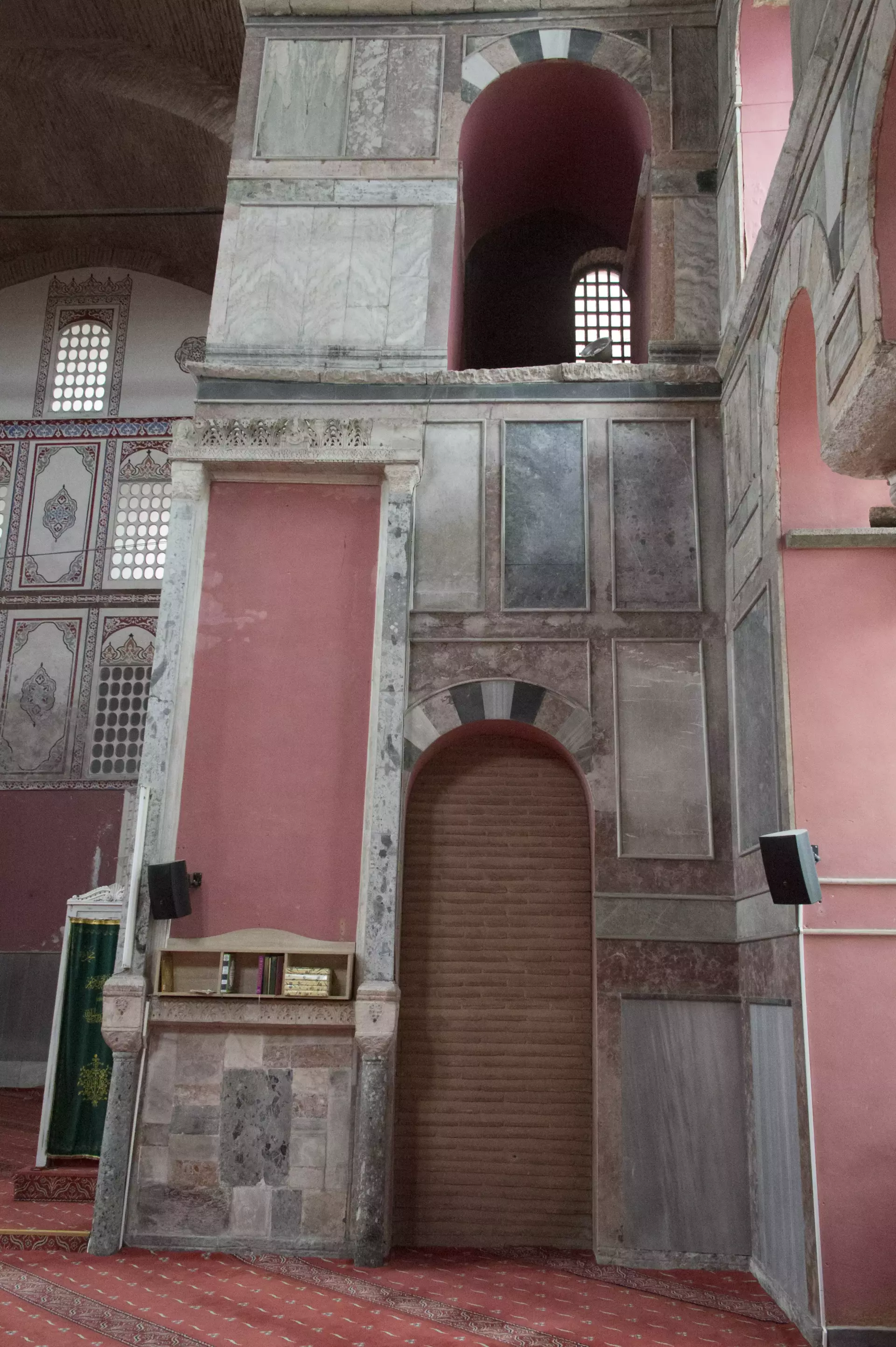
A mosque in a former church that has been identified as first St. Mary Diaconissa, then as St. Saviour Kataleptos, and most recently as St. Mary Kyrotissa. It is cruciform, has deep barrel vaults and a dome with sixteen ribs. It originally had side aisles communicating with the nave, and galleries over the two narthexes. Dating from the late 12th century, it still retains some of the old marble revetment. Strolling through Istanbul mentions it as the “most attractive Byzantine building in the city.” It also contained the frescoes of St. Francis of Assisi, now in the Archaeological Museum, the earliest cycle of frescoes of the saint’s life in the world.

Kalenderhane Mosque

Istanbul, Turkey

The Kalenderhane Mosque stands as a remarkable testament to Istanbul’s layered history. Originally constructed around the year 1200, it first served as the Eastern Orthodox Church of Theotokos Kyriotissa. This structure showcased the religious and architectural traditions of its time, reflecting the city’s significance in the Byzantine world.

Changes after the Ottoman Conquest

Following the Ottoman conquest of Constantinople, the building’s role changed dramatically. It was given to the Qalandari, a Sufi sect known for its distinct spiritual practices. This transformation marked a new chapter in the building’s life, as it became a place for Sufi gatherings and devotion.

Conversion to a Mosque

By the mid-18th century, the structure underwent another significant change when it was converted into a Sunni mosque. During this period, many of its original mosaic decorations were covered with plaster, reflecting the artistic and religious shifts of the era.

Restoration of Historical Features

In the 1970s, efforts began to restore the mosque’s original appearance. Conservation work uncovered mosaics and architectural details that had been hidden for centuries, allowing visitors today to appreciate the blend of Byzantine and Ottoman influences at Kalenderhane Mosque.

Source - https://en.wikipedia.org/wiki/Kalenderhane_Mosque

Developed by Reflex.com.ua
Contacts
  • info@reflex.com.ua
Social media