



Pammakaristos Church
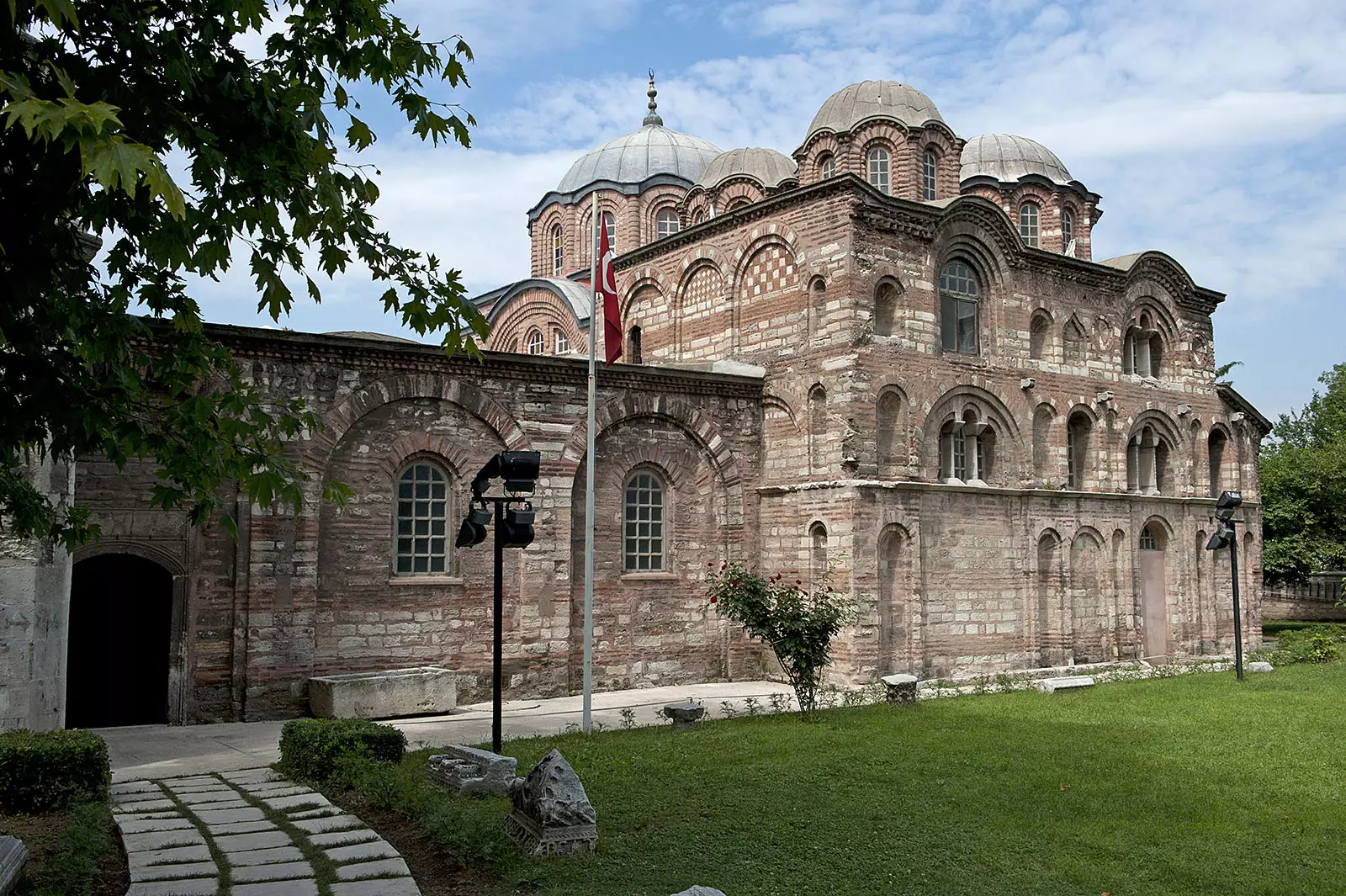
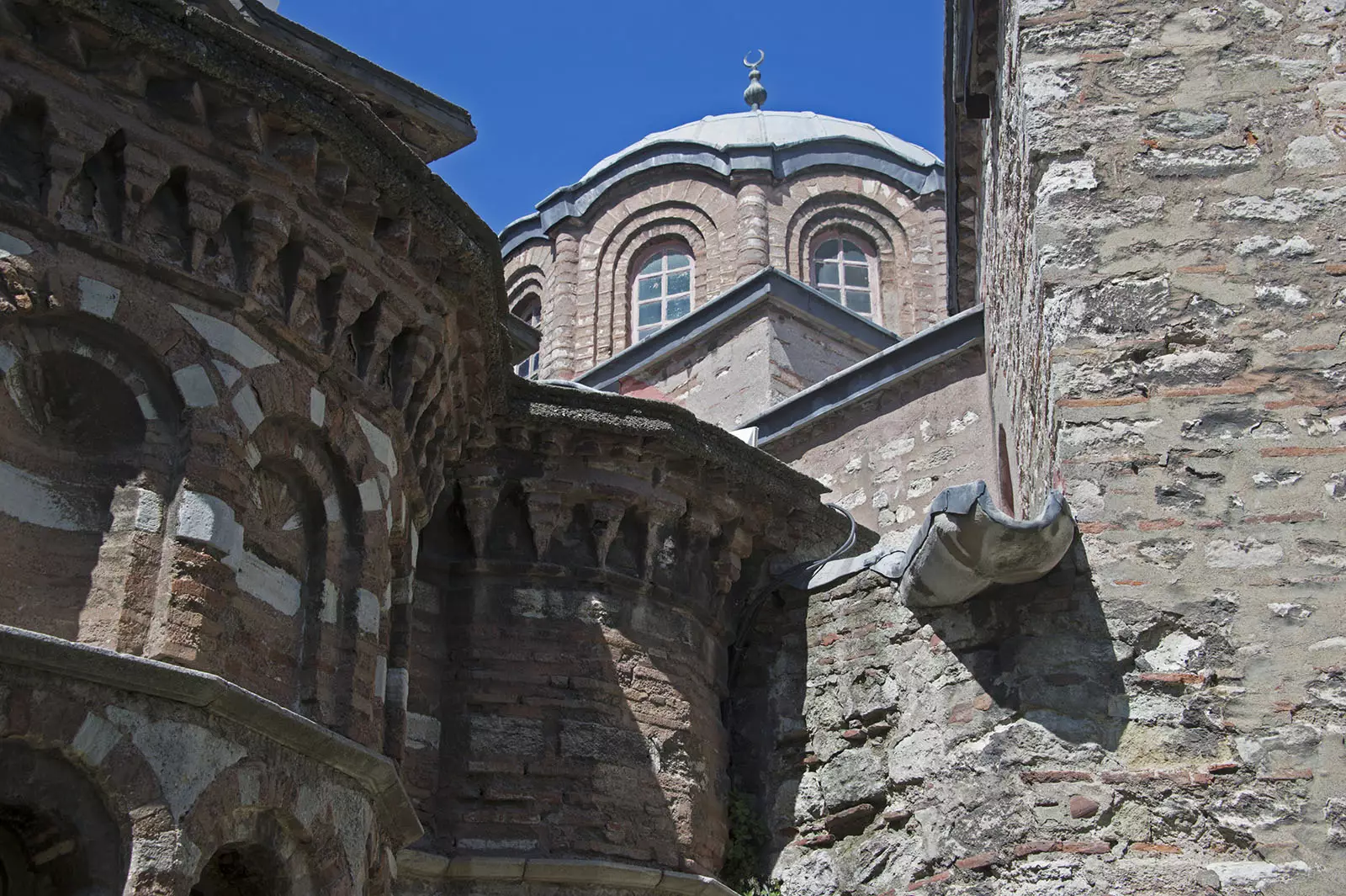
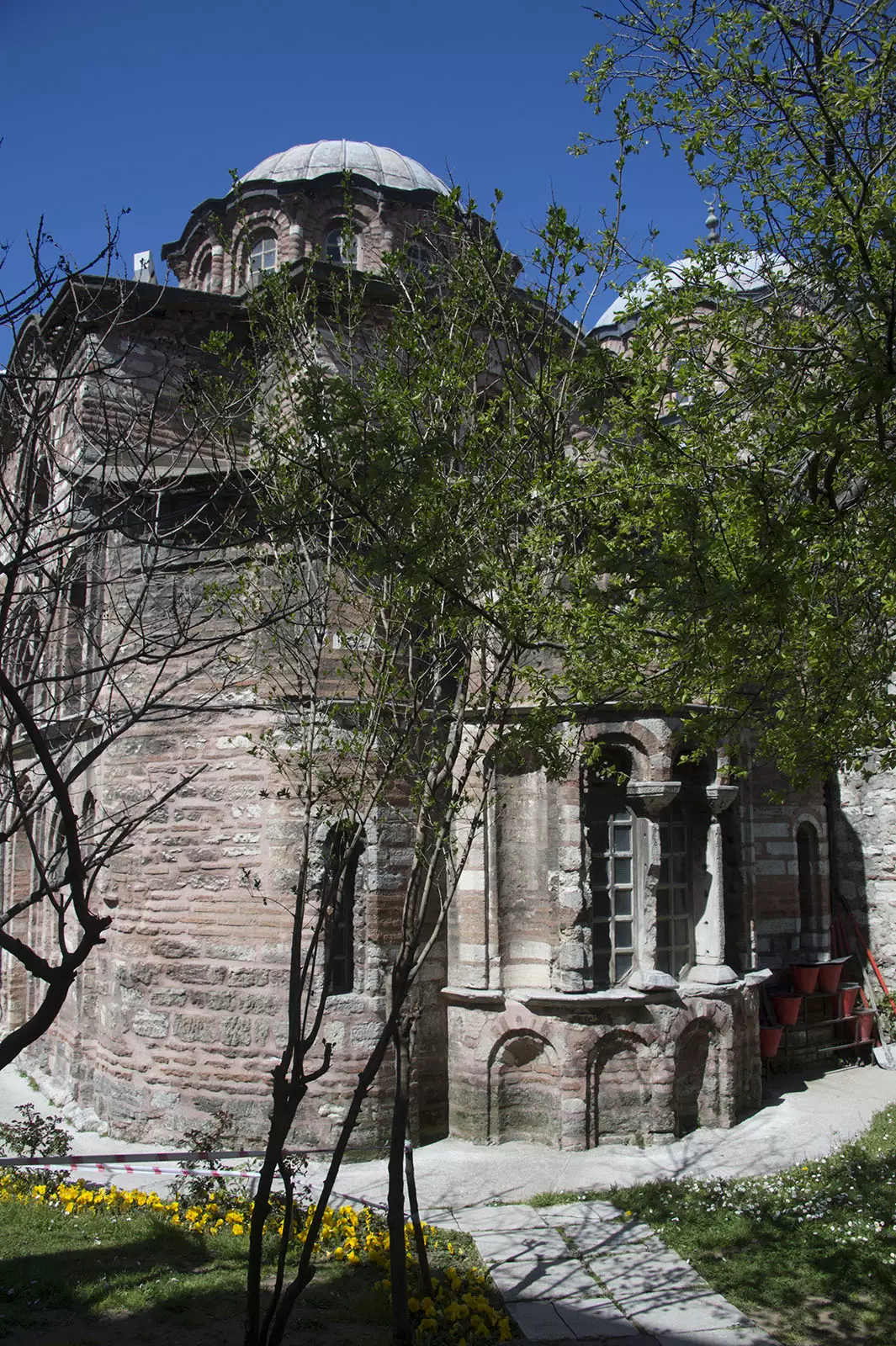
The Church of Theotokos Pammakaristos, meaning "All-Blessed Mother of God," stands as an impressive example of Byzantine architecture from the 11th and 12th centuries. This historic structure once served as a key religious site in Constantinople, reflecting the city's spiritual and cultural importance during the Byzantine era.
A New Addition: The Parekklesion and Mosaics
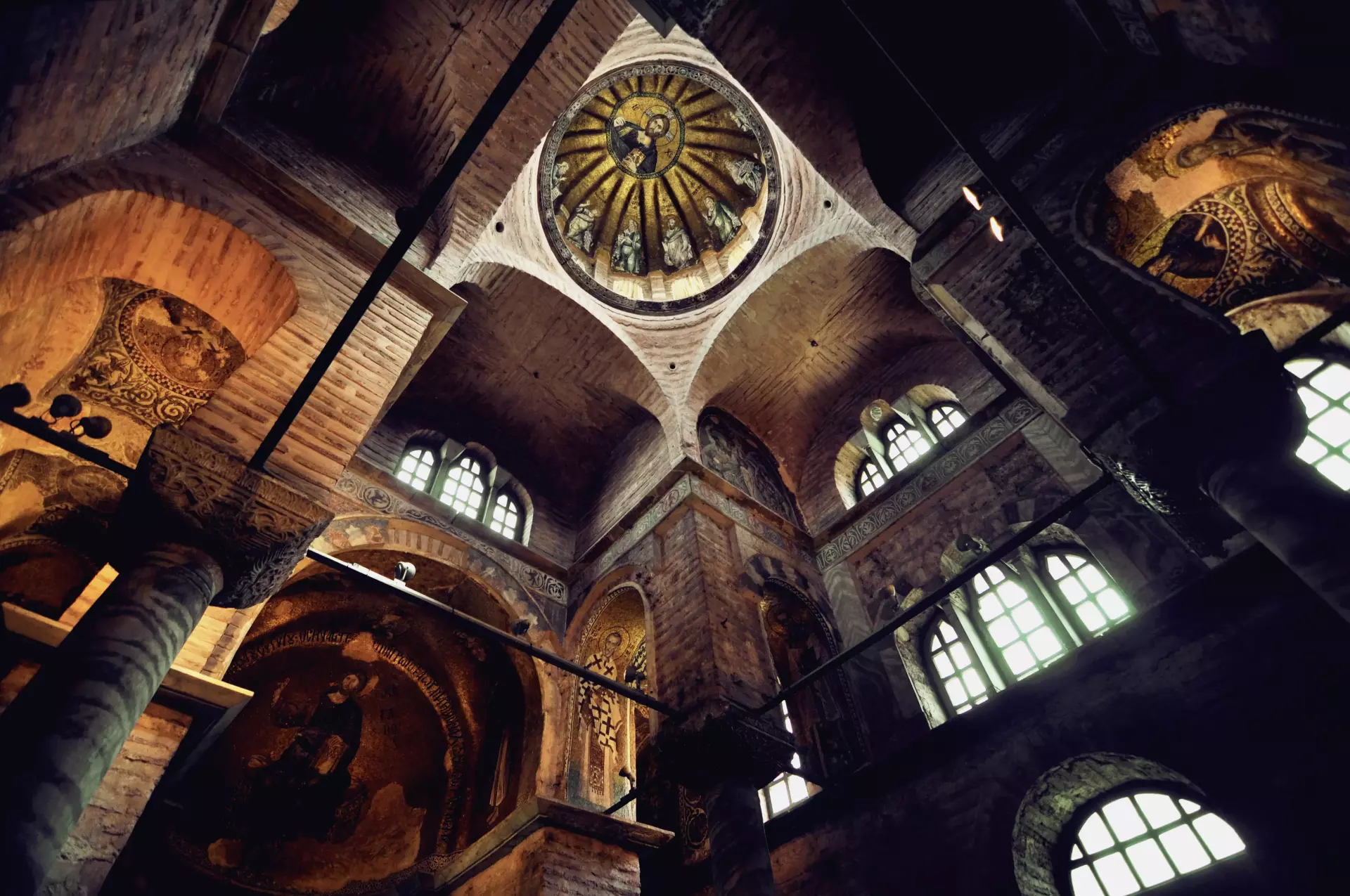
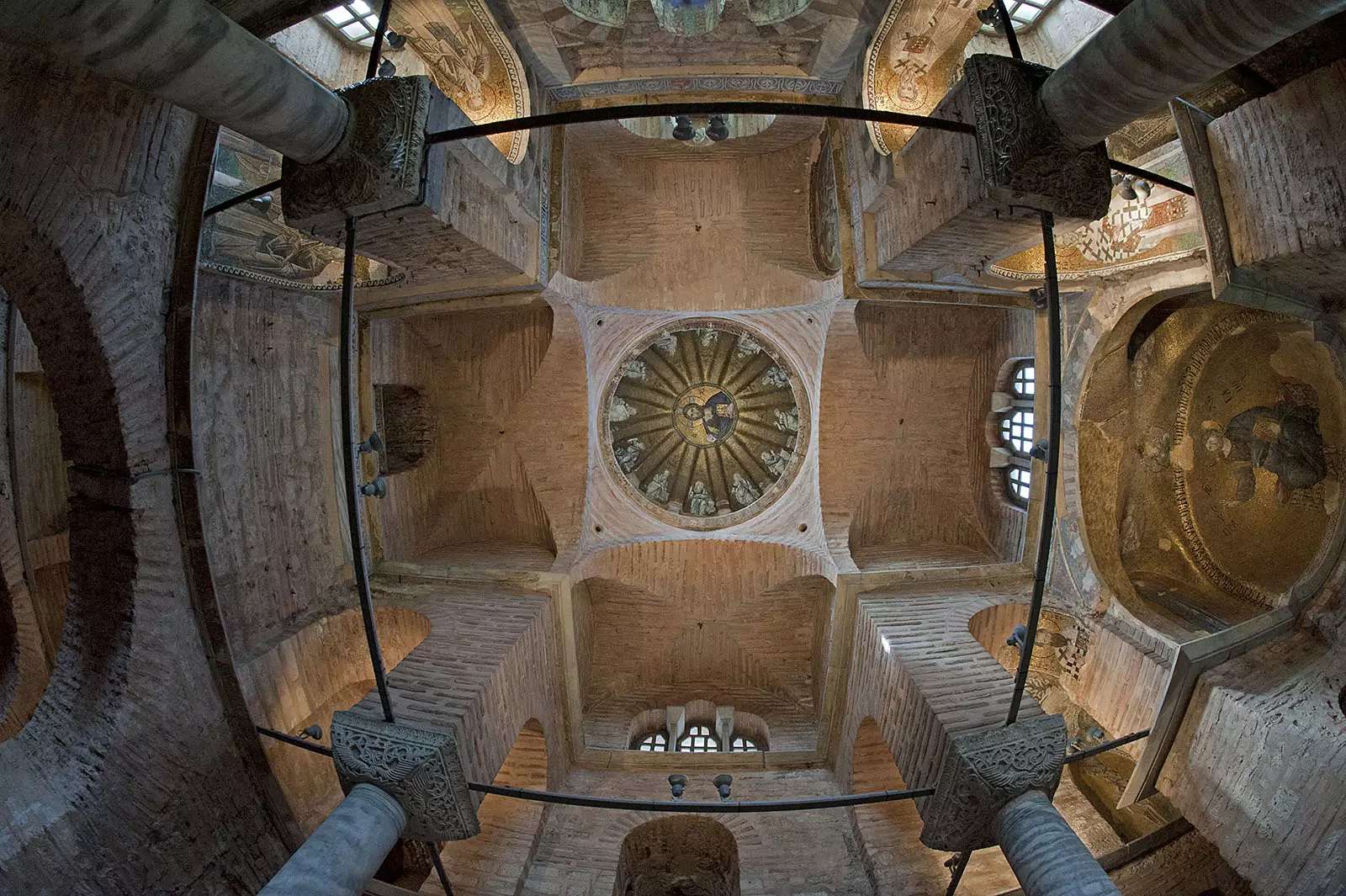
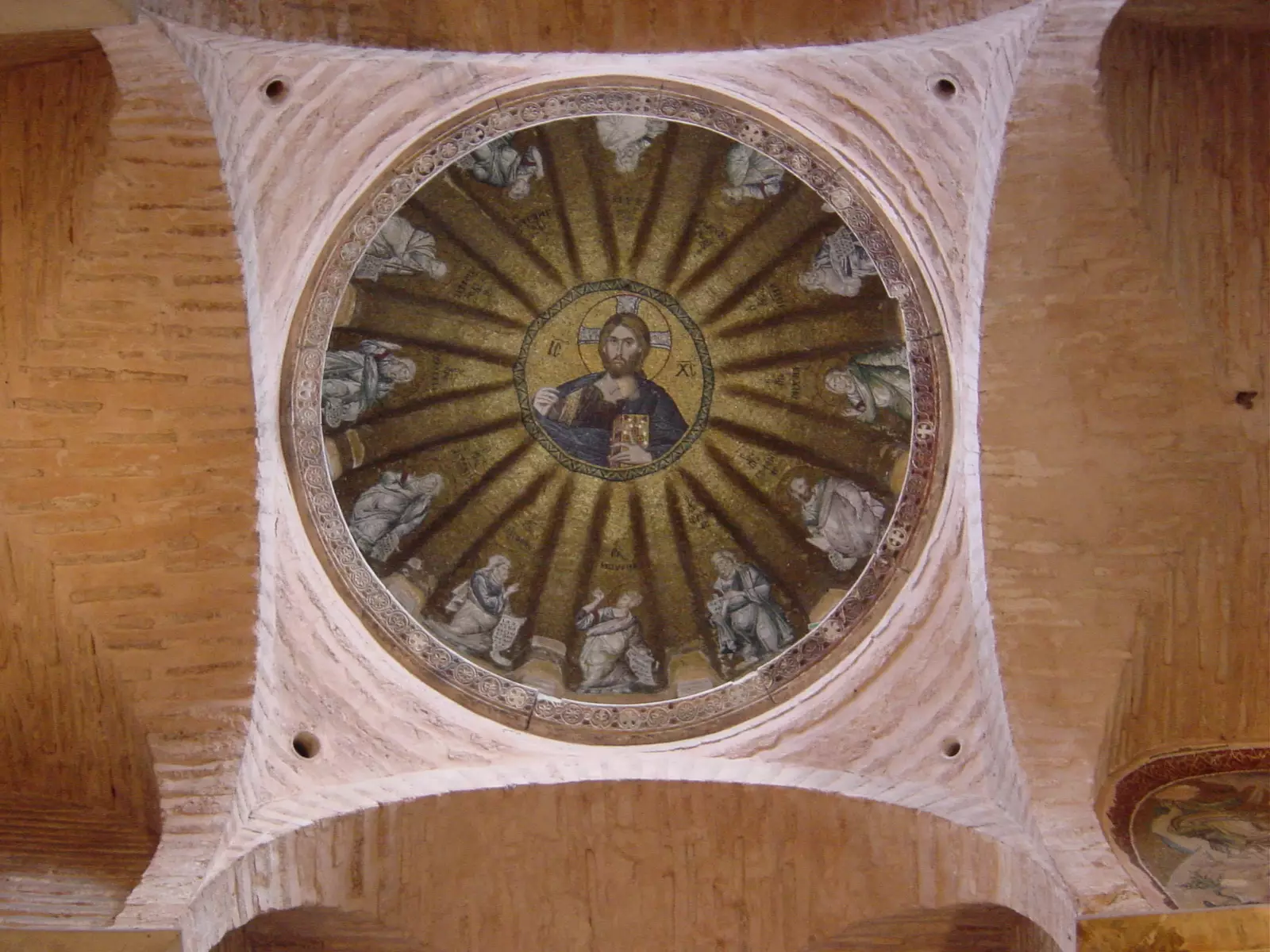
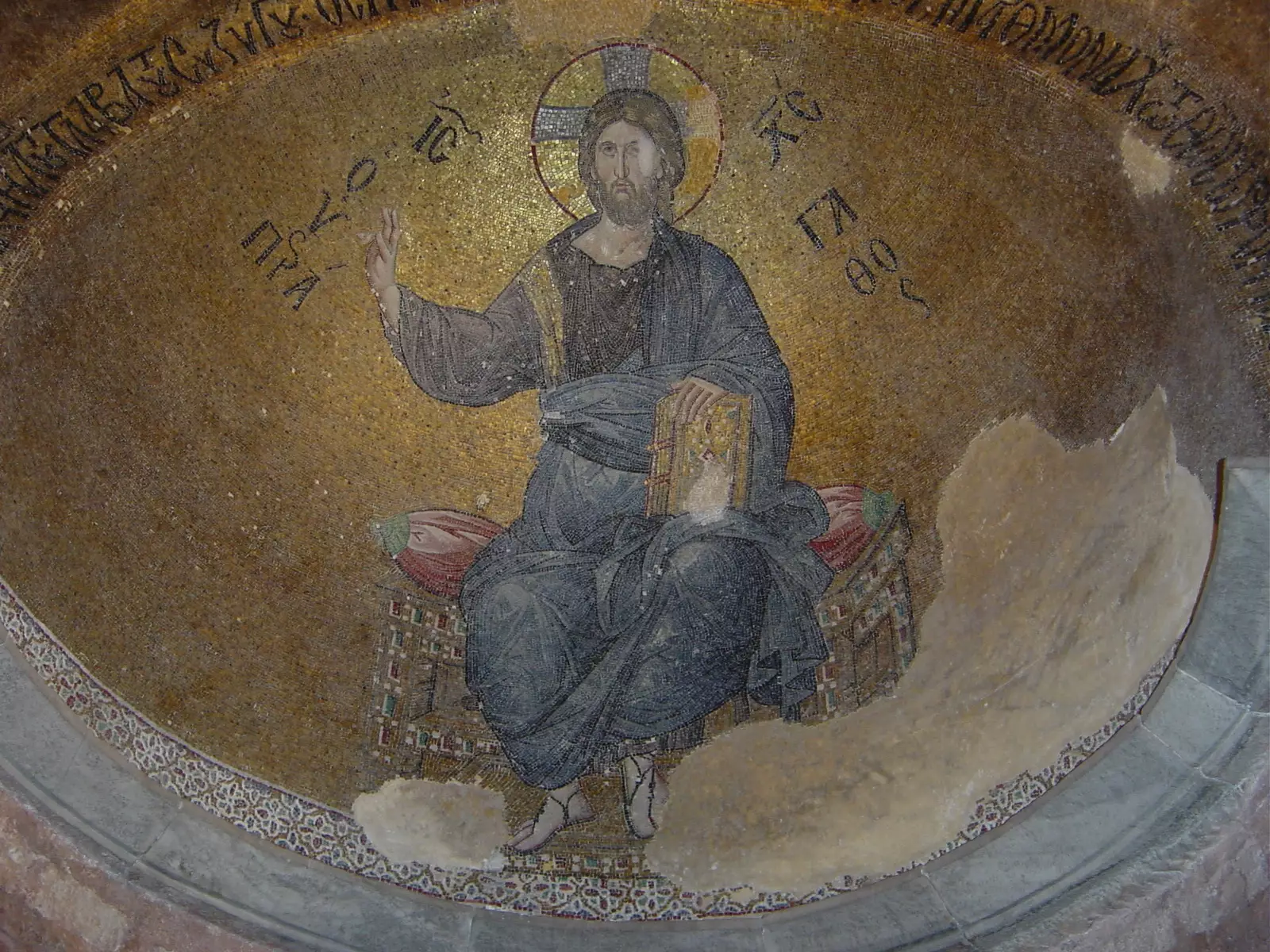
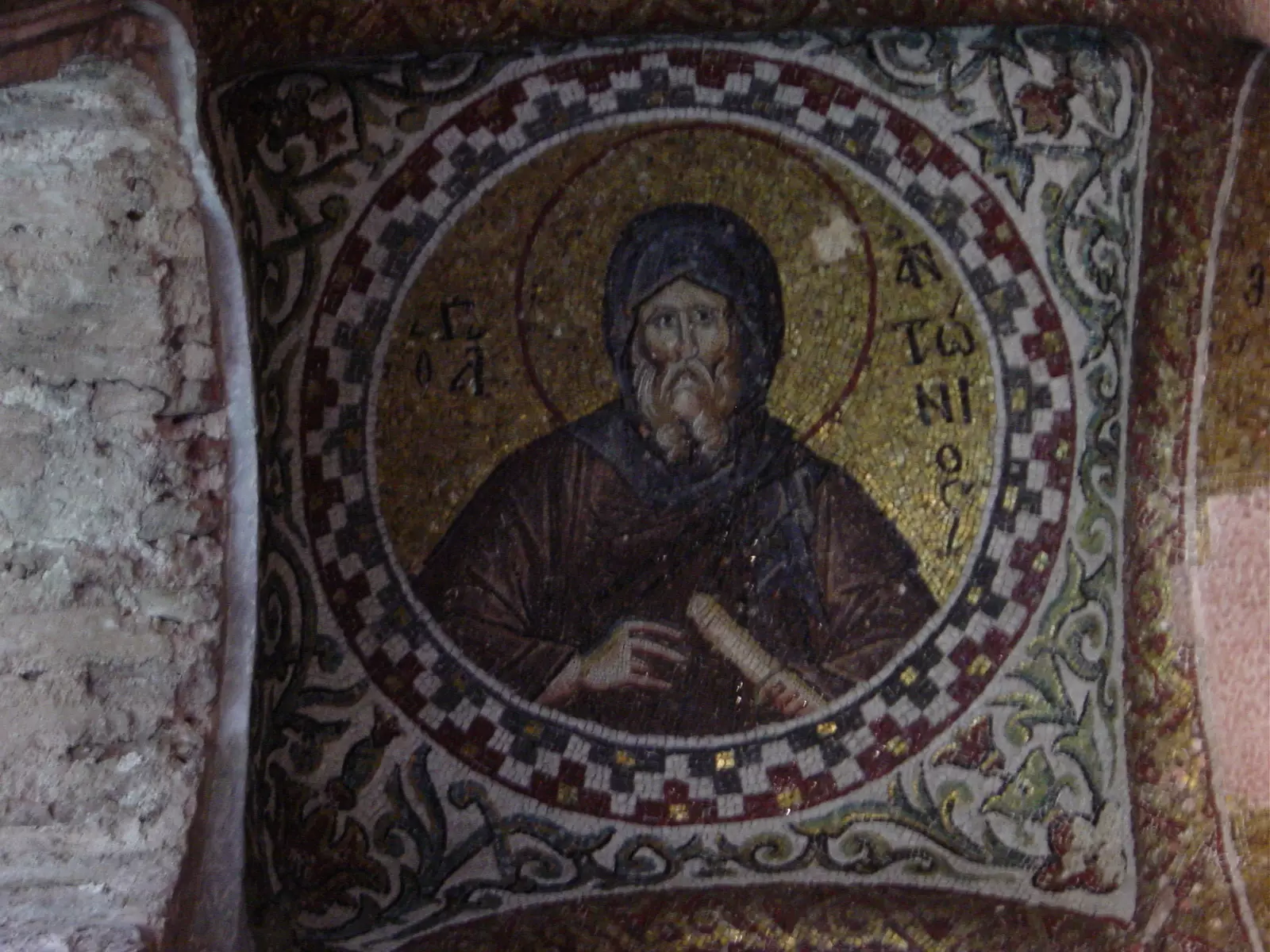
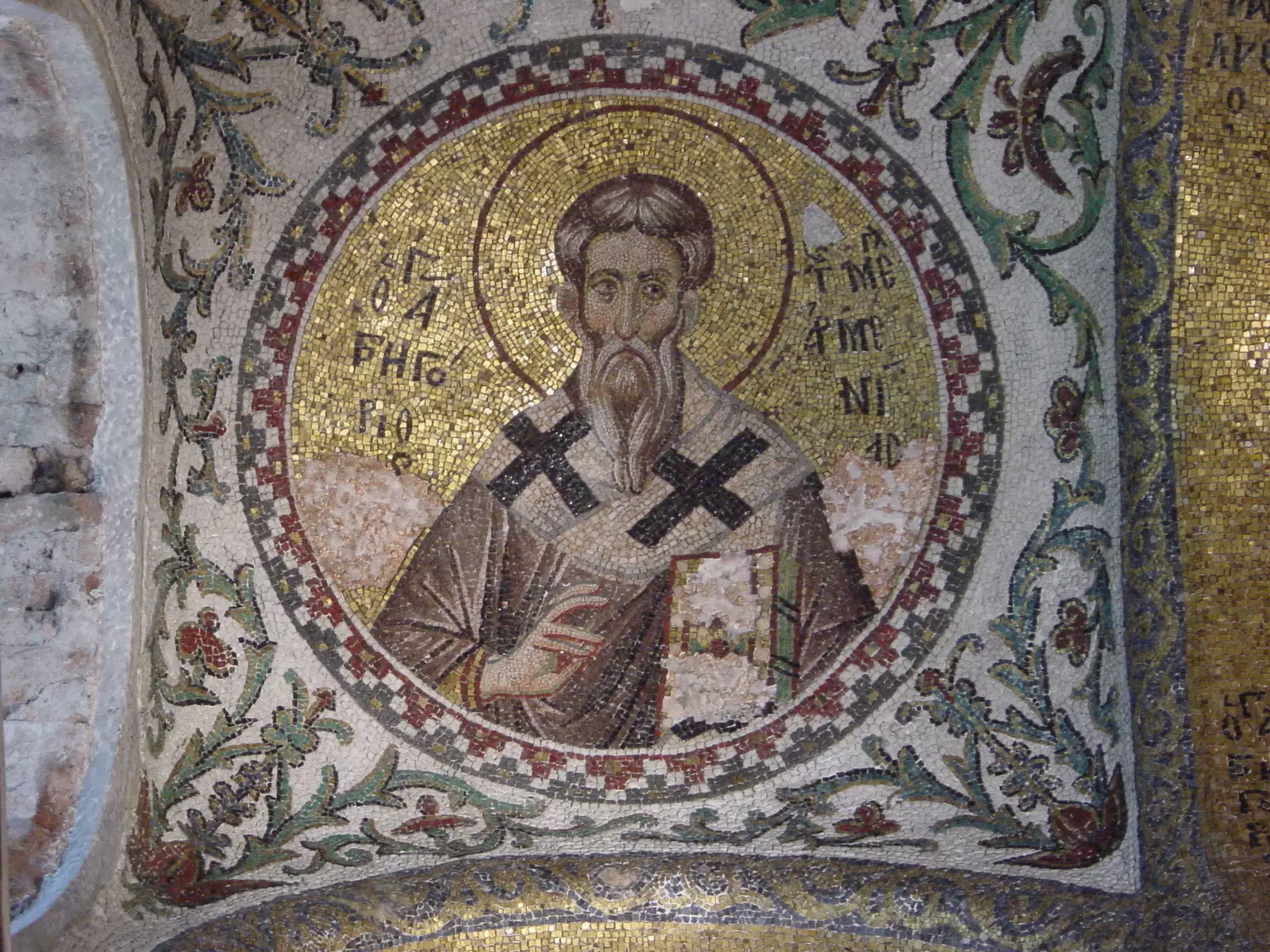
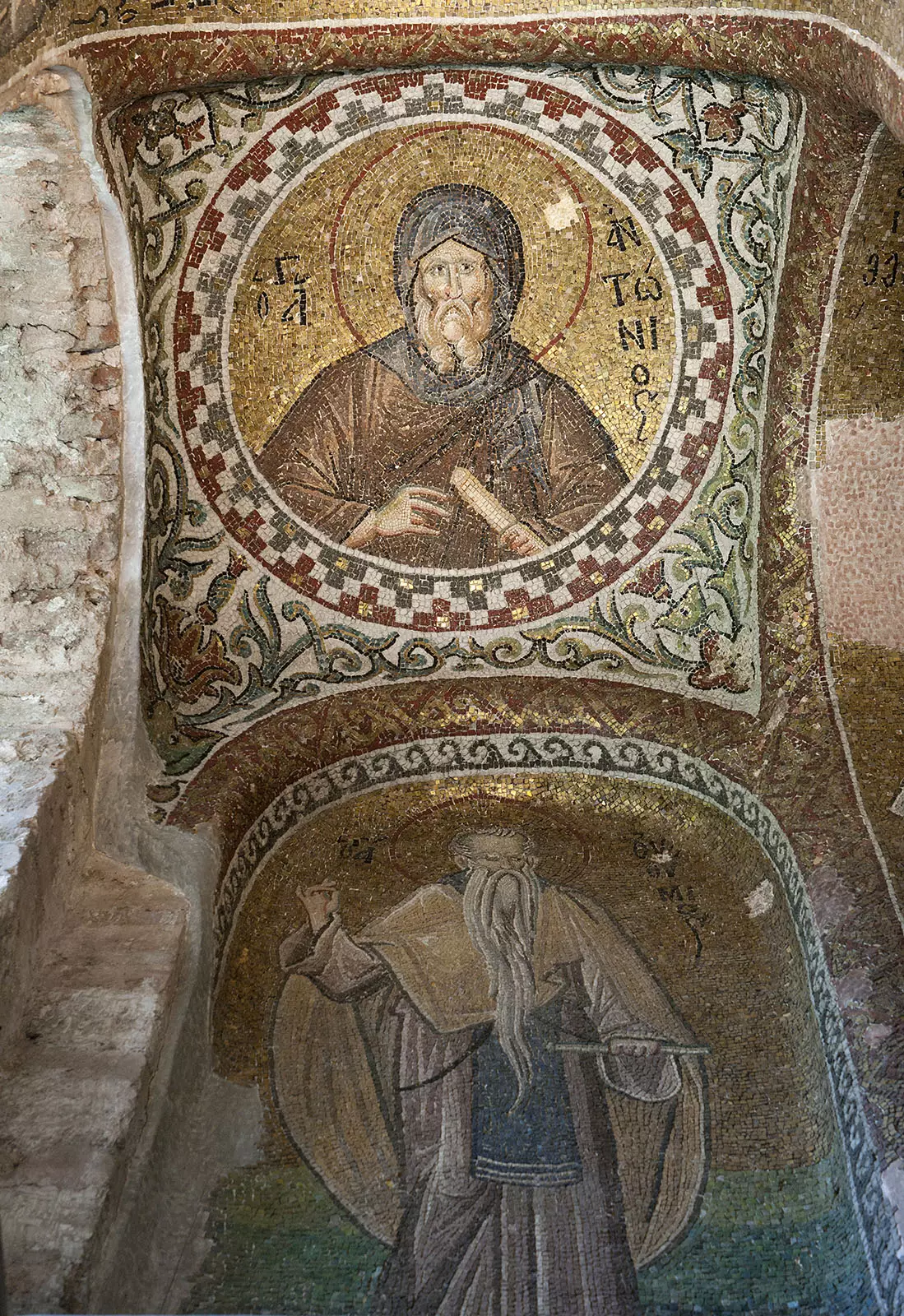
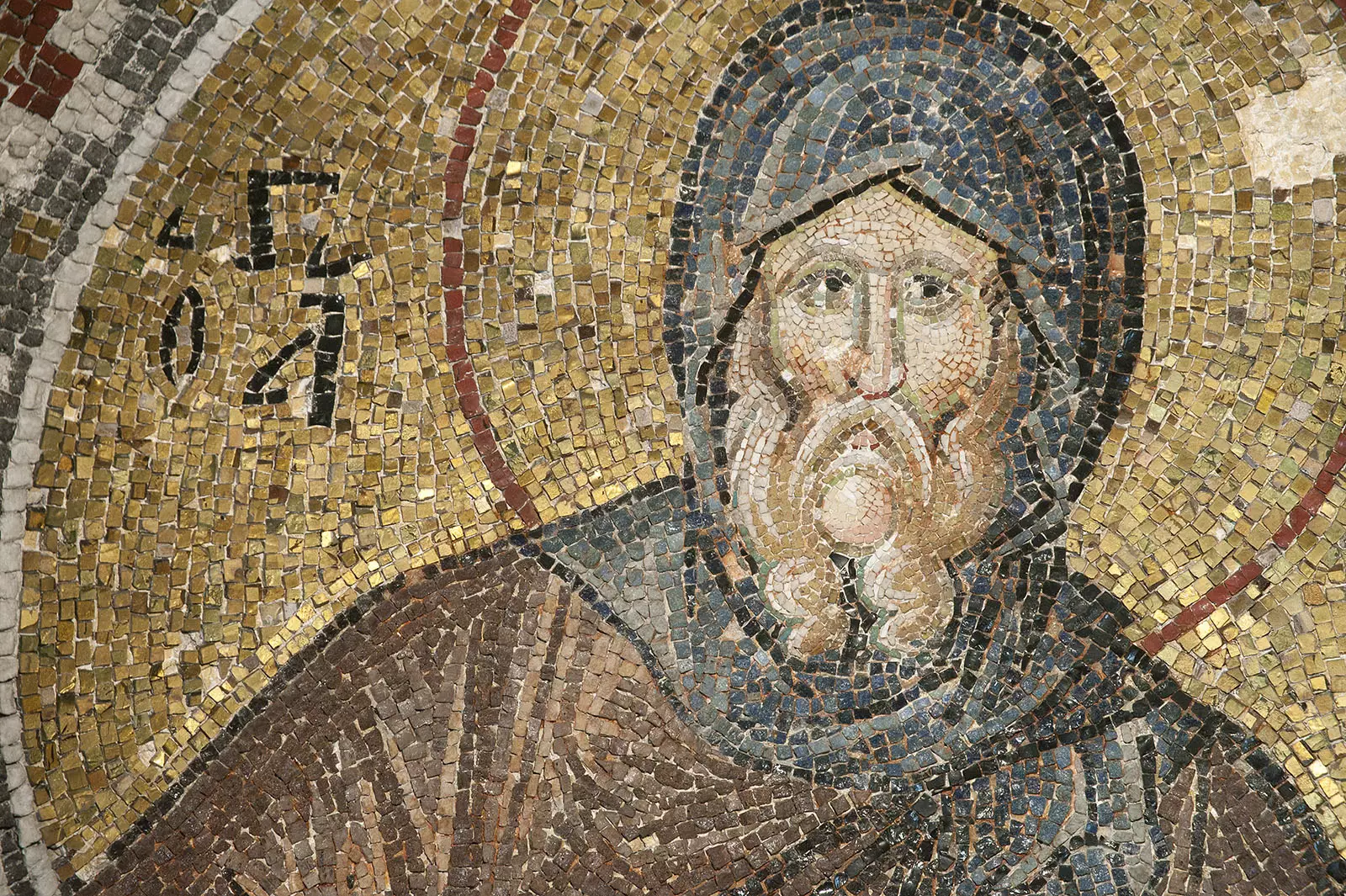
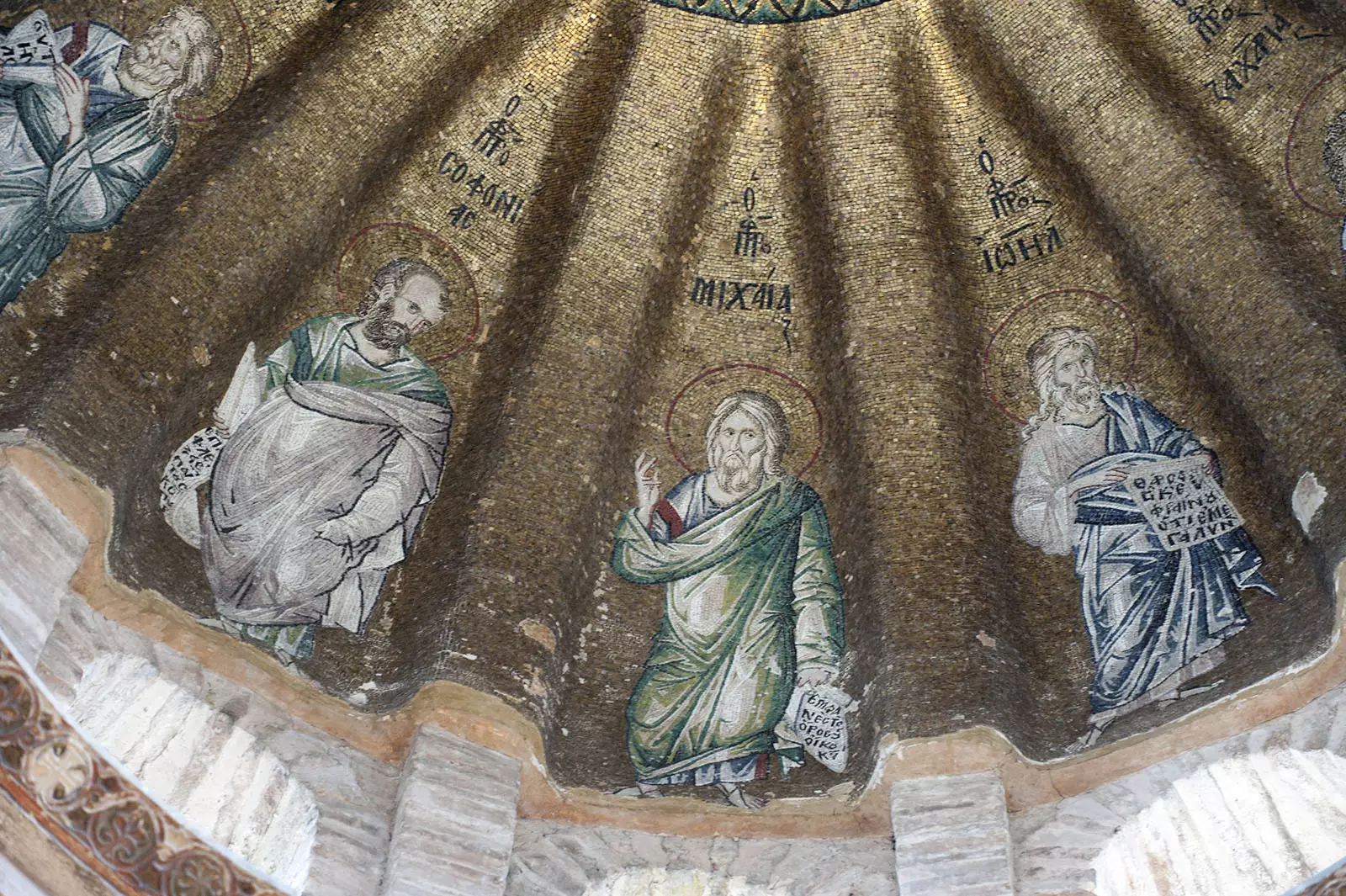
Around the year 1300, a parekklesion—an elegant side-chapel—was added to the church complex. This chapel became well known for its beautiful mosaics, showcasing intricate artistry and devotion. The mosaics are considered some of the best examples of late Byzantine art, featuring detailed religious imagery and vibrant colors.
Transformations Over the Centuries
In 1591, the main building of the church experienced a significant change. It was converted into a mosque after Sultan Murad III celebrated his conquest of Georgia and Azerbaijan, giving the building its new name: Fethiye Mosque. At this time, the interior of the main church was altered to suit Islamic worship, but the side-chapel remained untouched.
For many years, the parekklesion stood as a museum, allowing visitors to admire the preserved Byzantine mosaics. This unique coexistence of Christian and Islamic heritage made the site a notable landmark in Istanbul’s historical landscape.
Recent Changes
In 2020, a decision was made to designate the entire Pammakaristos building as a mosque once again. Following this change, every visible piece of Byzantine artwork was concealed. As a result, the renowned mosaics and other artistic features are no longer accessible to the public.
Source - https://en.wikipedia.org/wiki/Pammakaristos_Church