
Search ×
Home Istanbul
Turkish and Islamic Arts Museum
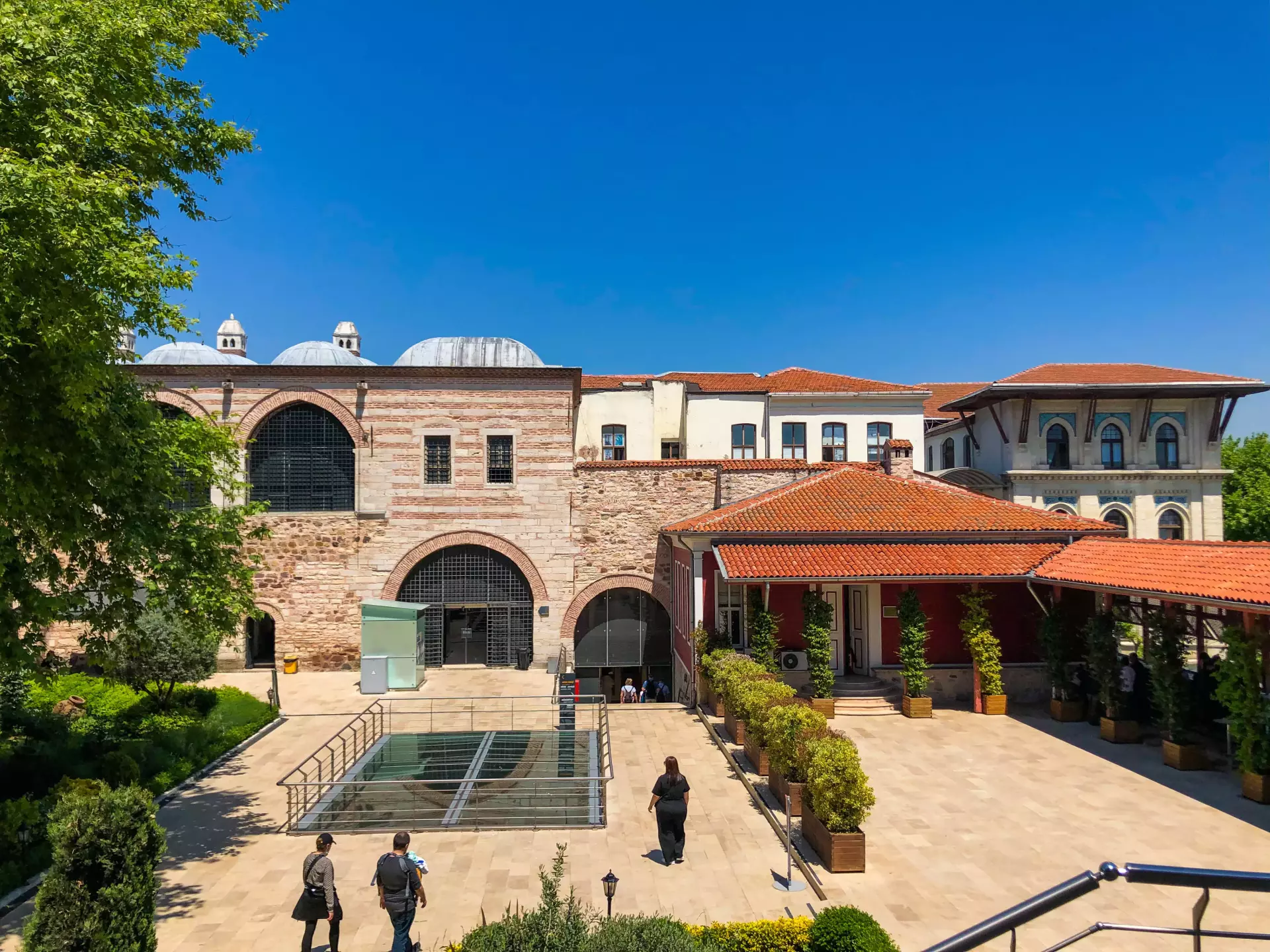
The inner courtyard of the Palace of Pargalı Ibrahim Pasha, where the Museum of Turkish and Islamic Arts is located.
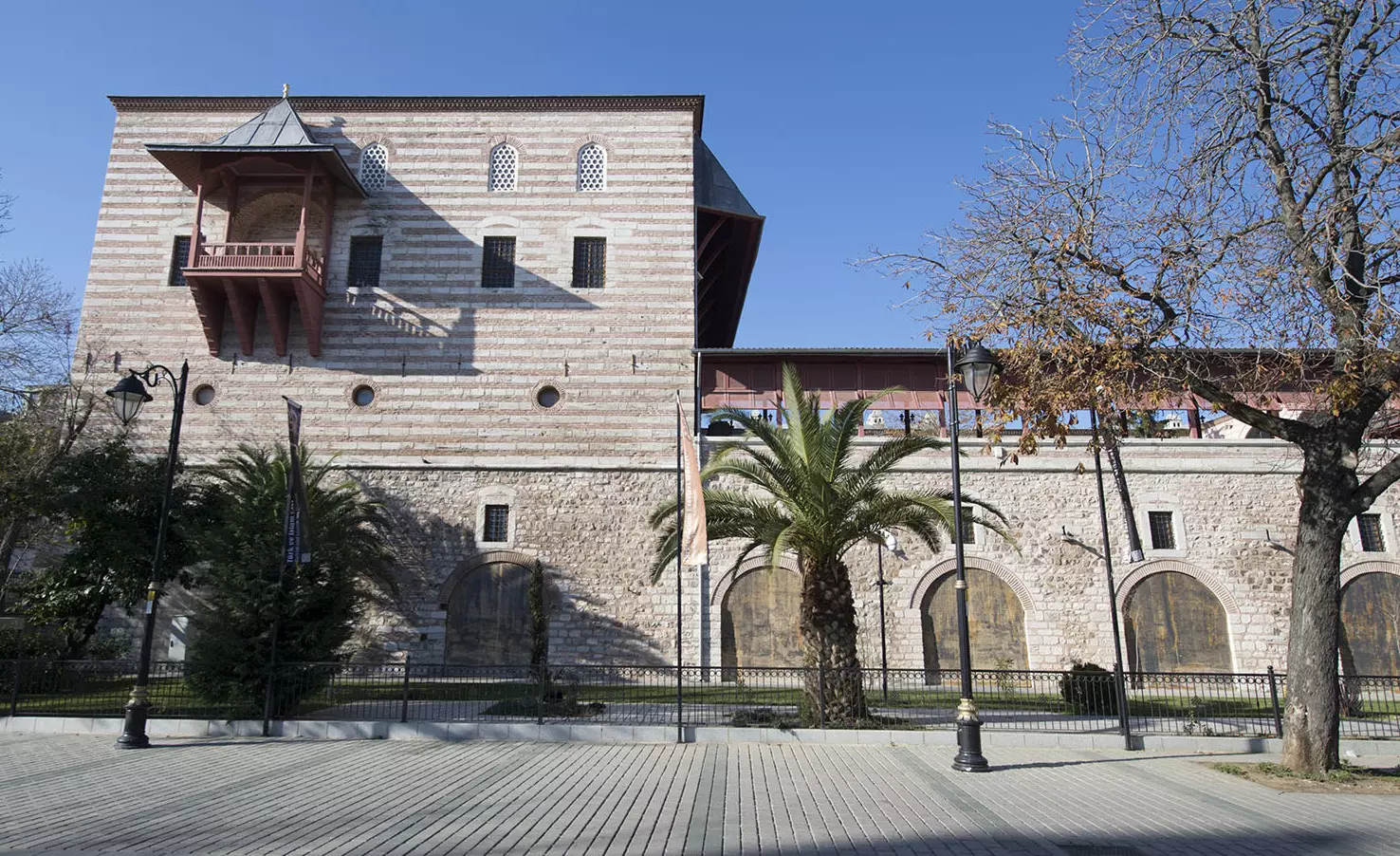
Main building of the Turkish and Islamic Arts Museum, Istanbul, Turkey, as seen from an empty At Meydan.
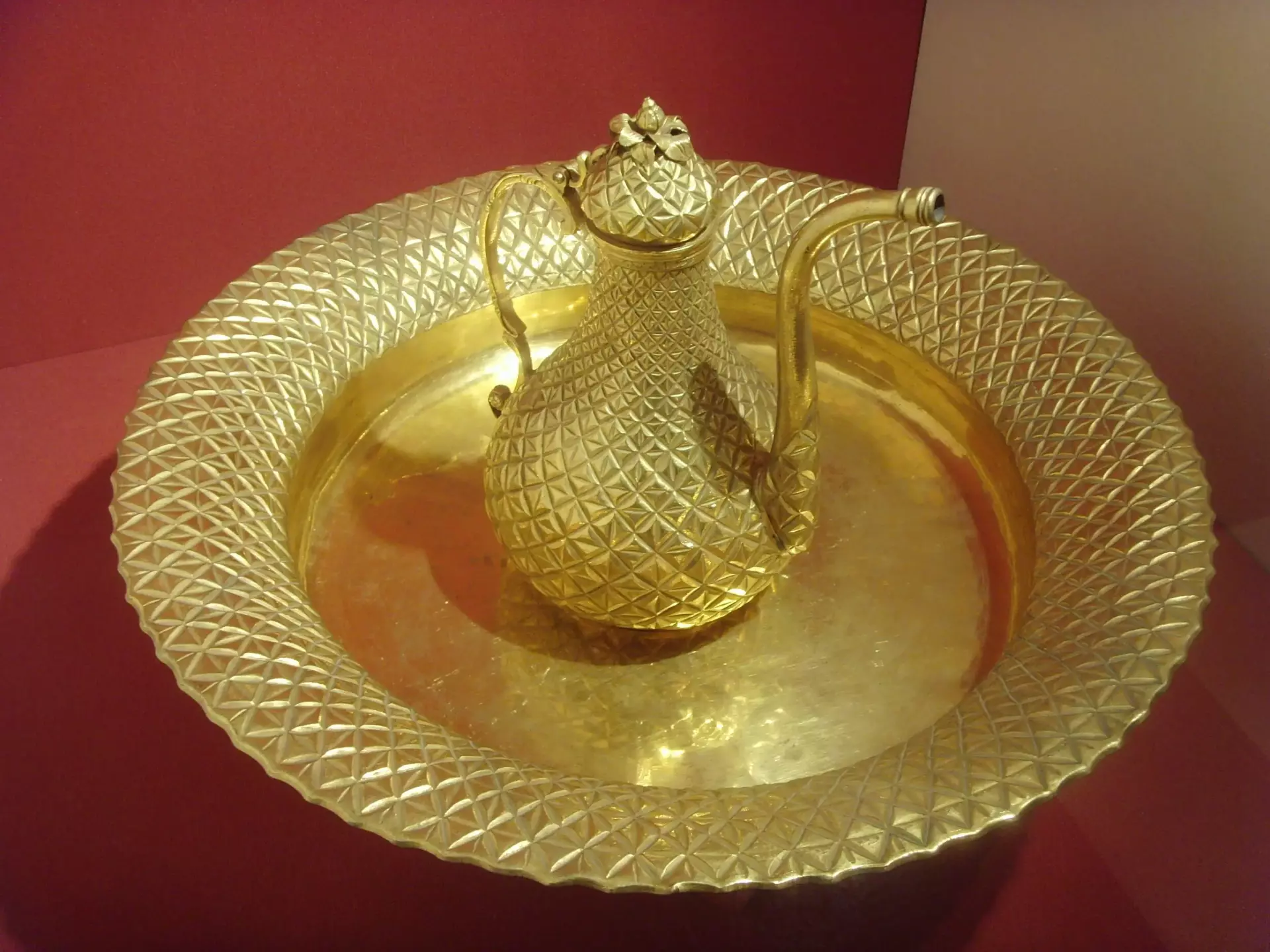
Ottoman tombac ewer and basin set from 1870, part of the collection of the Turkish and Islamic Arts Museum, brought to the museum in 1926 from the tomb of Pertevniyal Valide Sultan.
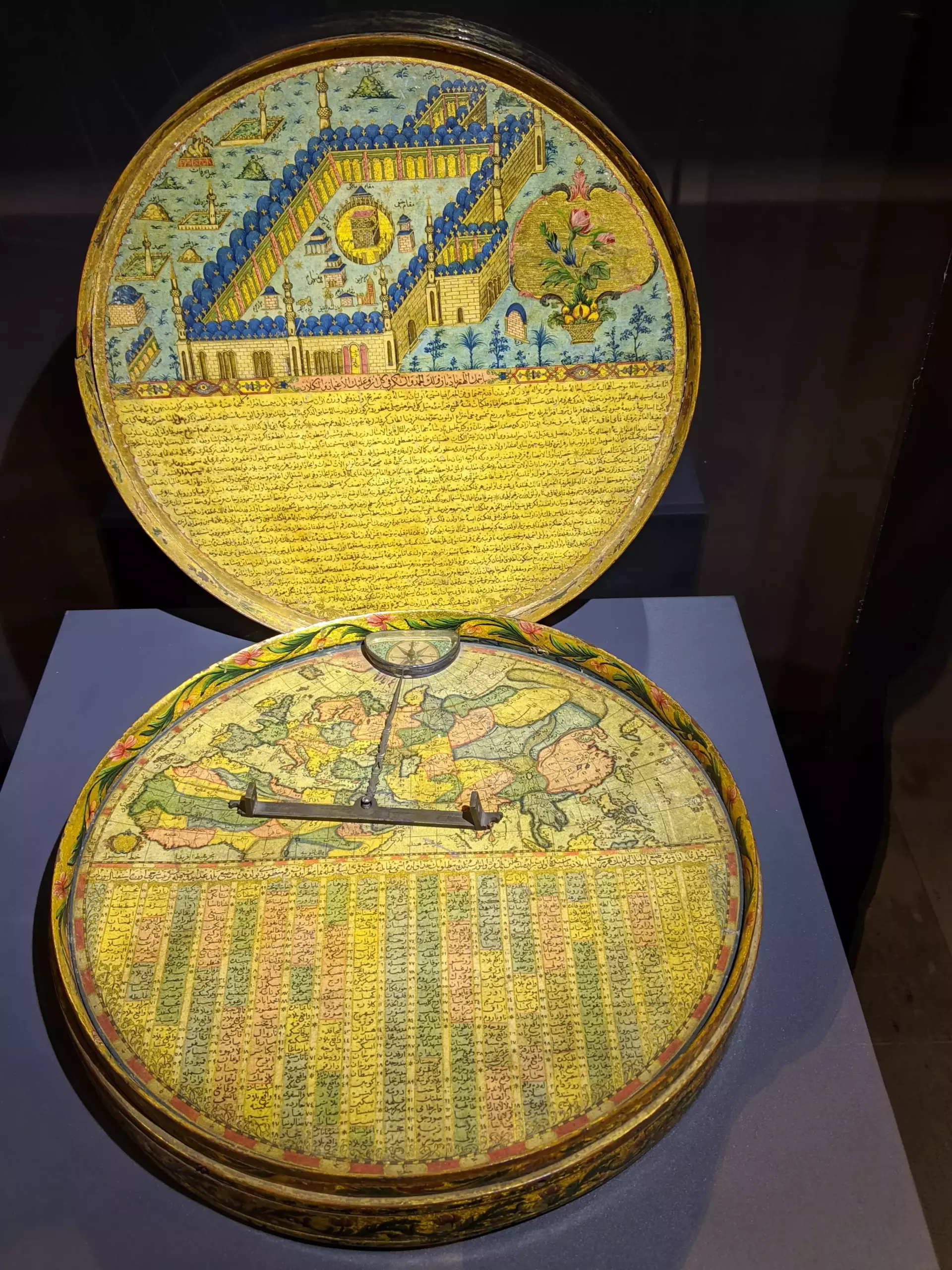
Ottoman qiblanuma dated 1151/1738 CE, Turkish and Islamic Arts Museum, Istanbul, Inv. no. 157 / A-B.
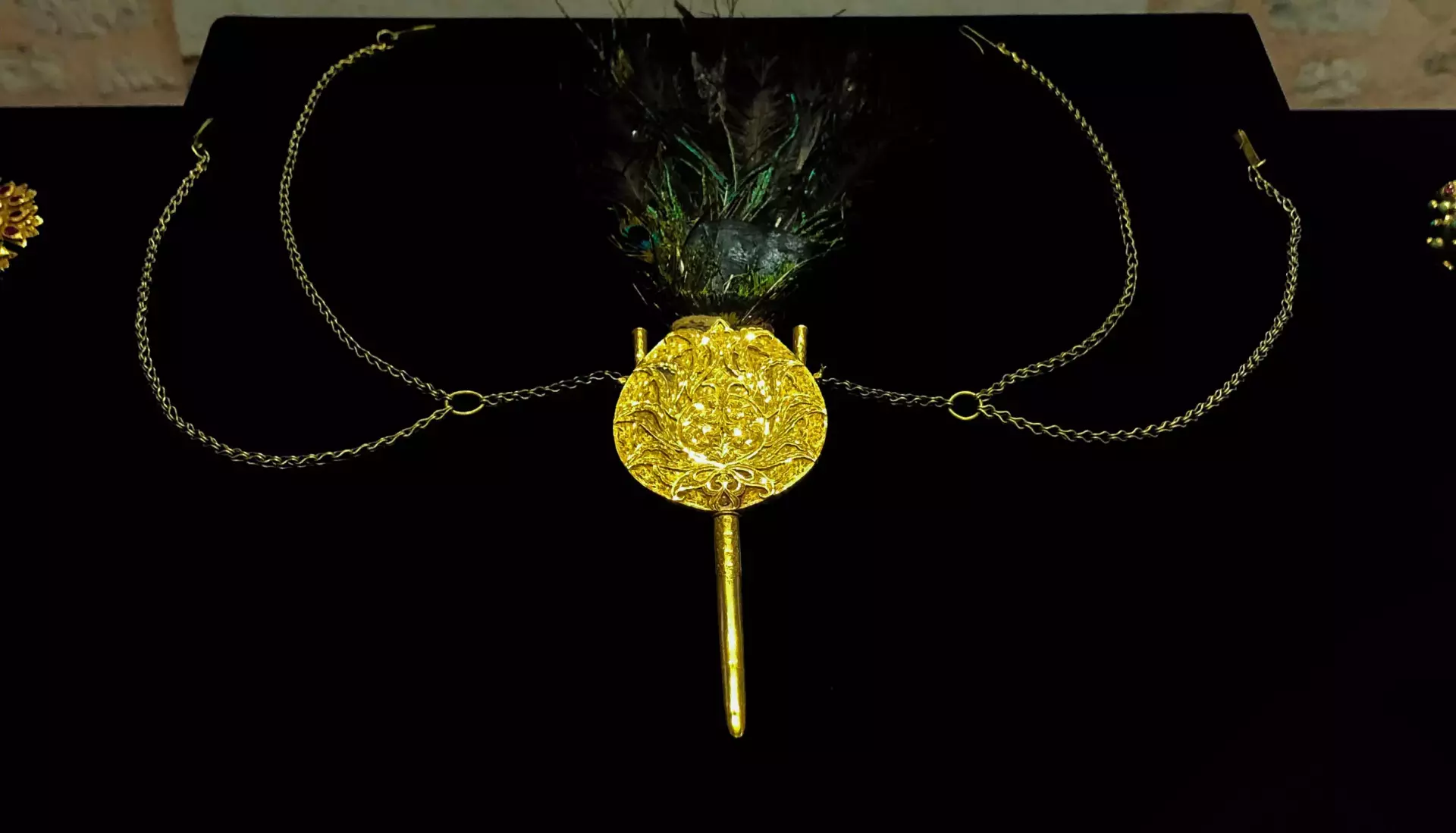
Golden head ornament belonging to Hürrem Sultan, 16th century. Made of gold and peacock feathers.
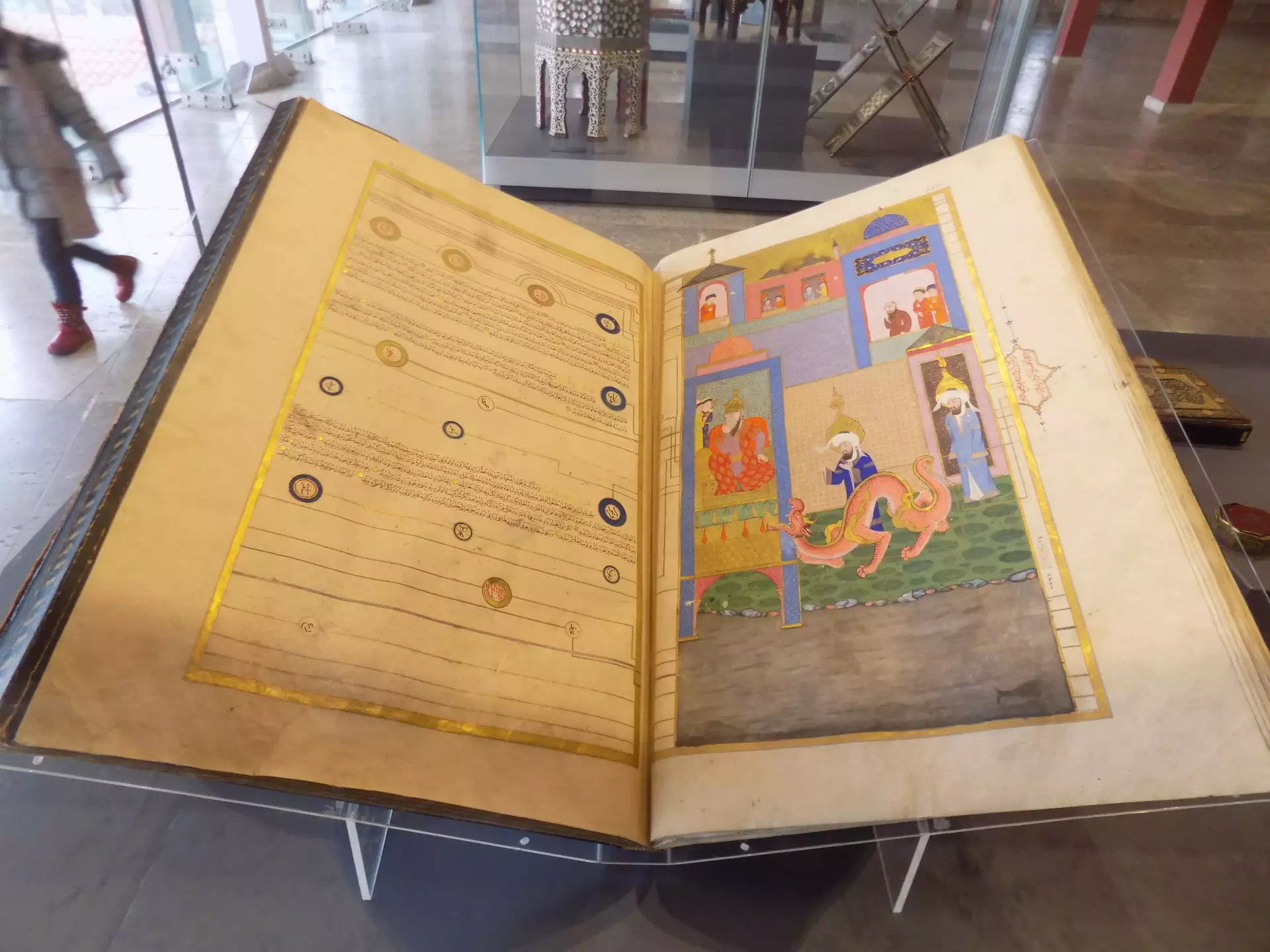
Endowment Charter ('Waqfiyya') of Haseki Hürrem Sultan. Istanbul, 1556-57 (AH 964). Turkish and Islamic Arts Museum 2192.
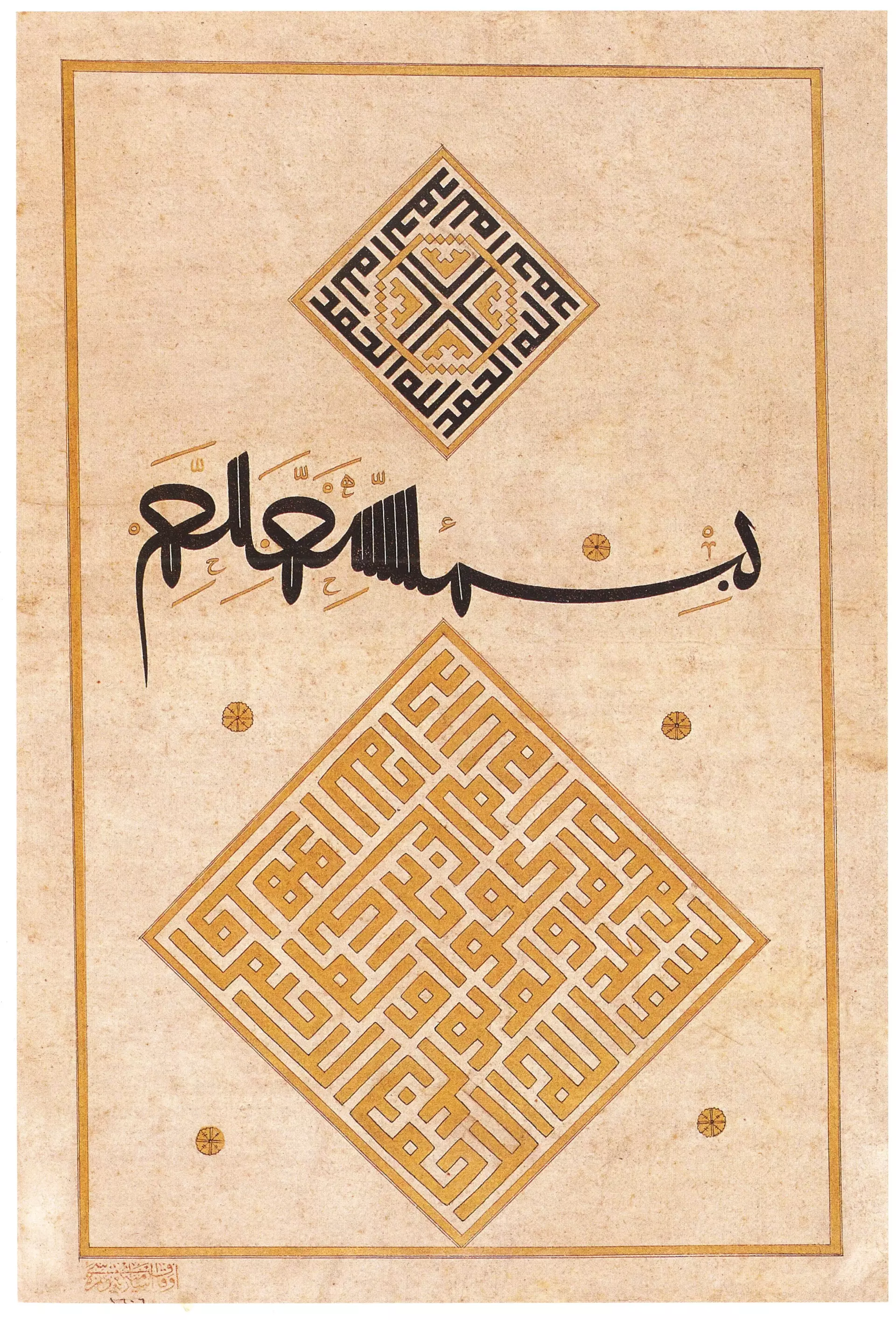
Right part of a double-page frontispiece to a manuscript of religious texts, penned for Süleyman I.
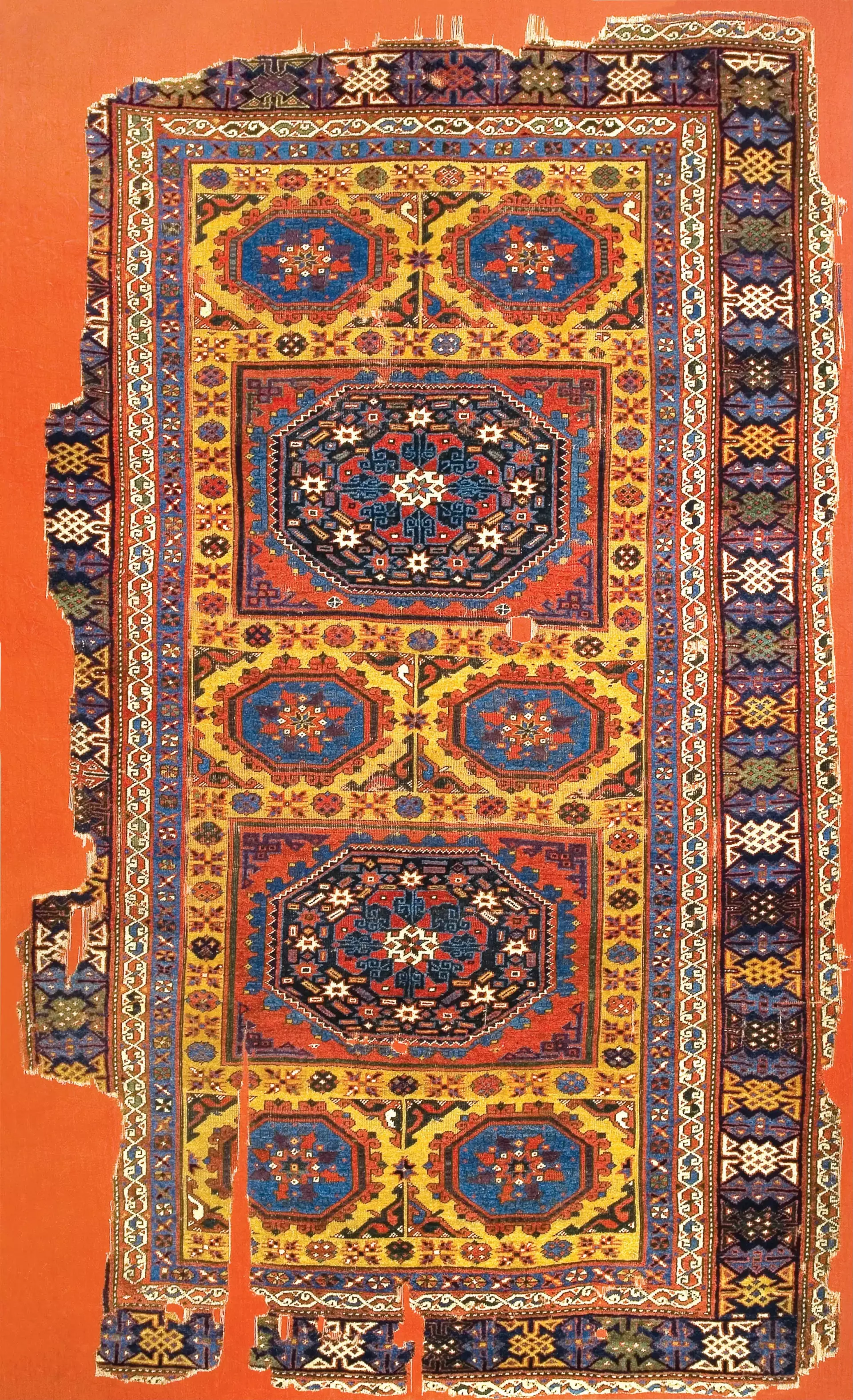
Uşak carpet (Bergama), also known as 'Holbein' carpet. Ottoman, Bergama – Uşak region, 16th century. Wool on wool, woven with the Turkish double knot, also known as the Gördes knot. Length 292 cm, width 170 cm. Turkish and Islamic Arts Museum 468.
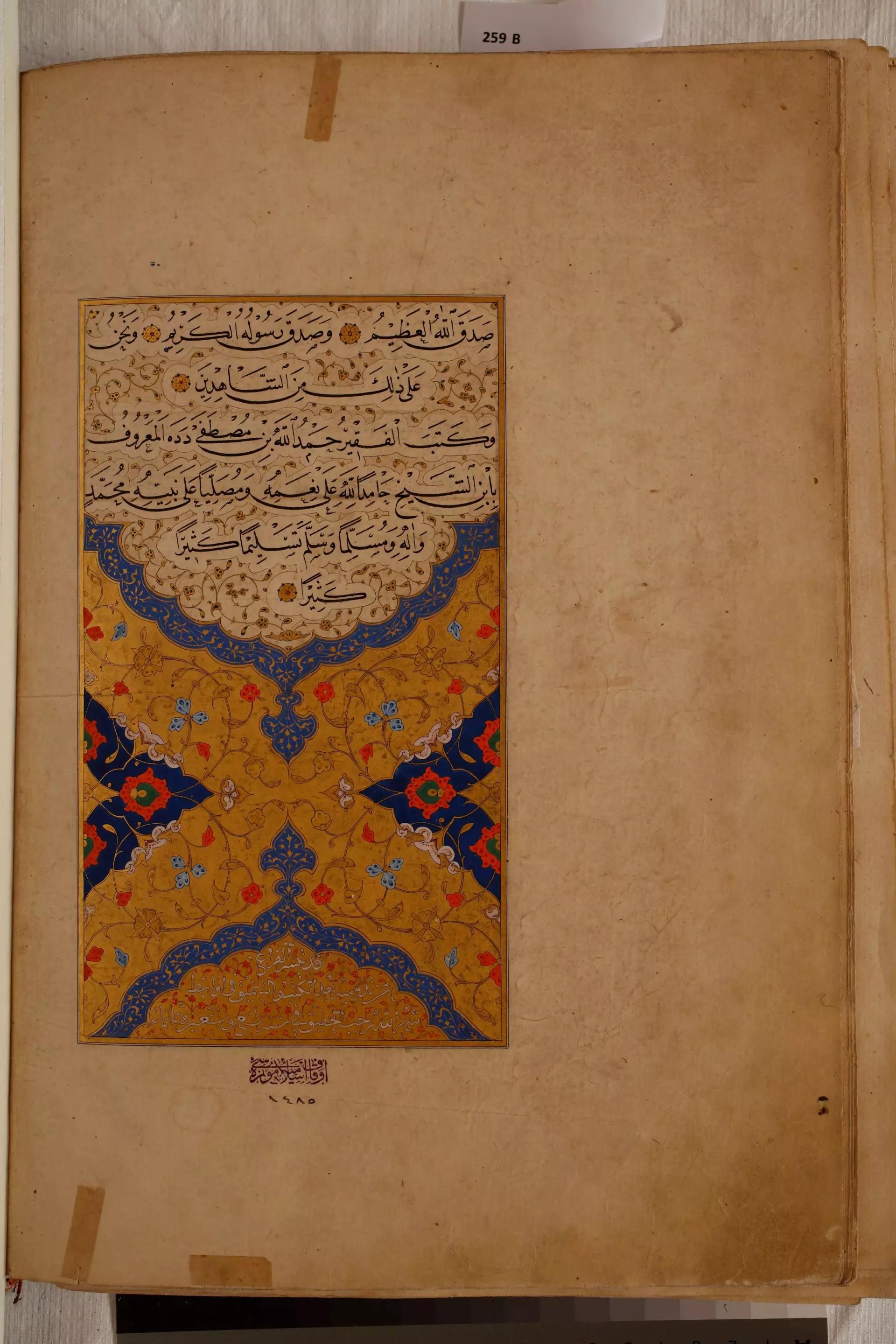
Page from a Qur'an manuscript copied by Şeyh Hamdullah. Made with finished (aharlı) paper, ink, watercolor, and gilding. The page measures 33.5 x 23.5 cm and is written in Naskh script. Created in Istanbul, April 1494. Turkish and Islamic Arts Museum 402, f. 259b.
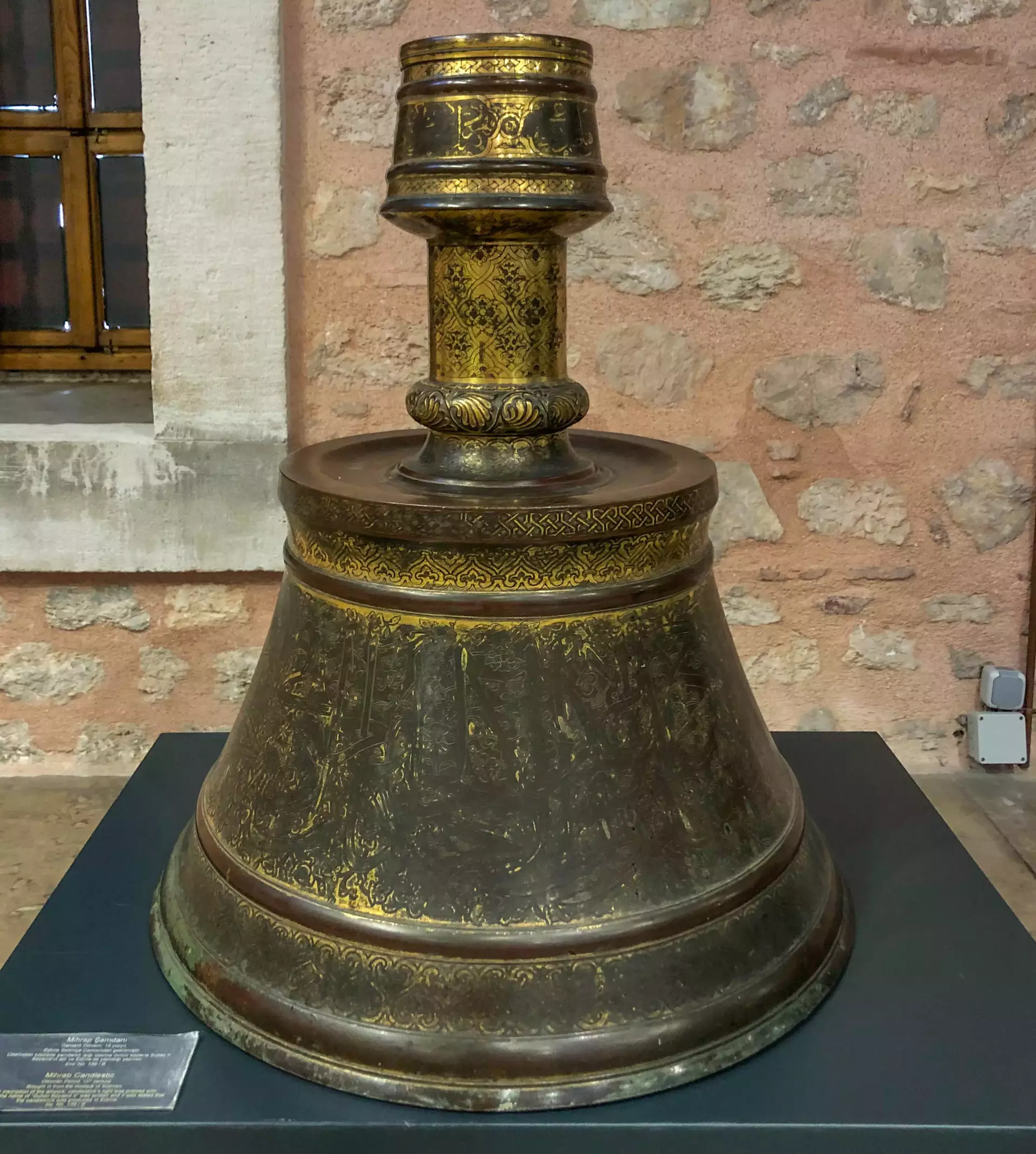
Ottoman mihrab candlestick from the 15th century. It was obtained from the Selimiye Mosque in Edirne.
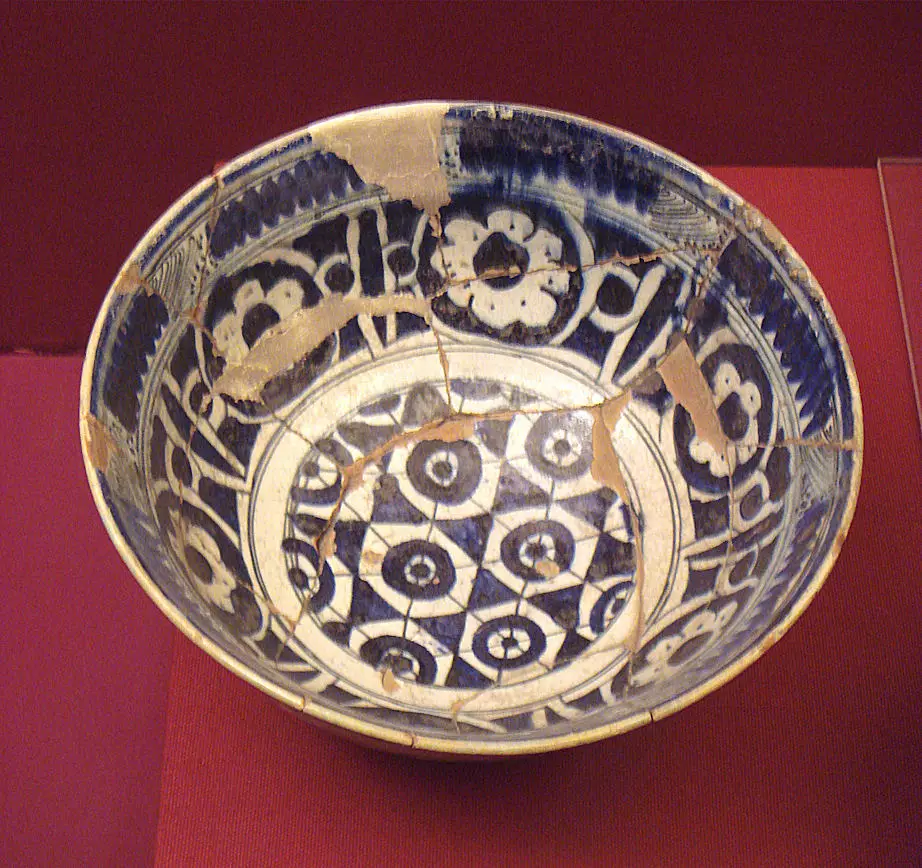
Iznik pottery, Miletus ware, 15th century.
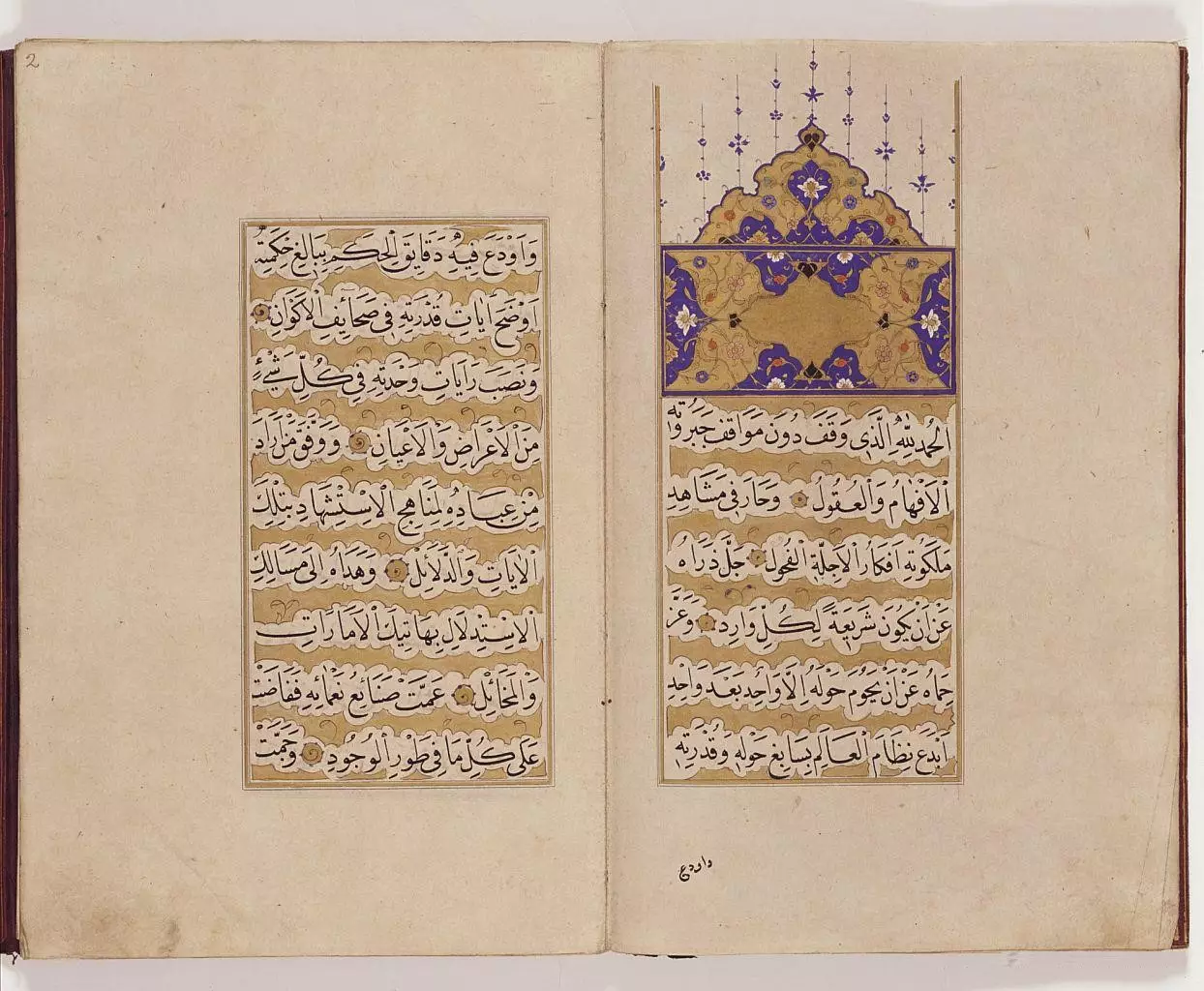
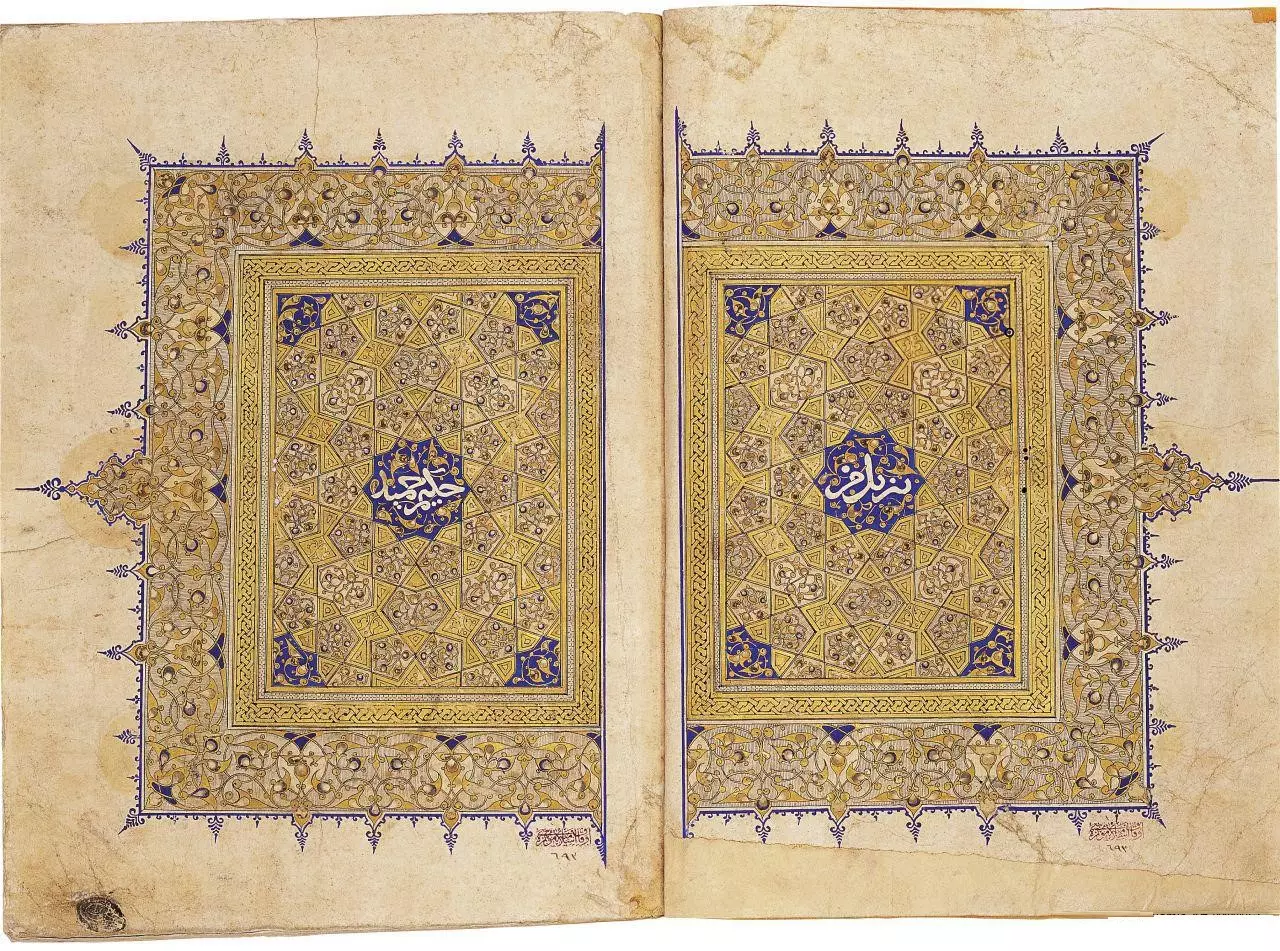
Illuminated frontispiece from the Mamluk Qur'an made by illuminator Aydoğdu bin Abdullah al-Badri. The manuscript was copied by Shadhi bin Muhammad and produced with the help of another illuminator, Ali bin Muhammad al-Rassam. It was commissioned by Sultan Al-Nasir Muhammad for his treasury/library (khizanah). Other folios from this Qur'an are in the Boston Museum of Fine Arts and the Freer Gallery of Art. Cairo, December 1313. Turkish and Islamic Arts Museum 450.
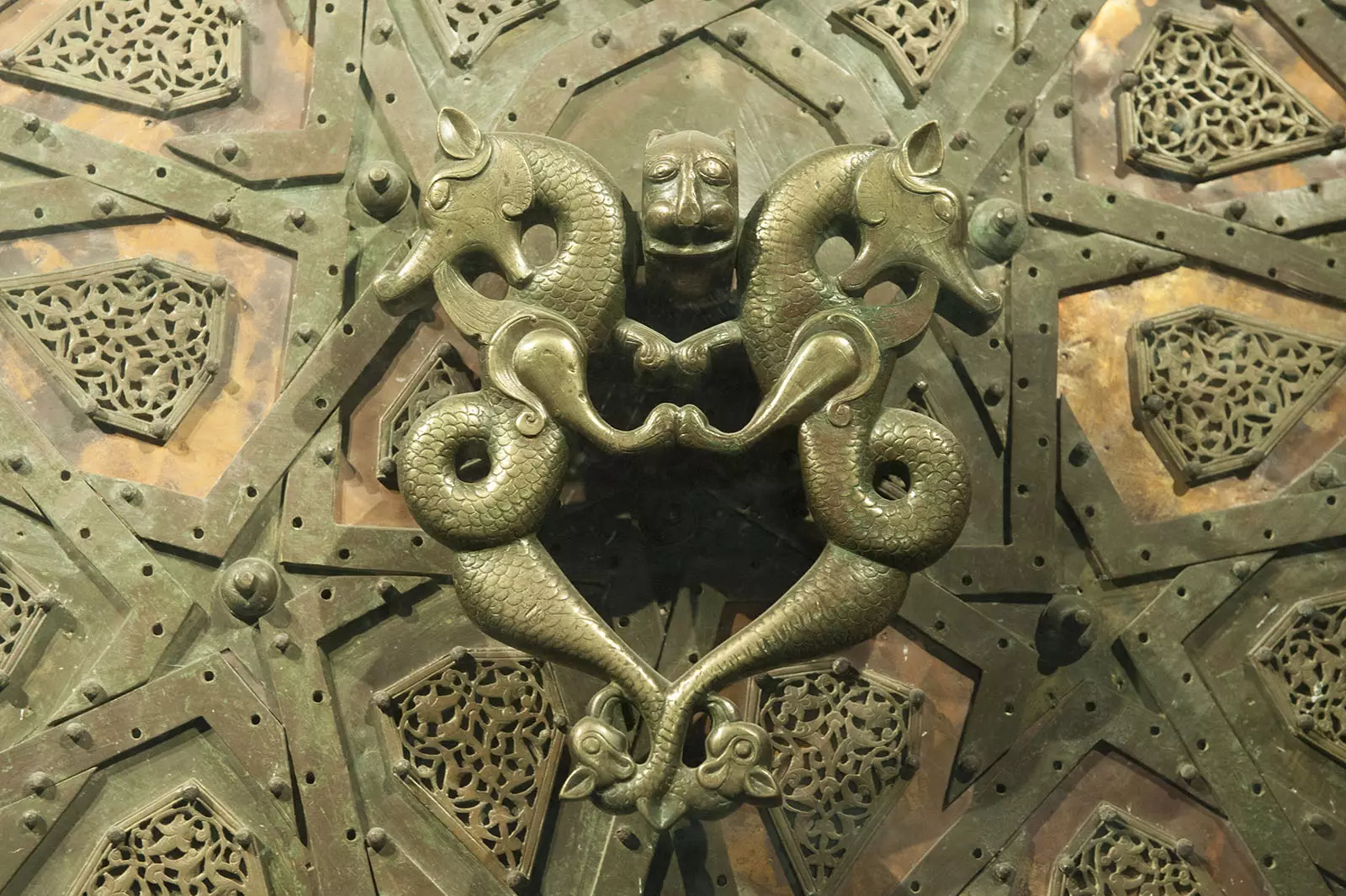
The double doors of the Cizre mosque (built 1155-1160 by the Atabegs of Mosul) measure 300 x 112 cm and consist of a timber frame plated with beaten copper sheets attached to the wood by nails. They are elaborately decorated with brass rods forming an interlocking design of twelve-pointed stars, and in the spaces between are plaques with openwork designs of scrolls featuring rumi-palmette motifs. A band of text across the tops of the doors is believed to be a later addition. One of the two identical doorknobs was stolen in 1969 and taken to the David Collection in Copenhagen; the lion holding it remained in place. A double dragon is frequently found on Artukid coins and is often combined with lions; together they protect and represent sun and moon. (From information on site)

Turkish and Islamic Arts Museum

Istanbul, Turkey

The Turkish and Islamic Arts Museum offers visitors an impressive collection of carpets, rugs, calligraphy, pottery, Qur’ans, and other important manuscripts. Each display highlights the rich history and artistry of the Islamic world and Turkish culture.

A Royal Setting Steeped in History

The museum is located inside the grand Palace of Pargalı Ibrahim Pasha, a striking building with a story of its own. Once home to Ibrahim Pasha, who served as the grand vizier to Suleiman the Magnificent, the palace reflects the splendor of the Ottoman Empire. Ibrahim Pasha was known for his close friendship with the sultan, a bond that ended dramatically when Suleiman ordered his execution.

Developed by Reflex.com.ua
Contacts
  • info@reflex.com.ua
Social media