
Search ×
Home Istanbul
Zeyrek Mosque
Istanbul (Turkey)
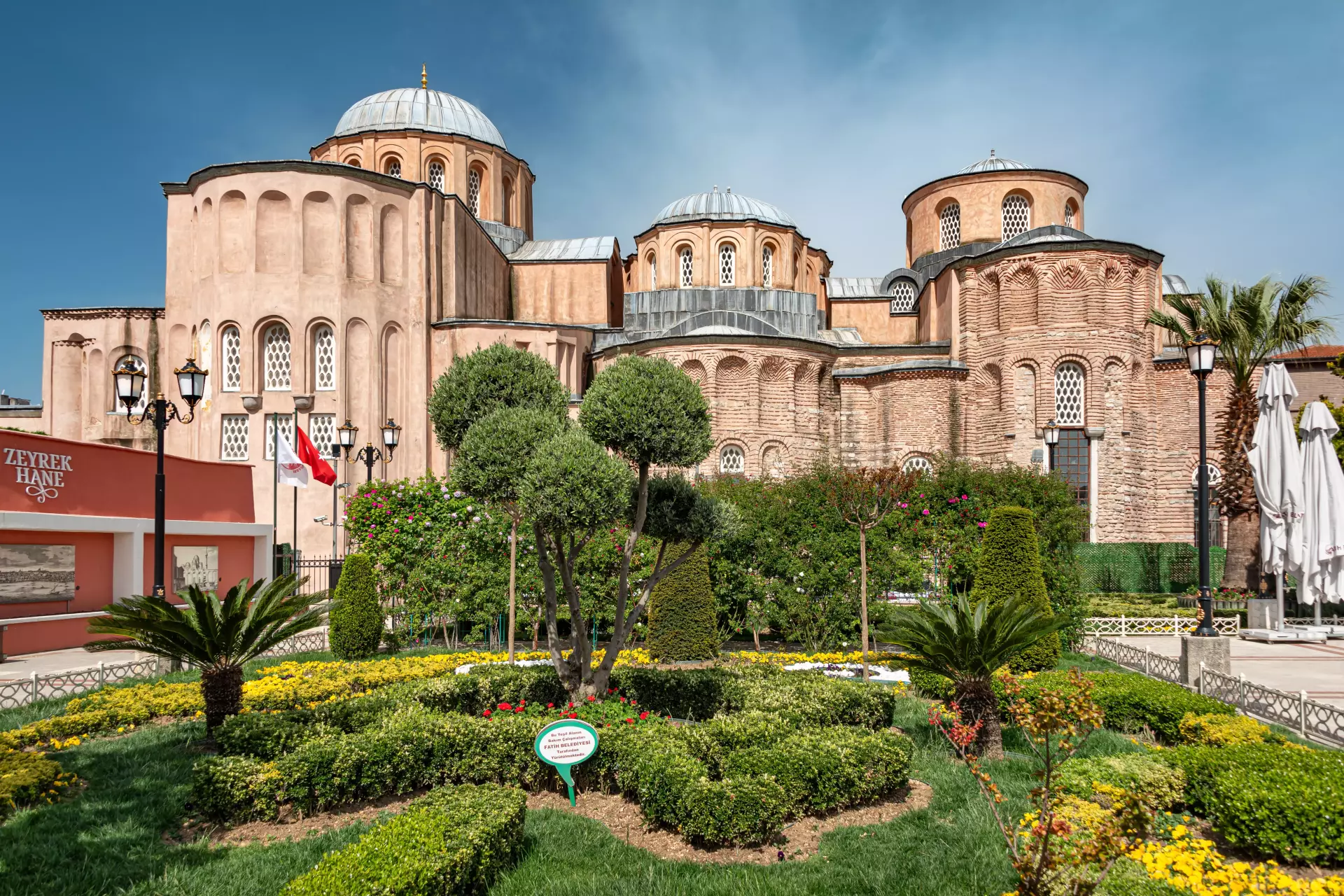
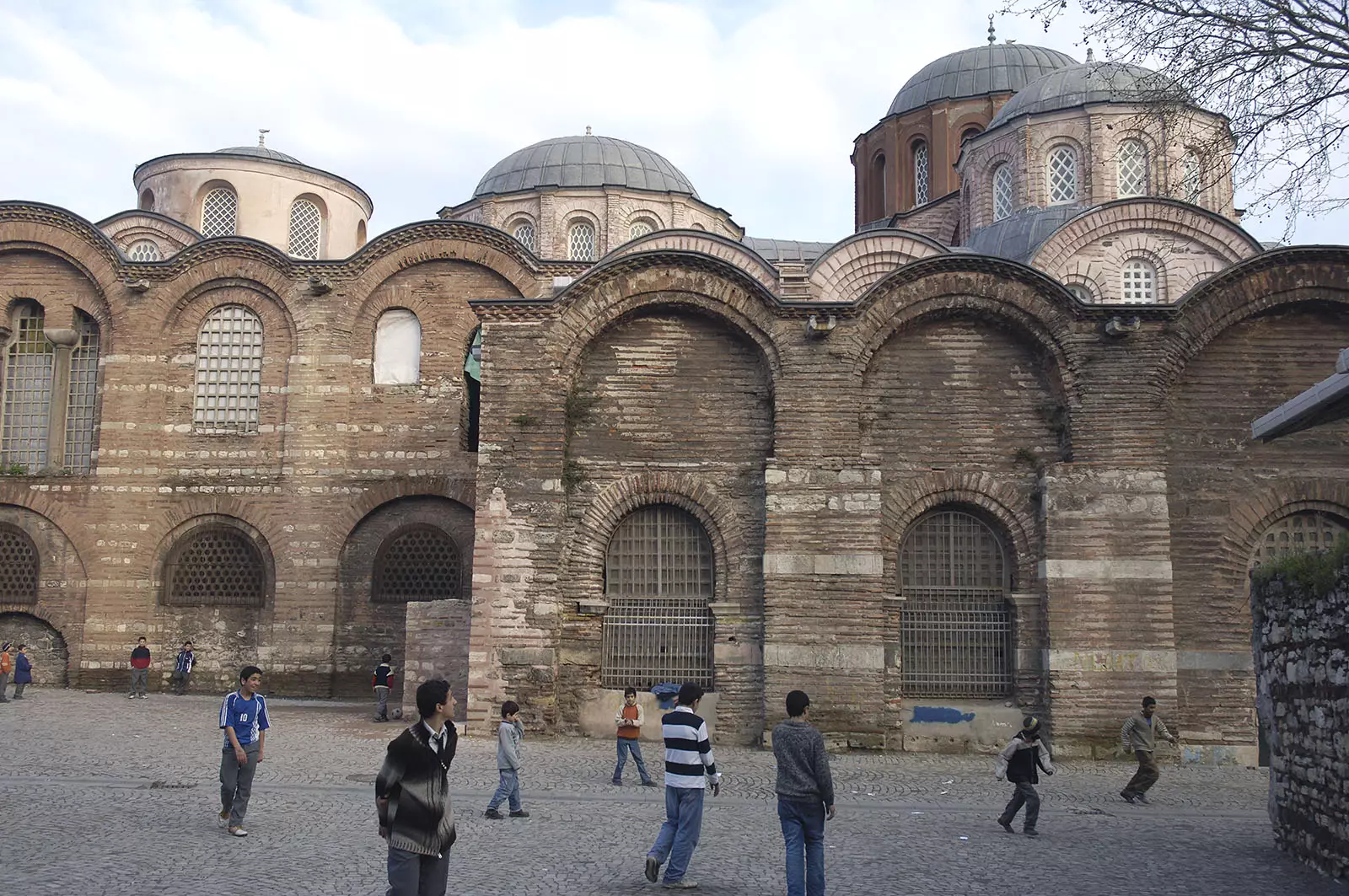
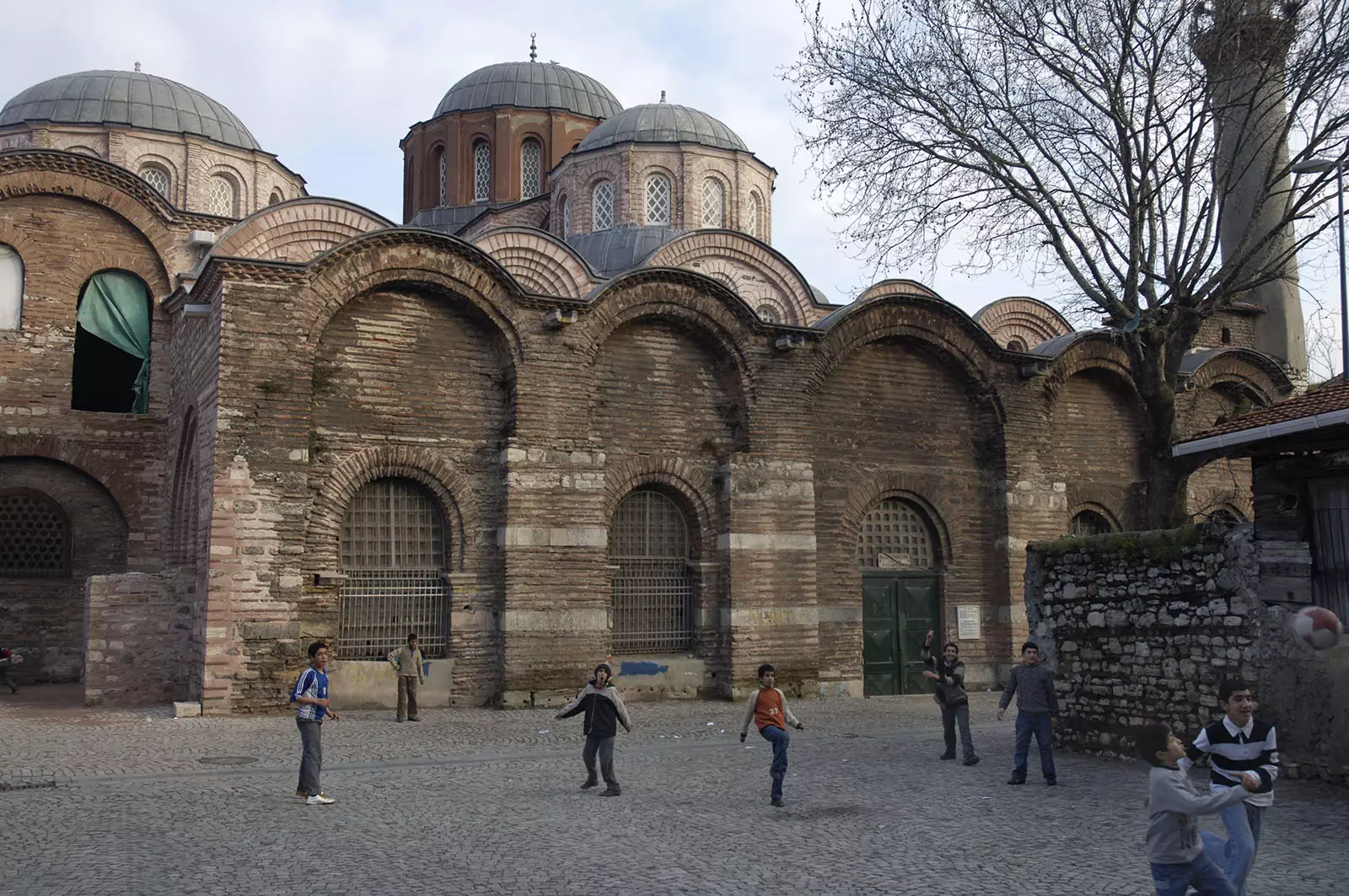
The Pantocrator is a composite of two churches and a chapel between them, built between 1120 and 1136. The southern church was built by Empress Eirene, wife of John II Comnenus, and dedicated to St. Saviour Pantocrator, Christ Almighty. In the late 2010s it was being restored and is to re-open as a museum.
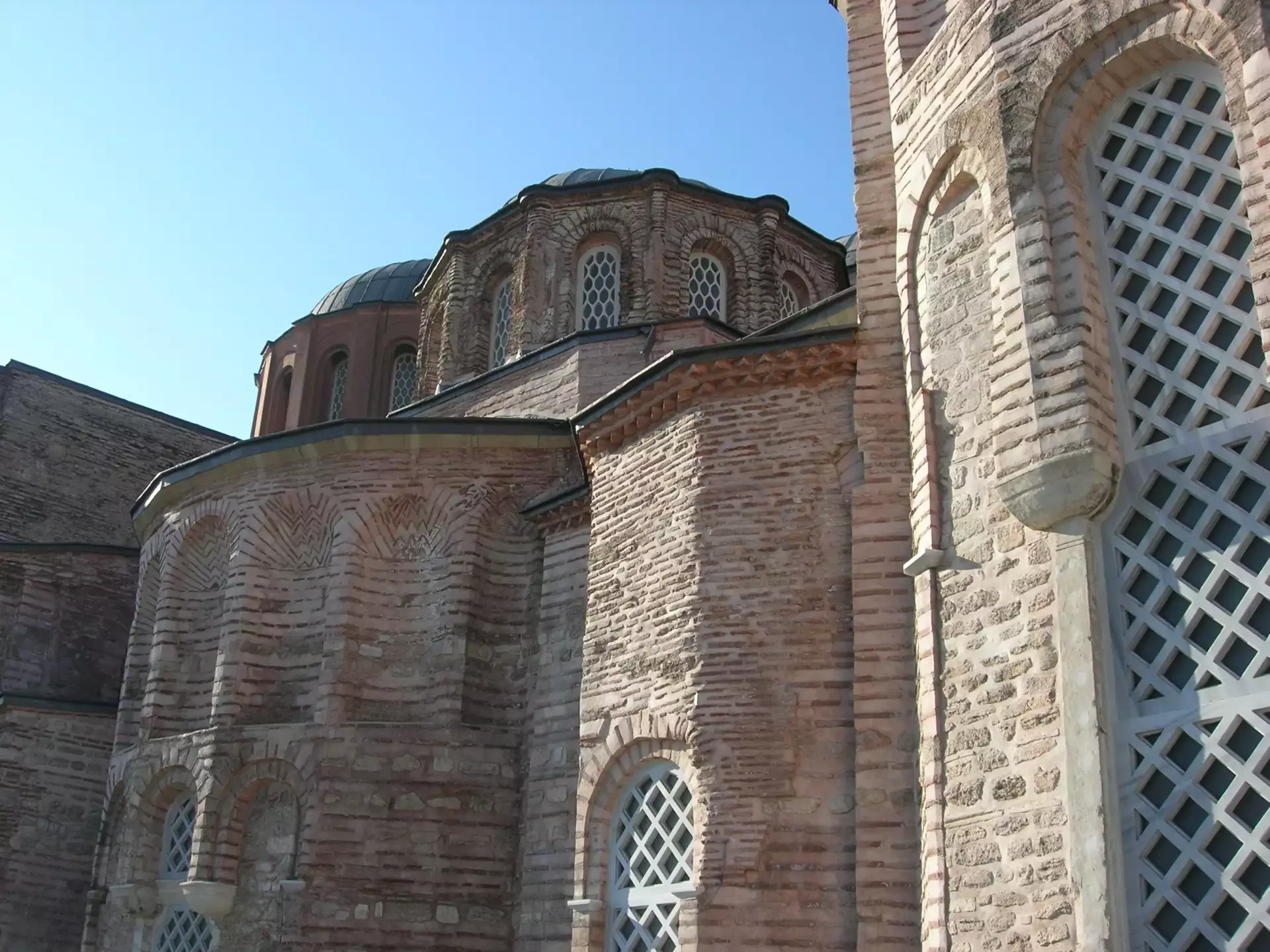
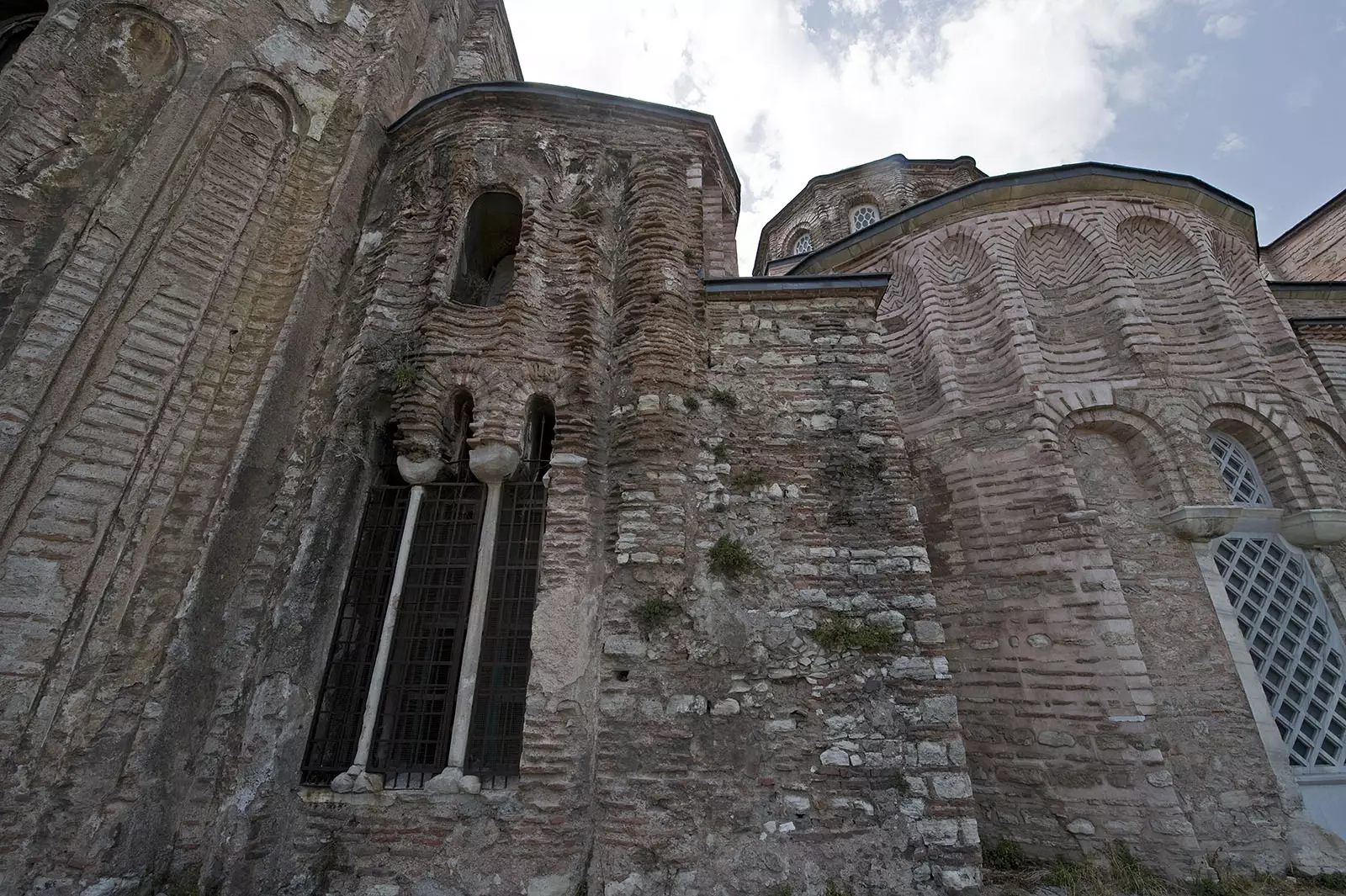
Detail of the former Church of the Pantokrator (today the Zeyrek Mosque) in Istanbul.
The Pantocrator is a composite of two churches and a chapel between them, built between 1120 and 1136. The southern church was built by Empress Eirene, wife of John II Comnenus, and dedicated to St. Saviour Pantocrator, Christ Almighty. In the late 2010s, it was being restored and is to re-open as a museum.
The Pantocrator is a composite of two churches and a chapel between them, built between 1120 and 1136. The southern church was built by Empress Eirene, wife of John II Comnenus, and dedicated to St. Saviour Pantocrator, Christ Almighty. In the late 2010s it was being restored and is set to reopen as a museum.
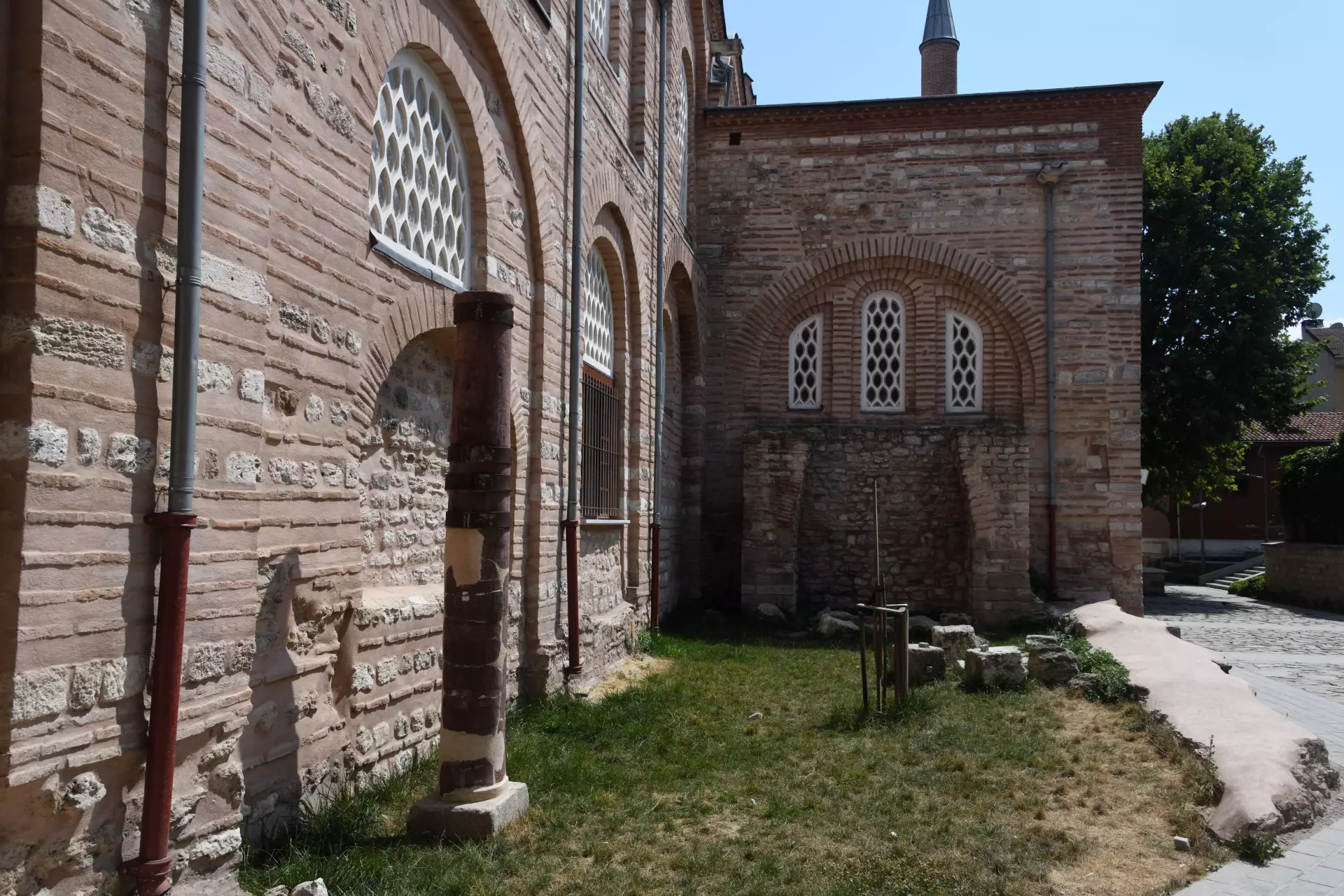
Outside of the western front after restoration.
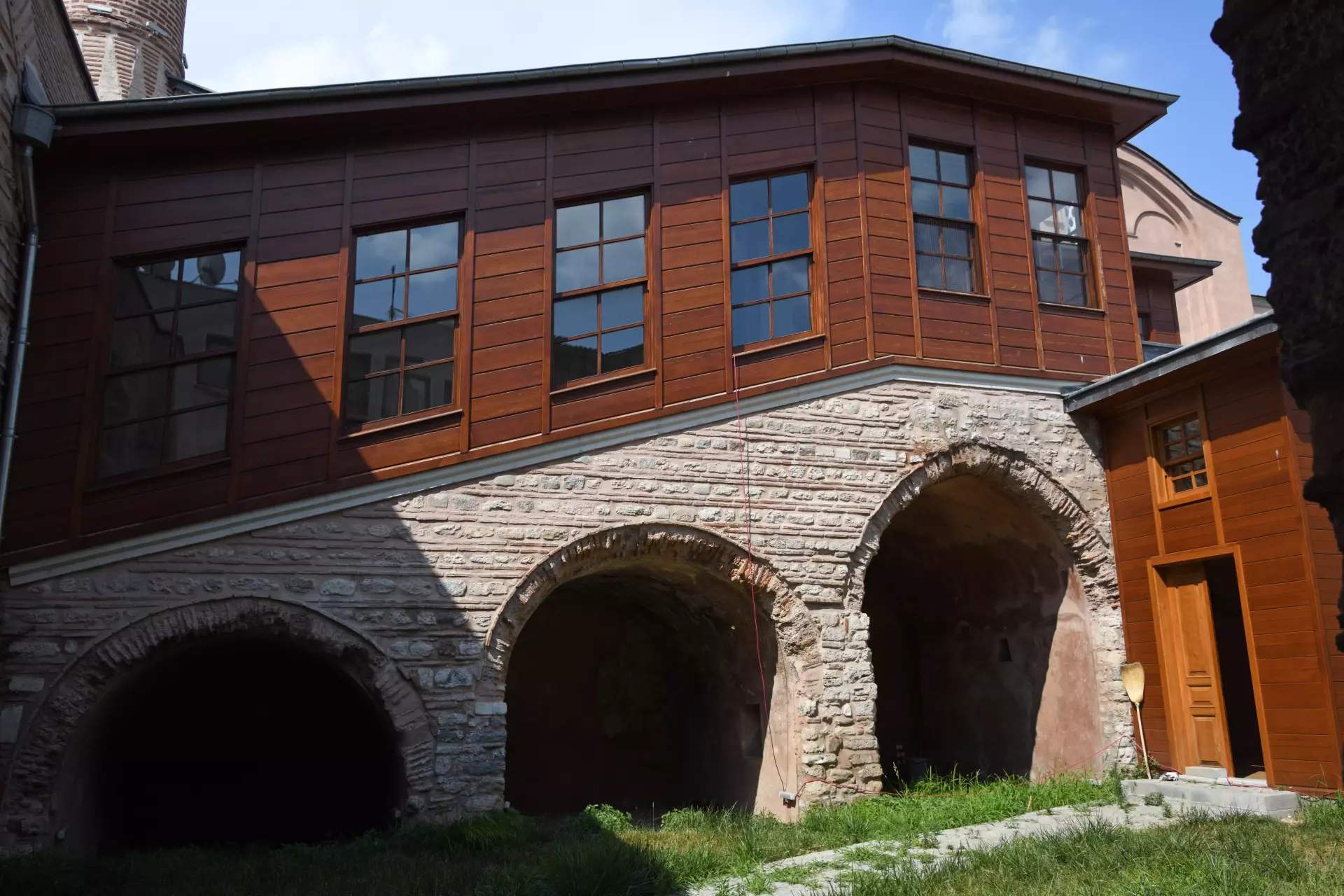
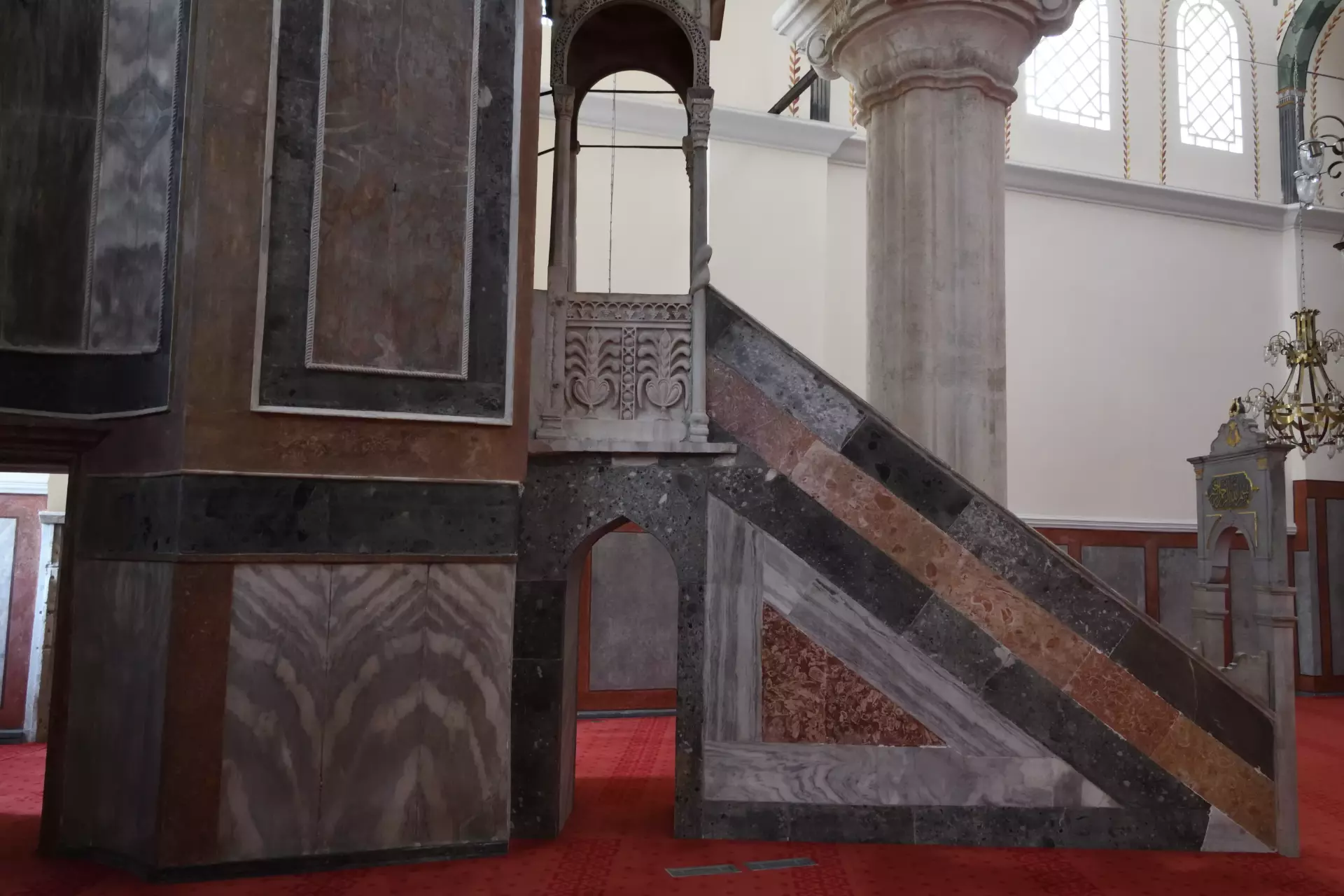
I guess this is one of those separate entrances and ramps for the Sultan, to get to the hünkâr mahfili (sometimes even on horseback).
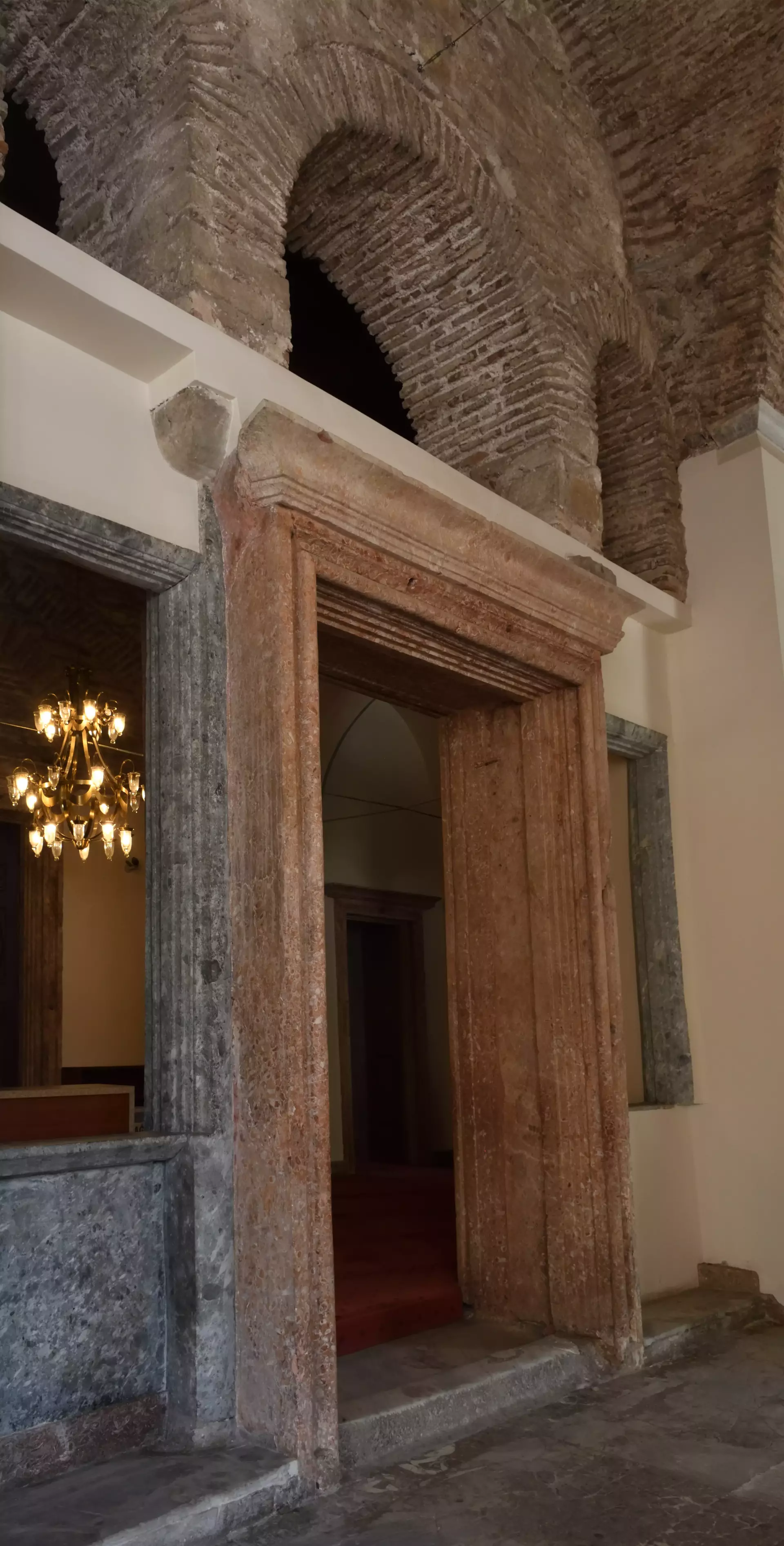
All through the building, one can see the ancient doorframes in solid stone.
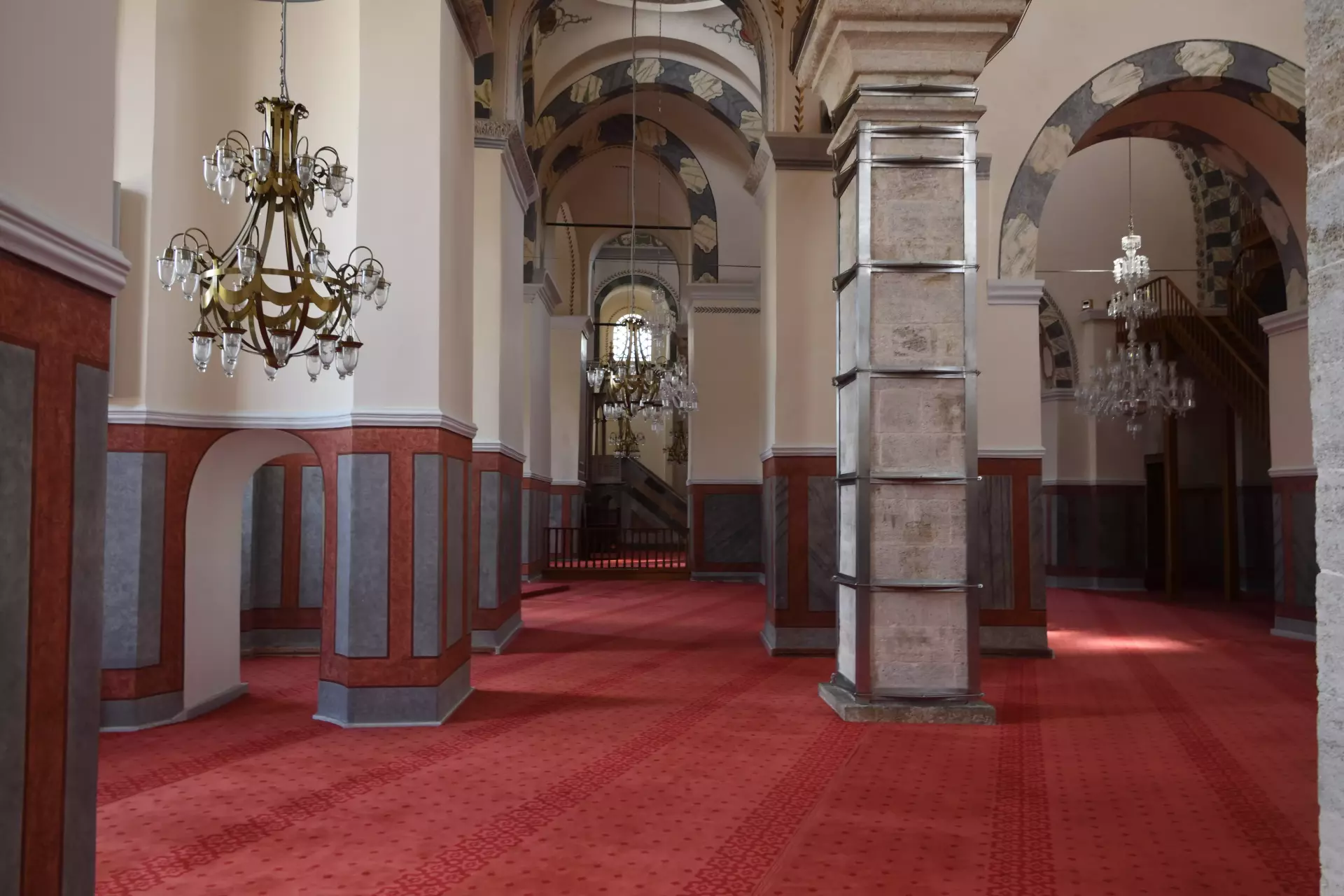
A view from the north through several of the connected churches.
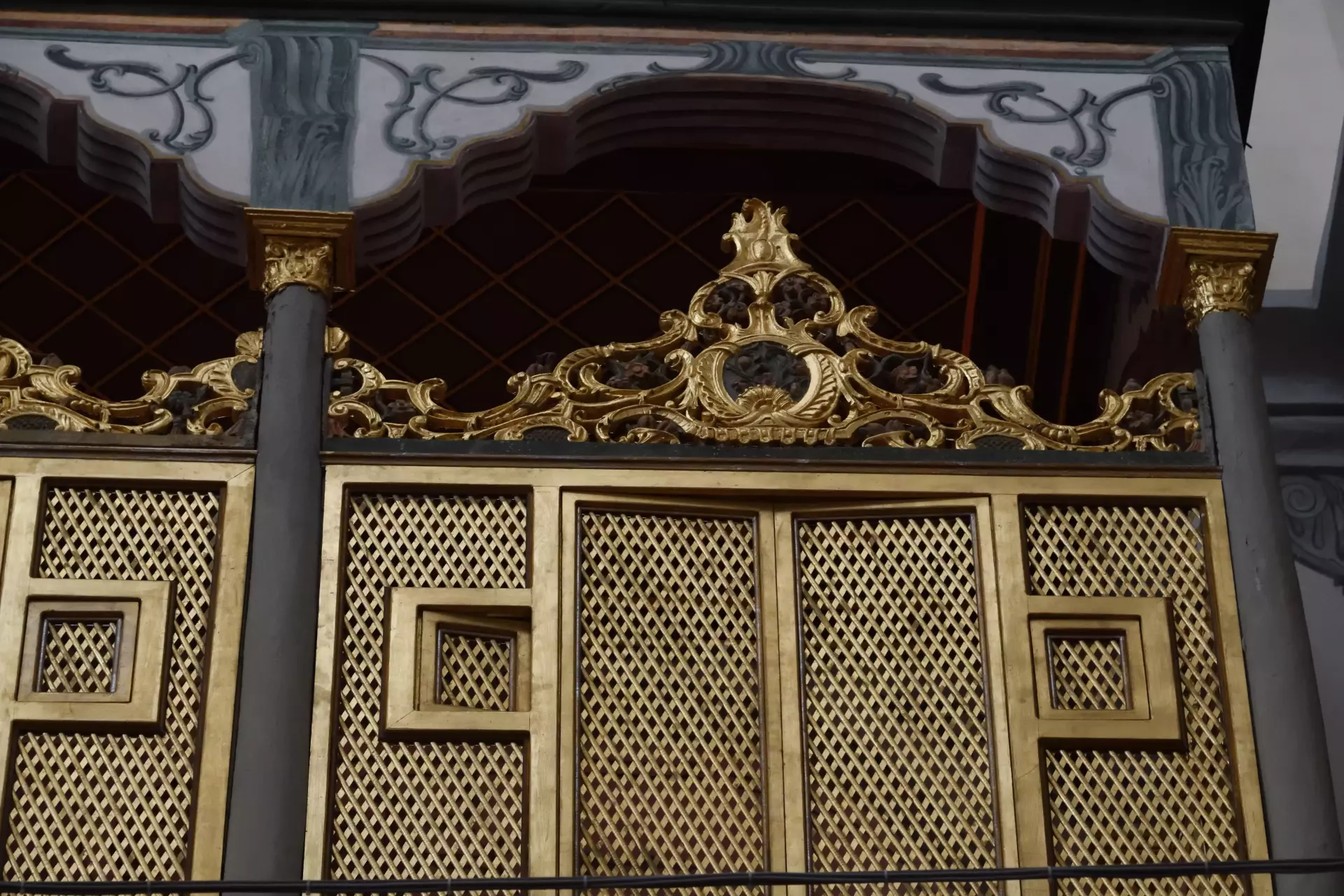
The underside of the hünkar mahfili, a screened box for the sultan and his suite, is reached by climbing a set of stairs.
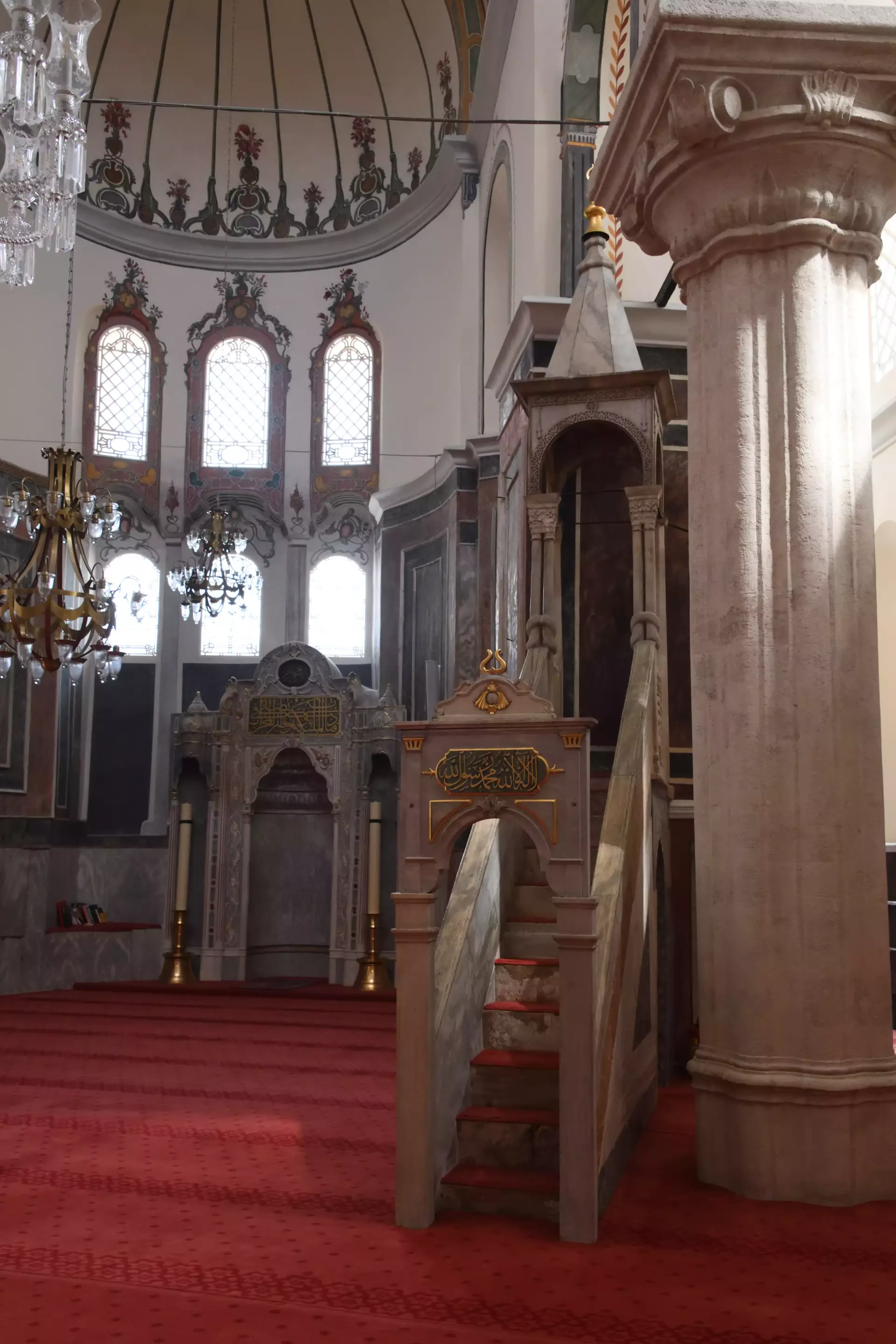
In the southern church there are the mihrab, the minber, and the hünkar mahfili (a screened box for the sultan and his suite). Shown here is the hünkar mahfili.
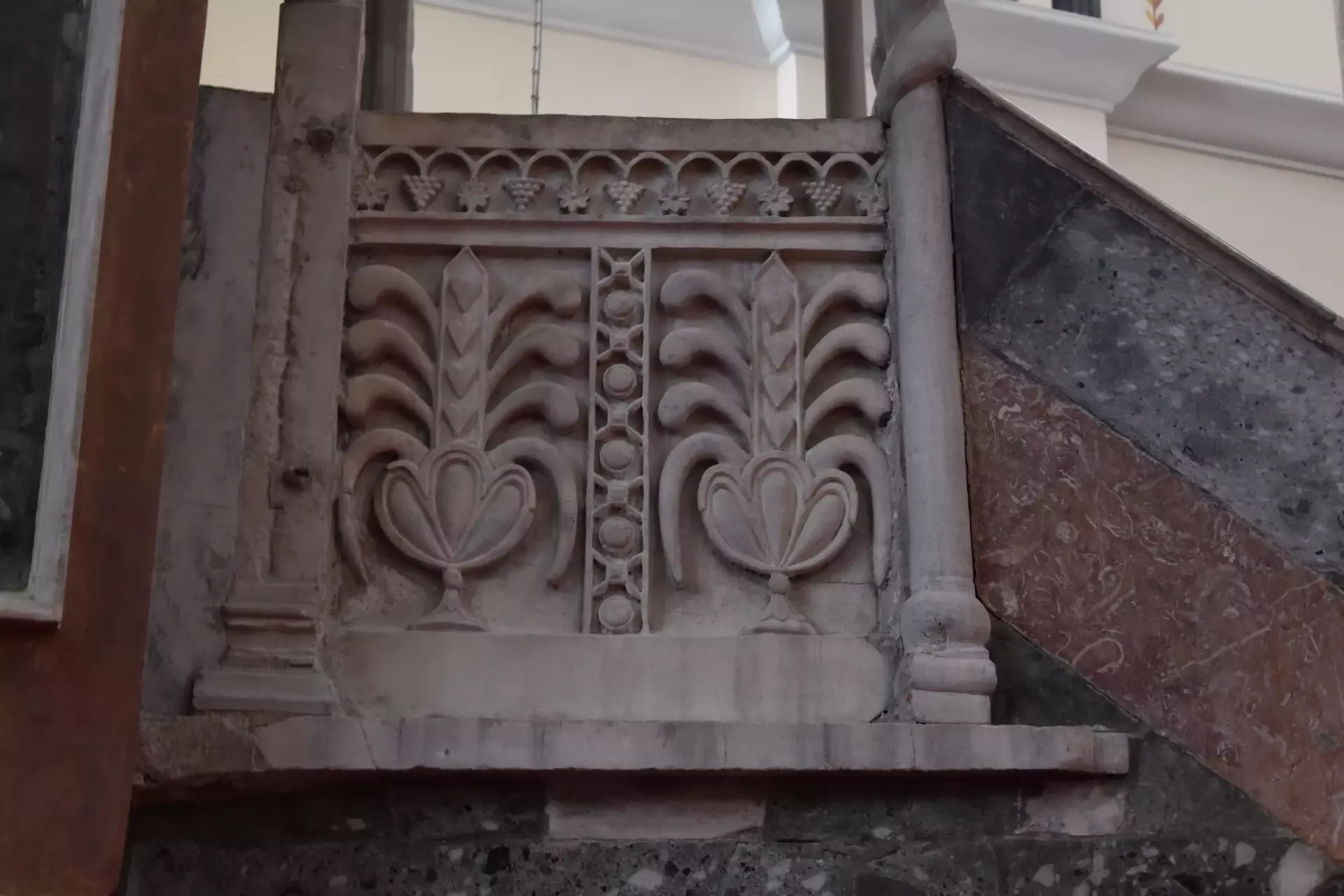
One of several pictures of the mihrab. I have the feeling that part of its decoration may be reused "spolia" and may have originally been parts of an ambo. However, since they seem to represent trees of life, they may be Muslim designs.
In the southern church there are the mihrab, the minber, and the hünkar mahfili (screened box for the sultan and his suite). Here is the mihrab.
In the southern church there are the mihrab, the minber, and the hünkar mahfili (screened box for the sultan and his suite). Shown here are the first two of them.

Zeyrek Mosque

Istanbul, Turkey

The Zeyrek Mosque in Istanbul presents a fascinating story through its architecture and history. Originally constructed as the Monastery of Pantokrator in 1118, this site is actually a combination of three distinct buildings. These include the main church, a second public church added around 1136, and a chapel that functioned as a royal mausoleum.

Transformation Through the Ages

During the Ottoman period, the complex was converted into a mosque and a medrese, an Islamic school. Remarkably, this transformation required very little structural change, allowing the site to retain its original design features. This makes the Zeyrek Mosque one of the best-preserved examples of late Byzantine architecture in Istanbul.

A Living Piece of History

Today, the Zeyrek Mosque continues to function as a place of worship. Its beautiful facades and domes attract photographers, especially in the daylight or at sunset. The surrounding neighborhood, however, is generally quiet after dark and is not recommended for visitors at night.

Source - https://en.wikipedia.org/wiki/Zeyrek_Mosque

Developed by Reflex.com.ua
Contacts
  • info@reflex.com.ua
Social media