
Search ×
Home London
British Museum
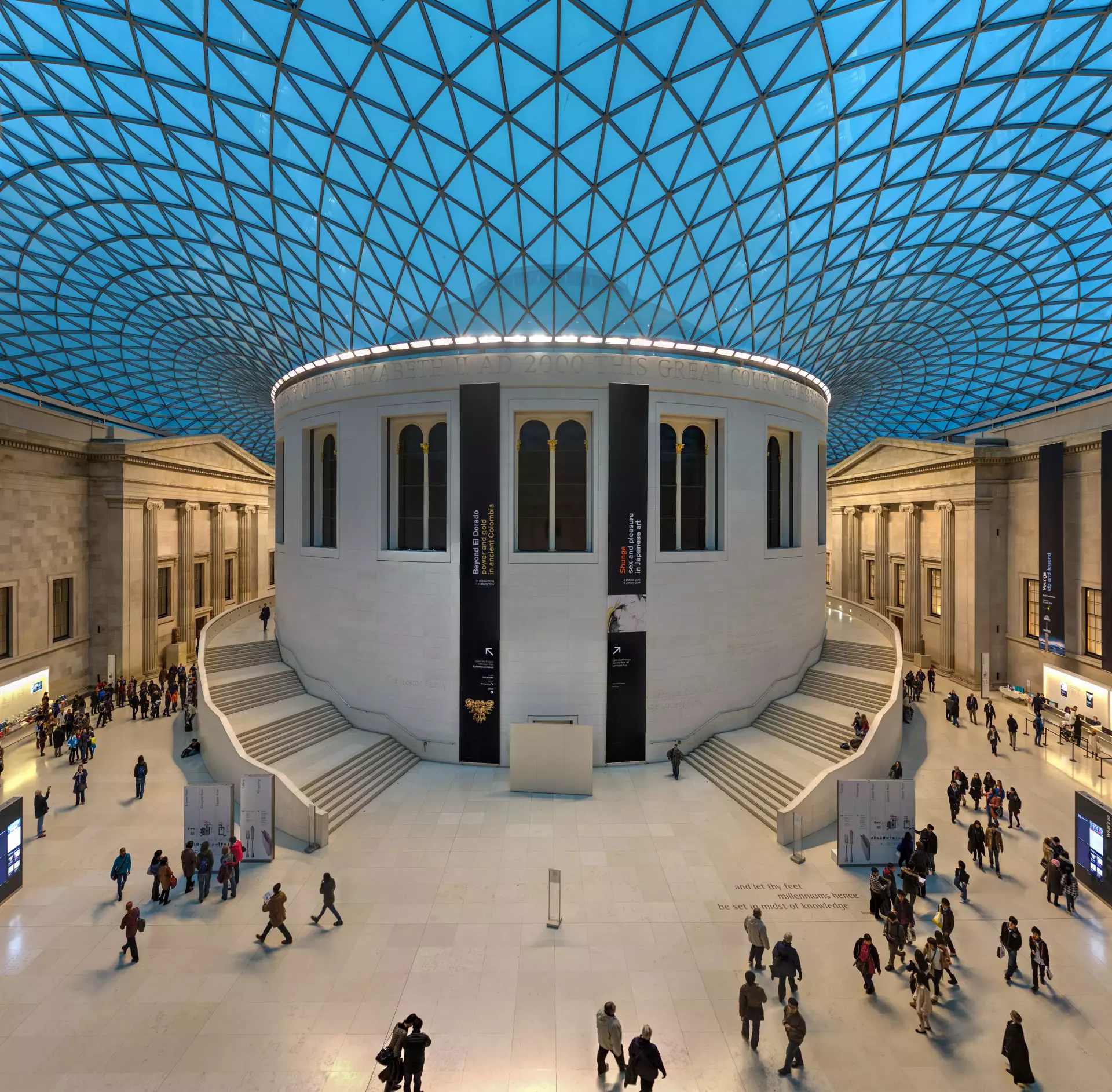
English:  An ultra-wide rectilinear stitched panorama of the Great Court of the British Museum in London, United Kingdom. Polski:  Ultraszerokokątna panorama Wielkiego Dziedzińca im. Królowej Elżbiety II (ang. Queen Elizabeth II Great Court) w Muzeum Brytyjskim w Londynie.
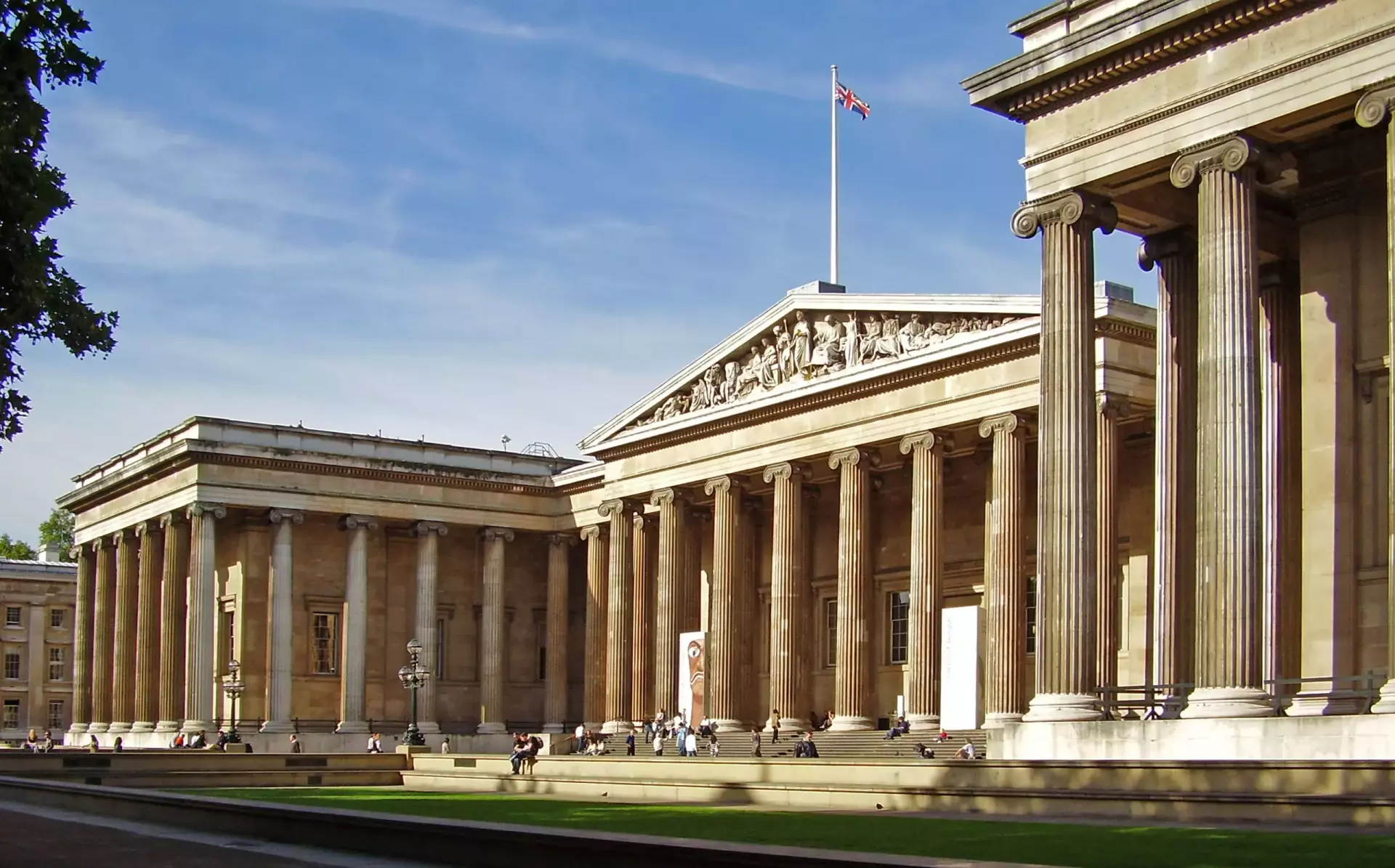
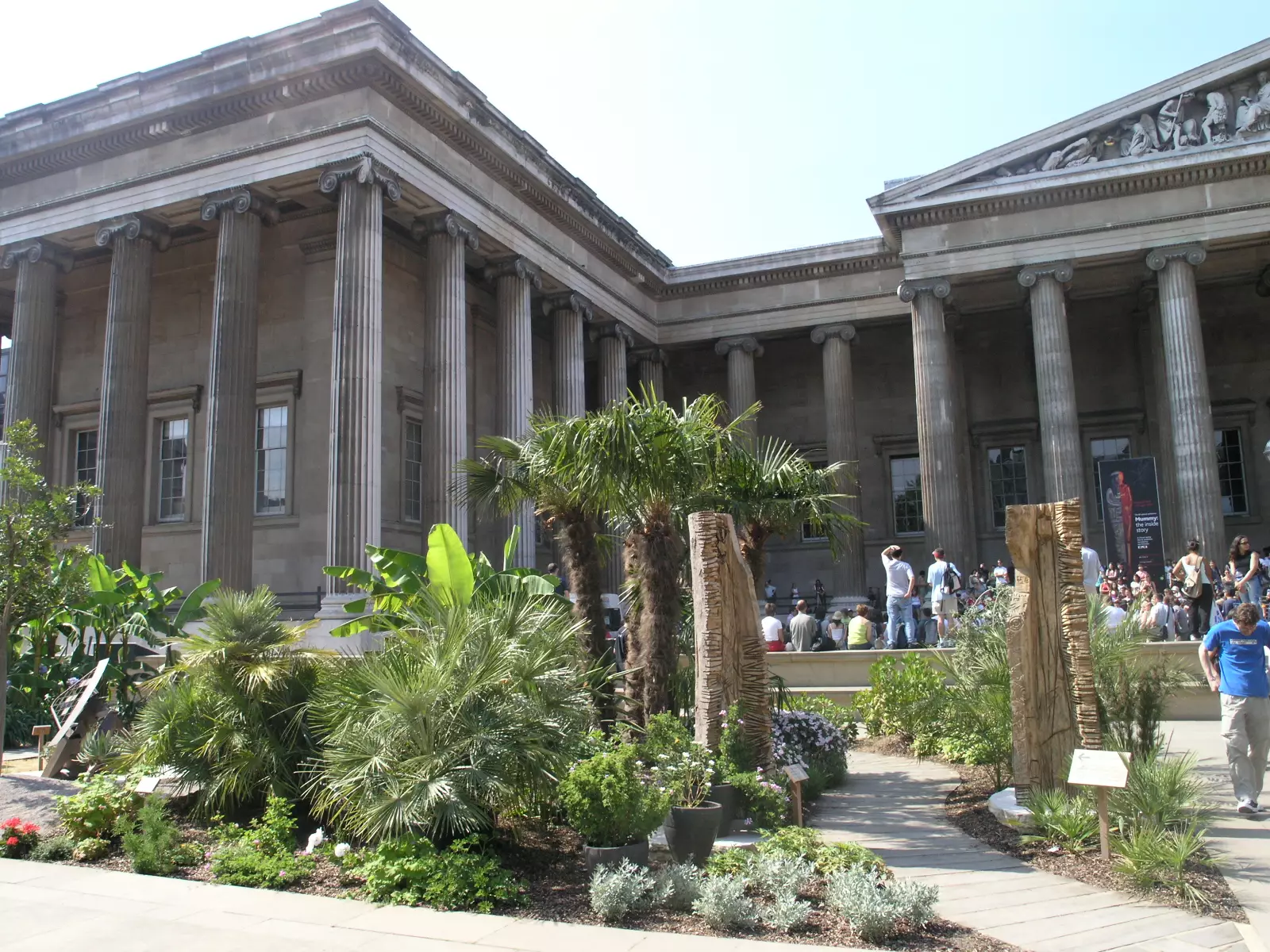
English:  Façade of the British Museum This is a photo of listed building number 1130404.
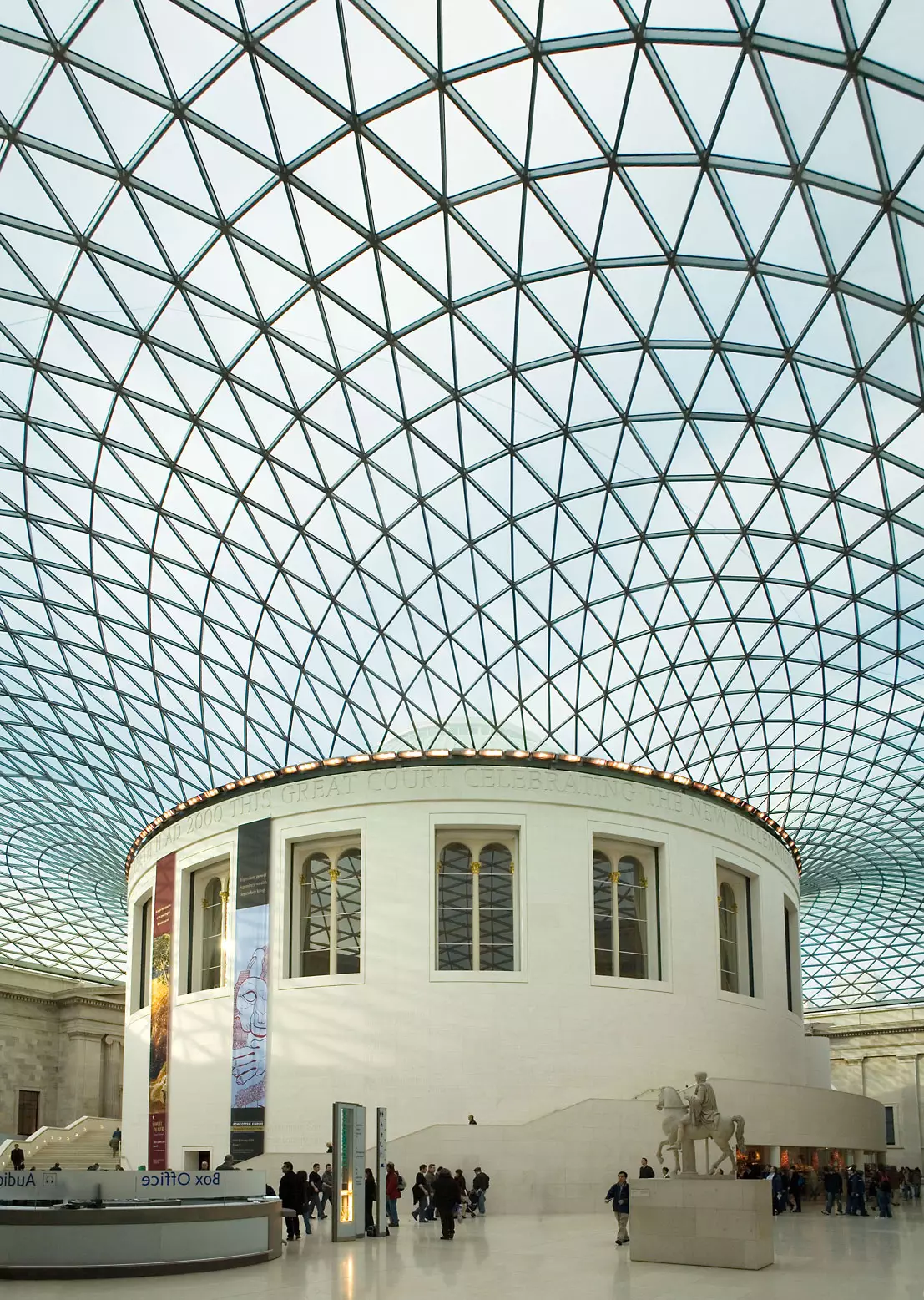
Deutsch:  Der Große Hof des British Museums. Parkettiertes Dach designed von Foster + Partners. Gewölbt um den original Lesesaal der British Library. Die Skulptur auf dem Podest im rechten Bildteil zeigt einen „jugendlichen Reiter“ aus dem 1. Jahrhundert. English:  The Great Court of the British Museum, with the new tessellated roof designed by w:Foster and Partners arching around the original, circular, Reading Room of the British Library. The sculpture on the pedestal on the right hand foreground is A youth on horseback from 1st century AD Rome.
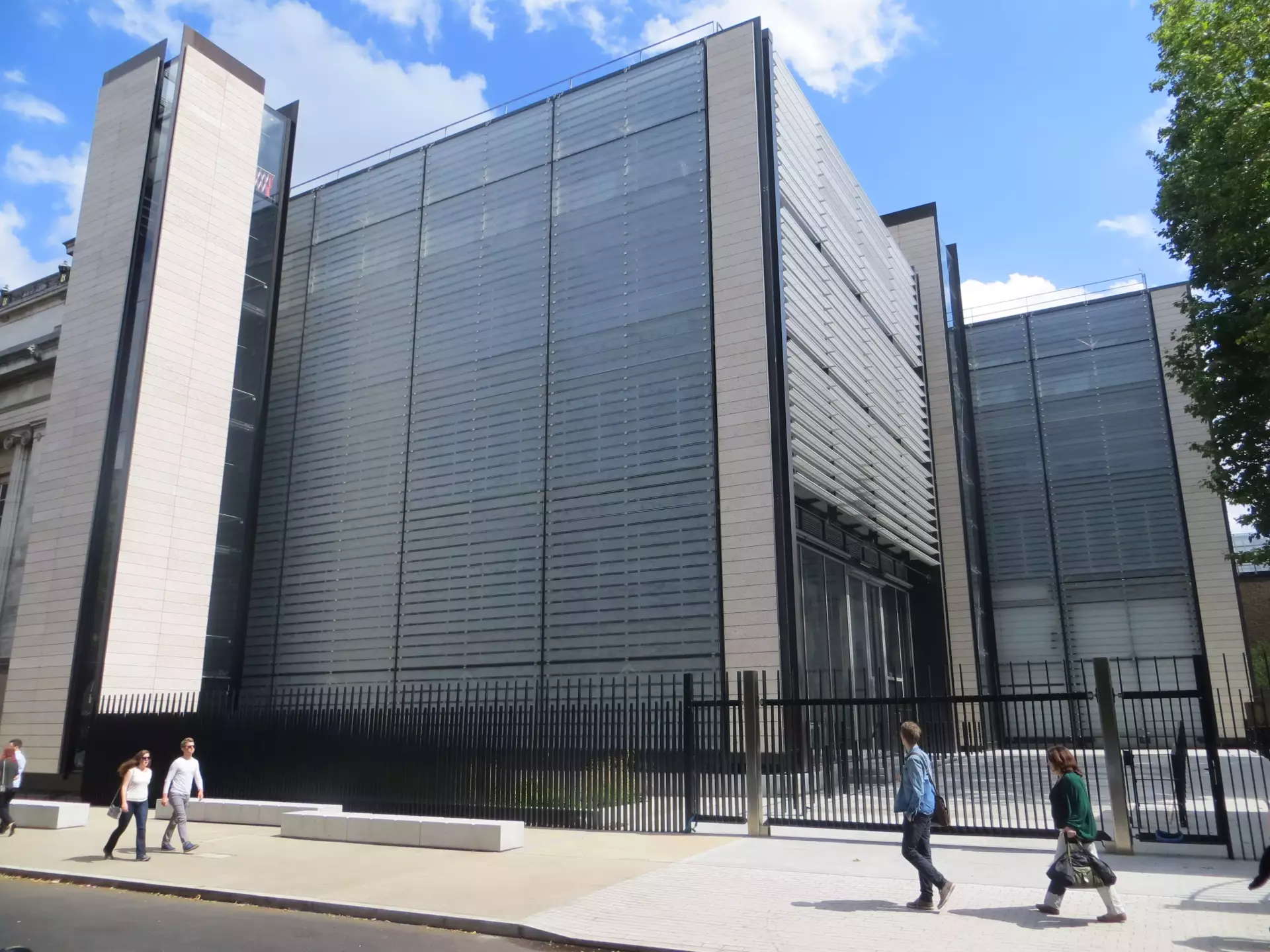
English:  Street view of the British Museum World Conservation and Exhibitions Centre
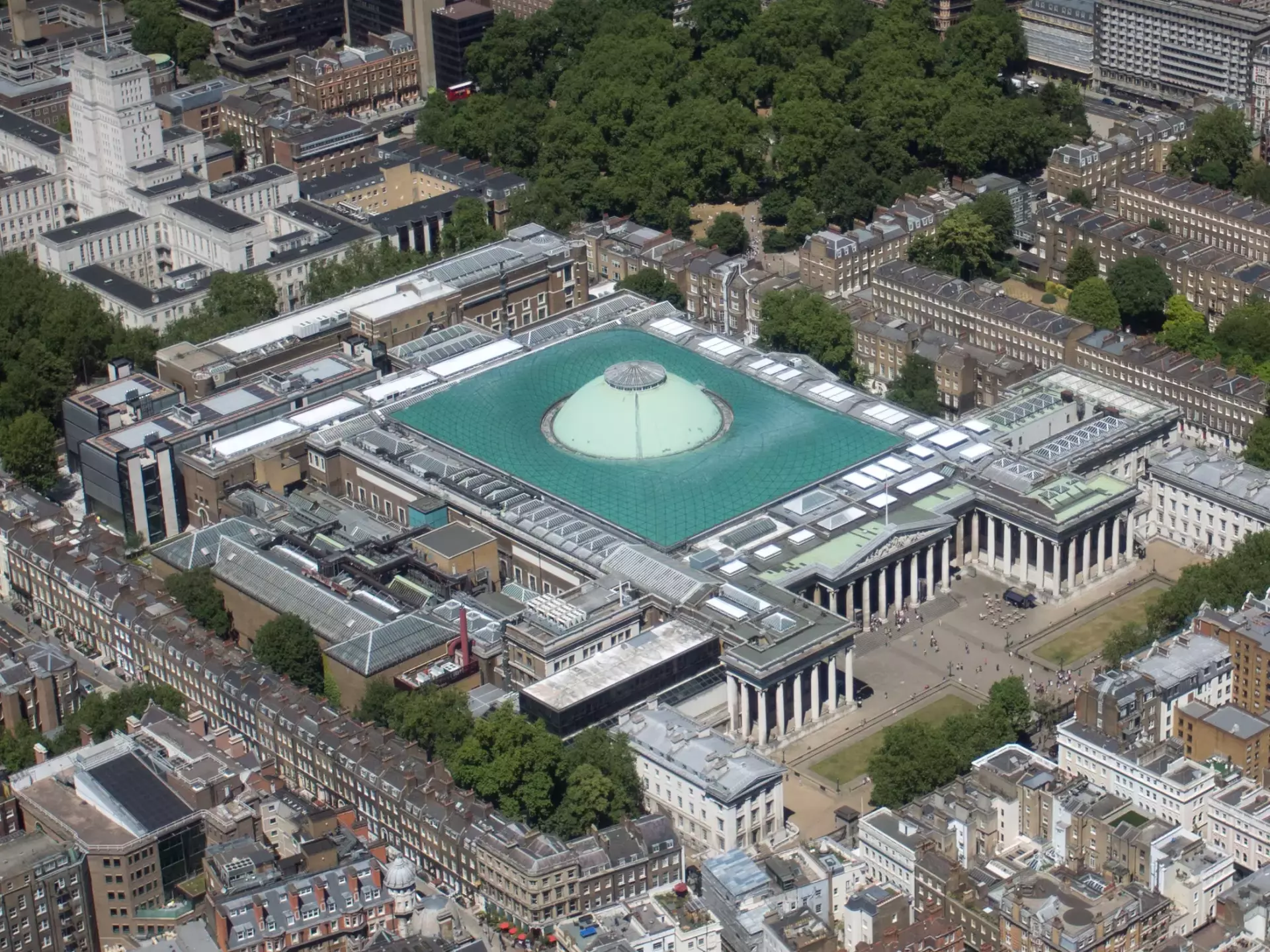
English:  Aerial shot of the British Museum, London.
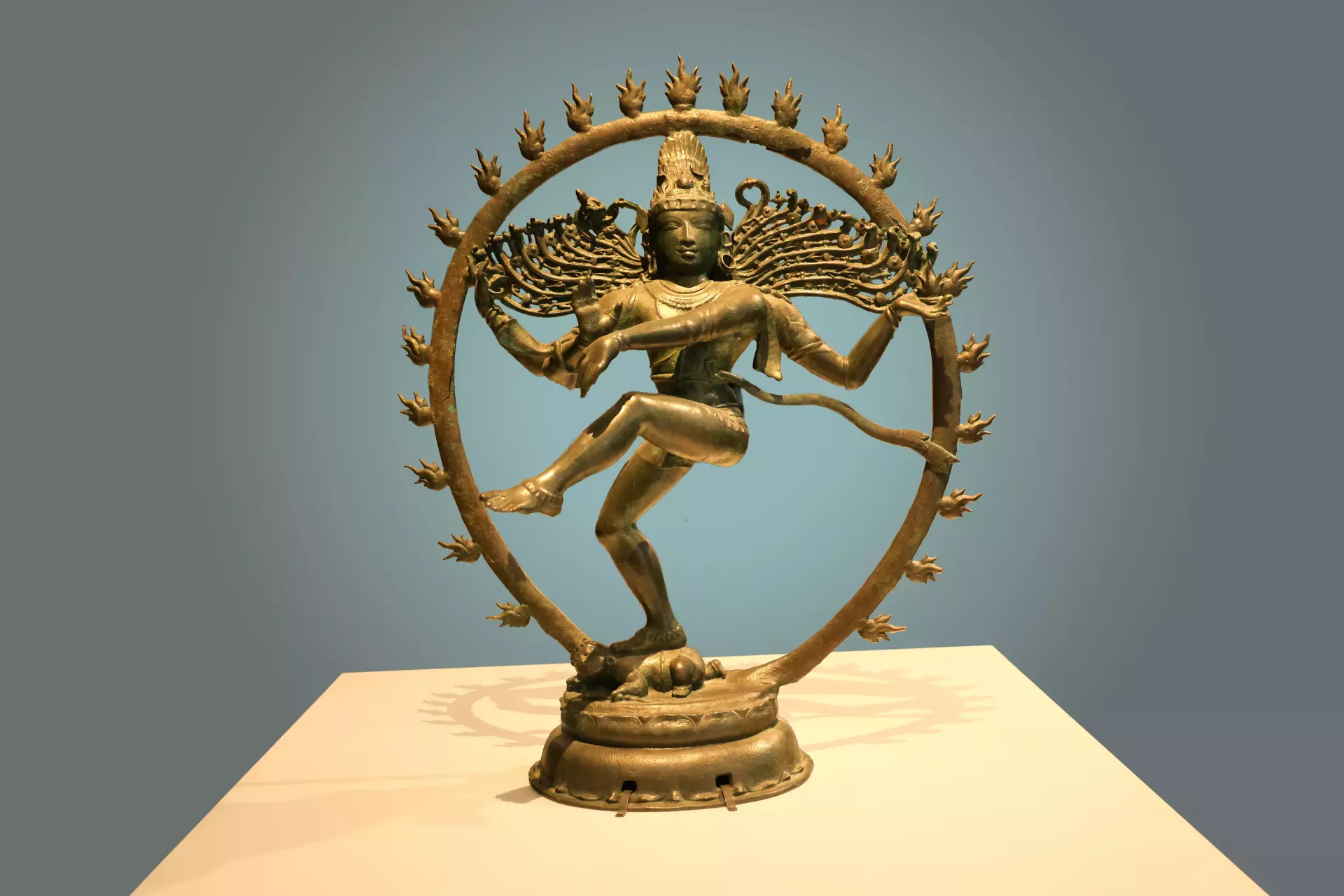
English:  Śiva in the 'anandatandava' position as Lord of Dance (Śiva Natarāja), with Ganga flowing through his hair and Apasmara, the dwarfish demon of ignorance, under his right foot. The god is shown at the end of one cycle and the beginning of another. The arch is broken above the proper left shoulder of the figure. Cast in a copper alloy (1100  circa).  Made in: Tamil Nadu, India.   Picture taken at the British Museum, London, UK.
English:  General view of Room 95, British Museum.
English:  Part of the Waddesdon Request on display in the British Museum
British Museum
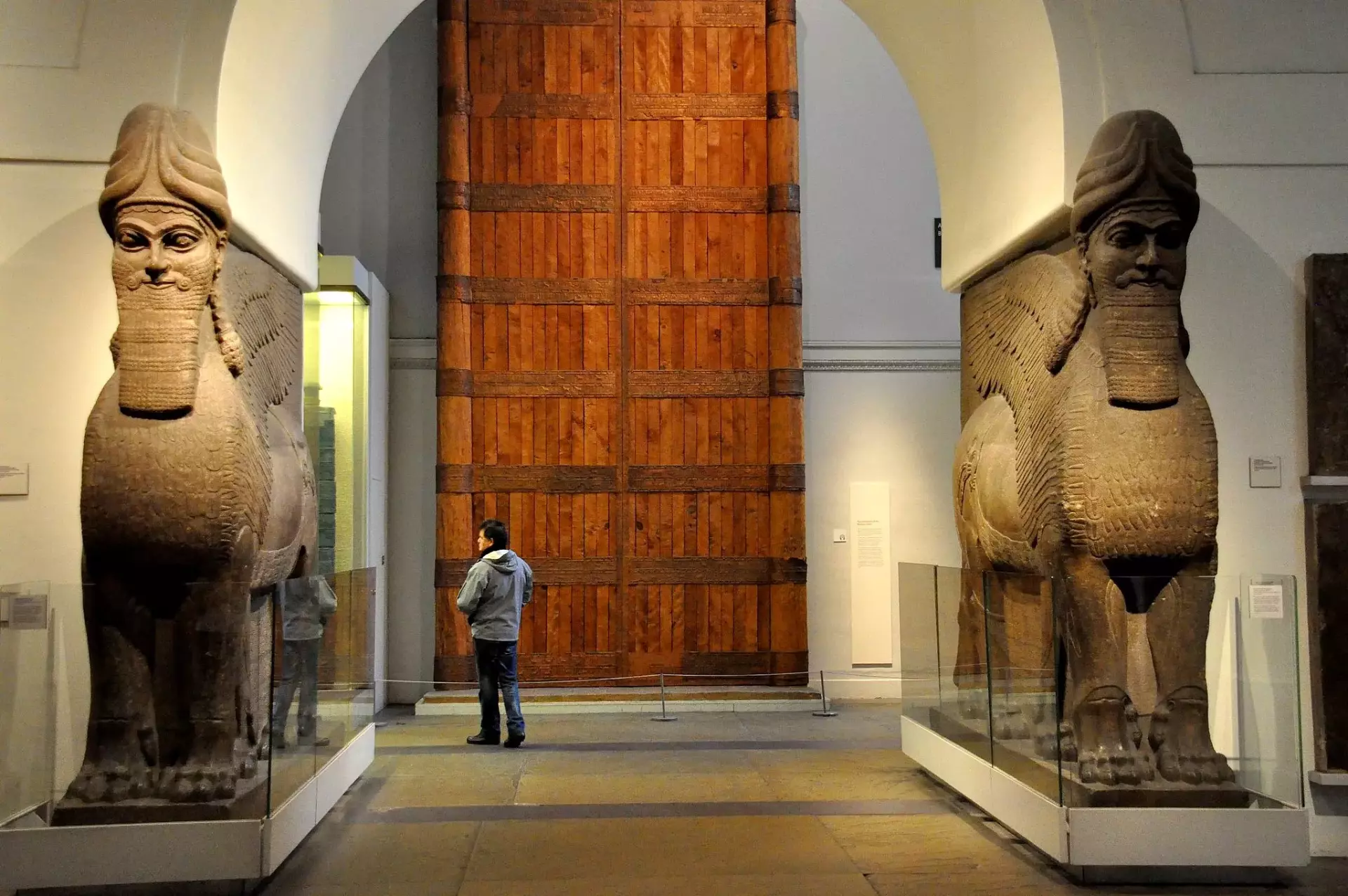
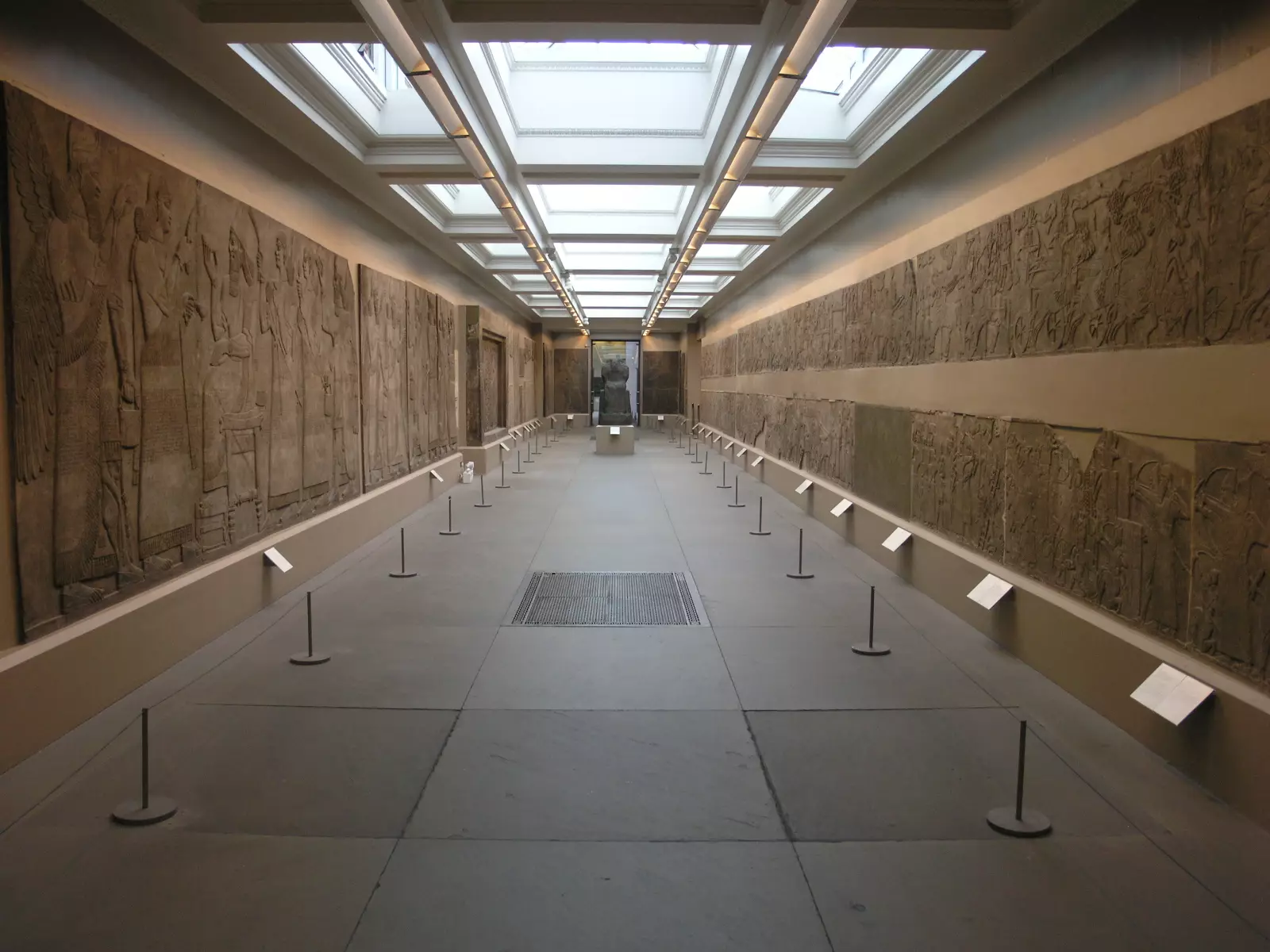
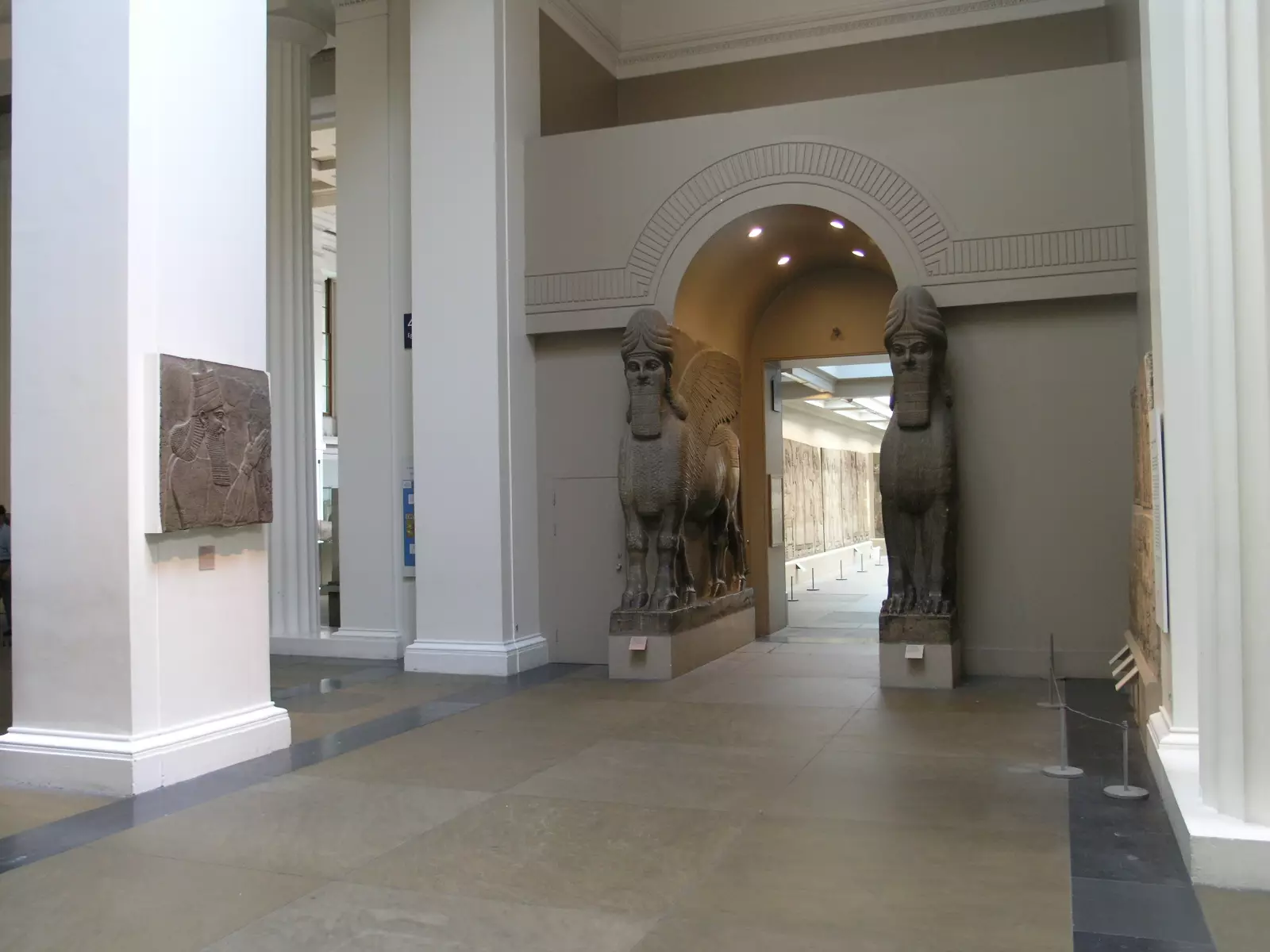
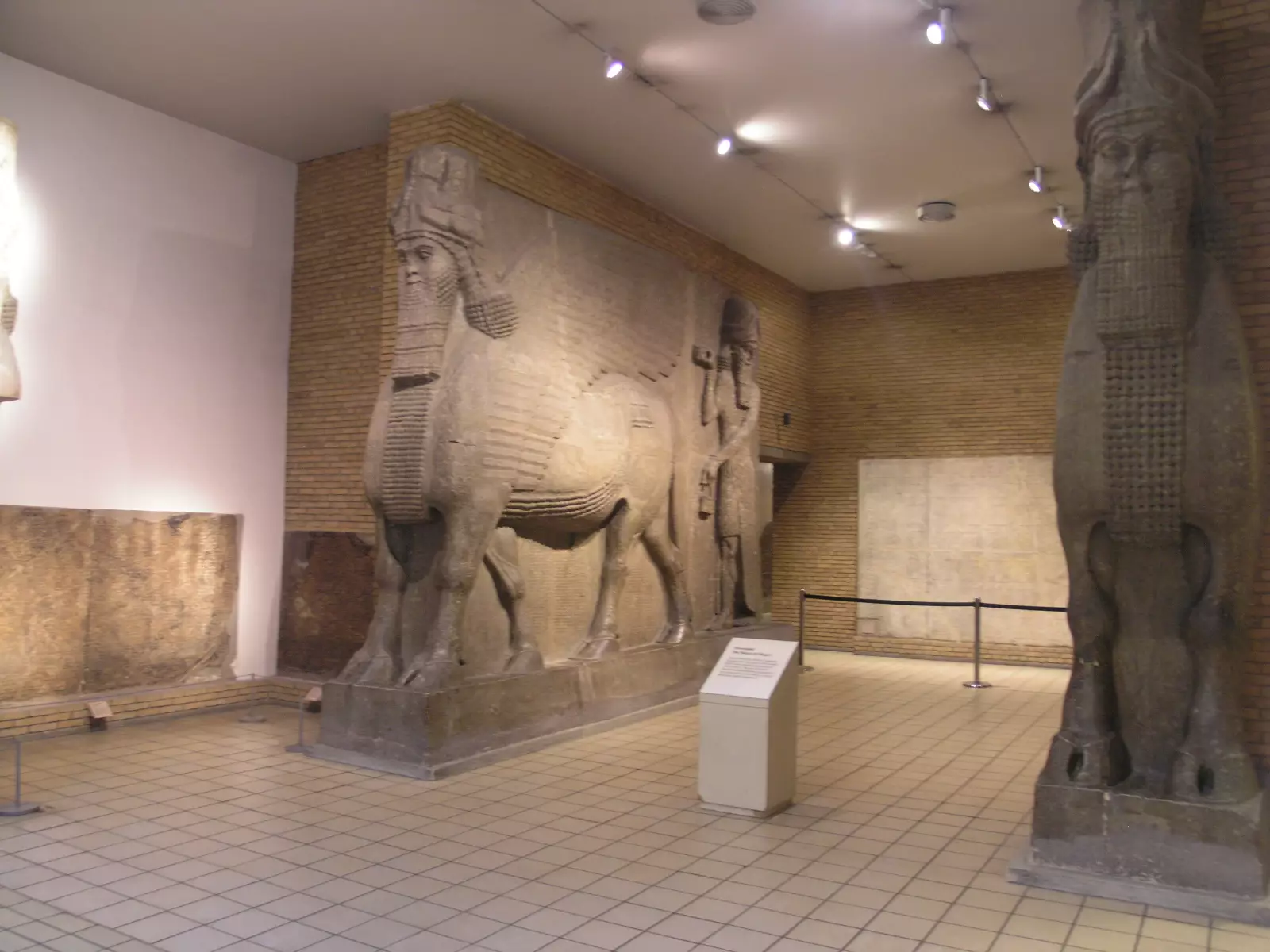
English:  Lamassu from the Throne Room, Room B, of the North-West Palace at Nimrud, Iraq, 9th century BC, now in the British Museum, London. A replica of one of the Balawat gates appears on the background.
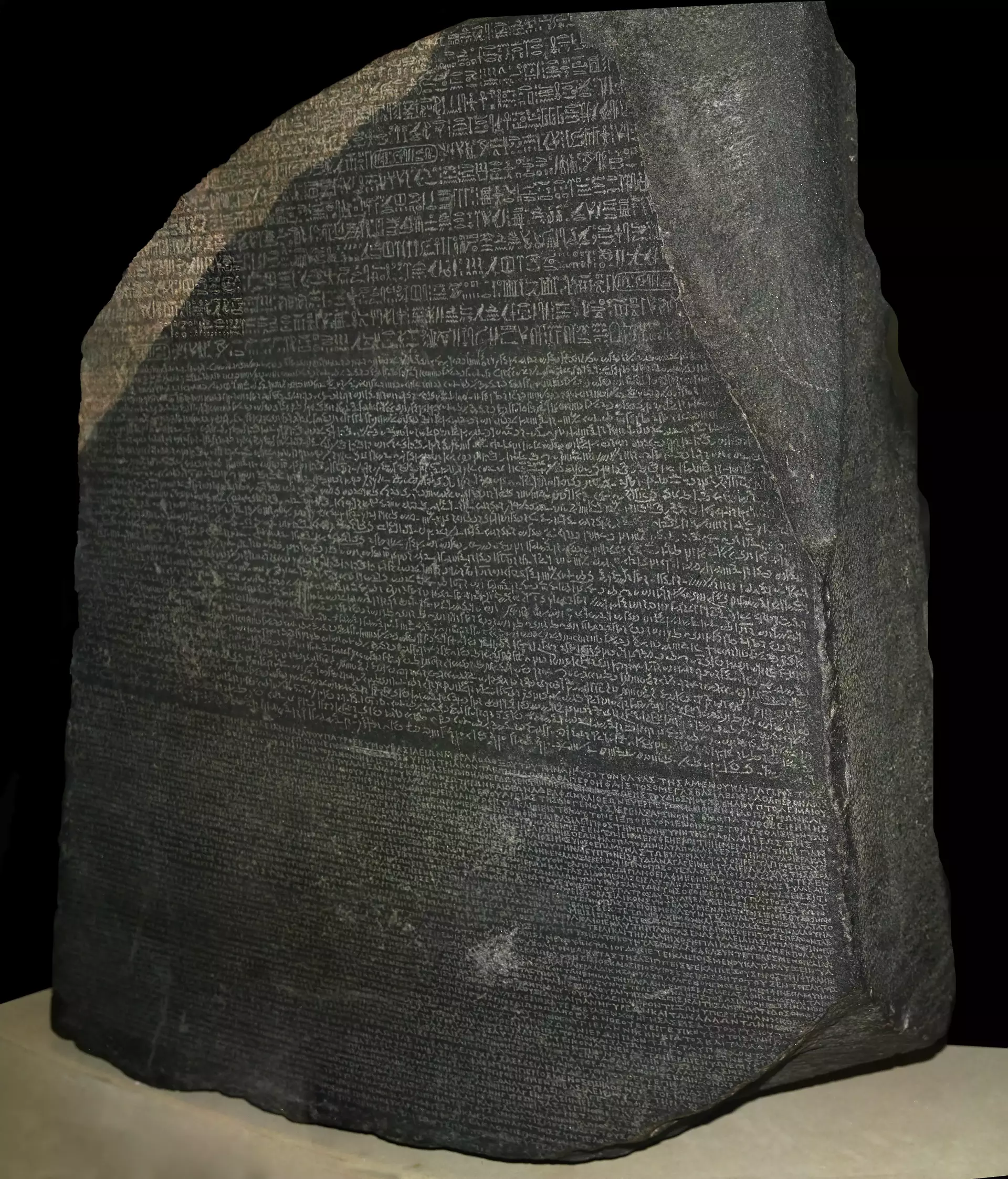
English:  The Rosetta Stone in the British Museum.
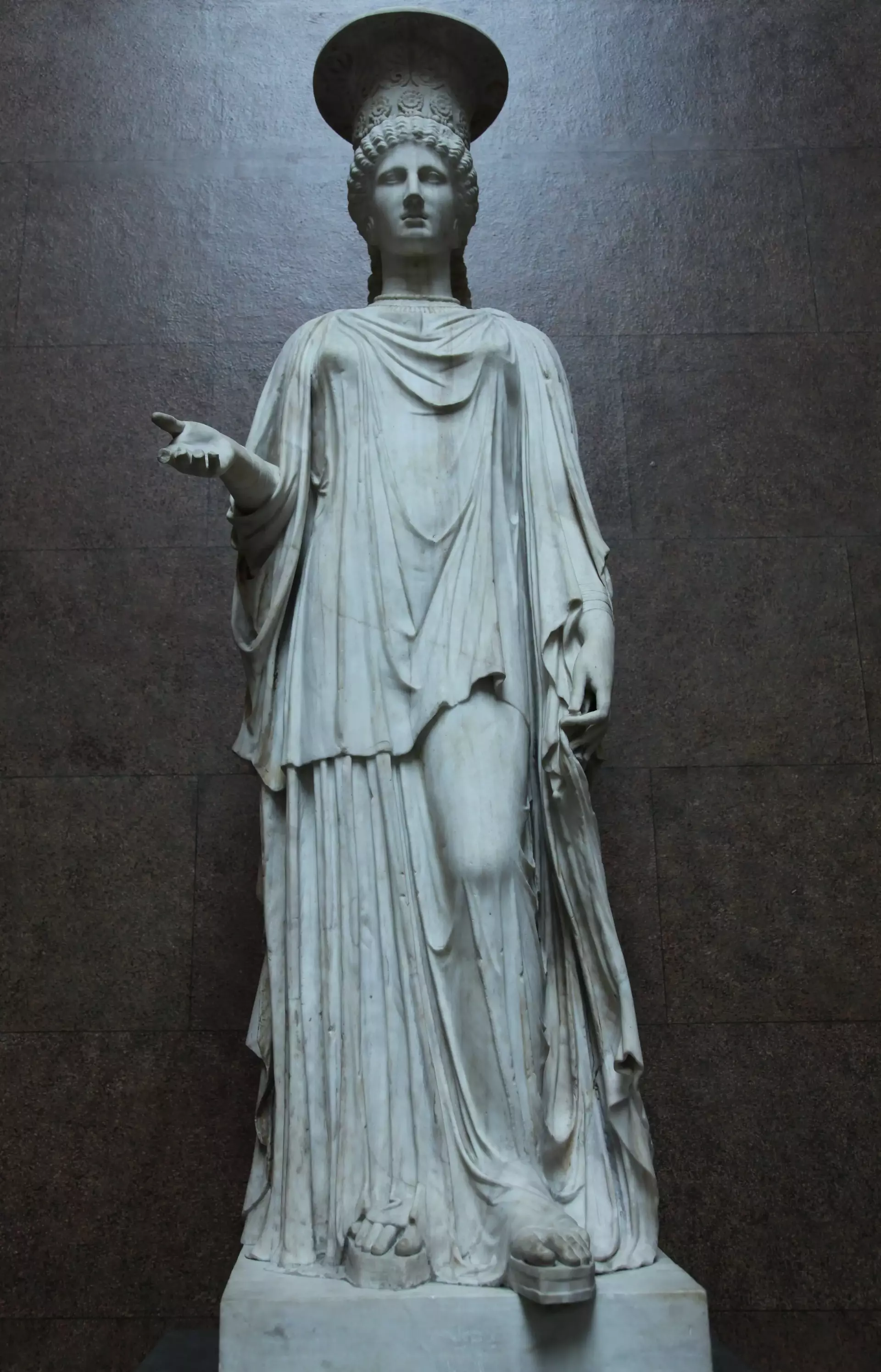
English:  The Townley Caryatid is a 7.25m high Pentelic marble caryatid.
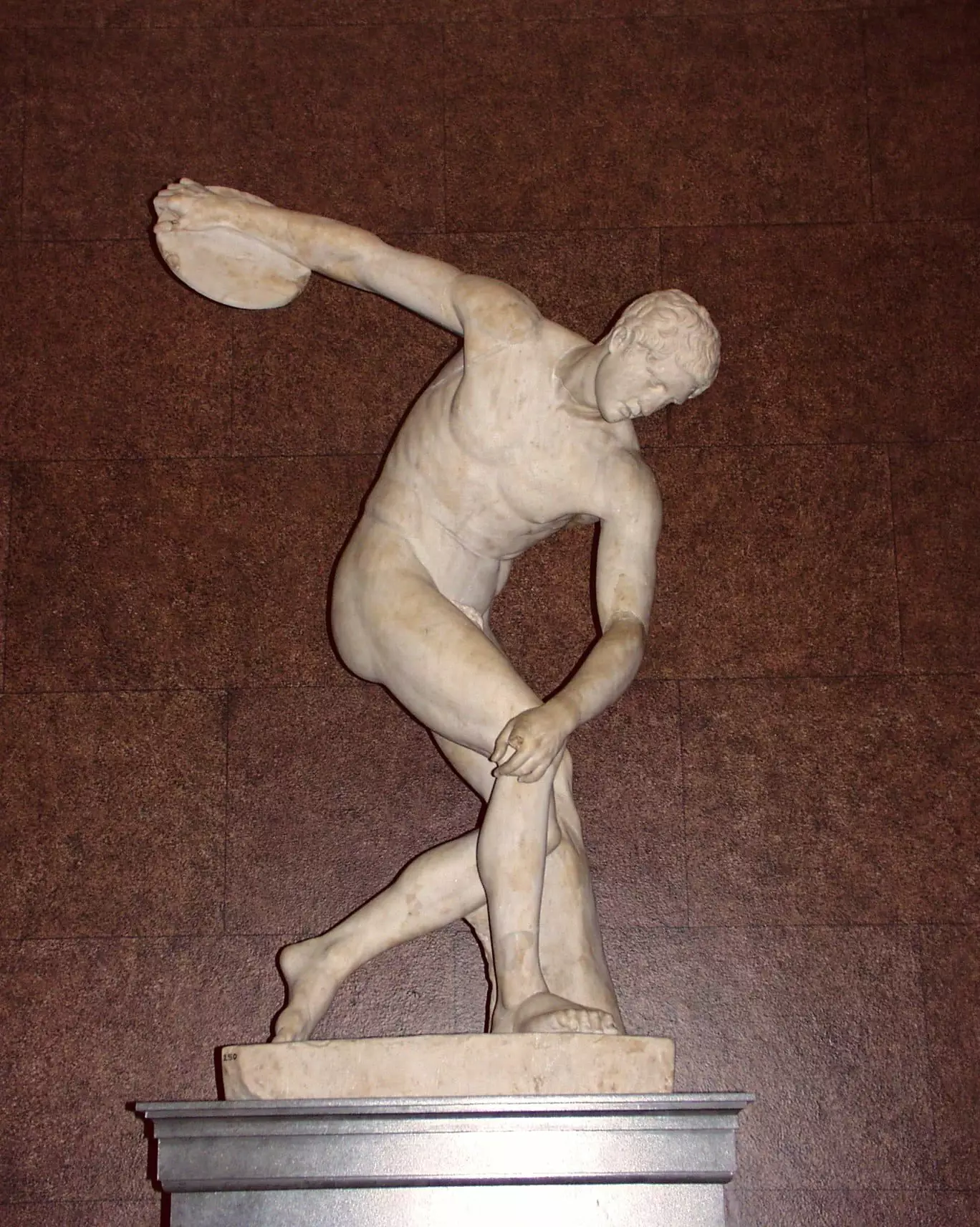
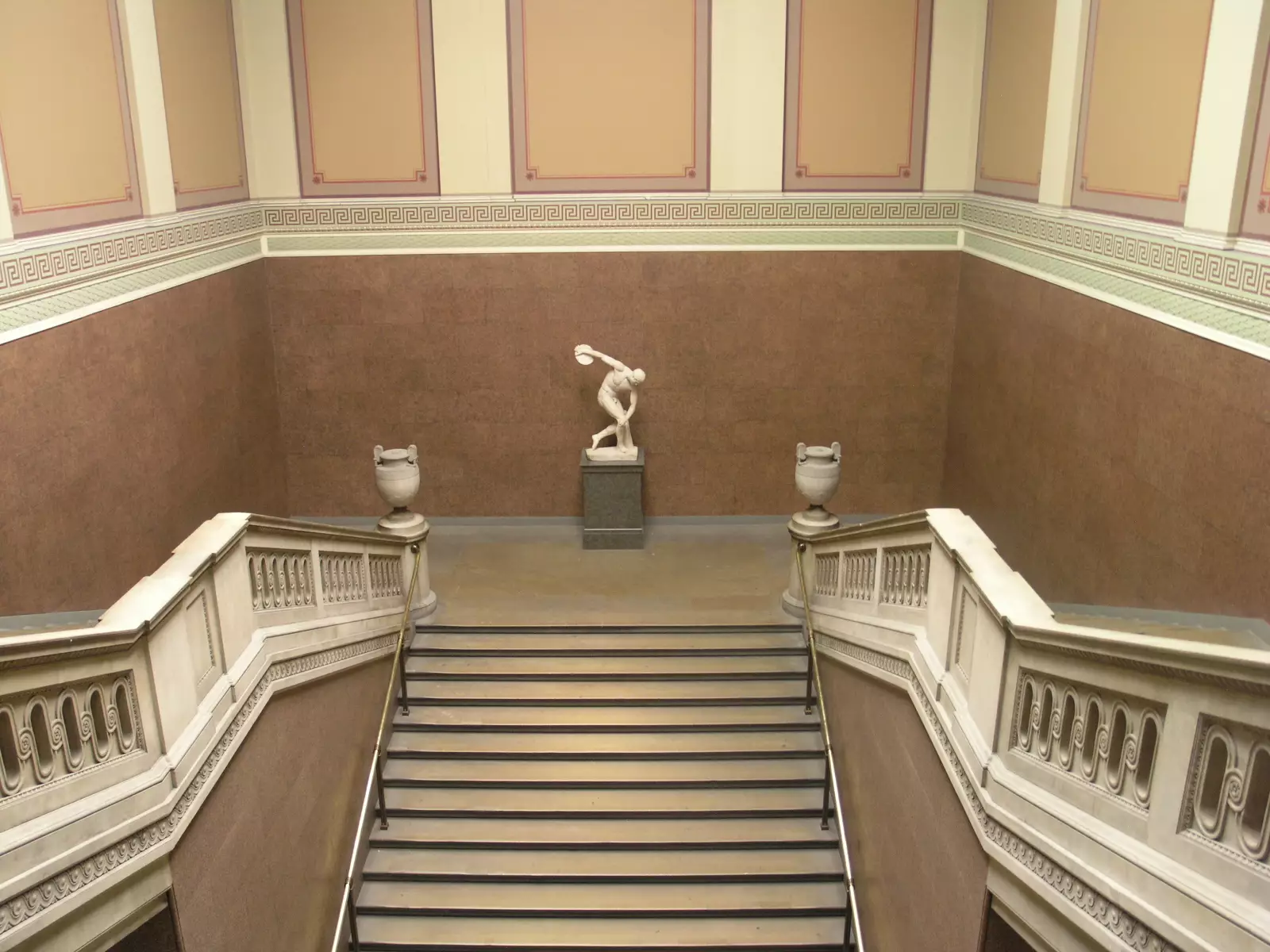
Photos taken in the Roman Gallery - British Museum. Discobolus of Myron. The Greek original circa 460-450 BC is lost. This Roman copy was discovered at the Villa Palombara'
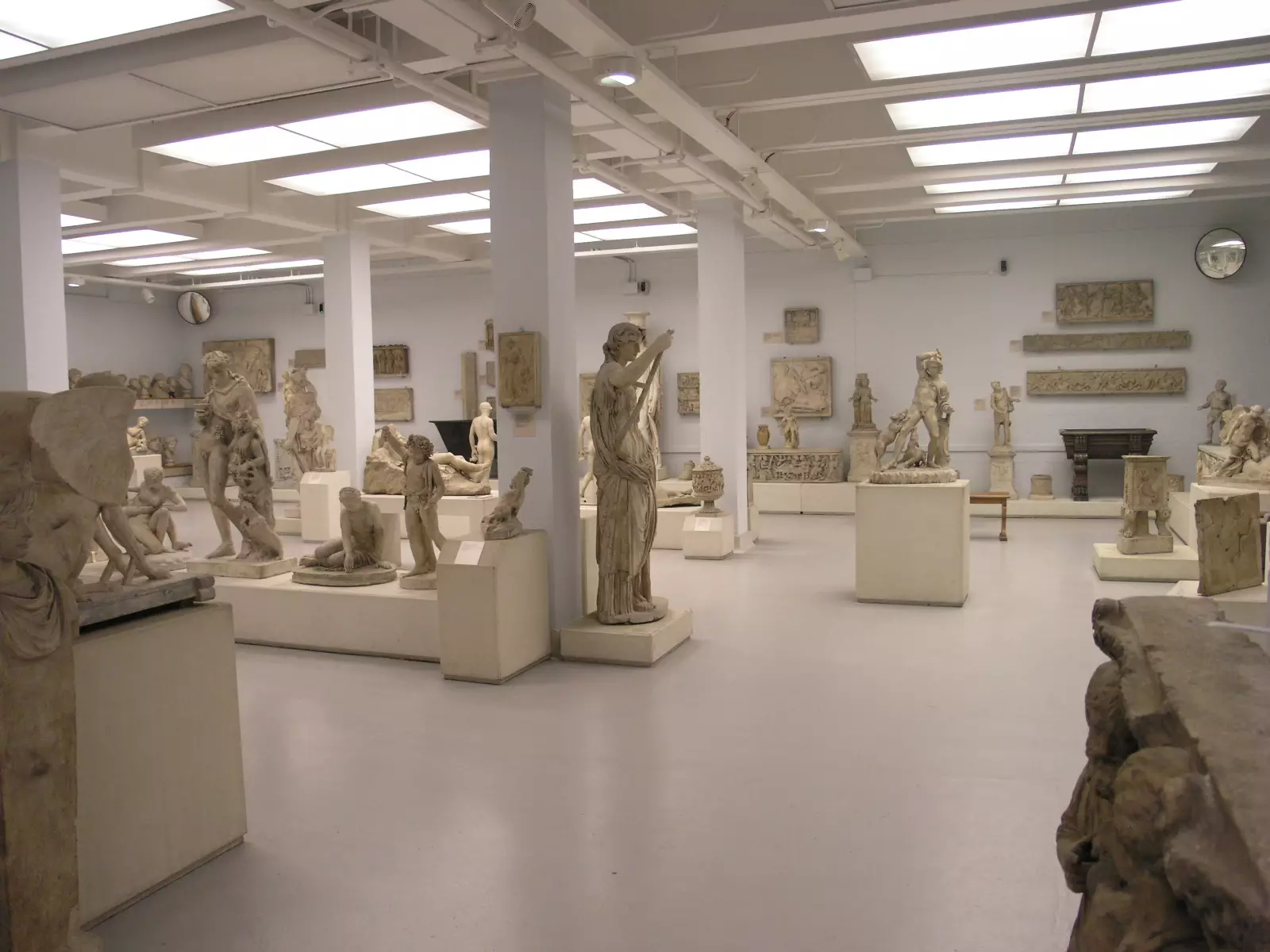
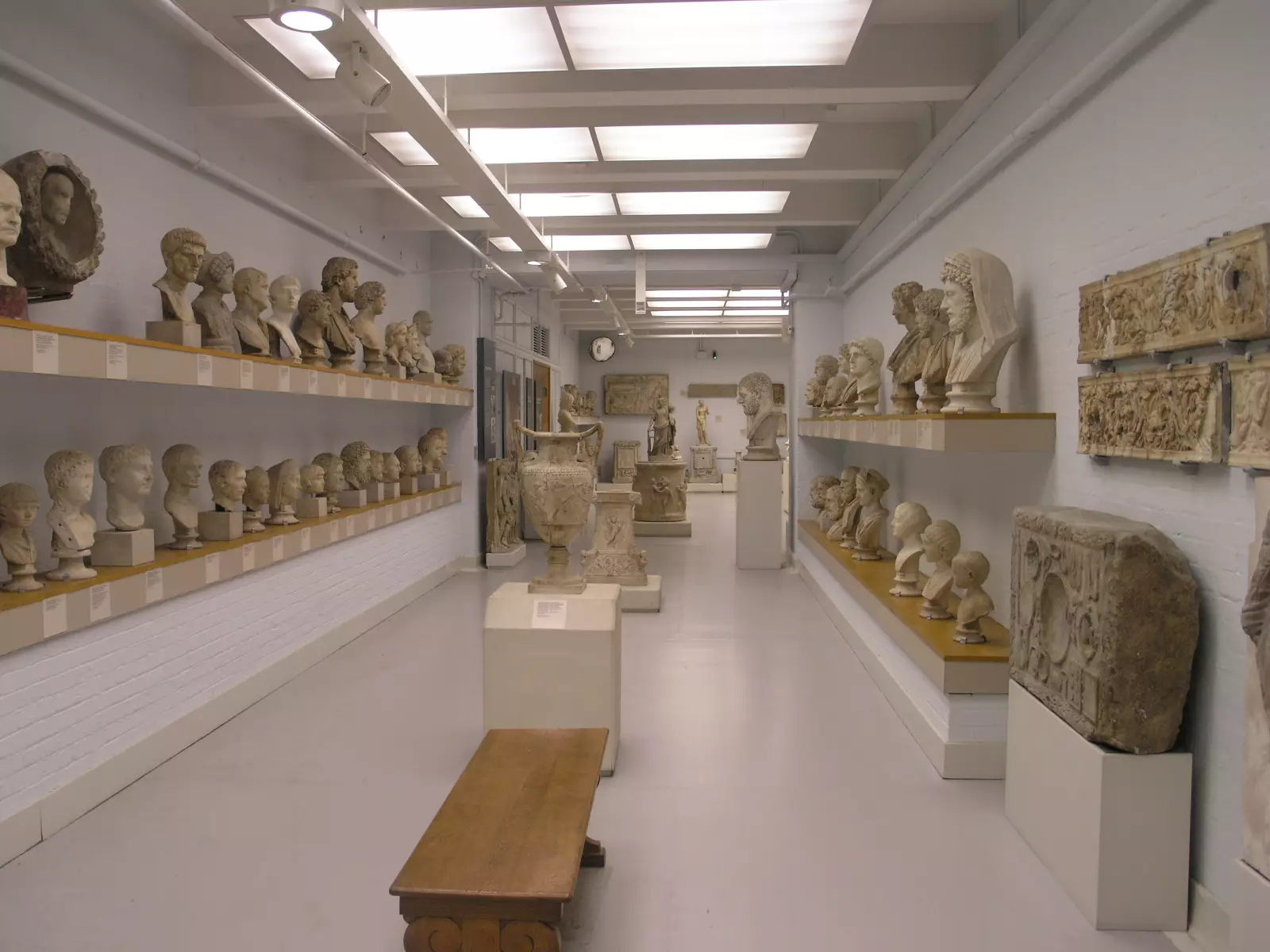
English:  British Museum - Room 85, Roman Portrait Sculpture
English:  The Tomb of Merehi. GR 1848.10-20.143 (Sculpture 951). In the British Museum.
African Garden 2005
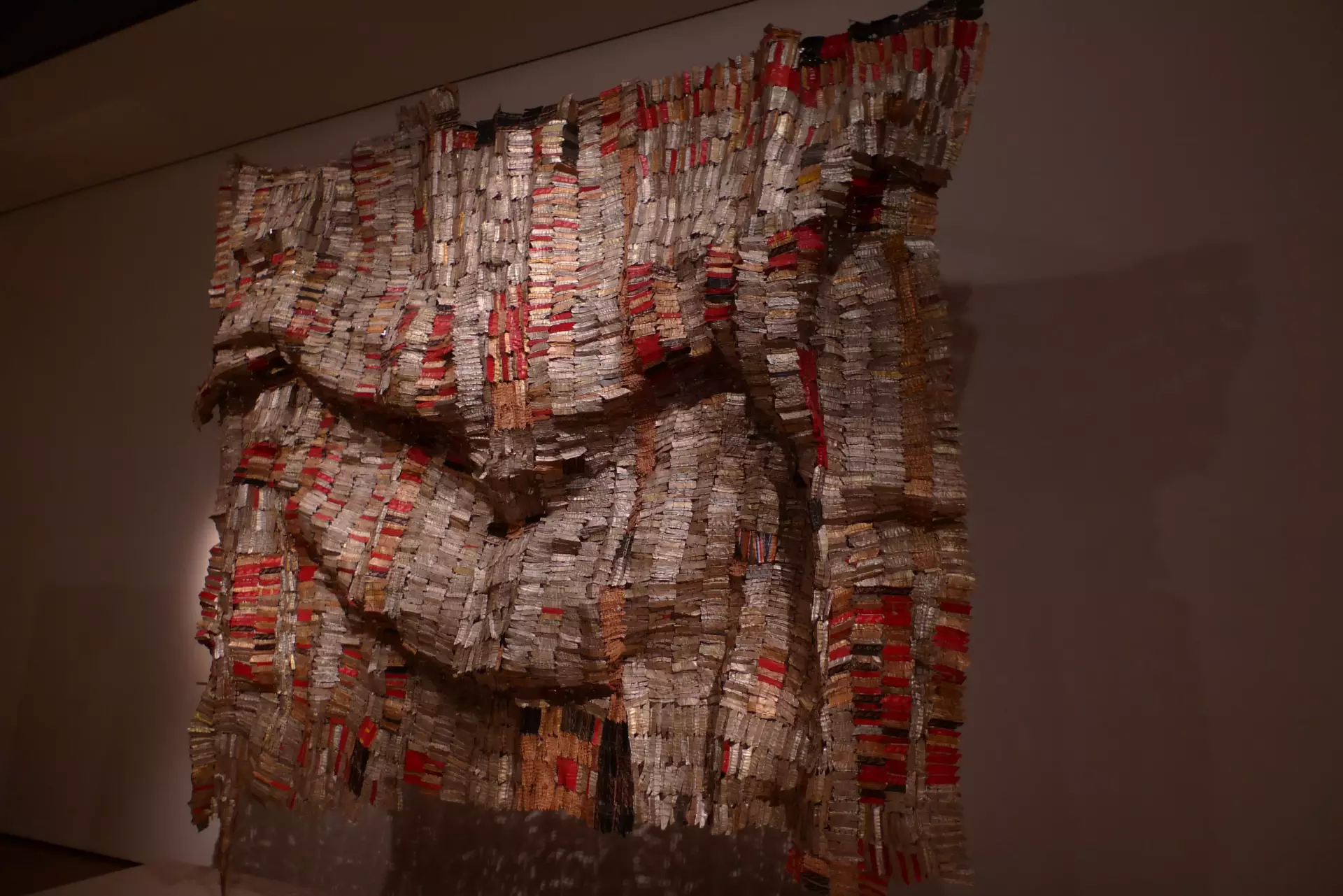
English: Man's cloth 
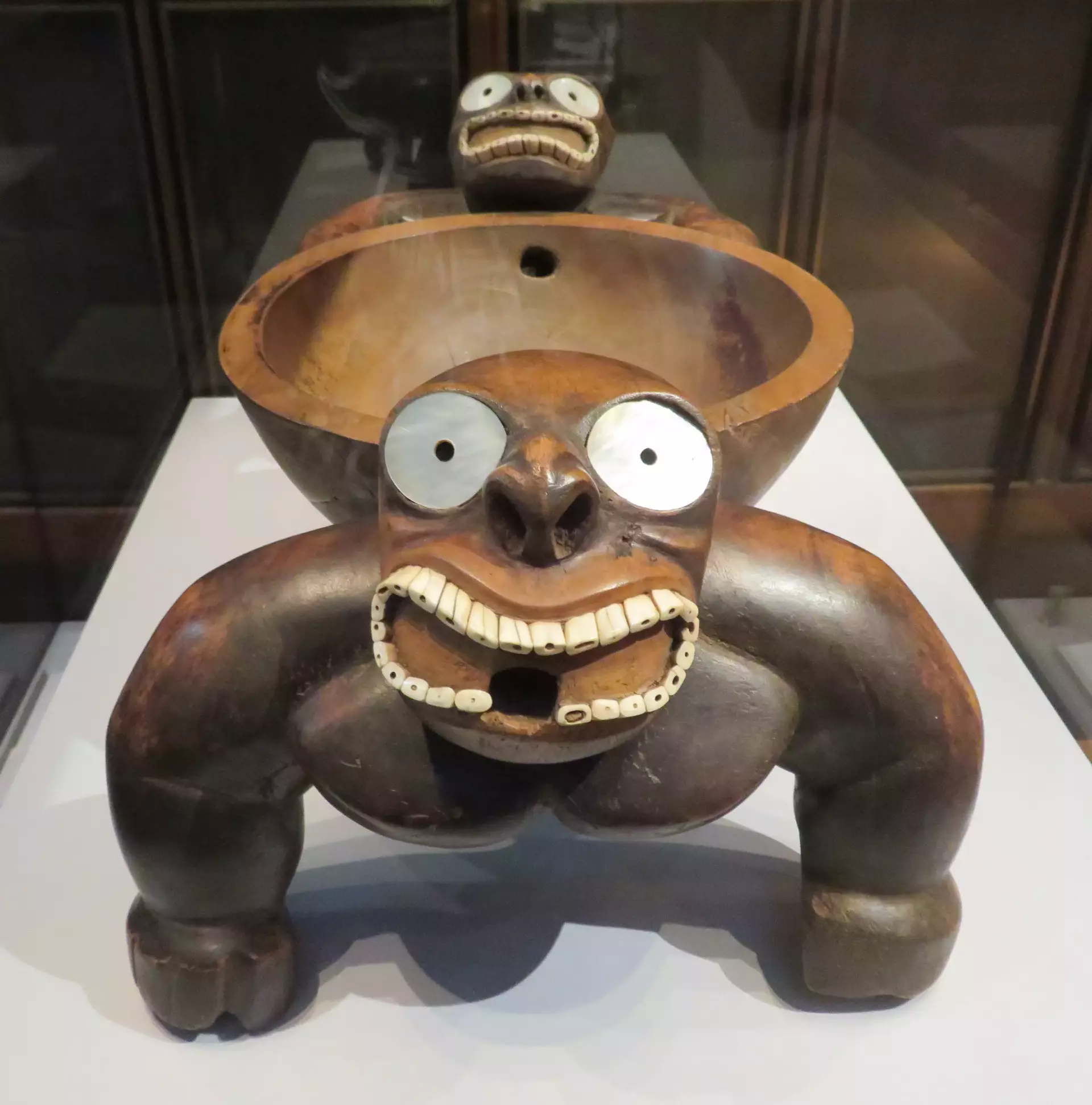
English:  Bowl from Hawaii decorated with pearl shell and sections of boars' tusks, used to serve the intoxicating drink ʻawa. Presented to Captain Charles Clerke by a Hawiian chief during Cook's third Pacific Voyage. Donated to the British Museum in 1780.
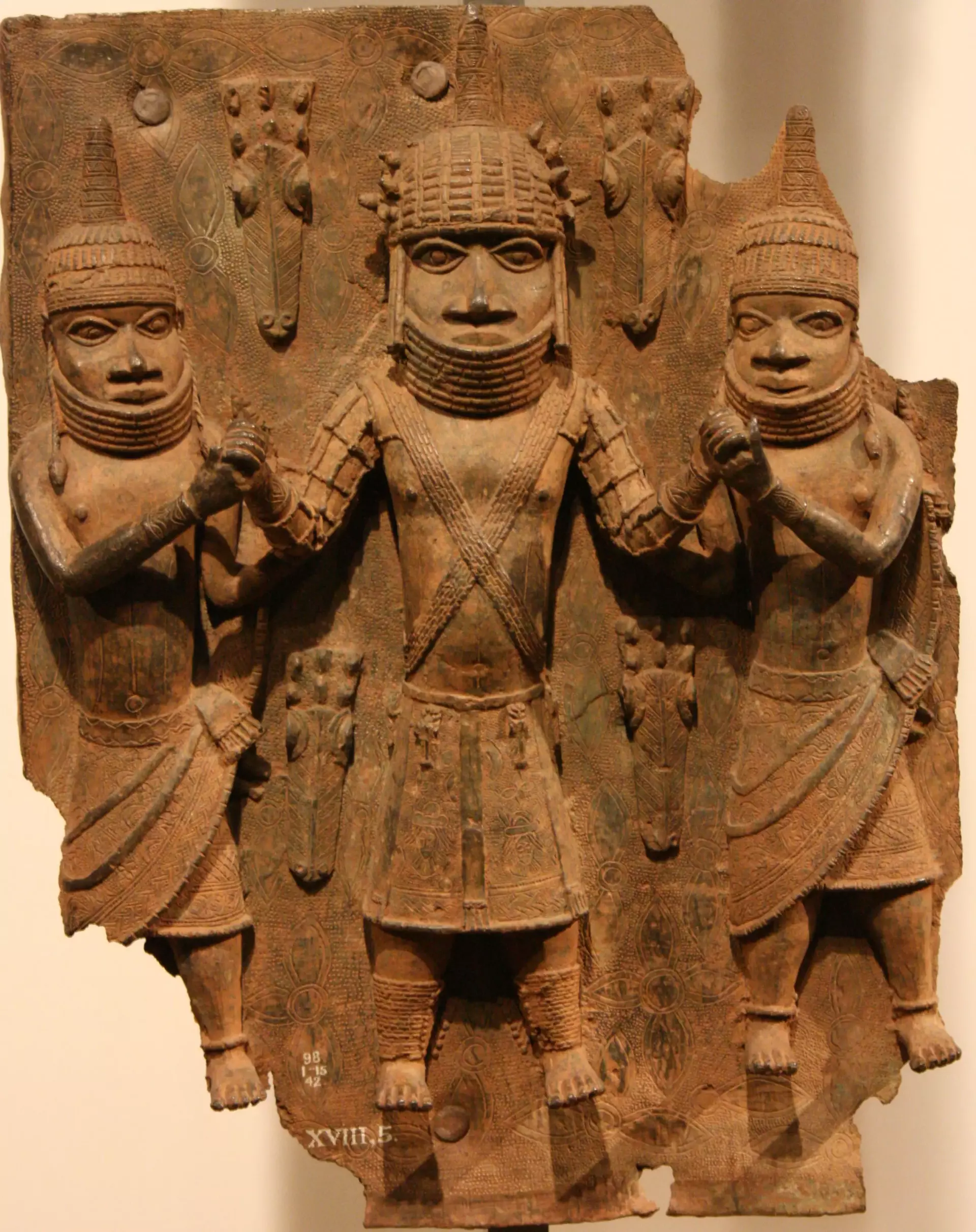
English:  Brass plaque commonly known as "bronze". Benin kingdom (Nigeria). British Museum (London)
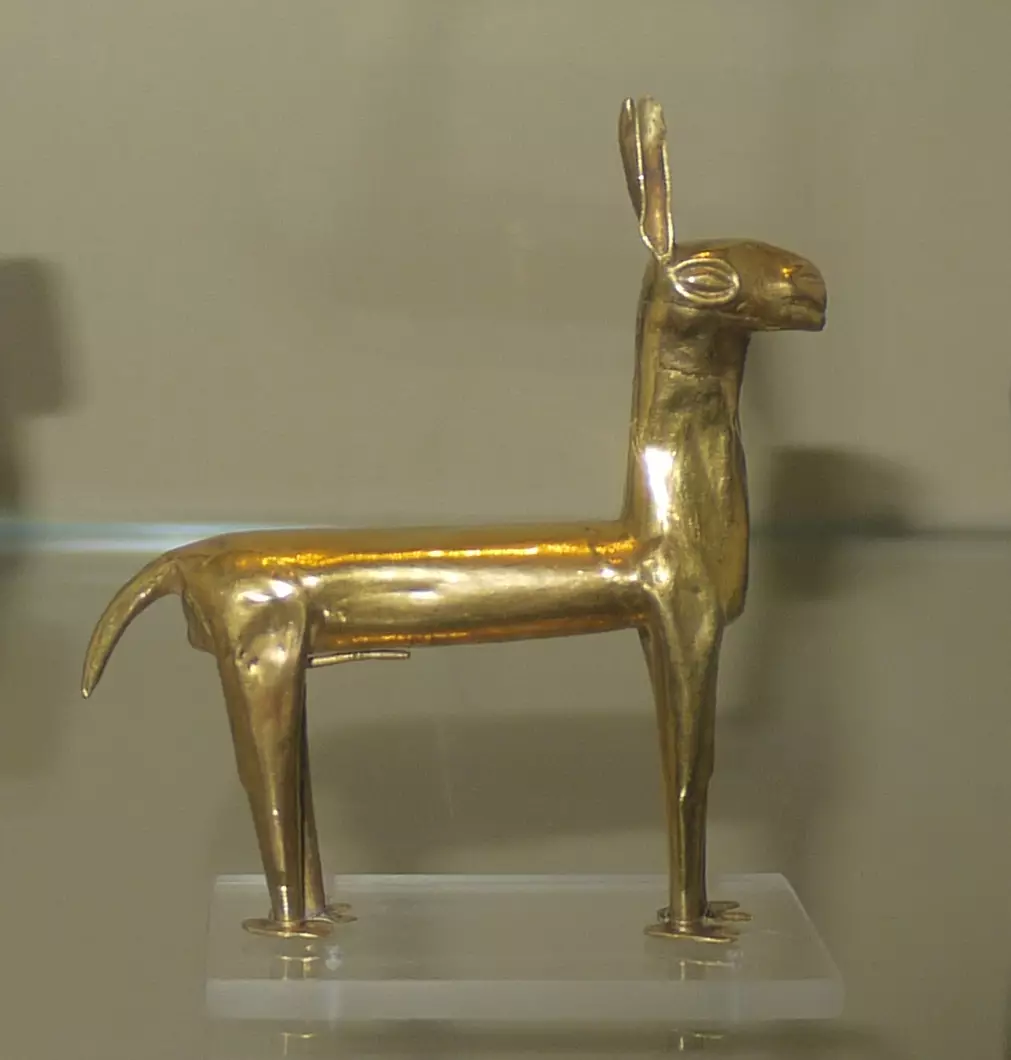
English:  Photo of a gold llama figurine about 2 inches high
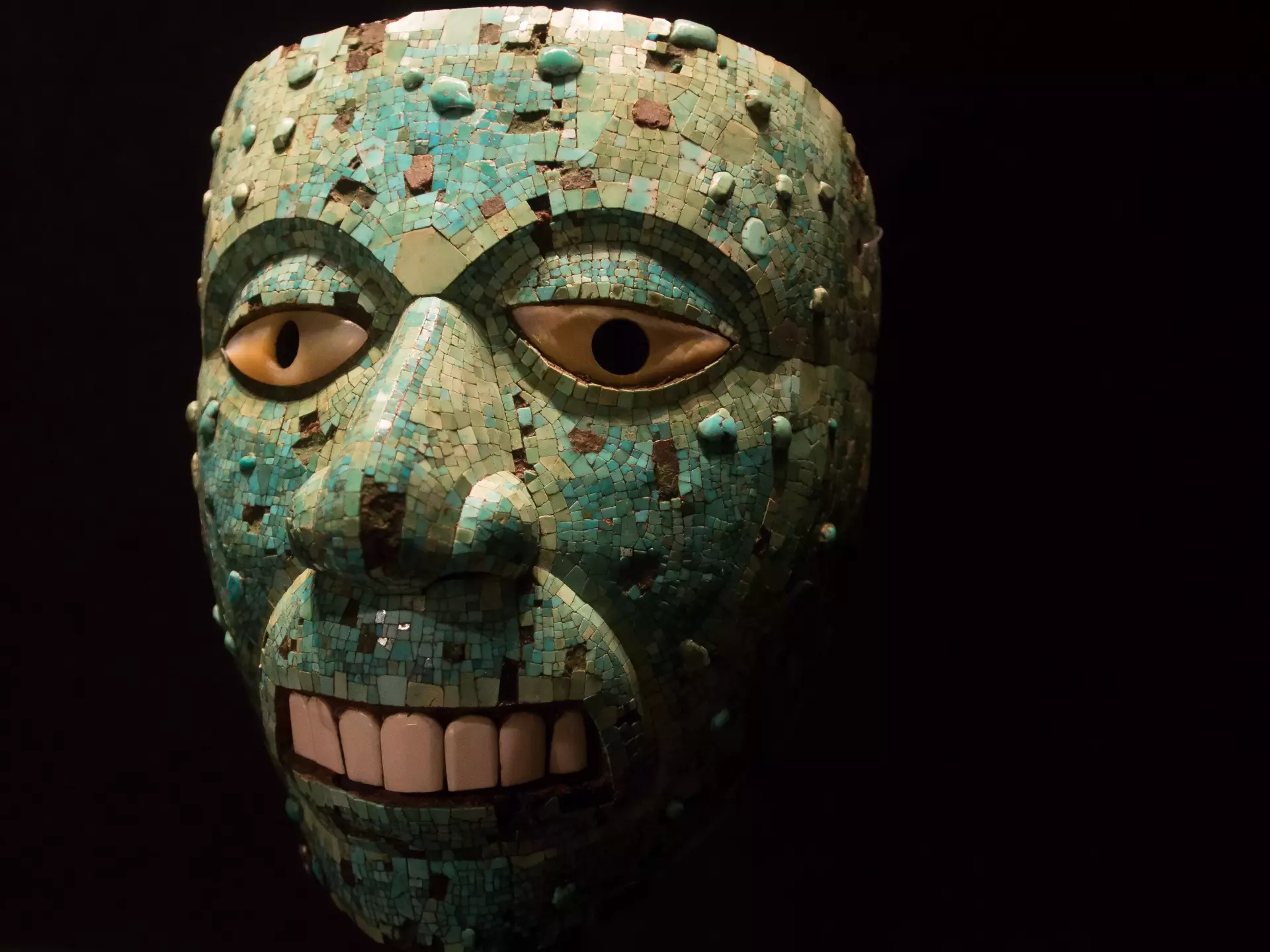
Mask of Xiuhtecuhtli (British Museum)
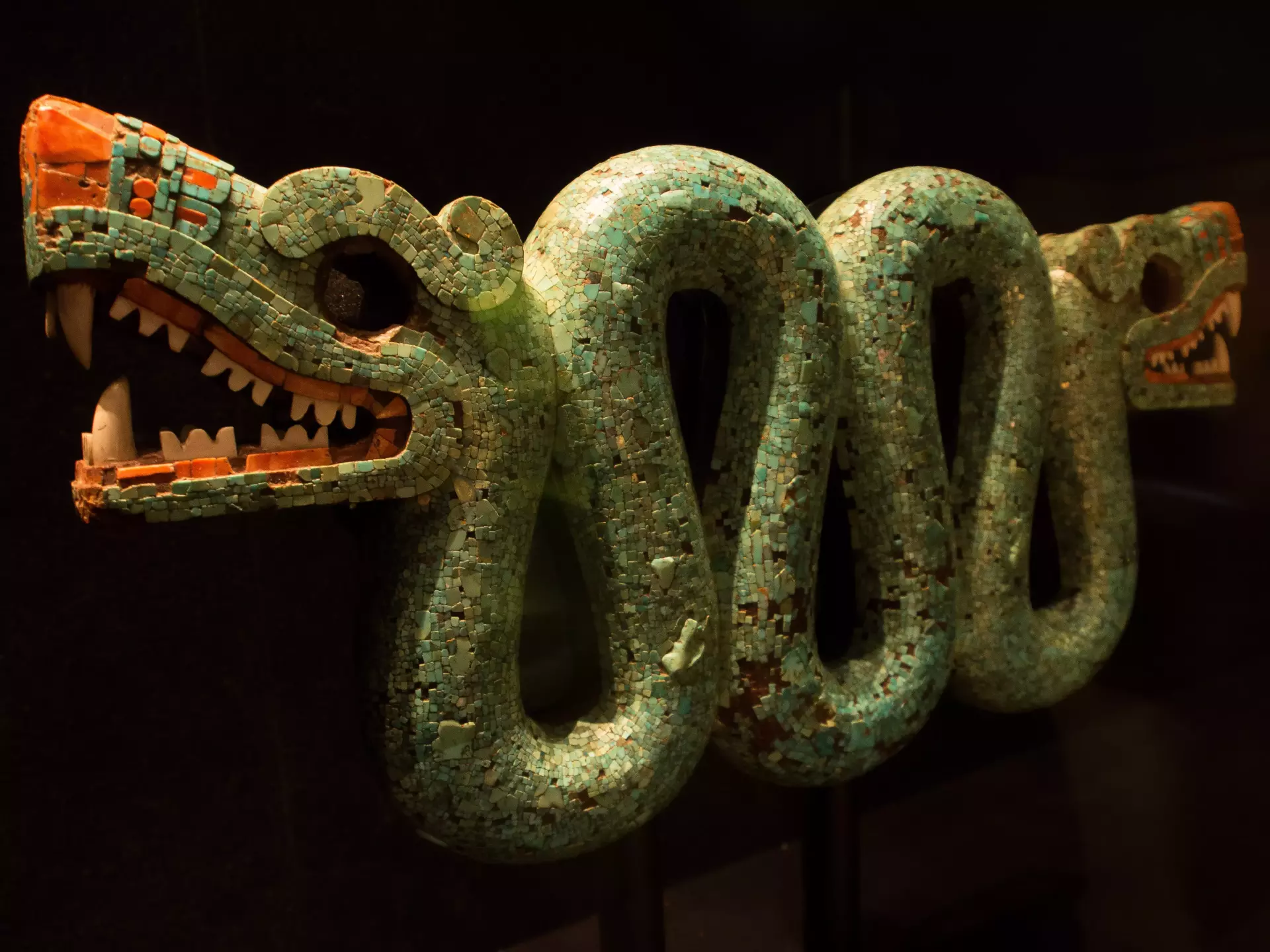
Double-headed serpent, British Museum
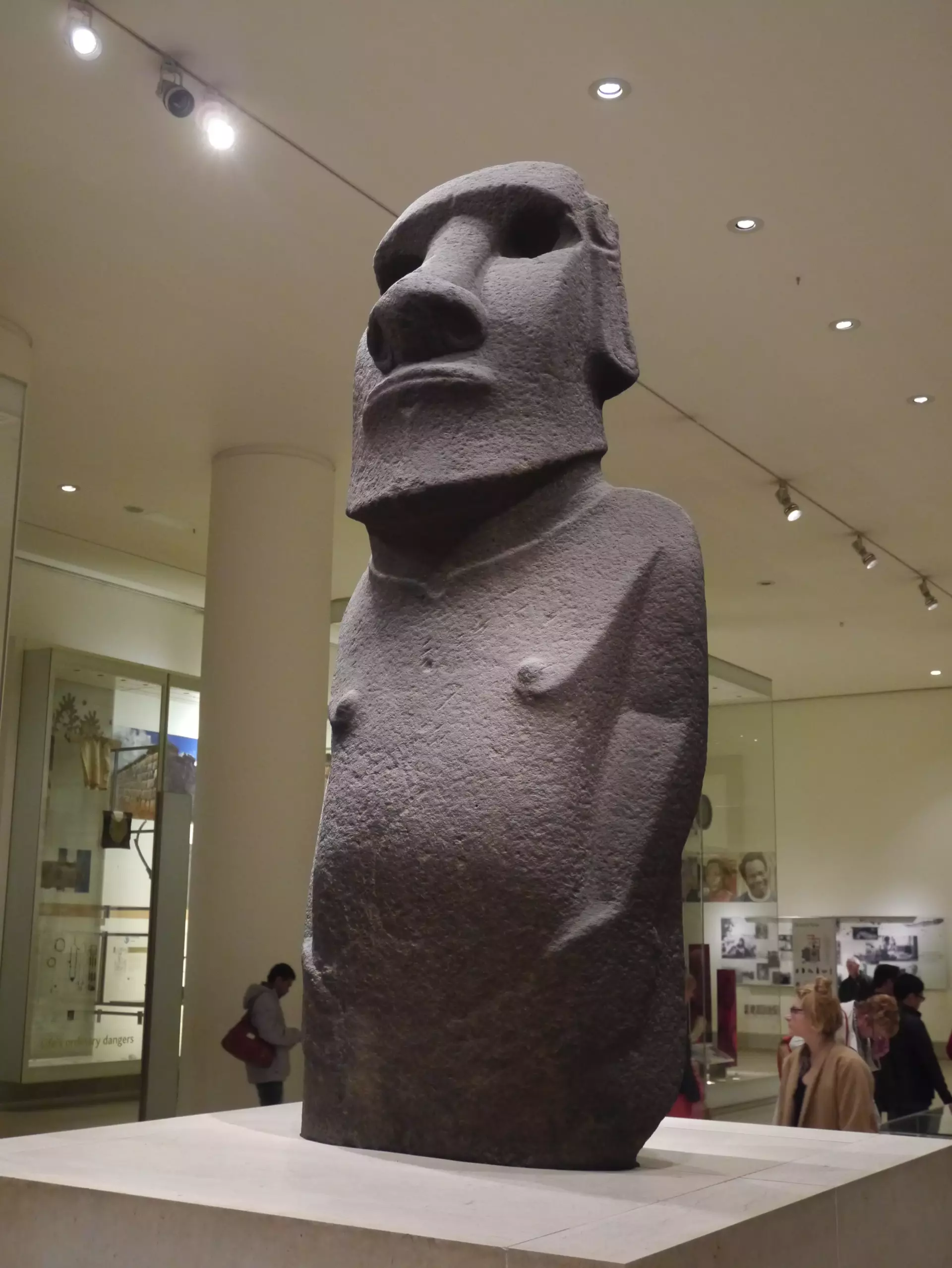
English:  British Museum – Easter Island statue
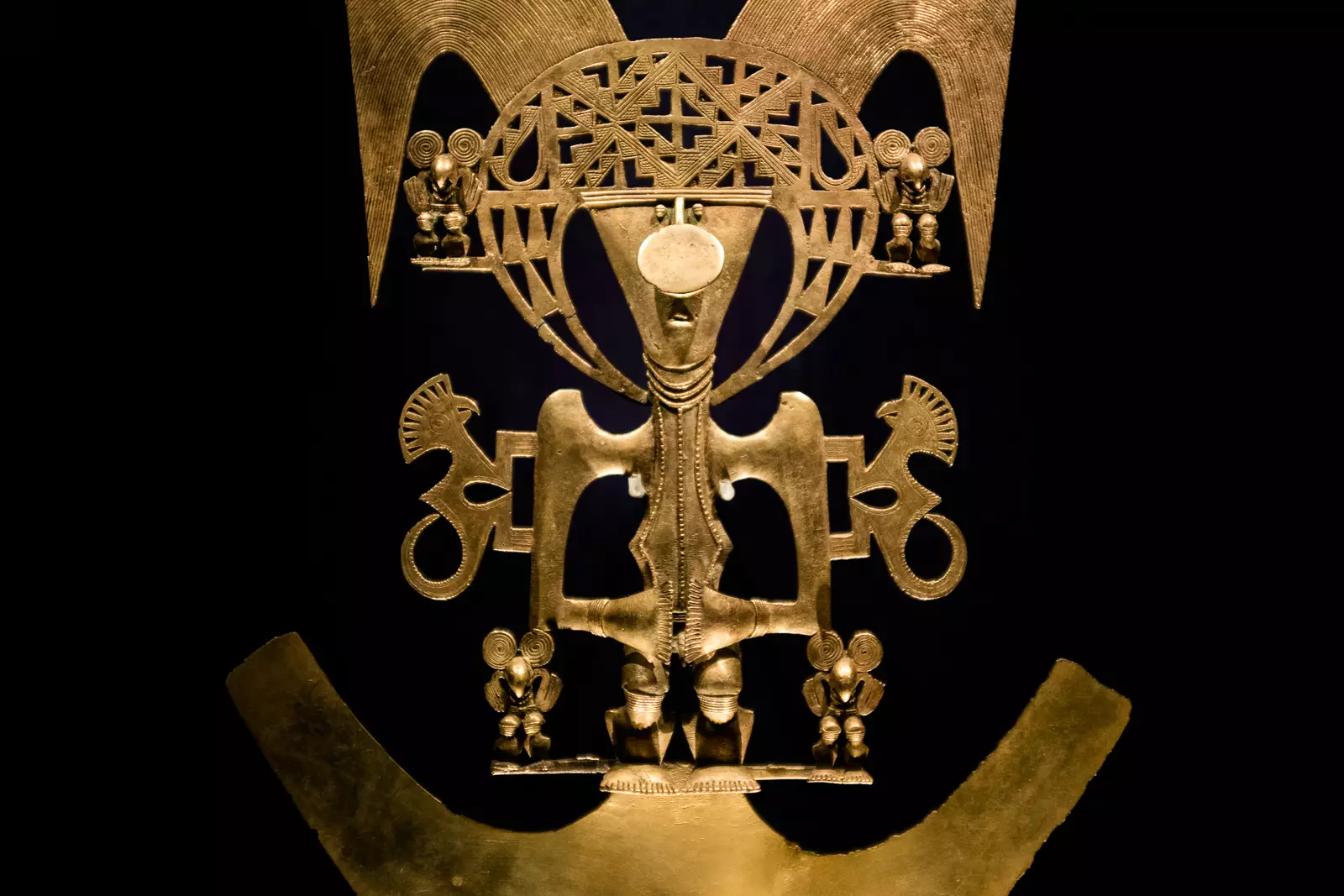
English:  Photographed at the British Museum's exhibition Beyond El Dorado: power and gold in ancient Colombia (17 October 2013 – 23 March 2014).
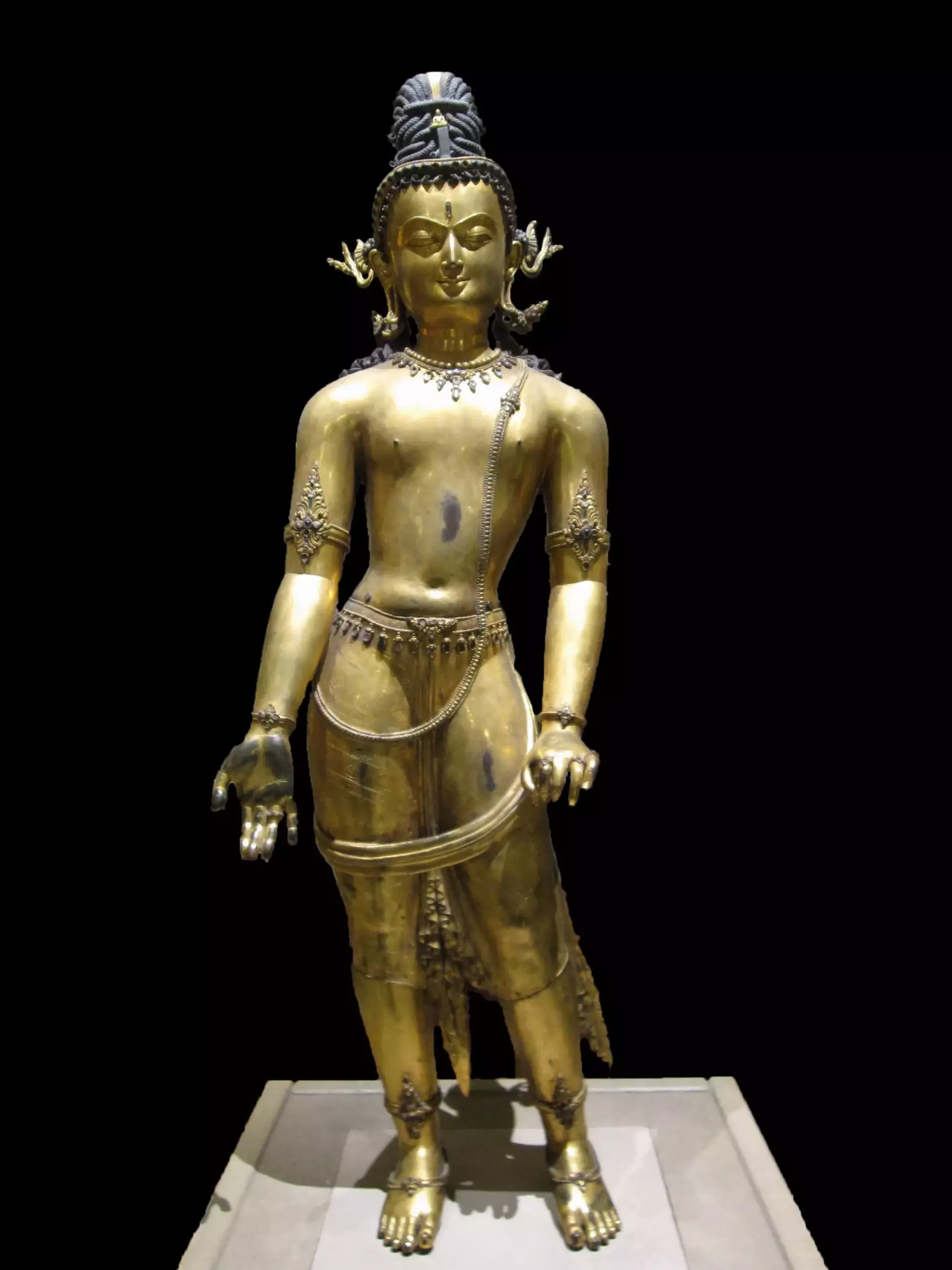
English: Bodhisattva Avalokiteshvara, gilded bronze. Nepal, 16th century CE. British Museum, London 
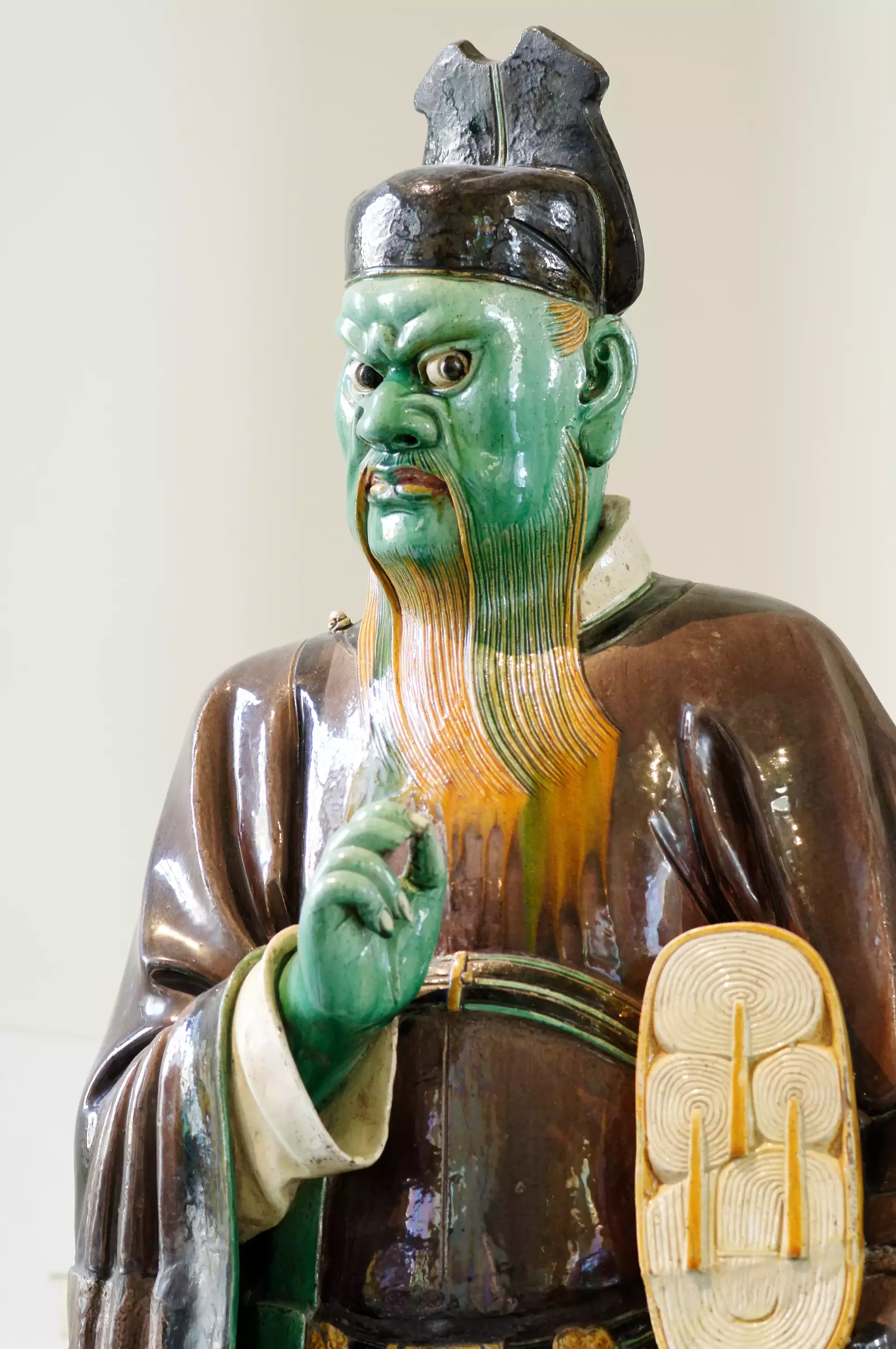
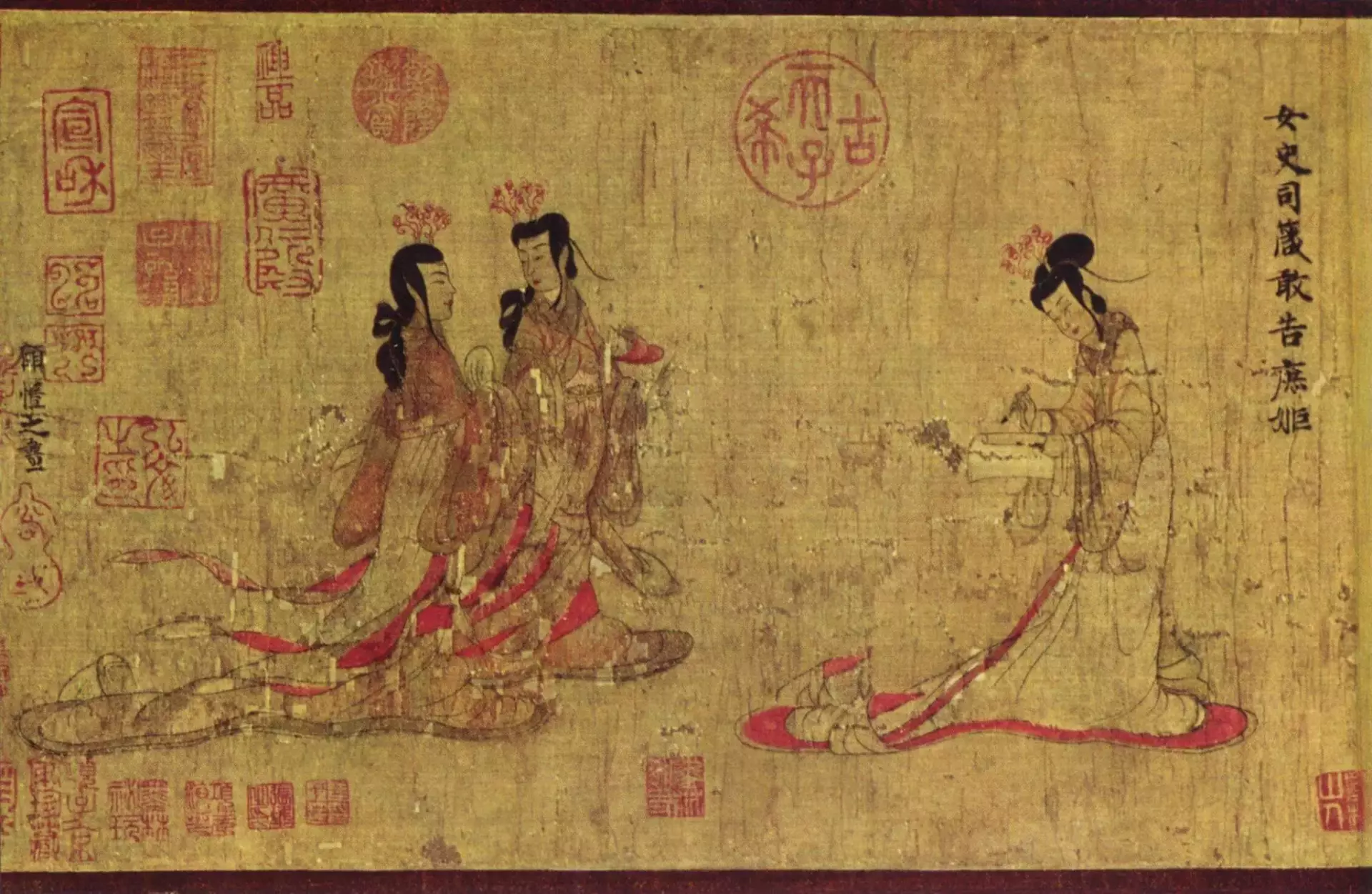
English:  An assistant to the Judge of Hell, figure from a judgement group (perhaps the same as OA 1938.5-24.115), Ming dynasty. Possibly made in Shanxi.
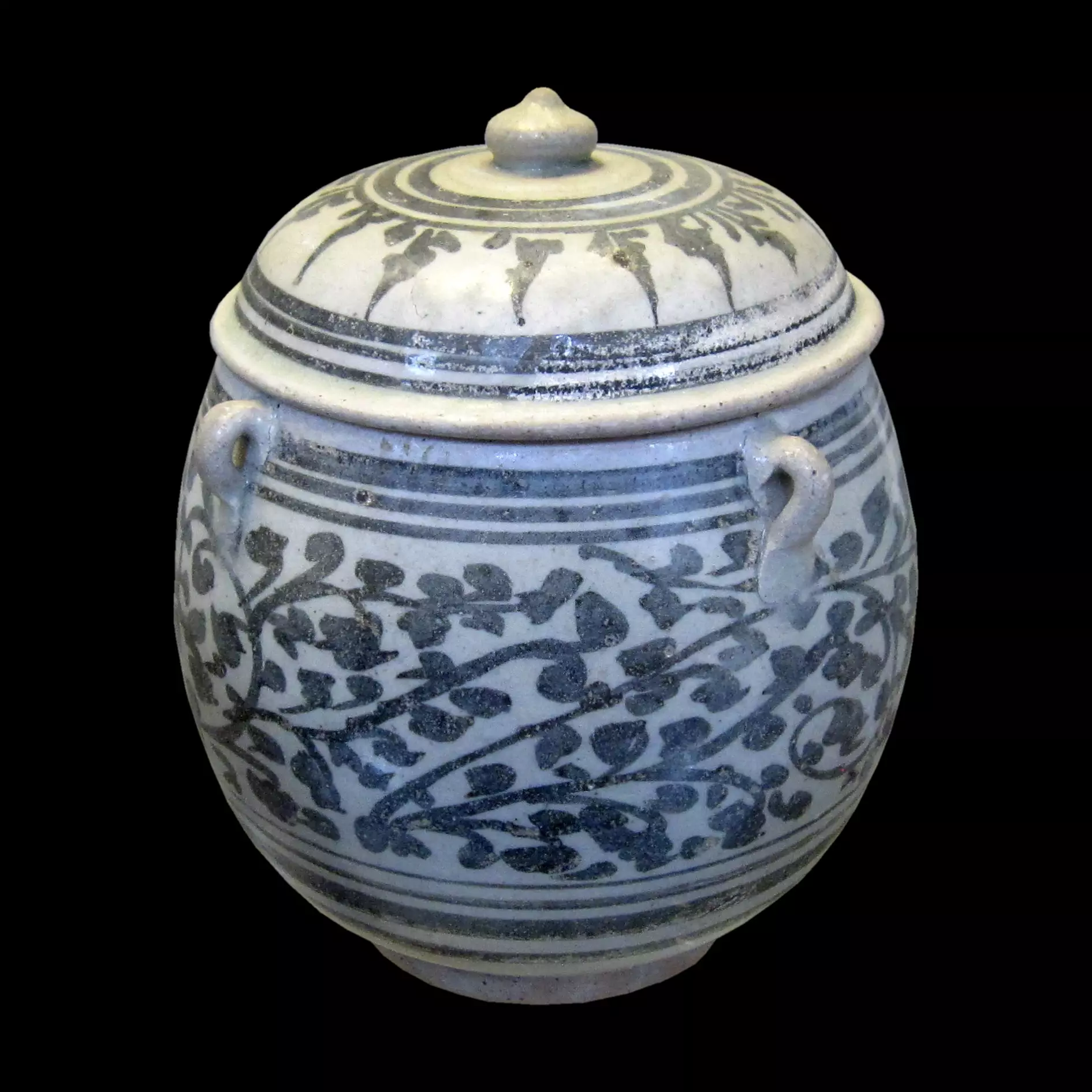
English:  Covered hanging jar with underglaze decoration. Si Satchanalai (Sawankalok), north-central Thailand. 14th-16th century CE. Given by Angus Forsyth. British Museum.
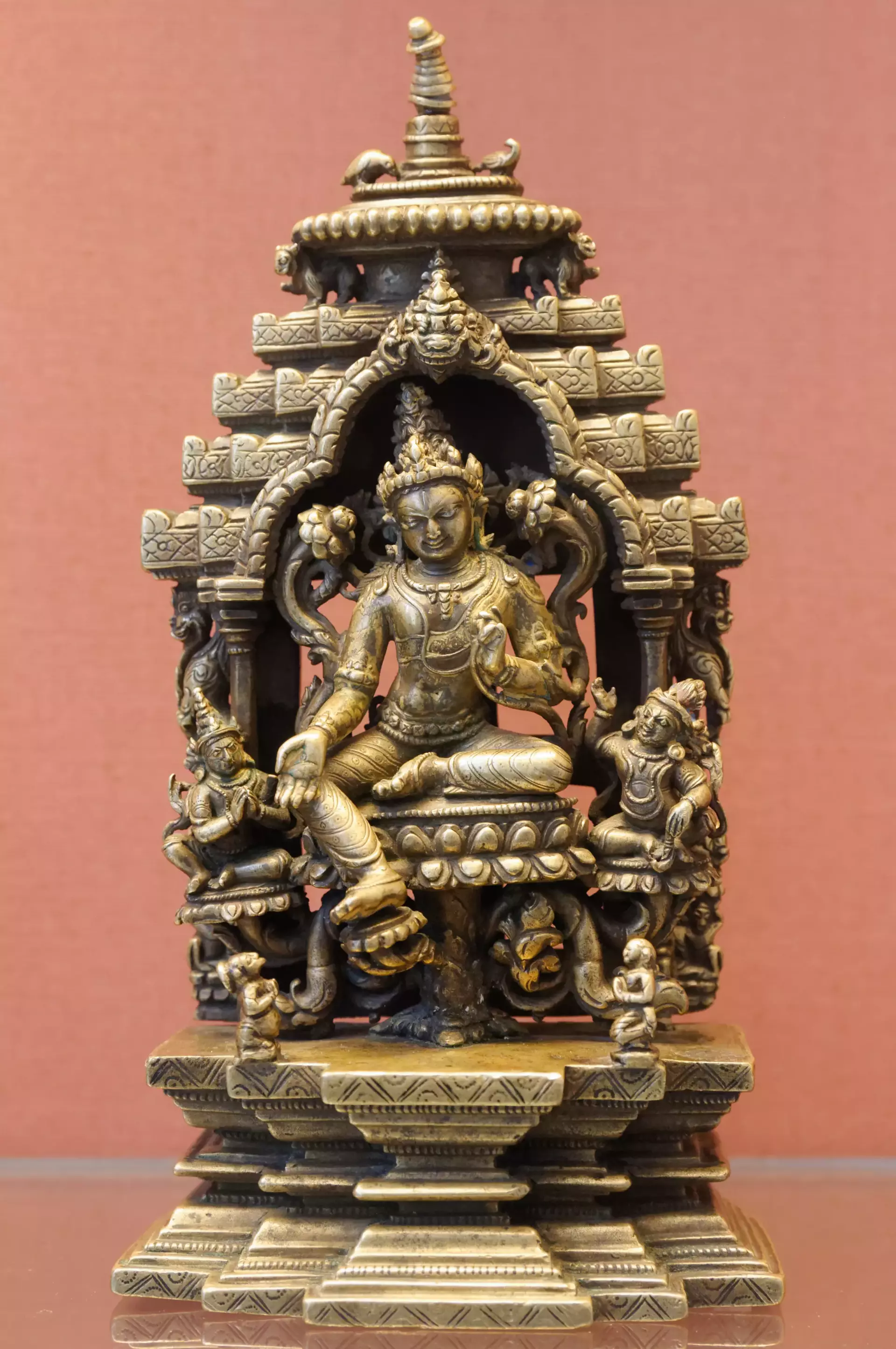
English:  A crowned figure of the Bodhisattva Khasarpana Avalokiteśvara seated on a lotus with attendant deities in a shrine with a cusped arch.
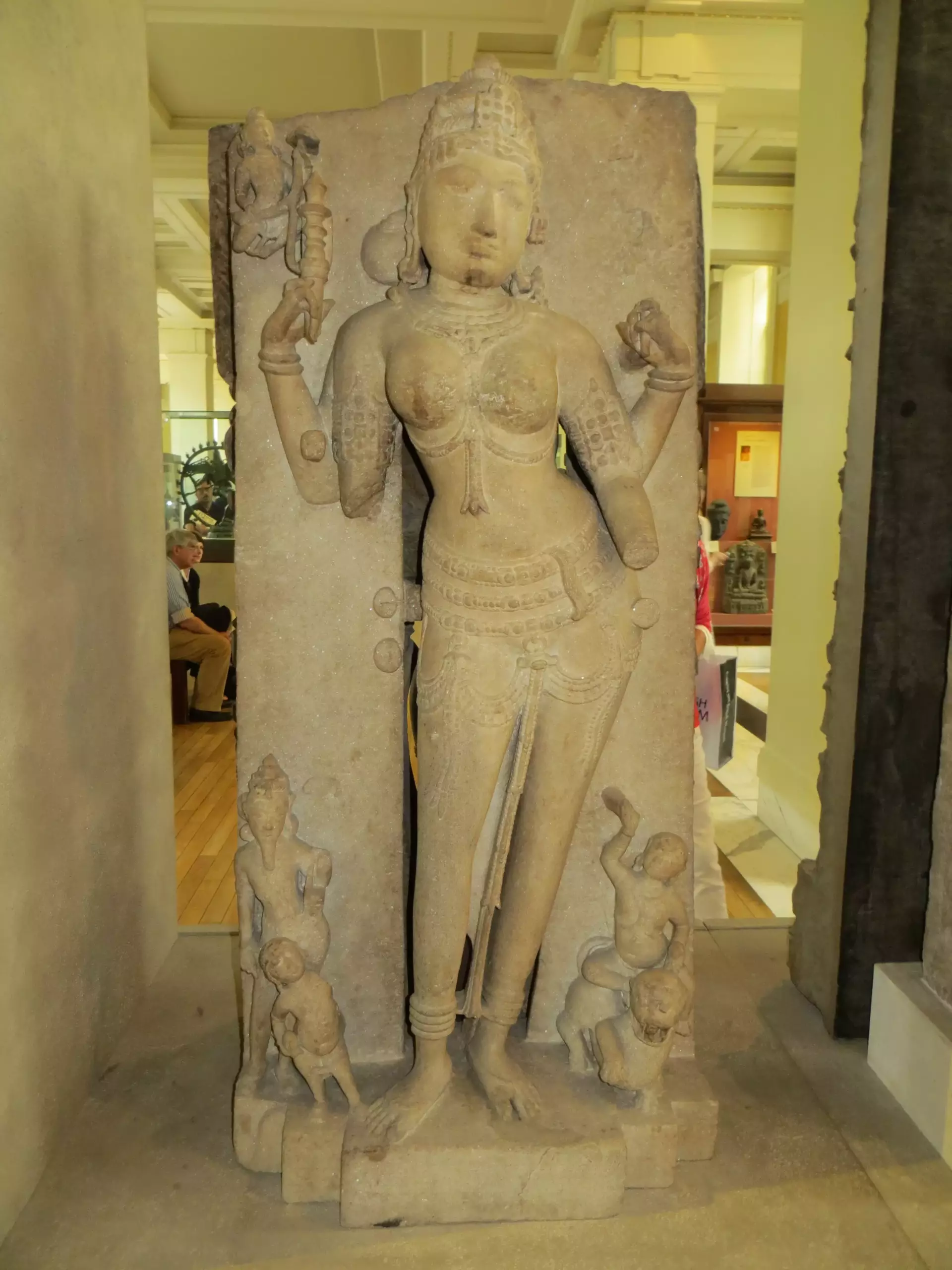
English:  Goddess Ambika from Dhar in the British Museum
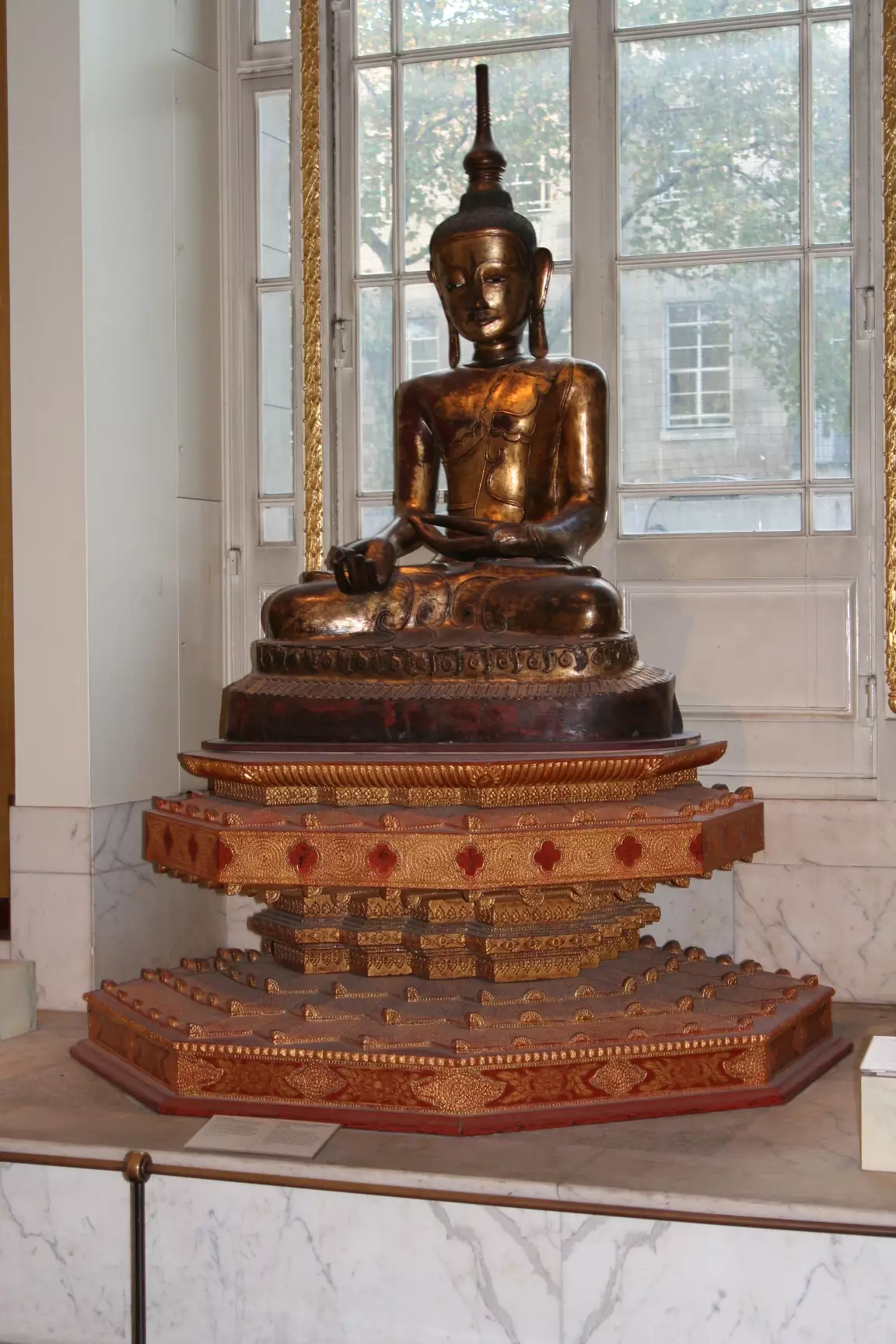
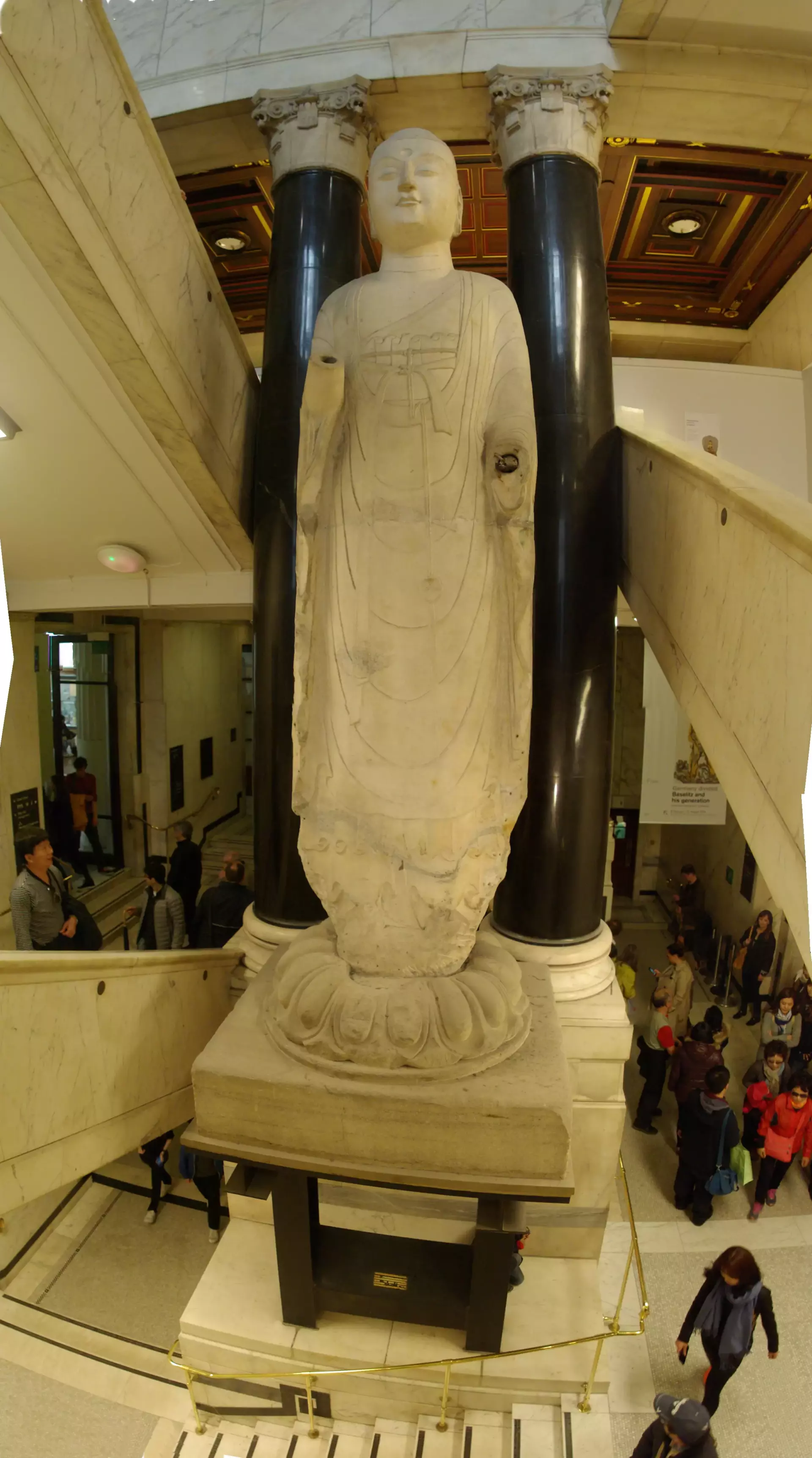
Amitabha Buddha Statue, British Museum
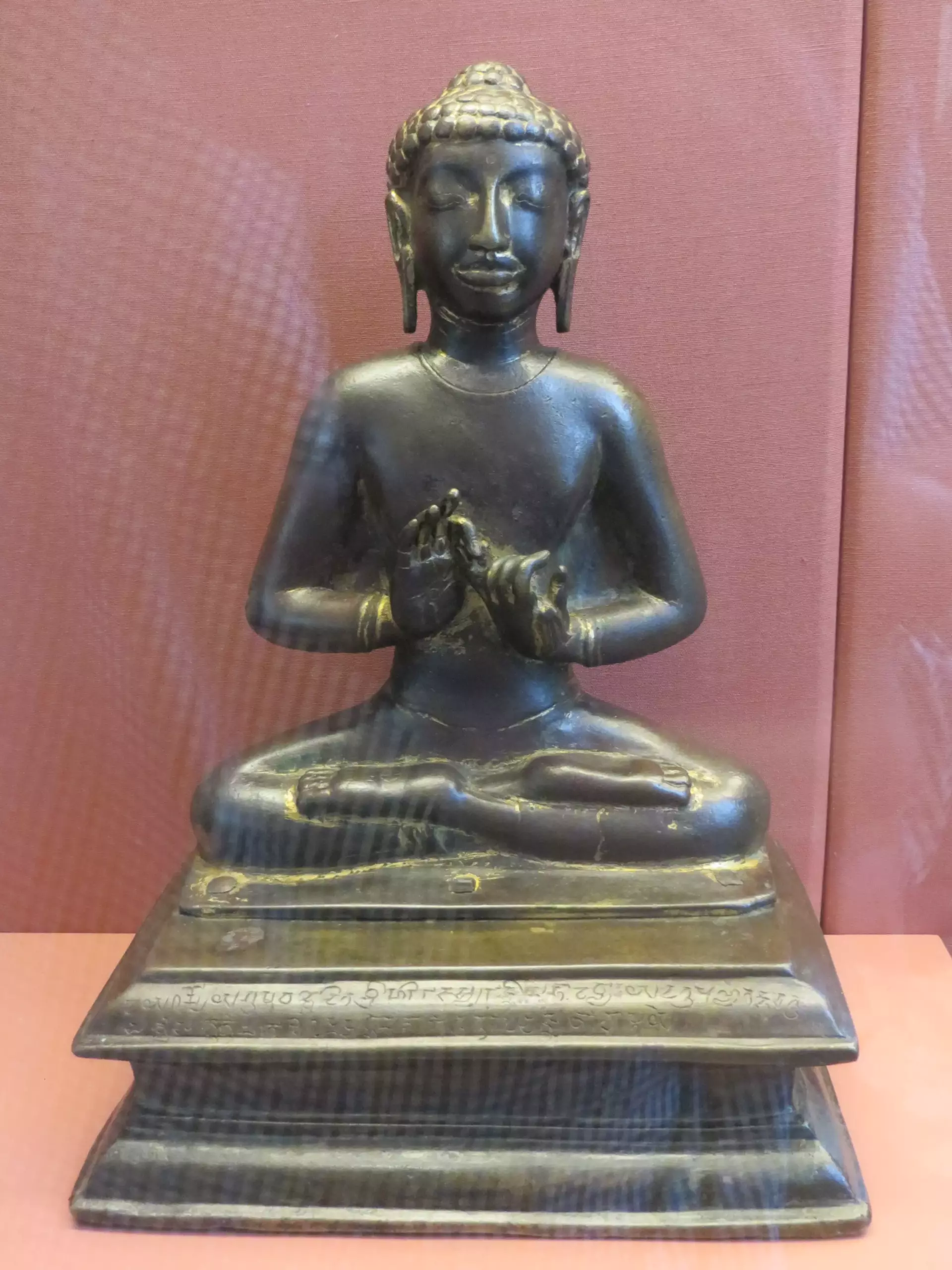
English:  Danesar Khera Buddha in the British Museum
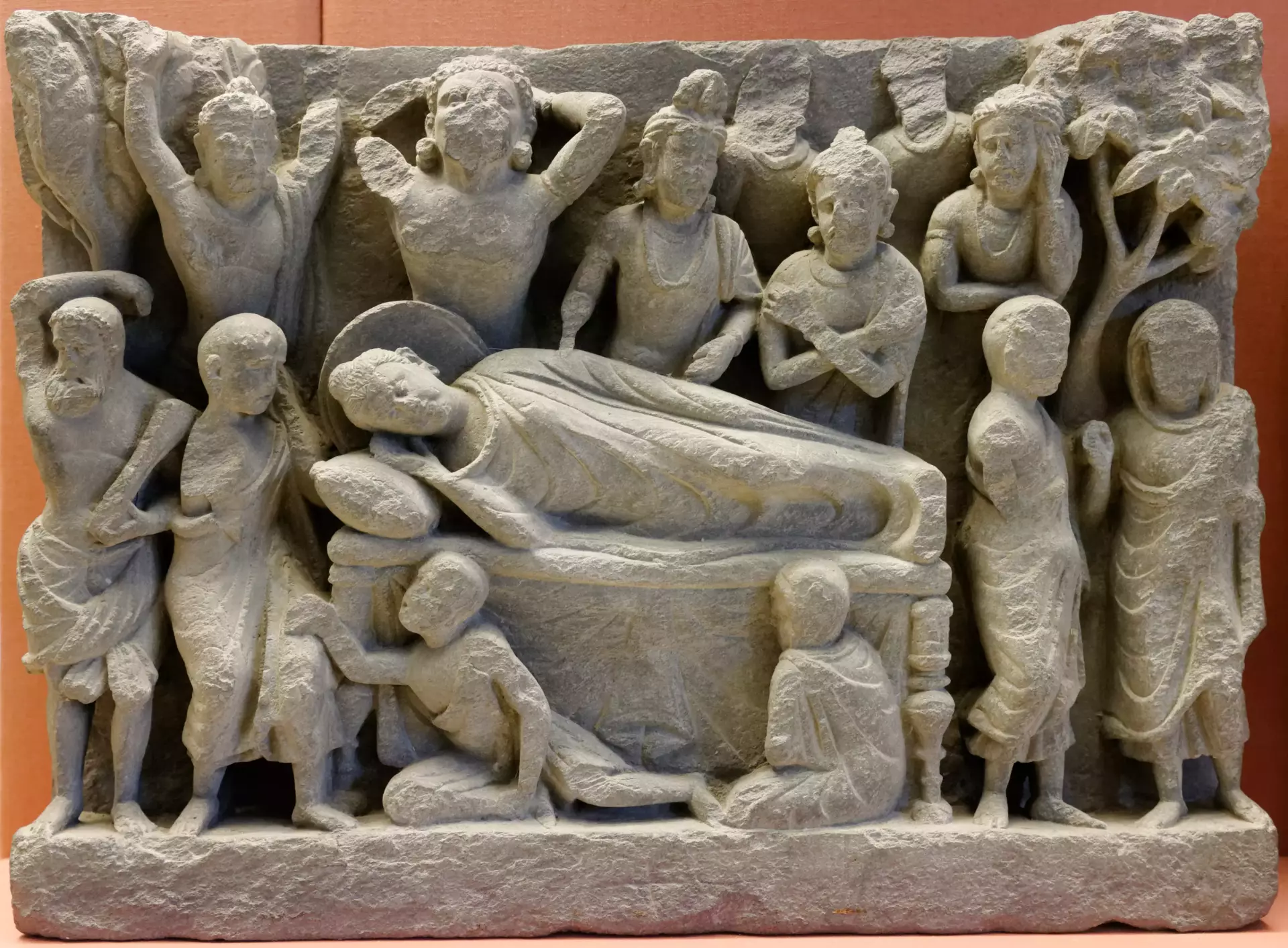
English:  The Death of the Buddha.
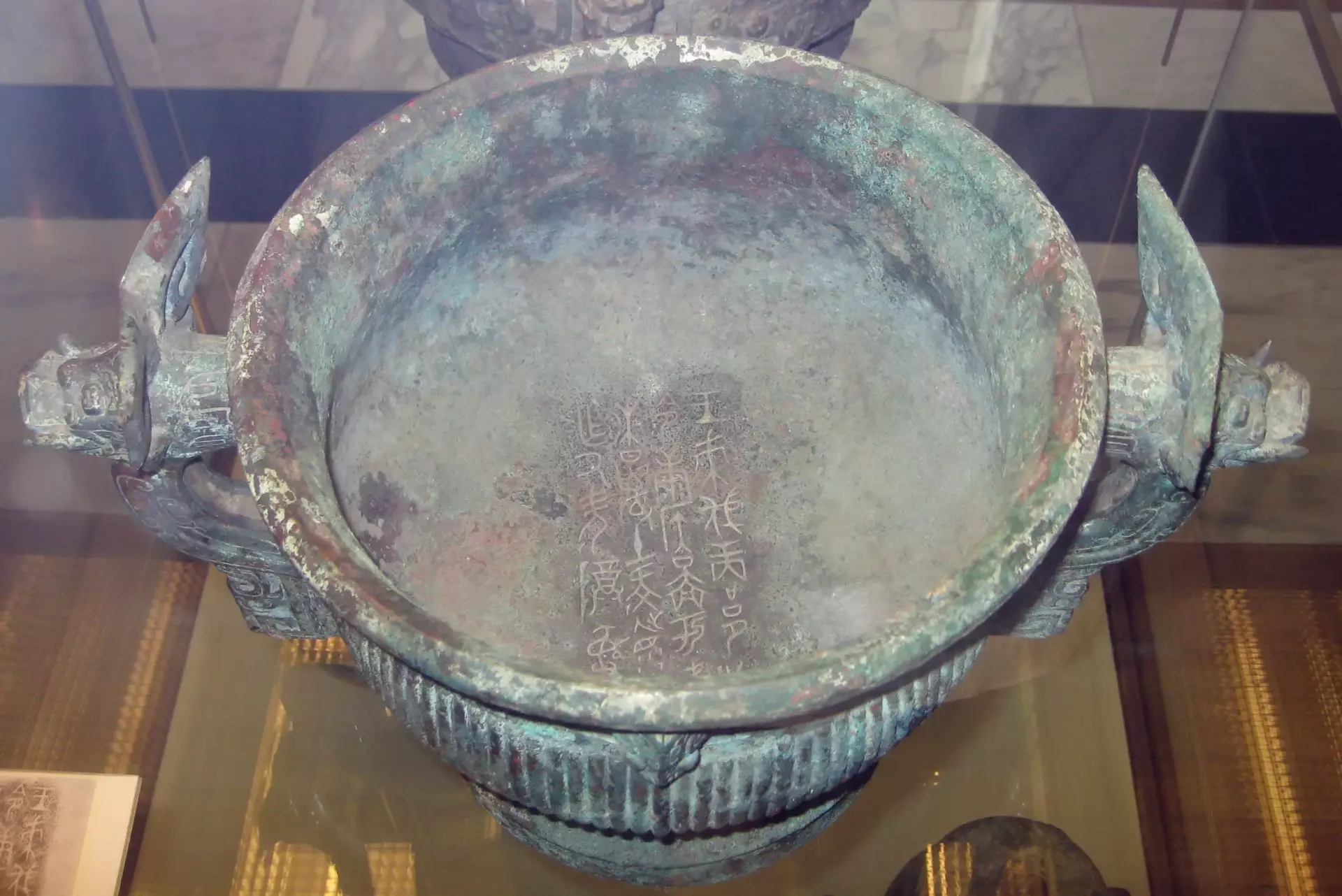
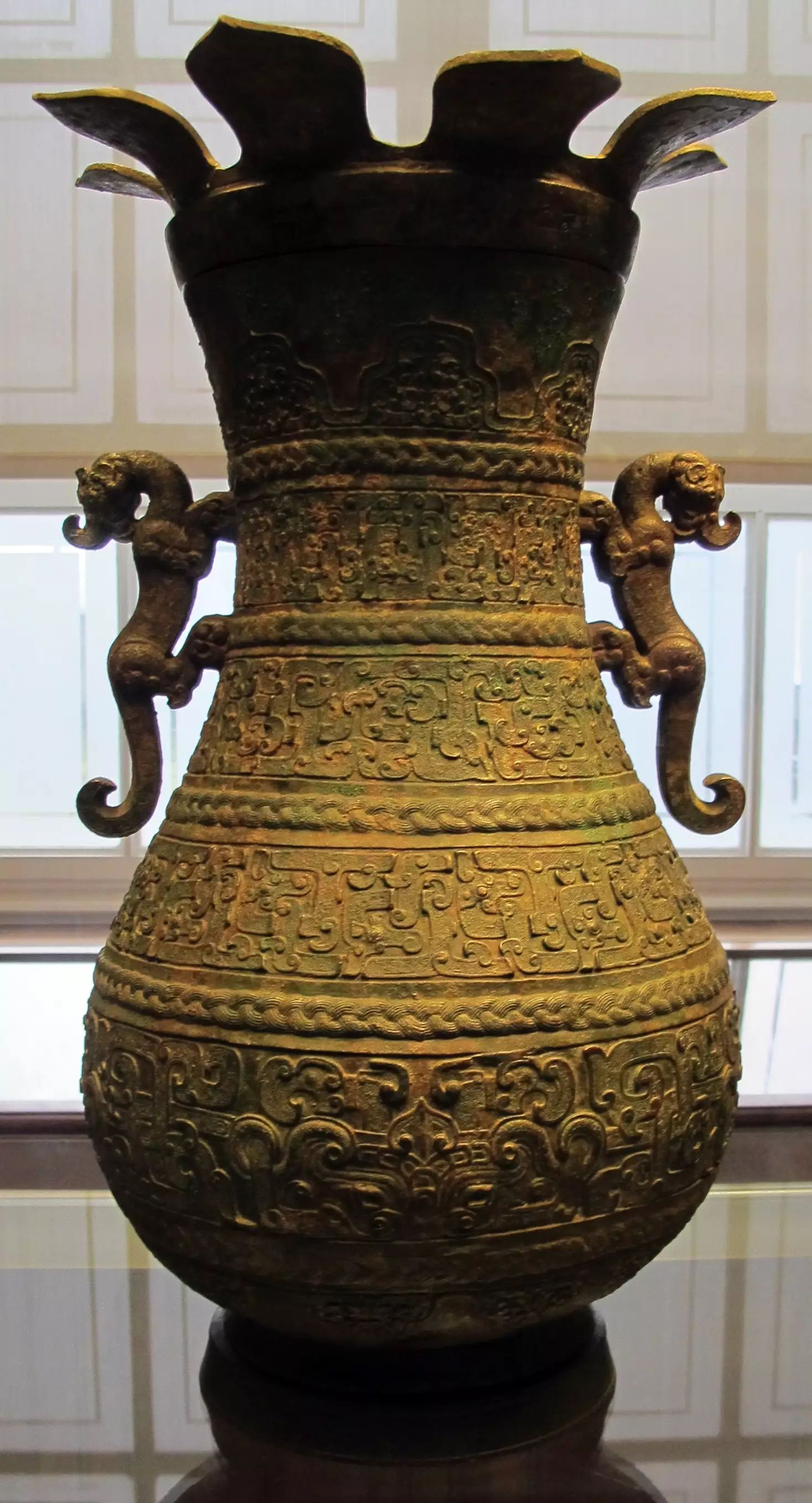
Periodo degli zhou dell'est, coppia di vasi rituali hu. V sec. ac.
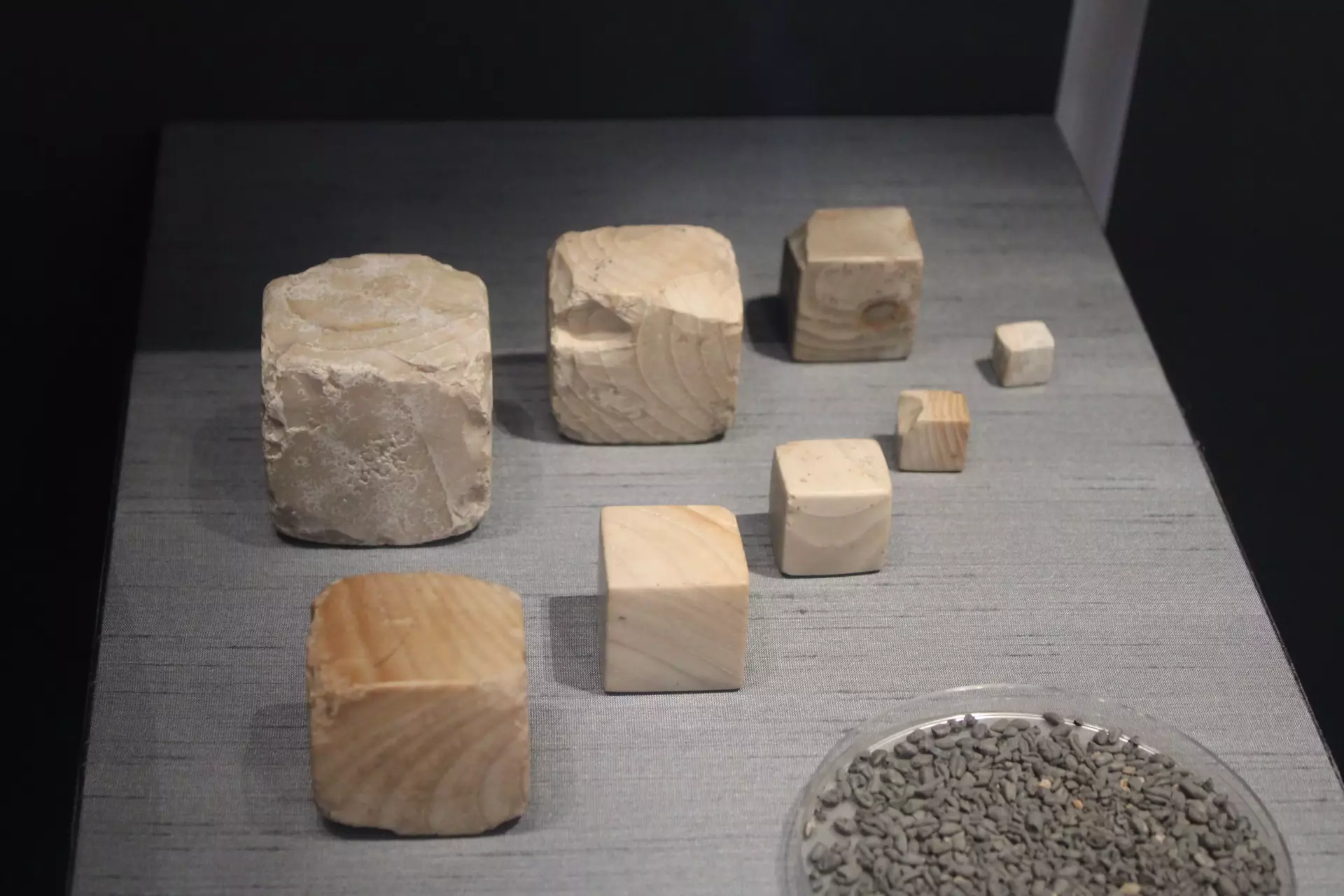
Français :  Poids en pierre cubiques, de poids standardisé dans toute l'aire de la civilisation de l'Indus ou harappéenne. Provenance : Mohenjo-daro, période harappéenne mature (v. 2600-1900 av. J.-C.). British Museum,1939,0619.228-231,233,236,239,241. English:  Cubical weights made of chert, standardised throughout the Indus cultural zone. From Mohenjo-daro, Mature Harappan Period (c. 2600-1900 BC). British Museum,1939,0619.228-231,233,236,239,241.
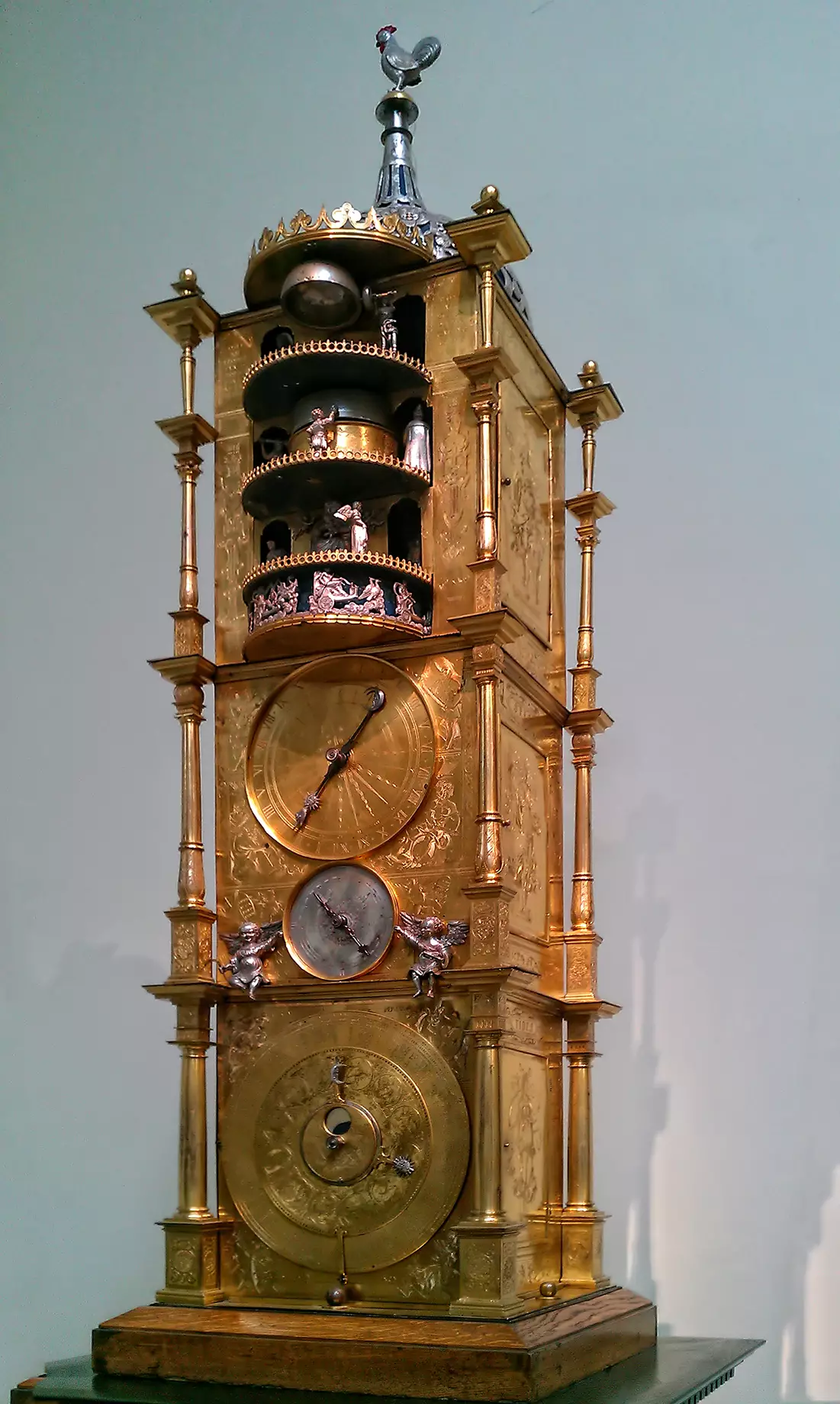
Carillon Clock with Automata, by Isaac Habrecht - British Museum
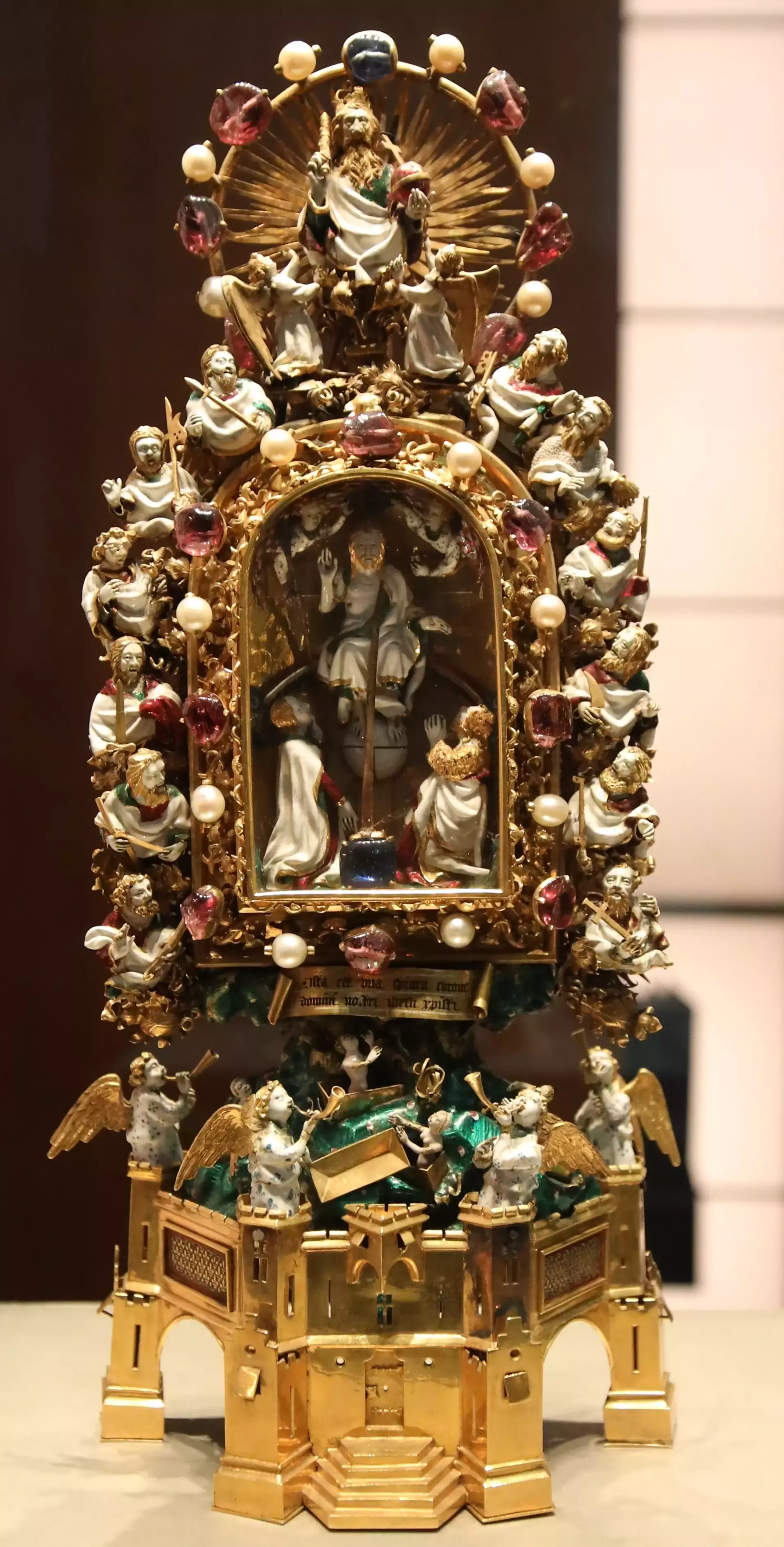
English:  Photo of the front of the Holy Thorn Reliquary in the british museum
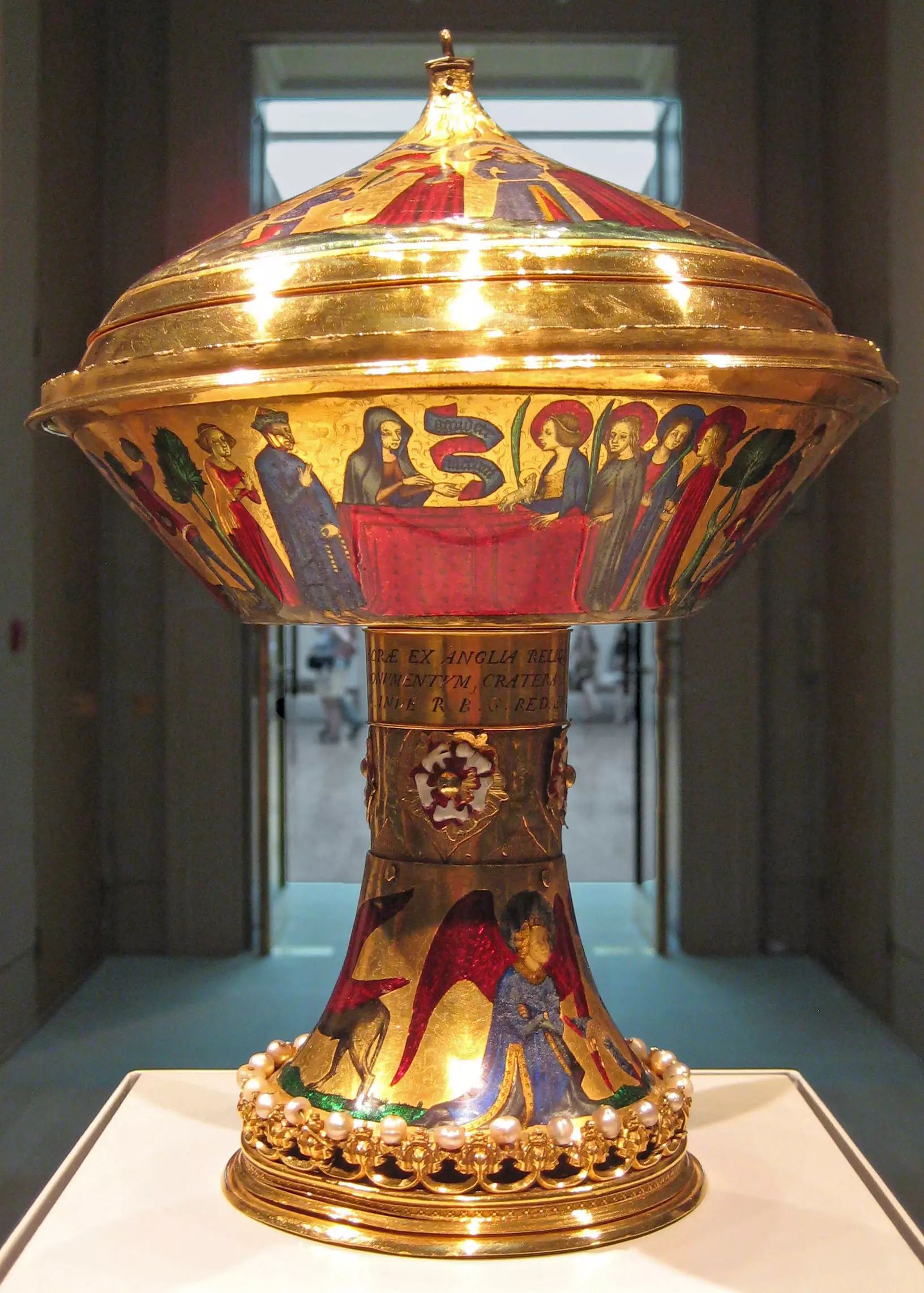
English:  The Royal Gold Cup.
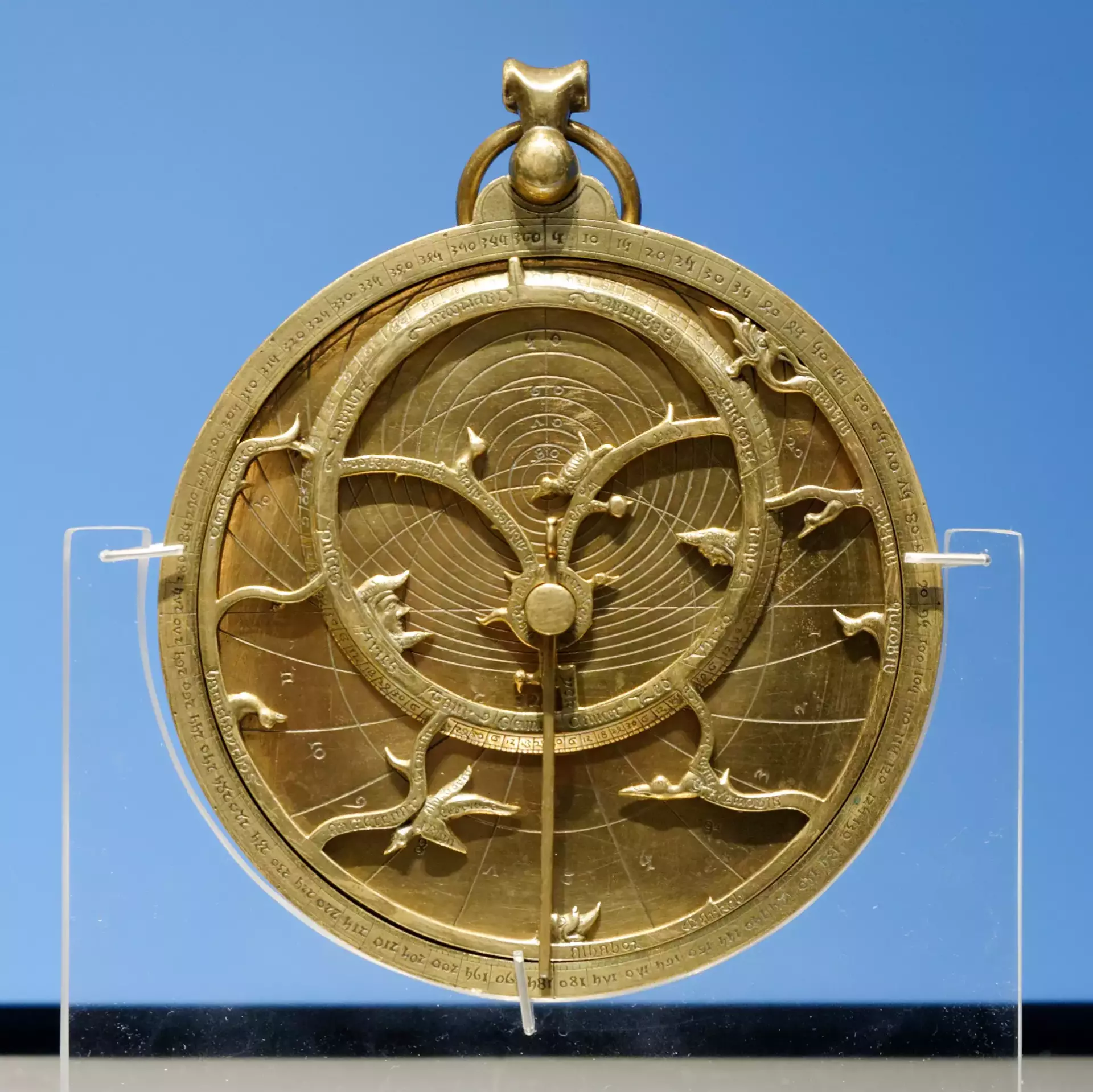
English: So-called Chaucer Astrolabe dated 1326, similar to the one Chaucer describes, British Museum 
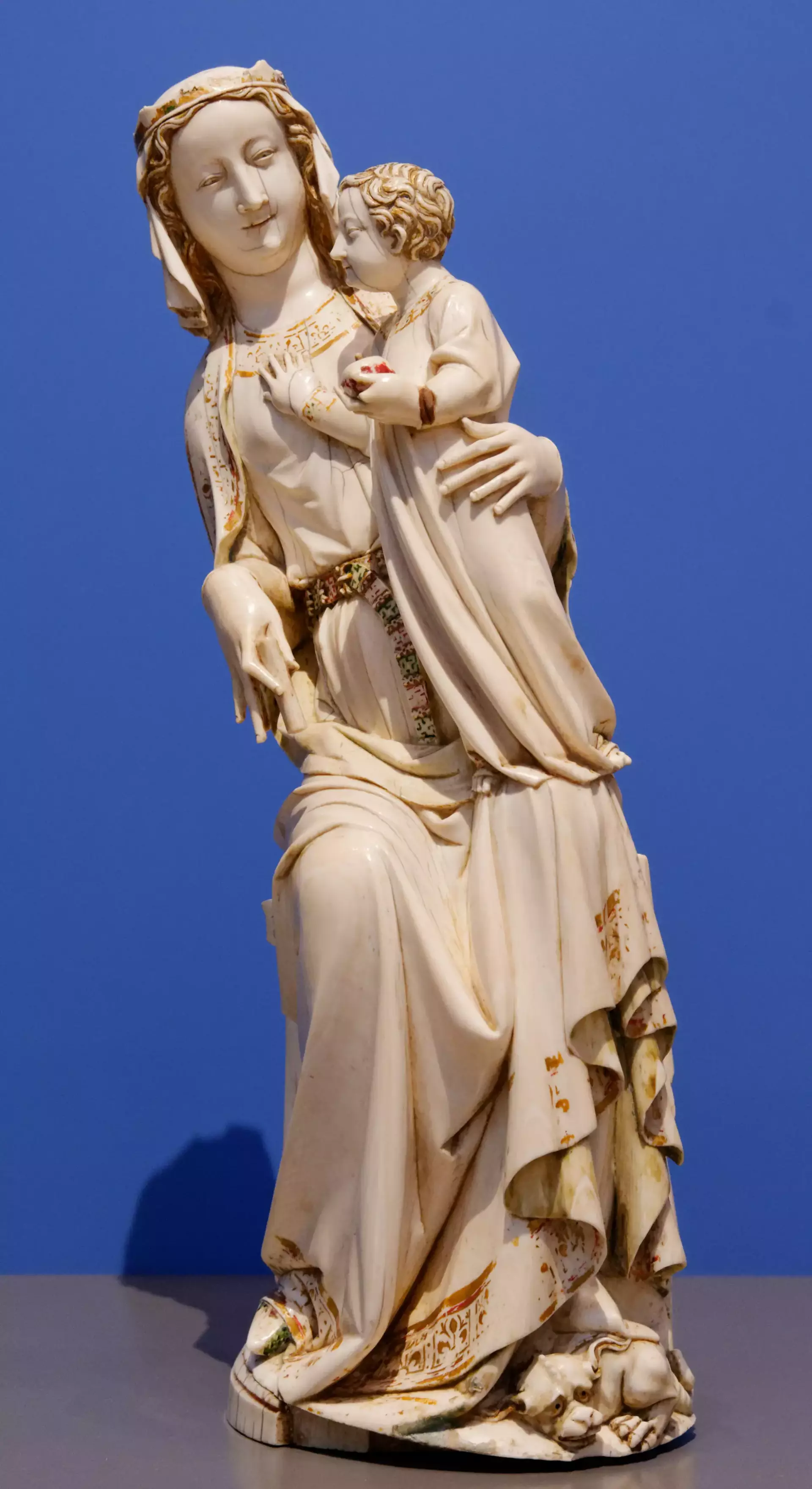
English:  Virgin and Child; Virgin crushing the Dragon under her left foot. Made in Paris, France.
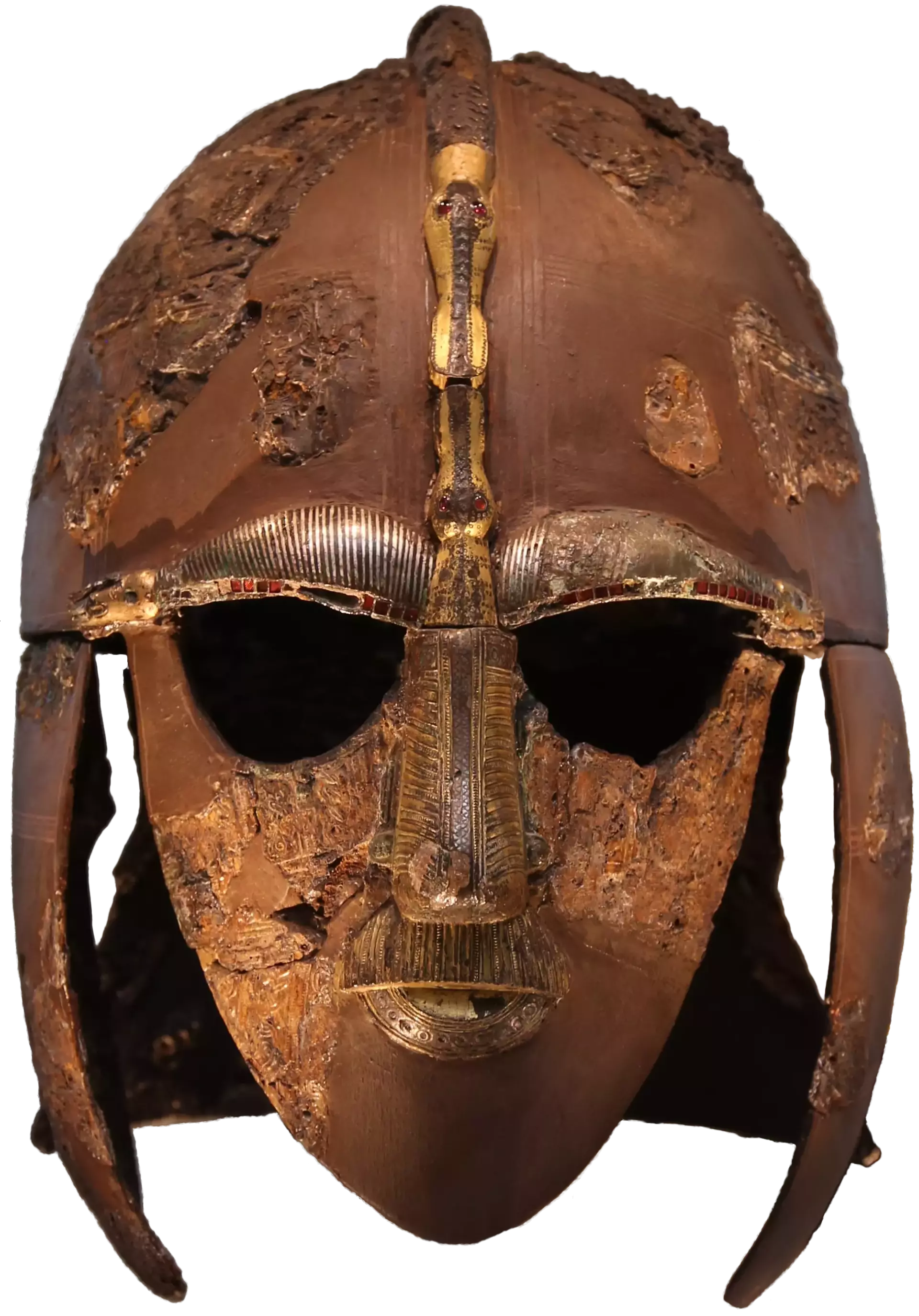
English:  Photo of the Sutton Hoo helmet from the front in 2015 Français :  Le casque de Sutton Hoo, vu de face. Photo de 2015. accession number 1939,1010.93 / British Museum:  online database:  entry  86159
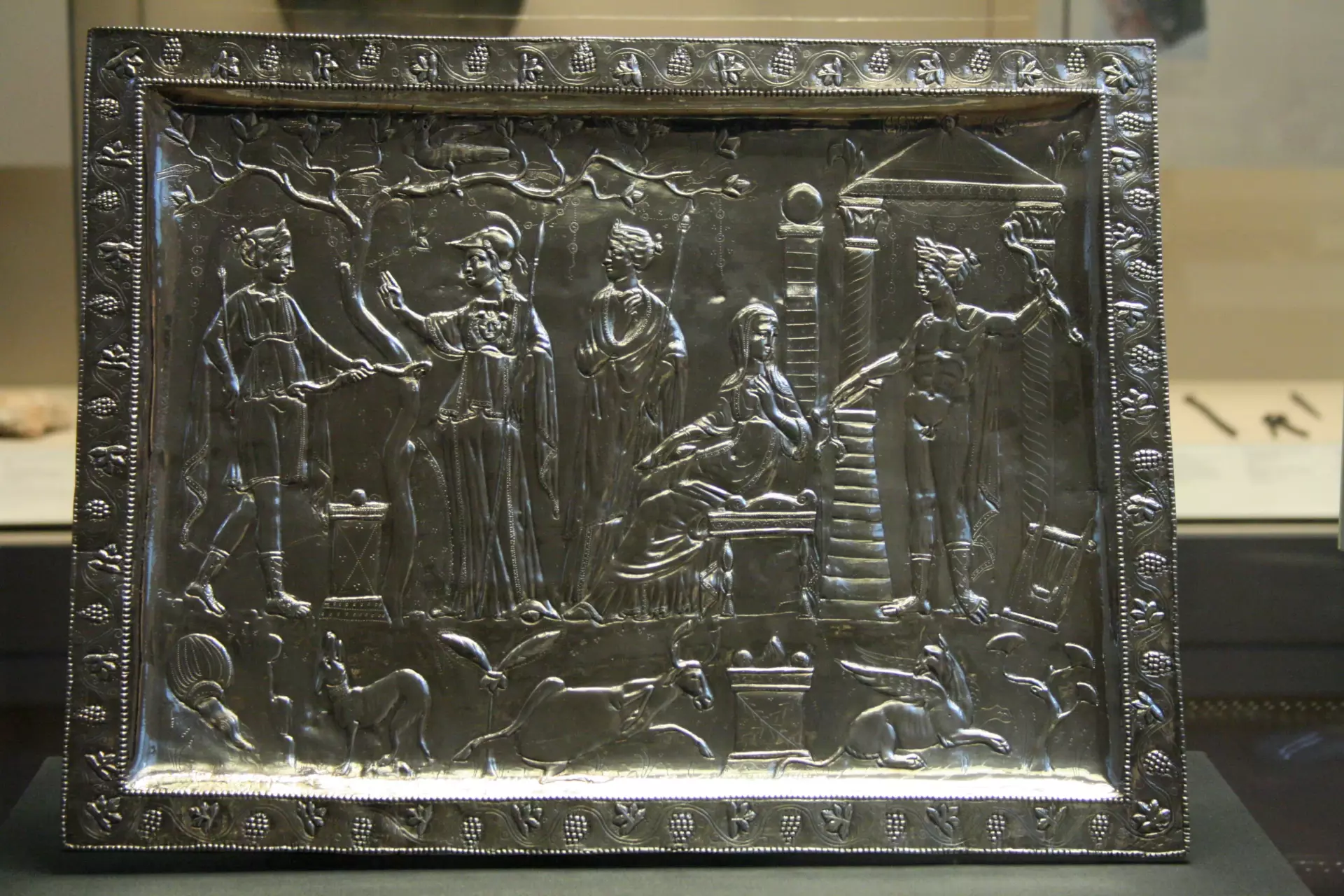
English:  Corbridge Lanx, silver tray depicting a shrine to Apollo (4th century AD), found on the bank of river Tyne, at Corbridge, England. Probably part of a hoard. British Museum
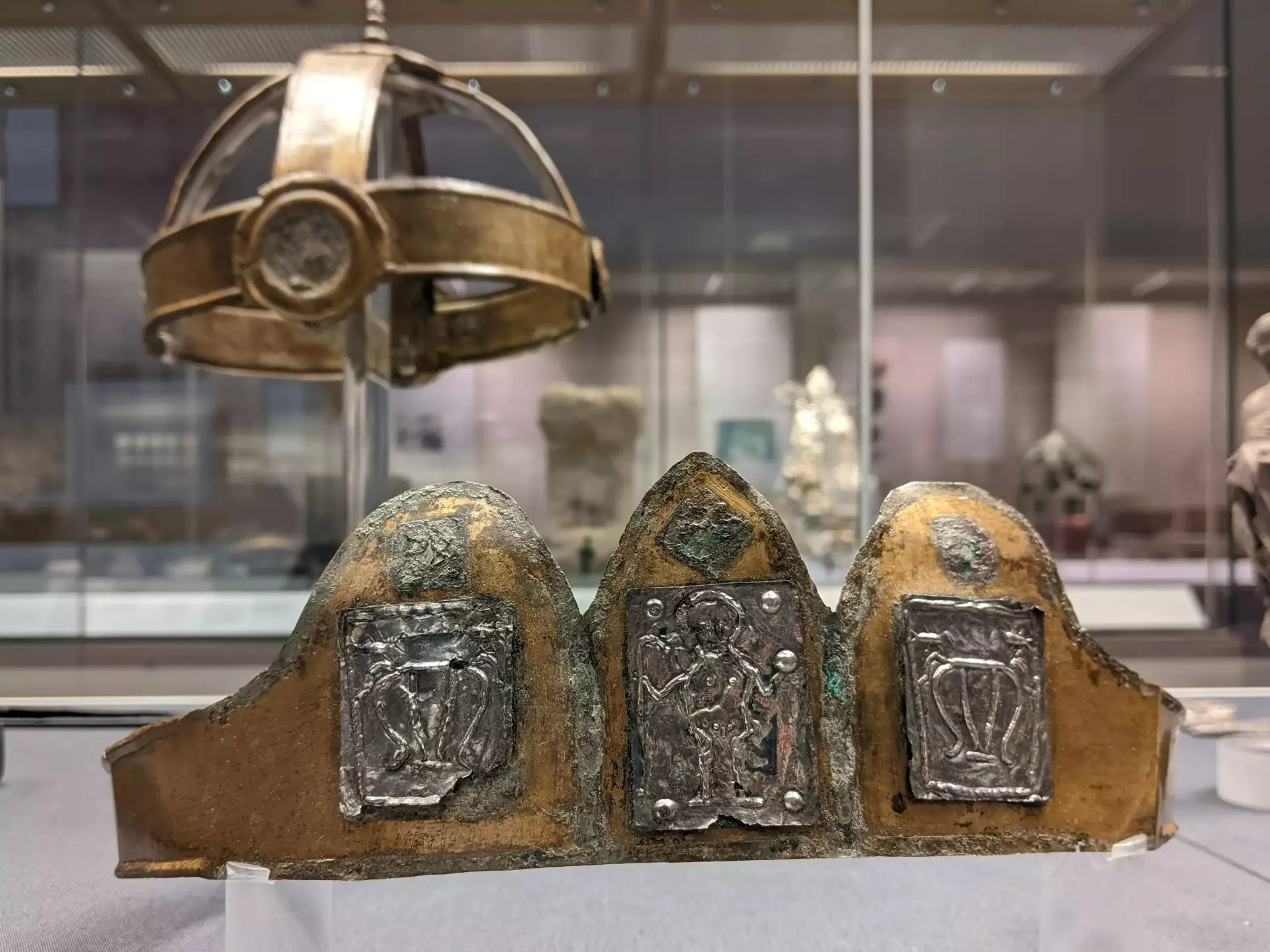
English:  Priestly crown and diadem found in Hockwold-cum-Wilton, Norfolk, England in 1956/57 on display at the British Museum
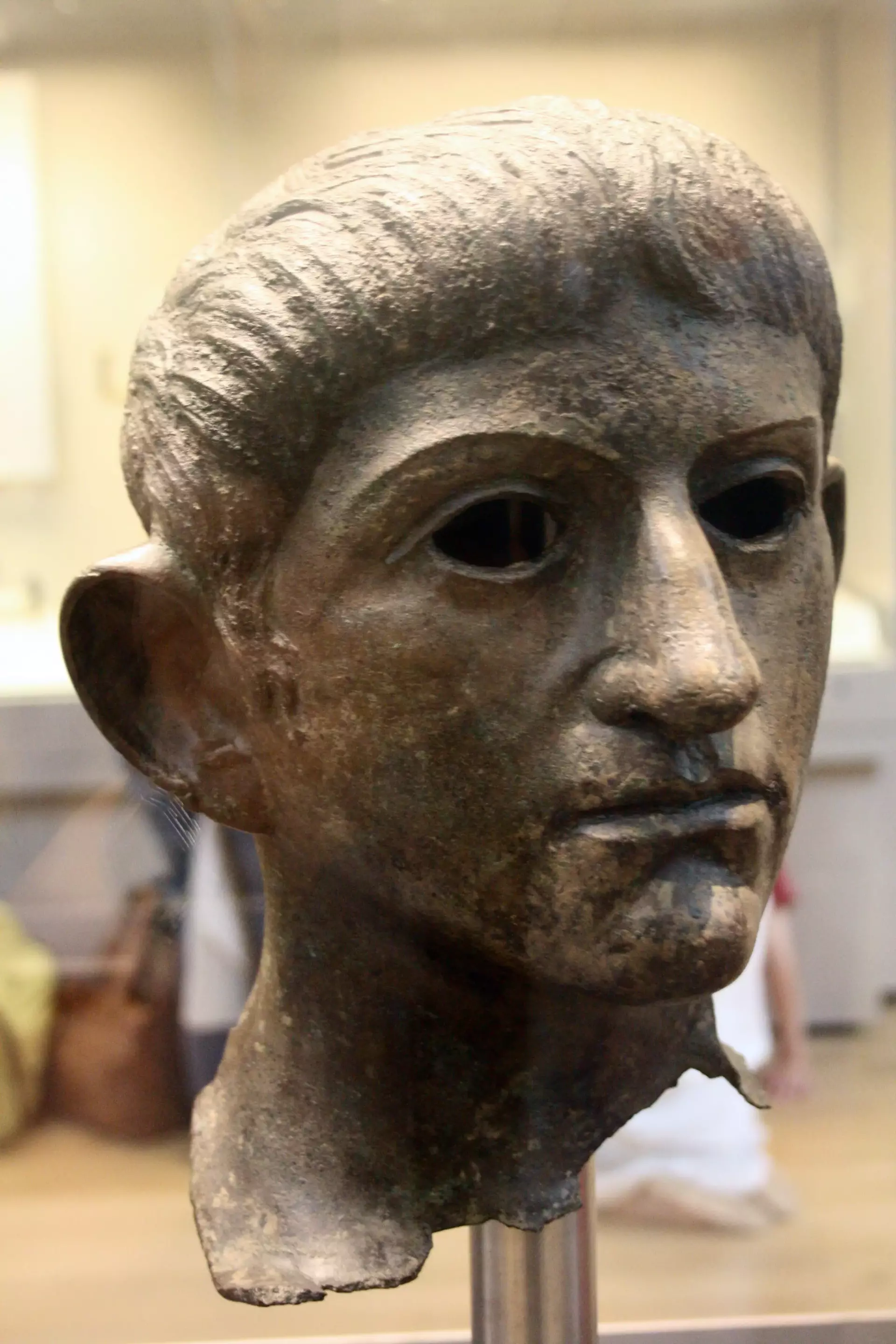
English:  Bronze head of a Roman emperor (Claudius or Nero). 1st century AD. Found at Rendham, Suffolk, England. British Museum
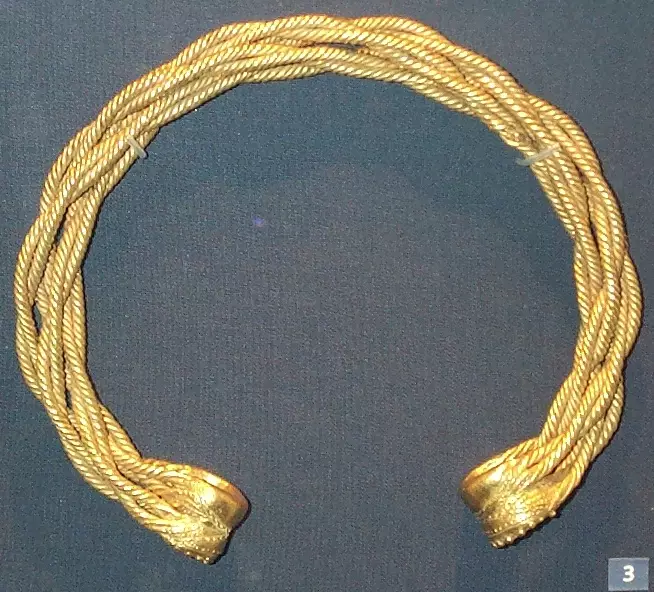
English:  Gold torc, 75 BC, found in the Needwood Forest, in the UK.  On loan to the British Museum by Queen Elizabeth II of England.
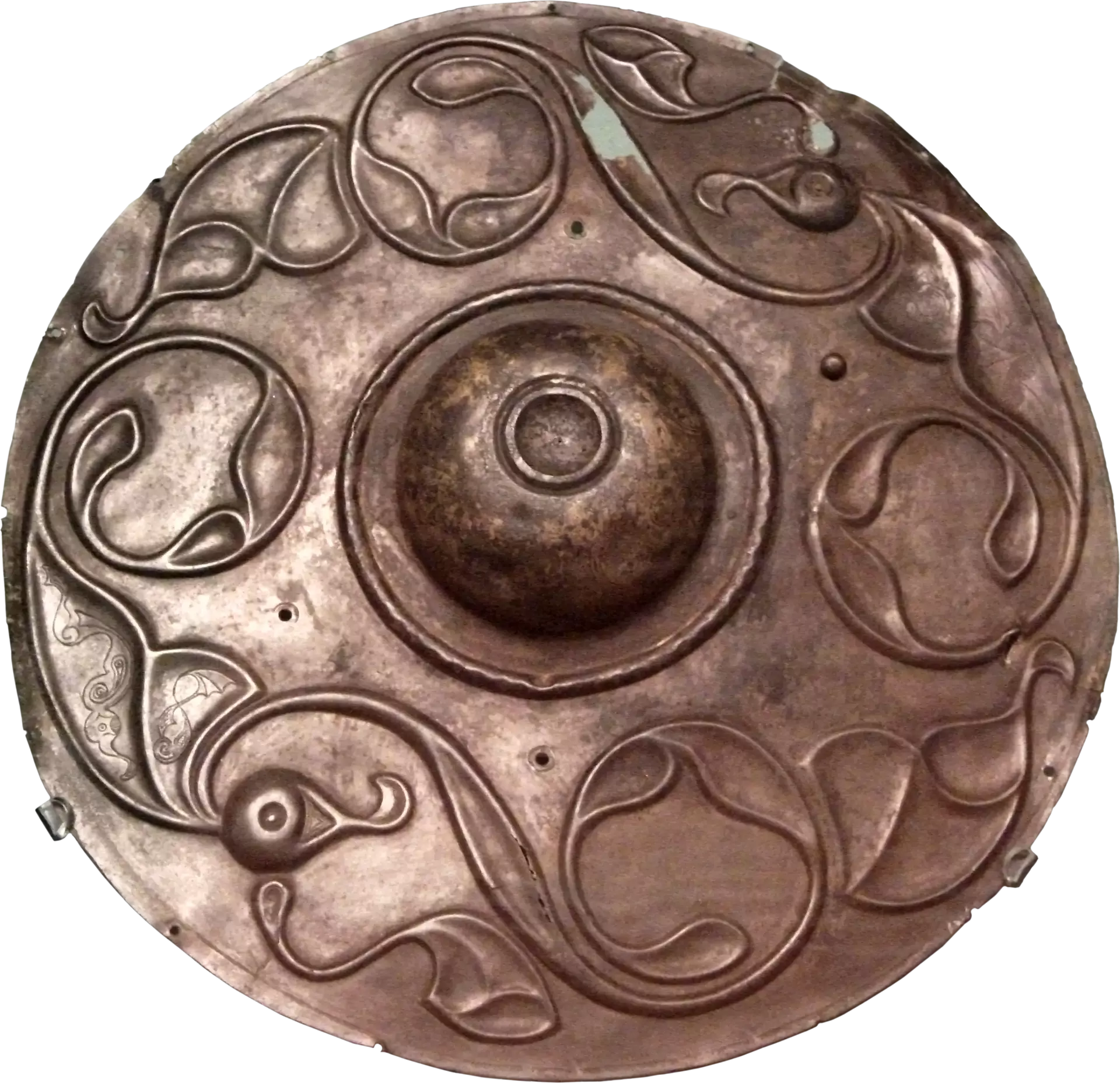
English:  The Wandsworth Shield, Iron Age shield boss in La Tène style, British Museum, Room 50
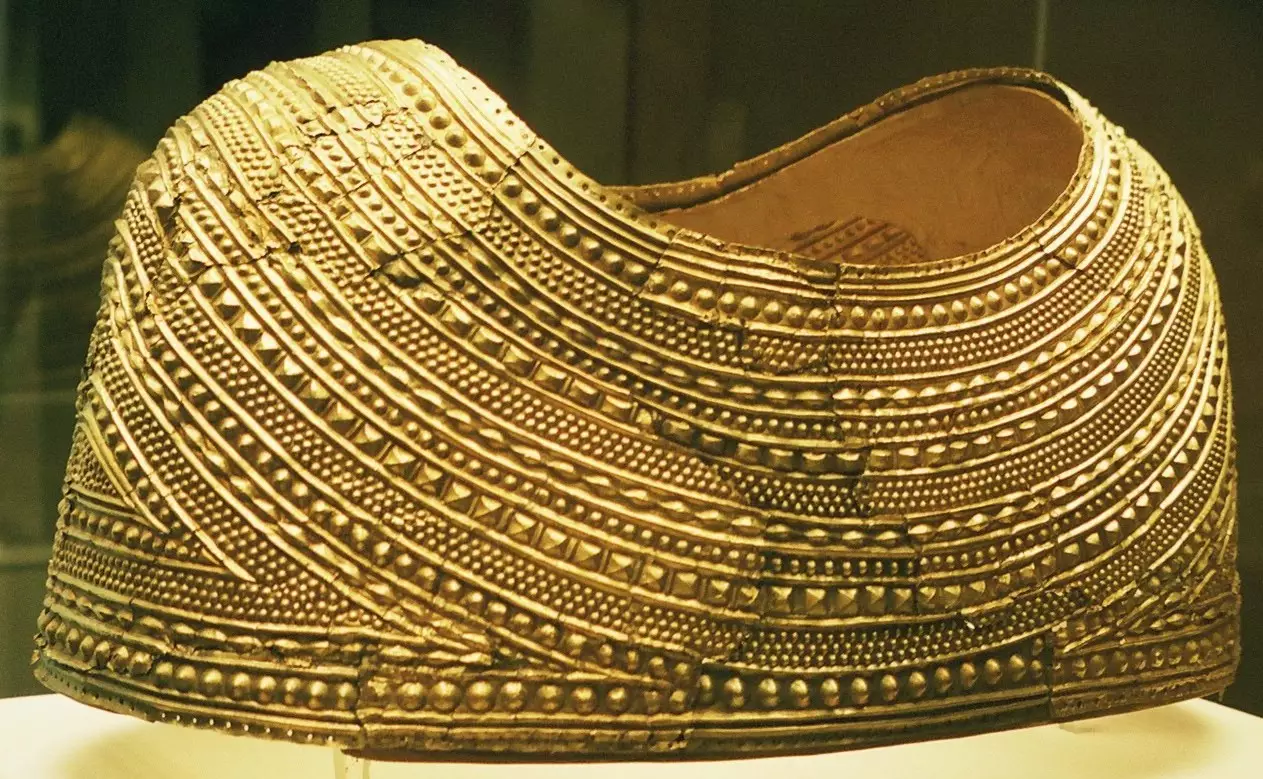
The Mold gold cape. Bronze Age, about 1900-1600 BC/ From Mold, Flintshire, North Wales [1]
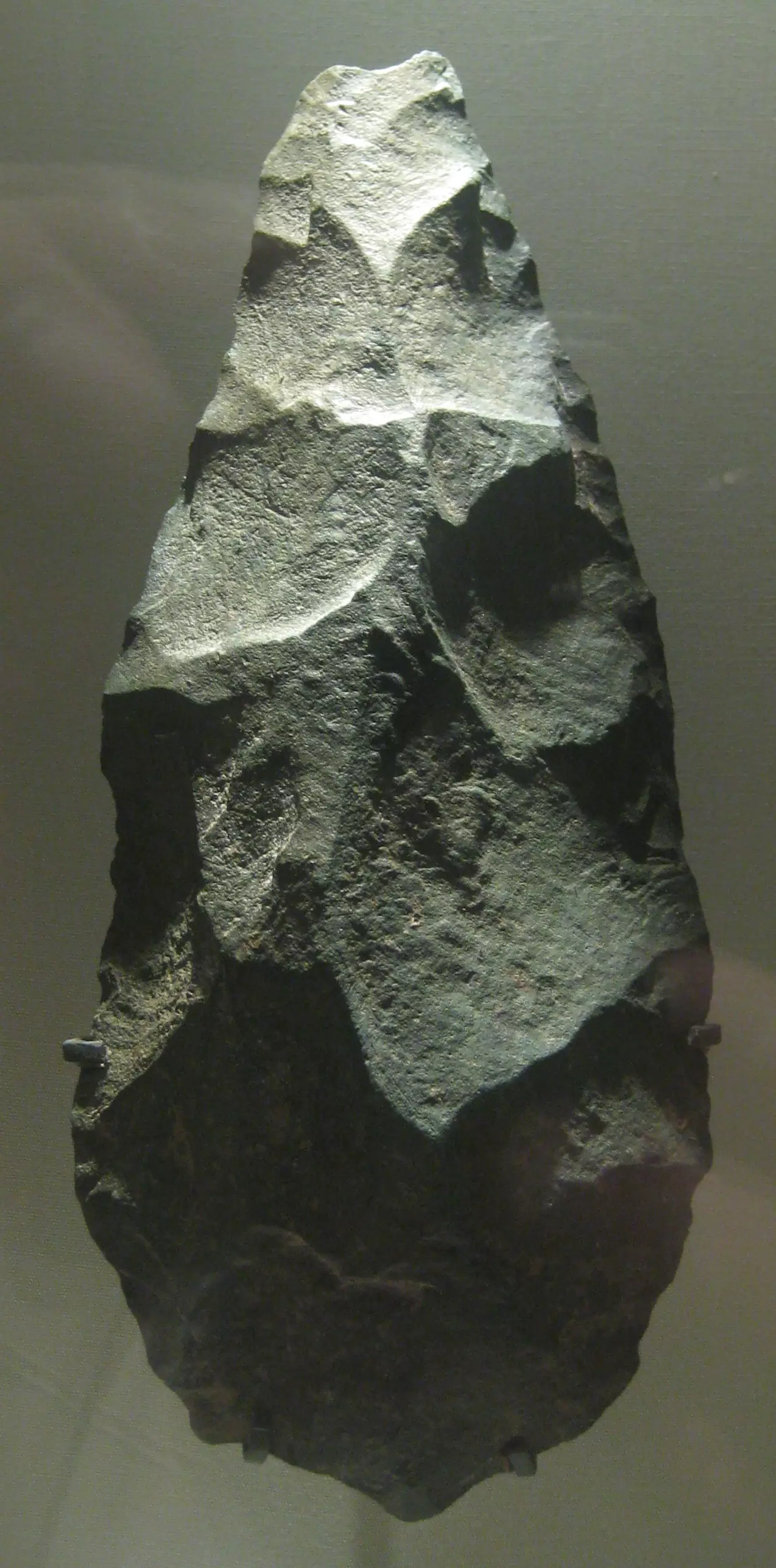
English:  Olduvai handaxe, Lower Palaeolithic, about 1.2 million years old, Olduvai Gorge, Tanzania.
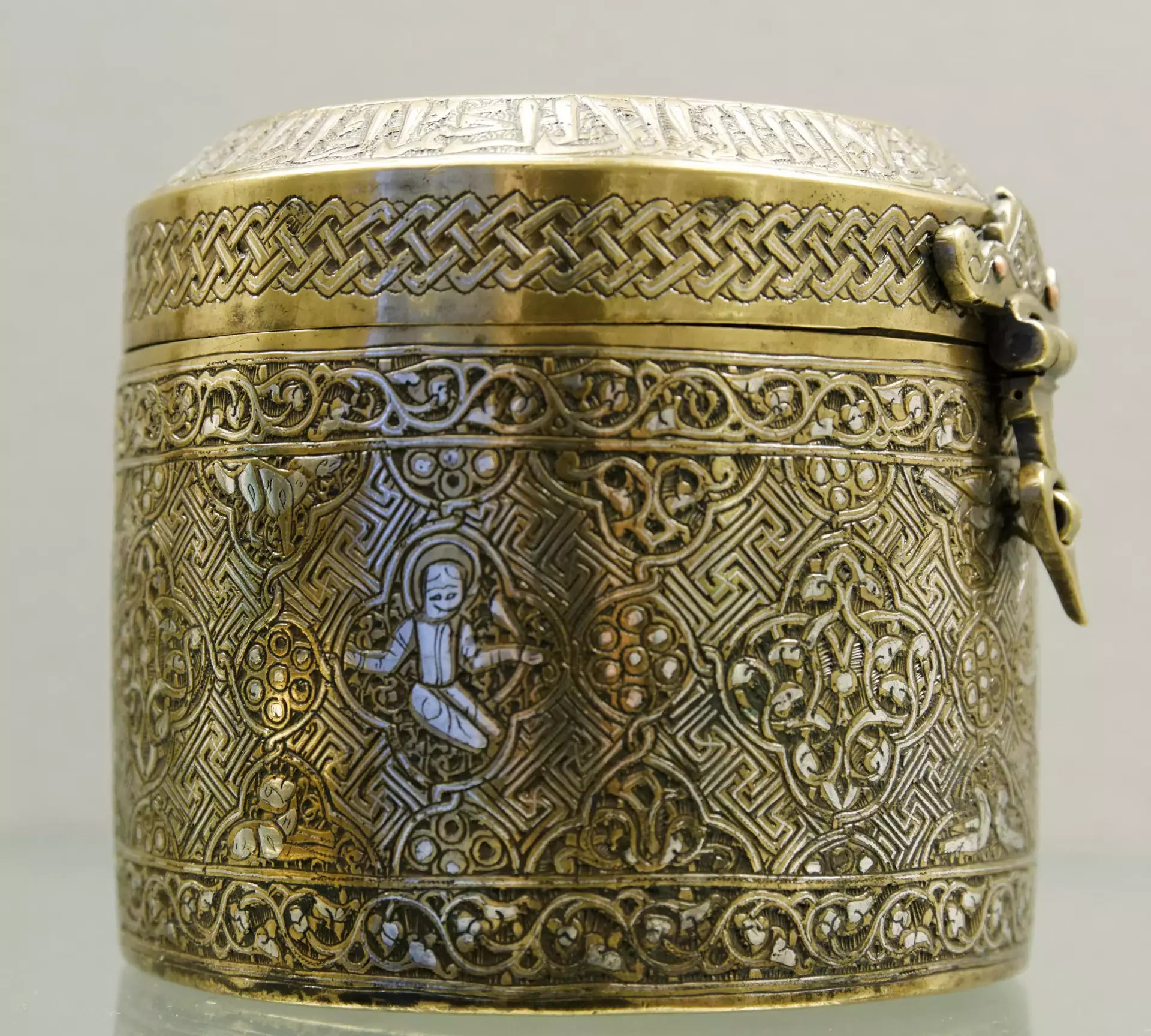
English:  Cylindrical lidded box with an Arabic inscription recording its manufacture for the ruler of Mosul, Badr al-Din Lu'lu.
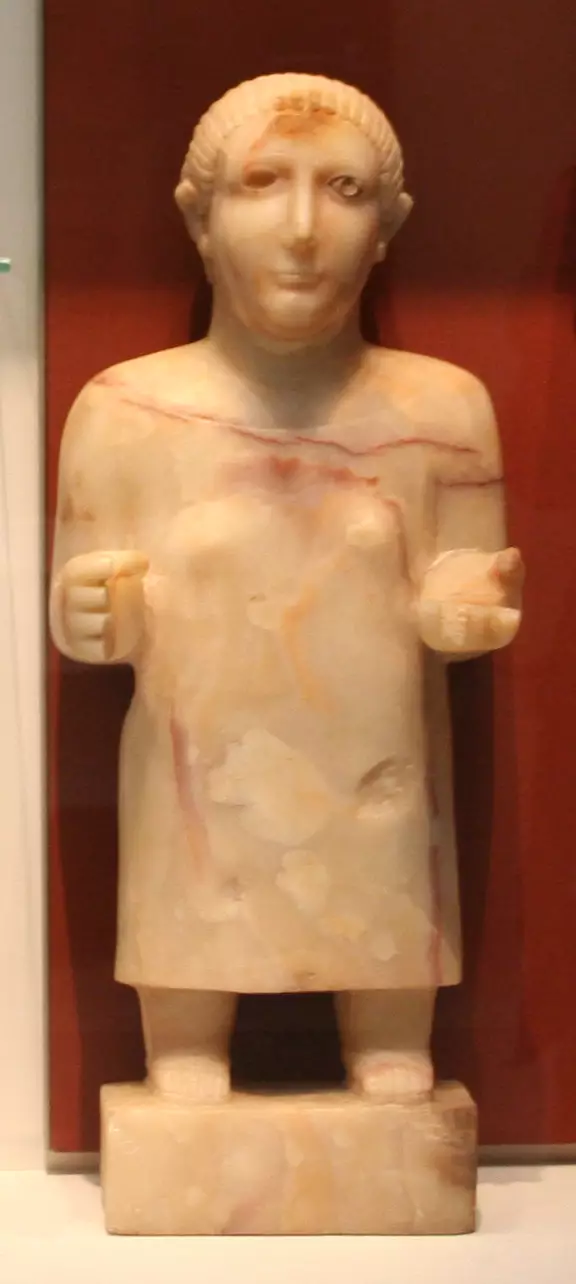
English:  Art from Ancient Yemen, British Museum, London Deutsch:  Kunst des Alten Südarabien, Britsh Museum, London
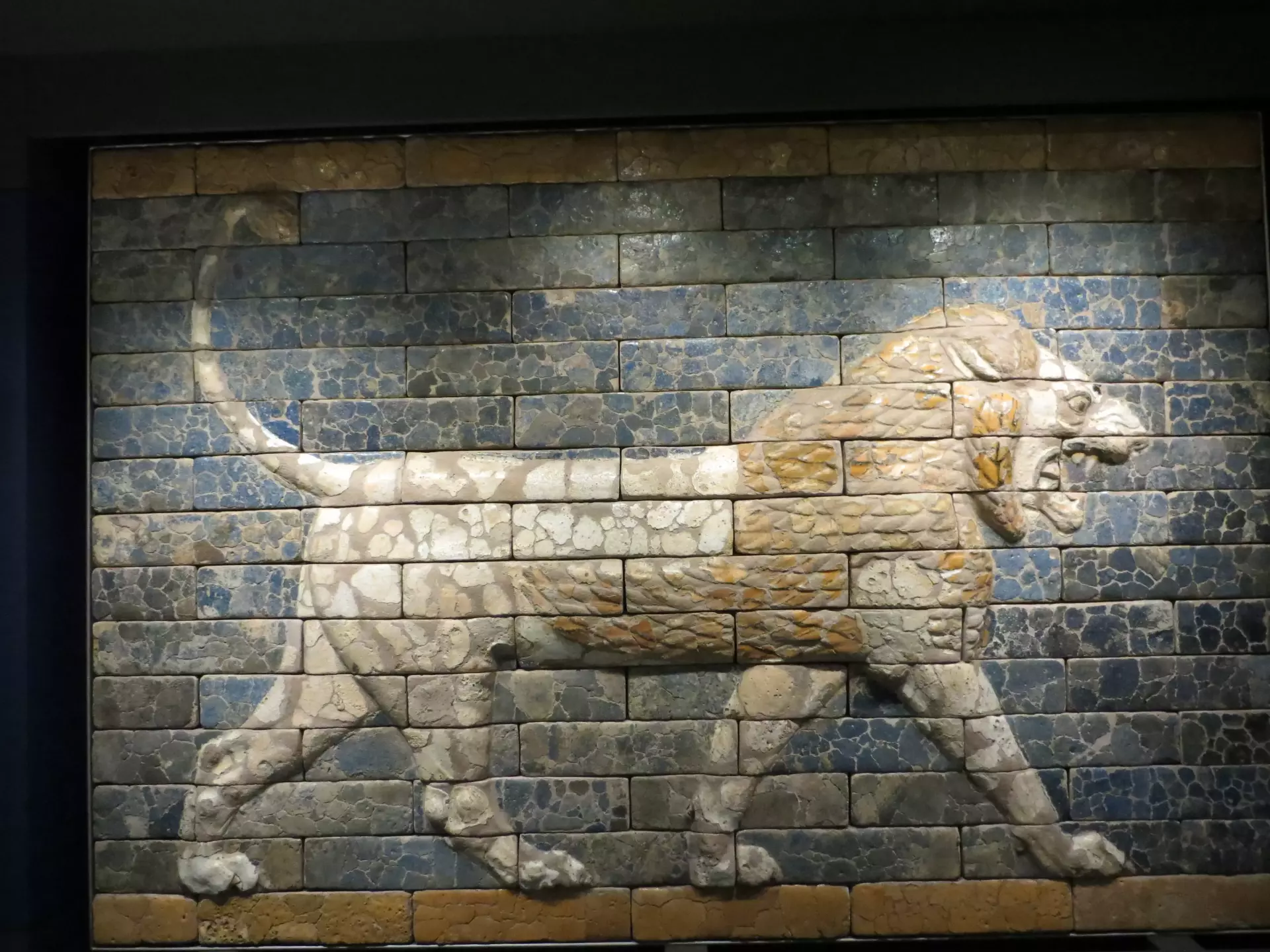
English:  Babylon Lion in British Museum
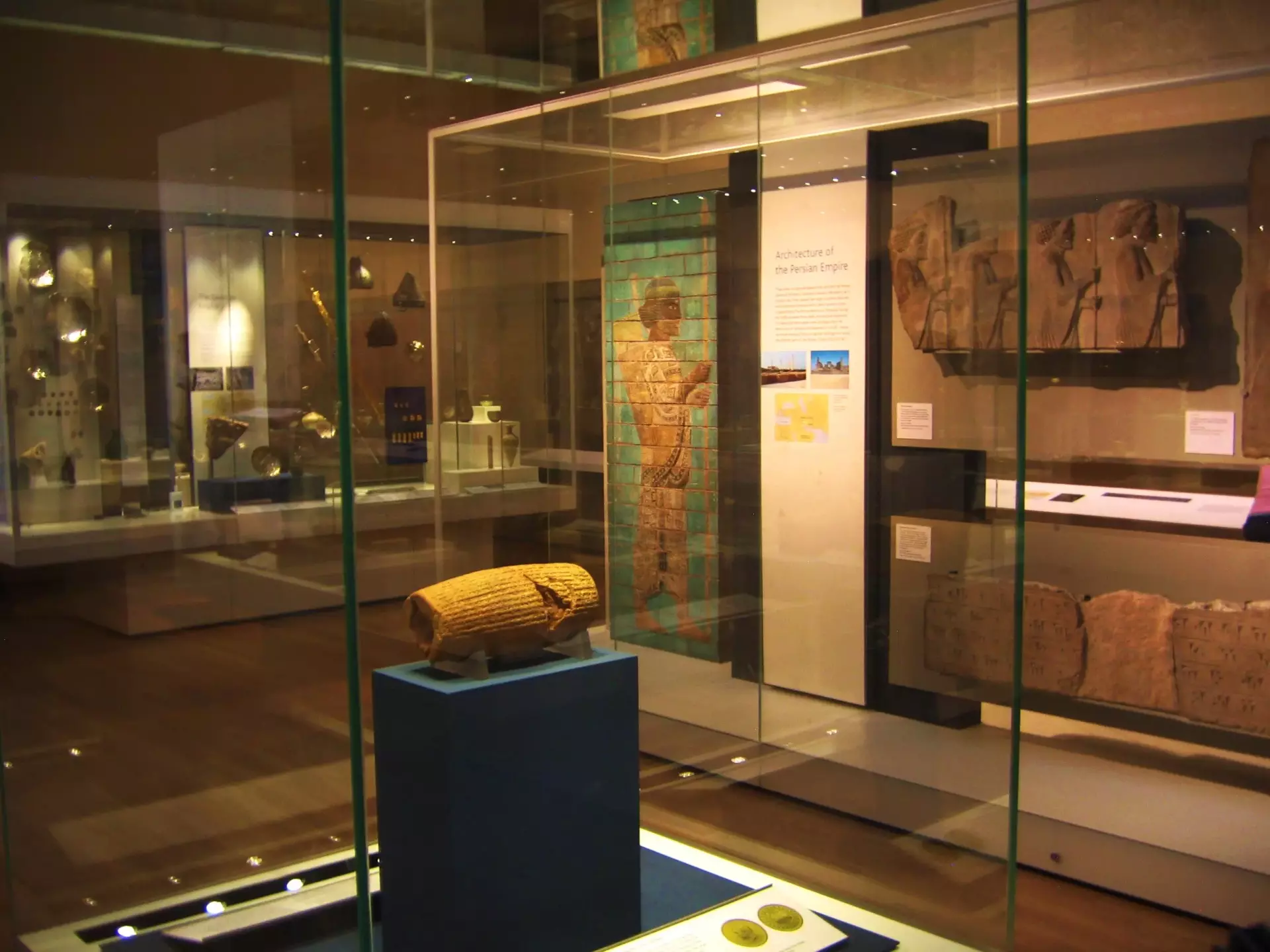
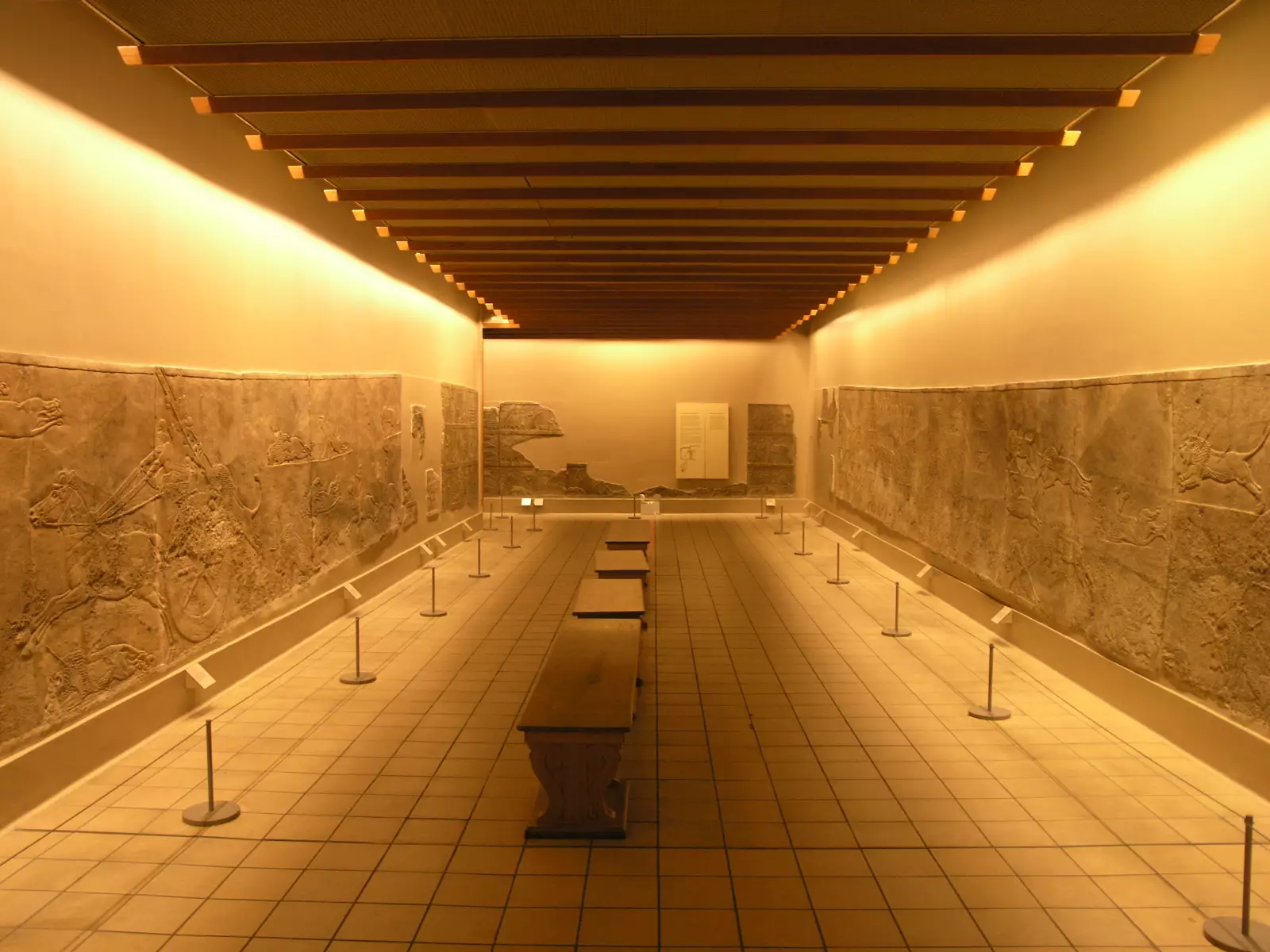
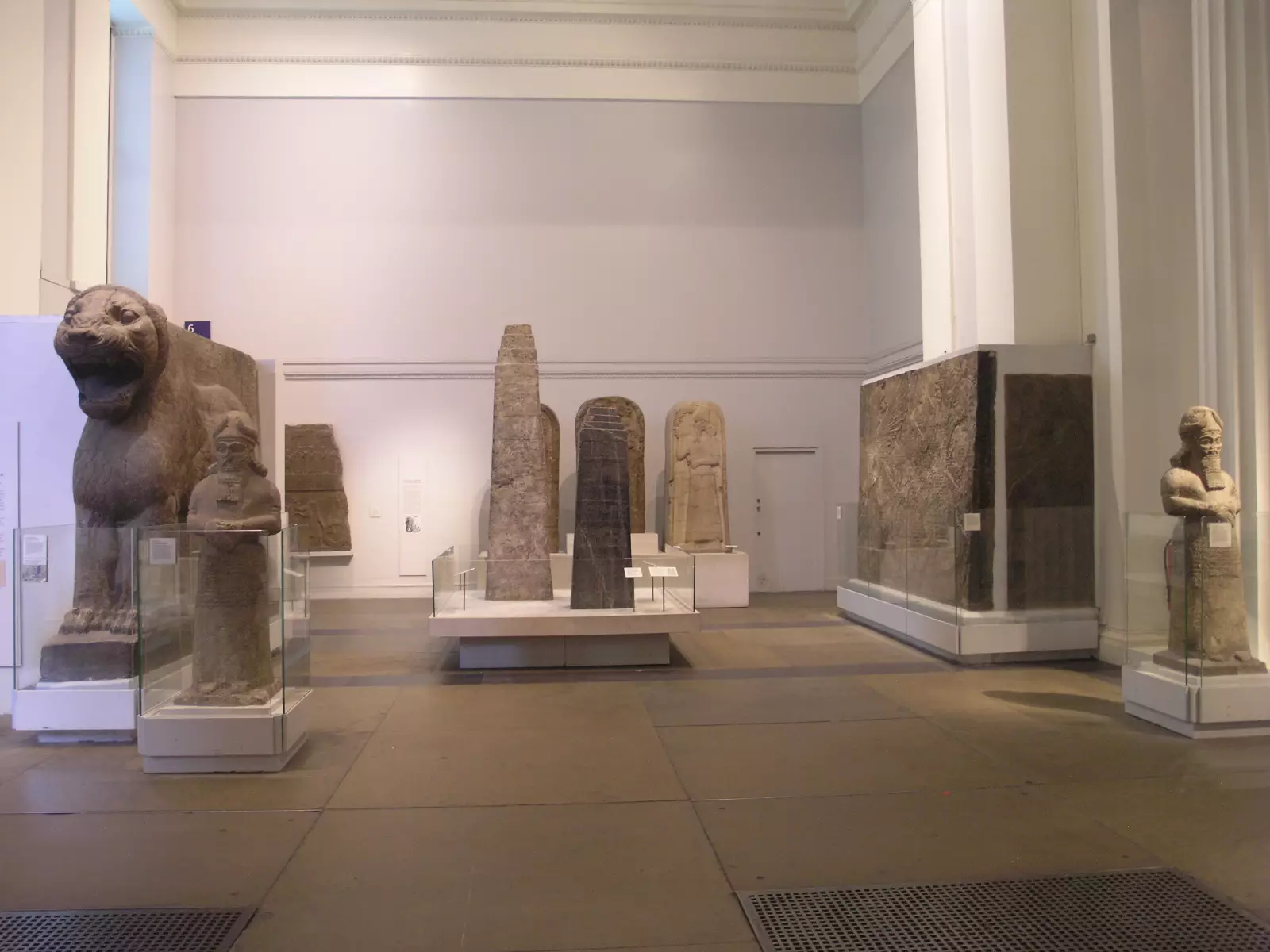
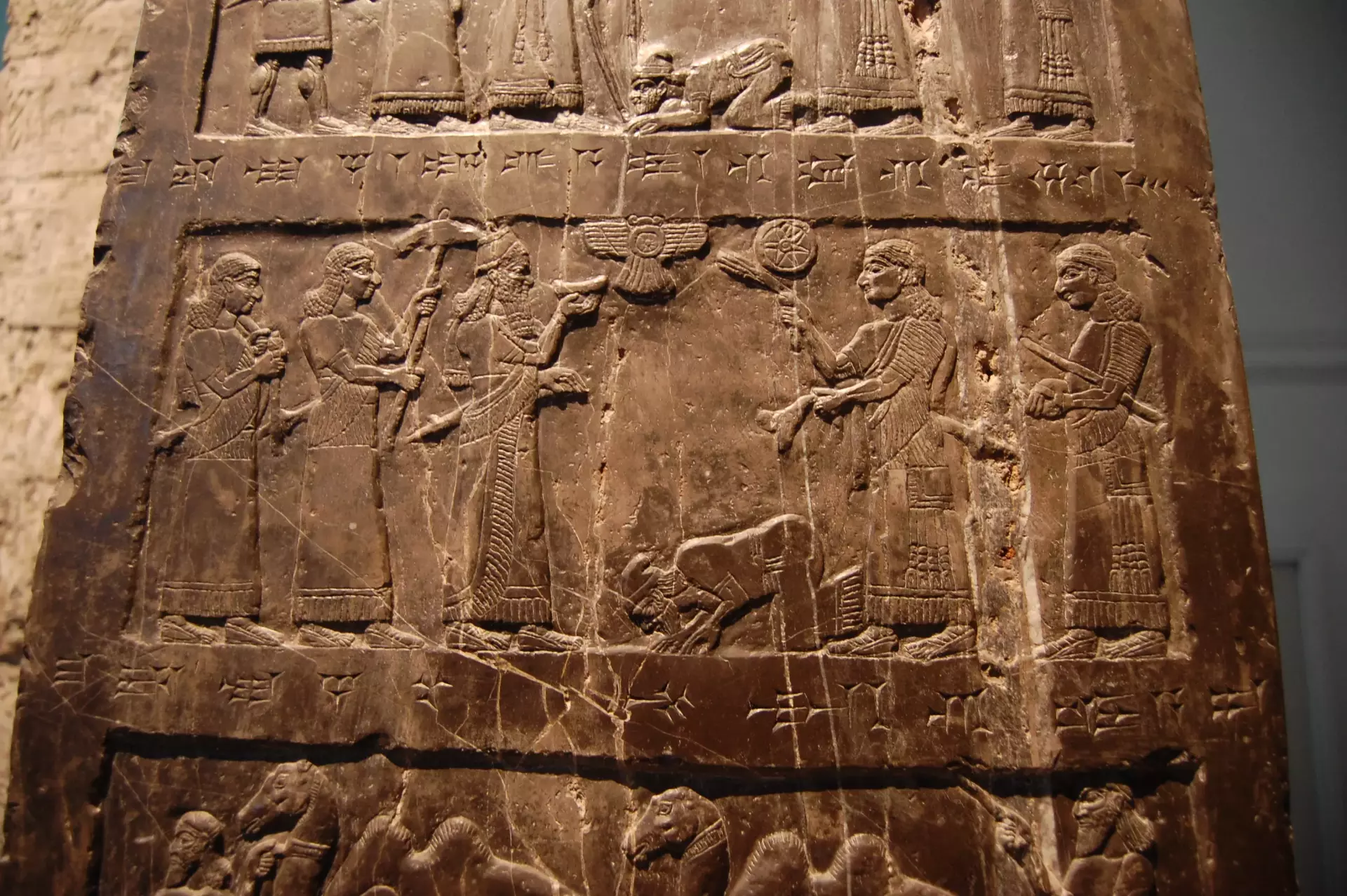
English:  Depiction of Jehu King of Israel giving tribute to King Shalmaneser III of Assyria, on the Black Obelisk of Shalmaneser III from Nimrud (circa 827 BC) in the British Museum (London).
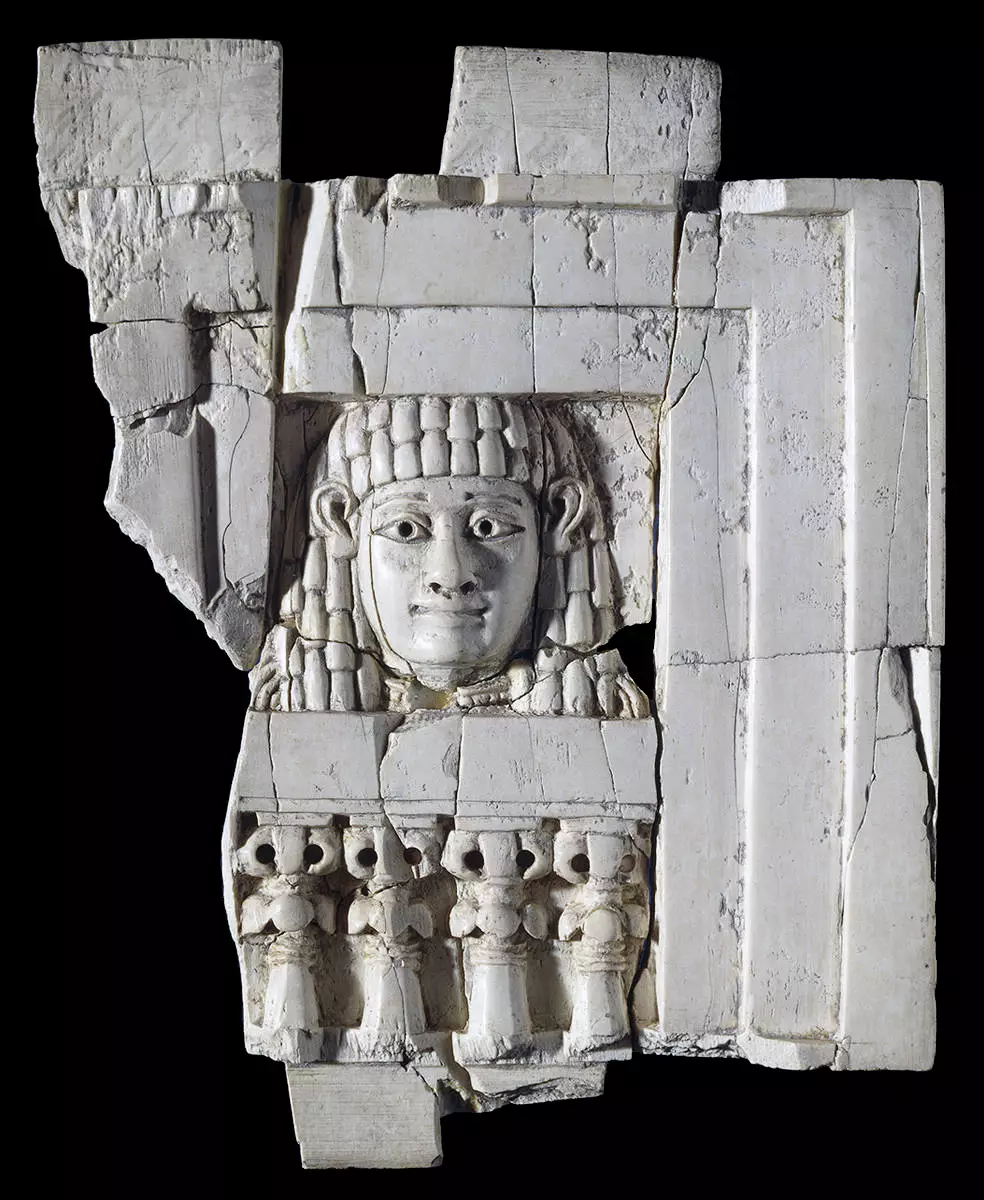
English:  Carved ivory depicting a woman at a window Phoenician, 9th-8th century BC  From Nimrud, northern Iraq
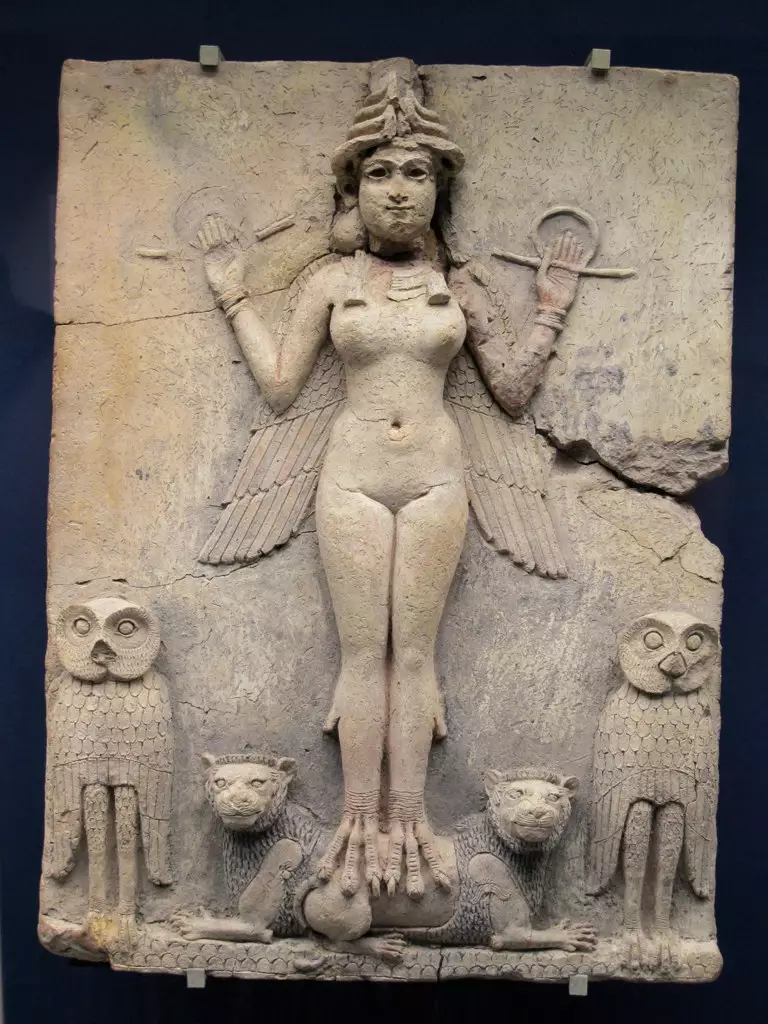
The 'Queen of the Night' Relief, The figure could be an aspect of the goddess Ishtar, Mesopotamian goddess of sexual love and war. Her bird-feet and accompanying owls have suggested to some a connection with Lilitu (called Lilith in Jewish lore), though seemingly not the usual demonic Lilitu.  Old Babylonian, 1800-1750 BC. From southern Iraq.   British Museum, London.
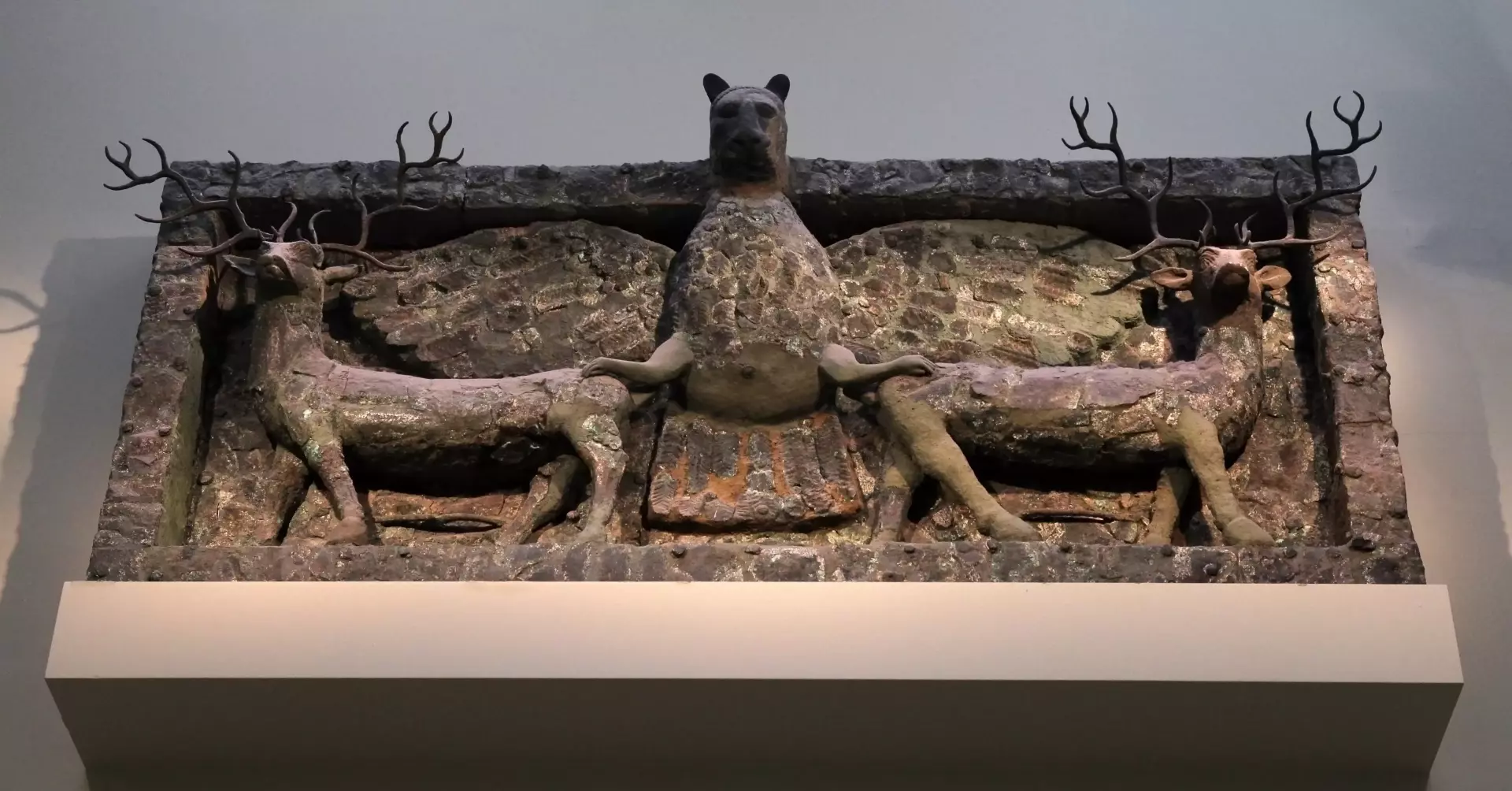
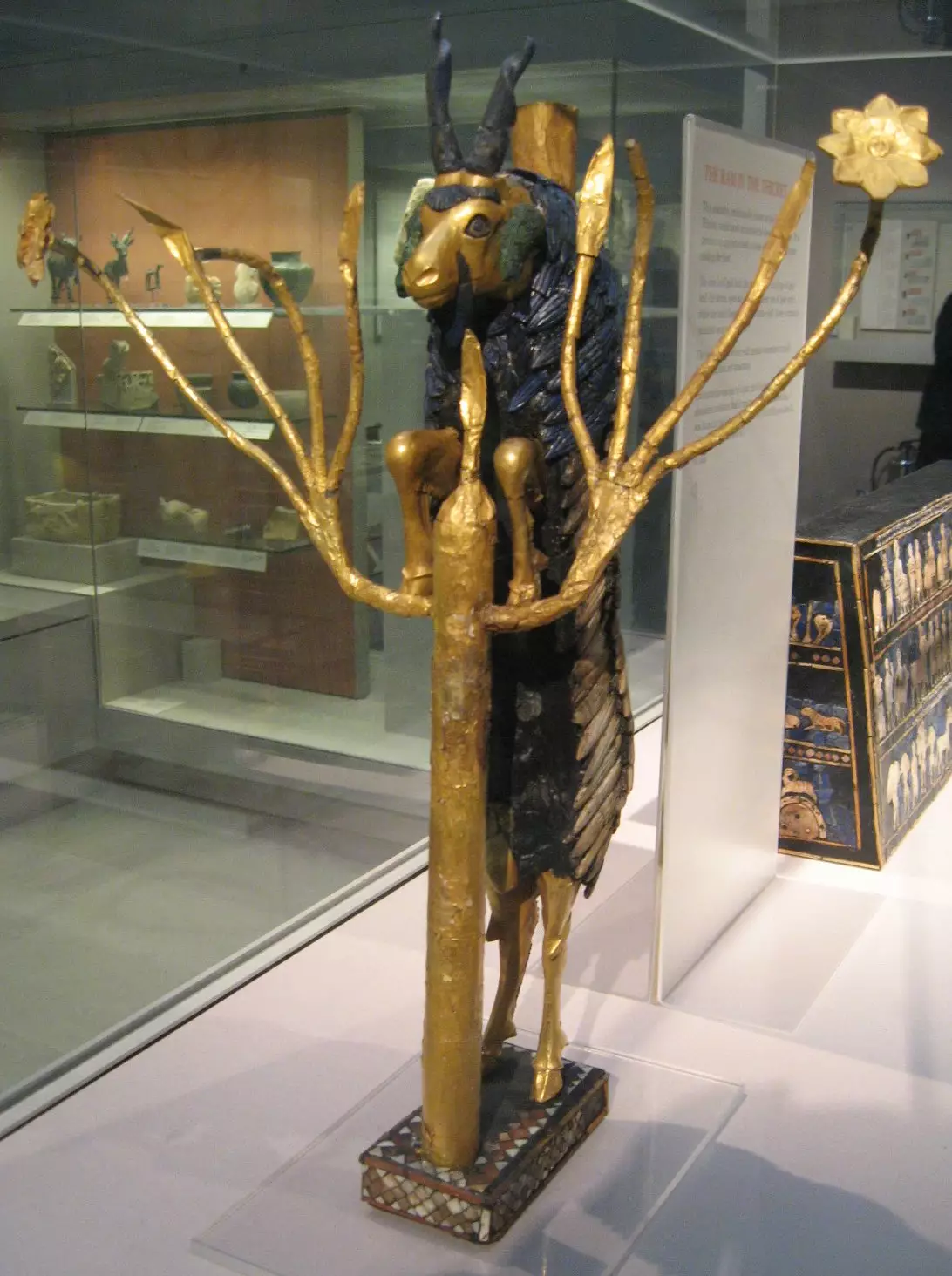
English:  This lion-headed eagle (Imdugud or Anzu) is the Sumerian symbol of the God Ningirsu. In this panel, Anzu appears to grasp two deers, simultaneously. The panel was found at the base of the temple of Goddess Ninhursag at Tell- Al-Ubaid. From southern Mesopotamia (Iraq), early dynastic period, circa 2500 BCE. ME 114308, British Museum, London.
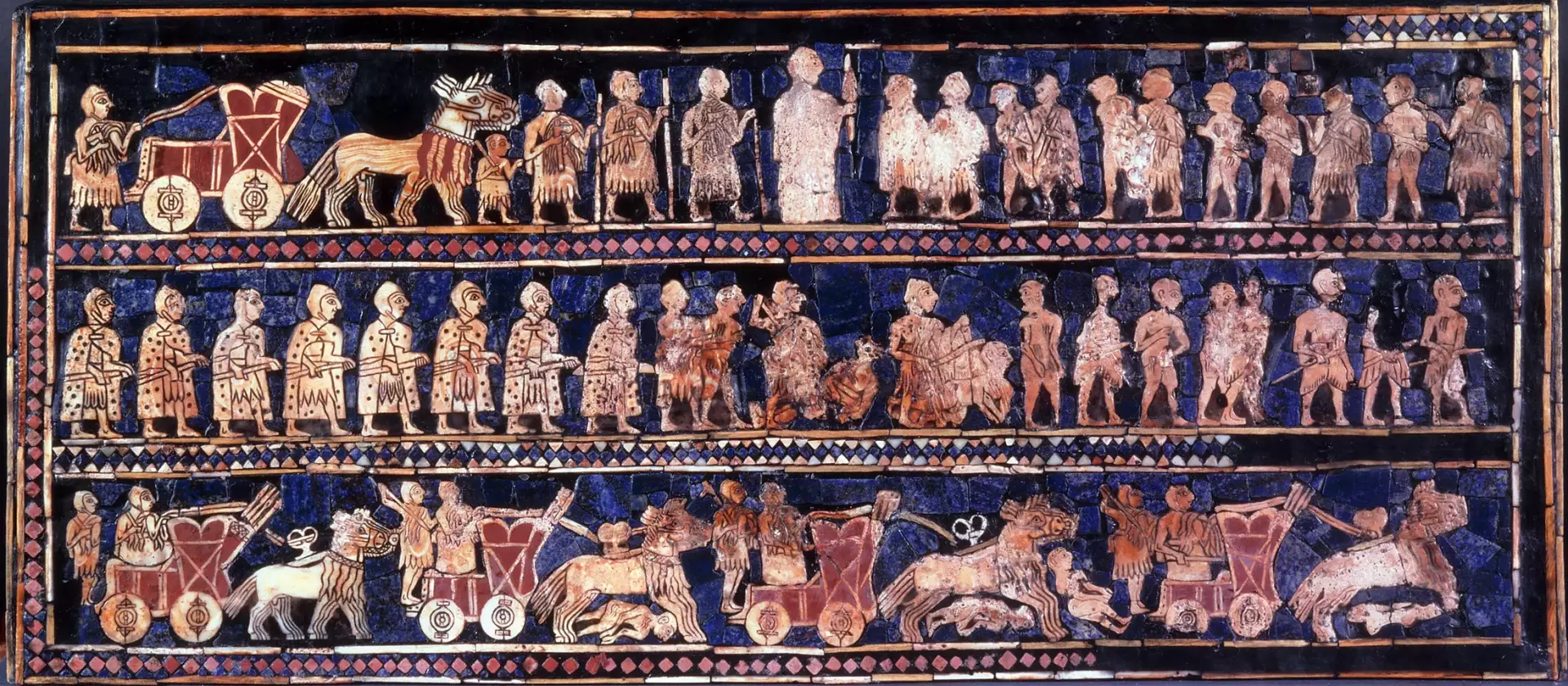
Español:  Estandarte de Ur, panel de la guerra العربية:  لوحة الحرب والسلم السومريَّة. تعود للقرن السَّادس والعشرين ق.م، وقد اكتُشفت في مدينة أور بالعراق.  English:  Standard of Ur, 26th century BC, "War" panel.
English:  Photograph taken by me February 2 2008
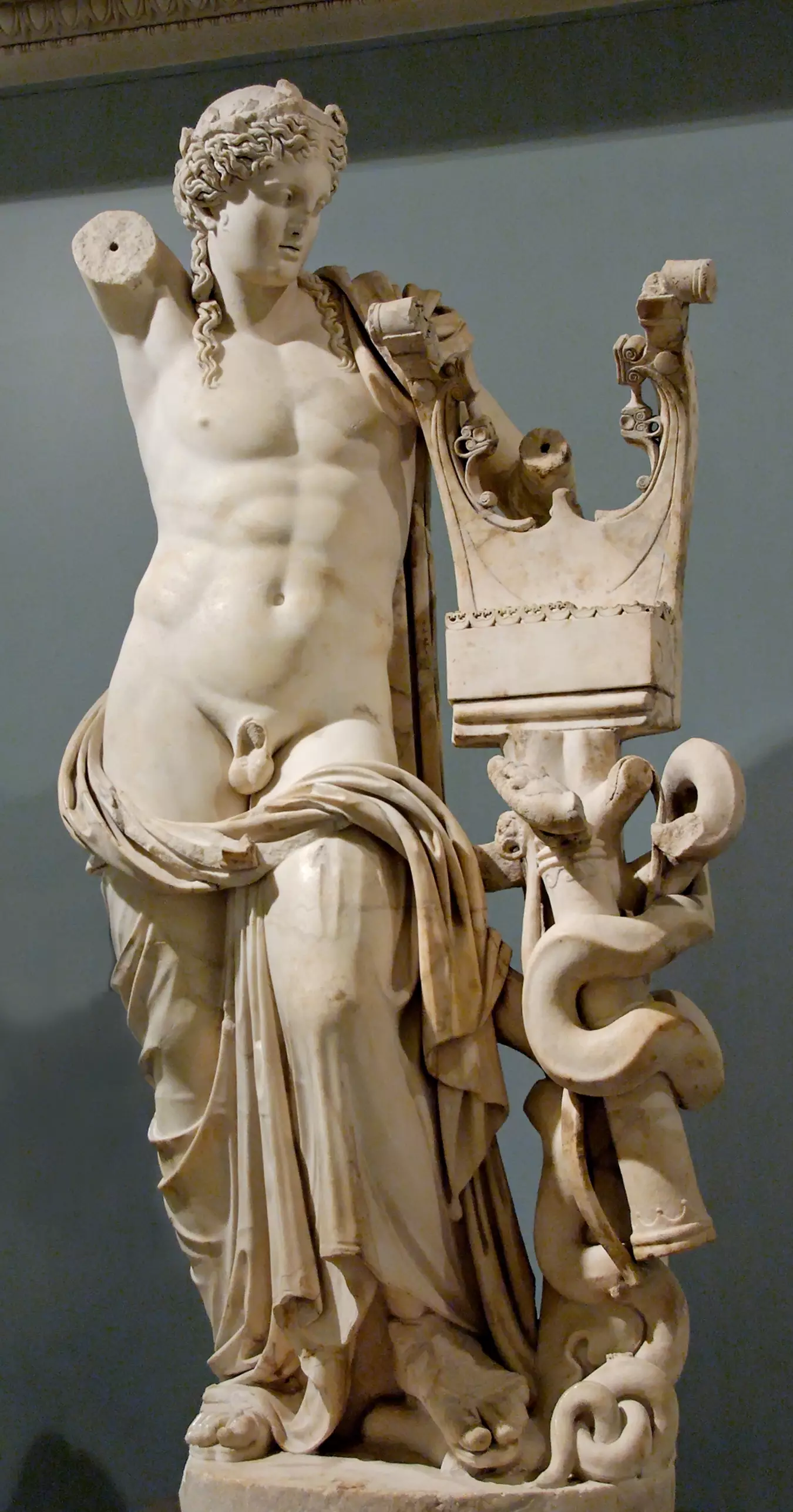
English:  Apollo kitharoidos (holding a lyre). Marble, Roman artwork, 2nd century CE, influence of Hellenistic statuary of the 2nd century BC. From the Temple of Apollo at Cyrene (modern Libya).
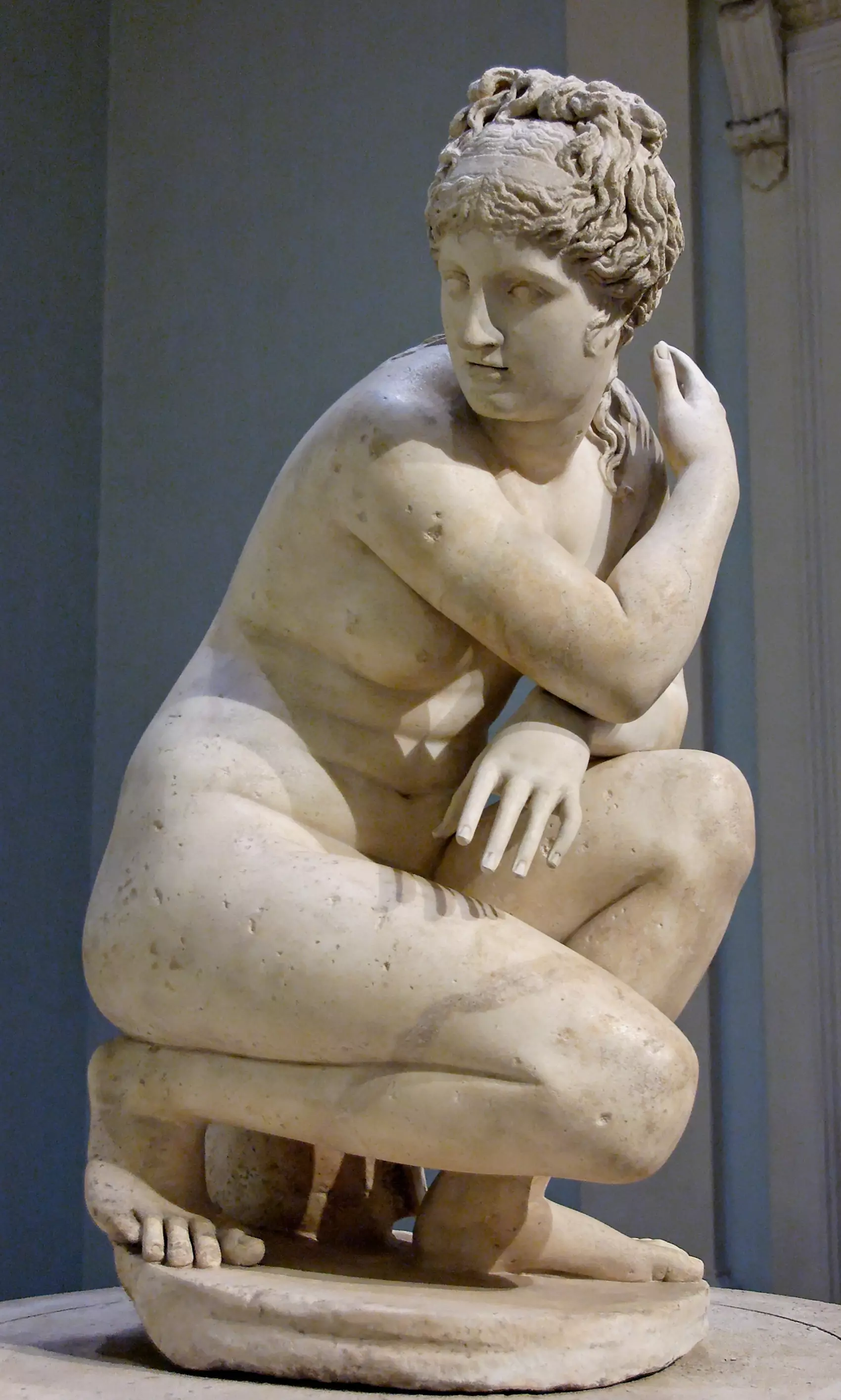
English:  So-called “Lely's Venus”: Aphrodite surprised as she bathes. Roman copy of the Imperial era after an Hellenistic original.
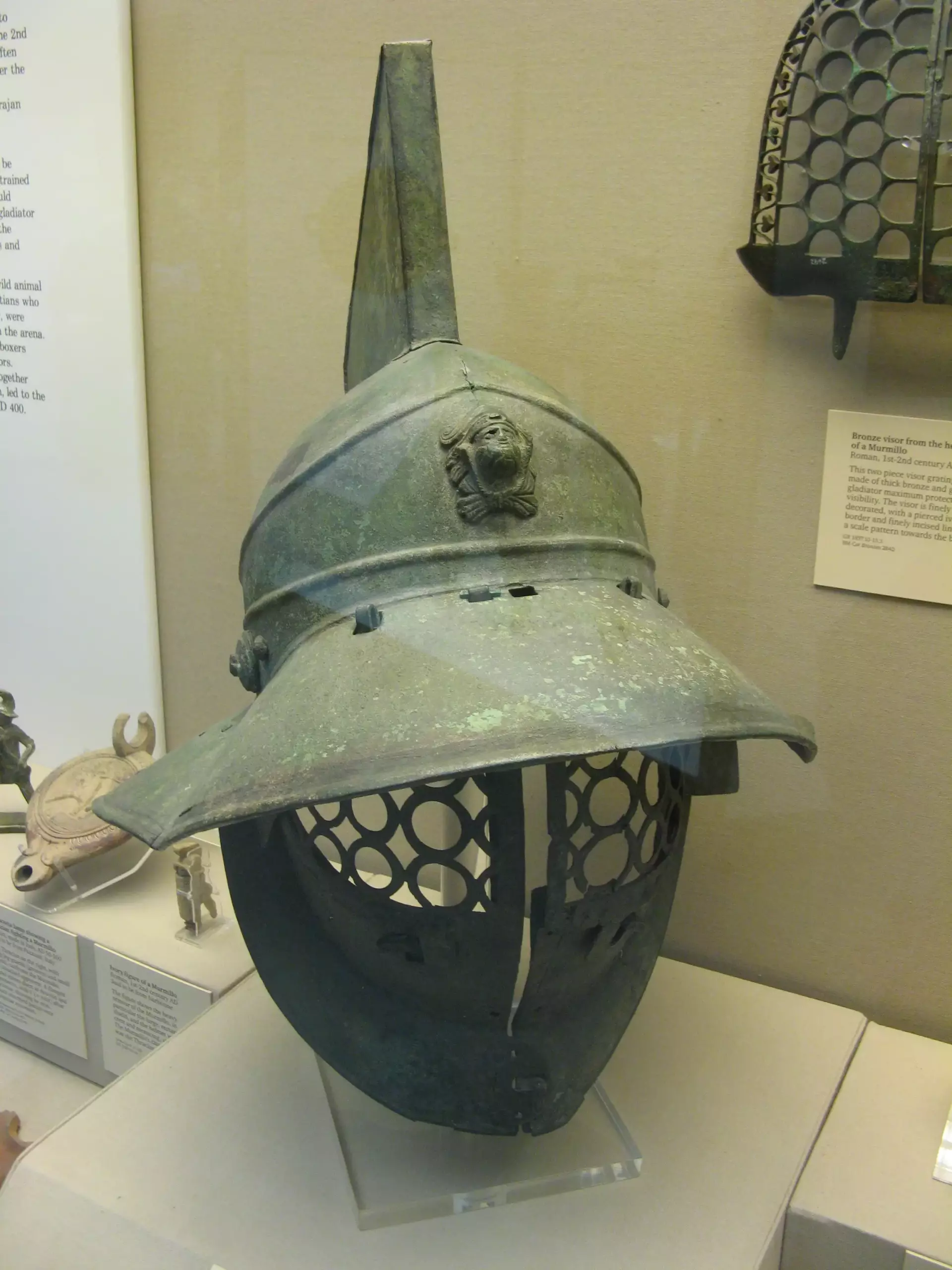
Gladiator Helmet Did anyone else read those Eyewitness History books when they were younger?  I had a bunch, and I remember this very helmet from the book on gladiators.  It's in the en:British Museum, along with a whole bunch of other stuff I recognize from those lavishly illustrated books.ref
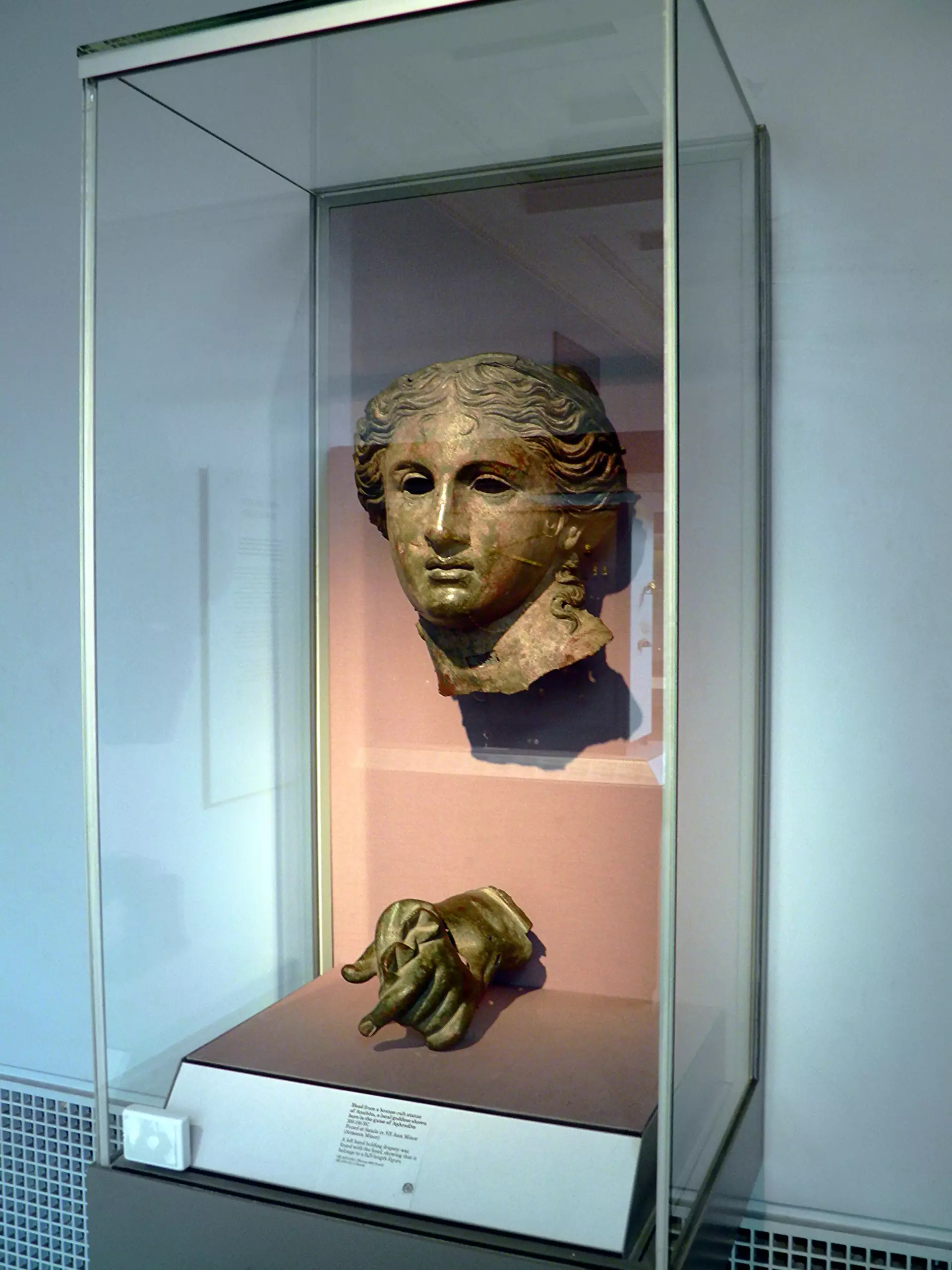
Hellenistic Greek, 1st century BC Found at the ancient city of Satala, modern Sadak, north-eastern Turkey In about 1872 a man digging his field on the site of ancient Satala struck with his pick-axe against this head. A bronze hand also lay nearby. The head made its way via Constantinople (modern Istanbul) and Italy to the dealer Alessandro Castellani, who eventually sold it to The British Museum. The hand was presented to the Museum a few years later. Despite rumours that the whole statue had previously been found, the body has never come to light. Although there is pick-axe damage to the top of the head, the face is well preserved. The eyes were originally inlaid with either precious stones or a glass paste, and the lips perhaps coated with a copper veneer. The statue has been identified as a nude Aphrodite, her left hand pulling drapery from a support at her side, like the famous statue of Aphrodite at Knidos by the fourth-century sculptor Praxiteles. It has also been suggested that the statue represents the Iranian goddess Anahita, who was later assimilated with the Greek goddesses Aphrodite and Athena. The size of the head suggests that it came from a cult statue, though excavations made at Satala in 1874 by Sir Alfred Biliotti, the British vice-consul at Trebizond, failed to discover a temple there. The statue may date to the reign of Tigranes the Great, king of Armenia (97-56 BC), whose rule saw prosperity throughout the region. The thin-walled casting of the bronze head suggests a late Hellenistic date. H.B. Walters, Catalogue of bronzes, Greek, R (London, 1899) C.C. Mattusch, Classical bronzes (Cornell University Press, 1996) Head, in the British Museum online catalogue  Hand, in the British Museum online catalogue
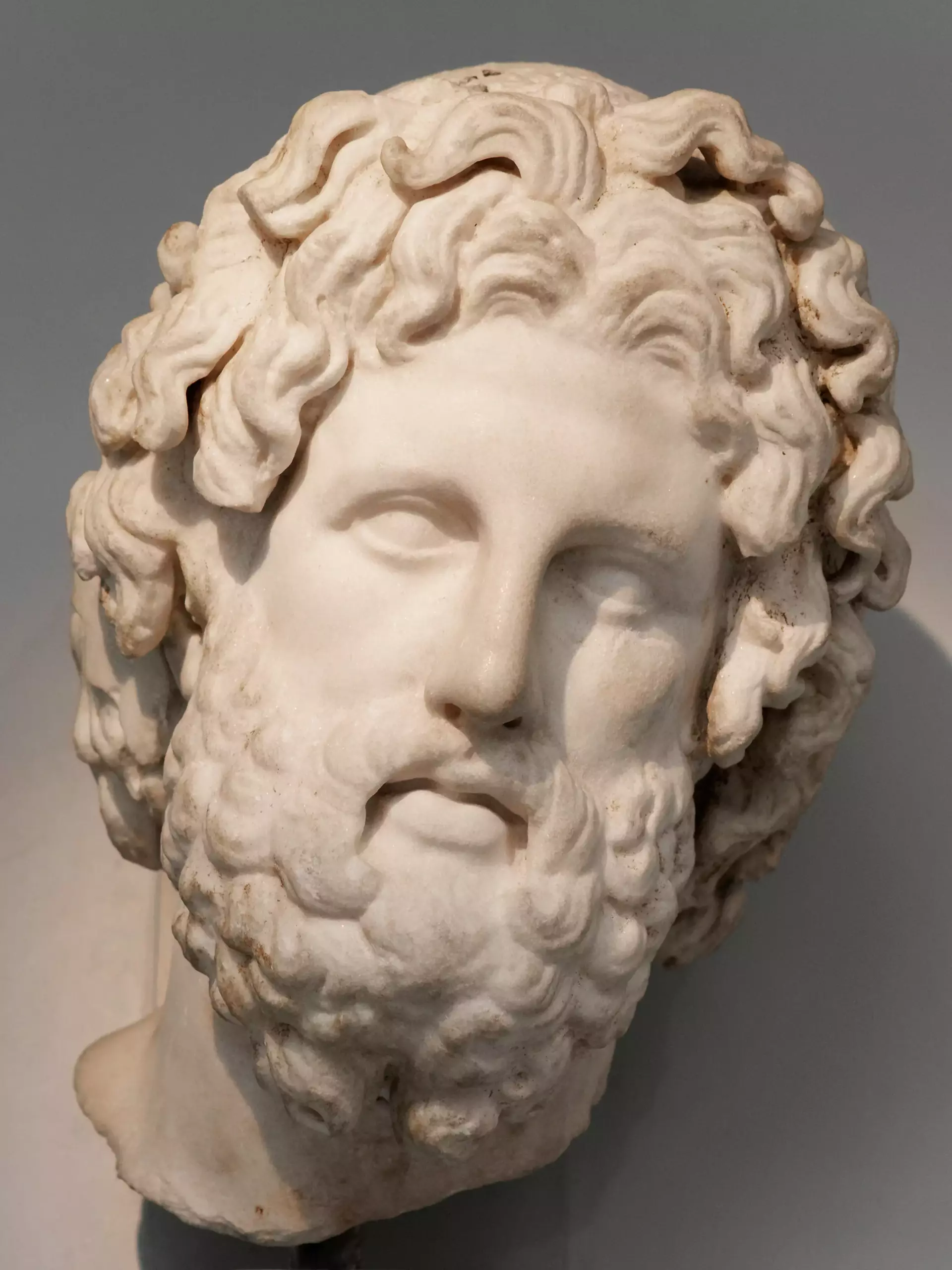
English:  Colossal head of Asclepios wearing a metal crown (now lost), from a cult statue. Hellenistic artwork.
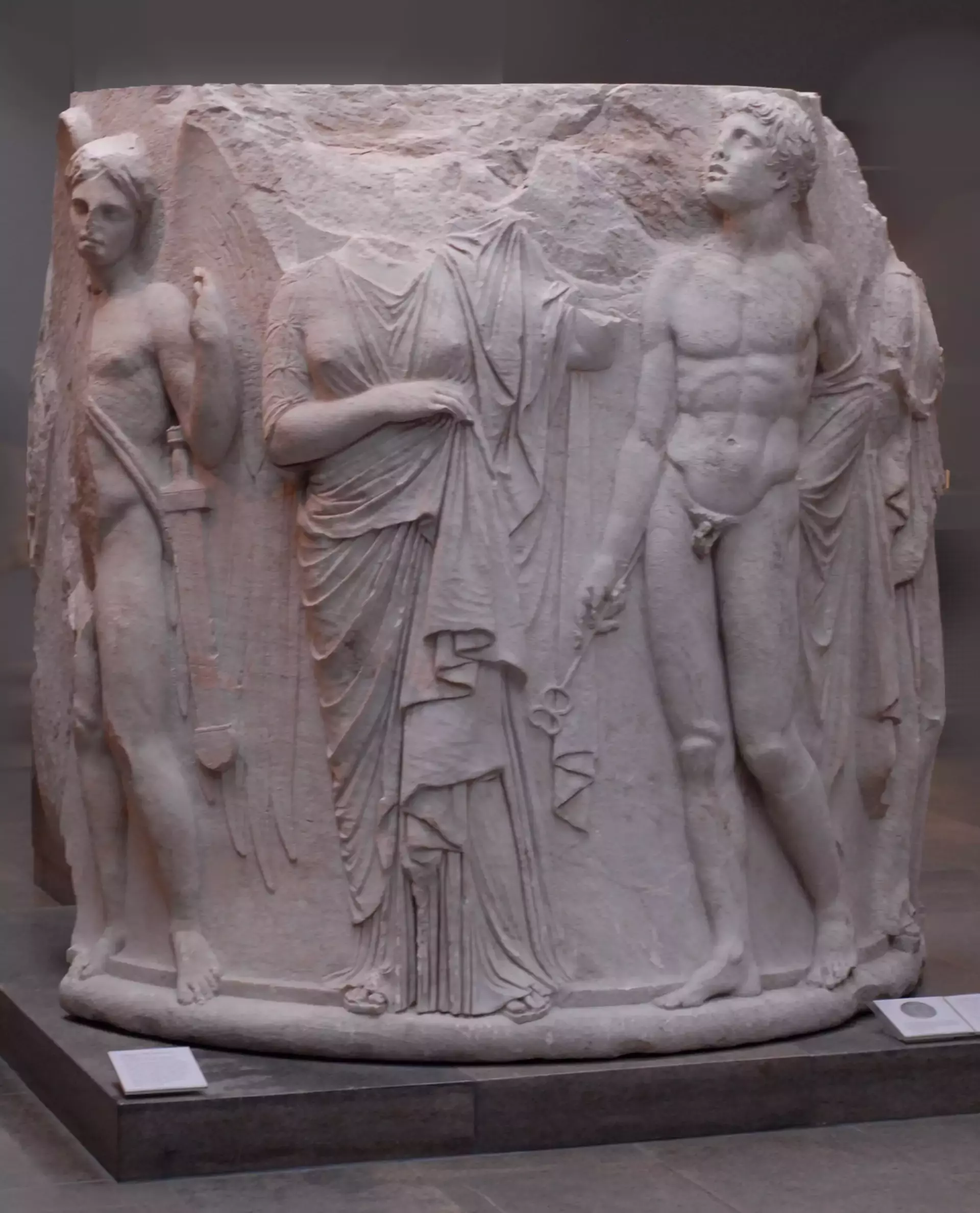
English:  Column drum from the temple of Artemis at Ephesus.Subject unidentified, possibly l-r Thanatos, Alkestis, Hermes, Persephone and Hades (unseen), ca. 320 BC.
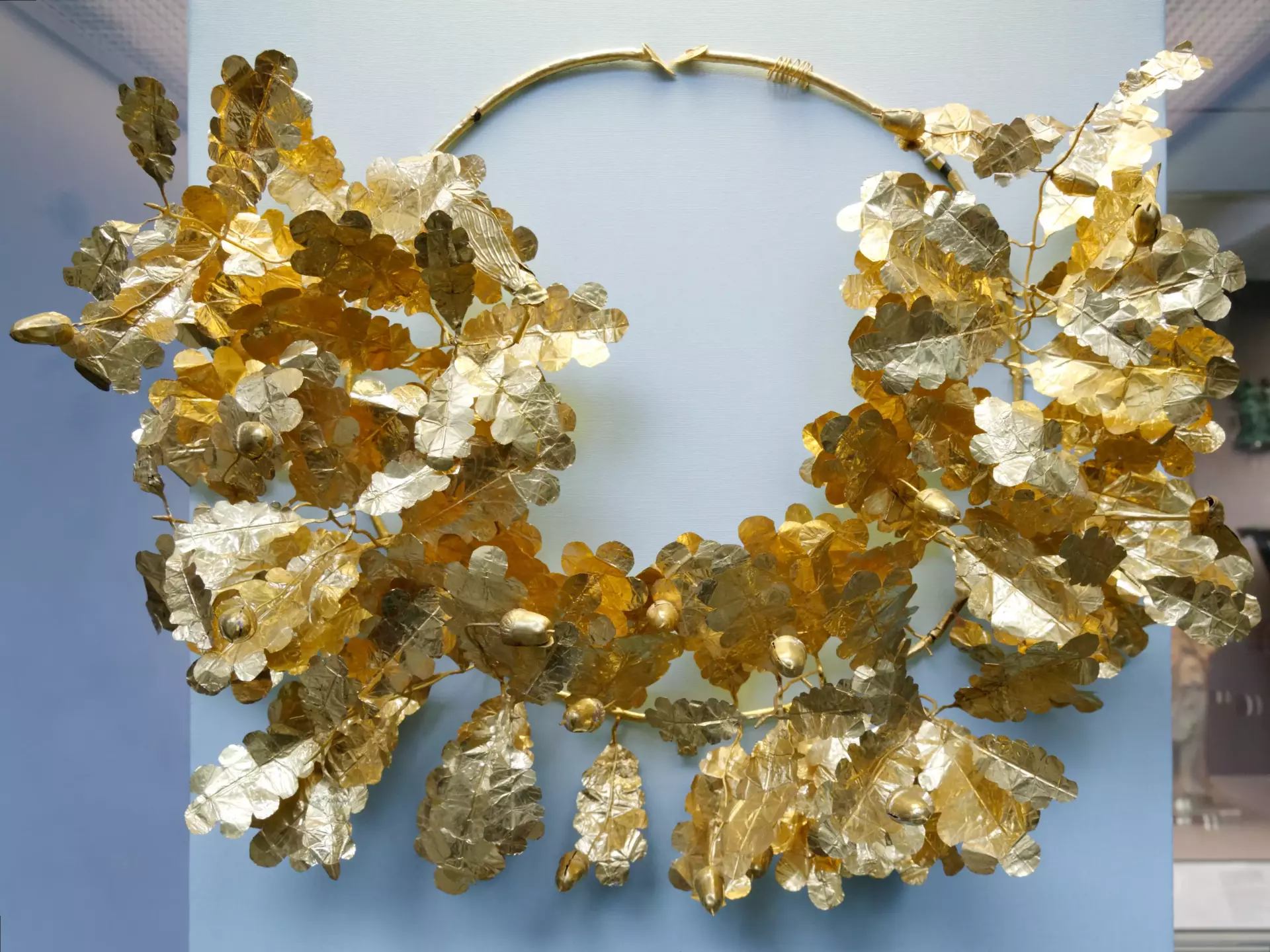
English:  Oak wreath with a bee and two cicadas.
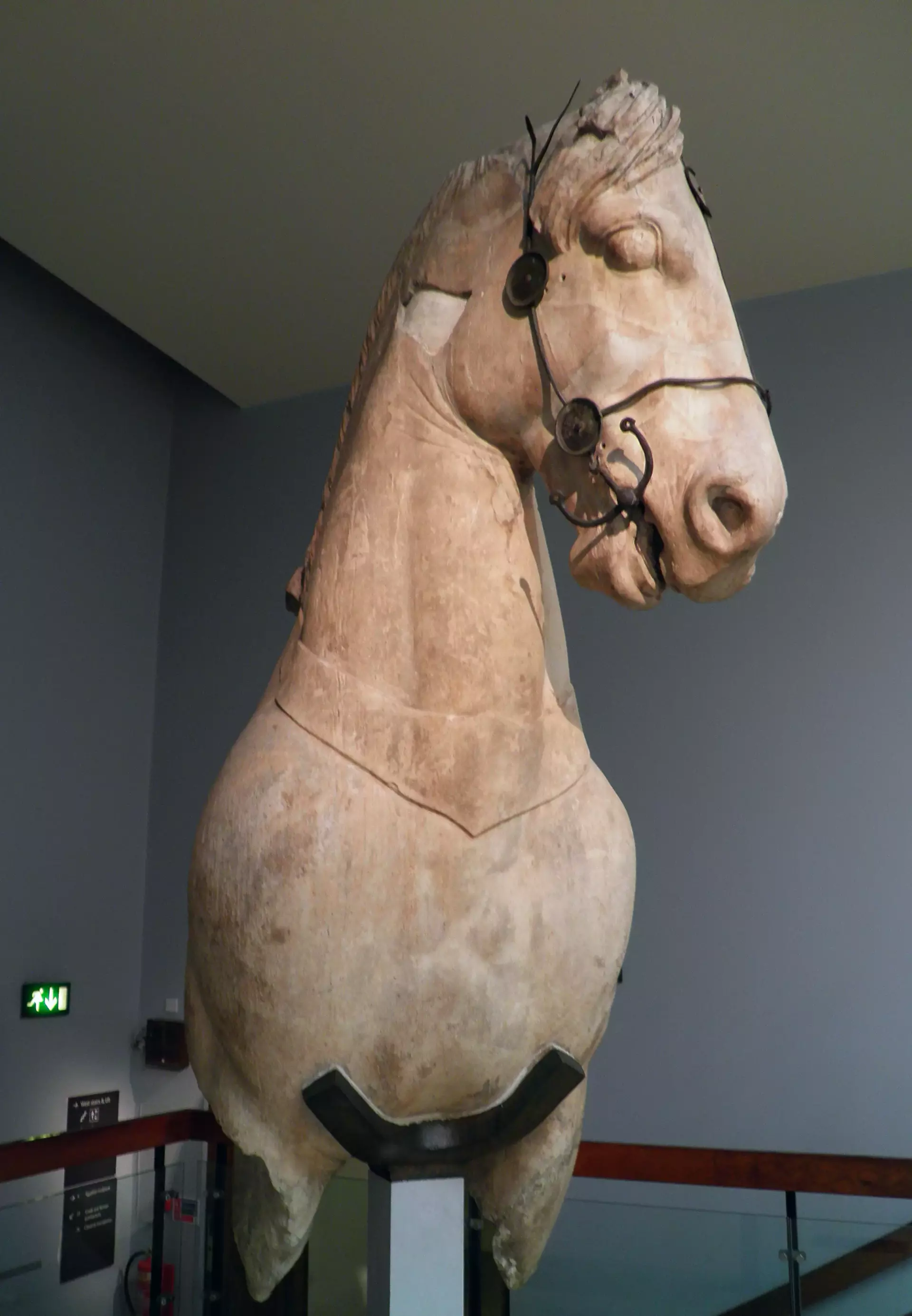
Fragmentary horse from the colossal four-horses chariot group which topped the podium of the Mausoleum at Halicarnassus, Mausoleum at Halicarnassus, British Museum
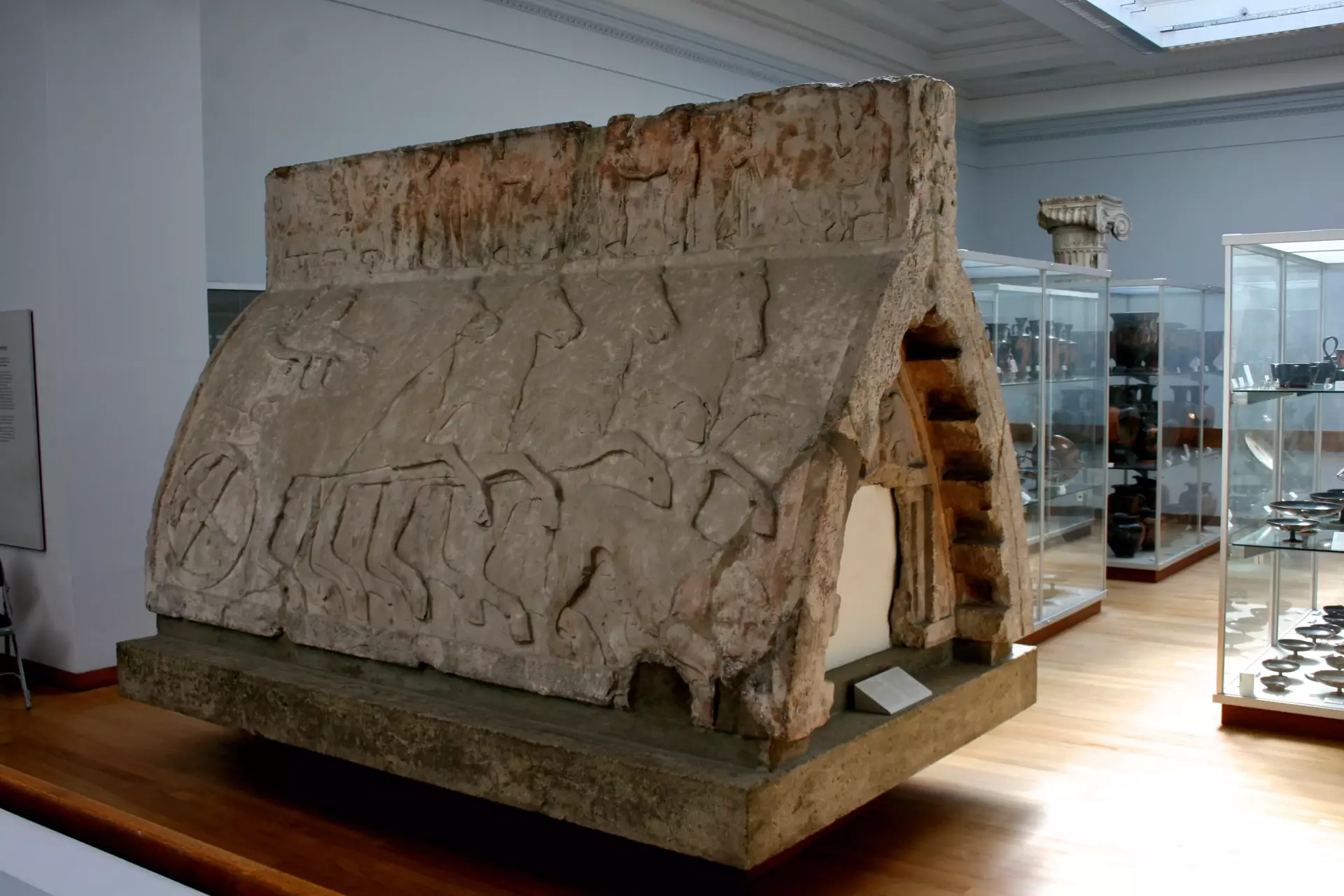
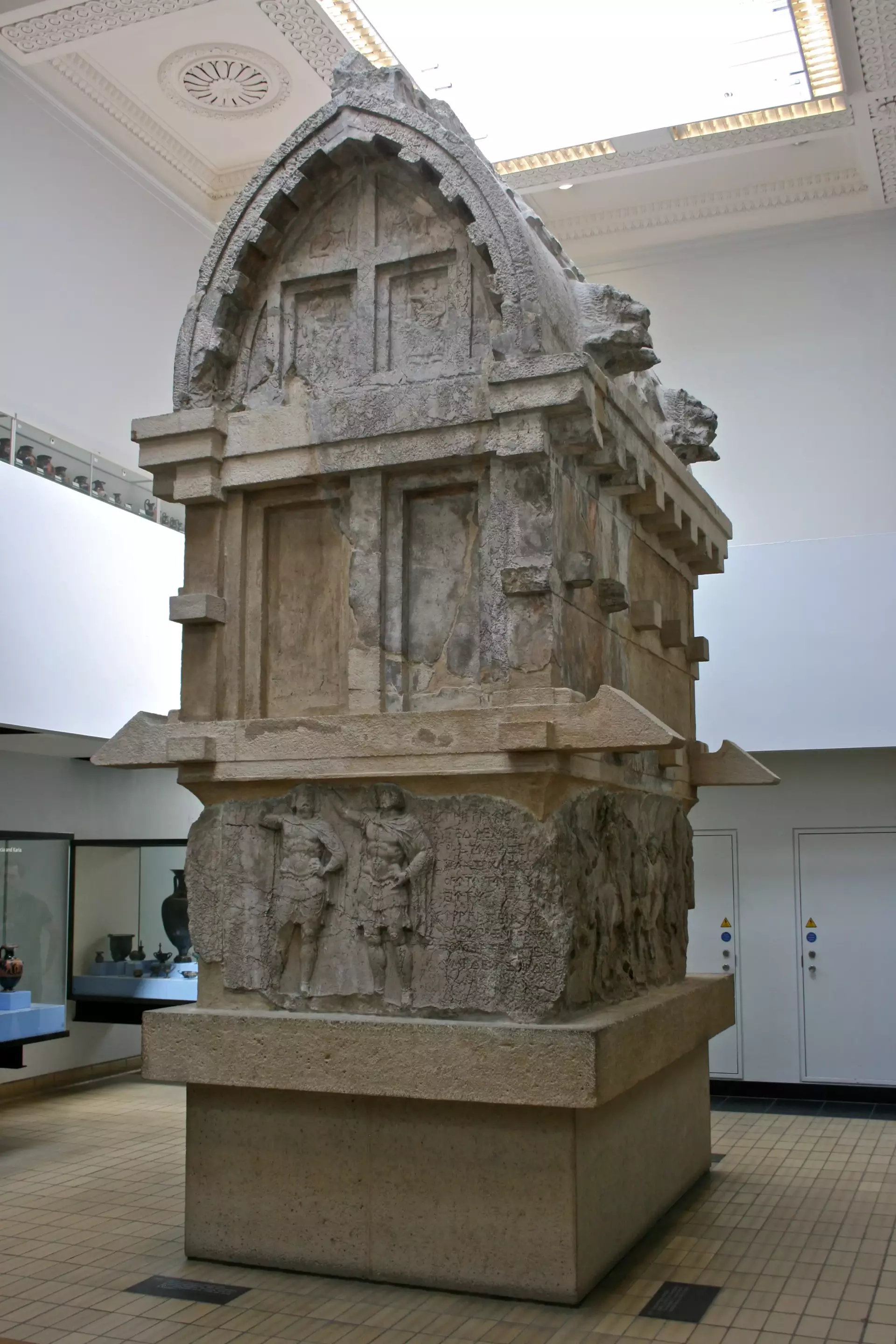
English:  Tomb of Payava in the British Museum.
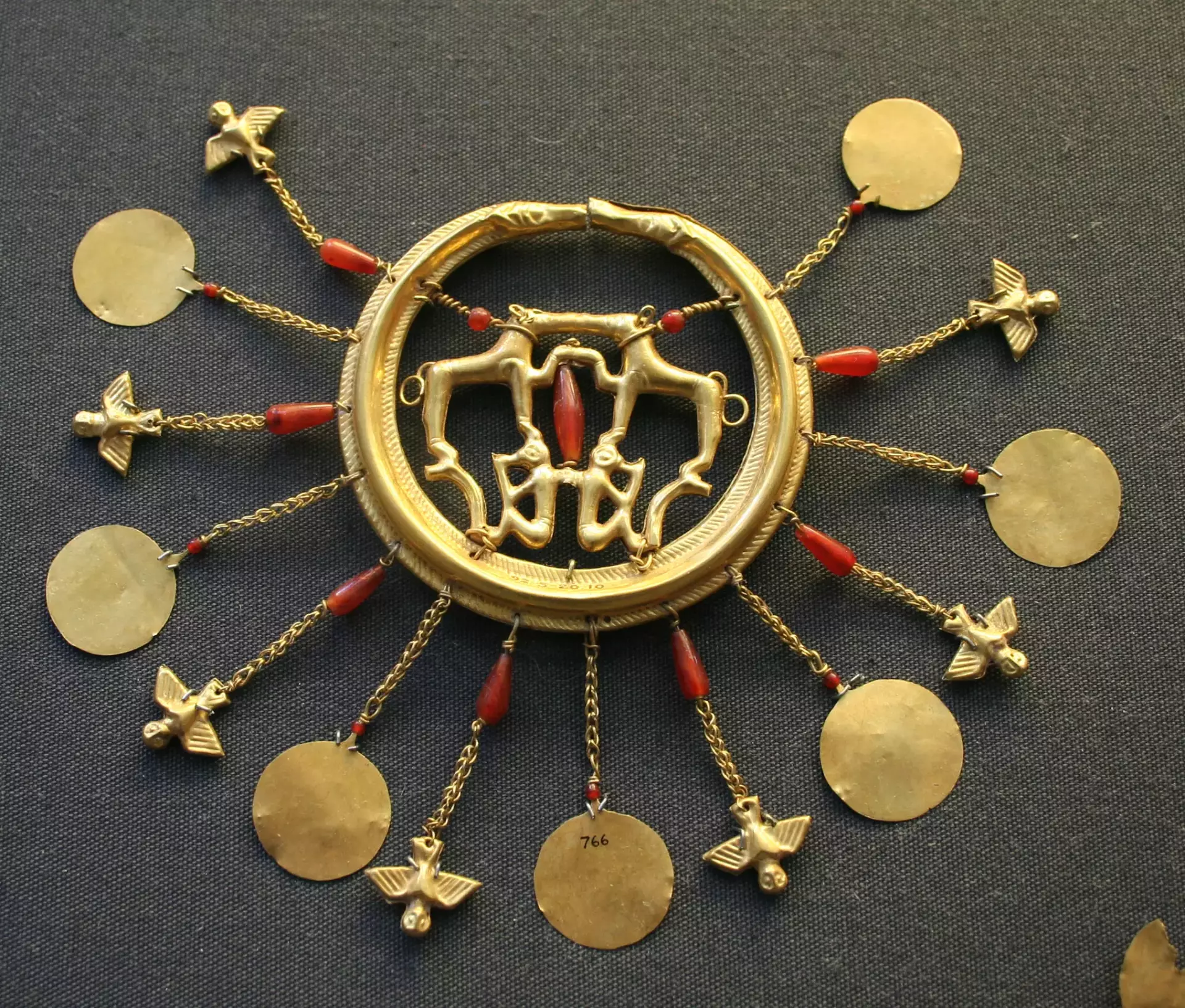
English:  Part of the Aegina treasure. This golden earring is one of a pair, the other is File:Aegina treasure 02.jpg. The main body is hoop from a double-headed snake. Inside are two slim animals, possibly greyhounds, over two monkeys. 14 short chains are hanging from the central part, alternating ending in golden discs and figures of owls. British Museum Catalogue Jewellery #763, the other earring is #764. Another pair of almost identical earrings exist and is numbered as #765 and #766. Description after Higgins: The Aegina Treasure, 1979 Deutsch:  Aegina-Schatz
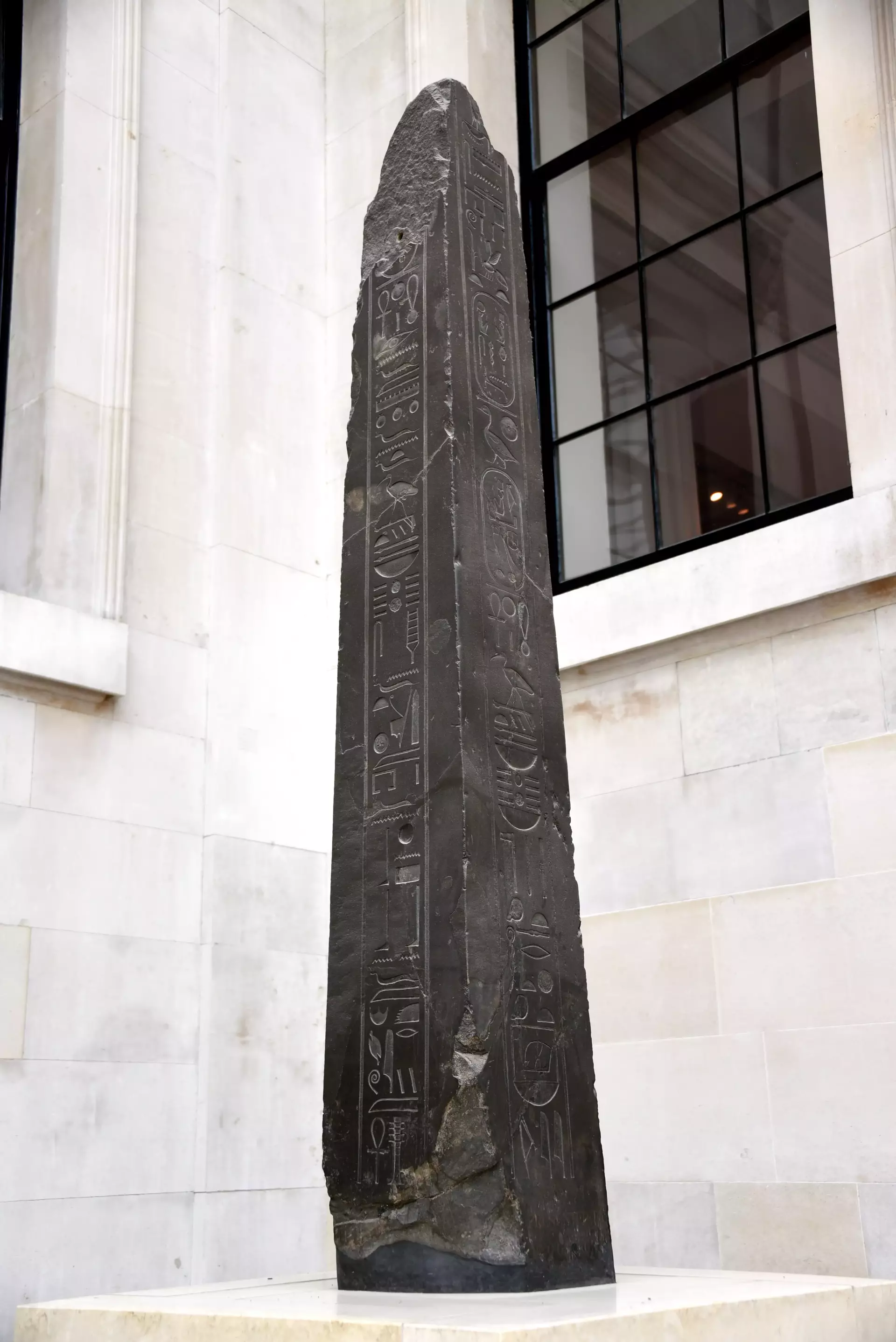
English:  One of a pair, the black siltstone obelisk of the Egyptian Pharaoh Nectanebo II (the last native ruler of ancient Egypt), c. 350 BCE. According to the vertical inscriptions, he set up this obelisk at the doorway of the sanctuary of Thoth, the Twice-Great, Lord of Hermopolis. 30th Dynasty. From modern-day Cairo, Egypt. The British Museum in London. Gift of His Majesty King George III. 1802 CE. EA 523.
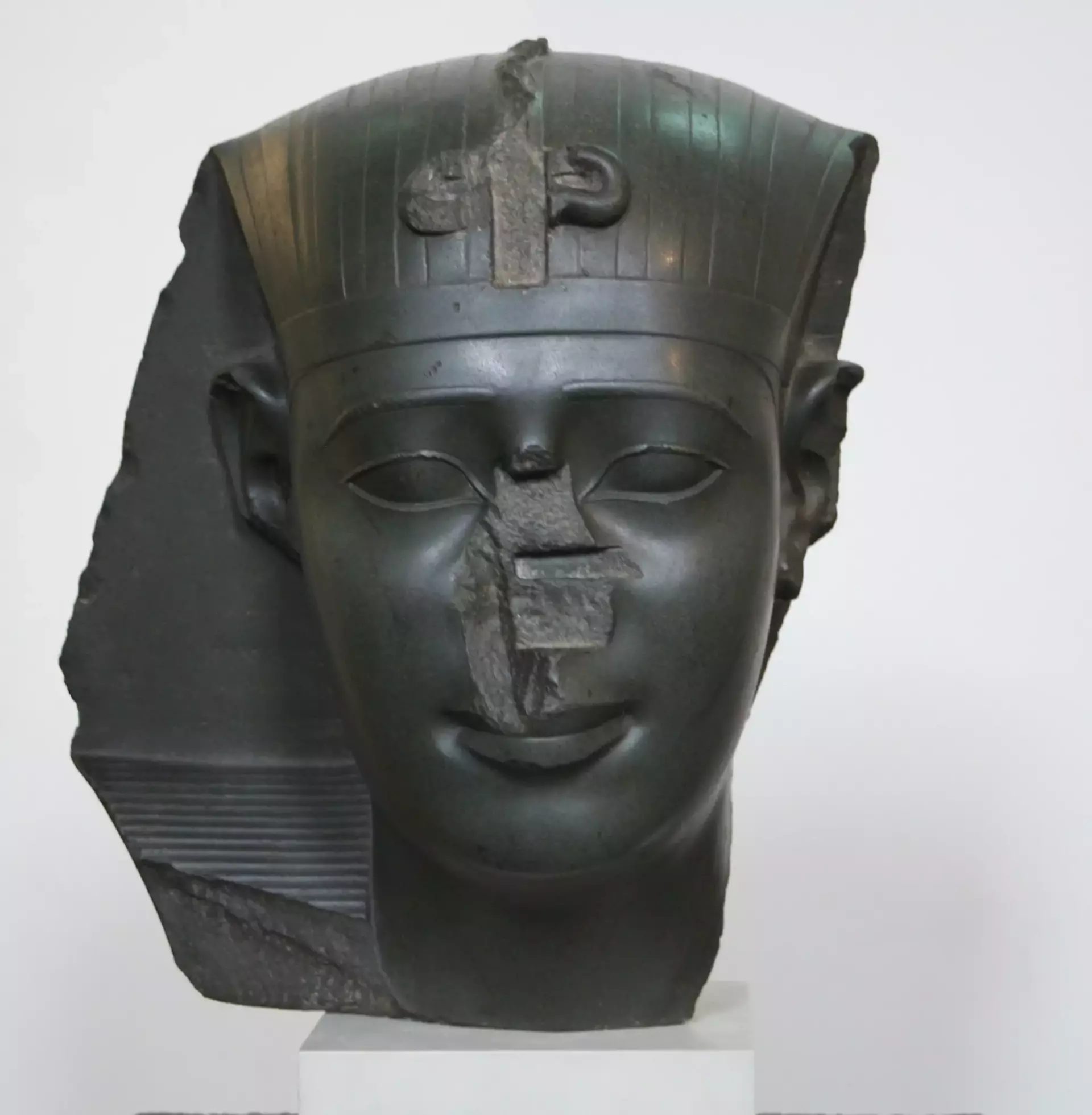
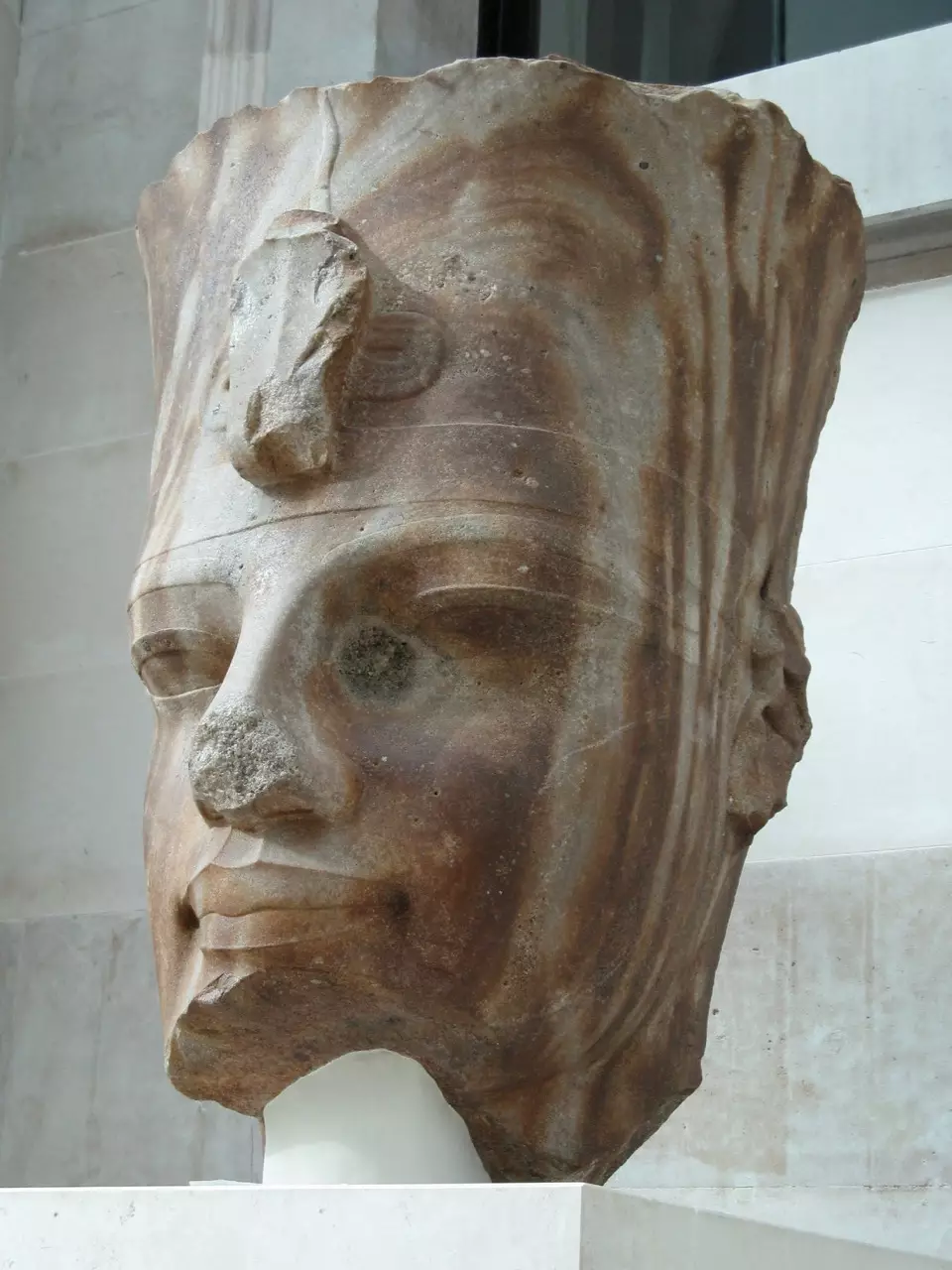
English:  Green siltstone head of a king. British Museum, London Deutsch:  British Museum, London EA 97
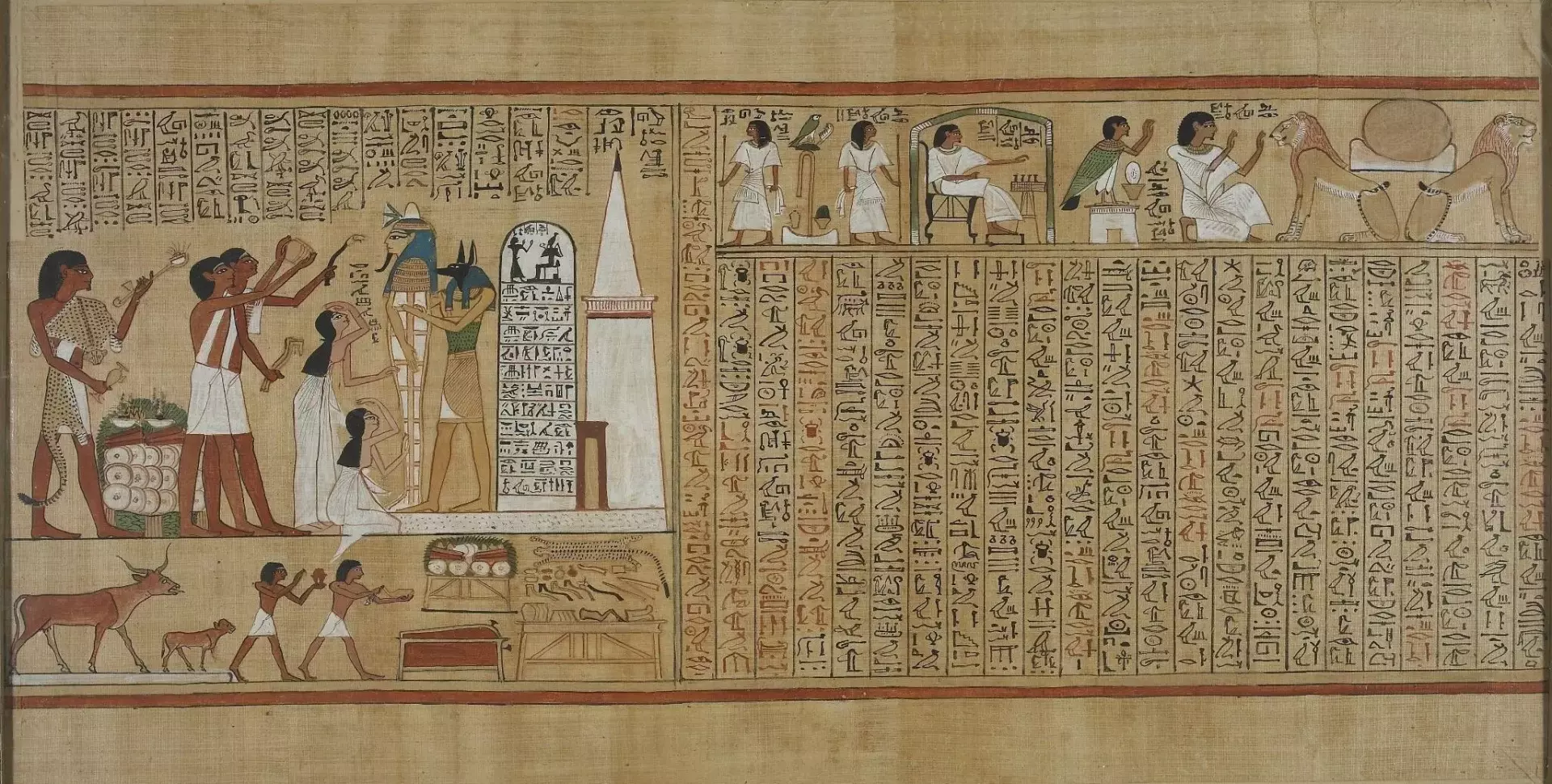
English:  The Book of the Dead of Hunefer, sheet 5.
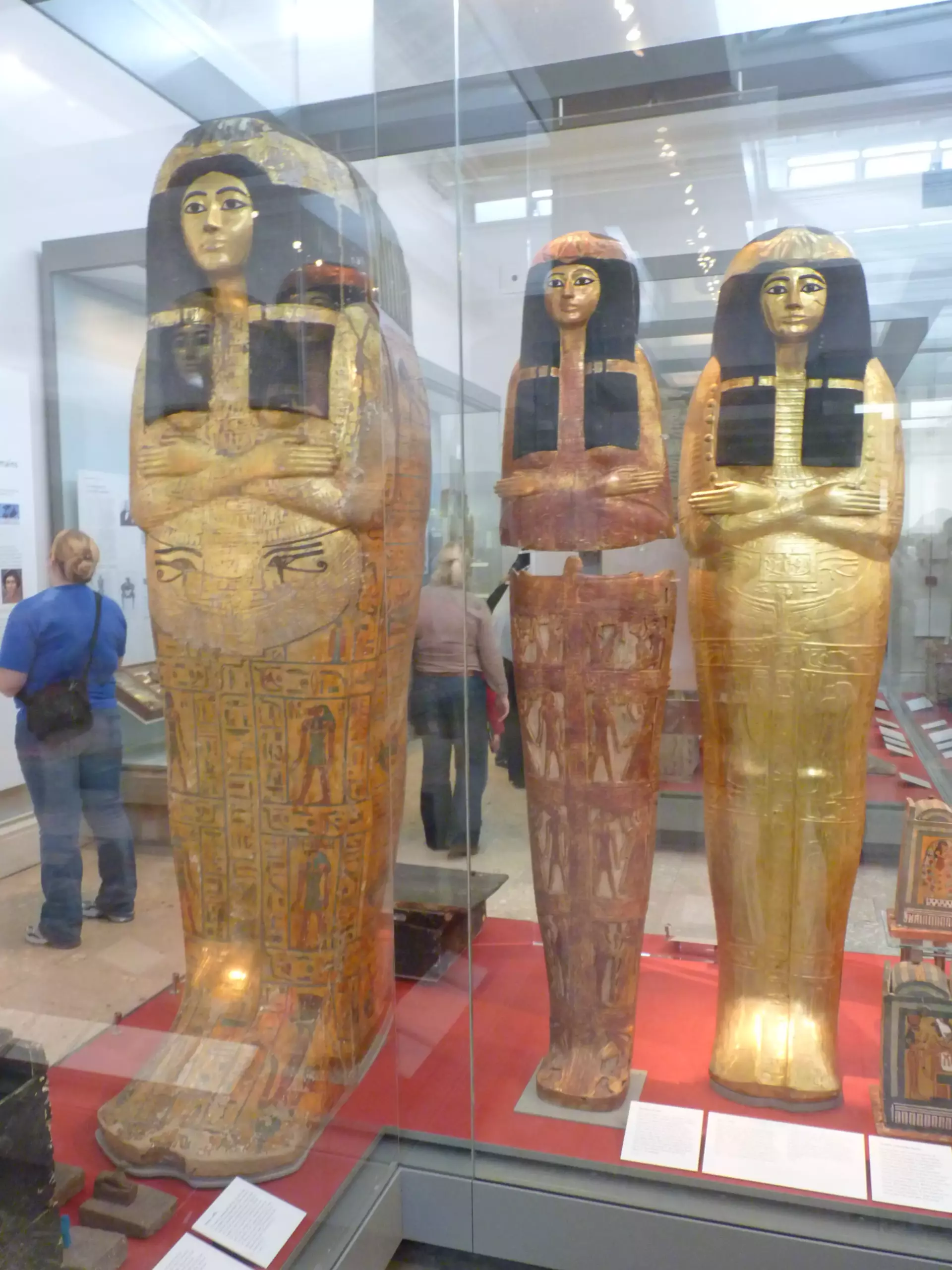
P1050700
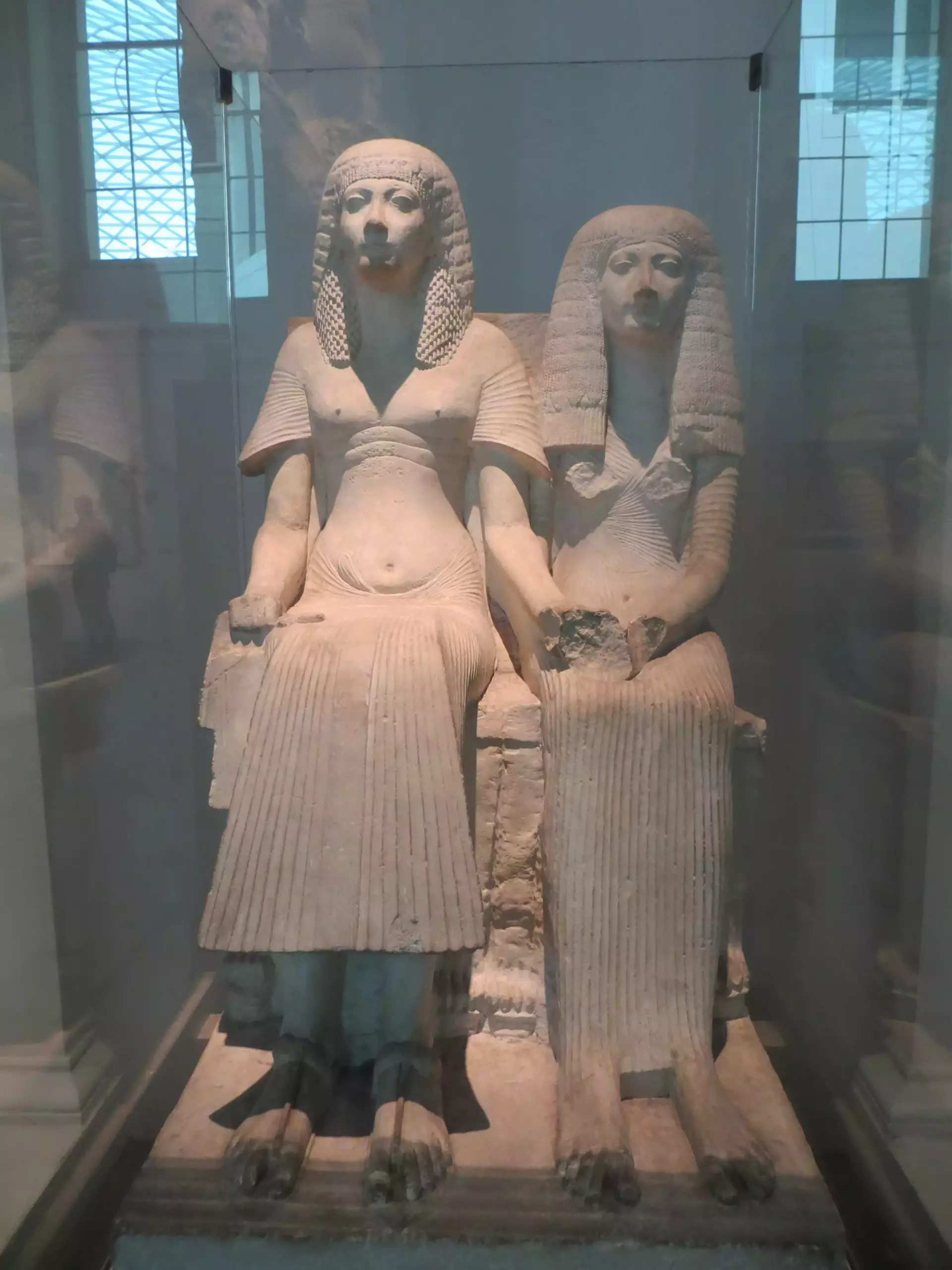
English:  Statue of Ancient Egyptian Couple, Horemheb and Amenia, in the British Museum
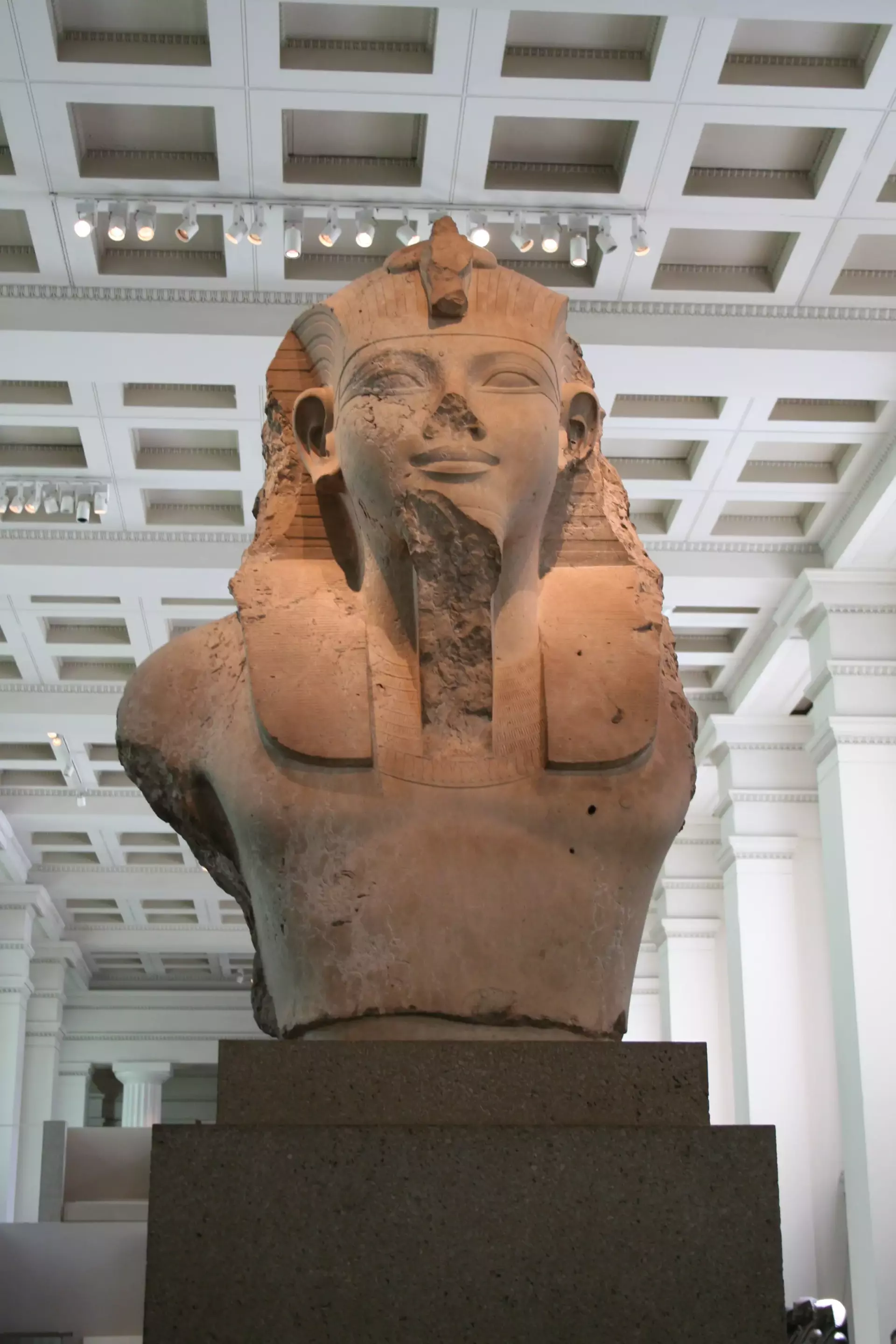
English:  Colossal quartzite statue of Amenhotep III, c. 1350 BC at Great Court –
English:  British Museum, London Deutsch:  British Museum, London
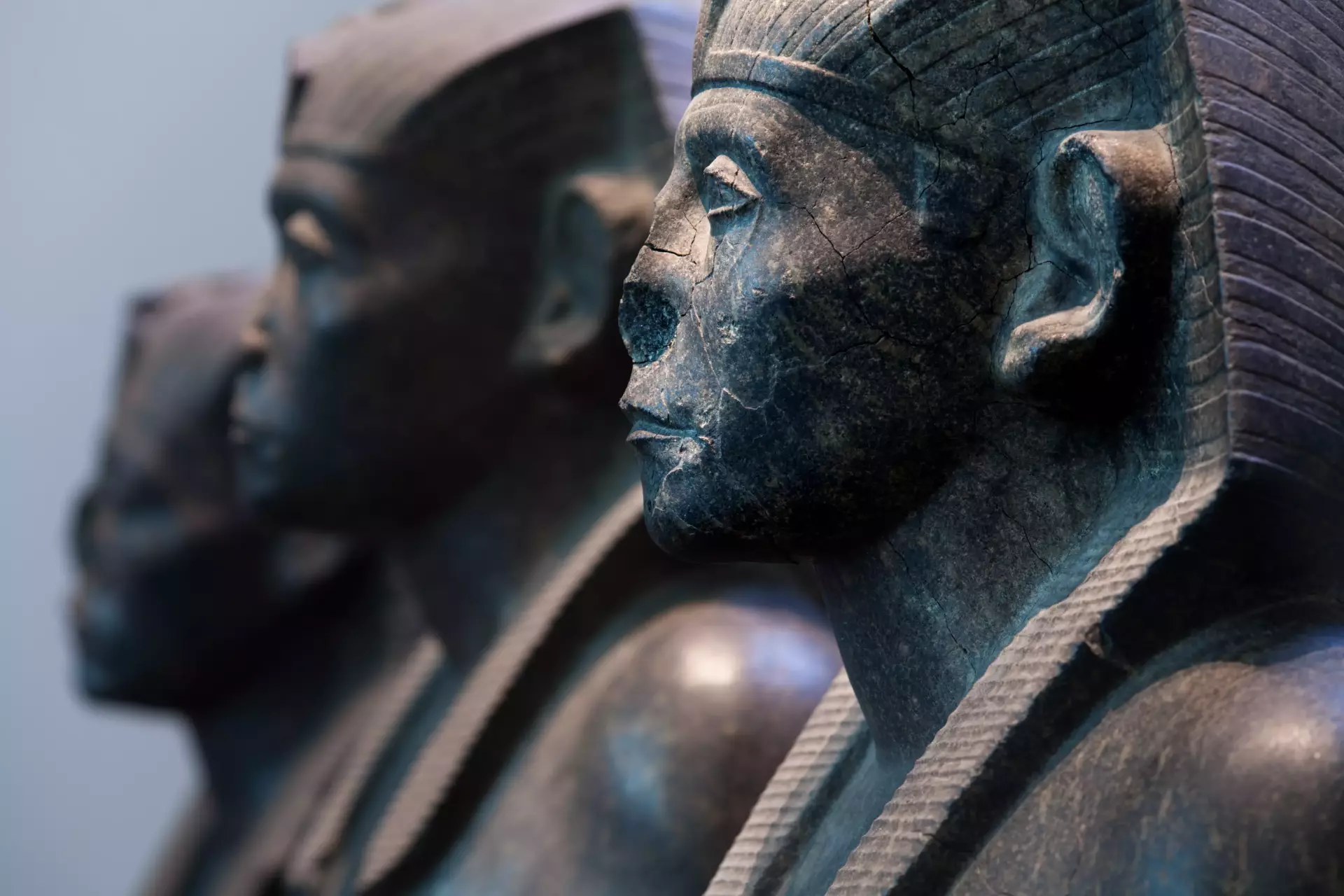
English:  The granite sculptures of Sesostris III. British Museum, London, UK

British Museum

London, Great Britain

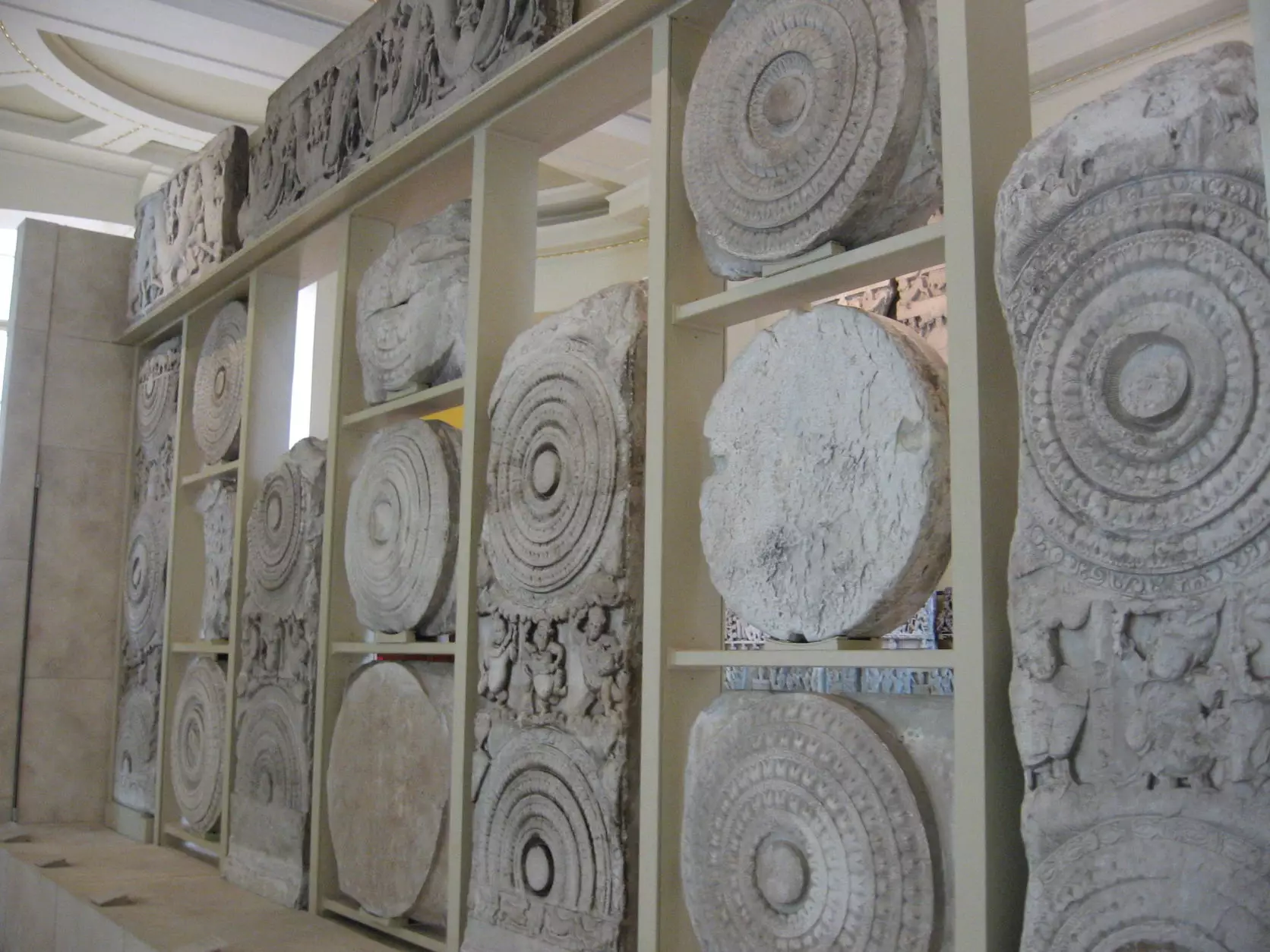
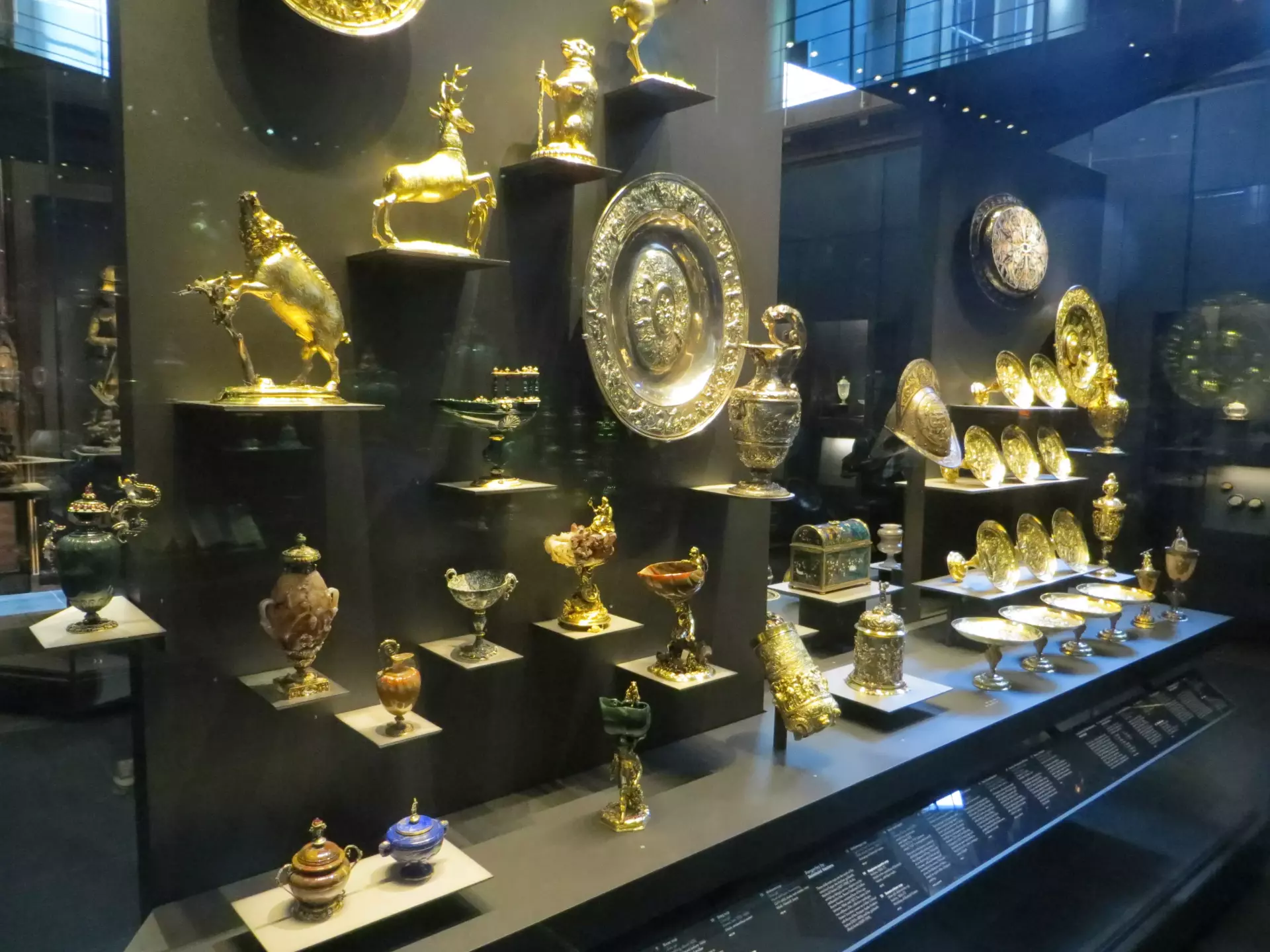
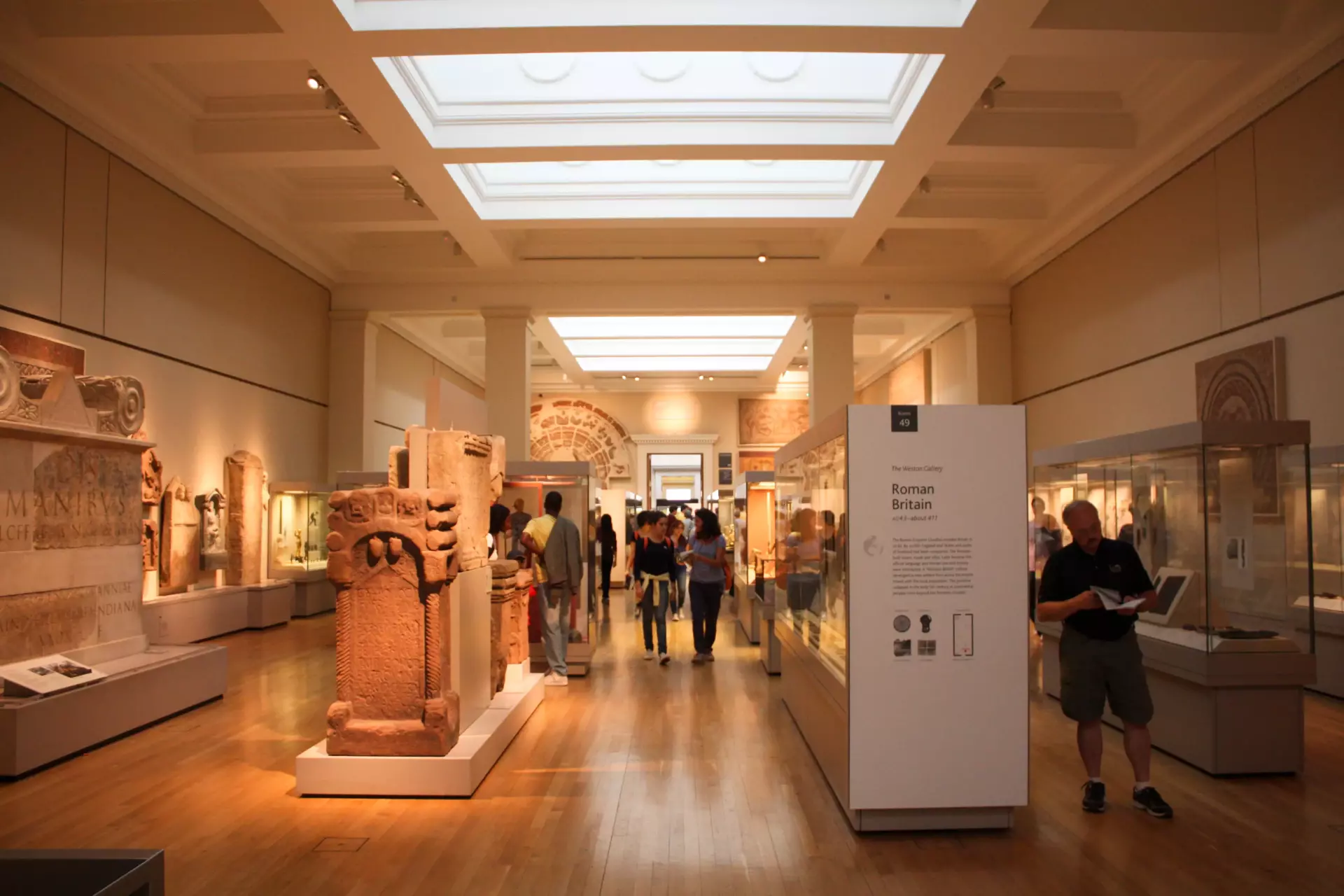
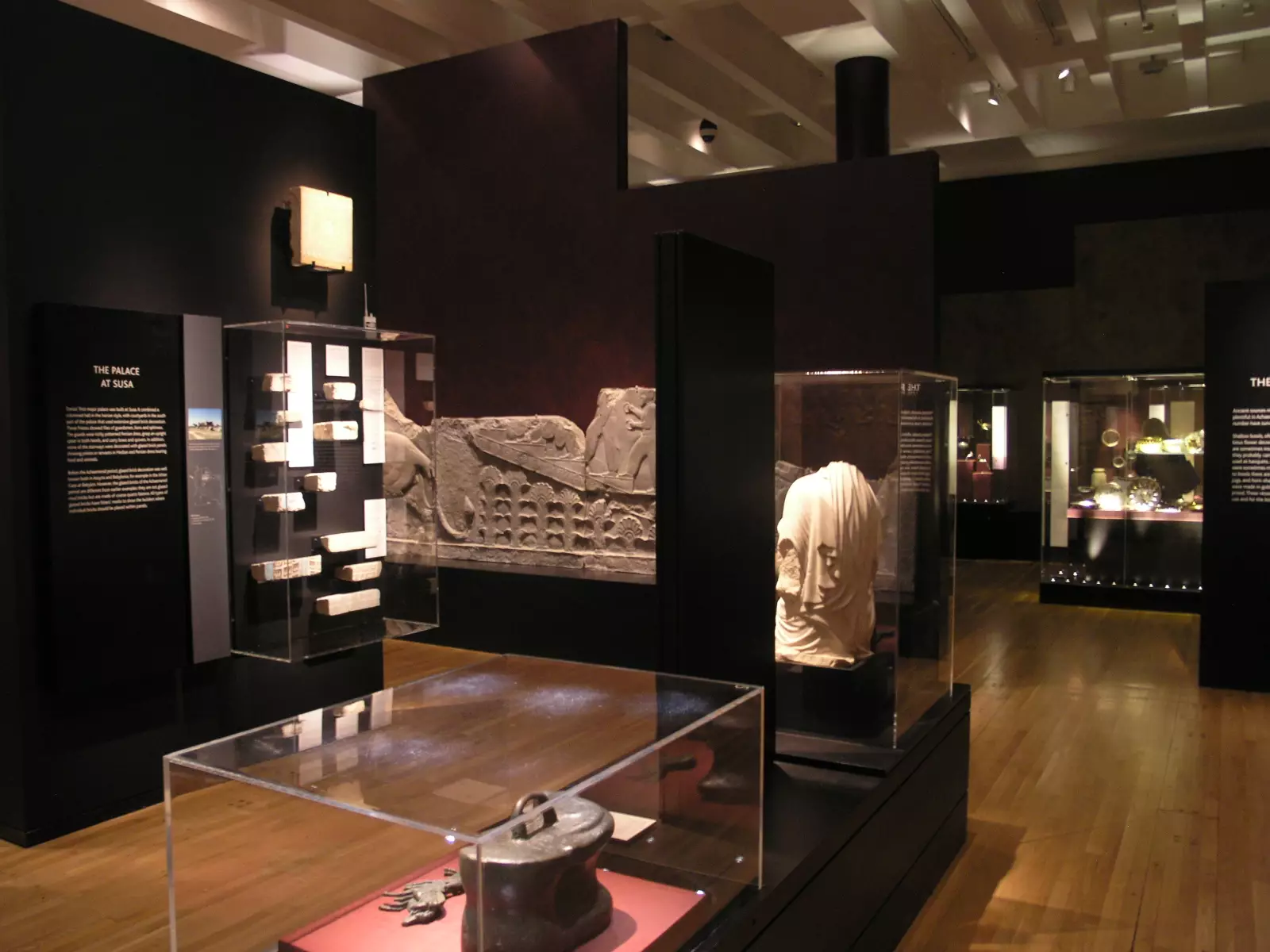
The British Museum stands as a grand showcase of the world's diverse cultures, housing thousands of artifacts from across the globe. While its collection is impressive, it has sparked debate due to the presence of many items acquired through less than ideal means. Visitors can explore entire sections dedicated to Egyptian, Greek, and Middle Eastern artifacts, with the Rosetta Stone serving as a centerpiece that ties these collections together.

Highlights of the Collection

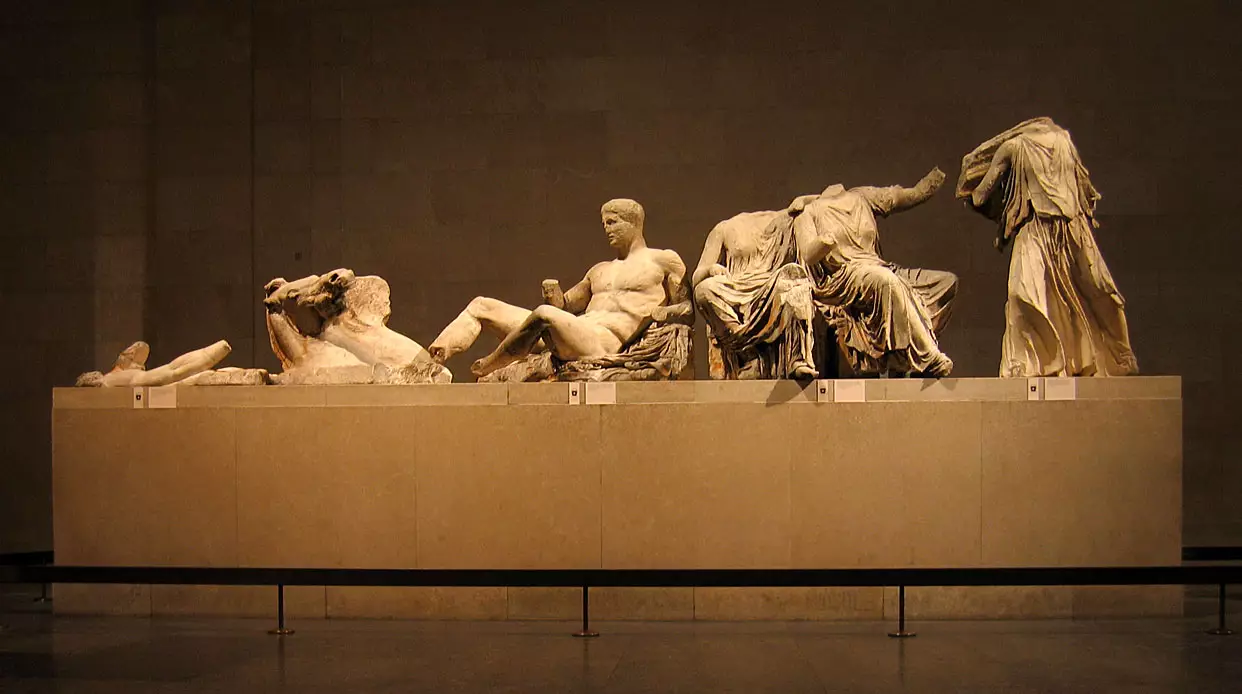
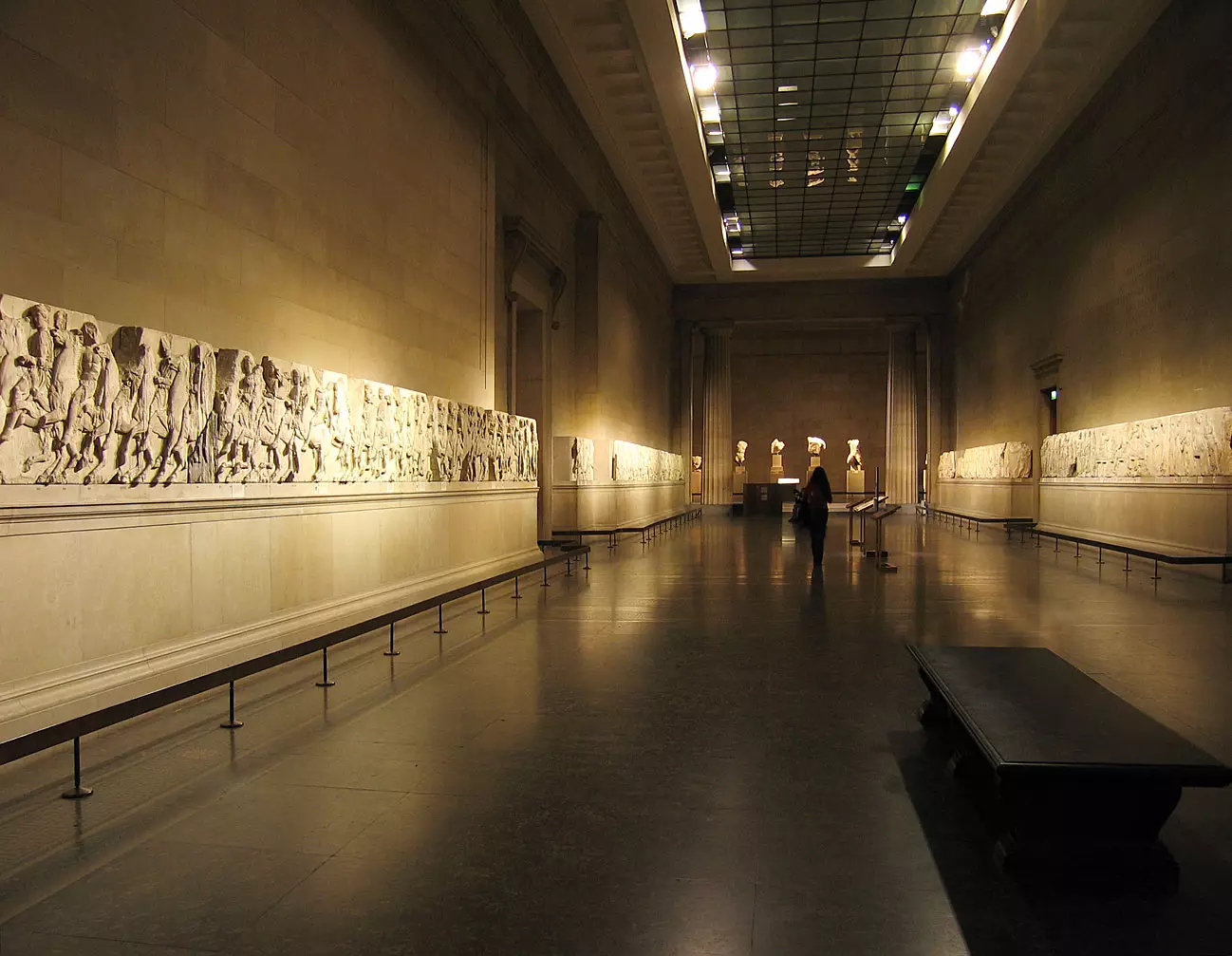
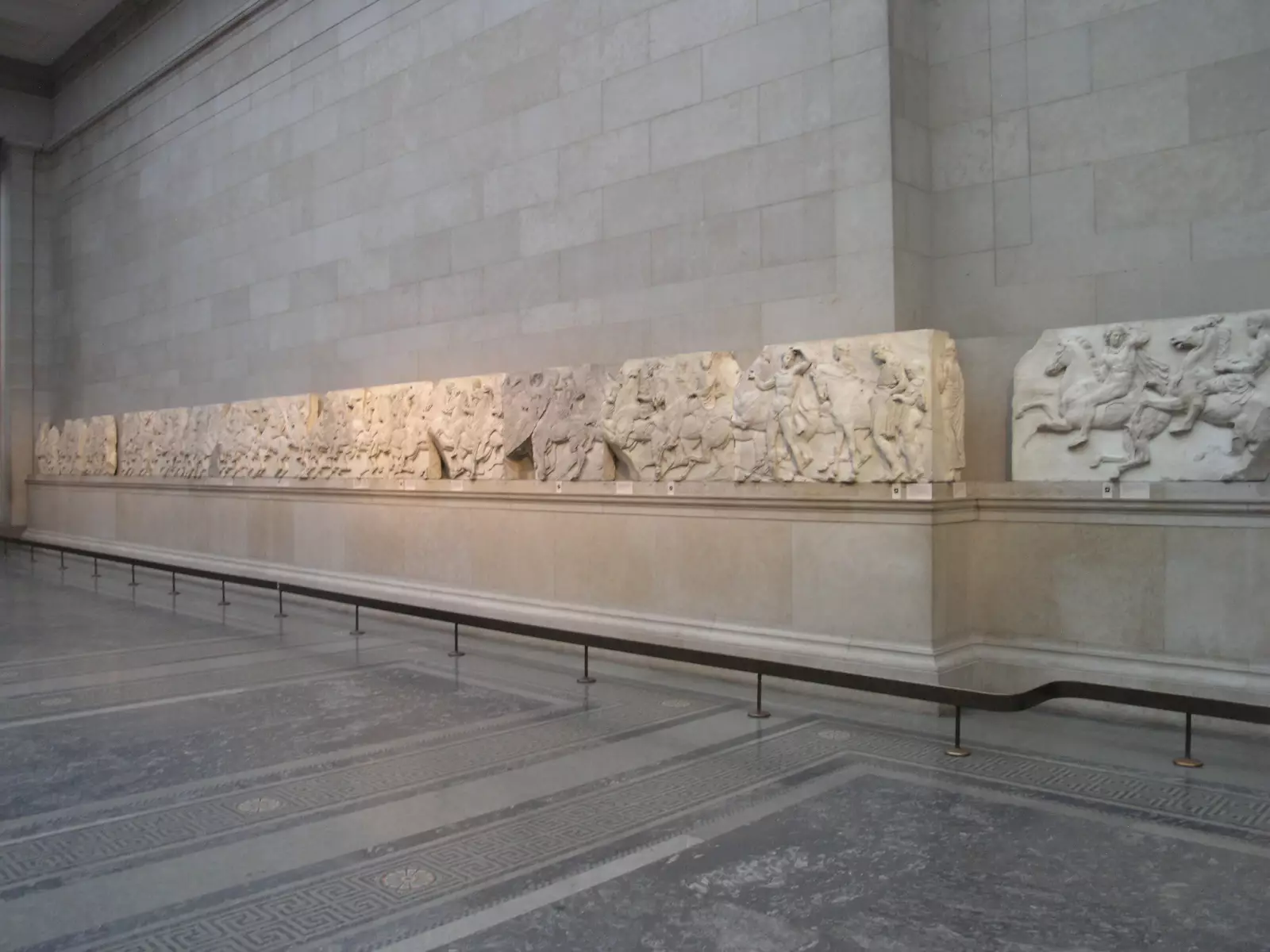
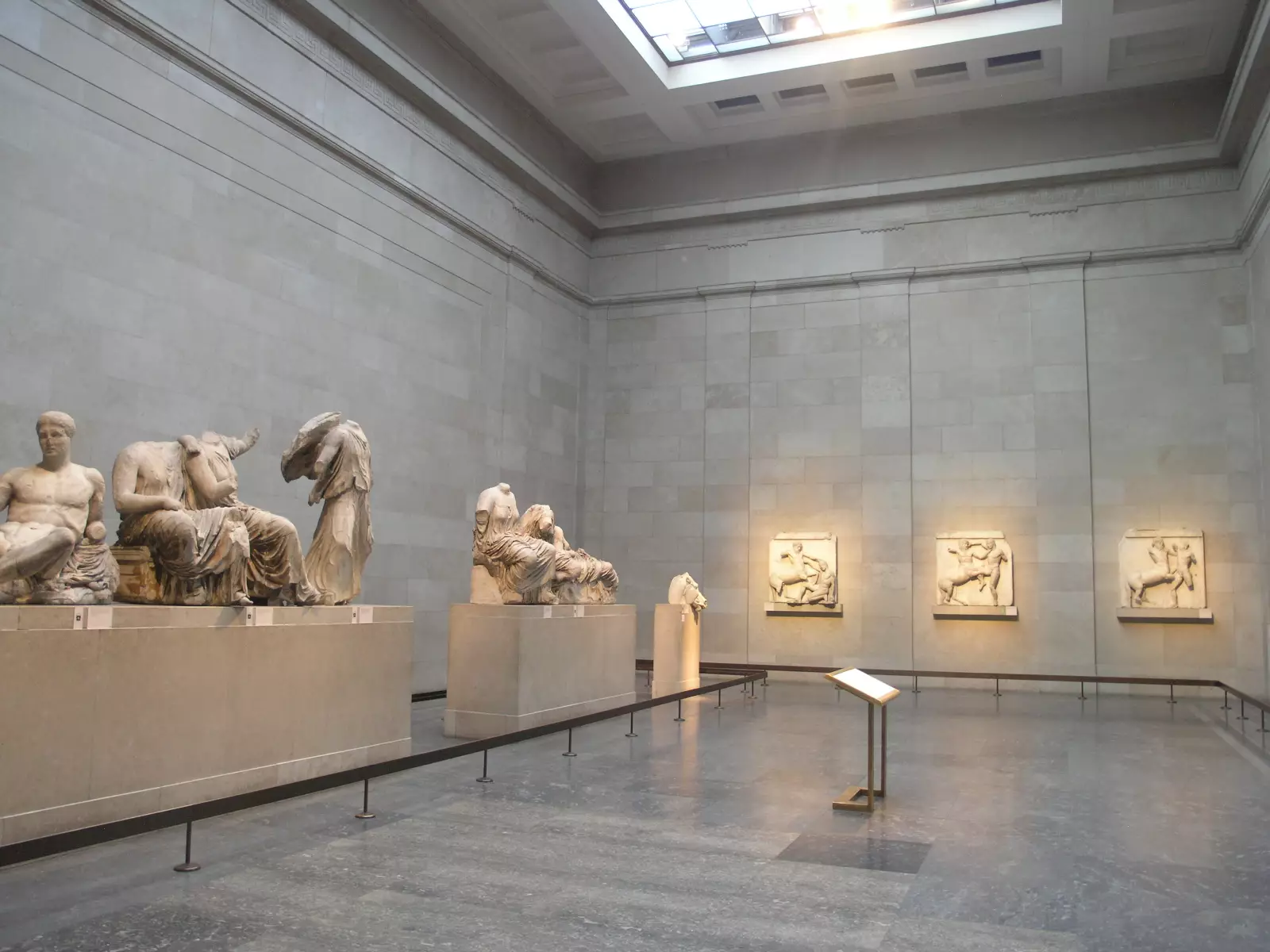
Among the museum's most notable treasures is the largest collection of mummies outside of Egypt, offering a fascinating glimpse into ancient Egyptian burial practices. The Elgin Marbles, another famed exhibit, draw crowds eager to witness these classical Greek sculptures up close.

Art from Around the World

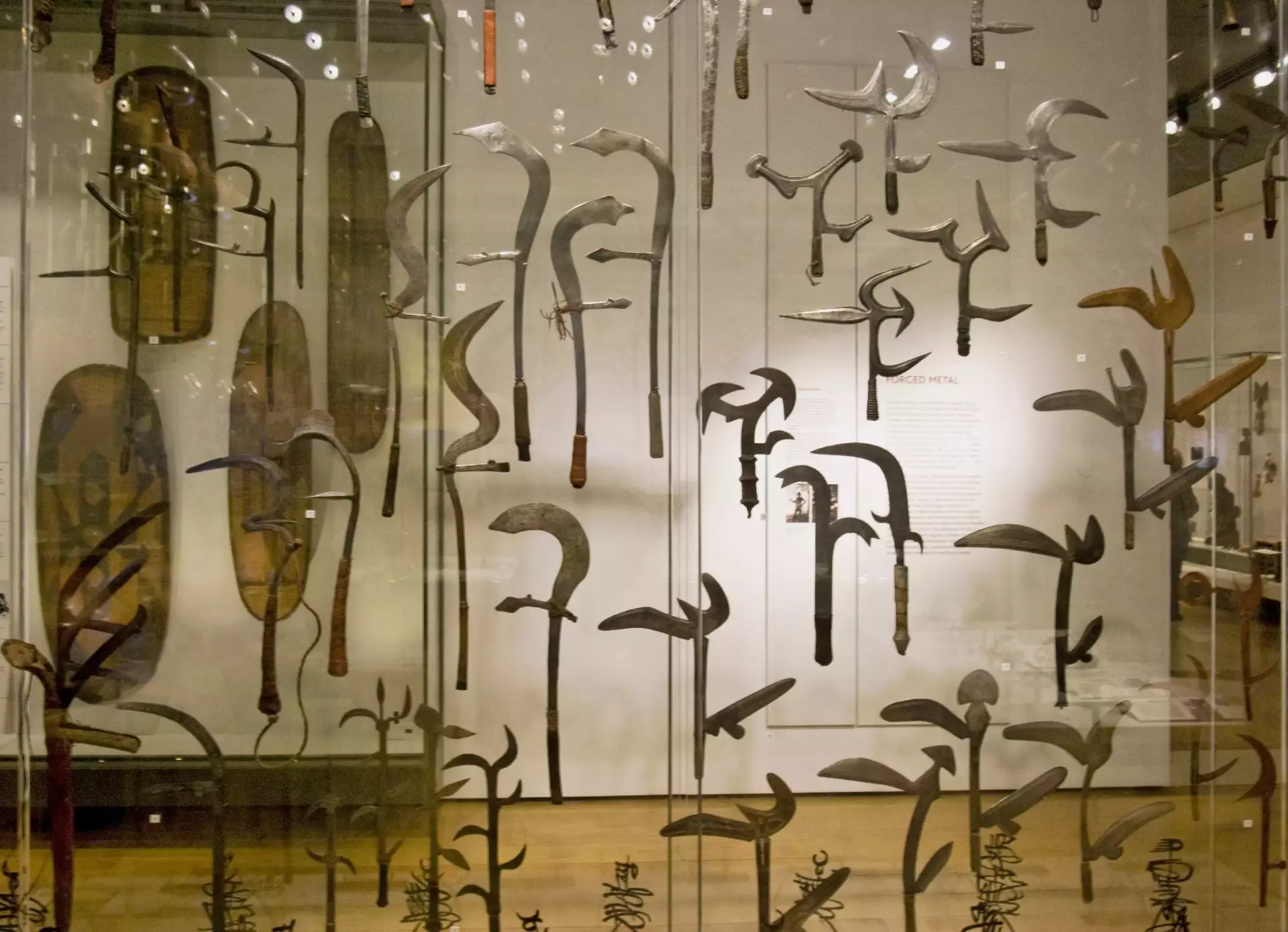
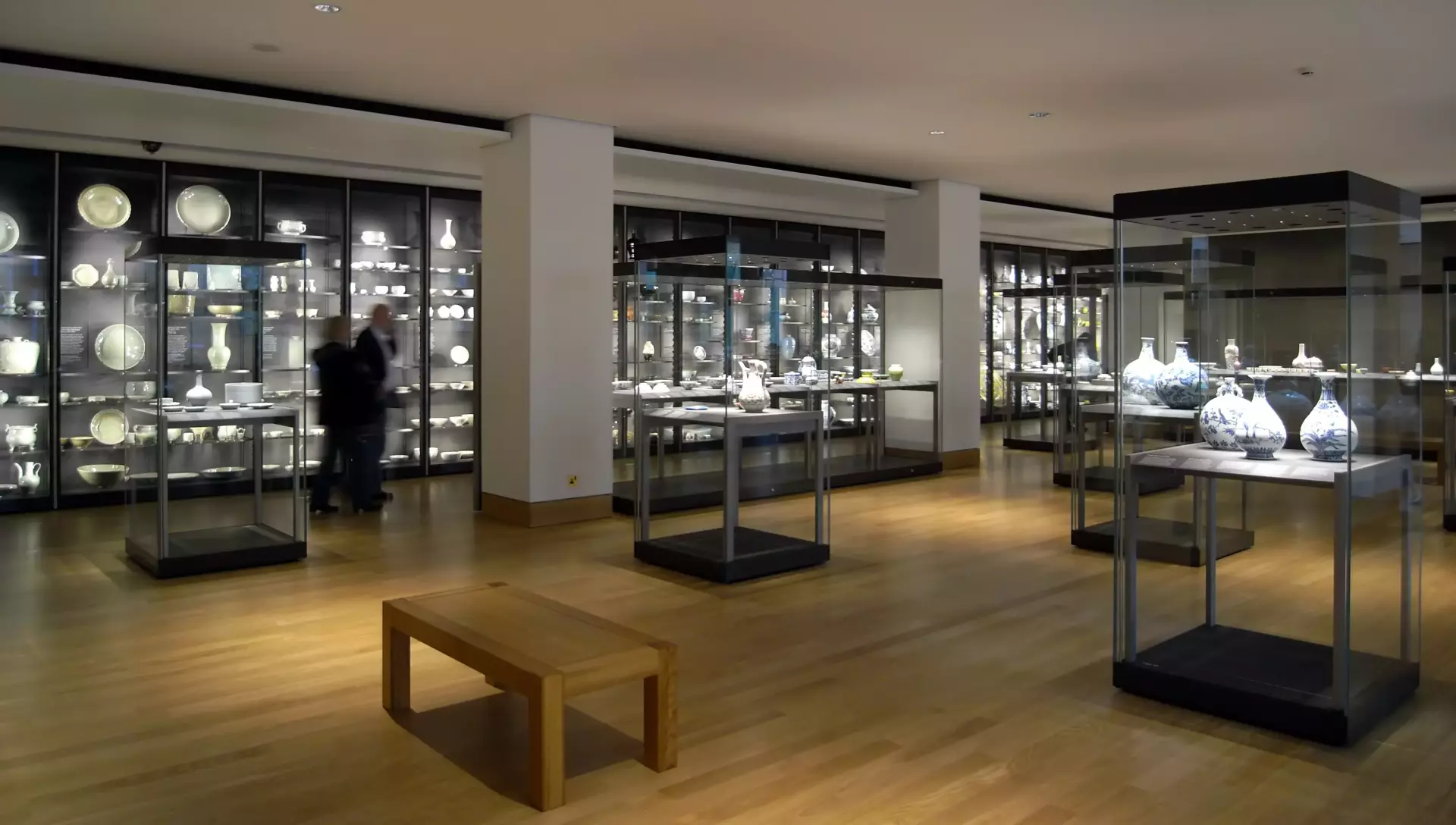
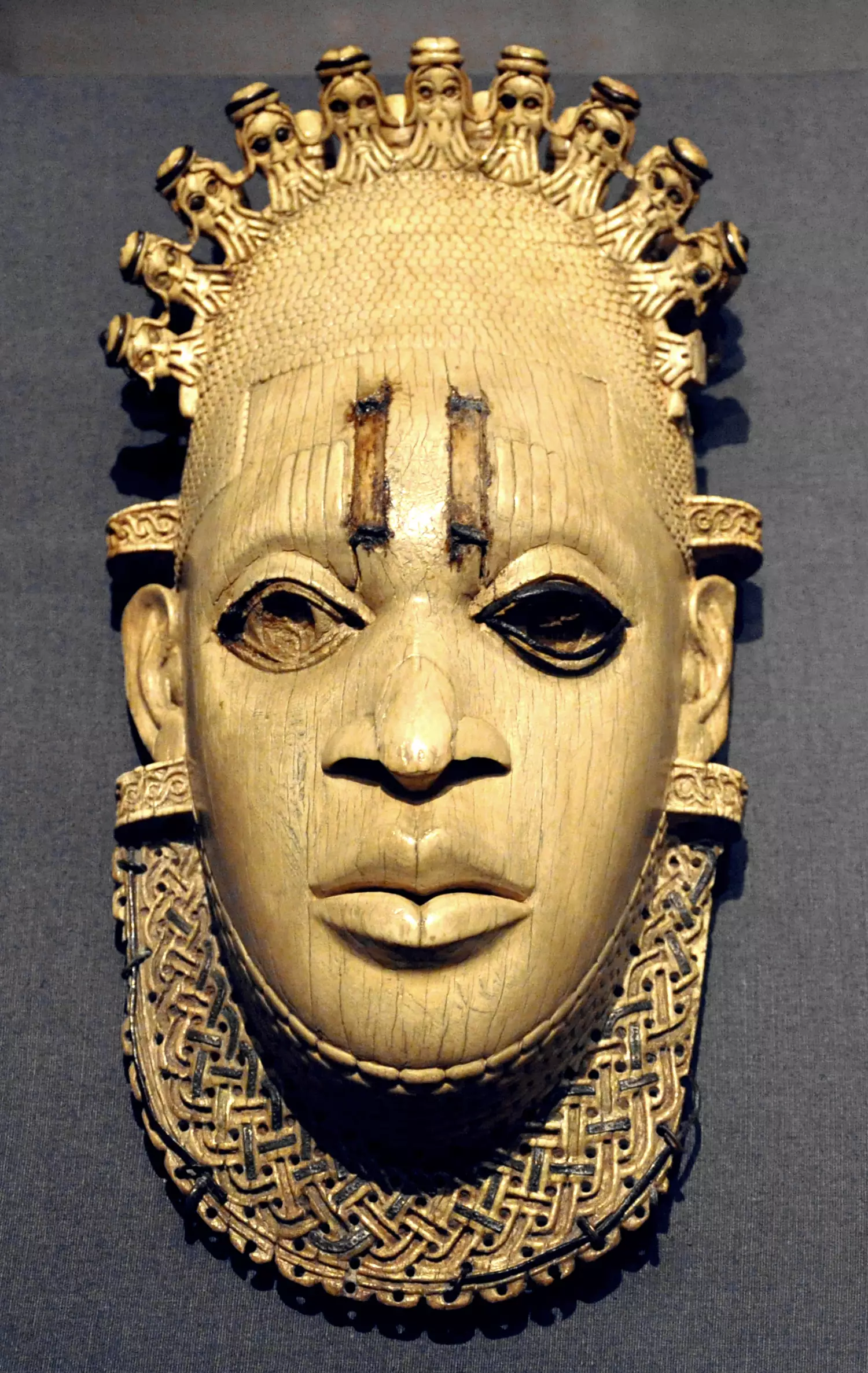
The British Museum also boasts exceptional collections of Chinese and Sub-Saharan African art. One of the most renowned African collections is the Benin bronzes, which showcase the craftsmanship of the Kingdom of Benin. These pieces, like many others in the museum, tell stories of cultural heritage and artistry.

Exhibitions and Shopping

In addition to its permanent displays, the museum regularly hosts temporary exhibitions. These exhibits are well-researched and offer detailed insights into various topics, although they can come with a higher price tag. For those looking to take home a piece of history, the museum's store offers a range of high-quality replicas of items from the collection.

Source - https://en.wikipedia.org/wiki/British_Museum

Developed by Reflex.com.ua
Contacts
  • info@reflex.com.ua
Social media