



Chelsea Physic Garden
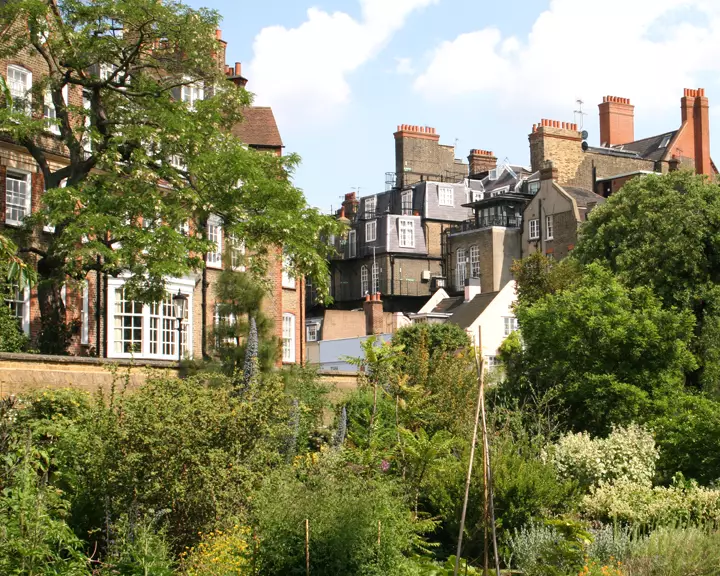
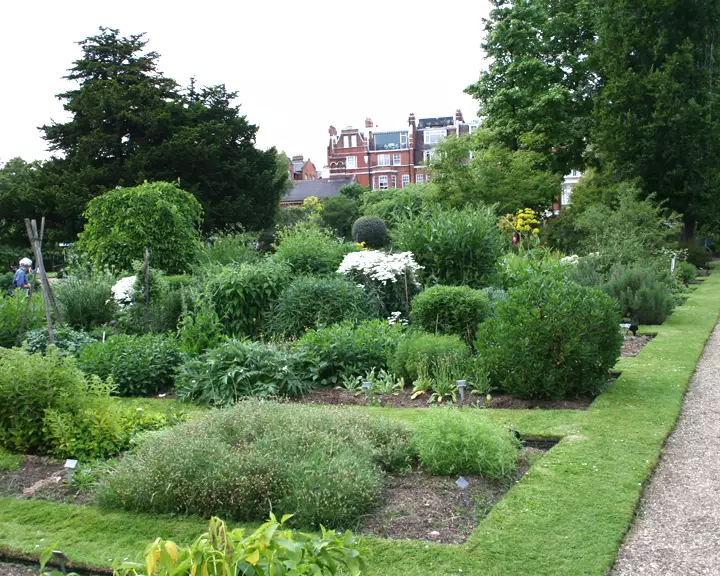
Founded by apothecaries in the 17th century, the Chelsea Physic Garden is steeped in history, dedicated to exploring the medicinal properties of plants. It's a place where the past meets the present, offering a unique blend of heritage and horticulture.
Although the garden was originally created for scientific purposes, it wasn't until the 1980s that it opened its doors to the public. Today, it operates as a charity, inviting visitors to explore its rich collection of plants from around the world.
The Warm Embrace of London's Climate
One of the garden's fascinating features is its unique microclimate. The thick walls surrounding the garden, along with London's urban warmth, create a heat-sink that makes the garden much warmer than its typical latitude would suggest. This special climate allows for remarkable botanical achievements.
The garden boasts the world's most northerly grapefruit tree growing outside a greenhouse. It is also home to the largest fruiting olive tree in the country. These extraordinary plants thrive thanks to the garden's warm microclimate, showcasing a delightful array of botanical wonders.
A Diverse Collection of Plant Species
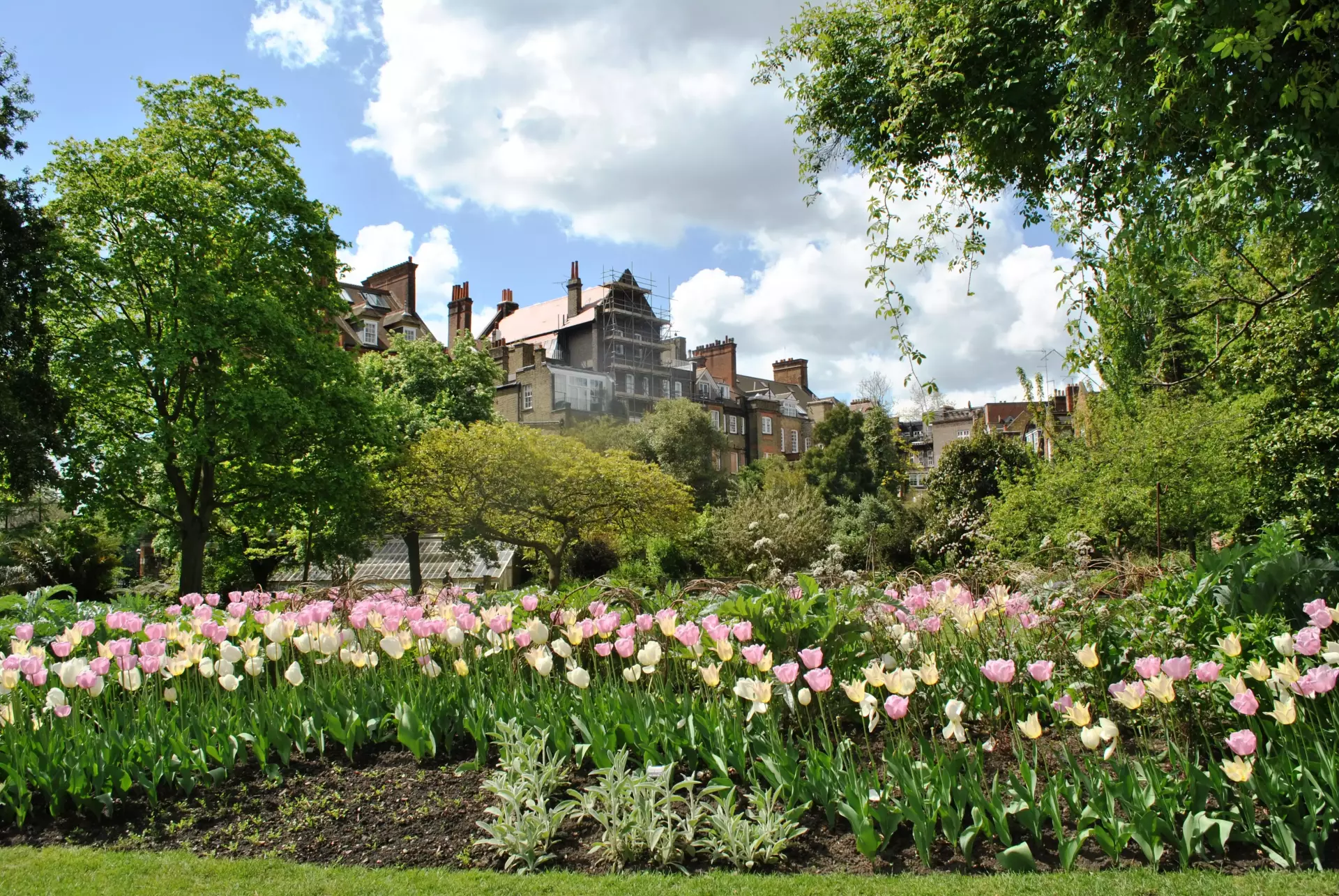
Visitors to the Chelsea Physic Garden can marvel at thousands of different plant species. Each plant tells a story, from the healing properties studied by early apothecaries to the ornamental beauty appreciated by garden enthusiasts today.
Whether you are drawn to the historical significance or the natural splendor, the garden offers a tranquil escape in the heart of London, where history and nature coexist in perfect harmony.
Source - https://en.wikipedia.org/wiki/Chelsea_Physic_Garden