
Search ×
Home New York
Fort Tryon Park
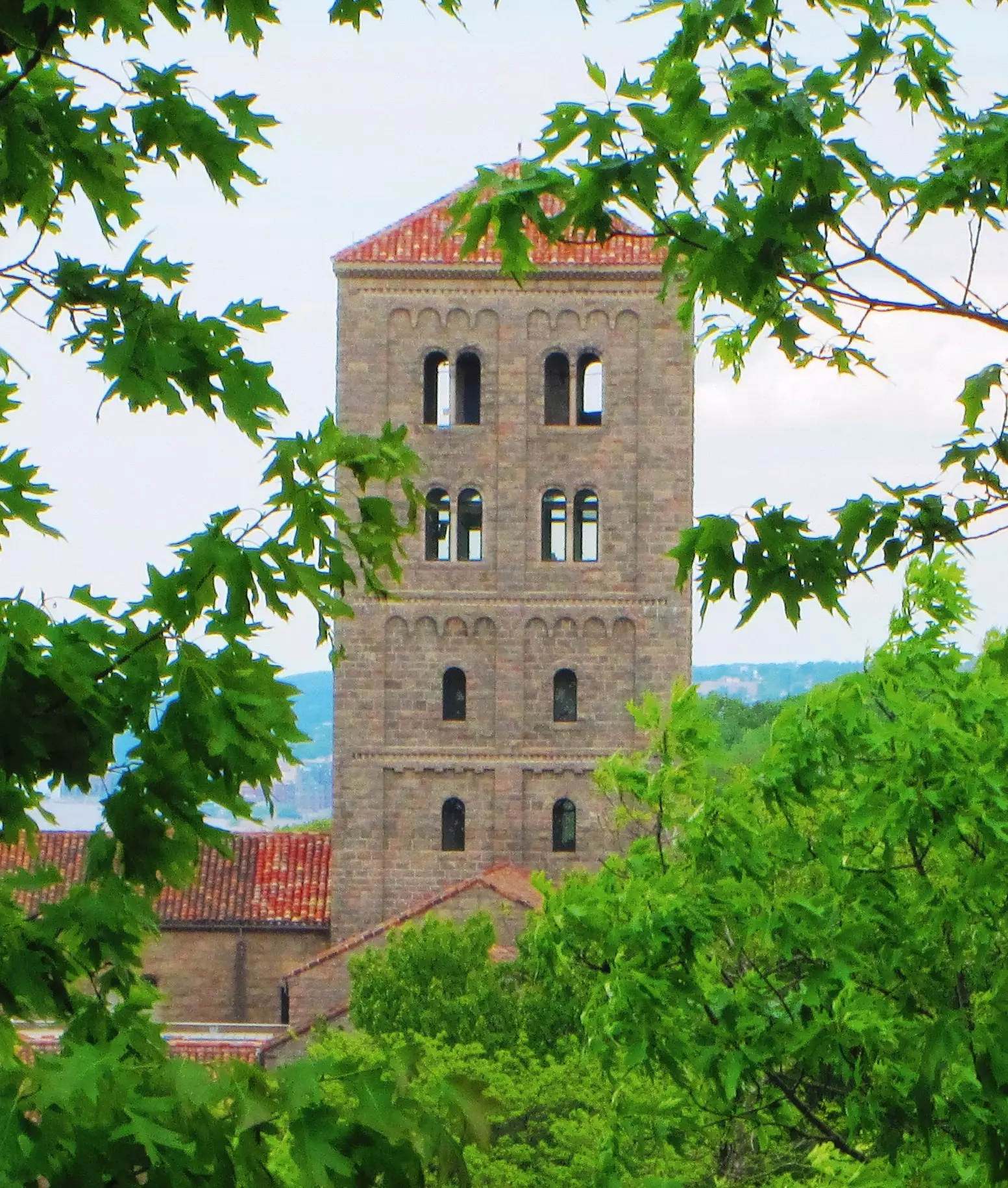
The tower of The Cloisters as seen from Linden Terrace in Fort Tryon Park.
Fort Tryon Park near Flagstaff, New York.
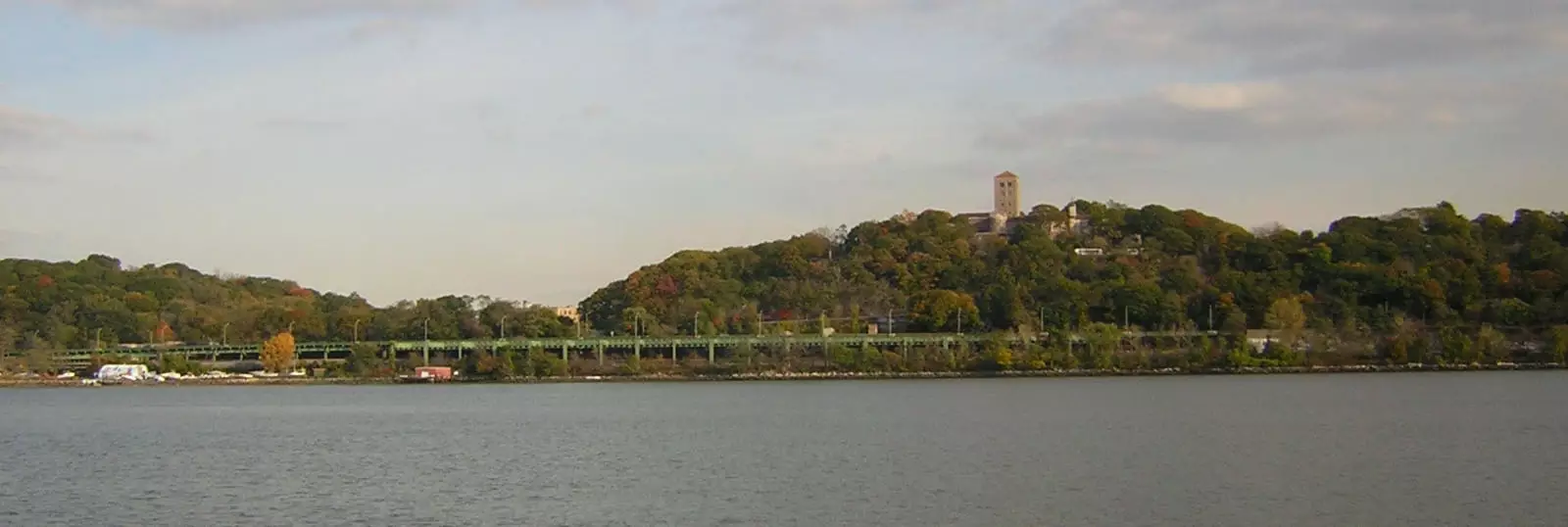
Fort Tryon Park, as seen from a Circle Line boat on the Hudson in the afternoon, includes the southern part of Inwood Park, the Henry Hudson Parkway, and The Cloisters.
Fort Tryon Park during spring.
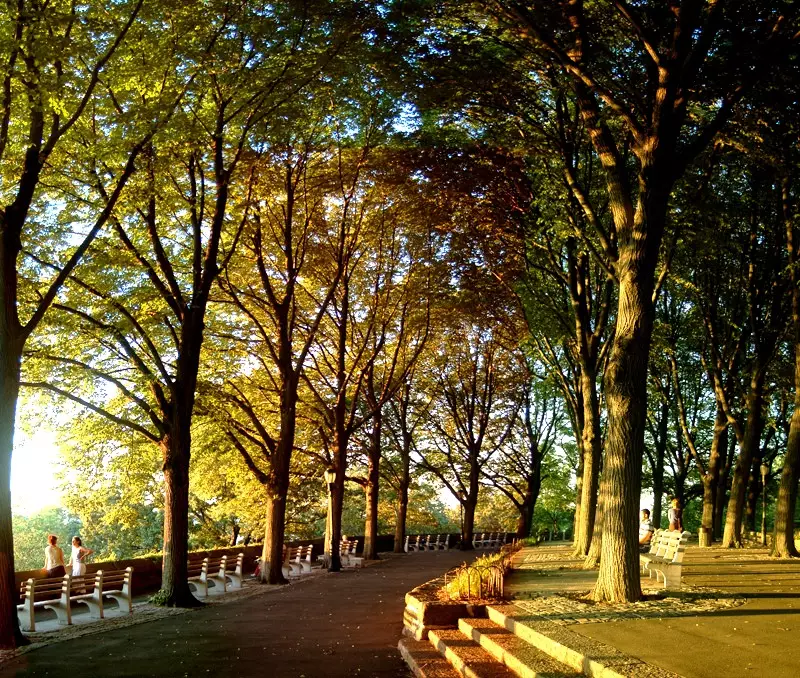
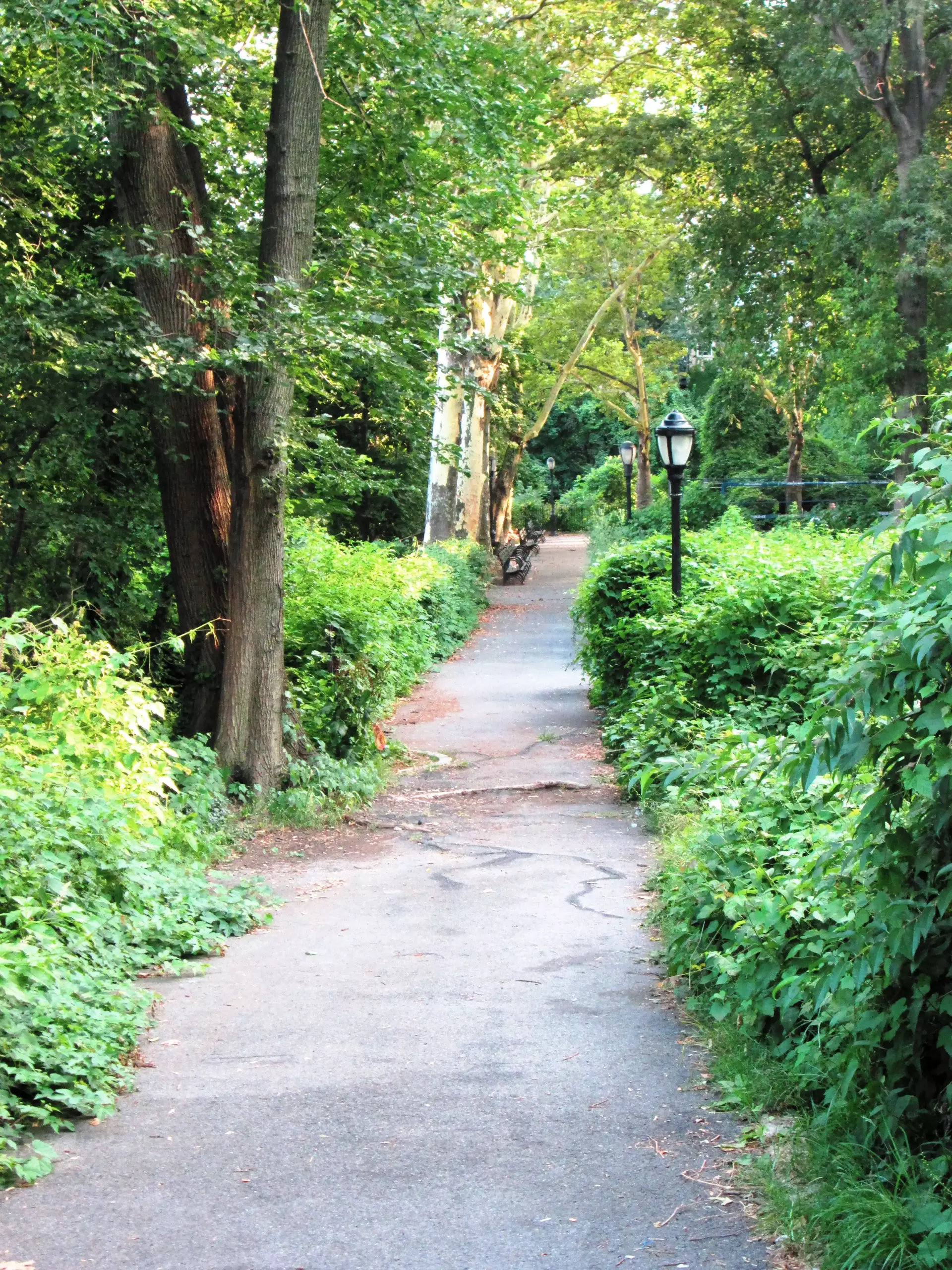
A walkway in Fort Tryon Park.
Fort Tryon Park was created when philanthropist John D. Rockefeller, Jr. began buying up county estates in the area where the Battle of Washington Heights was fought during the Revolutionary War, with the intention of creating a park. He enlisted Frederick Law Olmsted, Jr. of the Olmsted Brothers firm to design the park, while James W. Dawson created the planting plan. The park was gifted to the city in 1931 and completed in 1935. Rockefeller also donated a collection of medieval art to the Metropolitan Museum of Art, which built The Cloisters in the park to house it, completing it in 1939. The park extends from West 190th Street to Dyckman Street and from Broadway to Riverside Drive/West Side Highway. The main entrance is at Margaret Corbin Circle, at the intersection of Fort Washington Avenue and Cabrini Boulevard. The park was added to the National Register of Historic Places in 1978 and was designated a New York City Scenic Landmark in 1983.
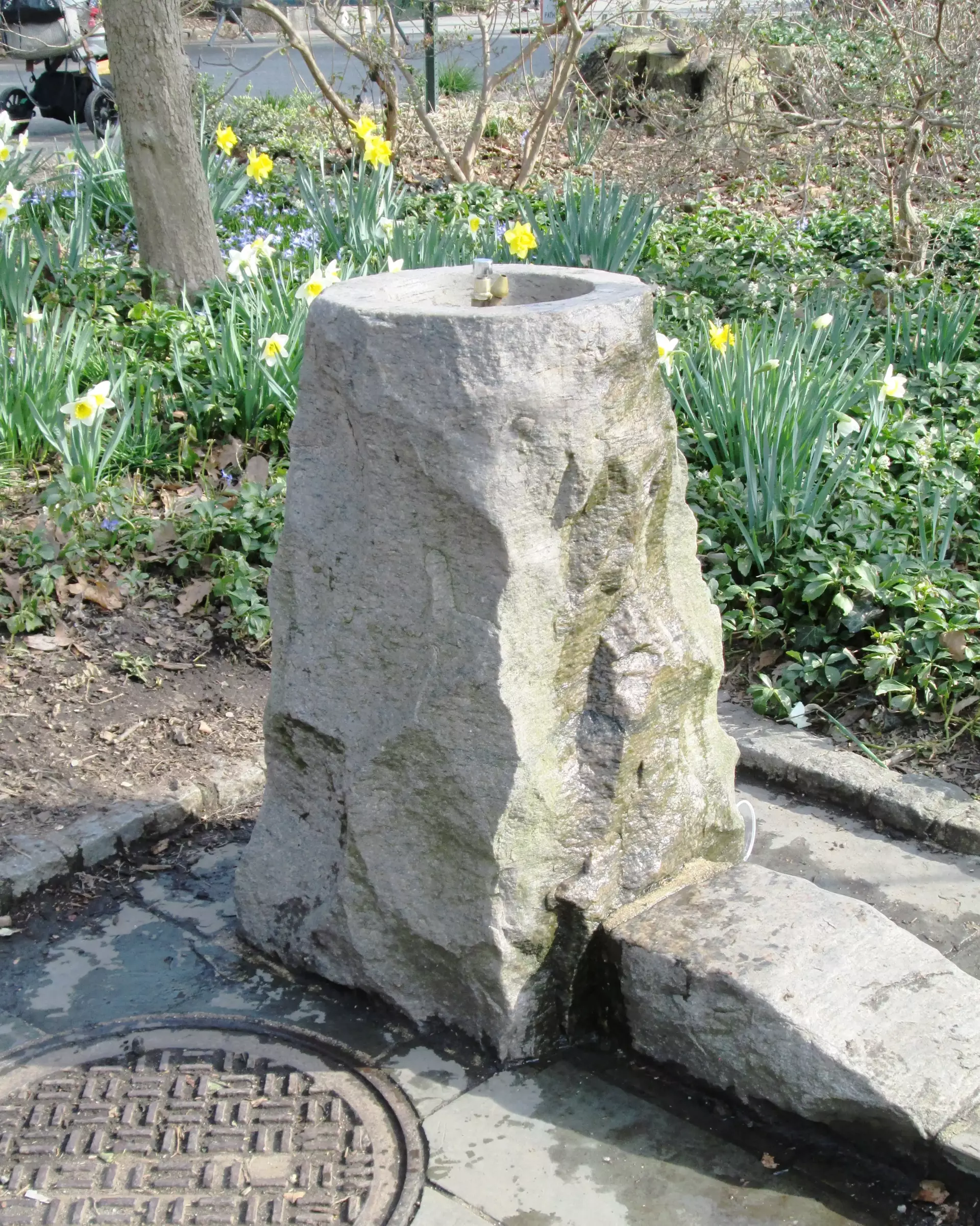
A drinking fountain in Fort Tryon Park, designed by the Olmsted Brothers.
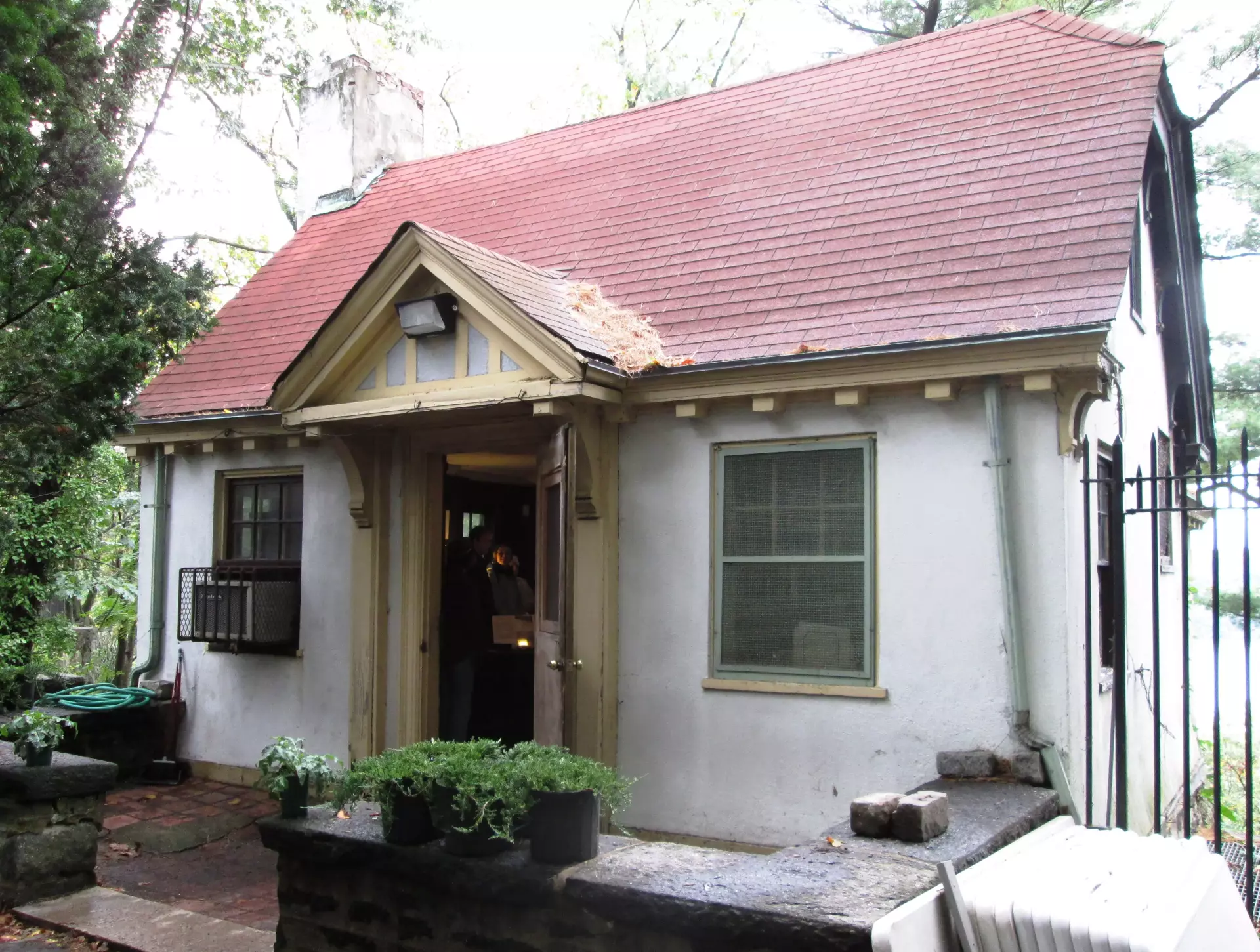
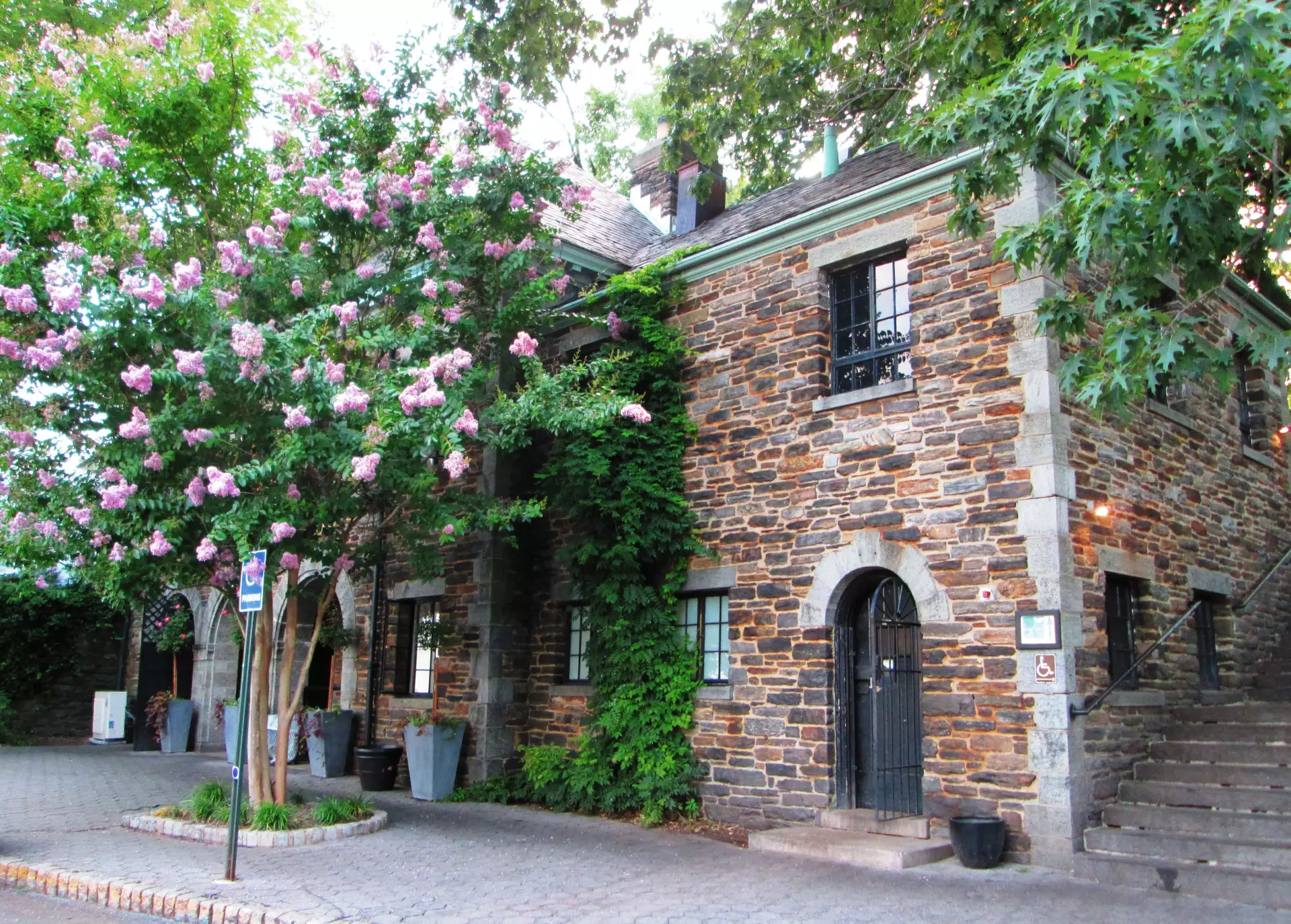
The Fort Tryon Park Cottage, located near the entrance to the park at Corbin Circle at the intersection of Cabrini Boulevard and Fort Washington Avenue in the Hudson Heights neighborhood of Manhattan, New York City, was originally the gardener's cottage of the Cornelius G. K. Billings estate. John D. Rockefeller, Jr. purchased the property in 1917 and had it developed by the Olmstead Brothers. He donated it to the city as a park in 1931. The Billings mansion had burned down in 1925, but the stucco gatehouse remains.
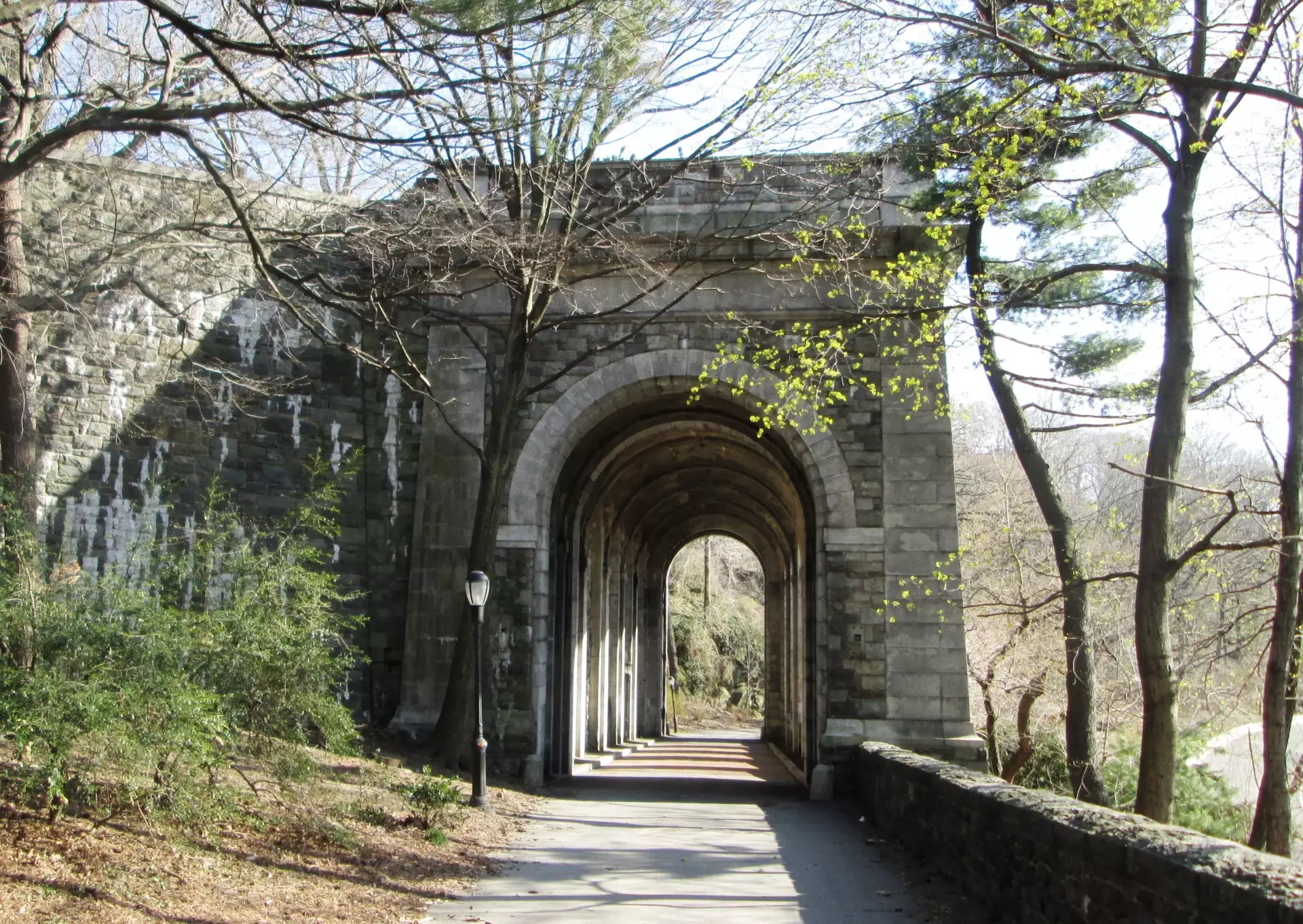
The Billings Arcade, a remnant of the C. K. G. Billings estate, is now part of Fort Tryon Park in Upper Manhattan, New York City.
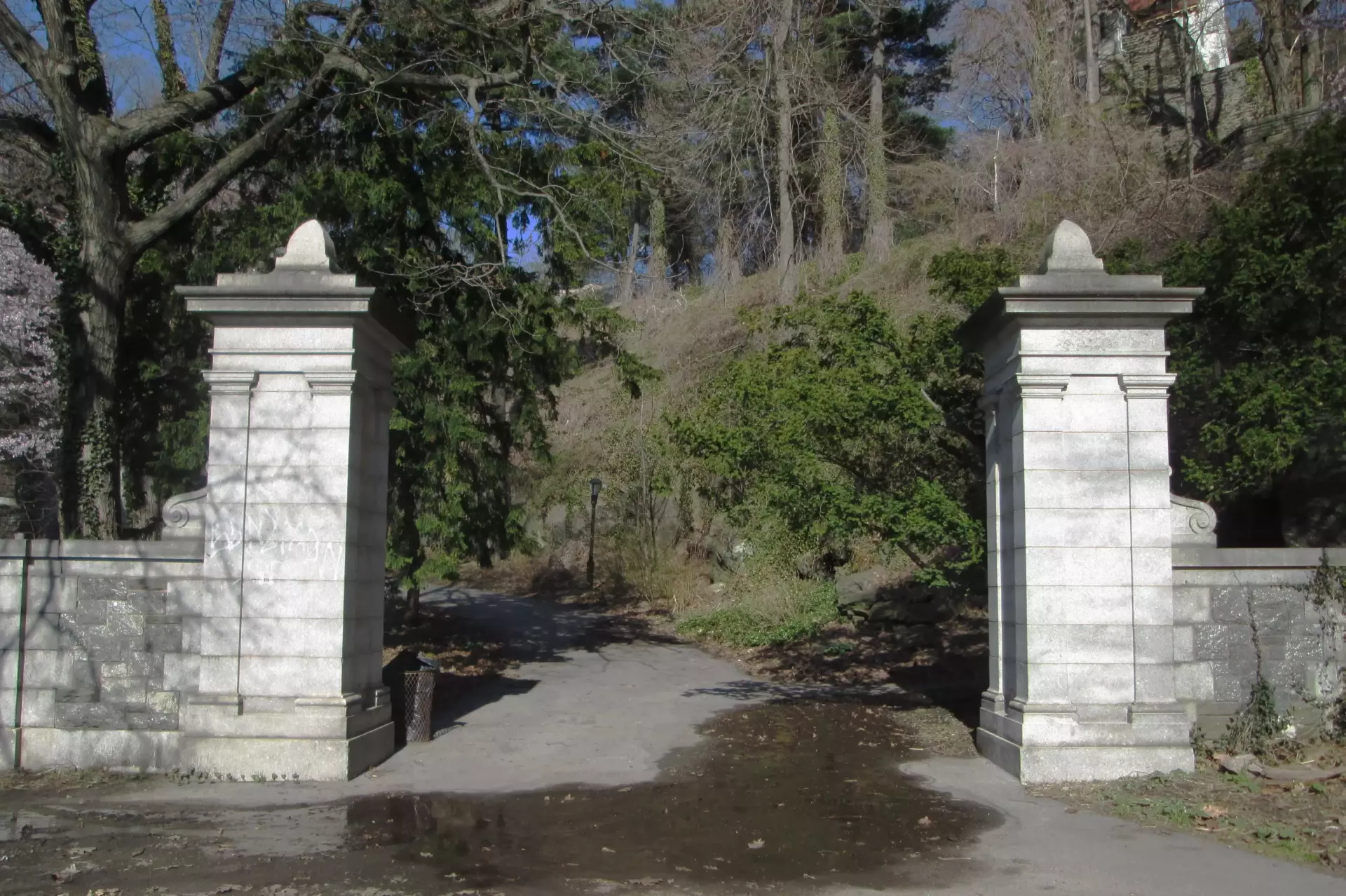
Gate columns, a remnant of the C. K. G. Billings estate, now part of Fort Tryon Park in Upper Manhattan, New York City.
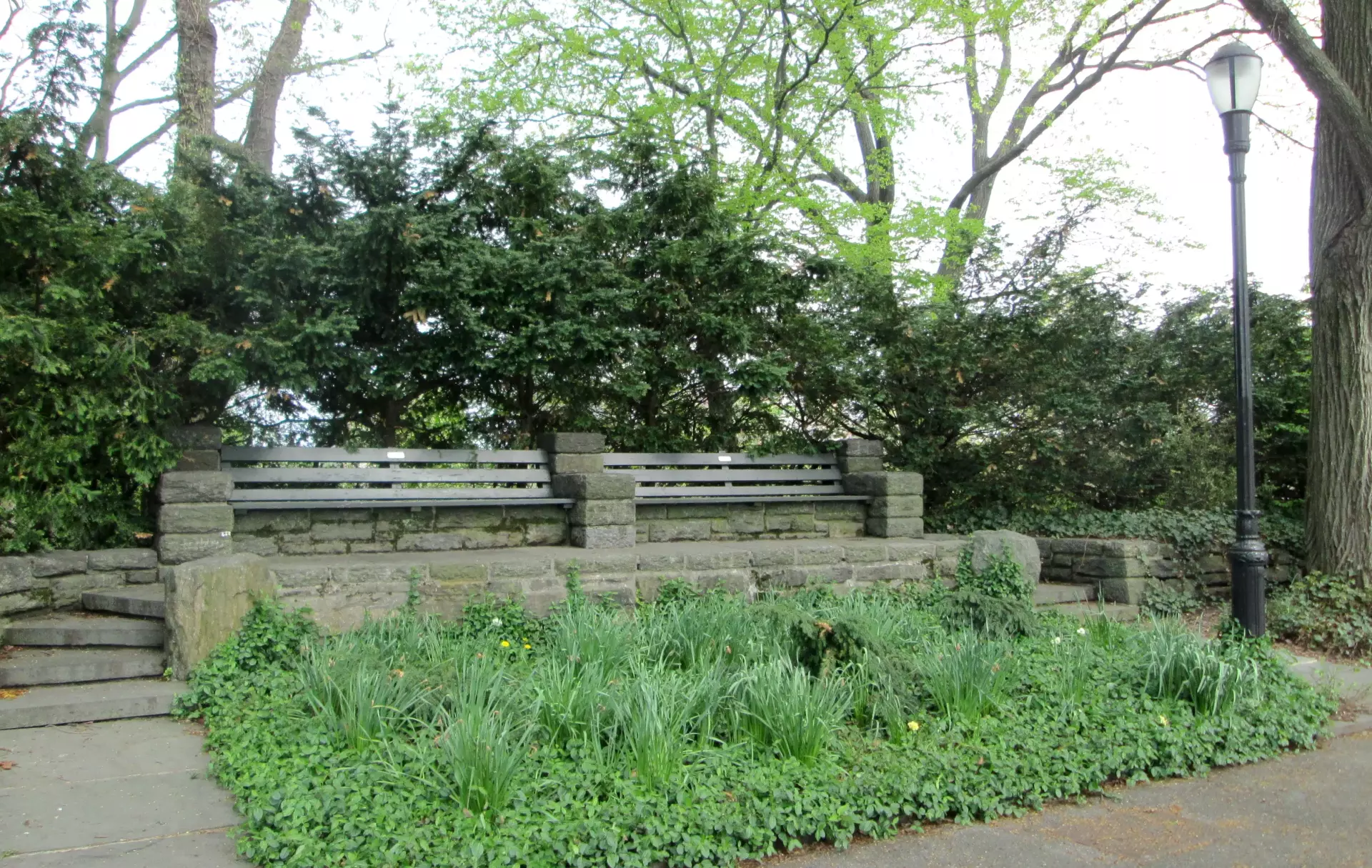
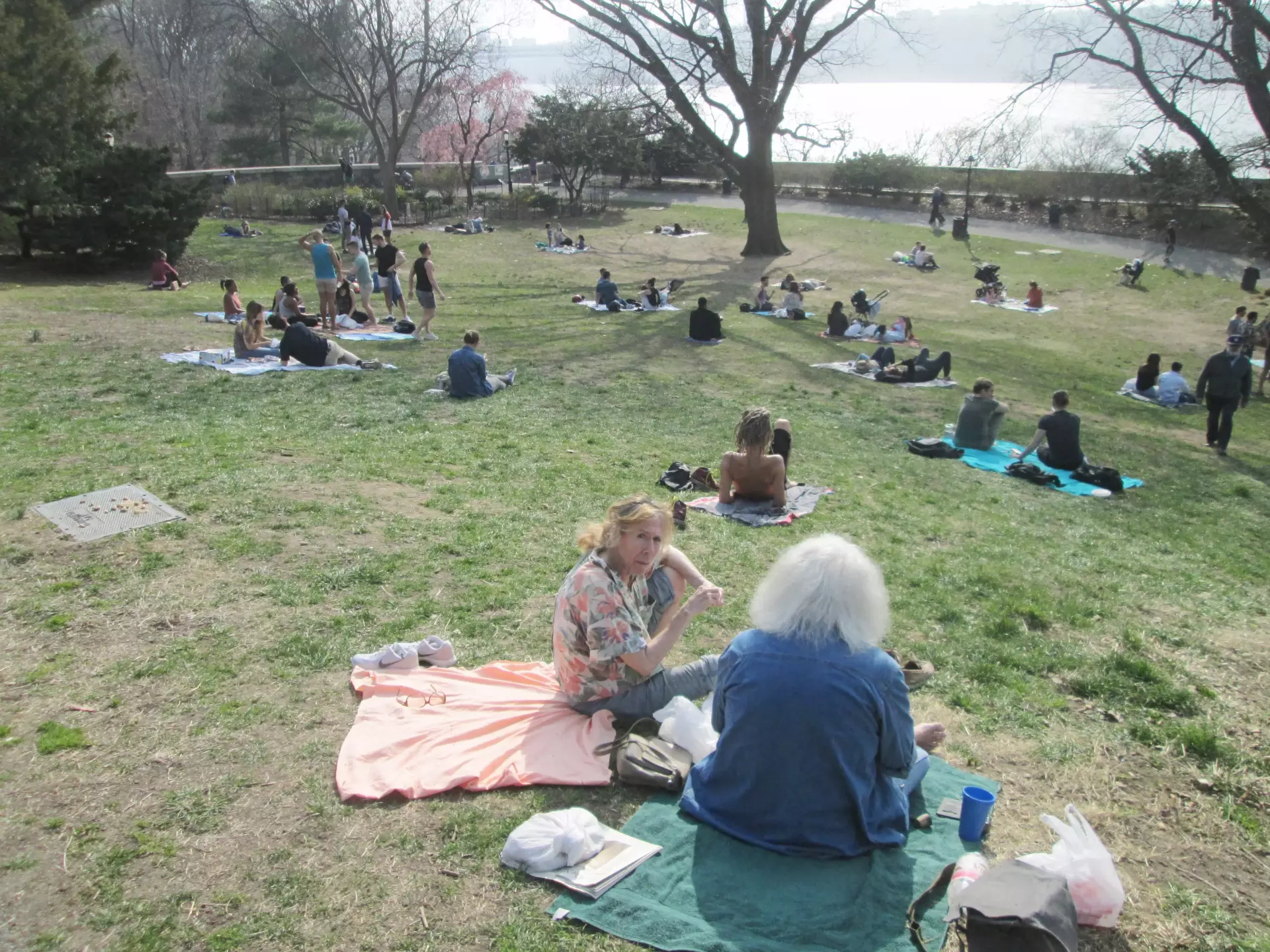
The Billings Lawn of Fort Tryon Park on an early spring day.
Fort Tryon Park was established when philanthropist John D. Rockefeller, Jr. began purchasing county estates in the area where the Battle of Washington Heights took place during the Revolutionary War, with the intent of creating a park. He enlisted Frederick Law Olmsted, Jr. of the Olmsted Brothers firm to design the park, with James W. Dawson responsible for the planting plan. Rockefeller donated the park to the city in 1931, and it was completed in 1935. He also contributed a collection of medieval art to the Metropolitan Museum of Art, which constructed The Cloisters within the park to house the collection, finishing it in 1939. The park spans from West 190th Street to Dyckman Street and from Broadway to Riverside Drive/West Side Highway. The main entrance is located at Margaret Corbin Circle, at the intersection of Fort Washington Avenue and Cabrini Boulevard. The park was listed on the National Register of Historic Places in 1978 and designated a New York City Scenic Landmark in 1983.
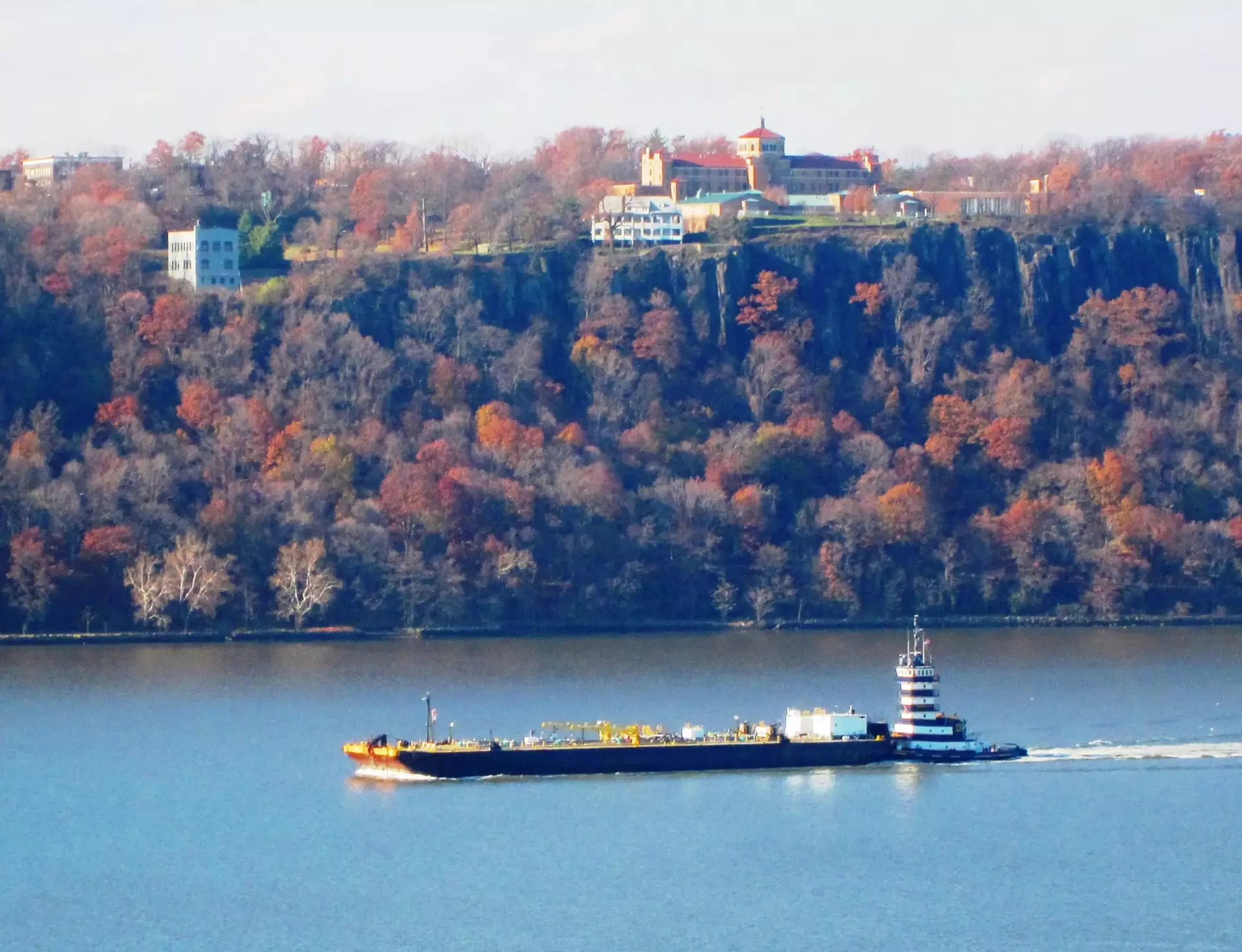
A barge on the Hudson River passes by the Englewood Cliffs campus of Saint Peter's University, which sits on the top of the Hudson Palisades. The photo was taken from Fort Tryon Park.
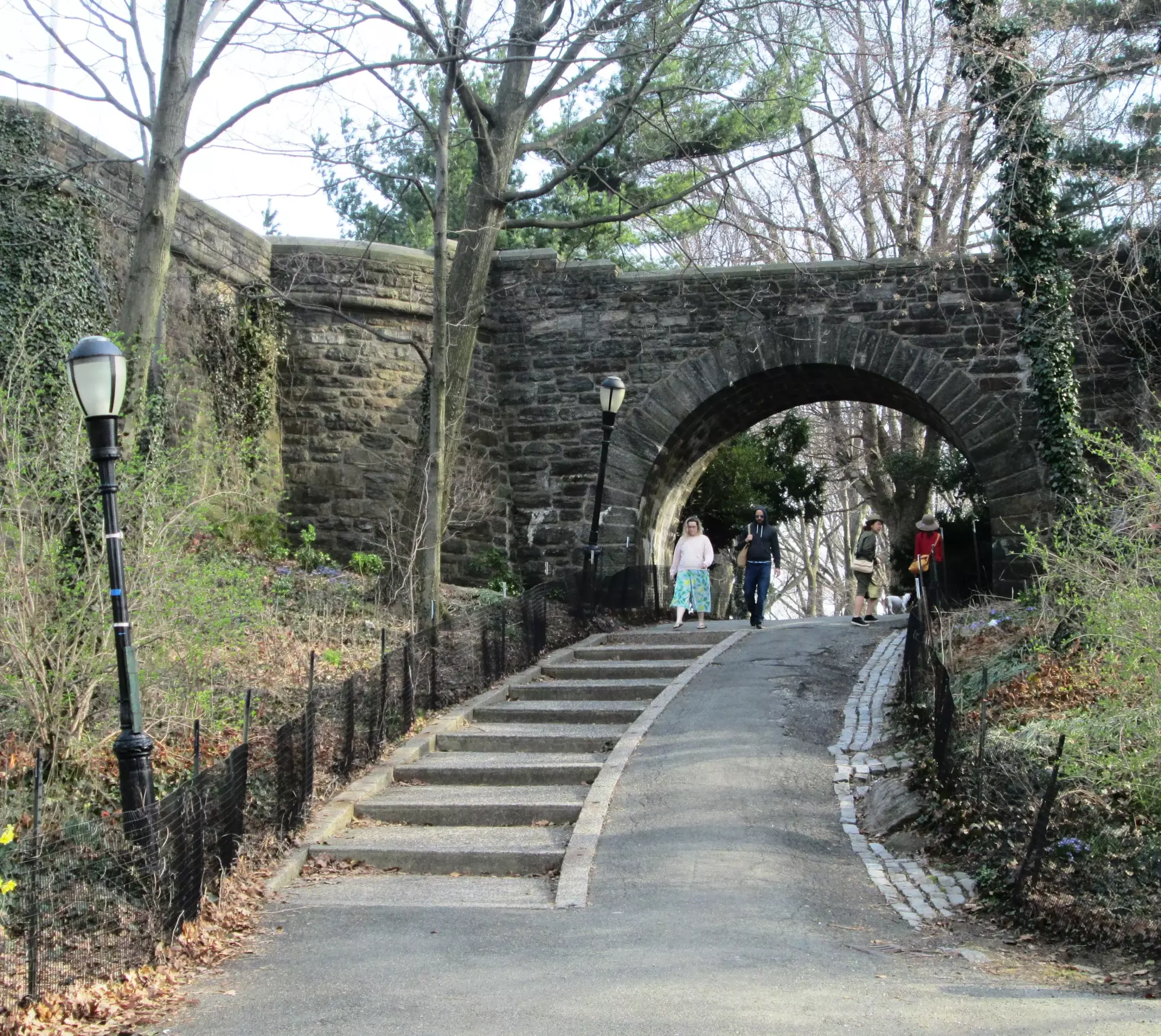
An archway under Linden Terrace in Fort Tryon Park.
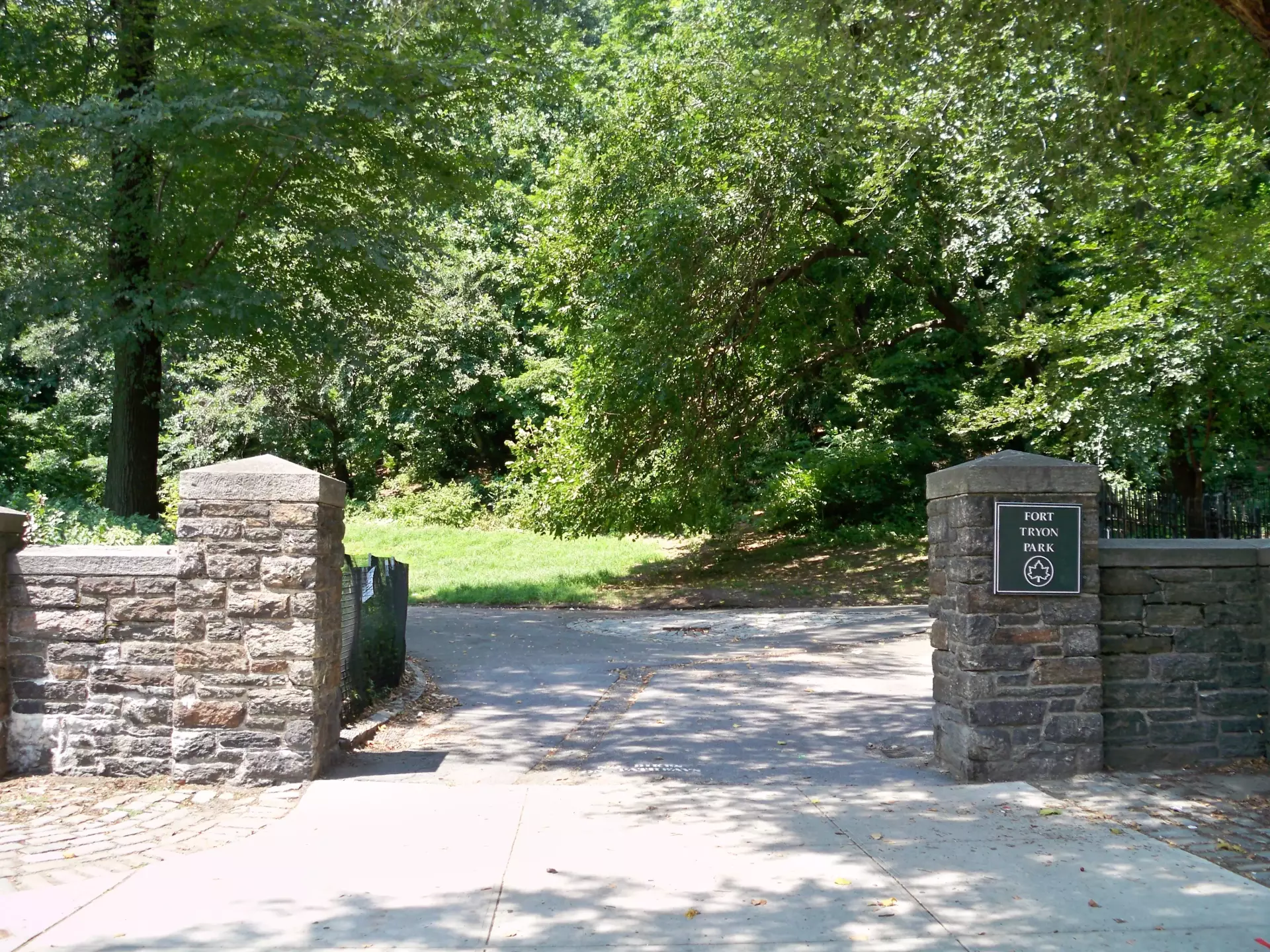
Entrance to Fort Tryon Park.
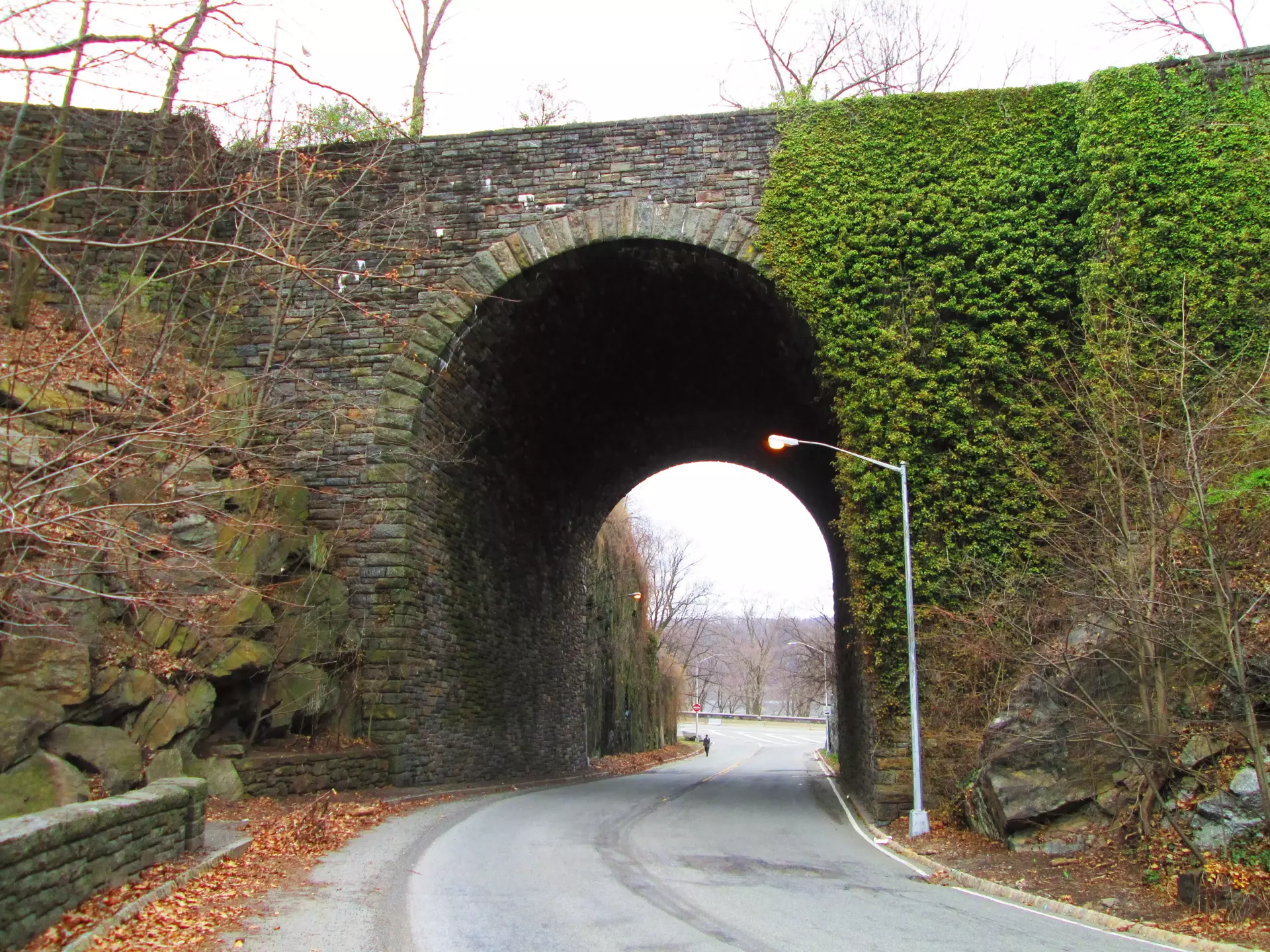
The Margaret Corbin Drive Arch in Fort Tryon Park, Manhattan, New York City. The roadway runs across the top of the arch, along with a walking path, then curves around and passes through the arch to the northbound side of the Henry Hudson Parkway. This view is from the east side of the arch, looking west at the Parkway and the Hudson River. It was taken from the Drive.
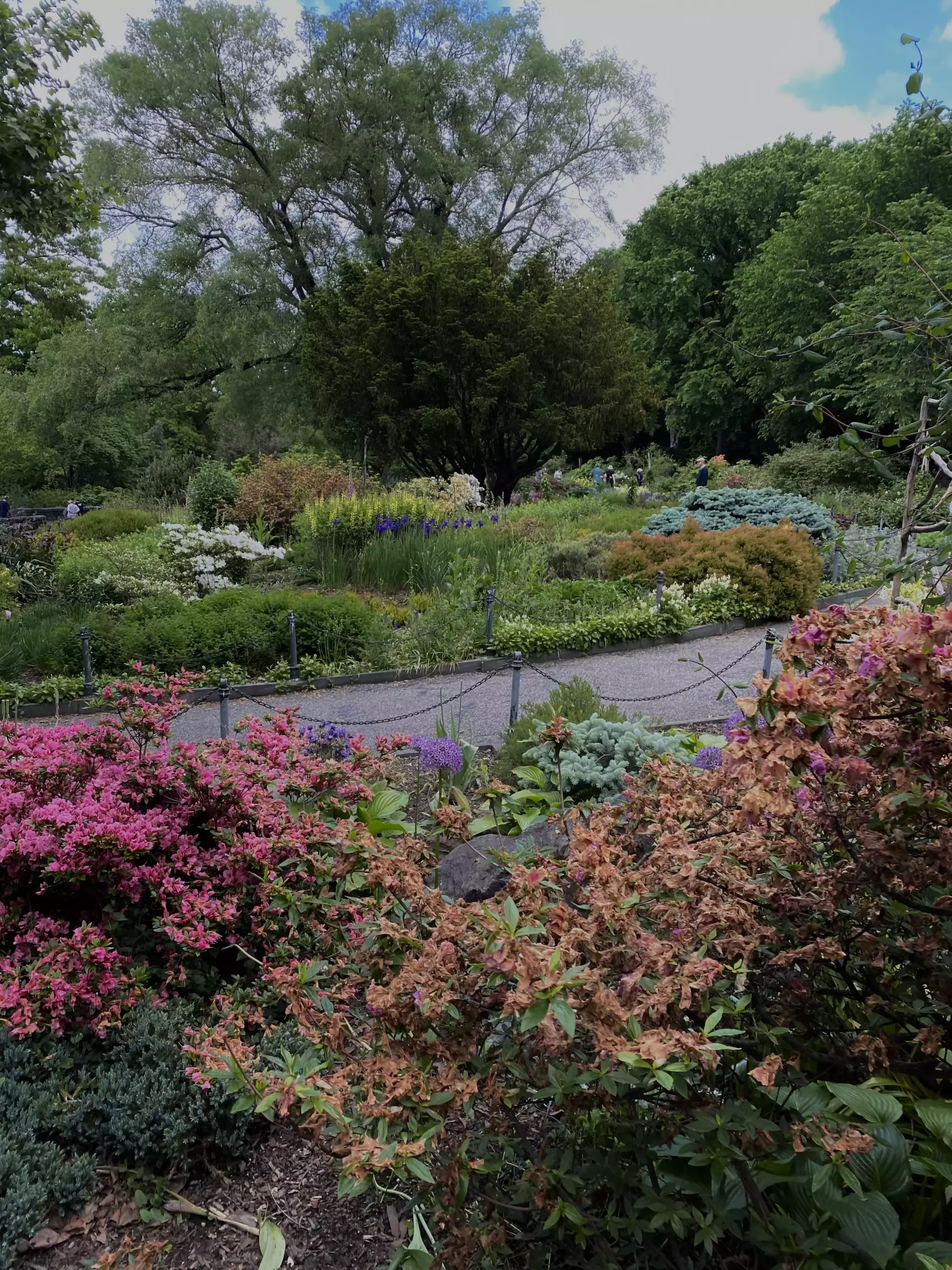
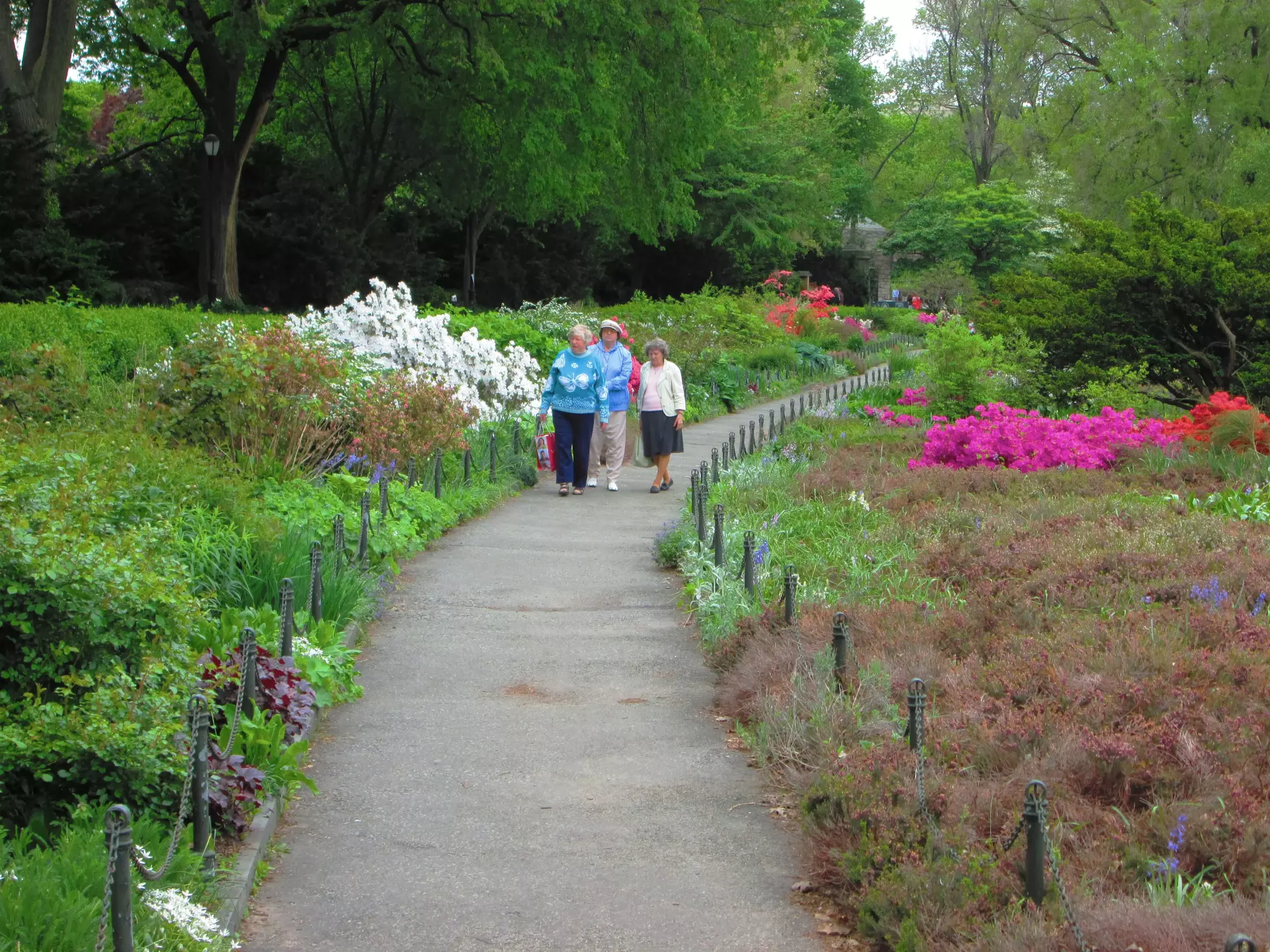
Part of the Heather Garden, one of the primary gardens of Fort Tryon Park.
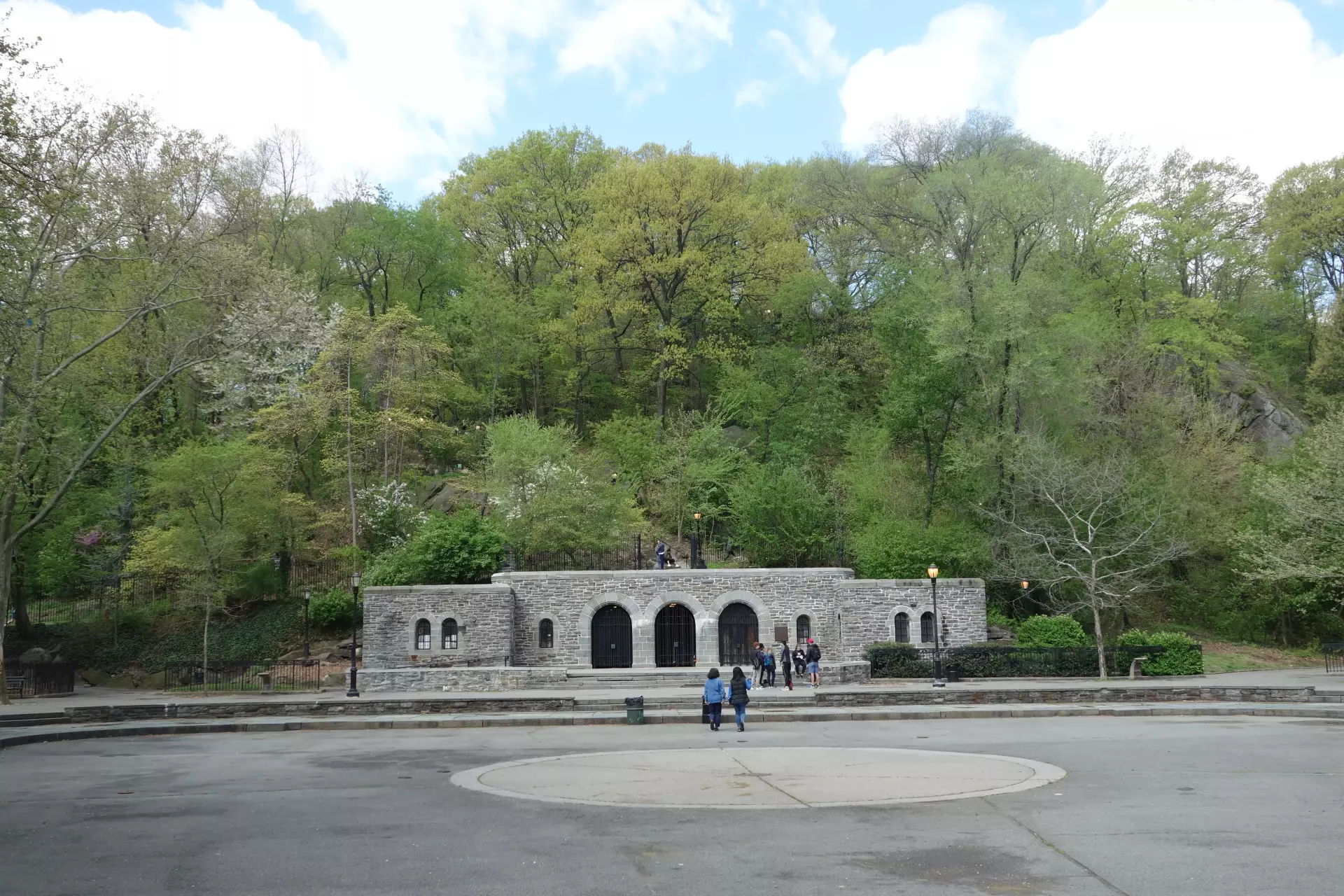
Inside Anne Loftus Playground at the northern tip of Fort Tryon Park, located at Broadway, Dyckman Street, and Riverside Drive in Inwood/Fort George, Manhattan. This playground doesn't feel typical; it seems designed to blend seamlessly with the rest of Fort Tryon Park. The image shows the large splash pad in the foreground and the comfort station at the foot of the hill that contains the rest of the park. These features create an interesting courtyard and view corridor.
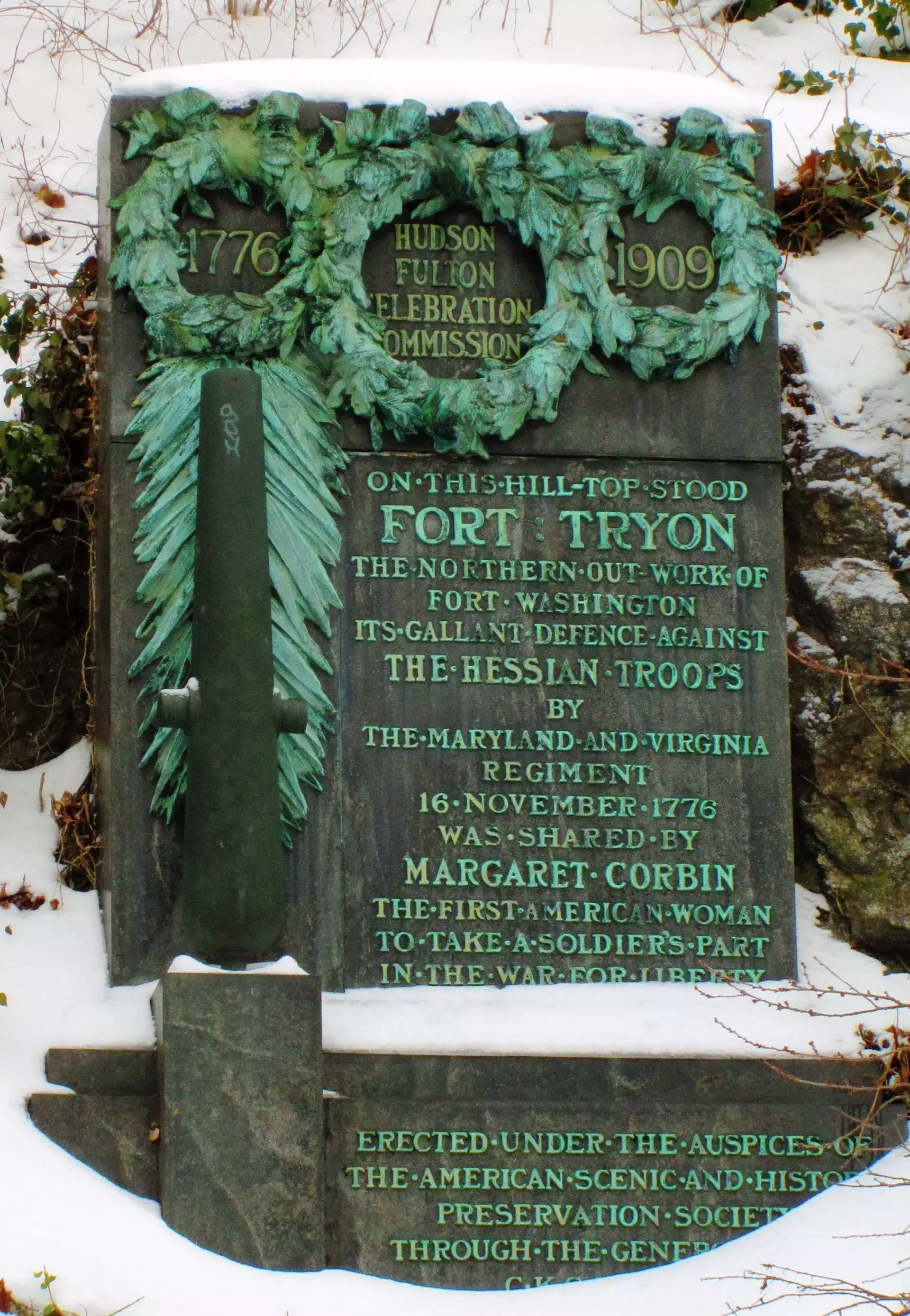
An old plaque dedicated to Margaret Corbin, the first woman to fight in the American Revolutionary War, is located in Fort Tryon Park in Upper Manhattan, New York City. A newer plaque is situated in a more frequented area of the park.
The 190th Street subway station on the IND Eighth Avenue Line, serving the "A" service, is located on Fort Washington Avenue at Corbin Circle, the intersection with Cabrini Boulevard, in the Hudson Heights neighborhood of Manhattan, New York City. Built between 1928 and 1932, it was designed in part by Squire J. Vickers. The brick building was later given a stone facade to match the entrance to Fort Tryon Park across the Circle. Formerly known as "190th Street-Overlook Terrace," the station has a tunnel leading to Bennett Avenue in Washington Heights, as well as stairs to Fort Washington Avenue. The station was listed on the National Register of Historic Places in 2005.
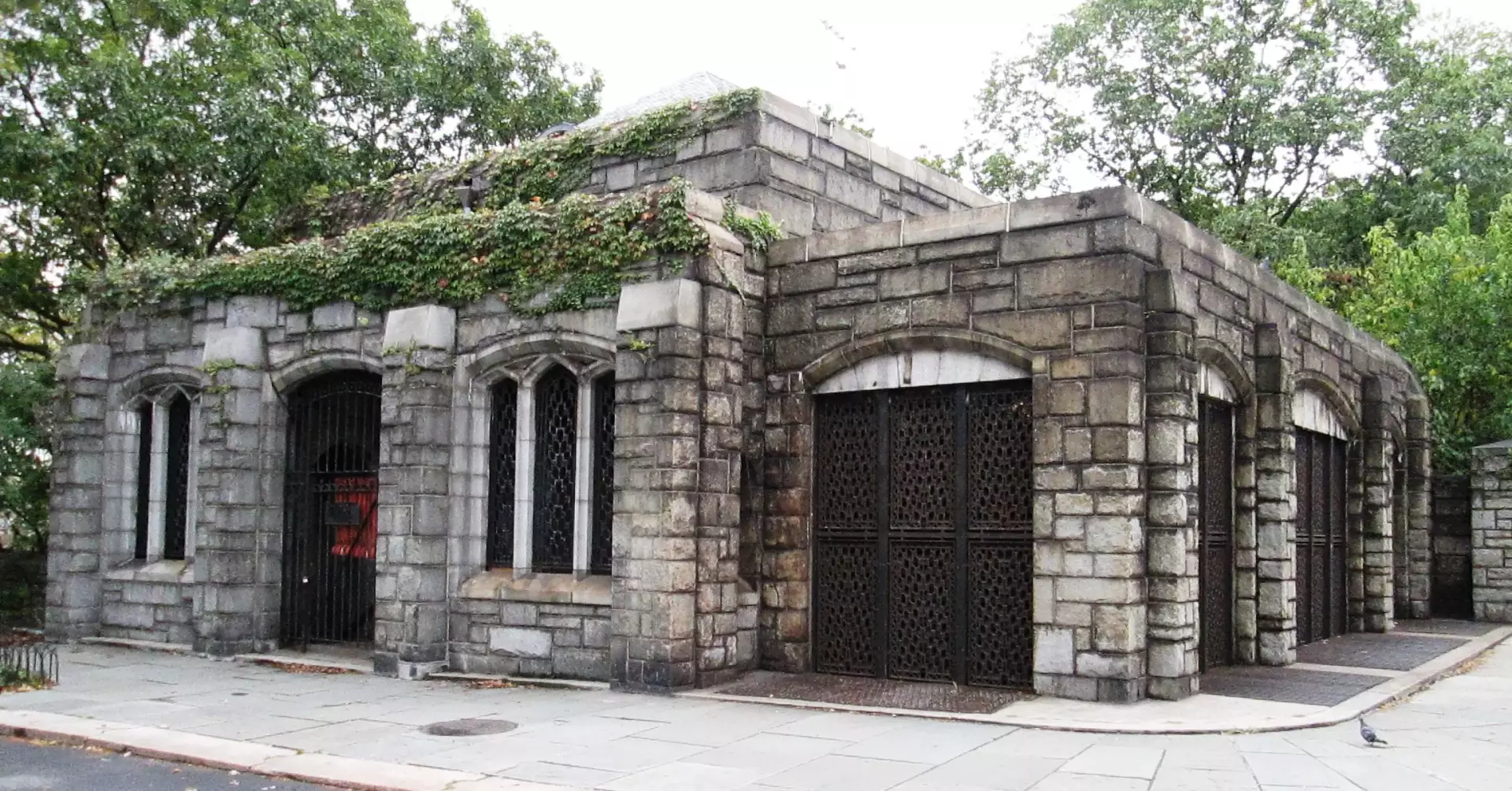
The rear of the New Leaf restaurant in Fort Tryon Park.
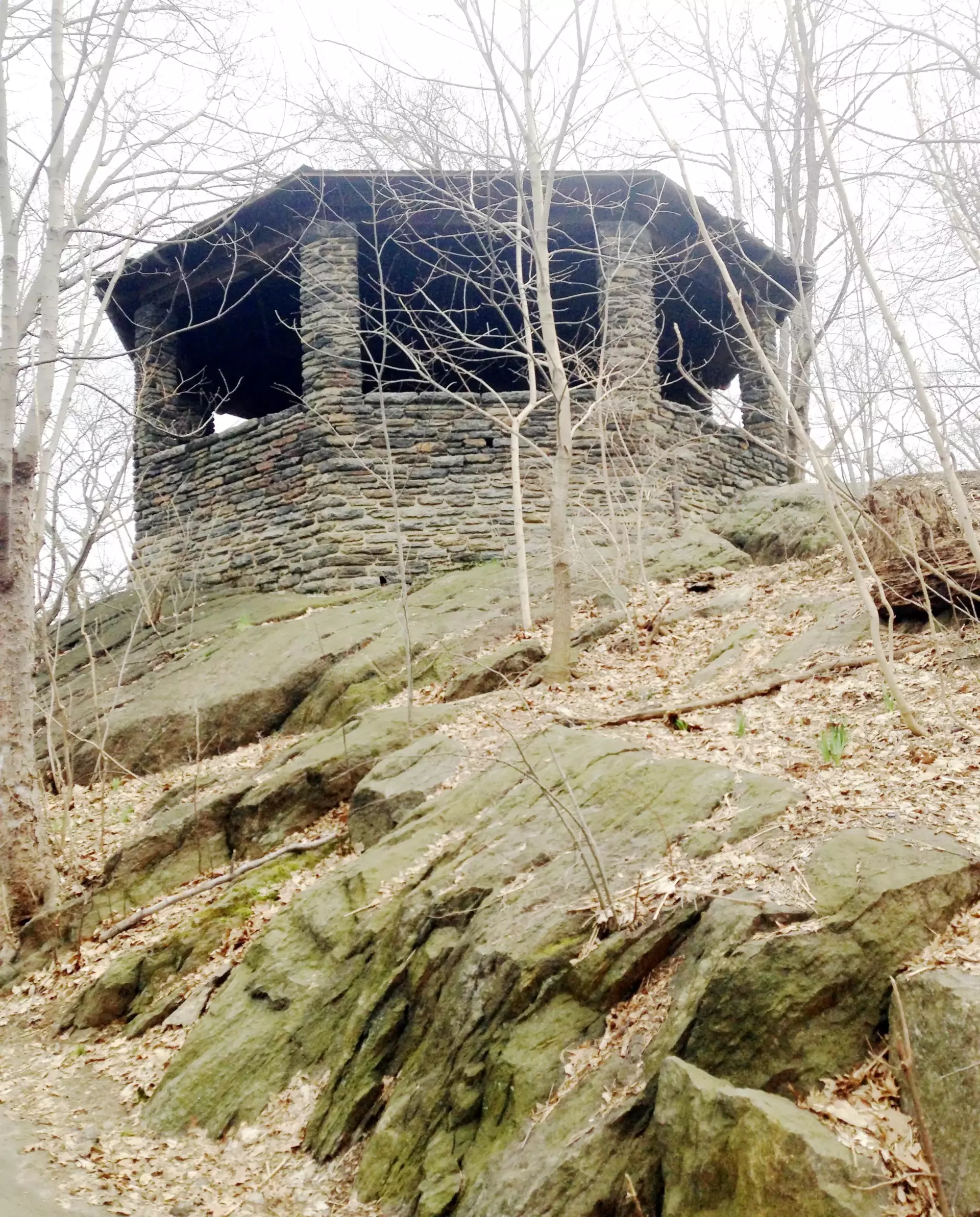
The Gazebo in Fort Tryon Park, Manhattan, New York City, as seen from the path below.

Fort Tryon Park

New York, United States of America

Fort Tryon Park, one of New York City's most beautiful parks, offers an expansive landscape of rolling hills high above the Hudson River. The park is known for its impressive natural elevations, among the highest on Manhattan Island. Visitors flock here, especially in good weather, to enjoy picnics or leisurely strolls while taking in the breathtaking views of the New Jersey Palisades across the river.

Source - https://en.wikipedia.org/wiki/Fort_Tryon_Park

Developed by Reflex.com.ua
Contacts
  • info@reflex.com.ua
Social media