
Search ×
Home New York
Strivers Row
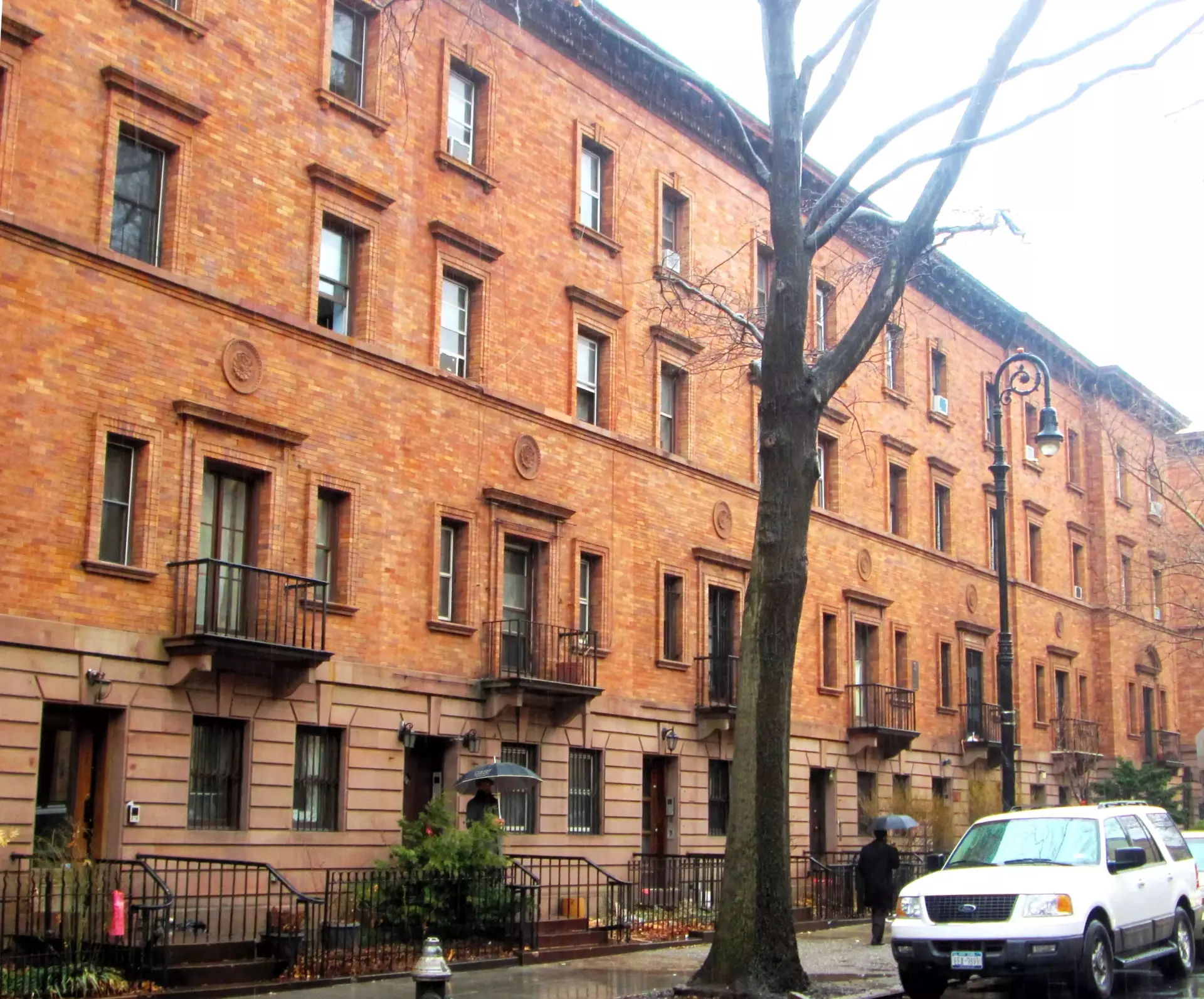
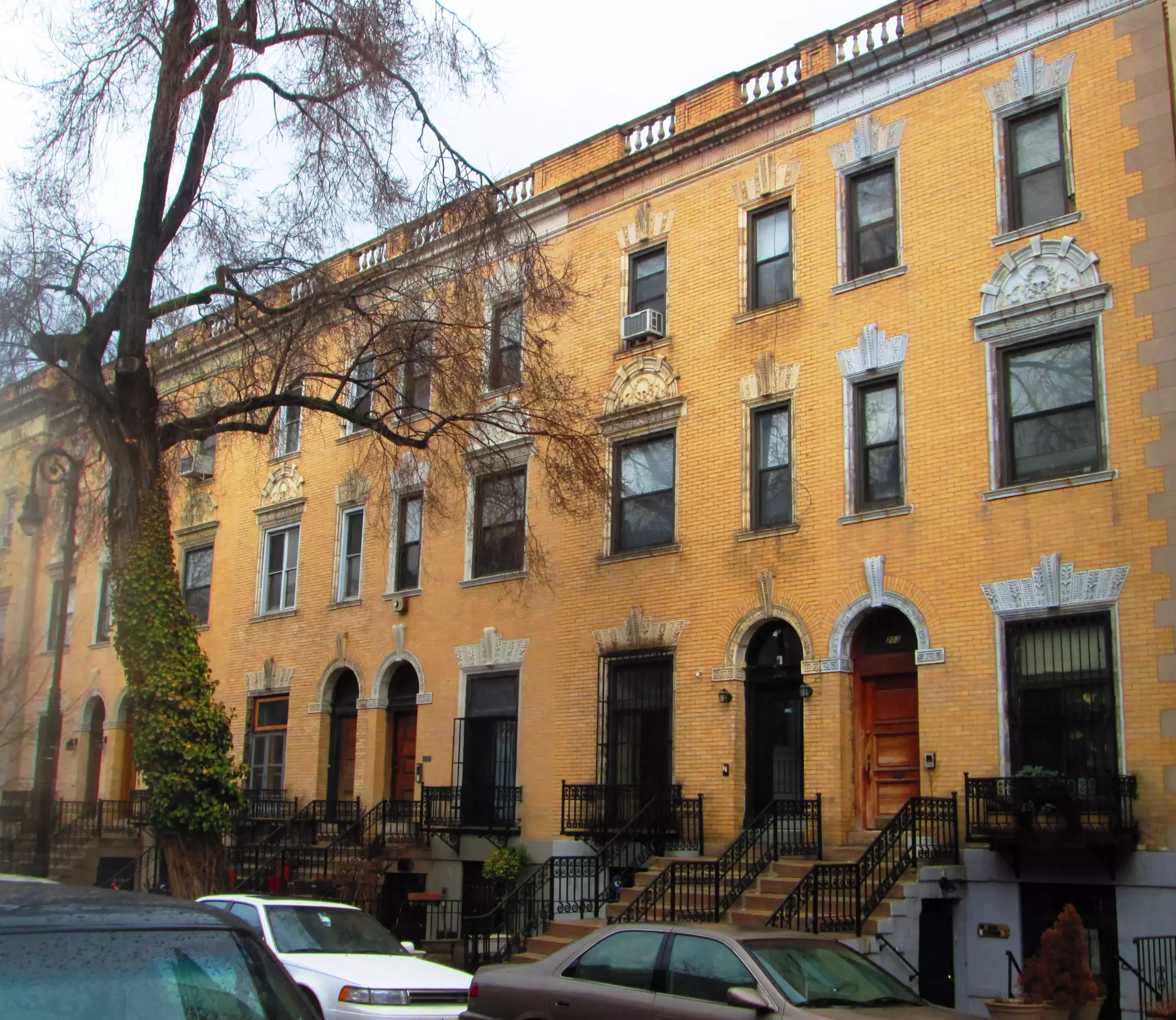
The St. Nicholas Historic District, known as "Striver's Row," is located on both sides of West 138th and West 139th Streets between Adam Clayton Powell Jr. Boulevard and Frederick Douglass Boulevard in the Harlem neighborhood of Manhattan, New York City. It consists of four sets of residential rowhouses designed by noted architects and built between 1891-93 by developer David H. King, Jr. The red brick and brownstone buildings on the south side of West 138th Street and at 2350-2354 Adam Clayton Powell Jr. Boulevard were designed by James Brown Lord in the Georgian Revival style. The yellow brick and white limestone with terra cotta trim buildings on the north side of 138th and on the south side of 139th Street and at 2360-2378 Adam Clayton Powell Jr. Boulevard were designed in the Colonial Revival style by Bruce Price and Clarence S. Luce. The dark brick, brownstone, and terra cotta buildings on the north side of 139th Street and at 2380 Adam Clayton Powell Jr. Boulevard were designed in the Italian Renaissance Revival style by Stanford White of the firm McKim, Mead & White.
The St. Nicholas Historic District, known colloquially as "Striver's Row," is located on both sides of West 138th and West 139th Streets between Adam Clayton Powell Jr. Boulevard (Seventh Avenue) and Frederick Douglass Boulevard (Eighth Avenue) in the Harlem neighborhood of Manhattan, New York City. It consists of four sets of residential rowhouses designed by noted architects and built in 1891-93 by developer David H. King, Jr. The red brick and brownstone buildings on the south side of West 138th Street and at 2350-2354 Adam Clayton Powell Jr. Boulevard were designed by James Brown Lord in the Georgian Revival style. The yellow brick and white limestone with terra cotta trim buildings on the north side of 138th and on the south side of 139th Street and at 2360-2378 Adam Clayton Powell Jr. Boulevard were designed in the Colonial Revival style by Bruce Price and Clarence S. Luce. The dark brick, brownstone, and terra cotta buildings on the north side of 139th Street and at 2380 Adam Clayton Powell Jr. Boulevard were designed in the Italian Renaissance Revival style by Stanford White of the firm McKim, Mead & White.
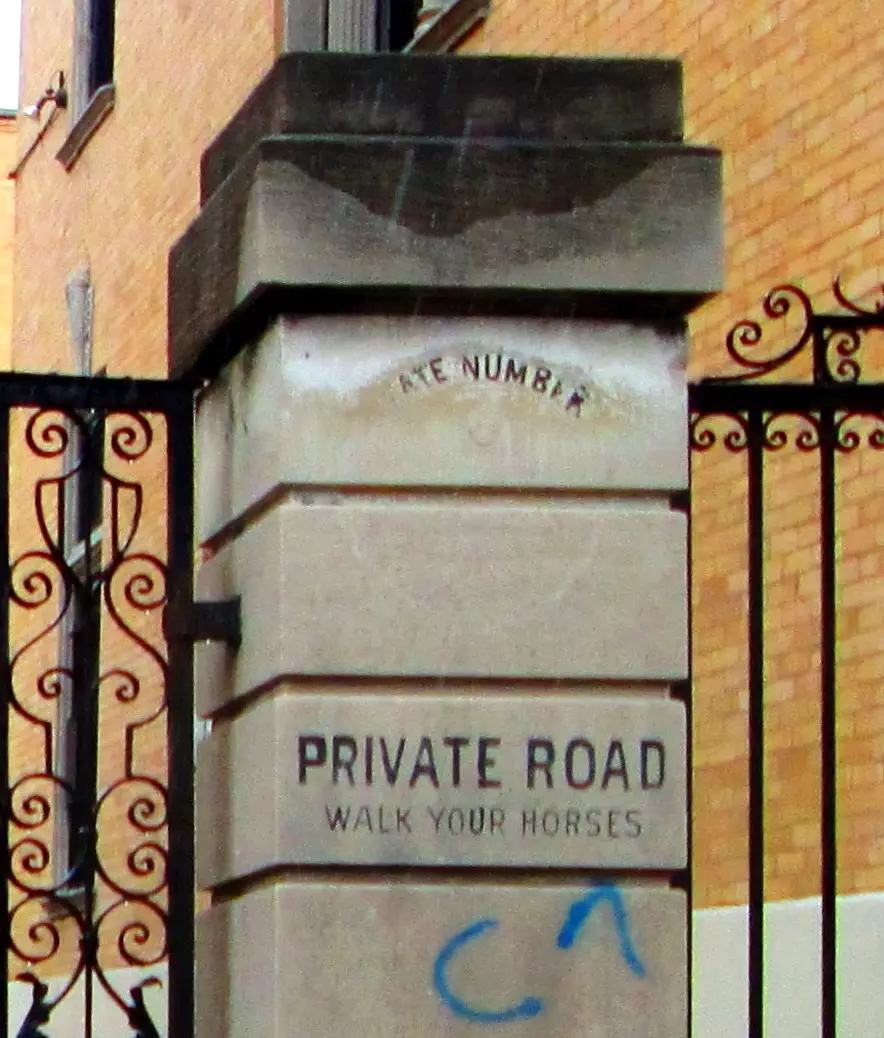
Close up of Gate #6, on the north side of West 138th Street, toward the west end of the street, with notice to "Walk your horses." The St. Nicholas Historic District, known colloquially as "Striver's Row," is located on both sides of West 138th and West 139th Streets between Adam Clayton Powell Jr. Boulevard (Seventh Avenue) and Frederick Douglass Boulevard (Eighth Avenue) in the Harlem neighborhood of Manhattan, New York City. It consists of four sets of residential rowhouses designed by noted architects and built in 1891-93 by developer David H. King, Jr.: the red brick and brownstone buildings on the south side of West 138th Street and at 2350-2354 Adam Clayton Powell Jr. Boulevard were designed by James Brown Lord in the Georgian Revival style; the yellow brick and white limestone with terra cotta trim buildings on the north side of 138th and on the south side of 139th Street and at 2360-2378 Adam Clayton Powell Jr. Boulevard were designed in the Colonial Revival style by Bruce Price and Clarence S. Luce; the dark brick, brownstone, and terra cotta buildings on the north side of 139th Street and at 2380 Adam Clayton Powell Jr. Boulevard were designed in the Italian Renaissance Revival style by Stanford White of the firm McKim, Mead & White.

Strivers Row

New York, United States of America

In the bustling city of New York, amidst the lively atmosphere of Harlem, lies a street that captures both history and splendor. Known as Strivers' Row, this unique area is a delight for those who appreciate architecture and a rich past. Originally built in the late 19th century, Strivers' Row was designed to house affluent families and professionals. Today, it continues to attract attention with its stunning rows of historic townhouses.

Architectural Elegance

The architecture of Strivers' Row is nothing short of breathtaking. The homes here were designed by three renowned architects: James Brown Lord, Bruce Price, and Clarence S. Luce. Each townhouse boasts intricate brickwork and ornate details that reflect a blend of Italian and Georgian influences. Walking down the street, one can't help but admire the elegant facades and charming stoops that evoke a sense of timeless beauty.

A Storied Past

Strivers' Row is not just about beautiful buildings; it holds a significant place in history. Throughout the years, this area has been home to notable figures, including artists, politicians, and civil rights leaders. It earned its name from the ambitious African American professionals who sought to make their mark in society during the early 20th century. Their legacy lives on, and the spirit of determination and success continues to resonate in this vibrant neighborhood.

A Thriving Community

Beyond its stunning architecture and historical significance, Strivers' Row remains a lively part of the Harlem community. The neighborhood is filled with the sounds of jazz, soul food aromas, and the warmth of its residents. It's a place where tradition meets modernity, offering a unique slice of New York life. The sense of community is strong, with locals gathering for events, cultural celebrations, and everyday interactions that reflect the area's rich heritage.

Source - https://en.wikipedia.org/wiki/St._Nicholas_Historic_District

Developed by Reflex.com.ua
Contacts
  • info@reflex.com.ua
Social media