

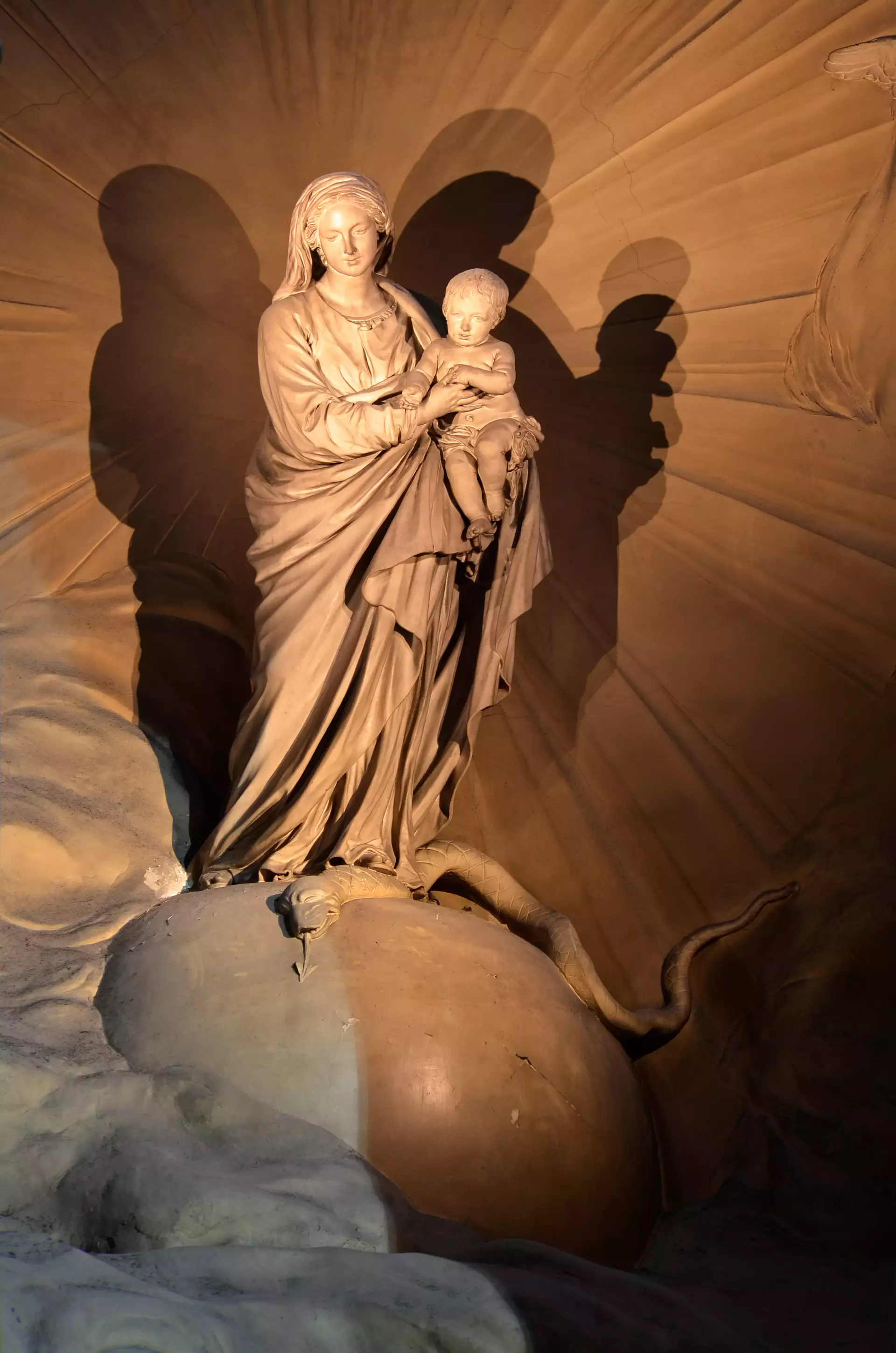


Church of Saint-Sulpice
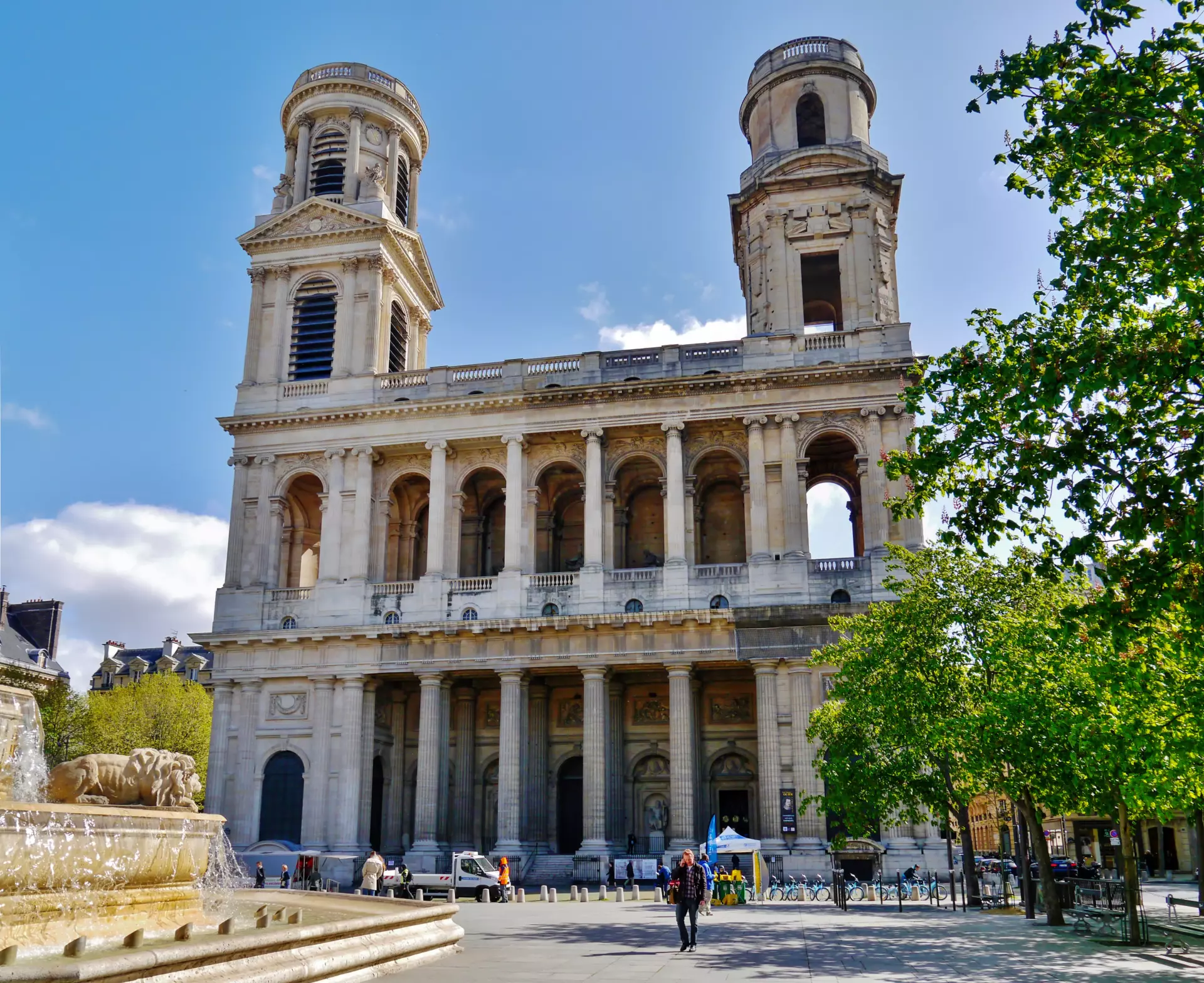
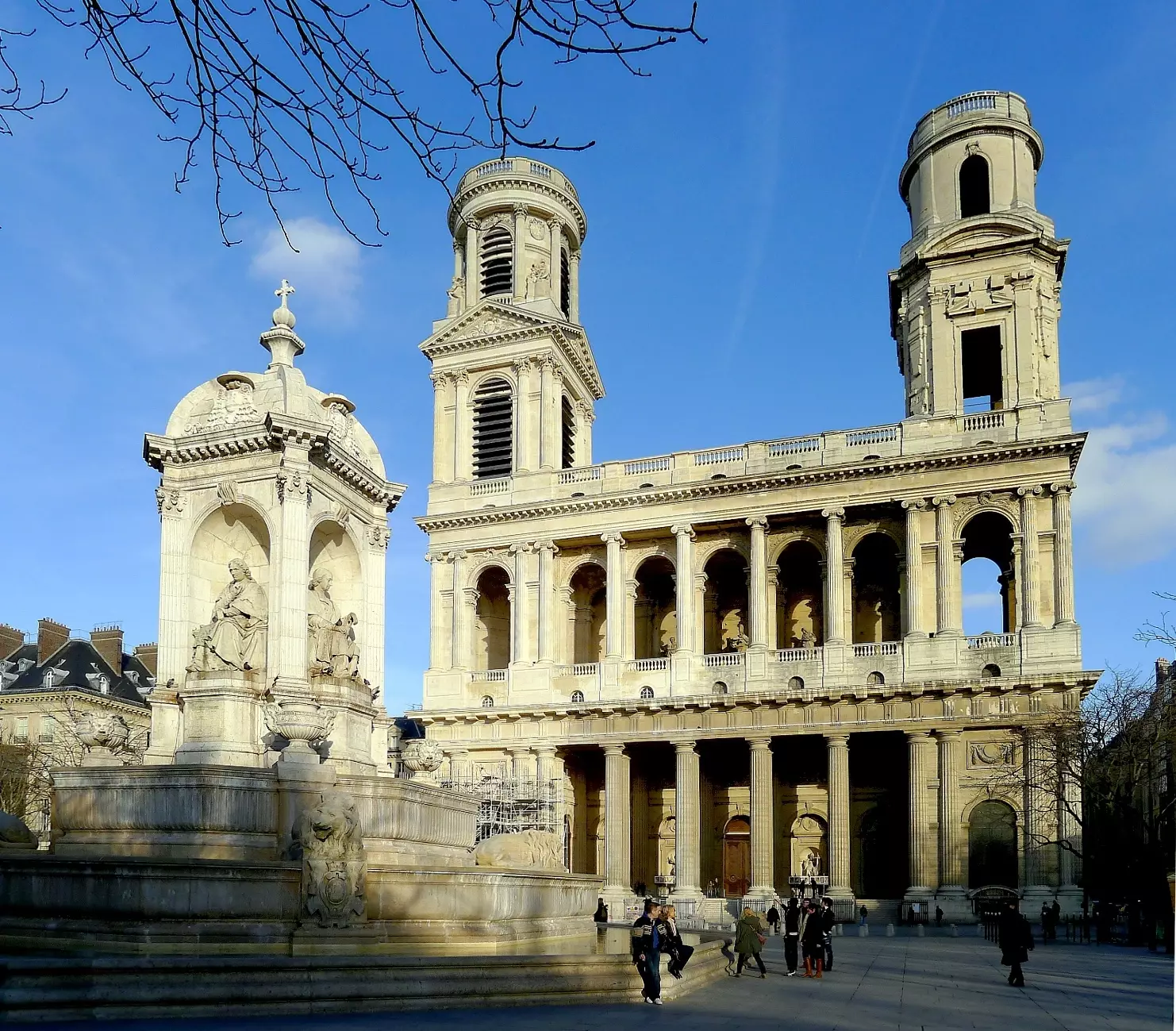
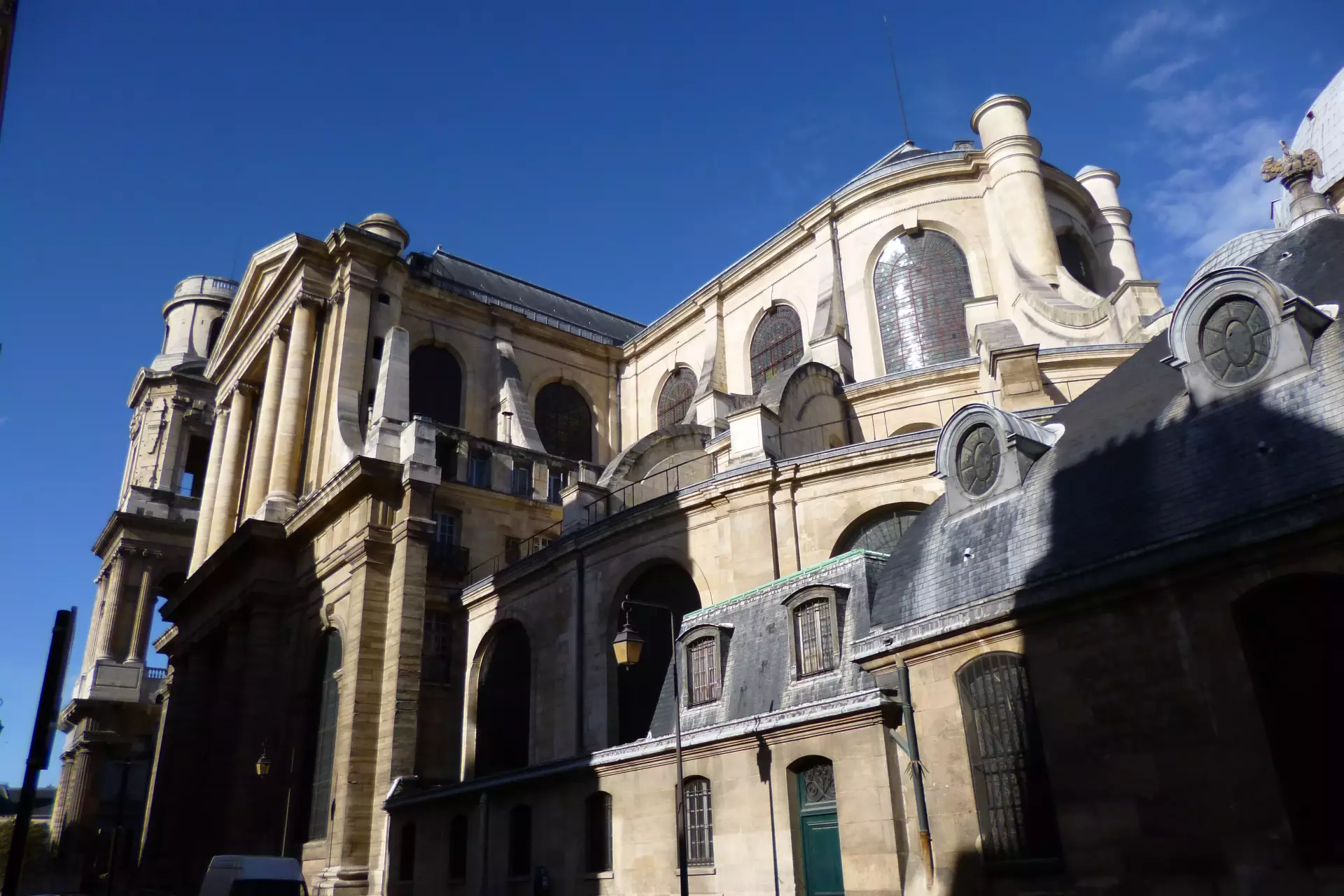
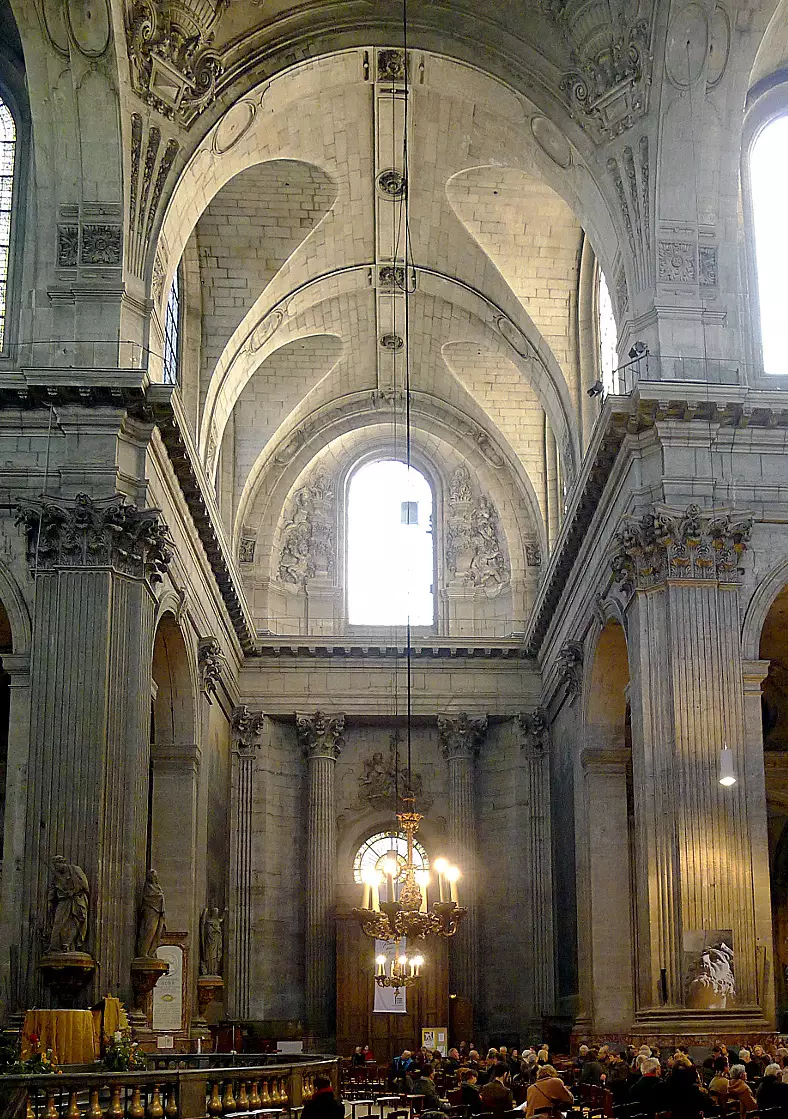
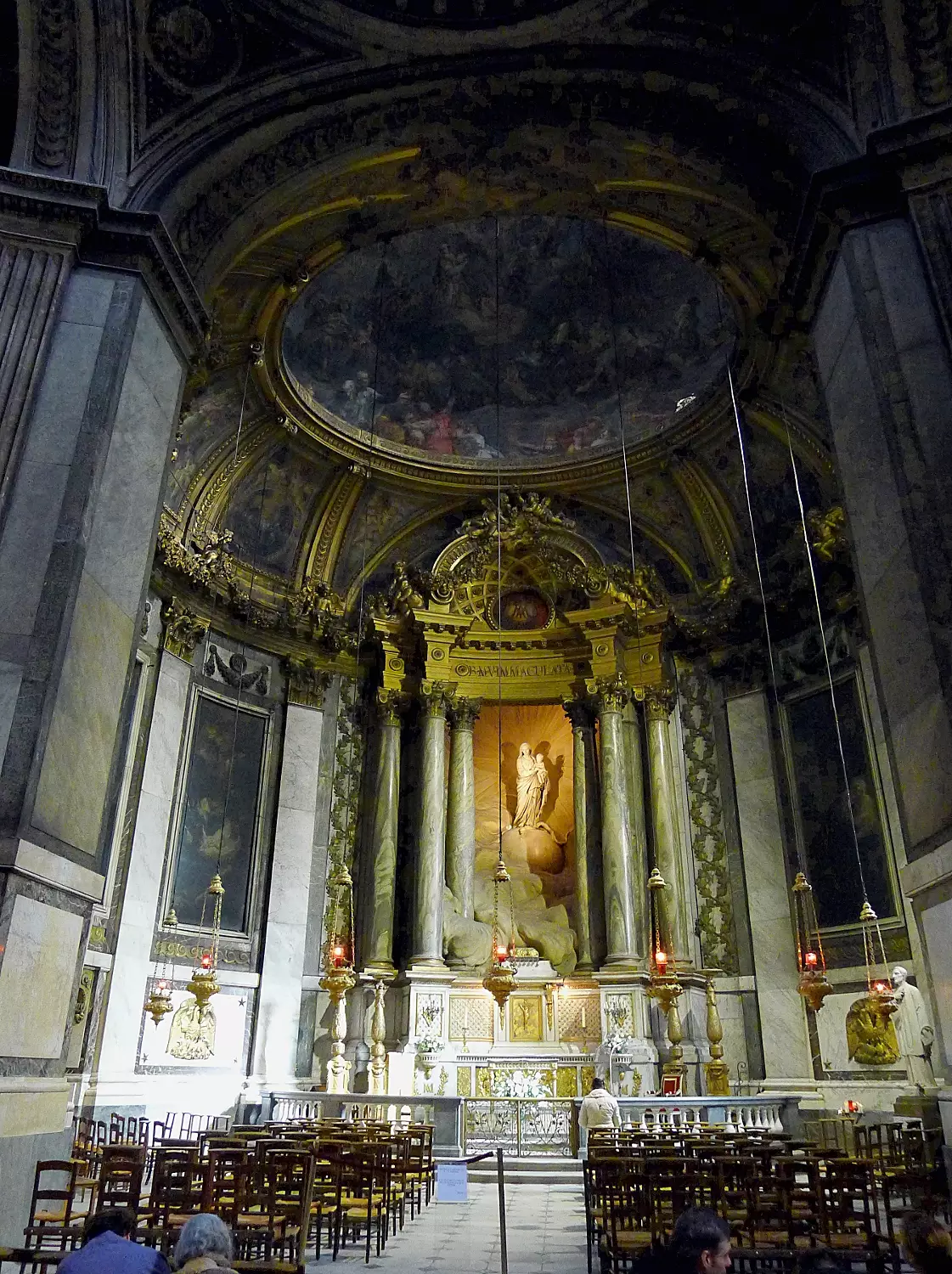
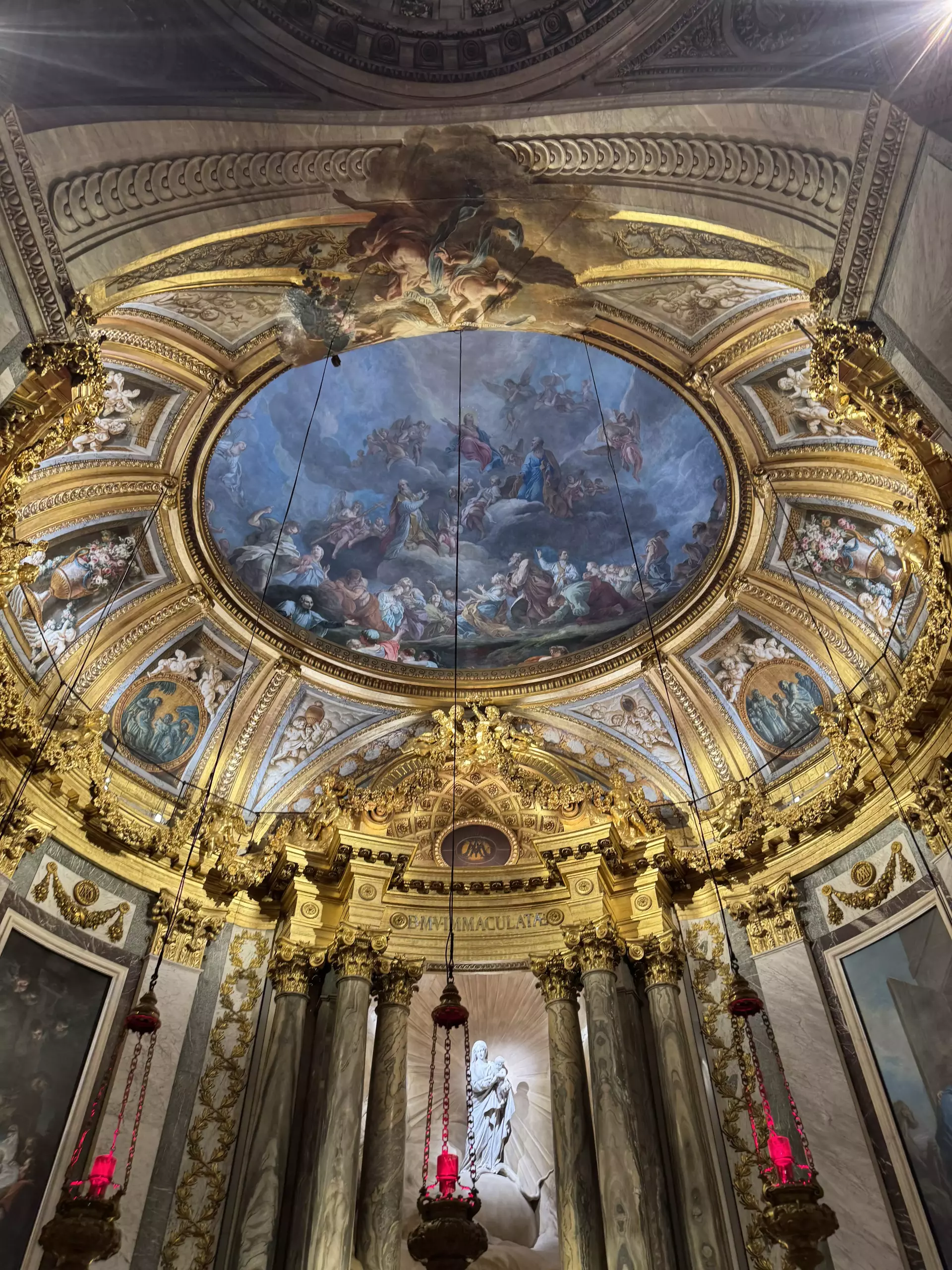
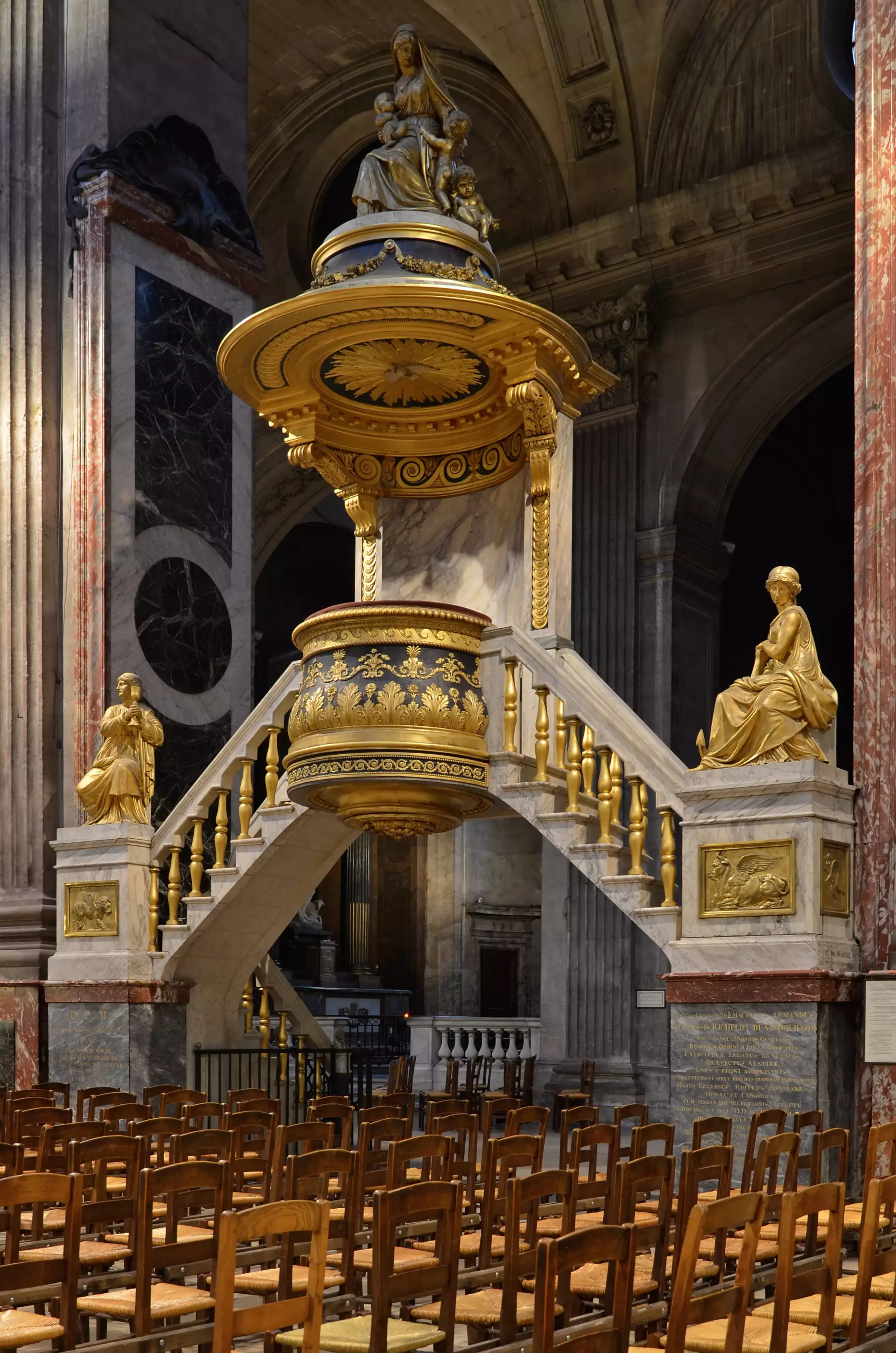
The Church of Saint-Sulpice stands on the east side of Place Saint-Sulpice, along rue Bonaparte, in Paris’s Luxembourg Quarter. With its impressive length of 113 metres, width of 58 metres, and height of 34 metres, it is the second-largest church in the city, just slightly smaller than the famous Notre-Dame. This Roman Catholic church is dedicated to Sulpitius the Pious and is known for its striking architecture and significant place in Parisian history.
The Gnomon of Saint-Sulpice and the Fountain of the Four Bishops
In the 18th century, Saint-Sulpice became home to an elaborate scientific instrument—the Gnomon of Saint-Sulpice. This large device was built inside the church to track the movement of the sun and mark the spring equinox. Just outside, visitors find the Place Saint-Sulpice, featuring the impressive Fountain of the Four Bishops, which adds to the grandeur of the area and draws attention to the church’s facade.
A Rich Musical Heritage
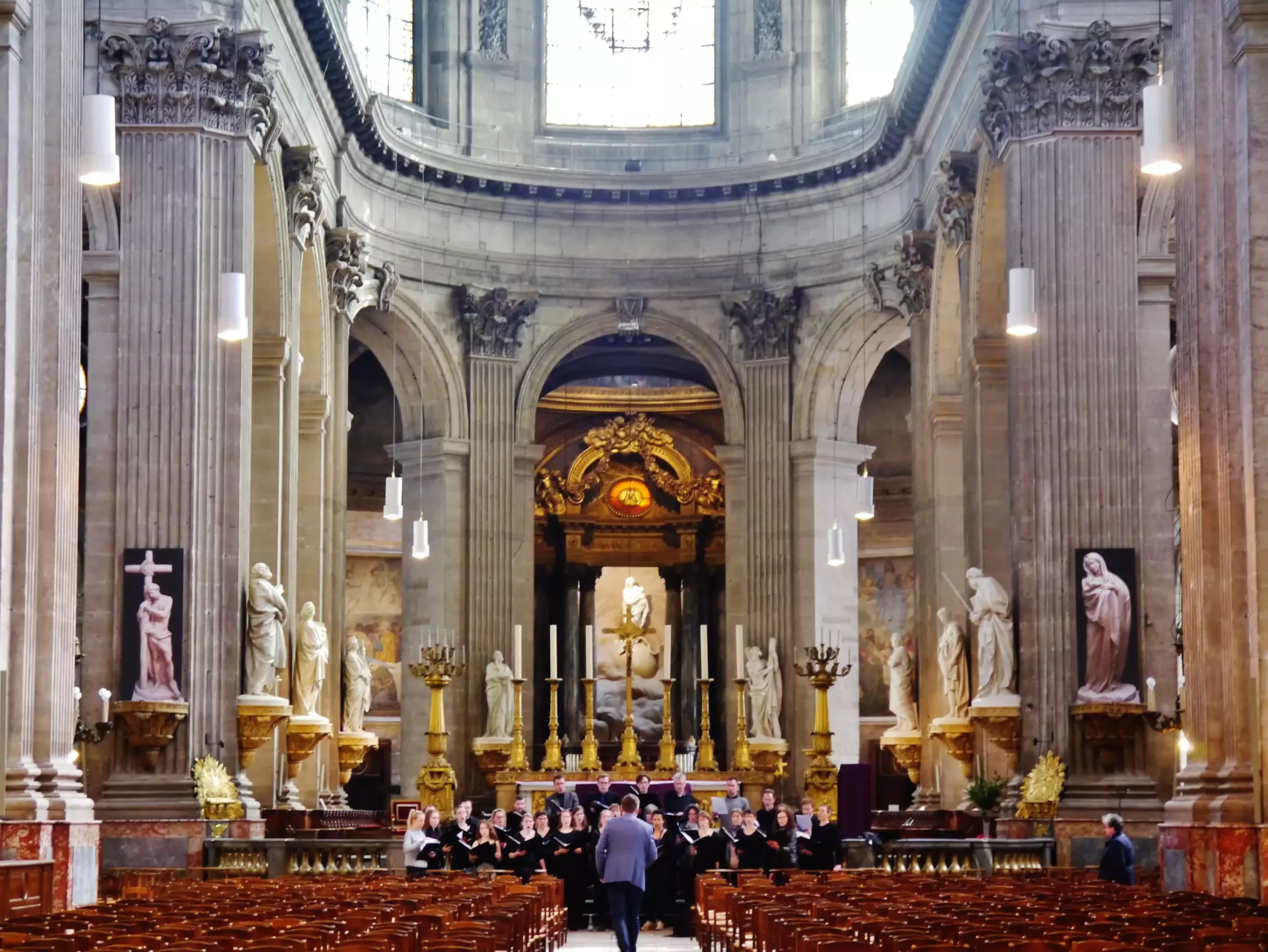
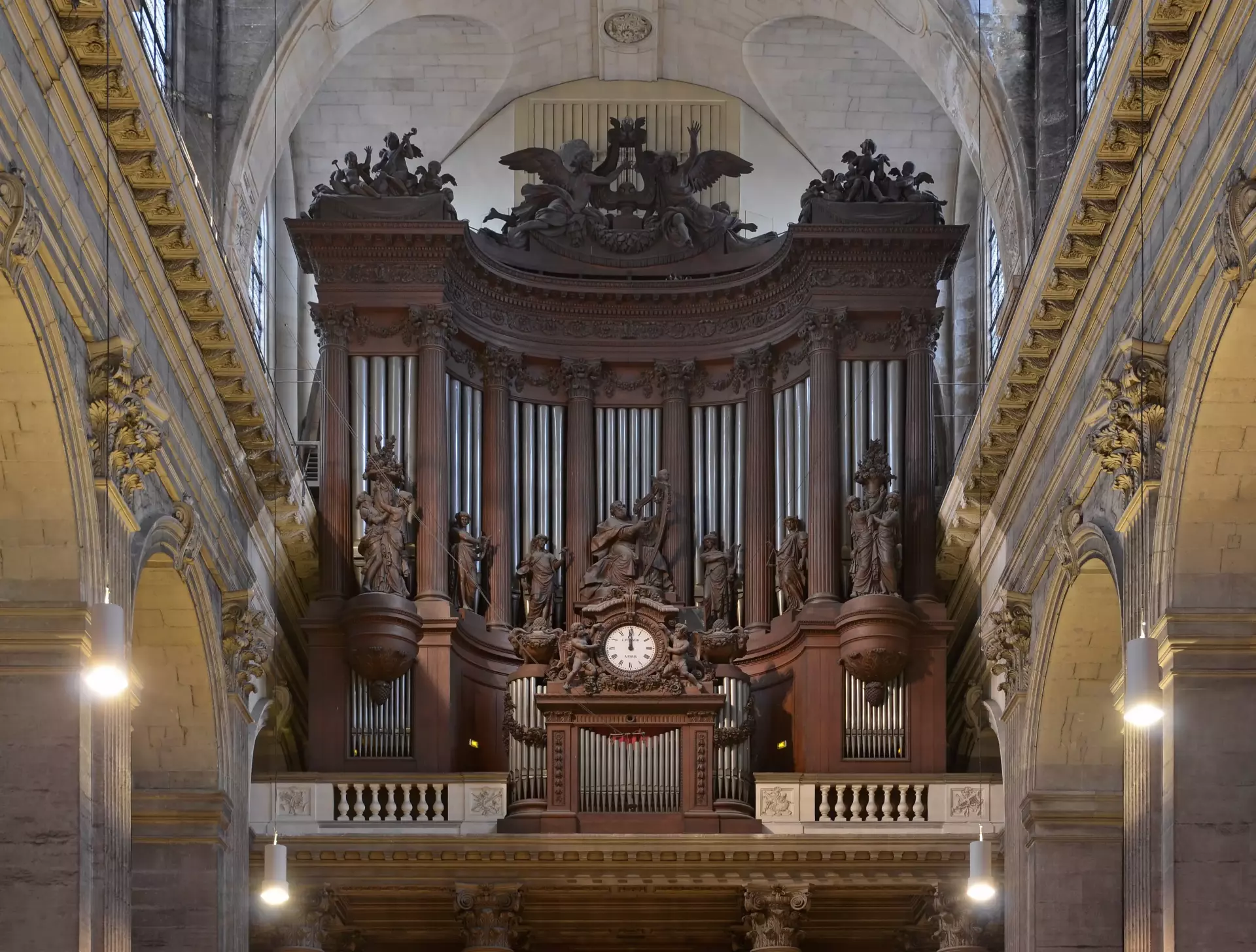
Music lovers are particularly drawn to Saint-Sulpice for its tradition of remarkable organ music. The church’s relationship with talented organists dates back to the eighteenth century. In 1862, master organ builder Aristide Cavaillé-Coll improved and rebuilt the organ originally crafted by François-Henri Clicquot. Though it still contains many of Clicquot’s original materials, Cavaillé-Coll’s version is thought to be his greatest masterpiece, boasting 102 speaking stops and representing the height of the romantic French symphonic-organ tradition.
Famous musicians have played this instrument, including Nicolas Séjan in the 18th century, Charles-Marie Widor (organist from 1870 to 1933), and Marcel Dupré (organist from 1934 to 1971), all known for their contributions to organ music. Today, Daniel Roth serves as the principal organist, with Sophie-Véronique Cauchefer-Choplin as assistant organist. Saint-Sulpice hosts regular Sunday organ recitals, known as "Auditions du Dimanche." These performances follow High Mass, typically from 11:30 am to 12:05 pm. During the subsequent mass, visitors may also have the opportunity to visit the organ loft and experience the instrument up close.
Source - https://en.wikipedia.org/wiki/Saint-Sulpice,_Paris