
Search ×
Home Paris
Jardin des plantes
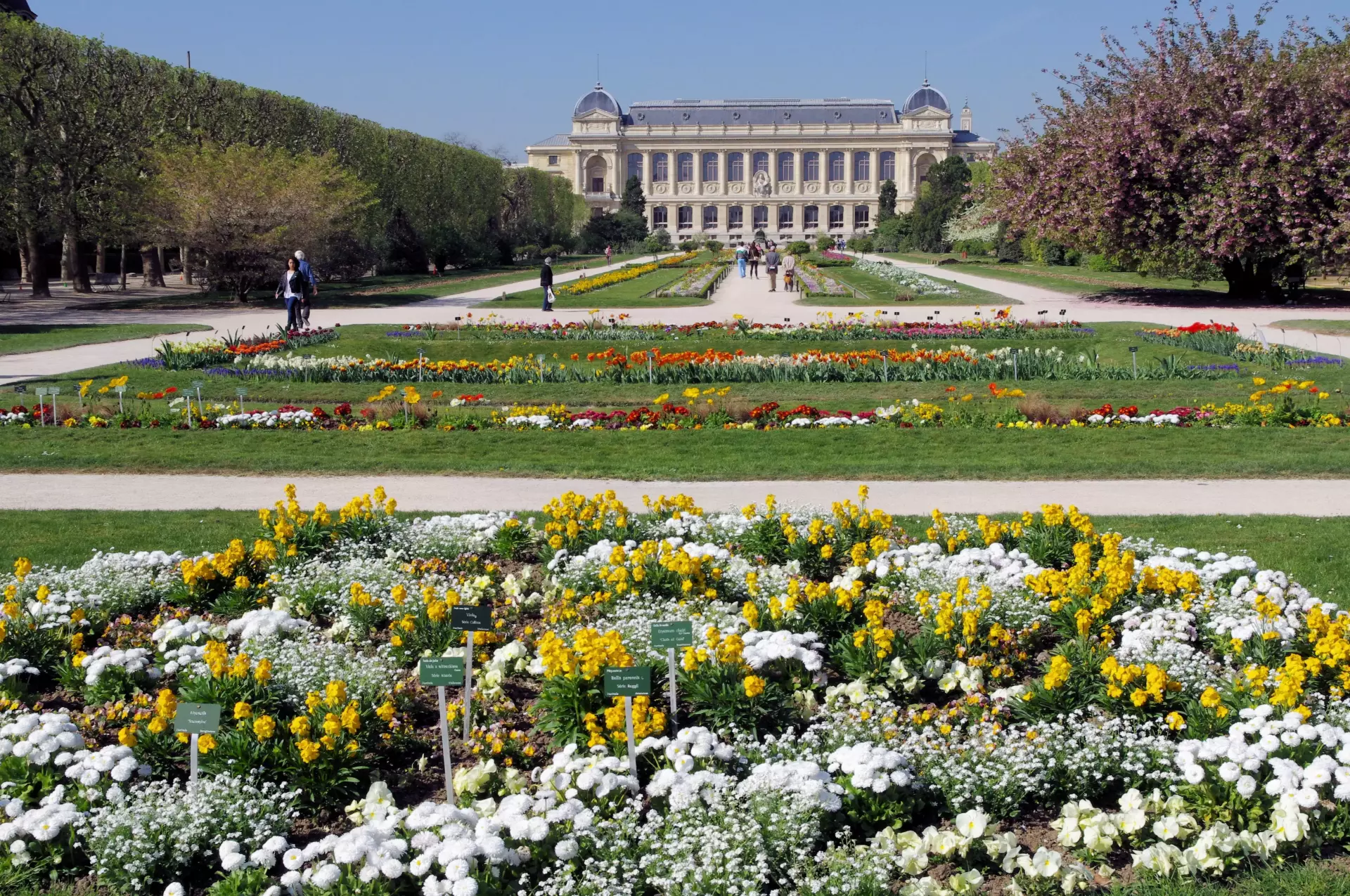
A perspective view of the grande galerie de l'Évolution (called in English the 'Gallery of Evolution') and the Jardin des plantes ('Garden of the Plants'), in Paris.
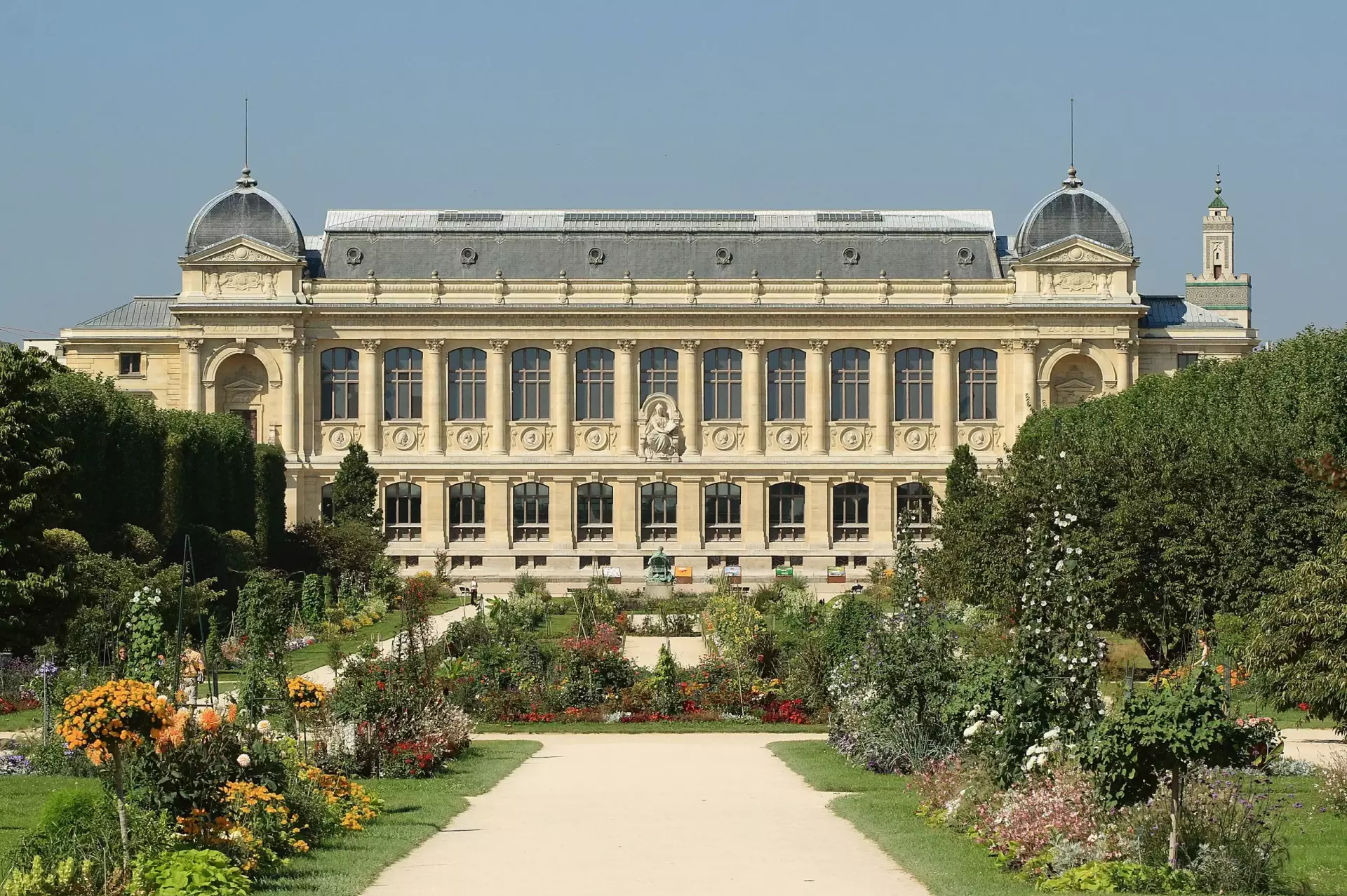
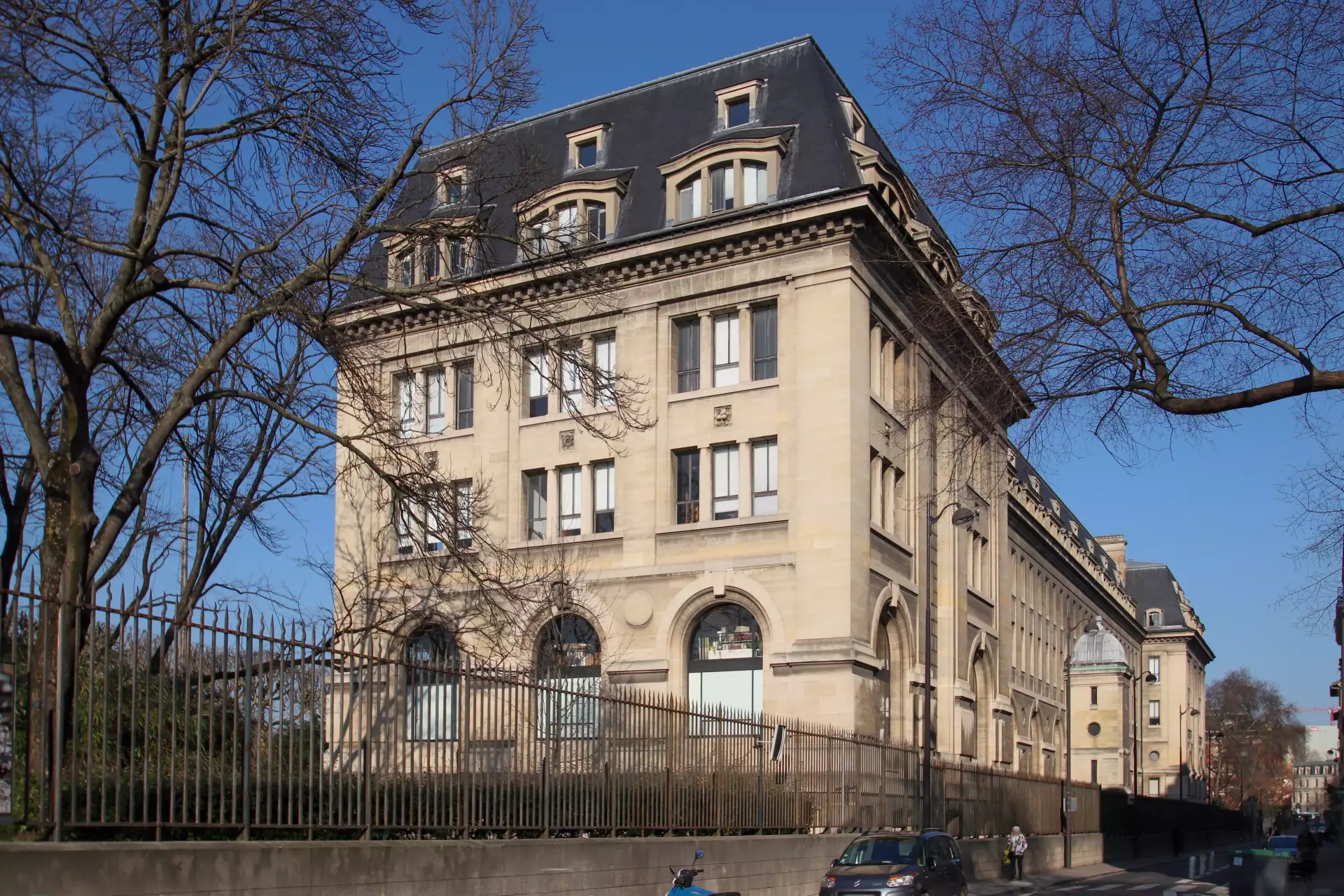
Façade of the grande galerie de l'Évolution (Gallery of Evolution), which is a zoology museum building belonging to the French National Museum of Natural History. The building is located in the Jardin des plantes in Paris.
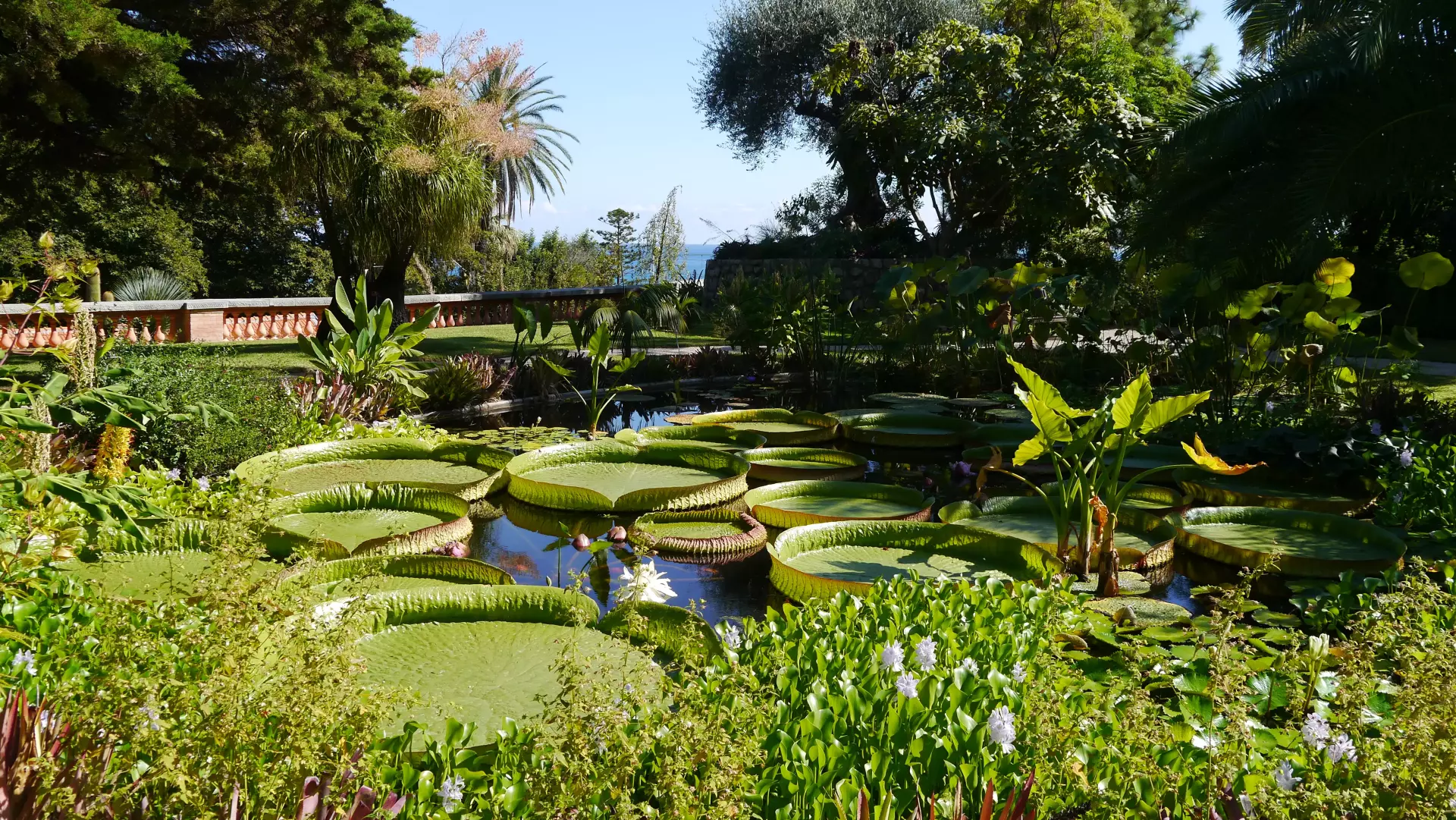
The Victoria amazonica pond in the Menton Botanical Garden, also known as Val Rahmeh.
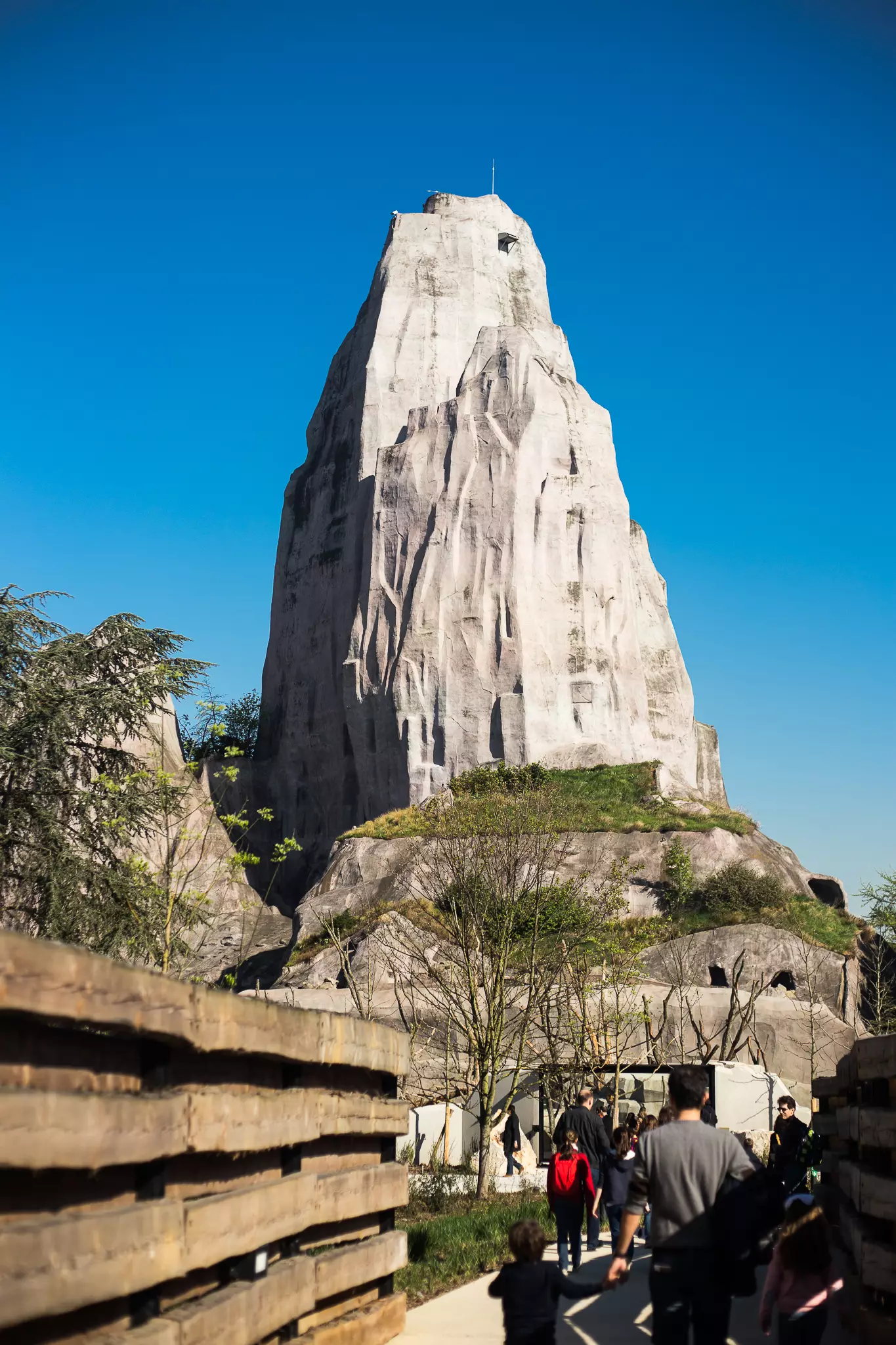
Parc Zoologique de Paris, France.
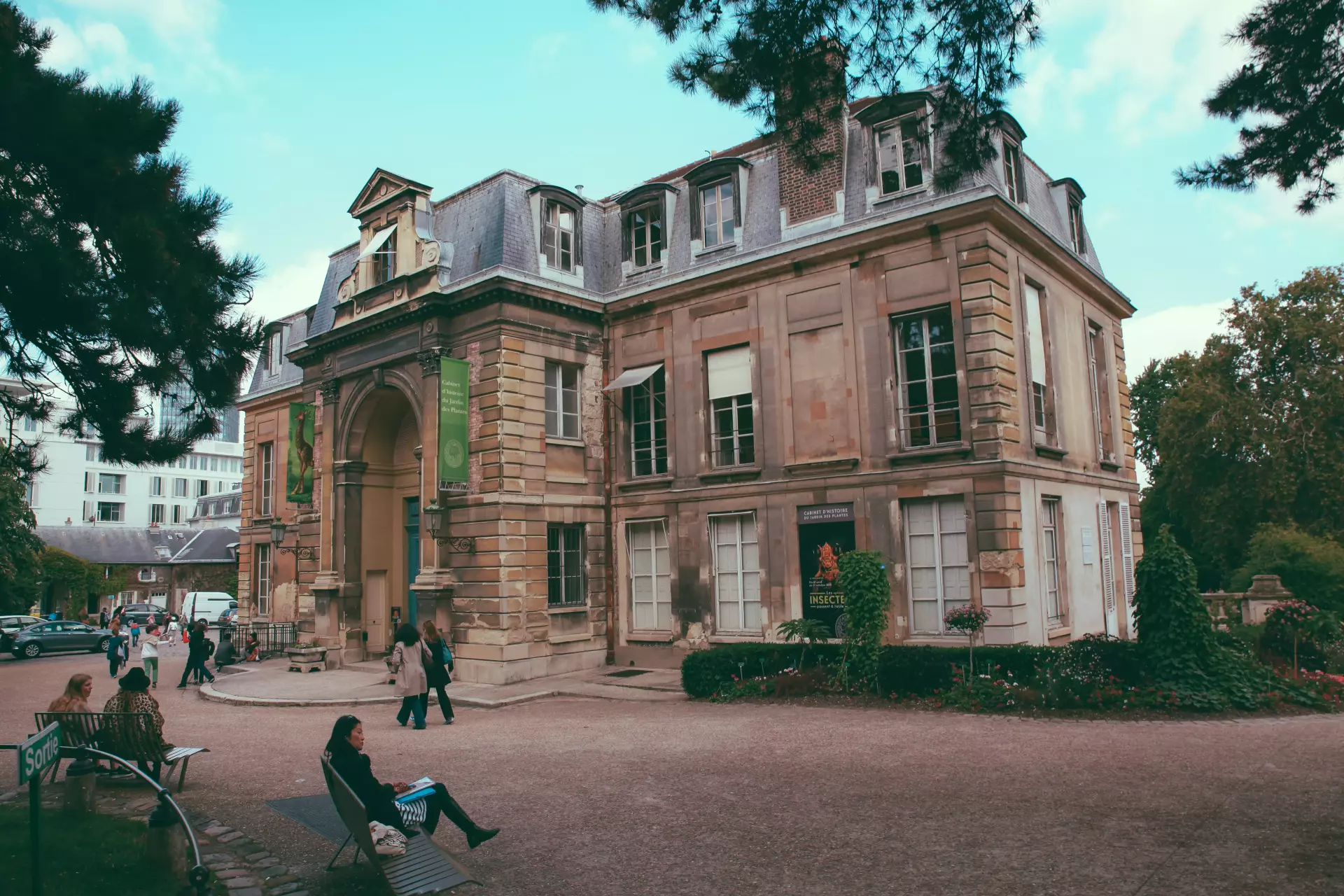
Hôtel de Magny, Jardin des Plantes, Paris.
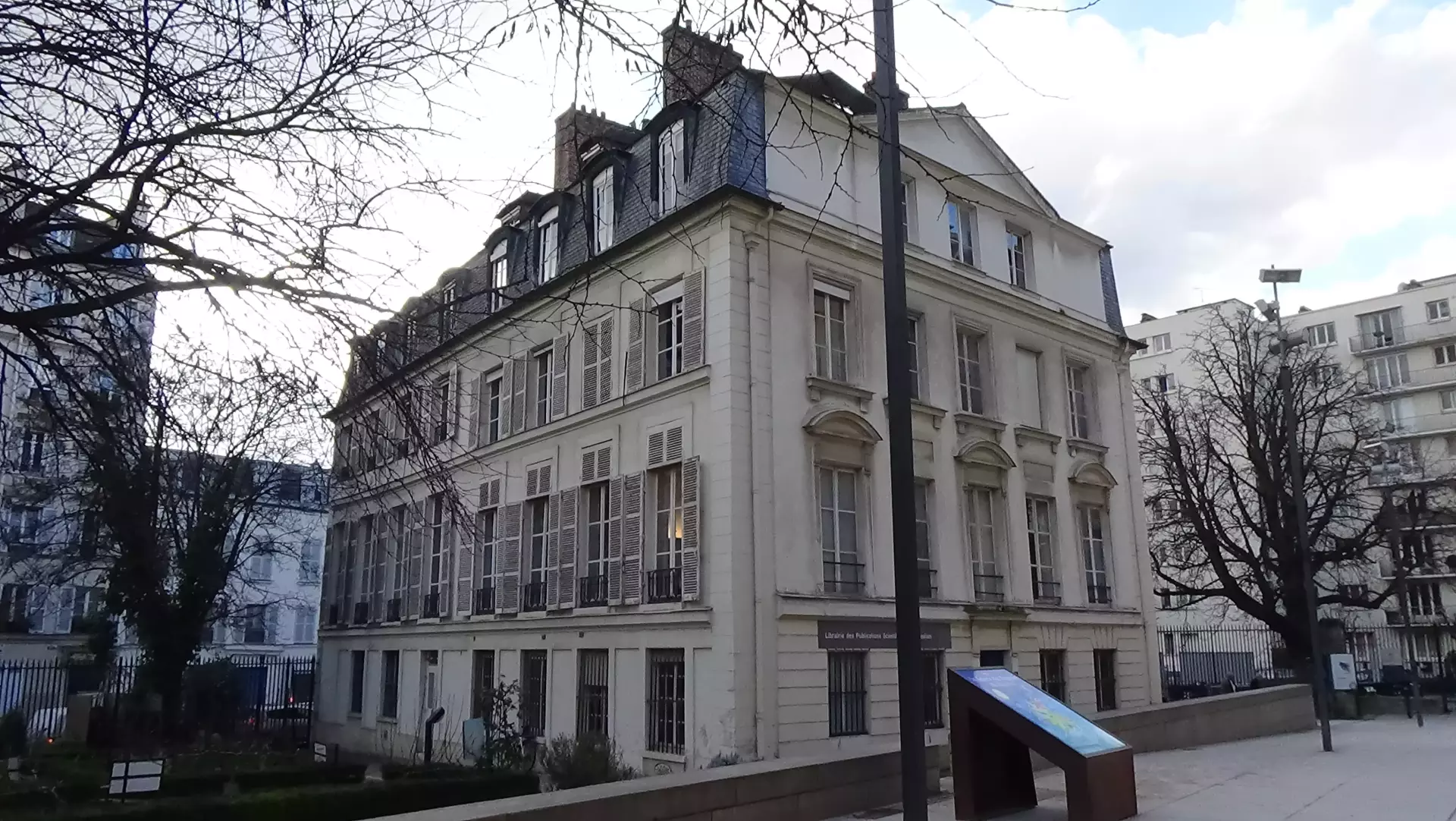
House - Buffon and Lamarck - Jardin des Plantes, Paris (Georges-Louis Leclerc de Buffon) - (Jean-Baptiste de Lamarck) - 02/2015
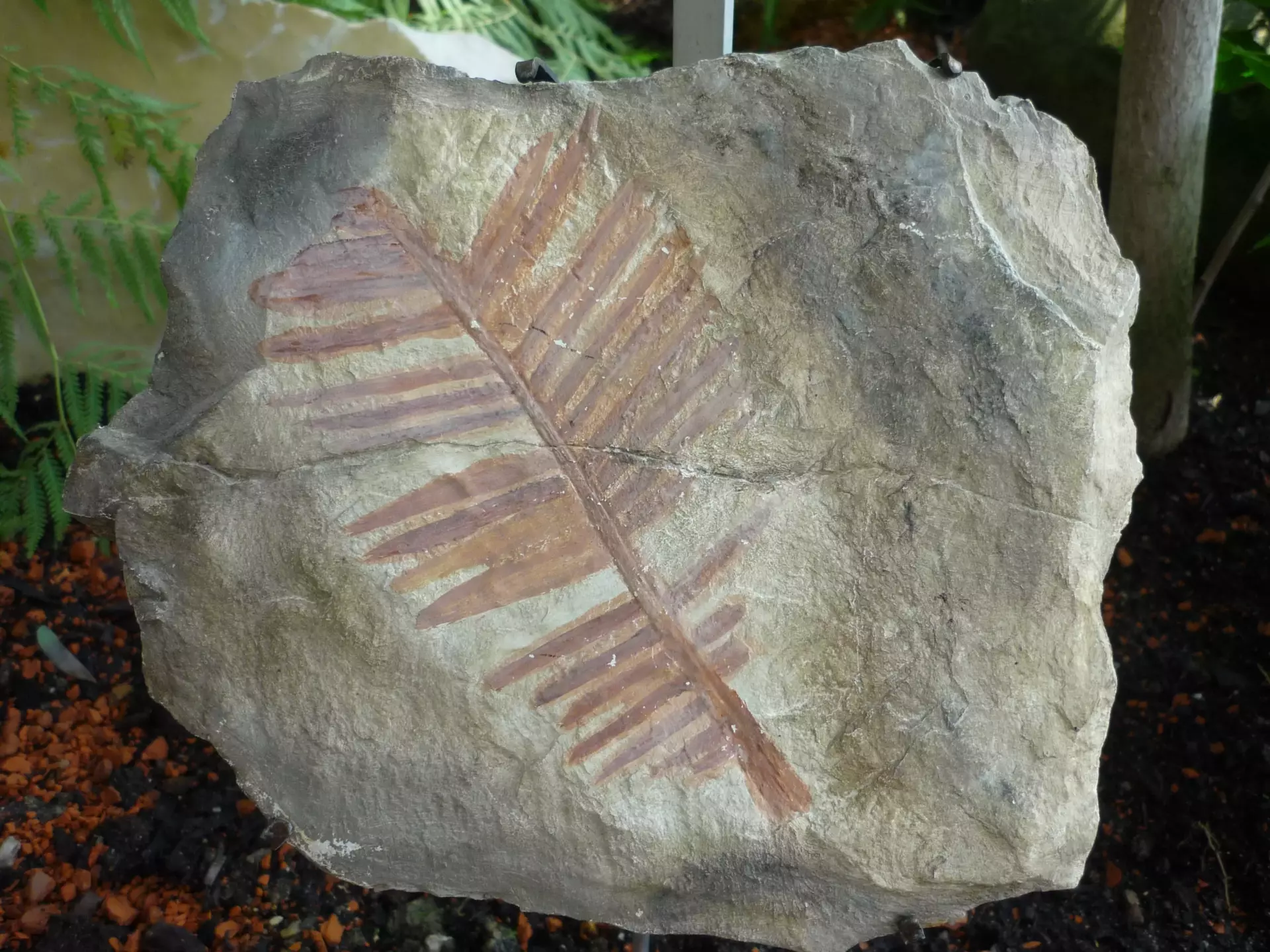
Fossil leaf of Zamites feneonis.
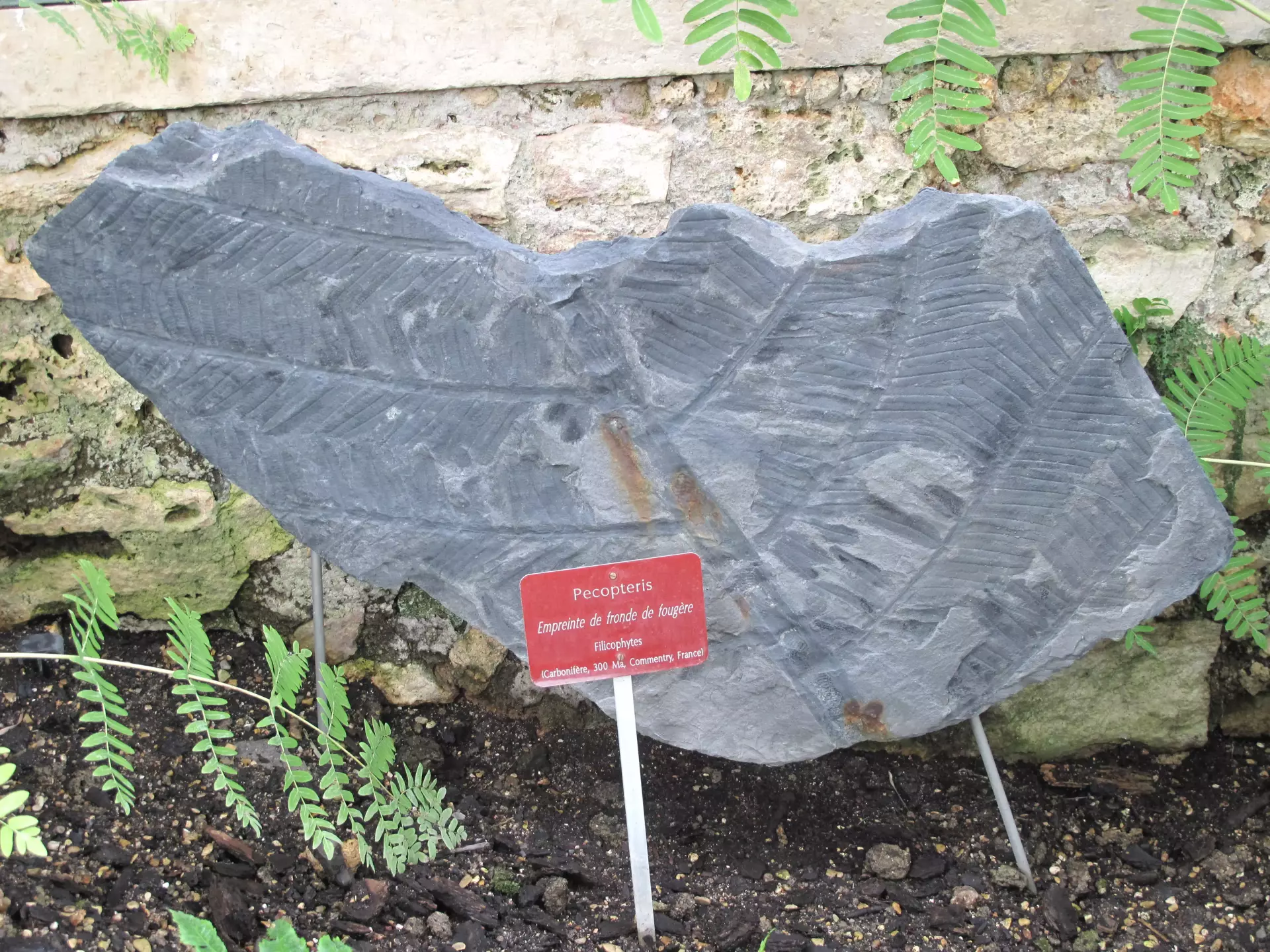
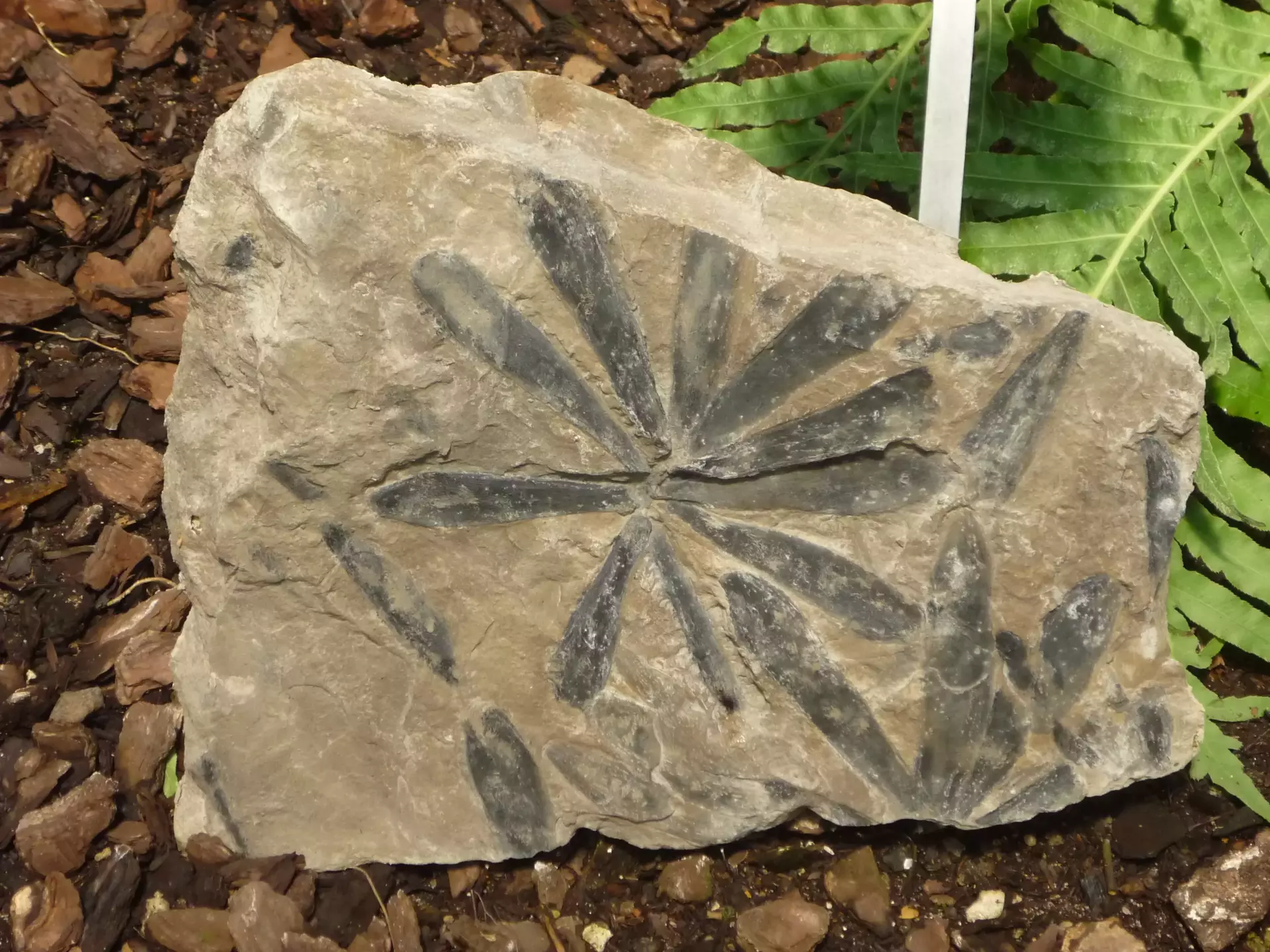
Print of an extinct plant Pecopteris (300 million years) in paleobotany greenhouse of the Jardin des Plantes in Paris.
Fossilized leaves of Cordaites lungatus. Unknown fossil leaf of Cordaites lungatus. Unknown fossil leaf of Cordaites lungatus.
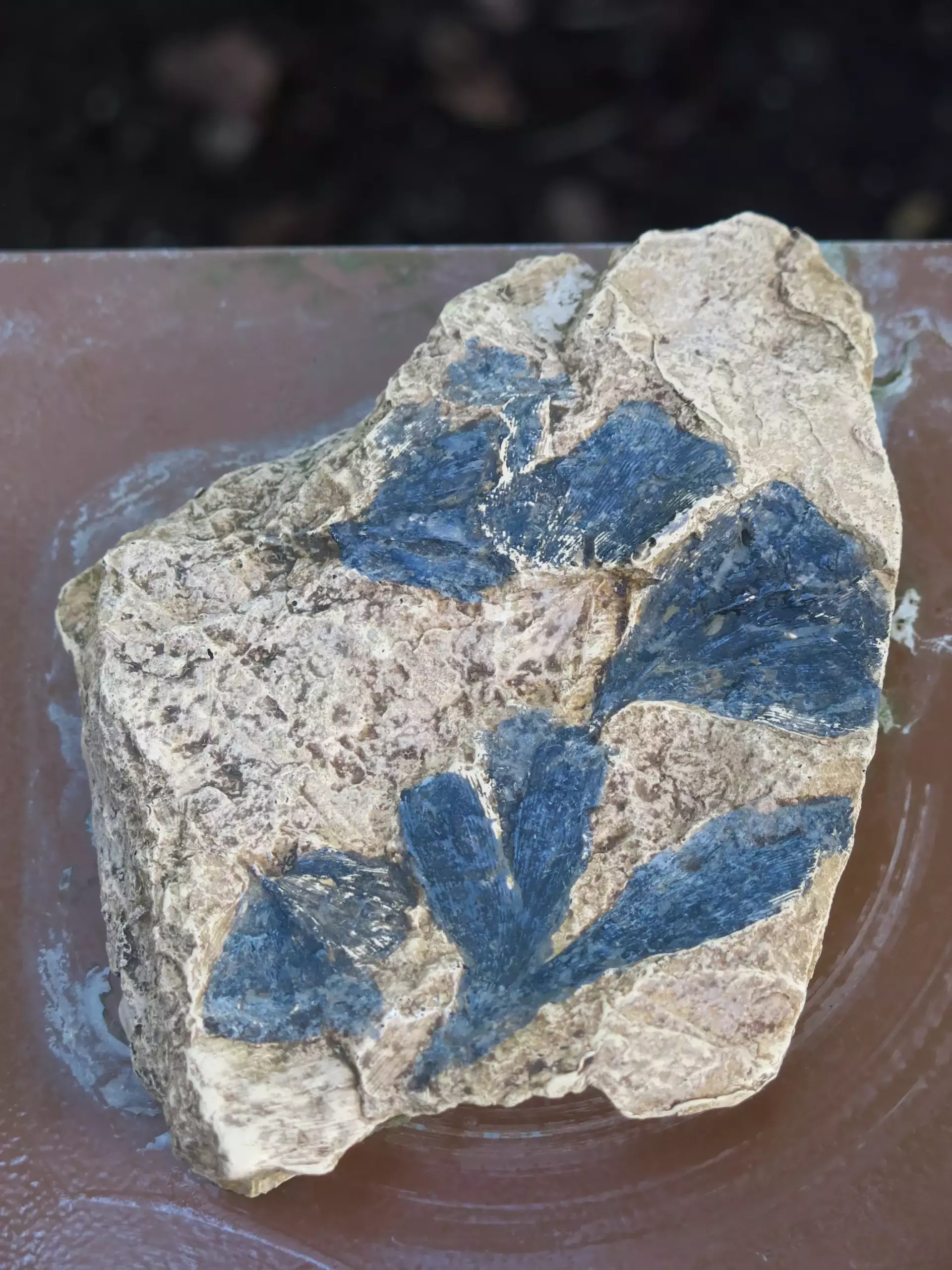
Fossil of Ginkgo digitat in the greenhouses of the Jardin des Plantes de Paris. Yorkshire, UK, Jurassic, 170 million years. Plant identified by its botanic label.
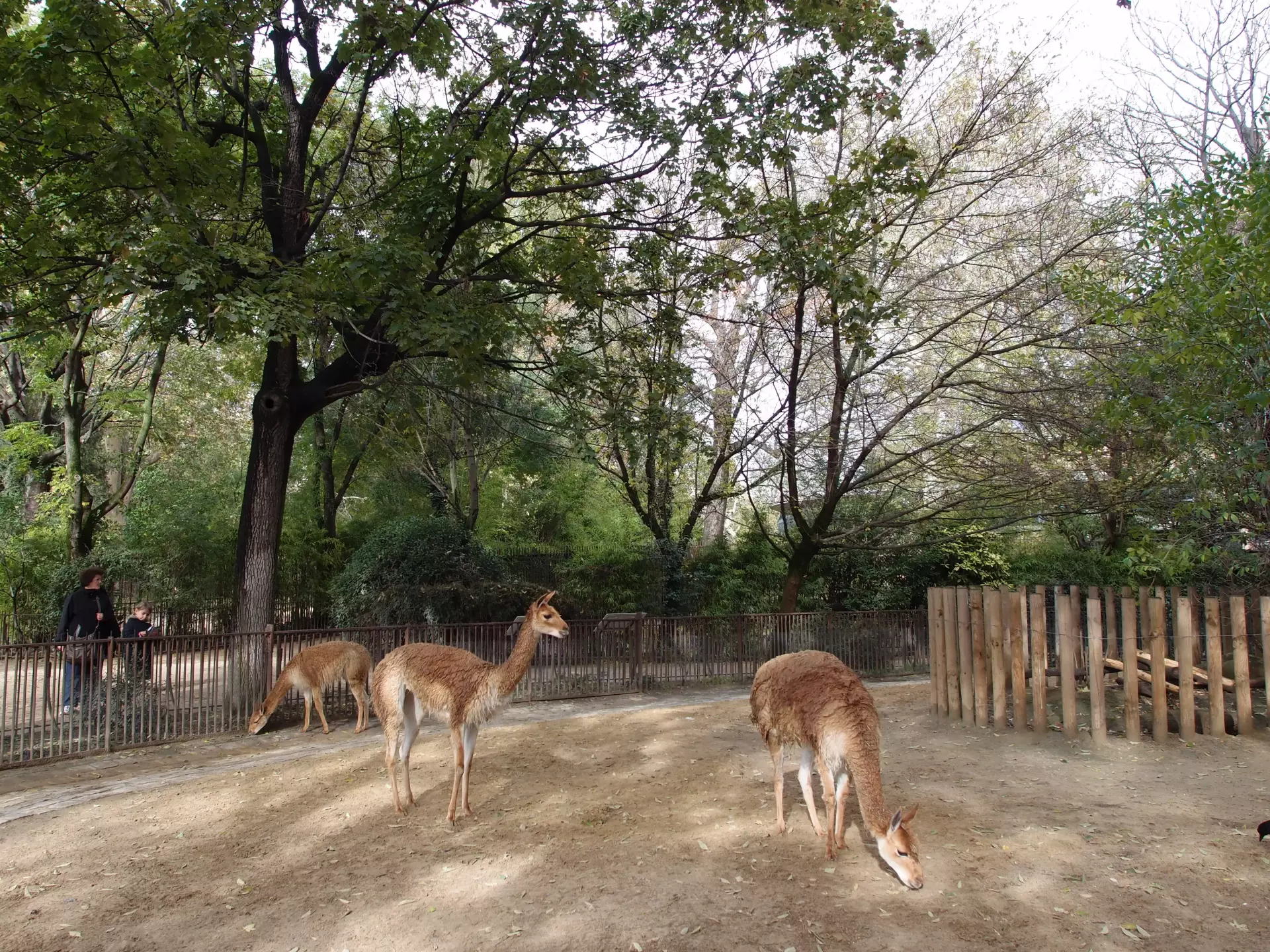
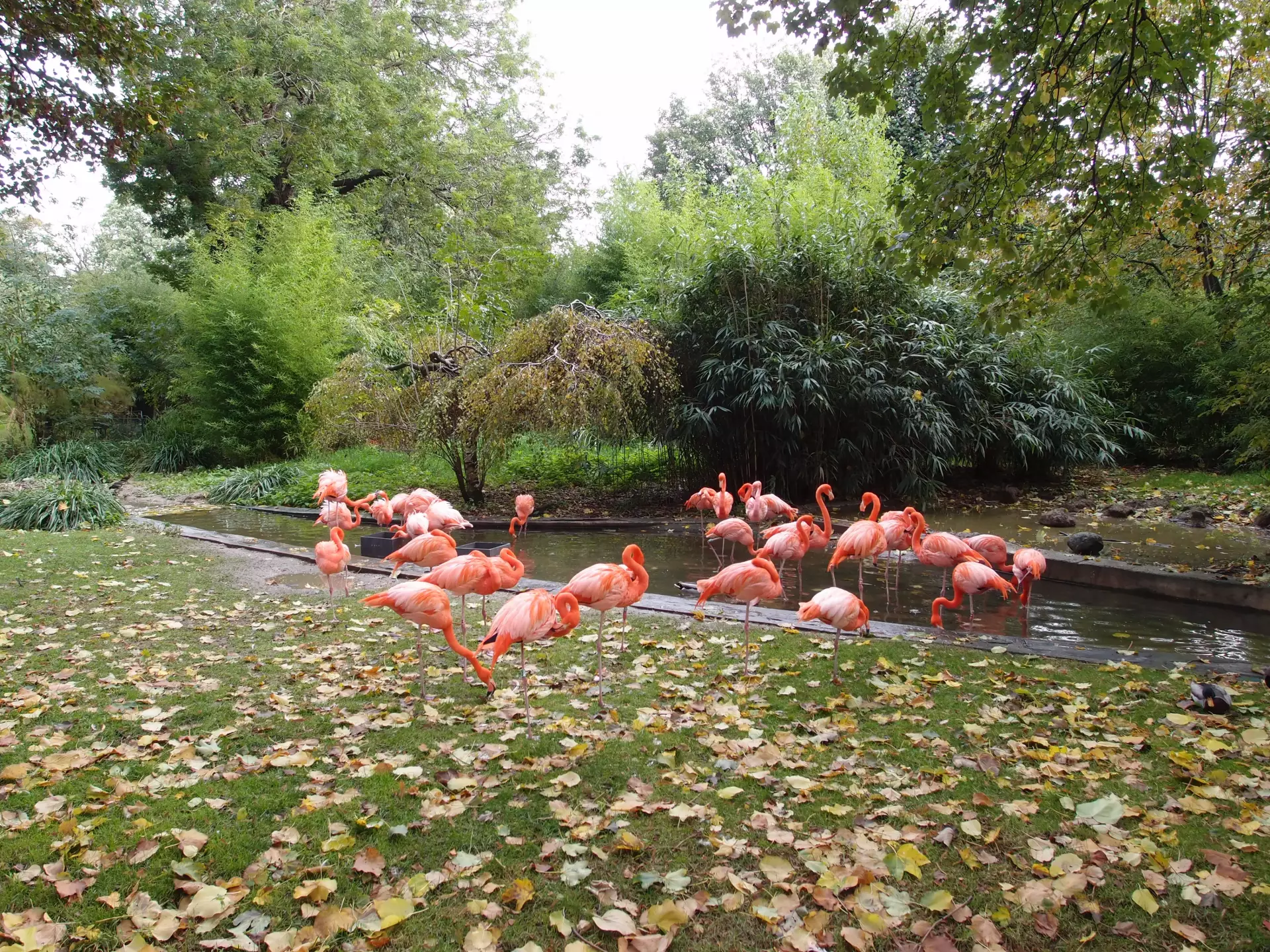
Menagerie of the Jardin des Plantes
Menagerie of the Jardin des Plantes.
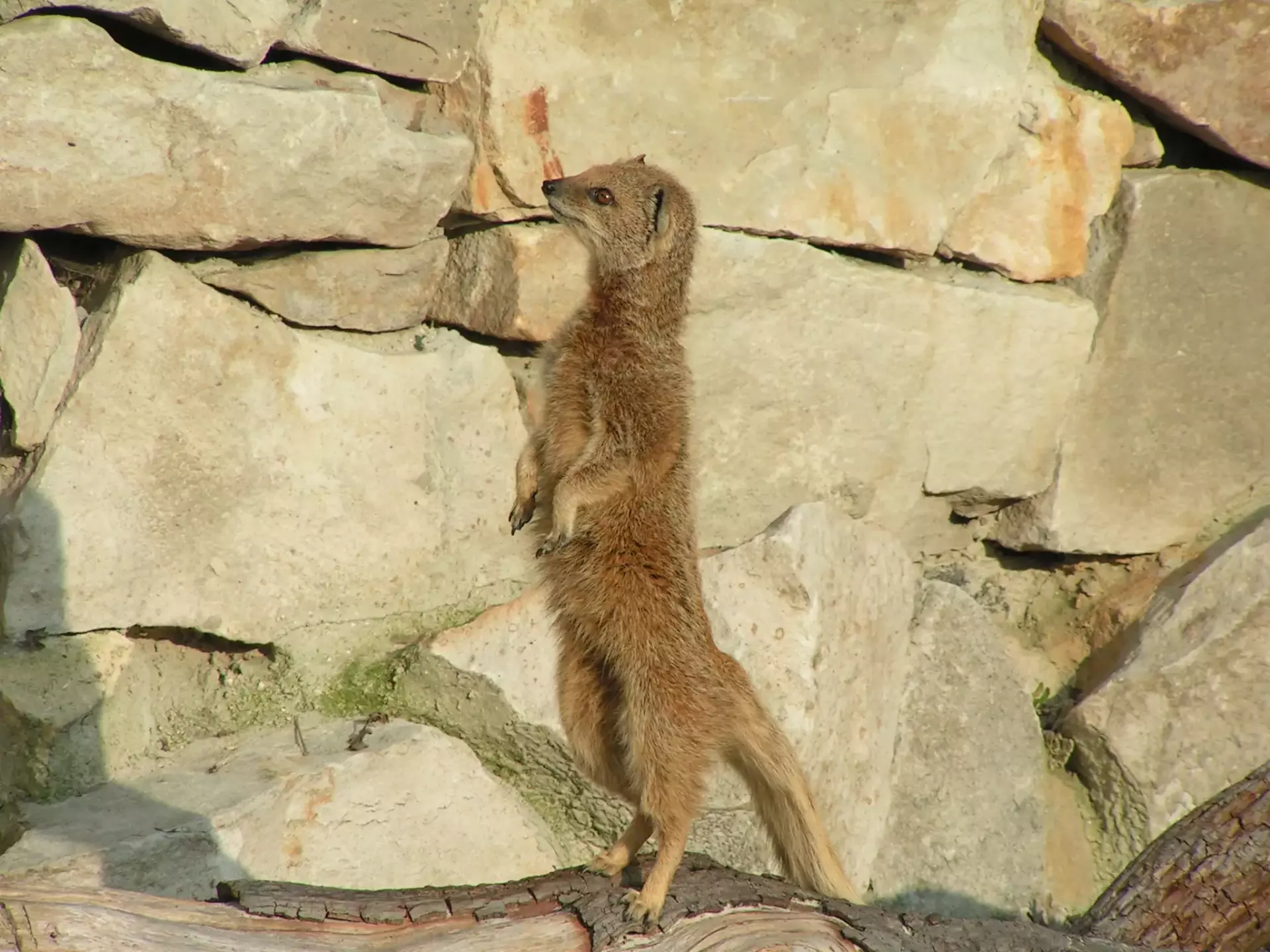
Meerkat from the Jardin des Plantes (Paris).
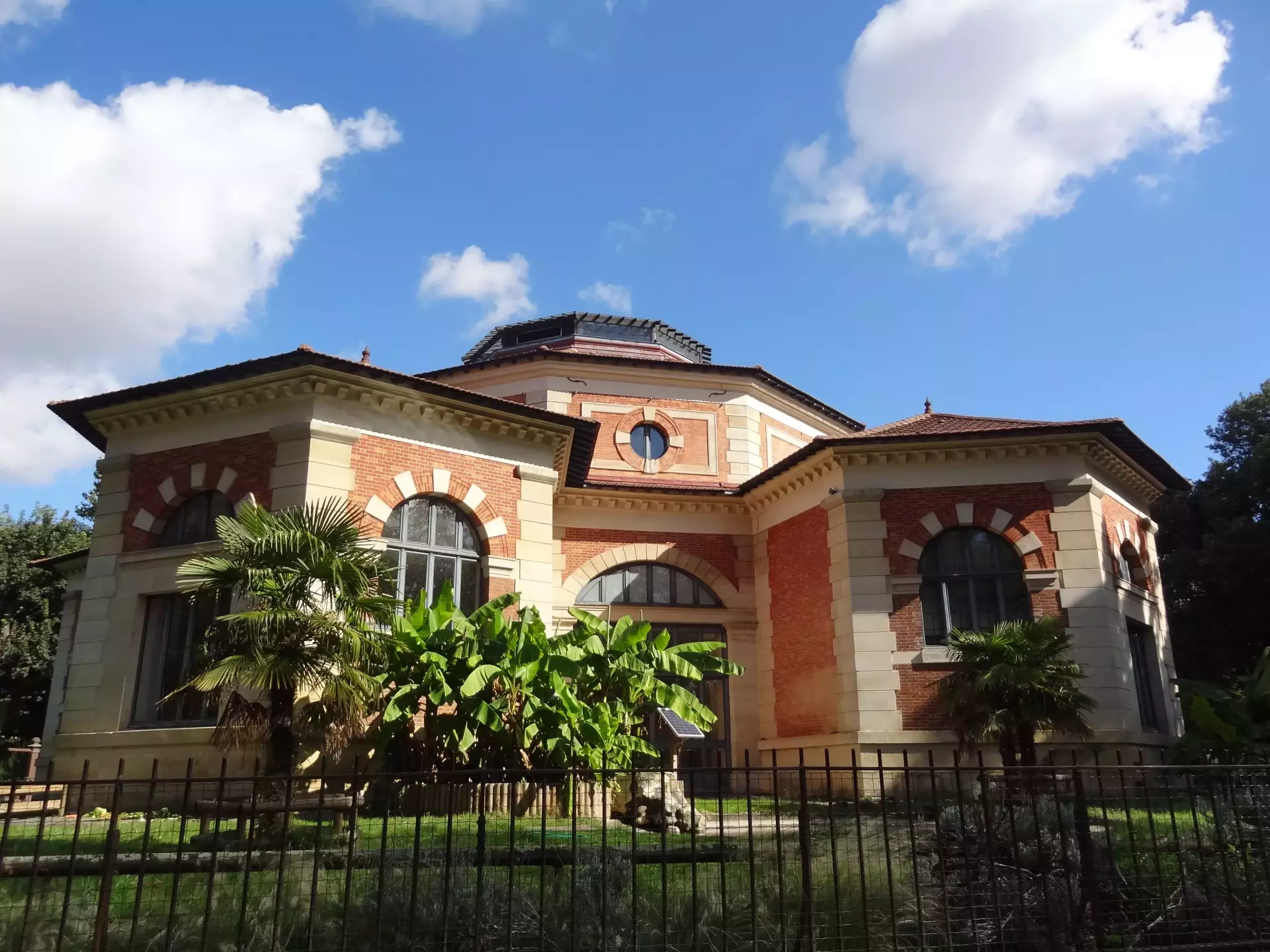
Rotunda of the Elephant, Jardin des Plantes, Paris. This building is indexed in the Mérimée database, a database of architectural heritage maintained by the French Ministry of Culture, under the reference PA00088482.
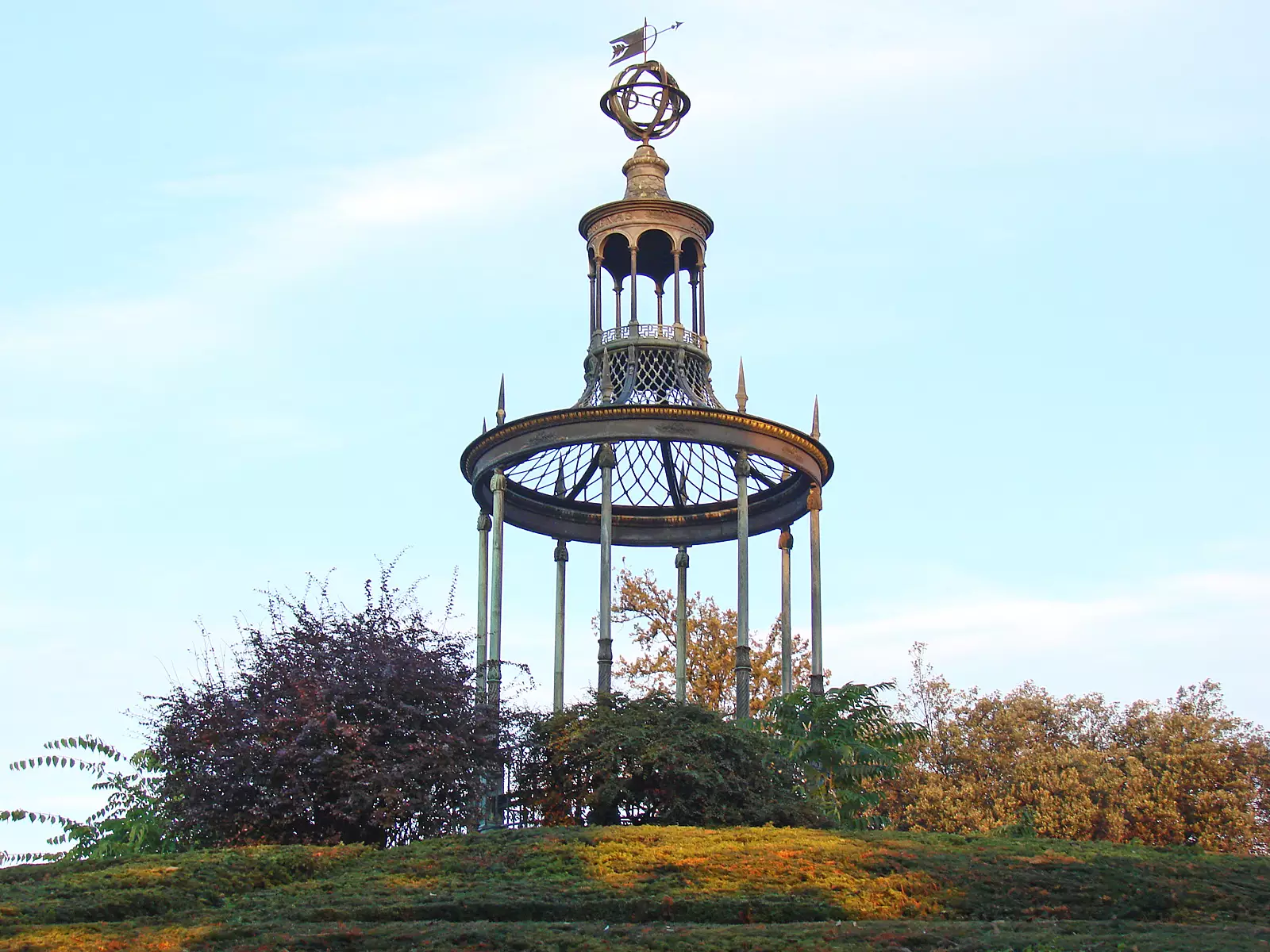
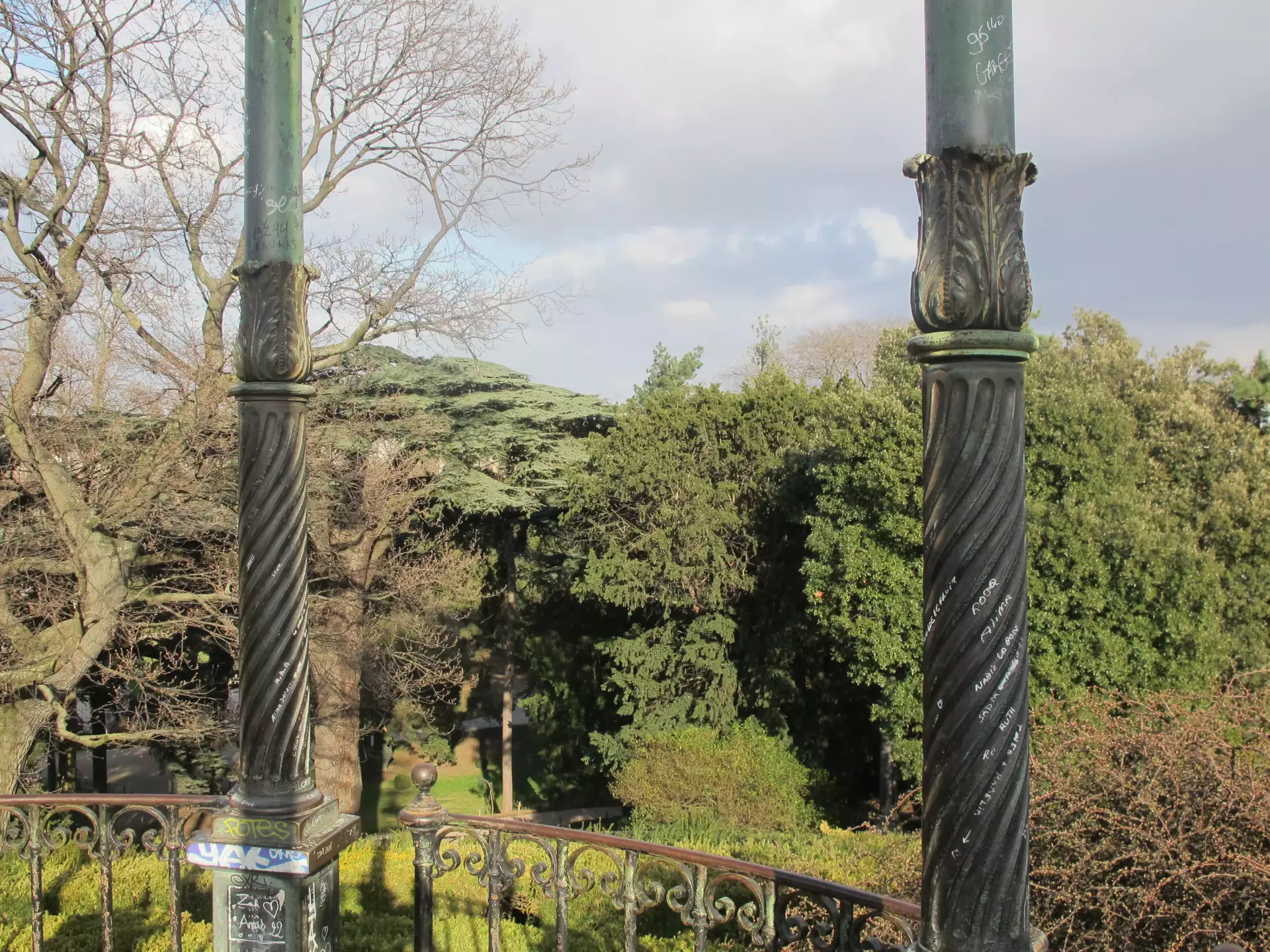
The kiosk, built in 1786 according to Verniquet's plans, is the oldest metal structure in Paris. Its beautiful framework comes from the forges owned by Buffon at Montbard (Côte-d’Or). The building originally combined iron, copper, gold, bronze, and lead. The current Jardin des Plantes, heir to the royal garden of medicinal plants created in 1626 under Louis XIII, was opened to the public in 1640. Both a scientific institution and a public service, dedicated to research and the dissemination of knowledge, the Museum fulfills important founding missions that govern and inspire all its activities.
Gloriette of the Jardin des Plantes.
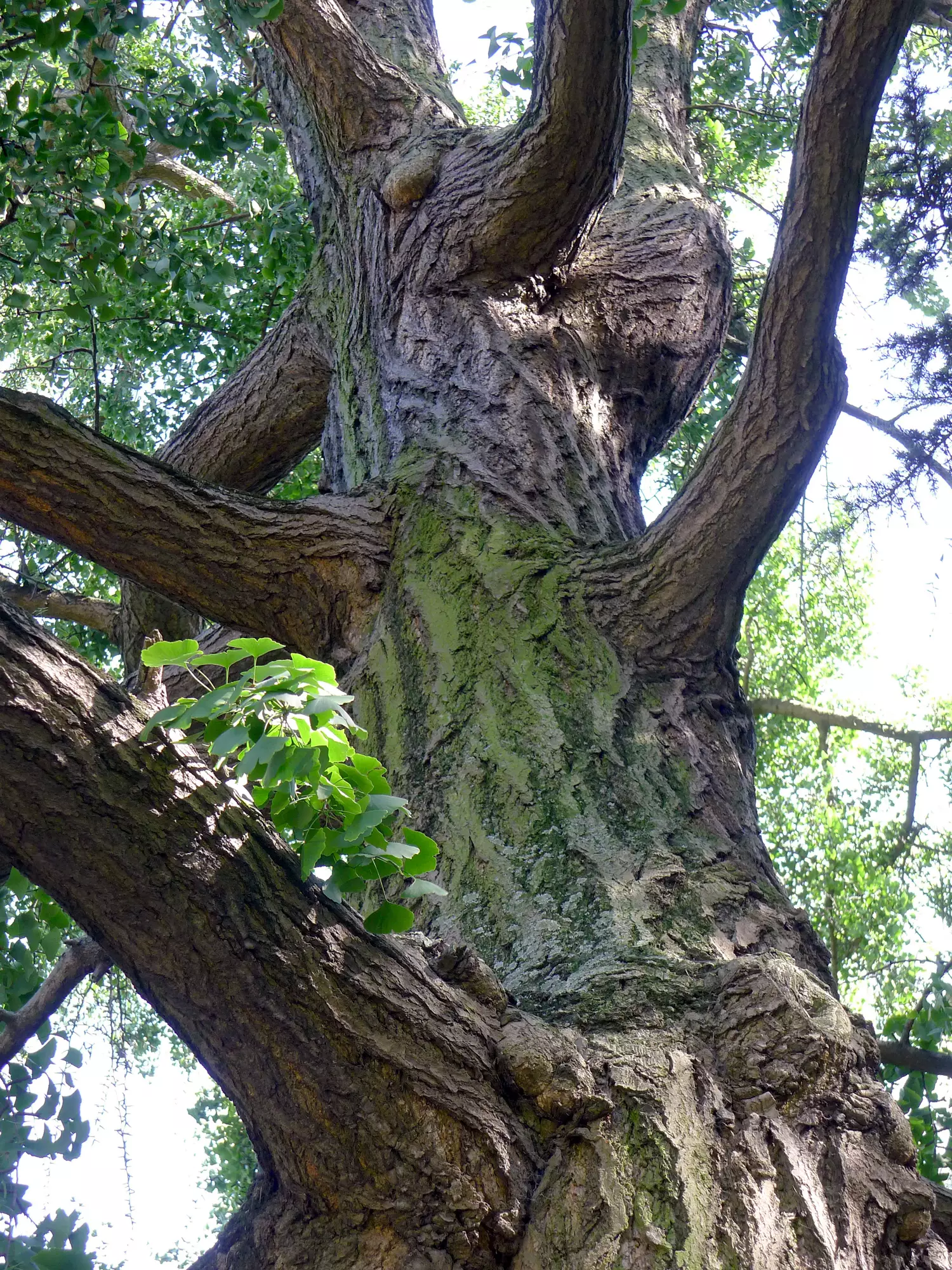
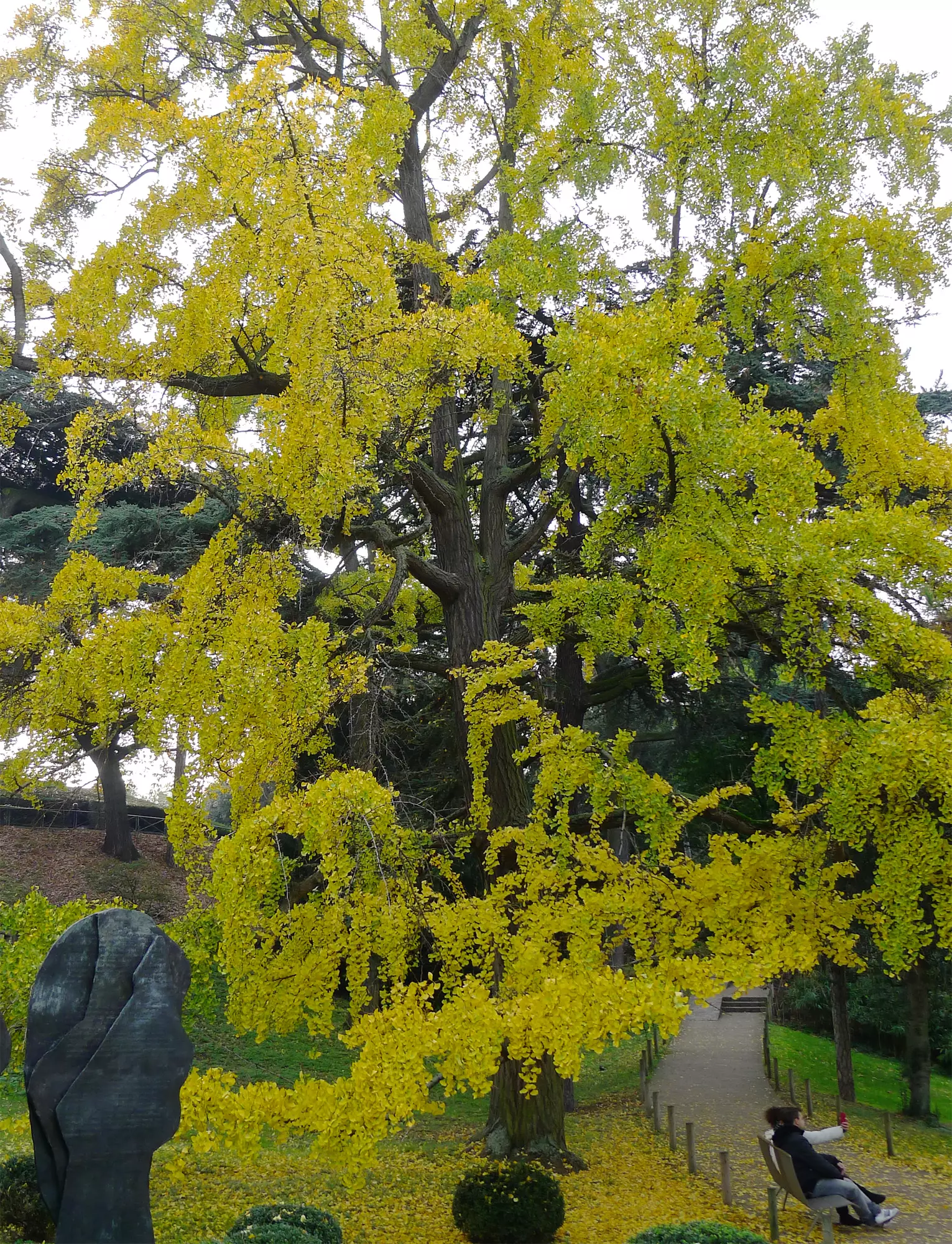
Forty-ecus tree (Ginkgo biloba, Ginkgoaceae), a historic specimen in the Jardin des Plantes - Paris V. This tree, planted around 1811, is located on the north side of the garden's hill, near rue Geoffroy-Saint-Hilaire.
Ginkgo biloba - Jardin des Plantes, Paris.
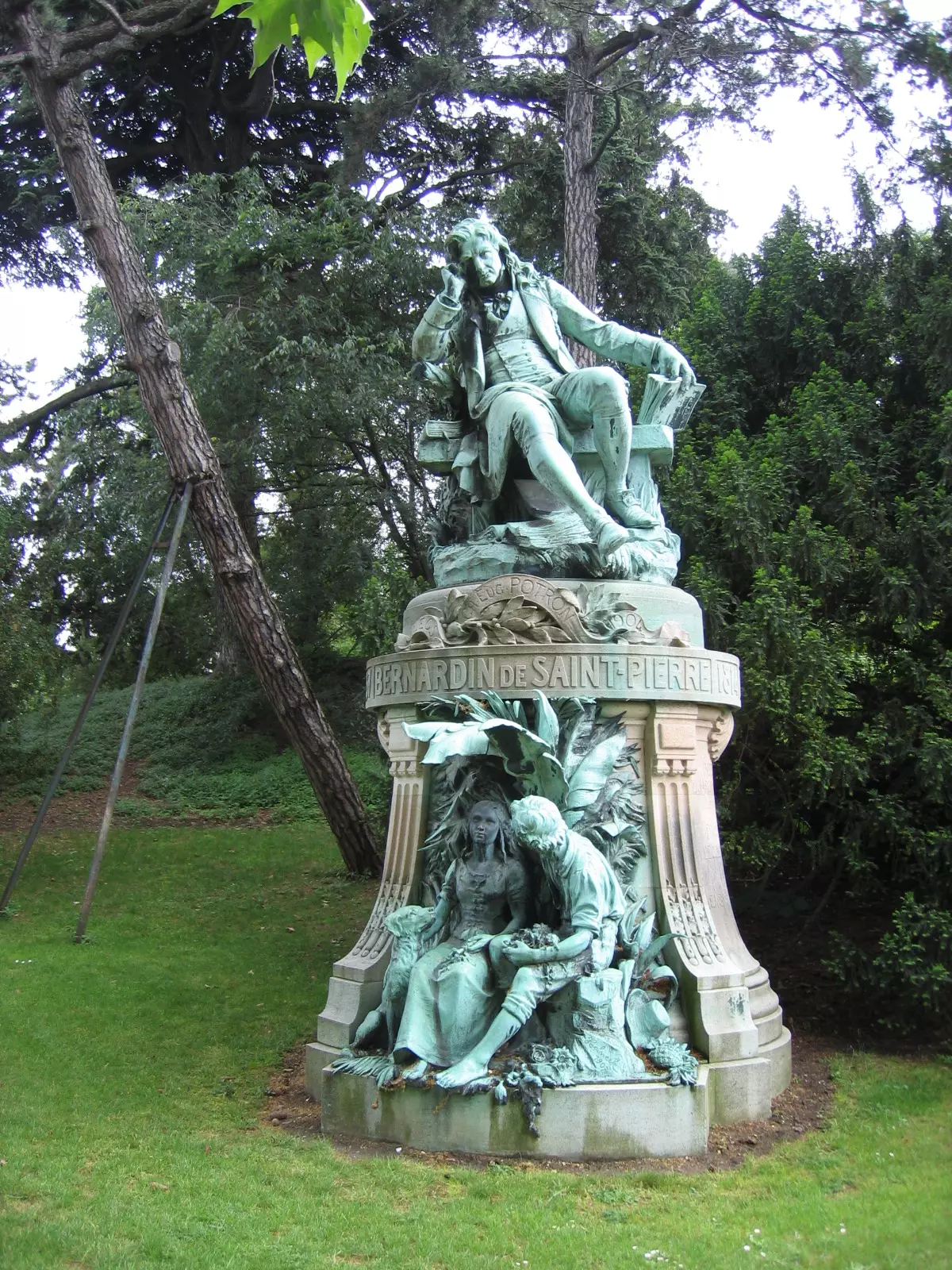
Bernardin de St Pierre (1737-1814) was a writer and botanist. His most famous work is the romance novel "Paul et Virginie," written in 1787, which was not successful at the time. The painter Claude Joseph Vernet fortunately persuaded Bernardin de St Pierre not to destroy this work.
The Jardin des Plantes in Paris is a botanical garden located in the 5th arrondissement, featuring a variety of plants, trees, greenhouses, and museums, and serving as both a public park and a center for botanical research and education.
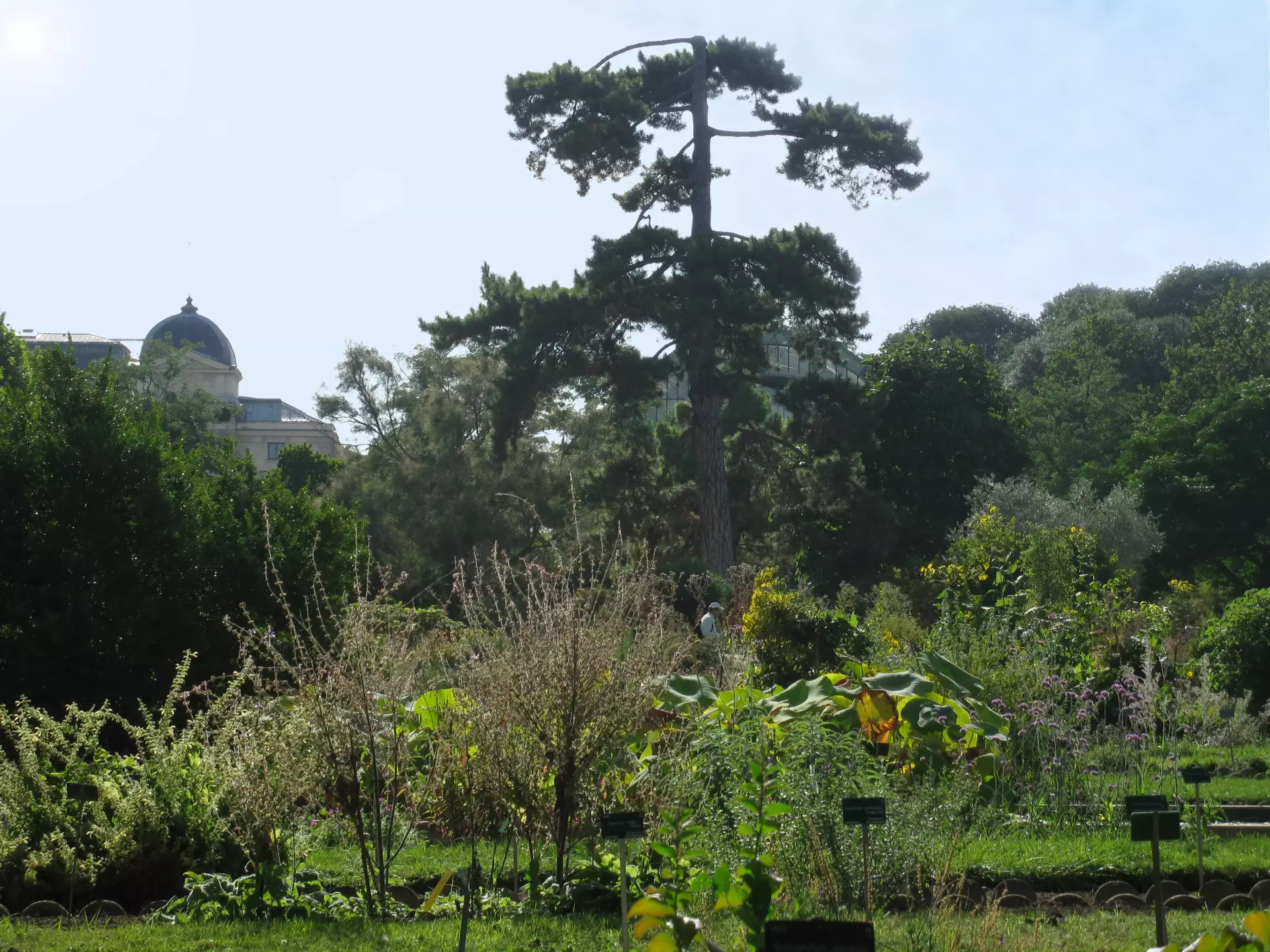
Laricio pine planted by E. F. Turgot in 1774 in the Botany School of the Paris Museum.
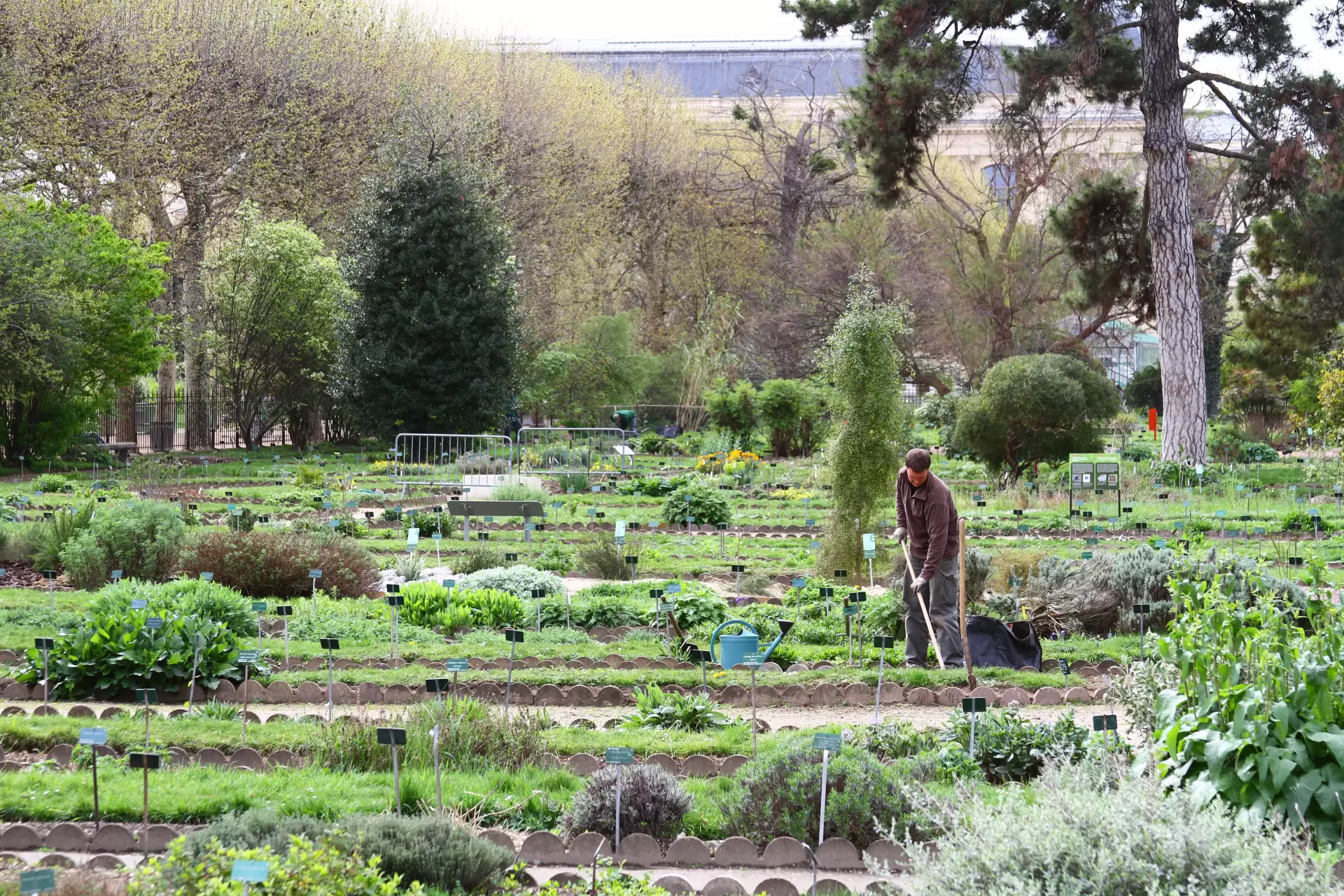
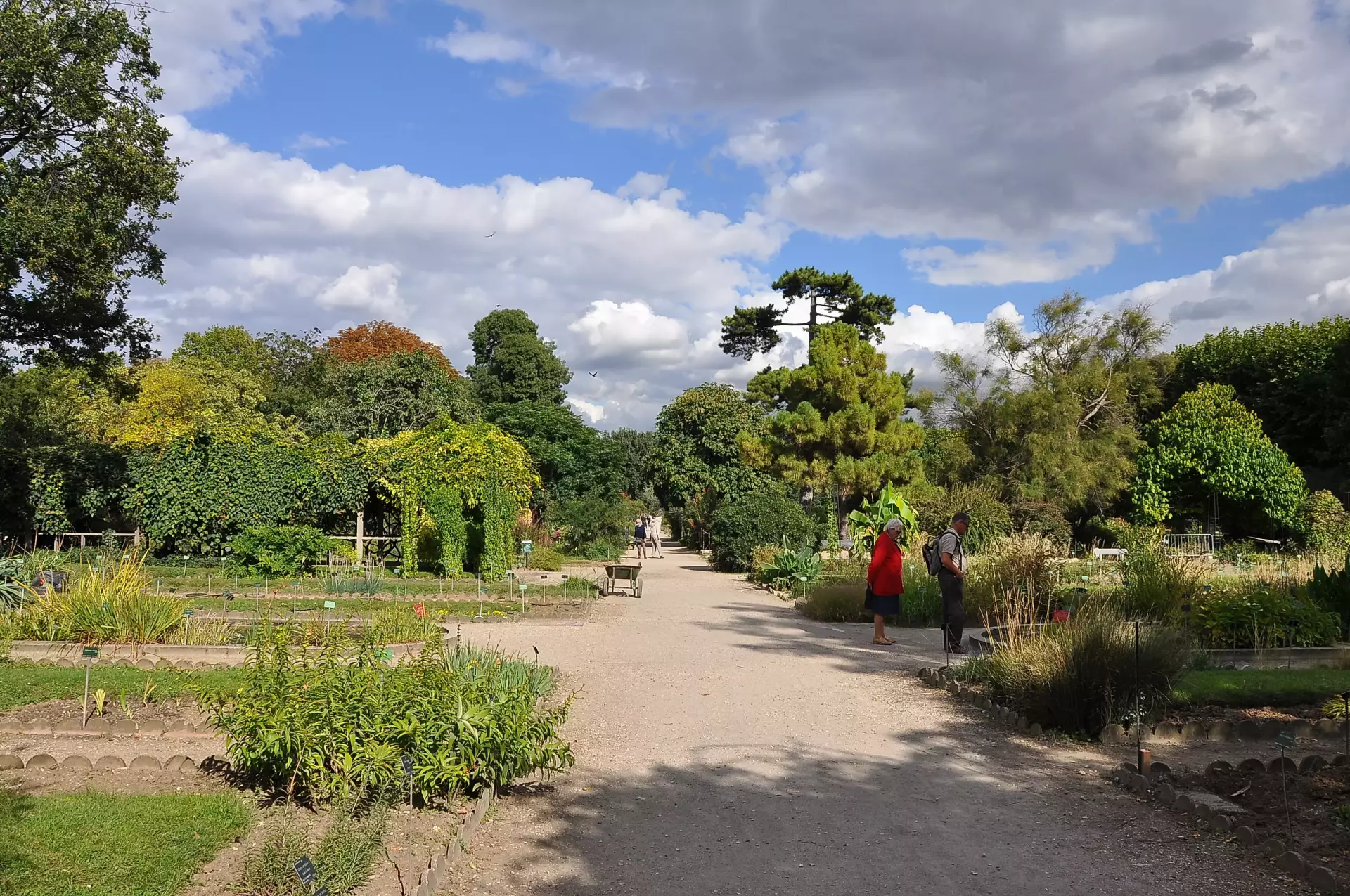
Botanic school of Jardin des Plantes in Paris 5th arrondissement, France.
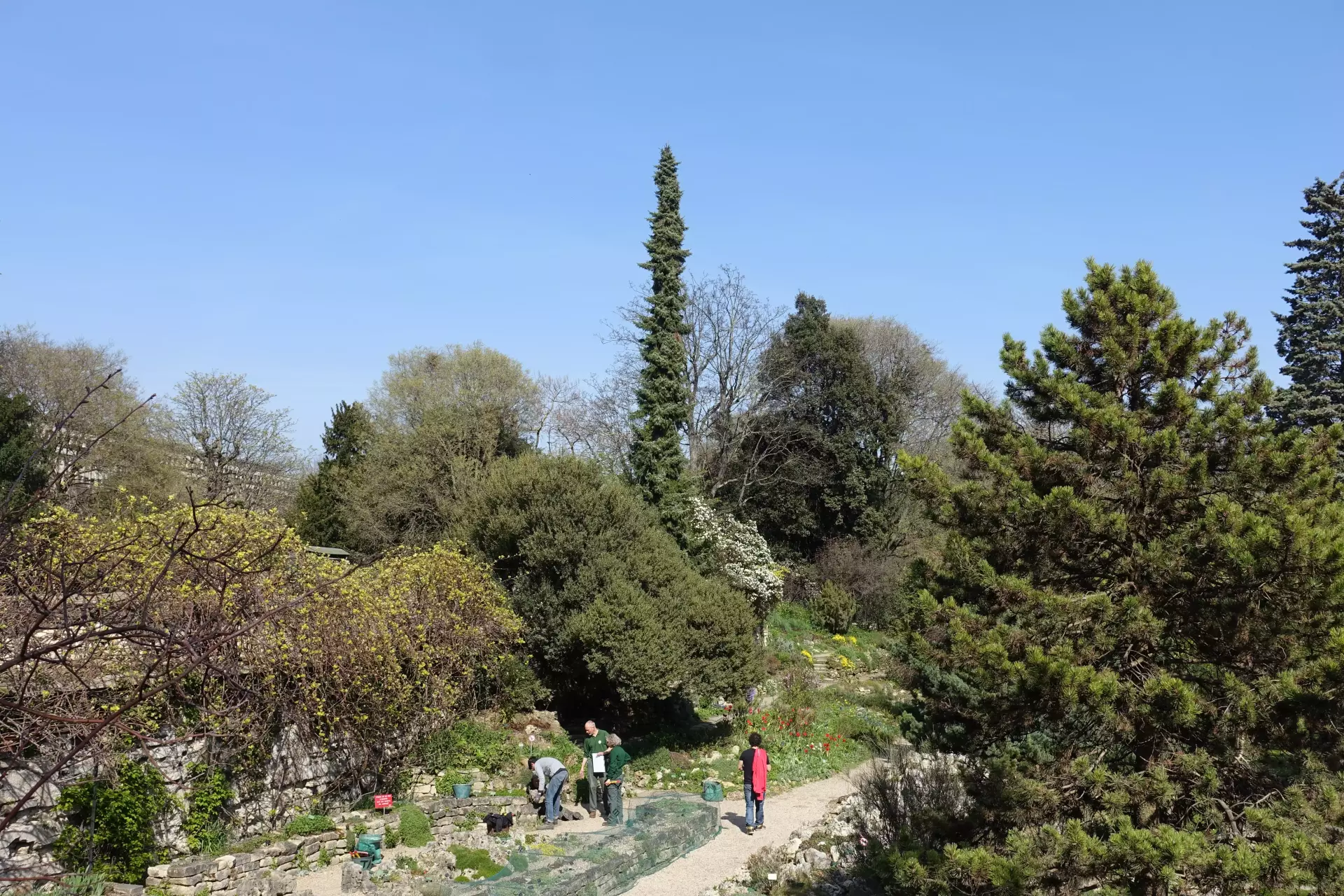
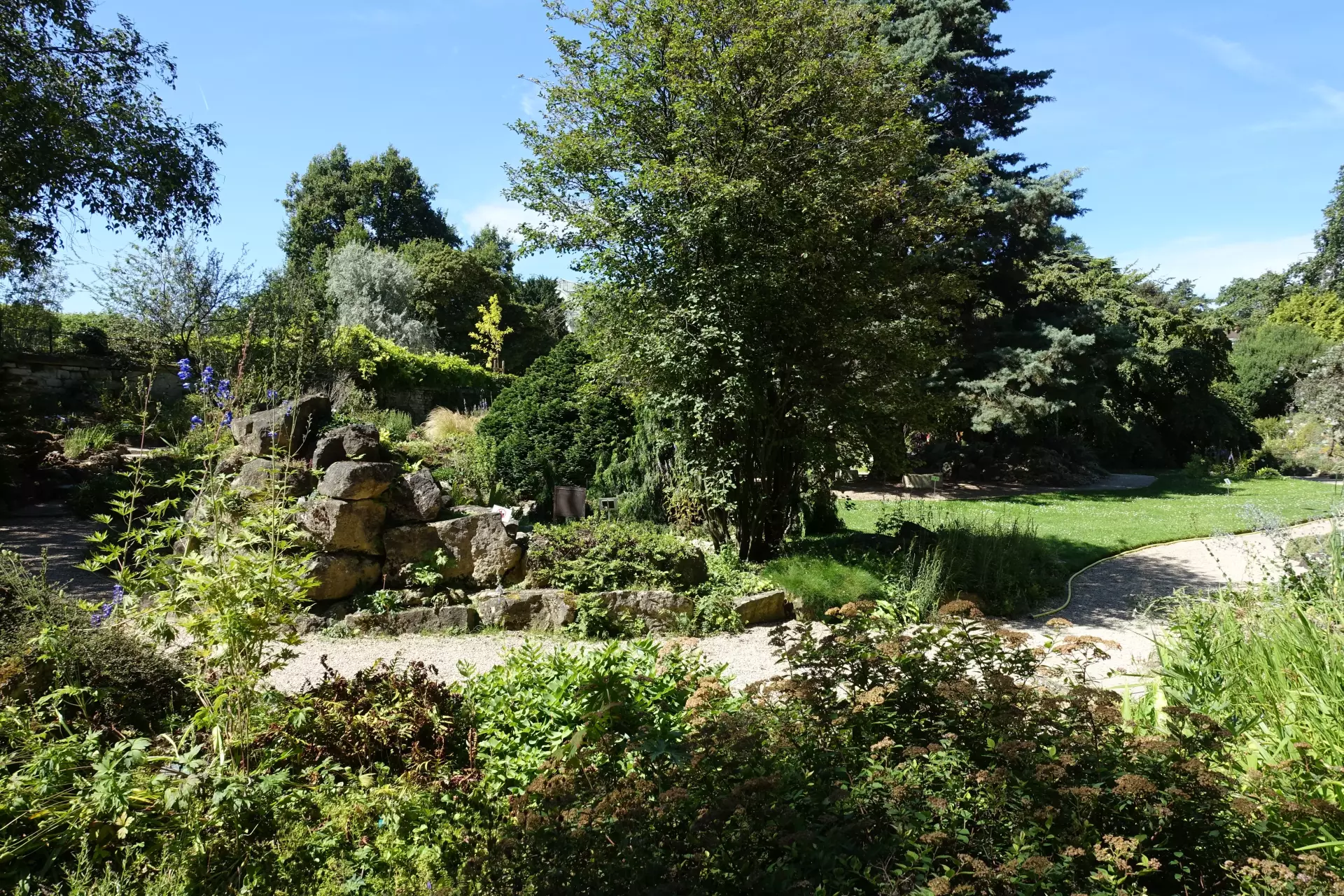
Alpine Garden at Jardin des Plantes in Paris.
Alpine Garden at the Jardin des Plantes in Paris.
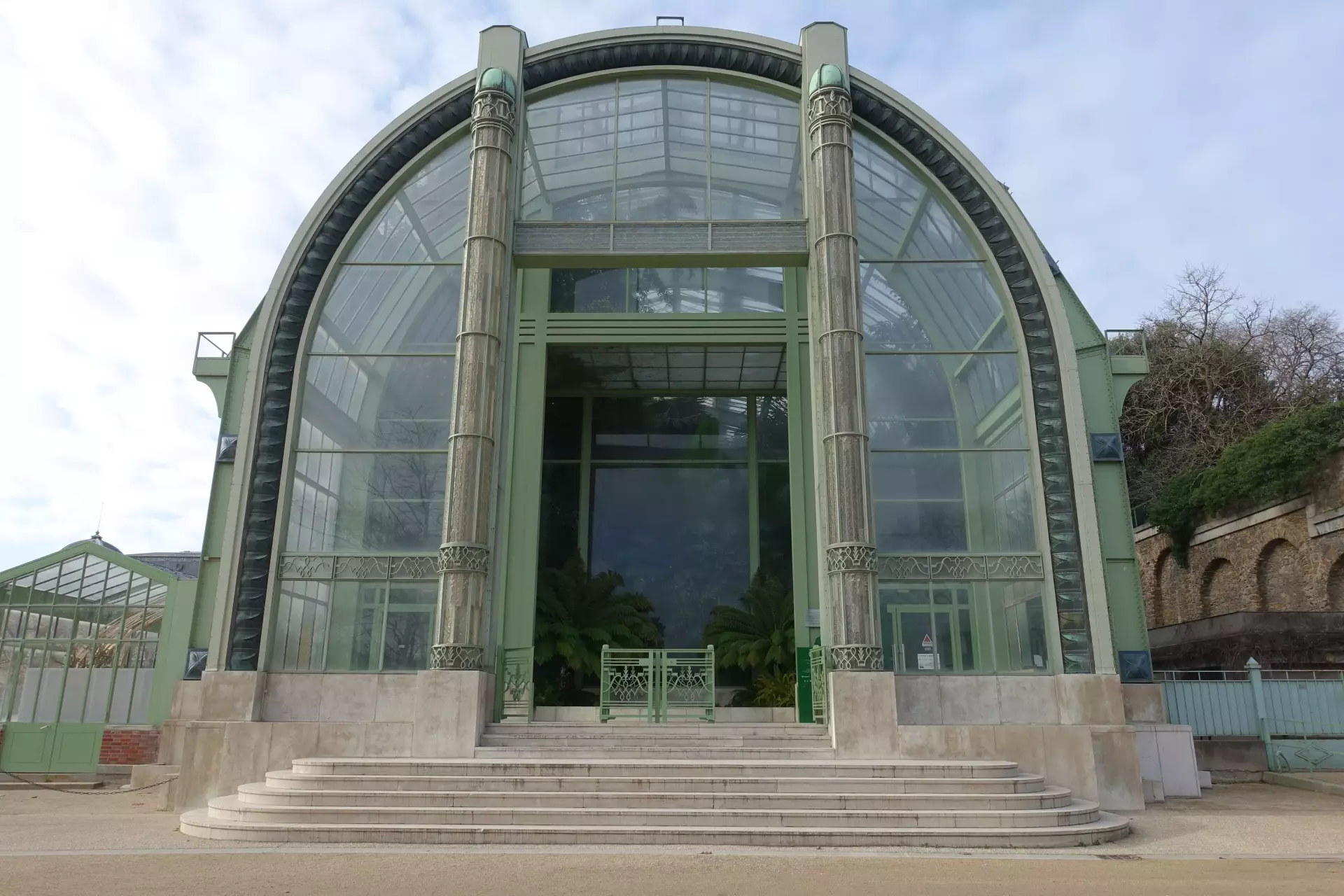
Greenhouse of the Jardin des Plantes, Paris, France.
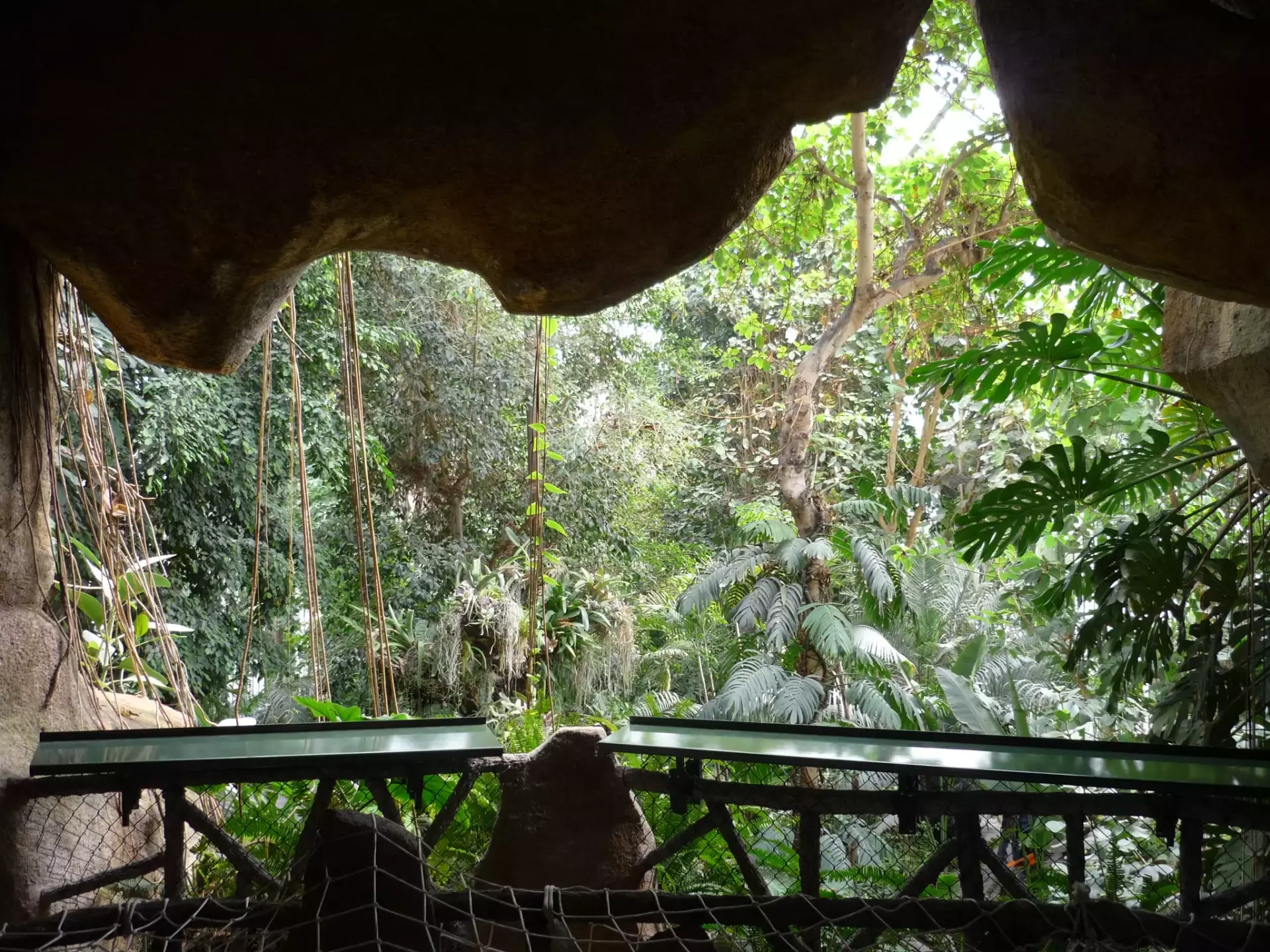
Rock of the tropical greenhouse at the Jardin des Plantes in Paris, France.
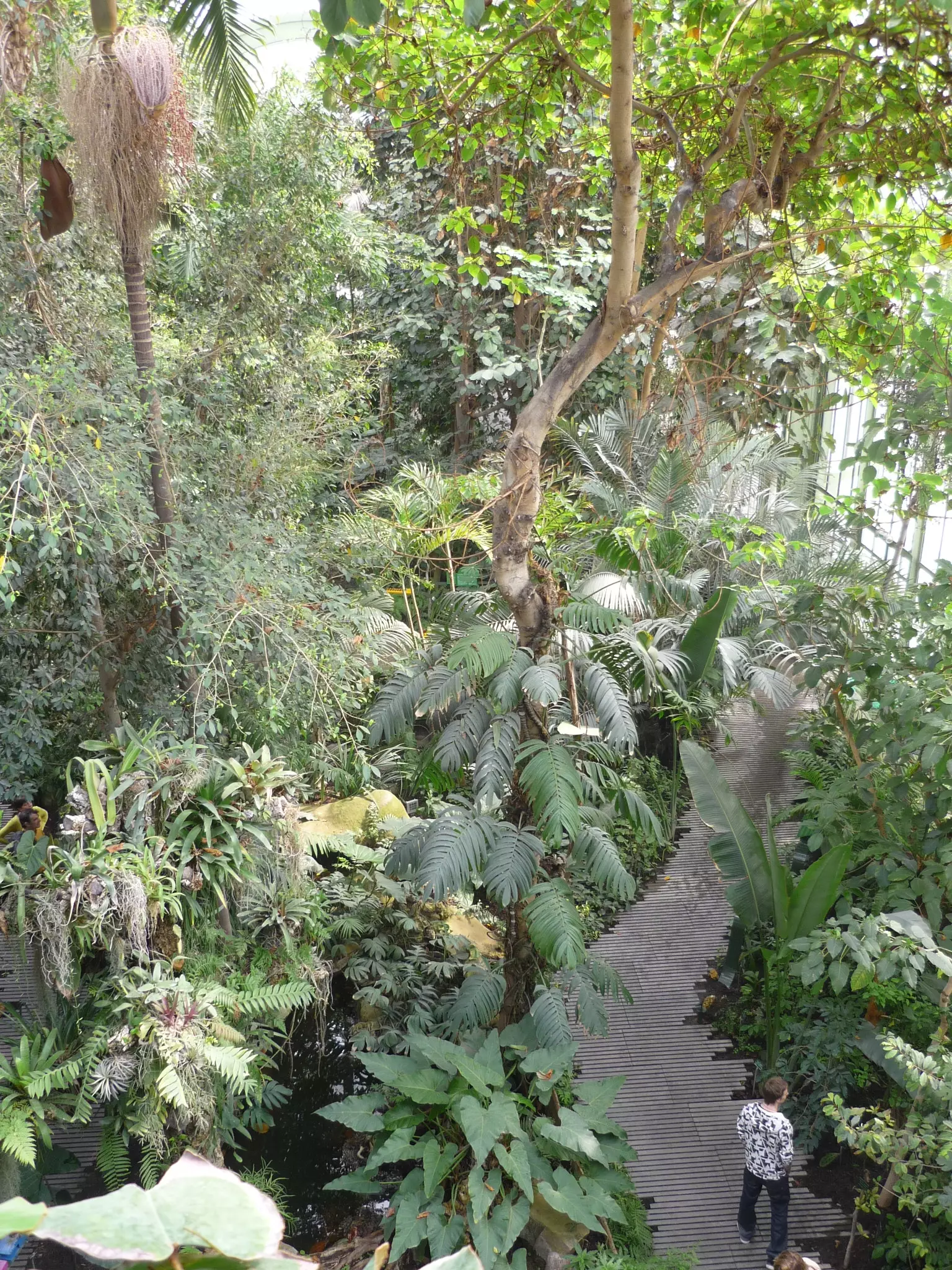
Tropical greenhouse of the Jardin des Plantes in Paris, France.
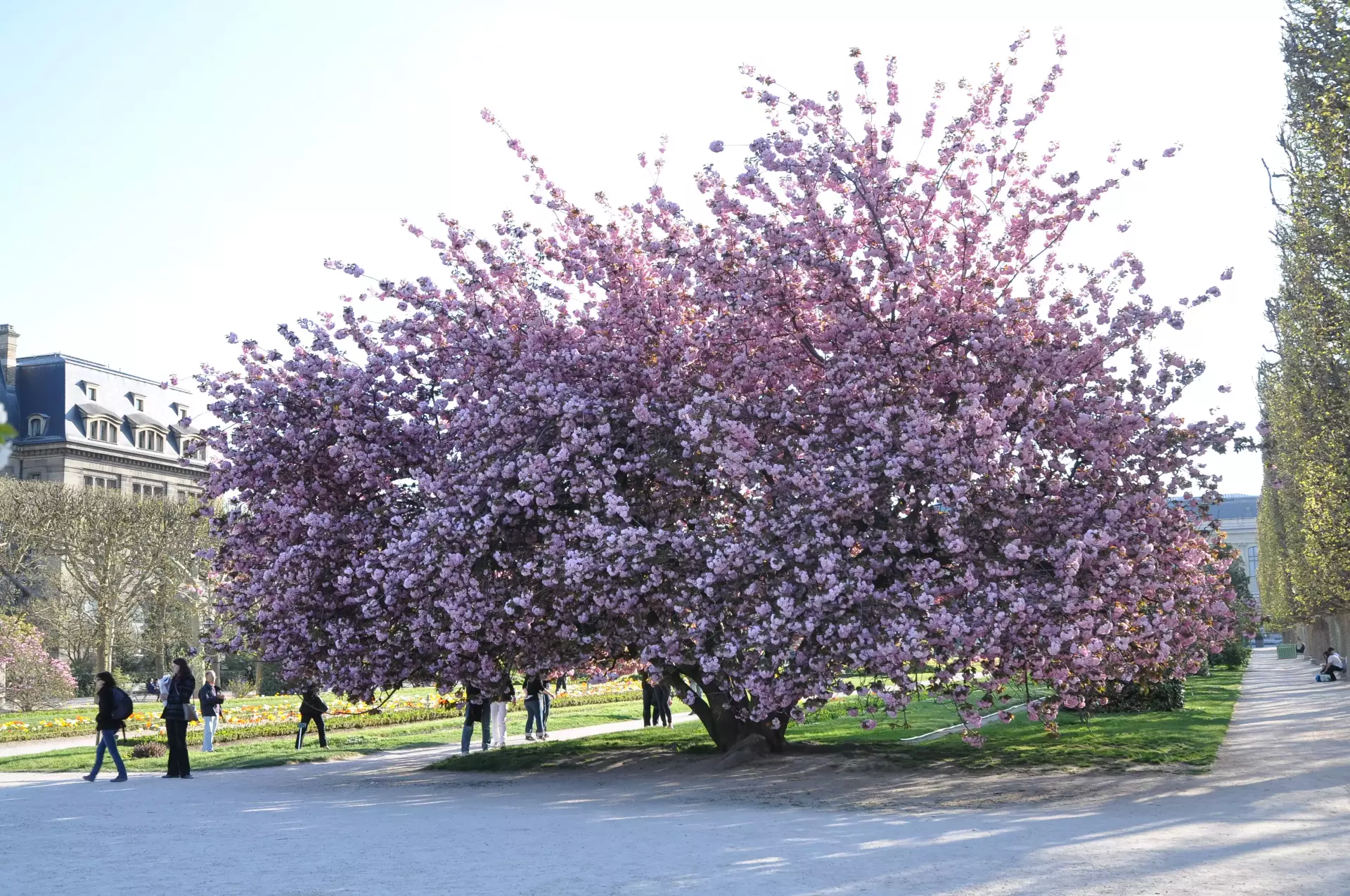
Blossom of Japanese Cherry 'Kazan' (Prunus serrulata 'Kanzan') in the Jardin des Plantes, 5th arrondissement of Paris.
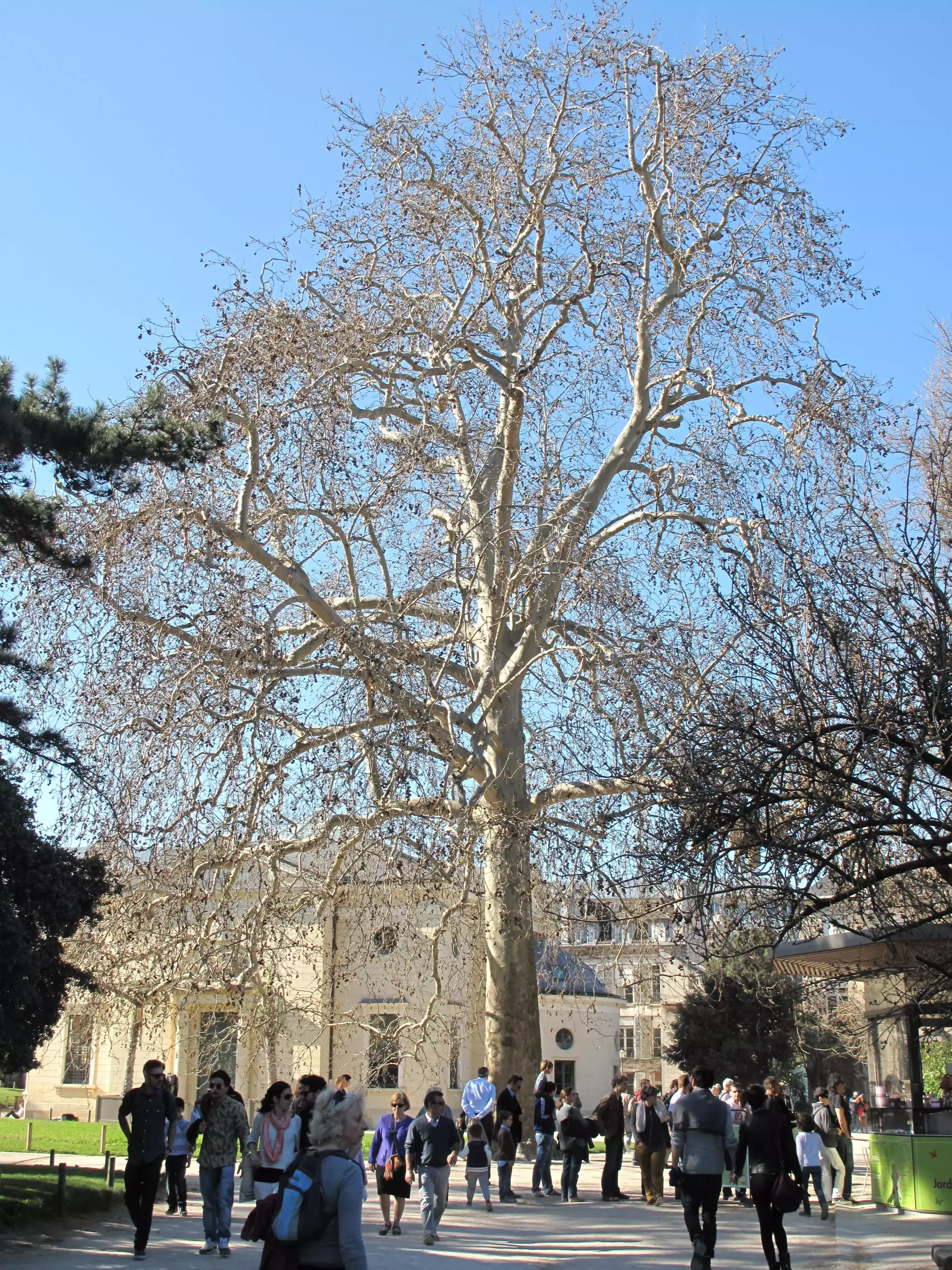
Platanus orientalis in the Jardin des Plantes in Paris, identified by its botanic label.
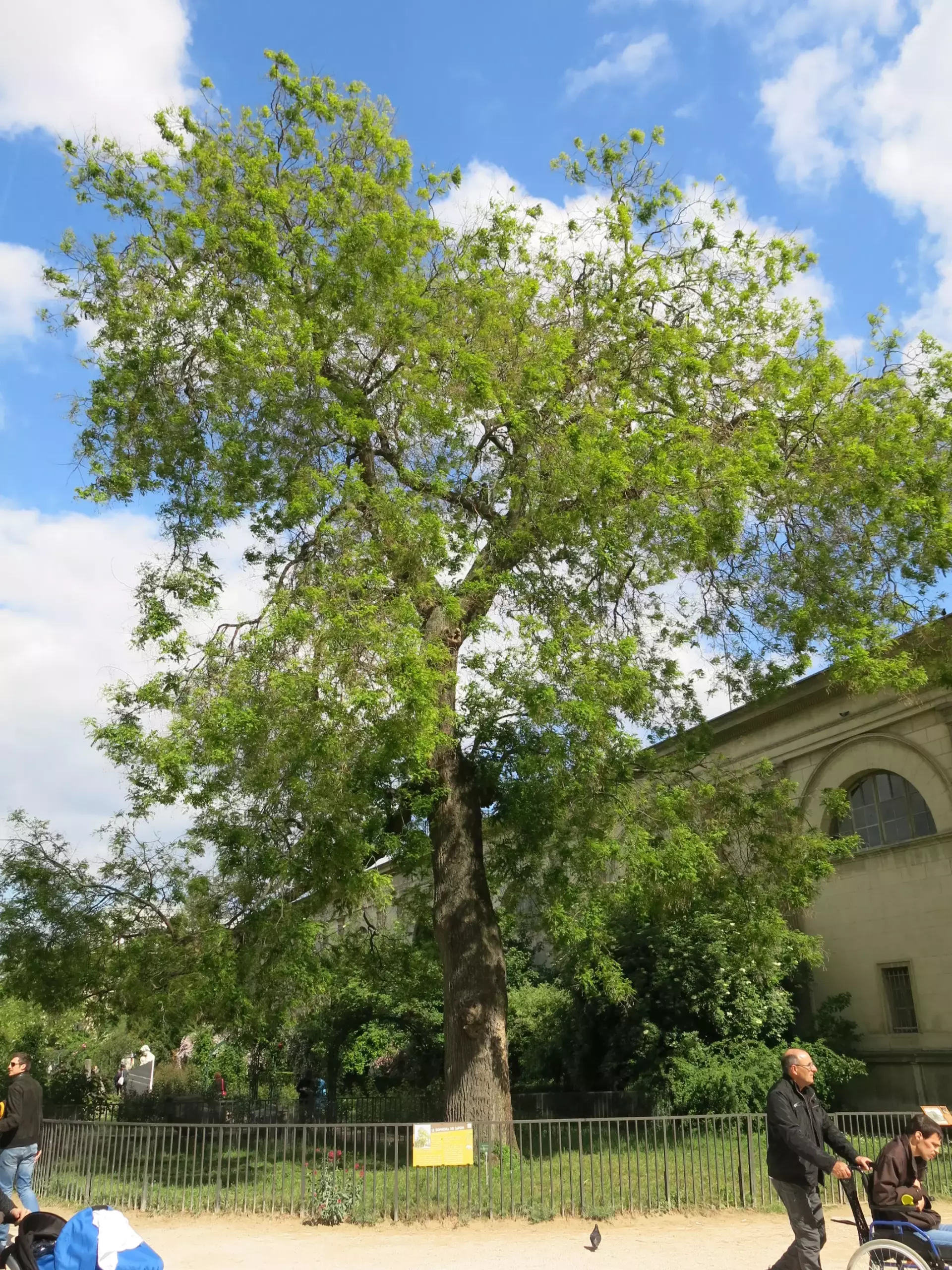
The Jussieu's sophora in the Jardin des Plantes in Paris.
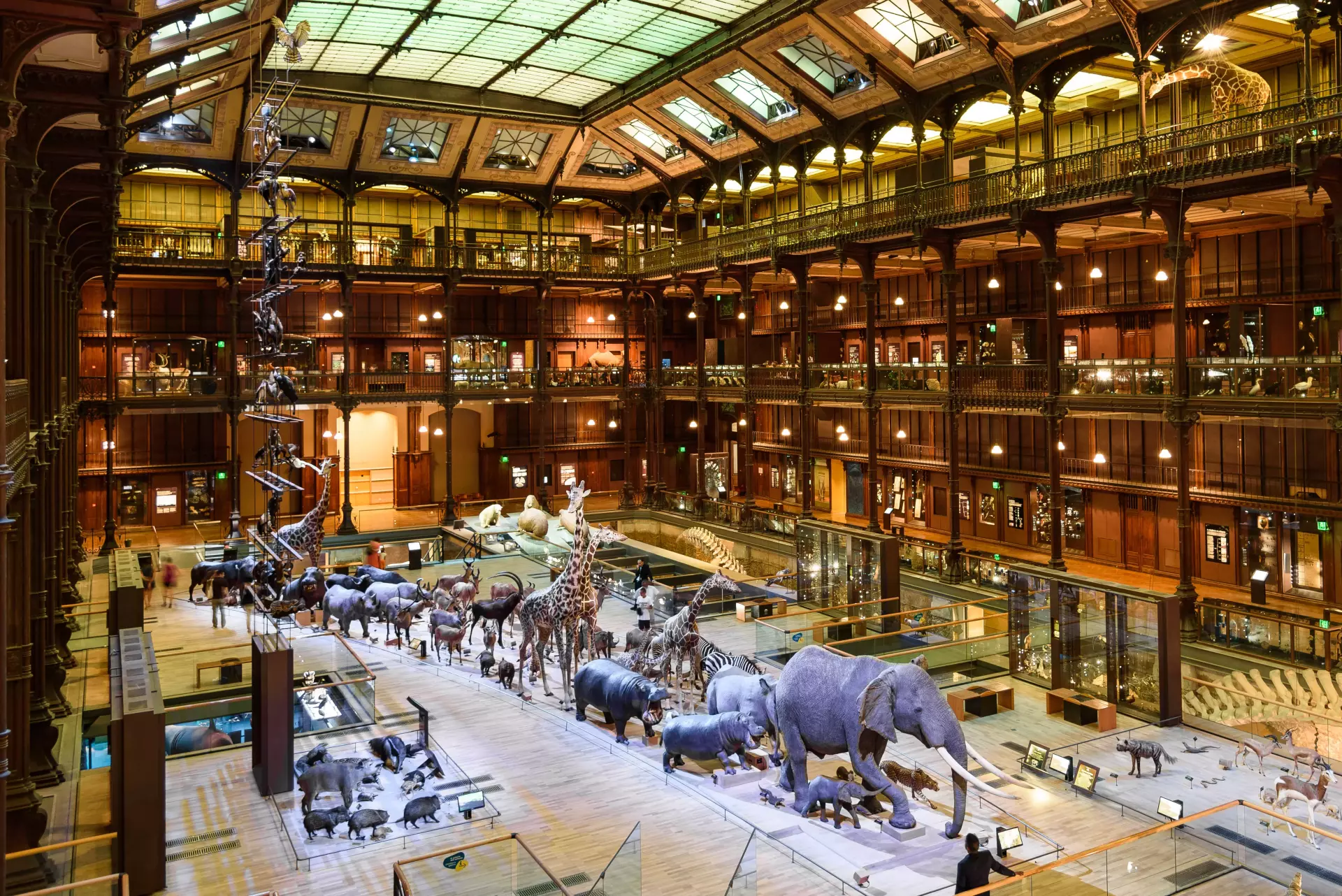
This is a view of the main central space inside the grande galerie de l'Évolution (called in English the Gallery of Evolution) of the French National Museum of Natural History, in Paris, France.
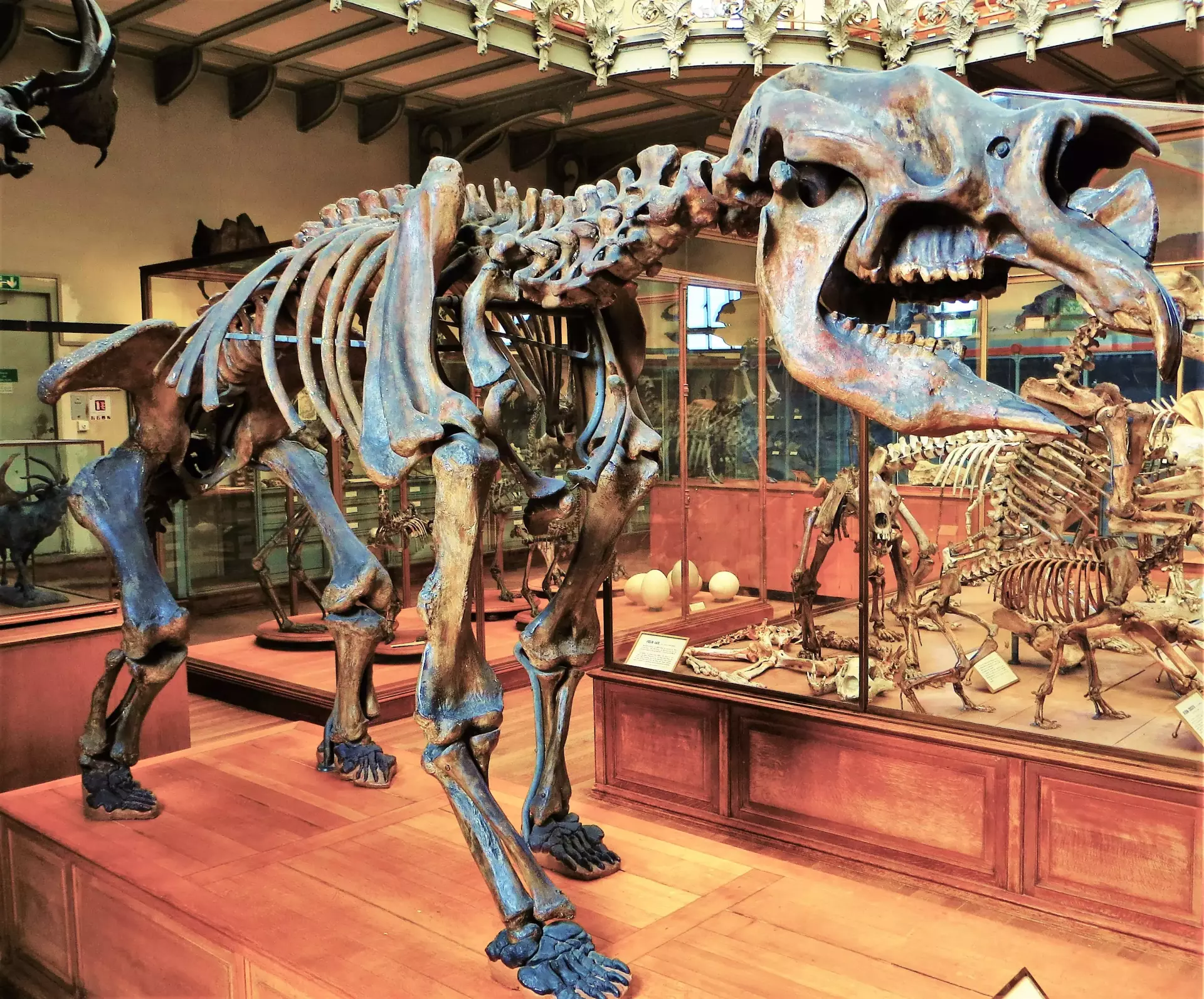
Cast of a Diprotodon skeleton on exhibit at the Gallery of Paleontology and Comparative Anatomy of the French National Museum of Natural History, in the Jardin des plantes, Paris. Diprotodon was a giant marsupial mammal from Australia, the largest marsupial known to date. The Diprotodon genus went extinct about 45,000 years ago.
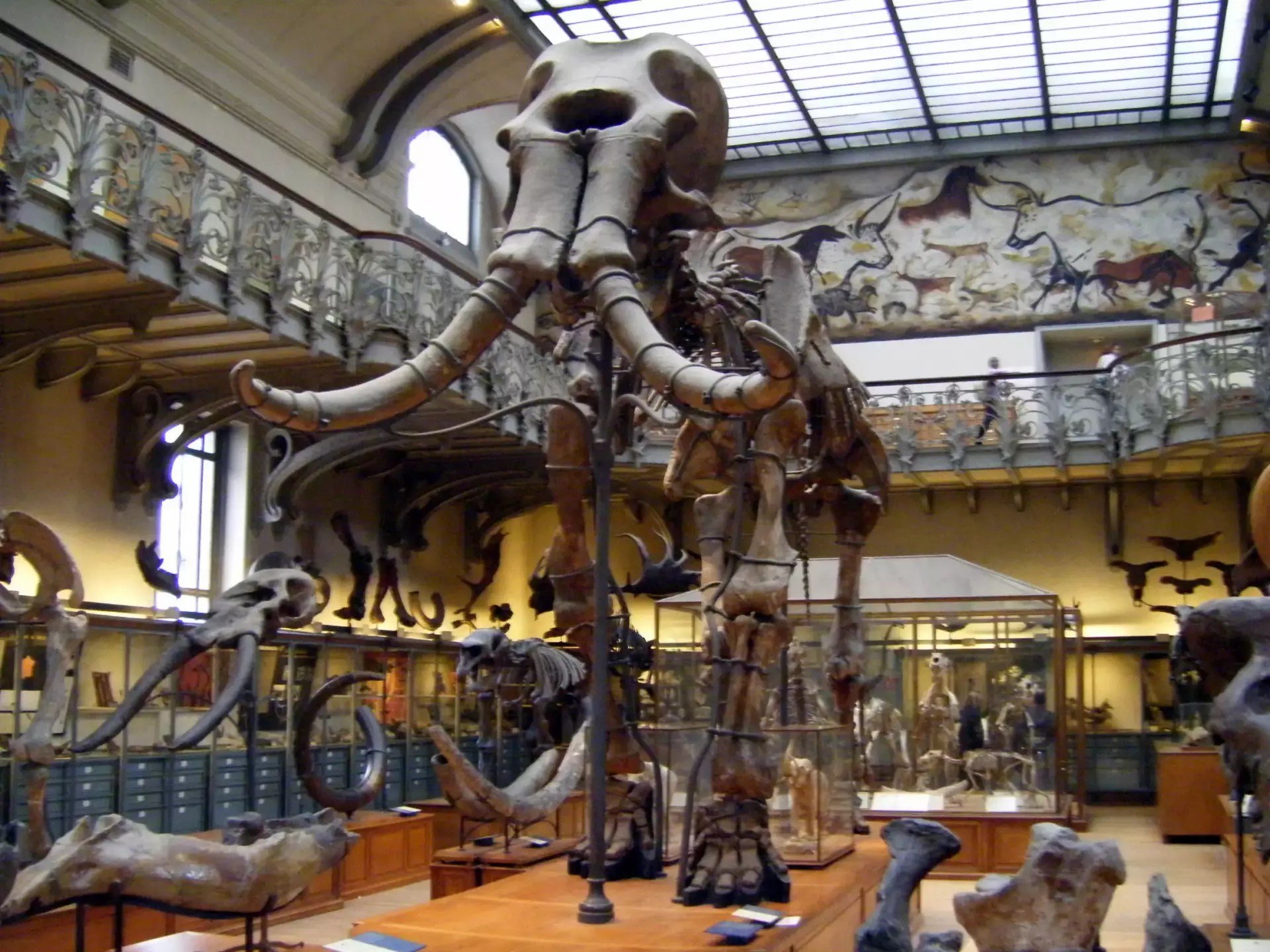
This specimen of southern mammoth (Mammuthus meridionalis) has been on exhibit since 1898 at the Galerie de paléontologie et d'anatomie comparée in the French National Museum of Natural History in Paris. Before that, it was exhibited from the mid-1870s until 1898 at the former Comparative Anatomy Galleries, whose building is now known as the Whale Building. The mammoth was found in 1869 in the town of Durfort and is composed of fully fossilized bone in rock. The town of Durfort is located in the department of Gard, southern France, and is now officially named Durfort-et-Saint-Martin-de-Sossenac.
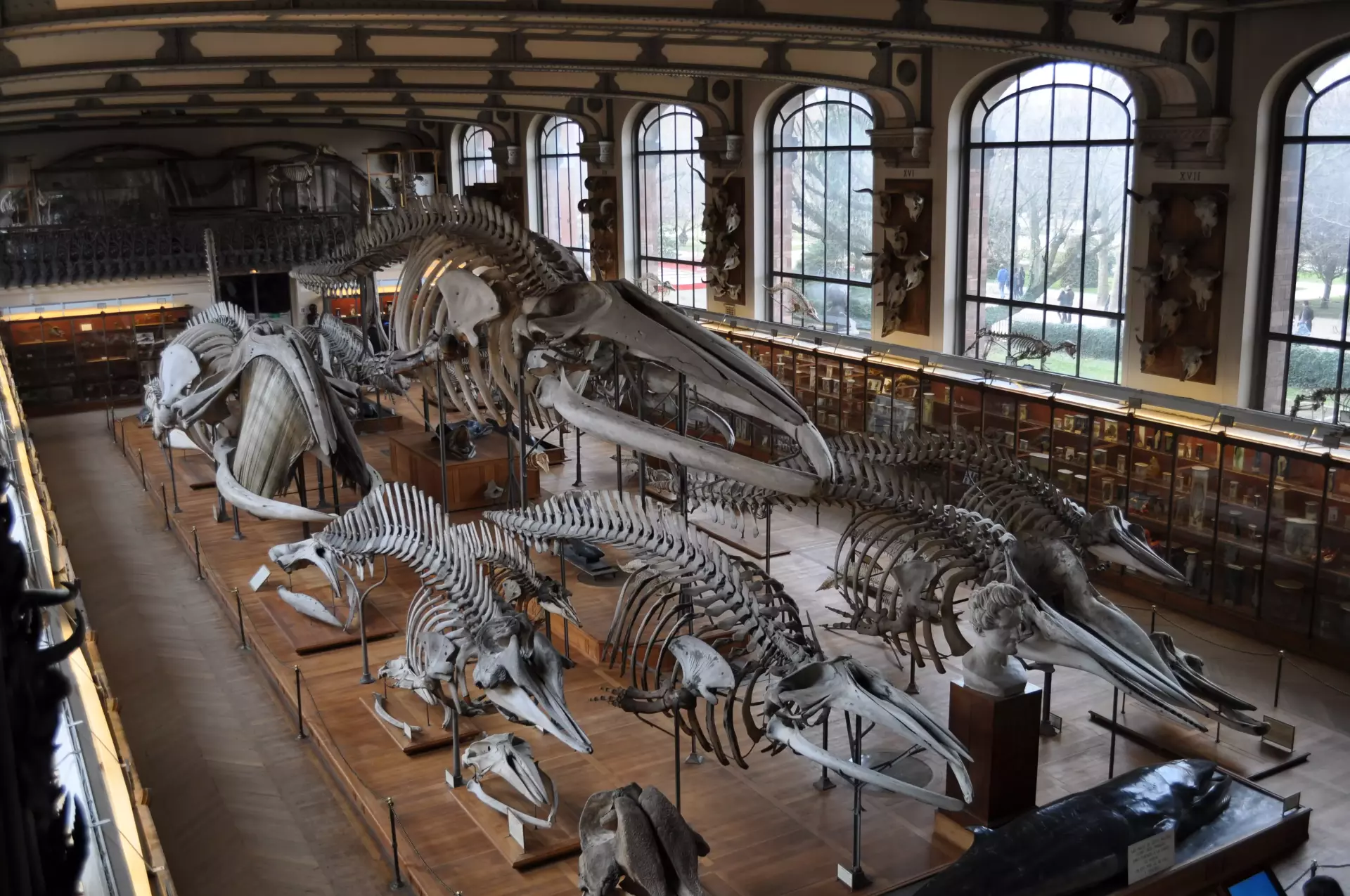
Picture of the first floor of the Galerie de paléontologie et d'anatomie comparée, Paris.
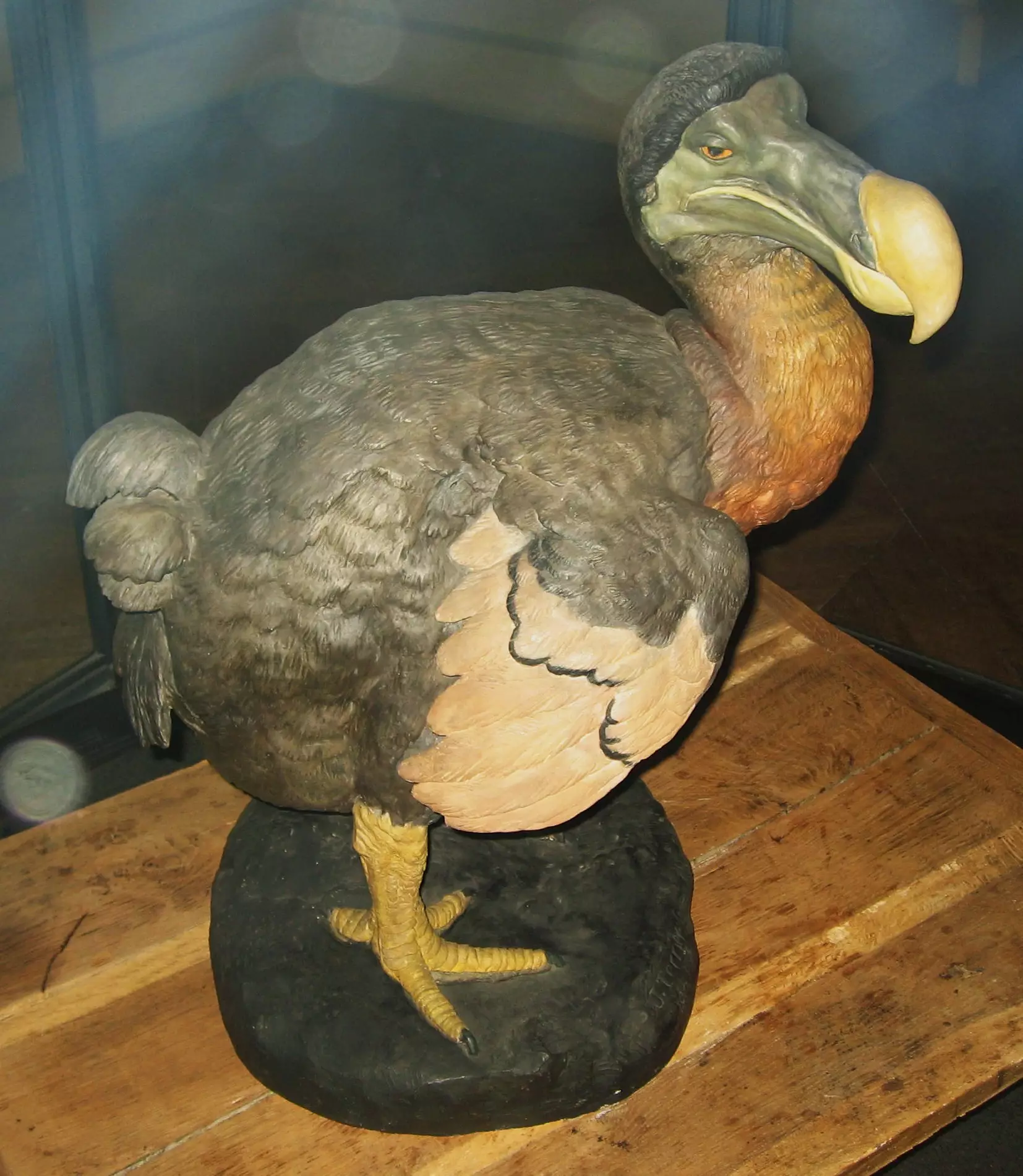
Reconstruction of Raphus cucullatus (dodo) in the Grande Galerie de l'Évolution—Threatened or extinct species.
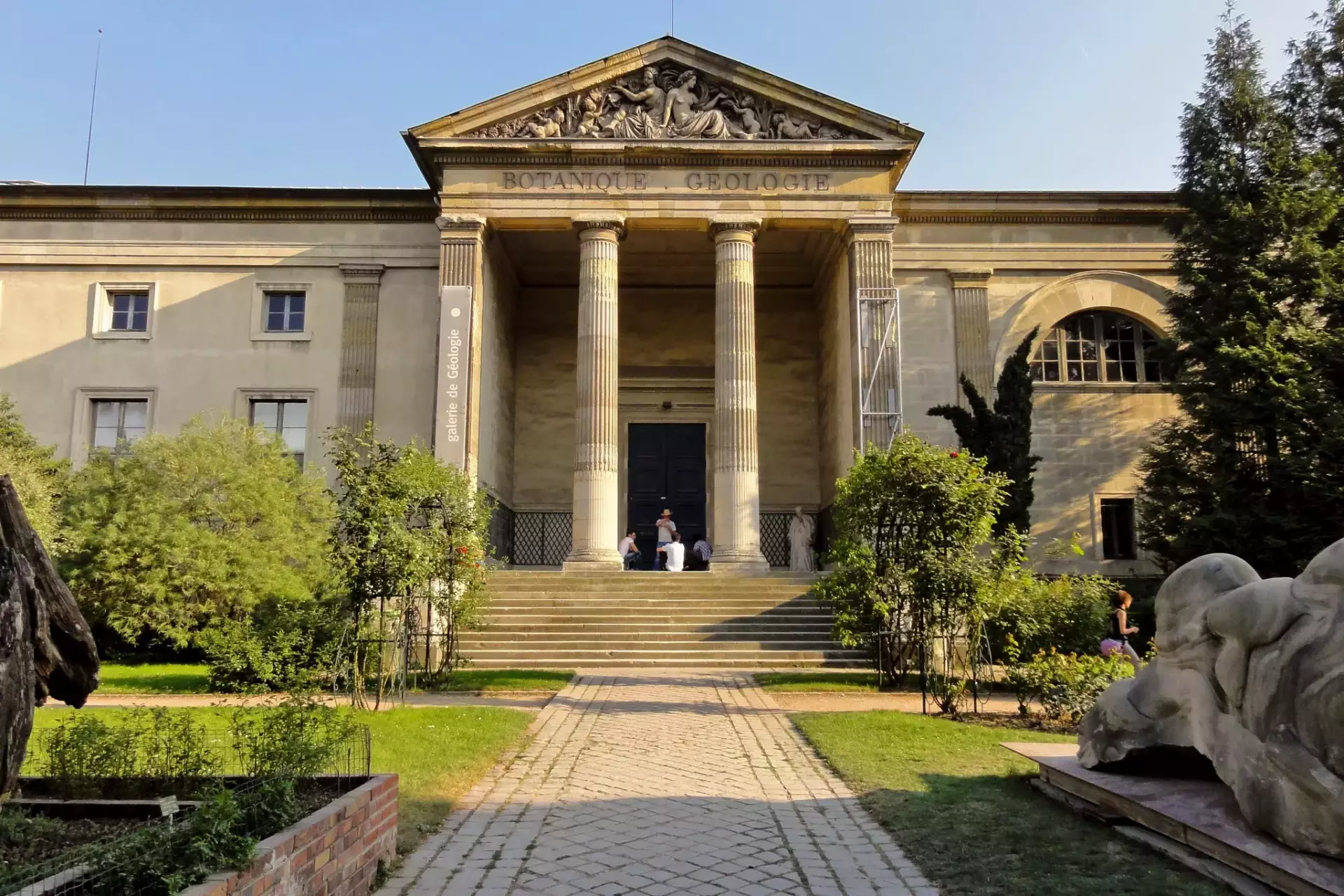
Galerie de Botanique on the Buffon Street side of the Jardin des Plantes in Paris, France.
Galerie de Minéralogie et de Géologie

Jardin des plantes

Paris, France

The Paris Botanical Garden, known in French as the Jardin des Plantes, began its story in 1626. It was originally created as a royal medicinal garden by the doctor of King Louis XIII. Over the centuries, it has grown into a sprawling green space filled with more than 10,000 different plant species from around the world. Visitors can wander along tree-lined paths and discover a stunning variety of flowers, shrubs, and ancient trees throughout the gardens.

La Ménagerie: The Garden’s Historic Zoo

Within the garden grounds is La Ménagerie, a charming small zoo established in the late 18th century. This historic zoo is one of the oldest in the world and is home to rare animals such as red pandas, flamingos, and reptiles. It offers an opportunity for visitors of all ages to observe and learn about animals in a peaceful, leafy setting.

The National Museum of Natural History

The Jardin des Plantes is also the location of the Muséum National d'Histoire Naturelle. This institution features the impressive Grande Galerie de l'Evolution, where thousands of animal specimens from around the globe are displayed in artful, lifelike arrangements. The museum also houses the Galerie de Paléontologie et d’Anatomie Comparée, filling its halls with fascinating skeletons of dinosaurs, prehistoric creatures, and various animals, inviting curiosity about the natural world and its evolution.

Source - https://en.wikipedia.org/wiki/Jardin_des_plantes

Developed by Reflex.com.ua
Contacts
  • info@reflex.com.ua
Social media