
Search ×
Home Paris
Musée Carnavalet
The Golden Gate is an ancient gateway of Kyiv, a historical and architectural monument of Kyivan Rus. It was built in the 11th century during the reign of Yaroslav the Wise and served as the main entrance to the city. The current pavilion, which covers the remains of the original construction, was erected in 1982. This landmark is a symbol of Kyiv and a popular tourist attraction.
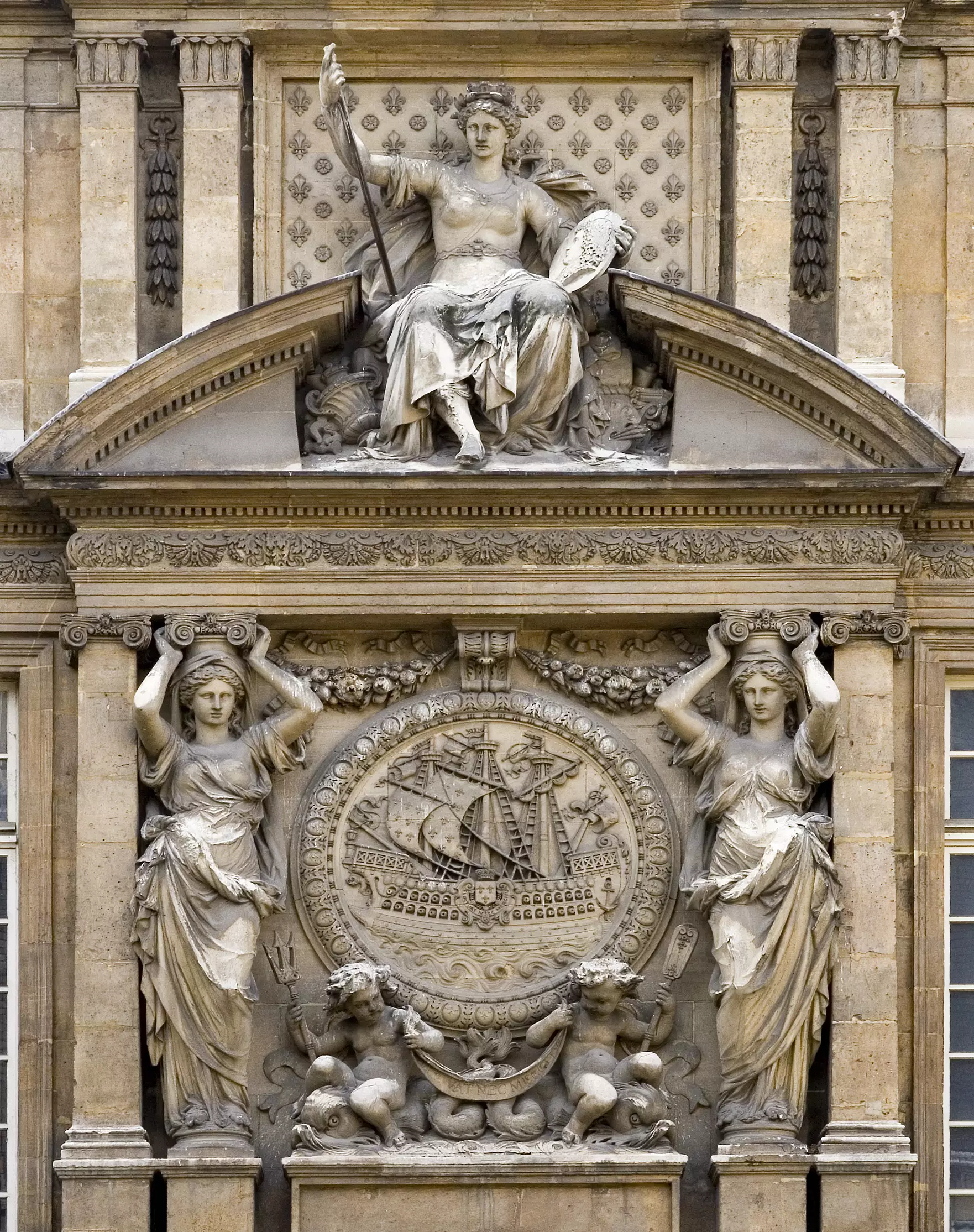
Detail of the Carnavalet Hotel, Paris, France.
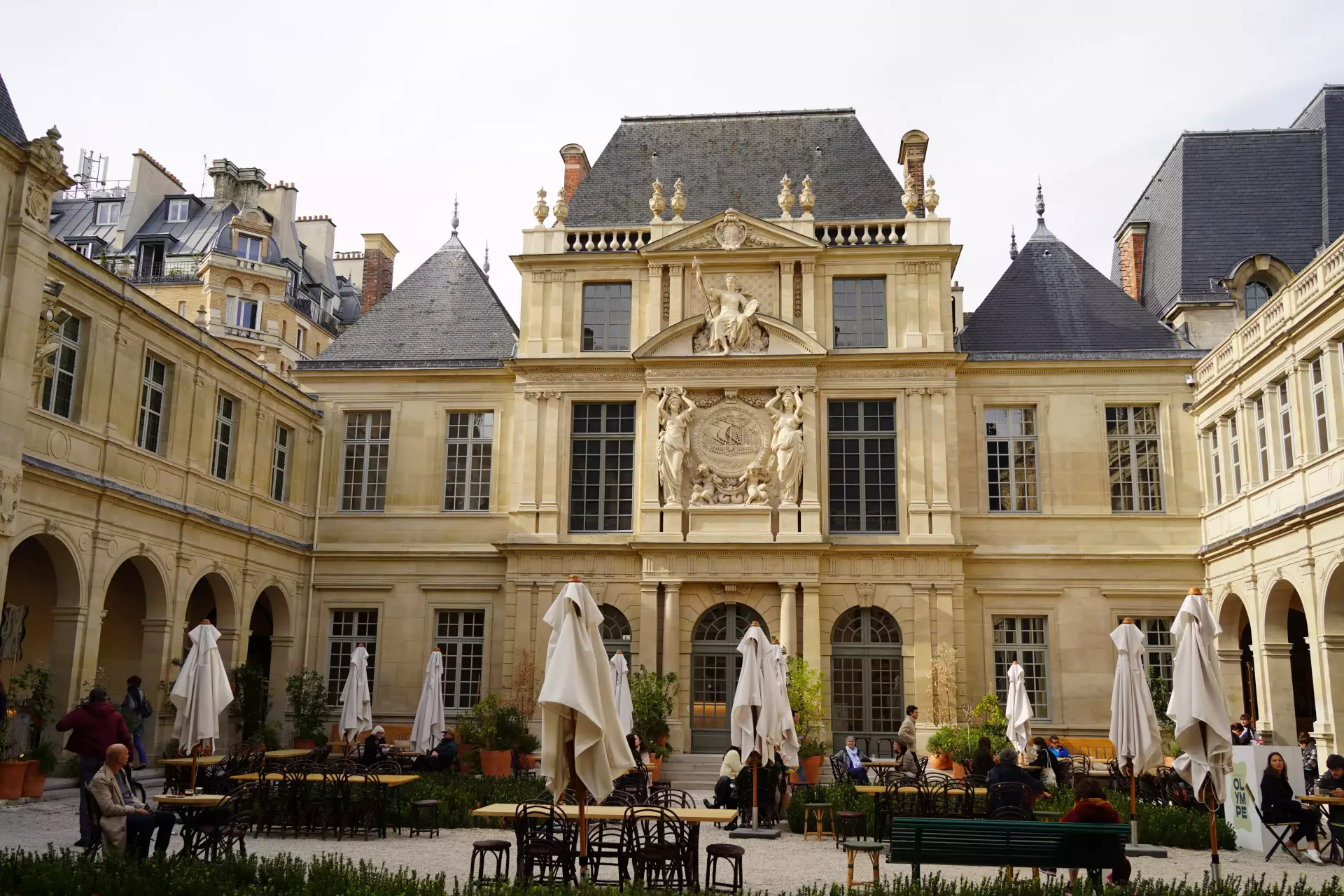
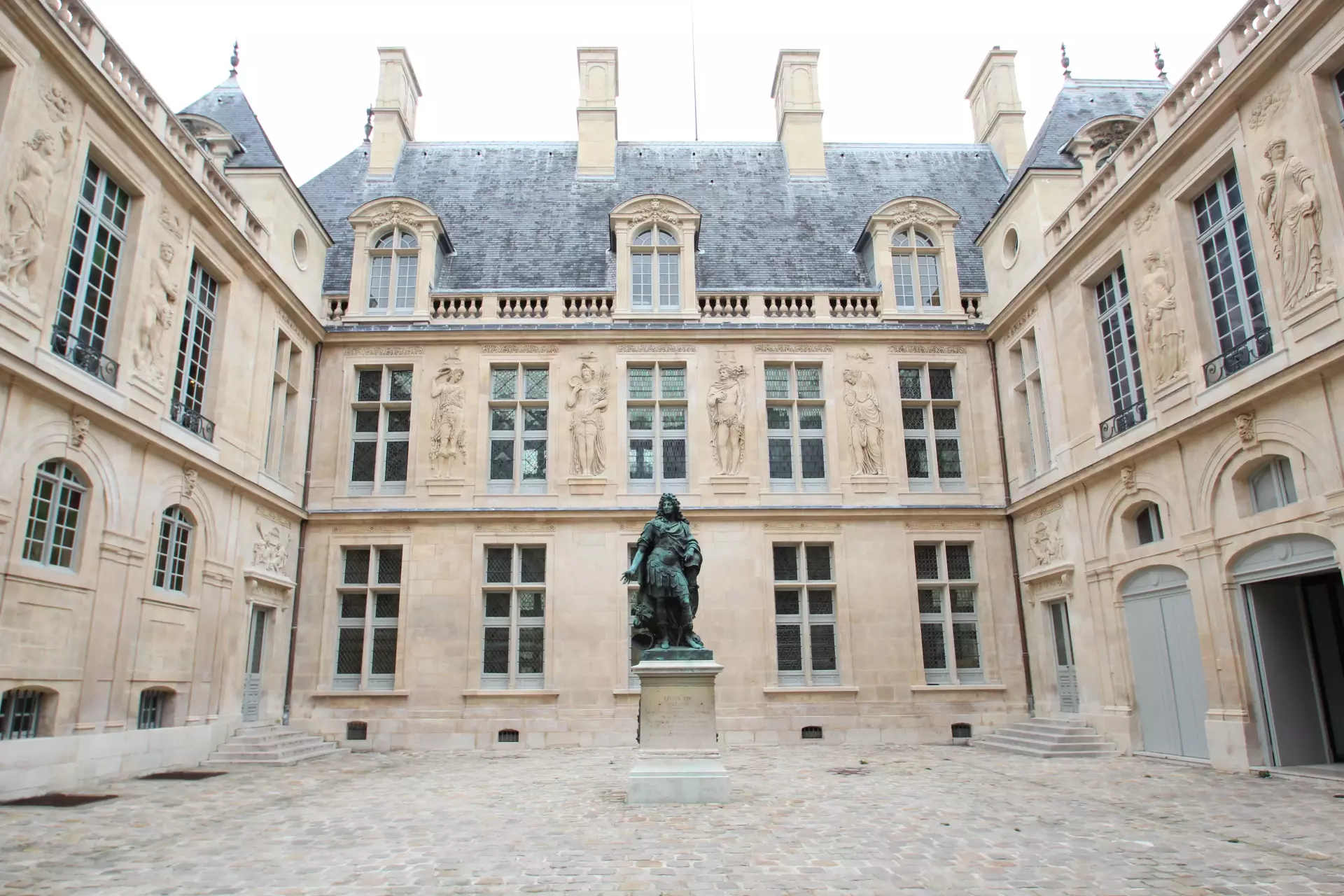
Paris. Musée Carnavalet, courtyard.
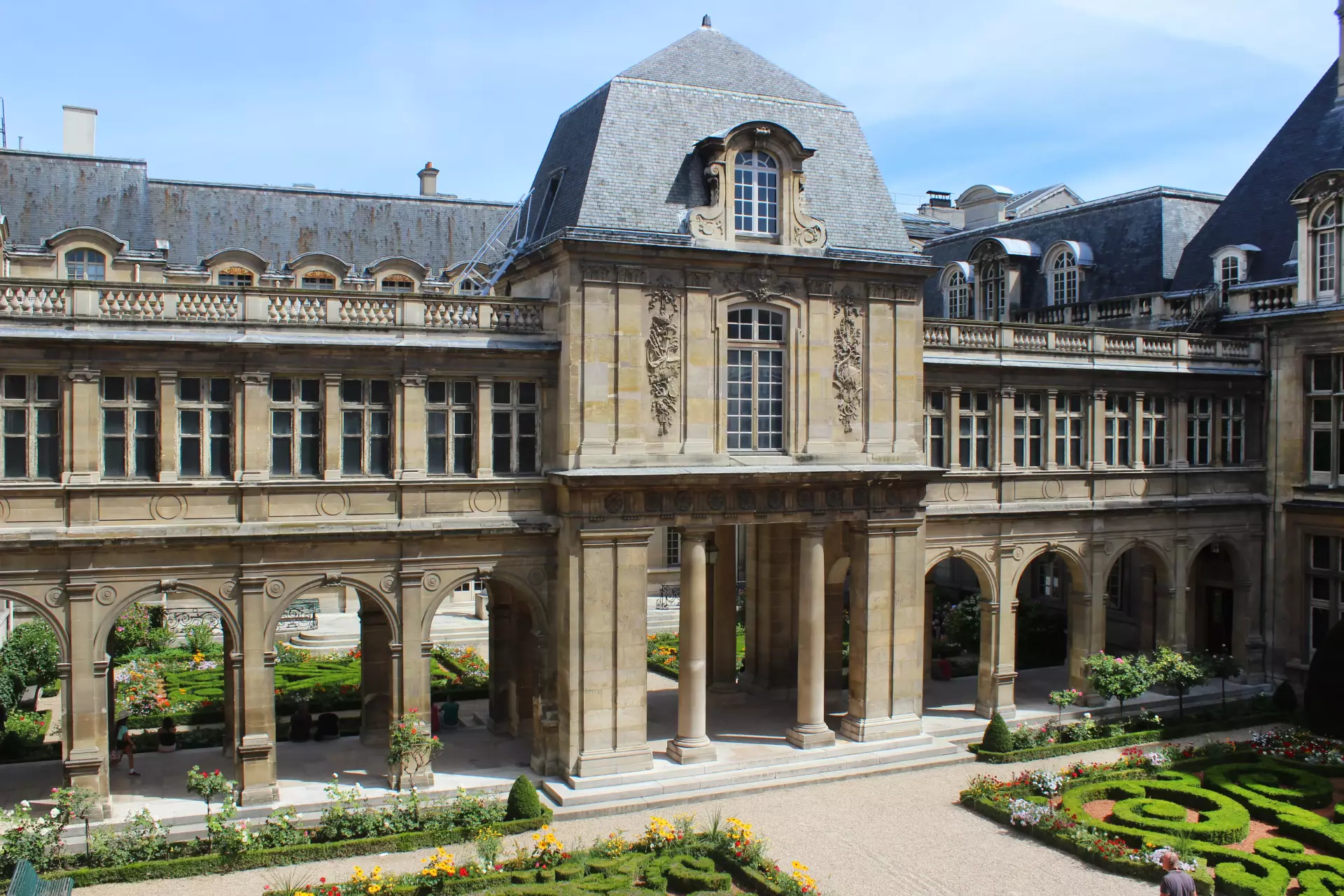
Carnavalet museum in Paris, France. This building is partly classified and partly registered as a historical monument of France. It is indexed in the base Mérimée, a database of architectural heritage maintained by the French Ministry of Culture, under the reference PA00086125.
Louis XIV court in Carnavalet Museum in Paris, France. This building is partly classified and partly listed as a historical monument of France. It is indexed in the base Mérimée, a database of architectural heritage maintained by the French Ministry of Culture under the reference PA00086125.
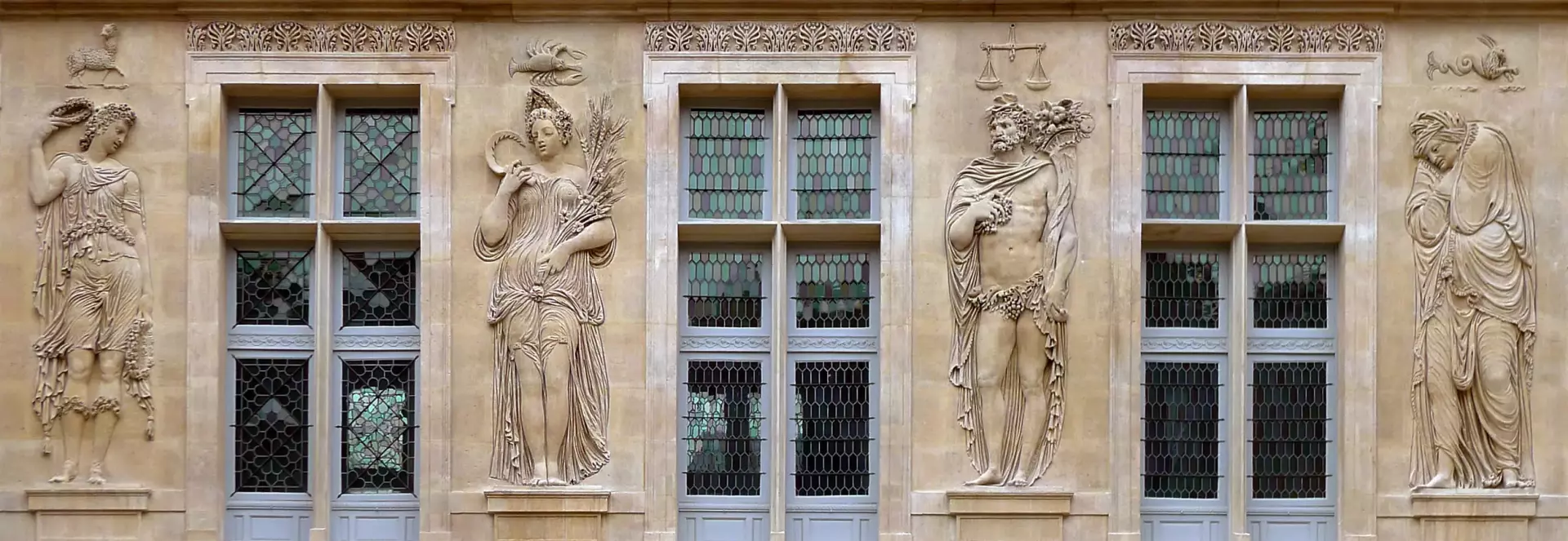
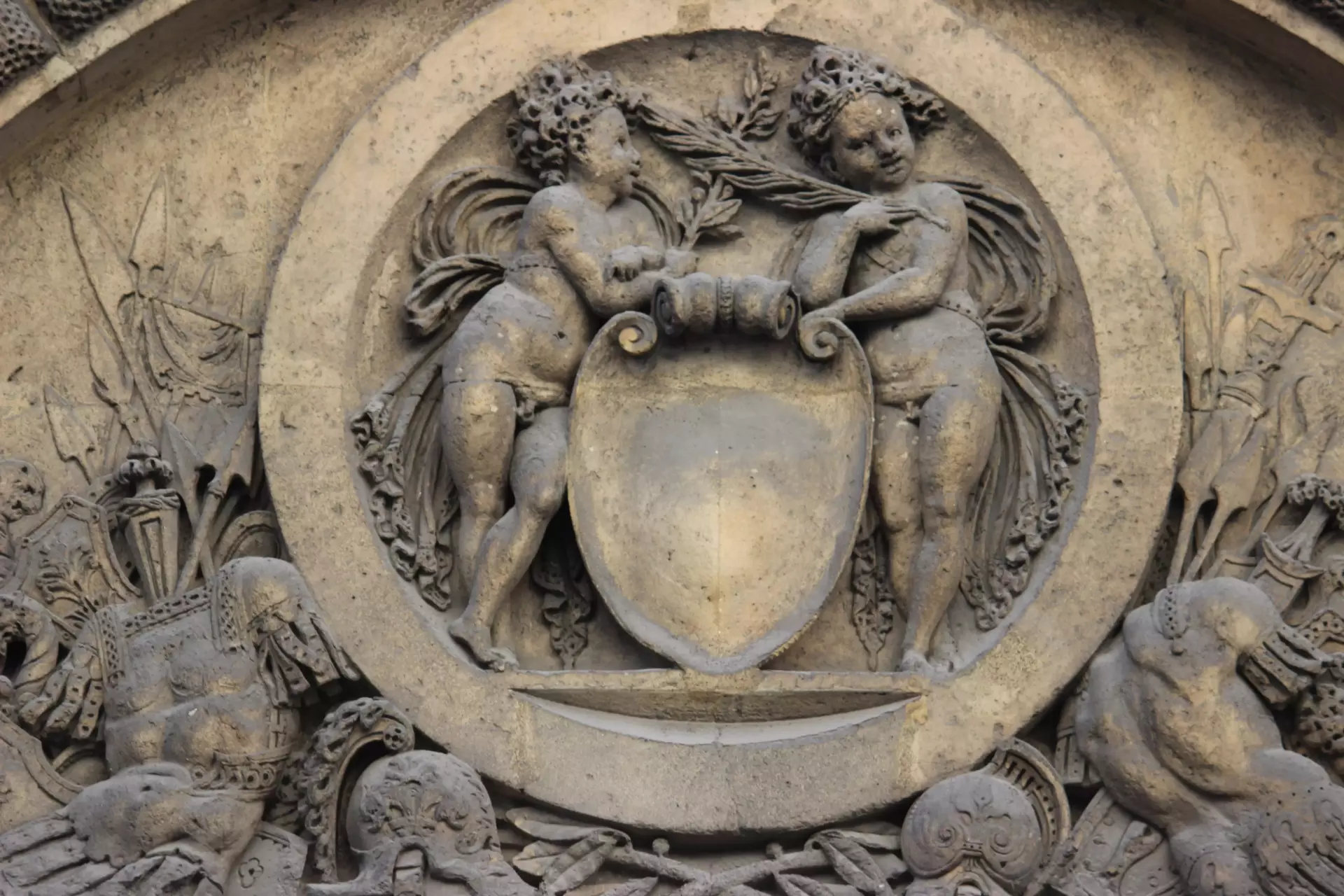
Bas-reliefs by Jean Goujon on the entrance courtyard façade of the Hôtel Carnavalet (Carnavalet Museum) – Paris III.
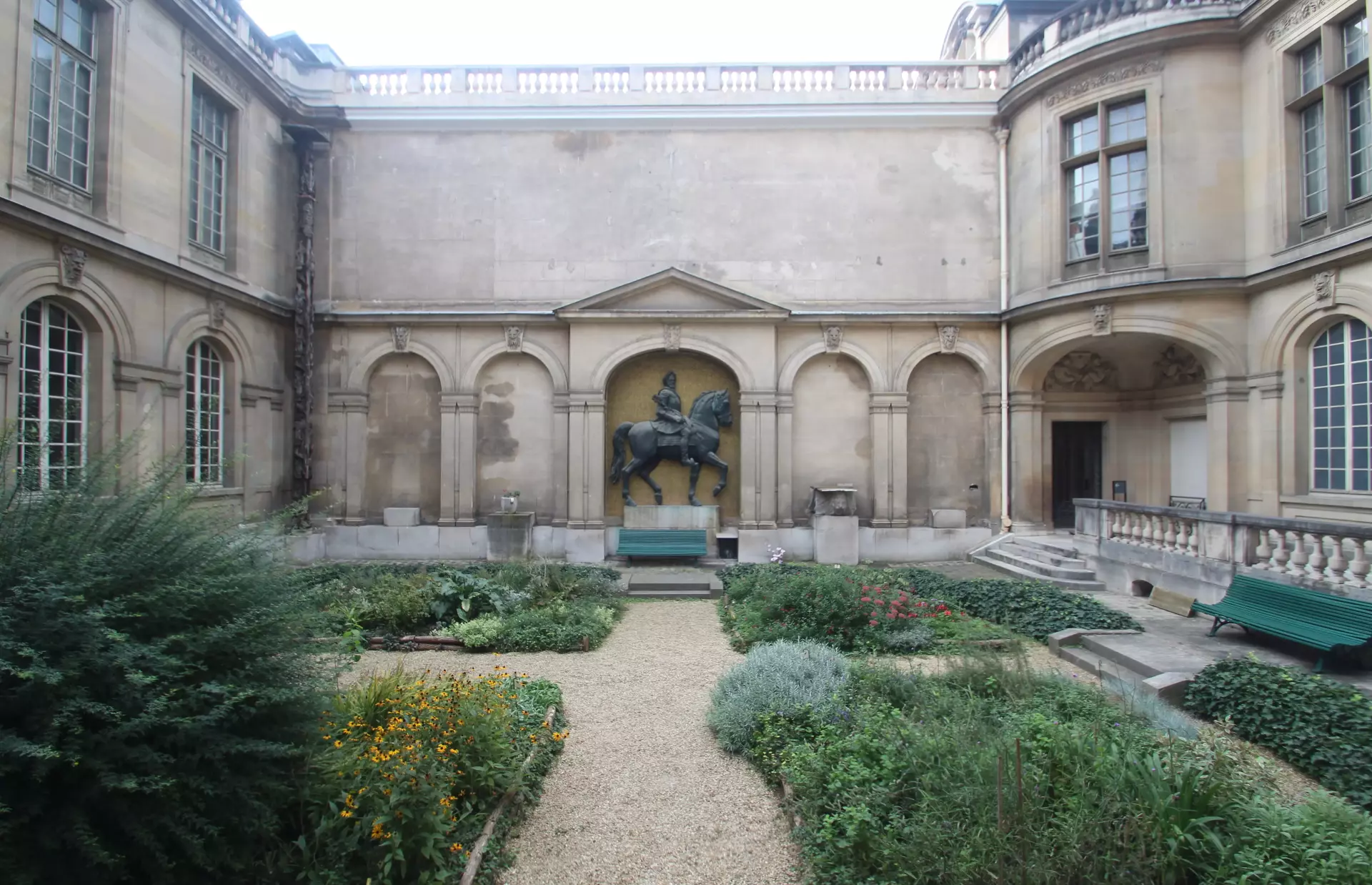
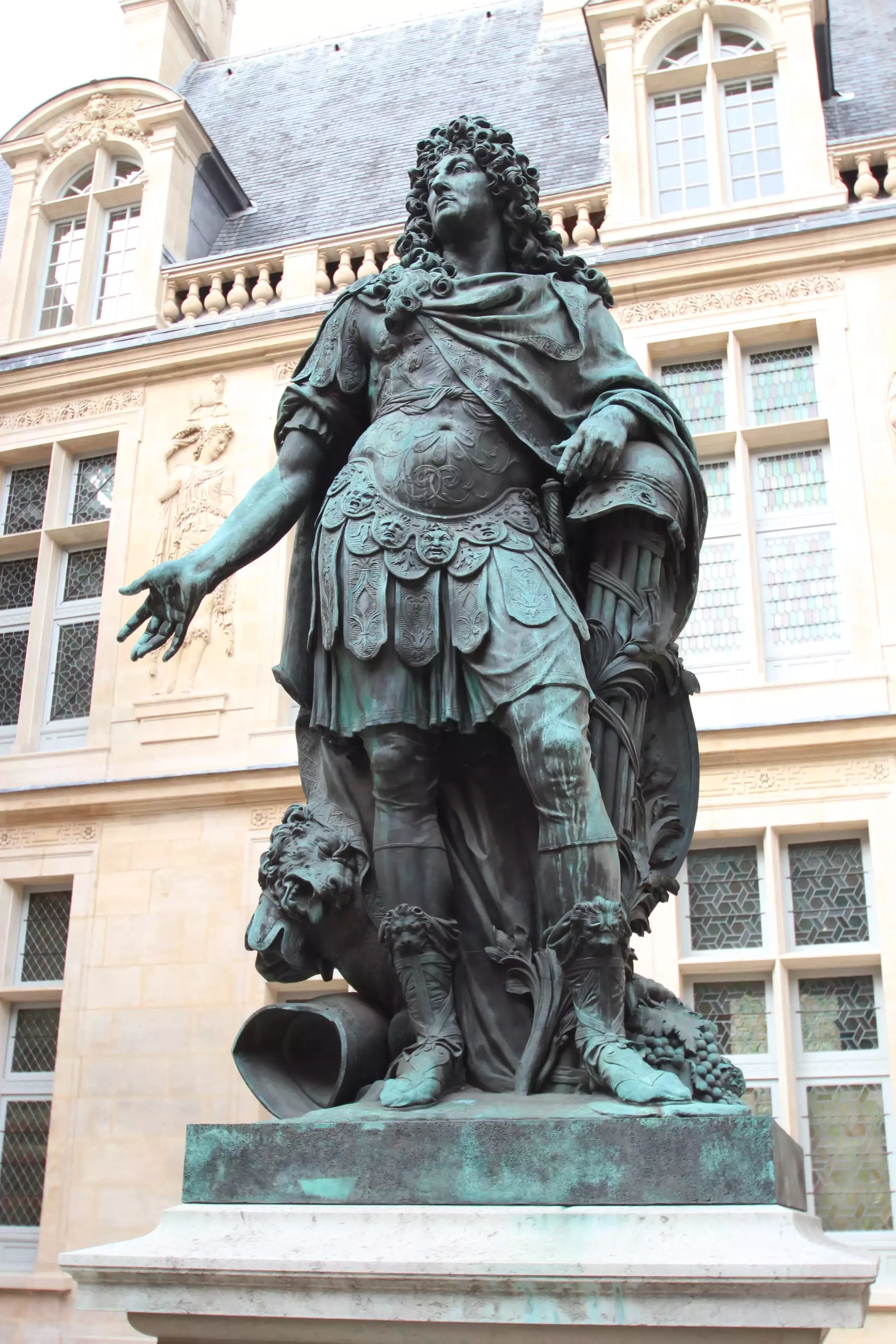
Statue of Louis XIV in Carnavalet museum in Paris, France. This building is partly classified and partly registered as a historical monument of France. It is indexed in the base Mérimée, a database of architectural heritage maintained by the French Ministry of Culture, under the reference PA00086125.
Carnavalet Museum - Paris.
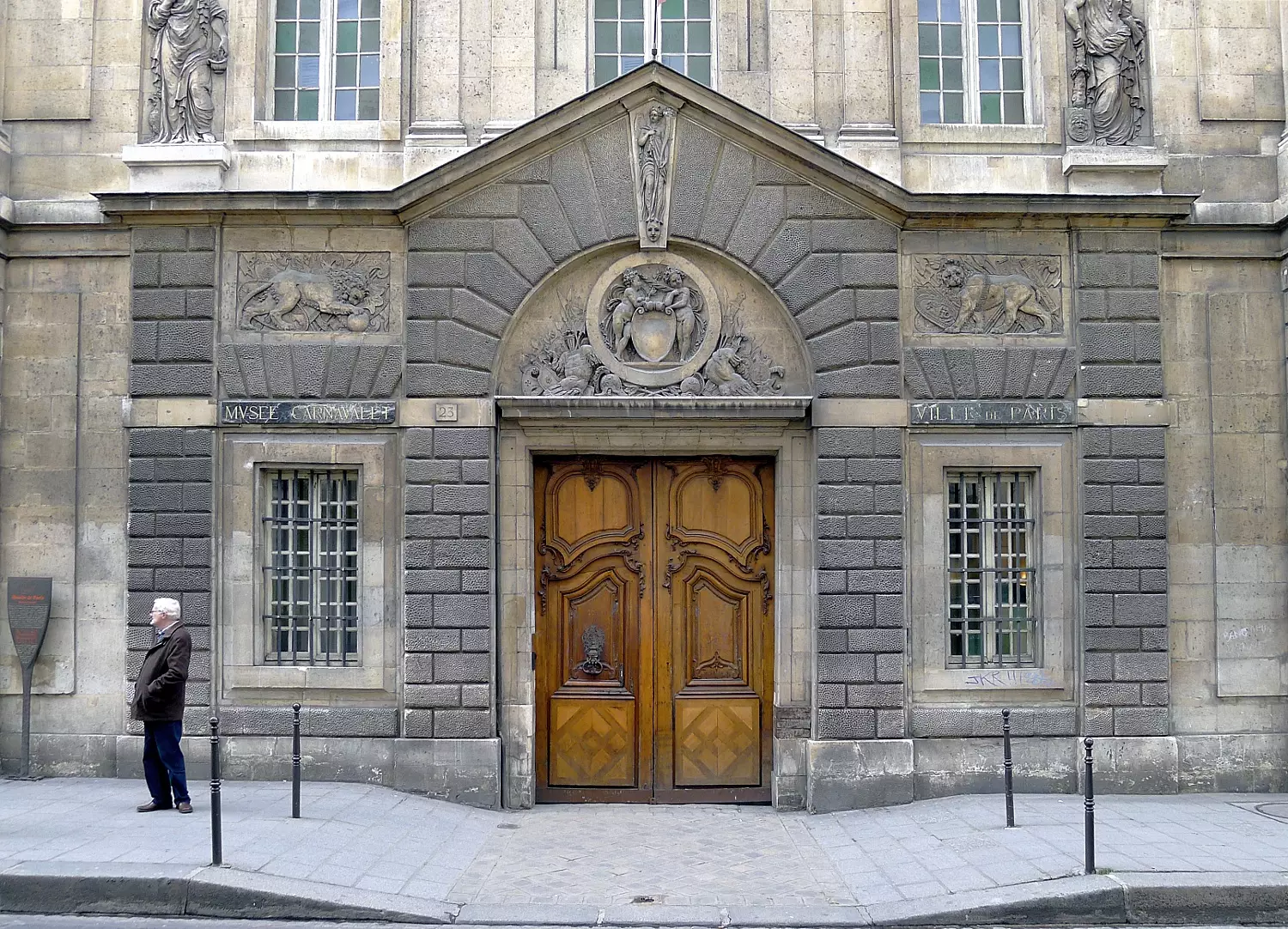
Paris. Musée Carnavalet. Detail of the entrance portal.
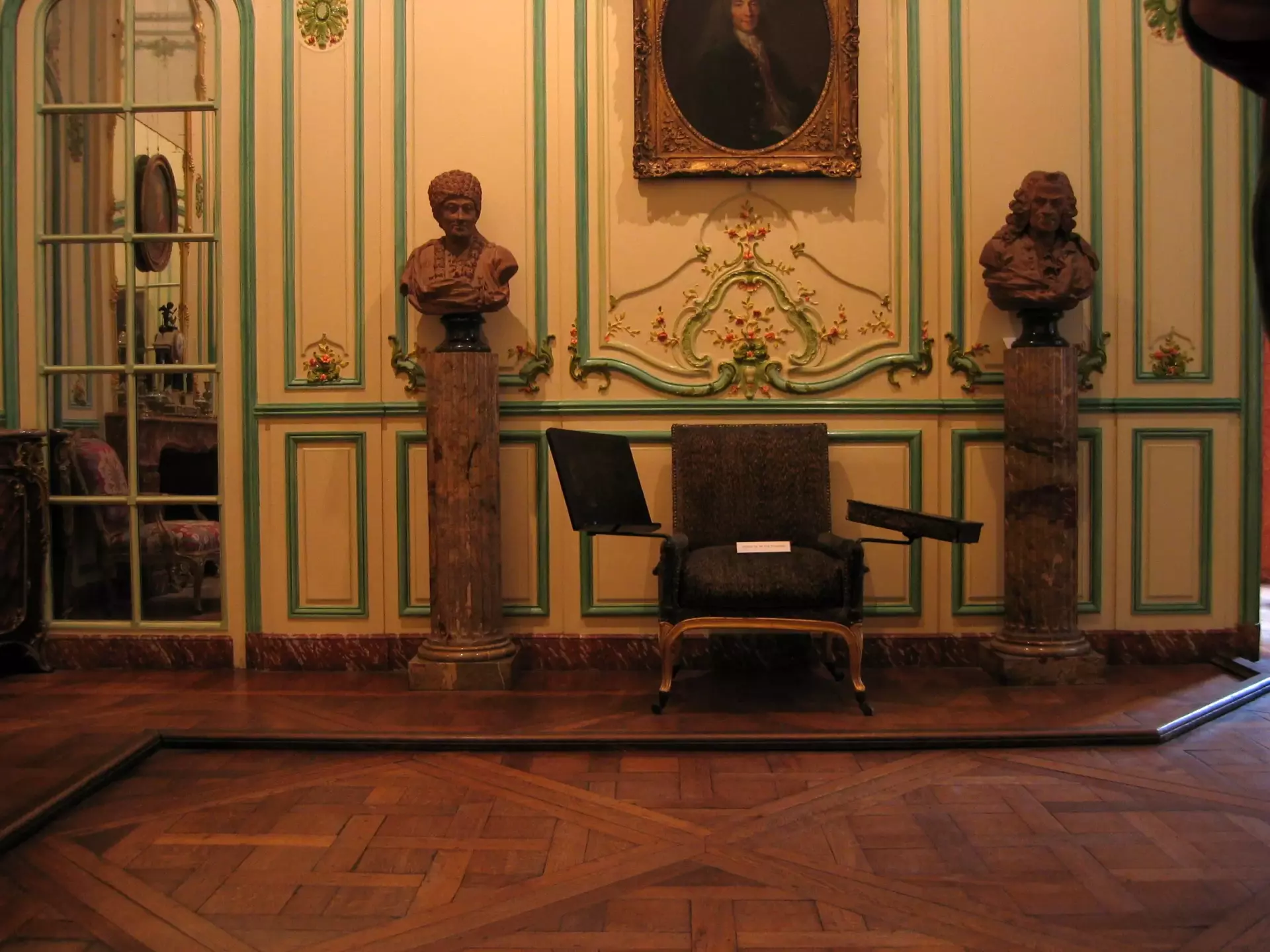
The Carnavalet Museum in Paris traces the history of the city of Paris. The chair of Voltaire.
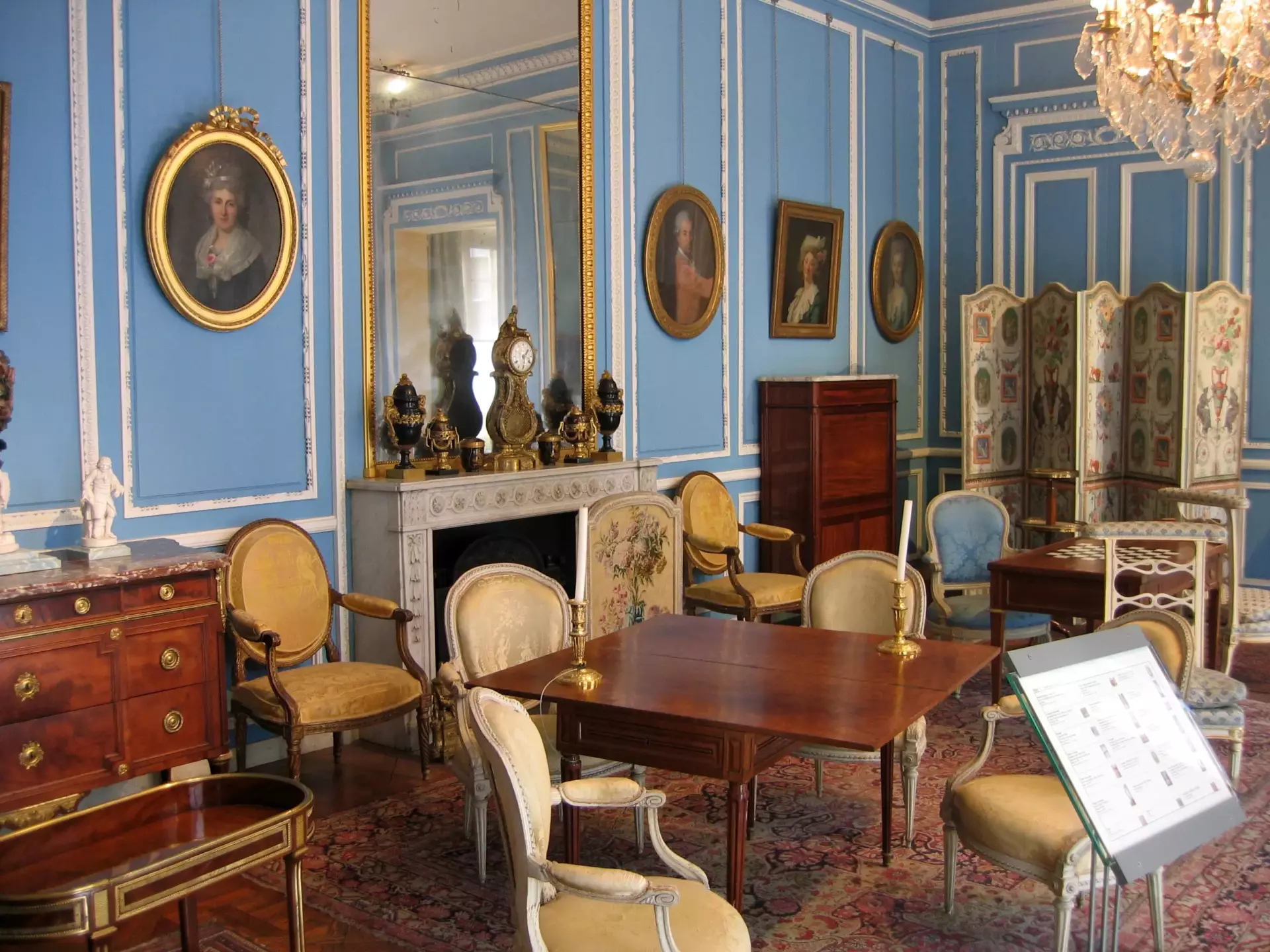
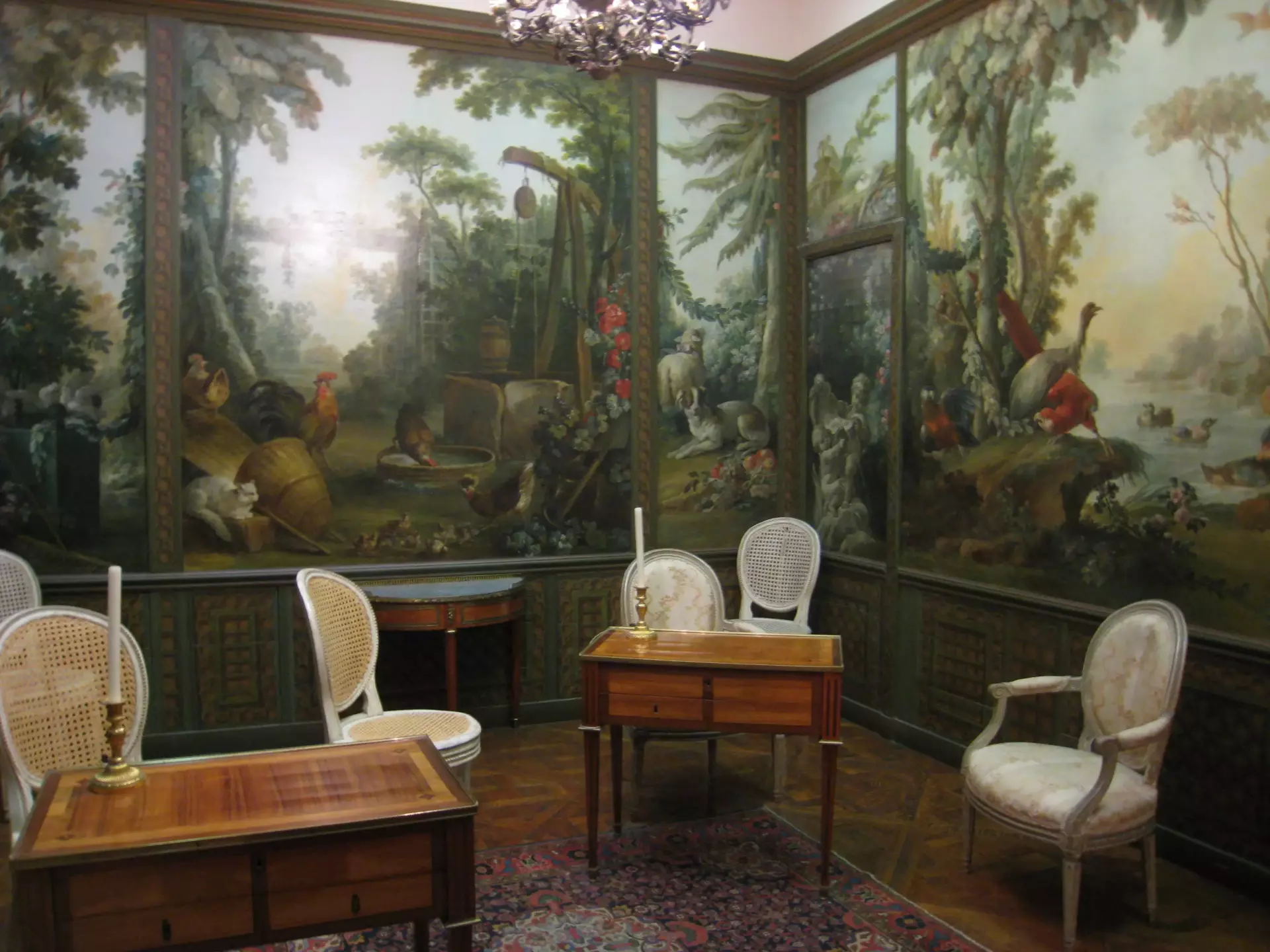
Carnavalet Museum - Uzès Salon
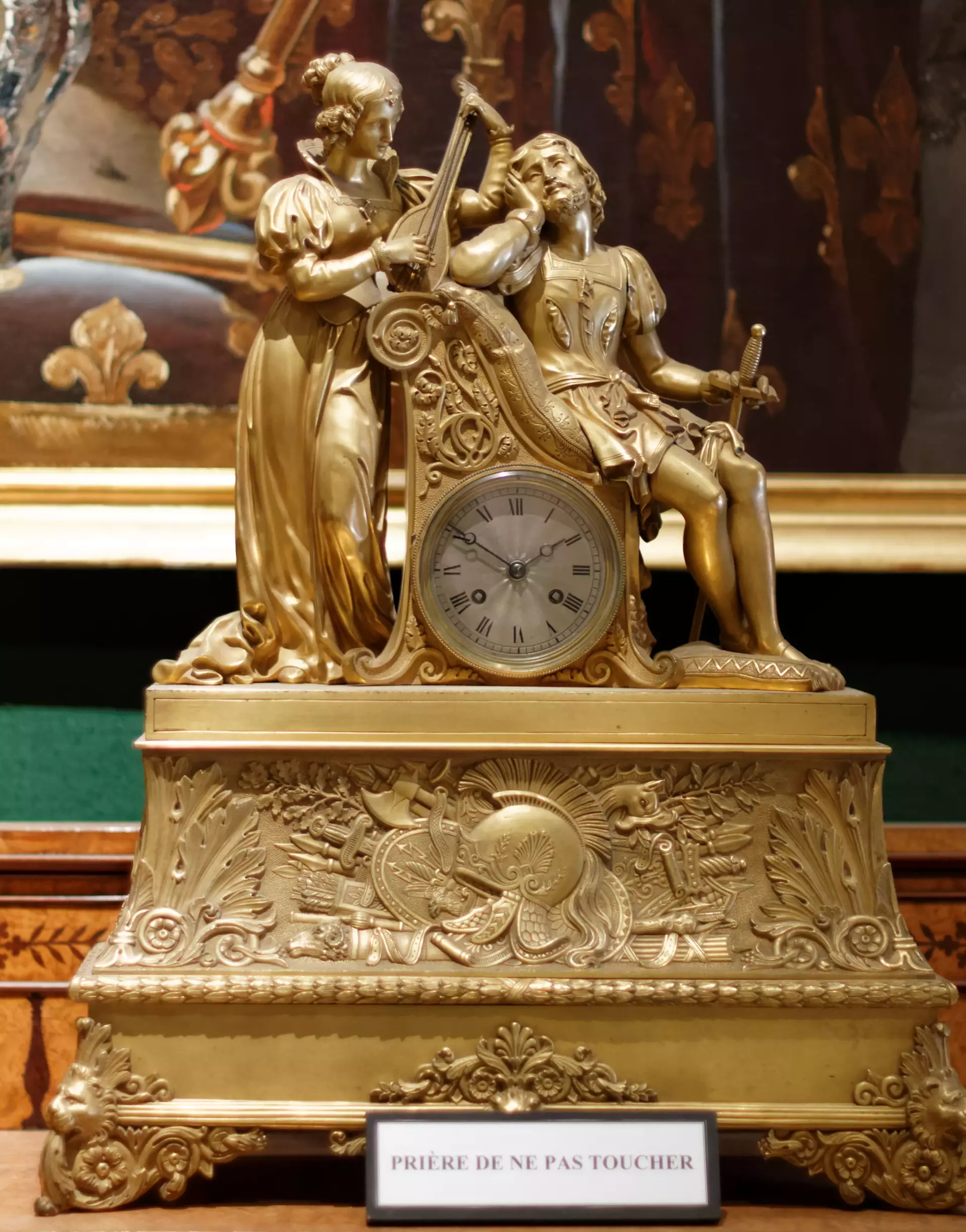
Mantel clock
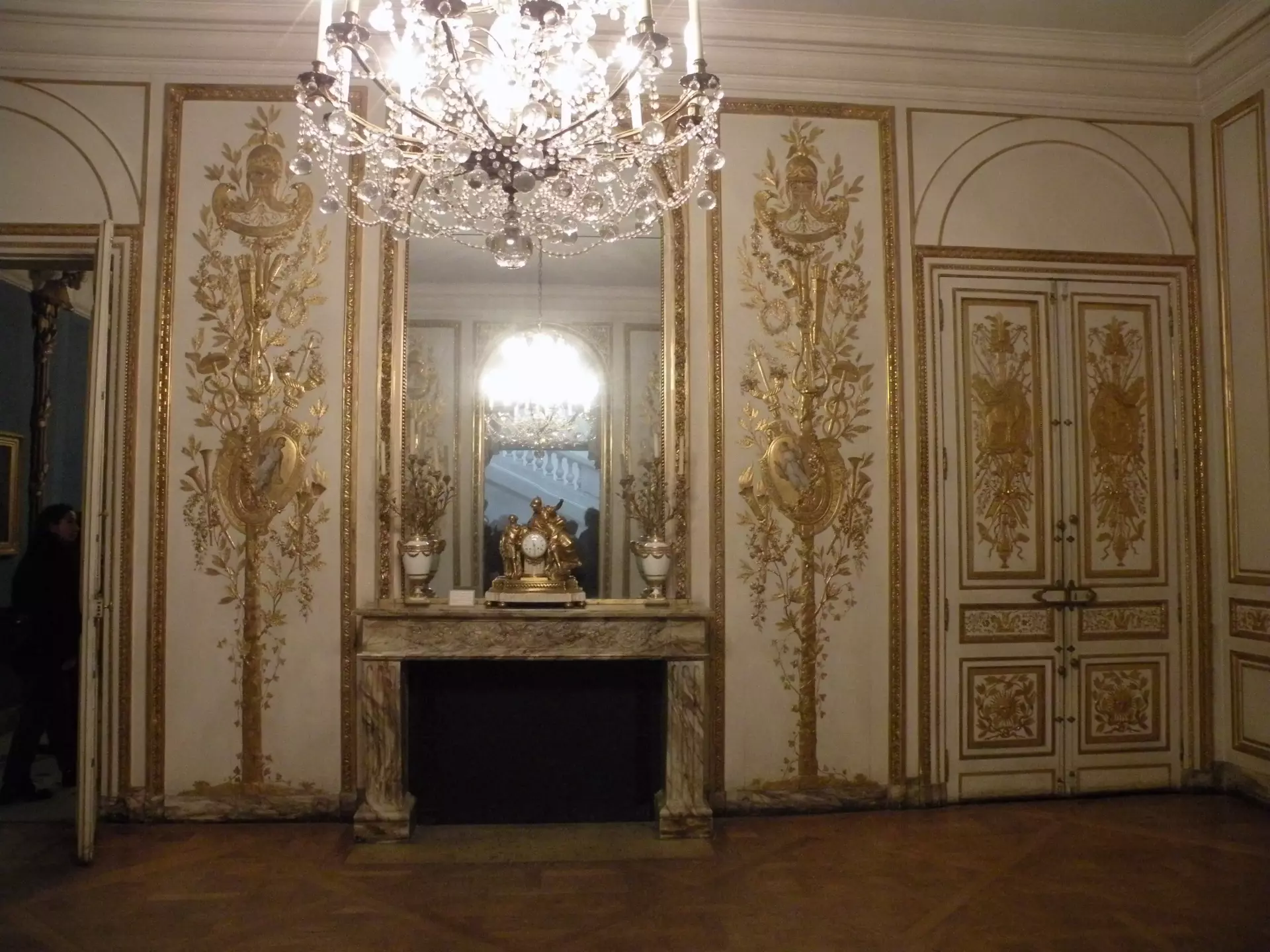
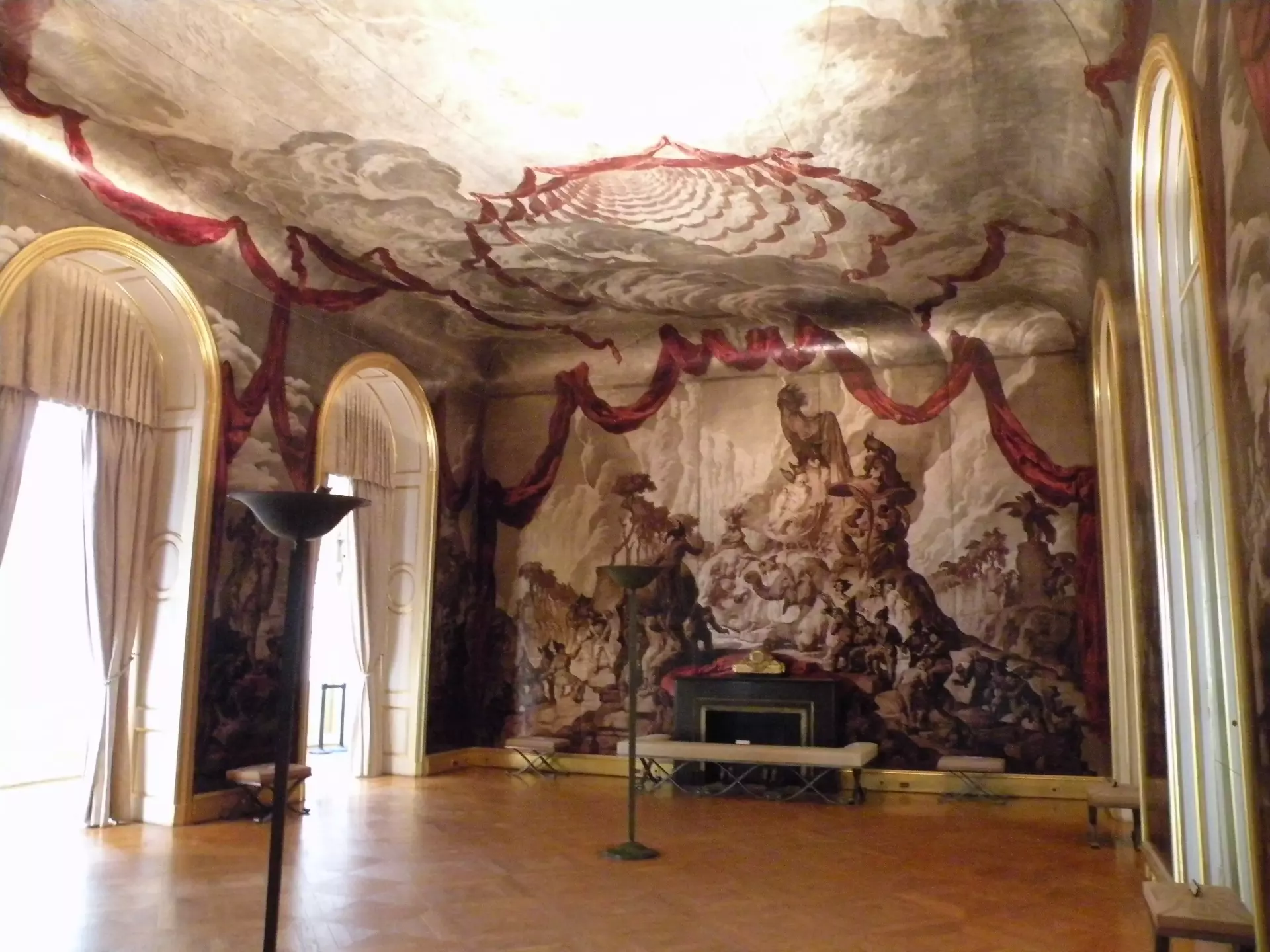
Room 146 of the Musée Carnavalet.
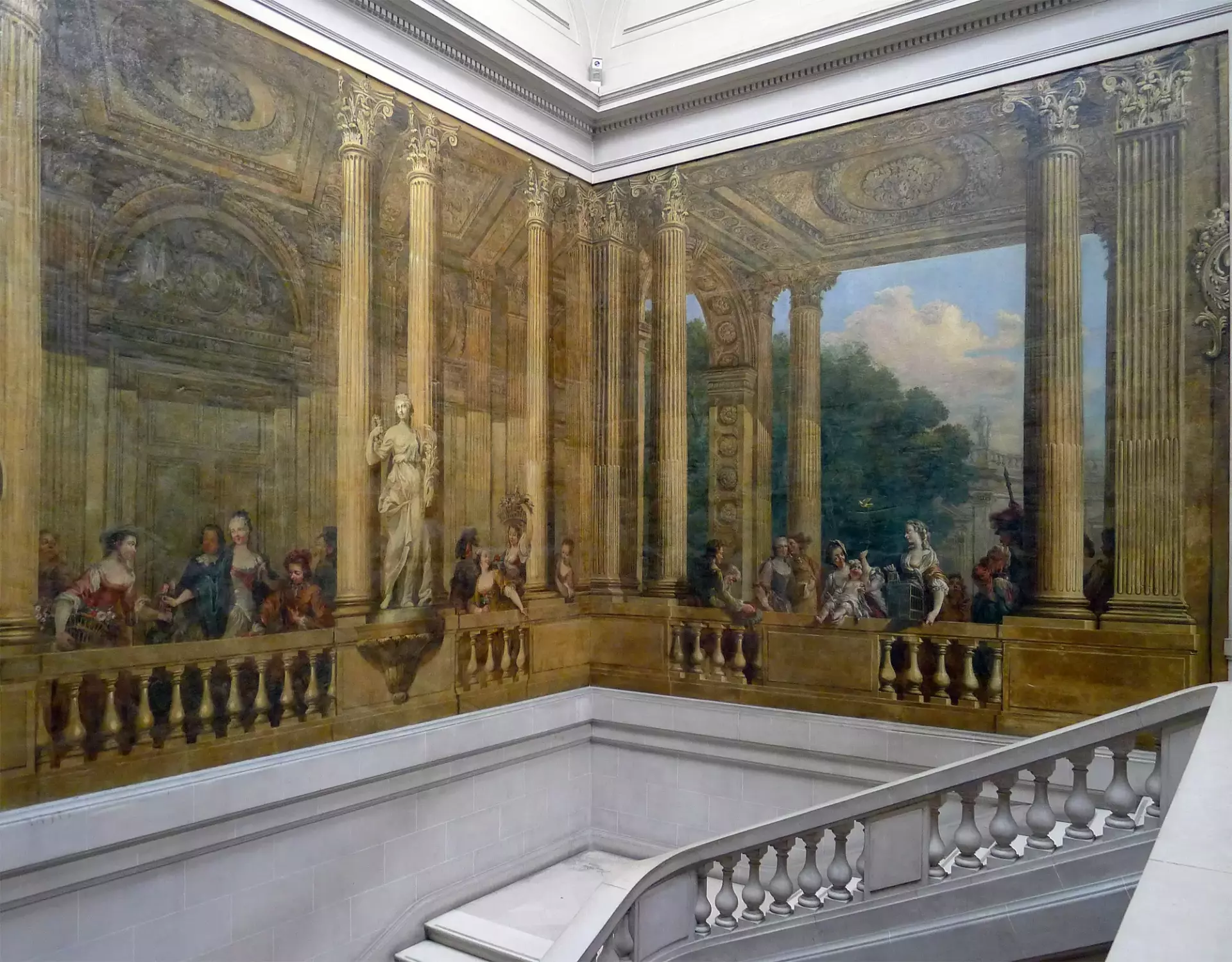
Musée Carnavalet, Paris.
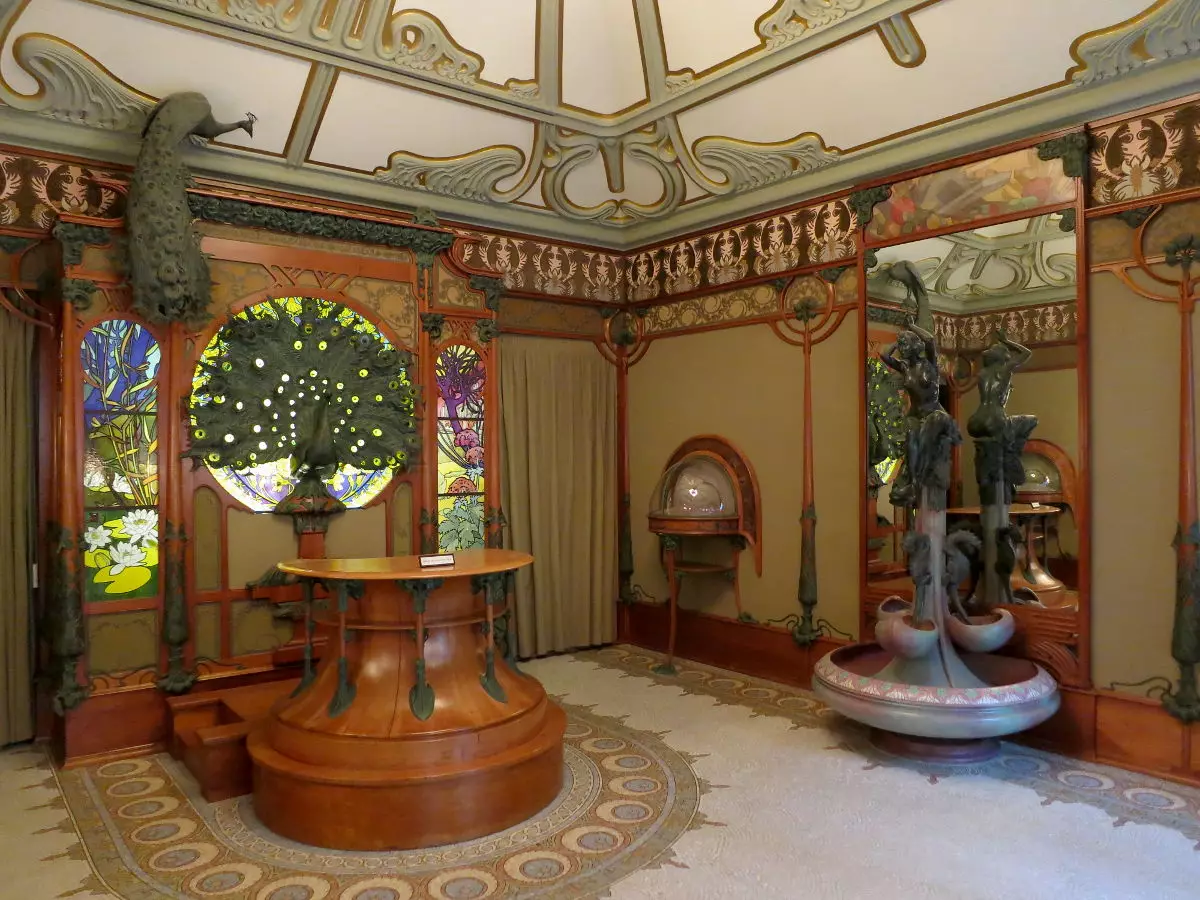
Jeweler Georges Fouquet's boutique, located at 6 rue Royale in Paris, designed in 1901 by Mucha, with project management by the Jansen company, which commissioned Léon Fargues for the stained glass; dismantled in 1923, now in the Carnavalet Museum (Paris).
Musée Carnavalet, Paris, France – a room exhibit. This work is about two centuries old, and the museum imposed no restrictions on photography except for prohibiting flash, both in writing and when explicitly asked. Thus, the original work itself is free from intellectual property restrictions.
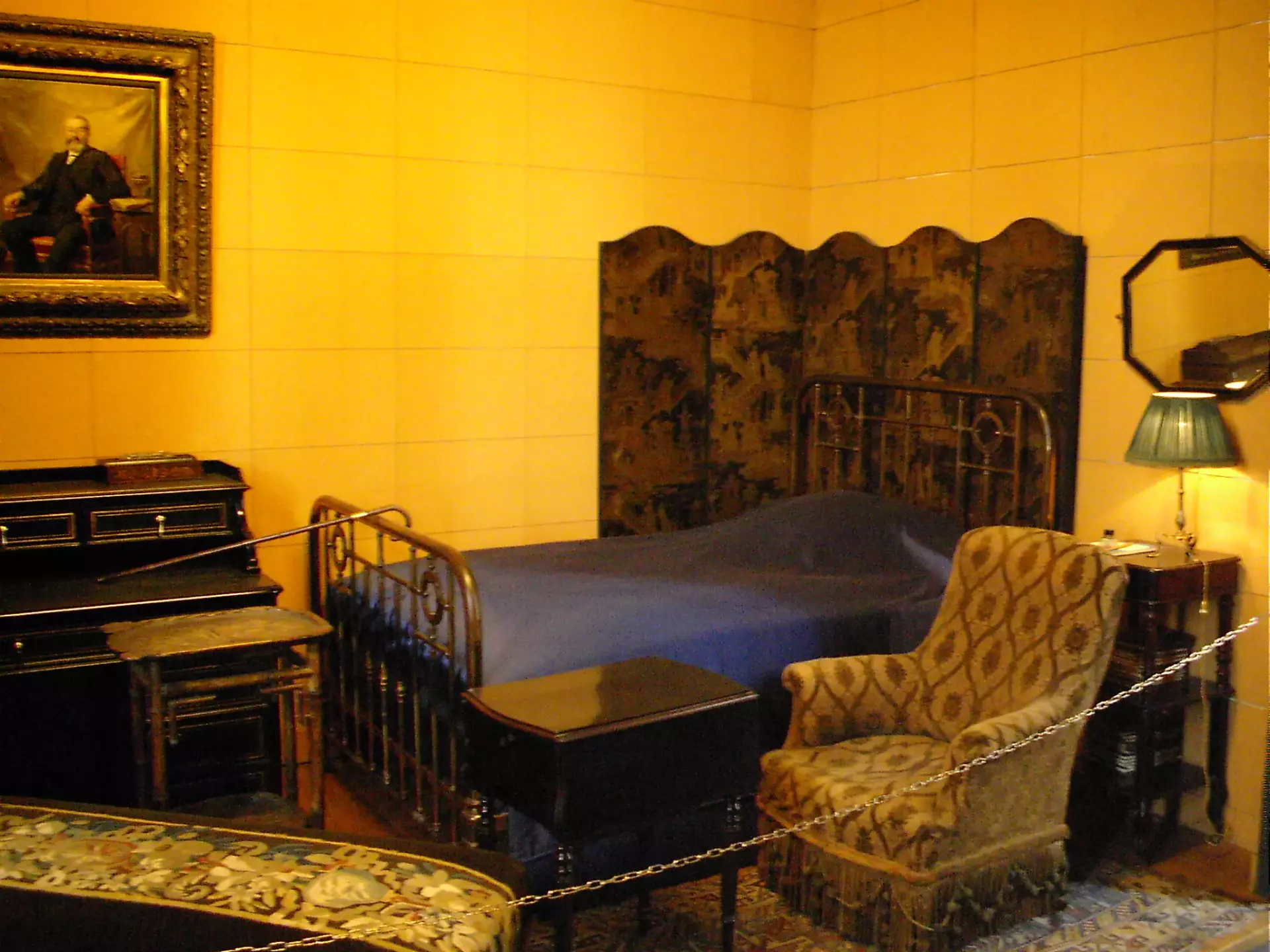
Proust's room with the original furniture in Carnavalet, Paris.
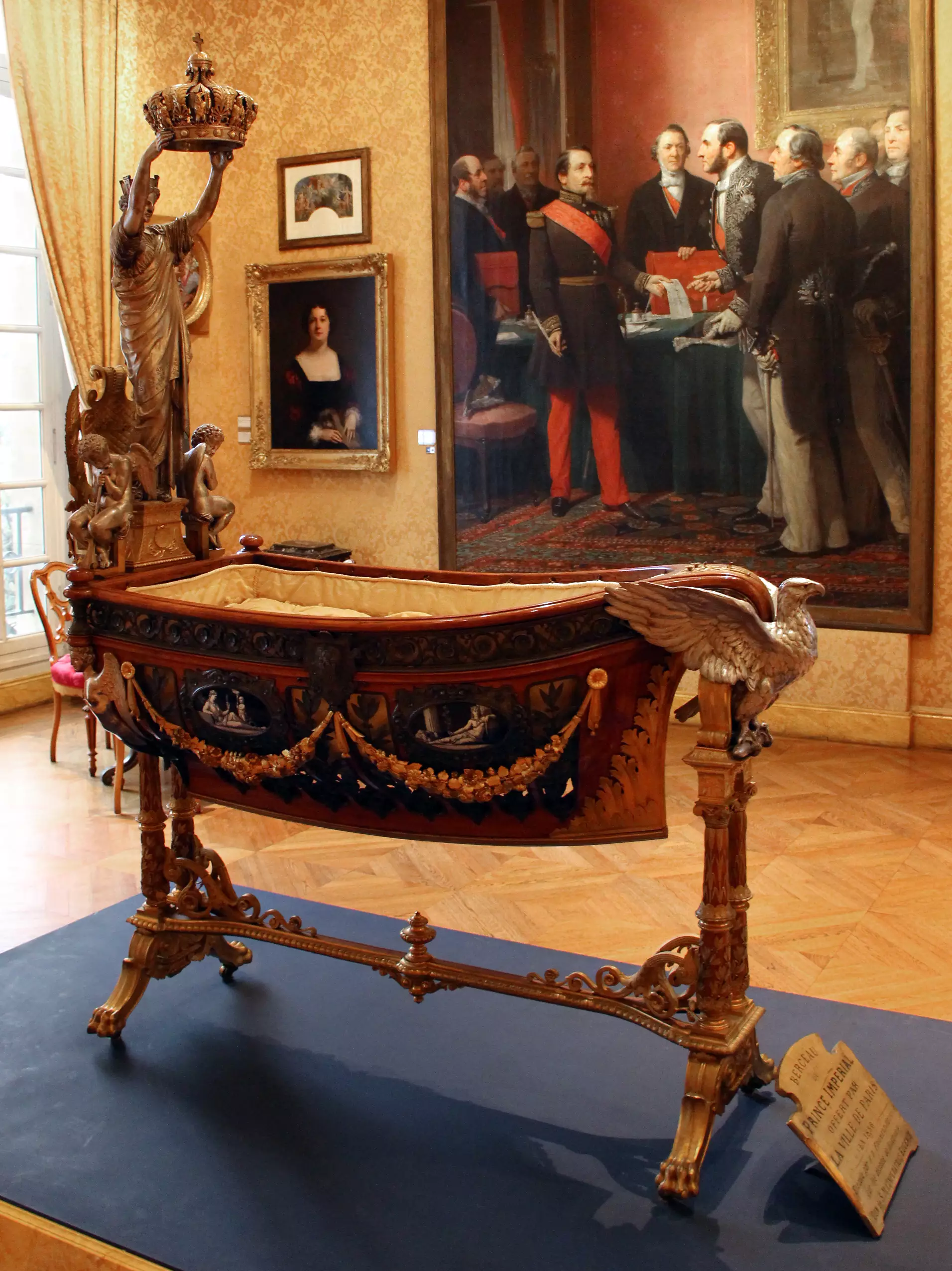
Bercelonnette (cradle) of the imperial prince, 1856, Musée Carnavalet, Paris, France.
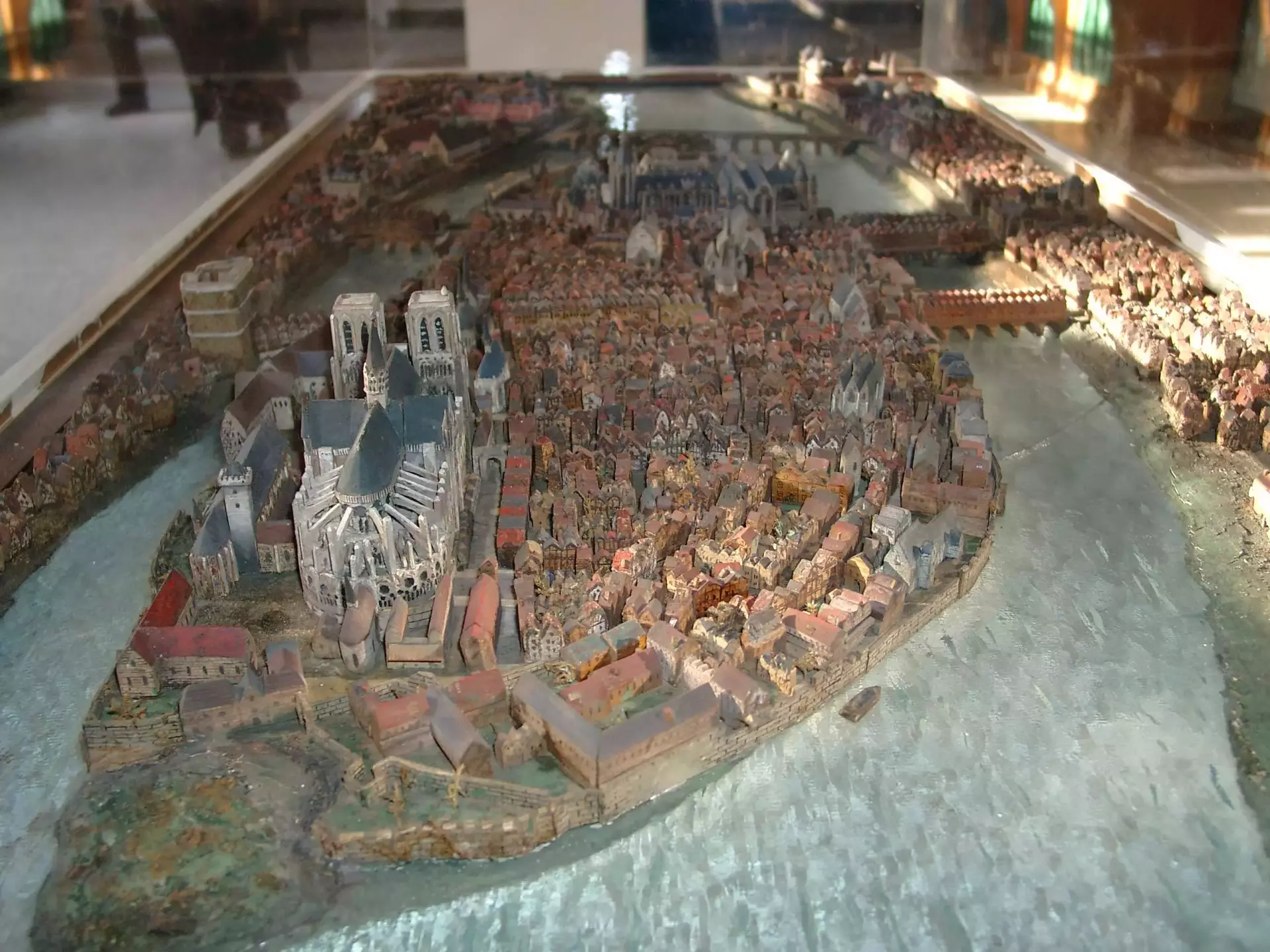
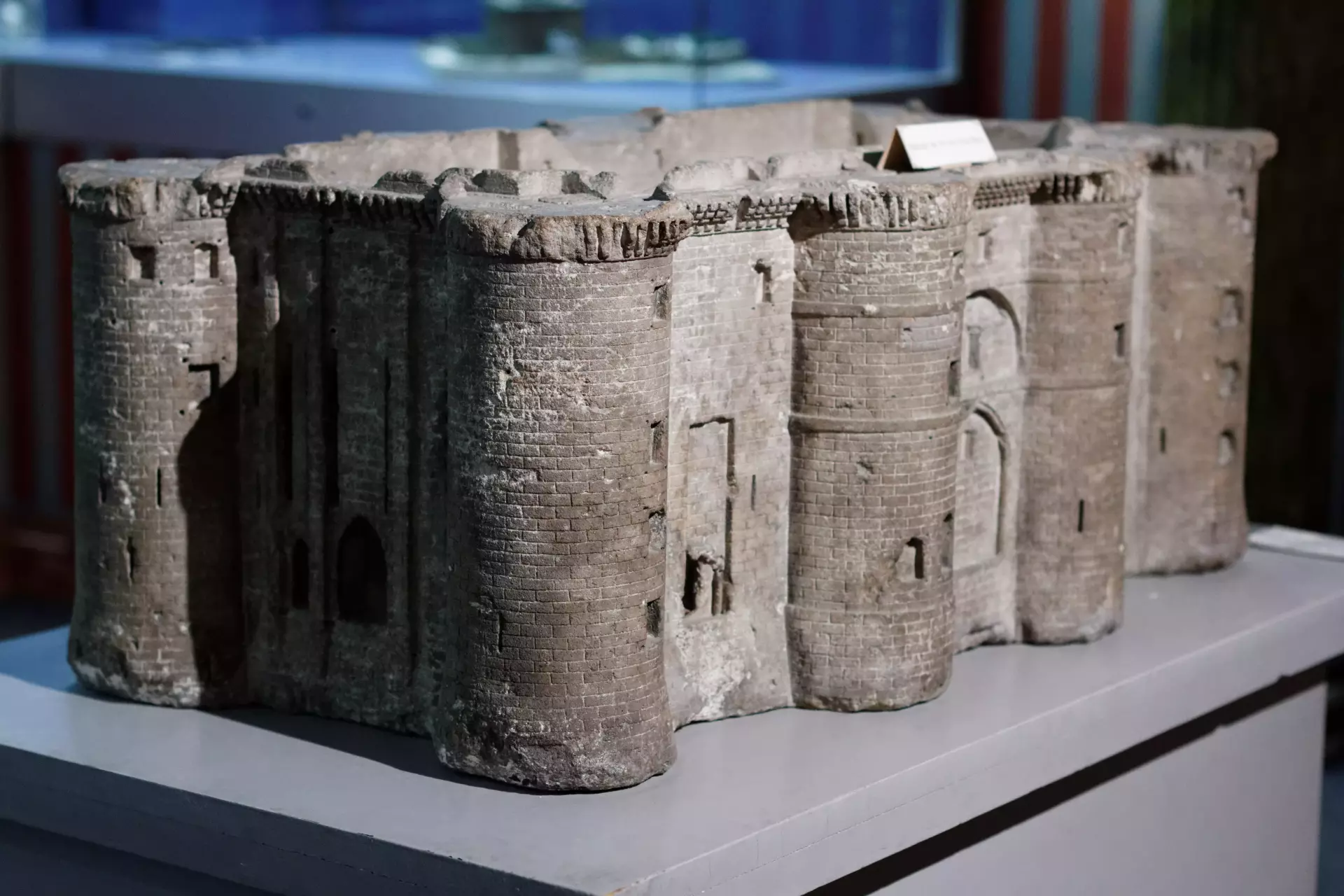
Model of medieval Paris (16th century), view from the east; Musée Carnavalet (taking photos without flash is allowed).
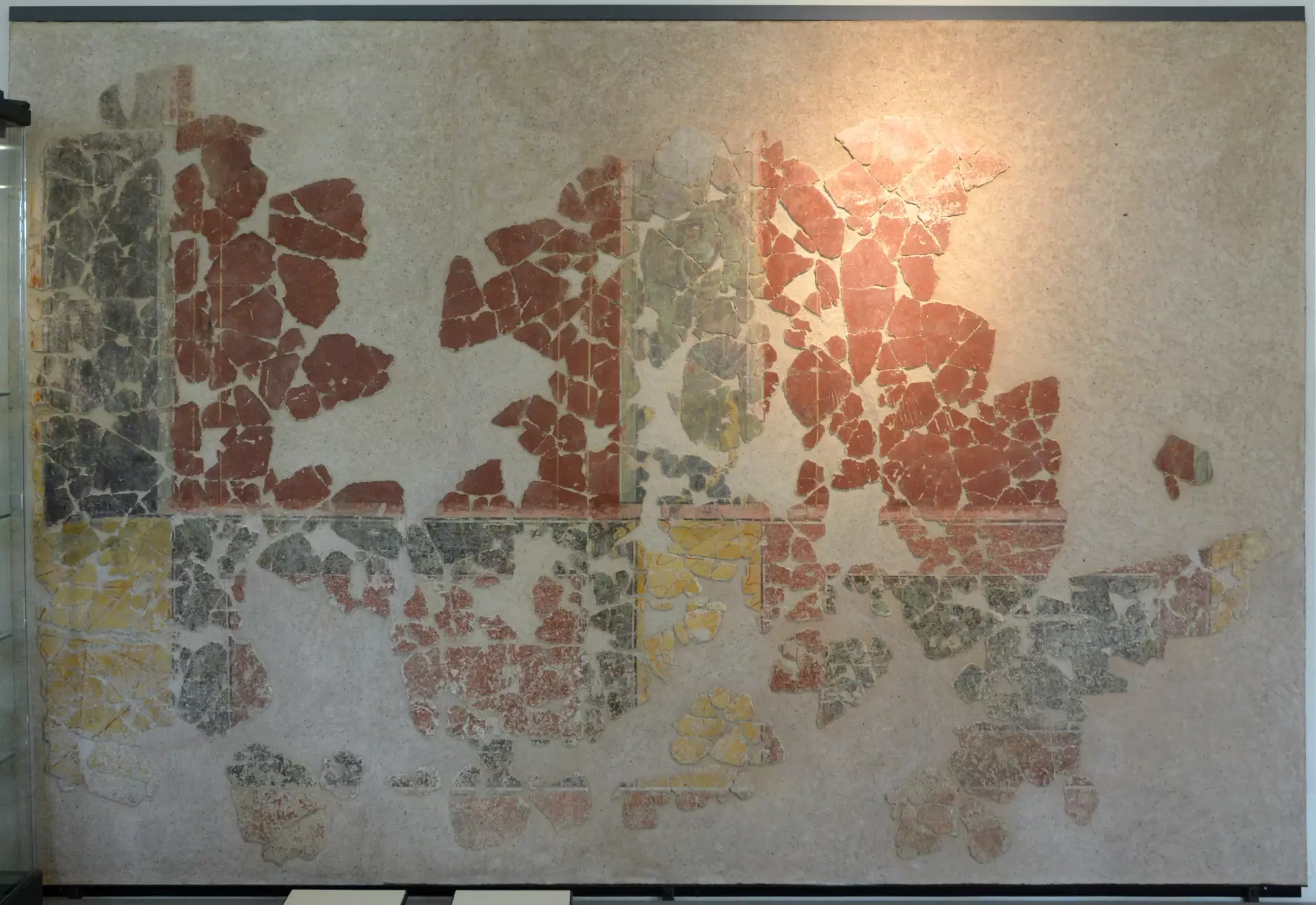
Fragment of mural painting. Material: painted plaster on mortar. Dating from the 2nd century. Place of discovery: 12, rue de l'Abbé-de-l'Épée, 1986.
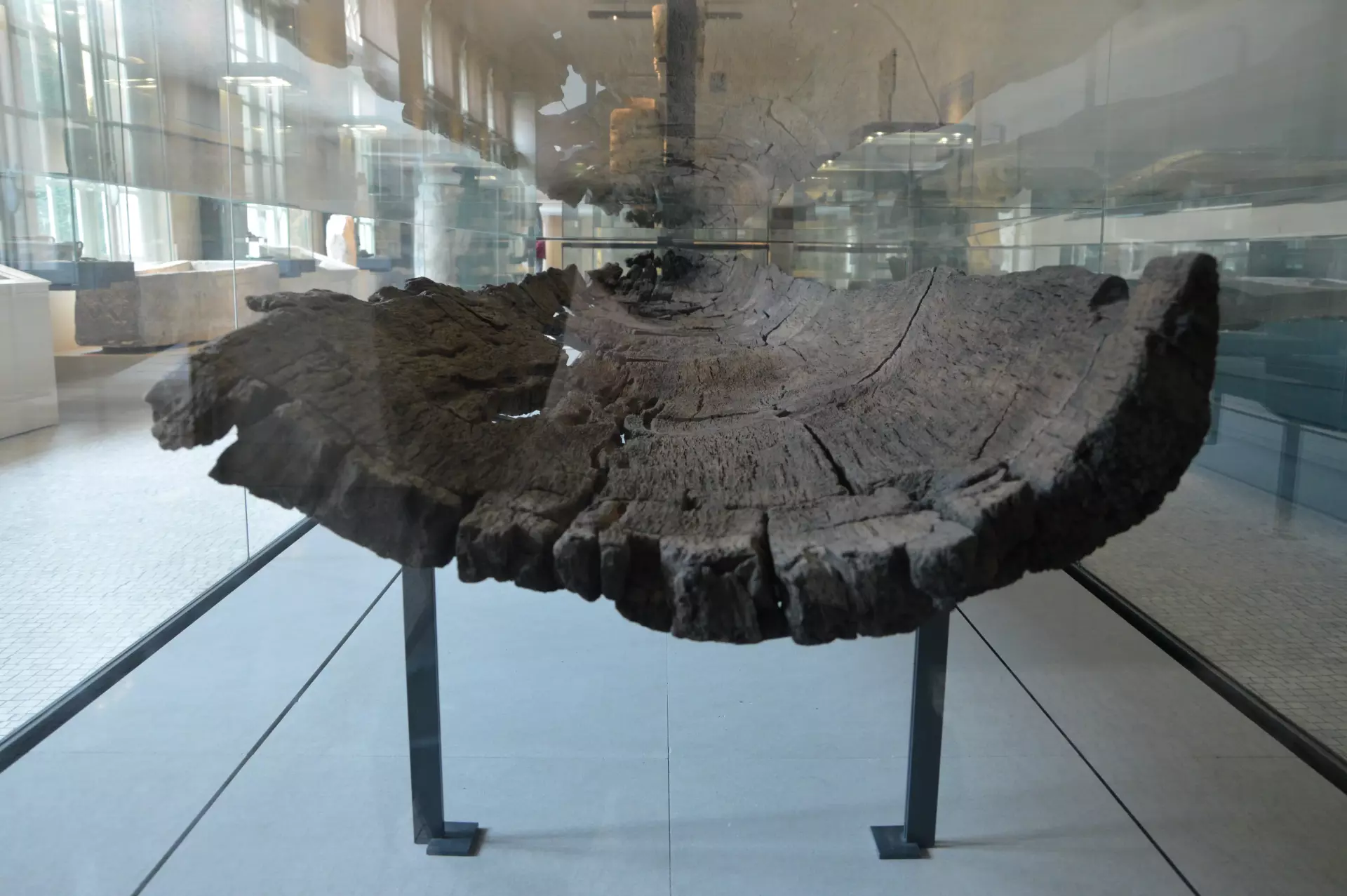
Dugout canoe P03. Material: Oak. Creation date: between 2880 and 2500 BCE. Place of discovery: ZAC BERCY (Paris). Date of discovery: 1991. Date of acquisition: 2000. Dimensions: Width: 90 cm, Length: 538 cm, Thickness: 3 cm. Inv: CARBERCYP03
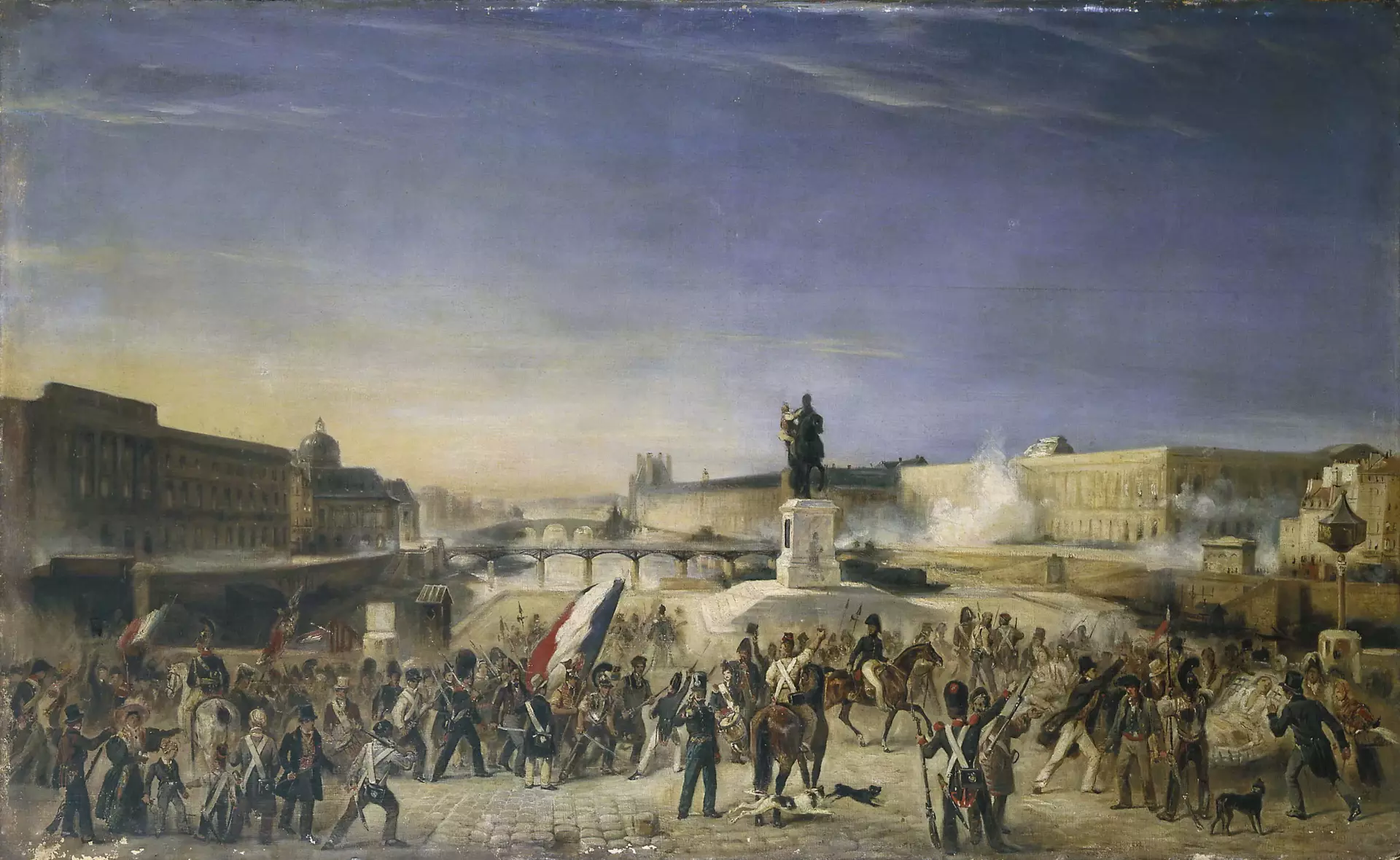
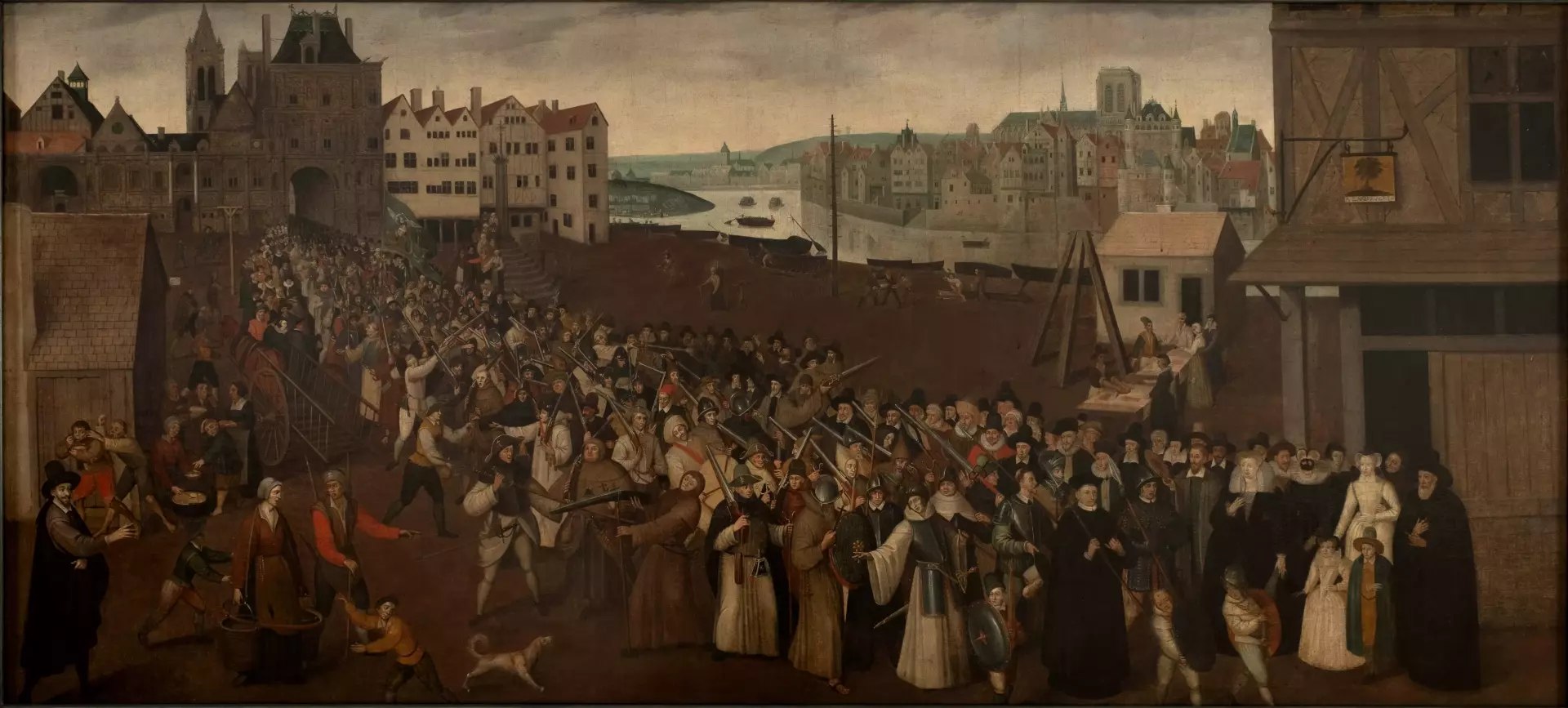
French Revolution of 1830
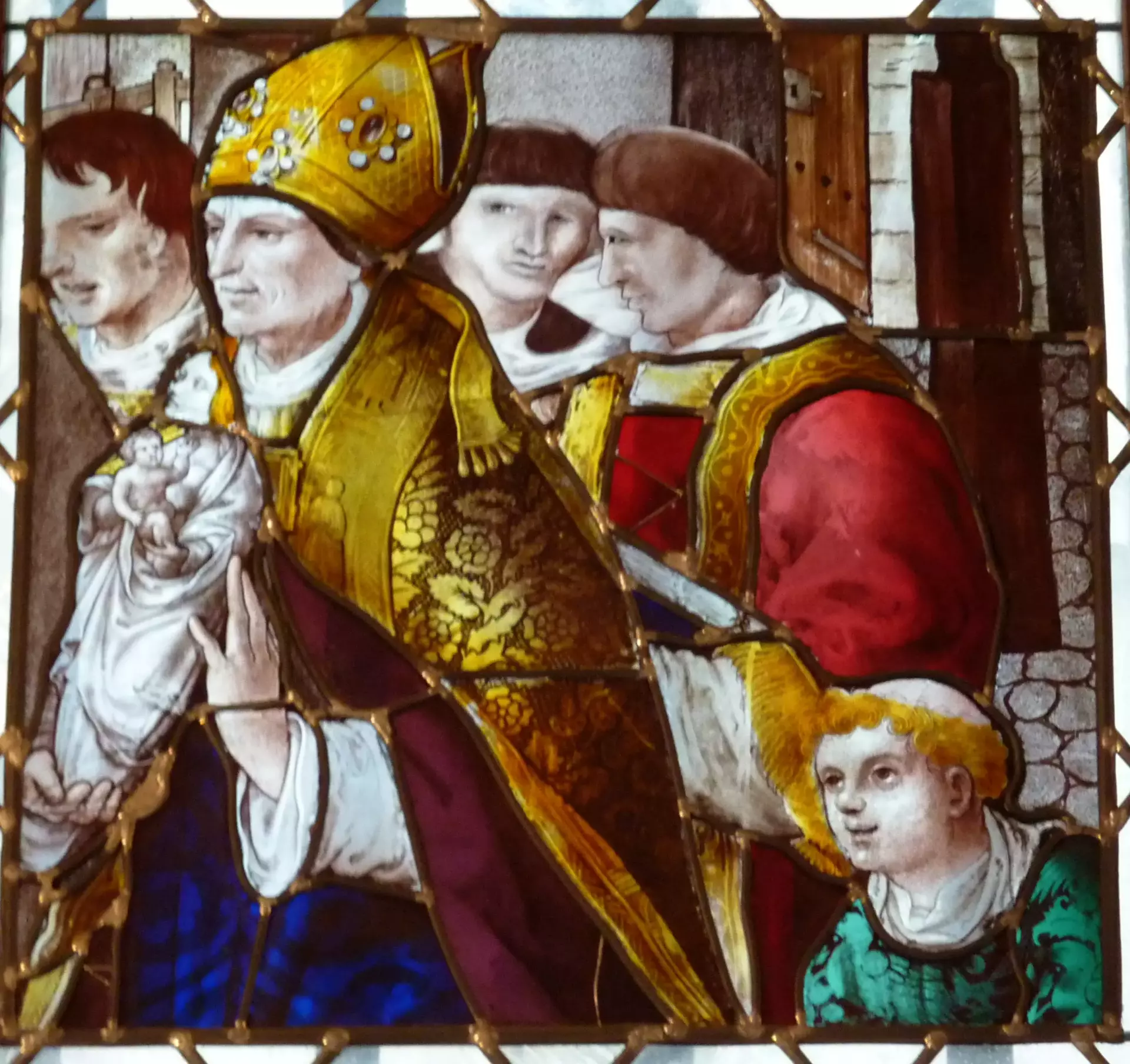
Fragment of a stained glass window in the Carnavalet Museum in Paris, formerly in the Church of St-Gervais-St-Protais in Paris (15th/16th century), depiction: The Bishop of Lisieux (Jean Le Veneur, Cardinal of Tillières, 1505–1539) carries a silver statue during a procession on June 12, 1528; glass painter: Jean Chastellain.
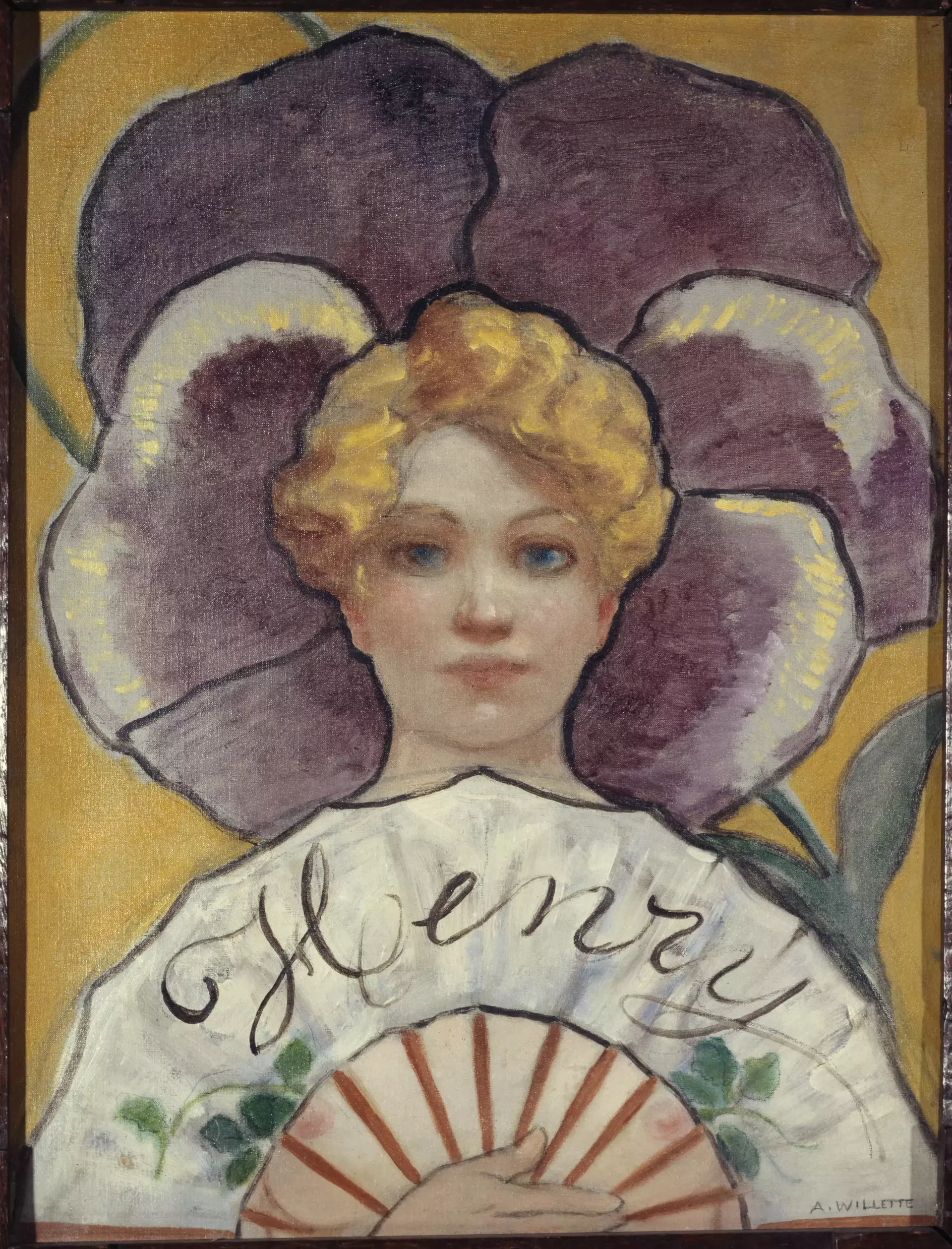
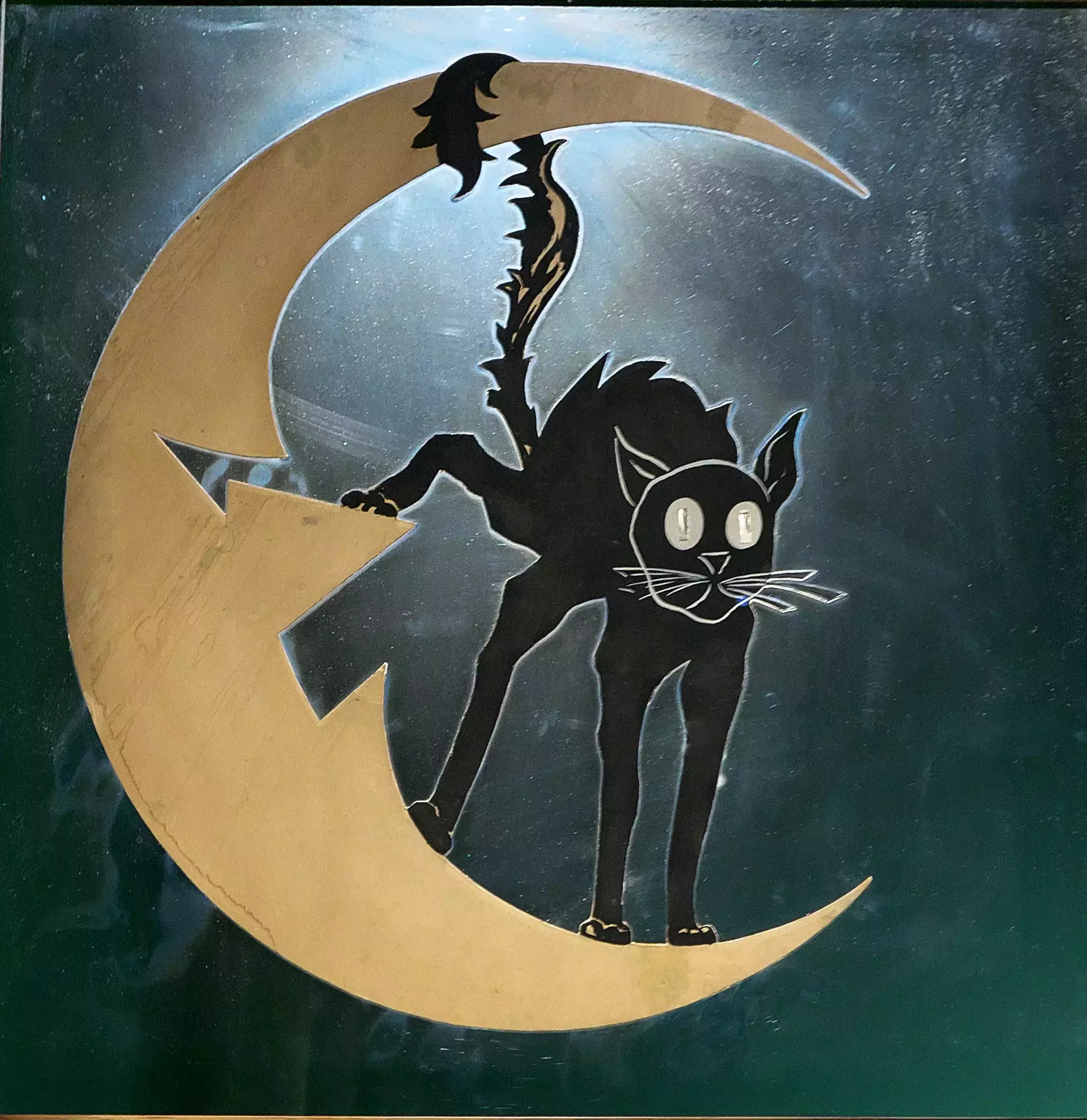
Adolphe Willette designs a magnificent logo for the cabaret Le Chat Noir.

Musée Carnavalet

Paris, France

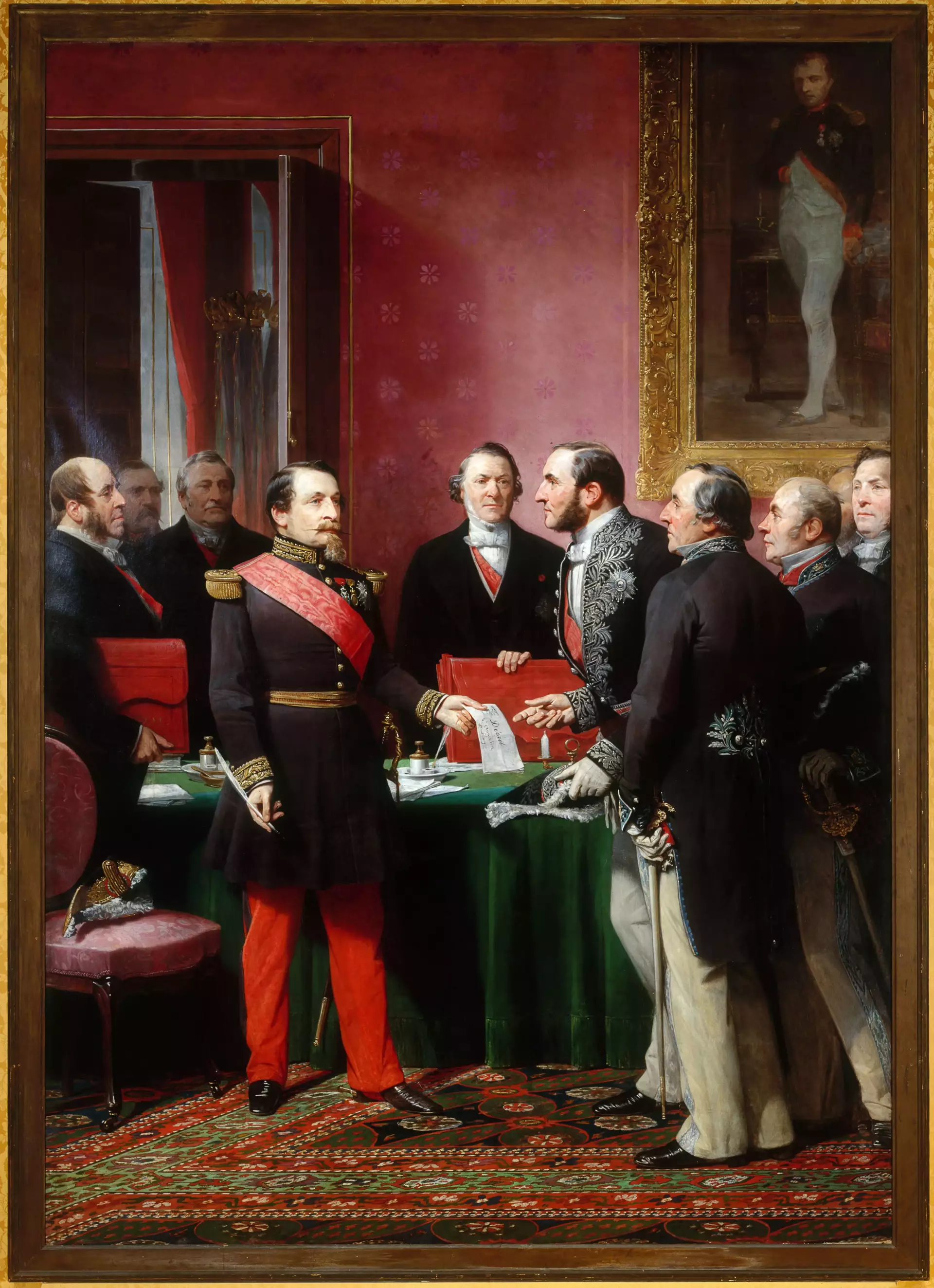
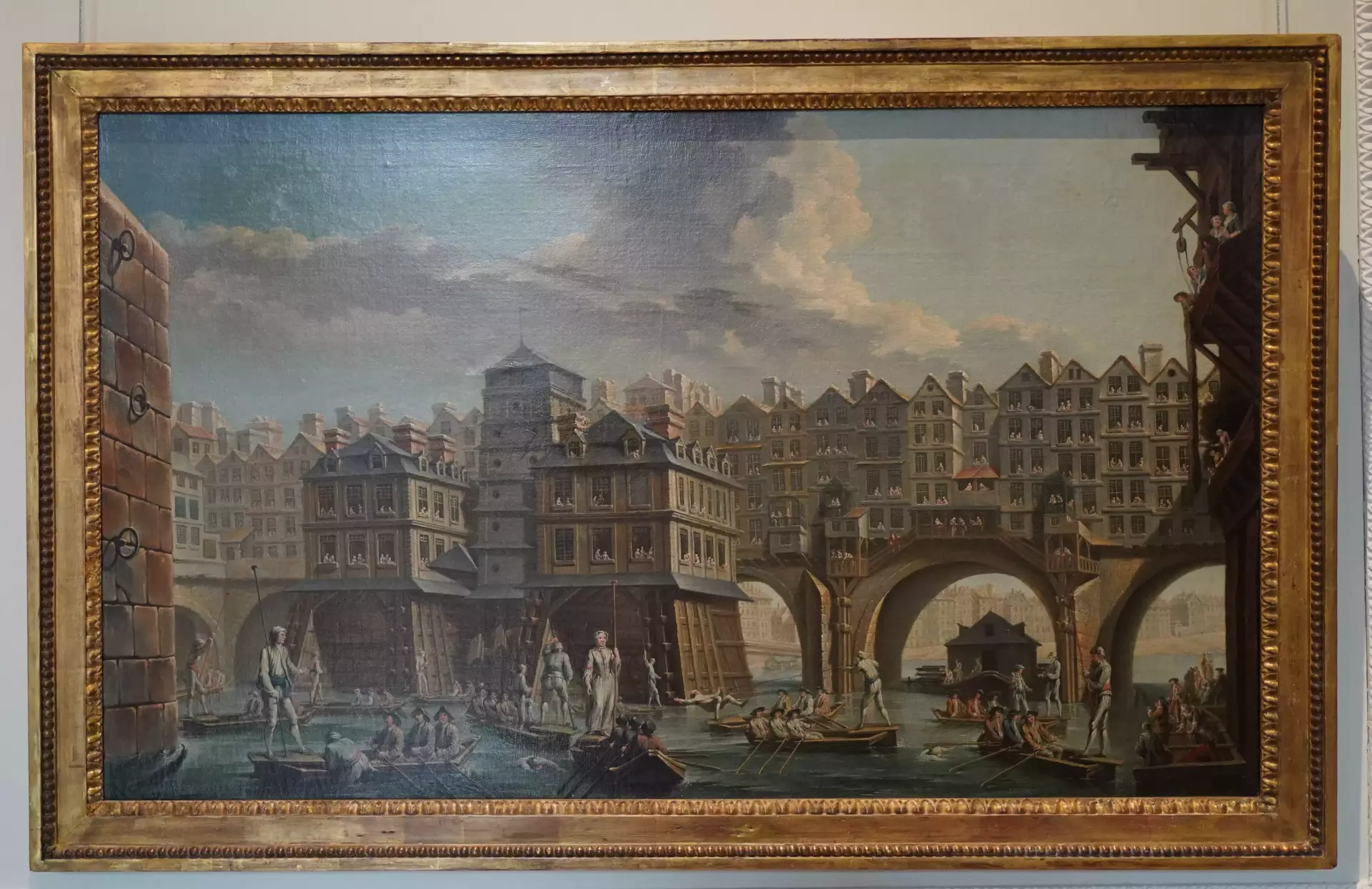
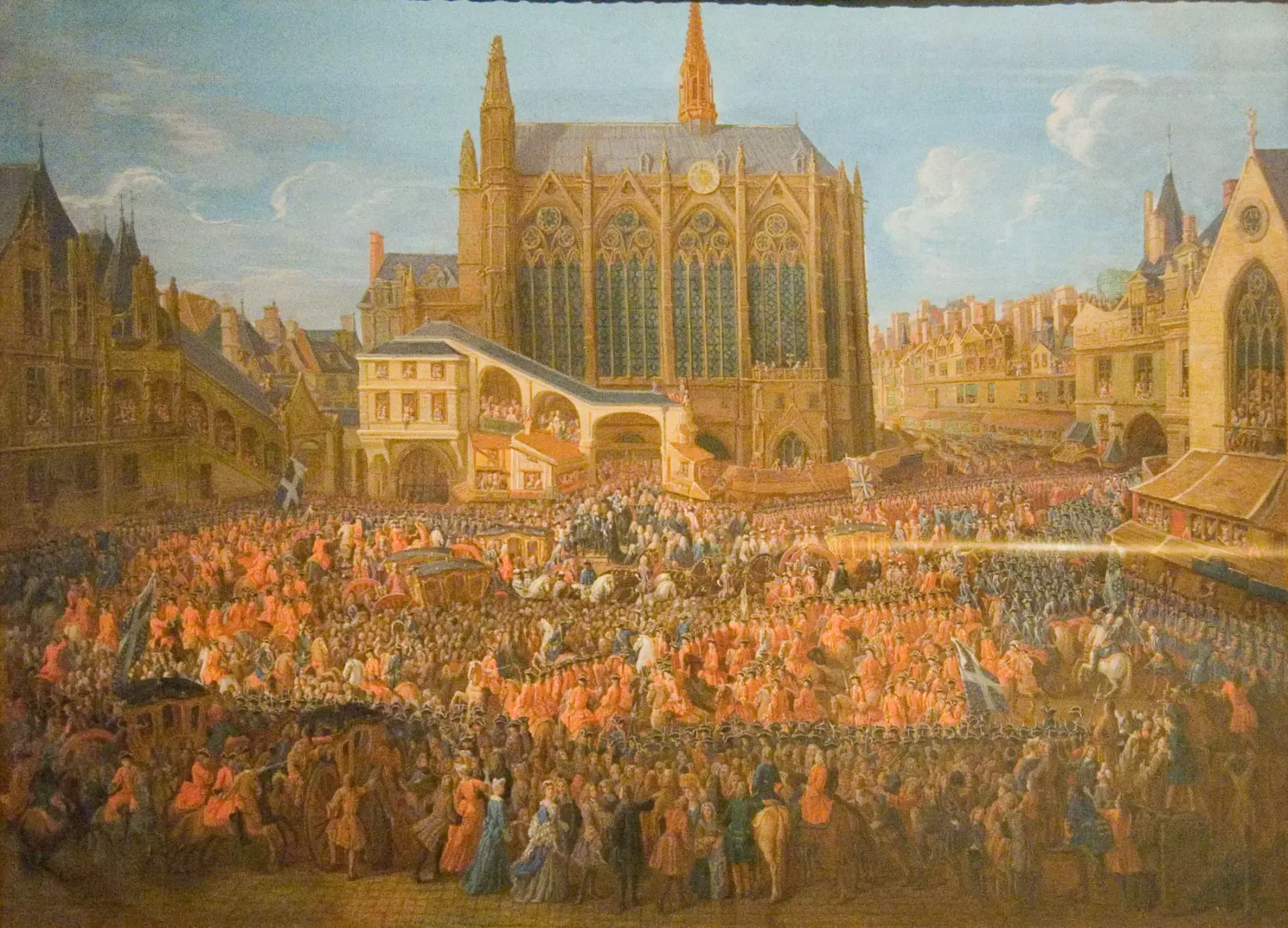
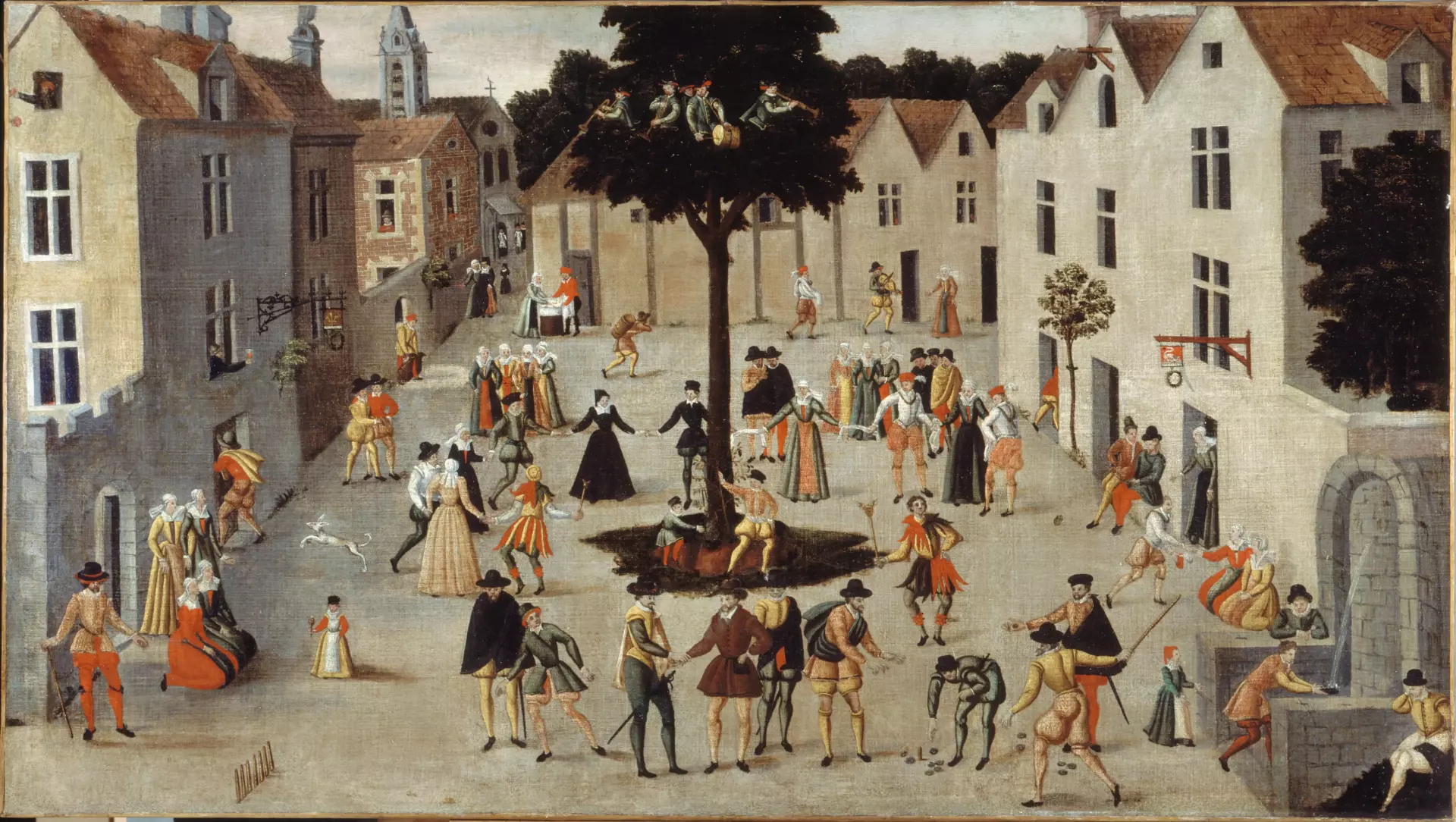
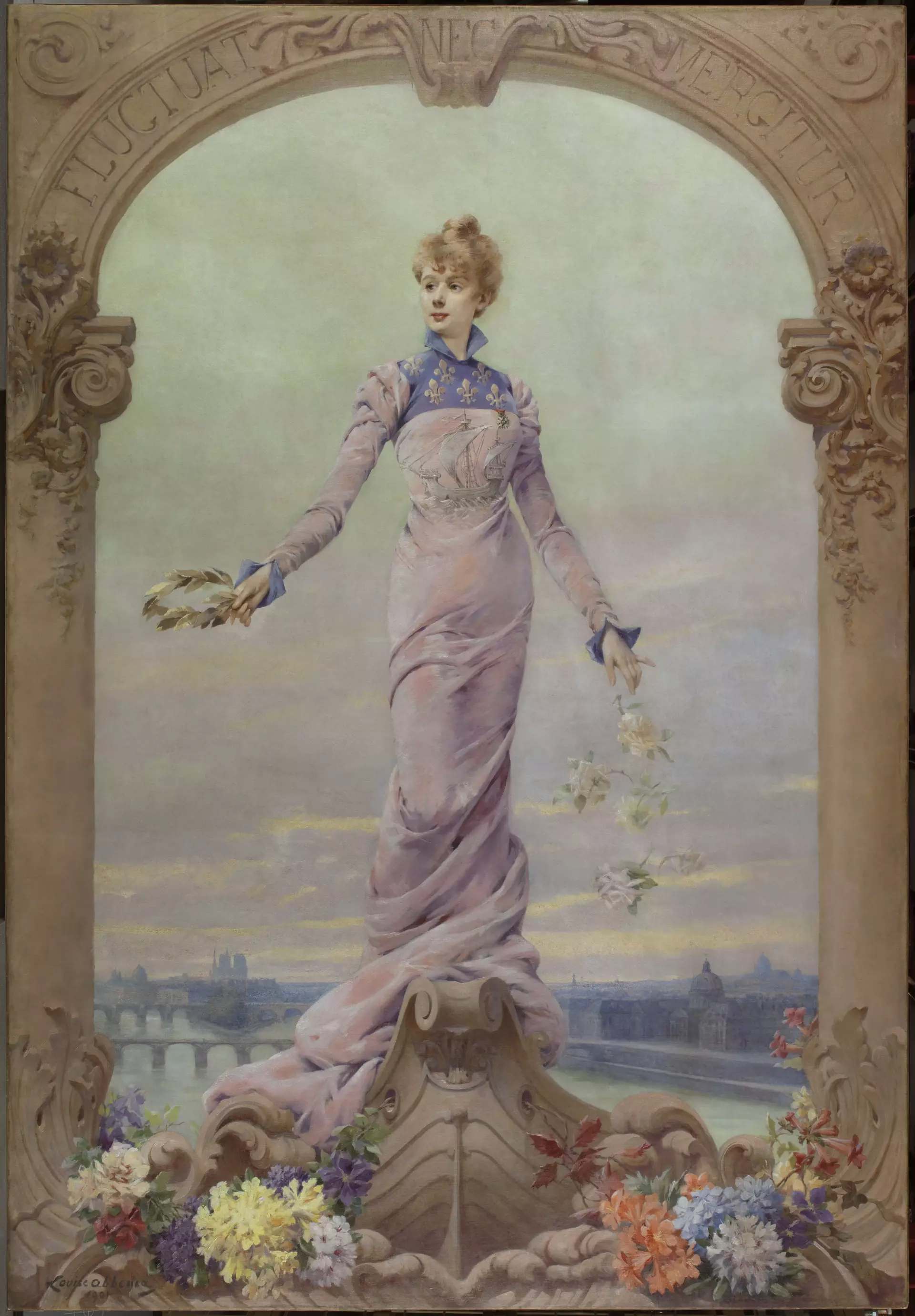
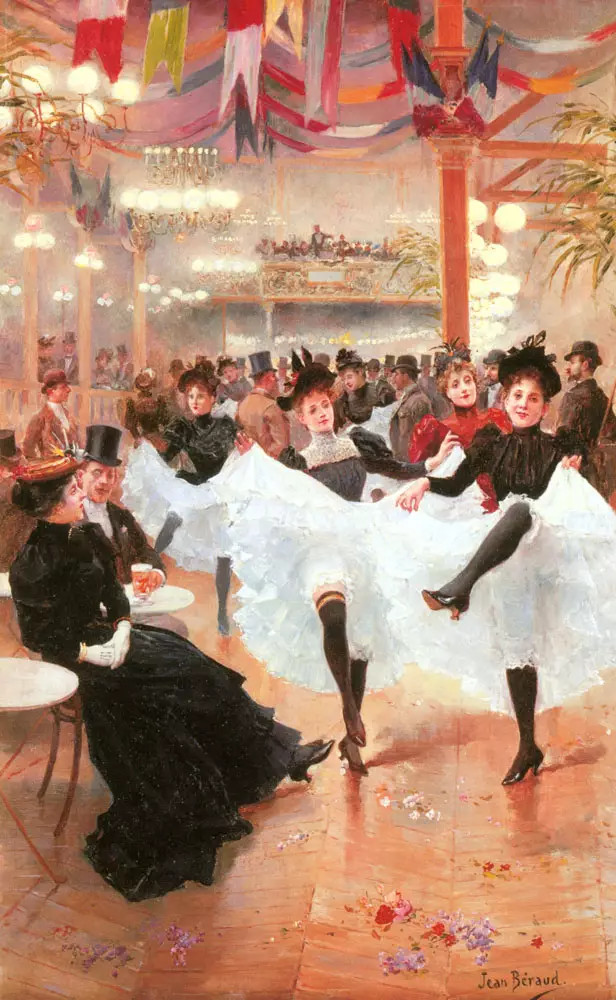
Set inside two elegant historic mansions, the Musée Carnavalet invites visitors on a journey through the rich past of Paris. The museum’s collection stretches across more than 140 different rooms, each one telling a unique story from the city’s history.

Discovering the Past Through Objects

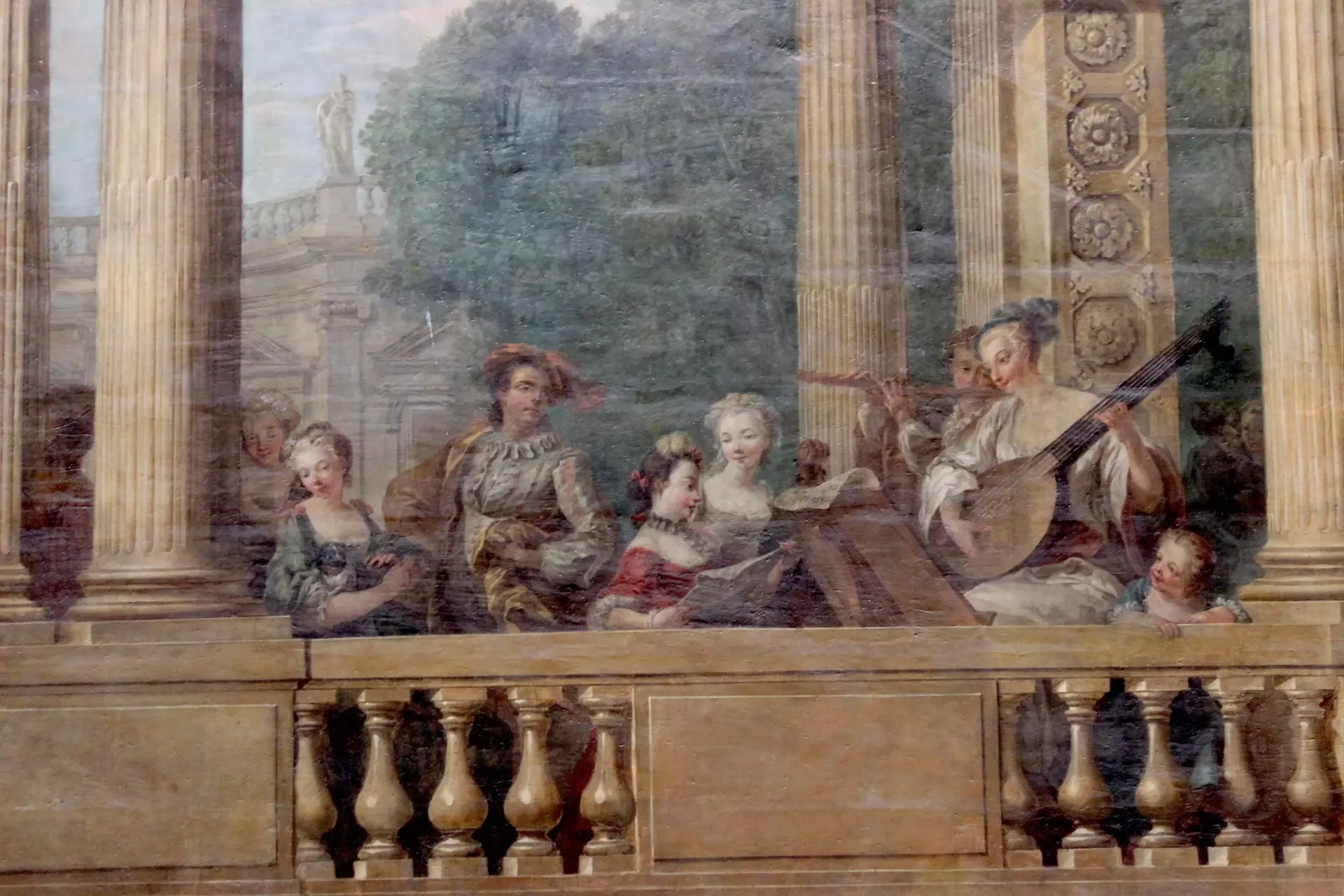
Inside the museum, thousands of objects help bring the city’s story to life. Paintings, photographs, models, and personal belongings from everyday Parisians and famous figures alike are all on display. These artifacts cover important events and daily life, offering a close-up view of Paris from ancient times to the present.

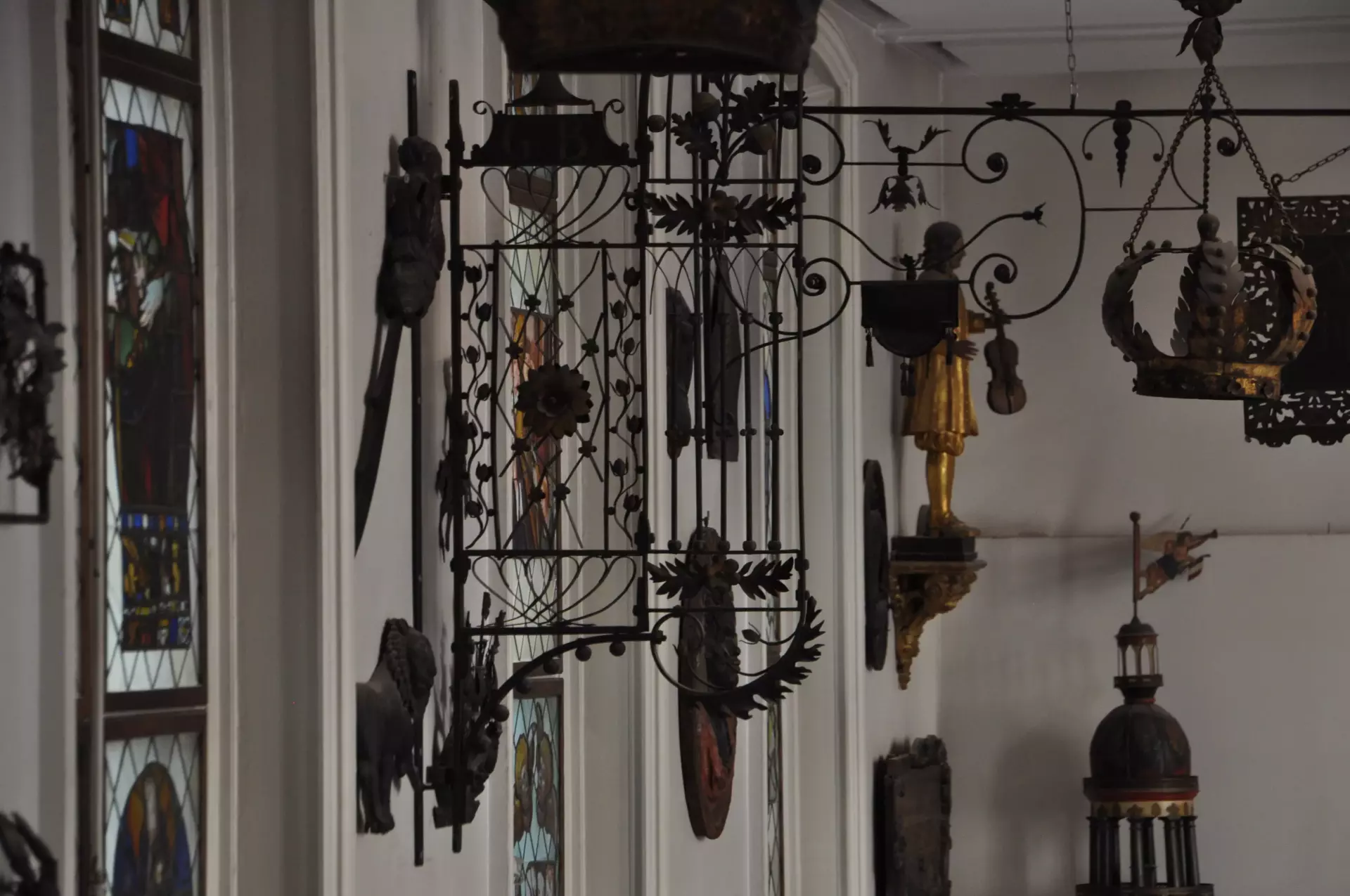
Visitors can explore rooms decorated in the style of different historical periods. Everything from royal furniture and decorative arts to carefully saved street signs and shopfronts gives a glimpse into how Paris has changed and grown over the centuries. Special exhibits often highlight key moments in the city’s timeline, such as the French Revolution, providing even more insight into the culture and character of the French capital.

Source - https://en.wikipedia.org/wiki/Mus%C3%A9e_Carnavalet

Developed by Reflex.com.ua
Contacts
  • info@reflex.com.ua
Social media