
Search ×
Home Paris
Musée de Cluny
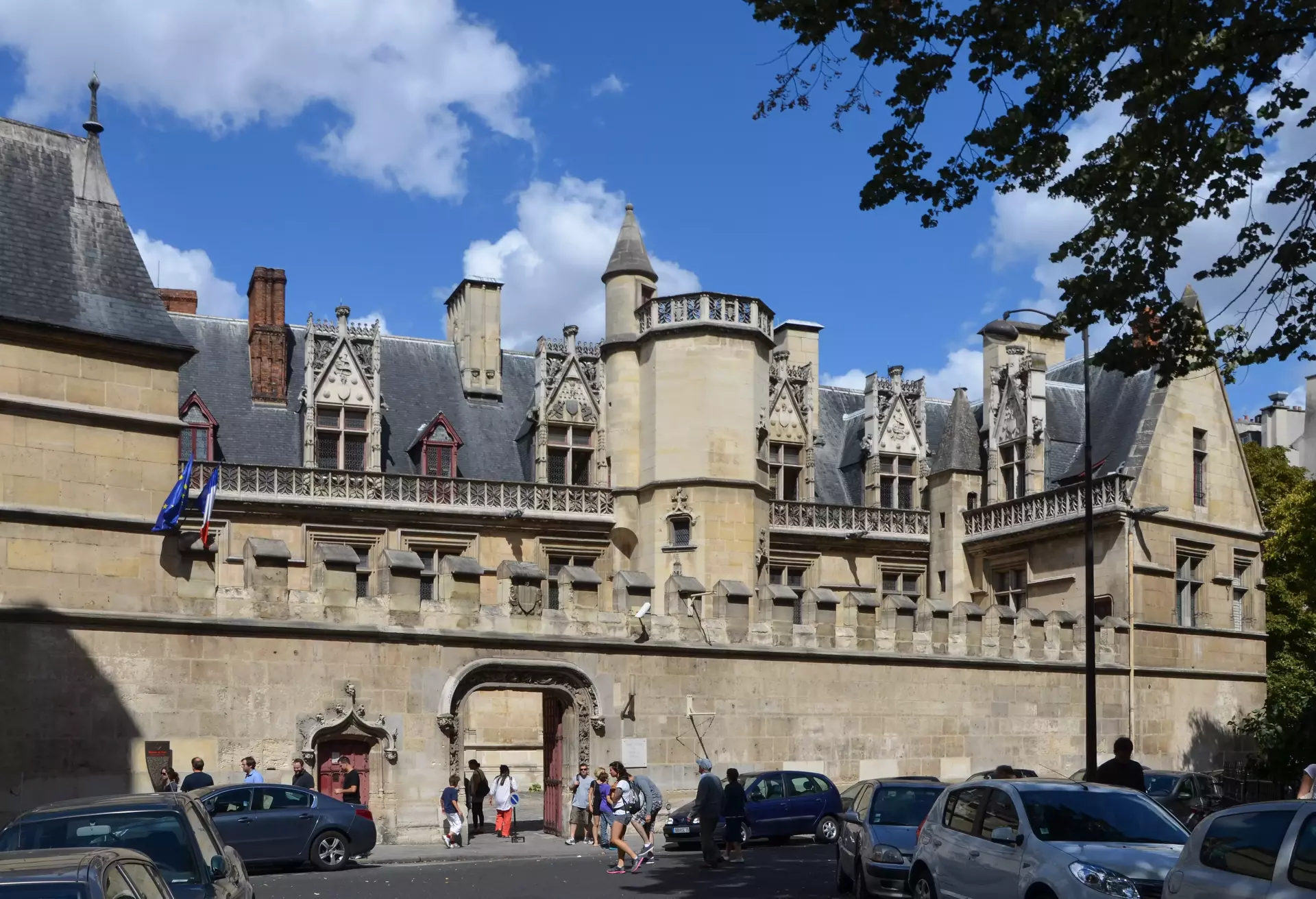
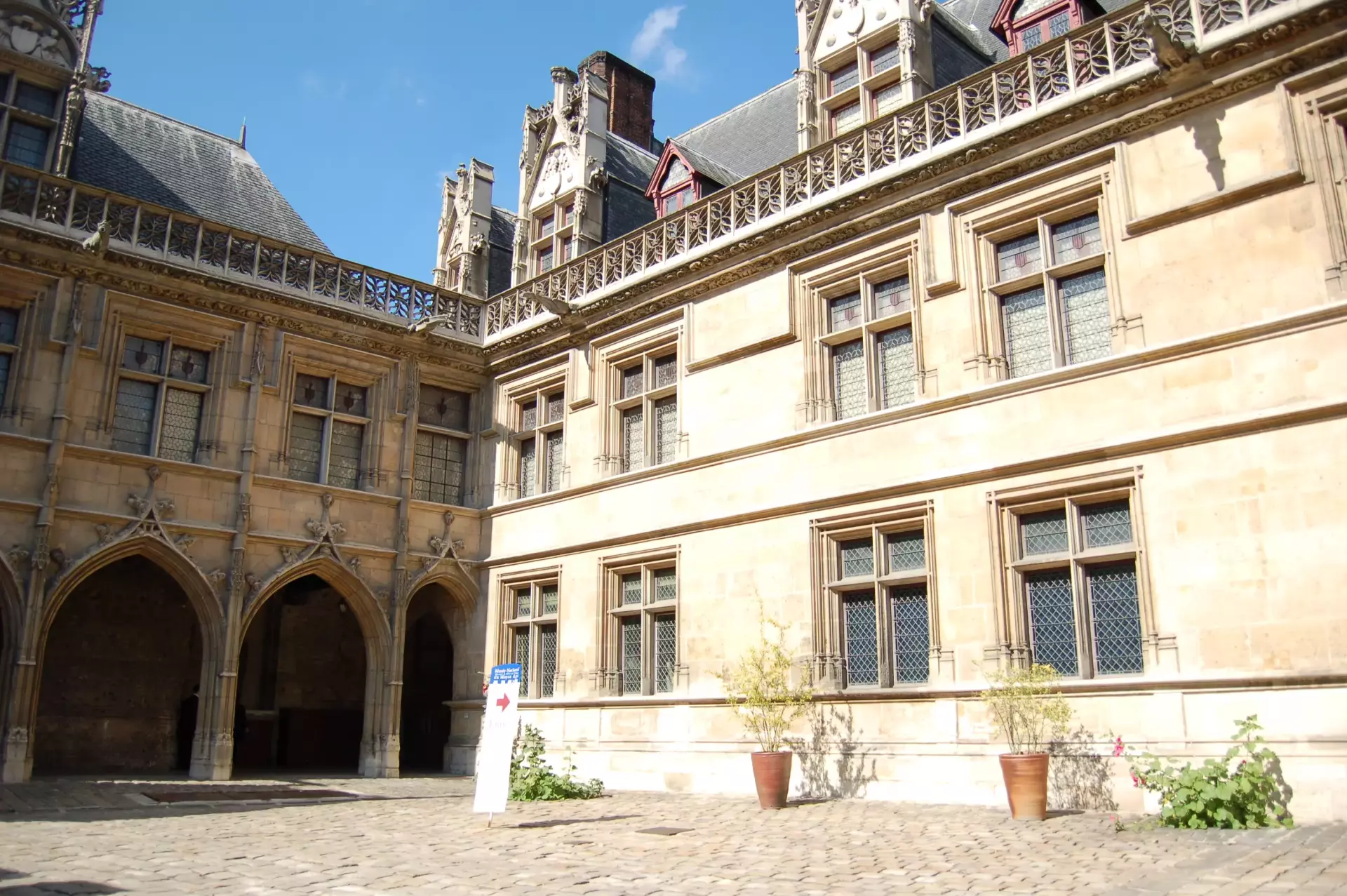
Hotel de Cluny, Paris, France. This building is classified as a historical monument of France. It is indexed in the base Mérimée, a database of architectural heritage maintained by the French Ministry of Culture, under the reference PA00088431.
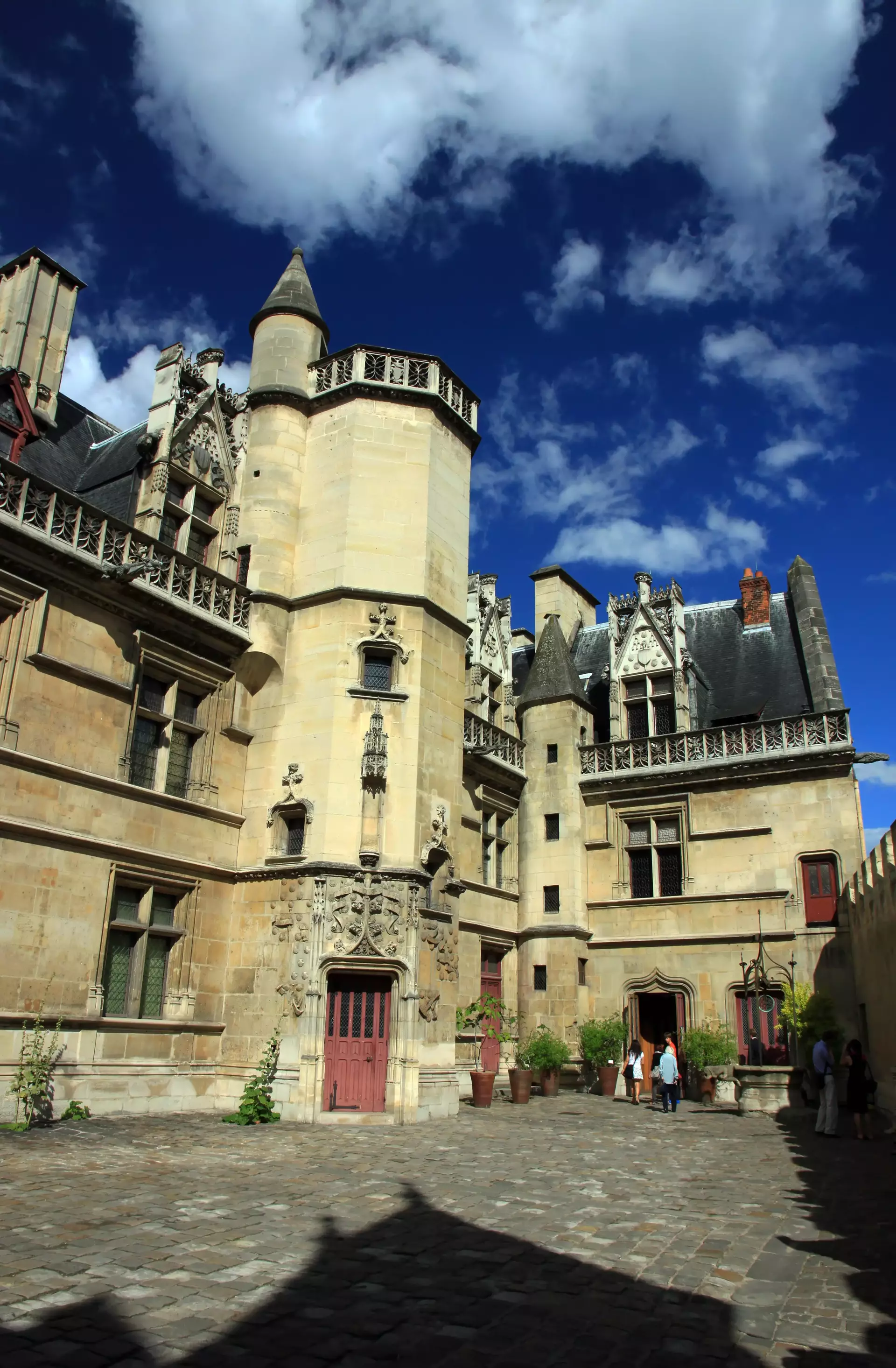
Front entrance and courtyard of the Hotel de Cluny (Musée National du Moyen-Âge), rue Du Sommerard, Paris.
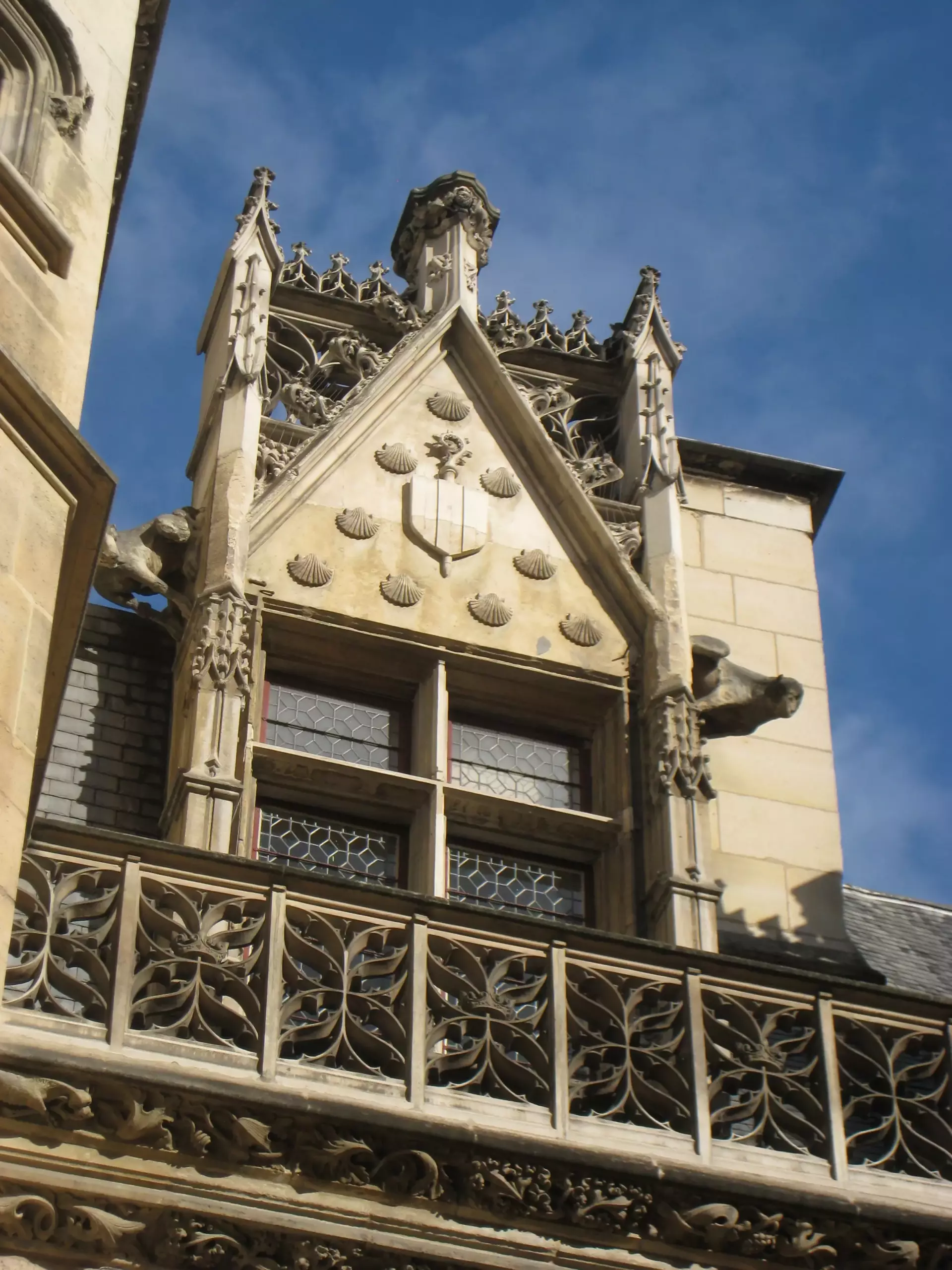
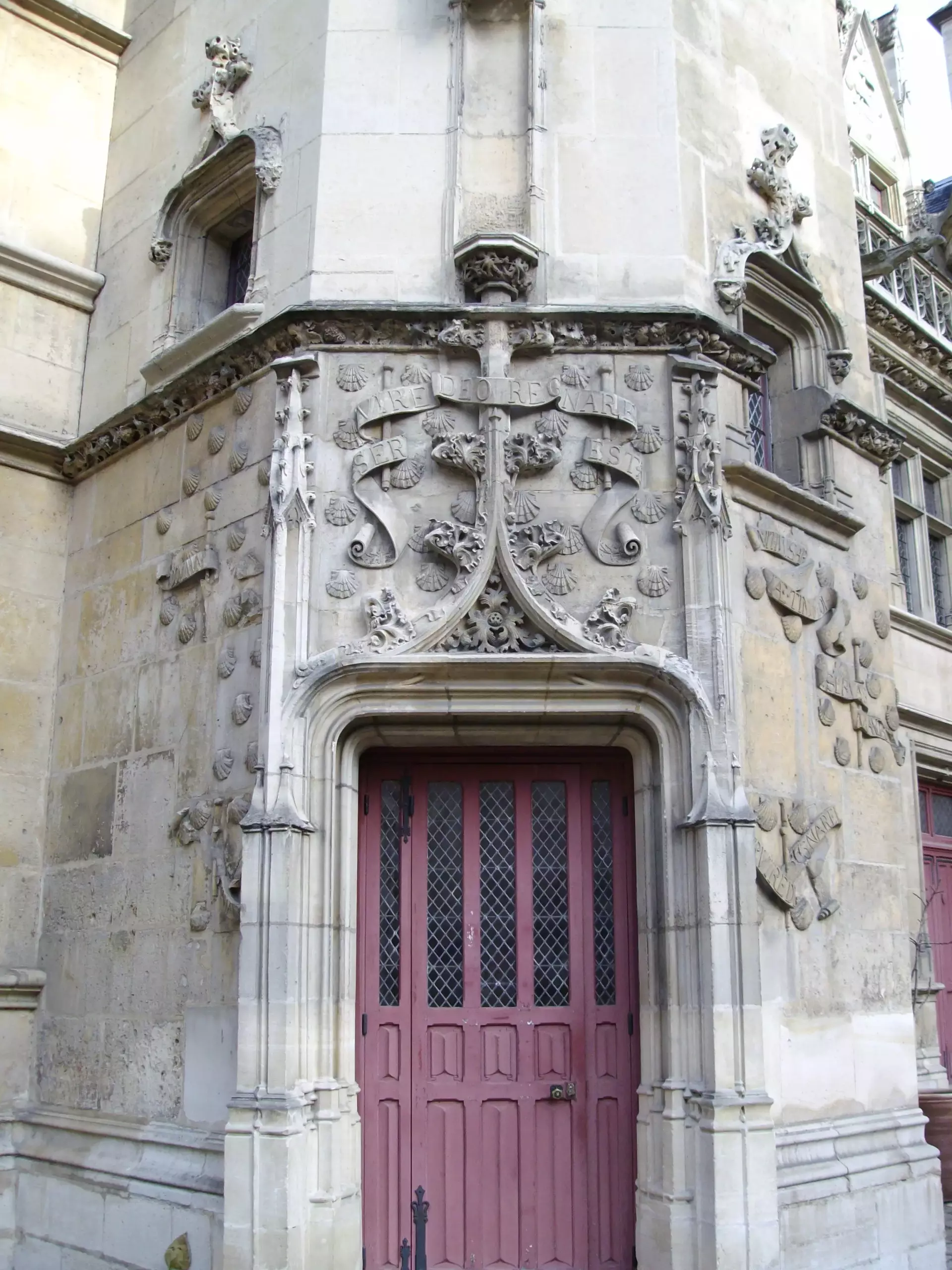
Hôtel de Cluny, Paris, France – exterior gable detail. This work is from the Middle Ages, and the museum imposed no restrictions on photography (except for prohibiting flash) both in writing and when explicitly asked. Thus the original work itself is free from intellectual property restrictions.
Paris, The National Museum of the Middle Ages, Thermes de Cluny. Author: GIRAUD Patrick.
Courtyard of the Hotel de Cluny - Paris
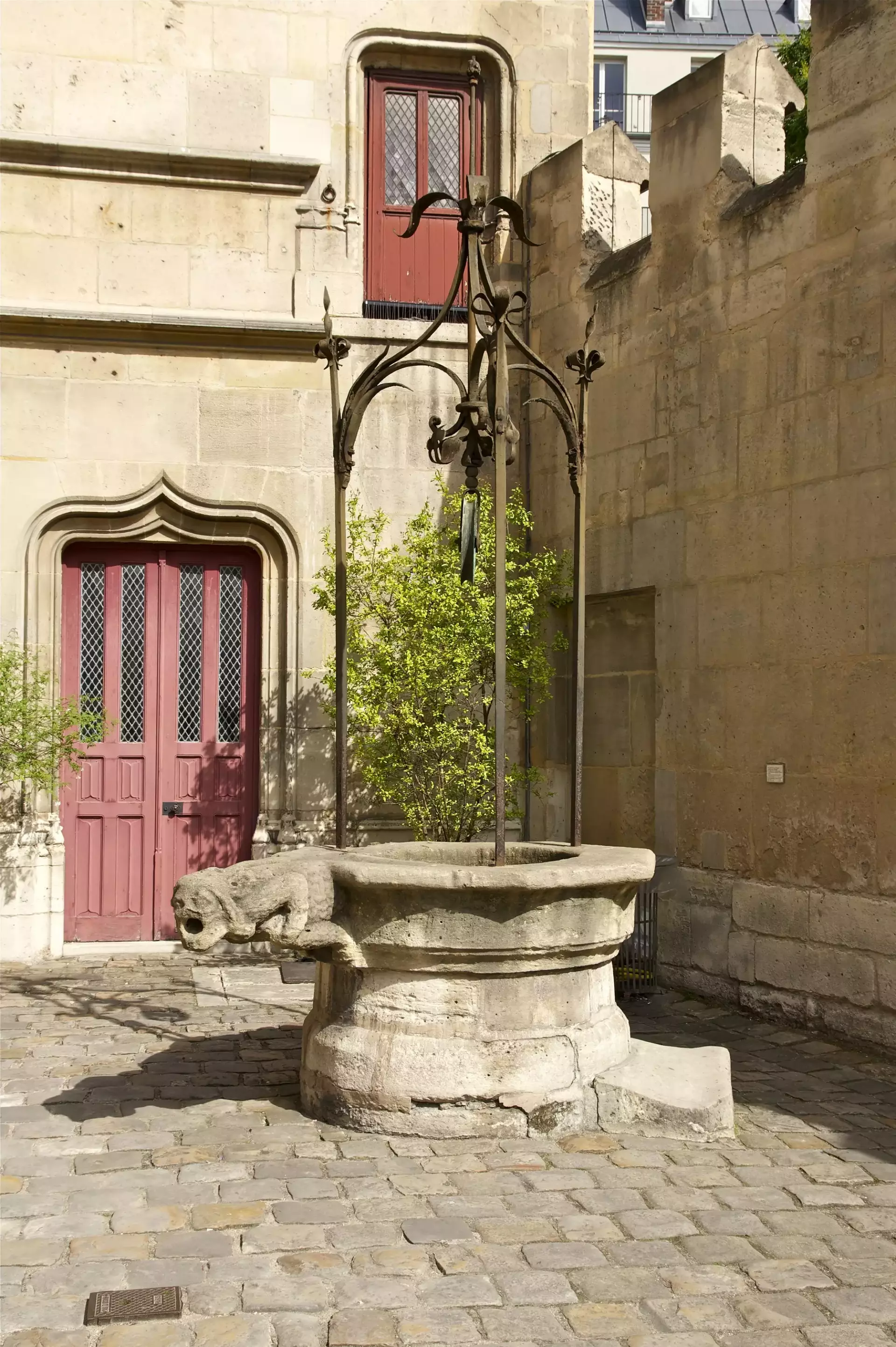
Well-curb and ironworks. Gargoyle of the "Savage man," in honor of François Sauvage, minister of King Charles VIII of France, 16th century. Val de Loire, near Amboise, stone and iron. The pulley wheel comes from Germany, ca. 15th century. National Museum of the Middle Ages, courtyard of Cluny hôtel, Paris, France. In the background, arched door (ogee).
The Hôtel de Cluny, in Paris.
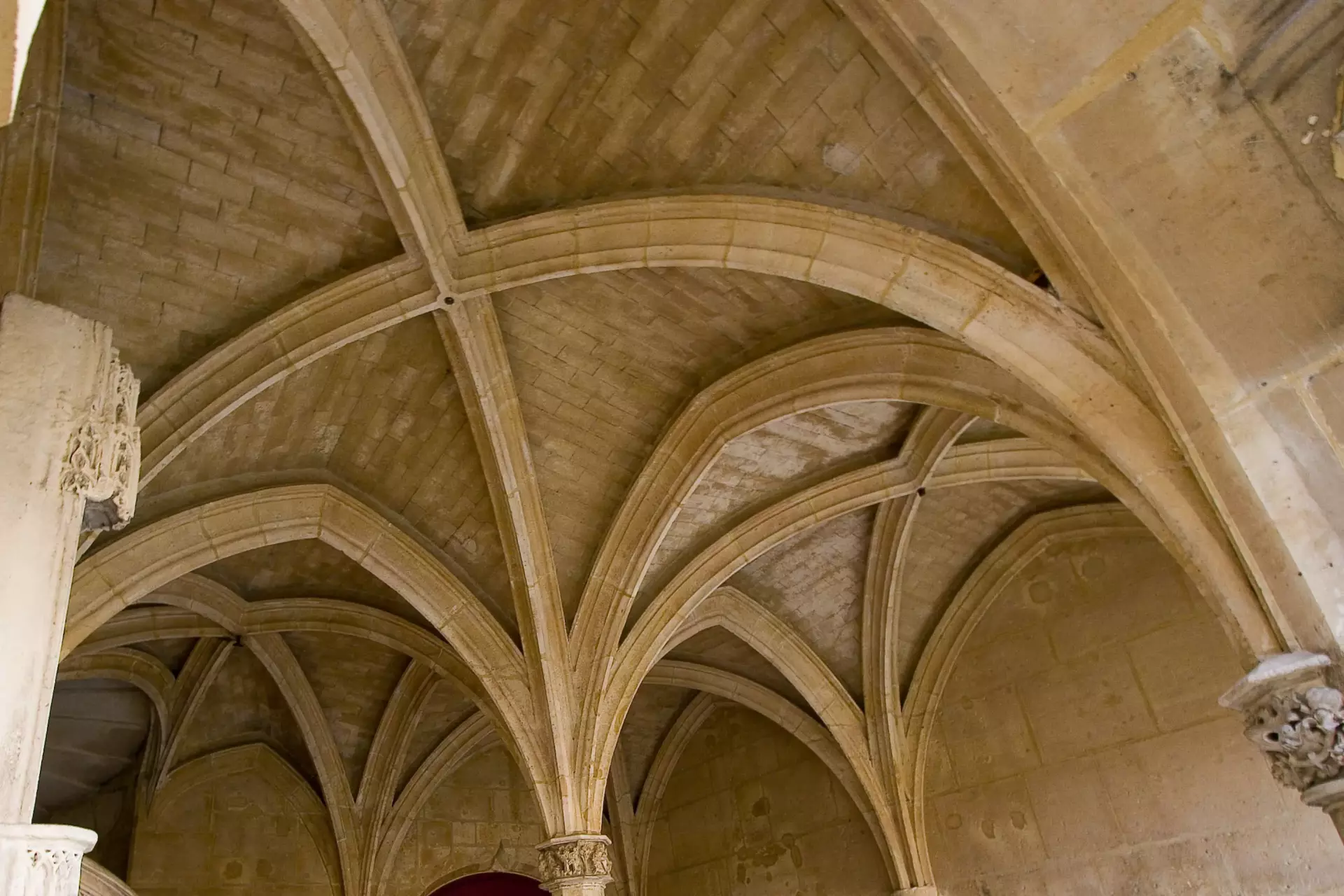
Gothic vaults in the chapel of the Hôtel de Cluny, Paris.
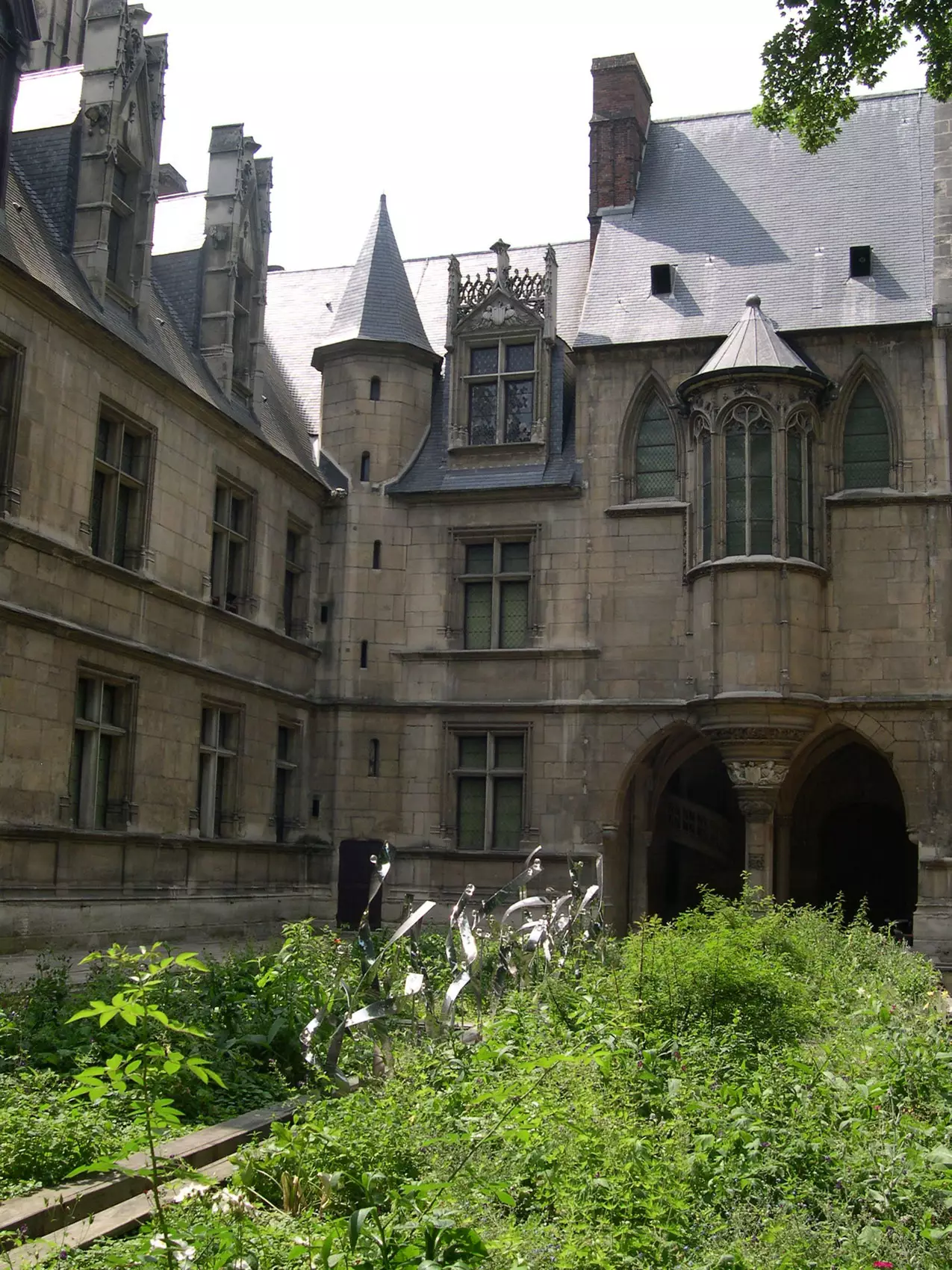
Arcades of the Hôtel de Cluny in Paris. Garden courtyard. Author Lefebvre Didier.
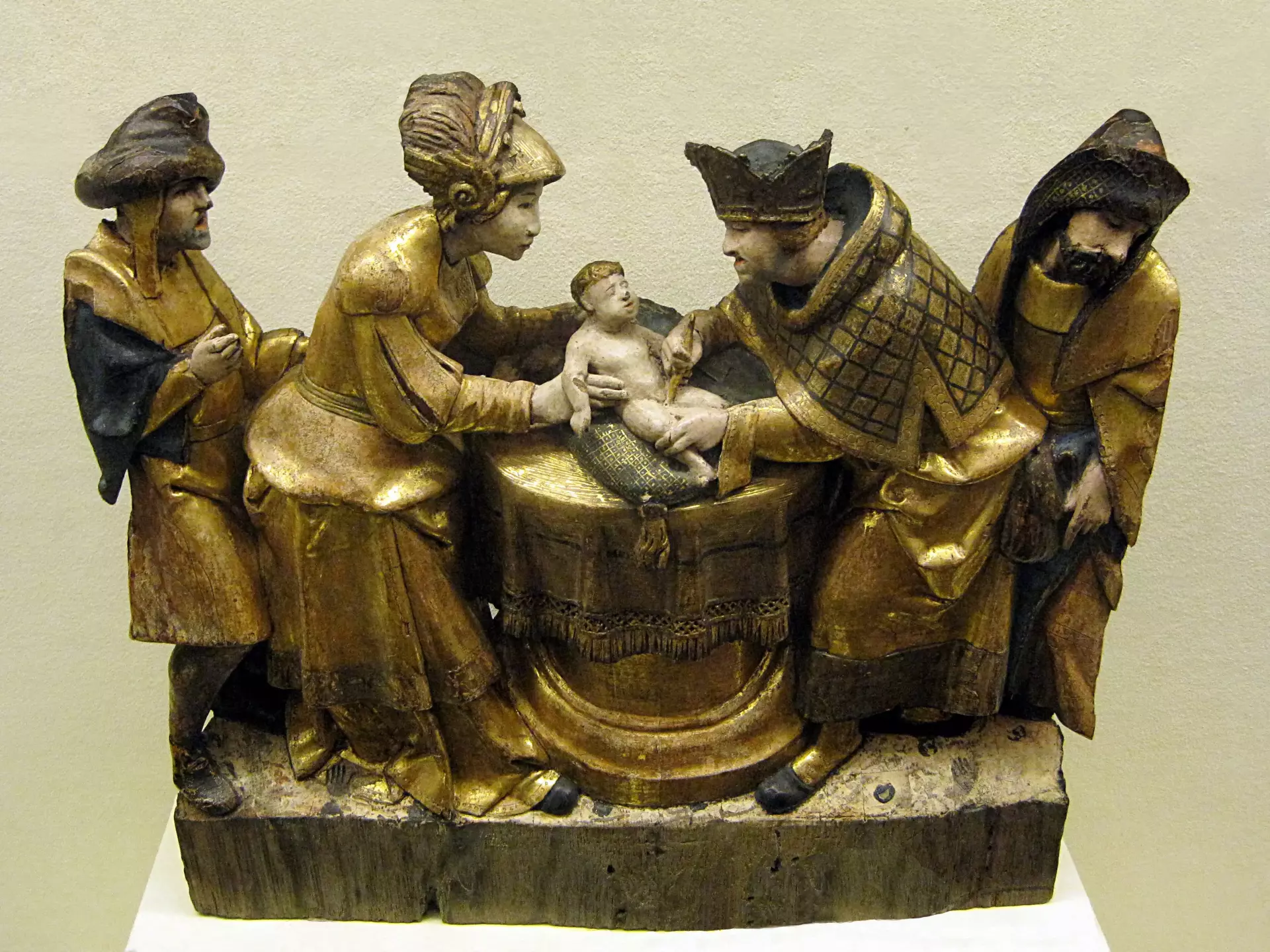
The Circumcision of Christ (H. 35 cm; W. 39 cm), a fragment of a gilded polychrome wooden altarpiece made during the first quarter of the 16th century in Antwerp, displayed in the section of the National Museum of the Middle Ages at the Cluny Museum in Paris (Ref. C.I. 268), and photographed there on December 9, 2011 during the visit organized for the Wikilove France 2011 awards ceremony.
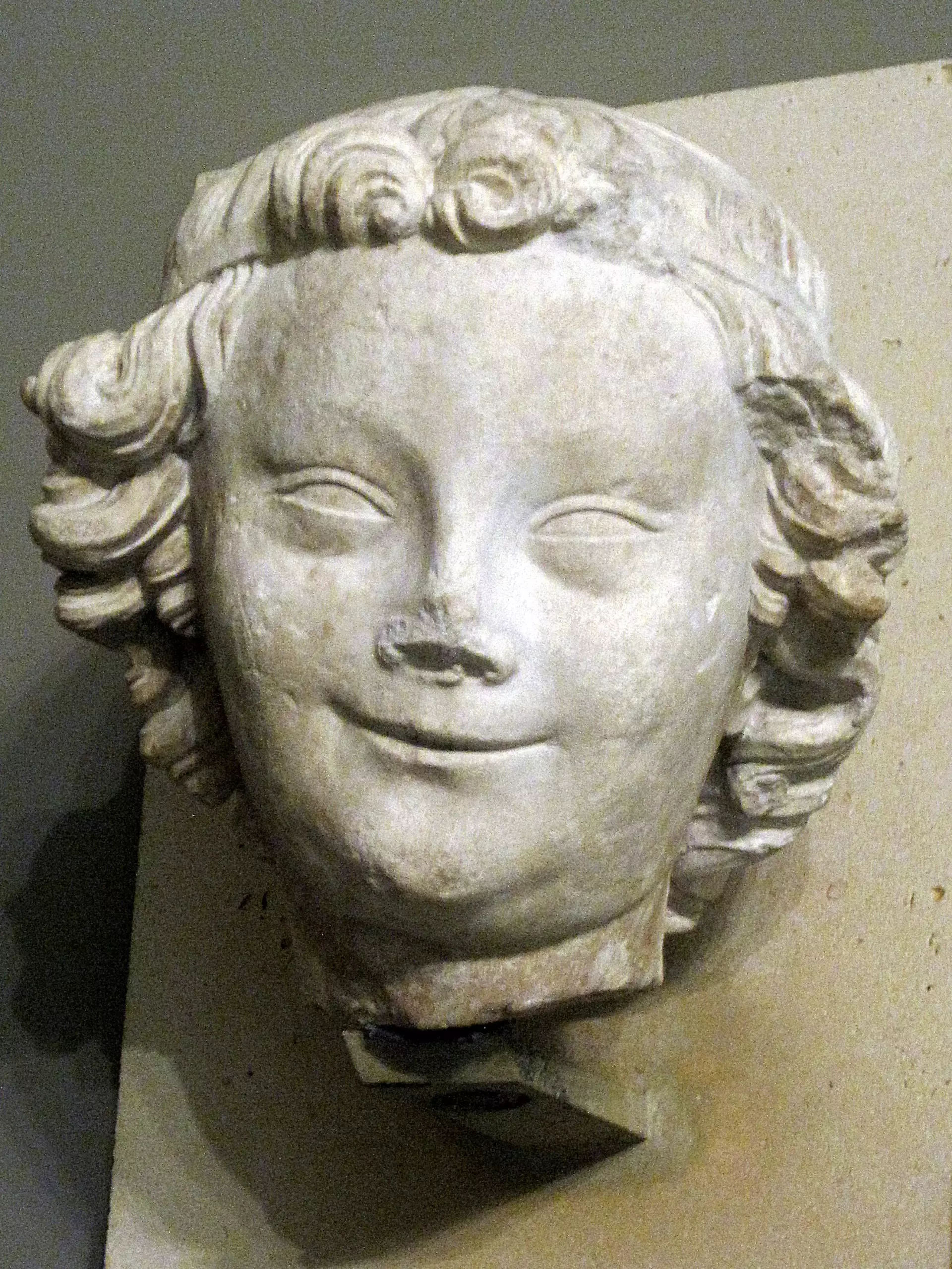
Head of an angel, stone work made after 1207 by an unknown artist from the Paris region, from the priory church of Saint-Louis de Poissy, exhibited in the section of the National Museum of the Middle Ages at the Cluny Museum in Paris (Ref. Cl. 23246), and photographed there on December 9, 2011, during the visit organized for the Wikilove France 2011 award ceremony.
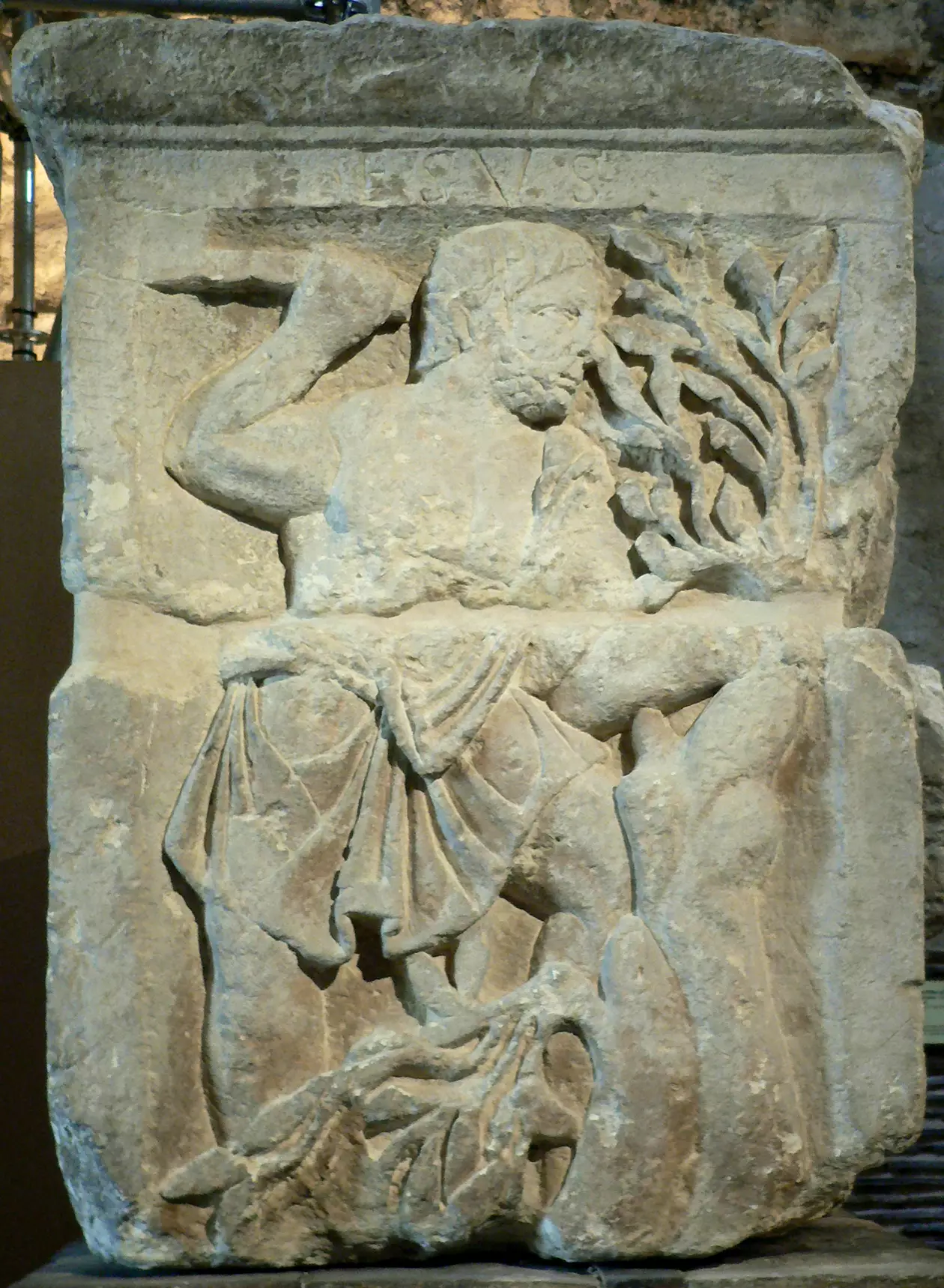
The Pillar of the Boatmen, Esus, National Museum of the Middle Ages, Thermes de Cluny.
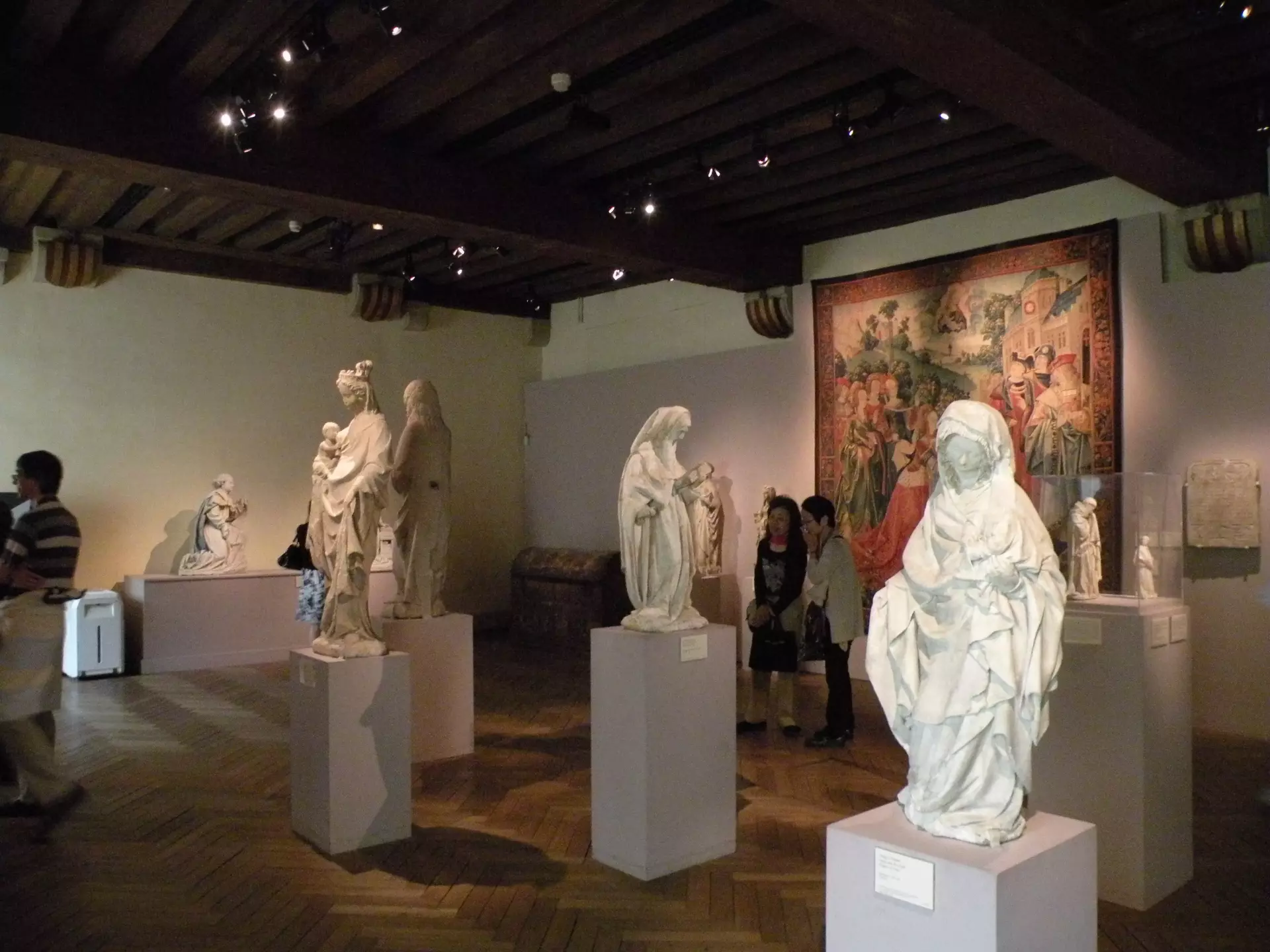
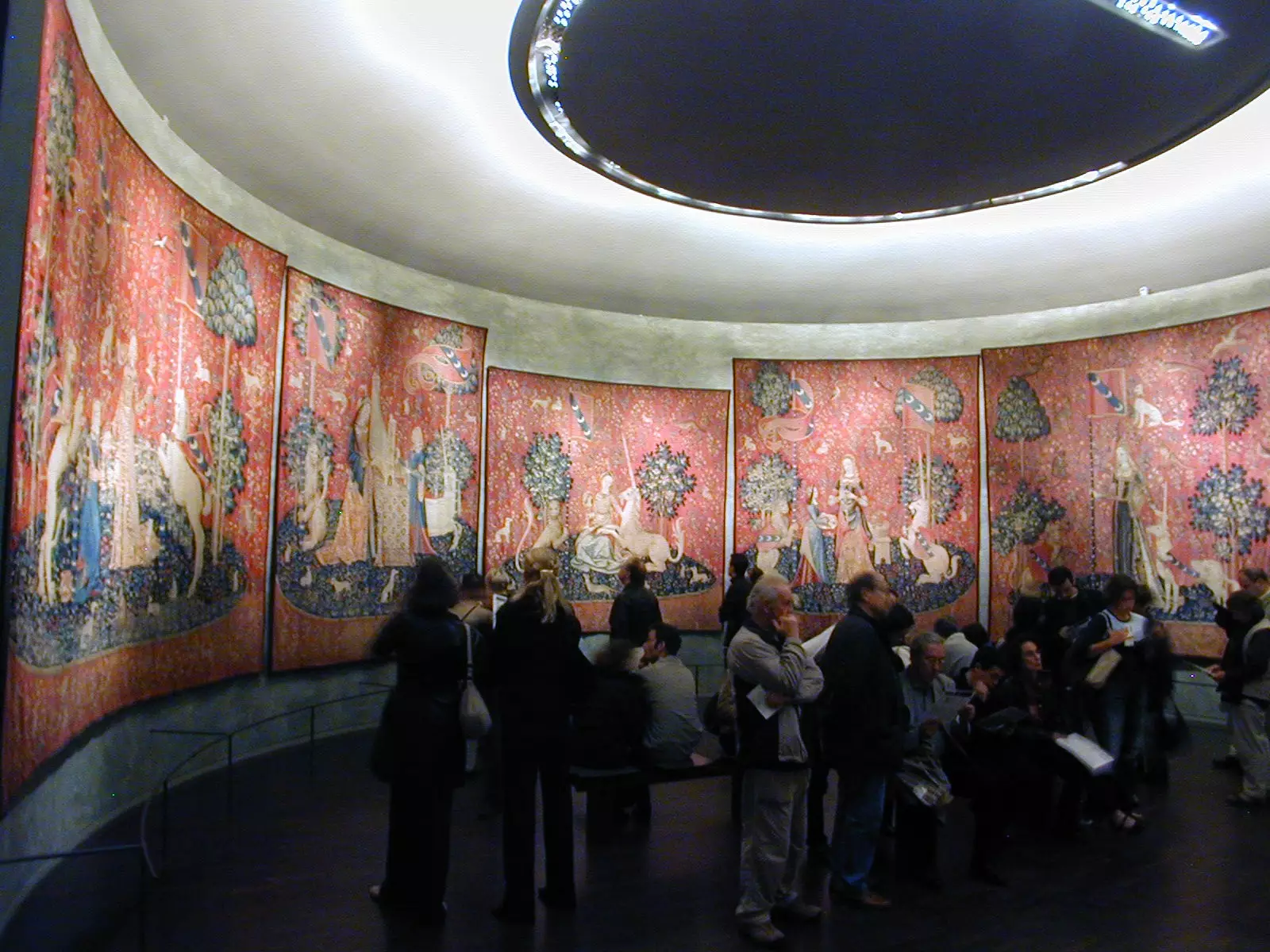
Museum room
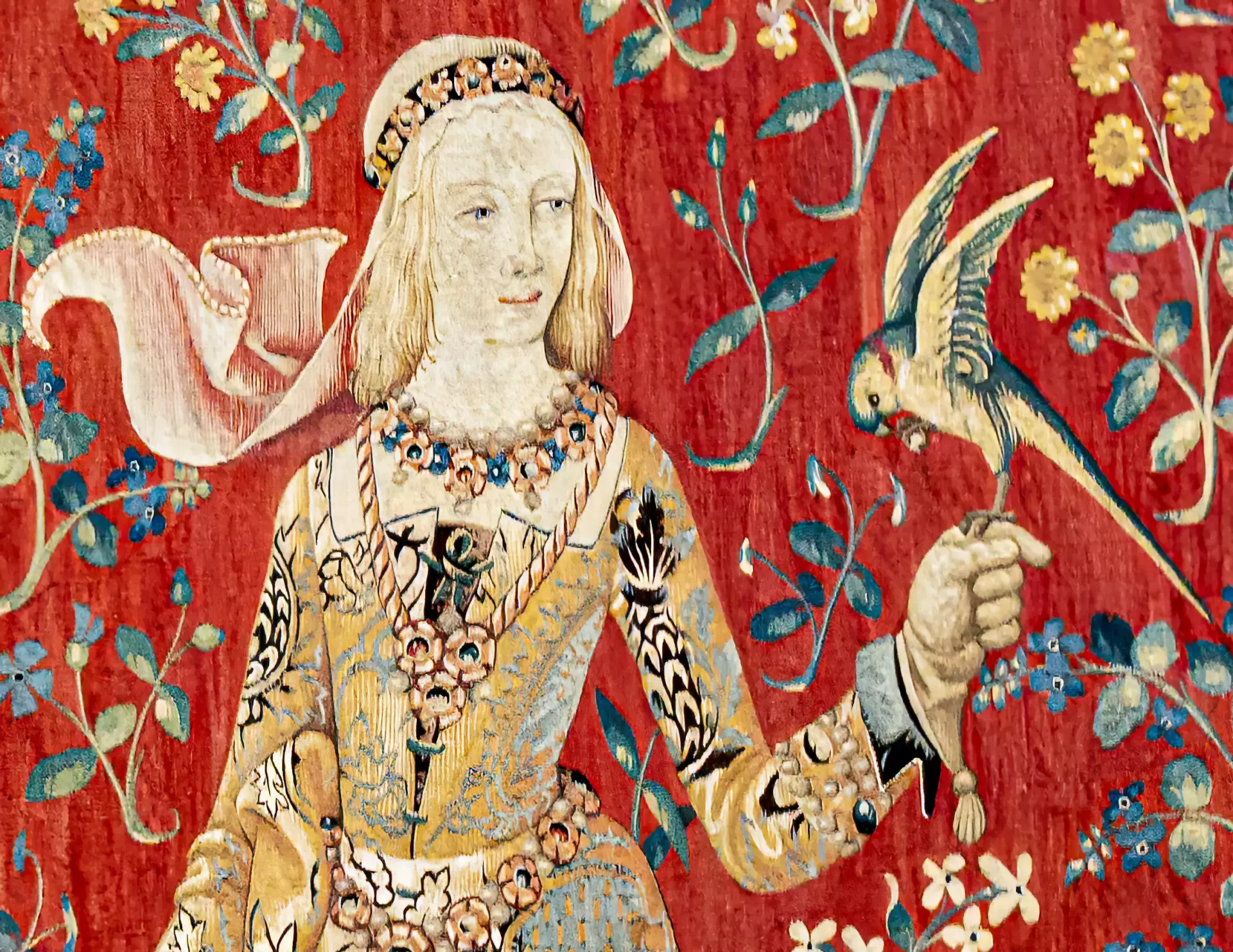
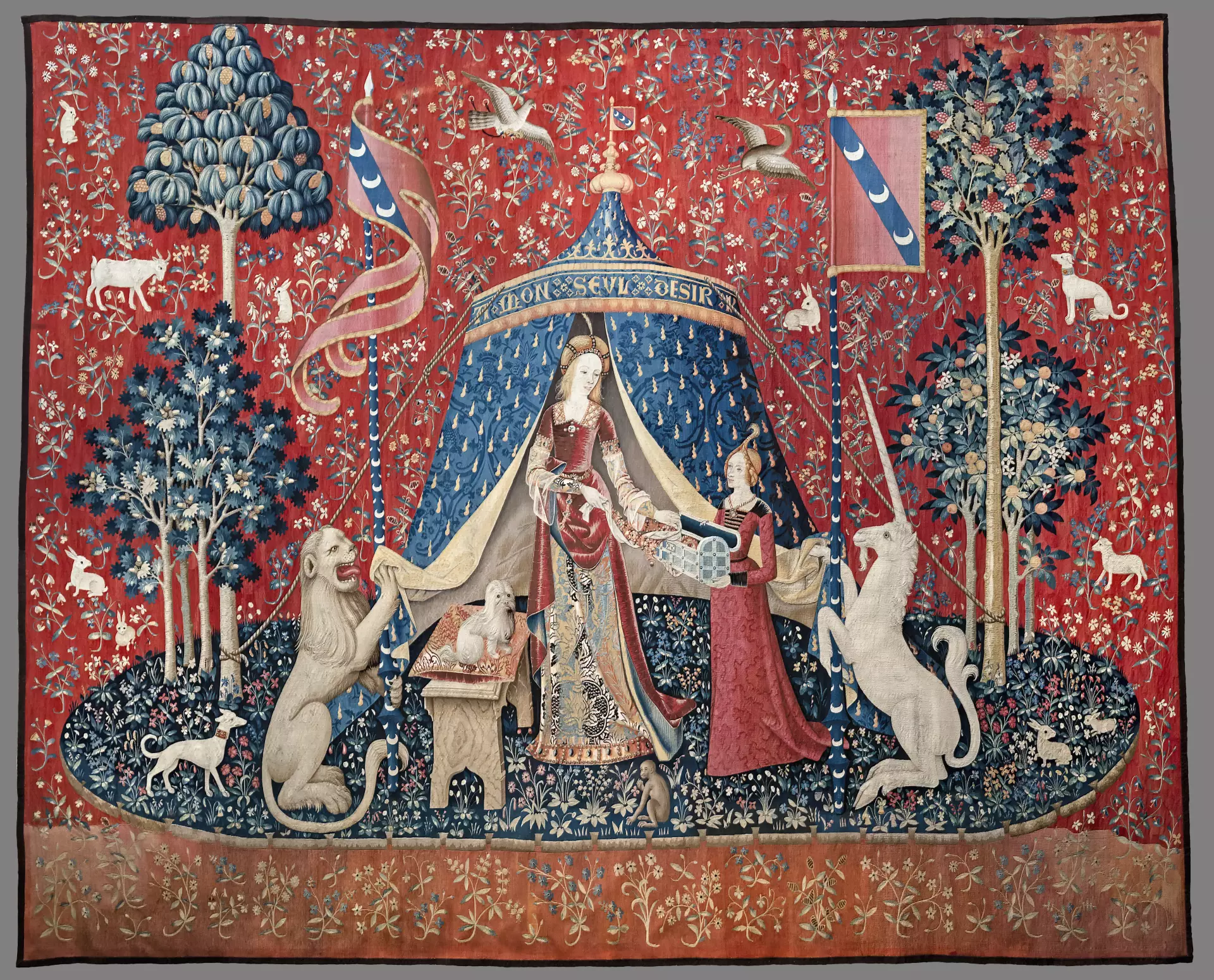
The Lady and the Unicorn: À mon seul désir. Musée national du Moyen Âge, Paris.
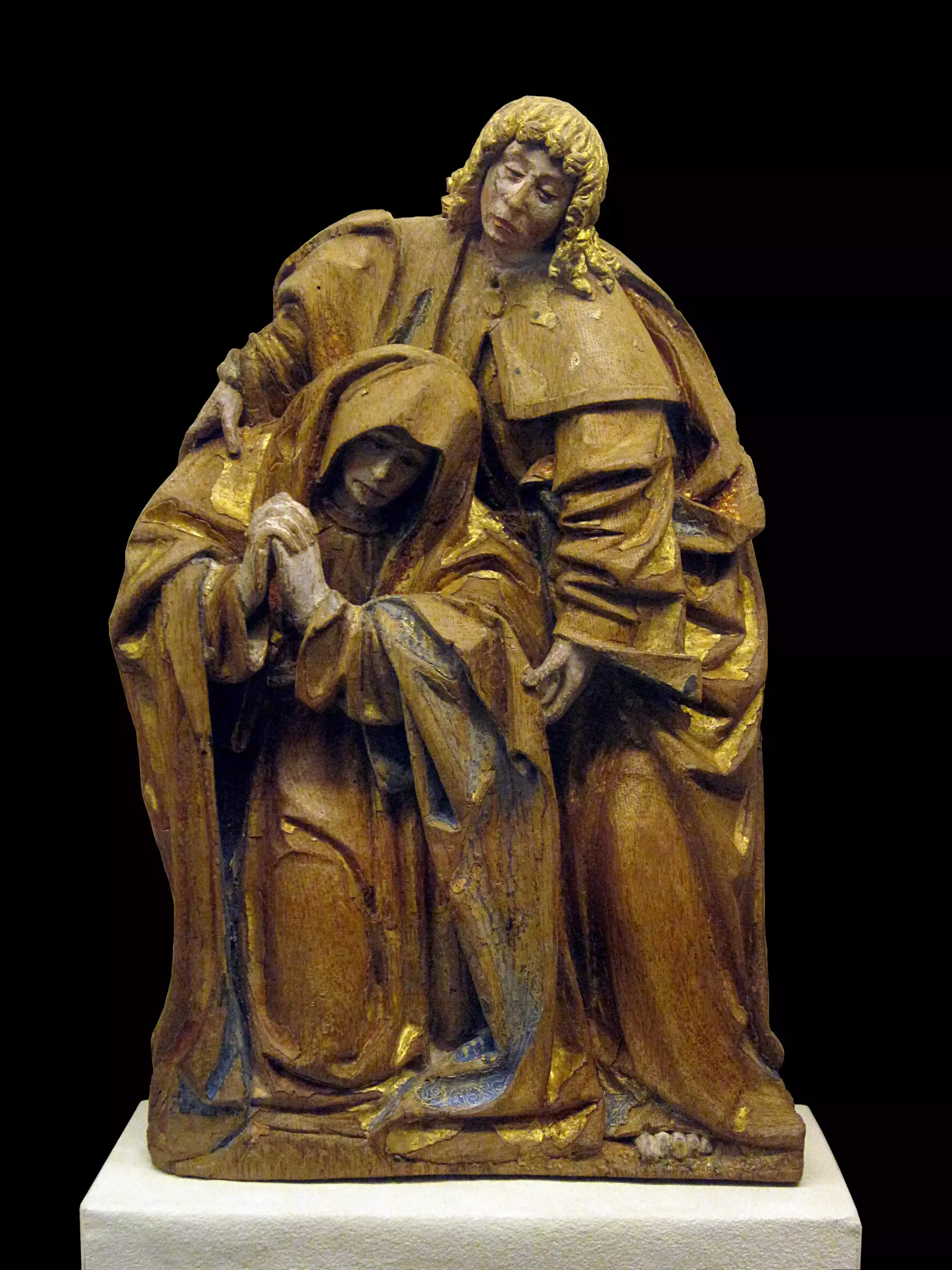
The Swoon of the Virgin (H. 37 cm; L. 23.5 cm), fragment of an altarpiece in gilded oak made by an anonymous sculptor during the late Middle Ages, exhibited in the National Museum of the Middle Ages (Ref. CL. 17013) at the Musée de Cluny in Paris, and photographed there on December 9, 2011, during a visit organized for the Wikilove France 2011 award ceremony.
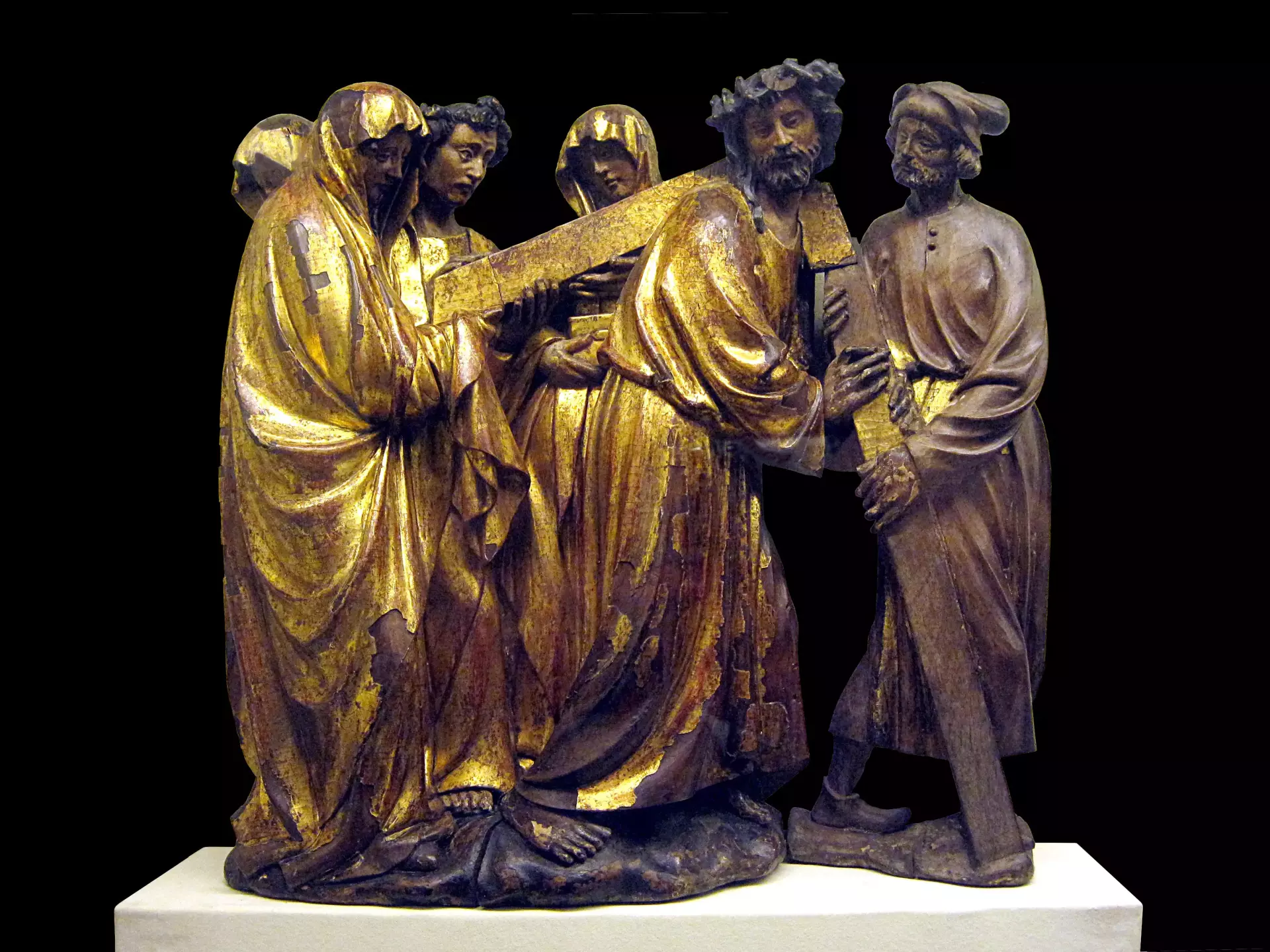
The ascent to Calvary (H. 45 cm; L. 49 cm), a group carved in gilded wood made around 1400 by an anonymous sculptor, exhibited in the section of the National Museum of the Middle Ages (Ref CL16781; CL20638) of the Musée de Cluny in Paris, and photographed there on December 9, 2011, during the visit organized for the Wikilove France 2011 award ceremony.
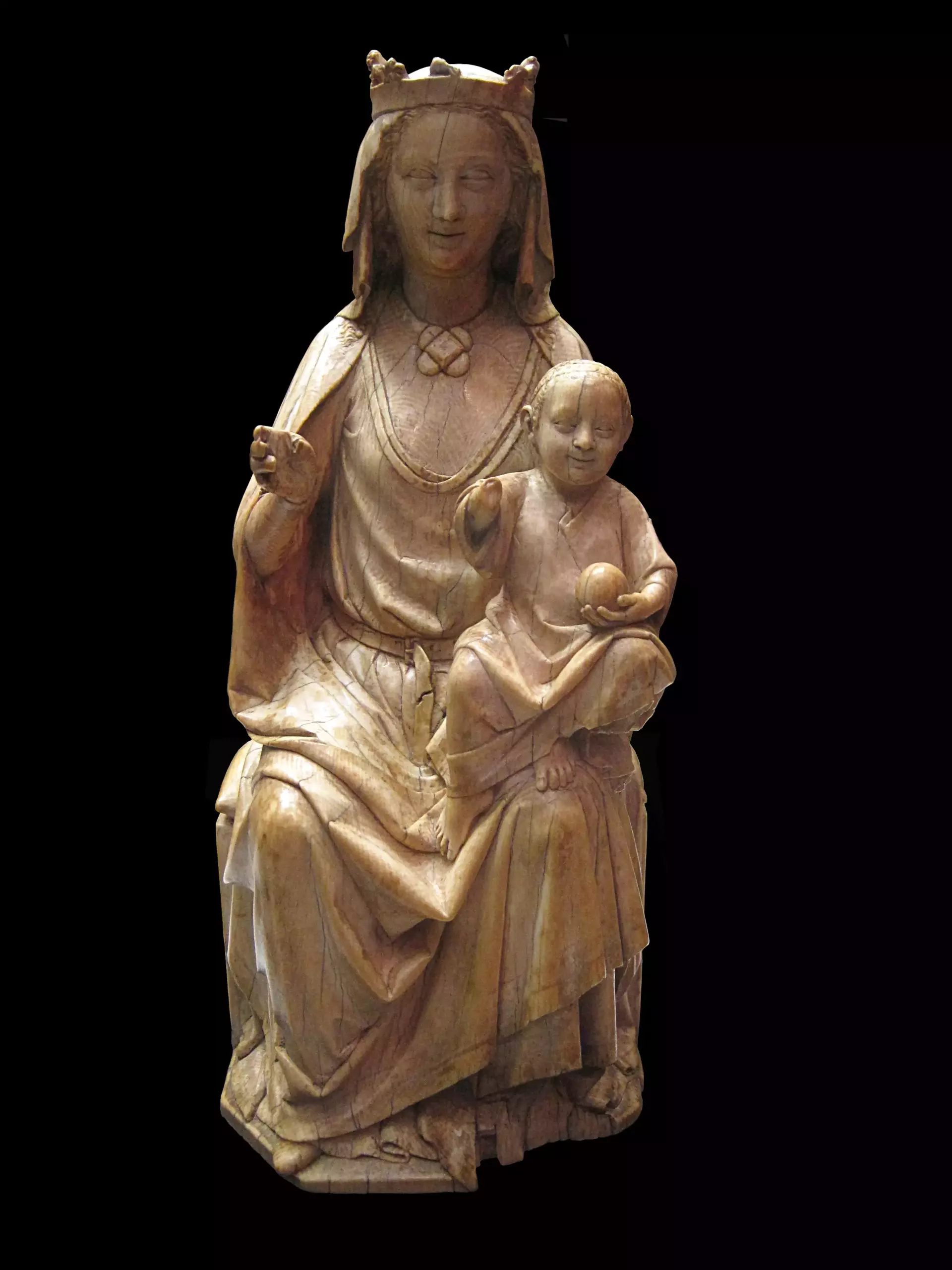
Virgin and Child Enthroned (H. 24 cm; W. 10 cm), ivory statuette made around 1240-1250 in Paris, kept in the section of the National Museum of the Middle Ages at the Cluny Museum in Paris and photographed there on December 9, 2011.
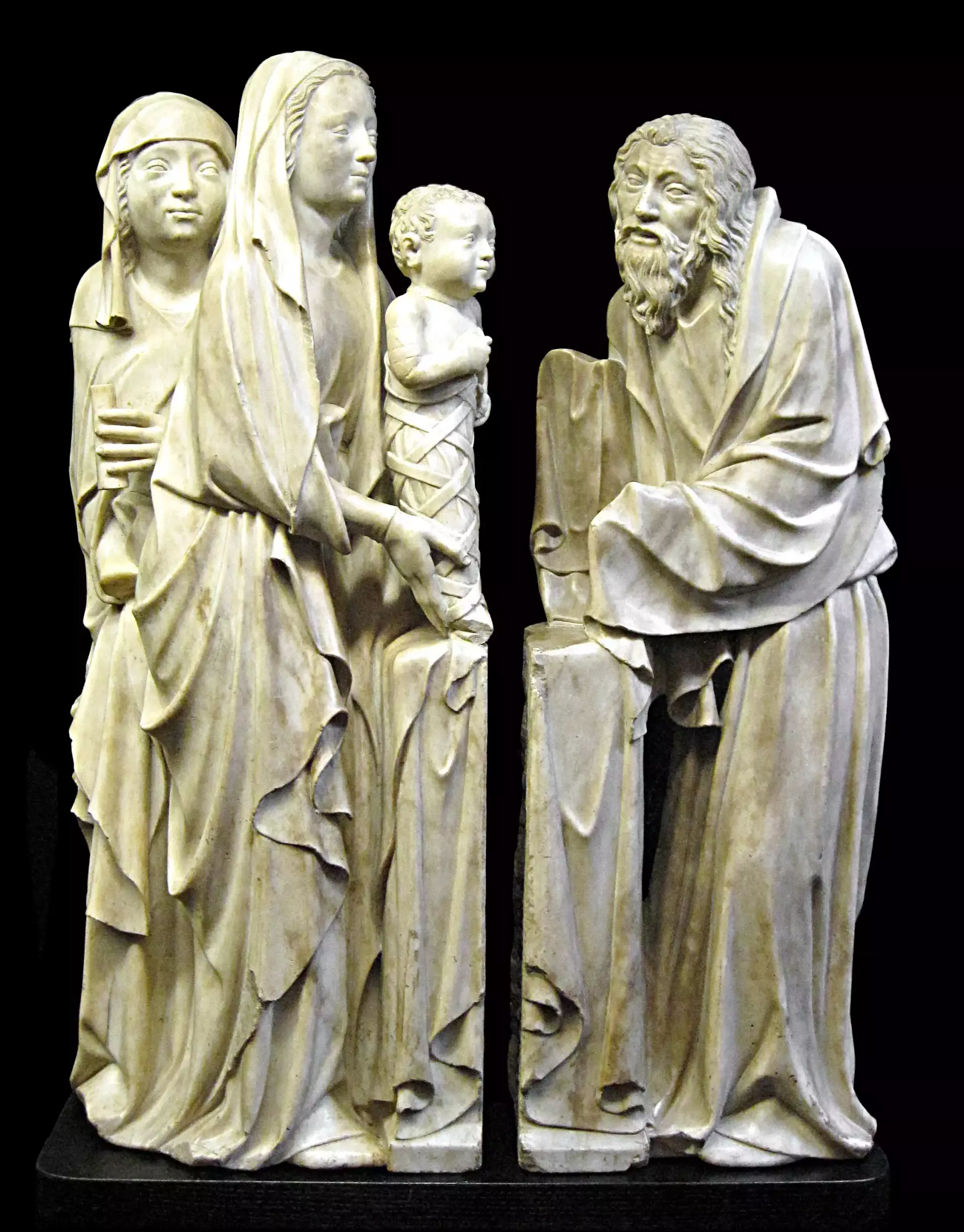
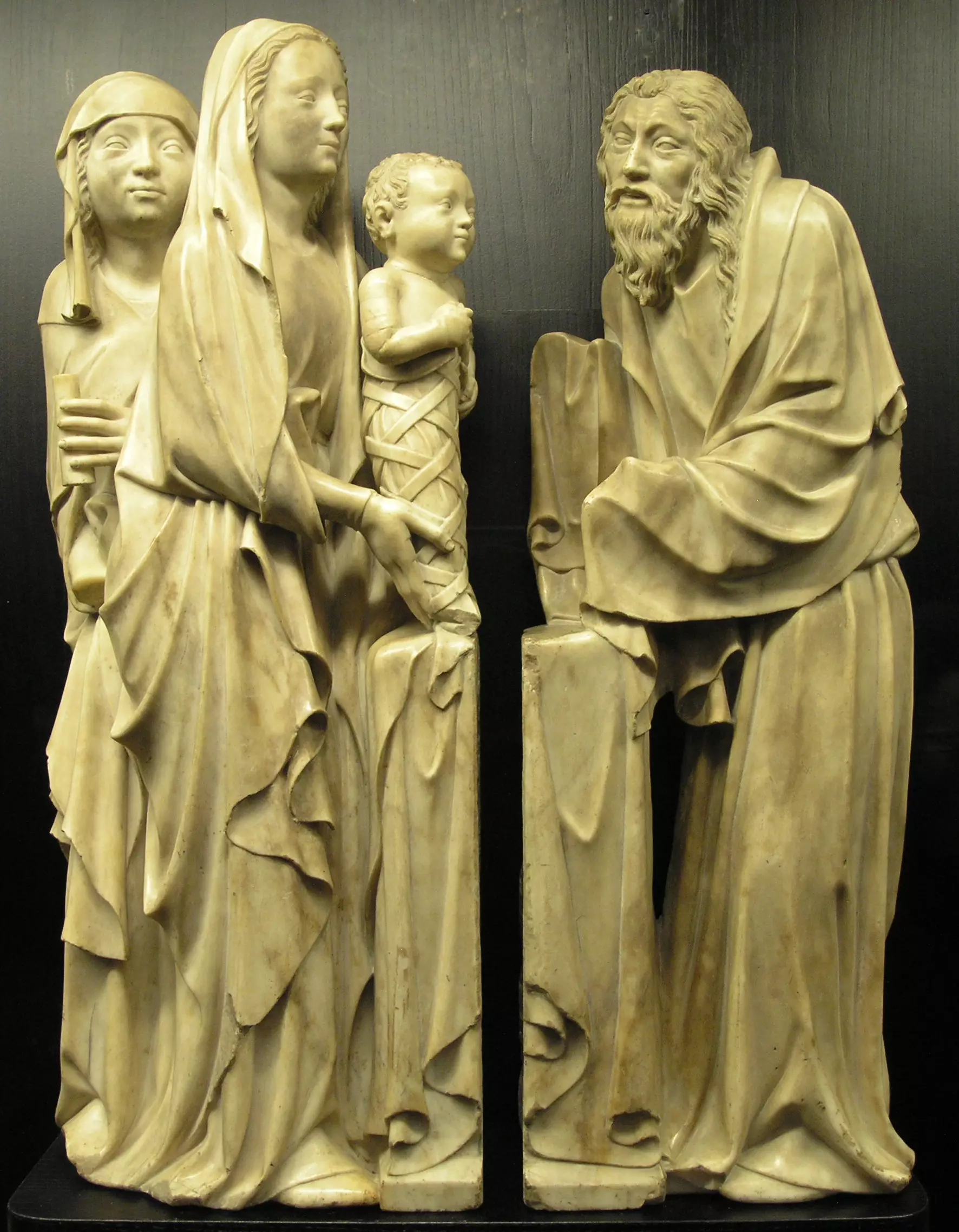
Marble sculpted group representing "The Presentation at the Temple," made during the second half of the 14th century, attributed to Jean de Liège (active from 1361 until his death in 1381) or André Beauneveu (circa 1335–1403/1413), exhibited in the section of the Musée national du Moyen Âge at the Cluny Museum in Paris, and photographed there on December 9, 2011, during a visit organized for the Wikilove France 2011 award ceremony.
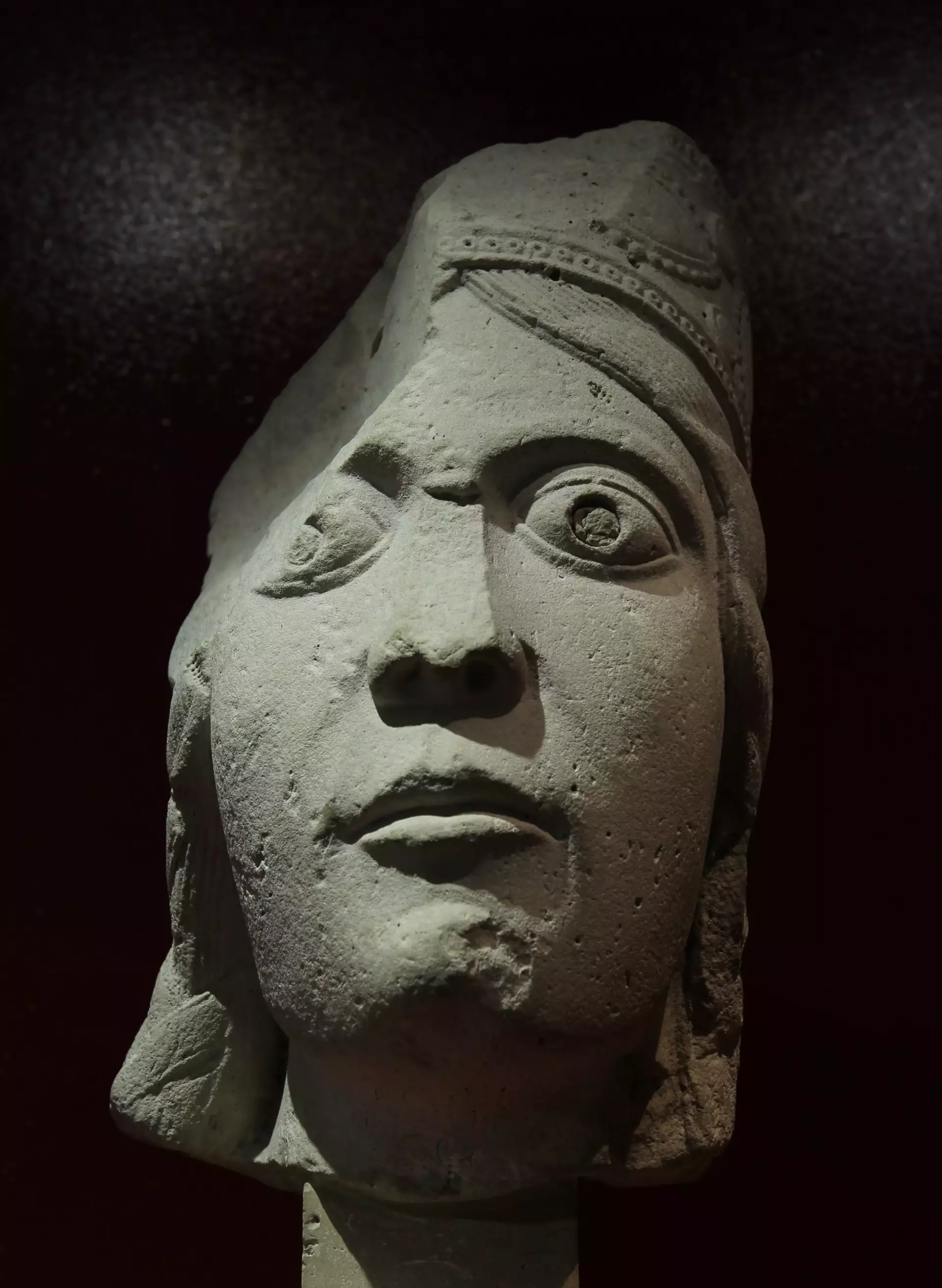
Head of a statue-column: the Queen of Sheba. Lutetian limestone, around 1135-1140. From the abbey church of Saint-Denis, western façade, central portal, right jamb; second from the inside. Deposited in 1770. Exhibited at the Musée national du Moyen Âge during the exhibition "Naissance de la sculpture gothique" (October 10, 2018 - January 21, 2019). Usual location: Musée national du Moyen Âge (Musée de Cluny).
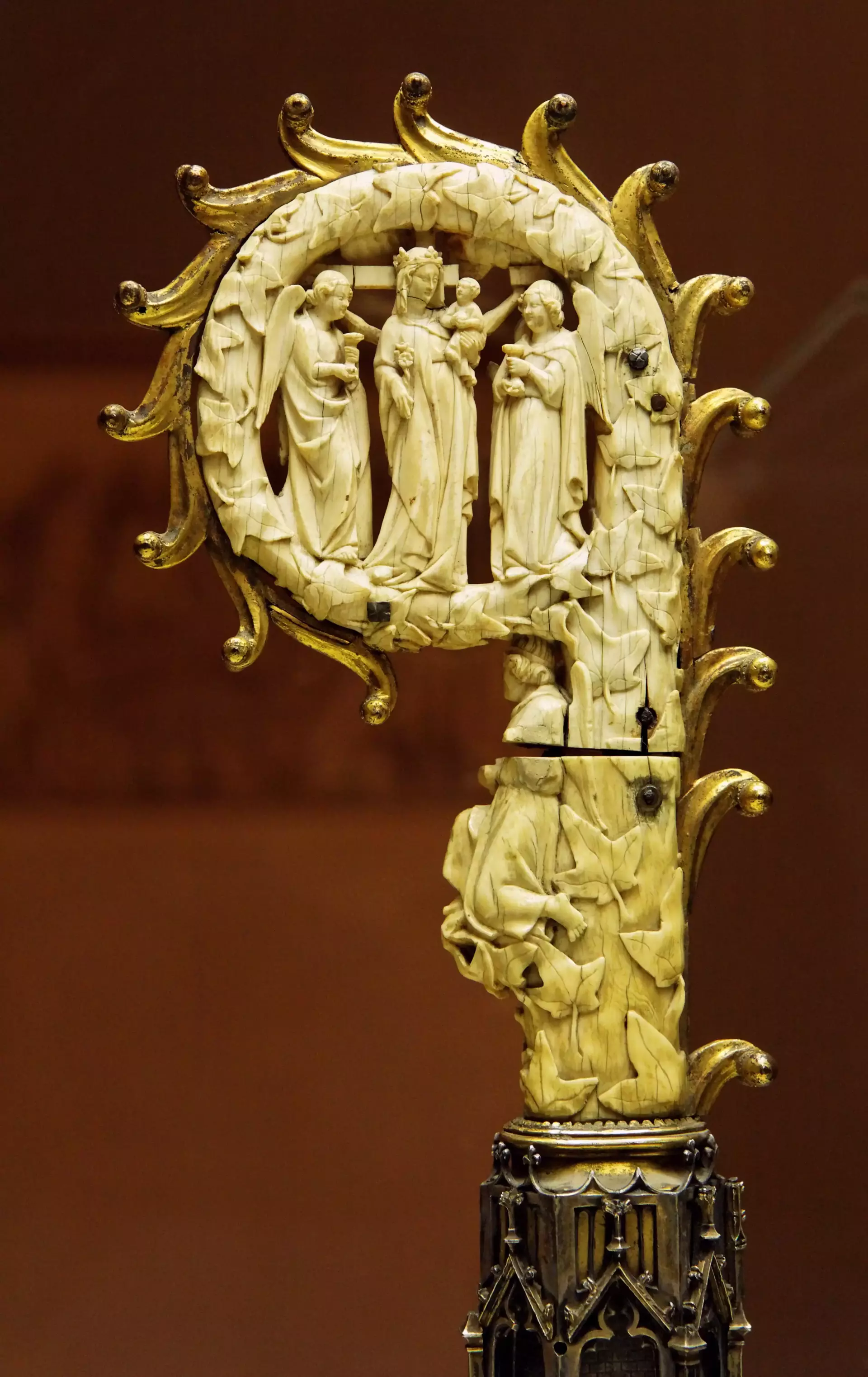
Elephant ivory crosier on which the Virgin and Child are depicted, flanked by two angels; on the reverse (not visible), the Crucifixion is represented.
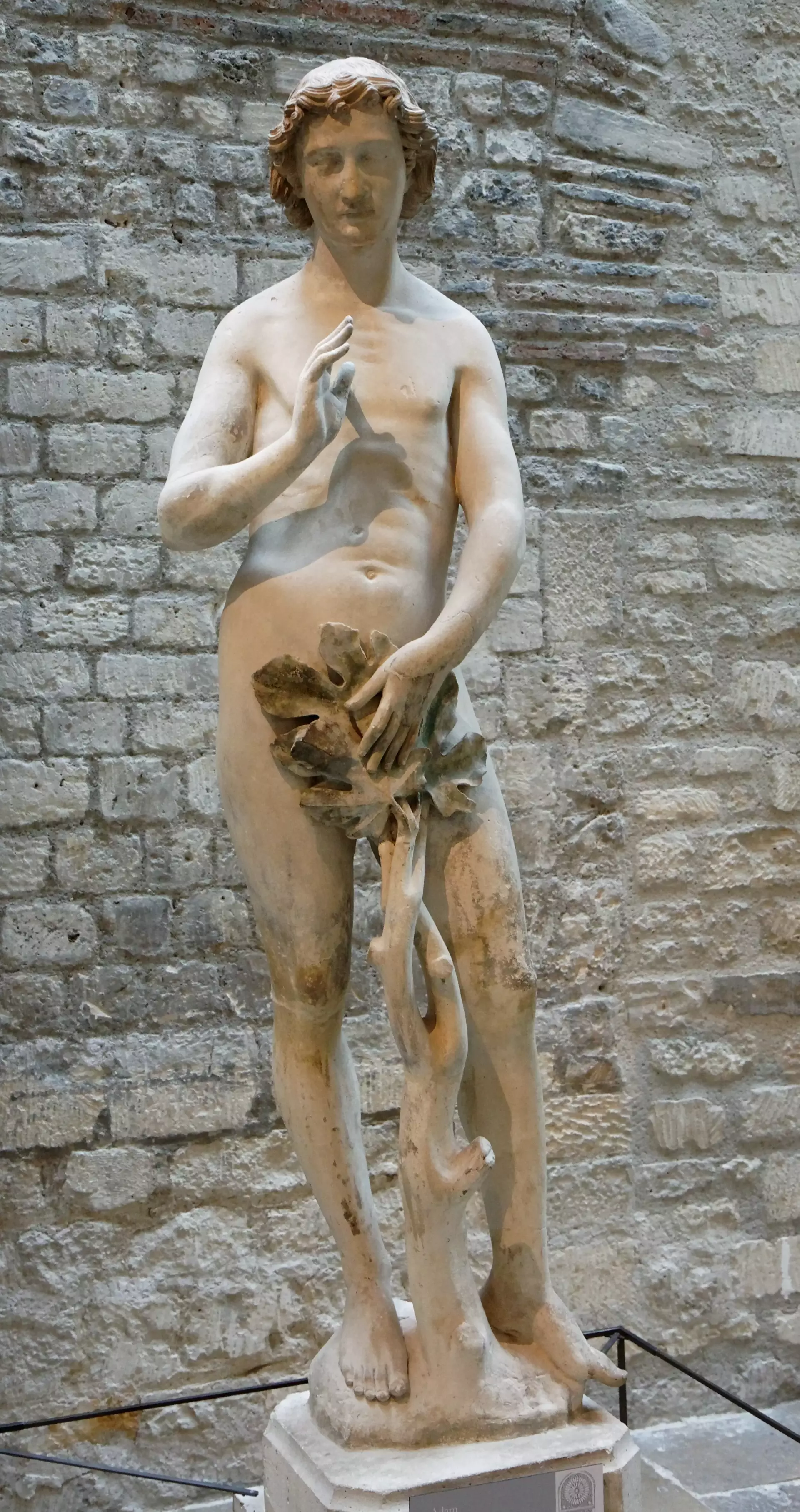
Statue of Adam dated around 1260.
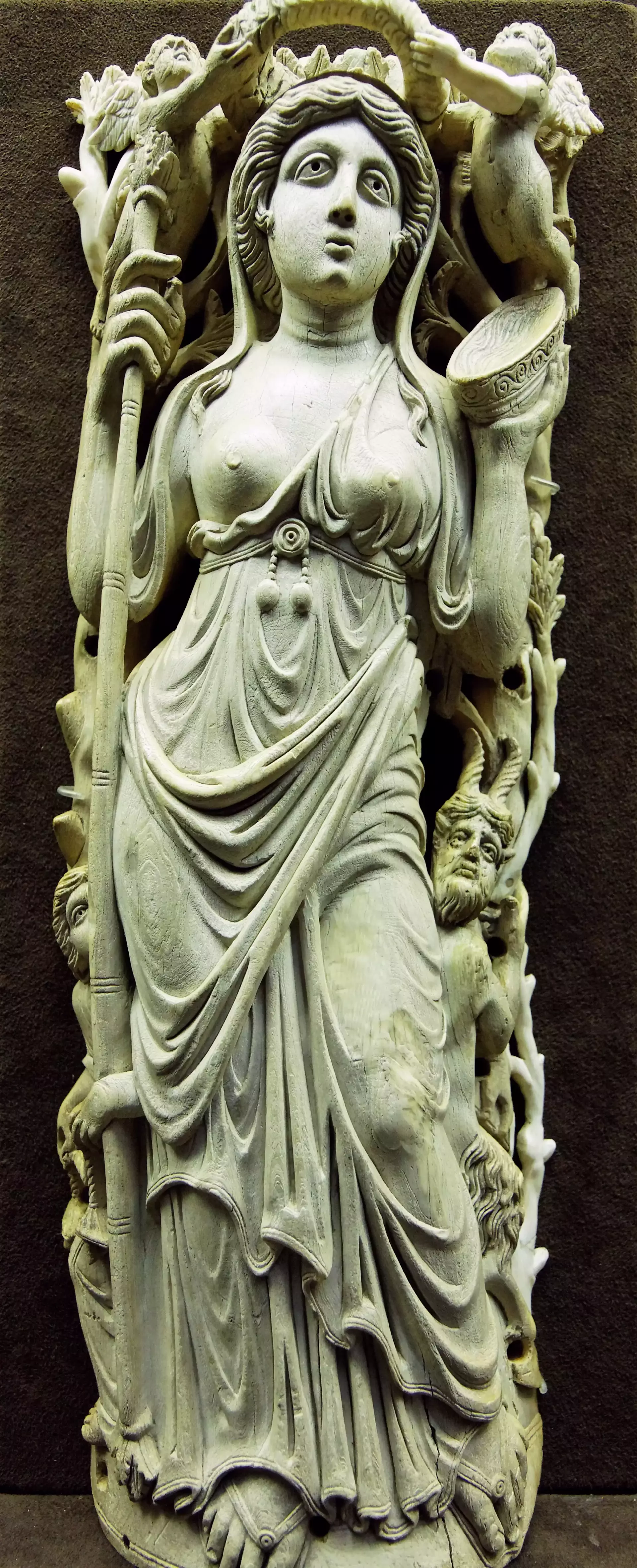
Ivory appliqué group depicting Ariadne, a maenad, a satyr, and cupids. Origin: Constantinople, first part of the 6th century. Classification: 455.
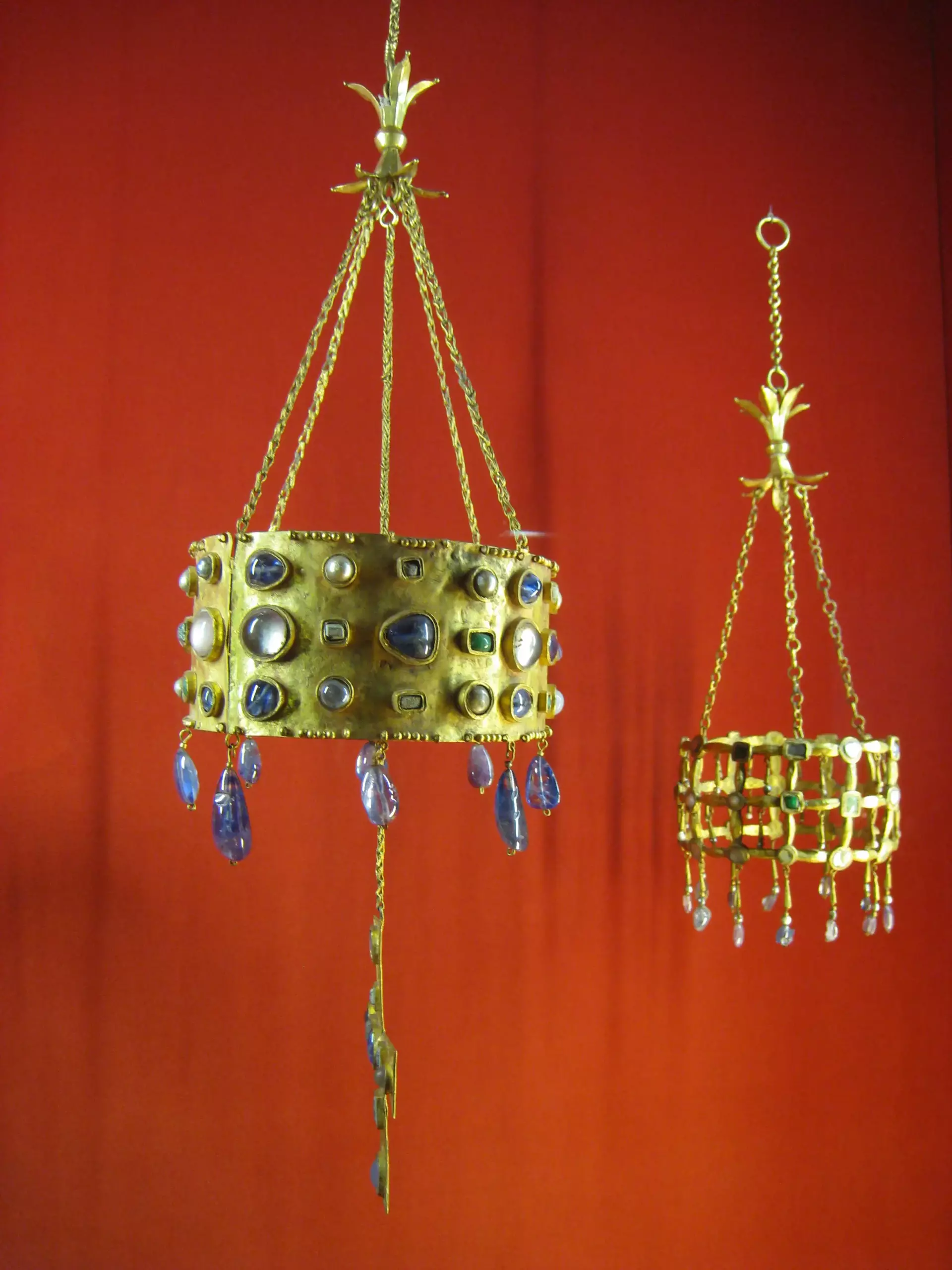
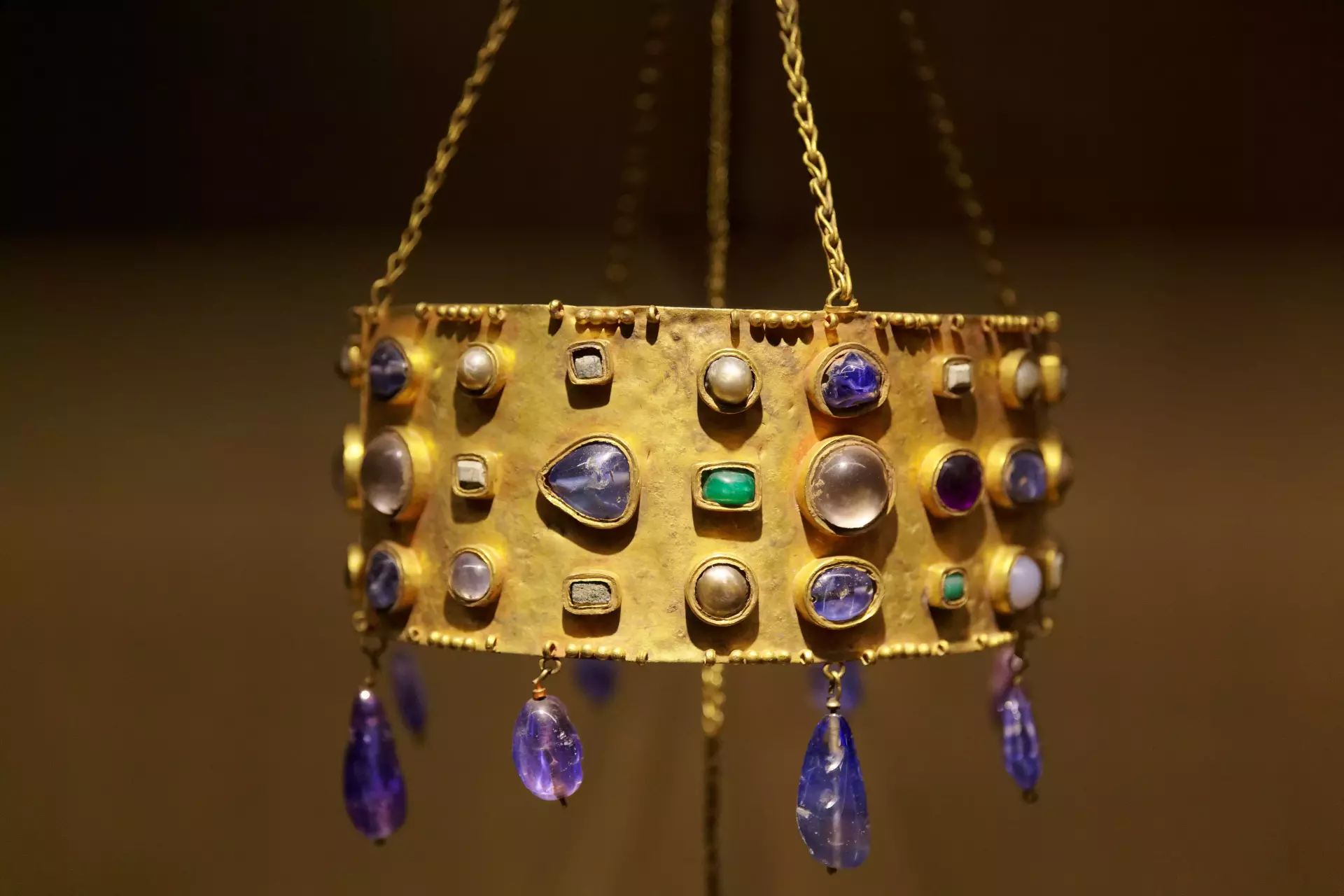
Votive crowns. On the left: gold and glass; on the right: gold, mother-of-pearl, amethysts, sapphires, emeralds, and glass. Visigothic Spain, 7th century. From the Guarrazar Treasure, near Toledo, 1858.
Votive crown originating from Visigothic Spain, dated to the mid-7th century. It is composed of gold, sapphires, emeralds, amethysts, pearls, rock crystals, mother-of-pearl, and jasper.
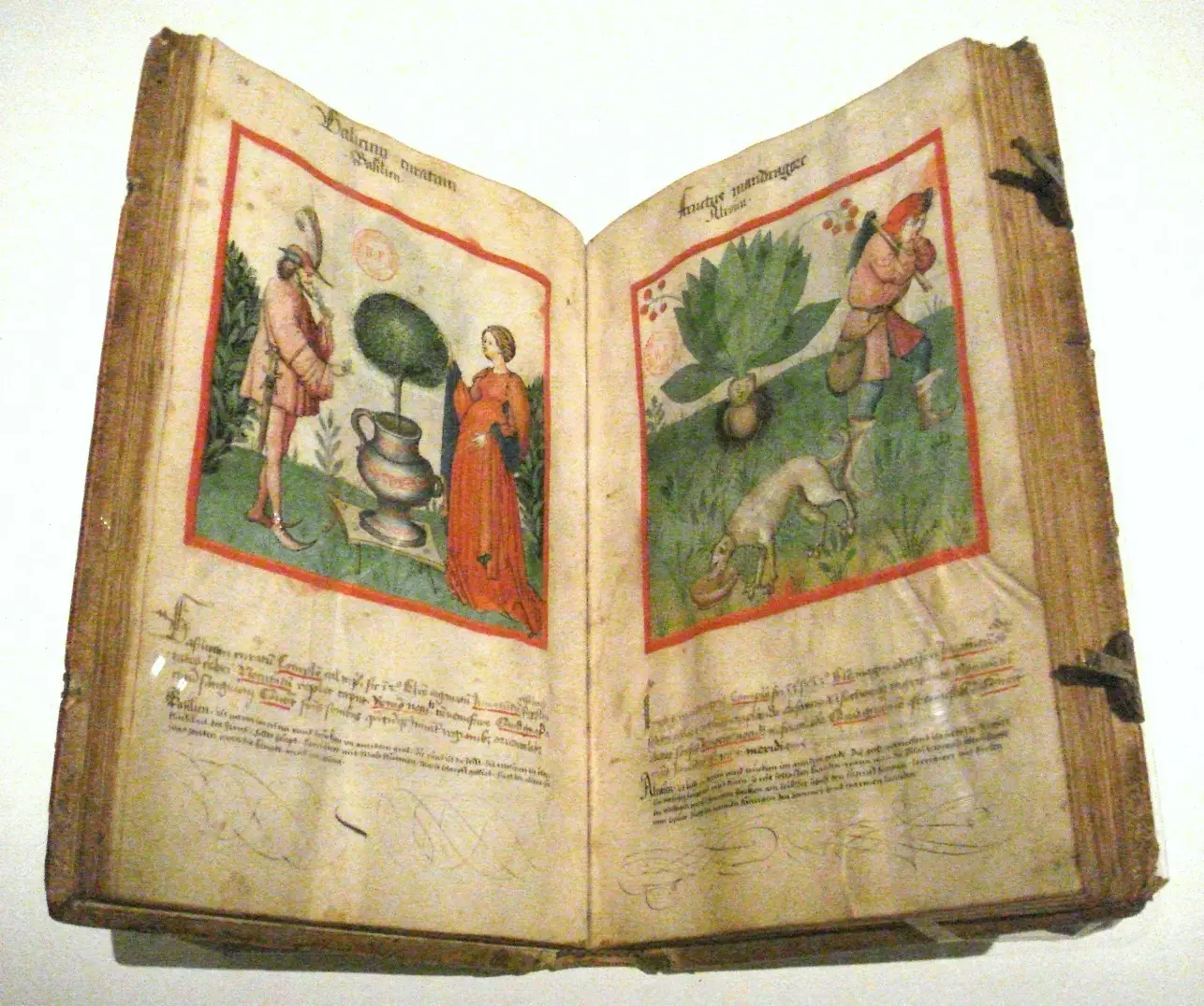
Ibn Butlan, Tacuinum Sanitatis, c. 1450, BnF Paris, Ms. Latin 9333. Folios 36v Basilicum citratum and 37r Fructus Mandragore.
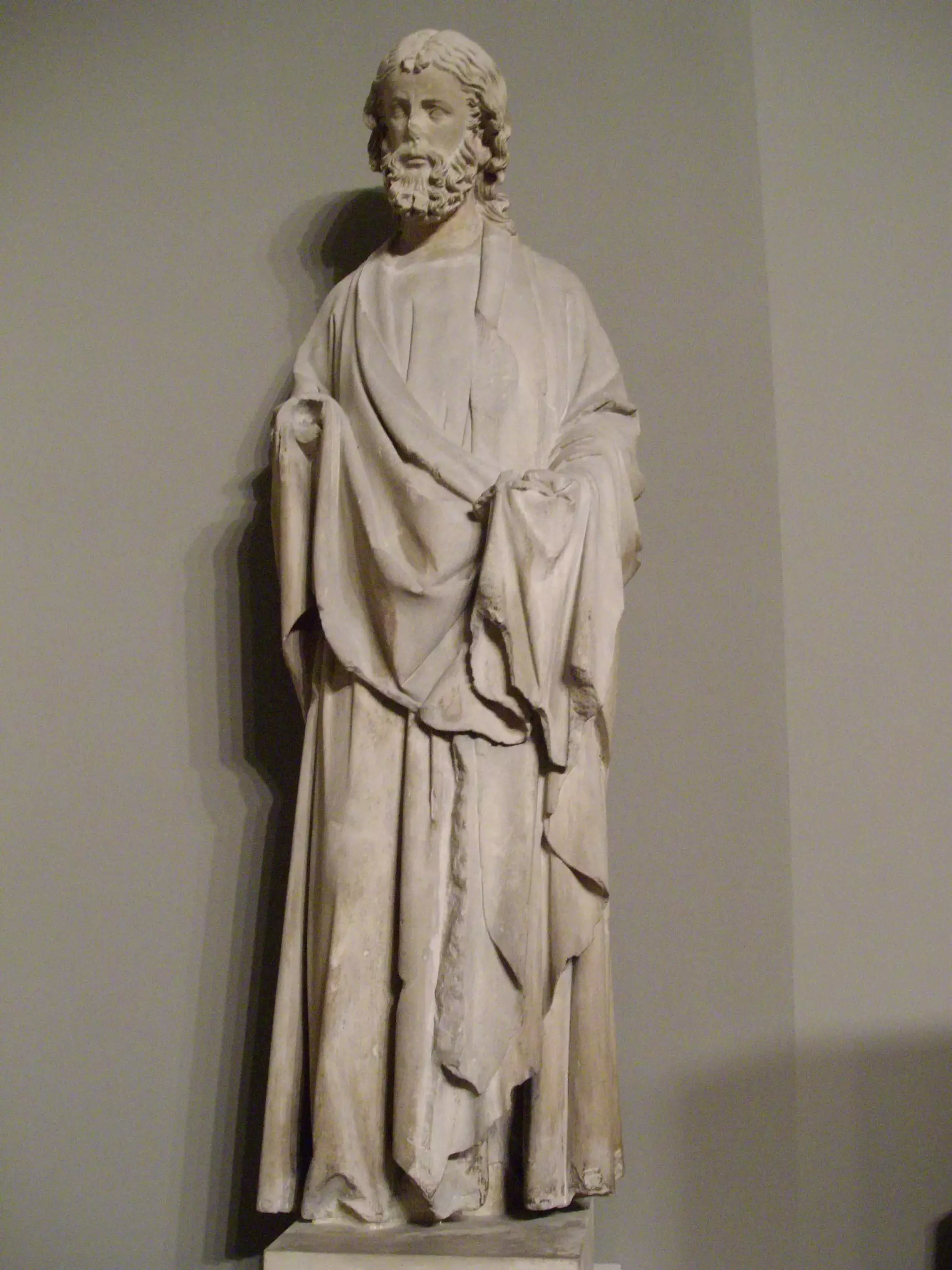
"Melancholic" Apostle, c. 1243–1248, stone, from the interior decoration of the upper chapel of Sainte-Chapelle in Paris, preserved at the Musée de Cluny.
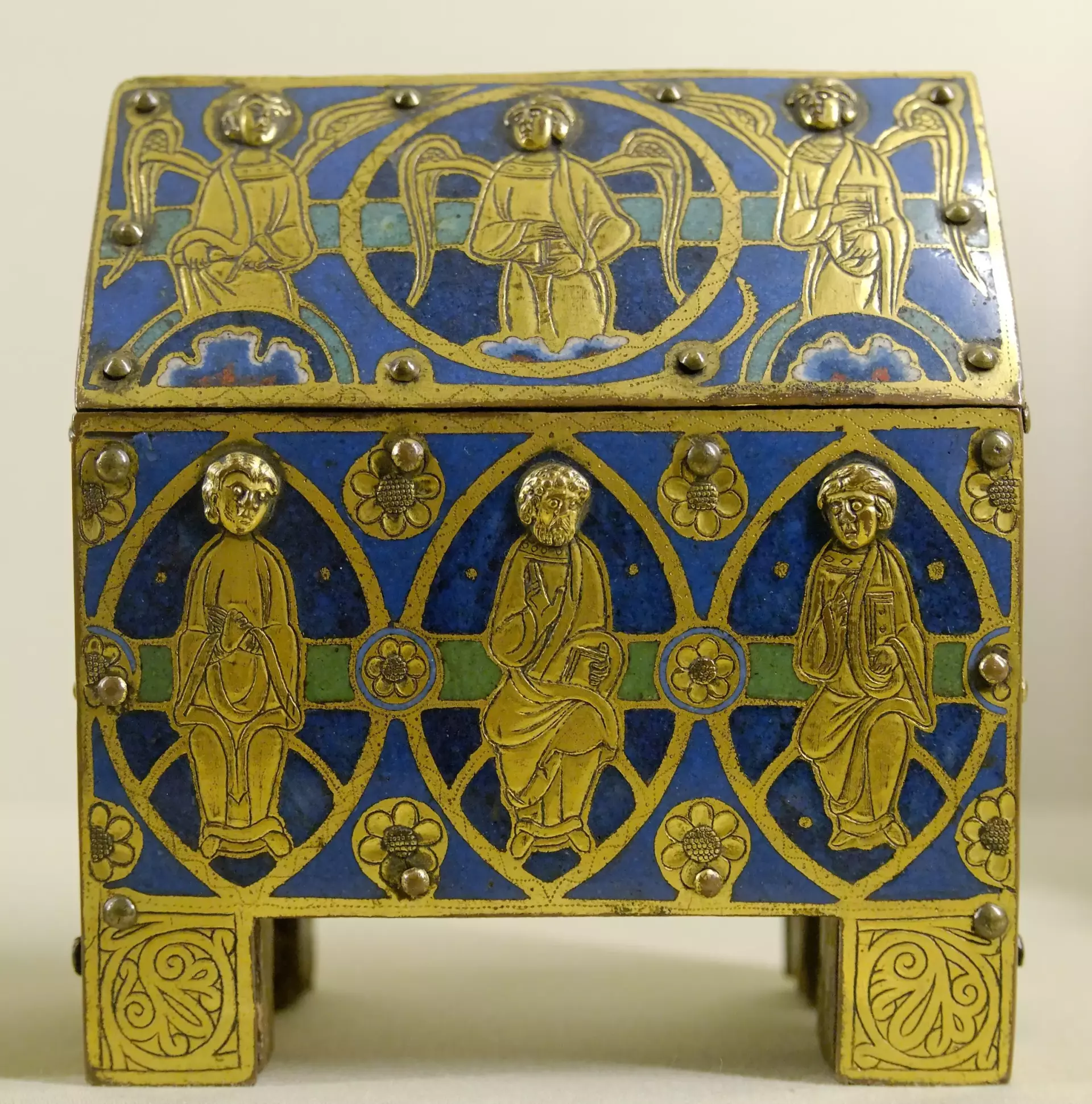
Reliquary chasse with apostles and angels, Limoges work.
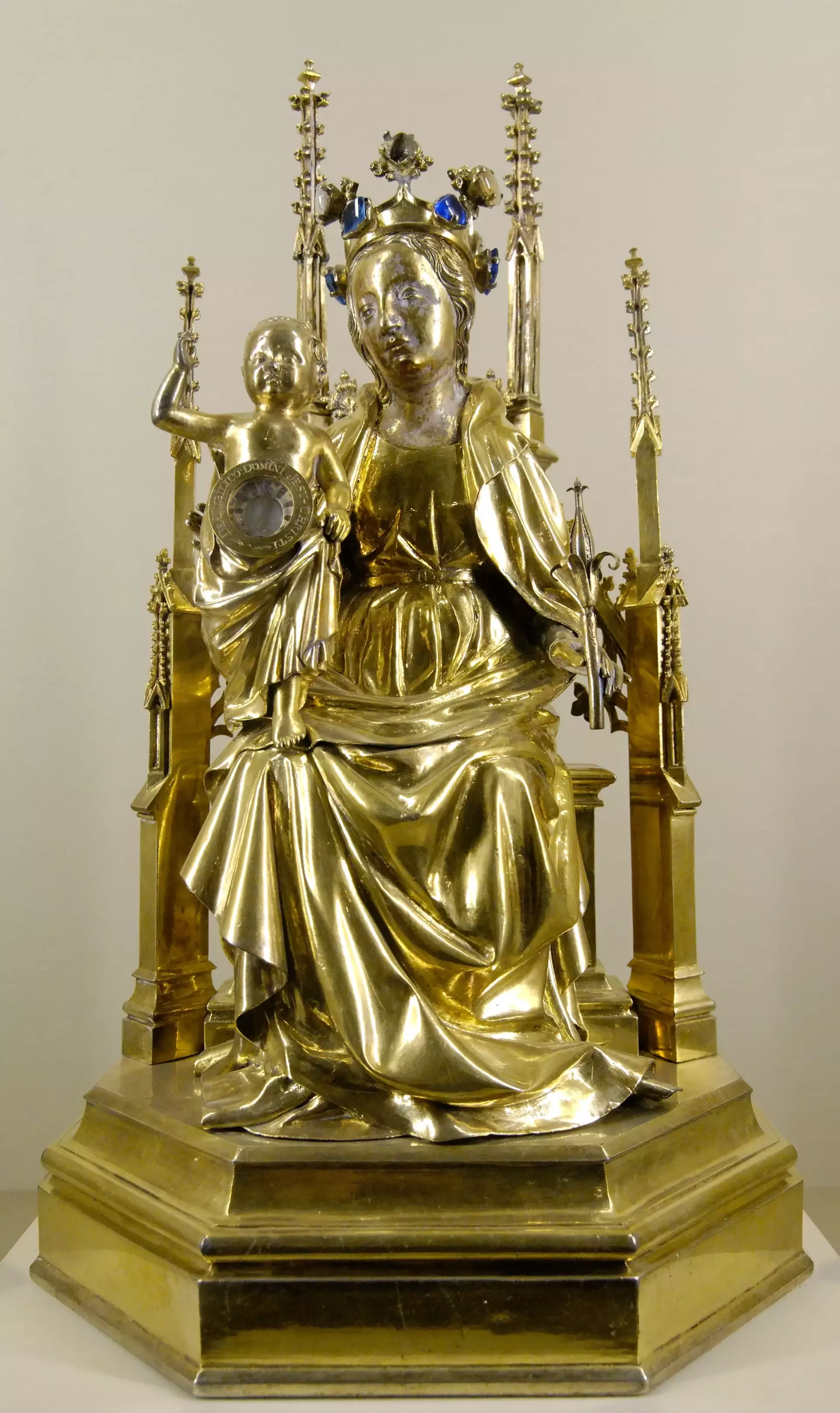
Reliquary of the umbilicus of Christ, representing a Madonna and Child (the glass case is a modern work), France (Paris?).
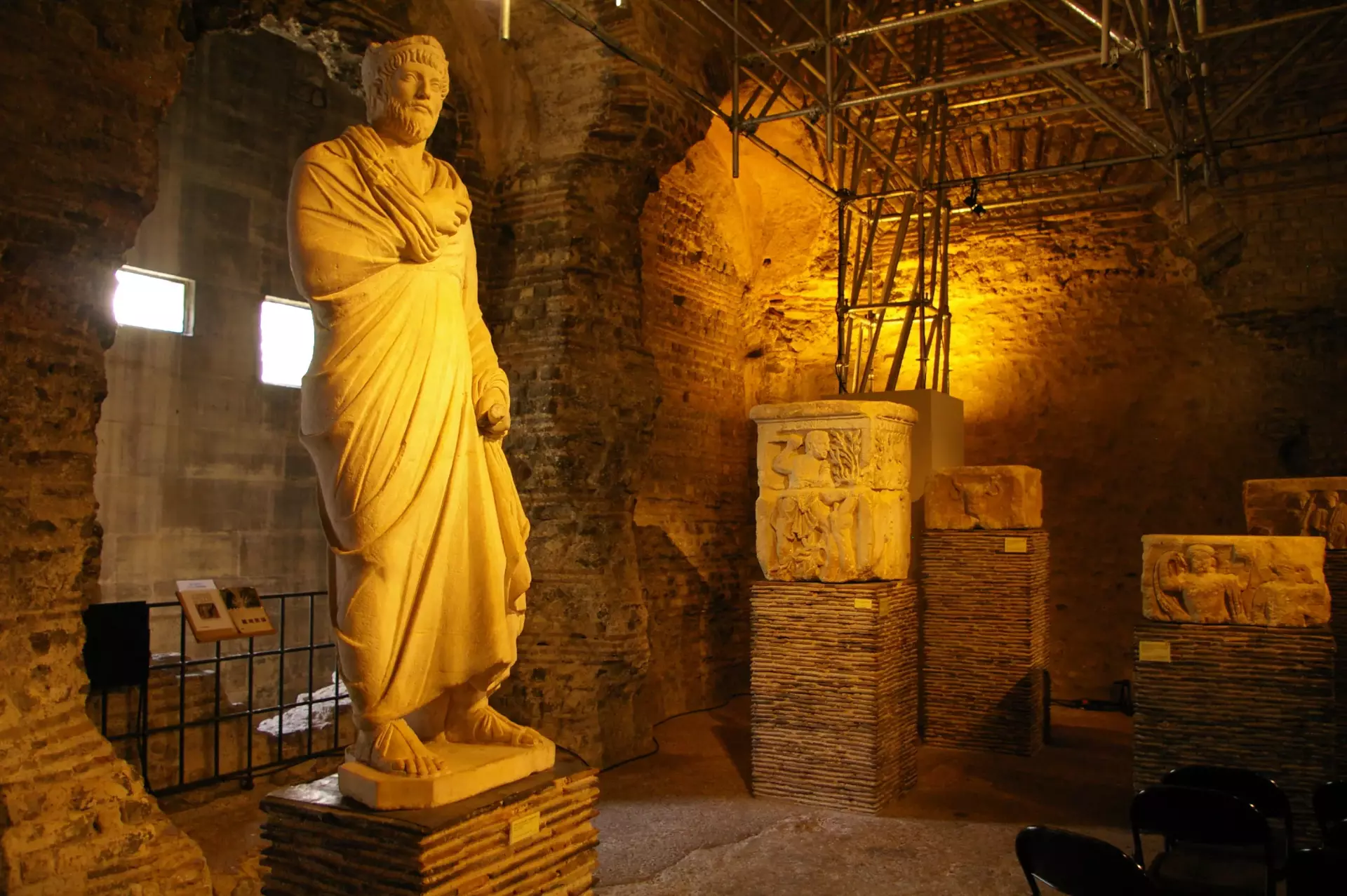
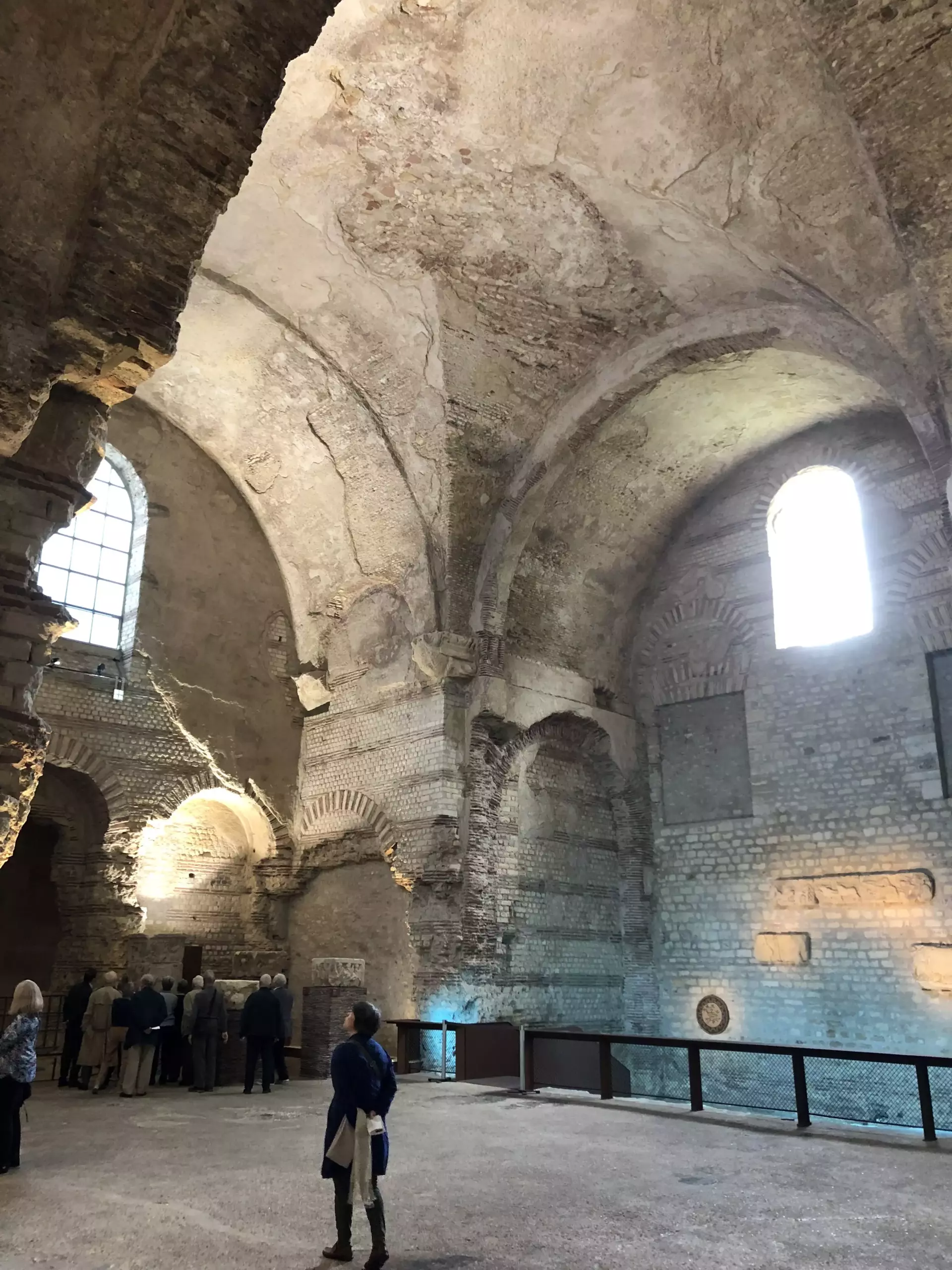
View of a Roman bath beneath the Latin Quarter of Paris.
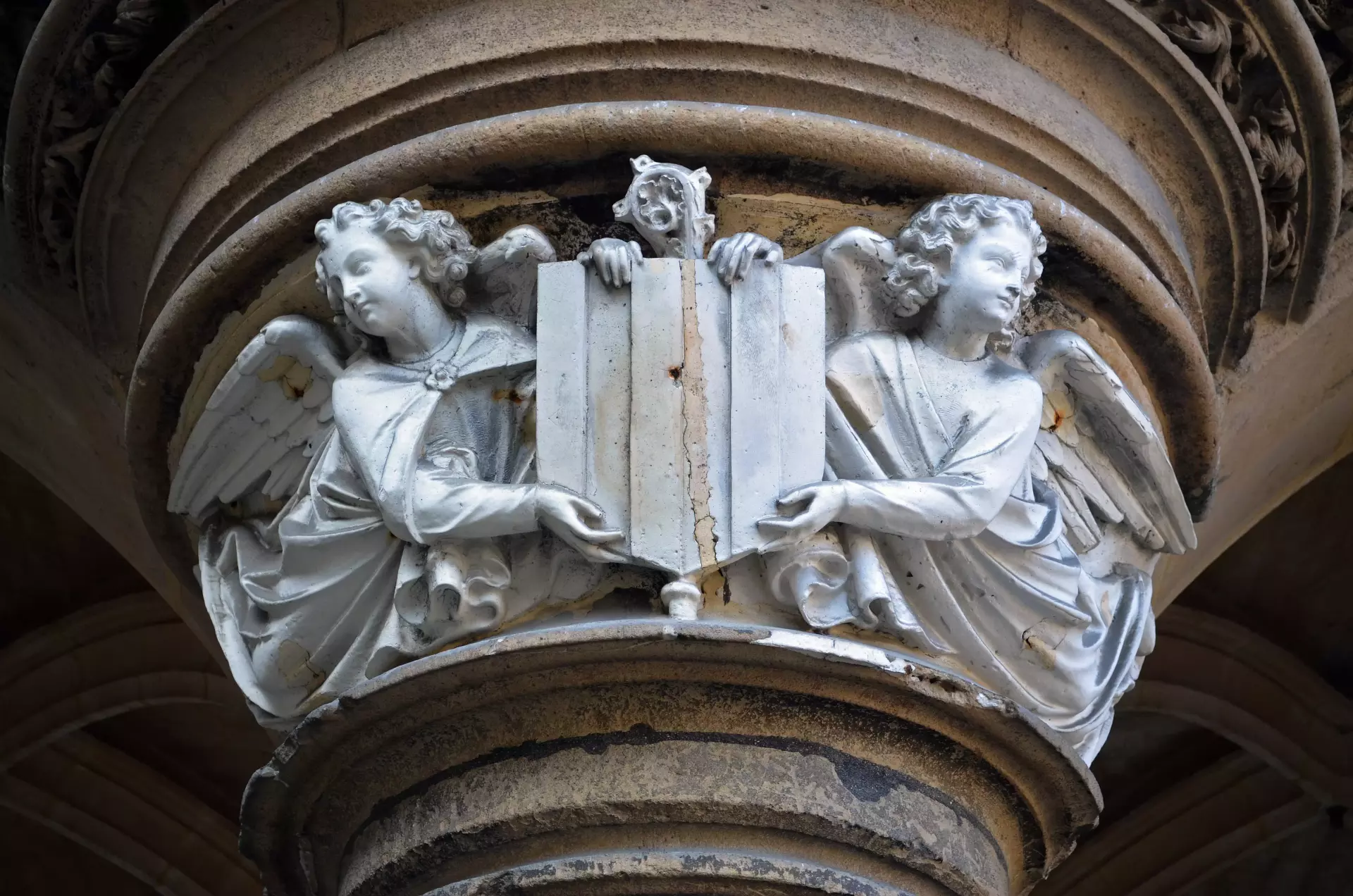
Capital with sculpted angels from Hôtel de Cluny - Coat of arms of Jacques d'Amboise, Abbot of Cluny, 5th arrondissement of Paris, France.
View of the frigidarium.
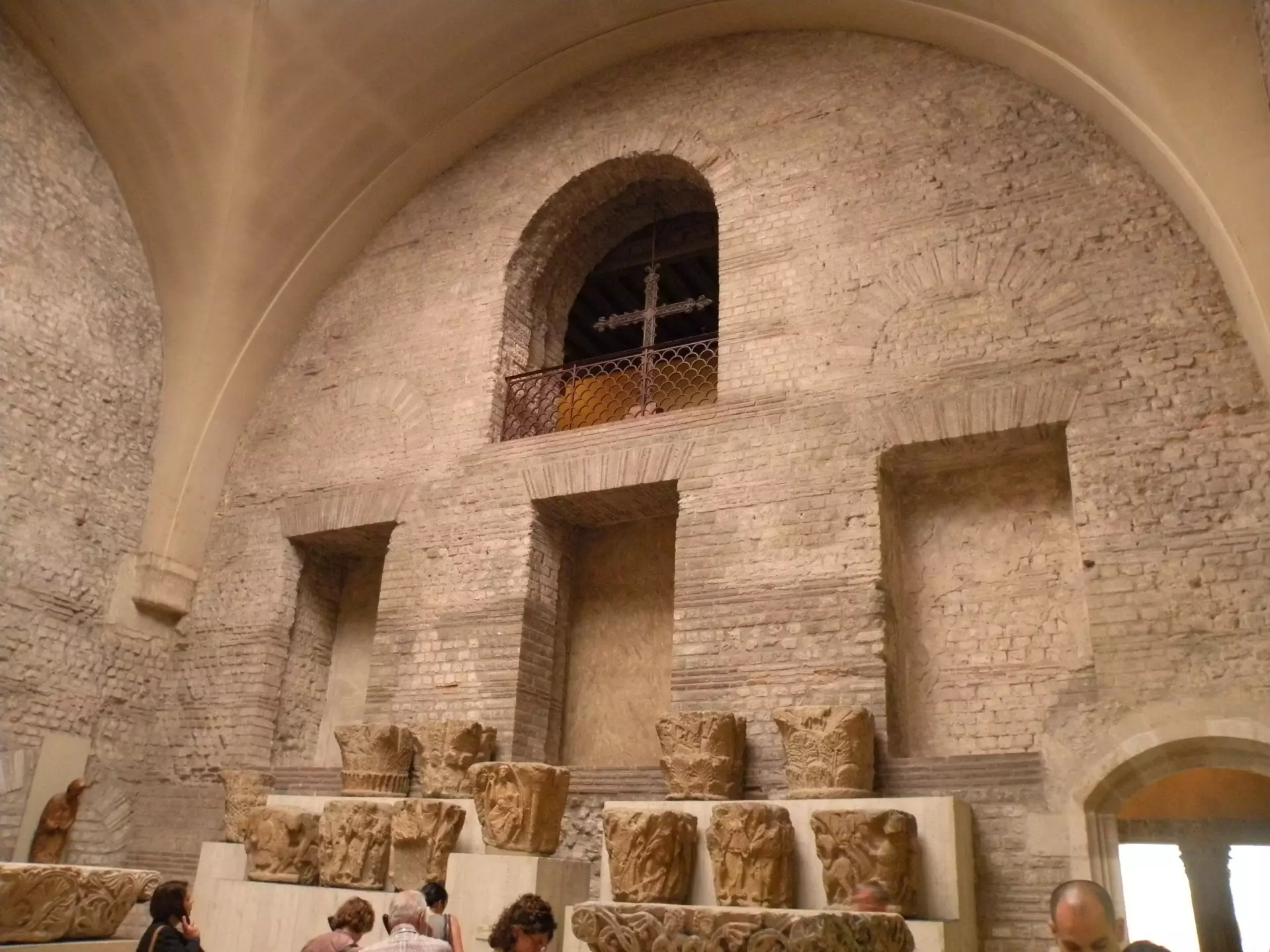
Museum room

Musée de Cluny

Paris, France

The Musée de Cluny is set within a remarkable historic building that combines a 15th-century Gothic abbey with the ruins of ancient Gallo-Roman baths from the 1st century. This unique setting gives the museum a special character, connecting visitors to both the medieval and ancient past of Paris.

Medieval Masterpieces and Treasures

Inside the museum, an impressive collection of medieval art and artifacts awaits. One of the main highlights is the celebrated series of tapestries known as "The Lady and the Unicorn." These beautifully woven works are admired for their mysterious symbolism and vivid detail, depicting scenes that continue to captivate art lovers and historians alike.

The museum also displays a papal Golden Rose, a rare and precious object that once served as a symbol of honor given by the Pope. In addition, visitors can see the original stone heads that once adorned the facade of Notre Dame Cathedral. These sculpted faces, carefully preserved, provide a close look at the craftsmanship of medieval artists and the rich history of Paris’s iconic landmarks.

Source - https://en.wikipedia.org/wiki/Mus%C3%A9e_de_Cluny

Developed by Reflex.com.ua
Contacts
  • info@reflex.com.ua
Social media