
Search ×
Home Paris
Musée du quai Branly
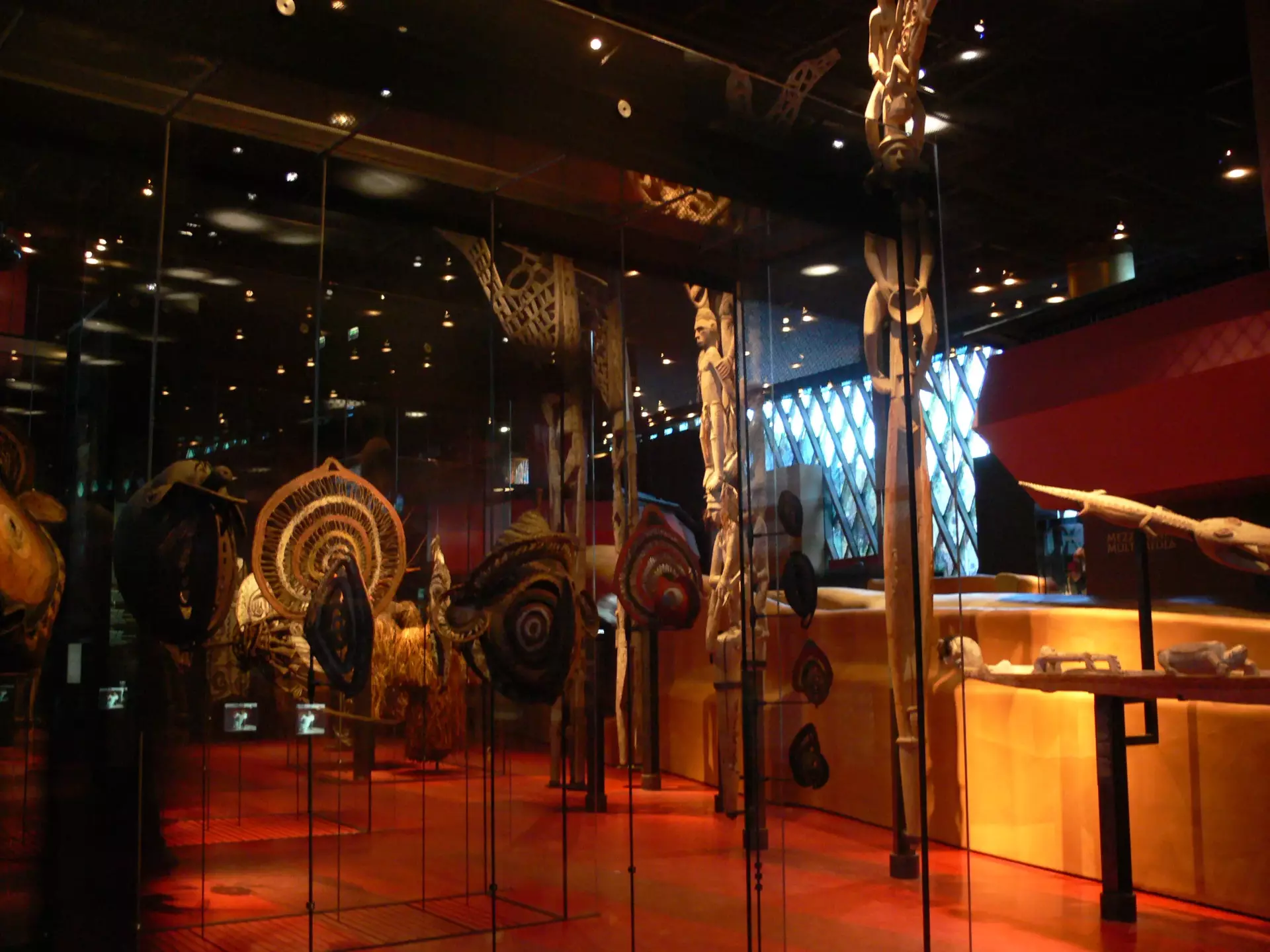
Exhibit at the Musée du quai Branly, Paris, France.
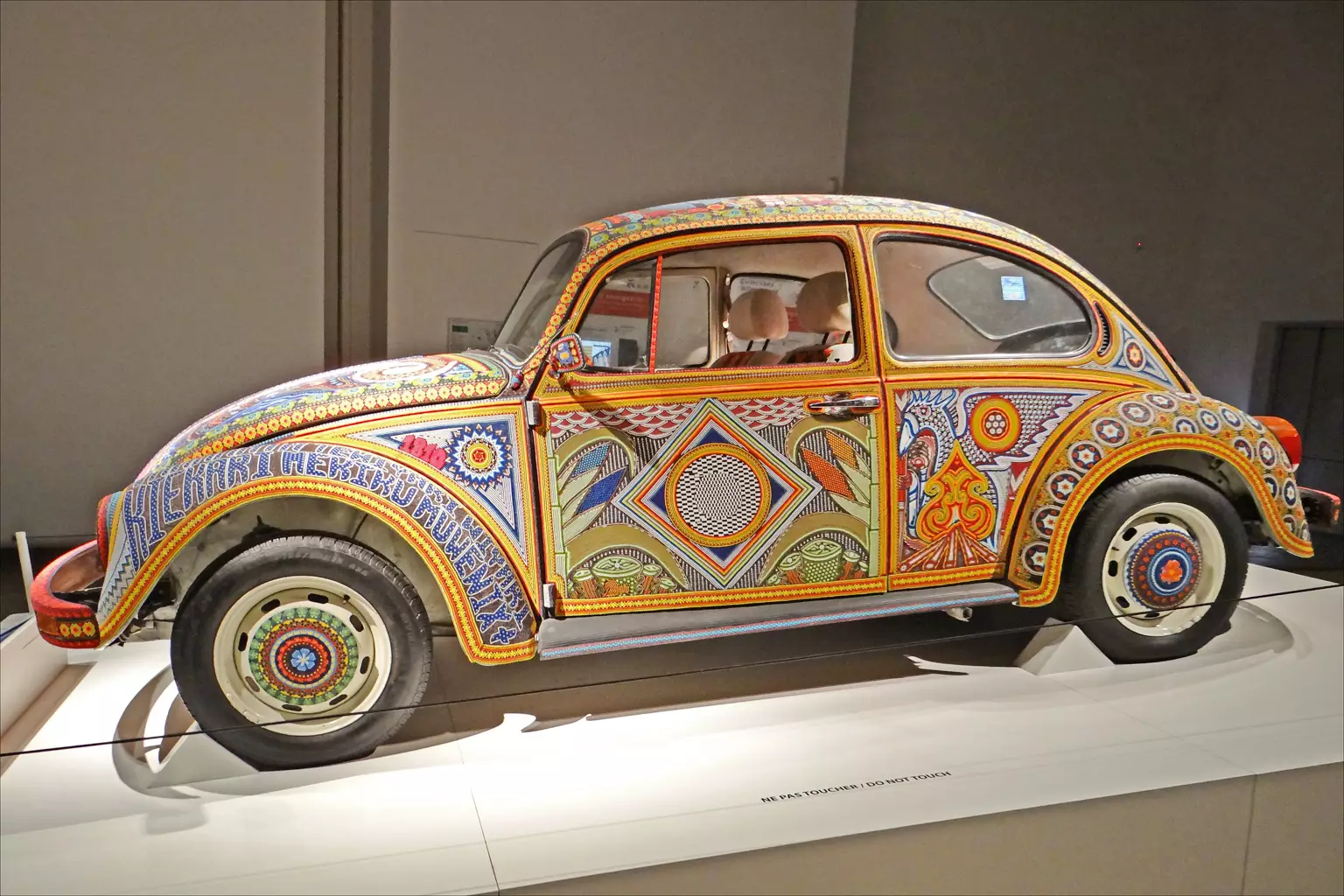
Vochol, a registered term, comes from the combination of "Vocho," the Mexican name for the Volkswagen Beetle, and "Huichol," the name of an indigenous people from west-central Mexico. This 1990 Volkswagen car, with its well-known shape, has been covered with over 2 million beads arranged in decorative patterns characteristic of the traditional Huichol culture (eagle, sacred cactus, sun, four elements, gods and goddesses, etc.). The aim of the Museum of Popular Art in Mexico City was to showcase the traditional craftsmanship of Huichol artisans through an iconic object of Western industrial culture.
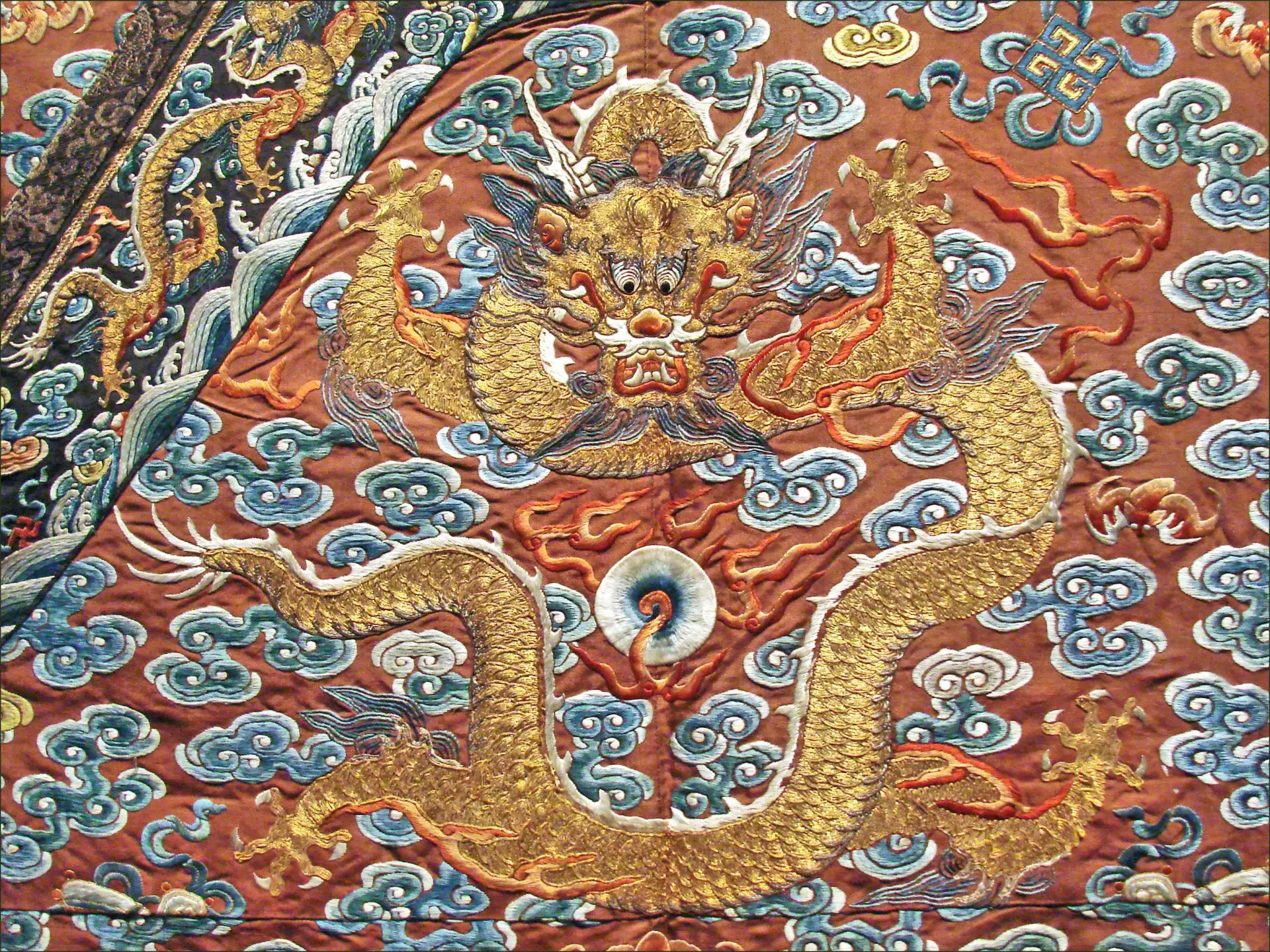
Detail of a dignitary's robe. Silk satin, embroidery. China, late 19th century, Manchu. The five-clawed dragon was, in ancient China, a benevolent creature that controlled the heavens from which rain came to fertilize the earth. As such, this figure was reserved for the Emperor of China. In the 19th century, this rule was no longer enforced as strictly, which explains its presence on this dignitary's robe displayed in the "Rain" exhibition at the musée du quai Branly.
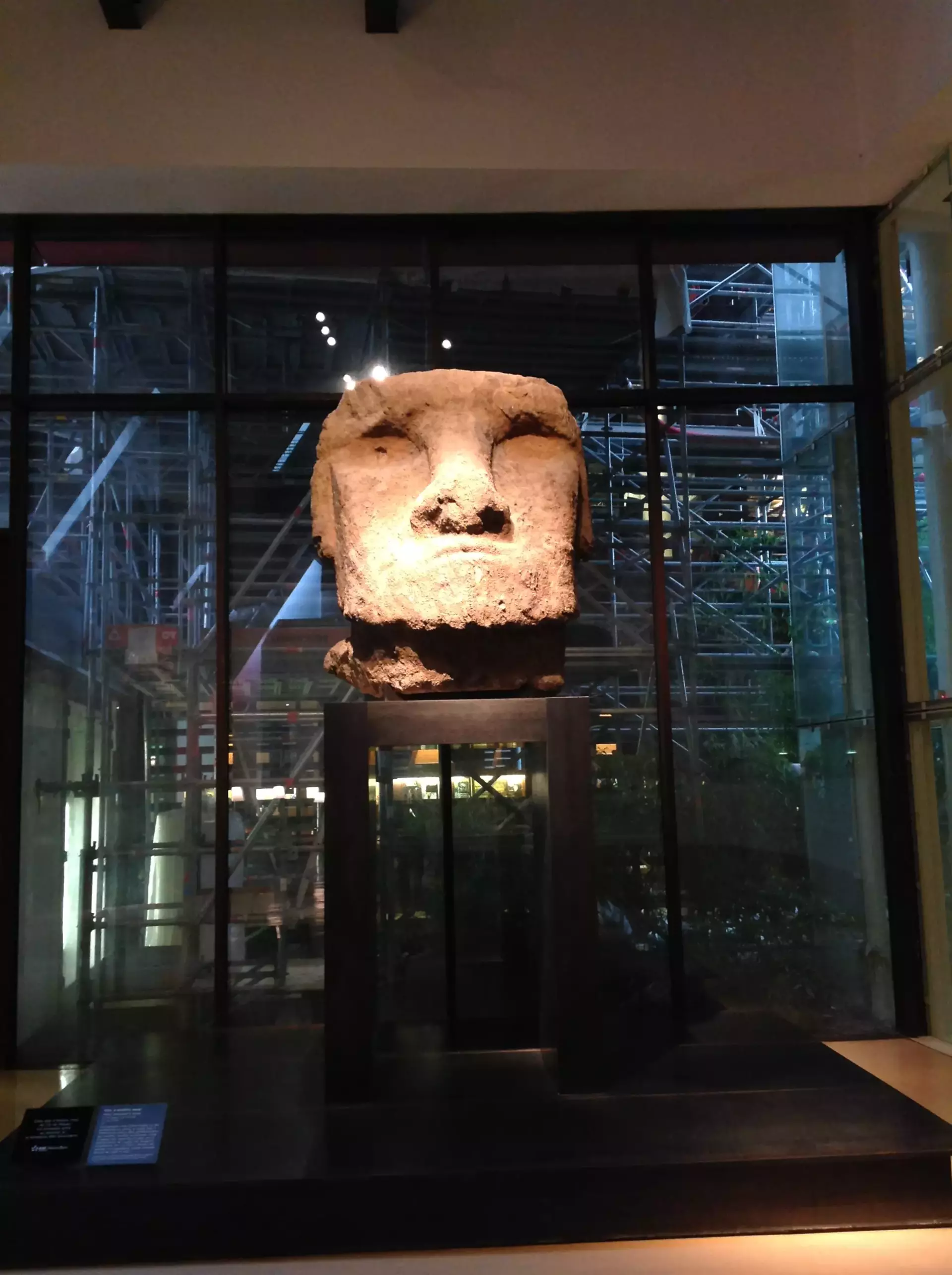
Stone head from Easter Island, displayed in the foyer of the Musee du quai Branly in Paris.
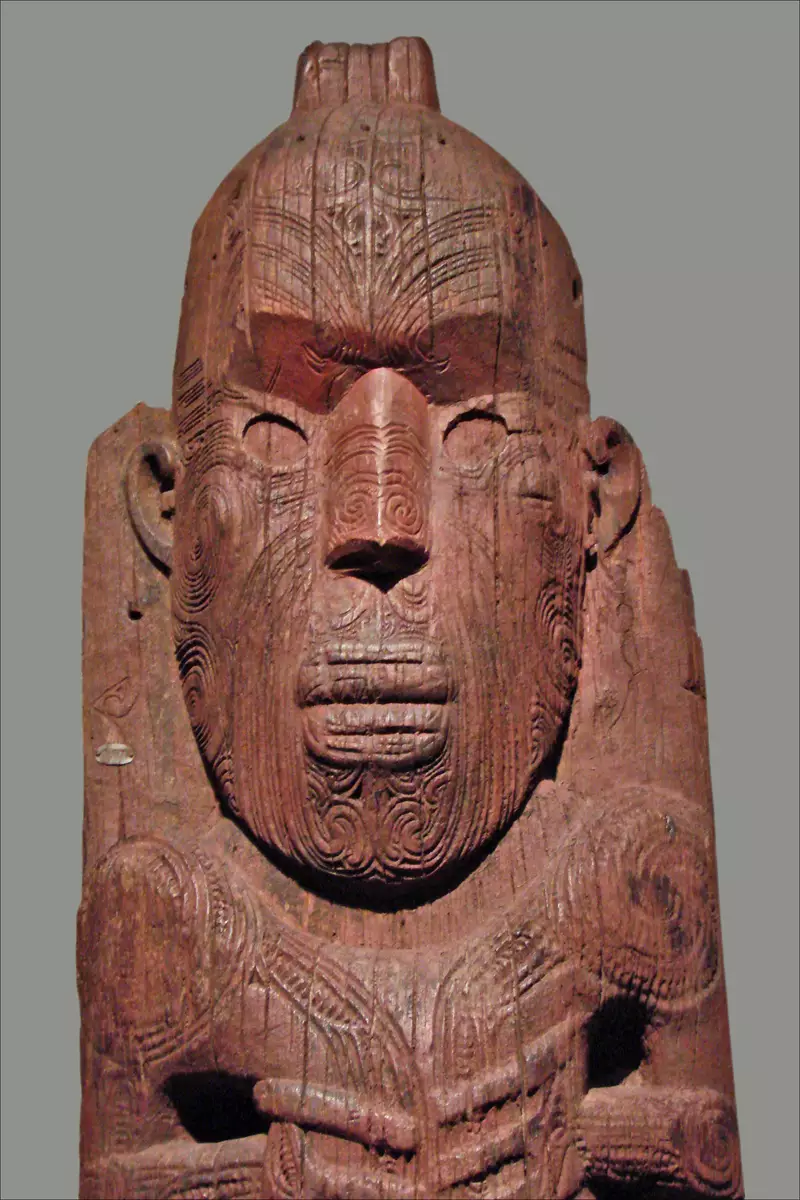
Poupou for a memorial (support panel with masculine figure), 1850. Upper part of a pillar carved by Iwikau Te Heuheu Tukino III, Iwi (tribe) Ngati Tuwharetoa, central North Island. Made of totara wood. Acquired in 1912. Exhibition "Māori. Their treasures have a soul" at the Musée du quai Branly. This manifesto exhibition, hosted by the museum, was created by the Museum of New Zealand Te Papa Tongarewa. It allows visitors to discover Māori culture in all its dimensions, understand major elements of this people's history, and perceive their relationships and conflicts with the early Western settlers of present-day New Zealand Aotearoa.
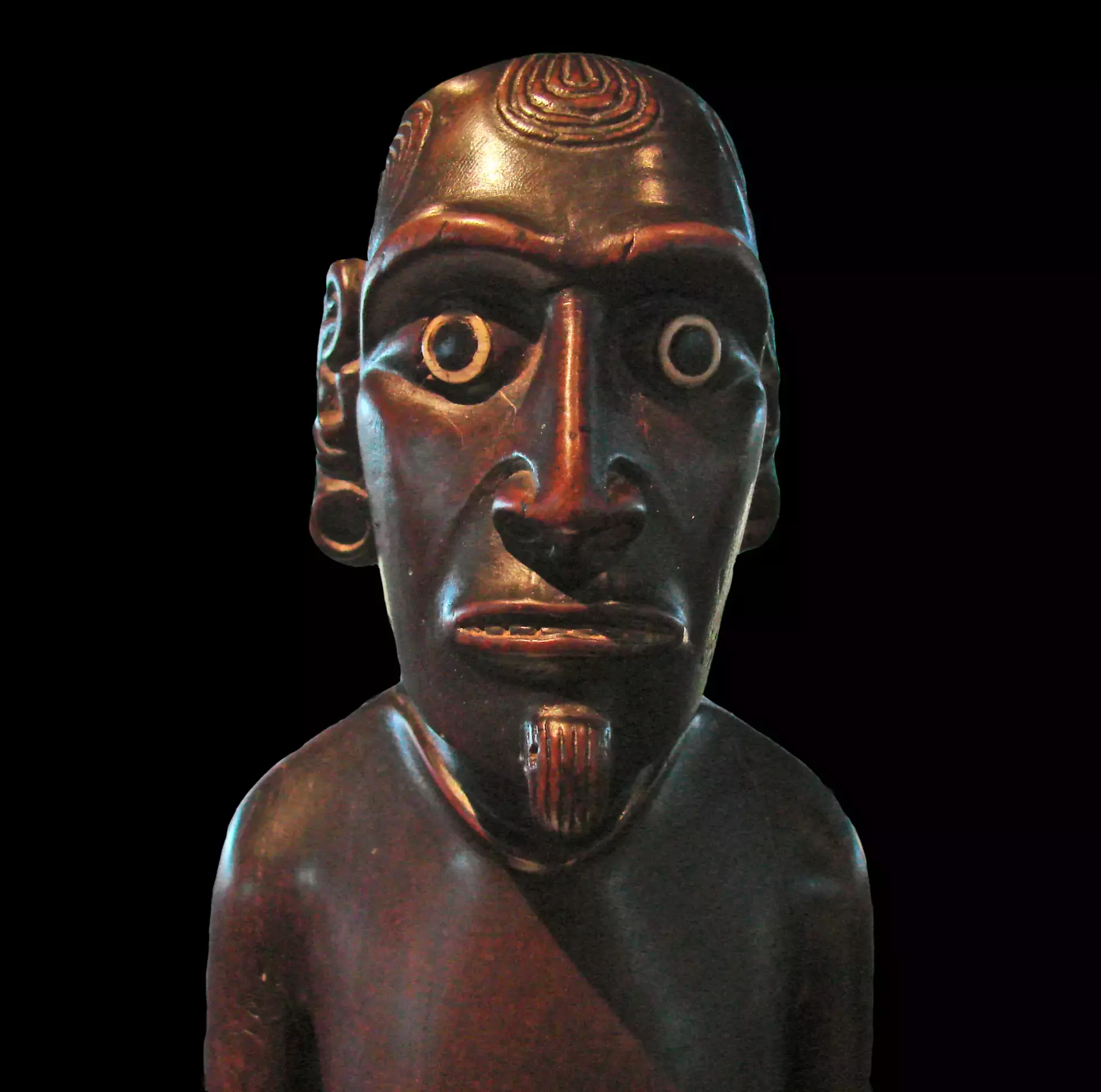
Bust of a statuette from the exhibition "Polynesia, Arts and Divinities 1760-1860." This exhibition, presented at the Musée du quai Branly, brings together more than 250 rarely exhibited Polynesian works from the 18th and 19th centuries, originating from major European museums: divine images, ivory ornaments, feather adornments, decorated textiles, and more. It thus explores the Pacific islands at the time of first contact with European travelers, missionaries, or colonists.
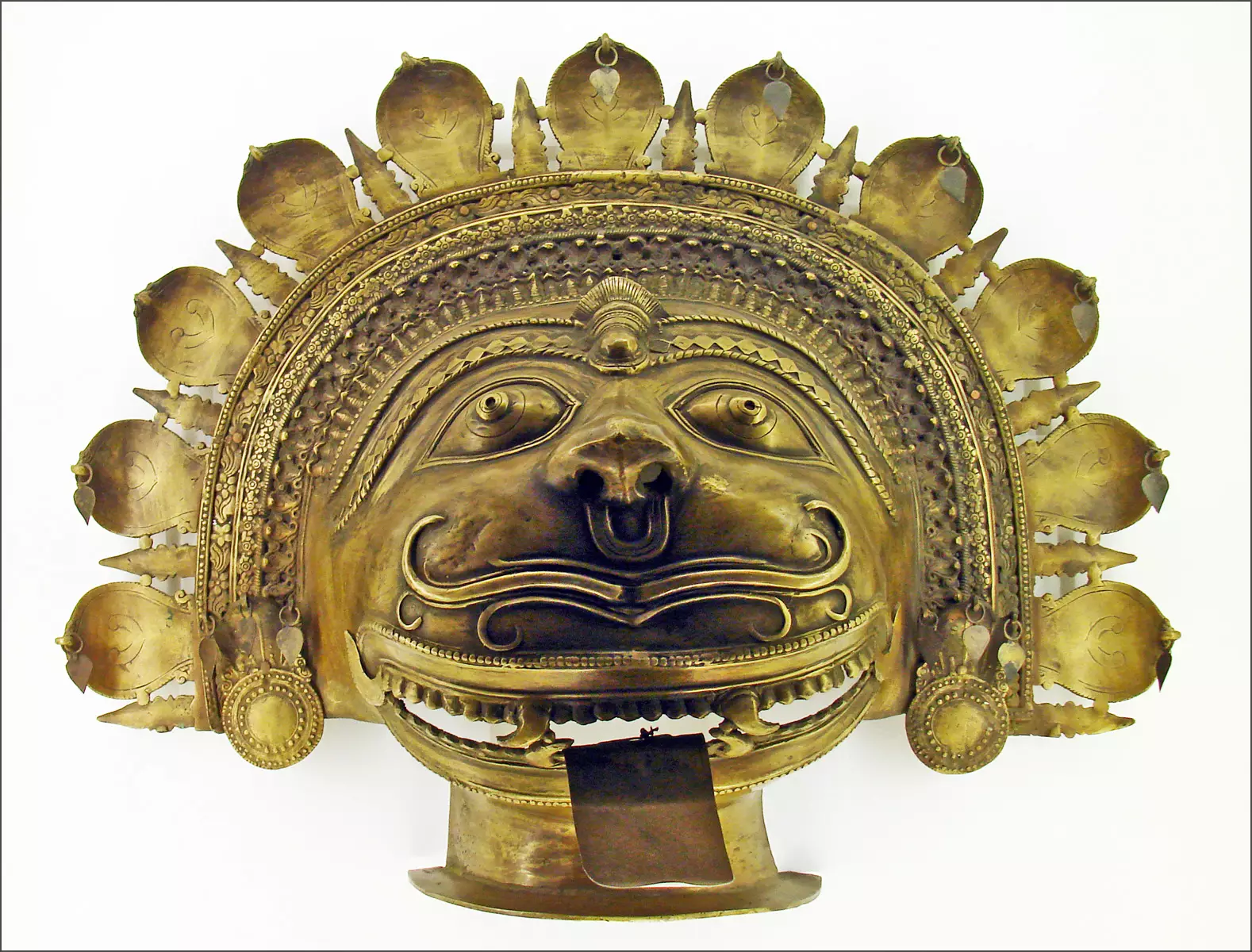
Ritual mask, copper, 20th century, Sanskriti Museum of Everyday Art, New Delhi. Image from the exhibition "Other Masters of India, Contemporary Creations of the Adivasi" at the Musée du Quai Branly, Paris.
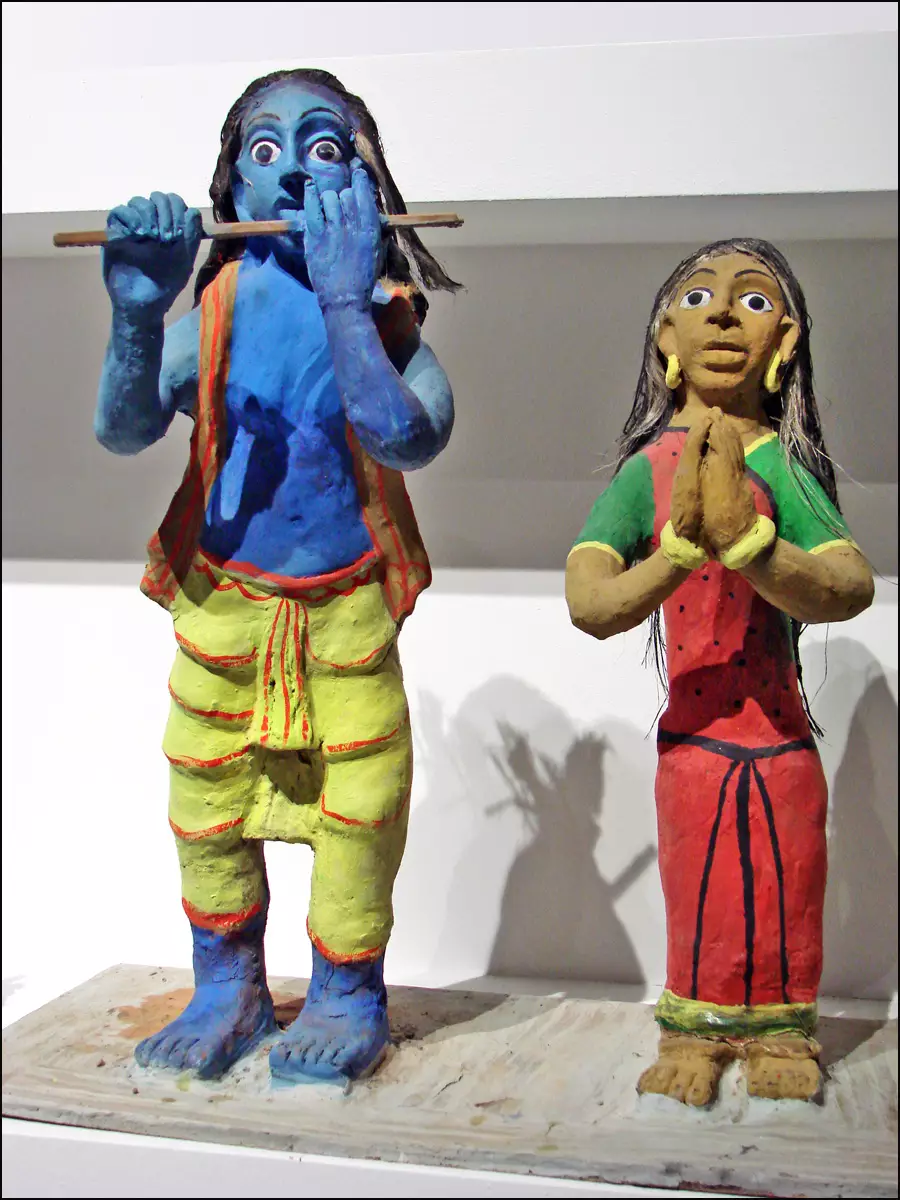
Decorative figures by Sundaribai from the Sarguja District, State of Chhattisgarh. Raw clay, coconut and mineral colors. 2009. Works created for the exhibition "Other Masters of India, Contemporary Creations of the Adivasi" at the Musée du Quai Branly, Paris.
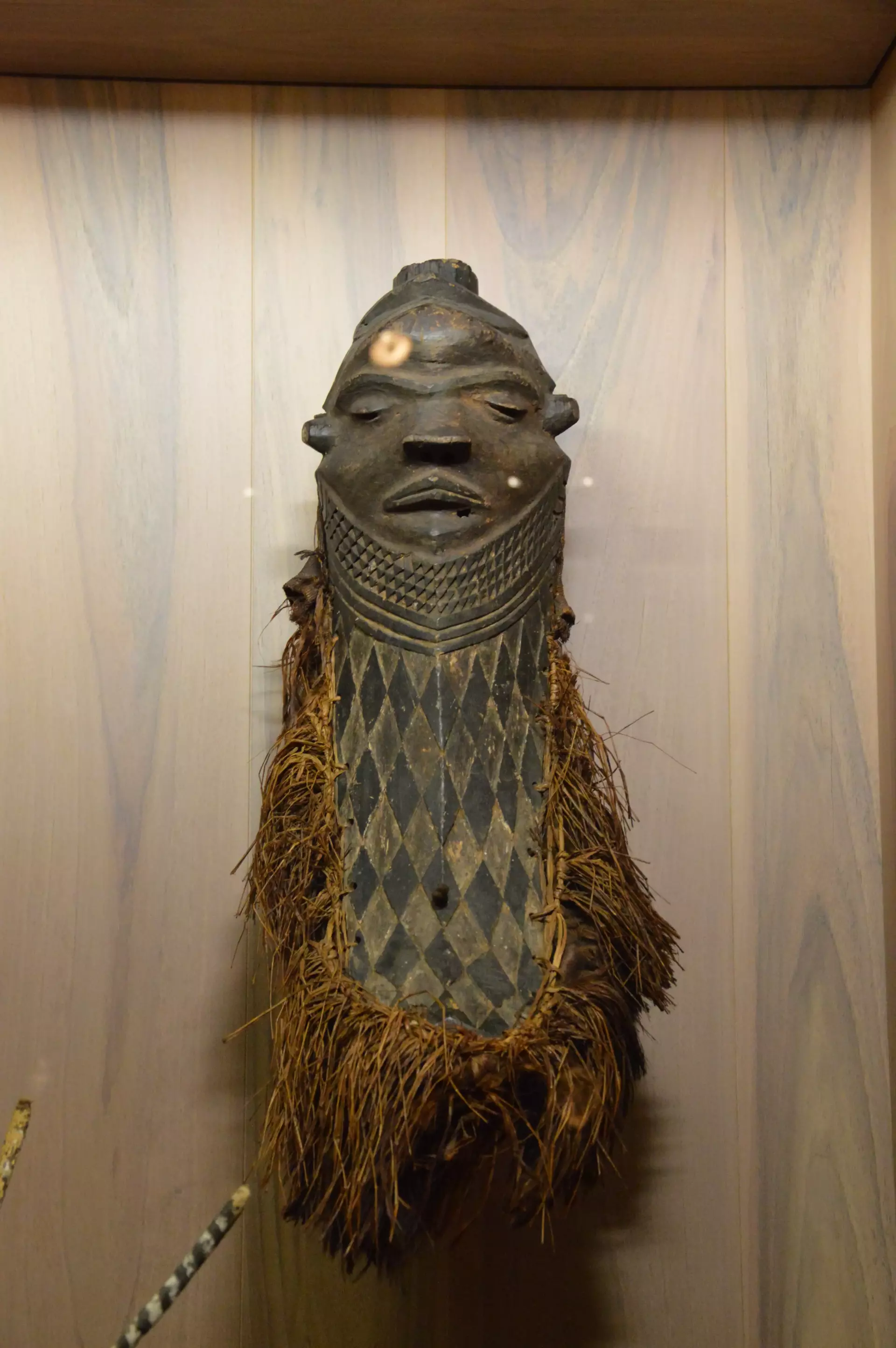
Mask. Pendé. Congo.

Musée du quai Branly

Paris, France

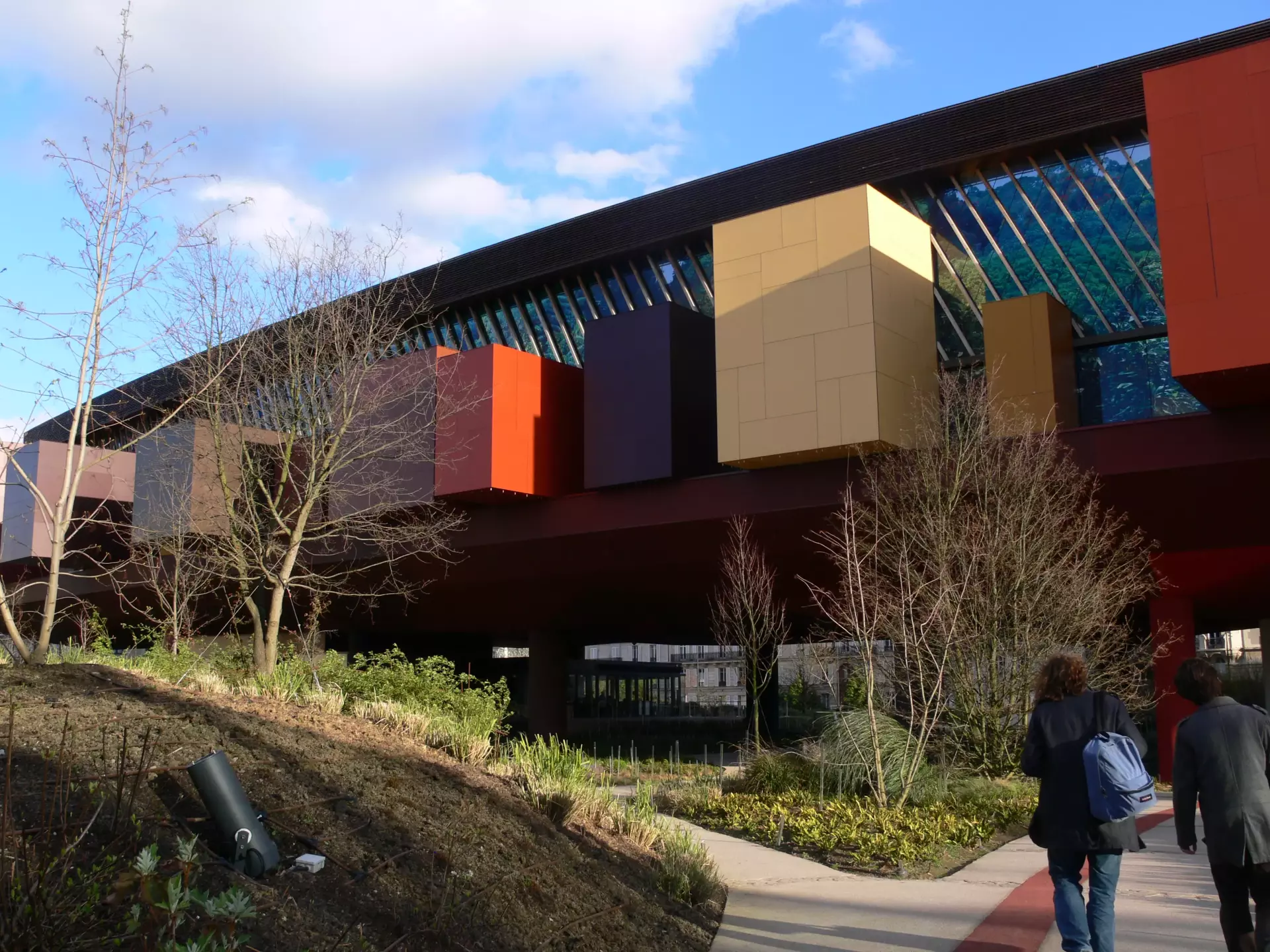
The Musée du quai Branly opened its doors in 2006, making it the newest addition among Paris's renowned museums. This modern institution stands out for its remarkable collection of tribal art from around the world.

Celebrating Diverse Cultures

The museum places special focus on art and artifacts from regions in Oceania and Africa, particularly those that have historical ties to France. The displays showcase the diversity and creativity of cultures from these areas, with objects ranging from masks and sculptures to ceremonial costumes.

An Immersive Experience

Visitors can explore expansive galleries filled with fascinating pieces, as well as engaging multimedia presentations. The museum's design encourages curiosity, inviting guests to pause and learn more about the stories behind each work of art. With so much to see and experience, it's easy to spend several hours wandering through the exhibits.

Source - https://en.wikipedia.org/wiki/Mus%C3%A9e_du_Quai_Branly_%E2%80%93_Jacques_Chirac

Developed by Reflex.com.ua
Contacts
  • info@reflex.com.ua
Social media