

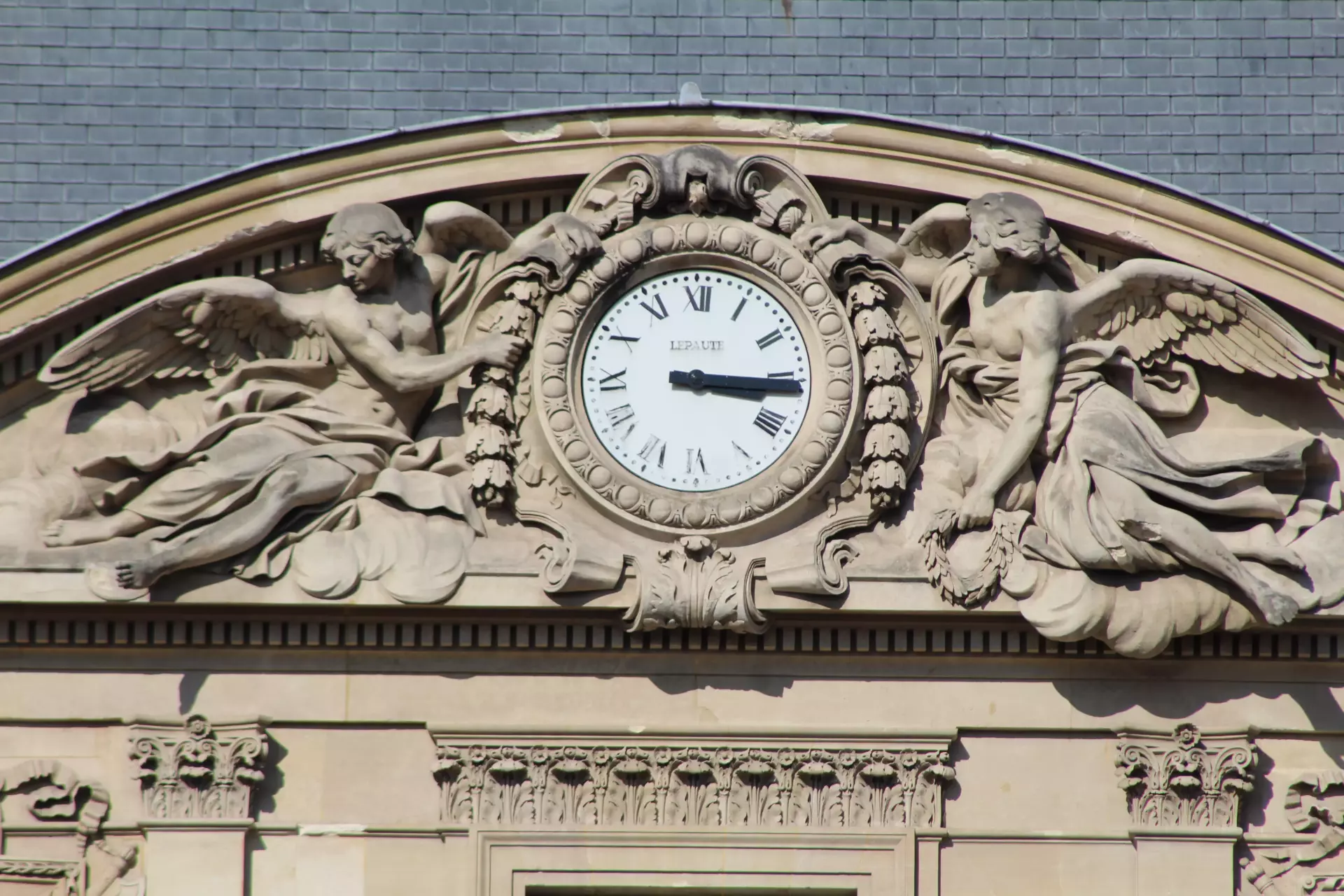


Palais-Royal
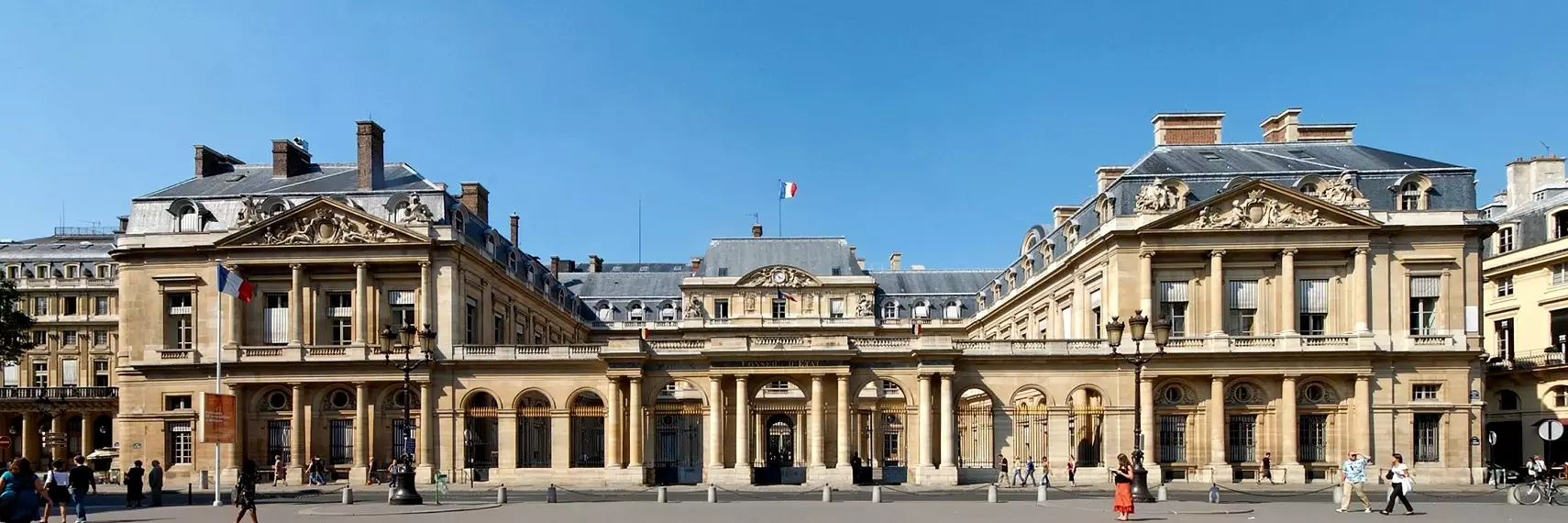
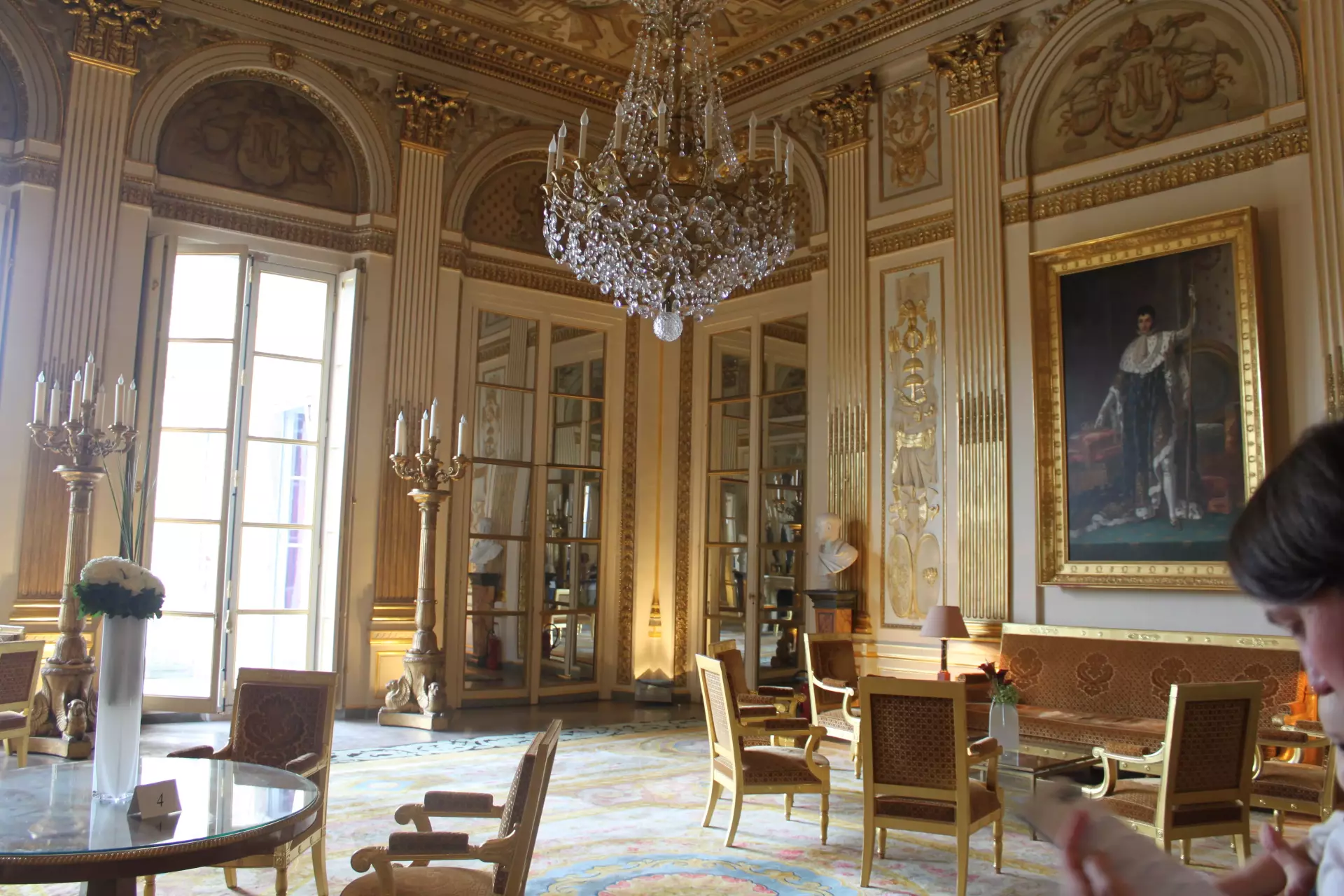
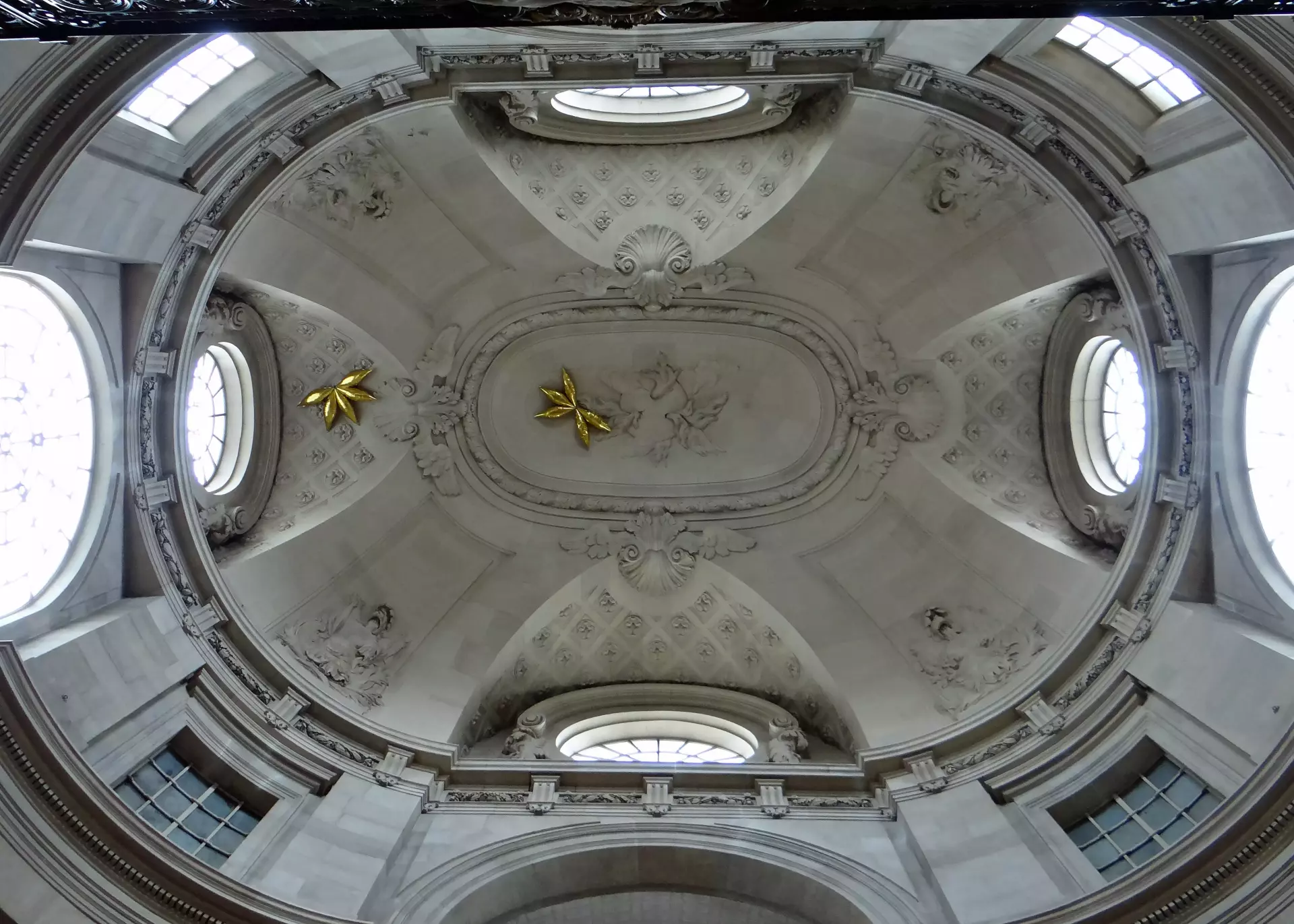
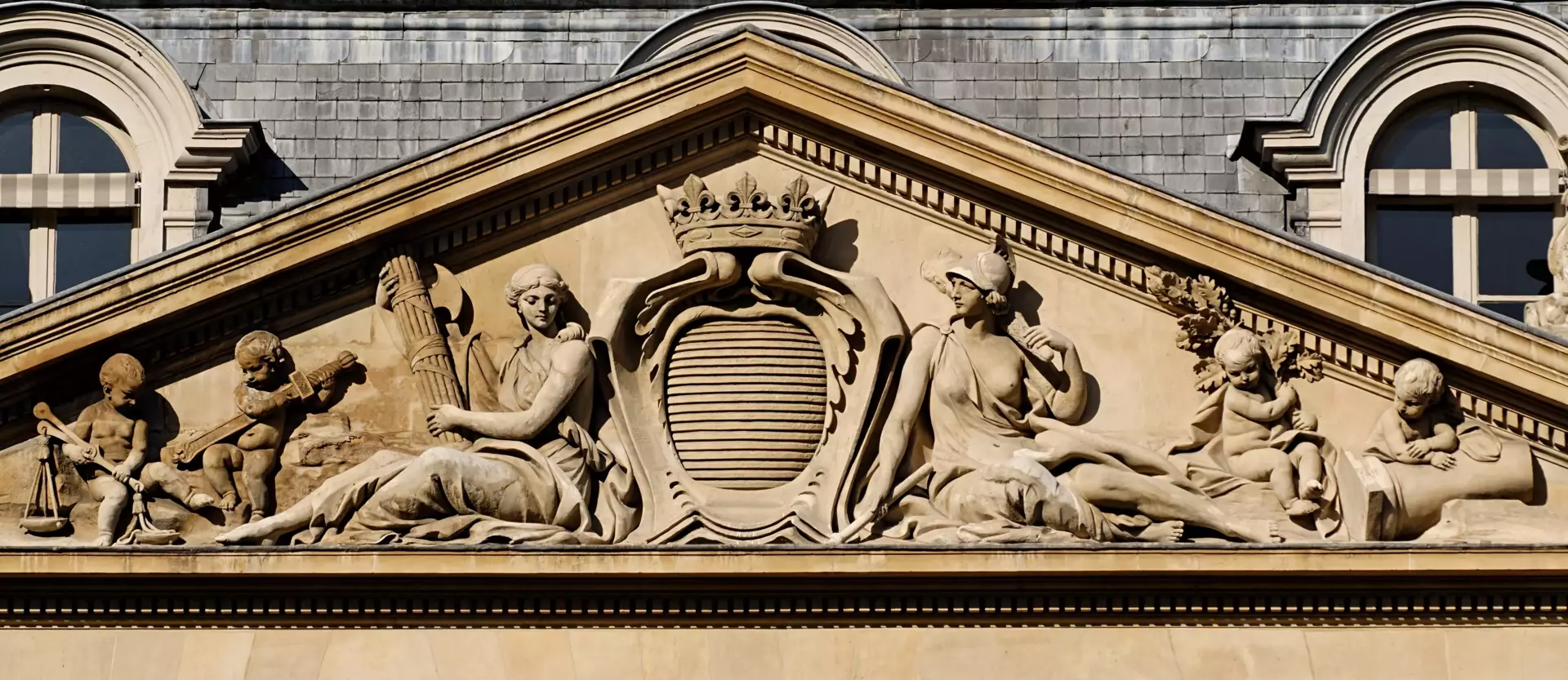
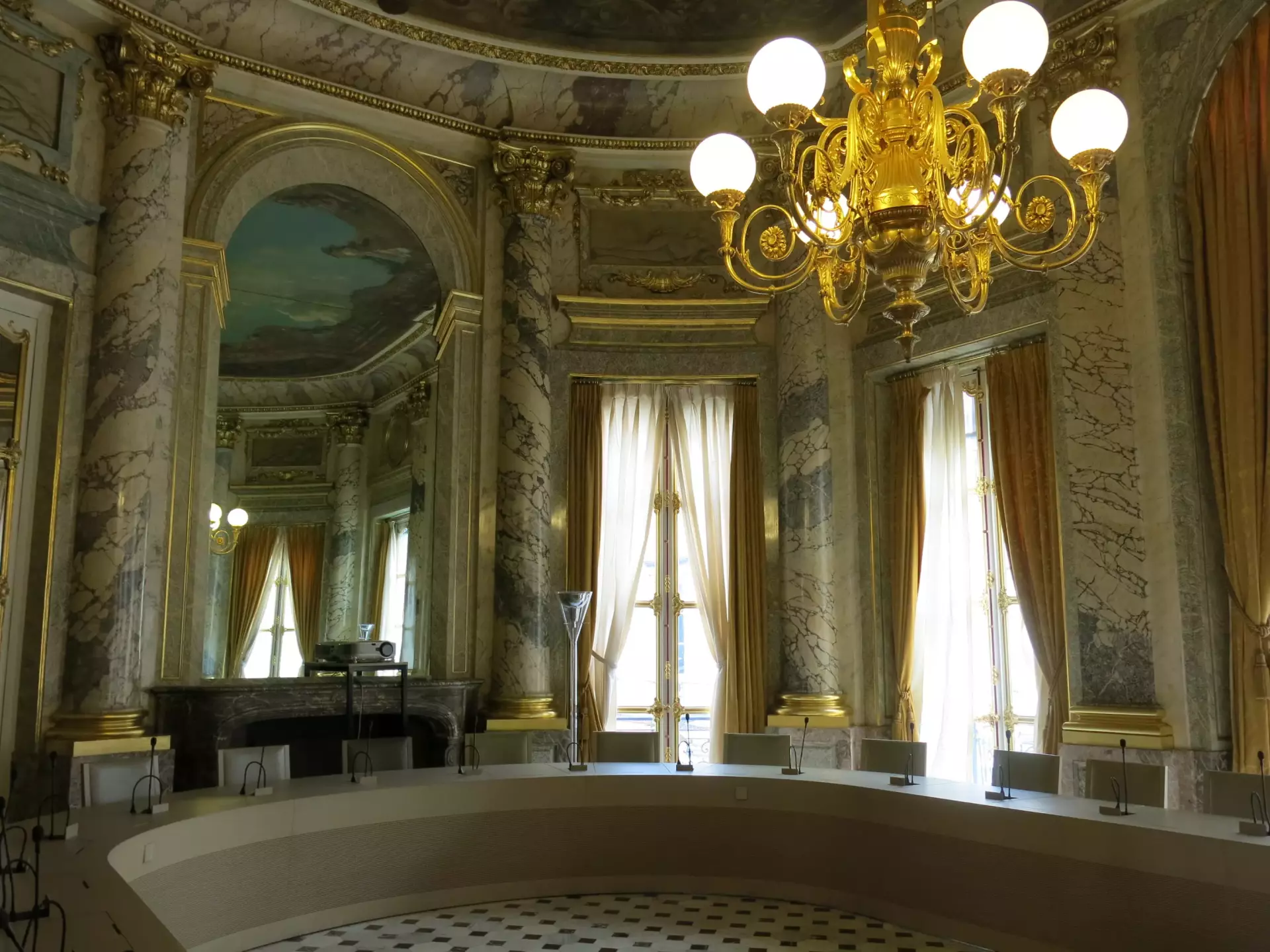
The Palais-Royal in Paris has a history stretching back to the early 17th century. Ordered by Cardinal de Richelieu, who served as King Louis XIII’s prime minister, its construction began in 1629 and finished in 1636. Originally, it was called the Palais Cardinal, a name reflecting Richelieu’s influence at court. After his death, the palace changed hands and soon became known as the Palais Royal when Queen Anne of Austria, the wife of Louis XIII, chose to reside there. Her decision was largely motivated by a desire for privacy away from the bustling Louvre Palace.
Royal Residents and Historic Events
The palace’s story is closely linked to French royalty. Louis XIV, the Sun King, lived here during his youth before relocating the royal court to the grand estate of Versailles. Beyond its royal associations, the Palais-Royal played a role in the events that shaped modern France. In 1789, in the midst of the French Revolution, Camille Desmoulins famously addressed a crowd here, inspiring a key moment in the revolutionary movement. Near the palace stands the Théatre Français, an iconic theater constructed in 1716 that added to the area’s reputation as a center of art and culture.
The Gardens and Modern Attractions
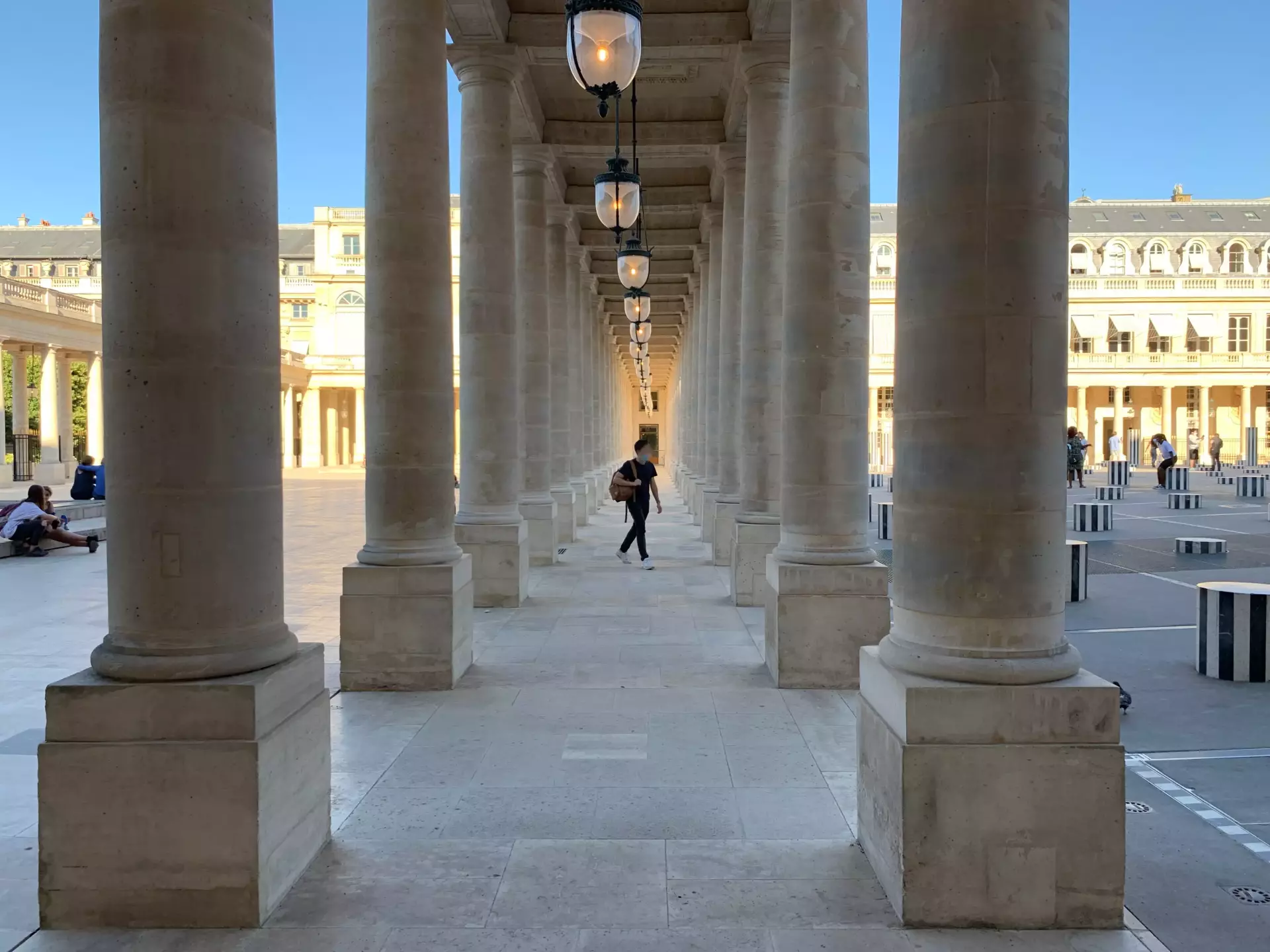
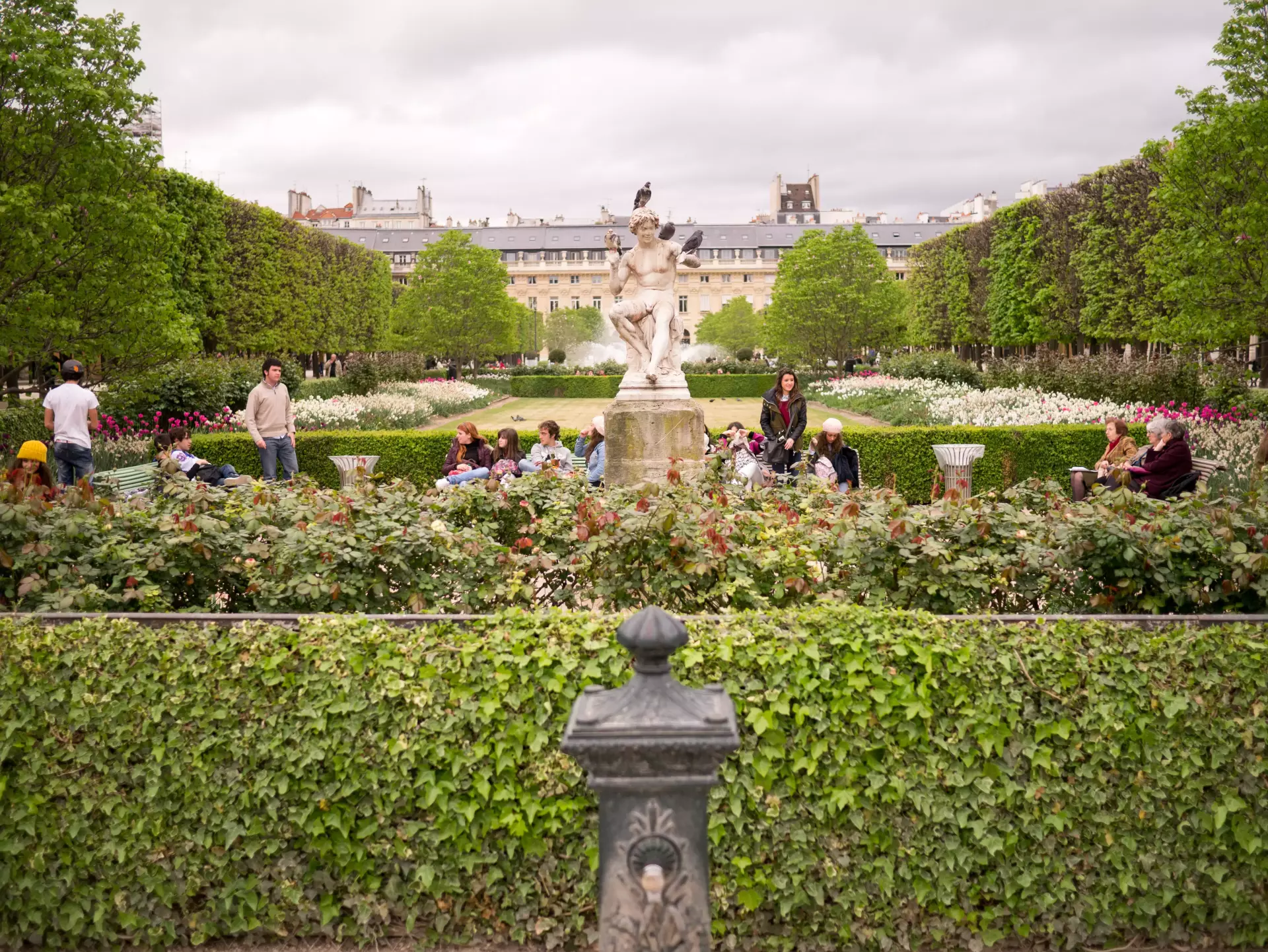
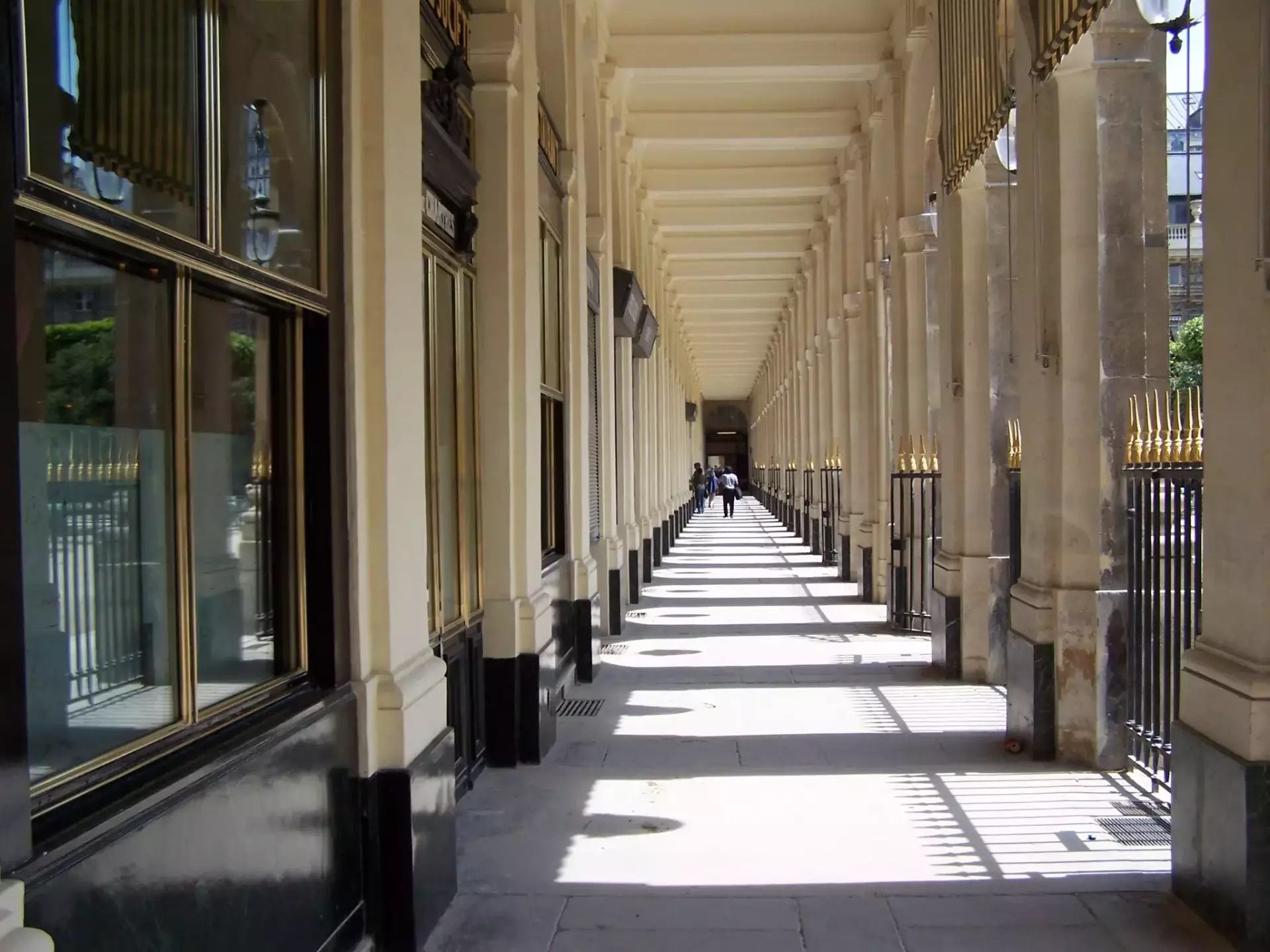
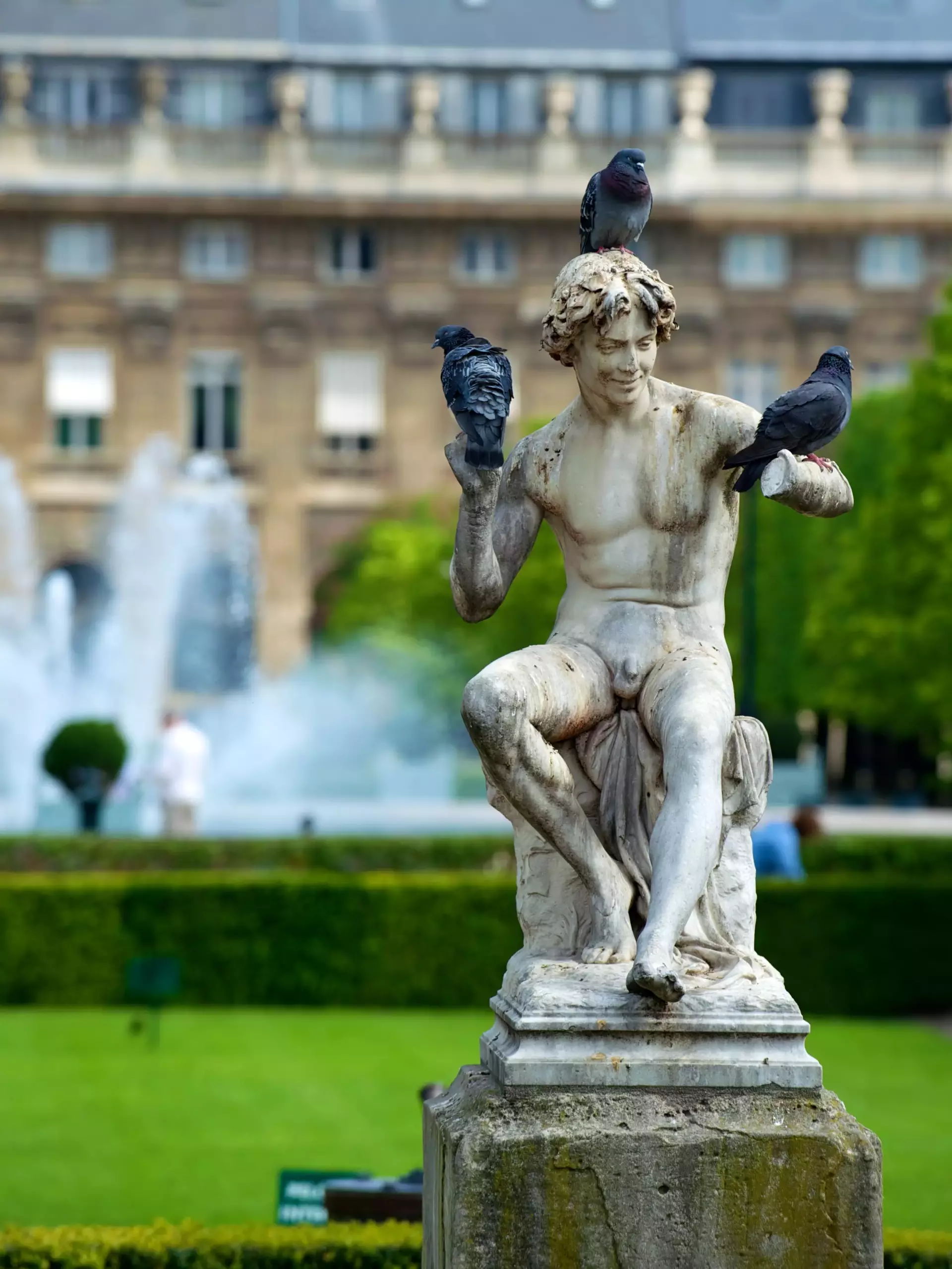
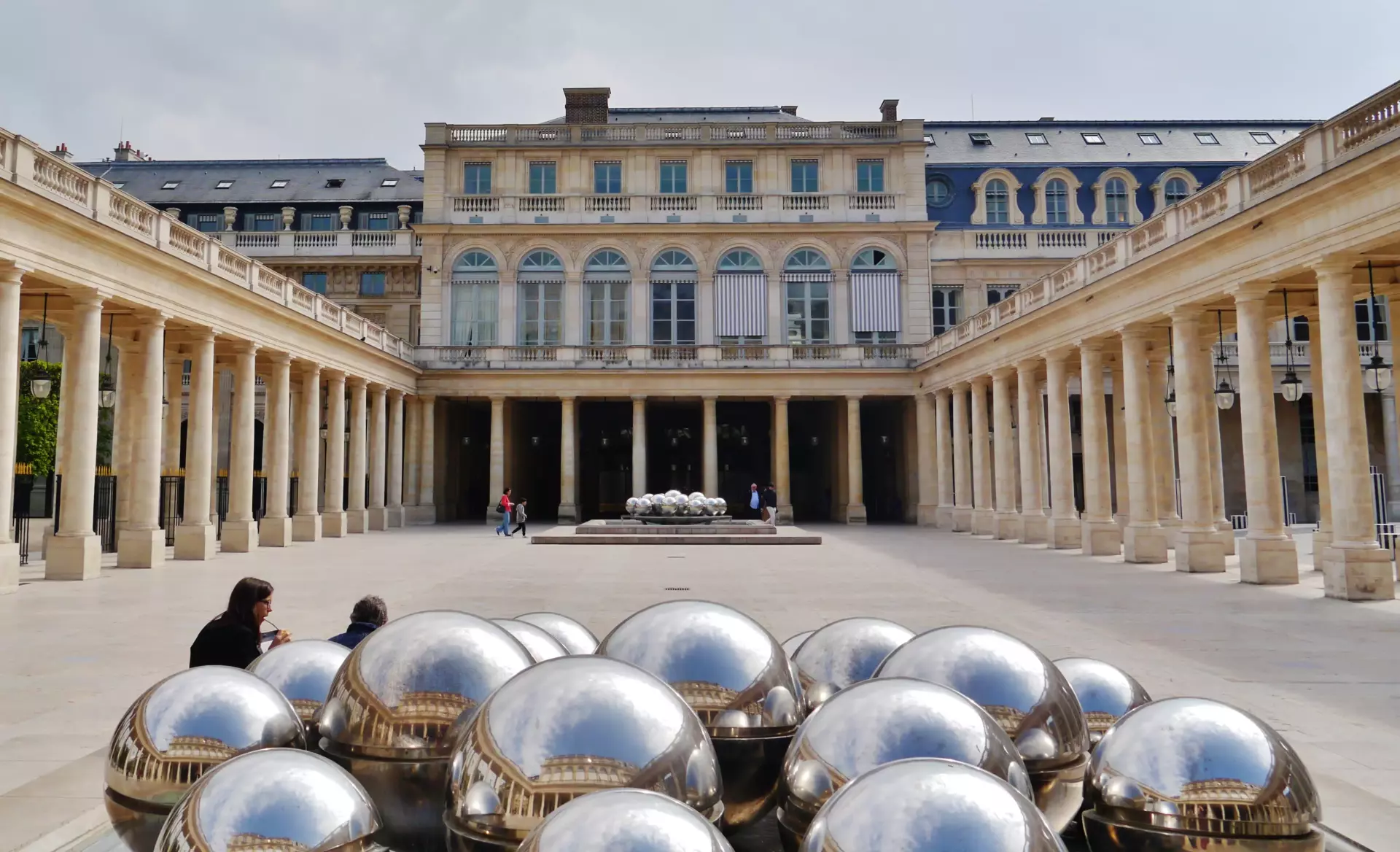
Surrounded by elegant arcades and classical architecture, the Jardins du Palais Royal offer a peaceful escape right in the middle of the city. These gardens are enclosed by the palace’s buildings, creating a unique and intimate space. Inside the garden, visitors find several restaurants, including the renowned Le Grand Véfour, which has welcomed guests for centuries.
In contrast to the traditional 17th-century architecture, visitors can also see the Colonnes de Buren, a striking contemporary art installation. These striped columns, set in the central courtyard, have sparked discussion and stirred opinions since their arrival, making them a modern landmark within historic surroundings.
Source - https://en.wikipedia.org/wiki/Palais-Royal