
Search ×
Home Rome
Palazzo Altemps
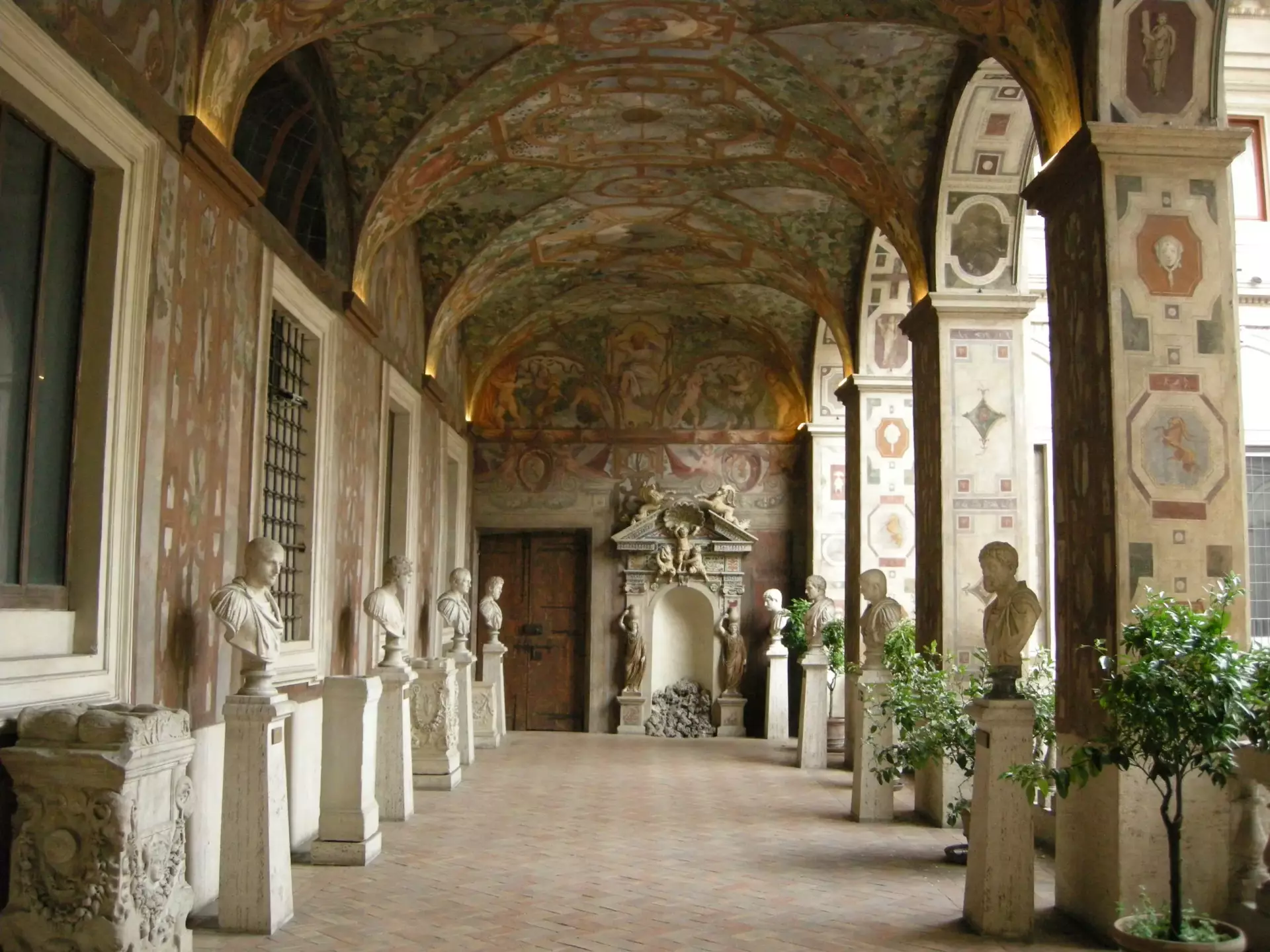
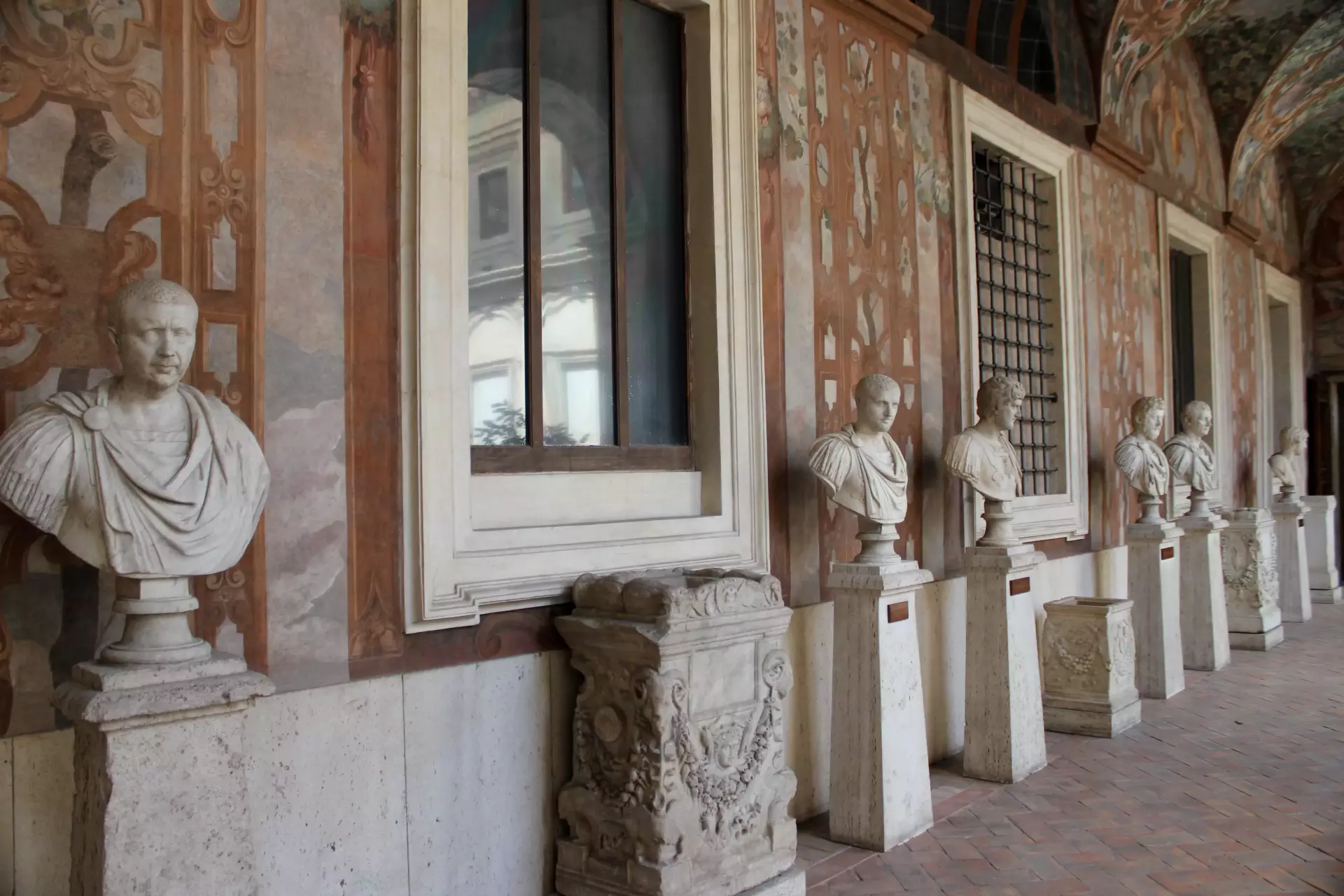
Rome. Palazzo Altemps. Loggia.
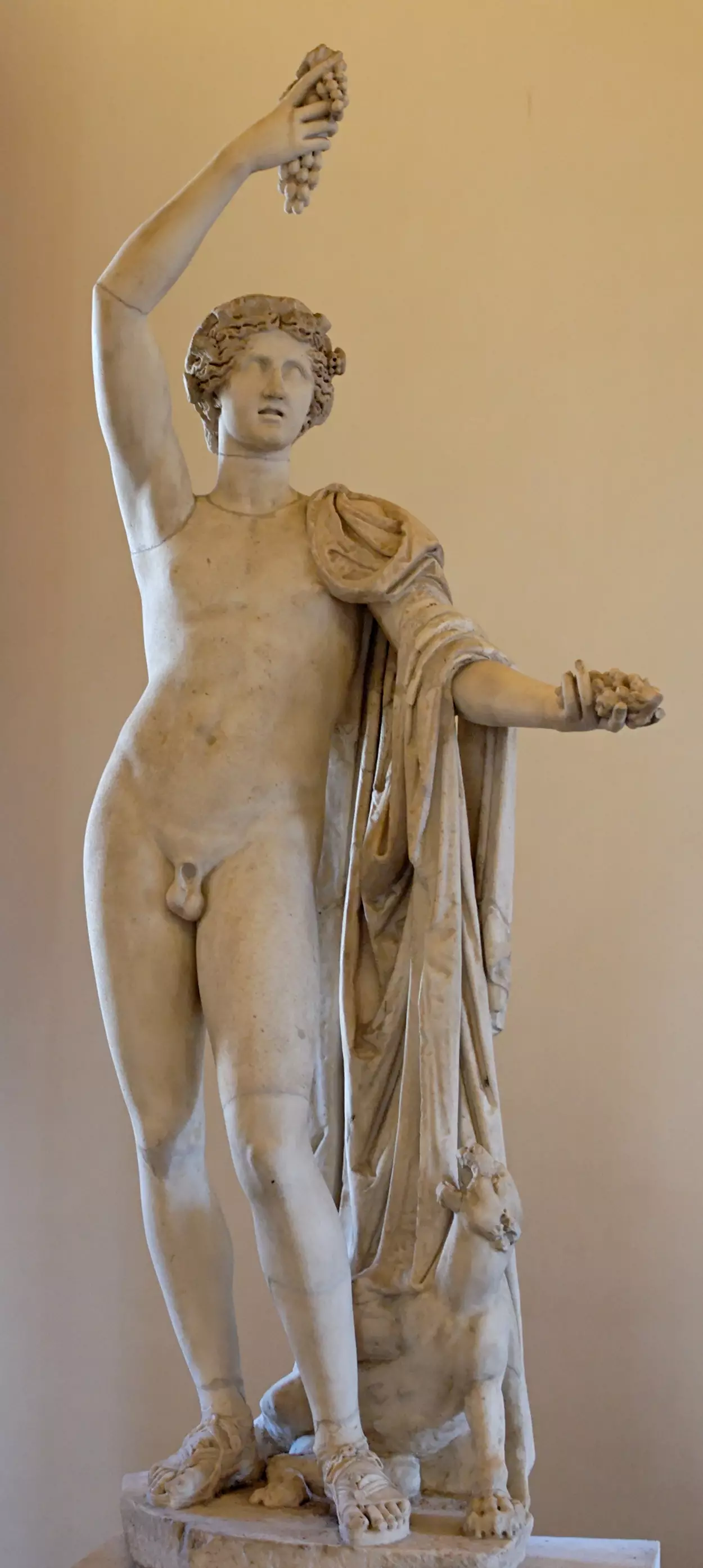
Dionysos. Marble, Roman artwork after Praxiteles' Lykeios Apollo (4th century BC). The head is antique but does not belong to the body.
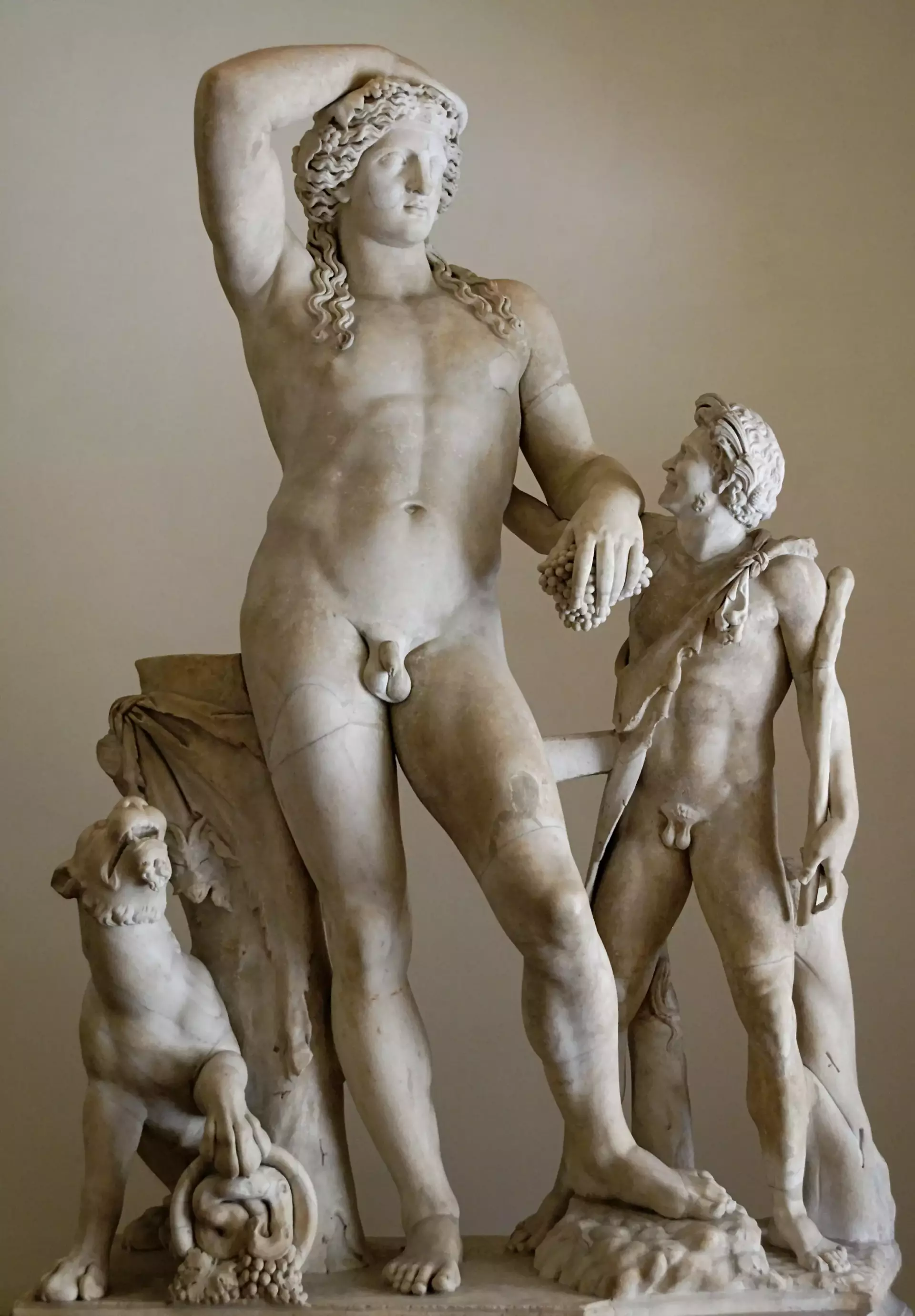
Drunken Dionysos and satyr. Marble, Roman copy from the 2nd century CE after a Hellenistic original. Original elements include the heads, torsos, and thighs of Dionysos and the satyr, as well as the right arm of Dionysos. Restored elements include the legs of both Dionysos and the satyr, and the arms of the satyr.
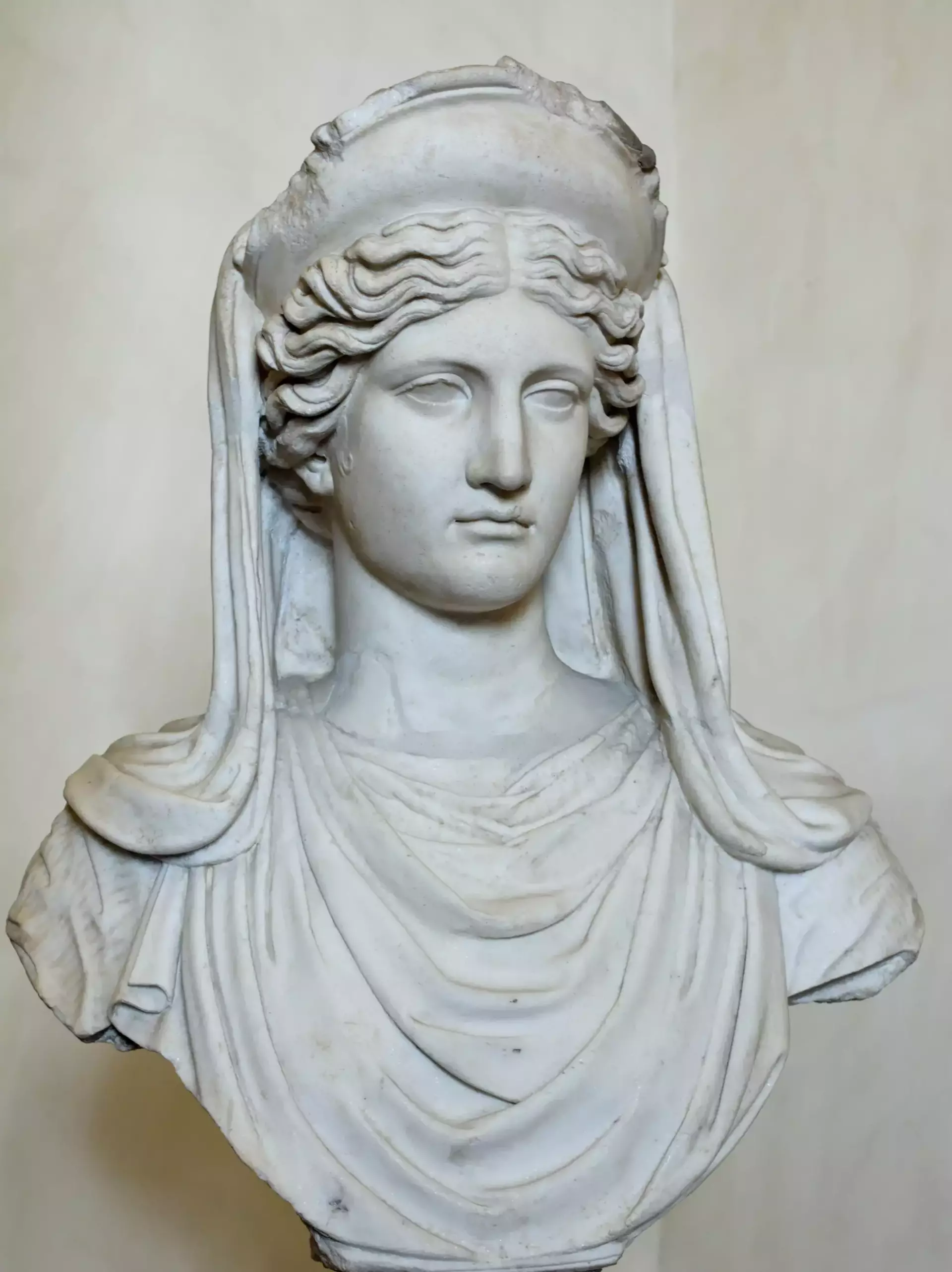
Demeter. Marble, Roman copy after a Greek original from the 4th century BCE.
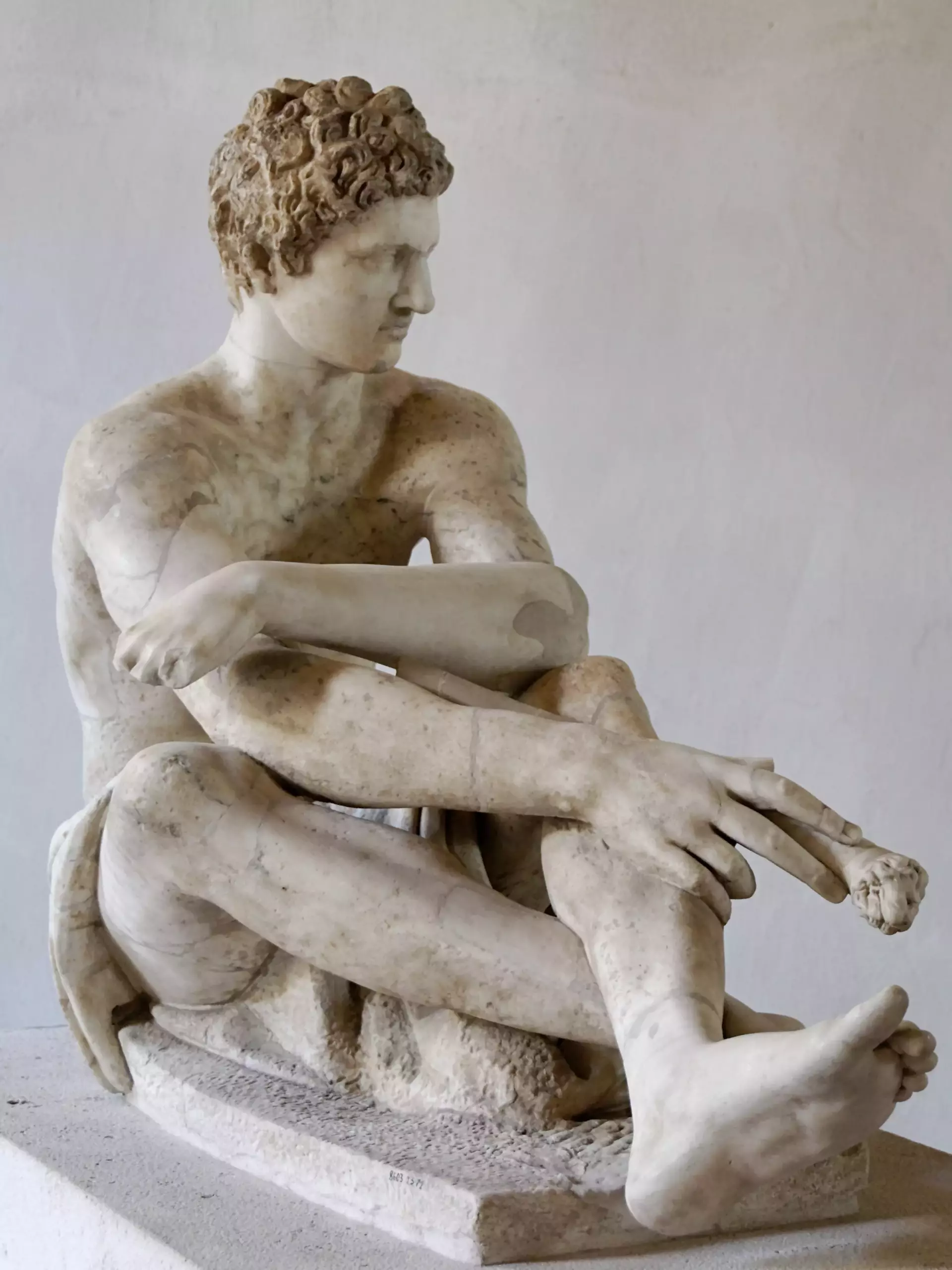
Seated warrior, traditionally a pendant to the statue of Ludovisi Ares. Made from Pentelic marble (body) and Parian marble (head), this is a Roman copy after a Hellenistic original. It is slightly restored; the head is antique (type of the Skopas Meleager) but does not belong to the body.
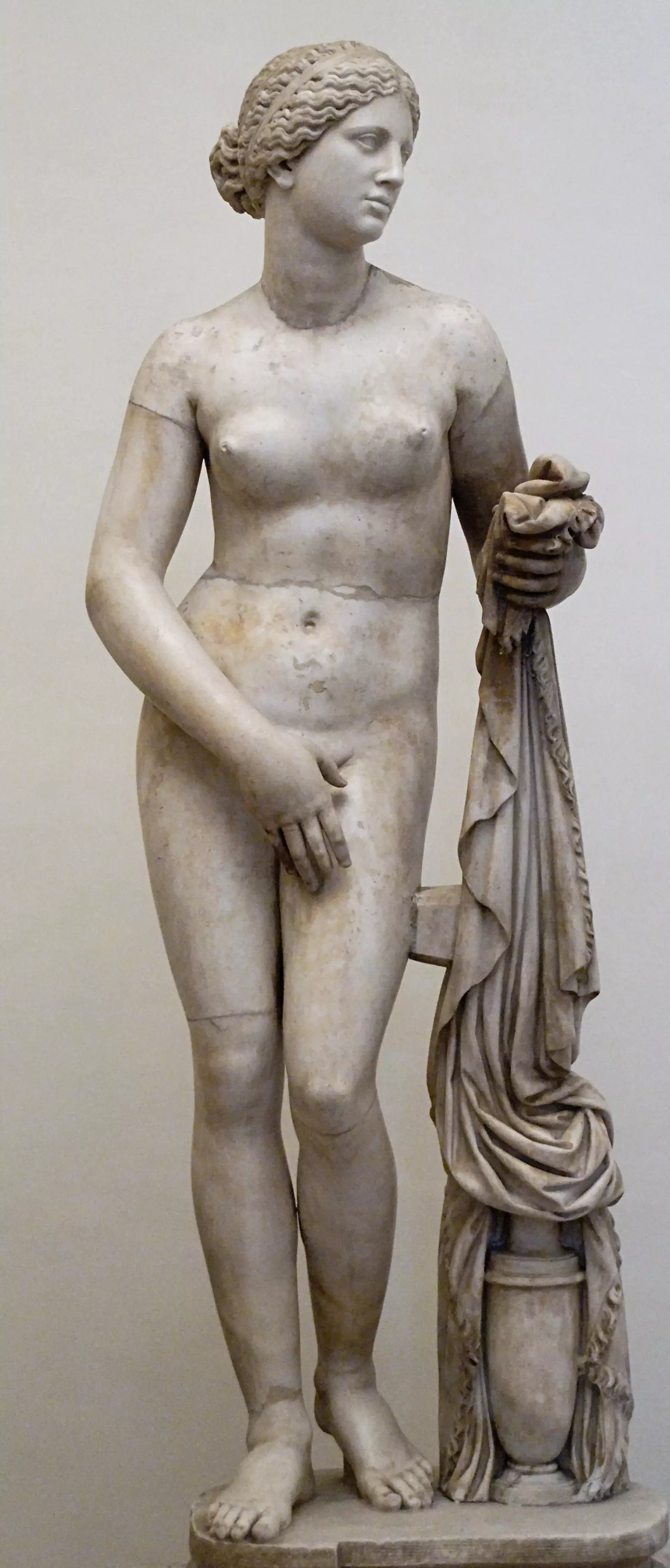
Cnidus Aphrodite. Marble, Roman copy after a Greek original of the 4th century. The original elements are the torso and thighs, while the head, arms, legs, and support (drapery and jug) are restored elements.
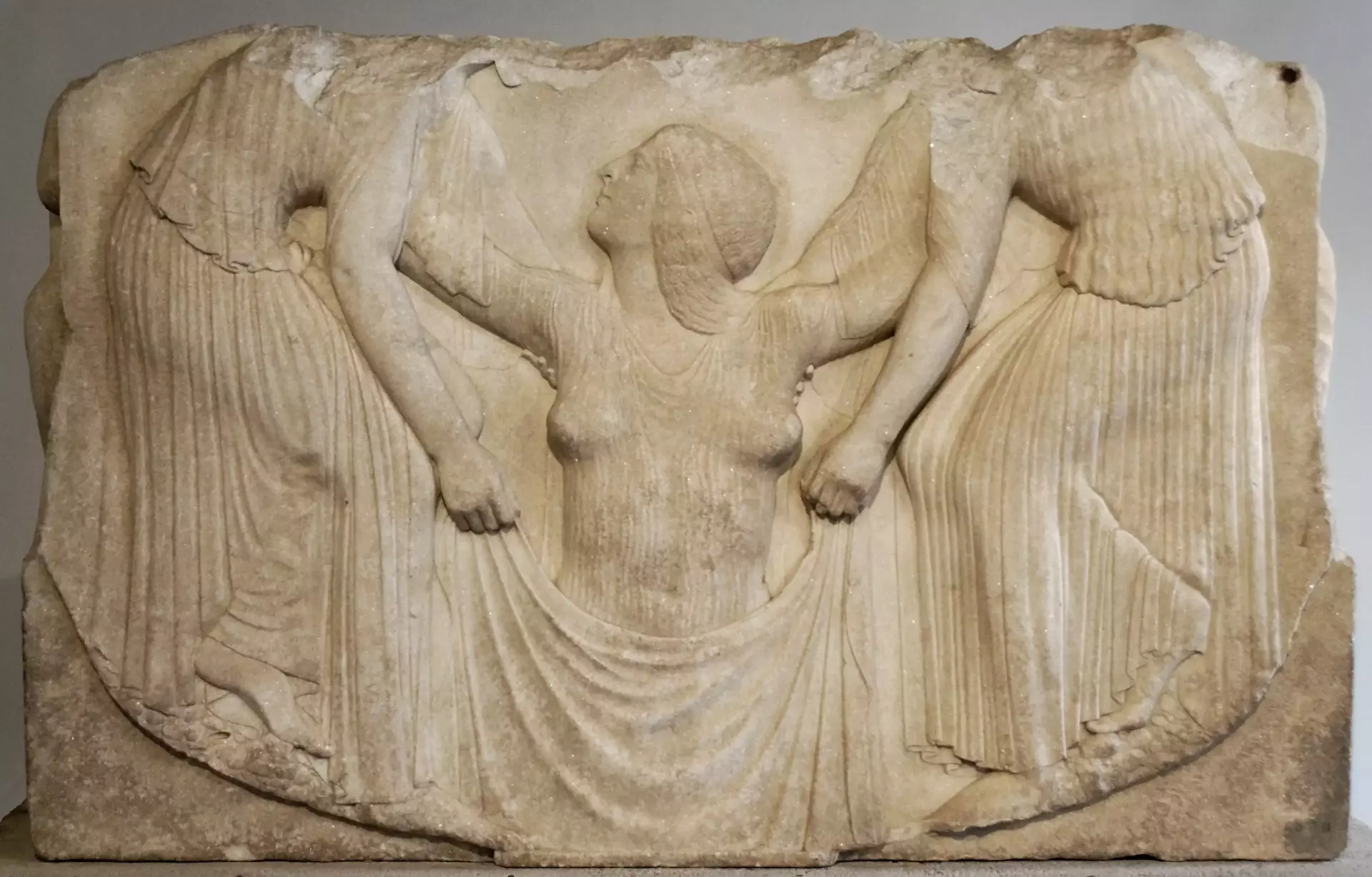
So-called "Ludovisi Throne": main panel, depicting Aphrodite attended by two handmaidens as she rises out of the surf. Made of Thasos marble, this is a Greek artwork from around 460 BC (authenticity disputed).
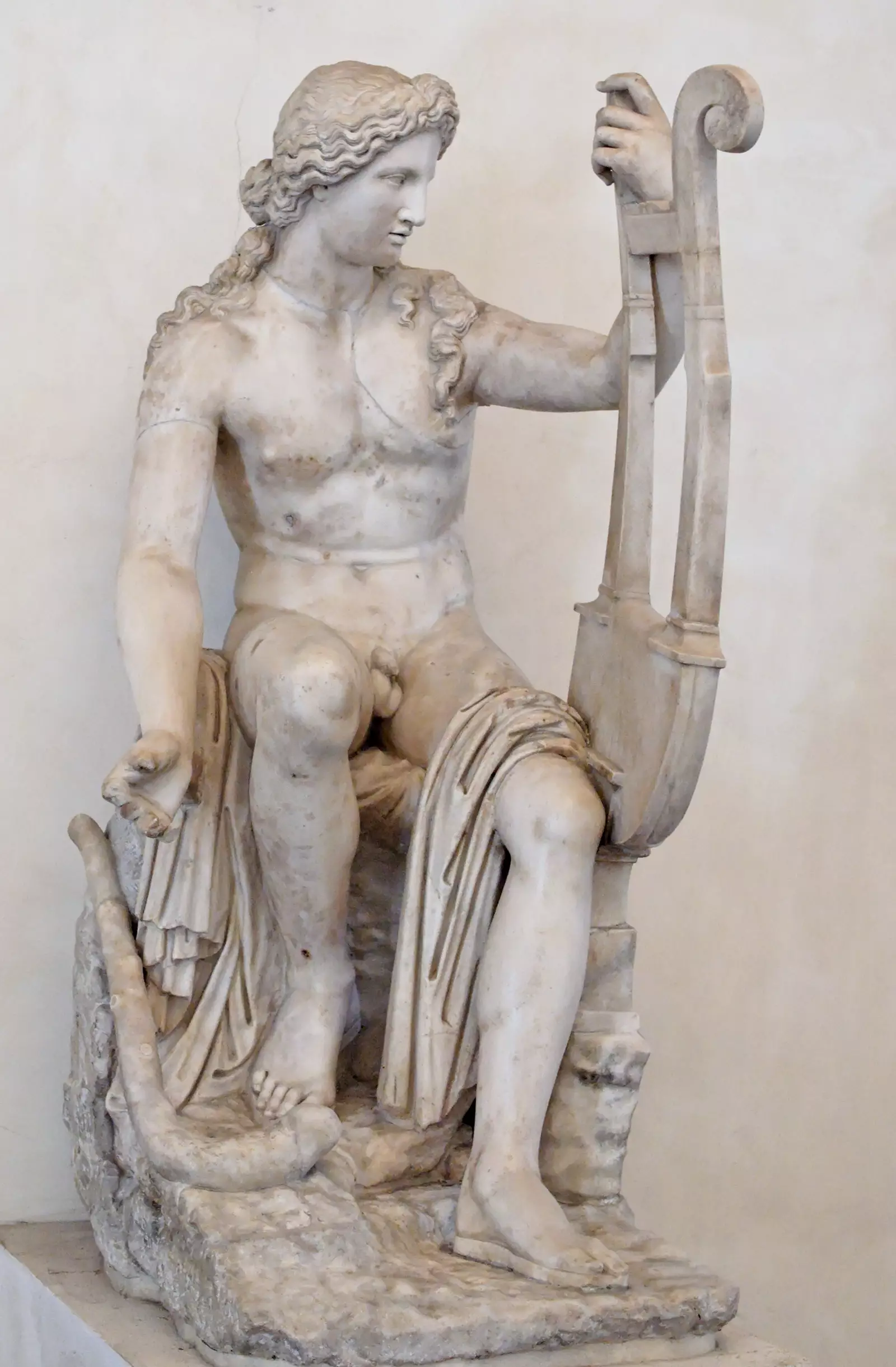
Apollo Kaitharoidos. Marble, original parts (torso and right leg): Roman copy from the Hadrianic period after a Hellenistic original. Heavily restored in the 17th century: head (after the Apollo Lykeios type), left arm and lyre, left leg, drapery, and stick.
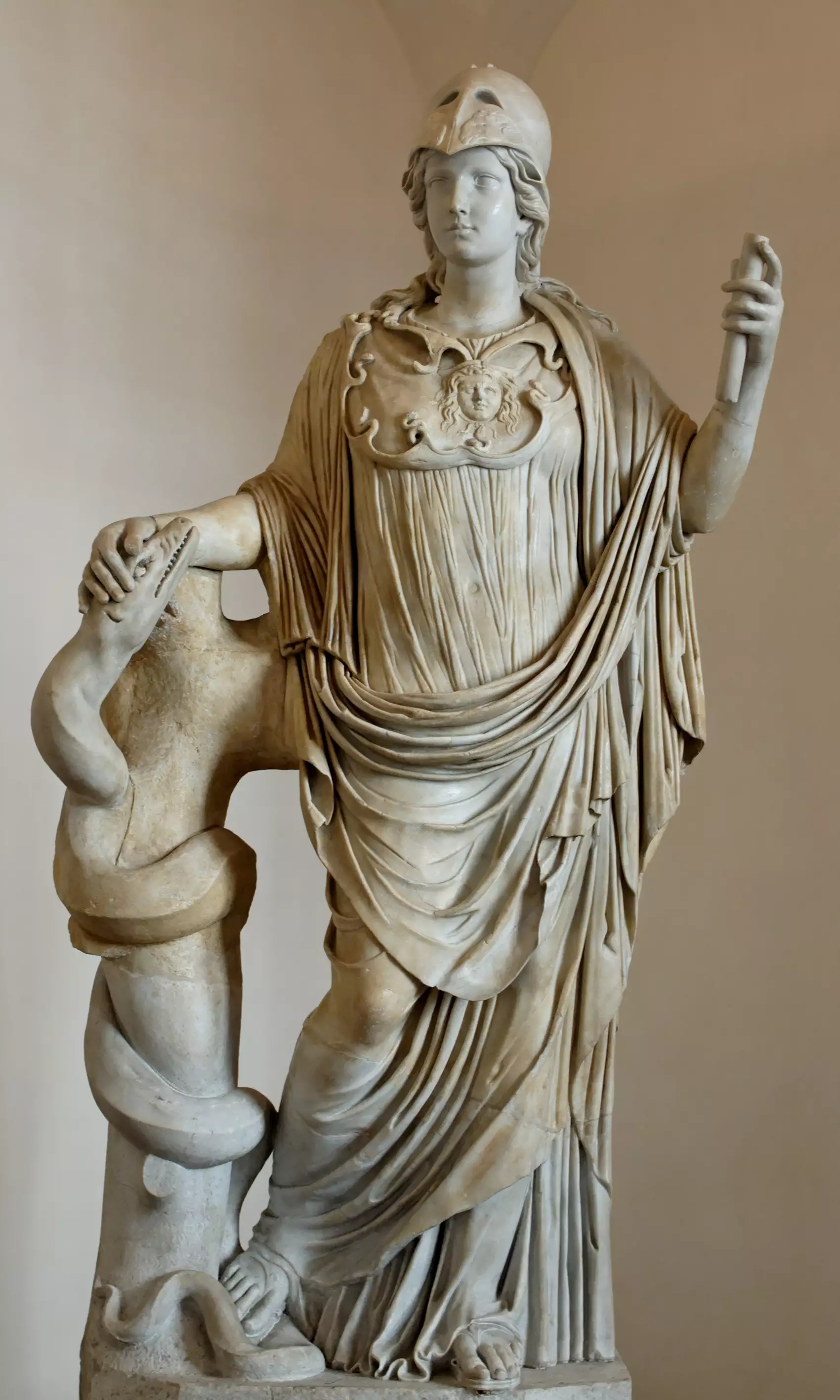
Athena. The statue was found in 1627 in fragments at the Campus Martius, near Santa Maria sopra Minerva. It probably represented Hygieia but was restored as an Athena by Alessandro Algardi to oblige his patron, Cardinal Ludovisi. The original parts, including the torso, lower body, and snake, are made of marble, while the restored elements, mainly the head and aegis, are made of Carrara marble.

Palazzo Altemps

Rome, Italy

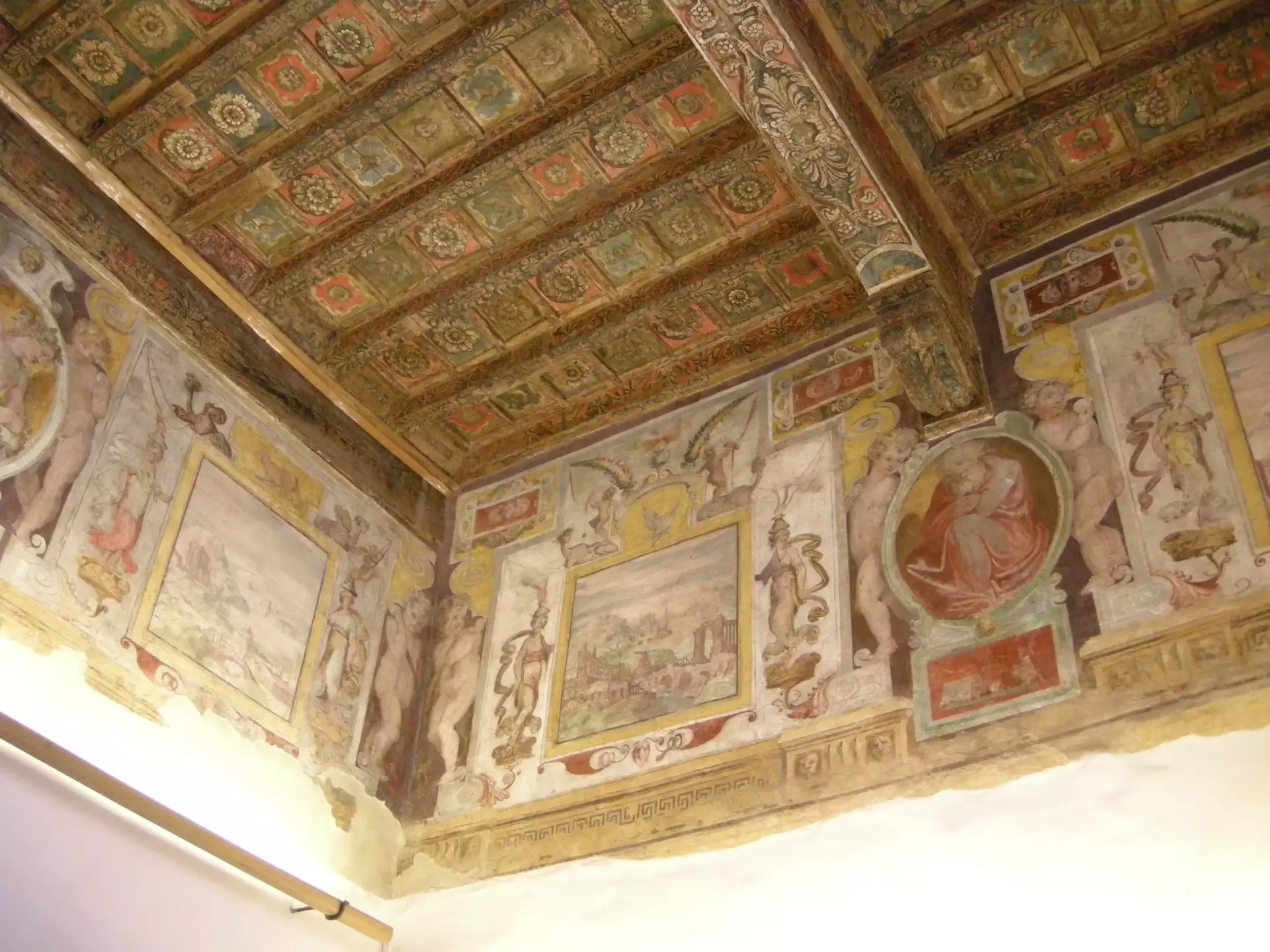
Palazzo Altemps is a striking building known for its simple and elegant lines. Construction first began in 1480 for Count Girolamo Riario, who was the nephew of Pope Sixtus IV. Later on, the architect Martino Longhi continued the work for the new owner, Cardinal Marco Sittico Altemps.

A Home for Art and History

Today, Palazzo Altemps serves as one of the branches of the National Museum of Rome. The museum inside displays a rich collection of ancient and Renaissance sculptures. Visitors can see many works that reflect the 16th and 17th-century taste for restoring ancient statues, often by adding missing parts such as heads or arms. This approach to art restoration gives the collection a unique character, blending original pieces with later additions.

Source - https://en.wikipedia.org/wiki/Palazzo_Altemps

Developed by Reflex.com.ua
Contacts
  • info@reflex.com.ua
Social media