

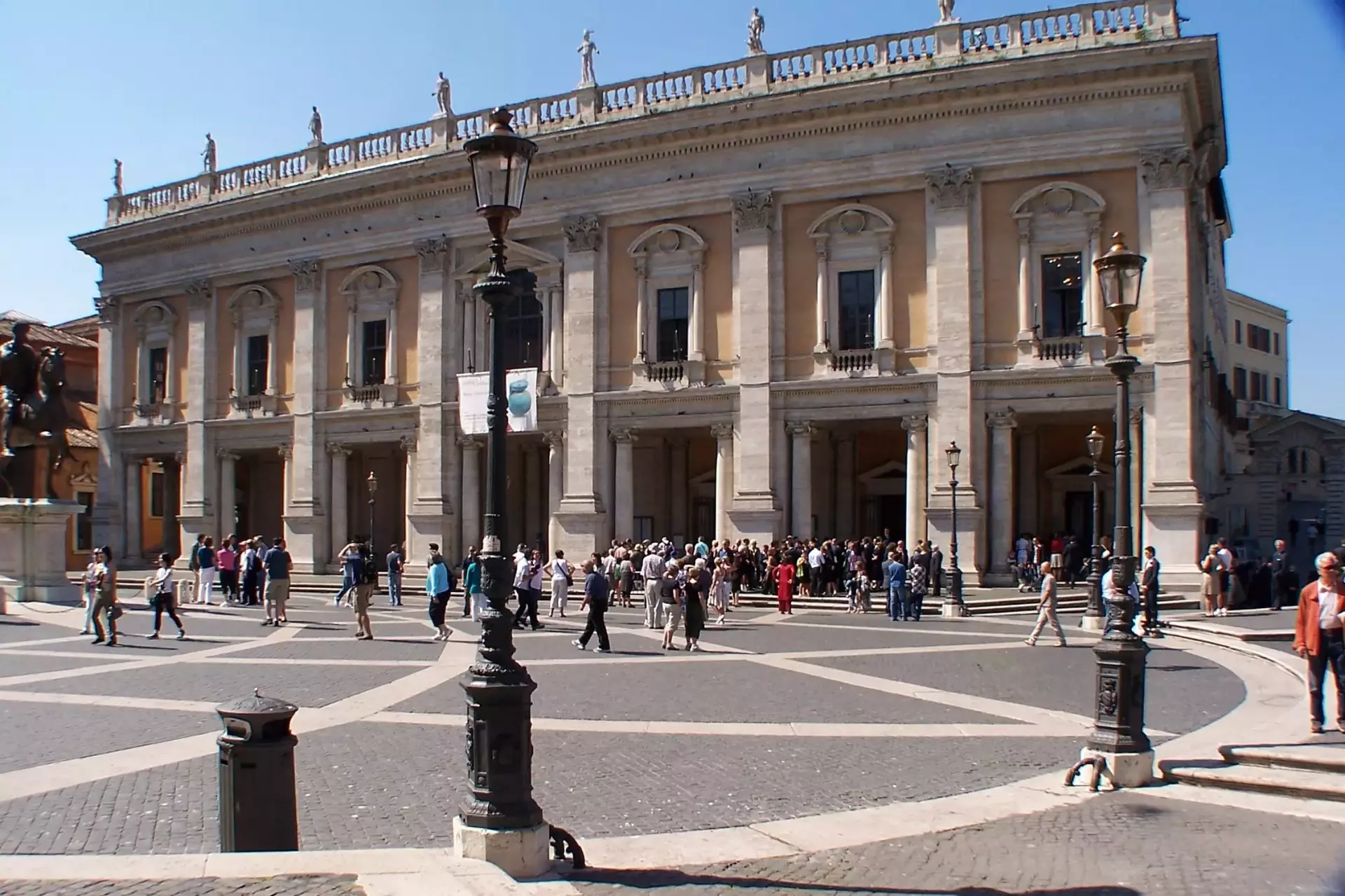
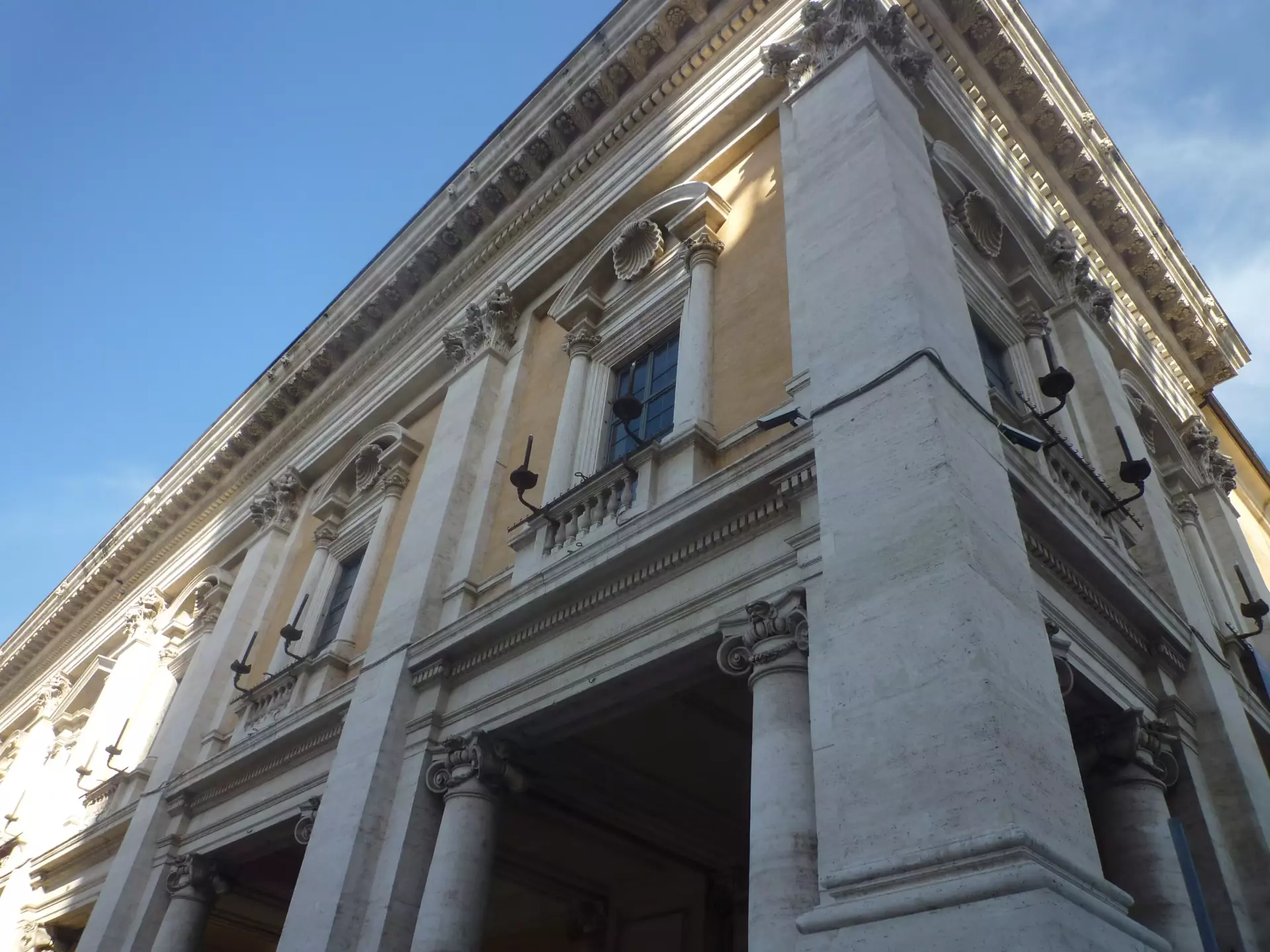
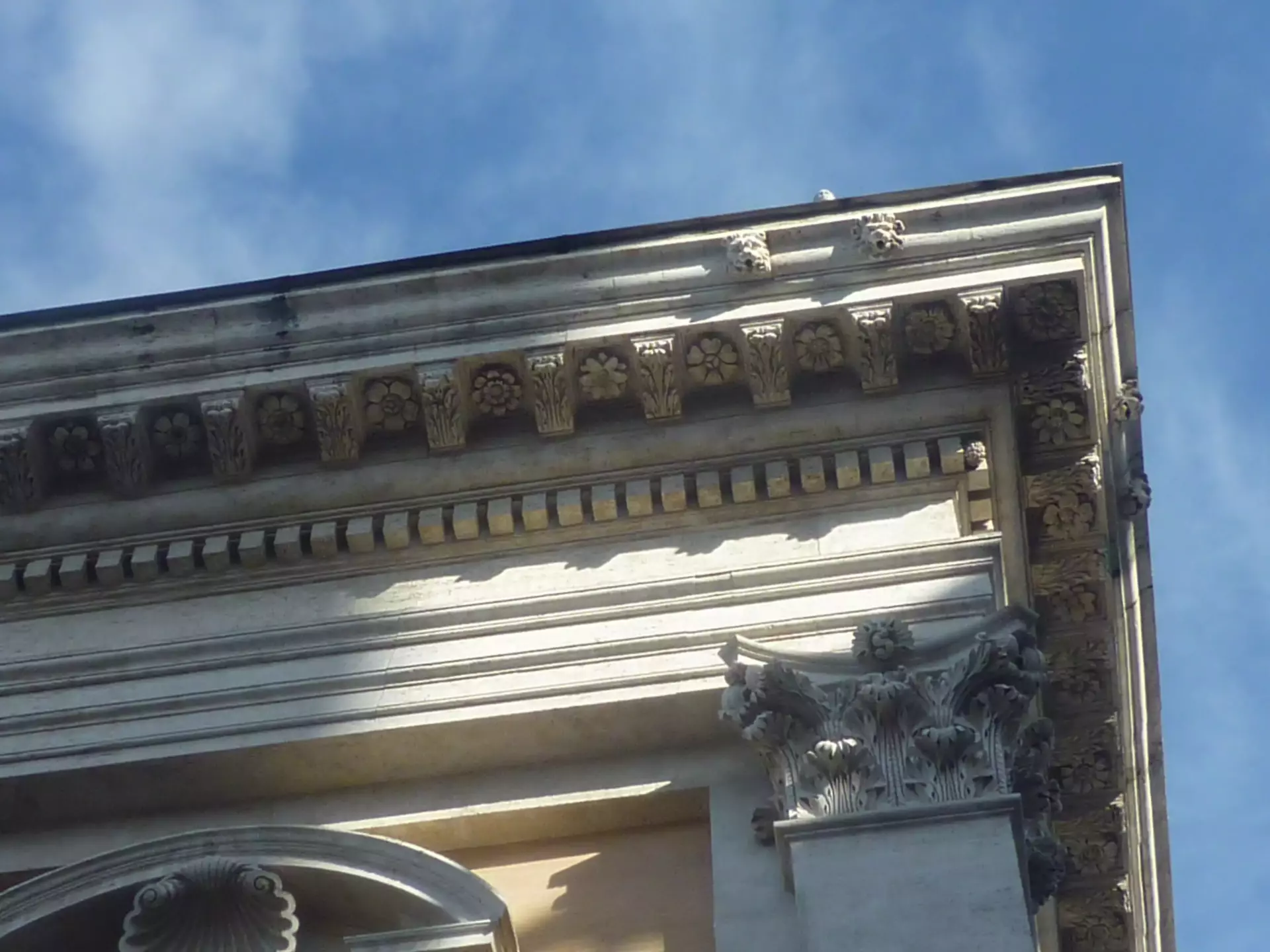
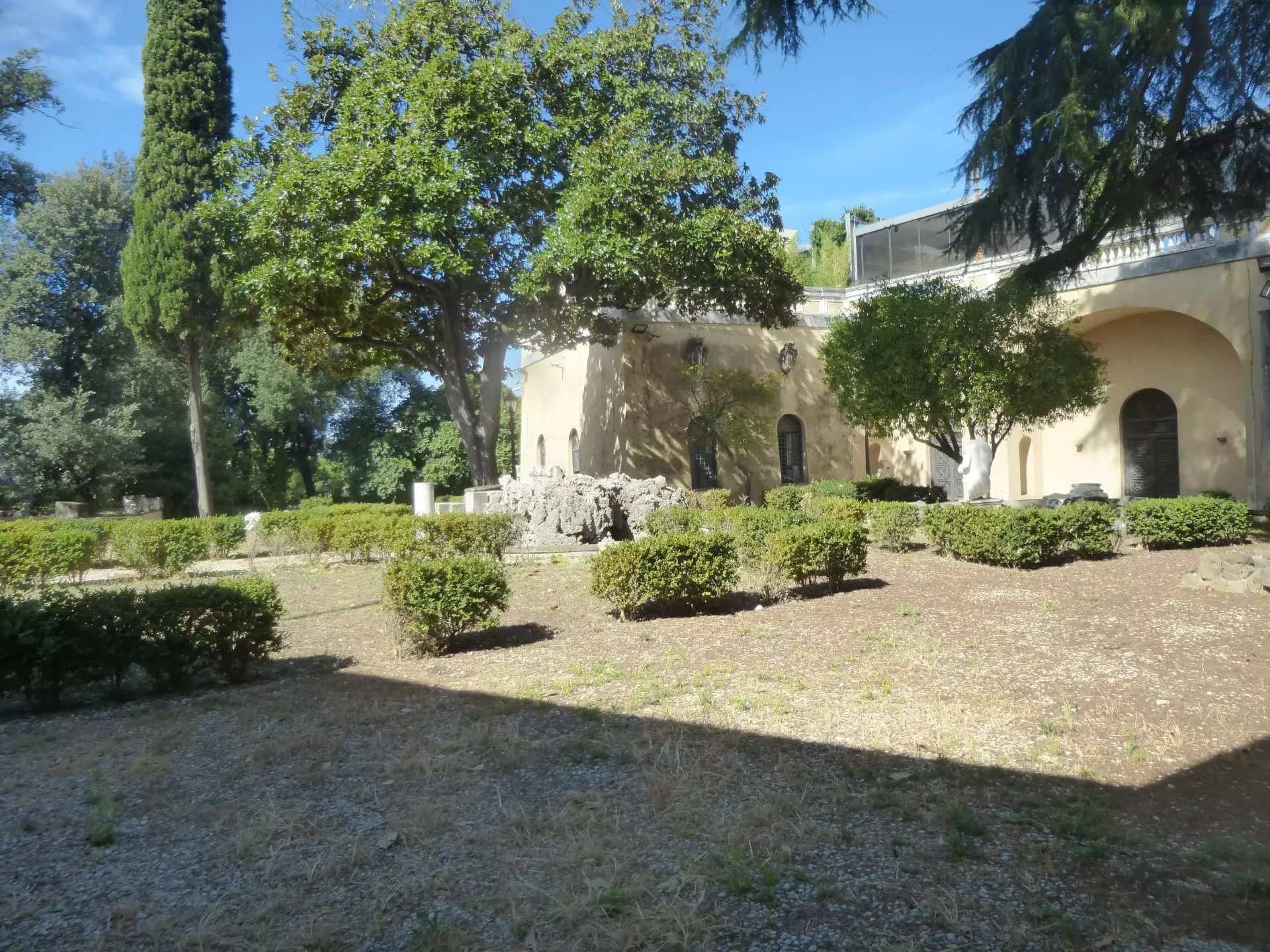


Palazzo dei Conservatori
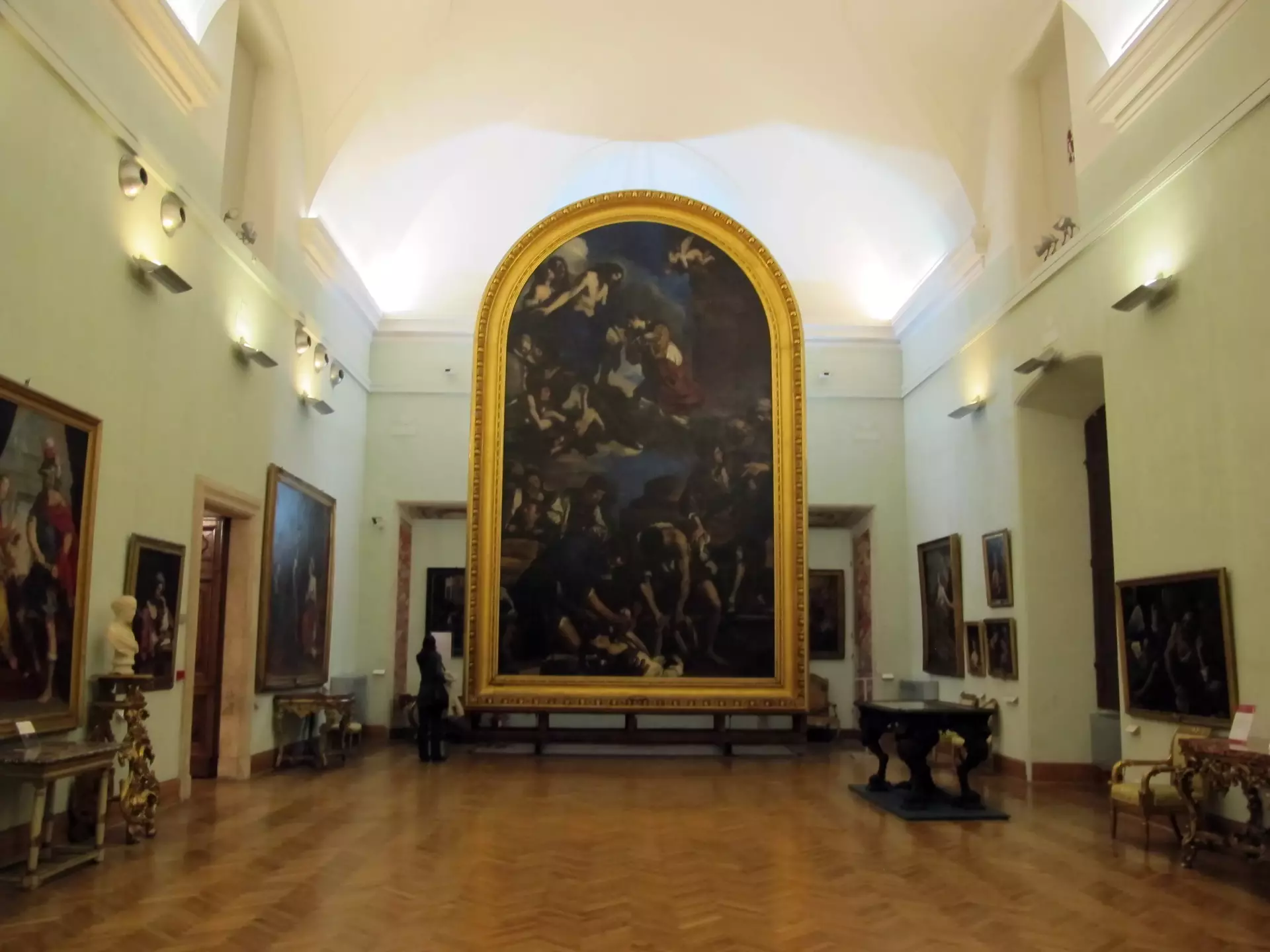
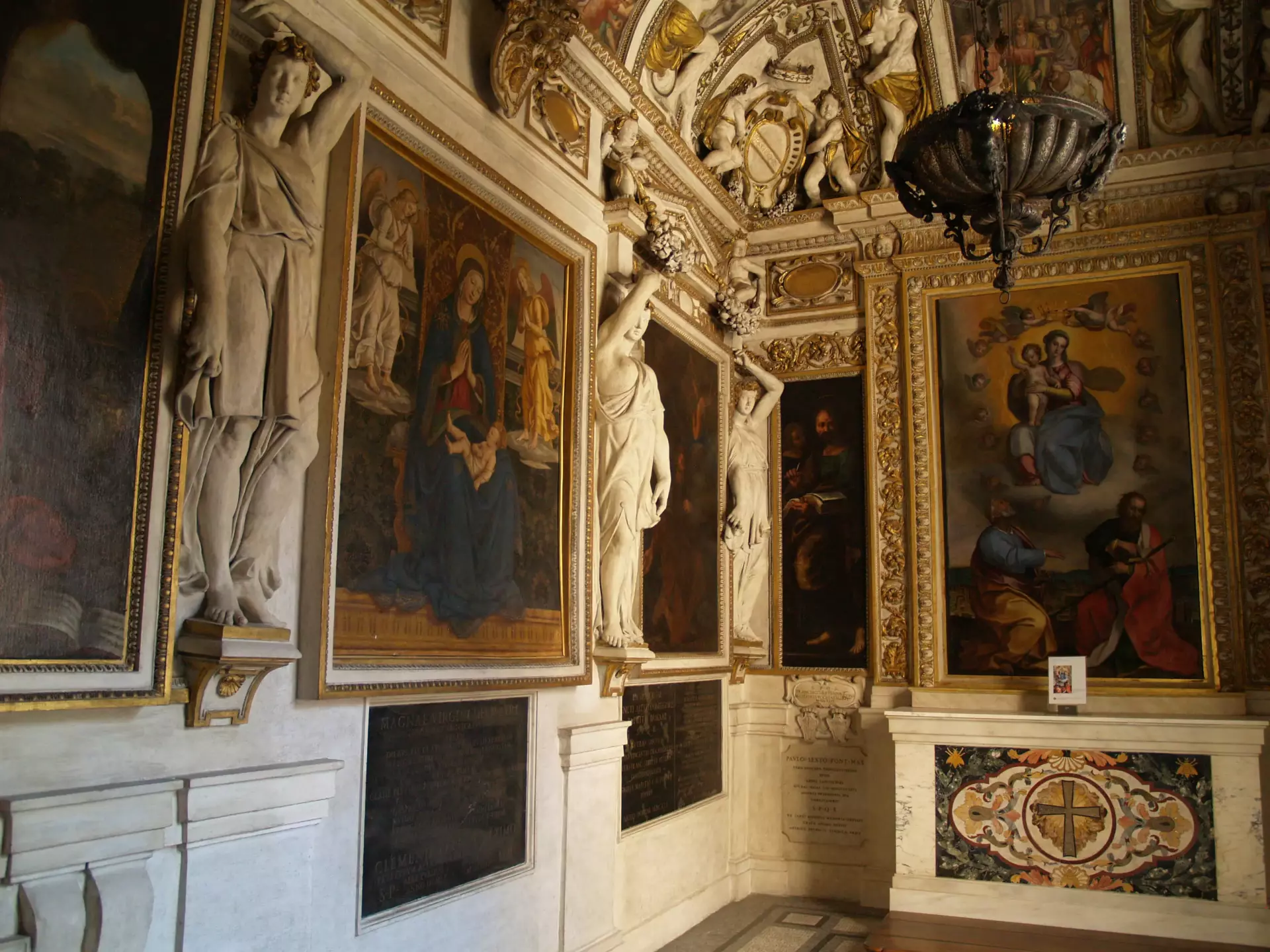
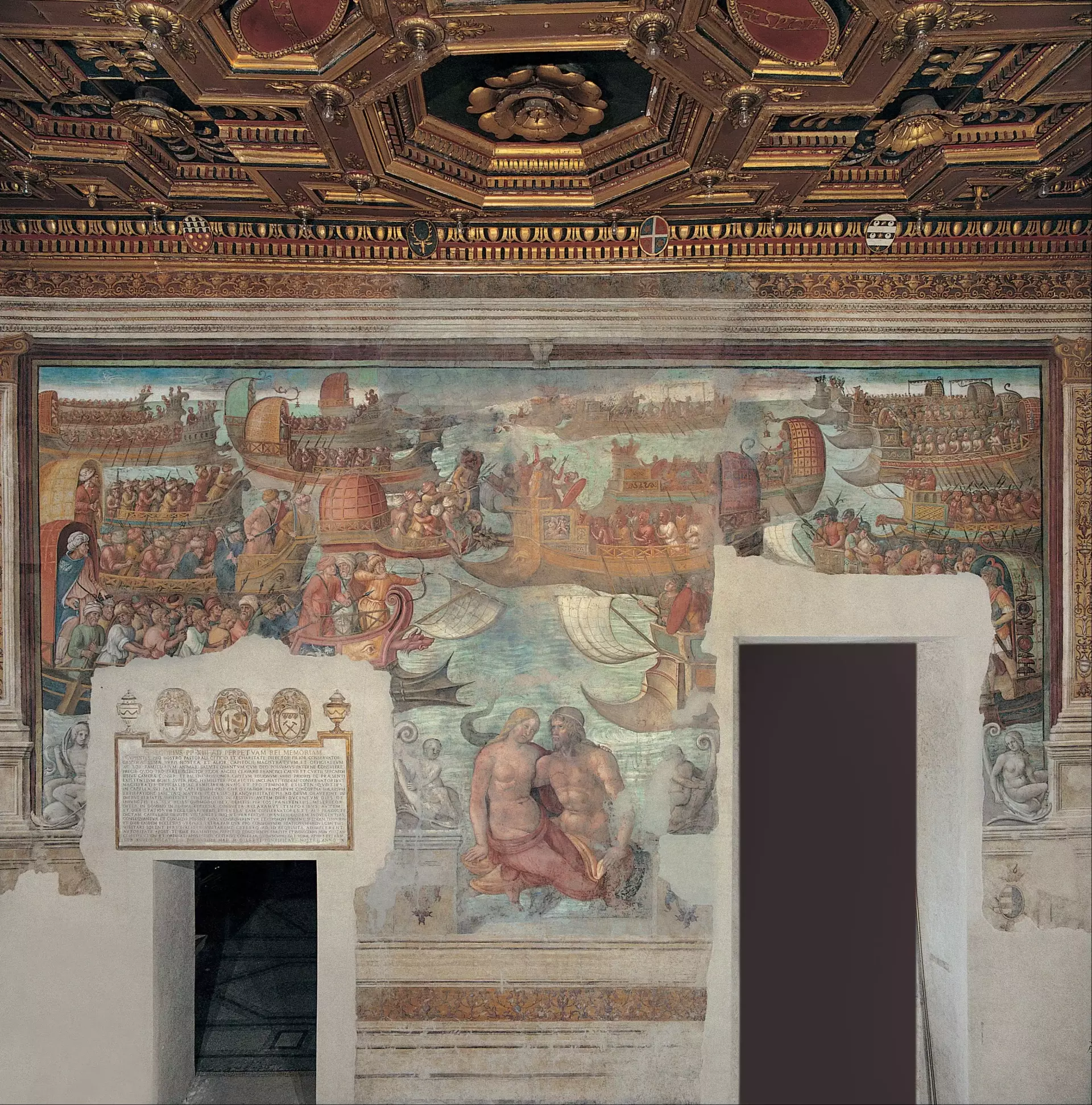
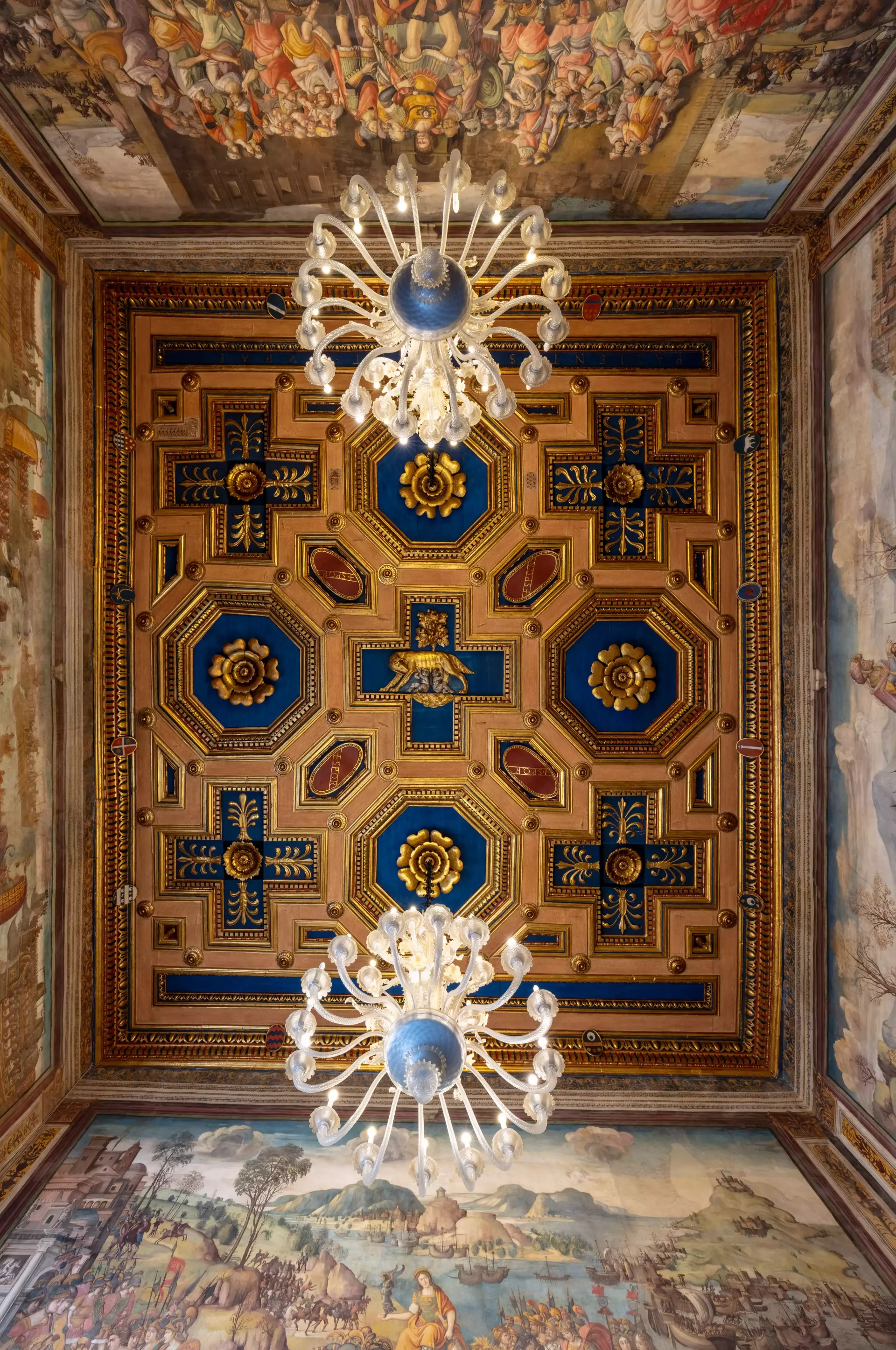
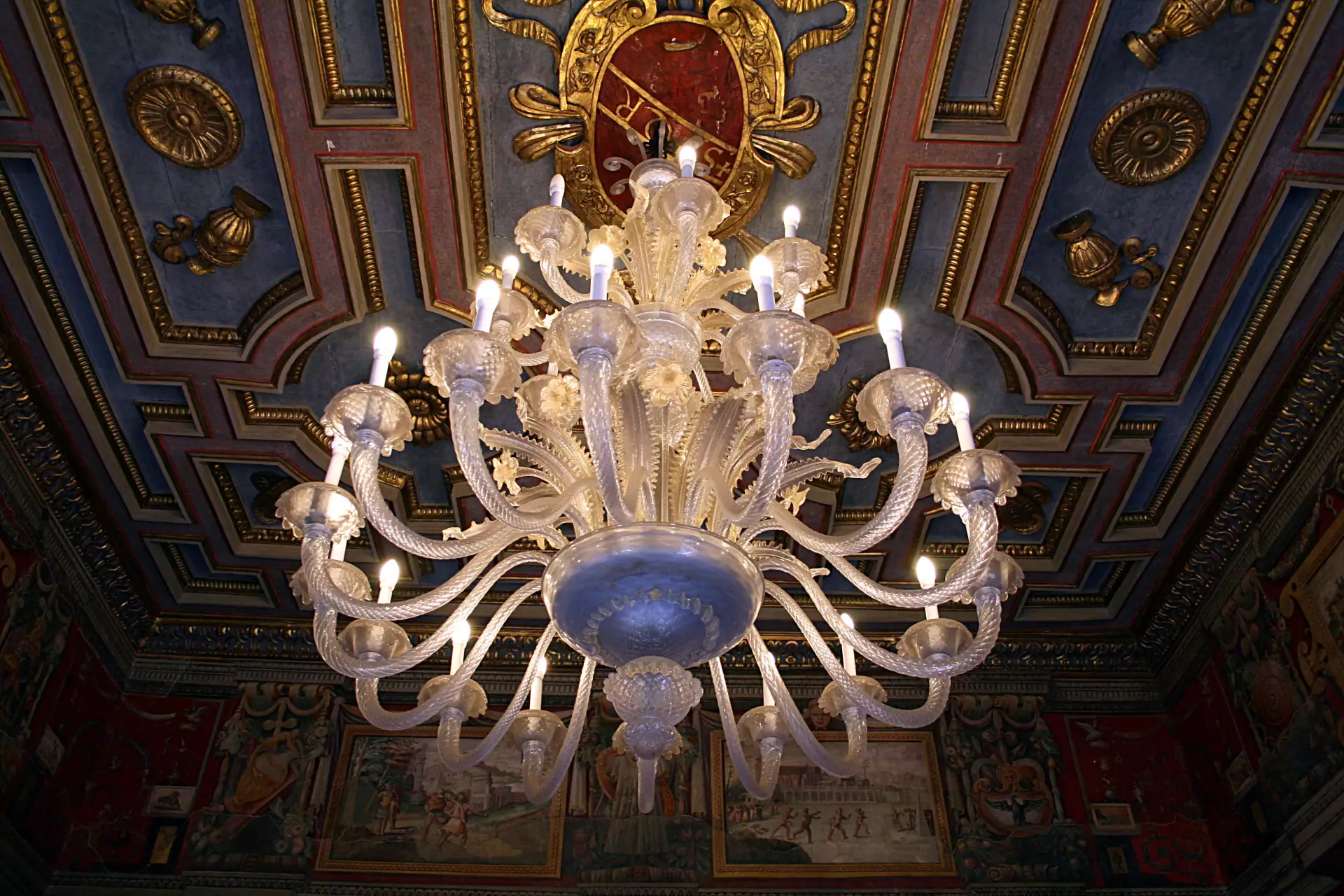
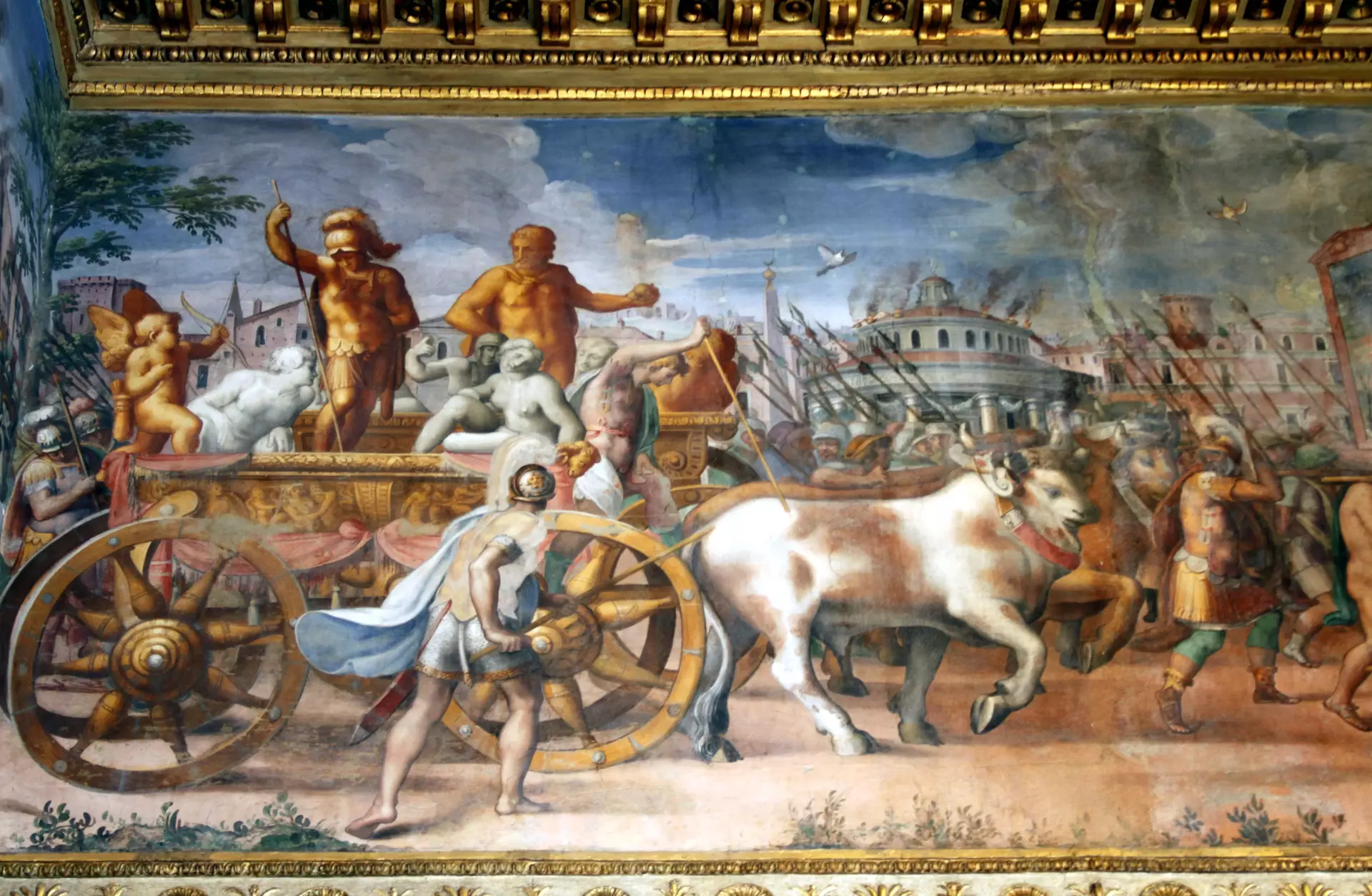
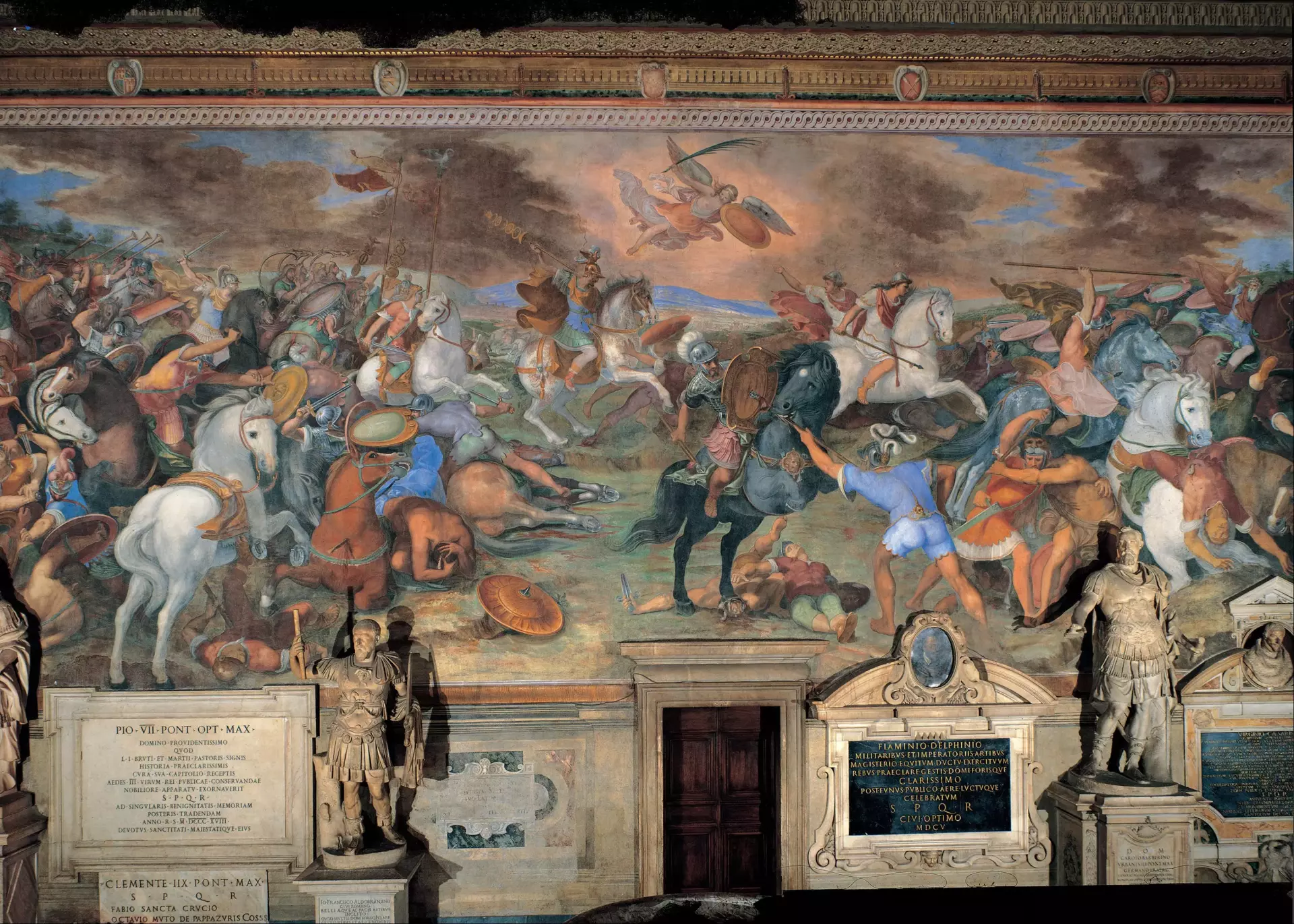
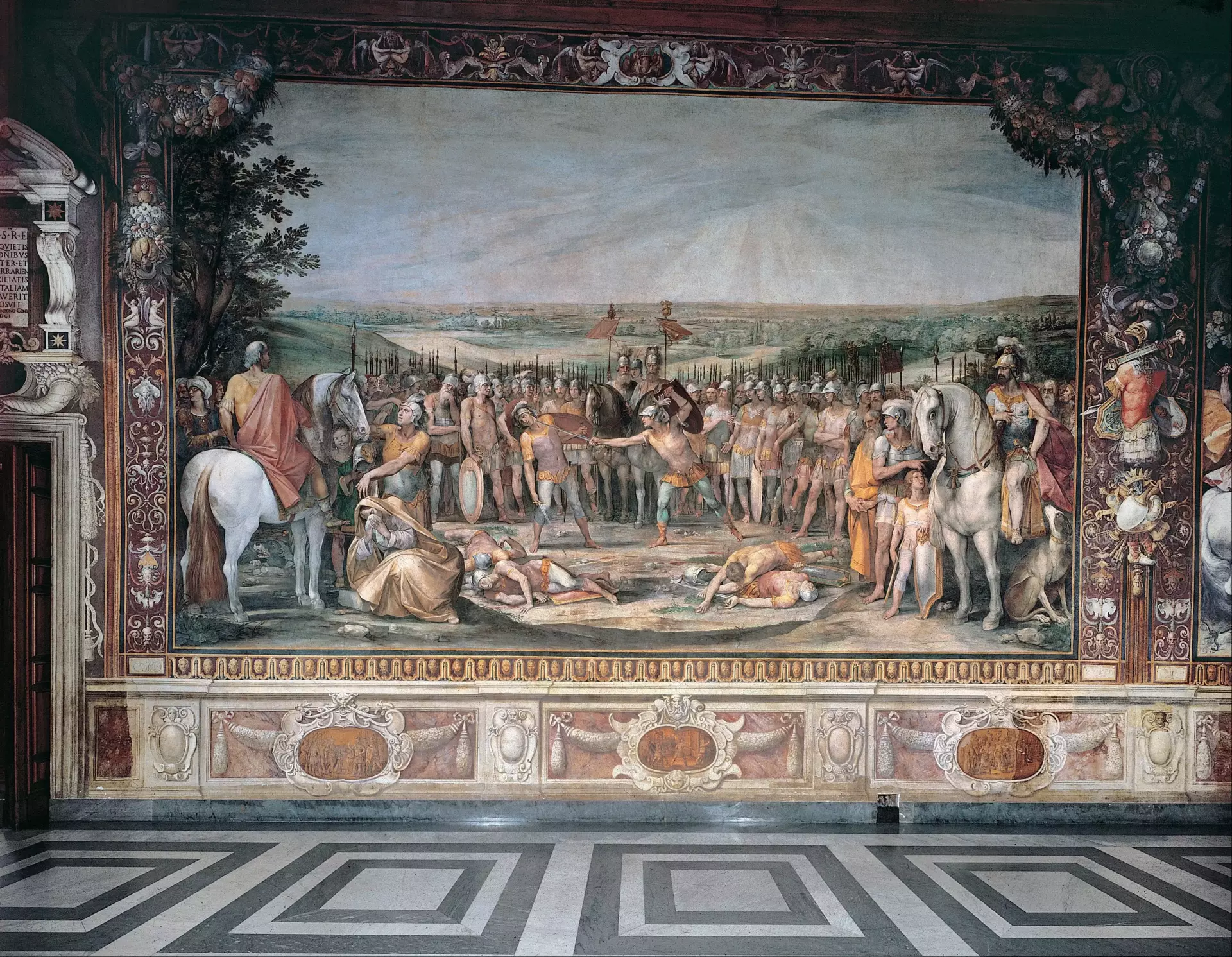
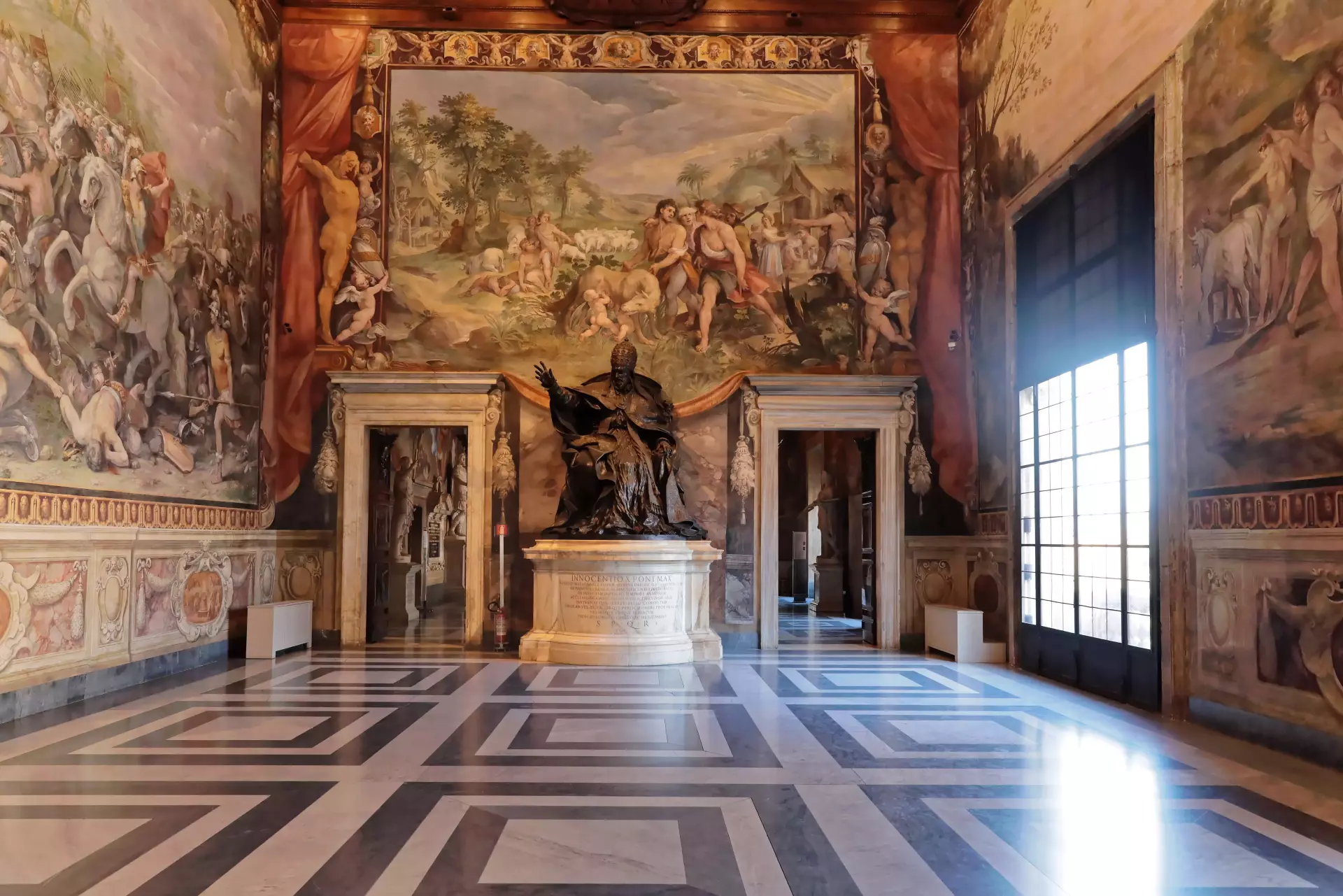
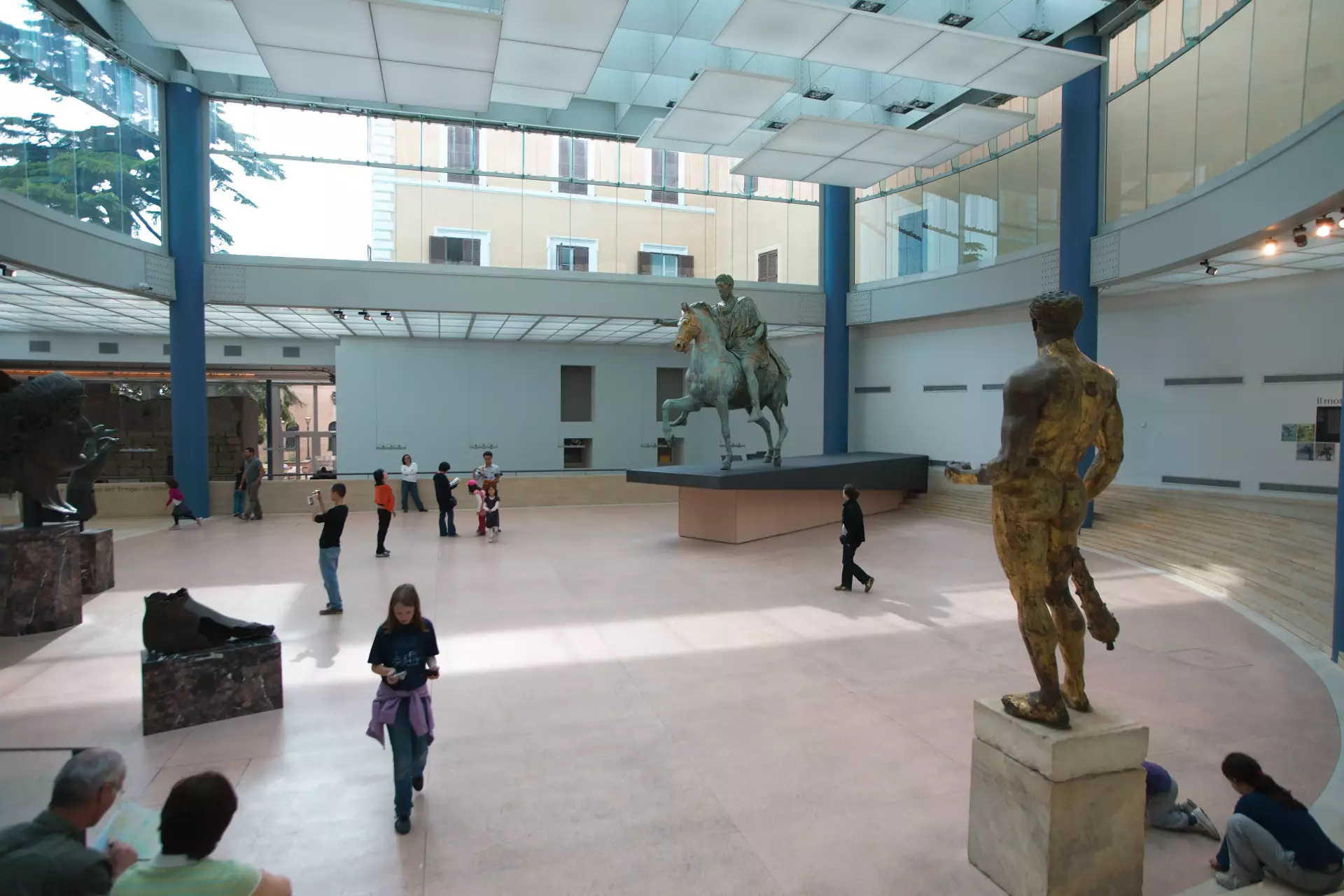
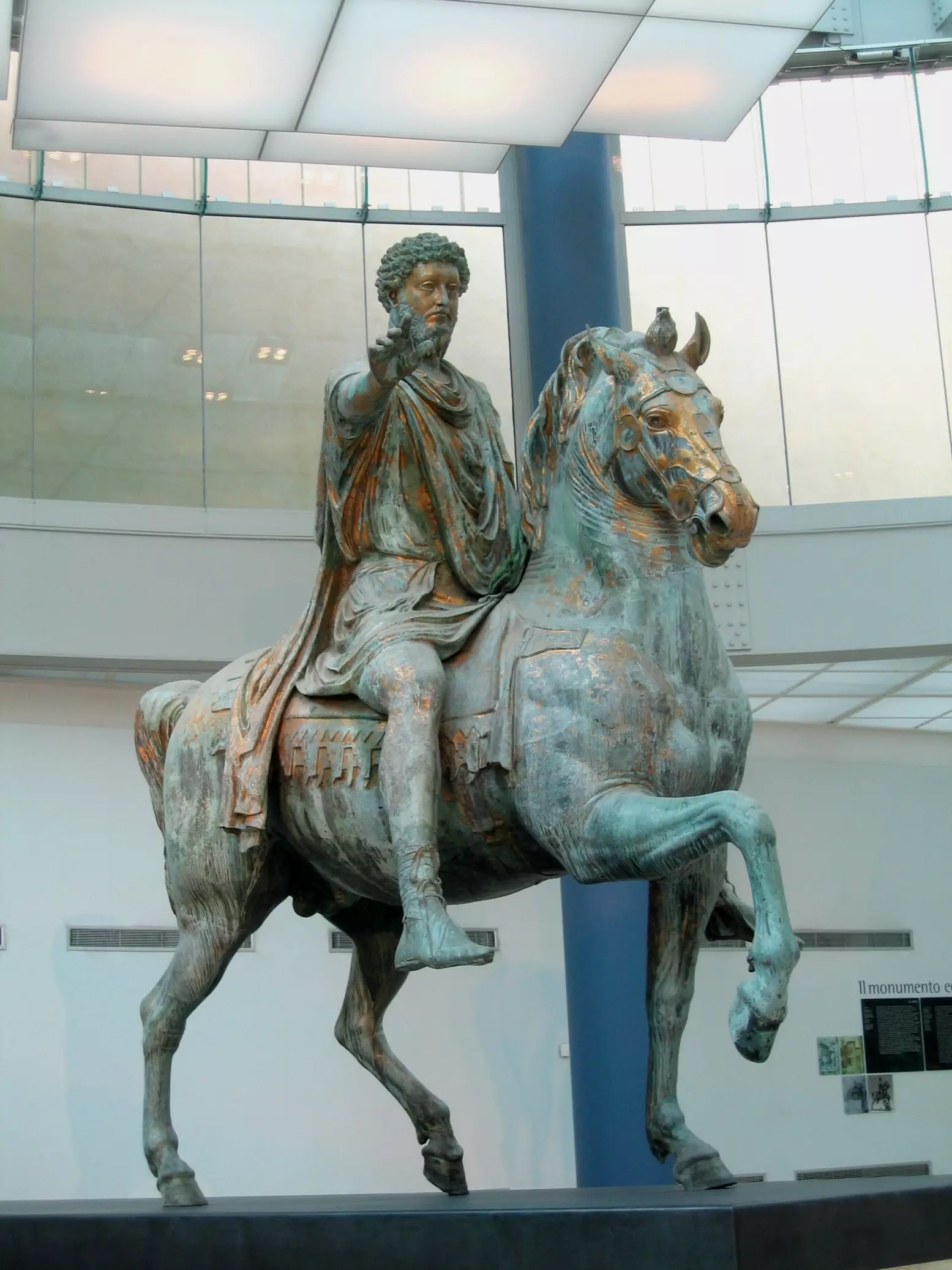
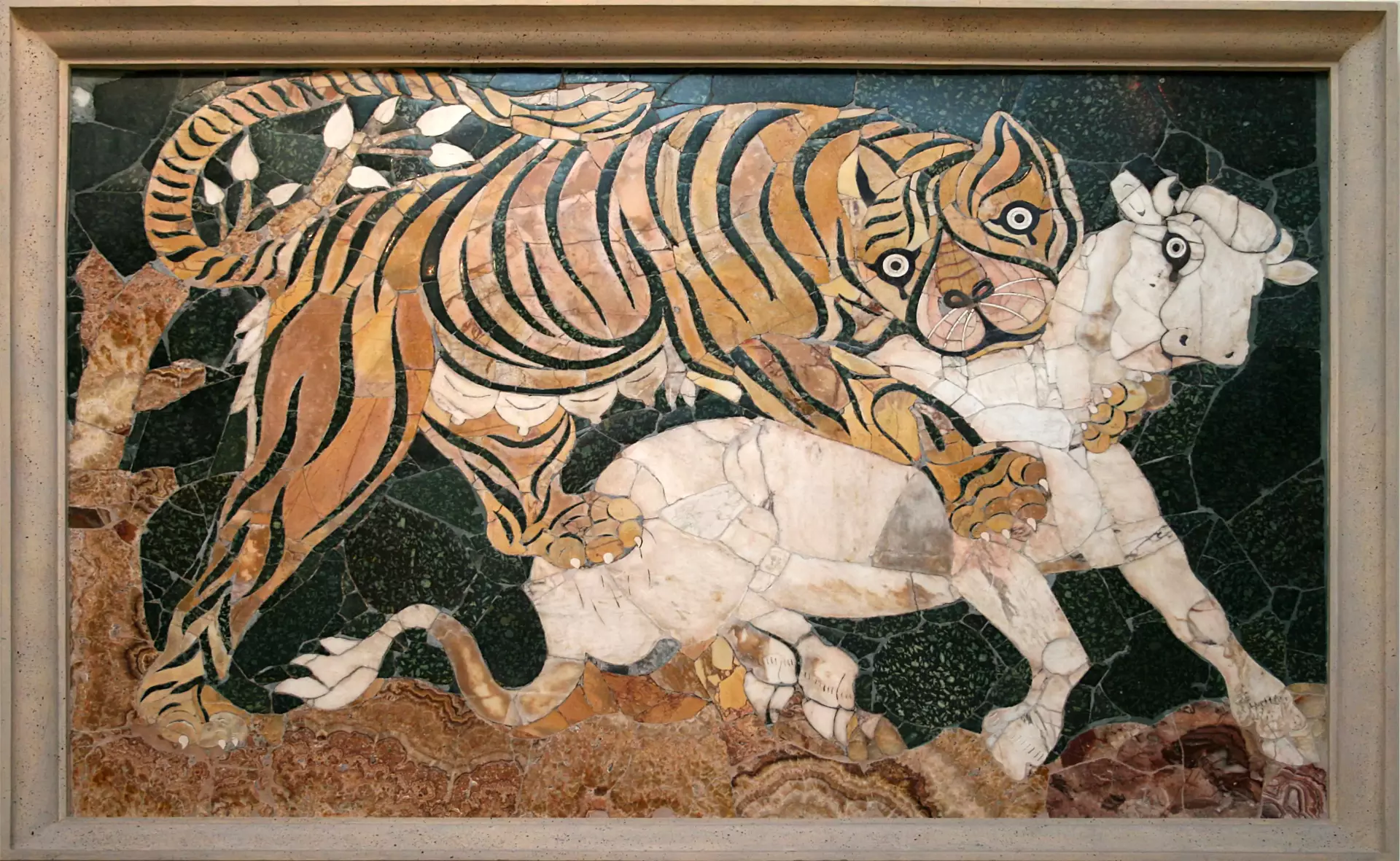
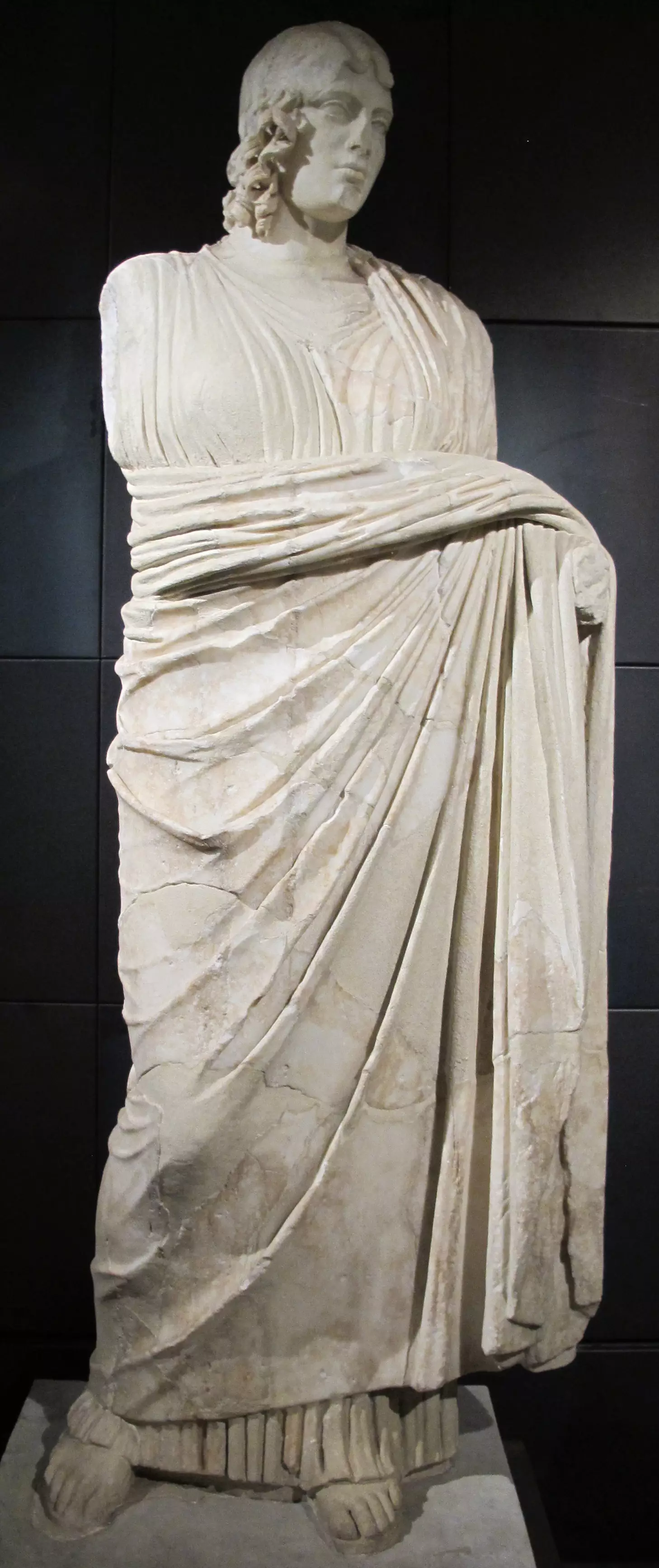
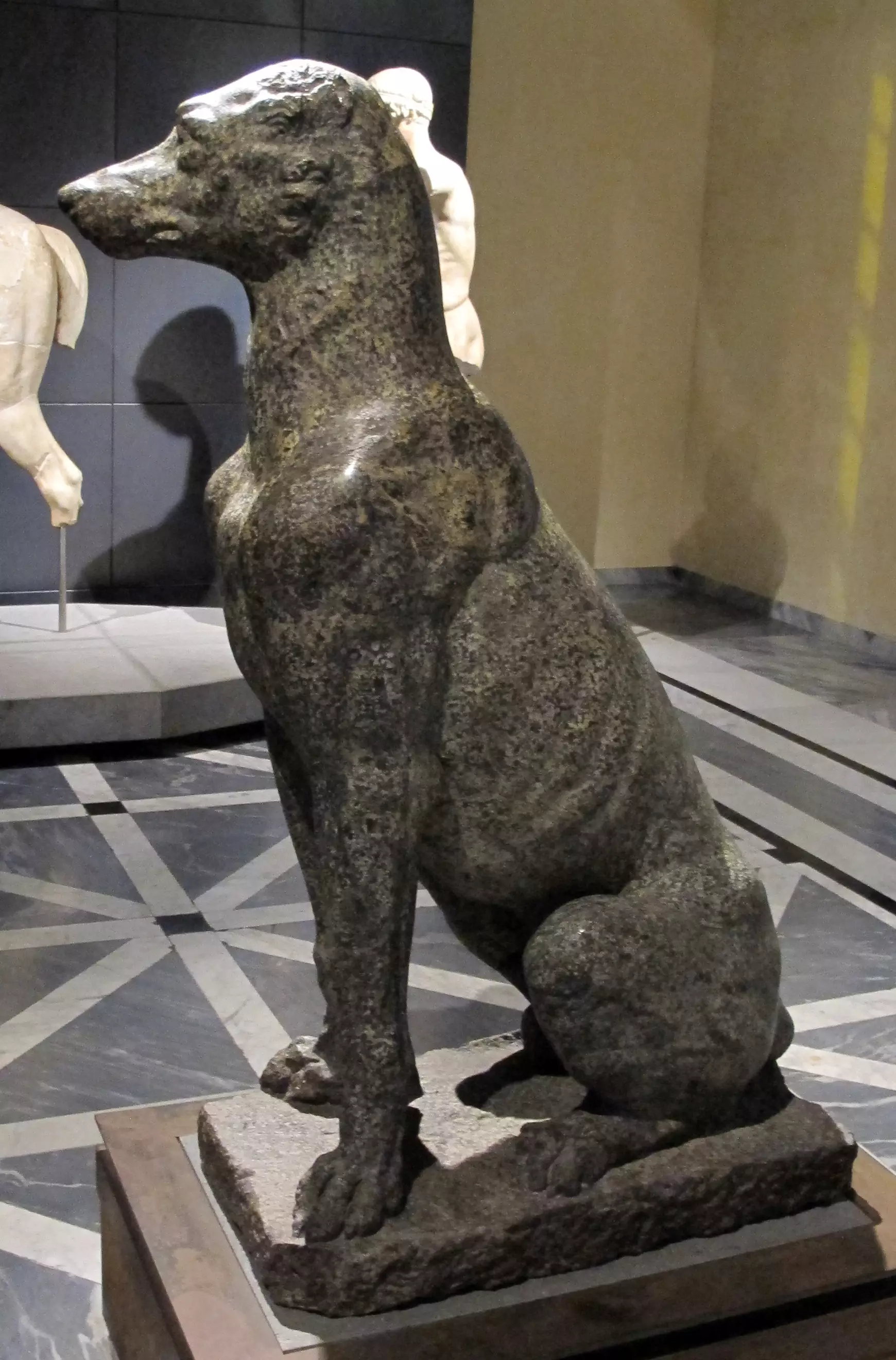
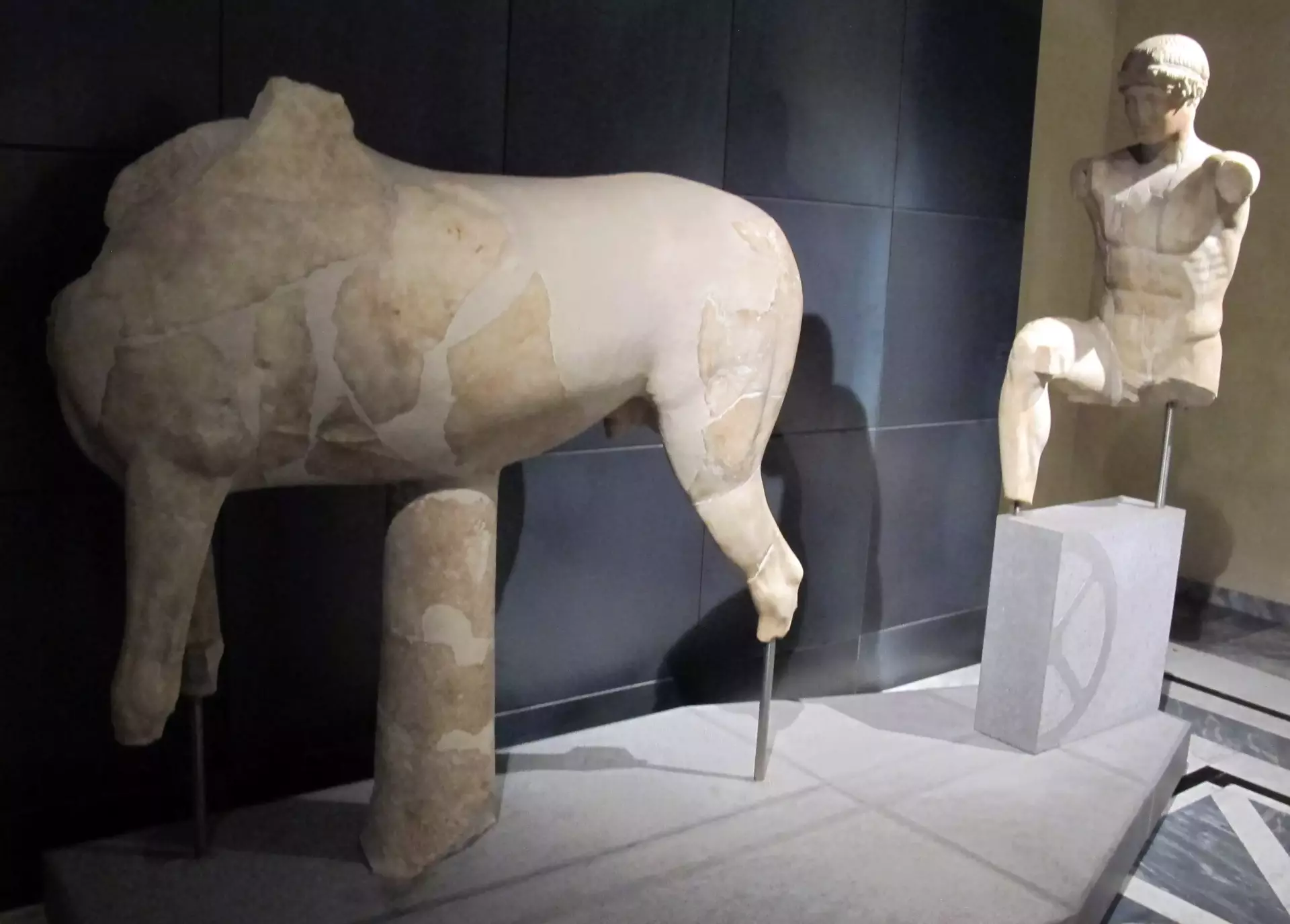
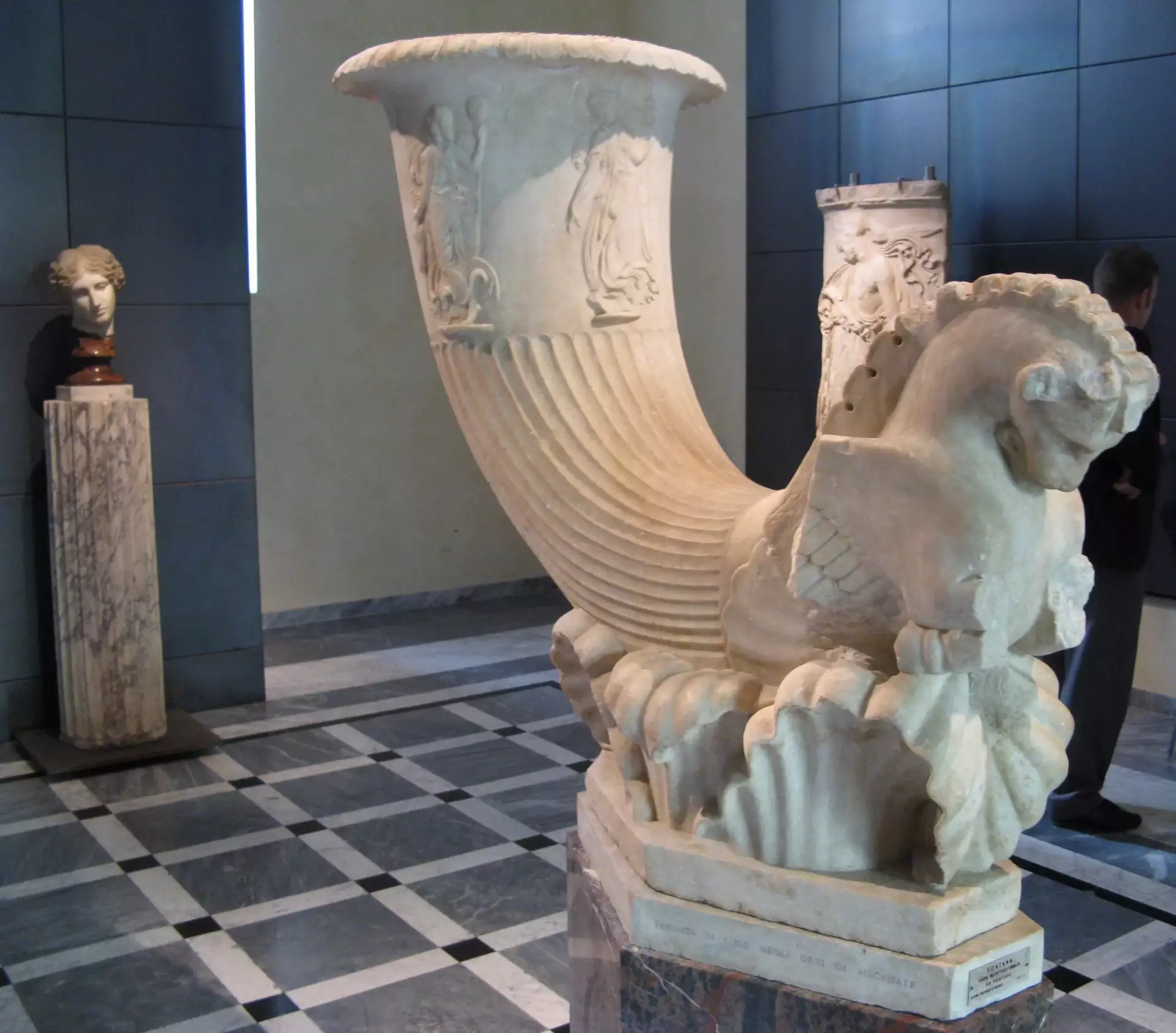
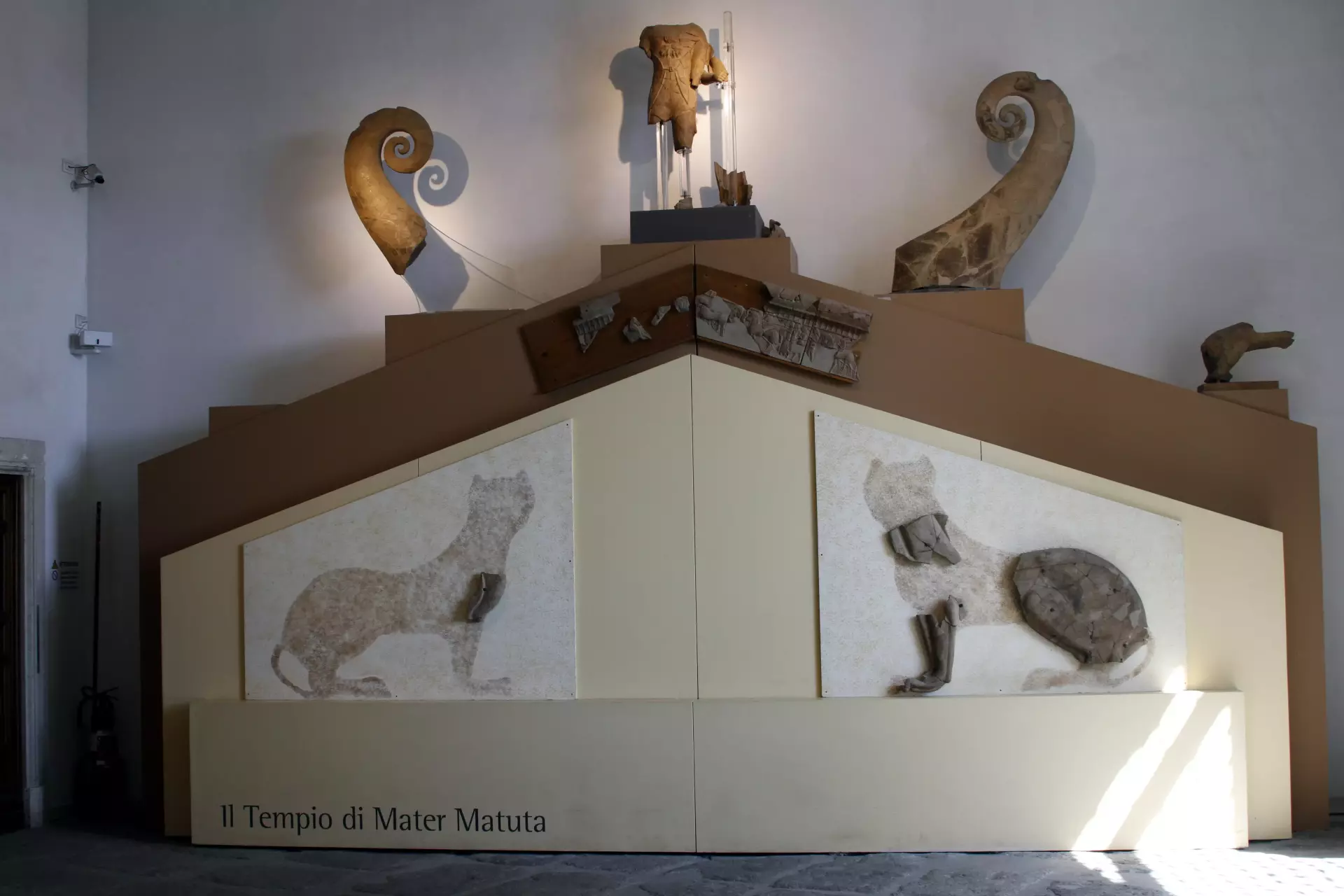
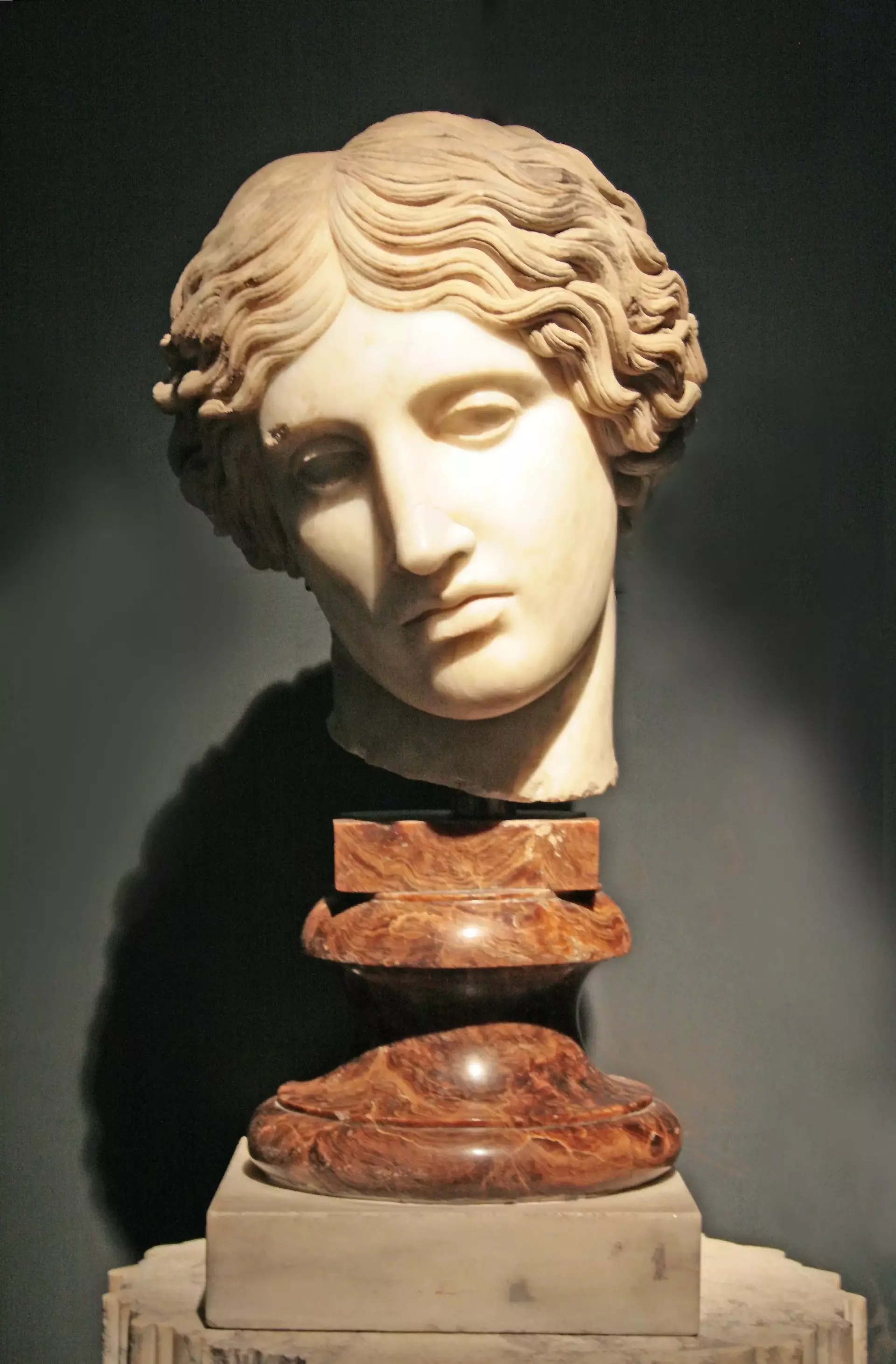
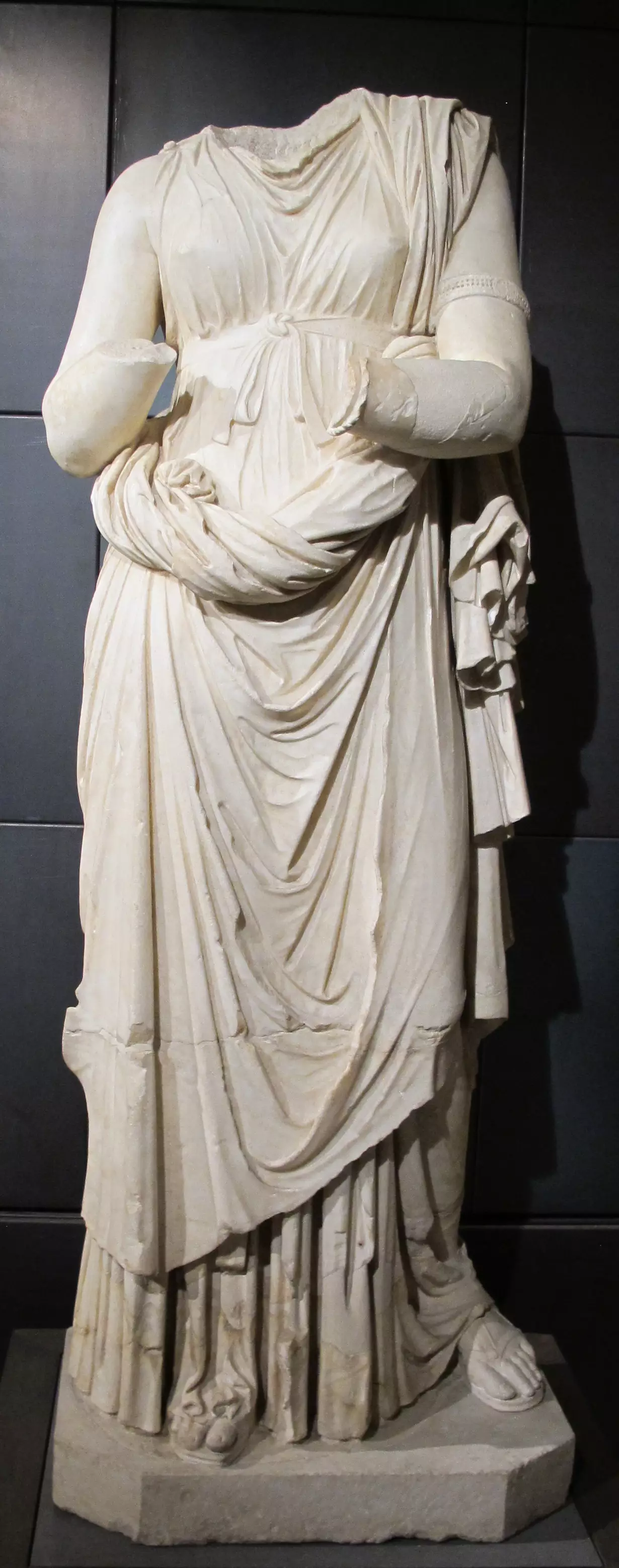
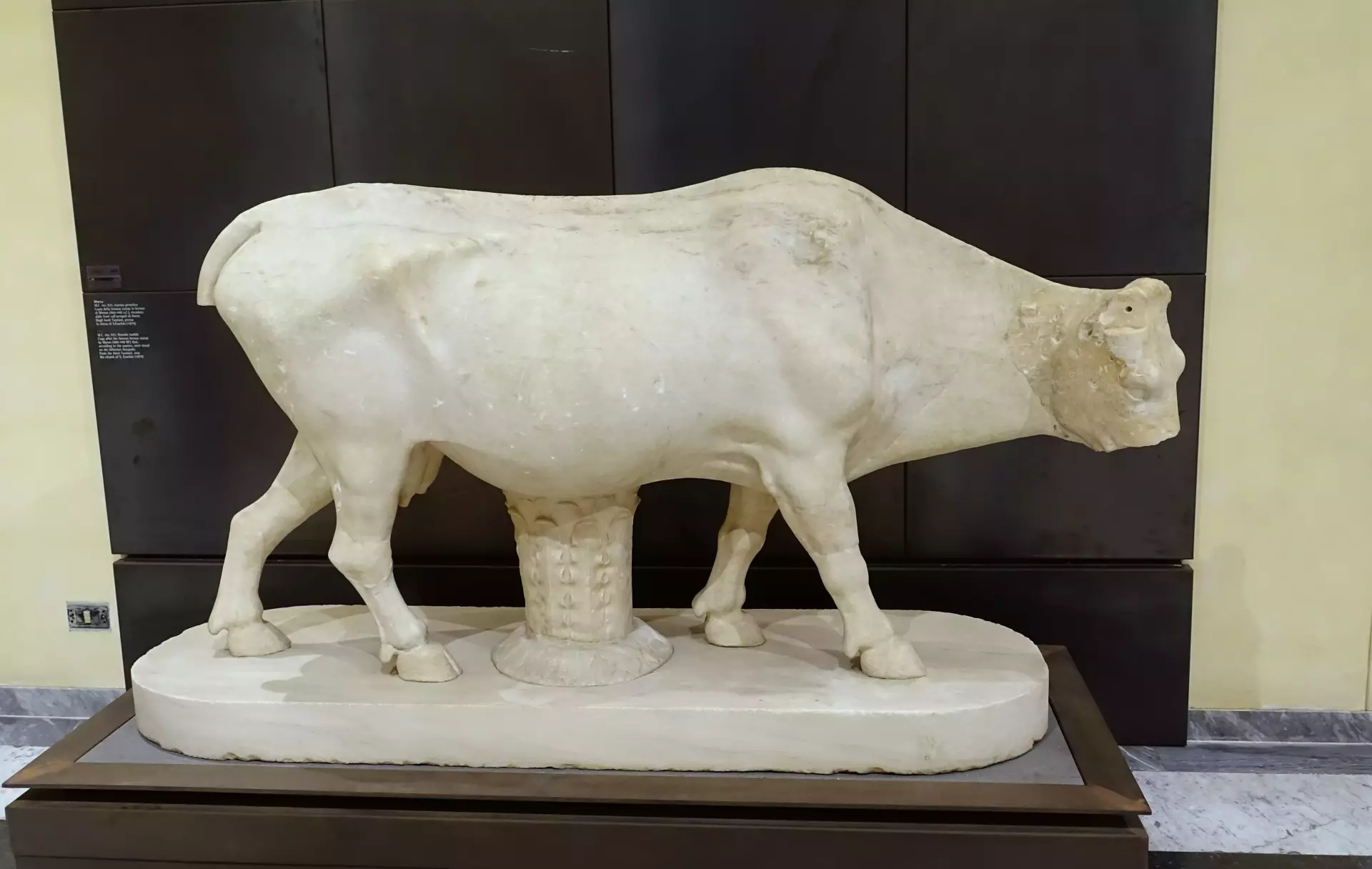
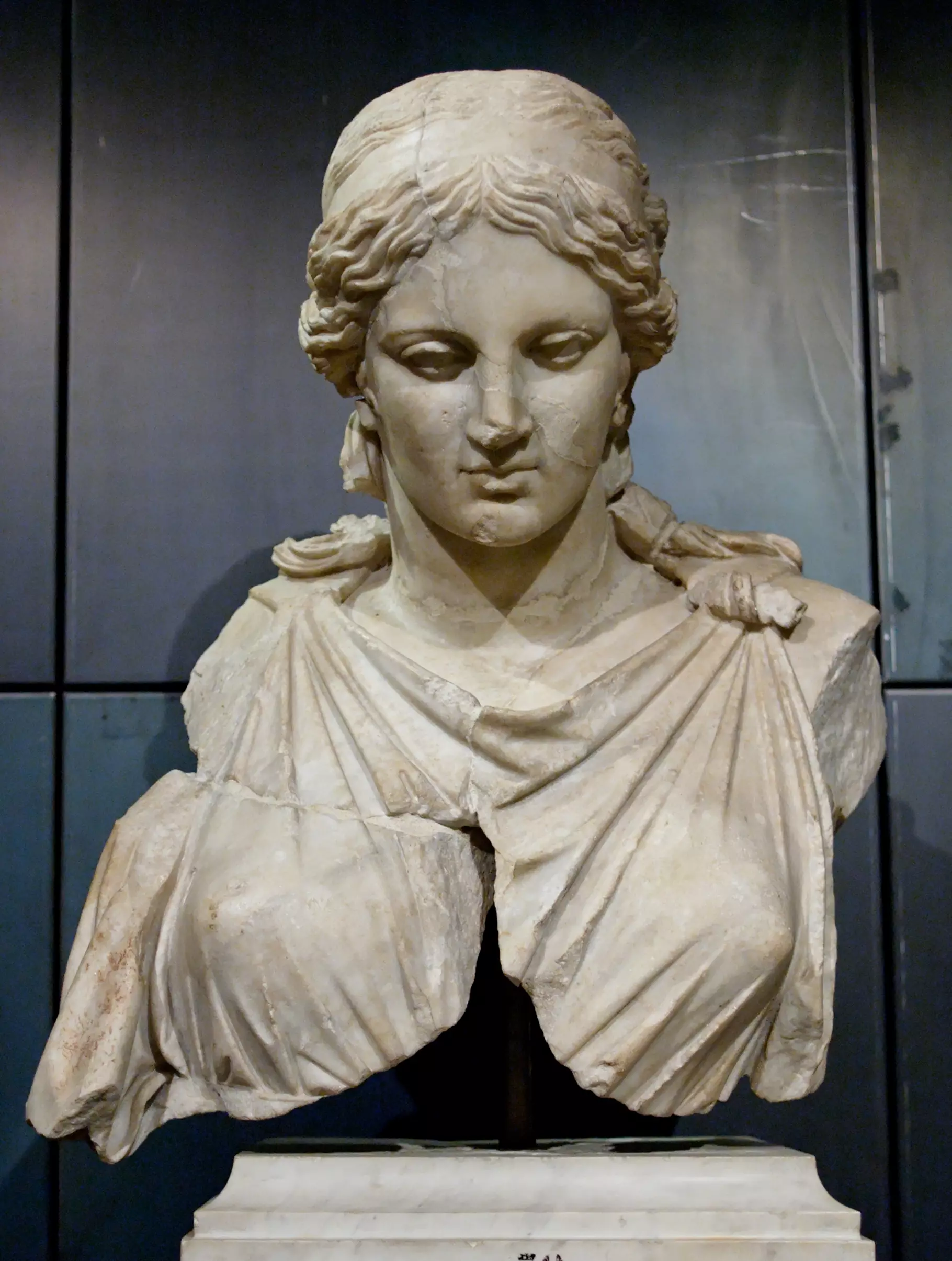
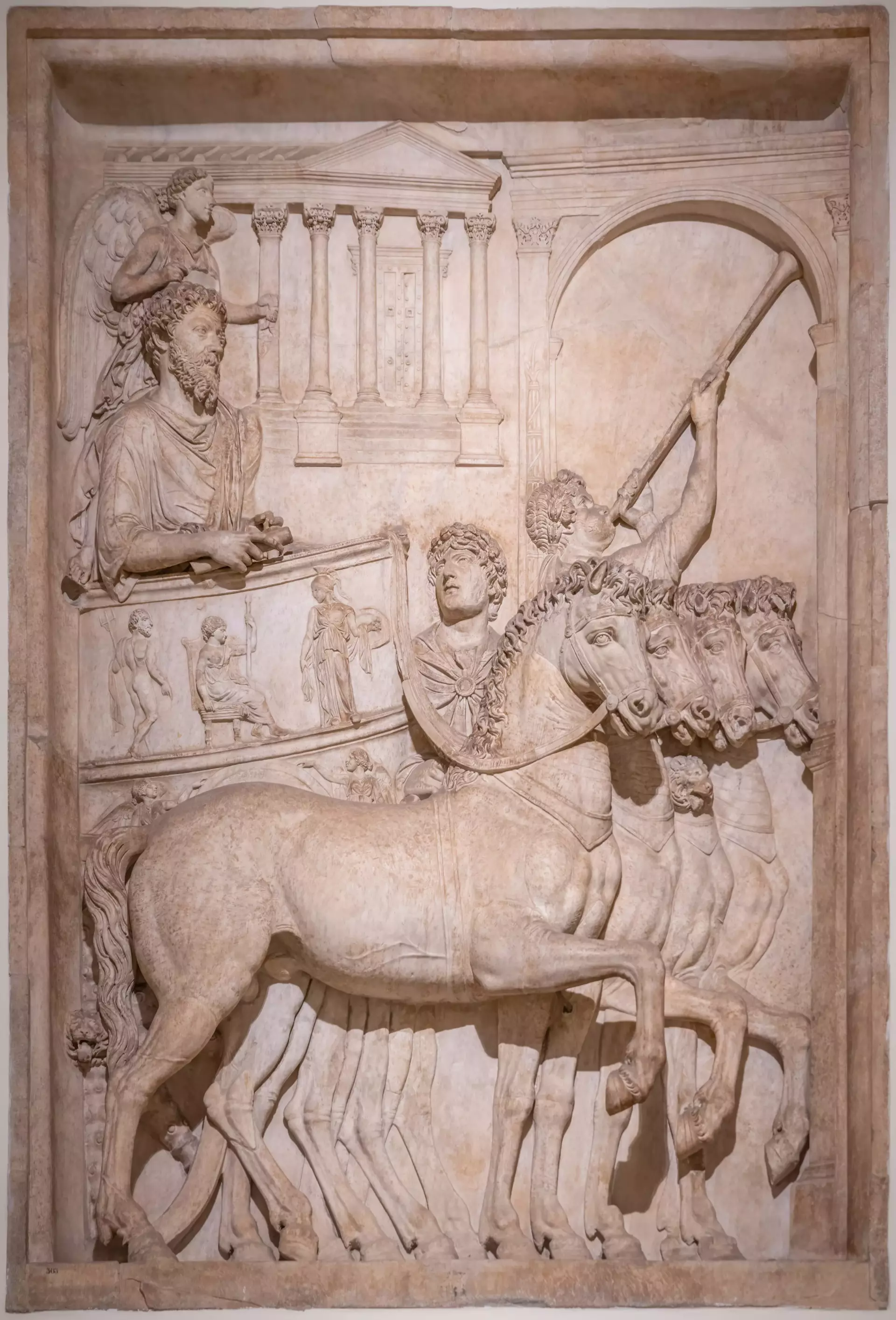
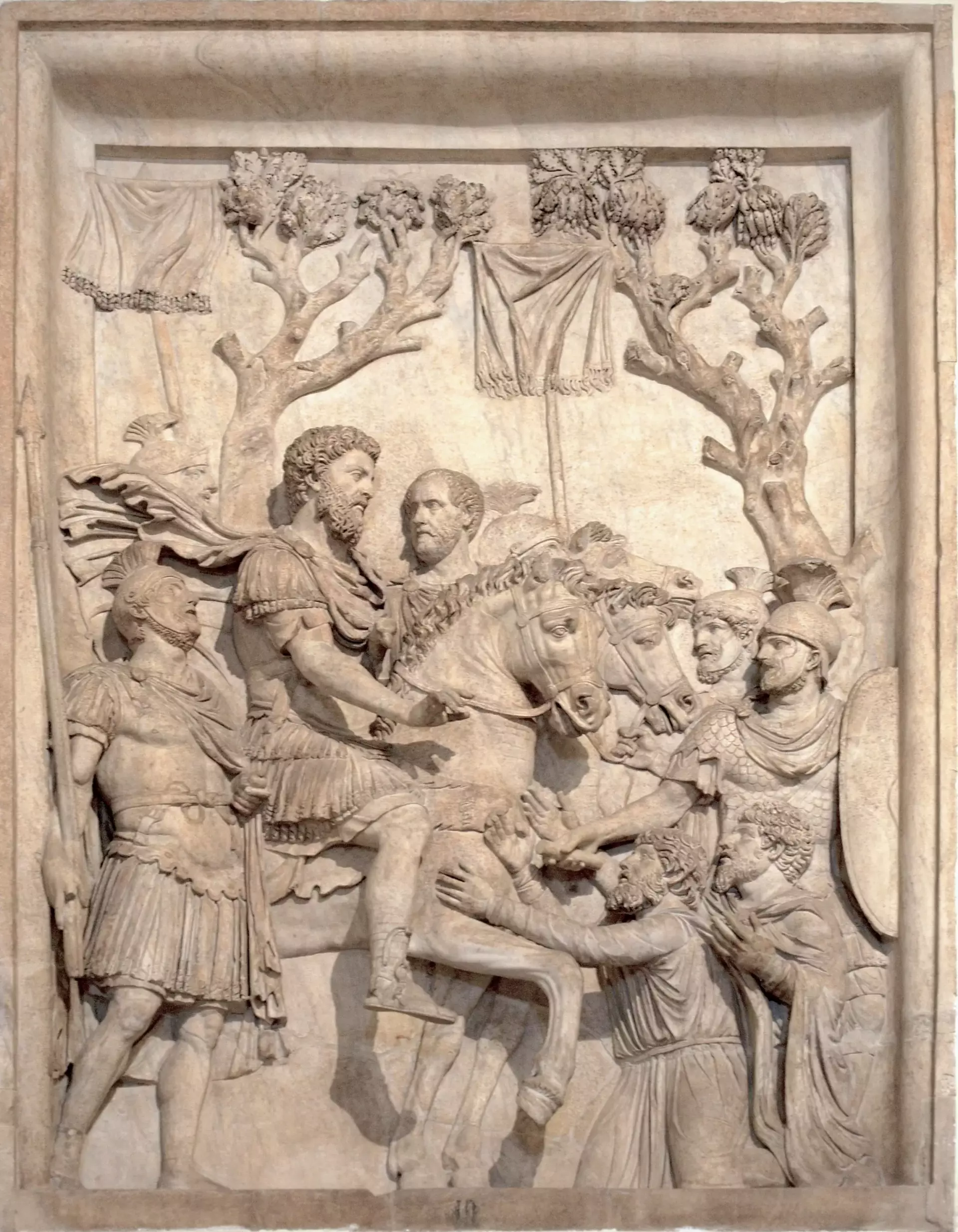
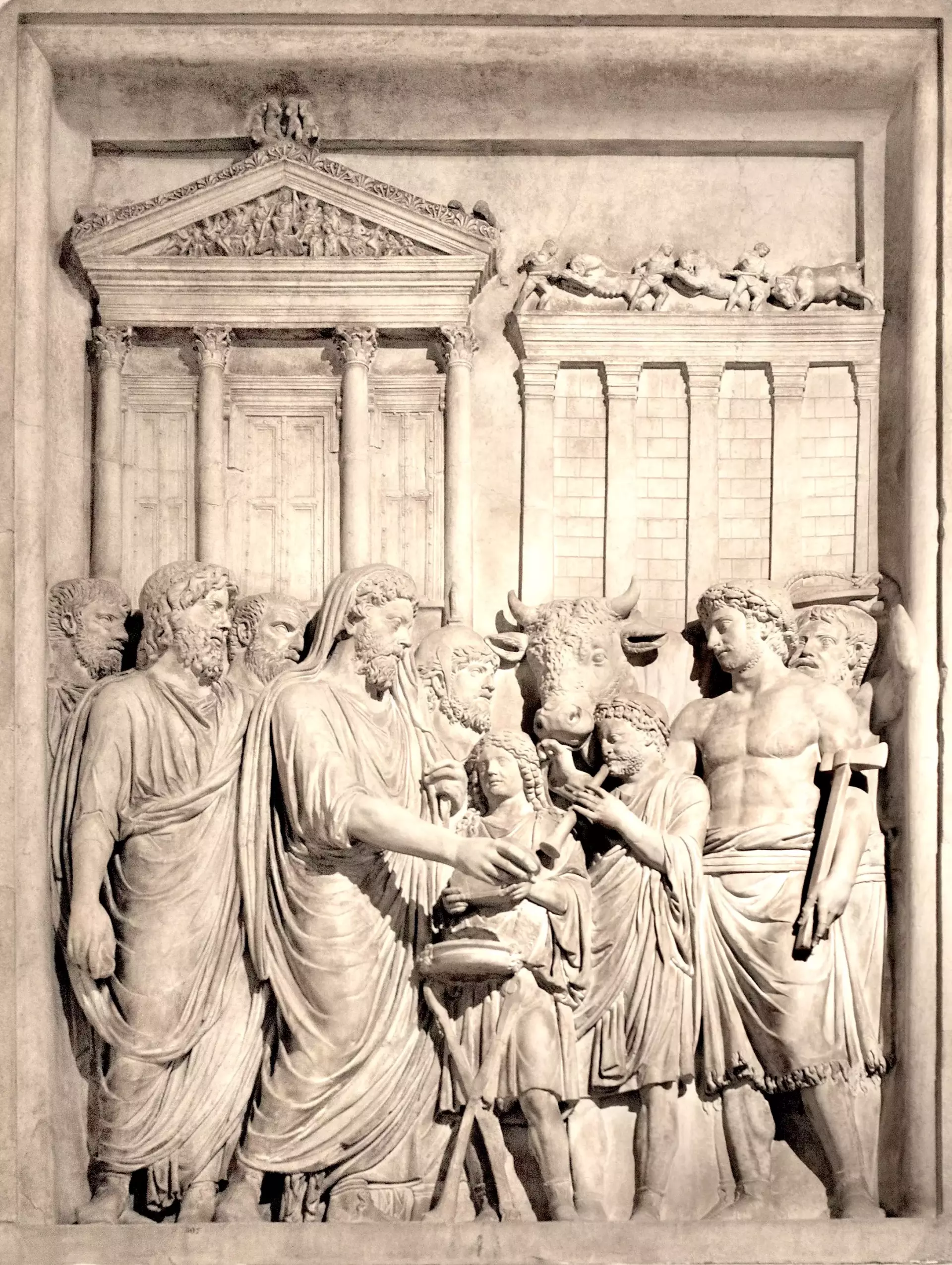
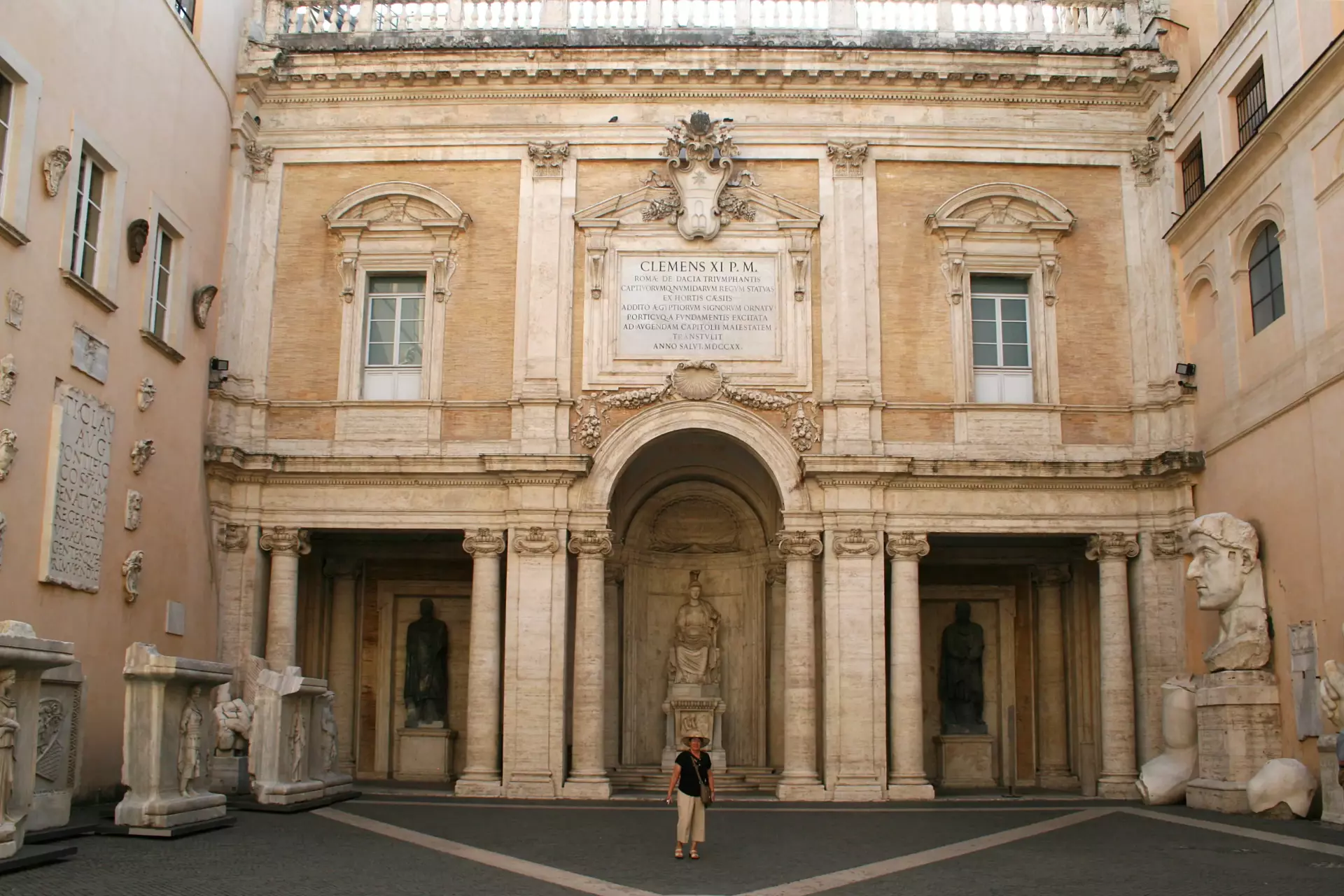
The Palazzo dei Conservatori showcases remarkable art and history within its walls. This gallery, designed from a plan by Michelangelo, may be compact but offers a rich selection of classical sculptures and paintings. Visitors can find both well-known masterpieces and rare treasures throughout the space.
Ancient Sculptures and Bronze Masterpieces
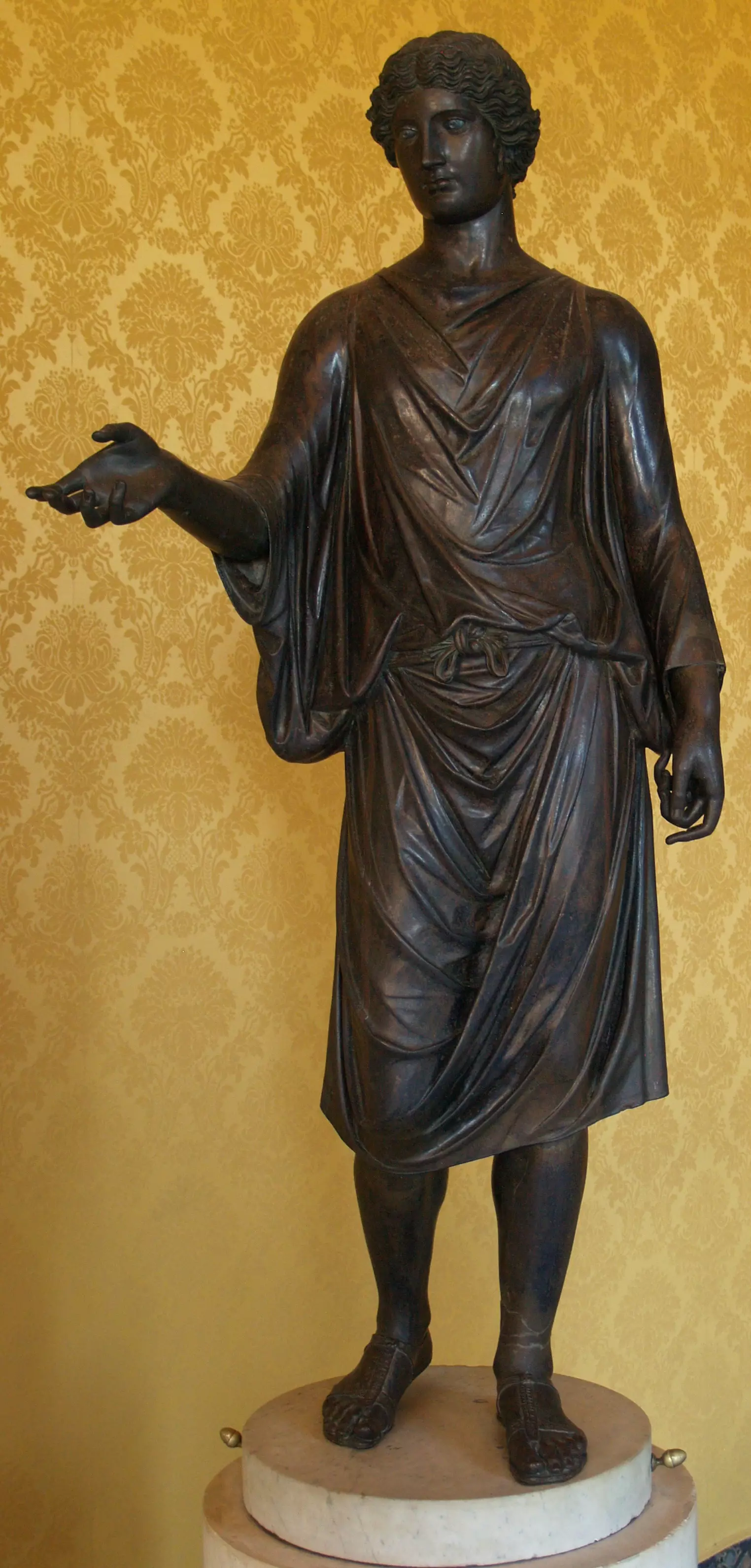
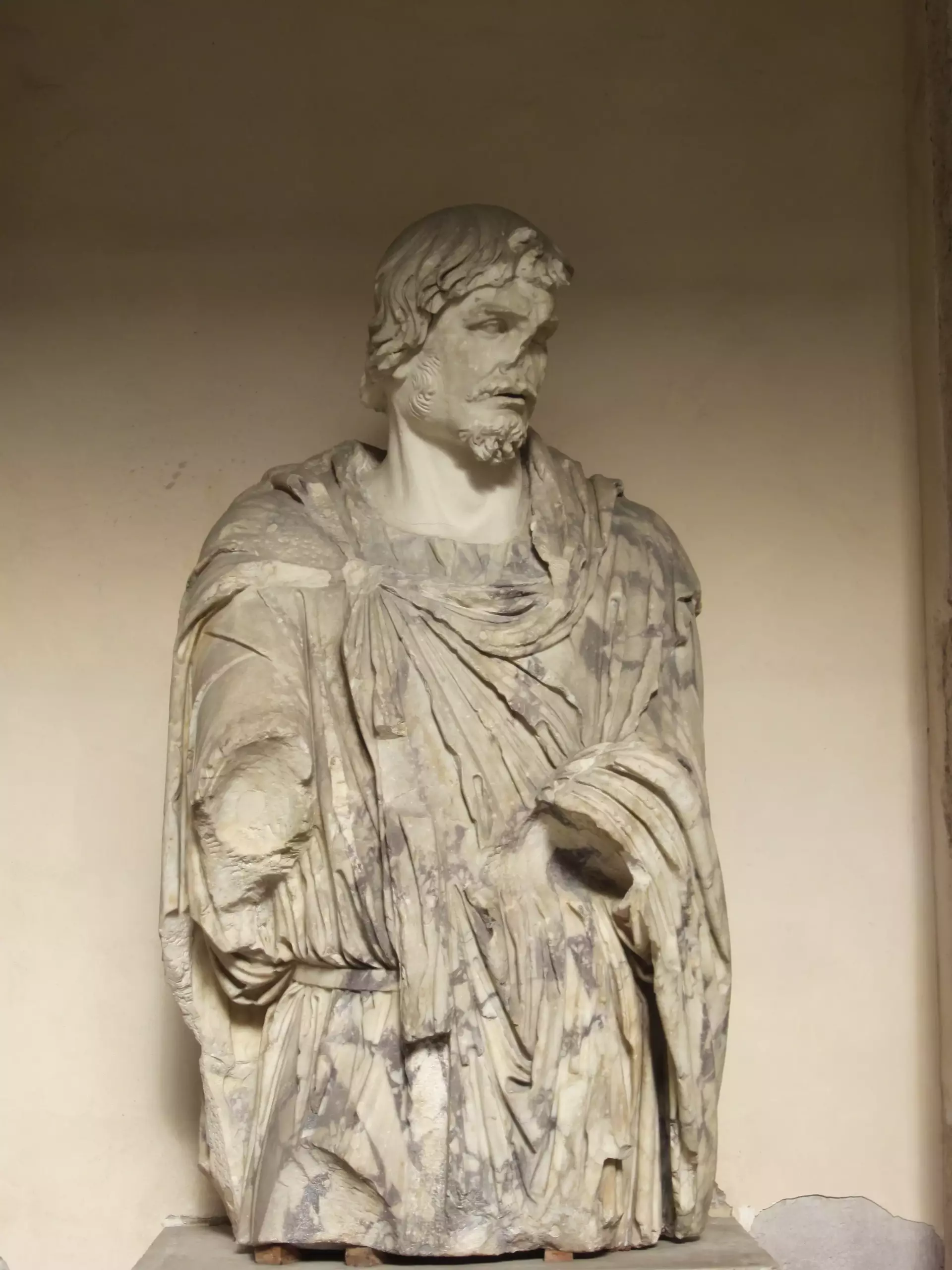
One of the standout pieces is the Lo Spinario, a small bronze statue from the 1st century BC. This Greek work of art represents a young boy carefully extracting a thorn from his foot, capturing a simple yet touching moment. Another important artifact is the Lupa Capitolina, or Capitoline Wolf. This rare Etruscan bronze statue is believed to date back to the 5th century BC and is a significant symbol of Roman mythology.
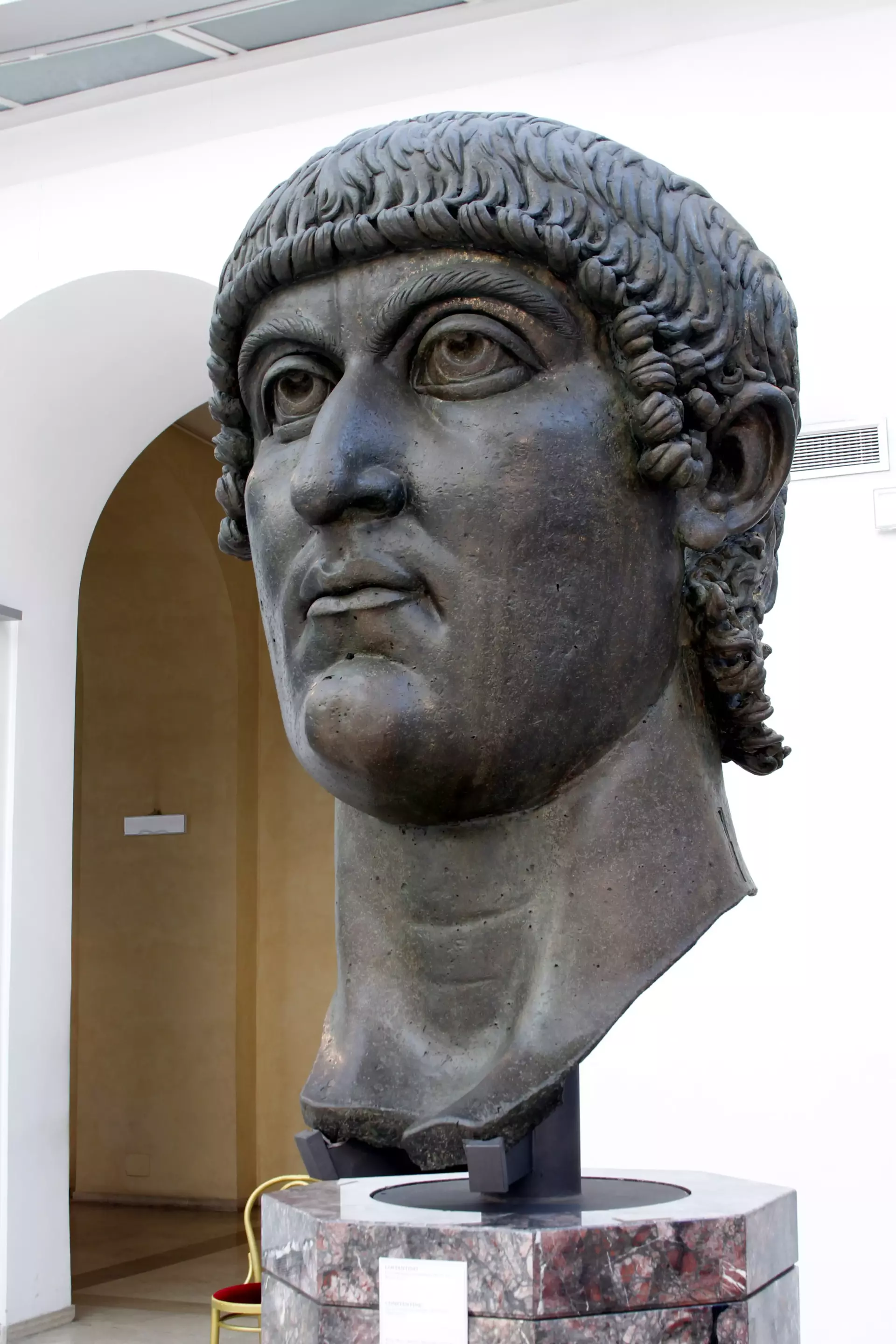
In the palace’s entrance courtyard, visitors are greeted by enormous fragments from the past. There’s the giant head, hands, foot, and kneecap from a colossal statue of Constantine the Great, offering a striking glimpse into the scale of Roman imperial art.
Highlights from the Picture Gallery
The Palazzo also features a Pinacoteca, or Picture Gallery, focusing on paintings from the 16th and 17th centuries. Among its prized works are Caravaggio’s Fortune-Teller and the intriguing John the Baptist. The collection also includes The Holy Family by Dosso Dossi, Romulus and Remus by Rubens, and Titian’s Baptism of Christ. Each painting reflects the artistic talents of renowned painters and the creativity of their eras.
Source - https://en.wikipedia.org/wiki/Palazzo_dei_Conservatori