



Santa Maria in Trastevere
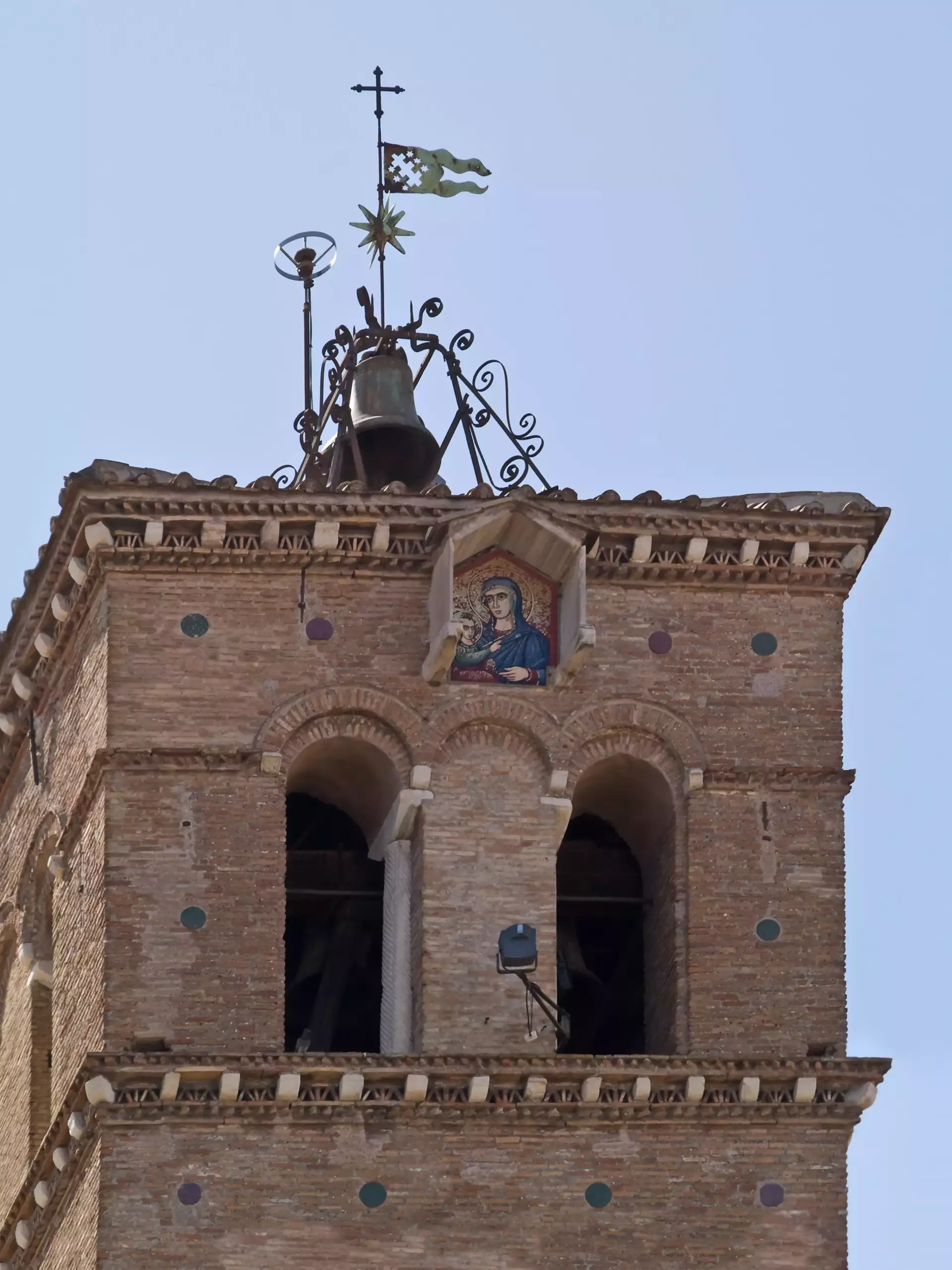
Santa Maria in Trastevere stands as one of Rome’s oldest churches, with its origins wrapped in legend and history. Its beginnings are said to reach as far back as 222, making it among the most ancient sacred sites in the city. While written records specifically mention a church here in 337, the structure seen today was constructed in the 12th century under the direction of Pope Innocent III.
Ancient Columns and Golden Mosaics
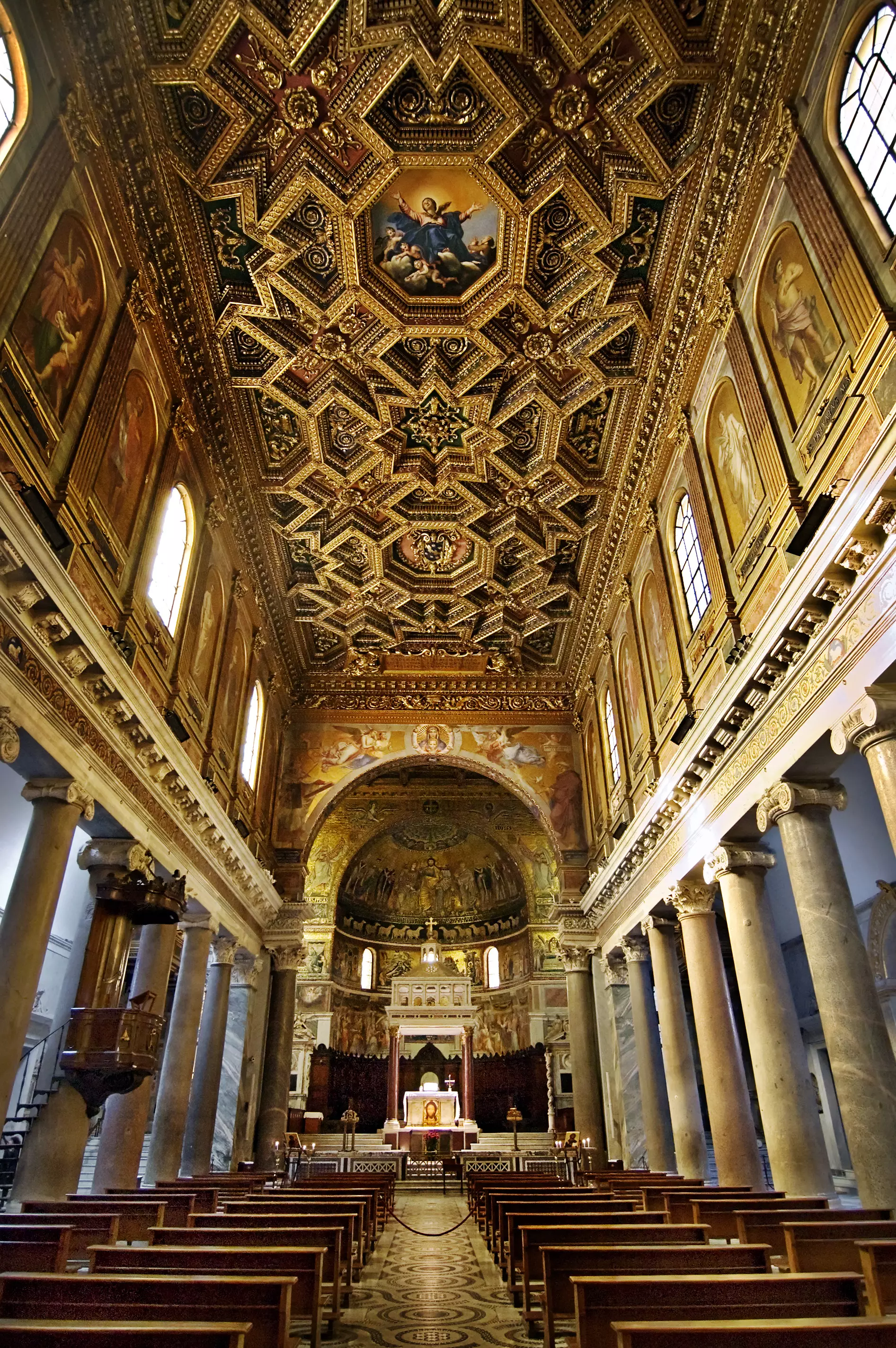
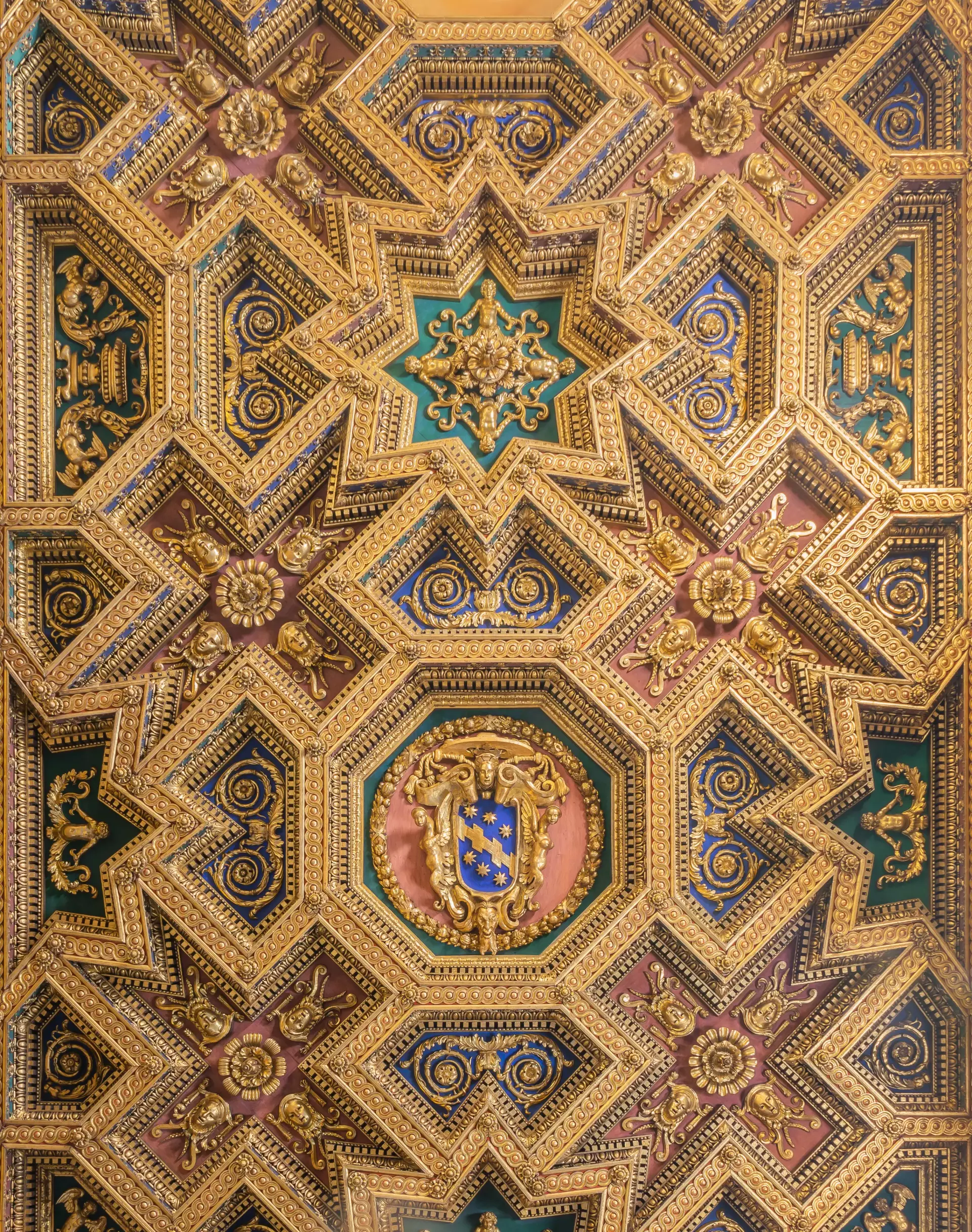
Stepping inside, visitors are greeted by a nave lined with an eclectic array of columns. These columns were not originally made for the church; instead, they were taken from ancient Roman buildings, including the famous Baths of Caracalla. This mix of styles gives the interior a unique and historical feel.
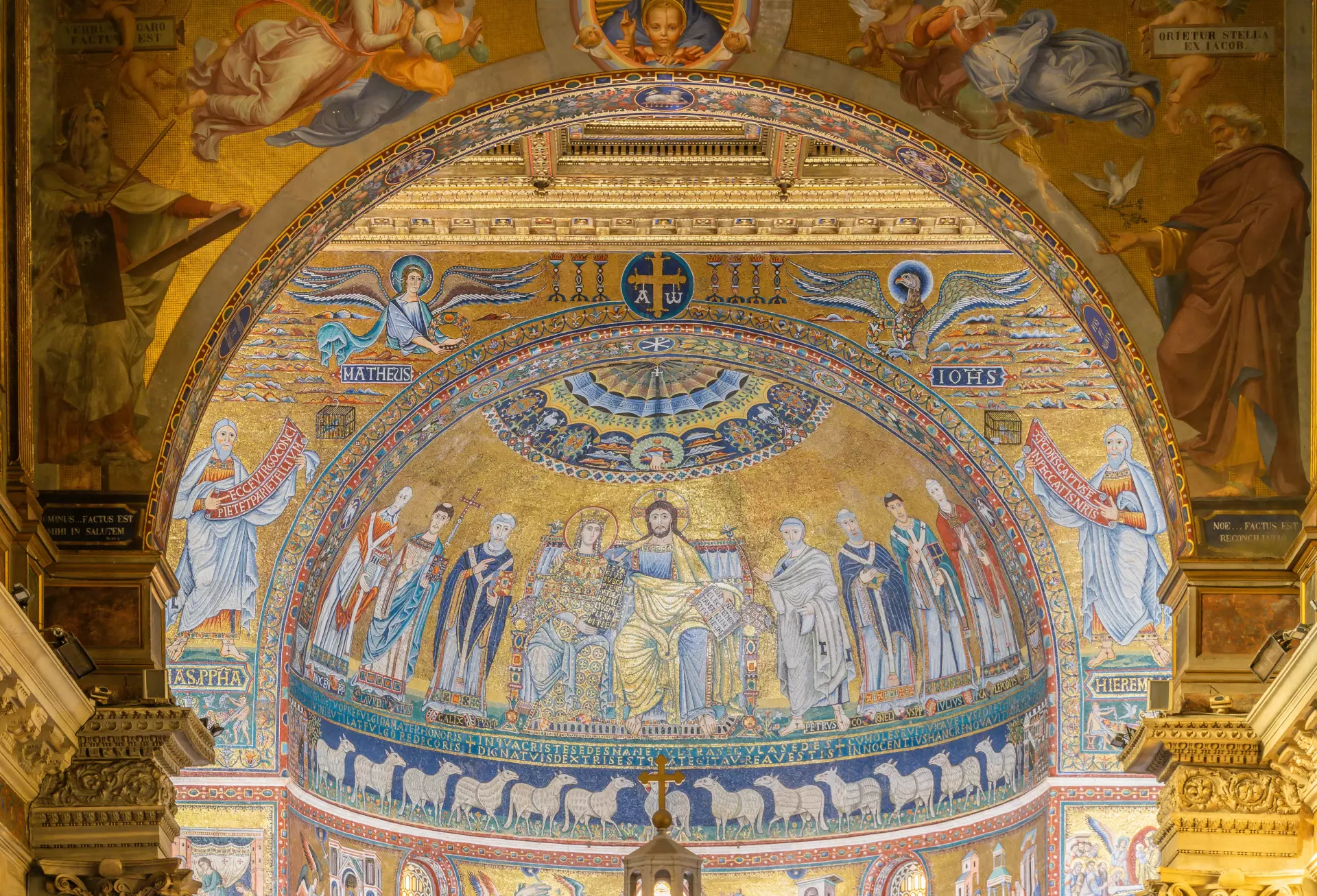
The apse is a true highlight, covered in glowing gold mosaics from the 13th century, often considered the finest in Rome. These mosaics, shimmering even in the dimmest light, fill the space with color and intricate detail. The lower apse features scenes from the life of Mary and was created by the artist Pietro Cavallini in 1290. Above, the upper apse showcases even older mosaics in the Byzantine style, dating back to around 1140.
An Illuminated Facade
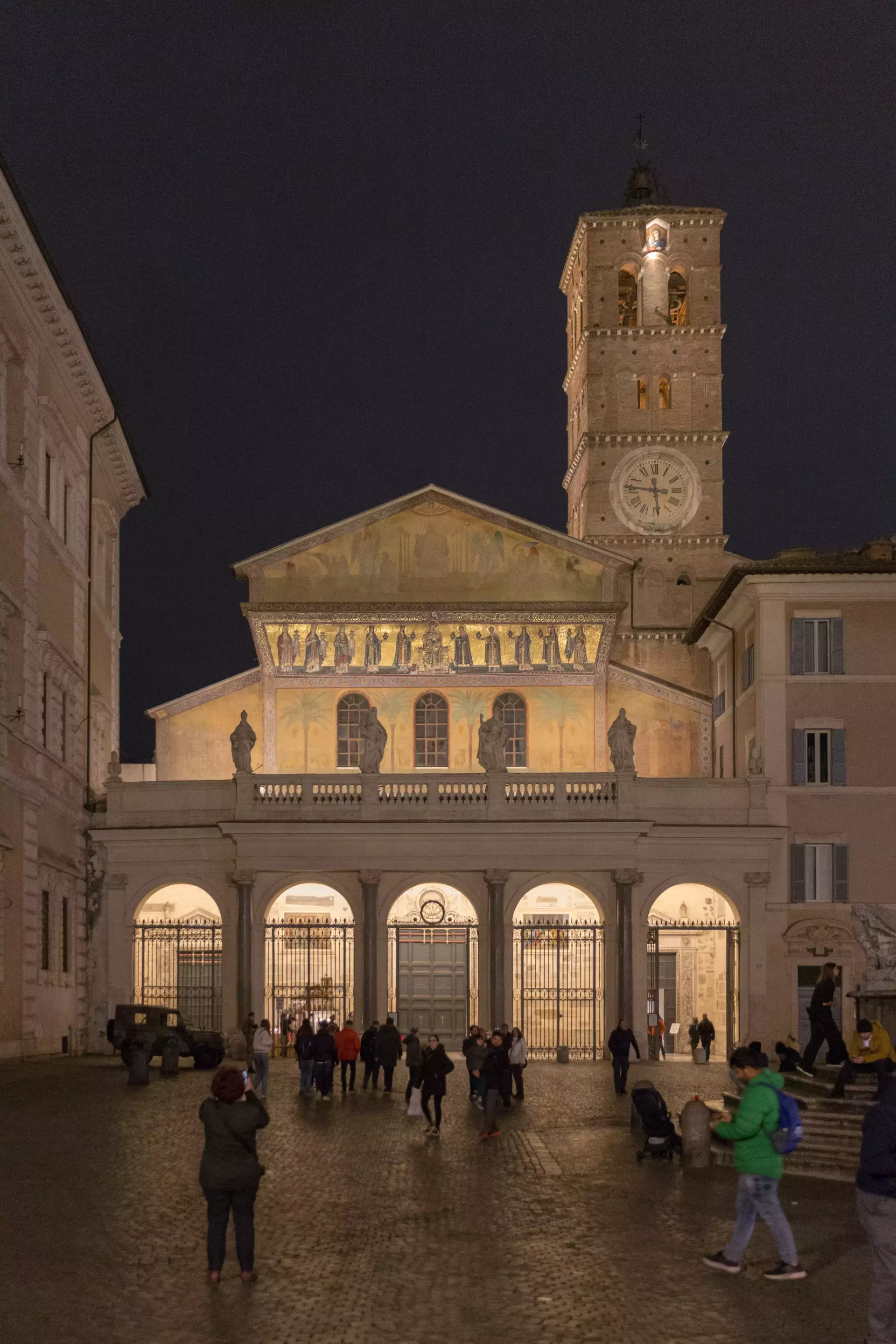
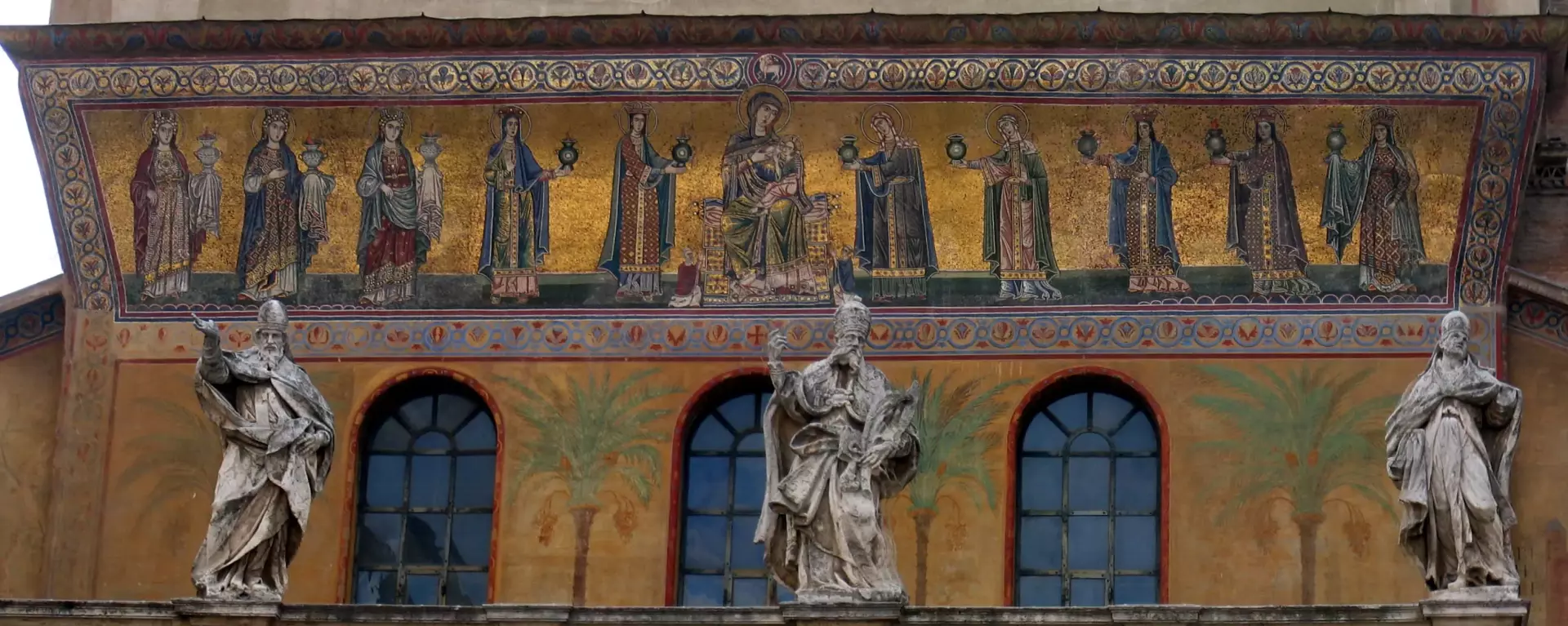
Outside, the church’s facade captures attention with its own set of brilliant mosaics. The decoration shows the Virgin Mary surrounded by ten mysterious figures, whose identities are still debated by historians. These mosaics, likely crafted by the same Pietro Cavallini, mirror the artistry found inside.
Santa Maria in Trastevere takes on a different character after sunset. When the facade is illuminated at night, the golden tiles and ancient stones shine, transforming the church into a glowing landmark in the lively Trastevere neighborhood.
Source - https://en.wikipedia.org/wiki/Santa_Maria_in_Trastevere