



Sant'Agnese fuori le mura
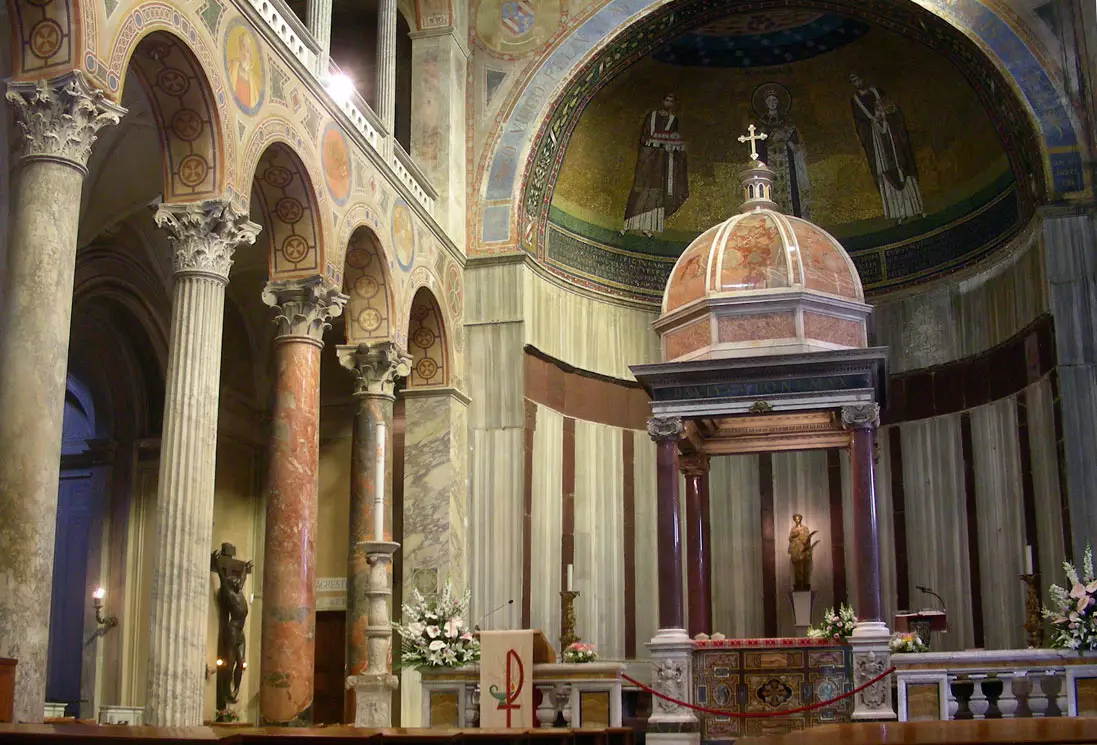
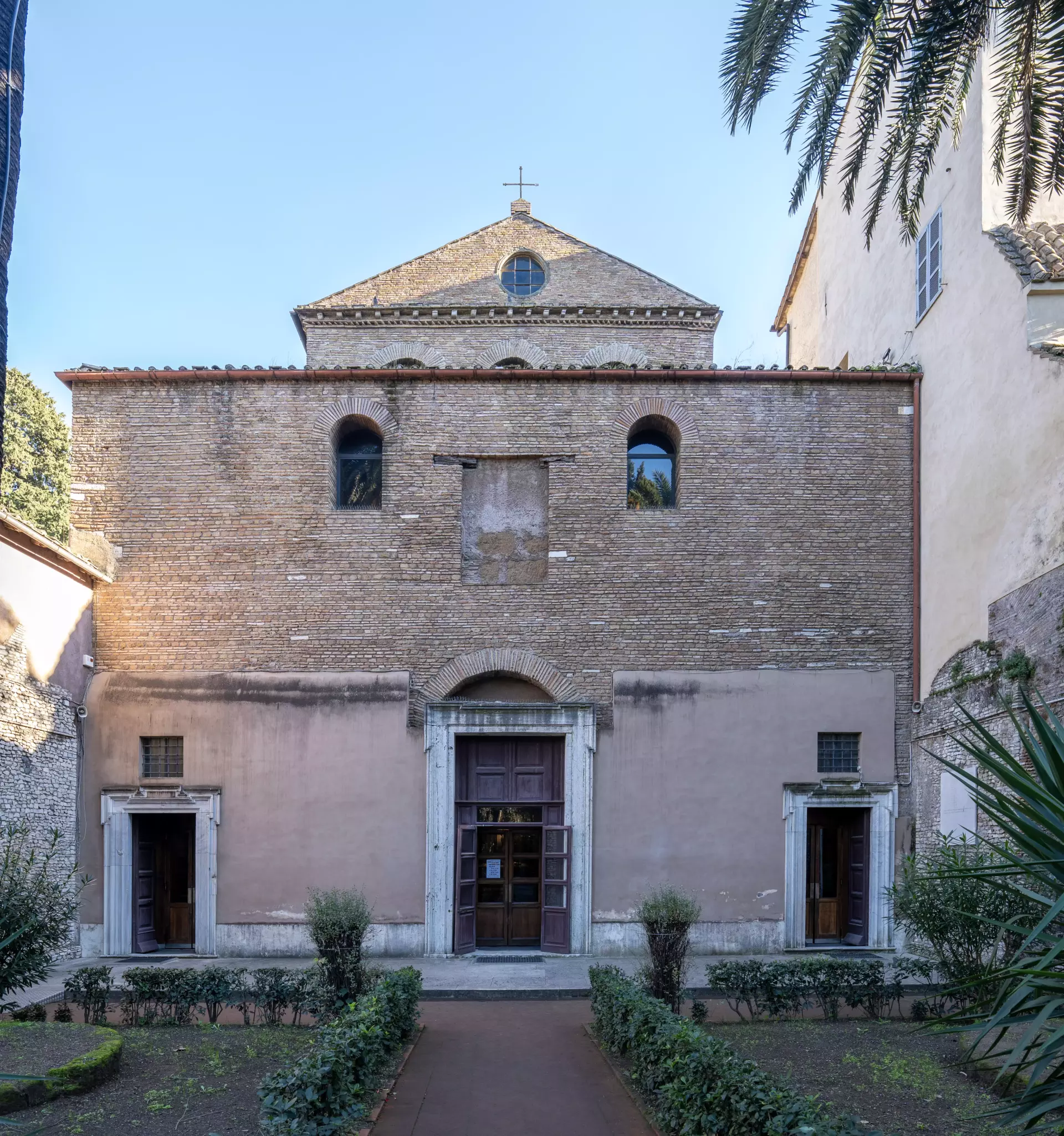
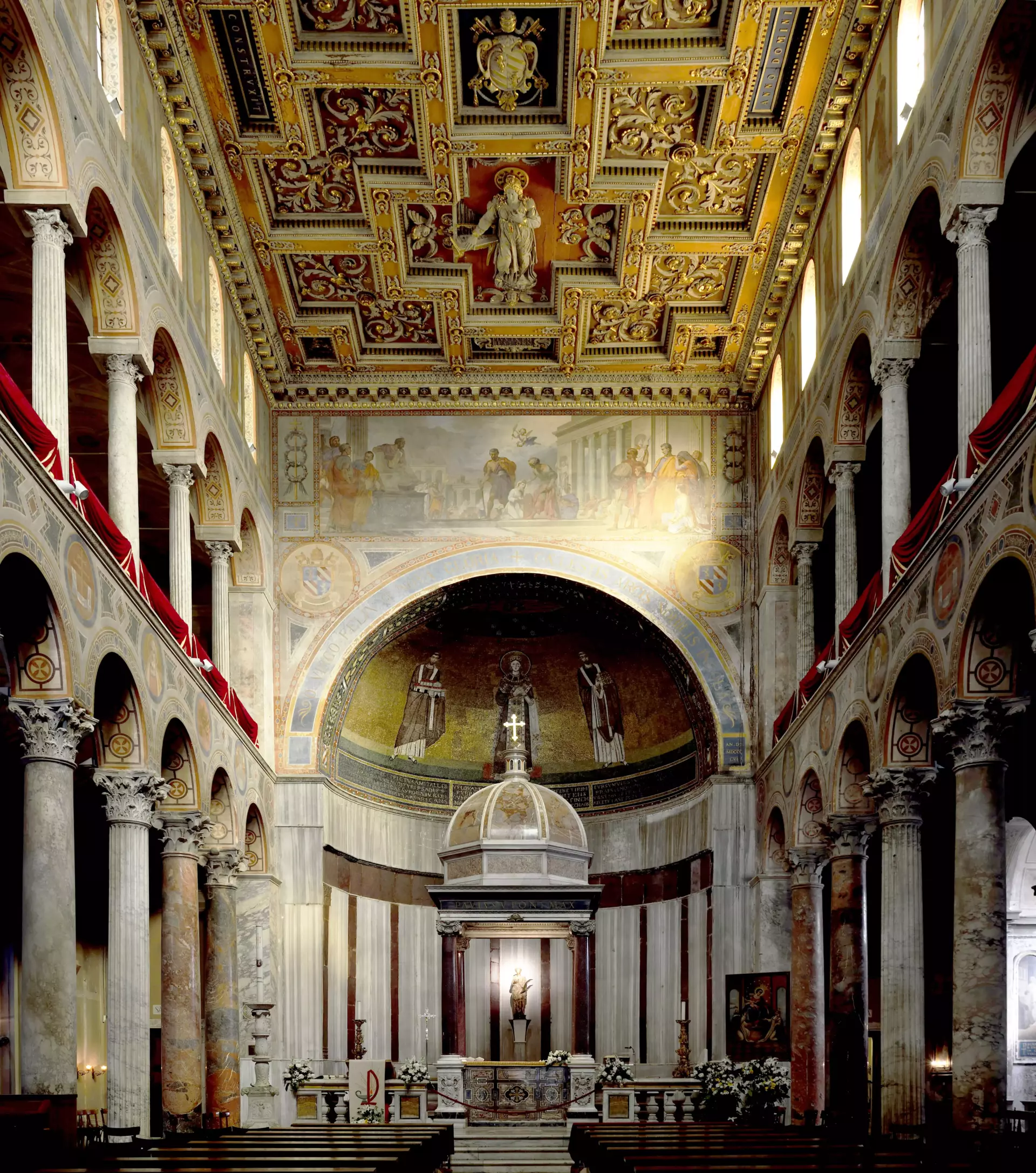
Sant'Agnese fuori le mura is a historic church in Rome, built during the 7th century. It stands beside the ancient mausoleum of Santa Costanza and has a unique design rarely found in other churches. The church sits directly above catacombs, and its floor is at the same level as the burial tunnels below. Visitors enter from the street at what is actually the level of the second-floor gallery, offering an unusual perspective right from the start.
The Story of St. Agnes
The church is named after St. Agnes, whose remains are kept in a silver sarcophagus within the building. St. Agnes became a symbol of innocence and courage after her tragic death at the age of 13 in the year 304 AD. Several stories tell of her final days, each highlighting her bravery and steadfast faith.
One well-known legend tells how the prefect Sempronius wished for Agnes to marry his son. When she refused, he punished her with a death sentence. However, Roman laws at the time did not allow the execution of virgins, so he ordered that she be assaulted instead. Miraculously, her innocence remained protected. After that, she was condemned to be burned alive, but the wood failed to catch fire.
Another story describes how the Emperor Diocletian had Agnes stripped of her clothes as punishment for declining marriage proposals. As she stood exposed, her hair is said to have grown rapidly, covering her and preserving her modesty.
Source - https://en.wikipedia.org/wiki/Sant%27Agnese_fuori_le_mura