

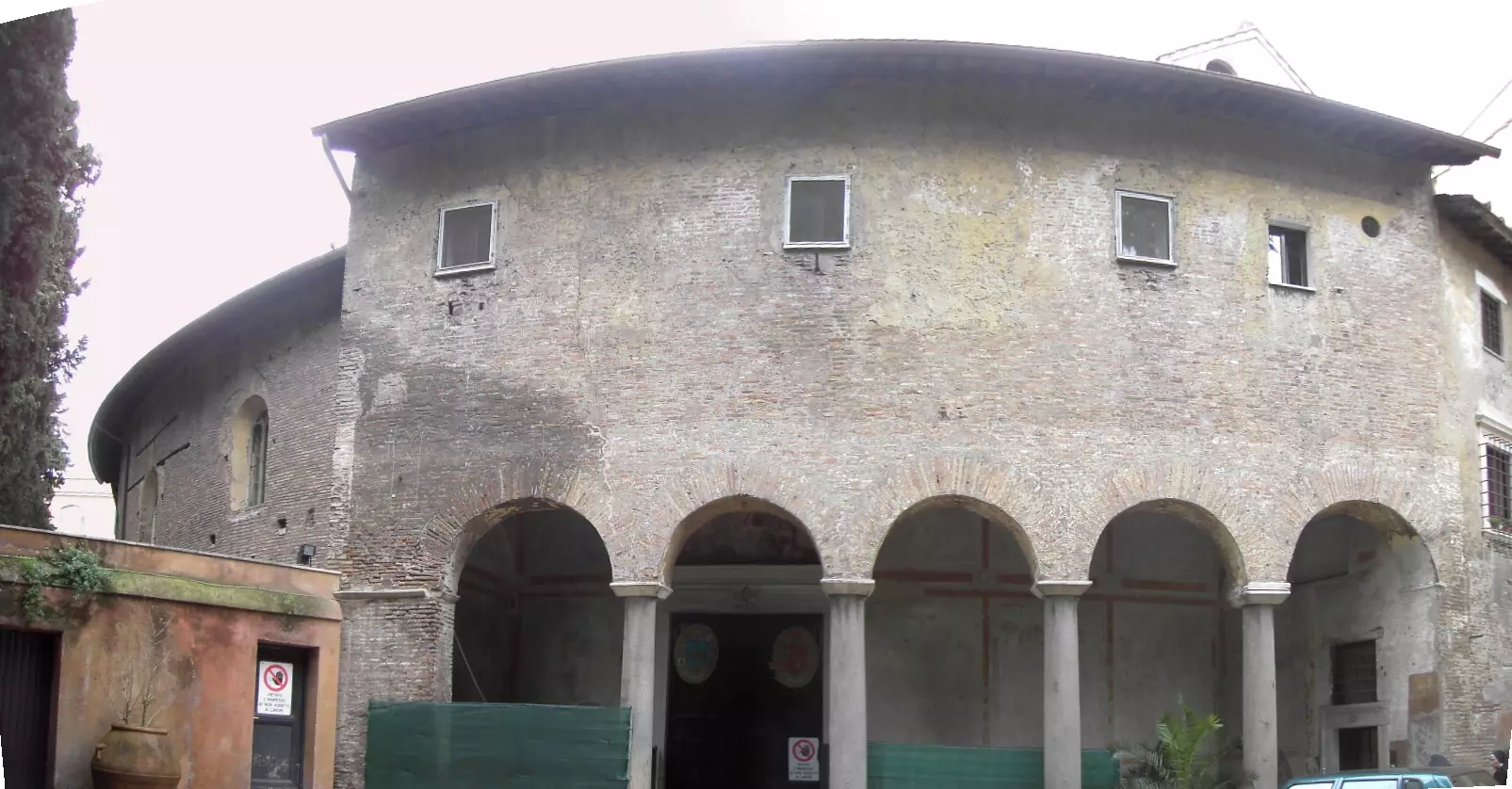


Santo Stefano Rotondo
Tucked away on Rome’s historic Celio Hill lies one of the city’s most unusual gems: Santo Stefano Rotondo. This striking church, dedicated to St. Stephen, stands out not just for its unique circular architecture, but also for the intriguing stories and artwork that fill its ancient walls.
History and Architecture
Dating back to the 5th century, Santo Stefano Rotondo is thought to be the largest round church in the world. Its striking form sets it apart from the city’s more familiar basilicas and cathedrals. The round design creates a sense of space and light that’s truly rare in Rome, making it a favorite for those seeking something off the beaten path.
The National Church of Hungary
Though nestled in the heart of Italy, Santo Stefano Rotondo holds deep significance for Hungary—it serves as the national church for Hungarians in Rome. Over the centuries, this connection has drawn pilgrims and visitors from Hungary, adding another layer to the church’s fascinating history.
Gruesome Yet Unforgettable Art
Inside, visitors are greeted by a series of vivid wall paintings that depict the brutal martyrdom of early Christians. These frescoes have left a lasting impression on many, including the famous Charles Dickens, who once described them as “hideous.” Yet, despite their gruesome subject matter, the paintings offer a unique window into the faith and passion of the early Church, and they’re sure to stir the imagination of anyone who steps inside.
Gateway to Celio Hill
Santo Stefano Rotondo isn’t just a destination in itself—it also makes a wonderful starting point for exploring the lesser-known treasures of the Celio Hill, one of Rome’s most charming districts. From here, you can set off to discover ancient ruins, quiet gardens, and panoramic views that reveal a different side of the Eternal City.
For travelers with a taste for history, mystery, and the unexpected, Santo Stefano Rotondo is a must-see—an ancient church that continues to surprise and inspire, just steps away from Rome’s bustling streets.
Source - https://en.wikipedia.org/wiki/Santo_Stefano_al_Monte_Celio