
Search ×
Home Rome
Temple of Hadrian
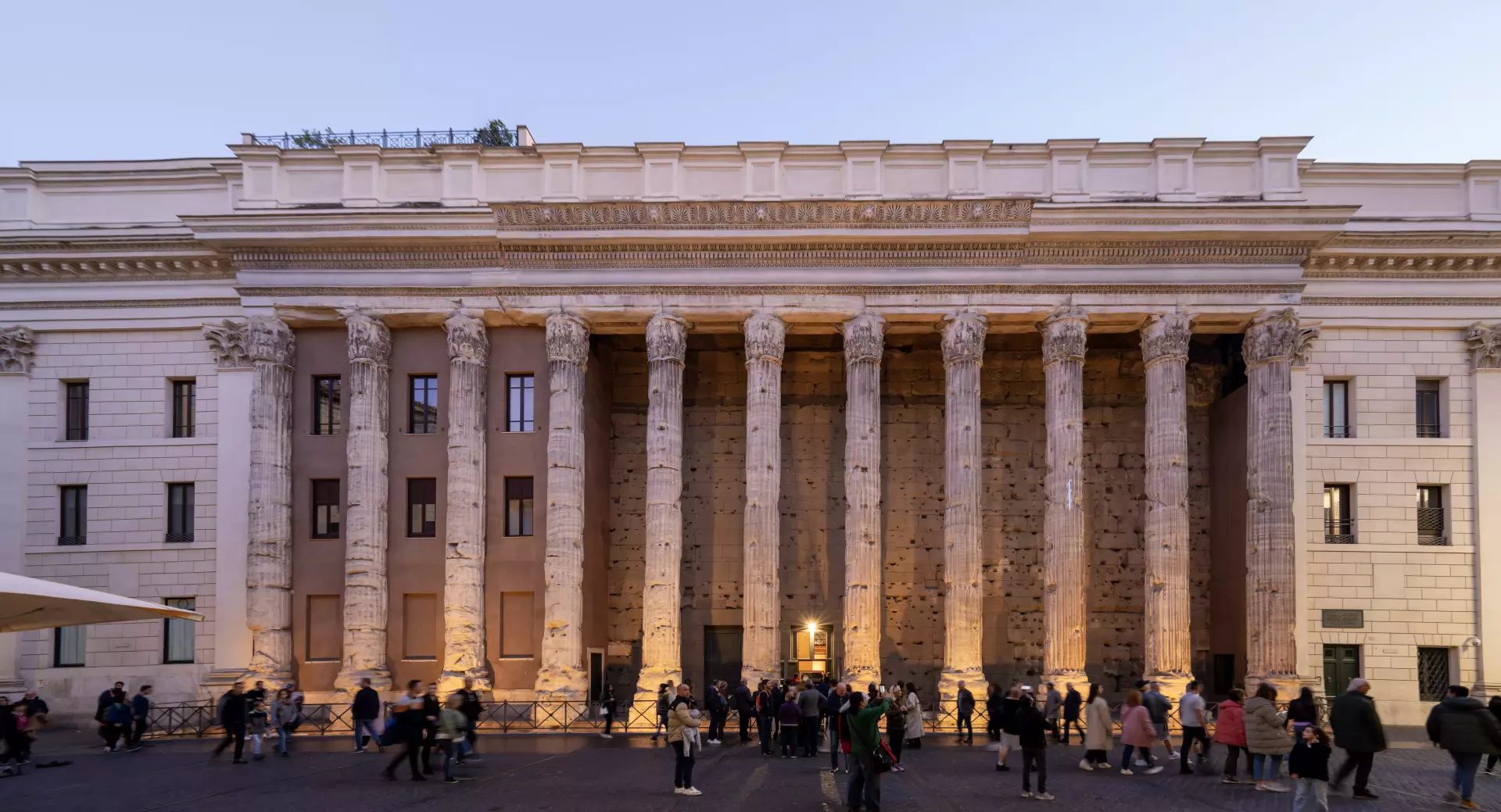
Temple of Hadrian - exterior
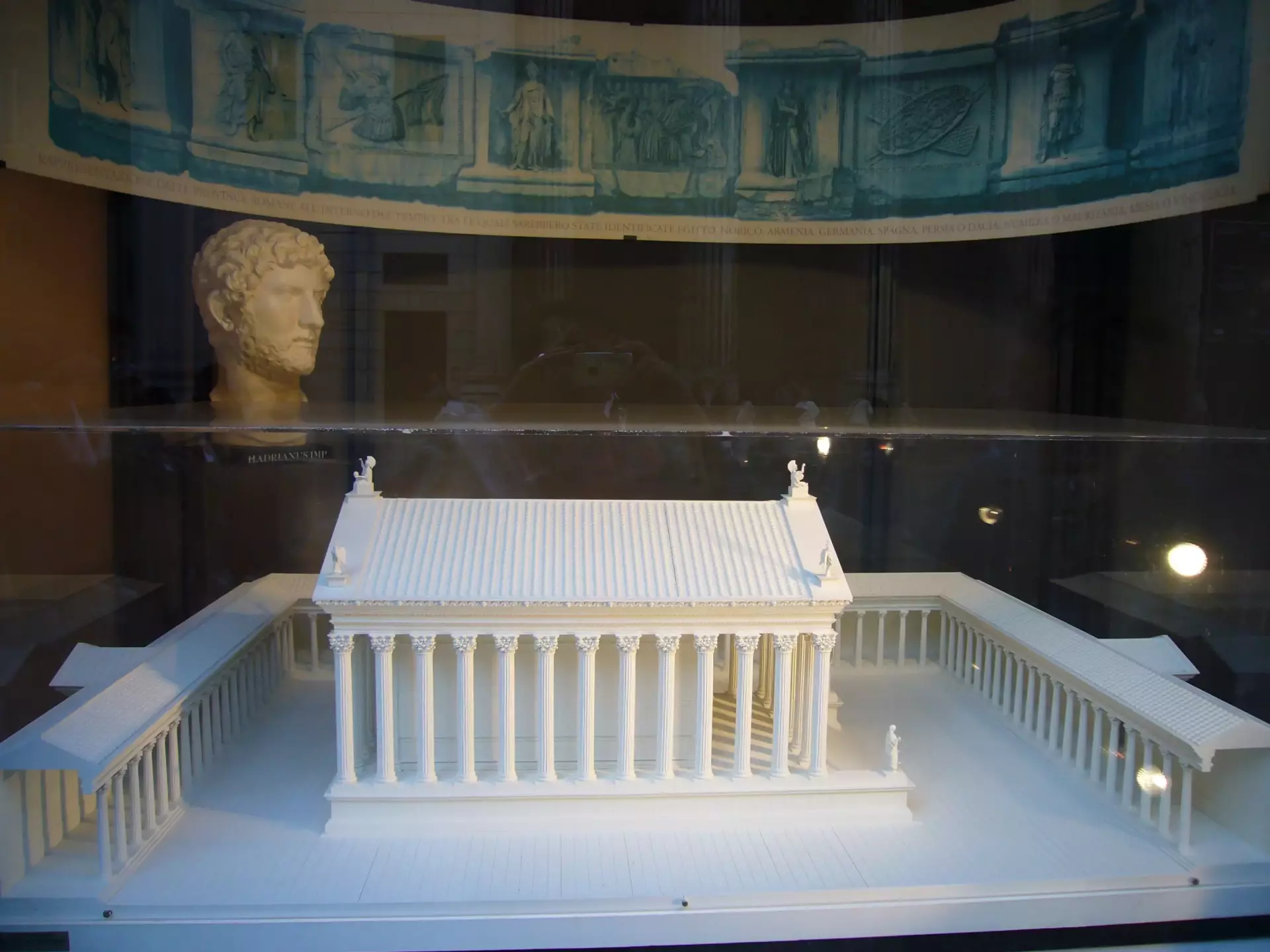
Rome, Hadrian's Temple in Piazza di Pietra: maquette.
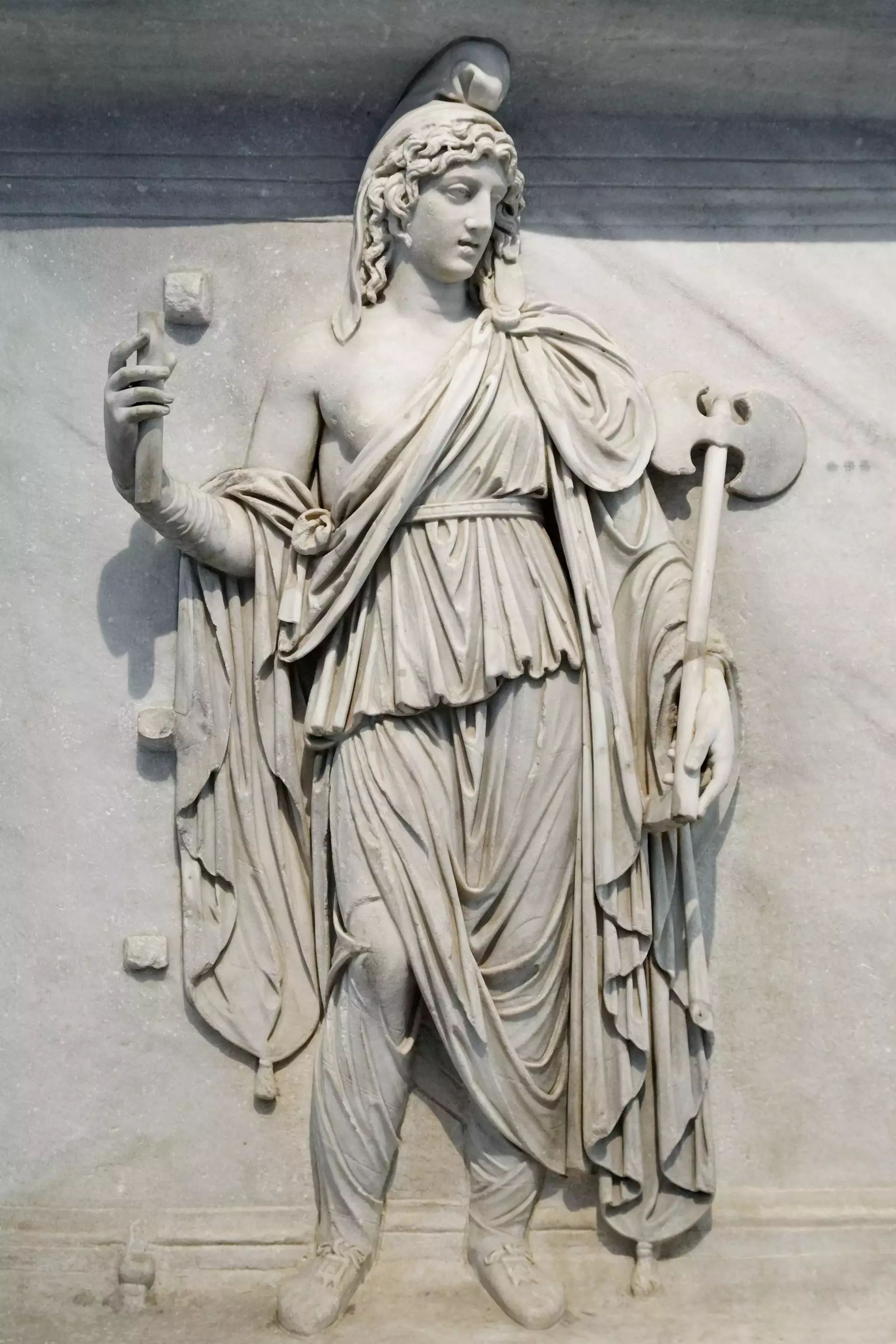
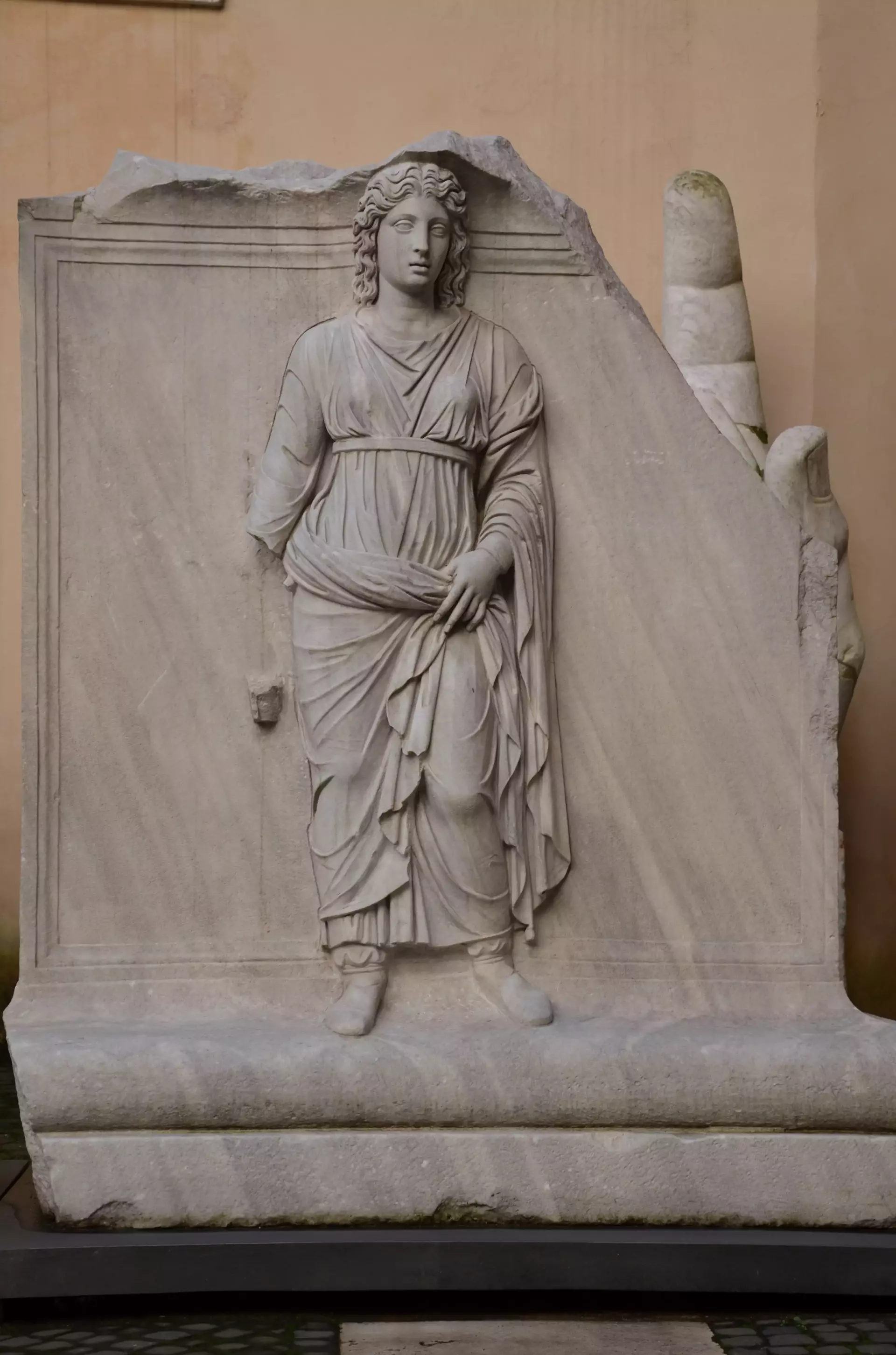
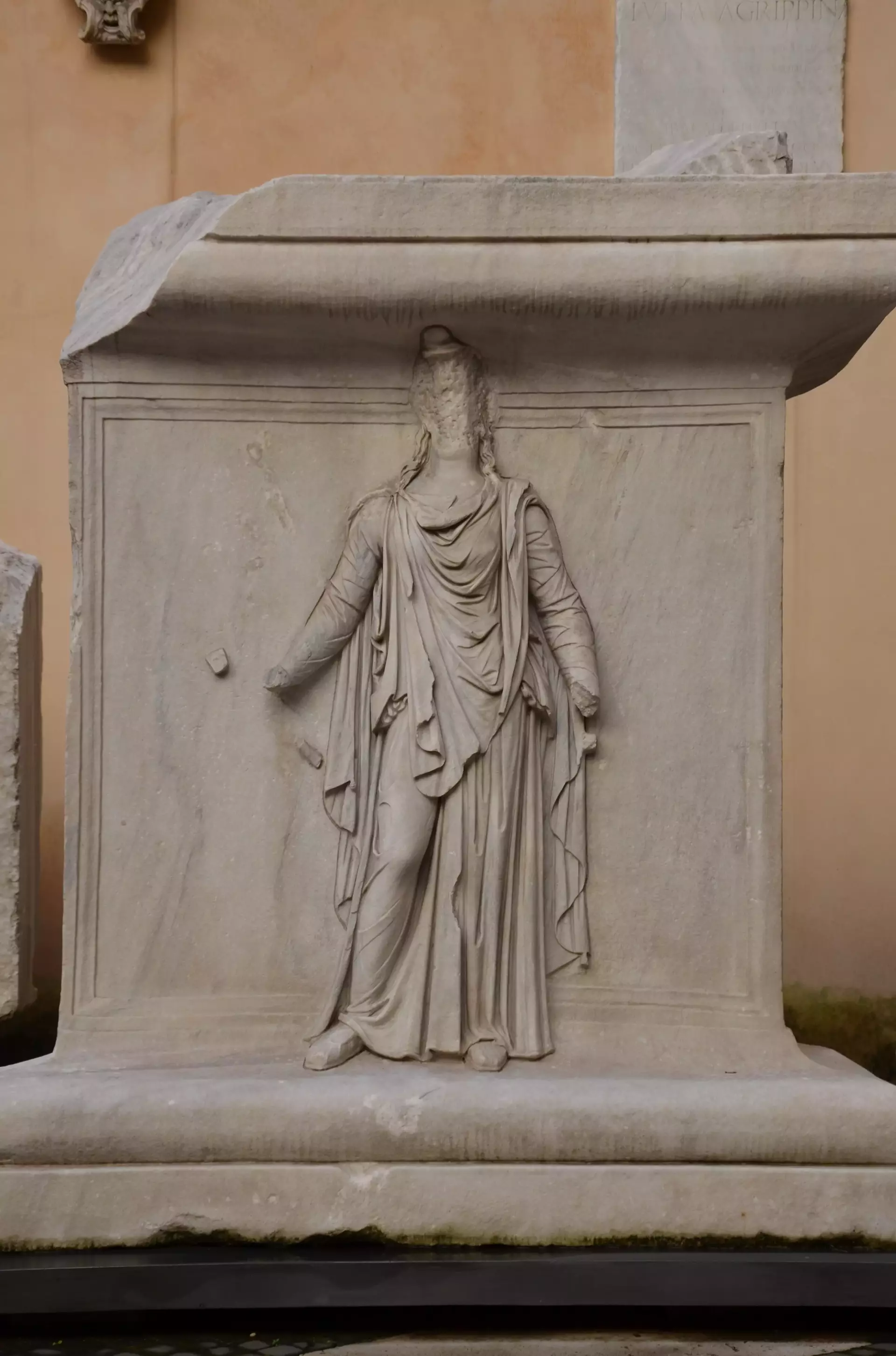
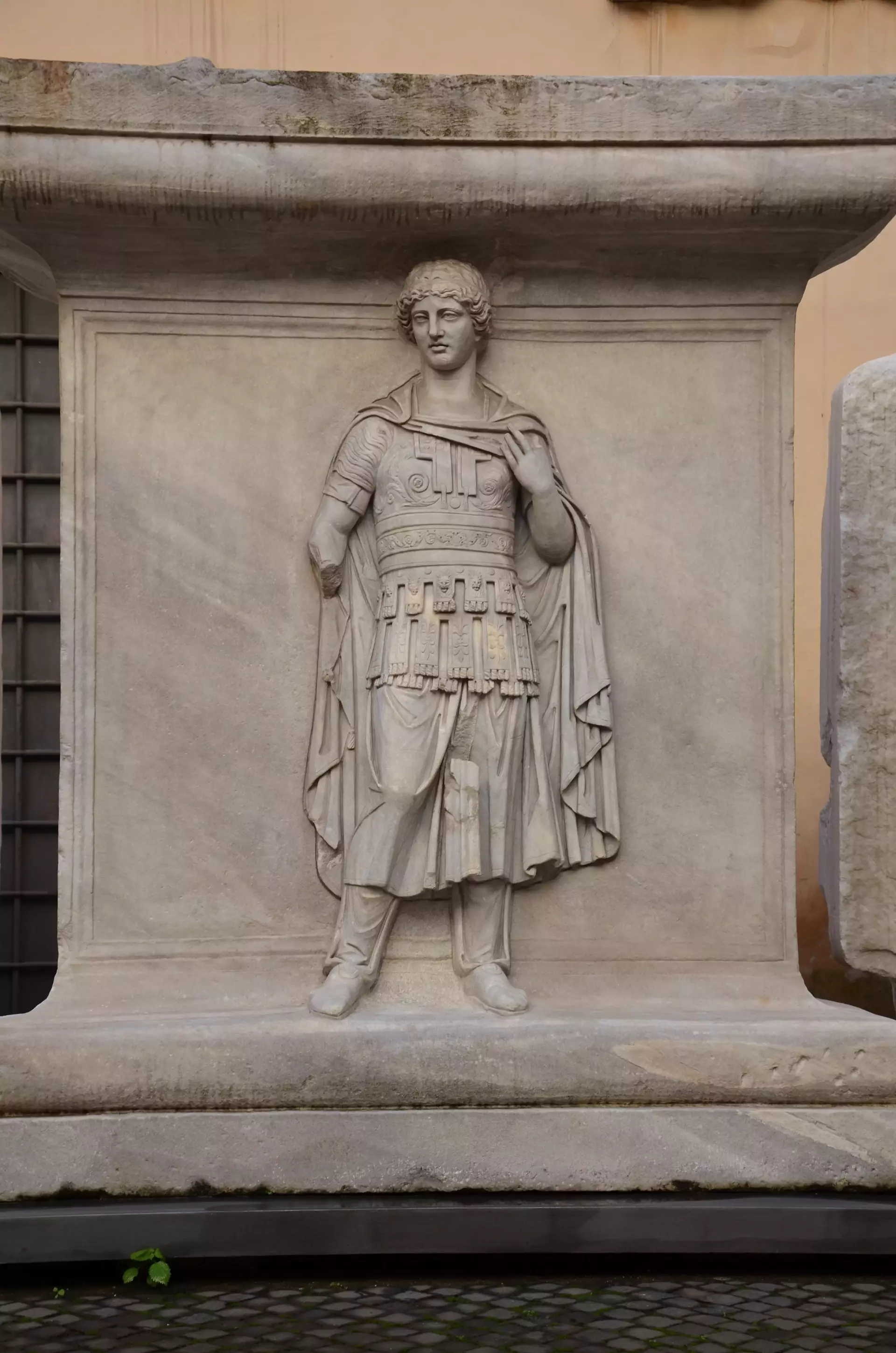
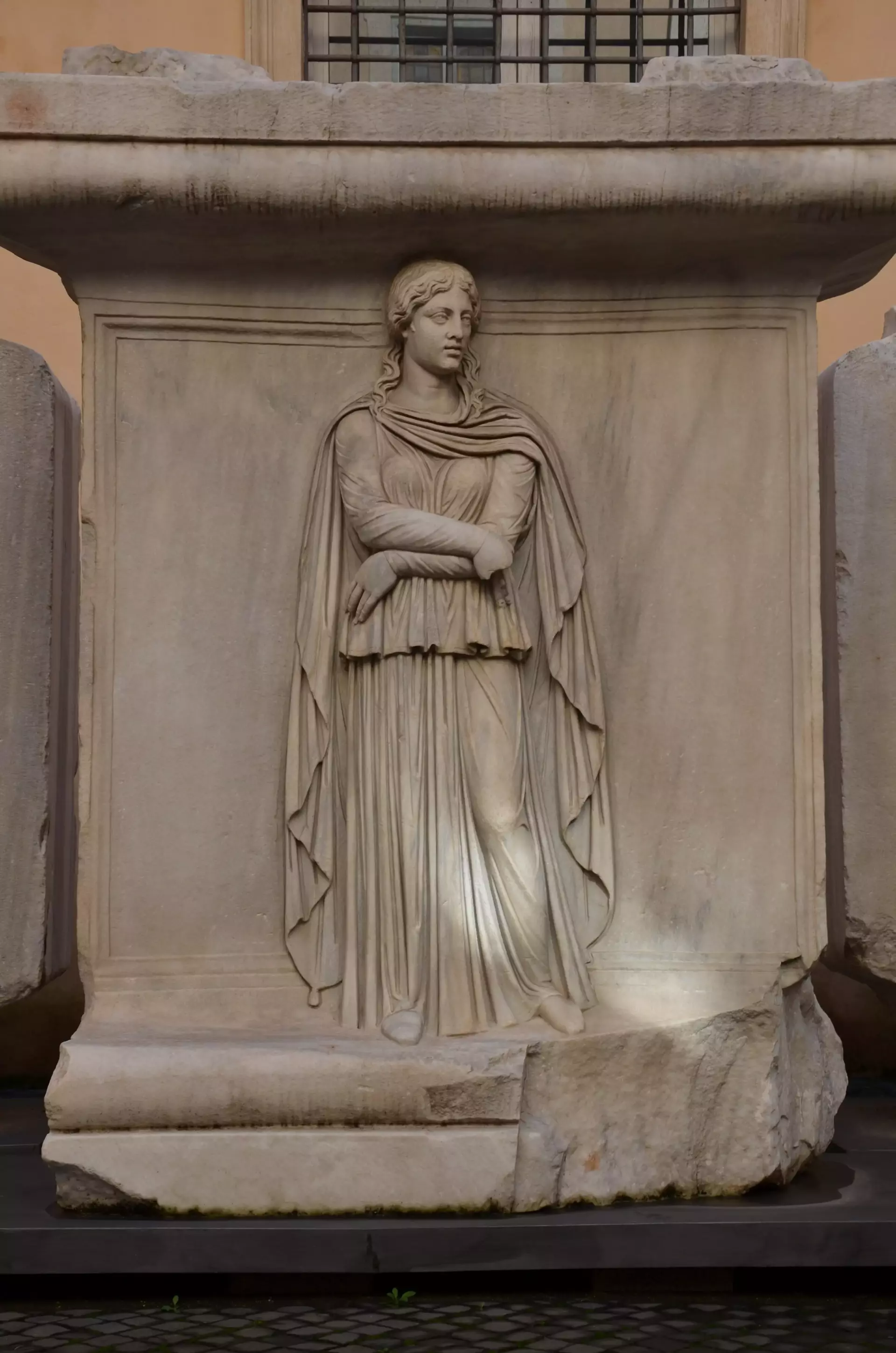
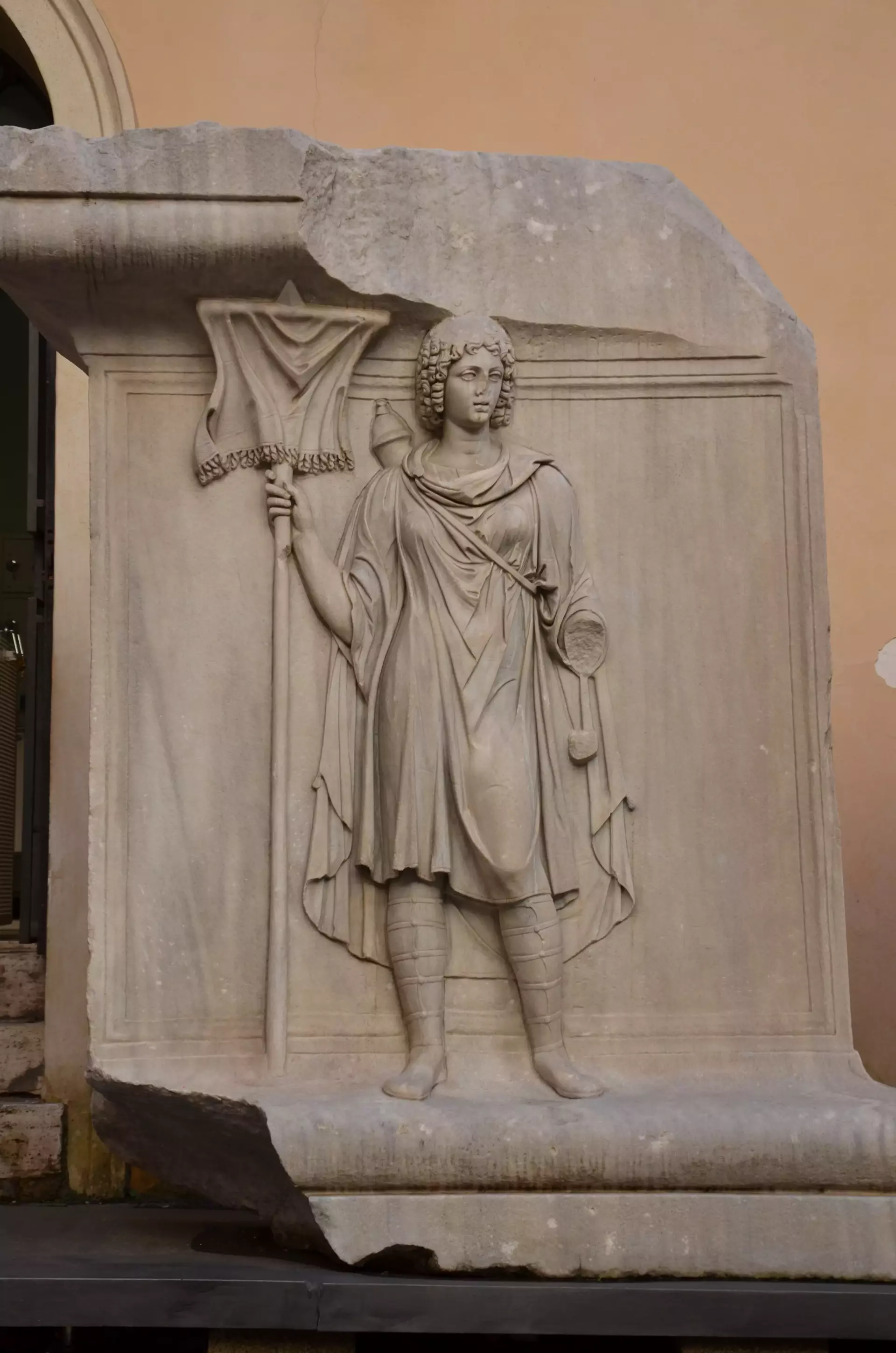
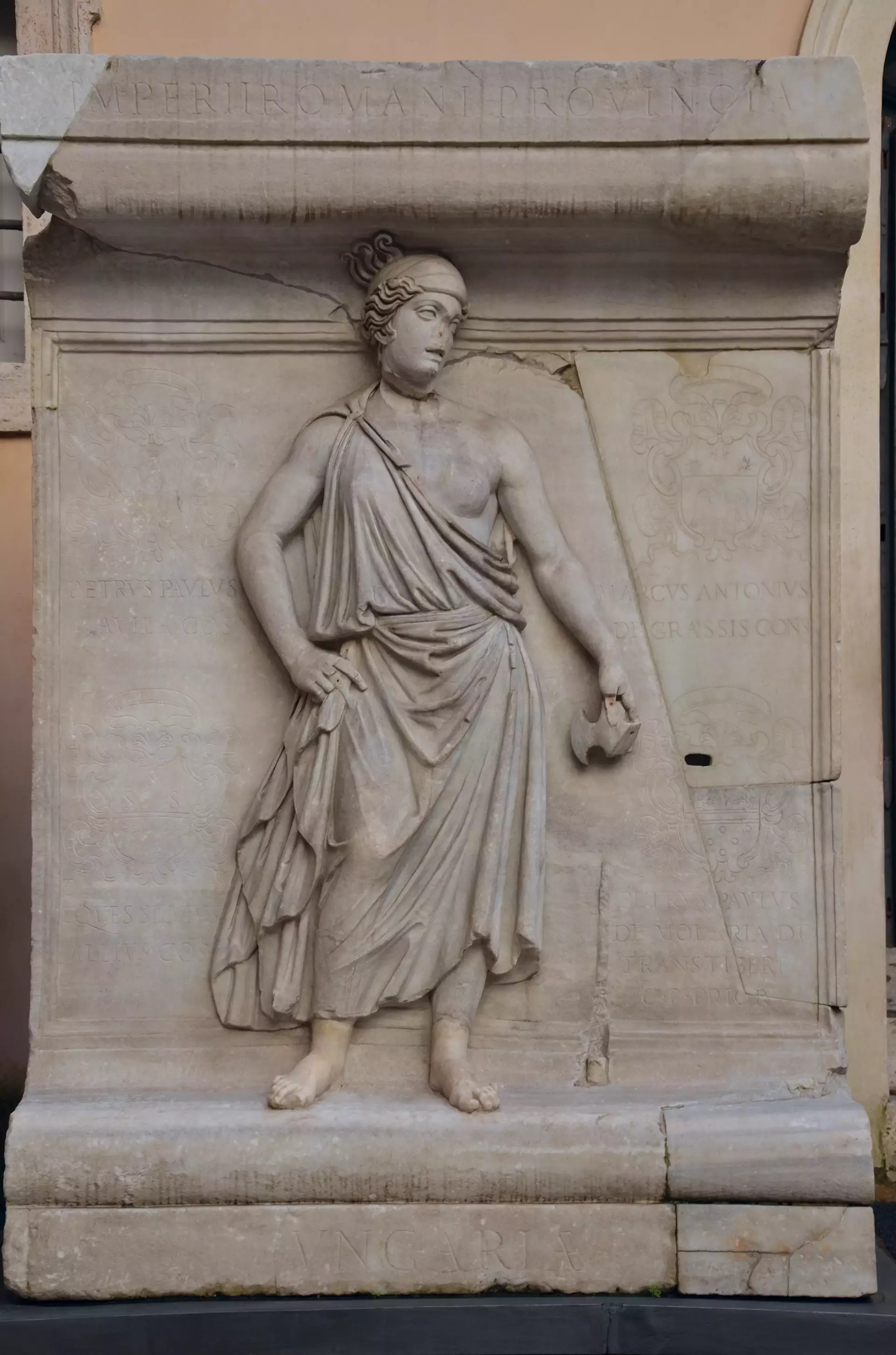
Bithynia, one of the representations of Roman provinces (Phrygia or Bithynia) from the Hadrianeum, a temple to the deified Hadrian erected by Antoninus Pius in 145.
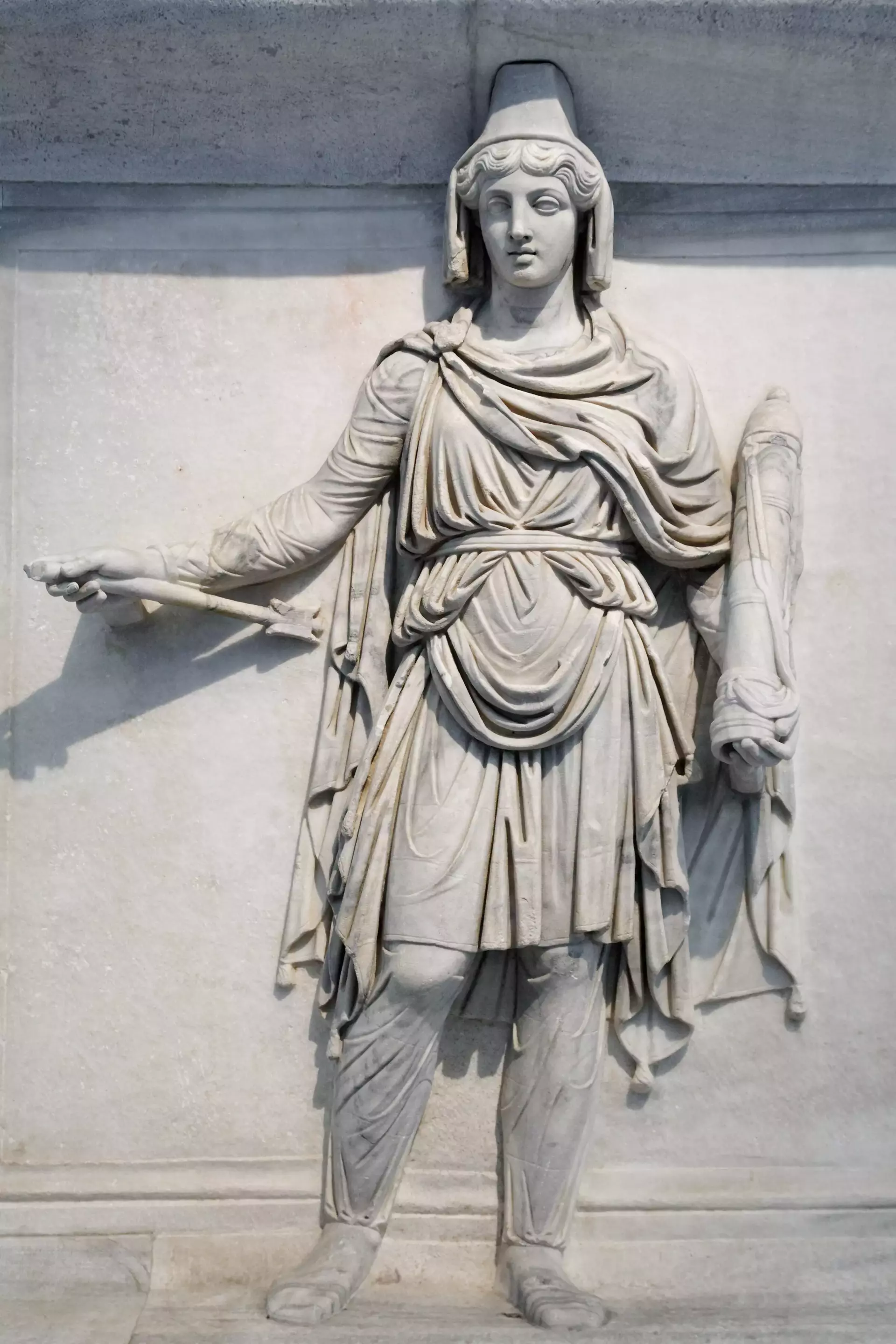
Armenia, one of the representations of Roman provinces (Parthia or Armenia) from the Hadrianeum, a temple to the deified Hadrian erected by Antoninus Pius in 145.
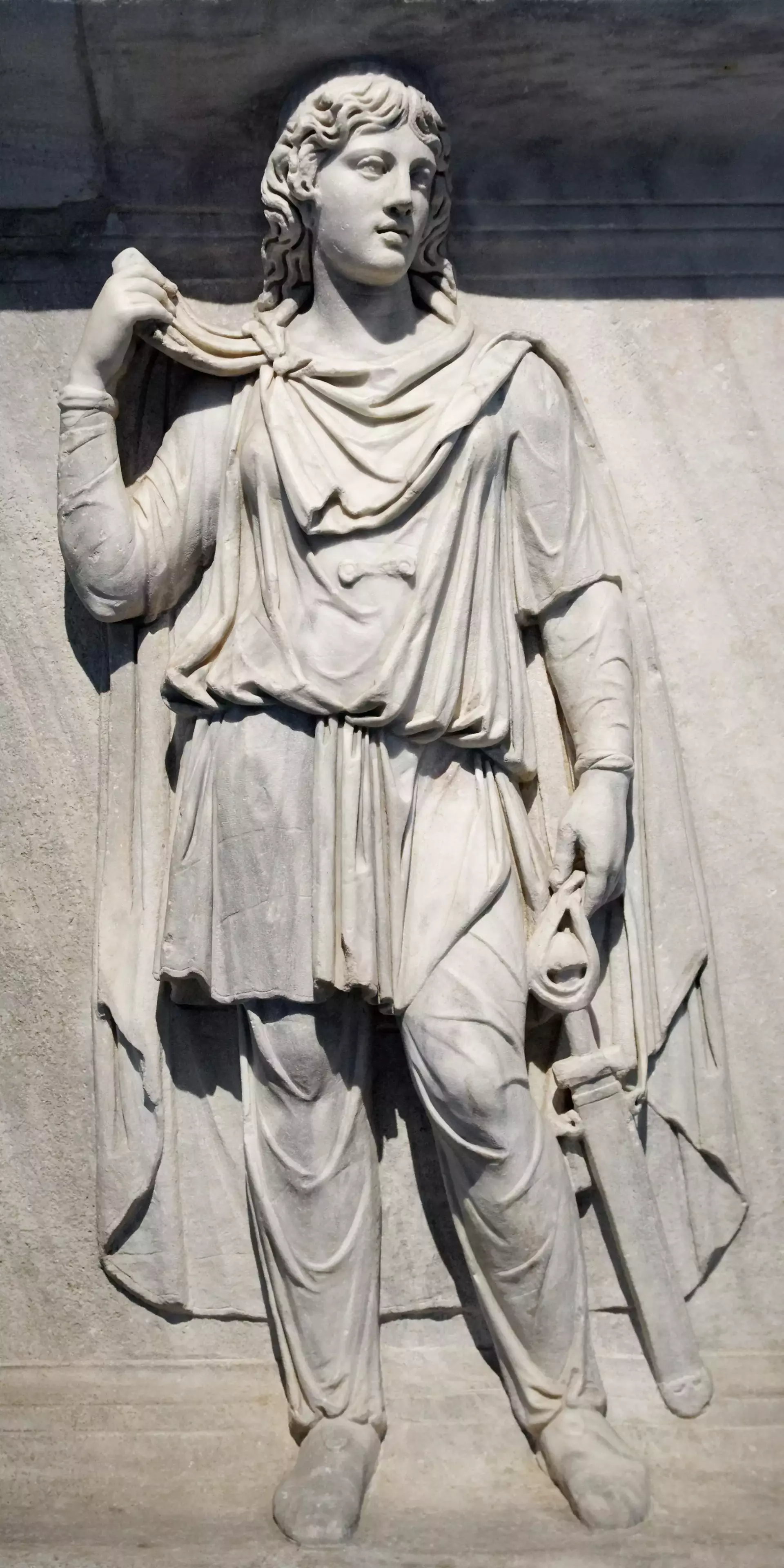
Representations of one of the Roman provinces, perhaps Scythia or Noricum, from the Hadrianeum, a temple to the deified Hadrian erected by Antoninus Pius in 145.
Marble bust of a young man with short hair, probably dating from the 2nd century AD. The bust is slightly turned to the right, and the facial features are finely carved, with a calm, neutral expression. The figure wears a simple draped garment.
Portrait of a young woman with a veil, wearing a tunic and mantle. The hairstyle is characterized by a central parting, with hair drawn back into a bun at the nape. The work is a Roman copy from the Antonine period, inspired by a Greek original from the 4th century BC.
Statue of Dionysus with a panther. Roman copy from the 2nd century AD of a Greek original from the 4th century BC. The head is ancient but not pertinent. The left arm and part of the right arm, as well as the lower part of the panther, are modern integrations.
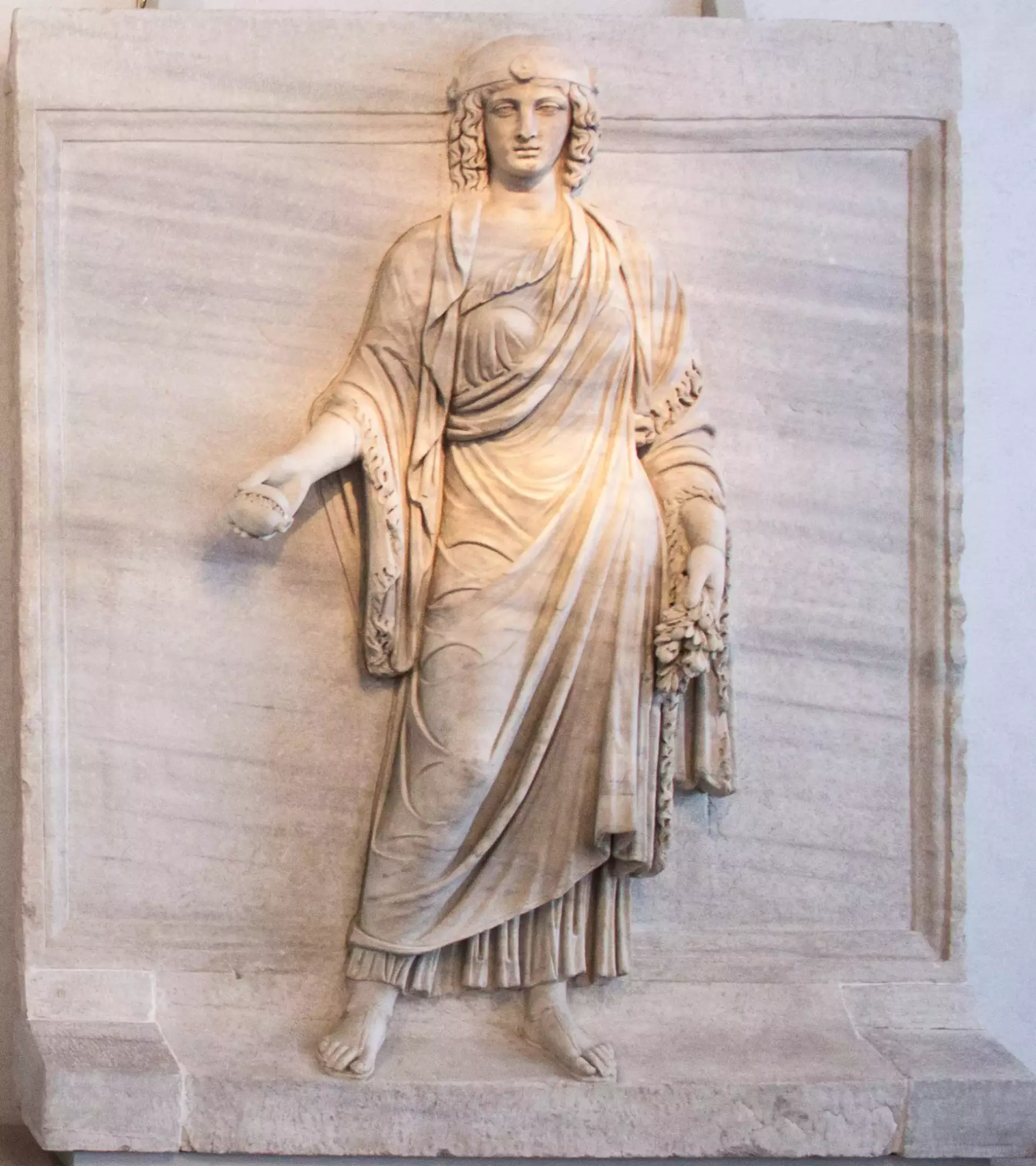
Representation of one of the Roman provinces, perhaps Moesia, relief from the Hadrianeum, a temple of the deified Hadrian in the Campus Martius, dedicated by Antoninus Pius in 145 AD, Naples National Archaeological Museum.
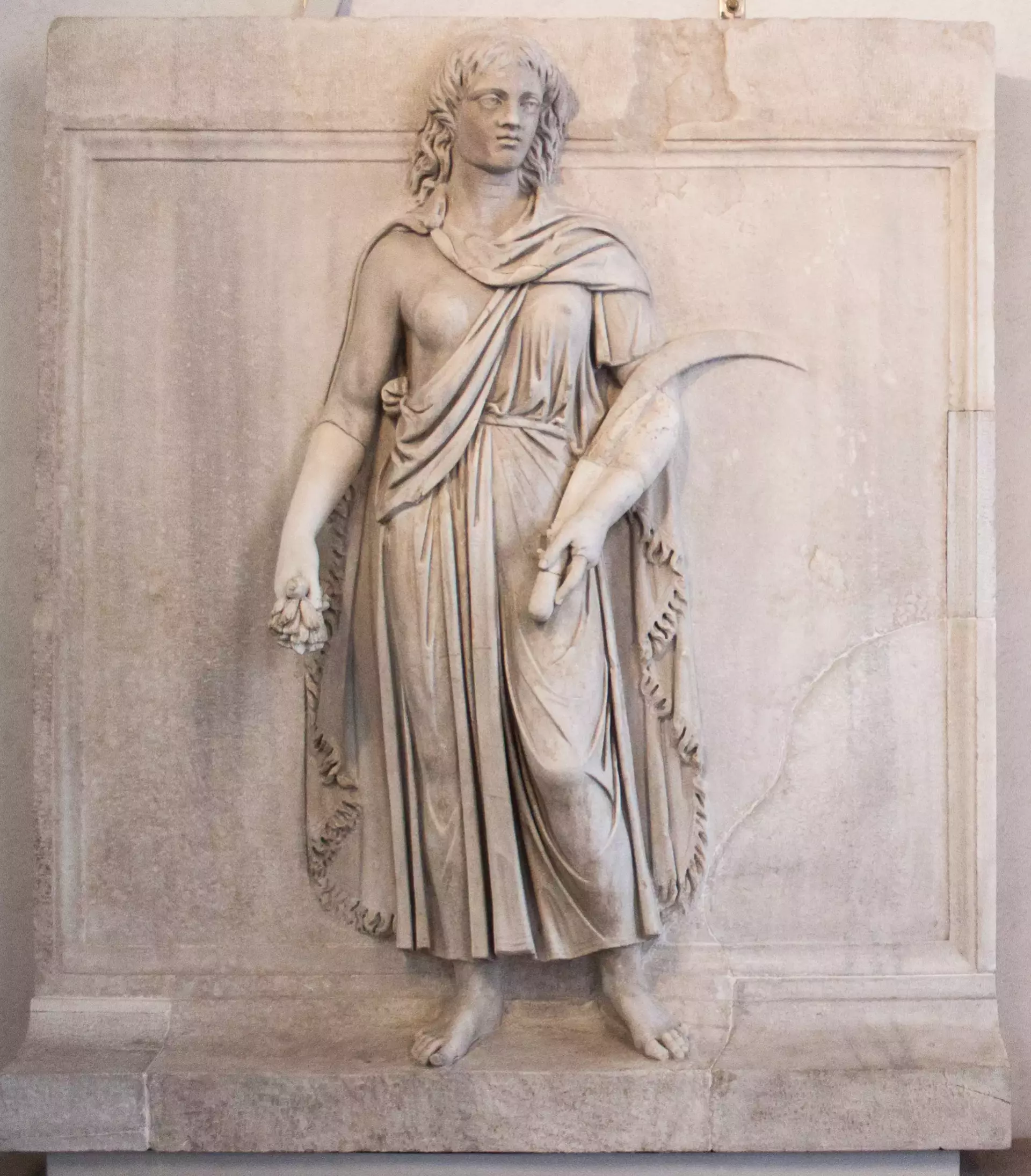
Representation of one of the Roman provinces, perhaps Mauretania, relief from the Hadrianeum, a temple of the deified Hadrian in the Campus Martius, dedicated by Antoninus Pius in 145 AD, now in the Naples National Archaeological Museum.
Palazzo dei Conservatori - Capitoline Museums - Rome
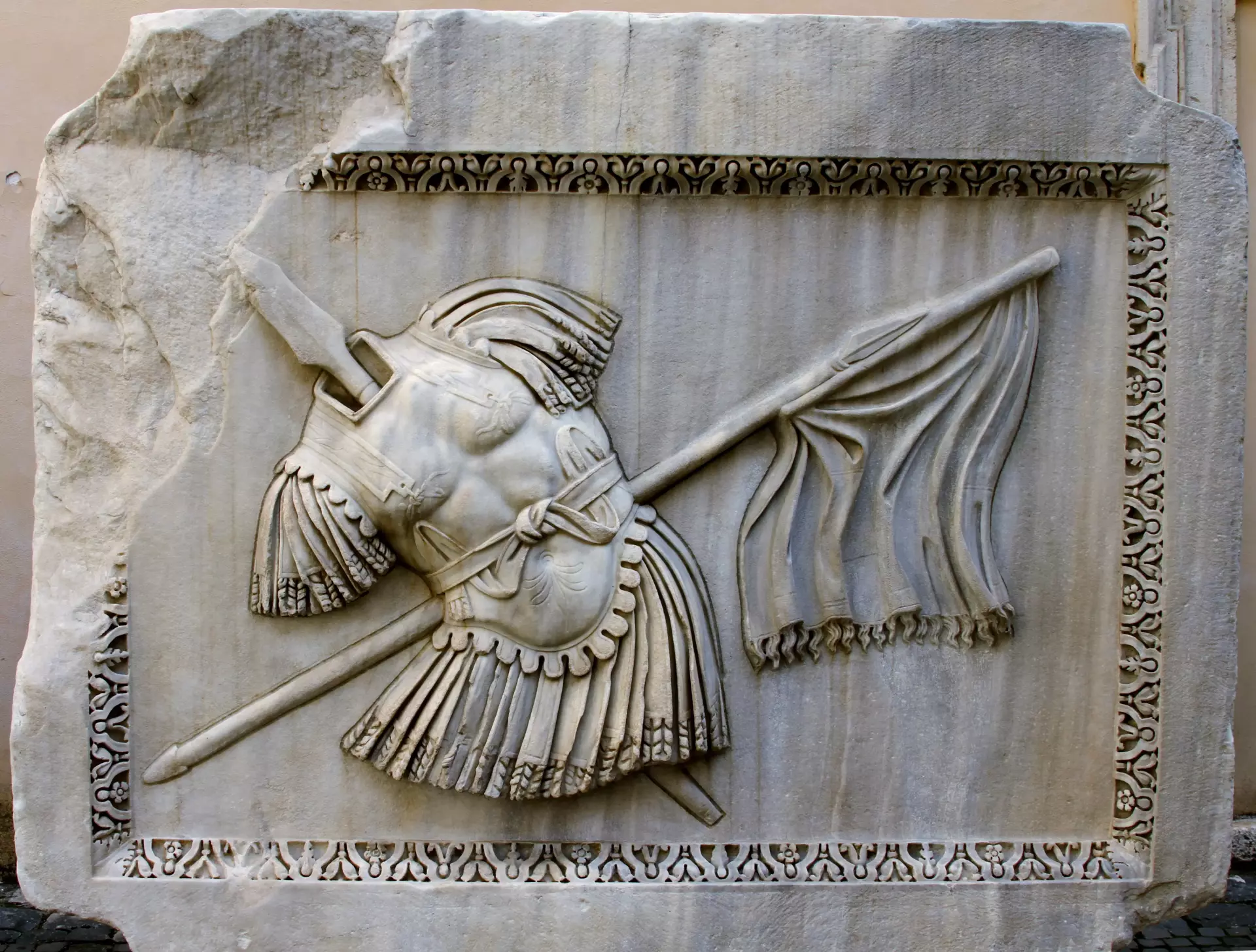
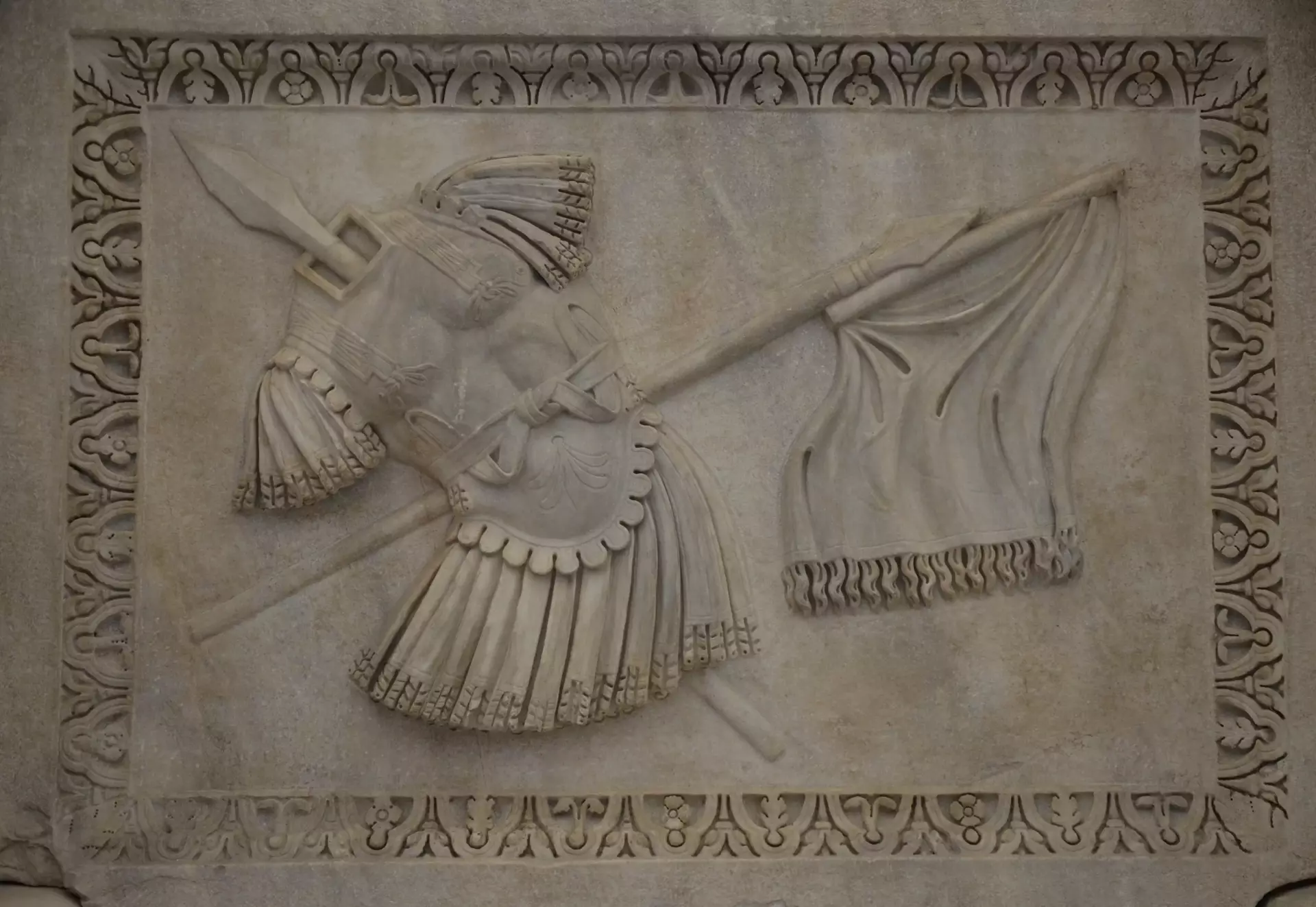
Trophy relief from the Hadrianeum, a temple of the deified Hadrian in the Campus Martius erected by Antoninus Pius in 145 AD, Naples National Archaeological Museum.
Marble statue of Artemis, missing the head, arms and left leg. The goddess, dressed in a short chiton, is stepping forward with her right leg. The right arm was probably extended forward, while the left was bent and raised. The statue is a Roman copy of a Greek original from the late 4th century BC.
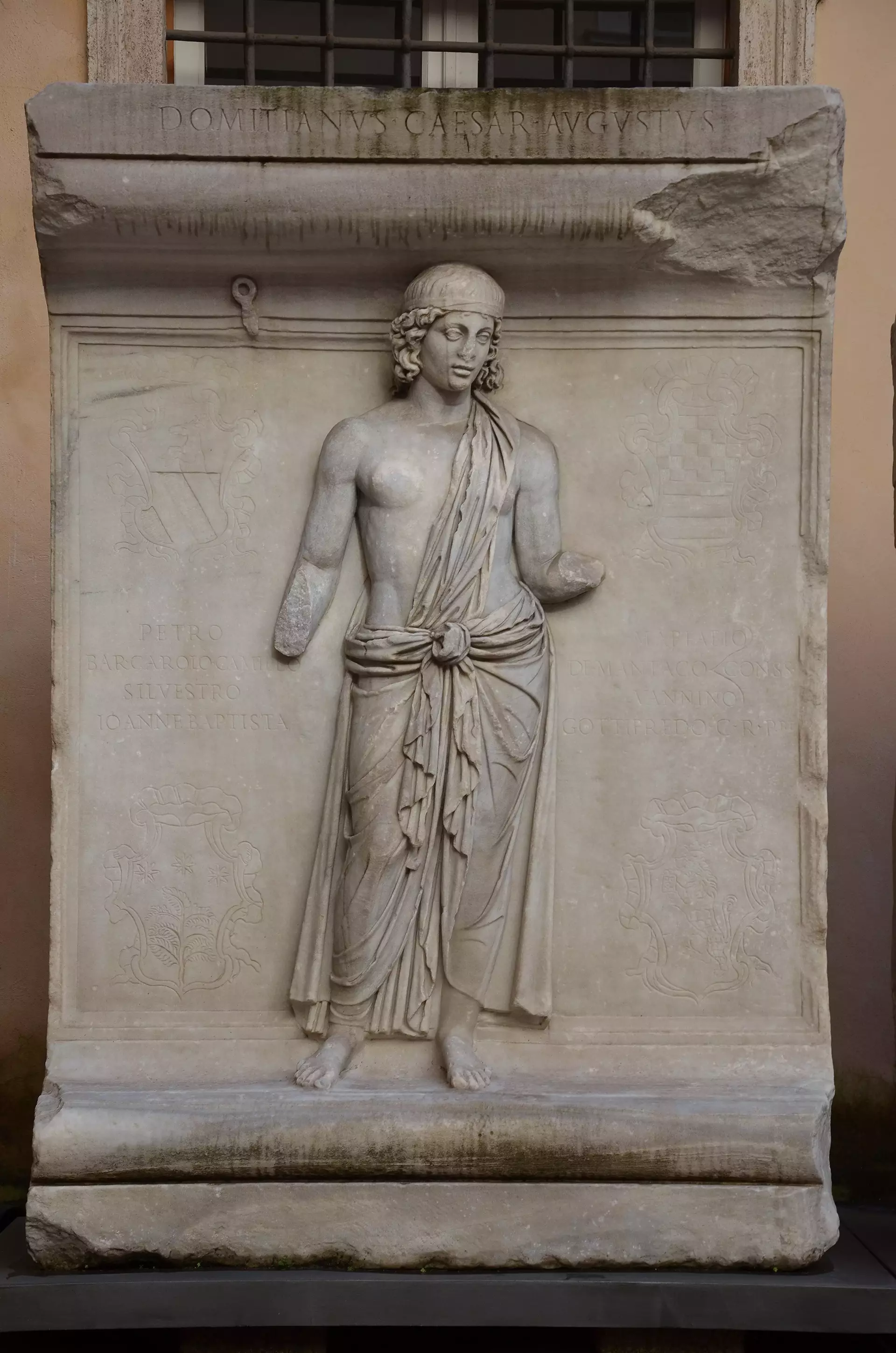
Roman statue representing a young man, wearing a chiton and a himation. The right arm, now missing, was probably raised. The statue is dated to the 2nd century AD.

Temple of Hadrian

Rome, Italy

The Temple of the Emperor Hadrian was officially dedicated in 145 AD by Emperor Antoninus Pius. This ancient structure once stood as a monument to Hadrian, reflecting the grandeur of Roman architecture and the reverence of the era.

Transformation Through the Centuries

Centuries later, the old temple’s remains found new life as part of a larger, more modern building project. The stone columns and impressive walls were incorporated into construction that would serve a different purpose. By 1690, the building was completed and used as the Papal Customs House, a place where trade and taxes were managed in the city.

A Modern Role in the City

Today, the building that once housed the customs office has taken on yet another identity. It now serves as the home of the Stock Exchange (Borsa), connecting the site’s ancient origins to the city’s active financial life. The historical layers of the temple can still be seen within the walls, offering a unique blend of past and present in the heart of Rome.

Source - https://en.wikipedia.org/wiki/Temple_of_Hadrian

Developed by Reflex.com.ua
Contacts
  • info@reflex.com.ua
Social media